Posted on

Abstract Wall Art for an Open-Plan Room: Let Buildings and Boats Define a Zone

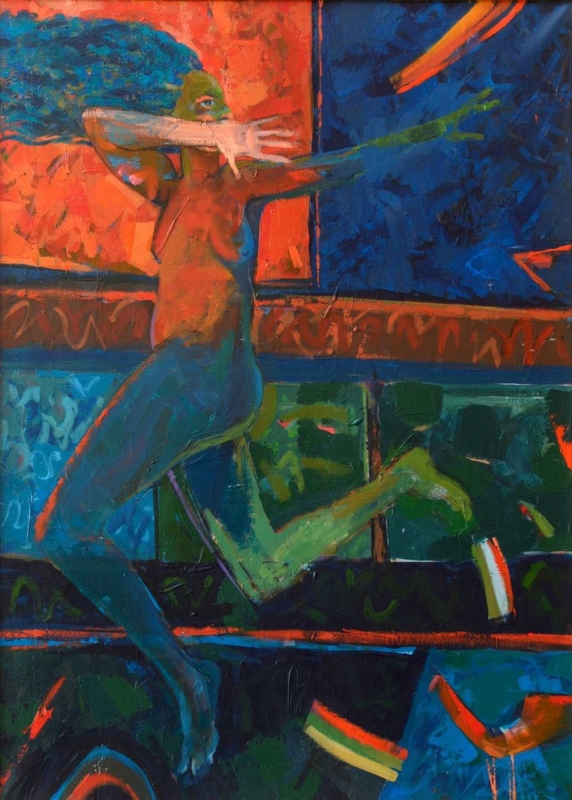
Buildings and Boats" is a vibrant painting depicting a small harbor with colorful boats on blue-green water, white buildings with red roofs, and dynamic swirling brush strokes in the sky and landscape.

abstract wall art can define a functional zone without building a divider, especially when the image offers enough structure to connect furniture across a broad shared space. Buildings and Boats gives the decision a specific image, palette and finished product.

Use abstract wall art to anchor one open-plan activity

Seating zone

Centre the complete frame on the sofa or conversation group, not on the entire wall. Let the image mark where people gather.

Dining zone

Check the work from seated eye level and beyond the table. Keep pendants from reflecting across its busiest marks.

Transition zone

Use a clear side wall to slow movement between kitchen and living areas without obstructing the route.

Buildings and Boats suggests recognisable harbour forms while retaining Fiona Matheson’s expressive, materials-led surface. That balance is useful in an open-plan room. The eye can find architecture and vessels, yet the picture does not impose a literal decorating theme on kitchen, dining and seating areas.

Map the long views before choosing the wall

Stand at the entrance, kitchen work area and furthest seat. The picture should identify its zone from at least two of those positions. If it disappears behind a pendant or tall chair, adjust the location before increasing the size.

  • Align the frame with the furniture group it belongs to.
  • Repeat one colour in a rug or chair, not throughout the room.
  • Keep another feature wall out of the same long sightline.
  • Use clear floor routes to reinforce the visual zoning.
  • Judge the full framed outline with a paper template.

One strong framed anchor can define a zone more calmly than several decorative objects trying to announce it.

Give abstract wall art enough definition across a shared space

Expressive colour, texture and implied forms need controlled reproduction when viewed from both near and far. Colour-managed Giclée production protects those relationships. A bespoke frame made in-house turns the limited-edition print into one clear architectural anchor for the open-plan scheme.

For a concise explanation of how abstraction can depart from direct visual reality, read Tate’s introduction to abstract art. Browse the Fiona Matheson collection, or inspect the exact product and framing choices.

Abstract wall art can organise an open-plan room without closing it down. Buildings and Boats supplies texture and a loose harbour structure; furniture alignment and a disciplined sightline give it a clear job.

Posted on

Abstract Wall Art for a Shallow Alcove: Why The Gloaming Fits

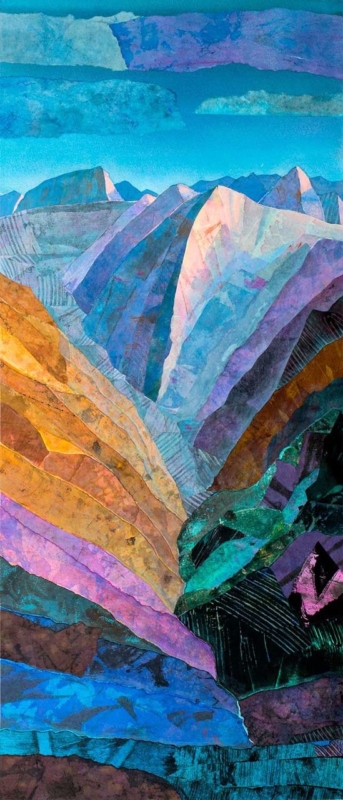
Abstract wall art can give a shallow alcove more depth without filling it with ornaments that collect dust and reduce usable space. The Gloaming by Emily Little is available in unusually slim vertical proportions. Its evening mood can make a narrow recess feel deliberate and quietly atmospheric.

Size abstract wall art to the alcove’s internal rhythm

Measure the opening at several heights because older alcoves are rarely perfectly square. Allow a clear margin on both sides of the finished frame. The 120 × 280 mm print can suit a very narrow recess, while the 240 × 560 mm option gives more presence where the wall allows it.

  • Keep the sill or shelf beneath it mostly clear.
  • Use one soft light source from outside the recess.
  • Avoid glazing reflections from a window directly opposite.
  • Choose the frame only after checking the surrounding trim and wall colour.

An alcove already creates a frame within the architecture, so the artwork needs space inside it.

A dusk-like palette can add visual depth to a pale wall. On a darker wall, a clear mount or lighter frame edge may stop the image disappearing. The aim is a measured pause, not a shadow box packed with accessories.

Keep subtle evening colour from closing in

Semi-abstract work depends on small transitions between colour, memory, and suggested form. Colour-managed Giclée production keeps those relationships nuanced rather than muddy. Precise in-house framing helps the slender composition remain straight and visually calm within an architectural recess.

For a concise explanation of the wider art form, read Tate’s guide to abstract art. Browse more work by Emily Little, or view the exact The Gloaming framed print.

As abstract wall art for an awkward alcove, The Gloaming uses proportion and atmosphere to add depth while leaving the space itself clean and purposeful.

Posted on

Abstract Wall Art Can Give an Open-Plan Room a Visual Pause

Well-placed abstract wall art can organise an open-plan room without adding a screen or changing the layout. Echo of the Unseen can mark a reading chair, dining area, or quiet end of a larger living space through colour and form. The artwork becomes a visual pause between activities.

Use abstract wall art to define one zone

Begin with function. Decide which part of the room needs identity, then centre the work on that furniture group rather than on the entire wall. This small change can make a dining table or reading chair feel intentional, even when it shares one uninterrupted space with the kitchen and sitting area.

  1. Choose the zone that currently feels least anchored.
  2. Repeat one colour from the artwork within that area only.
  3. Use the frame edge to give the composition a clear boundary.
  4. Leave enough wall around the piece to create a pause.

Echo of the Unseen has a portrait-oriented format, which can add height above a compact console or beside a lower chair. Avoid scattering several equally assertive objects around it. One lamp, textile, or ceramic note is often enough to connect the art to its zone.

First 4 Frames produces the Giclée print and bespoke frame in-house at its Falkirk workshop. Colour-managed production preserves the intended relationships between colours, while hand-finished framing helps the work create a precise edge in a visually busy room.

Read Tate’s introduction to abstract art for wider context. Then discover the work of Fred Carson or look at Echo of the Unseen itself.

As abstract wall art for open-plan living, Echo of the Unseen can create definition and breathing room without sacrificing flow.

Posted on

Why Oyster Is Such a Calm, Confident Choice for Abstract Wall Art

Not all abstract wall art needs to shout for attention. Some of the most effective pieces are the ones that bring structure, contrast, and atmosphere while still leaving the room feeling settled. Oyster does exactly that with a quieter black and white composition that feels modern without becoming cold.

Why abstract work can steady a cleaner interior

In a pared-back room, representational art is not always the best answer. Sometimes the space needs something more about rhythm, line, and contrast. Oyster works especially well because it gives the eye something precise to rest on while keeping the overall atmosphere uncluttered.

  • It suits modern rooms where too much colour would feel disruptive.
  • It adds definition without making the space feel busy.
  • It gives a cleaner scheme a more considered focal point.

This kind of piece can be especially effective with black accents, lighter neutrals, glass, or simpler furniture where the room benefits from one sharper visual note. The abstract quality keeps it versatile, while the contrast gives it presence.

Why presentation matters with quieter artwork

First 4 Frames completes each piece in-house in Falkirk with bespoke framing, colour-managed Giclee printing, and hand-finished craftsmanship. That superior finish is important here because quieter artwork depends on precision. The framing needs to feel deliberate for the image to keep its confidence.

You can explore more from Noel Fenech Photography and see the exact framed print here.

If you want abstract wall art that feels measured, elegant, and easy to live with, Oyster is a very strong option.