
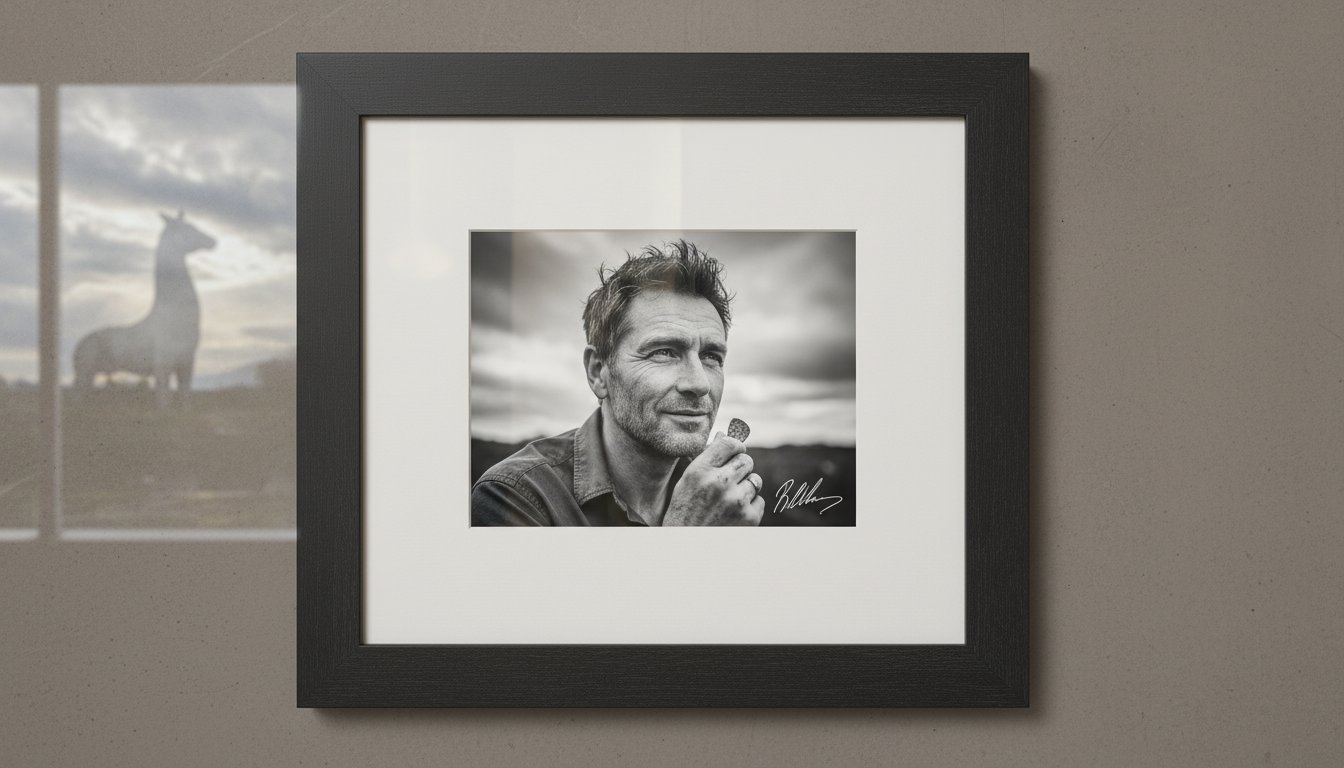
Last October, a visitor to our First4frames gallery shared their regret after a signed print by one of our featured artists began to yellow in a cheap, store-bought frame. It’s a heartbreaking discovery that many UK enthusiasts face when they realise standard frames provide almost no protection against light and acidity. You likely feel a mix of anxiety about using the wrong materials and genuine confusion over whether UV glass is truly worth the investment. We believe that framing a signed photograph should be an inspiring journey of artistic discovery, not a source of worry for your collection.
In this guide, you’ll discover how to protect and showcase your autographed memories using professional archival techniques and our bespoke framing options. Drawing on over twenty years of expert craftsmanship, we’ll explain the essential role of acid-free mounts and high-grade glazing in long-term preservation. You’ll learn how to create a spectacular display that matches your home décor while gaining the peace of mind that your item is safe for decades. We’ll walk you through the specific materials our trusted professionals use to ensure your frame acts as the perfect bridge between your room and your history.
Key Takeaways
- Understand why standard off-the-shelf frames often cause permanent damage to ink and how archival-grade materials act as a safeguard for your memories.
- Discover the “Golden Rule” of professional preservation that ensures your most valuable signatures remain untouched and completely unmarked for decades.
- Learn how to choose the perfect mount and frame colours to complement specific ink types, creating a beautiful, professional gallery aesthetic.
- Explore our expert process for framing a signed photograph, from taking precise measurements to selecting premium, chemically stable materials.
- See why collectors across the UK trust First4Frames Gallery’s bespoke craftsmanship and highly-rated service to protect their most cherished autographed pieces.
Why signed photographs require more than a standard frame
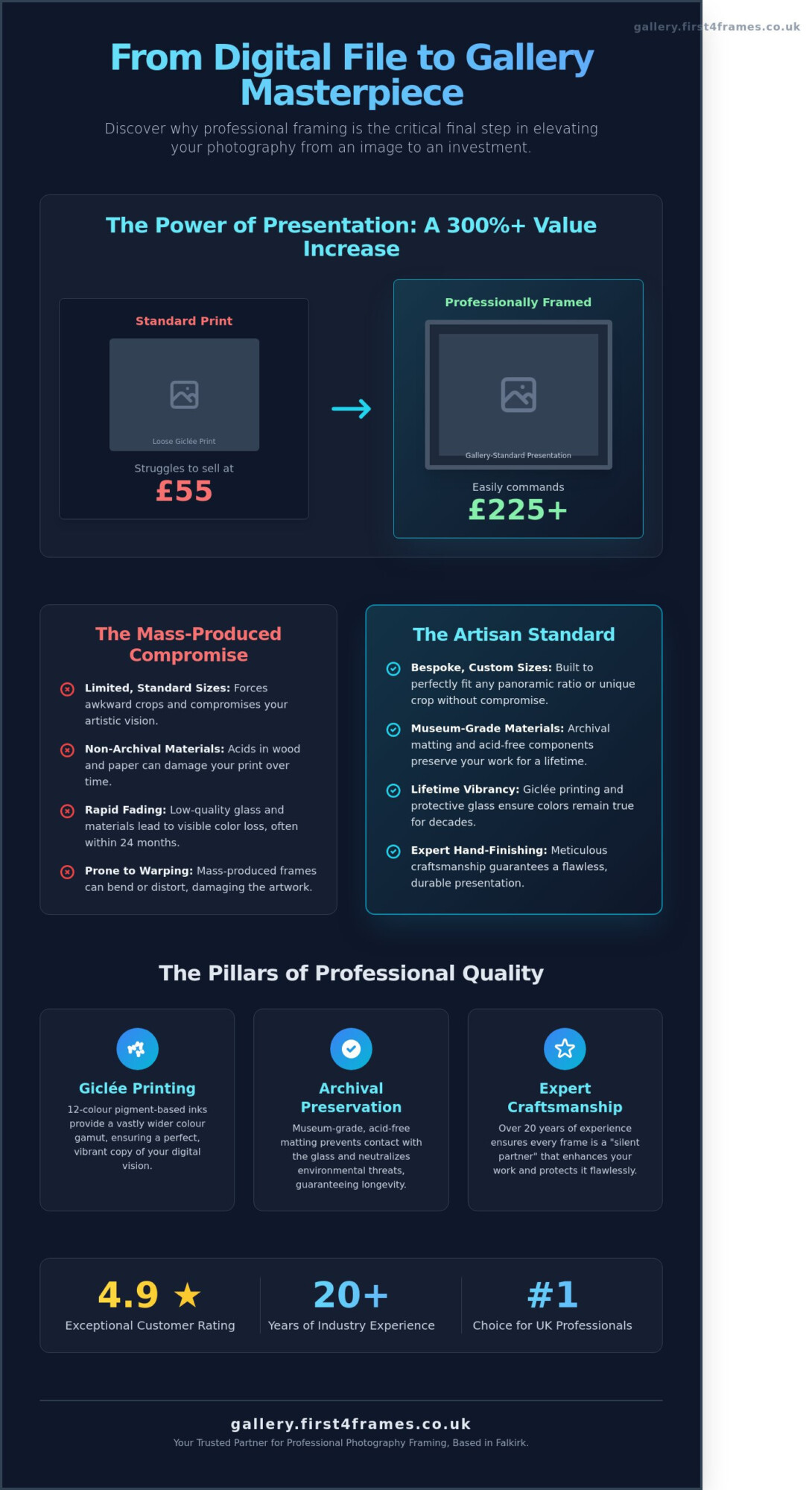
A signed photograph is more than just a piece of paper; it’s a tangible connection to a moment, an artist, or a hero. Whether you’ve collected a piece from our First4frames gallery or have a personal heirloom, the ink on that photo is incredibly fragile. Unlike the stable pigments used in modern Giclée prints, autograph inks often sit on the surface of the paper. They’re prone to fading, smudging, and chemical reactions. Choosing professional framing over a cheap, mass-produced alternative is the only way to ensure your investment doesn’t vanish. When you’re framing a signed photograph, you’re fighting a battle against time and chemistry.
To better understand the care required for these special items, watch this helpful video:

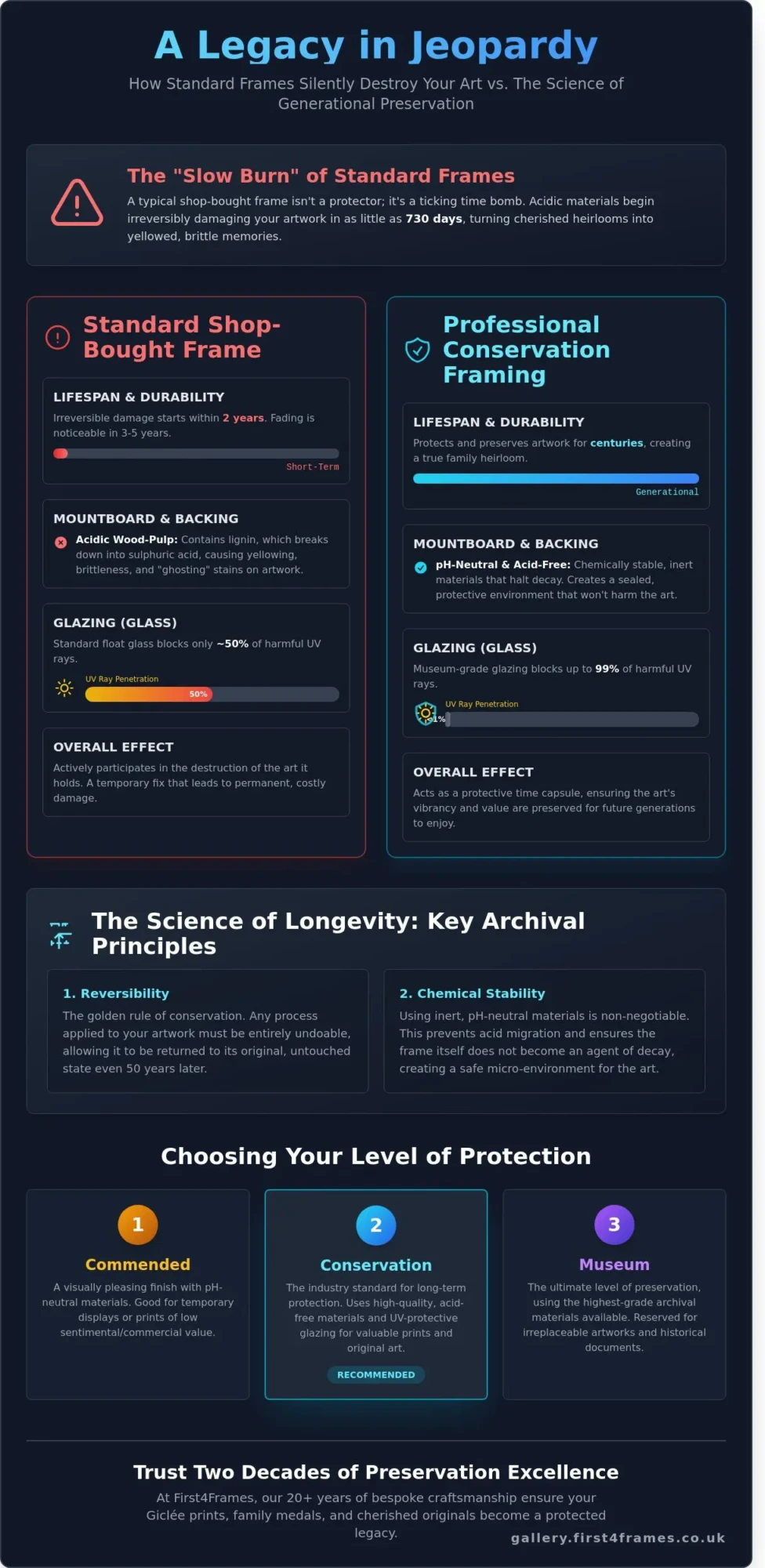
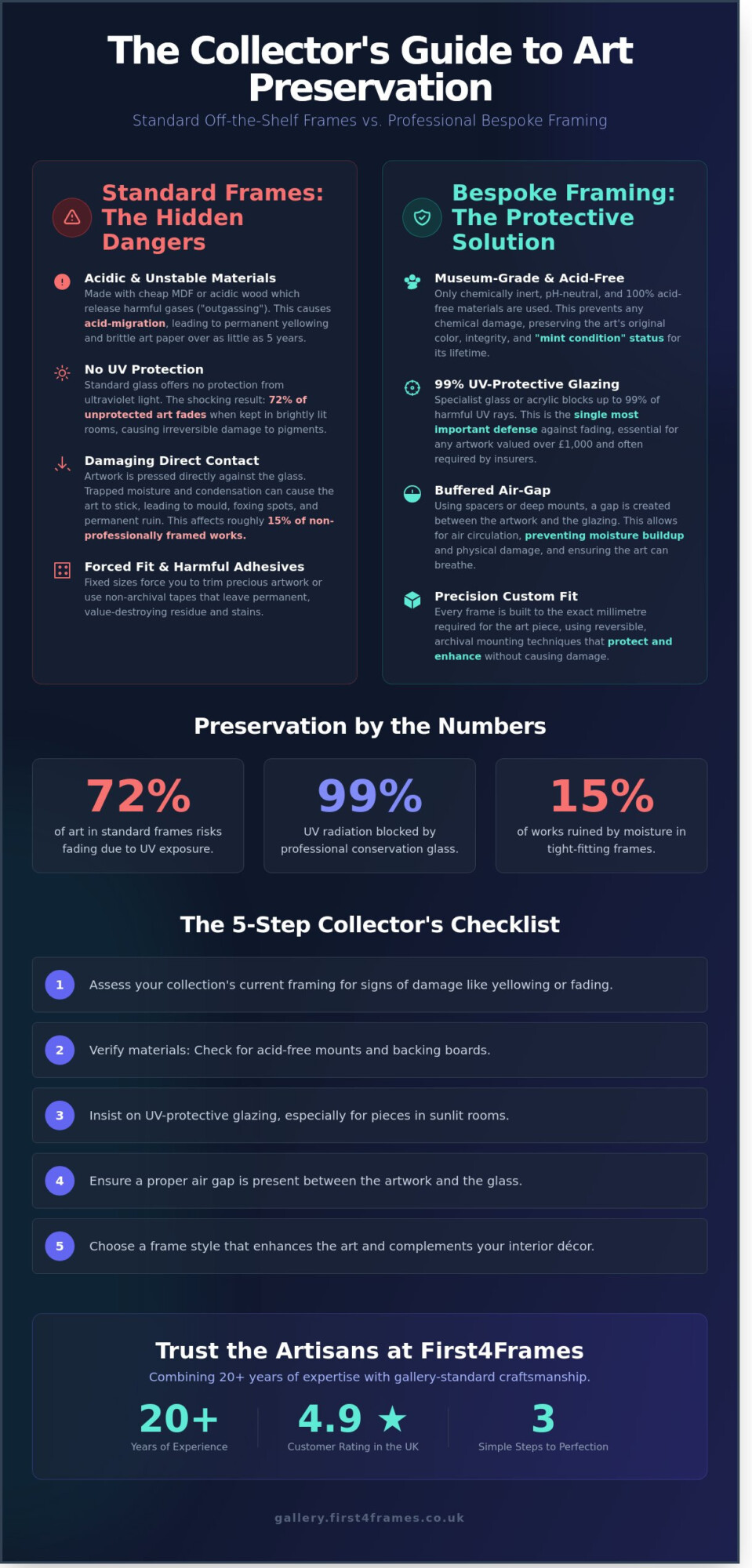
At First 4 Frames, we’ve spent over 20 years perfecting the art of the bespoke finish. We believe a frame does the heavy lifting in the relationship between your home and your art. It acts as a bridge between your room décor and the artwork, pulling your eye into the image while protecting the delicate materials within. Our excellent customer ratings reflect our dedication to this craft, ensuring every piece we handle receives premium care. Standard shop-bought frames use acidic components that migrate into the paper, causing permanent staining that ruins the value of a collector’s item.
The dangers of standard photo sizes for autographs
Many collectors make the mistake of forcing a unique piece into a standard photo picture size. This often results in “cropping” where the frame overlap hides the start or end of a signature. A signature needs breathing room to maintain its visual balance. If a photo looks squashed against the edges, it loses its impact and aesthetic appeal. Our bespoke framing service allows for custom mount apertures that highlight the autograph perfectly without crowding the ink.
Environmental threats: Light, humidity, and acid
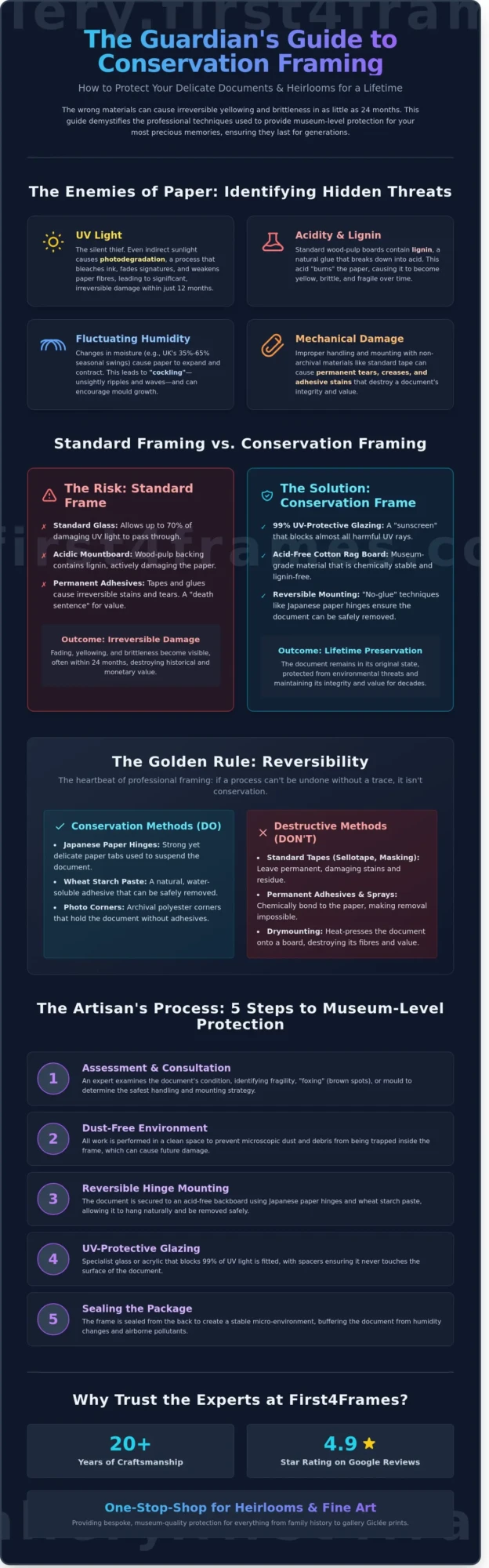
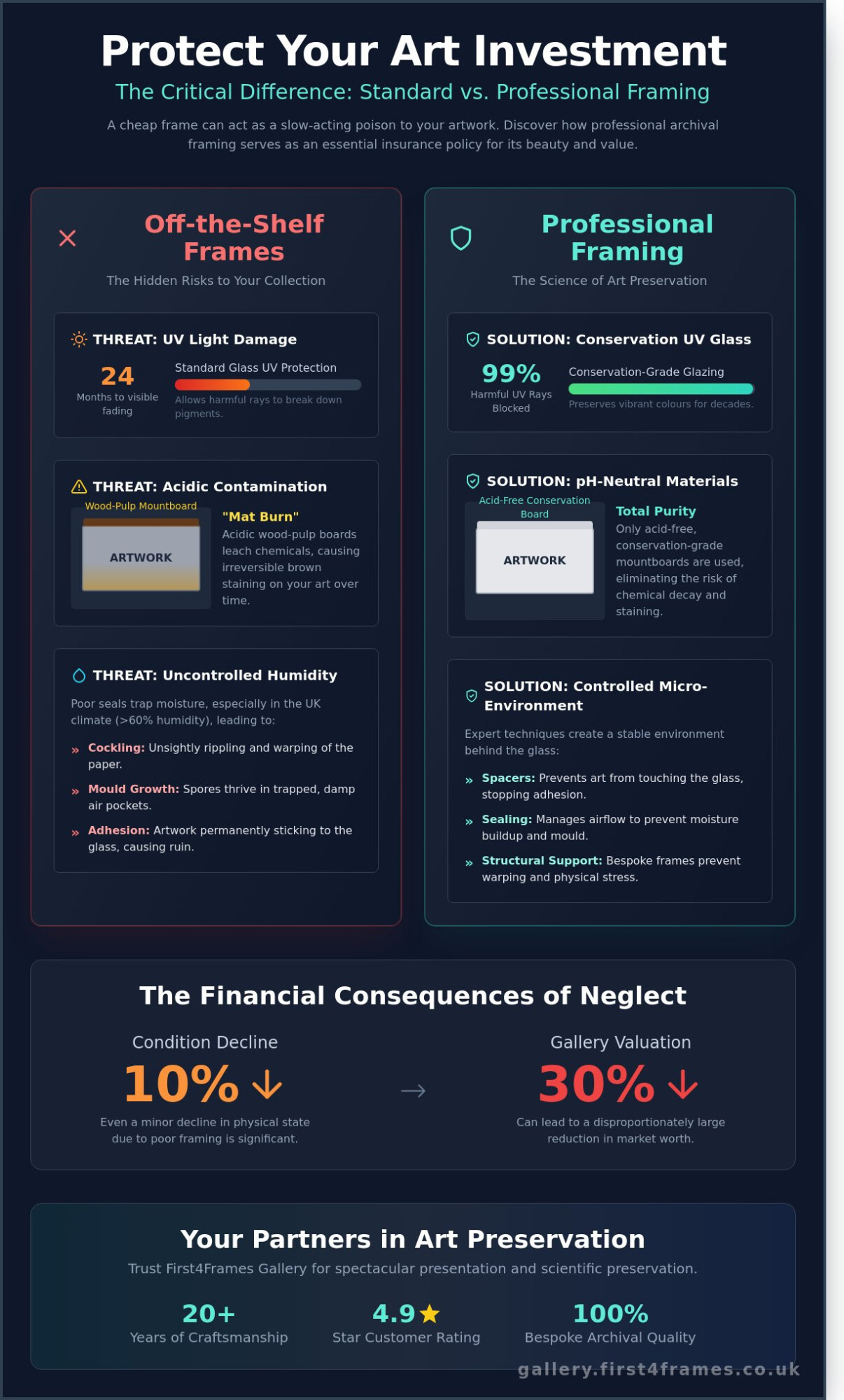
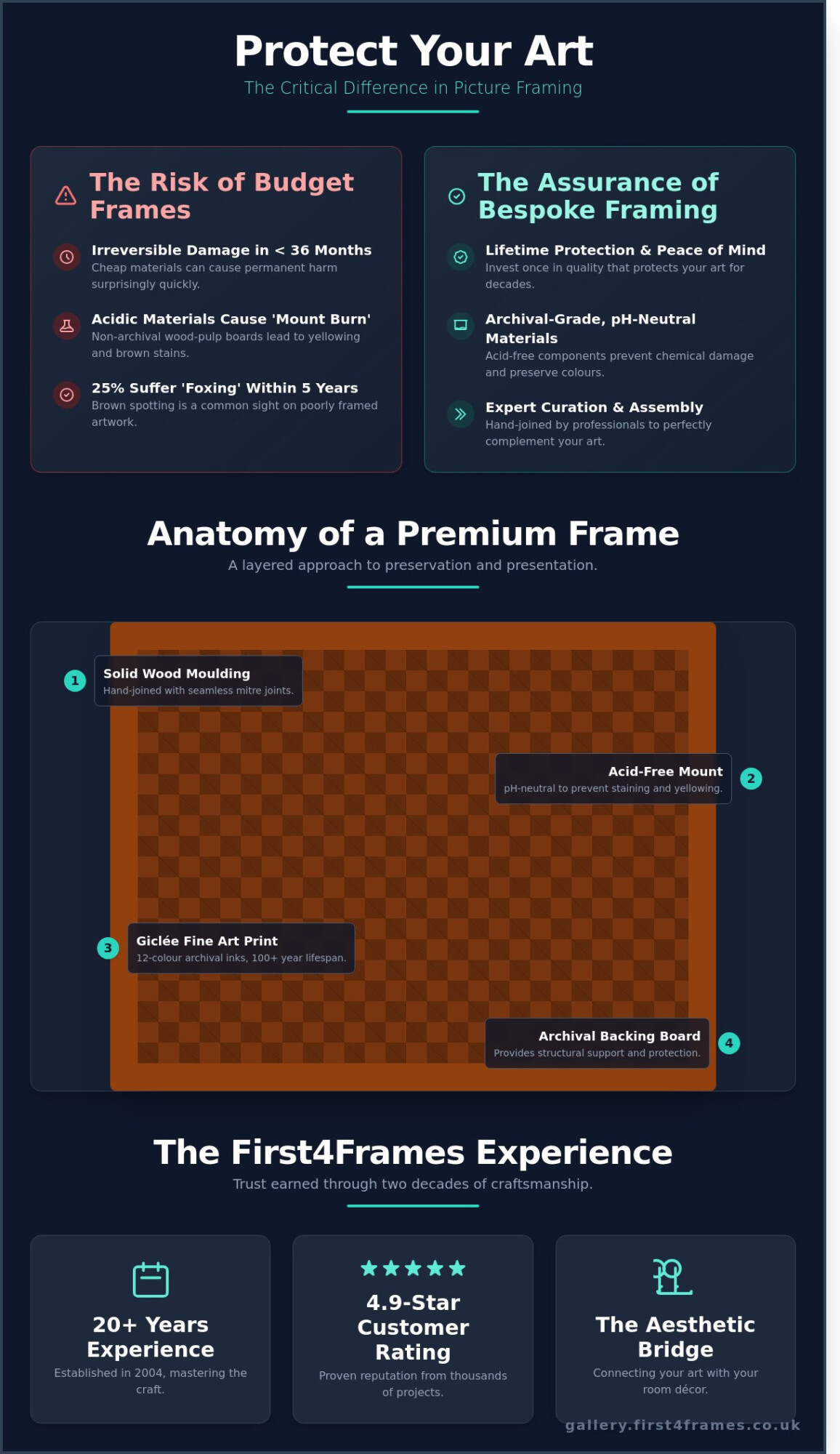
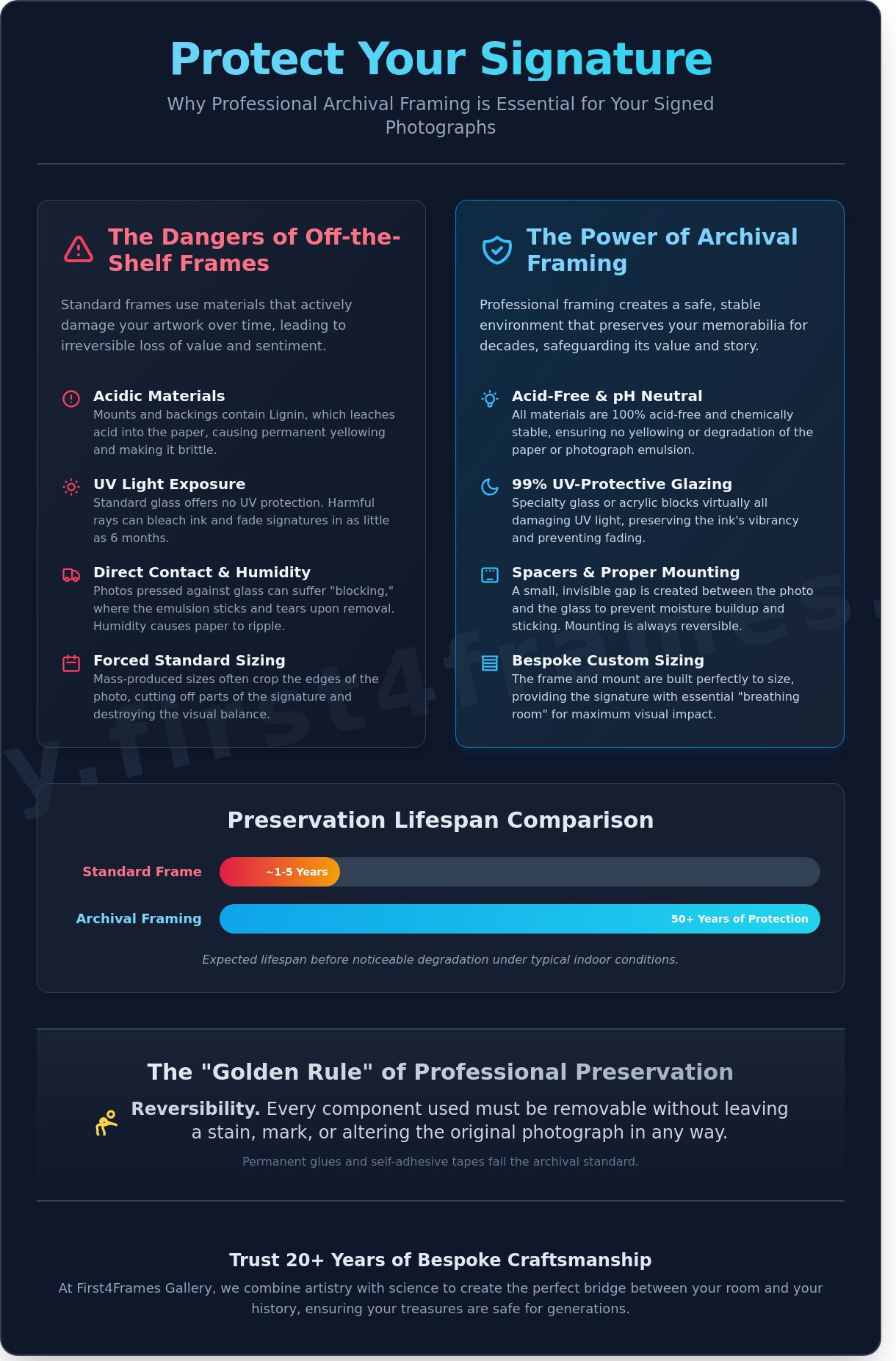
Preserving an autograph requires an understanding of the essentials of archival framing. UV light is a primary enemy, capable of bleaching ink in under six months if the glass isn’t UV-protective. Humidity is another silent threat, causing paper to ripple or “cockle” inside the frame. Perhaps most dangerous is “blocking,” where the photo’s emulsion sticks to the glass, making it impossible to remove without tearing. We use acid-free materials because standard cardboard backings contain lignin, which turns paper yellow and brittle. When framing a signed photograph, these professional-grade materials aren’t optional; they’re vital for survival.
The essentials of archival framing: Protecting your autograph
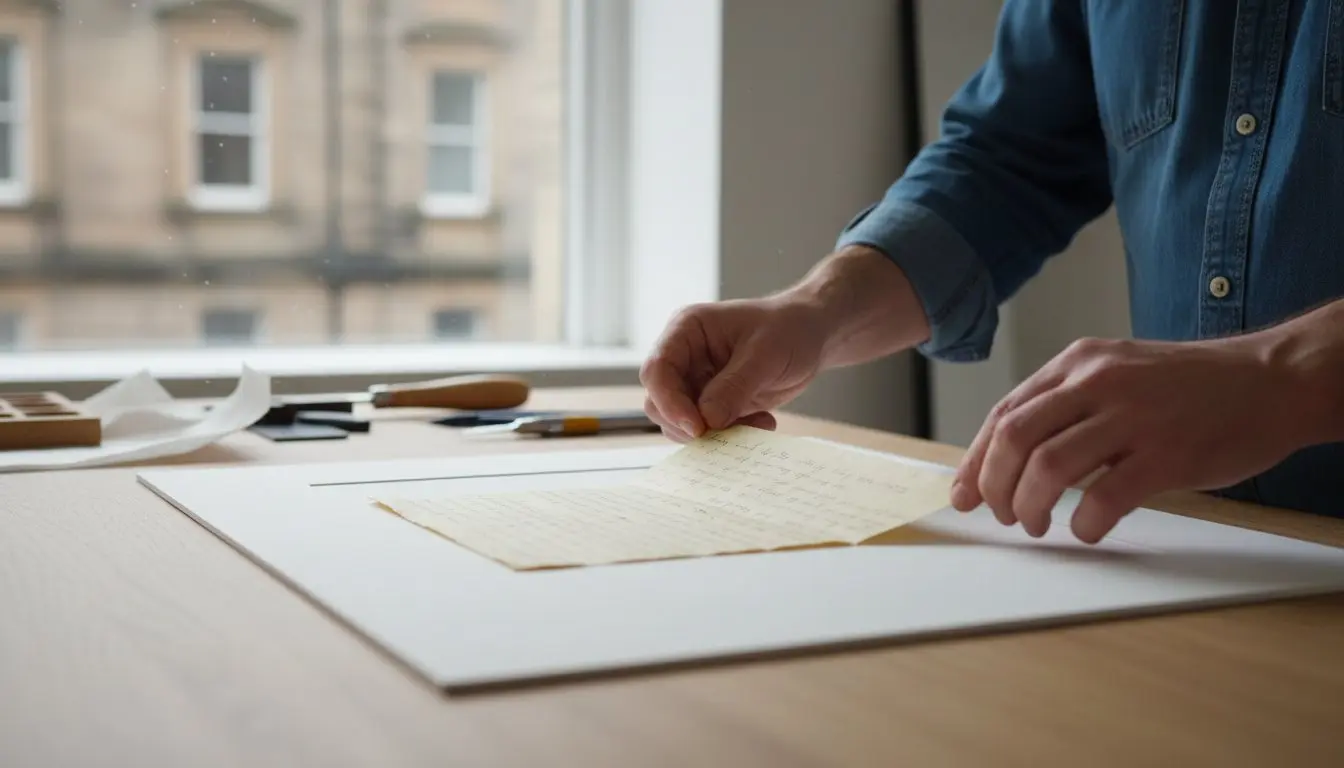
Archival framing is the science of using chemically stable materials to stop deterioration before it begins. When you’re framing a signed photograph, you aren’t just choosing a border; you’re creating a protective environment. The “Golden Rule” of professional framing is reversibility. This means every single component, from the hinges to the backing, must be removable without leaving a mark or altering the photograph. If a process involves permanent glues or self-adhesive tapes that stain the paper, it fails the archival standard.
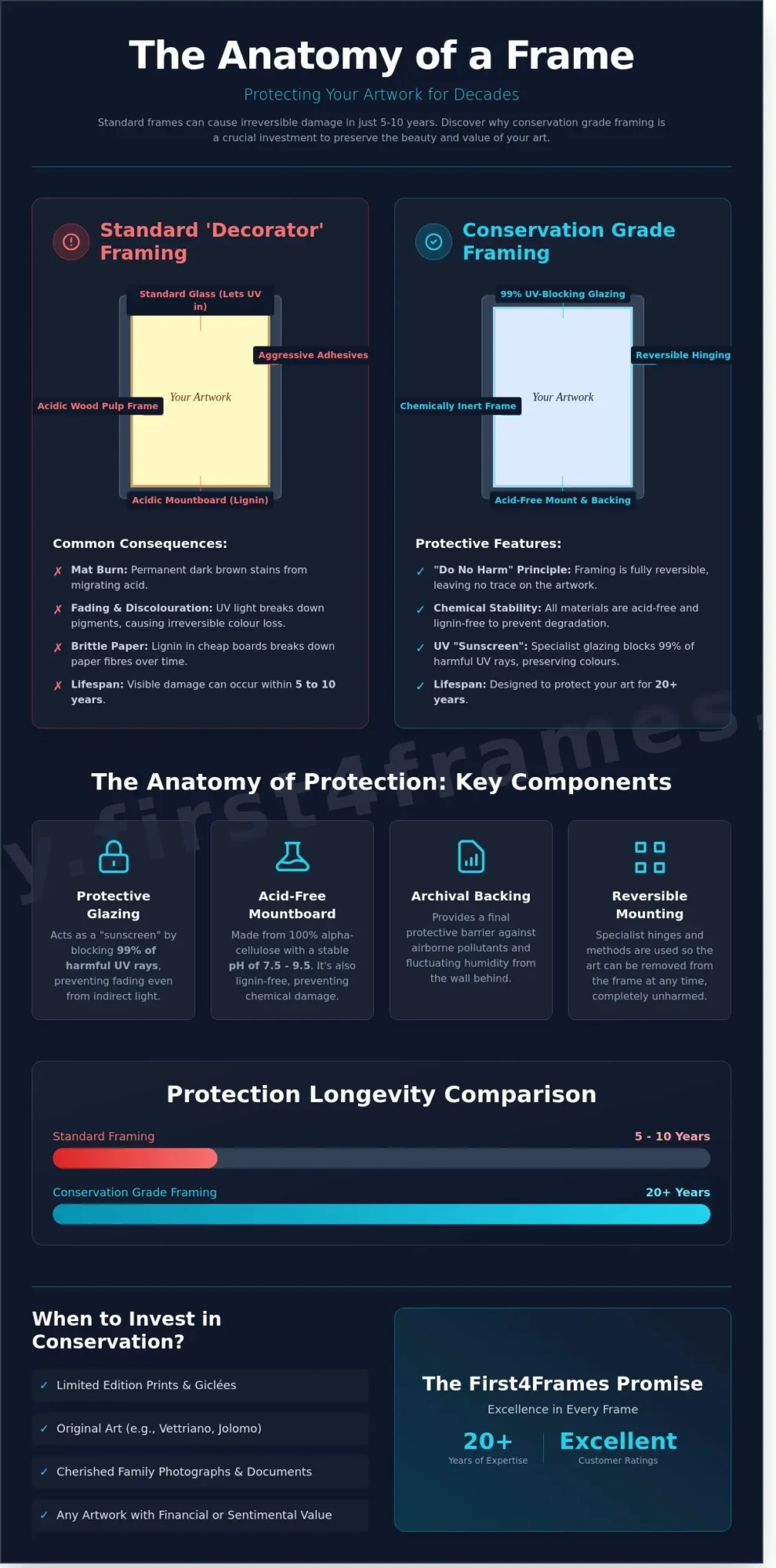
At First4Frames Gallery, we’ve spent over 20 years as a trusted professional in the industry, and we prioritise premium materials for every bespoke order. There’s a sharp distinction between “decorative” framing and “preservation” framing. Decorative framing focuses on how a piece looks today, often using acidic wood pulps that eventually turn paper yellow. Preservation framing, which we apply to the work of our featured gallery artists, ensures the piece looks the same in 50 years as it does the day it’s sealed. Our commitment to this level of craftsmanship is why we maintain such high customer ratings across independent review platforms.
Whether you’re looking to protect a recent acquisition or want to browse our gallery for your next investment, understanding these technical components is vital for any collector.
Acid-free mounts and backing boards
Standard mount boards contain lignin, which breaks down over time and releases sulphuric acid. This causes “mount burn,” a dark brown stain that eats into the edges of your photograph. We use pH-neutral mounts made from alpha-cellulose or cotton-core fibres. These materials are purified to ensure they don’t off-gas or migrate acids onto the artwork. A professional backing board acts as a rigid, protective barrier against humidity and atmospheric pollutants, providing the structural integrity your signed piece requires.
UV-protective glass: The invisible shield
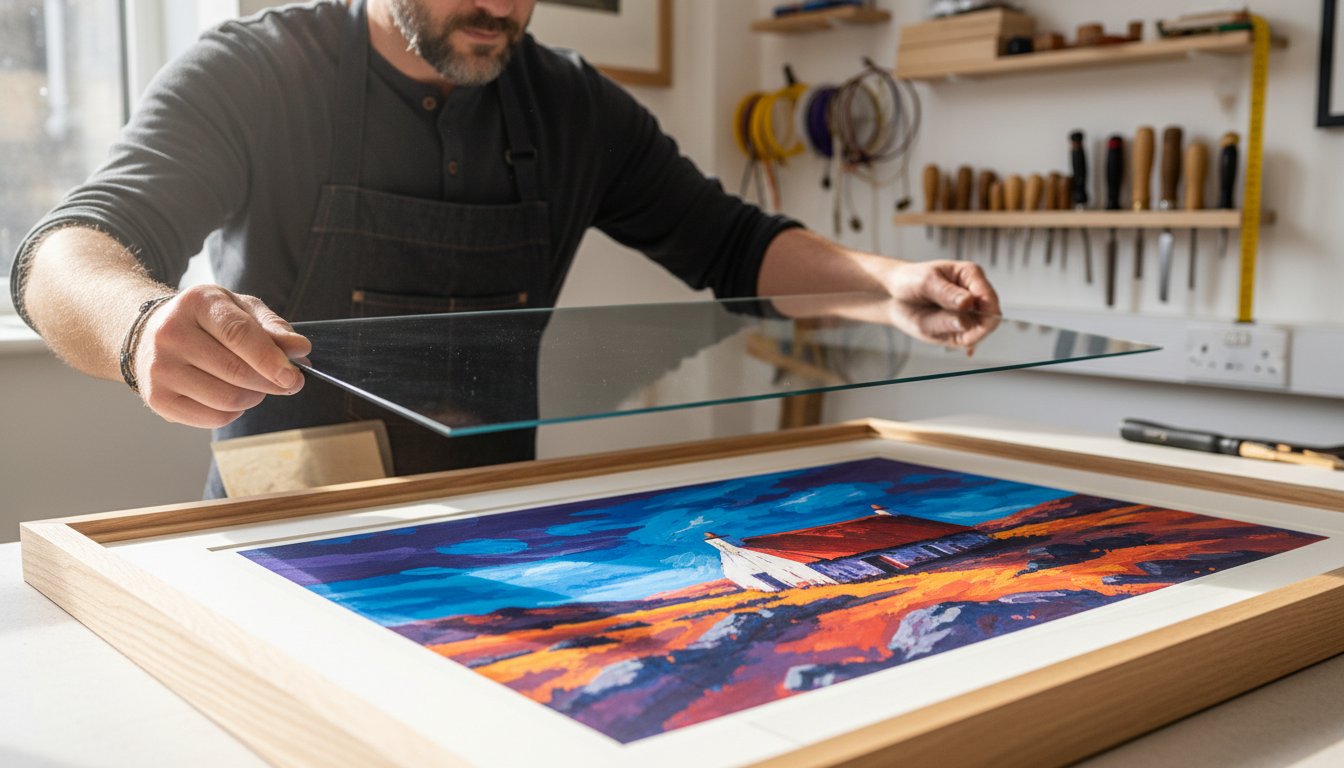
Sunlight and even indoor fluorescent bulbs emit ultraviolet rays that bleach ink and brittle paper. Standard glass offers less than 50% UV protection, which is insufficient for a valuable signature. Industry standards for conservation-grade framing require 99% UV protection to prevent fading. Museum-grade glazing provides this “invisible shield” while also featuring anti-reflective coatings. This ensures that even in a brightly lit room, the visual clarity is spectacular, making the frame a perfect bridge between your room décor and the artwork.
Choosing the perfect mount and frame for your signed piece
The frame acts as a vital bridge between your artwork and your room’s décor. When you’re framing a signed photograph, the choice of materials determines whether the piece simply sits on the wall or truly commands attention. We often recommend selecting a frame colour that draws out the specific hue of the signature’s ink. For instance, a sleek silver frame provides a stunning contrast to a signature written in blue permanent marker, while a classic black wood frame anchors a bold black ink signature with authority.
A professional gallery feel is often achieved through the use of double mounts. This technique adds significant depth to the presentation, creating a layered effect that guides the eye toward the subject. The frame style itself should pull you into the picture. A deep, scoop-profile frame acts like a funnel for the viewer’s gaze, ensuring the person or moment captured remains the undisputed star. It’s about matching the frame to your home’s existing interior behaviour and style to ensure the piece feels like a natural extension of your space.
Aesthetic inspiration from the First4Frames Gallery
Our gallery showcases how the right choice of border can transform a piece. With over 20 years of expertise, we frequently frame vibrant works by Scottish artists like Jolomo, where bold colours require frames that don’t compete with the palette. If your photograph has a cinematic quality, you might opt for the ‘Jack Vettriano’ style. This involves using dark, moody frames that evoke a sense of nostalgia and drama. By making these spectacular frame choices, you create a dedicated focal point that reflects your personal taste and elevates the room’s atmosphere.
The role of the mount in protection
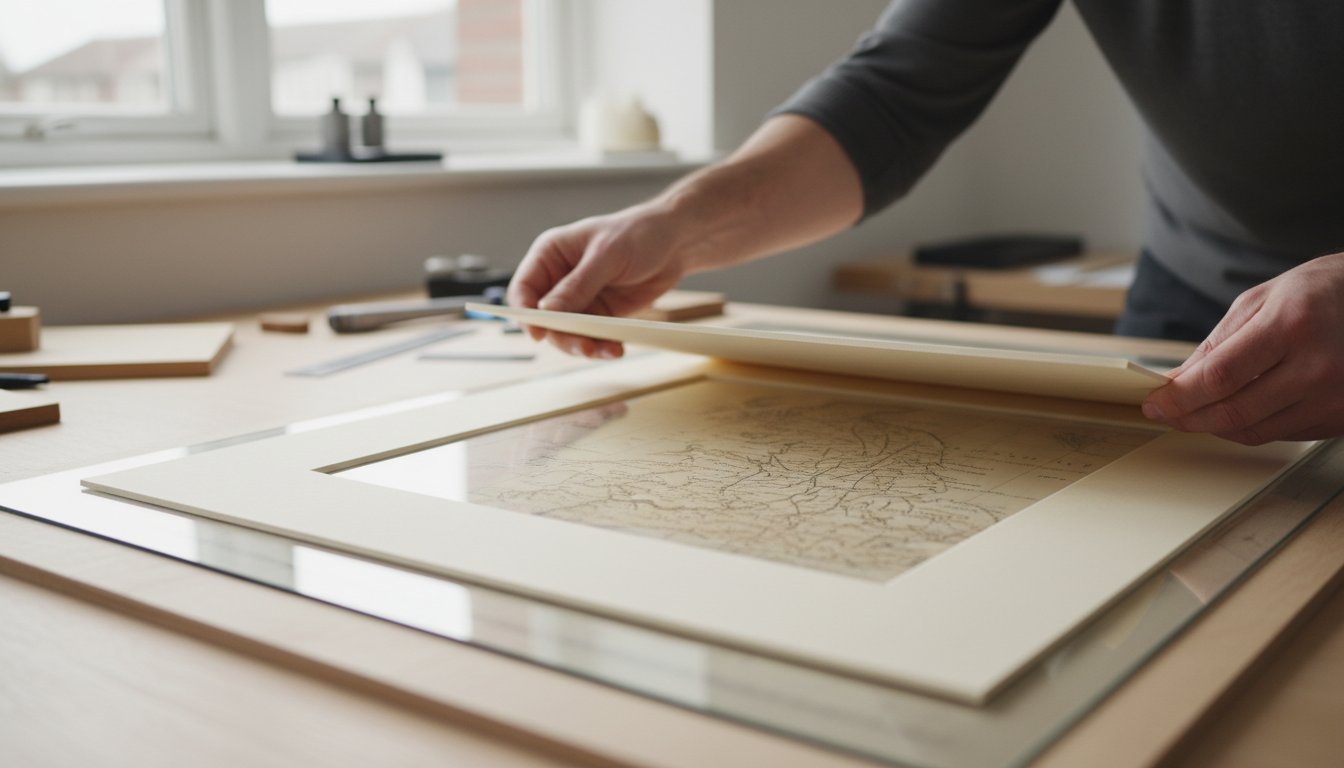
Beyond aesthetics, the mount serves a critical technical purpose. It creates a necessary air gap between the signature and the glass. This prevents the ink from sticking to the glazing over time, which is a common cause of damage in cheaper, off-the-shelf frames. When framing a signed photograph, we carefully calculate mount widths to ensure they don’t overwhelm the image. A standard 50mm border is often perfect for a 10×8 inch print, providing breathing room for the signature to stand out.
For collectors with multiple items, such as a concert photo and the original ticket, we can organise these into a single bespoke frame. This keeps your memorabilia together in a professional, organised display that preserves the story behind the signature. Our customers consistently rate our bespoke services as excellent because we treat every ticket and photo with the same level of craftsmanship as a fine art print.

Step-by-step: How to organise your bespoke framing service
Organising the perfect surround for your memorabilia shouldn’t be a chore. At First 4 Frames, we’ve spent over 20 years refining a process that blends traditional craftsmanship with modern convenience. Whether you’re framing a signed photograph of a sporting hero or a limited edition print from our gallery, our four-step method ensures your art is protected and beautifully presented.
- Step 1: Measurement. Precision is the foundation of any great frame. You’ll need to provide the exact dimensions of your piece to ensure the mount and glass fit perfectly.
- Step 2: Consultation. We guide you through selecting premium materials. This is where we choose the “bridge” between your room décor and the artwork, selecting mounts and frames that pull you into the picture.
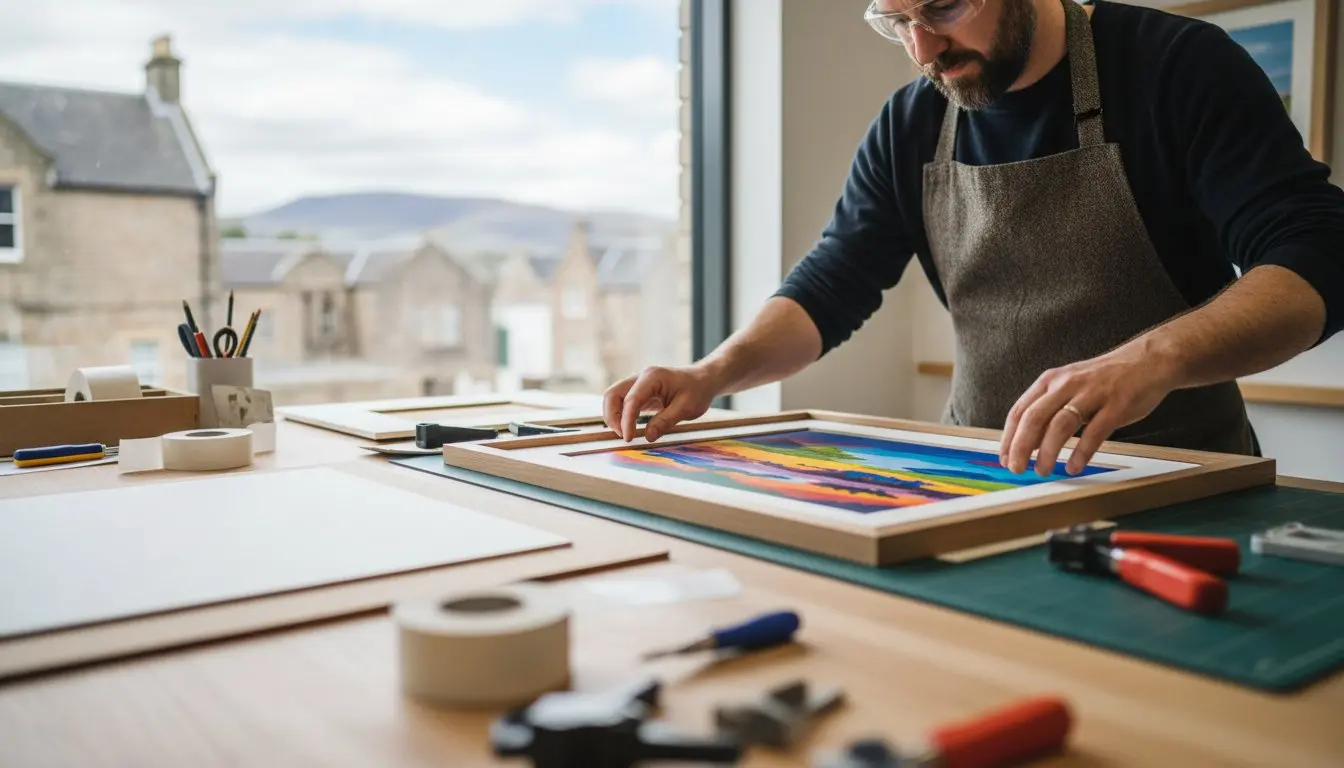
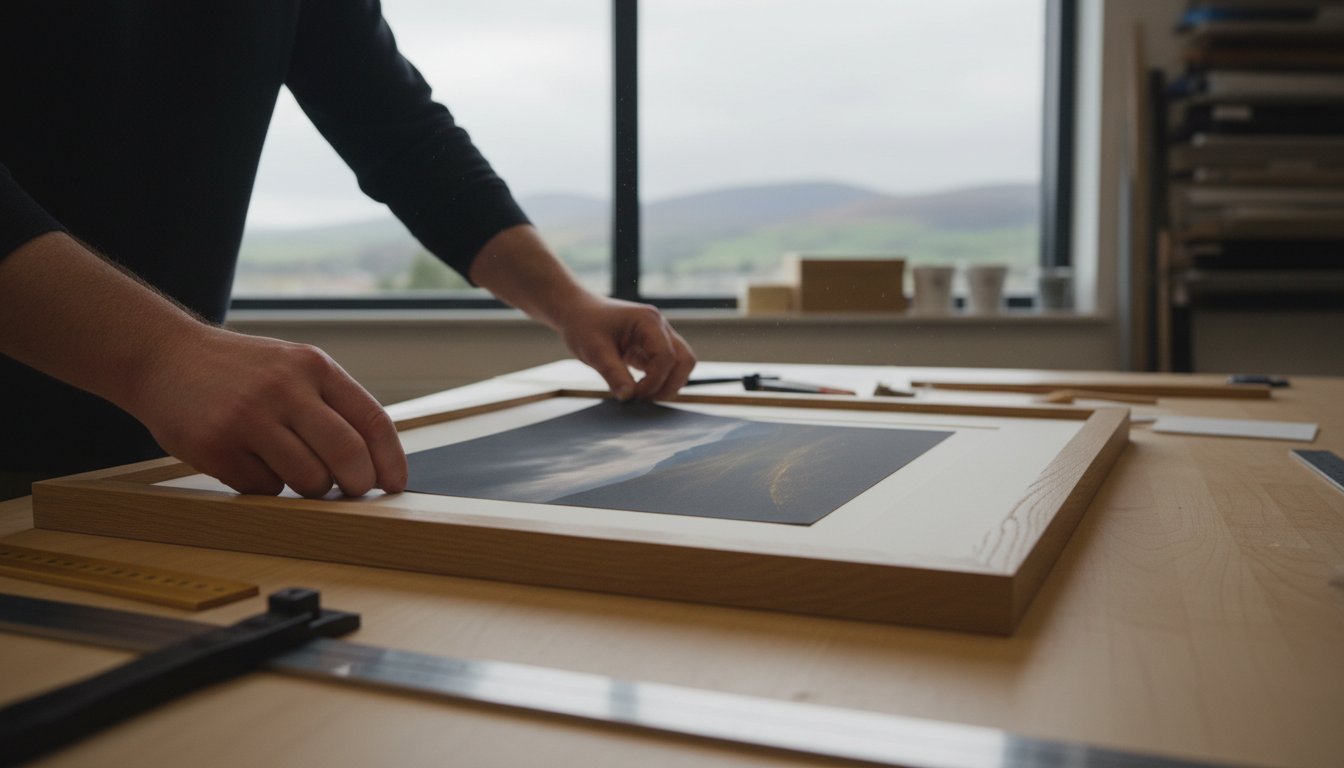
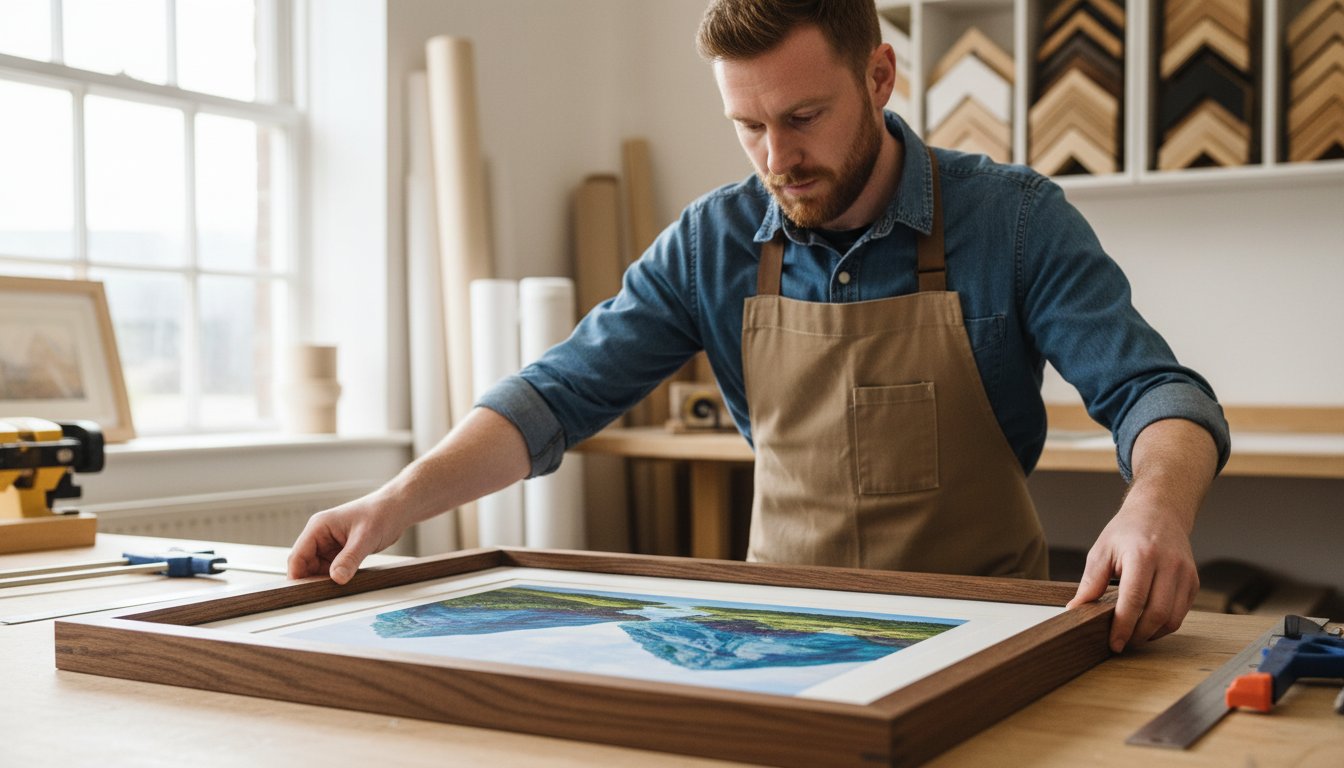
- Step 3: The Build. Your piece enters our Falkirk workshop. Our artisans handle every component, from mitring the wood to securing the conservation-grade backing.
- Step 4: Completion. Once our quality checks are finished, you can choose secure delivery or collect your ready-to-hang art directly from us.
Measuring for success
To get the dimensions right, measure your photograph on a flat, clean surface using a steel tape measure and include a 5mm overlap on all sides so the mount can securely hold the print without obscuring the signature. Using a flexible fabric tape can lead to errors; a steel tape is essential for millimetre-perfect accuracy. It’s also vital to account for the white borders often found on professional celebrity photos. You’ll need to decide if you want these borders visible as part of the aesthetic or if the mount should sit right up to the edge of the image itself.
What to expect from a professional framer
Choosing a professional means you benefit from a one-stop-shop experience. We don’t just frame; we can handle the high-quality Giclée printing of your digital files too, ensuring the entire process stays under one roof. This integrated approach is why we’ve maintained a reputation for a hassle-free, speedy service for over two decades.
When you’re framing a signed photograph, trust is the most important factor. Our workshop in Falkirk is staffed by experts who treat every autograph with the reverence it deserves. We encourage all our clients to check our customer reviews on platforms like Google or Facebook. These independent ratings are the best indicator of our commitment to excellence and the high standard of craftsmanship we provide for every bespoke project.
Ready to find the perfect piece to start your collection? You can browse our featured artists and fine art prints to see the quality of our work firsthand.
Why First4Frames Gallery is the choice for your treasures
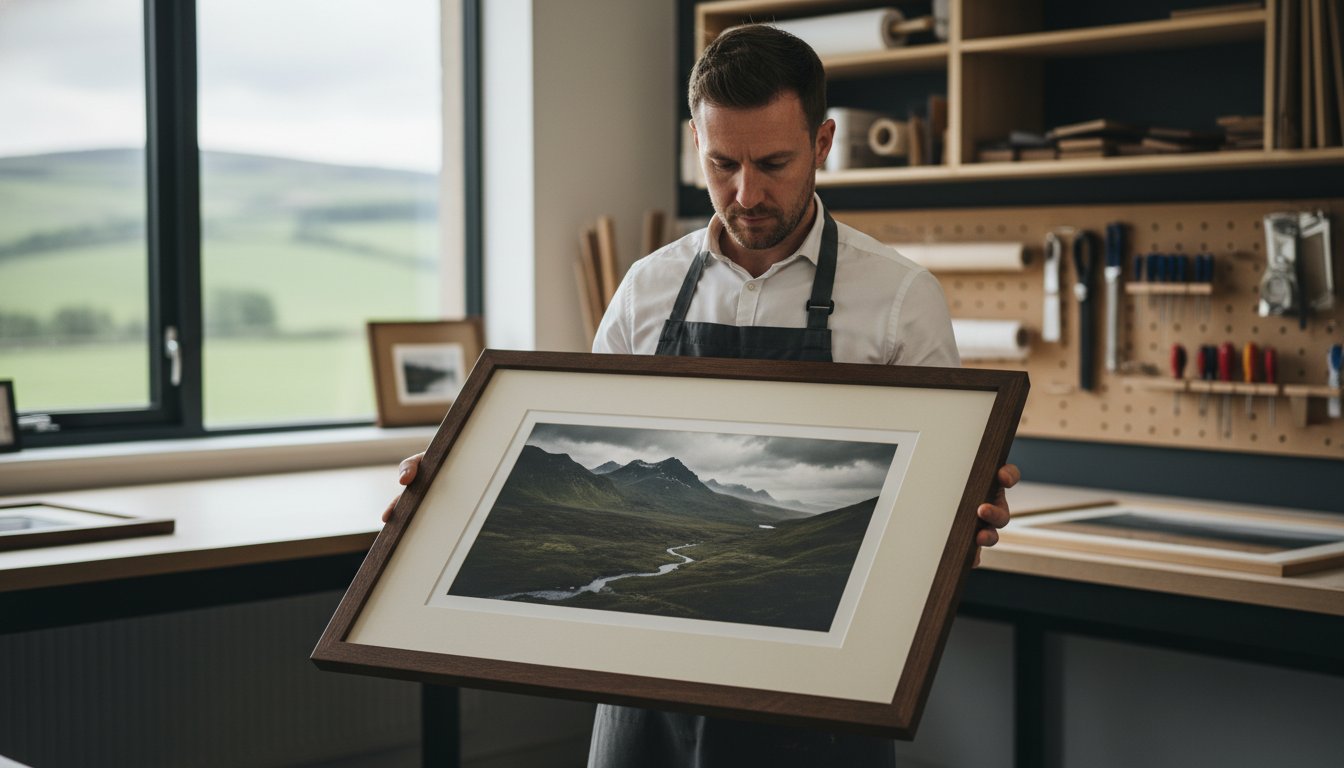
Choosing the right partner for your framing needs is about trust. At First4Frames Gallery, we’ve spent over 20 years perfecting the art of preservation. We treat every item that enters our Falkirk-based workshop with the same reverence as a museum-grade masterpiece. Our commitment to craftsmanship means we only source spectacular, premium materials that guarantee your items won’t fade or deteriorate over time. We serve clients across Scotland and the entire UK, offering a level of expertise that turns a simple hobby into a professional collection.
When you’re framing a signed photograph, you’re protecting a moment in time. We use acid-free materials and specialist glazing to ensure the ink remains as vibrant as the day it was signed. Our workshop is a one-stop-shop where creativity meets technical skill. We don’t believe in one-size-fits-all solutions. Instead, we provide a bespoke service tailored to the specific requirements of your memorabilia. It’s this dedication to quality that has earned us excellent ratings from our loyal customer base on independent review platforms.
Our heritage in Scottish art and framing
Our gallery isn’t just a workshop; it’s a hub for the local creative community. We regularly collaborate with Scottish artists, which gives us unique insights into Giclée quality and the nuances of fine art printing. This background informs every framing project we undertake. We understand how a frame does the heavy lifting in a room, acting as a vital bridge between your décor and the artwork. Our philosophy is simple: we combine artistic flair with rigorous technical standards to deliver a finished product that exceeds expectations.
Ready to preserve your memory?
Professional preservation is the only way to ensure your treasures survive for future generations to enjoy. The peace of mind that comes from framing a signed photograph with experts is invaluable. A high-quality frame does more than just hang on a wall. It protects the physical integrity of the paper and the signature while pulling the viewer into the story behind the image. We make the process straightforward and hassle-free, guiding you through every choice from mount colour to frame style.
Don’t leave your most precious items to chance. Whether you’re a local collector or based elsewhere in the UK, our team is ready to help. Visit the First4Frames Gallery in Falkirk to browse our extensive range of mouldings, or contact our workshop directly for a bespoke quote. Let’s work together to turn your signed photos into a lasting legacy for your home.
Preserve Your Piece of History Today
Your signed photographs are unique connections to the people and moments you admire. Protecting these treasures requires specialist archival materials and a professional eye for design. By choosing a bespoke mount and a high-quality frame, you create a bridge between your room’s decor and the artwork while ensuring the ink remains vibrant for decades. Professional preservation isn’t just about aesthetics; it’s about safeguarding your investment from environmental damage.
First4Frames Gallery brings over 20 years of expert craftsmanship to every project. We specialise in archival preservation for fine art and memorabilia, ensuring your collection stays in pristine condition. Our reputation is backed by excellent customer ratings on review platforms, proving our commitment to quality and service. When you’re framing a signed photograph, you deserve a hassle-free experience that treats your item like the masterpiece it is. Whether you’re showcasing a new acquisition from our featured artists or a long-held treasure, our artisans are ready to help.
Discover our bespoke framing services at First4Frames Gallery
Let’s work together to turn your memorabilia into a spectacular focal point that you’ll be proud to display for years to come.
Frequently Asked Questions
Can I frame a signed photograph myself using a kit?
You can use a DIY kit for basic projects, but it’s not the best choice for valuable or sentimental signatures. Many mass-produced kits use acidic backing boards that can cause irreversible yellowing to paper within 3 to 5 years. At First 4 Frames, we’ve spent over 20 years perfecting our craft, ensuring every piece of art receives the professional care needed to prevent long-term deterioration.
Will the signature on my photo fade if it’s not in direct sunlight?
Yes, signatures can still fade even in rooms without direct sunlight. Ambient UV rays and certain types of indoor lighting can degrade ink over time, leading to a 40% loss in vibrancy within a decade if left unprotected. This is why framing a signed photograph requires UV-protective glazing to act as a shield, preserving the ink’s integrity for future generations to enjoy.
What is the best type of glass for a signed photograph?
The best choice for protecting a valuable signature is Museum Glass or conservation-grade UV glass. These options block up to 99% of harmful ultraviolet rays while reducing reflections to less than 1%. By choosing these premium materials at our gallery, you ensure the artwork remains the star of the show without the distracting glare found in standard window glass.
Should the photograph touch the glass inside the frame?
You should never allow your photograph to touch the glass directly. Changes in humidity can cause the photo to stick to the glazing, a process known as ferrotyping, which often results in permanent damage. We use acid-free mounts to create a vital air gap, acting as a bridge between your room’s environment and the delicate surface of the signed print.
How much does it cost to professionally frame a signed photograph?
Professional framing costs vary based on the frame size and the level of glass protection required. According to UK trade industry insights, a high-quality bespoke frame for a standard 10×8 inch photograph typically ranges from £45 to £85 depending on the moulding. For a specific price on your project, our team provides detailed quotes that reflect our commitment to premium craftsmanship and our excellent customer ratings.
What is an acid-free mount and why is it important for autographs?
An acid-free mount is a pH-neutral border that surrounds your artwork, preventing “acid burn” which causes brittle edges and brown staining. Standard cardboard contains lignin that releases harmful gases over time. By using conservation-grade mounts, we protect the 100% cotton fibres of fine art papers, ensuring your autograph remains as crisp as the day it was signed.
How do I clean the glass on a frame containing a valuable autograph?
You must never spray cleaning fluid directly onto the frame. Instead, apply a small amount of ammonia-free glass cleaner to a microfibre cloth first. This prevents liquid from seeping under the glass edges and reaching the photograph. Our customers often find that a gentle, dry wipe is sufficient for our high-quality glazing, keeping the display spectacular without risking moisture damage.
Can you frame a signed photograph along with a certificate of authenticity (COA)?
We can certainly frame your signed photograph alongside its Certificate of Authenticity (COA) using a bespoke multi-aperture mount. This keeps the provenance of the item physically attached to the piece, which is vital for maintaining its market value. Whether you’re displaying work from our featured artists or a personal treasure, our service creates a professional, cohesive display for both items.