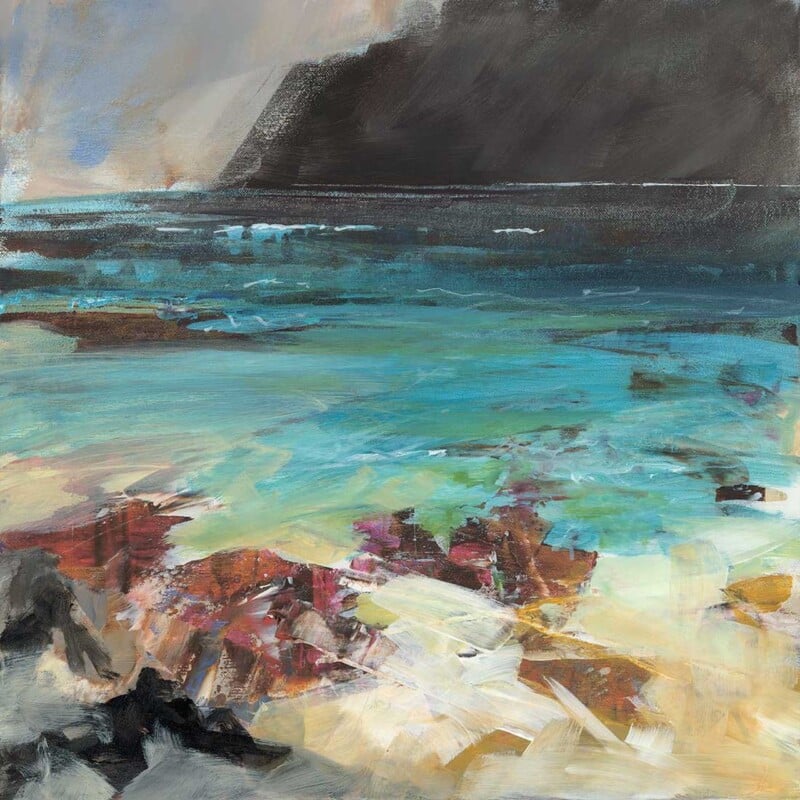
Choosing art for exposed brick walls is often a question of balance. Brick already brings texture, pattern, and a certain amount of visual weight, so the artwork needs to soften the effect rather than add more noise. Lost in Time does this particularly well, offering atmosphere and colour in a calm, measured way.
Why calmer artwork often works better on brick
A heavily textured wall can make busy art feel crowded. This piece succeeds because it introduces mood and depth without fighting for attention. The room still keeps its character, but it feels less hard-edged and more complete.
It would suit dining spaces, garden rooms, studios, or open-plan corners where exposed brick is part of the architecture. Instead of trying to dominate the wall, the artwork works with it, which is usually the more lasting choice.
A useful way to bring polish to a more rugged backdrop
There is a real difference between preserving character and letting a room feel unfinished. One well-framed print can bridge that gap. This artwork adds a sense of intention, helping the wall feel styled while still allowing the brick to do its job.
It softens texture without making the scheme bland.
It suits interiors that mix older materials with cleaner furniture.
It brings calm colour to a wall that already has a lot going on.
Why the frame makes a difference
First 4 Frames completes the work in-house in Falkirk with colour-managed Giclée printing and hand-finished bespoke framing. That superior quality finish matters on exposed brick because the presentation needs enough clarity and structure to stand confidently against a textured backdrop.
The artwork is by Arie Vardi, and you can view the exact framed product here.
If you want art for exposed brick walls that feels calm, polished, and naturally well judged, Lost in Time is a strong choice.
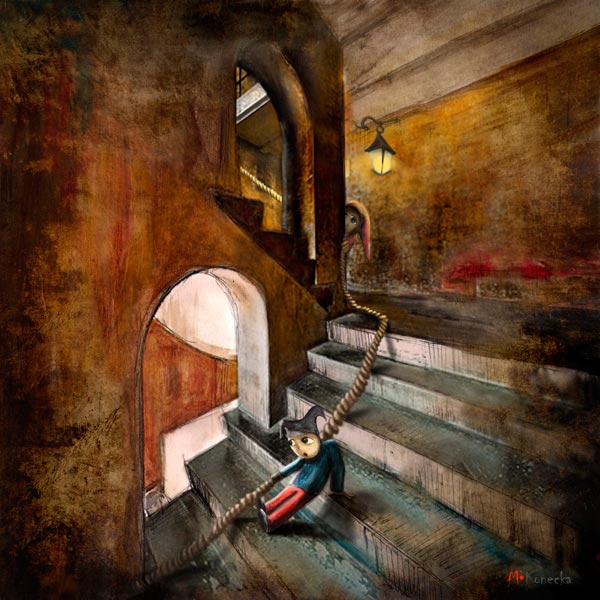
Finding the right wall art above a console table can be surprisingly difficult. The space usually needs personality, but not so much visual weight that the area feels crowded. Down the Stairs works especially well because it brings shape, interest, and movement to a narrow wall without overpowering it.
Why this area needs more than a generic filler print
Console tables often sit in halls, landings, or transition spaces where every detail is more noticeable. A weak artwork can make the whole arrangement feel temporary. This piece has enough character to anchor the wall properly, so even a simple table, lamp, or bowl beneath it feels more intentional.
It suits hallways, upstairs landings, and apartment entrances.
It adds personality without needing a full gallery wall around it.
It works well when the furniture below is slim and understated.
A useful way to make a pass-through space feel finished
Not every part of a home needs lots of objects to feel considered. Sometimes one expressive framed print is enough. This artwork helps a circulation space feel designed rather than simply passed through, which is exactly what makes it so useful above a console table.
Why the presentation matters in a small area
First 4 Frames produces the piece in-house in Falkirk with colour-managed Giclée printing and hand-finished bespoke framing. In a smaller wall area, that cleaner finish matters because the eye takes in the whole arrangement at once. A superior quality frame helps the artwork look settled and complete.
The artwork is by Matylda Konecka, and you can view the exact framed product here.
If you want wall art above a console table that feels lively, polished, and easy to place, Down the Stairs is a very good option.
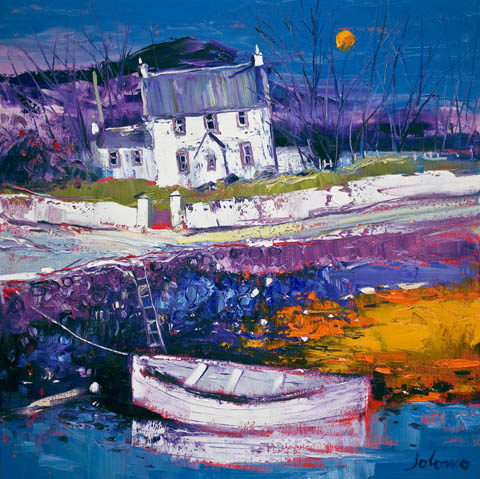
Good Scottish wall art for a second home should do more than fill an empty wall. It should help the property feel settled, personal, and meaningfully connected to its setting. Beached Clinker at Croig is a strong example because it brings colour, local character, and a clear sense of atmosphere.
Why place matters more in a retreat setting
A second home often benefits from artwork that makes the space feel distinct from everyday life. This piece does that beautifully. The coastal subject and island character give the room a stronger identity, which helps even a simple interior feel more established and welcoming.
It works especially well in sitting rooms, guest bedrooms, and entrance areas where you want visitors to feel a connection to Scotland straight away. Rather than relying on generic nautical décor, it gives the home a more grounded and collected feel.
A better fit than purely decorative filler
Second homes can easily end up with practical but forgettable décor choices. One well-chosen framed print is often more effective. This artwork brings warmth and personality while still feeling polished enough for a quality-led interior.
It adds colour without making the room feel busy.
It suits coastal properties and inland homes alike when you want a stronger Scottish connection.
It makes a temporary-feeling room seem more established.
Why quality presentation helps
First 4 Frames completes the work in-house in Falkirk with colour-managed Giclée printing and hand-finished bespoke framing. That craftsmanship matters in a second home because the room benefits from pieces that feel chosen to last, not simply bought to fill space quickly.
Choosing art for a room with black accents is often about balance. Black details can make a room feel crisp, tailored, and modern, but they can also harden the overall look if everything around them is too static. Atlantic Storm Approaching is a very good way to introduce movement and colour without losing that sense of control.
Why this kind of contrast works
The darker accents in a room already provide definition, so the artwork does not need to compete through heaviness. This piece works because it brings energy through weather, texture, and shifting tone. That keeps the room feeling alive rather than overly formal.
It suits living rooms, dining spaces, and home offices with darker metalwork or painted details.
It adds depth without forcing the room into a full coastal theme.
It helps black accents feel intentional rather than severe.
A useful choice when a scheme feels too sharp
Rooms with black picture rails, lighting, furniture, or window frames often benefit from one softer but still confident focal point. The atmosphere in this artwork does that job well. It gives the eye somewhere to settle while still keeping the space visually strong.
Why the framed finish matters
First 4 Frames produces each piece in-house in Falkirk using colour-managed Giclée printing and hand-finished bespoke framing. That superior quality presentation is especially important in a more design-led room, because details are noticed more quickly when the scheme is clean and deliberate.
The artwork is by Jill McIntosh, and you can view the exact framed product here.
If you want art for a room with black accents that feels dramatic but still easy to live with, Atlantic Storm Approaching is an excellent option.
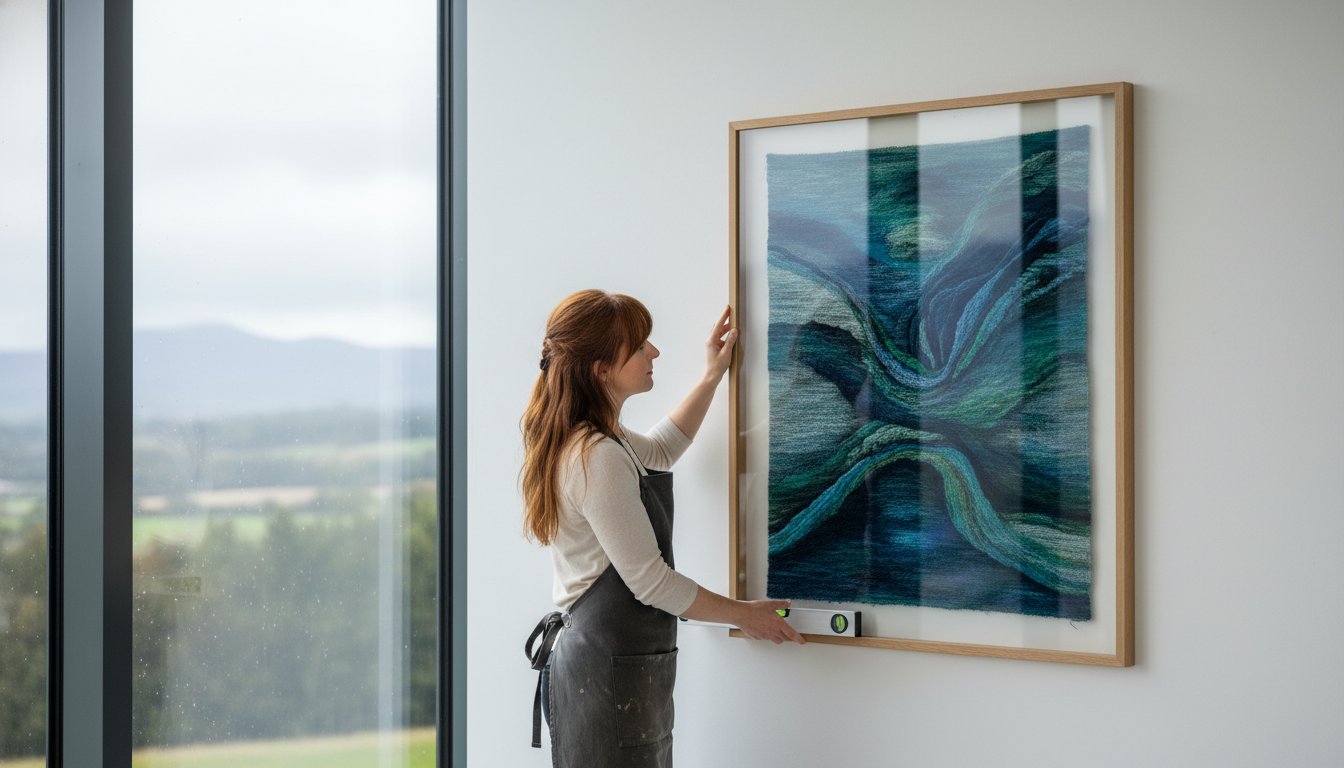
What if that cherished heirloom tapestry you’ve carefully stored is actually at risk the moment you decide to display it? Many collectors worry that framing a piece of fabric will lead to permanent sagging or irreversible UV damage. We understand that your textiles are more than just material; they’re stories and memories that deserve a professional touch. At First4Frames Gallery, we believe the right frame acts as a vital bridge between your room’s decor and the artwork itself. It provides the structural support your piece needs to stay perfectly centered and beautiful for years to come.
You’re right to be cautious about using standard adhesives or DIY stretching methods that can harm delicate fibers. This guide will show you how to achieve a spectacular, wrinkle-free display using conservation-grade techniques. We’ll explore the benefits of UV-protective glass and explain how maintaining a stable environment between 10°C and 20°C can prevent mold and fading. From bespoke mounting to choosing the perfect wood finish, you’ll learn how our expert craftsmanship ensures your textile art remains a protected and stunning focal point in any room.
Key Takeaways
Understand the structural risks of textile display and how professional mounting prevents your art from sagging or warping over time.
Discover the secrets of the lacing method for framing a piece of fabric, a hand-stitched technique that maintains perfect tension without damaging delicate fibers.
Learn how to select the right materials, from acid-free foam boards to high-transmission Art Glass, to preserve colors and intricate stitchwork for years.
Find out how our bespoke “one-stop-shop” service can source nearly any frame in the UK to perfectly complement your unique textile art and home interior.
Why Framing a Piece of Fabric is Essential for Preservation
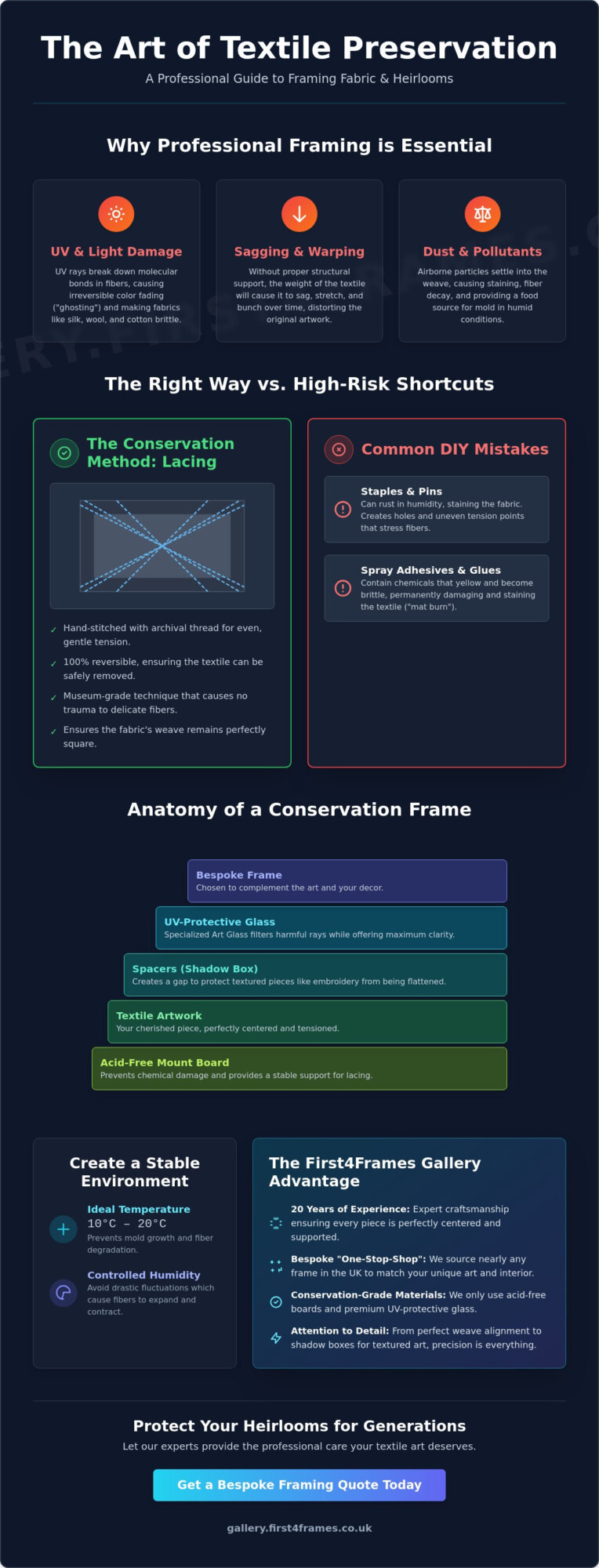
Textile framing is a specialized preservation method that utilizes acid-free materials to secure and protect fabric within a professional enclosure. While some might suggest that textiles don’t require protection, the reality is that natural fibers are incredibly sensitive to their surroundings. Dust, fluctuating humidity, and airborne pollutants can settle into the weave, causing irreversible staining and fiber decay. We believe a frame acts as a vital bridge between your room’s decor and the artwork itself, providing a controlled micro-environment that keeps your piece pristine.
The process of framing a piece of fabric provides the necessary structural support to prevent the work from sagging or warping under its own weight. Unlike paper art, textiles are flexible and heavy; without proper tensioning, they’ll eventually bunch at the bottom of the frame. At First4Frames Gallery, our artisans use their 20 years of experience to ensure every heirloom or modern print is perfectly centered and supported. We’re a true one-stop-shop, and our customers often highlight our attention to detail in their reviews on Google and Trustpilot.
To better understand this concept, watch this helpful video:
The Battle Against Fading and Dust
UV light is a constant threat to organic materials. It breaks down the molecular bonds in silk, wool, and cotton, leading to brittle fibers and “ghosting” where colors once thrived. Following the core principles of textile preservation, we recommend using specialized Art Glass. This premium option filters out harmful rays while offering incredible clarity, ensuring the vibrant reds and deep blues of your fabric stay spectacular for decades.
Creating a Physical Presence
A well-chosen frame does the heavy lifting in the relationship between the art and the viewer. It signals that a piece is “finished” and deserves to be treated as fine art rather than a simple craft project. By adding a bespoke border, you create a psychological boundary that pulls the viewer into the details of the stitching. Whether you choose to collect your finished piece from our workshop or have us ship it directly to your door, a professional frame from First4Frames Gallery elevates the entire aesthetic of your home.
Professional Techniques for Mounting and Stretching Fabric
Mounting is where true craftsmanship meets scientific preservation. When framing a piece of fabric, the primary goal is to provide tension without causing trauma to the fibers. Many DIY guides suggest using staples or spray adhesives, but these are high-risk shortcuts. Staples can rust over time, particularly in the UK’s varying humidity, while adhesives often contain chemicals that yellow and eventually eat away at delicate textiles. Our bespoke approach to framing a piece of fabric avoids these pitfalls entirely, focusing on reversible, conservation-grade methods.
We prefer the lacing method for most textiles. This process involves hand-stitching the fabric around a support board using a “criss-cross” pattern of archival thread. It provides even, gentle tension that keeps the fabric flat and perfectly aligned with the frame’s edges. This technique mirrors professional mounting techniques used by major museums. It ensures the textile can be safely removed, cleaned, or adjusted in the future without any permanent damage to the original piece.
Precision is everything in this stage of the process. We take great care to ensure the weave of your fabric is perfectly square to the frame. If the grain is off by even a few millimeters, the human eye picks it up immediately, making the display look “tilted.” For pieces with significant texture, such as heavy embroidery or raised appliques, we often recommend a shadow box. This creates a necessary gap between the glass and the material, allowing the texture to “breathe” and preventing the glass from flattening the delicate stitches.
Lacing vs. Adhesive: Why it Matters
Quick-fix adhesives are a nightmare for long-term preservation. They eventually become brittle and can cause “mat burn,” which is a permanent dark staining on the fabric. Lacing is entirely reversible. If you ever need to move the textile to a different frame, it simply requires snipping the threads. It’s a safer, more respectful way to handle your art. You can browse our gallery of spectacular framed art to see how these professional finishes look in practice.
Archival Materials for Long-Term Safety
The board behind your fabric is just as important as the wood around it. We use high-quality acid-free mountboard to ensure no harmful chemicals leach into the fibers. This is a non-negotiable standard for heirlooms. With over 20 years of experience, we source only the best materials to act as a protective shield for your most cherished memories.
Selecting the Perfect Frame and Glass for Your Textiles
Your choice of materials transforms the final aesthetic of your textile. When framing a piece of fabric, you aren’t just picking a border; you’re deciding how that piece interacts with your home. The frame acts as a bridge between the artwork and your room’s interior design. For instance, a heavy tartan or a traditional tapestry looks spectacular in rustic, natural woods like oak or walnut. Conversely, a minimalist silk scarf or modern embroidery often benefits from the clean lines of sleek metals or thin, black gallery frames. We pride ourselves on being a one-stop-shop, and if you don’t see the exact profile you want online, we can source almost any framing option available in the UK.
One vital technical detail involves the use of a “spacer.” This small, hidden component keeps the fabric from pressing directly against the glass. Without it, moisture can become trapped, leading to mold or fiber sticking. Conservation framing standards emphasize this gap to allow for natural fiber expansion and contraction. This attention to detail is why customers trust us with their most delicate fine art; it’s worth checking our reviews on Trustpilot and Google to see our commitment to quality.
Glass Options: Clear, Non-Reflective, and UV-Protective
Standard glass can act like a greenhouse for textiles, trapping damaging moisture and heat. For high-value heirlooms, we recommend “Art Glass.” This premium option offers high light transmission and low reflection, which is perfect for appreciating fine stitches. It ensures that the vibrant colors you love won’t fade over time. It’s a professional choice that makes the glass nearly invisible while providing essential protection against light damage.
Bespoke Frame Styles
It’s important to choose a picture frame that complements the depth of your fabric without overwhelming it. Consider the color carefully. Should the frame match a dominant thread in the textile or the wall it hangs on? Often, picking a secondary color from the fabric creates a more sophisticated, curated look. You can explore our full collection of bespoke frames to find the perfect match for your next project.
Bespoke Framing in the UK: The First4Frames Gallery Advantage
Choosing a professional for framing a piece of fabric is ultimately an act of trust. For over 20 years, we’ve dedicated ourselves to the fine art of craftsmanship, ensuring that every textile, from fragile heirlooms to bold modern prints, receives the protection it deserves. We don’t just sell frames; we provide a complete preservation service. Our expertise allows us to handle the unique challenges of fabric, ensuring your piece is perfectly centered and structurally sound for decades to come.
We operate as a true one-stop-shop for art enthusiasts across the country. If you have a specific vision in mind but don’t see the exact molding on our website, don’t worry. First4Frames Gallery has the capability to source almost any framing option available in the UK. This flexibility is a core part of our service, allowing us to create a bespoke bridge between your room’s decor and your artwork. Our commitment to quality and service is why our customers consistently leave glowing reviews on Trustpilot, Google, and Yell.
Logistics shouldn’t be a barrier to beautiful art. If you’re in Central Scotland, you can visit our Falkirk workshop for a local collection. It’s a great way to see our craftsmanship in person and discuss your project. For those further afield, we offer secure, professional shipping services throughout the UK. We take immense pride in our packaging, ensuring that your framing a piece of fabric project arrives at your door in perfect condition, ready to hang.
Custom Sourcing and Bespoke Options
First4Frames Gallery specializes in complex art in the frame projects for both private collectors and commercial clients. If you’re looking for a specific print or a non-standard frame size, we can often source these upon request. Our goal is to make fine art accessible and the process entirely hassle-free for you.
Start Your Framing Journey Today
Every textile project is unique, and we’re here to help you find the best options for yours. Whether you need advice on UV protection or want a quote for a large-scale piece, please contact us today. Our friendly artisans at First4Frames Gallery are ready to help you turn your fabric art into a spectacular focal point.
Transform Your Textiles into Timeless Art
Preserving your most cherished fabrics requires a blend of artistic vision and technical precision. We’ve explored how professional lacing prevents sagging without the need for damaging adhesives, and why high-quality Art Glass is essential for blocking harmful UV rays. By choosing the right materials, framing a piece of fabric becomes more than just a display; it’s a long-term investment in your home’s decor and the textile’s history. These techniques ensure that every thread remains as vibrant as the day it was created.
With over 20 years of expert craftsmanship, our team is ready to help you create a spectacular focal point for your space. You don’t have to take our word for it; check our 5-star reviews on Trustpilot and Google to see why we’re a trusted partner for collectors across the country. Whether you prefer secure UK-wide shipping or a local collection at our Falkirk workshop, we make the process hassle-free and straightforward. We’re your one-stop-shop for bespoke solutions, even for the most complex embroidery or heirloom projects.
Ready to give your fabric art the protection and presence it deserves? Start your bespoke framing journey with First4Frames today and let us build the perfect bridge between your room and your artwork. We’re excited to help you preserve your beautiful memories for years to come.
Frequently Asked Questions
Can I frame a piece of fabric in a standard photo frame?
No, standard photo frames are rarely deep enough to accommodate the thickness of textiles and the necessary mounting boards. When framing a piece of fabric, you need a frame with a deeper rebate to allow for spacers that prevent the material from touching the glass. Standard frames also lack the structural integrity to support the weight of stretched textiles. This can lead to the frame bowing or the glass cracking over time.
Should fabric art be framed with or without glass?
Fabric art should almost always be framed with glass to protect it from dust, pollutants, and UV damage. However, it’s vital to use a spacer or a deep mount so the fabric doesn’t press against the glazing. Direct contact can trap moisture and cause mold growth. We recommend UV-protective Art Glass, which blocks harmful light while remaining nearly invisible, ensuring your textile’s colors stay vibrant for decades.
How do you stop fabric from sagging in a frame?
The most effective way to prevent sagging is through professional lacing or stretching over an acid-free foam board. This technique provides even tension across the entire surface without using harmful chemicals. Unlike DIY methods that rely on double-sided tape, lacing is completely reversible and allows the fibers to sit naturally. This ensures your display remains perfectly flat and centered regardless of changes in room temperature or humidity.
Does framing damage the fabric over time?
Professional framing doesn’t damage fabric; instead, it acts as a protective shield against environmental decay. Damage only occurs when using non-archival materials like standard cardboard, acidic tapes, or metal staples that rust. By using acid-free mounting boards and reversible lacing techniques, we ensure the textile remains in its original condition. This archival approach is why framing a piece of fabric is the preferred method for preserving valuable family heirlooms.
How much does it cost to professionally frame a piece of fabric?
Bespoke framing costs in the UK vary based on the size and complexity of the piece. For a small A4-sized textile, prices typically range from £45 to £80. A medium A2-sized piece generally costs between £90 and £160, while larger items like a 100 x 70cm textile can range from £150 to over £250. Specialized projects like sports shirts usually cost between £180 and £300. Contact our Falkirk workshop for a precise quote for your specific project.
The best winter wall art should not feel like something you only want to see for a few weeks in December. Fun in the Snow works because it captures seasonal charm in a way that still feels warm, friendly, and easy to live with all year round.
Why some winter artwork lasts beyond the season
Strong winter pieces usually succeed when they carry more than a festive reference. They need personality, movement, and enough visual warmth to keep the room inviting. This artwork has that quality, so it can continue to feel at home long after the darker months have passed.
It would suit a kitchen, family room, boot room, or casual sitting area where you want something cheerful and grounded. The seasonal setting adds freshness, but the overall character still feels generous and approachable rather than tied to one short moment in the calendar.
A more usable kind of seasonal artwork
There is real value in artwork that hints at winter without becoming novelty décor. This piece keeps enough of its own character to stay enjoyable in spring and autumn too, especially in homes that like a touch of Scottish countryside warmth.
It brings a lighter, more playful note to practical family spaces.
It suits interiors with timber, painted furniture, and natural textures.
It offers seasonal character without feeling temporary.
Why the framed finish helps it feel lasting
First 4 Frames produces the work in-house in Falkirk using colour-managed Giclée printing and hand-finished bespoke framing. That superior quality finish helps the artwork feel permanent and properly chosen, rather than like a seasonal decoration brought out for a short spell.
The artwork is by Hillary Barker, and you can view the exact framed product here.
If you want winter wall art that feels cheerful, well made, and genuinely usable throughout the year, Fun in the Snow is a lovely option.
A lot of people are drawn to equestrian wall art, but the right piece for the home is not always the loudest or most dramatic one. Soulful Silence stands out because it feels composed, thoughtful, and emotionally intelligent. It brings the subject into the room without making the room revolve around it.
Why restraint gives this piece its strength
Horse artwork can sometimes feel overly busy or too obviously sport-led for a quiet interior. This piece goes in a different direction. The mood is gentler, which makes it easier to place in a home where calm, texture, and atmosphere matter just as much as the subject itself.
It suits bedrooms, dressing areas, studies, and quieter sitting spaces.
It works well for horse lovers who want something more elegant than overtly thematic décor.
It adds presence through expression and tone rather than sheer visual noise.
A good fit for interiors that value calm
This is the kind of artwork that rewards a slower look. In rooms with soft neutrals, natural materials, or a more layered, reflective feel, it can add depth without unsettling the overall mood. That makes it especially useful for people who want equestrian art that feels grown-up and lasting.
Why quality presentation matters here
First 4 Frames completes the work in-house at the Falkirk workshop with colour-managed Giclée printing and hand-finished bespoke framing. That craftsmanship is part of what helps the finished piece feel so settled. A refined subject benefits from a refined presentation.
The artwork is by Diana Hand, and you can view the exact framed product here.
If you want equestrian wall art that feels poised, personal, and beautifully presented, Soulful Silence is a very compelling choice.
Good travel inspired wall art should suggest story and movement without making a room feel restless. Suitcase (Tobermory) is a lovely example of that balance. It has personality, colour, and a gentle sense of adventure, yet it still feels refined enough for a well-finished home.
Why narrative artwork can work so well
Some interiors need more than a decorative accent. They need one piece that gives the room a point of view. This artwork does that by hinting at travel, memory, and place, which makes it especially appealing in spaces that might otherwise feel neat but slightly anonymous.
It would work particularly well in a hallway, spare bedroom, or upstairs landing where you want visitors to notice something personal rather than purely decorative. Because the subject carries its own story, the room can feel more individual without needing extra objects or visual noise.
A more thoughtful alternative to obvious travel décor
Travel-themed interiors can easily tip into clichés. What makes this piece stronger is that it feels imaginative rather than literal. The Tobermory connection gives it a sense of place, while the artwork itself remains stylish and open-ended enough to suit different tastes.
It adds character without requiring a whole themed room.
It suits homes that value colour, narrative, and a slightly quirky focal point.
It can help a plain wall feel more memorable with just one framed piece.
Why framed presentation helps
First 4 Frames produces the work in-house in Falkirk with colour-managed Giclée printing and hand-finished bespoke framing. That clean, superior quality presentation matters here because it keeps a playful subject looking collected and intentional.
The artwork is by Matylda Konecka, and you can view the exact framed product here.
If you want travel inspired wall art that feels imaginative, polished, and easy to place, Suitcase (Tobermory) is an excellent choice.
Choosing wall art for panelled walls can be more complicated than it first appears. Panelling already gives a room rhythm and structure, so the artwork needs to complement that character rather than fight with it. A Passing Sail, Loch Linnhe does this especially well, bringing a sense of openness and movement to a more architectural backdrop.
Why it works against a structured backdrop
Panelled rooms often benefit from artwork that introduces flow. This piece has exactly that quality. The sail, water, and wider landscape help break up straight lines gently, so the room feels less rigid while still staying tidy and composed.
It suits dining rooms, sitting rooms, and hall spaces with timber or painted panelling.
It brings colour and depth without making the wall feel overcrowded.
It helps a more traditional interior feel fresher while still looking considered.
A good choice when the wall already has presence
When a wall has moulding, panelling, or shaker-style detailing, not every print will sit comfortably on it. This artwork works because it has enough presence to hold its own, but the composition still feels calm. That balance makes it easier to live with over time.
Why the finish matters
First 4 Frames completes each piece in-house in Falkirk using colour-managed Giclée printing and hand-finished bespoke framing. That superior quality finish is important in a room with panelled walls, because the presentation needs to feel every bit as deliberate as the interior itself.
The artwork is by Colin Robertson, and you can view the exact framed product here.
If you want wall art for panelled walls that feels calm, polished, and naturally well balanced, A Passing Sail, Loch Linnhe is a very strong option.
Most nursery decor is designed to be replaced in eighteen months, but your child’s first gallery should be built to last a lifetime. We know you want a space that feels magical and inspiring, yet you’re likely tired of seeing the same generic prints or worrying about flimsy frames with dangerous glass. Choosing the right art for a nursery or child’s room is about more than just picking a cute picture; it’s about finding a safe, high-quality bridge between your decor and your child’s imagination.
In this guide, you’ll discover how to choose whimsical, heirloom-quality framed art that won’t fade in the sunlight. We’ll explain why we use shatterproof acrylic glazing instead of glass to meet safety standards and how our professional Giclée prints offer an identical copy of the original artwork. Whether you need a bespoke solution from our Falkirk workshop or want to browse our curated collection online, we’re here to help you create an inspiring sanctuary. With hundreds of five-star reviews on Trustpilot and Google, we pride ourselves on being a trusted partner in your home design. We’ll show you how our three-step process makes finding the perfect piece simple, safe, and ready to hang.
Key Takeaways
Learn how to transition from temporary decor to timeless framed pieces that stimulate your child’s imagination and early visual education.
Discover why Giclée printing is the gold standard for art for a nursery or child’s room, ensuring your chosen pieces never fade in the sunlight.
Explore the “bridge” concept of framing to seamlessly connect your artwork with your room’s existing colour palette and furniture.
Find out how our bespoke sourcing service can locate specific prints or unique frame styles from across the UK to suit your exact vision.
See how our twenty years of artisan experience and high ratings on Google and Trustpilot provide a reliable, ready-to-hang solution for your home.
Why Investing in Quality Art for a Nursery or Child’s Room Matters
Creating a nurturing environment starts with the visuals that surround your child every day. High-quality art for a nursery or child’s room does more than just fill a blank wall; it serves as a primary tool for early visual education. By introducing sophisticated colours, textures, and shapes, you help develop a child’s cognitive recognition and spatial awareness from an early age. Understanding the developmental stages of Child art shows us that children are naturally drawn to visual expression, so providing professional-grade pieces creates a rich, inspiring atmosphere that fosters creativity.
To see how simple art projects can transform a space and spark that early creativity, watch this helpful video:
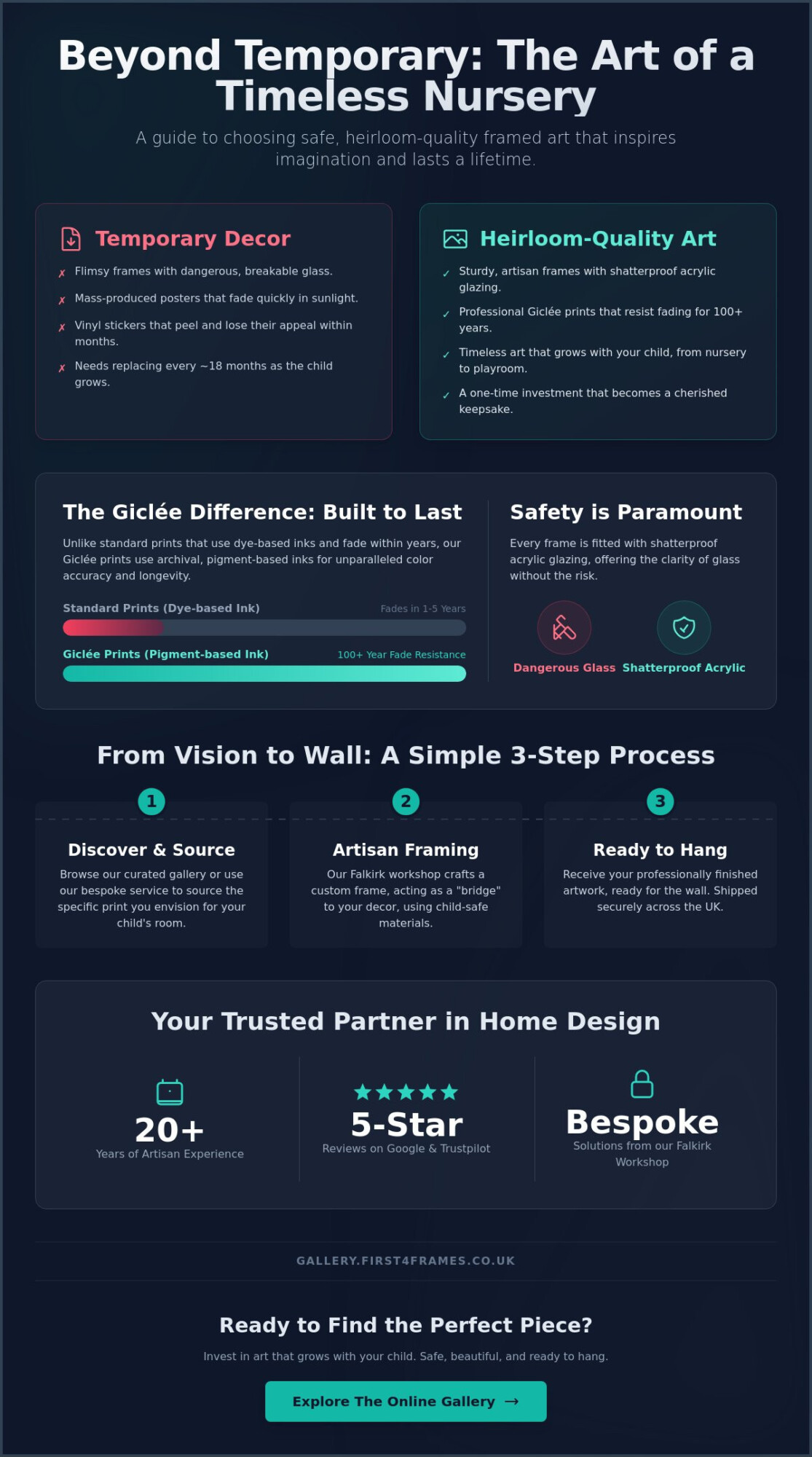
Many parents initially reach for vinyl wall stickers or mass-produced posters, but these temporary solutions often lose their appeal or begin to peel within months. Choosing fine art Giclée prints means opting for archival materials that won’t yellow or fade when exposed to sunlight. We’ve spent over twenty years perfecting our craft in our Falkirk workshop, ensuring that every piece we frame remains as vibrant as the day it was printed. These aren’t just transient decorations; they’re keepsakes that carry emotional value as your child grows. Our customers frequently highlight this longevity in their reviews on Trustpilot and Google, noting how our professionally framed prints survive the transition from a nursery to a high-energy playroom.
From Babyhood to Big-Kid Rooms: Choosing Timeless Themes
Selecting subjects like nature, botanical illustrations, or whimsical wildlife ensures the artwork remains relevant as your child’s personality develops. A premium frame acts as the bridge between your room décor and the artwork, turning a simple illustration into a sophisticated focal point. We can provide nearly any framing style available in the UK or source specific prints if you have a particular vision in mind. For more inspiration on creating a beautiful gallery, you can browse our curated collections online. We offer both reliable shipping across the UK and the option for local collection, making it easy to secure a bespoke finish for your child’s sanctuary.
Selecting Whimsical Themes and Fine Art Giclée Prints
Choosing the right theme for your child’s room sets the stage for years of discovery. Current 2026 trends favour botanical illustrations, whimsical animals, and soft, earthy landscapes that create a calming sanctuary rather than a chaotic play area. These sophisticated styles grow with your child, moving easily from a nursery to a primary schooler’s bedroom. We don’t just provide generic decor; we offer a gateway to professional artistry. Giclée prints are archival-standard reproductions using pigment-based inks that offer a 100-year fade resistance, ensuring your nursery decor remains vibrant for a century.
Spotlight on Matylda Konecka: Whimsy and Wonder
Matylda Konecka’s work is a fantastic choice for parents seeking a blend of Scottish heritage and dreamlike storytelling. Her scenes often feature whimsical creatures and ethereal landscapes that instantly spark a child’s imagination. We recommend pairing her vibrant prints with a clean, bespoke frame to act as a bridge between the artwork and your modern nursery furniture. You can explore her latest enchanting pieces in our online art gallery.
The Giclée Difference: Why Archival Quality Matters for Kids
Standard inkjet prints often use dye-based inks that shift colour or fade within a few years, especially in rooms with plenty of natural light. Our Giclée process uses museum-grade materials that resist UV damage, which is essential for south-facing nurseries. Research into the Importance of Art in Child Development suggests that children benefit deeply from a consistent and high-quality visual environment. By investing in archival quality, you’re ensuring that the “heavy lifting” of the room’s aesthetic is handled by art that looks as spectacular in ten years as it does today. If you’re ready to start your journey, you can browse our full collection to find the perfect match for your home.
Custom Framing for Kids’ Rooms: Prioritising Safety and Aesthetics
The frame is the essential bridge between your room décor and the artwork. While the print captures the imagination, the frame ensures the piece sits perfectly alongside your furniture and textiles. We can provide almost any framing option available in the UK upon request, giving you total creative control over the final look. We offer bespoke options beyond those listed on our website because we understand that every nursery has a unique architectural layout and colour story. Whether you’re working with a palette of calming sage green or soft dusty rose, the right profile can elevate a simple illustration into a professional gallery piece.
Safety First: Glass vs. Acrylic for Children’s Spaces
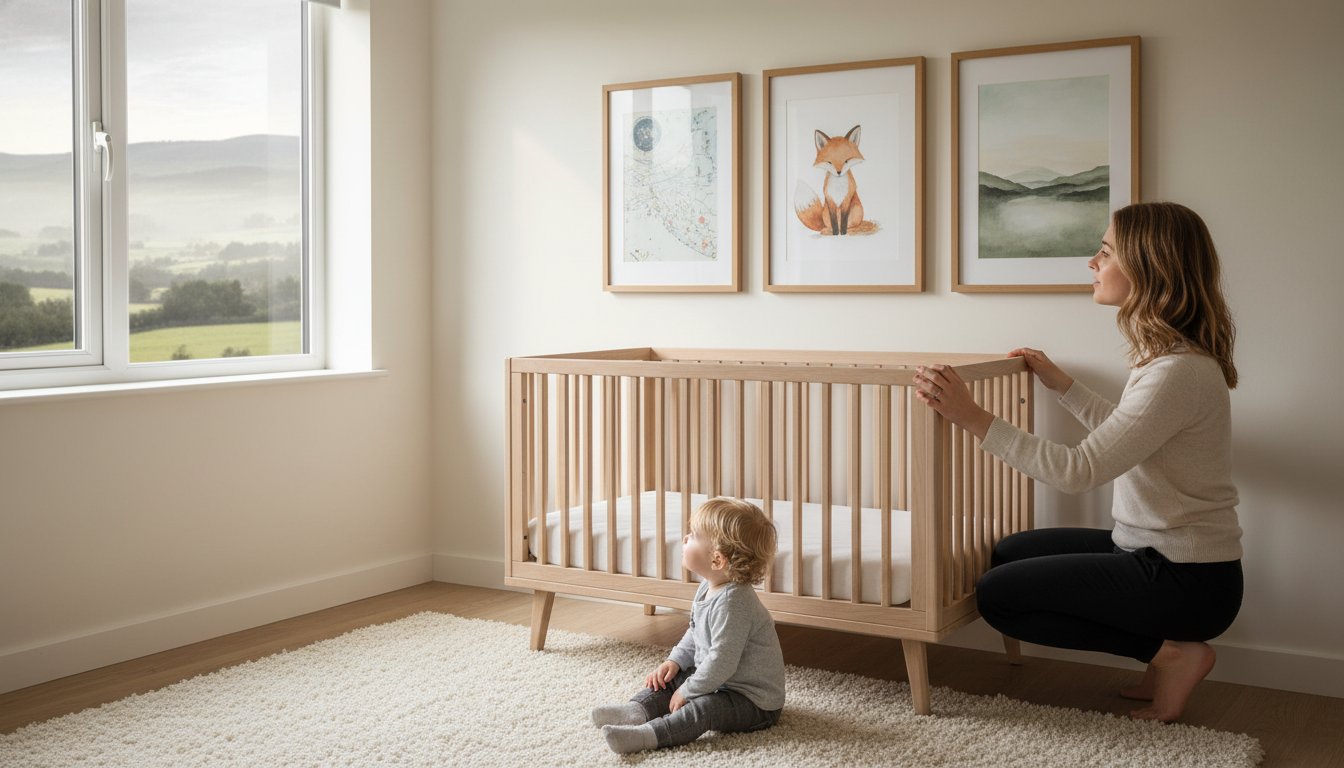
Safety is our top priority when creating art for a nursery or child’s room. We strongly recommend using high-quality acrylic, often known as Perspex, instead of traditional glass. Acrylic is virtually shatter-resistant, making it the only sensible choice for play areas or spaces where children are active. It’s also significantly lighter than glass. This is a vital weight consideration if you plan on hanging art securely over a cot or bed. To ensure your piece fits your wall space safely, check our guide on Standard Photo & Picture Sizes for scale guidance.
Bespoke Framing Style: Minimalist to Ornate
Professional framing also supports early childhood development by providing a clear, focused border for visual exploration. You might choose a minimalist natural wood profile to match a Scandi-style cot, or a more ornate white frame for a traditional aesthetic. Using a mount doesn’t just add depth; it provides a necessary air gap that protects the print surface from touching the glazing over time. This craftsmanship is why our customers leave glowing reviews on Trustpilot and Google.
With twenty years of experience in our Falkirk workshop, we’ve built a reputation for reliable service and artisan quality. We offer both safe shipping across the UK and the option for local collection at our workshop. If you’re ready to transform your space with a custom touch, browse our bespoke framing options today.
The First4Frames Experience: Sourcing, Framing, and Local Expertise
Choosing art for a nursery or child’s room is a personal journey, and we’ve spent more than twenty years as a dedicated one-stop-shop for parents who value quality and craftsmanship. Unlike automated warehouses that ship mass-produced items from abroad, we handle every print and frame within our Falkirk-based workshop. This local expertise allows us to maintain a level of artisan quality that large retailers simply can’t match. We take immense pride in our materials and our process, which is why we encourage you to check our reviews on Trustpilot, Google, and Yell. These testimonials from thousands of satisfied customers reflect our commitment to a professional, hassle-free service.
We believe in absolute flexibility for your home. If you’ve discovered a specific piece of art for a nursery or child’s room elsewhere, or if you require a frame profile not currently shown on our website, we can help. We have the capability to source almost any framing option available in the UK and can often track down specific prints upon request. This bespoke approach ensures your child’s sanctuary is truly unique and tailored to your specific vision.
How to Order Your Custom Nursery Art
Our simple three-step process takes the stress out of decorating and ensures you receive a ready-to-hang masterpiece:
Step 1: Browse our extensive online gallery or contact us to request a specific print we don’t currently stock.
Step 2: Choose your bespoke frame and mount options to create that perfect bridge between the artwork and your room’s furniture.
Step 3: Place your order and select either secure UK shipping or the convenience of local collection at our Falkirk gallery.
Commercial and Bulk Solutions for Daycares or Schools
Beyond individual homes, we provide curated artwork solutions for commercial clients like daycares, primary schools, and pediatric clinics. These high-traffic environments require the same archival quality and safety-first approach we apply to our residential projects. If you’re managing a larger project and need a trusted professional partner, please contact us for bespoke photo printing and framing services. We’ll help you curate a spectacular and inspiring environment for the next generation.
Transform Your Child’s Room Into a Creative Sanctuary
Selecting the perfect art for a nursery or child’s room is an investment in your little one’s future creativity and comfort. You’ve learned that choosing archival Giclée prints prevents fading for up to 100 years, while opting for shatterproof acrylic ensures a safe environment for active play. A professional frame does more than just hold a picture; it serves as a bridge between your carefully chosen decor and the inspiring world of fine art. We’ve spent over twenty years perfecting our craft in our Falkirk workshop to help you make these design choices with confidence.
Our team is ready to help you find that one-of-a-kind piece, whether it’s from our curated gallery or a bespoke sourcing request. With top-rated reviews on Trustpilot and Google, we’re proud to be a trusted partner for families across the UK. Every piece is handcrafted with care, ensuring your ready-to-hang art arrives safely at your door or is ready for local collection. We don’t just sell frames; we help you create a sanctuary where your child can dream and grow. Explore our curated collection of nursery-friendly art at First4Frames Gallery and start building your child’s first gallery today.
Frequently Asked Questions
What kind of art is best for a nursery or child’s room?
Fine art Giclée prints with whimsical, nature-based, or educational themes are the premier choice for art for a nursery or child’s room. These prints use pigment inks that offer 100-year fade resistance, ensuring the colours remain vibrant as your child grows. We recommend choosing timeless subjects like botanical illustrations or soft landscapes that transition easily into older childhood rooms. This approach avoids the need to redecorate every few years.
Is glass or acrylic better for a child’s room frame?
High-quality acrylic, often called Perspex, is the superior choice for safety and durability in a child’s space. It’s virtually shatter-resistant. This is a critical safety feature for play areas where accidents can happen. Acrylic is also much lighter than glass. This makes it safer to hang over furniture like a cot or bed while maintaining the crystal-clear clarity of a professional gallery finish.
How high should I hang art in a nursery?
We recommend hanging the centre of the artwork approximately 145 to 152 centimetres from the floor. This standard gallery height ensures the piece is at adult eye level for your enjoyment while remaining safely out of reach for toddlers. If you’re hanging art for a nursery or child’s room above a cot, ensure there’s a 20-centimetre gap between the bottom of the frame and the highest point the child can reach.
Can you source a specific print if it’s not on your website?
Yes, we can source almost any print or framing material available in the UK upon request. We pride ourselves on being a bespoke one-stop-shop, so don’t feel limited by what you see in our current online gallery. Our team has over 20 years of experience tracking down specific artists and unique frame profiles to suit your vision. Simply contact us with the details and we’ll handle the sourcing and professional framing.
Do you offer local collection for framed art in Falkirk?
We offer a convenient local collection service at our Falkirk workshop and gallery for all our customers. This is a great option if you’d like to save on shipping or want to see our craftsmanship in person before taking your piece home. We also provide secure shipping across the UK if you’re further away. Our commitment to reliable service is reflected in our five-star reviews across Trustpilot, Google, and Yell.