


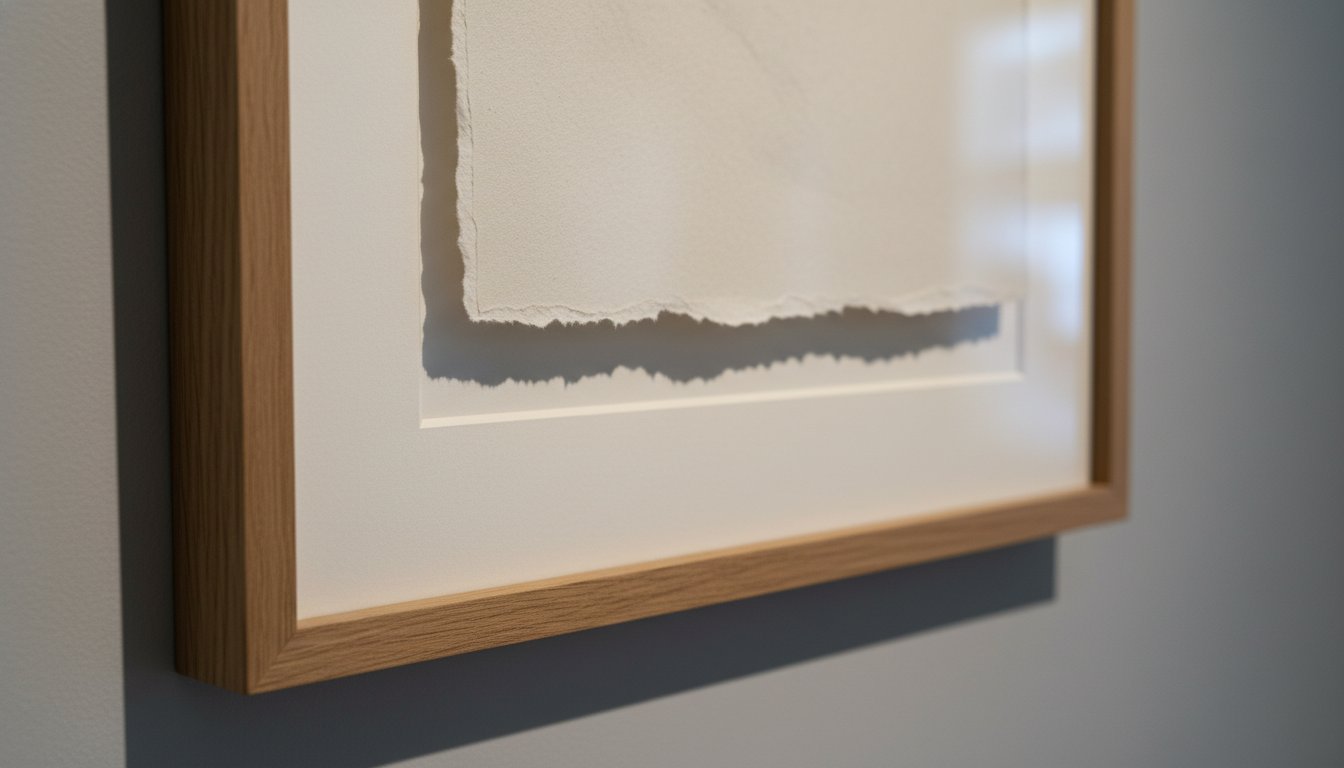
Have you ever admired a piece of art that seems to hover within its frame, casting a soft, captivating shadow? This modern, gallery-quality display can truly elevate a piece, but the terminology can be confusing. If you’re unsure what ‘float mounting’ means, if it’s the right choice for your treasured print, or how it differs from traditional framing, you’ve come to the right place. We believe understanding the beautiful technique of float mounting for artwork should be simple and inspiring, not a source of worry about potential damage.
As passionate artisans with decades of experience, we want to give you the confidence to make the perfect choice. In this complete guide, we’ll demystify the process, exploring what float mounting is and when to use it for a spectacular effect. You’ll discover how our bespoke, archival-quality craftsmanship not only creates a stunning display but also protects your art for years to come. Prepare to see your art in a whole new, professional light.
What is Float Mounting? A Modern Approach to Framing
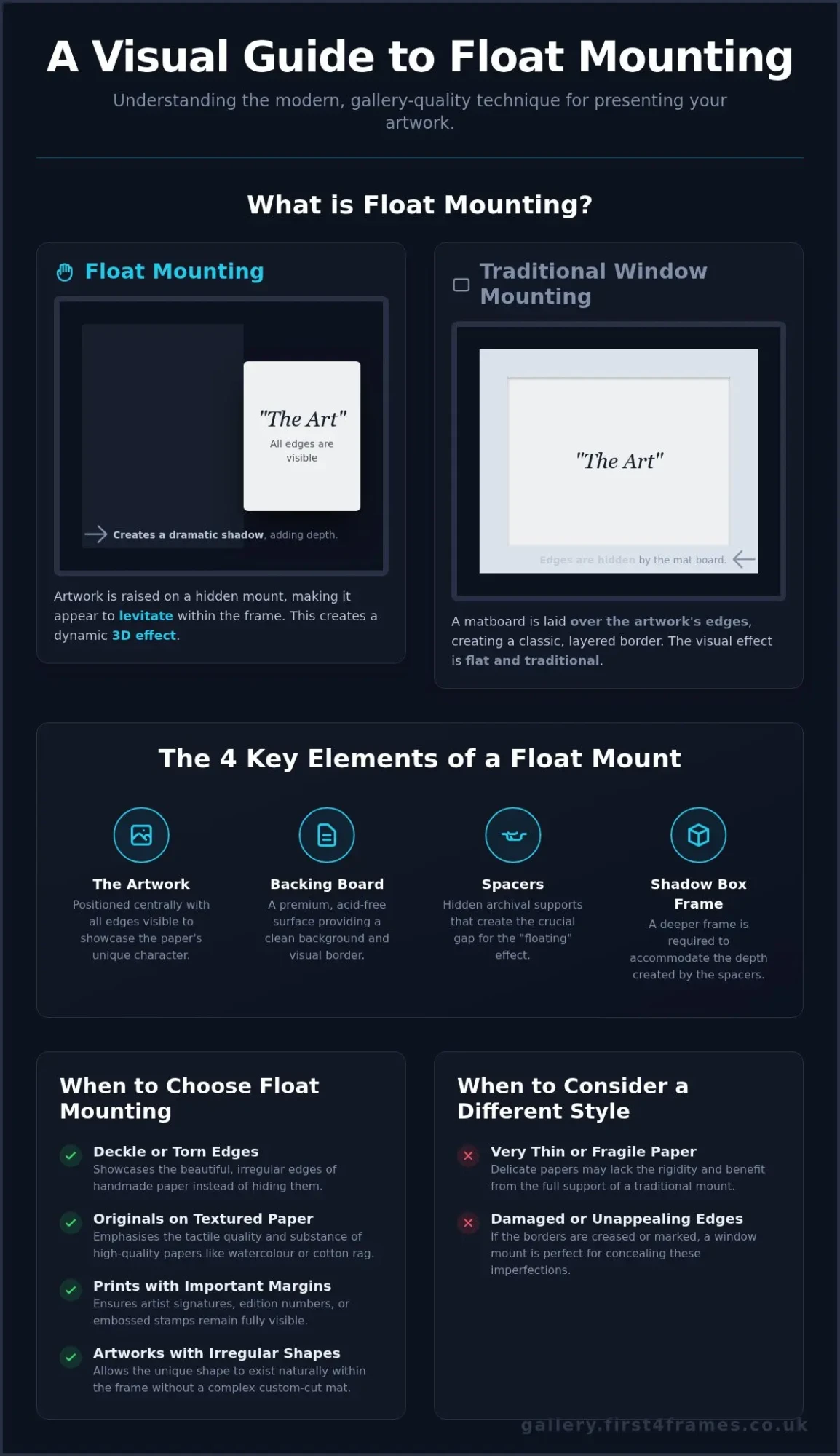
Imagine your artwork not just displayed, but truly presented. Float mounting is a premium framing technique where your art is raised on a hidden, archival-quality mount. This elevates the piece away from the backing board, making it appear as if it is levitating or ‘floating’ within the frame. This subtle separation creates a soft, dramatic shadow beneath the artwork, adding a spectacular sense of depth and drawing the viewer’s eye directly to the piece itself.
To see this beautiful technique in action, watch this helpful demonstration from the experts:

This modern approach stands in beautiful contrast to traditional window mounting. In a window mount, a bespoke matboard is cut with an aperture and laid over the edges of the artwork, creating a classic border. While a standard picture framing mat serves to protect and frame the image, float mounting celebrates the entire piece, edges and all. For a quick comparison, see our table below.
| Feature | Float Mounting | Window Mounting |
|---|---|---|
| Artwork Edges | Completely visible and celebrated | Overlapped and hidden by the mat |
| Visual Effect | Dynamic 3D effect with a shadow | Flat, layered, and traditional |
| Best For | Original art, textured paper, modern interiors | Photographs, prints, classic decor |
The Key Elements of a Float Mount
The magic of float mounting lies in a few essential components working in perfect harmony:
- The Artwork: Positioned centrally with every edge visible, showcasing the paper’s unique character.
- The Backing Board: A premium, acid-free surface that provides a clean background and a visual border around the art.
- The Spacers: Hidden supports, often made from archival foam board, that create the crucial gap between the art and the backing.
- The Frame: A deeper frame, known as a ‘shadow box’, is required to accommodate the depth created by the spacers.
Why It’s a Favourite for Galleries and Artists
The preference for float mounting for artwork in professional galleries and studios comes down to respect for the art. This method offers a contemporary and sophisticated presentation that treats the artwork as a physical object, not just an image. It honours the craftsmanship by highlighting the unique qualities of the paper itself-be it a delicate, deckled edge on watercolour paper or the rich texture of a handmade print. It’s a statement that the art, in its entirety, is the hero.
When to Choose Float Mounting for Your Artwork
Float mounting is a spectacular way to present a piece, but its modern, gallery-style finish isn’t the perfect fit for every single artwork. This bespoke technique, which shouldn’t be confused with other display methods as detailed in this helpful guide on Float mounting vs. floater frames, is all about celebrating the artwork as an object. The decision hinges on the unique characteristics of your piece-its paper, the condition of its edges, and its overall style. This guide will help you determine if it’s the ideal choice to create that stunning, three-dimensional effect you’re looking for.
Ideal Candidates for Float Mounting
This premium presentation style truly shines when paired with specific types of art. It turns the entire piece, paper and all, into the star of the show. Consider this method if your artwork has:
- Deckle or Torn Edges: The feathered, irregular edges of handmade paper are a beautiful feature. Float mounting showcases this unique texture rather than hiding it behind a window mount.
- Originals on Heavy, Textured Paper: For works on high-quality, heavyweight paper (like watercolour or cotton rag), floating the art emphasises its tactile quality and substance.
- Prints with Important Margins: If an artist’s signature, edition number, or an embossed stamp sits in the margin, float mounting ensures these vital details remain visible and part of the overall presentation.
- Artworks with an Irregular Shape: Instead of commissioning an awkward, custom-cut window mount, floating an unusually shaped piece allows it to exist naturally within the frame.
When to Consider a Different Framing Style
While beautiful, float mounting for artwork isn’t a universal solution. In some cases, a traditional window mount provides better aesthetic or physical support. You might prefer a different style if:
- The paper is very thin or fragile: Delicate papers, like those from old books or certain rice papers, may lack the rigidity to be float mounted and benefit from the full support of a traditional mount.
- The edges are damaged or unappealing: If the borders of your artwork are creased, stained, or simply not intended to be seen, a window mount is perfect for creating a clean, crisp finish.
- A classic aesthetic is preferred: Float mounting offers a contemporary look. For a more traditional or formal presentation, the classic elegance of a window mount is often a better match.
- You are working to a tighter budget: As a more labour-intensive, bespoke process, float mounting typically costs more than standard mounting. It’s a premium service with a price tag to match.
The Professional Process: How a Float Mount is Constructed
Creating a genuine float mount is a meticulous craft that blends precision engineering with art conservation. It’s far more than simply sticking a picture to a board; it’s a bespoke technique designed to enhance and protect your piece. We use only premium, archival-grade materials to ensure your artwork is preserved without damage for decades to come. Understanding the craftsmanship involved highlights why trusting a professional framer is essential for any valuable or sentimental artwork.
Step 1: Preparing the Foundation
The process begins with a solid, stable base. We cut a sheet of high-quality, acid-free mountboard to the final dimensions of your chosen frame. Centred on this backing, we then secure a smaller, hidden ‘riser’-typically made from conservation-grade foam board. This riser is the hidden hero of the float mount, providing the crucial elevation that lifts your artwork away from the backboard and creates the signature shadow effect.
Step 2: Hinging the Artwork
This is where true conservation expertise comes into play. The artwork is carefully positioned and attached to the riser using a time-honoured method known as ‘T-Hinging’. We use delicate, strong Japanese paper and a reversible, pH-neutral wheat starch paste. This secure method is central to professional float mounting for artwork and is completely reversible, meaning the hinges can be removed by a conservator in the future without leaving any residue or causing damage. These principles are core to all archival framing, including advanced museum mounting techniques.
Step 3: Creating Space and Assembling
To complete the floating effect and protect the art’s surface, we fit spacers to the inside edge of the frame’s rebate. These spacers create a vital air gap between the artwork and the glazing (the glass or acrylic). This gap prevents moisture transfer and stops the art from ever touching the glass, which could cause irreversible damage over time. Finally, the glazing, the mounted artwork, and the backing are all carefully layered and secured within the frame, ready to display.

Key Benefits: Why Float Mounting is Worth It
While the visual appeal of float mounting is undeniable, its benefits extend far beyond a beautiful first impression. This premium technique is a thoughtful investment, offering a perfect marriage of superior aesthetics and professional-grade preservation. It’s a method designed to honour the art, allowing the piece to be the undisputed star of the show while ensuring it’s protected for decades to come. By respecting the integrity of the artwork and presenting it in its entirety, it provides a viewing experience that is both spectacular and sincere.
Unmatched Visual Impact
The defining feature of float mounting is the breathtaking 3D effect it creates. By elevating the artwork from the backing board, it casts a soft shadow that adds depth and a dynamic quality to the entire presentation. This clean, gallery-style aesthetic is perfectly suited to modern interiors, offering a minimalist frame that doesn’t compete with the art. The artwork’s own edges-whether crisp and clean or beautifully deckled-become an integral part of the composition.
Complete and Unobstructed View
Unlike traditional window mounts that cover the perimeter of your print, the great advantage of float mounting for artwork is that it leaves the piece completely visible. This means crucial details are never hidden from view. You can fully appreciate:
- The artist’s signature
- Edition numbers on limited prints
- Embossments or watermarks from the printmaker
- The unique texture and quality of the fine art paper
This method celebrates the artwork as a complete object, not just an image.
Superior Archival Protection
At First4Frames Gallery, our craftsmanship is rooted in conservation. Float mounting is an excellent choice for archival protection because the artwork never makes direct contact with the glazing (glass or acrylic). This crucial separation prevents potential moisture damage or the image adhering to the surface over time. We use only 100% acid-free, conservation-grade materials to prevent yellowing and degradation, and our non-invasive hinging technique can be safely reversed by a professional, protecting the long-term value of your piece.
To see how this beautiful technique transforms a piece of art, explore some stunning examples in our online gallery.
Your Artwork, Expertly Float Mounted by First4Frames
Achieving the perfect float mount is more than a technical process; it’s an art form that demands a passion for creativity and an expert’s eye for detail. With over 20 years of experience in bespoke picture framing, our team at First4Frames understands how to make your art the undeniable focal point of any room. We combine time-honoured craftsmanship with the finest archival materials to ensure your piece is not just displayed, but beautifully preserved. Trust us to transform your artwork into a stunning, gallery-worthy centrepiece that will be cherished for a lifetime.
Our Bespoke Consultation Process
Your vision is the starting point for everything we do. Our friendly, personalised consultation process is designed to bring that vision to life. We take the time to understand your artwork and what you want to achieve with its display. Our experts will:
- Discuss your artwork’s unique characteristics and your personal style.
- Guide you through our extensive collection of premium frame mouldings and backing colours to find the perfect combination.
- Advise on whether float mounting for artwork is the ideal technique to create the dramatic, 3D effect you desire for your specific piece.
Commitment to Quality and Craftsmanship
We treat every piece of art that enters our workshop with the care and respect it deserves. From our dedicated workshop in Falkirk, our skilled framers employ professional conservation techniques to protect your art from environmental damage and ensure its longevity. Every frame is meticulously constructed, creating a bespoke home for your artwork that is built to last. This commitment to quality is the cornerstone of our service, giving you complete peace of mind.
Ready to give your art the display it deserves? Get a bespoke framing quote today.
Elevate Your Art with Expert Float Mounting
As we’ve explored, float mounting offers a stunning, contemporary way to display your cherished pieces. This technique creates a beautiful shadow effect that makes your art appear to levitate within the frame, drawing the eye directly to the unique edges and texture of the work. It’s the perfect choice for adding depth and a modern, gallery-quality feel to your home.
When you’re ready to experience the unique beauty of float mounting for artwork, trust the passionate experts. With over 20 years of professional framing experience, our team at the First4Frames workshop in Falkirk, Scotland, handles every piece with meticulous care. We use only archival, conservation-grade materials to create a bespoke frame that not only looks spectacular but also protects your art for a lifetime.
Ready to give your art the presentation it truly deserves? Explore our bespoke framing services and get a personalised quote.
Frequently Asked Questions About Float Mounting
Does float mounting cost more than standard framing?
Yes, float mounting typically costs more than standard framing. This is because the process requires more specialist materials, such as spacers to create the floating effect and often a deeper, more premium frame profile. The craftsmanship involved is also more detailed and time-consuming. While the exact price varies, you can generally expect to invest a little more for this spectacular, three-dimensional finish, but the stunning result is well worth it for a treasured piece.
Will float mounting damage my original artwork?
When carried out by a professional, float mounting is a completely safe and archival method that will not damage your artwork. We use conservation-grade, acid-free materials and specialised hinging techniques to secure the art to the backing board. This process is fully reversible, ensuring your piece is preserved in its original condition. Entrusting your art to an expert guarantees its protection and a beautiful, lasting display that honours the piece.
Can you float mount a canvas painting?
Absolutely! While the technique is slightly different, you can achieve a beautiful floating effect with a canvas. This is typically done using a ‘floater frame’. The stretched canvas is set into a deep frame, leaving a small, uniform gap all around the edge. This creates the illusion that the canvas is suspended within the frame, offering a clean, contemporary finish that allows the entire painted surface, including the sides, to be visible.
What is a ‘deckle edge’ and why is it good for float mounting?
A ‘deckle edge’ is the beautifully feathered, untrimmed edge found on high-quality, handmade paper. It’s a sign of true craftsmanship. This unique detail is why float mounting for artwork is such a perfect choice for these pieces. A traditional window mount would hide these gorgeous, irregular edges, but float mounting elevates the paper, turning the deckle edge into a celebrated feature of the final, stunning presentation.
How deep does a frame need to be for float mounting?
To create a successful float mount with a noticeable 3D effect, the frame needs a sufficient internal depth, known as the ‘rebate’. We recommend a frame with a rebate of at least 25mm. This depth is necessary to accommodate the backing board, the spacers that lift the artwork, the artwork itself, and the protective glazing on top. This ensures there is enough space to create that beautiful shadow and sense of dimension.
Is the artwork permanently stuck down in a float mount?
No, in a professionally executed float mount, your artwork is never permanently stuck down. We use a conservation method involving acid-free ‘T-hinges’ made from Japanese paper. These are applied only to the top edge of the artwork, allowing it to hang naturally and respond to environmental changes without buckling. This technique is completely reversible, meaning the artwork can be safely removed from the frame in the future without any damage.