Posted on

Milestone Birthday Gift Art for a Wildlife Lover: Why Boxing Hares Lasts

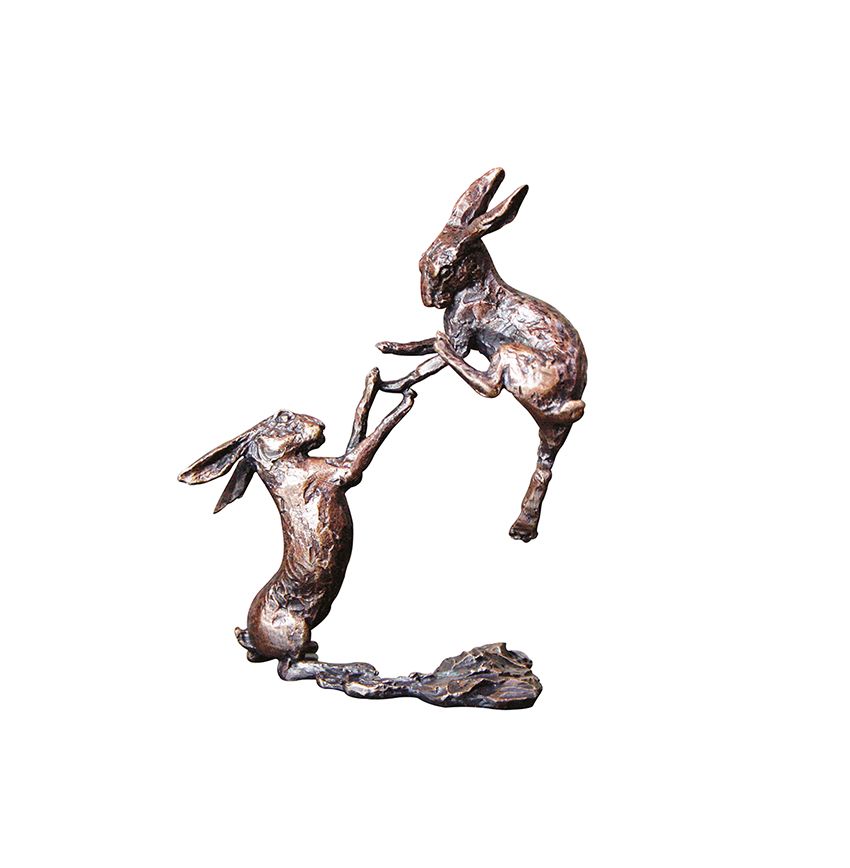
Boxing Hares is a bronze sculpture depicting two hares in playful motion—one standing on its hind legs while the other leaps, their front paws touching dynamically.

milestone birthday gift art for a wildlife lover should earn its place by answering a real question about the room or recipient. Boxing Hares is a useful starting point because this miniature bronze captures recognisable spring behaviour in a lasting material, creating a personal object for someone who notices wildlife rather than a disposable age-themed keepsake.

Choose milestone birthday gift art for a wildlife lover personally

Start with the recipient’s interests. Boxing Hares suits someone who watches countryside wildlife, collects small sculpture or values traditional making. It is less convincing as a generic present chosen only because the birthday falls in spring.

Gift detailWhat to consider
SubjectDo hares or countryside encounters mean something to the recipient?
ScaleAt 7 cm high and 5 cm wide, it needs a close-view position.
MaterialPure foundry bronze gives a compact object permanence.
PresentationThe printed box, pouch and collector’s leaflet make it feel resolved.

A glazed cabinet, reading-room shelf or desk can protect the sculpture while allowing both figures to be seen. Keep it away from the edge and from larger objects that disguise its silhouette.

A milestone gift feels personal when the subject recalls the recipient, not when a large number is printed across it.

A handwritten note can explain the choice: perhaps a shared walk, a garden visitor or an enthusiasm for British wildlife. That story provides the birthday connection while the bronze remains enjoyable beyond the occasion.

Value small-scale foundry craft, not only the occasion

Boxing Hares was sculpted by Michael Simpson for the Butler & Peach Collection and cast in pure foundry bronze. Its miniature size does not make the making incidental: modelling, casting and finishing allow the lively pose to become a durable collector object.

For reliable background on the brown hare, including its habitat and spring behaviour, read The Wildlife Trusts’ brown hare profile. You can also browse the Richard Cooper Bronze collection or see the exact framed product.

Milestone birthday gift art for a wildlife lover should retain meaning when the cards are put away. Boxing Hares combines a specific natural subject, compact scale and traditional bronze craft in an object designed to be kept.

Posted on

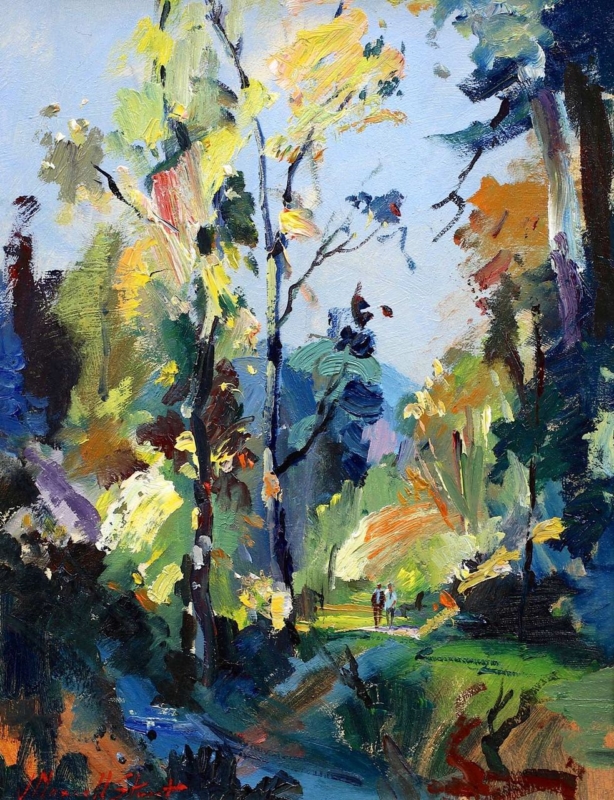
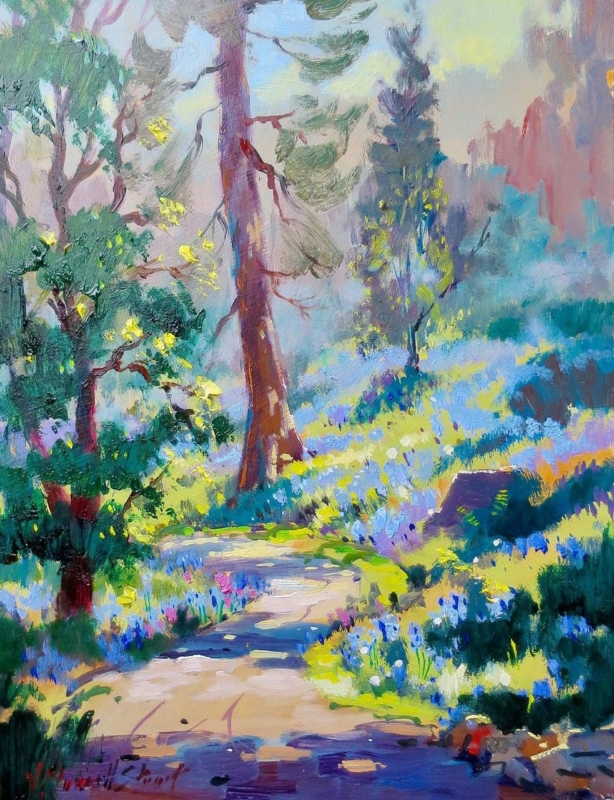
Nature Wall Art for a Windowless Hallway: Follow the Bluebell Trail

nature wall art for a windowless hallway should earn its place by answering a real question about the room or recipient. Bluebell Trail is a useful starting point because its portrait woodland subject suggests a route beyond the wall, giving a dark passage visual depth without requiring mirrors or a crowded run of small pictures.

Light nature wall art for a windowless hallway in layers

Begin at the hallway entrance. The strongest wall is often the one seen at the far end, because a portrait image can act as a destination. Avoid the section most likely to be brushed by coats, bags or opening doors, even if it appears central on a plan.

Run a hallway sightline test

  • Mark the finished frame for both 265 × 345 mm and 400 × 500 mm print options.
  • Walk towards the outlines from every connecting room.
  • Open doors fully and check handles cannot strike the frame.
  • Confirm that coat storage does not cover the lower view.

Without daylight, colour depends on the lamps. Use a warm, high-quality source that spreads across the wall rather than creating one hard hotspot. A picture light can work, but its beam should cover the art evenly and its fitting should not crowd the frame.

Why not add more woodland accessories?

The trail and bluebells already establish nature. A plain runner, one timber element and practical storage support the scene better than leaf wallpaper, artificial flowers and several botanical prints.

Use one framed route to make the passage feel deeper

A hallway image is read quickly and from changing distances. Colour-managed Giclée production helps the woodland remain clear under controlled light, while a precisely mounted, hand-finished frame gives the portrait a dependable edge.

For information about native bluebells, their habitat and responsible woodland visits, consult the Woodland Trust’s bluebell guide. You can also browse the Joseph Maxwell Stuart collection or see the exact framed product.

Nature wall art for a windowless hallway can do more than add colour. Bluebell Trail creates direction, outdoor depth and a calm endpoint, while careful lighting makes the framed work useful throughout the day.

Posted on

Modern Wall Art for an Evening Snug: Build Around Avant Les Ténèbres

modern wall art for an evening snug should earn its place by answering a real question about the room or recipient. Avant Les Ténèbres is a useful starting point because its portrait shape and suggestive title can give a compact room atmosphere without filling shelves, corners and walls with objects chosen merely to make the space feel dramatic.

Place modern wall art for an evening snug in the seated view

A snug is experienced from a chair or sofa, so standing eye level is not the only guide. Sit in the place used most often. Identify the wall that stays visible beyond a lamp, open door or television, then build the artwork’s position from that slower sightline.

Small portrait option

The 208 × 300 mm print can make a concentrated point beside shelving or above a narrow table. Leave clear wall around the finished frame.

Larger portrait option

The 400 × 560 mm print can hold the main wall. Test its outline against the sofa and nearby lighting.

  1. Switch on the lamps normally used at night.
  2. Check whether a bare bulb reflects across the position.
  3. Keep the frame beyond doors and cabinet fronts.
  4. Use one tactile fabric to soften the setting.
  5. Remove small pictures that compete with the portrait.

An evocative title can invite interpretation without forcing a literal story. Warm pools of light, a restrained wall colour and one substantial frame create more atmosphere than a collection of signs.

Frame atmosphere without making the room feel heavy

Modern work with tonal movement needs controlled reproduction and a clean edge. Colour-managed Giclée production supports subtle transitions, while bespoke framing completed in-house keeps the portrait composition open among softer furnishings.

For context on art that simplifies, rearranges or departs from visible reality, see Tate’s concise guide to abstract art. You can also browse the Emily Little collection or see the exact framed product.

Modern wall art for an evening snug should reward quiet looking after the main lights go down. Avant Les Ténèbres establishes that mood through one deliberate focal point, measured placement and warm, glare-aware lighting.

Posted on

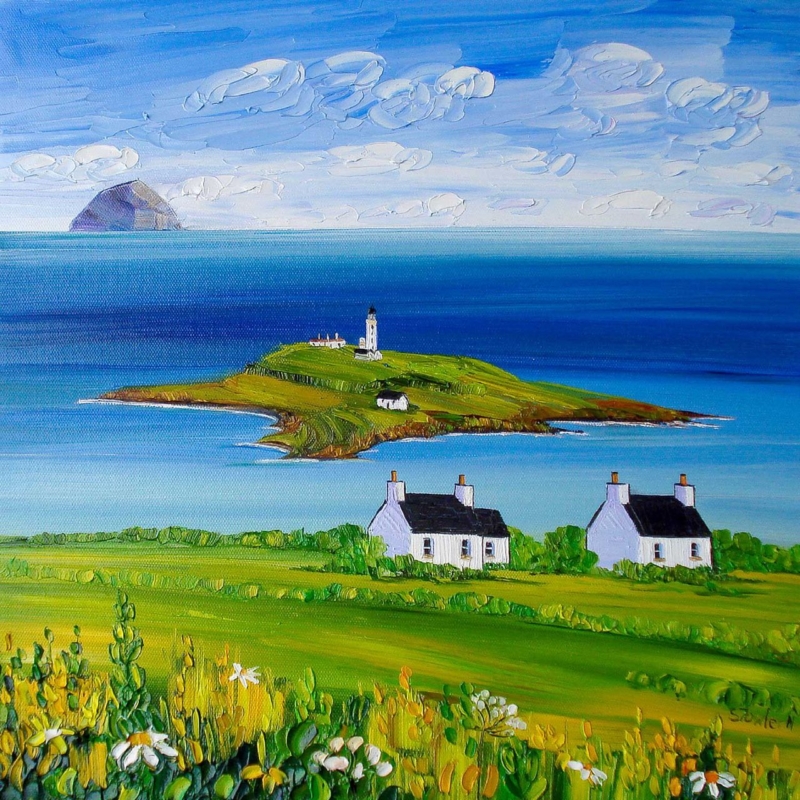
Art for Pale Blue Walls in a Coastal Living Room: Ailsa Craig from Kildonan

art for pale blue walls in a coastal living room should earn its place by answering a real question about the room or recipient. Ailsa Craig from Kildonan is a useful starting point because its square view gives the eye a named Scottish destination, while the island silhouette adds depth without asking every textile and accessory to repeat the coastal idea.

Choose art for pale blue walls in a coastal living room by contrast

Pale blue paint can be restful, yet a room becomes flat when the artwork, upholstery and accessories all sit at the same cool value. View the print from the main seat. Let the island and Kildonan setting provide the focal point, then use the frame to make a clear boundary between image and wall.

DecisionPractical check
265 mm square printTest it above a compact chair, console or short wall return.
500 mm square printUse it where a sofa or longer view needs more visual weight.
Frame toneCompare a natural or neutral edge instead of adding another coastal blue.
Room accentsRepeat one land or sky note, then stop before the scheme becomes literal.

Mark the full framed square with low-tack tape. Include the mount and moulding, because their width decides whether the image feels anchored. Check the template in daylight and under evening lamps; pale walls often change as the light cools.

A coastal room needs one convincing view, not a collection of anchors, ropes and matching blue objects.

Let the island bring distance while the frame brings definition

A square composition benefits from accurate mounting and an outer edge visible against the paint. Colour-managed Giclée production preserves tonal distinctions, while bespoke framing completed in-house in Falkirk gives the work a hand-finished, ready-to-hang presence.

For background on the island’s geography, history and place in the Firth of Clyde, read this geographical introduction to Ailsa Craig. You can also browse the Sheila Fowler collection or see the exact framed product.

Art for pale blue walls in a coastal living room works when the picture contributes a destination rather than another colour sample. Ailsa Craig from Kildonan offers Scottish place, measured scale and enough character to keep a cool room personal.

Posted on

Botanical Wall Art for a Garden-Facing Hallway: Dawyck Botanic Gardens

botanical wall art for a garden-facing hallway should earn its place by answering a real question about the room or recipient. Dawyck Botanic Gardens is a useful starting point because its portrait proportions can create a visual destination at the end of a route while its named Scottish garden connects naturally with the landscape beyond the door.

Place botanical wall art for a garden-facing hallway beyond the traffic

Walk the route from the garden door before choosing the wall. Note where wet coats, bags and open doors normally sit. The artwork needs a clean sightline and enough distance from splashes or repeated contact, even when the hallway is at its busiest.

Use the 265 × 345 mm print

Consider the smaller portrait option for a short return, wall between doors or focused view above a slim console.

Use the 400 × 500 mm print

Test the larger option where the picture closes a longer sightline and must remain visible beyond entrance furniture.

  1. Mark the finished frame, not only the print.
  2. Open every nearby door fully.
  3. View the template from outside and from the main interior room.
  4. Keep hooks, switches and alarm panels beyond its edge.
  5. Check evening shadows from entrance lighting.

There is no need to repeat leaves across wallpaper, runners and cushions. Let the named botanic garden carry the planted idea. A durable runner, quiet wall colour and one natural material can support it while the hallway remains practical.

Give a busy route one composed garden destination

A hallway picture is often seen in motion and from several distances. Colour-managed Giclée production supports visual clarity, while a bespoke frame made in-house gives the portrait work a precise outline that can hold its place among doors, storage and changing daylight.

For the garden’s collections, history and current visitor information, see the Royal Botanic Garden Edinburgh’s Dawyck visitor guide. You can also browse the Joseph Maxwell Stuart collection or see the exact framed product.

Botanical wall art for a garden-facing hallway should connect with the outdoors without adding practical clutter. Dawyck Botanic Gardens creates a steady destination, while measured placement protects it from the daily route.

Posted on

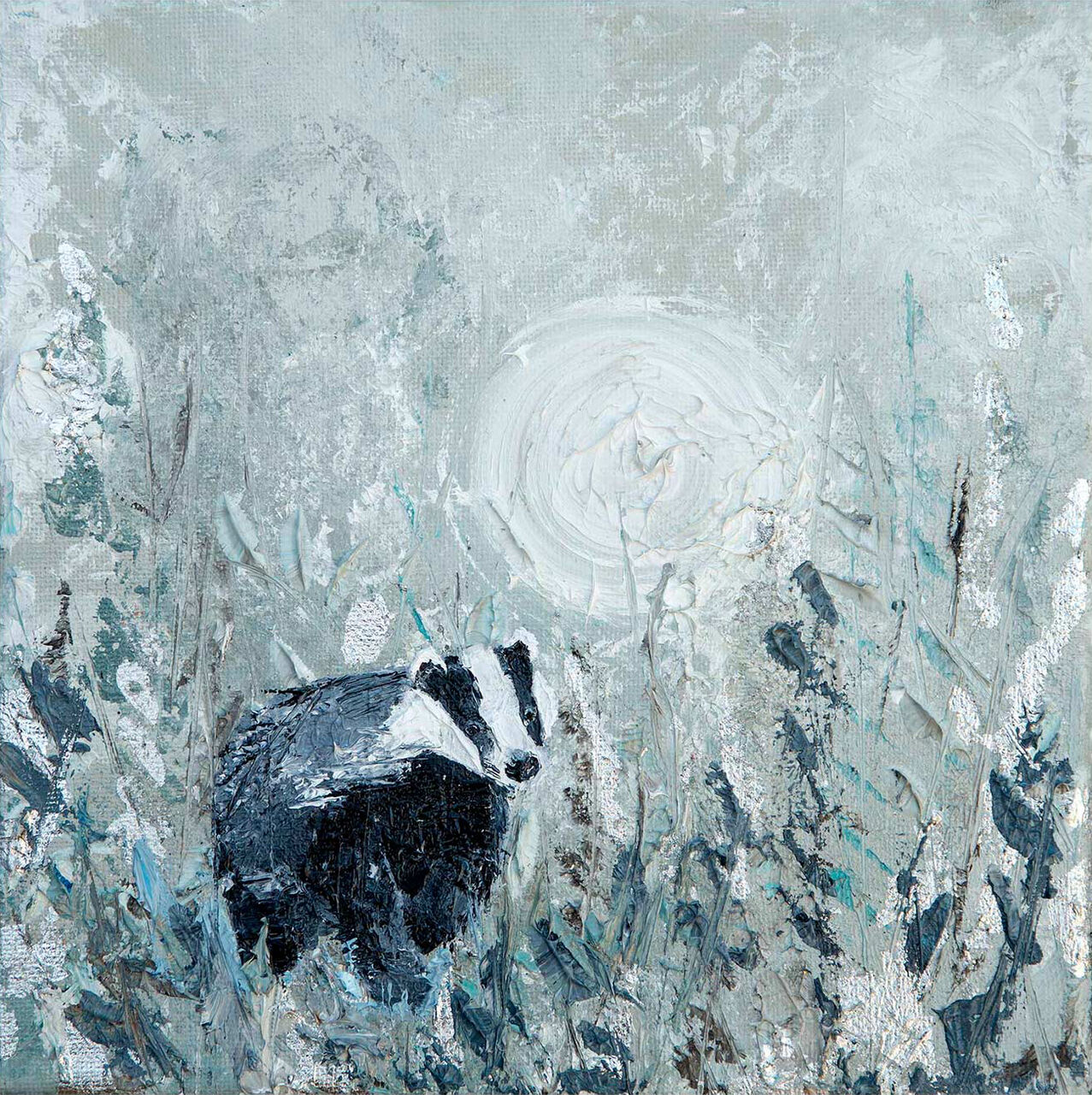
Animal Wall Art for a Blue Bedroom: Midnight Stroll After Dark

animal wall art for a blue bedroom should earn its place by answering a real question about the room or recipient. Midnight Stroll is a useful starting point because its impressionistic badger, pale moon and cool blue-grey grasses can deepen the room’s evening mood without making wildlife feel childish or overly literal.

Layer animal wall art for a blue bedroom instead of matching it

Begin by identifying the bedroom’s dominant blue. A dark wall can give the moon and lighter grasses contrast, while a pale wall can keep the whole arrangement softer. The frame should create separation so the picture does not disappear into a closely matched paint colour.

Room elementHow to respond
BeddingUse plain or lightly textured fabric so the badger remains the narrative detail.
Bedside lightingChoose a warm, shielded lamp that does not reflect over the pale moon.
AccessoriesAdd natural timber or wool instead of more wildlife motifs.
Wall colourAllow a tonal shift between blue paint, image and frame.

Hang the artwork where it can be noticed during the quieter parts of the day: opposite the bed, above a low chest or beside a reading chair. It need not sit above the headboard if that position creates glare or forces the square image too high.

Use one moonlit animal as the room’s story. Repeated badgers, stars and woodland patterns would turn atmosphere into a theme.

Keep moonlight, fur and grasses quietly distinct

The misty image relies on subtle differences across pale moonlight, textured grasses and the badger’s form. Colour-managed Giclée production helps preserve those transitions, while bespoke framing completed in-house gives the nocturnal scene a clean boundary against a blue wall.

For reliable information about the animal’s behaviour and habitat, read The Wildlife Trusts’ badger profile. You can also browse the Charlotte Strawbridge collection or see the exact framed product.

Animal wall art for a blue bedroom can be restful without becoming vague. Midnight Stroll introduces a specific wild encounter, while restrained textiles, warm light and careful framing keep the space calm.

Posted on

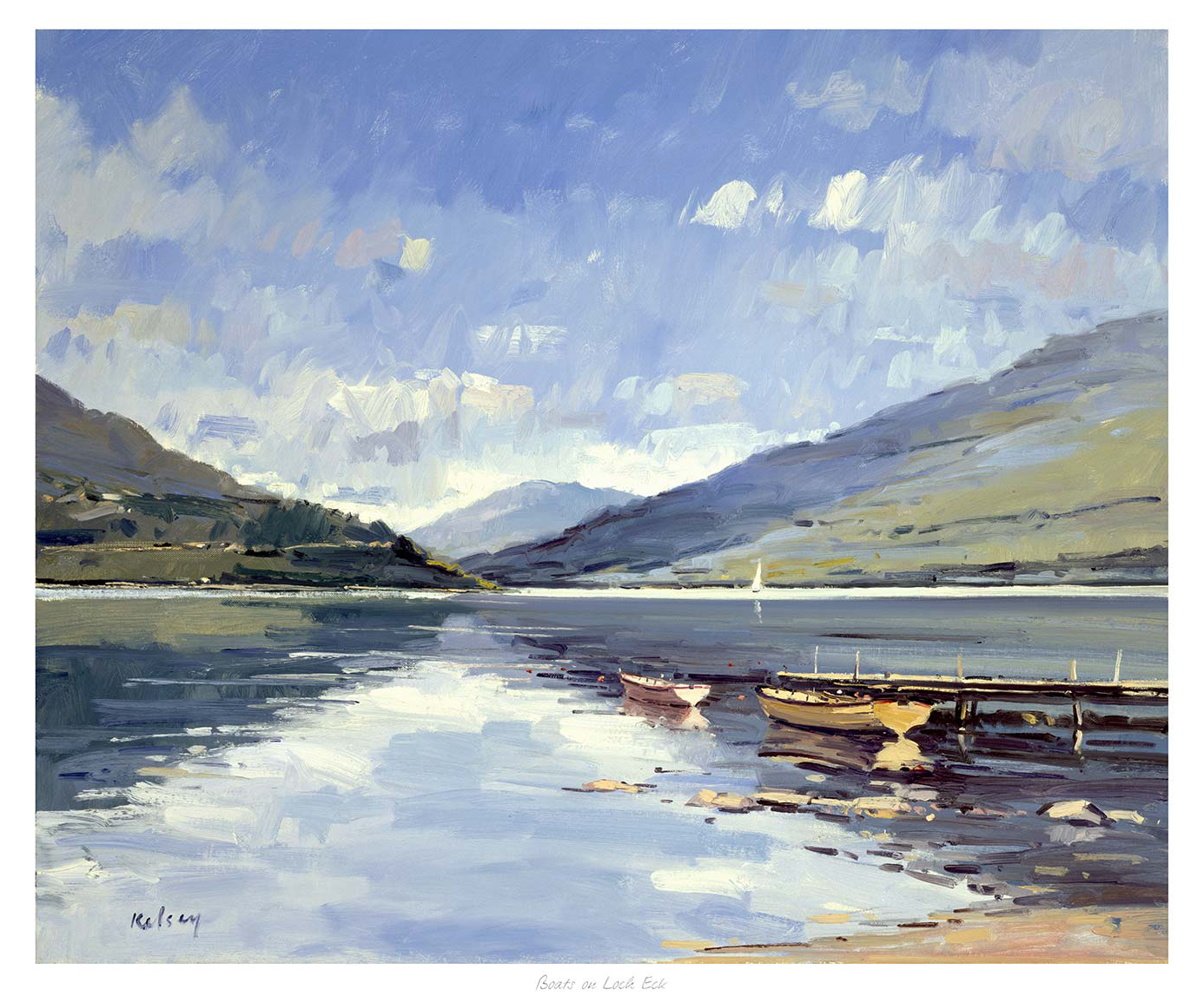
Scottish Landscape Art for a Room With Picture Windows: Boats on Loch Eck

Scottish landscape art for a room with picture windows should earn its place by answering a real question about the room or recipient. Boats on Loch Eck is a useful starting point because its square composition turns boats, pier, hills and reflected water into a self-contained view that can hold attention even when the glazing already reveals a broad landscape.

Give Scottish landscape art for a room with picture windows its own wall

Do not hang the print as close to the glazing as possible. Choose a return wall that is visible from the main seat but receives limited direct sun. The real view will change with weather and season; the artwork should remain a stable point of colour and structure.

Compare, do not imitate

  • Let the square print contrast with the window’s wider proportions.
  • Use the boats and pier to provide a human scale absent from a distant view.
  • Repeat one quiet water or land tone rather than matching every outdoor colour.
  • Keep plants and curtain fabric from overlapping the frame.

Robert Kelsey’s colourist handling gives the loch a painterly identity of its own. That is useful beside large windows: the framed image does not pretend to be another opening. It offers selected forms, reflected light and a particular artistic interpretation.

Test the position on a bright day and after dark. Daylight may create glare, while evening glazing can become reflective. A side wall and controlled interior lighting usually give the print a more dependable viewing condition.

Frame the composed loch view, not the window beyond it

Reflected water and colourist brushwork benefit from nuanced Giclée reproduction. A carefully proportioned mount and hand-finished frame create a clear edge, helping this limited-edition image stand apart from glazing, curtains and the changing landscape outside.

For visitor information and geographical context around the Cowal loch, explore Loch Lomond and the Trossachs National Park’s Loch Eck guide. You can also browse the Robert Kelsey collection or see the exact framed product.

Scottish landscape art for a room with picture windows succeeds by offering a different kind of looking. Boats on Loch Eck provides a quiet, composed encounter with water and hills while the real view continues to change.

Posted on

Large Coastal Wall Art Above a Sideboard: Plan Around Gaelic Gold

large coastal wall art above a sideboard should earn its place by answering a real question about the room or recipient. Gaelic Gold is a useful starting point because its broad panorama, calm sea and layered amber horizon can give low furniture a strong visual destination without requiring a collection of smaller pictures.

Size large coastal wall art above a sideboard as one composition

Start with the sideboard’s usable width. Test the complete framed outline centrally above it, leaving clear margins at both ends. Gaelic Gold is offered in four panoramic print sizes, from 400 × 181 mm to 700 × 318 mm, so the decision can follow the furniture and viewing distance.

Protect the horizon

Keep tall lamps and stems below or outside the layered islands. The long illuminated band should remain uninterrupted.

Control the warm notes

Repeat one muted amber accent at most. Let the deep water and sunset provide the room’s main contrast.

Judge height from the furniture as well as eye level. Too much empty wall breaks the relationship; too little makes the frame feel propped on the sideboard. Mark both edges and test the view while standing, seated and entering the room.

Run an evening reflection check

Switch on table lamps, pendants and wall lights. If a bright reflection crosses the golden horizon, move the lamp or adjust the proposed hanging height before fixing the frame.

Hold deep water and sunset light in separate tonal layers

Gaelic Gold depends on distinctions between blue water, distant silhouettes, cloud and filtered amber light. Colour-managed production helps retain those layers, while bespoke framing made in-house gives the long image the rigidity and precise finish a panoramic display needs.

To learn more about the photographer’s landscape practice, visit Noel Fenech’s photographer profile. You can also browse the Noel Fenech Photography collection or see the exact framed product.

Large coastal wall art above a sideboard should make the furniture and wall feel connected. Gaelic Gold supplies breadth and atmosphere, while careful sizing keeps its horizon open and its sunset confidently contained.

Posted on

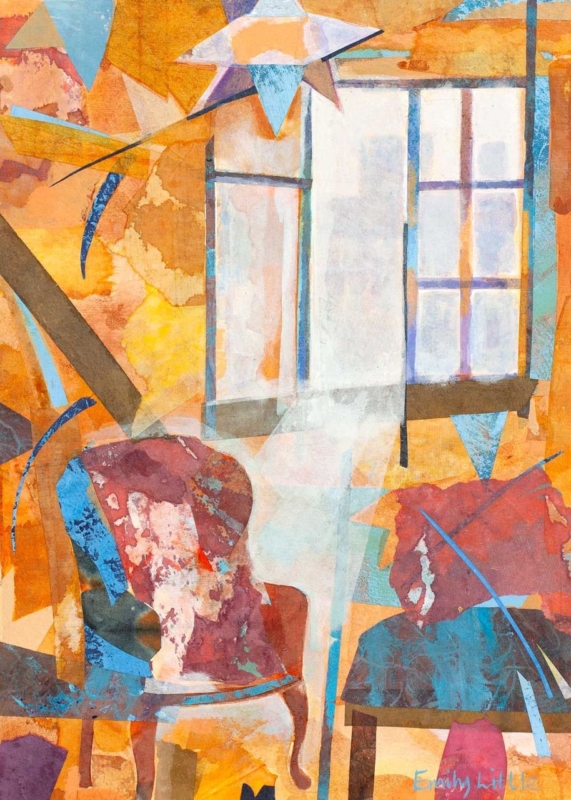
Wall Art for a Narrow Wall Between Windows: Open Window

wall art for a narrow wall between windows should earn its place by answering a real question about the room or recipient. Open Window is a useful starting point because its portrait format follows the vertical space naturally, while the title creates a playful relationship with the real openings on either side.

Template wall art for a narrow wall between windows

Measure the solid wall from reveal to reveal, then repeat the measurement with curtains, shutters or blinds in their normal positions. The usable width is the smaller figure. A paper template should represent the finished frame, not only the 230 × 322 mm or 360 × 500 mm print.

  1. Mark the centre of the wall pier.
  2. Keep equal breathing space from both window reveals.
  3. Open curtains fully and check that fabric cannot cover the frame.
  4. Sit in the main viewing position and look for glare.
  5. Confirm that handles and blinds remain easy to use.

A narrow wall does not need a tiny picture. It needs a portrait shape whose complete framed width has been tested carefully.

Emily Little’s semi-abstract approach makes this position more interesting than a literal imitation of the outside view. Let daylight alter how the colour is perceived, but avoid prolonged direct sun. Keep nearby windowsills simple so the vertical picture remains the central pause.

Use precise framing to make an awkward gap feel deliberate

A narrow position exposes poor proportions quickly. Precise mounting and bespoke in-house framing can keep the portrait image balanced, while colour-managed Giclée production supports the shifts of colour and atmosphere that make semi-abstract work rewarding in changing daylight.

For a concise explanation of how abstract work can depart from visible reality, see Tate’s guide to abstract art. You can also browse the Emily Little collection or see the exact framed product.

Wall art for a narrow wall between windows should belong to the architecture instead of appearing squeezed into it. Open Window uses portrait scale, visual wit and a measured outline to make the gap purposeful.

Posted on

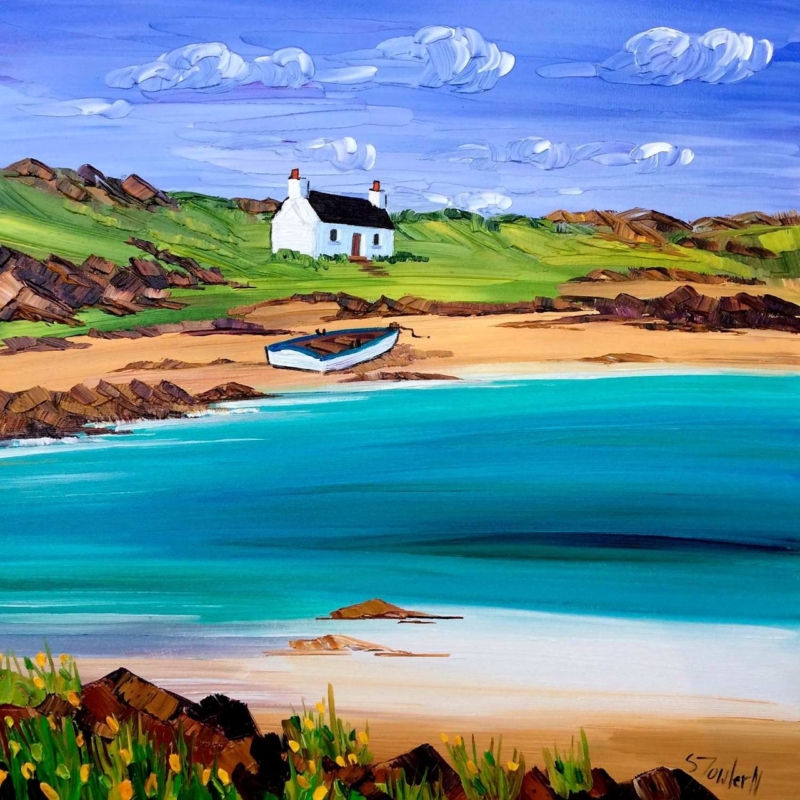
Coastal Wall Art for Tongue and Groove Walls: Cottage and Boat, Arisaig

coastal wall art for tongue and groove walls should earn its place by answering a real question about the room or recipient. Cottage and Boat, Arisaig is a useful starting point because its square composition can interrupt repeated vertical or horizontal boards while its cottage-and-boat subject gives the room a specific west-coast destination.

Measure coastal wall art for tongue and groove walls from the frame

Panelling already creates rhythm, shadow and texture. Before choosing the print size, tape the complete framed square onto the boards. Centre it on the usable wall section rather than automatically aligning it with every groove. That lets the artwork read as one object instead of another part of the pattern.

Panelling directionUseful approach
Vertical boardsUse the square frame to slow the upward movement and create a visual pause.
Horizontal boardsLeave visible space around the frame so the long lines do not cut through the coastal view.
Half-height panellingMeasure from the top rail and keep the lower frame edge clearly separate.

The print is available in 265 mm and 500 mm square sizes. Include the mount and moulding when comparing them. The smaller option can finish a compact return; the larger can hold a dining or sitting-room wall where the boarding would otherwise dominate.

Avoid adding model boats, ropes or a row of coastal signs. The cottage, boat and Arisaig title already establish the place. Plain ceramics, wool and one timber tone will keep the setting tactile without turning it into a theme.

Let the frame separate coastal colour from panel texture

Tongue-and-groove walls need a frame with a decisive outer edge and secure hanging. Colour-managed Giclée production preserves the image’s distinctions, while bespoke framing completed in-house can give the square composition enough definition against the repeated boards.

For local context on the village, coast and surrounding landscape, read Visit Mallaig’s introduction to Arisaig. You can also browse the Sheila Fowler collection or see the exact framed product.

Coastal wall art for tongue and groove walls works when texture and image have separate jobs. Cottage and Boat, Arisaig supplies the view; measured spacing and a hand-finished frame bring calm to the panelling.