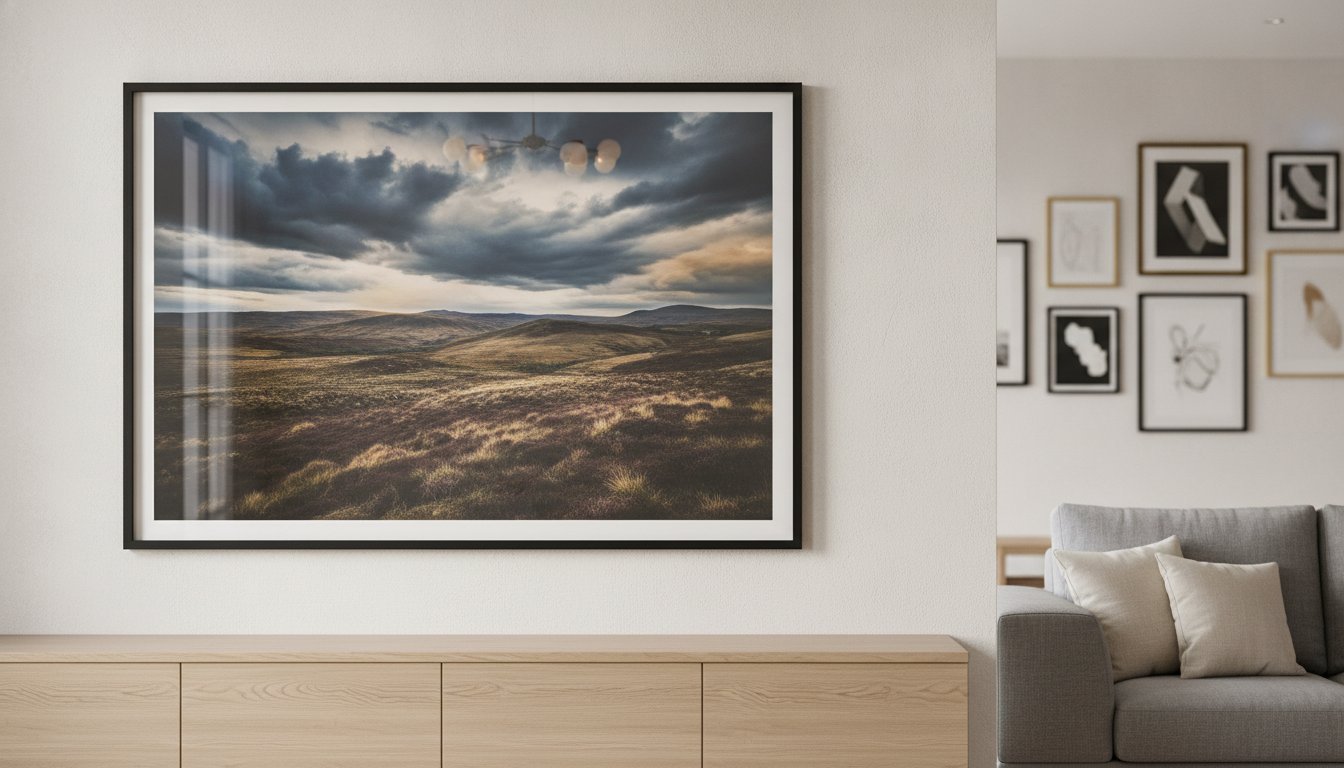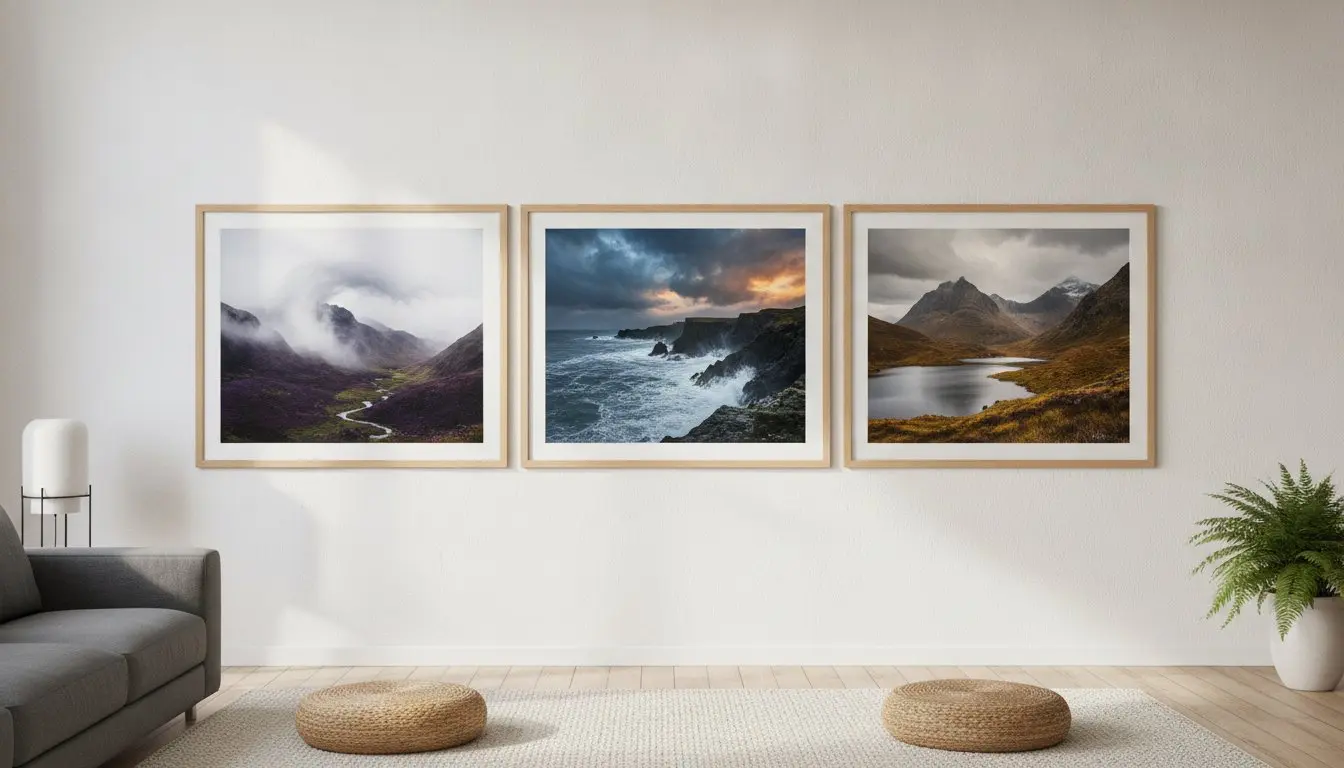

A 12 x 8 picture frame can look right but still leave your print cramped or poorly centred if you have not checked the measurements. A 12 x 8 print measures 12 inches by 8 inches, and a frame labelled 12 x 8 is generally designed to hold artwork of those dimensions.
Once you have measured the print, decide whether to show it edge to edge or add a mount. A mount’s opening is usually smaller than the artwork, allowing it to hold the print in place. This guide explains how to check dimensions, account for a mount and choose between a ready-to-hang frame and bespoke picture framing. At First4Frames Gallery, every frame is individually crafted for each order using high-quality materials, including 2mm float glass. Whether you are framing a photograph or choosing framed art, the right measurements and finish help give your picture the space and care it deserves.
Key Takeaways
- For picture framing, 12 x 8 usually refers to the artwork’s dimensions in inches. Check the units before choosing a frame.
- Measure the print, then account for any mount. Its opening and the finished frame dimensions can vary.
- Compare standard frames with individually crafted options to find a suitable fit and finish for your artwork.
- Explore framed wall art online and picture how your choice will look in your space before deciding.
What Does 12 x 8 Mean for a Picture Frame?
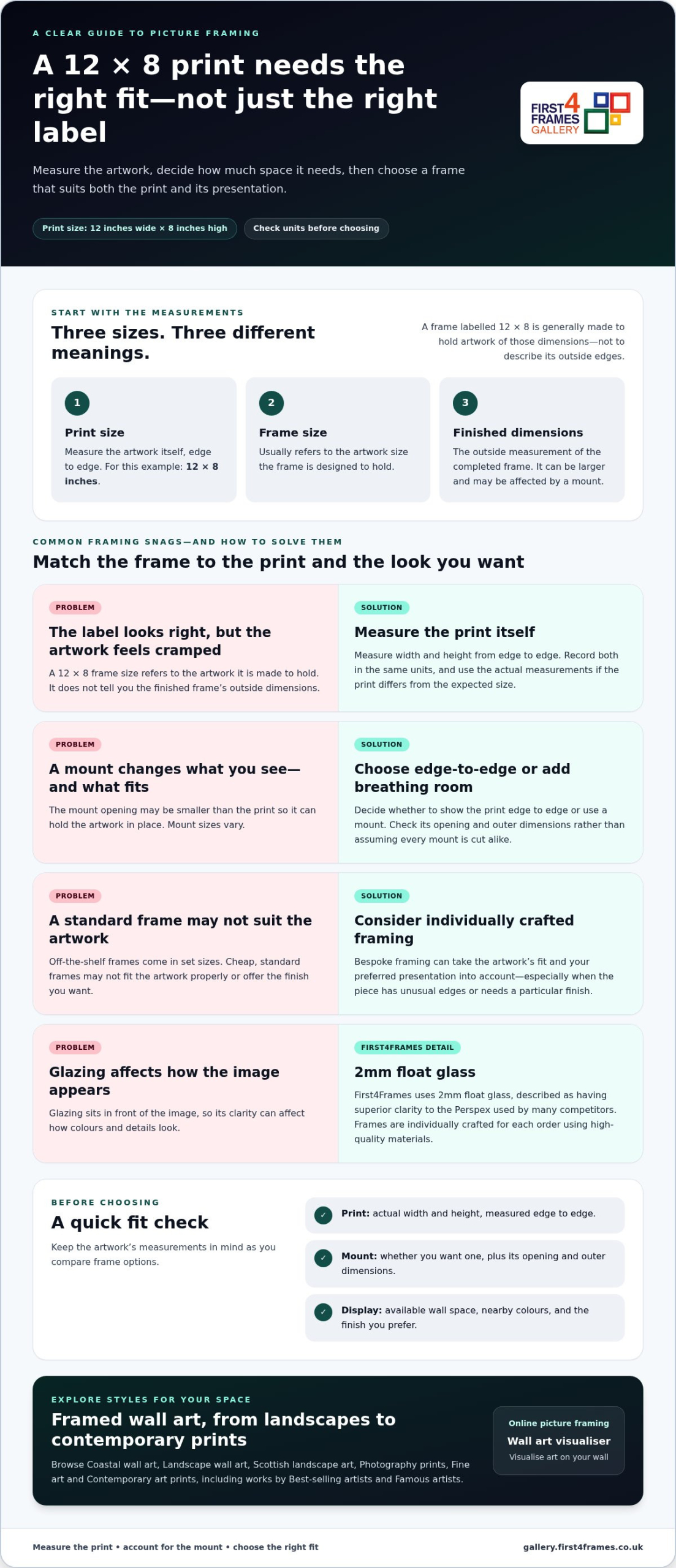
Search results can use the same numbers for very different things, from picture frames to garden sheds. The units make all the difference. For picture framing, 12 x 8 usually describes artwork measuring 12 inches wide by 8 inches high. It does not mean the finished frame will measure 12 by 8 inches on the outside.
Print size is the artwork’s edge-to-edge measurement. Frame size usually refers to the artwork size the frame is designed to hold. Finished framed dimensions are the outside measurements of the completed frame. These can be larger and may also be affected by a mount.
For a visual guide to common dimensions, explore standard photo and picture sizes. You can also read about standard photographic print sizes and how print dimensions are commonly described.
This video offers a practical look at framing an 8 x 12 print:

How to Measure a 12 x 8 Print
Measure the artwork itself from edge to edge, not the outer edge of the paper, a border you plan to trim, or an existing frame. Record the width and height in the same units, and note which measurement is which. Consistent units make it easier to compare your print with frame details. If the print differs slightly from the expected size, use its actual measurements when choosing a frame.
Why Search Results May Show 12 x 8 Feet
A shed listing may use 12 x 8 to describe a footprint of 12 feet by 8 feet. That is a garden structure’s floor area, not a picture dimension. For a frame, the same numbers usually refer to inches. Check the product category and stated units before buying, particularly when search results show sheds and picture frames side by side. A quick unit check helps you choose a frame for your artwork rather than a garden plot.
How to Choose a Frame for 12 x 8 Artwork
Use these steps to match the frame to your print and the way you want it to look on the wall:
- Measure: Check the artwork’s width and height, including any border you want to keep visible. Compare those measurements with the frame’s stated picture size.
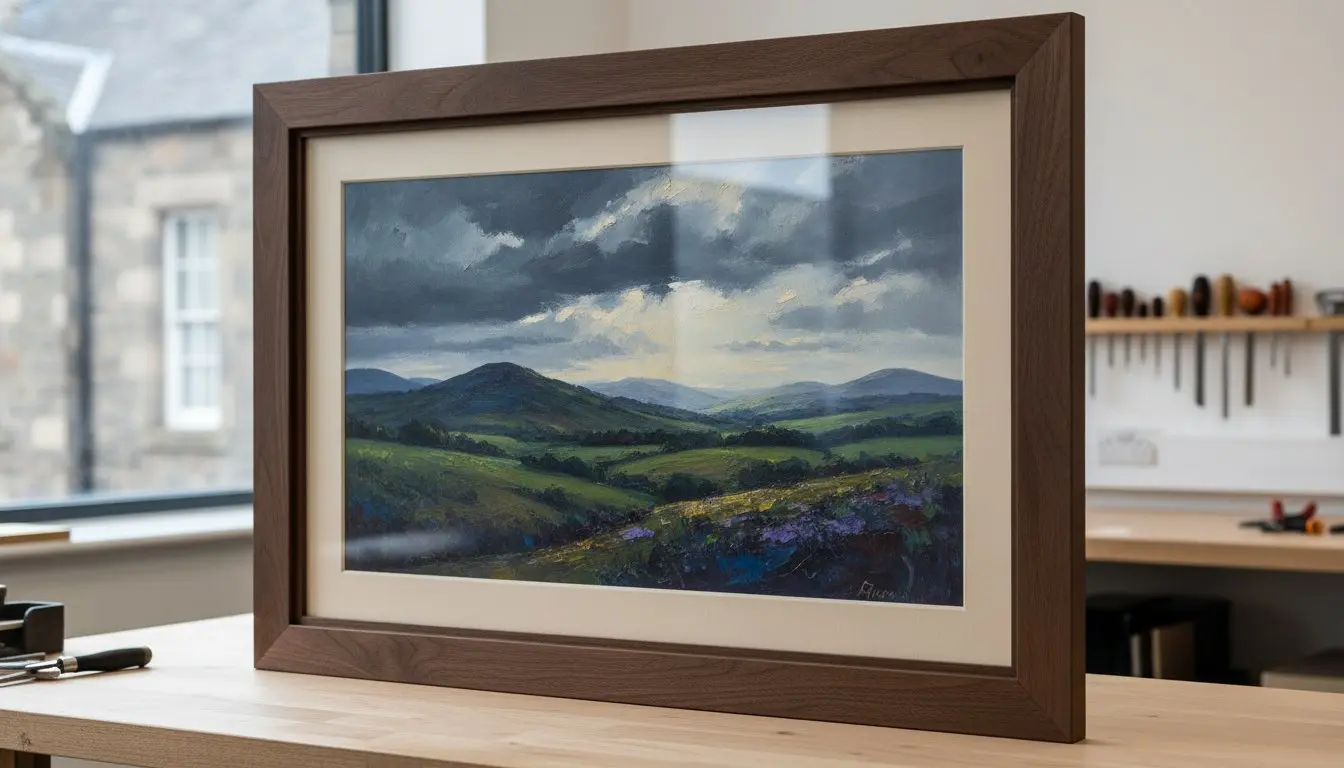
- Decide on a mount: A mount adds space around the image. Its opening may be smaller than the print so it can hold the edges in place. Check the stated opening and outer dimensions, as mount sizes vary.
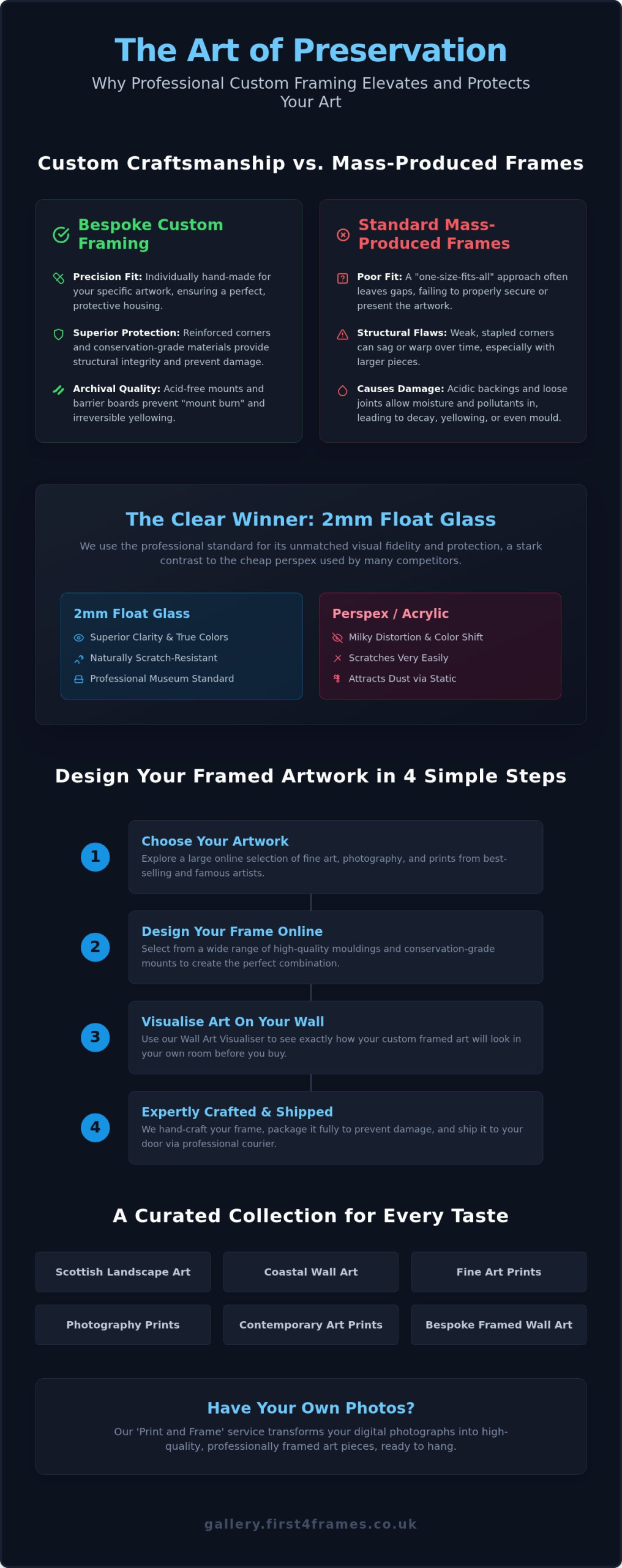
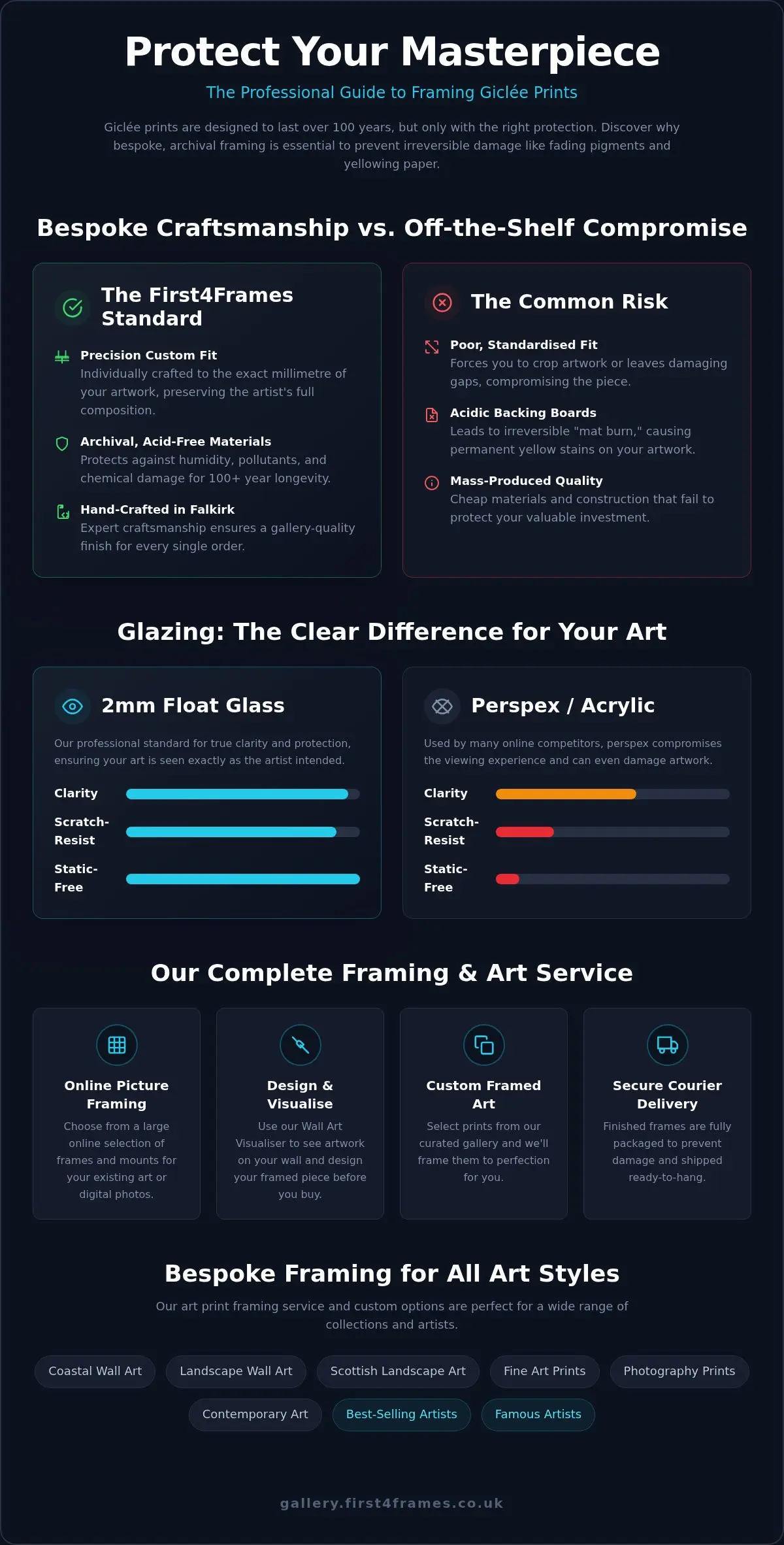
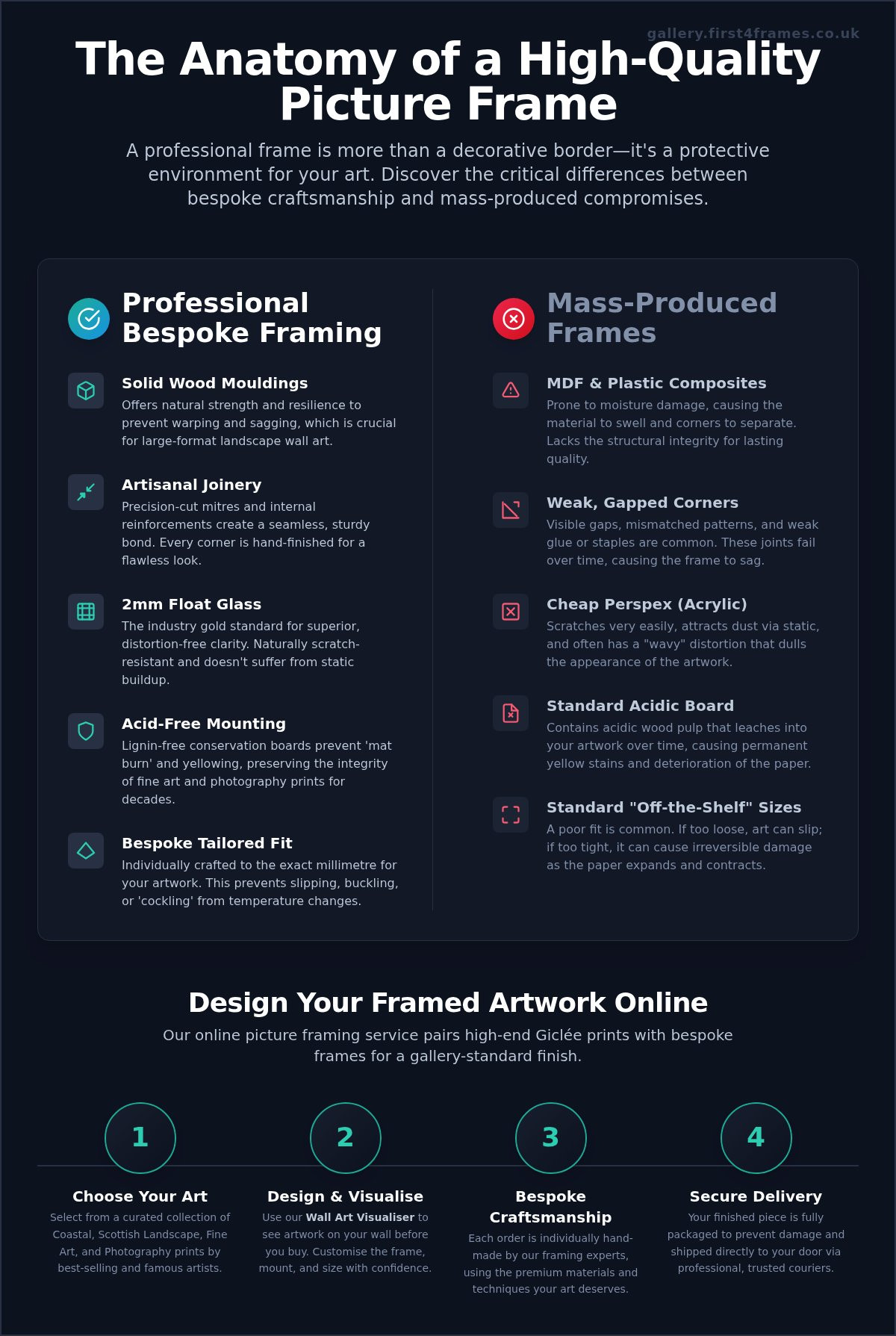
- Choose a frame: A standard frame can be convenient when its intended artwork size suits your print. Cheap, standard frames may not fit the artwork properly or offer the finish you want. A bespoke frame, individually crafted for your order, can be made with the artwork’s fit and your preferred presentation in mind.
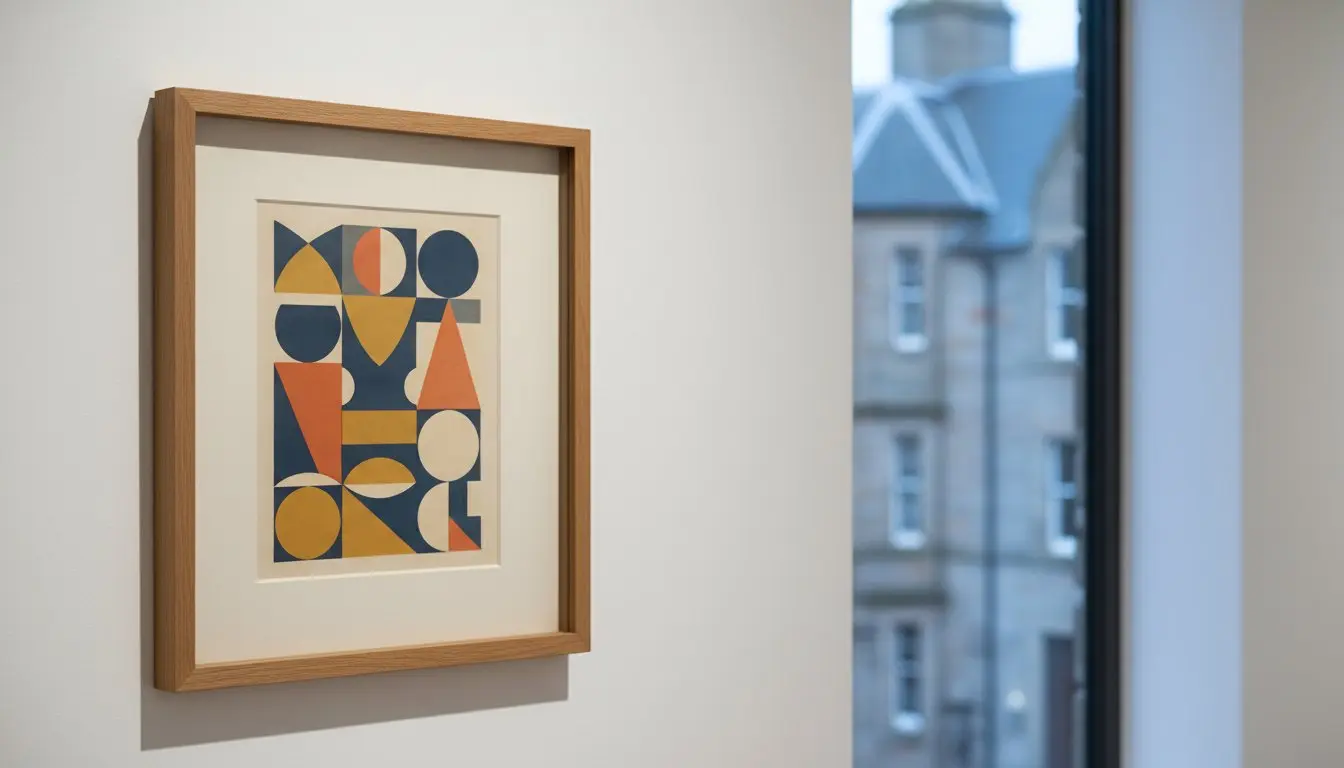
- Consider the display: Measure the wall space and consider nearby colours. Decide whether you want the artwork to stand out or sit comfortably within the room.
The print size describes the artwork, the mount opening determines how much of it is visible, and the external frame size is the overall measurement of the finished piece. A 12 x 8 print with a mount will not necessarily suit a frame whose external dimensions are 12 x 8.
Should You Add a Mount to a 12 x 8 Picture?
A mount can give artwork breathing room and create a considered transition between image and frame. Its opening affects both the visible area and how the print is held, so do not assume every mount is cut to the same size. If colour is part of your decision, read this guide to choosing a mount colour. For broader guidance on caring for paper, see the Library of Congress’s paper preservation advice.
When Bespoke Framing Makes Sense
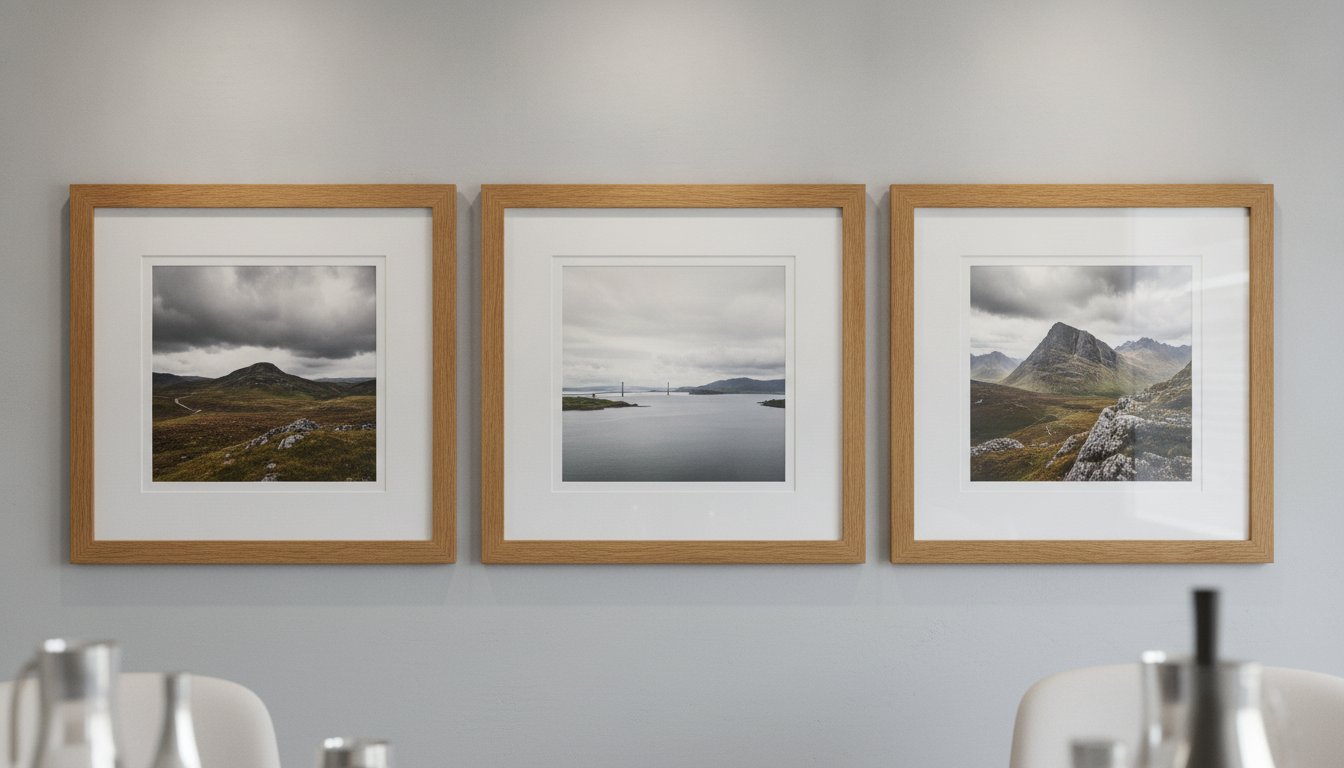
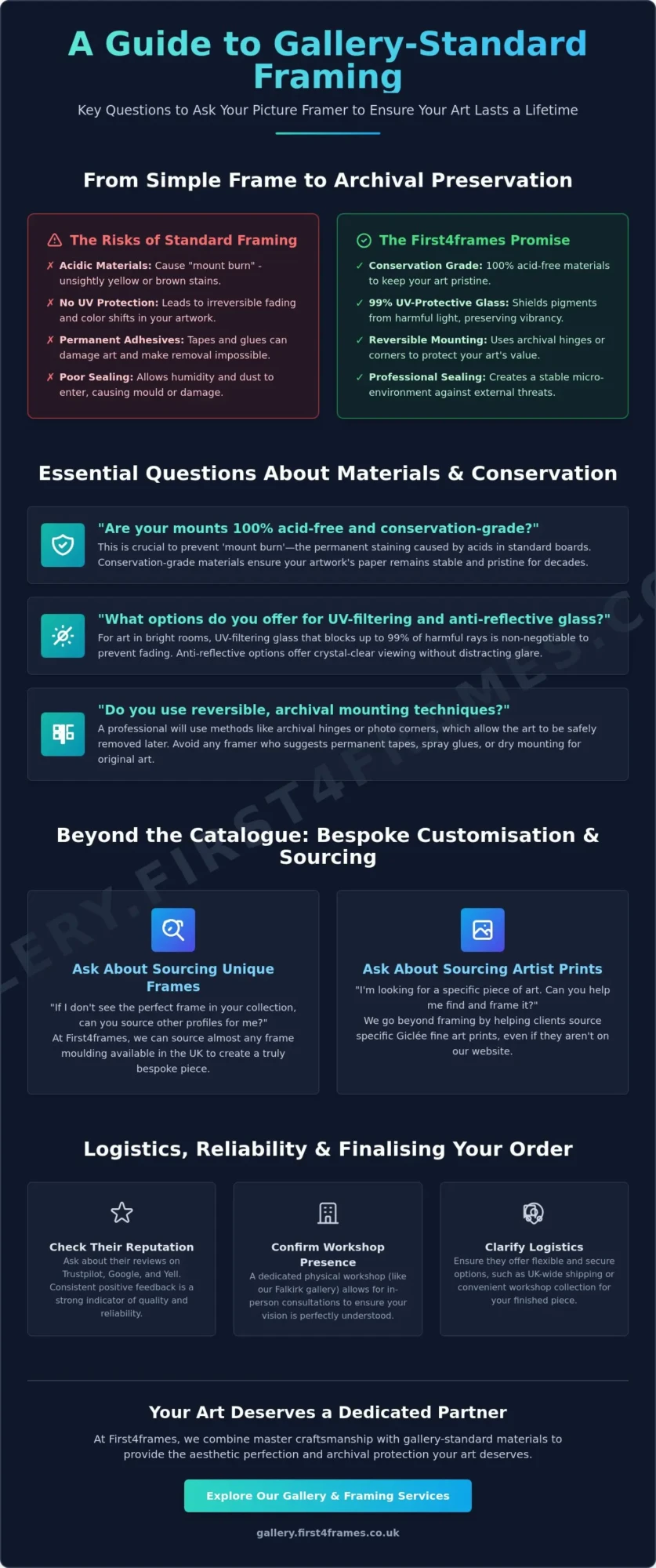
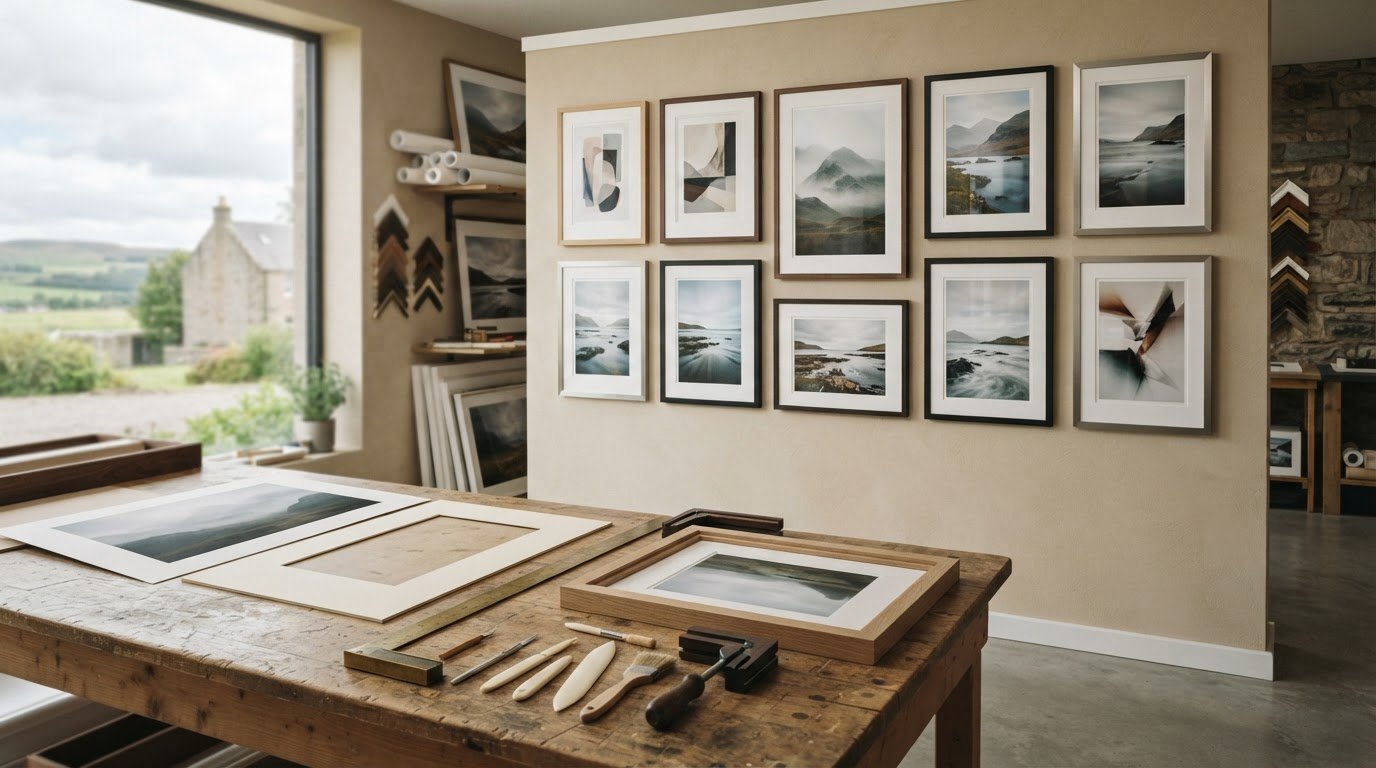
Custom framing is useful when your artwork has unusual edges, needs a particular finish or calls for a specific presentation. First4Frames Gallery crafts each frame individually for the order, with the artwork’s fit and your display preferences in mind. Once you know what matters most, explore framed artwork for inspiration.

What Quality Details Matter in a 12 x 8 Framed Picture?
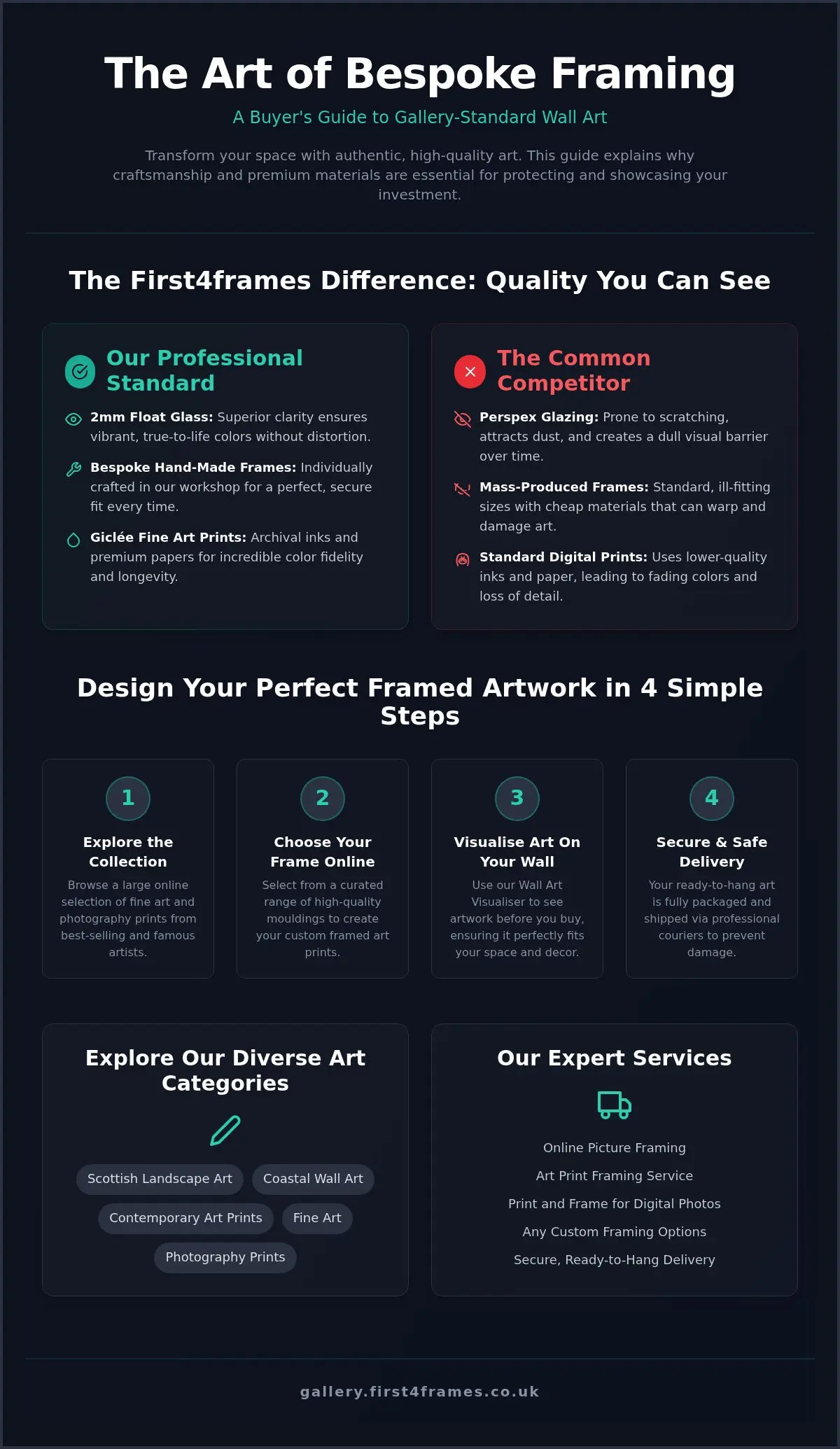
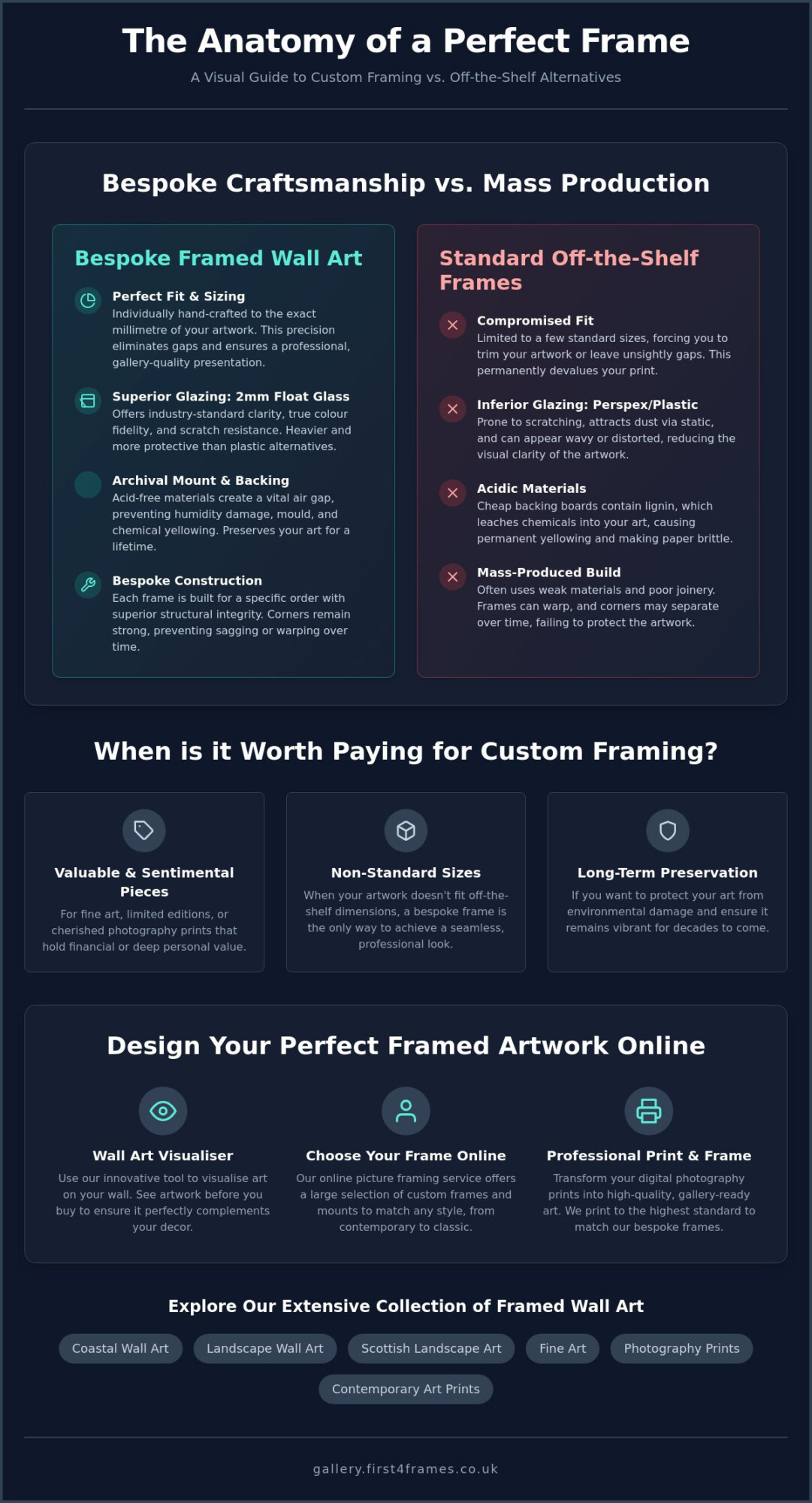
A ready-made frame is convenient when its dimensions and finish suit your print. However, standard off-the-shelf frames are made to set sizes, leaving less flexibility over fit and presentation. First4Frames frames are individually crafted for each order using high-quality materials. Instead of relying on a cheap, one-size-fits-all frame that may not suit the artwork, you can choose a finish designed around the piece.
Float Glass and Perspex: What Is the Difference?
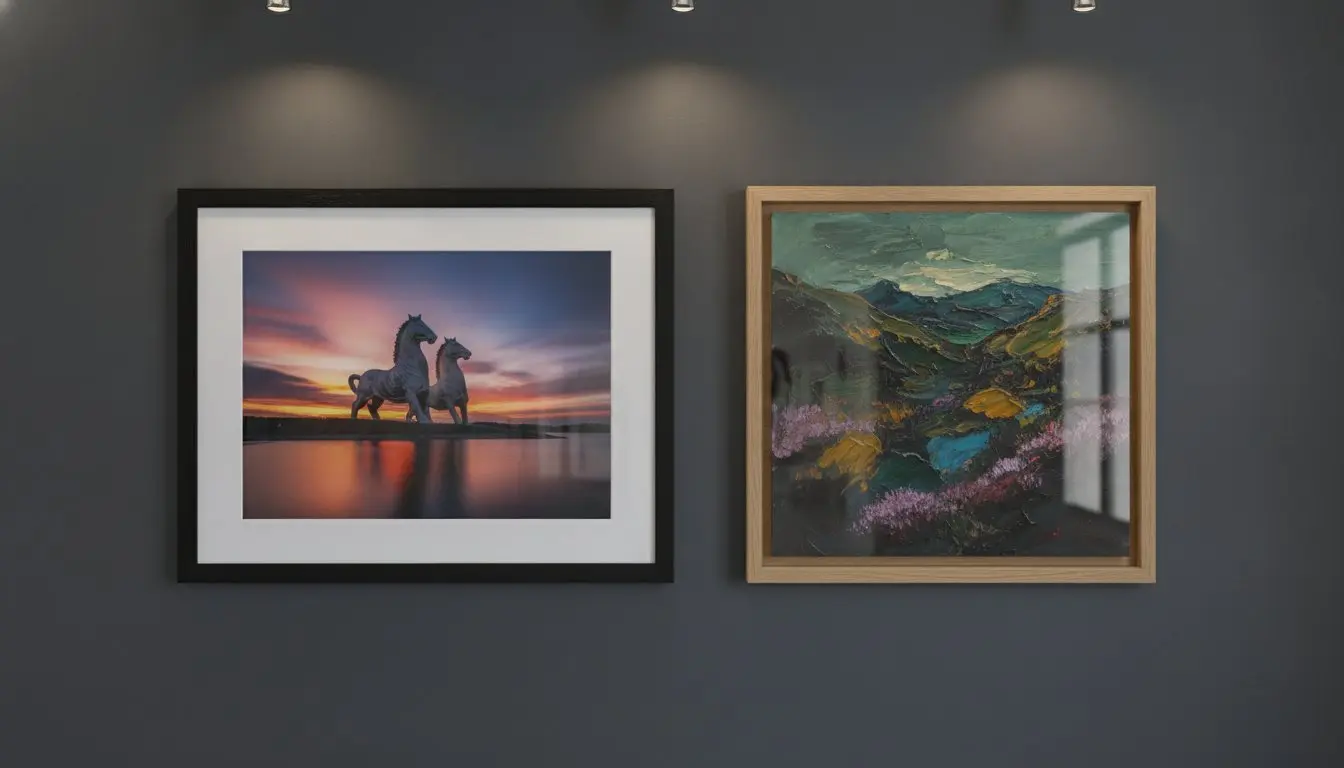
First4Frames uses 2mm float glass for clear, traditional glazing with superior clarity to the Perspex used by many competitors. Glazing sits in front of the image, so its clarity can affect how colours and details appear. The frame’s tone and profile matter too: they can complement the artwork or create a more defined border. Together, the glazing and frame shape the presentation without changing the artwork itself.
Choosing Artwork That Suits Your Space
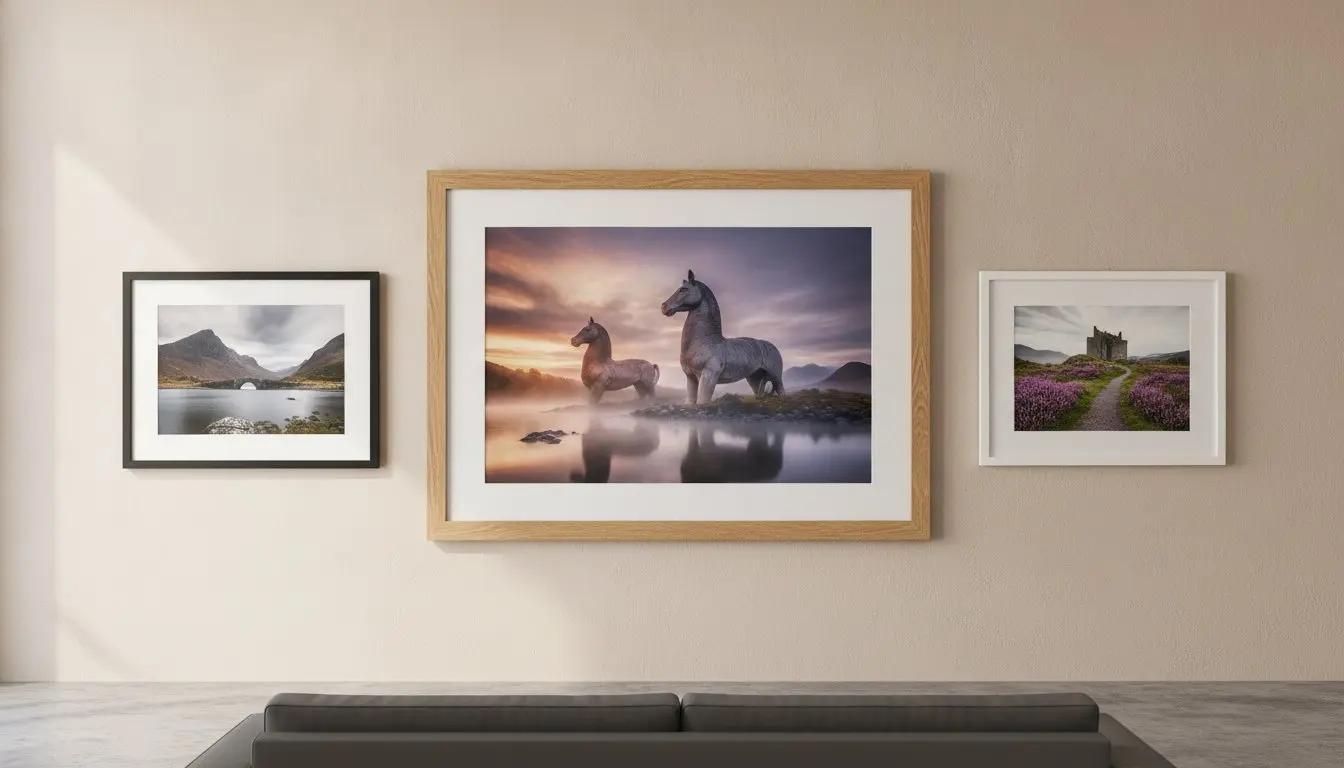
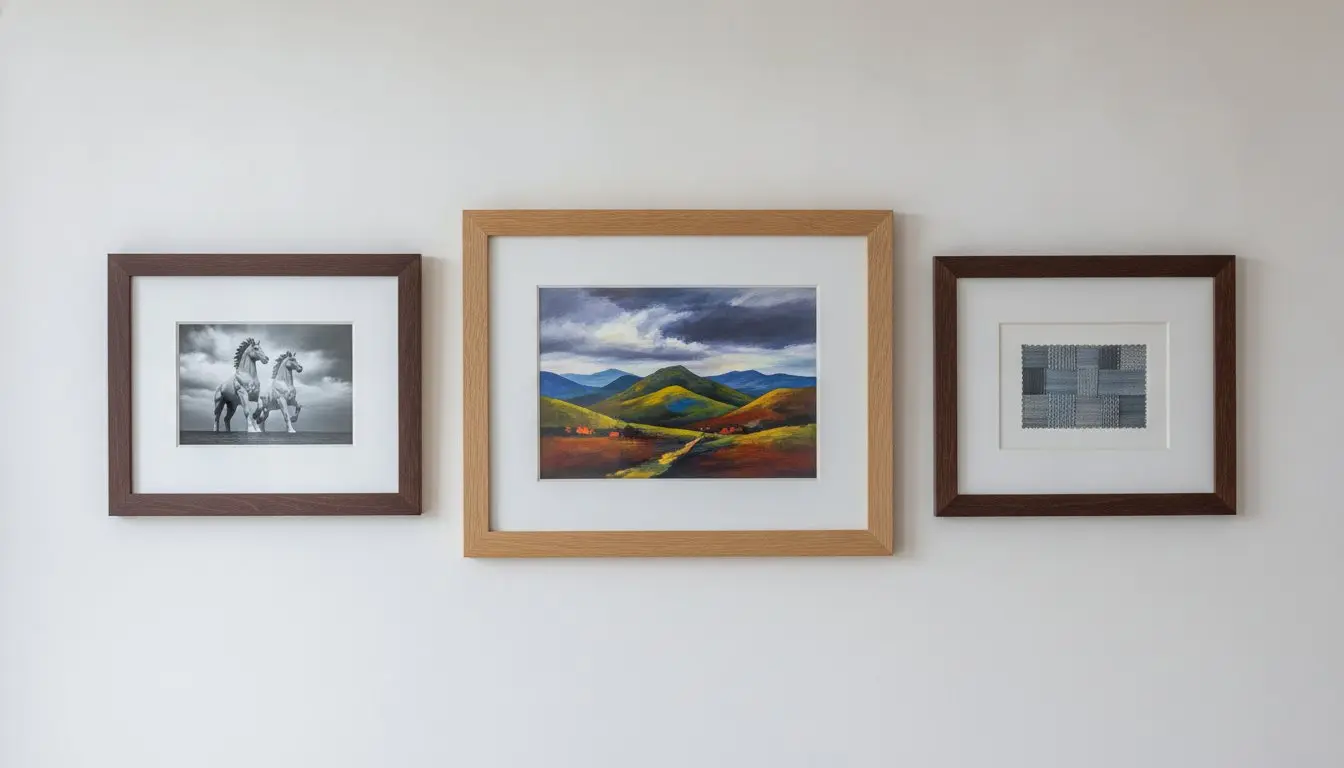
Choose an image that feels at home in the room, then consider how its colours and subject will work with your décor. Framed wall art includes many styles and subjects, from Coastal wall art and Landscape wall art to Scottish landscape art, Photography prints, Fine art and Contemporary art prints. You can also explore works by Best-selling artists and Famous artists.
For a tailored presentation, explore the framing options and consider how the frame can support the artwork’s character. Browse framed wall art to find a piece that feels right for your space.
How to Choose and Order 12 x 8 Framed Wall Art Online
Online picture framing brings artwork and framing choices together in one place. Start by browsing framed wall art, then select a piece or framing option that suits your space. For a 12 x 8 print, keep the artwork’s measurements in mind as you choose a frame. Decide too whether you want a mount to add space around the image.
From Online Picture Framing to Ready-to-Hang Art
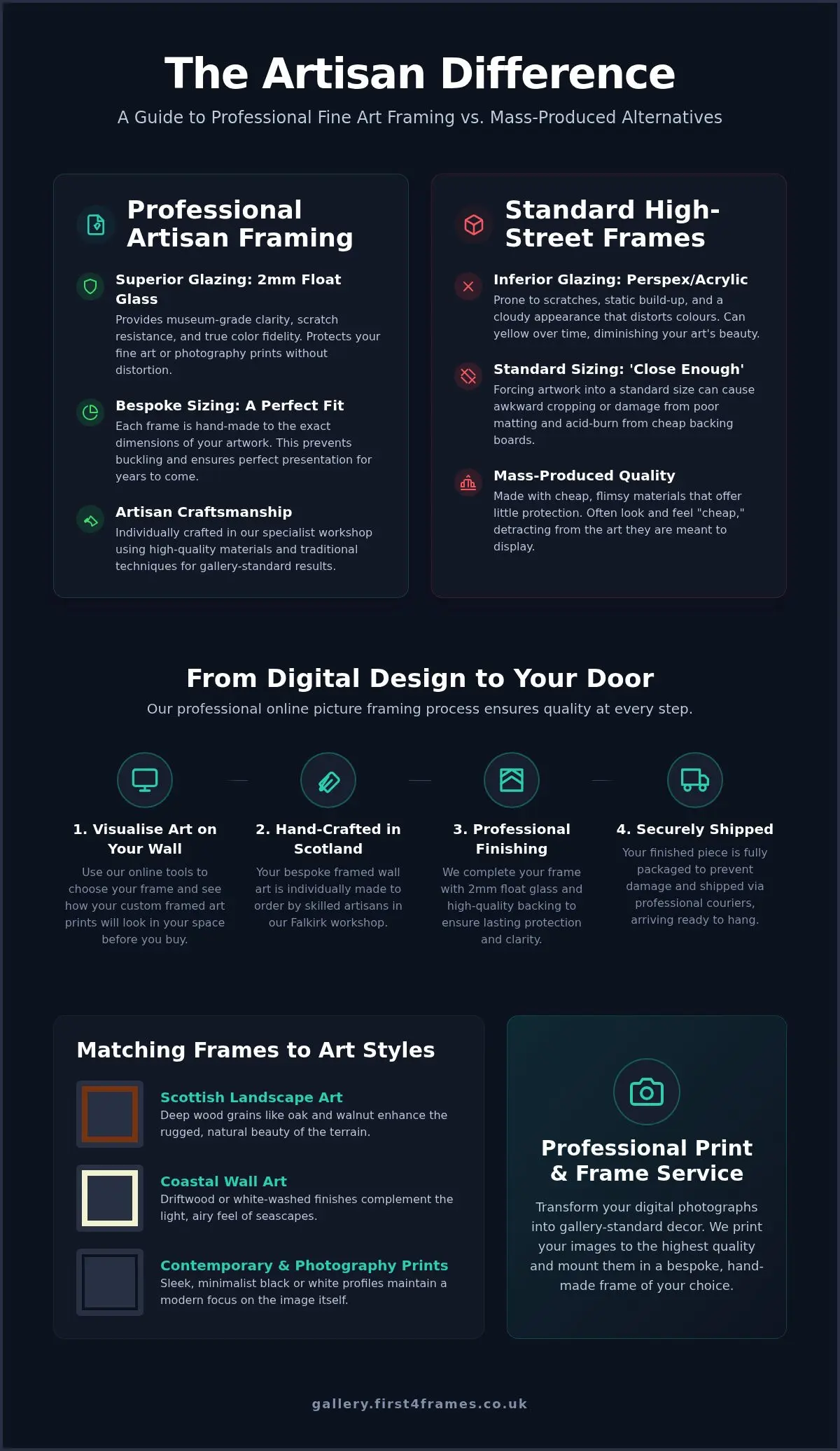
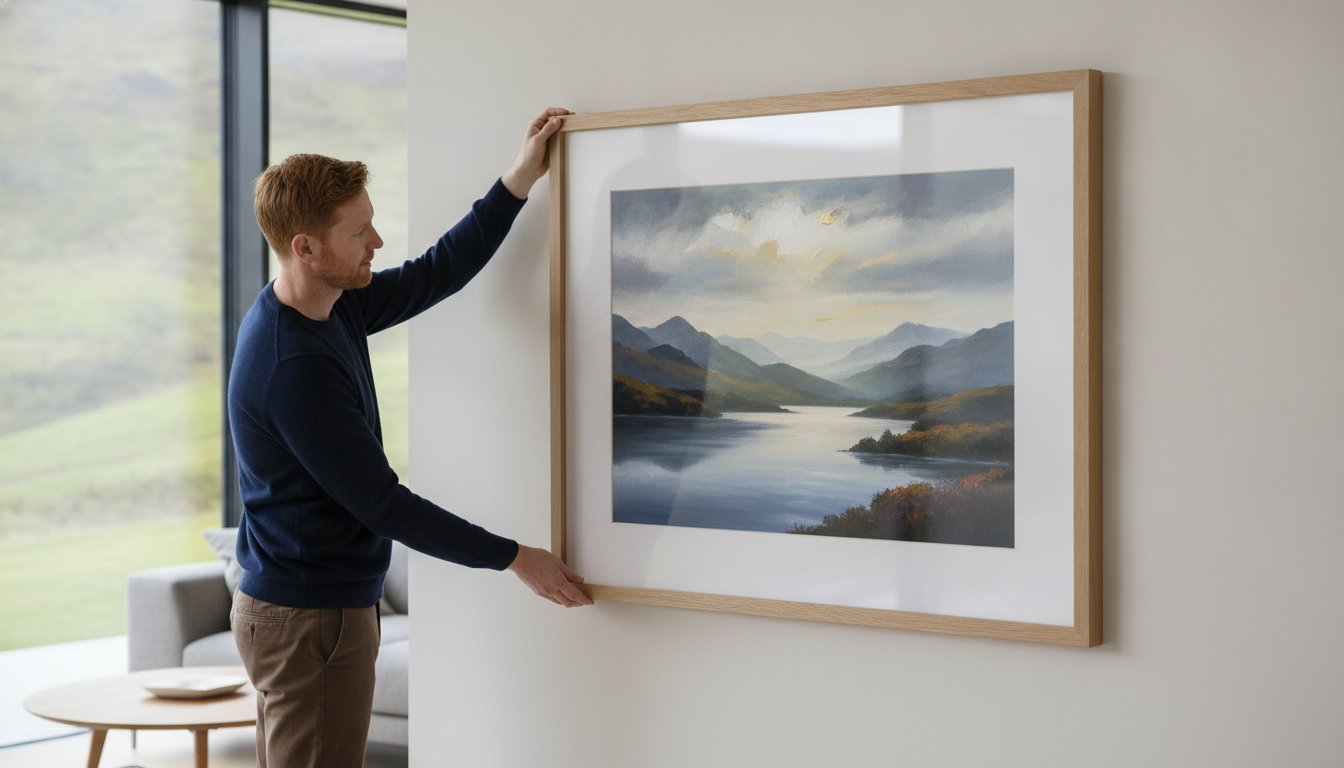
Explore the gallery’s artwork and frame options, then choose a style that complements the image and your room. A wall art visualiser can help you visualise art on your wall and see artwork before you buy. Choose your frame online and design your framed artwork around the look you want, whether you are selecting custom framed art prints or bespoke framed wall art. Ready-to-hang framed art gives you a simple way to go from choosing a piece to displaying it. For inspiration, browse framed artwork and discover the available choices.
Printing and Framing a Digital Photograph
Have a digital photograph you would like to display? First4Frames’ print and frame service brings the image and frame together as one considered piece. Your photograph is printed to the highest quality to complement the bespoke framing. Explore online photo printing and framing to turn your photograph into wall art.
Each frame is individually crafted for its order, then fully packaged to help prevent damage in transit and shipped via professional couriers. This careful process makes online ordering a straightforward way to bring a framed image from selection to your home.
Find the Right Frame for Your Artwork
Choosing a 12 x 8 frame starts with measuring the print and checking whether the stated frame size refers to the artwork or the finished piece. If you add a mount, its opening affects how much of the image shows and the space around it. Consider the look you want as well as the fit.
For a finish made with care, First4Frames frames are individually crafted for each order using high-quality materials. The 2mm float glass glazing gives a clear view of the artwork. Finished frames are fully packaged to help prevent damage and shipped via professional couriers, so your chosen piece can make its journey from gallery to home.
Ready to find artwork that feels at home in your space? Browse framed artwork and find a piece for your space. Explore the choices, picture your favourite on the wall and choose a frame that lets it shine.
Frequently Asked Questions
Is 12 x 8 the right frame size for a 12 x 8 inch print?
Usually, yes. A frame labelled 12 x 8 is generally intended to hold artwork measuring 12 inches by 8 inches. Check whether the listing gives the size of the print it fits or the frame’s external dimensions. If you plan to add a mount, make sure the frame can accommodate the artwork and mount together. The mount changes the visible opening and the overall fit.
What does 12 x 8 mean when buying a picture frame?
For picture framing, 12 x 8 usually means the artwork measures 12 inches wide by 8 inches high. The same numbers can describe other products in different units, so check the product category and measurement units. For example, a shed listed as 12 x 8 may be measured in feet. Frame listings generally use the artwork dimensions, not the outside measurement of the finished frame.
Can I put a 12 x 8 print in a larger frame?
Yes. A larger frame can display a smaller print with a mount, creating space around the artwork and a different presentation. Check that the frame’s internal dimensions can accommodate the print and mount, and remember that mount openings vary. If you want a specific border or fit, custom framing can be tailored to the print and the look you have in mind.
How do I choose a frame for a 12 x 8 photograph?
Measure the photograph edge to edge, then choose a frame designed for those dimensions or a larger one with a suitable mount. Consider whether you want the image displayed edge to edge or surrounded by a border, and how the frame’s finish will work with the photograph and room. First4Frames Gallery crafts each frame for the order using high-quality materials.
Is glass or Perspex better for a 12 x 8 picture frame?
It depends on your priorities, but First4Frames Gallery uses 2mm float glass for clear, traditional glazing. Its clarity is superior to Perspex, which is used by many competitors. Glazing affects how the artwork appears behind the frame, so consider the visual finish you prefer and the setting where the picture will be displayed. The glazing is part of creating a frame that suits the artwork.