Posted on

What is a Scottish Bothy? A Complete Guide to Scotland’s Wild Shelters

What is a Scottish Bothy? A Complete Guide to Scotland's Wild Shelters

Imagine hiking through a spectacular Scottish glen, the wind on your face, as a simple stone shelter appears through the mist. It’s not a cottage, and it’s far more than a hut-it’s a sanctuary. But what exactly is a Scottish Bothy, and what are the unwritten rules that govern these wild, open-door havens? For many, they are a beautiful mystery, a symbol of Highland hospitality that feels both inviting and intimidating, sparking questions of etiquette and preparation.

This guide is your key. We unlock the rich history and soul of these iconic structures, demystifying the essential ‘Bothy Code’ and equipping you with the practical knowledge to step inside with confidence. Embark on a journey with us from their humble origins to their place in modern art, and discover how you can responsibly experience the simple, profound magic of Scotland’s most treasured wild shelters.

Key Takeaways

  • Understand what a Scottish Bothy truly is: a simple, free-to-use shelter offering a unique connection to Scotland’s wild places.
  • Learn how to prepare for your adventure by packing the essential gear needed for a completely self-sufficient stay.
  • Master the essential Bothy Code, the golden rules of respect that ensure these beautiful shelters remain open for everyone.
  • Discover why these humble stone huts have become such an iconic and powerful subject in Scottish landscape art.

The Soul of the Scottish Bothy: More Than Just a Stone Hut

Imagine hiking through the vast, mist-shrouded glens of the Scottish Highlands. The wind whispers through the heather, the mountains stand as silent, ancient sentinels, and as daylight fades, you spot a plume of smoke rising from a simple stone structure. This is the heart-warming promise of a Scottish Bothy—a humble sanctuary offering refuge from the elements in the wildest corners of the country.

At its core, a bothy is a simple, unlocked shelter left open for anyone to use, completely free of charge. It’s an idea built on a foundation of mutual trust and respect for the landscape. To get a real sense of this unique experience, this short film offers a beautiful glimpse into a night spent in a remote bothy.

A Brief History of Bothies

Originally, these structures were not for adventurers. They were basic accommodation on large estates for farmhands, shepherds, gamekeepers, and other workers who needed to be close to their remote duties. As land use changed and these buildings fell into disuse, the rise of recreational hiking in the 20th century gave them a new purpose. The Mountain Bothies Association (MBA), a charity founded in 1965, has been instrumental in preserving and maintaining these buildings for all to enjoy.

Bothy vs. Hut vs. Holiday Cottage

It’s crucial to understand what a bothy is—and what it isn’t. Unlike commercial mountain huts or holiday cottages, bothies are defined by their beautiful simplicity and lack of modern conveniences.

  • Bothies: Always free, cannot be booked, and offer basic shelter (walls and a roof), often with a sleeping platform and fireplace. You must bring all your own gear.
  • Huts & Cottages: Must be booked and paid for, often have facilities like beds, toilets, and kitchens, and are managed commercially.

The Philosophy of the Open Door

The bothy system operates on an incredible, unwritten code of conduct. The door is always unlocked, a powerful symbol of trust and communal spirit. This philosophy extends to how you use the space; visitors are expected to leave it cleaner than they found it, replace any firewood they use, and be welcoming to others who arrive. This shared responsibility is a cornerstone of the experience and a beautiful reflection of a wider Scottish tradition of hospitality, offering warmth and shelter to any weary traveller who needs it. For a detailed exploration of this concept, you can learn more about What is a Bothy? and its cultural roots.

The Bothy Experience: What to Expect and How to Prepare

Stepping into a Scottish bothy for the first time is an unforgettable experience. It’s a return to simplicity, a shelter earned through effort. But to truly appreciate it, you must arrive prepared. These remote mountain huts are not hotels; they are simple, free-to-use refuges that rely entirely on the self-sufficiency and respect of their visitors. Your adventure begins long before you reach the door, with careful planning and packing.

A Look Inside: Facilities (or Lack Thereof)

Forget luxury. A bothy’s interior is spartan and functional. You can typically expect stone walls, a roof that keeps the worst of the weather out, and a wooden sleeping platform. Many have a fireplace or stove and a spade for managing the fire and for toilet duties (which must be conducted far from the bothy and any water sources). What you will not find is electricity, running water, beds, or toilets. You must carry in everything you need and, crucially, carry out all of your rubbish. This ‘leave no trace’ philosophy is a cornerstone of the unwritten rules detailed in The Bothy Code.

Your Essential Bothy Packing List

Being self-sufficient is key. Your pack should contain everything required for a safe and comfortable night in the wild. Think of it as wild camping, but with solid walls around you.

  • Sleeping Gear: A warm, four-season sleeping bag is essential, along with a sleeping mat for insulation and a small pillow for comfort.
  • Cooking & Hydration: A reliable stove and fuel, lightweight pots, utensils, and enough food for your stay plus extra for emergencies. Carry all the water you need or bring a filter/purification tablets.
  • Warmth & Light: A powerful headtorch with spare batteries is non-negotiable. Candles can create a welcoming atmosphere, and if you plan to use the fireplace, bring dry kindling and fuel like coal or peat. Never rely on finding wood nearby.
  • Navigation: A physical map and compass are vital. A GPS device or phone app should only be used as a backup.

Safety in the Wild

The remote location of most bothies means that safety is your own responsibility. This extends beyond your gear to your physical fitness; ensuring you are prepared for the demands of the hike is paramount. For those seeking structured support on their health journey, the medical weight loss programs offered by foundry can help build the strength and stamina needed for such adventures. Always tell someone your intended route and your expected return time. Check the mountain weather forecast meticulously before you leave, as conditions can change in an instant. Finally, be prepared to camp outside. Bothies operate on a first-come, first-served basis and can be full, so carrying a lightweight tent or bivvy bag is a wise precaution. Before setting off, always check the Mountain Bothies Association website for any temporary closures or important updates.

An infographic titled The Scottish Bothy explains bothies as simple, remote shelters, contrasts them with huts/cottages, lists what to expect and pack, and outlines bothy etiquette for respecting nature and others.

The Hiker’s Etiquette: Mastering the Essential Bothy Code

A Scottish Bothy operates on a beautiful foundation of trust and mutual respect. There are no wardens or booking systems; instead, there is the Bothy Code. This isn’t a formal set of rules, but a shared understanding that ensures these precious shelters remain open and welcoming for all. Mastering this etiquette is as crucial as packing a good map. At its heart, the code is simple: respect the building, respect other users, and respect the environment. For detailed guidance on specific locations, a resource like The Scottish Bothy Bible is an invaluable companion on your journey.

Respect for the Building

These simple structures are your shield against the elements, often maintained by dedicated volunteers. Treat them with the care they deserve. Your primary goal should always be to leave the bothy in a better state than you found it.

  • Do not cut live wood. Never damage the building or surrounding trees for firewood. Use the provided saw to cut deadfall or fuel you’ve carried in.
  • Leave dry kindling for the next visitor. Imagine arriving cold and wet; finding a small supply of tinder by the hearth is a simple act of kindness that defines the bothy spirit.
  • Report any damage. If you notice a leaking roof or a broken window, make a note and report it to the Mountain Bothies Association (MBA) when you return.
  • Ensure the fire is out. Before you sleep or leave, make certain any fire is safely and completely extinguished.

Respect for Other Users

You will likely share the bothy with strangers who quickly become friends. This communal aspect is part of the magic, and a little consideration goes a long way. Always be prepared to share the space.

  • Keep it clean and tidy. Sweep the floor, wipe down surfaces, and leave the space ready for the next occupants.
  • Welcome others. If you arrive first, offer a warm welcome to those who come after you. Make room and share the warmth of the fire.
  • Keep groups small. Bothies are not designed for large, organised groups. If your party is more than six, consider camping nearby to leave space for others.
  • Be considerate with noise. Share stories, but be mindful that others may want to rest after a long day’s hike.

Respect for the Environment

A bothy’s remote location is its greatest charm. To preserve this wildness, it’s essential to leave no trace of your visit. Adhering to the principles of the Scottish Outdoor Access Code is non-negotiable.

  • Bury human waste properly. Toilets are a rarity. Go to the toilet at least 30-50 metres away from the bothy and any water source. Dig a hole and bury all waste.
  • Pack out everything you pack in. This includes all food scraps, wrappers, and rubbish. Do not burn plastic or leave anything behind in the fireplace.

A Journey Through Scotland’s Most Iconic Bothies

Scotland is dotted with dozens of unique shelters, each with its own story and spectacular setting. While this is by no means an exhaustive list, we’ve chosen a few to ignite your imagination and showcase the diverse beauty of the Scottish bothy experience. Think of this as a starting point for your own journey of discovery.

The Cairngorms: Shelters in the Arctic Plateau

Deep within the vast, arctic-like plateau of the Cairngorms National Park lies Corrour Bothy, one of Scotland’s most famous and historic shelters. Nestled in the dramatic Lairig Ghru mountain pass, reaching it is a serious undertaking reserved for experienced hillwalkers. The reward, however, is a profound sense of isolation and a night spent in a truly wild landscape, surrounded by some of the highest peaks in Britain.

The West Highlands: Coastal and Mountain Views

For a completely different atmosphere, head to the far northwest coast to find Kearvaig Bothy. Situated on a breathtakingly beautiful beach near Cape Wrath, this former shore-watchers’ hut offers unparalleled coastal views. The journey to Kearvaig is a testament to its remoteness, but sitting by the fire and watching the Atlantic waves crash onto the pristine sand is an experience that stays with you forever.

The Isle of Skye: Dramatic Scenery

Perhaps one of the most unique shelters in the country, The Lookout at Rubha Hunish on the Isle of Skye is a former coastguard watch station. Its main feature is a magnificent wall of glass, offering panoramic views over the Minch. It’s a perfect, cosy spot for watching storms roll in or for scanning the waters for minke whales and dolphins. This tiny haven perfectly frames the dramatic Skye scenery.

The raw beauty of these locations provides endless inspiration. If you’ve captured a perfect moment on your own adventures, transforming it into fine art is a beautiful way to remember the journey. Explore our gallery for ideas on how to frame your spectacular views.

The Bothy in Art: Capturing Scotland’s Soul on Canvas

There is a powerful, almost magnetic, pull that draws artists to the Scottish bothy. More than just a simple stone shelter, it stands as a profound symbol of humanity’s resilience against the vast, untamed wilderness of the Highlands. It represents warmth, safety, and community amidst soaring Munros and sweeping glens. For painters and photographers, the desire to capture the raw, elemental beauty of a bothy journey-the dramatic light, the swirling weather, the profound solitude-is a natural response to such an intense experience. Through their work, artists make these remote, soul-stirring places accessible to everyone, translating a feeling into a form we can all appreciate.

A Muse for Painters and Photographers

In art, the bothy becomes a focal point for powerful themes. It speaks of solitude without loneliness, of essential shelter, and of the quiet strength needed to endure. Artists masterfully use the fleeting Scottish light and brooding weather to create atmosphere; a bothy bathed in golden evening sun evokes peace, while one hunkered down under a stormy sky tells a story of resilience. The vibrant, expressive work of celebrated Scottish artists like John Lowrie Morrison (Jolomo) perfectly captures this spirit, transforming a simple structure into a beacon of colour and hope against a dramatic landscape. The principles of capturing light, form, and environment are central to all architectural photography, and you can find out more about how these techniques are applied in different settings.

Bringing the Wilds Indoors

A beautifully framed print of a Scottish bothy is more than just decoration; it is a window to the Highlands, a tangible connection to cherished memories or future adventures. For those who have spent a night by a crackling fire within its walls, the image instantly evokes the scent of woodsmoke and the sound of the wind. For others, it is an invitation to dream. Choosing a piece of art that reflects your love for Scotland is a personal journey, allowing you to bring the spirit of the wilds into your own home and keep it close.

Framing the View

Just as a bothy provides essential structure and protection in the wild, the right frame provides the perfect finish for a piece of art. A premium, well-crafted frame doesn’t just border the image; it enhances the colours, deepens the mood, and acts as a bridge between the artwork and your living space. The craftsmanship of a bespoke frame honours the wild beauty captured within the print, completing the story and preparing it for display. Find the perfect piece to begin your own story.

Explore our collection of Scottish landscape art.

Embrace the Wild Spirit of the Scottish Bothy

As we have explored, a Scottish Bothy is far more than a simple stone shelter; it’s a sanctuary woven into the fabric of the Highlands, a testament to shared experience and the essential Bothy Code. These remote havens offer a profound connection to the landscape, a quiet space for reflection that has inspired adventurers and artists for generations, capturing the very soul of Scotland.

While the warmth of a bothy fire is a temporary comfort, the spectacular beauty of its surroundings can become a permanent feature in your home. As passionate experts in Scottish art with over 20 years of experience, we specialise in bespoke framing that brings the wild outdoors in. Our premium Giclée prints capture every intricate detail, allowing you to cherish that rugged, peaceful feeling forever.

Find a piece of Scotland to cherish. Browse our framed art prints.

Frequently Asked Questions

Are all Scottish bothies free to use?

Yes, the beautiful tradition of the bothy is that they are free for all to use. Maintained by dedicated volunteers, primarily from the Mountain Bothies Association (MBA), these simple shelters are available on a first-come, first-served basis. While there is no fee, the upkeep relies entirely on donations. If you enjoy your stay, consider contributing to the MBA to help preserve these unique buildings for future adventurers exploring the wild Scottish landscapes.

Do I need to book a bothy in advance?

No, booking is not possible. Bothies are open shelters, and you cannot reserve a space in advance. This open-door policy means you simply turn up and hope there is room. It’s a core part of the bothy experience, fostering a communal and spontaneous spirit amongst hillwalkers. Always be prepared to share the space with others who arrive after you, welcoming them as you would wish to be welcomed.

Can I have a fire in a bothy?

This depends on the specific bothy. Many are equipped with a fireplace or stove, and a responsible fire can be a welcome source of warmth. However, you must bring your own fuel, such as coal or dry, seasoned wood. Never cut down live trees or damage the landscape for firewood. It is crucial to check the Mountain Bothies Association (MBA) website for any fire restrictions at your chosen bothy before you go.

Are dogs allowed in Scottish bothies?

Yes, well-behaved dogs are usually welcome in a Scottish Bothy, but it’s essential to be considerate of other users who may not be comfortable with animals. Keep your dog under close control, away from sleeping platforms, and do not let it foul near the building. Be aware that some bothies are on working estates where dogs may be restricted, particularly during lambing season. Always respect the rules of the estate and your fellow bothy-goers.

What is the Mountain Bothies Association (MBA) and what do they do?

The Mountain Bothies Association (MBA) is a wonderful charity run entirely by volunteers. Their mission is to maintain a network of simple shelters in remote mountain areas for the benefit of all who love wild and lonely places. These dedicated individuals undertake the hard craft of repairing roofs, windows, and structures, ensuring these buildings remain weatherproof and usable. The MBA’s work is funded solely by memberships and donations, preserving the bothy network for generations to come.

How do I find the locations of bothies?

The most reliable source for finding a Scottish Bothy is the Mountain Bothies Association (MBA) website. They list the shelters they maintain, often providing a grid reference. While some locations are public, others are shared only with MBA members to help protect them from misuse. Additionally, many bothies are marked on Ordnance Survey (OS) maps, typically as a small, simple square building symbol, though not all marked buildings are accessible bothies.

What should I do if a bothy is full when I arrive?

This is precisely why carrying your own emergency shelter, such as a tent or bivy bag, is essential. While the established bothy code encourages those inside to make room for new arrivals, space can be finite. If a bothy is genuinely full, you will need to rely on your backup plan and camp nearby. Never embark on a trip assuming a bothy will have space; your safety in the mountains is your own responsibility.

Posted on

The Tartan Roof: A Bold Symbol of Scottish Design & Identity

Searching for inspiration for a ‘tartan roof’ and finding only listings for local pubs and roofing contractors? You’re not alone. You’re looking for something more-a way to celebrate Scottish heritage that feels authentic, stylish, and a world away from tired clichés. The challenge is often knowing how to weave such a bold, historic pattern into a modern home without it feeling overwhelming or dated. You want to honour a rich identity, not create a pastiche.

This is where the true artistry of the tartan pattern comes to life. In this guide, we embark on a journey to explore the rich history and cultural significance behind this iconic design. We’ll reveal how contemporary artists are reimagining tartan, transforming it into spectacular pieces of fine art. Prepare to discover beautiful, inspiring ways to introduce this symbol of Scotland into your décor, confidently and with impeccable craftsmanship, creating a space that is both personal and profound.

Key Takeaways

  • Discover how tartan evolved from a powerful symbol of Scottish clan identity into a bold and enduring design statement.
  • We investigate the surprising reality behind the architectural concept of a tartan roof and showcase real-world buildings inspired by the iconic pattern.
  • Find elegant, contemporary ideas for bringing the warmth and character of tartan into your own home through sophisticated interior design.
  • Learn how to choose beautiful, tartan-inspired art, focusing on colour and pattern to create a stunning focal point for your space.

The Enduring Allure of Tartan: From Clan Identity to Architectural Dreams

You may have heard the term and wondered, what exactly is a tartan roof? At its core, it’s an architectural feature where the roof’s surface-most often slate or tile-is expertly crafted to replicate the iconic crisscrossing pattern of Scottish tartan. This is more than a simple design choice; it’s a bold statement that weaves together centuries of history, identity, and premium craftsmanship, transforming a building’s most protective element into a work of art.

To see how this timeless pattern can be masterfully integrated into modern spaces, this video offers some beautiful inspiration:

But how did a pattern so deeply connected to Scottish heritage make the leap from fabric to the very rooftops of our homes? The journey is a fascinating tale of identity, rebellion, and royal approval.

A Brief History of Tartan

Tartan is far more than just a pattern; it is a powerful emblem of place and belonging. Originally associated with specific regions and later with powerful clans, The History of Tartan is a story of cultural identity. After the Jacobite rising, the Dress Act of 1746 banned tartan, turning it into a potent symbol of Scottish defiance. Its revival in the 19th century, championed by figures like Queen Victoria and her love for Balmoral Castle, catapulted tartan from Highland dress into the world of high fashion and interior design, cementing its status as a timeless and versatile pattern.

Tartan as a Design Element

The psychology behind tartan’s appeal is compelling. Its structured, repeating lines offer a sense of order and tradition, evoking feelings of comfort and heritage. Simultaneously, its bold colour combinations feel confident and expressive. This duality has made it a favourite in fashion and branding to signify “Scottishness” and quality. The leap from fabric to architecture is a natural extension of this symbolic power. In design, a feature like a tartan roof isn’t just a pattern; it’s a bespoke declaration of identity and a nod to a rich cultural landscape.

This appreciation for structured patterns extends beyond textiles and into all areas of home design. Even functional elements like garden fencing can contribute to a home’s aesthetic through their lines and construction, and suppliers such as Romford Fencing Ltd provide a variety of styles to suit different properties.

The ‘Tartan Roof’ in Reality and Imagination: Iconic Examples

While the image of a building literally draped in a woven tartan pattern is more a flight of fancy than an architectural reality, the spirit of tartan is powerfully expressed across Scotland’s built and artistic landscapes. The concept of a tartan roof-and facade-comes to life not through fabric, but through clever design, repeating patterns, and spectacular use of colour. These examples are a beautiful testament to how a traditional symbol can inspire contemporary craftsmanship.

Architectural Interpretations of Tartan

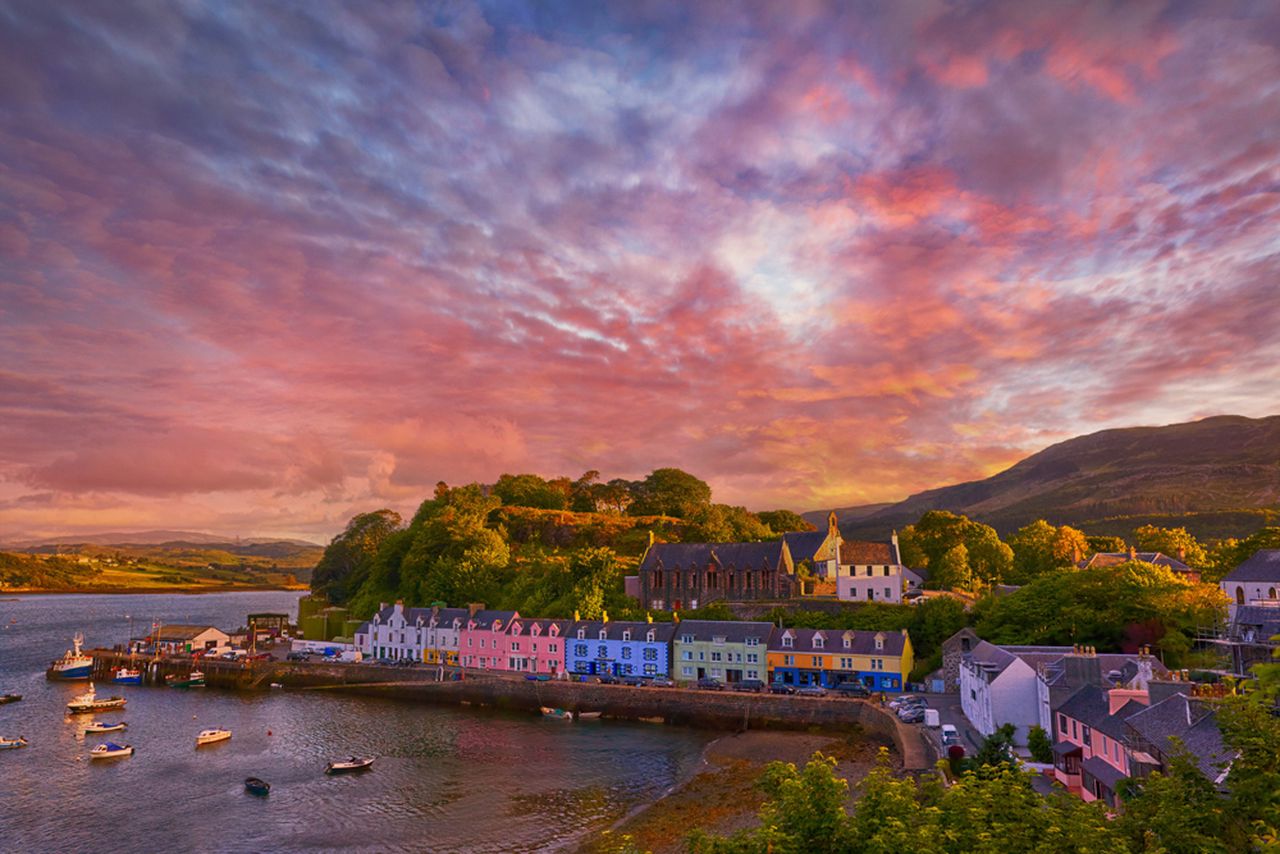
Modern architecture offers the most striking interpretations. Kengo Kuma’s V&A Dundee is a masterpiece, its facade composed of thousands of precast concrete panels. These horizontal lines cast deep shadows that shift with the light, creating a textured, linear pattern that powerfully evokes the warp and weft of a tartan weave. In a more traditional sense, the colourful fishing villages of Scotland, like Tobermory on the Isle of Mull, present a living tartan. The brightly painted houses, lined up in a repeating rhythm of blues, pinks, and yellows, form a vibrant, patchwork grid against the harbour-a deconstructed tartan created by the community itself.

The Tartan Roof in Art and Culture

Beyond bricks and mortar, the idea of a tartan landscape is a profound cultural and artistic concept. Celebrated Scottish artist John Lowrie Morrison (Jolomo) captures this perfectly. His paintings of crofts and coastlines are rendered in a patchwork of bold, expressive colour that feels like the very soul of tartan laid across the canvas. While these artistic interpretations are wonderfully free-flowing, they draw inspiration from a rich heritage of structured patterns, many of which are formally catalogued in the official Scottish Register of Tartans. This connection shows how even abstract art is rooted in defined tradition. Ultimately, the tartan roof becomes a metaphor for the rich, interwoven tapestry of Scottish life-a vibrant and protective covering for its culture, history, and people.

Bringing Tartan Home: Modern Interior Design Inspiration

While a literal tartan roof is a spectacular architectural statement, you don’t need to be on the outside looking in to appreciate this pattern’s power. Bringing the spirit of tartan under your own roof is a brilliant way to add personality, warmth, and a touch of heritage to your space. The key is to treat it as a sophisticated accent, not an overwhelming theme. It’s about creating a dialogue between this historic pattern and your contemporary style.

More Than a Throw Blanket: Creative Tartan Accents

Move beyond the expected and use tartan in ways that feel both fresh and intentional. For a dramatic and confident look, consider a feature wall in a large-scale tartan wallpaper. In a living room or study, this creates an instant focal point that feels both grand and cosy. For a more measured approach, focus on a single piece of statement furniture. A beautifully crafted armchair or an elegant headboard upholstered in a rich, wool tartan can anchor a room with colour and texture. Even smaller touches can make a significant impact:

  • Statement Cushions: Mix and match tartan cushions with solid velvets or linens on your sofa.
  • Area Rugs: A quality tartan rug can define a space and add immense warmth underfoot.
  • Custom Lampshades: A subtle yet effective way to introduce pattern into your lighting scheme.

Pairing Tartan with Your Existing Decor

The secret to modernising tartan lies in its companions. Juxtapose its traditional, woven texture with sleek, contemporary materials like polished chrome, warm leather, and clear glass. To create a harmonious colour scheme, select one dominant colour from your chosen tartan and weave it throughout the room in paint, accessories, or other textiles. This simple design rule ensures the look is cohesive rather than chaotic. It’s a testament to The Enduring Allure of Tartan that it can adapt so beautifully, from the boldest statements to muted, earthy variations perfect for a calming, minimalist aesthetic.

The Centrepiece: Using Framed Art as Your Tartan Element

Perhaps the most versatile and commitment-free way to introduce this theme is through art. A single, professionally framed piece of artwork can act as the perfect ‘tartan roof’ for your room’s design, introducing the pattern and its associated colours without any permanent changes. This could be a piece with a direct tartan motif or a more abstract work whose vibrant, crisscrossing lines evoke the same energy. Art allows you to celebrate the pattern with elegance and ease, acting as a bridge between your decor and a powerful piece of Scottish identity. Find the perfect piece in our gallery of Scottish artists.

How to Choose and Frame Art Inspired by Tartan & Scotland

A bold design choice like a tartan roof brings a unique personality to a home’s exterior. You can capture that same spirit indoors by curating a collection of art that celebrates the colours, patterns, and landscapes of Scotland. Choosing the right pieces and framing them with care is the key to creating a space that feels both personal and professionally designed. This guide will help you select beautiful, Scottish-inspired art and frame it to perfection.

What to Look For in Scottish-Inspired Art

To capture the essence of tartan, you don’t need to hang a literal depiction of the pattern. Instead, look for artwork that evokes its core elements. Seek out artists who use bold, intersecting blocks of colour, echoing the woven structure of tartan. Consider atmospheric landscape paintings that depict the patchwork fields and dramatic skies of the Highlands. Even abstract art can be a perfect choice, using colour and form to suggest the feeling and energy of tartan without being explicit.

The Art of Framing: The Perfect Finish

A frame is the essential bridge between your artwork and your room’s decor. It does the heavy lifting, pulling the entire look together. The goal is to choose a frame that enhances the art, not overpowers it. For a contemporary feel that lets the artwork shine, consider simple, clean-lined frames.

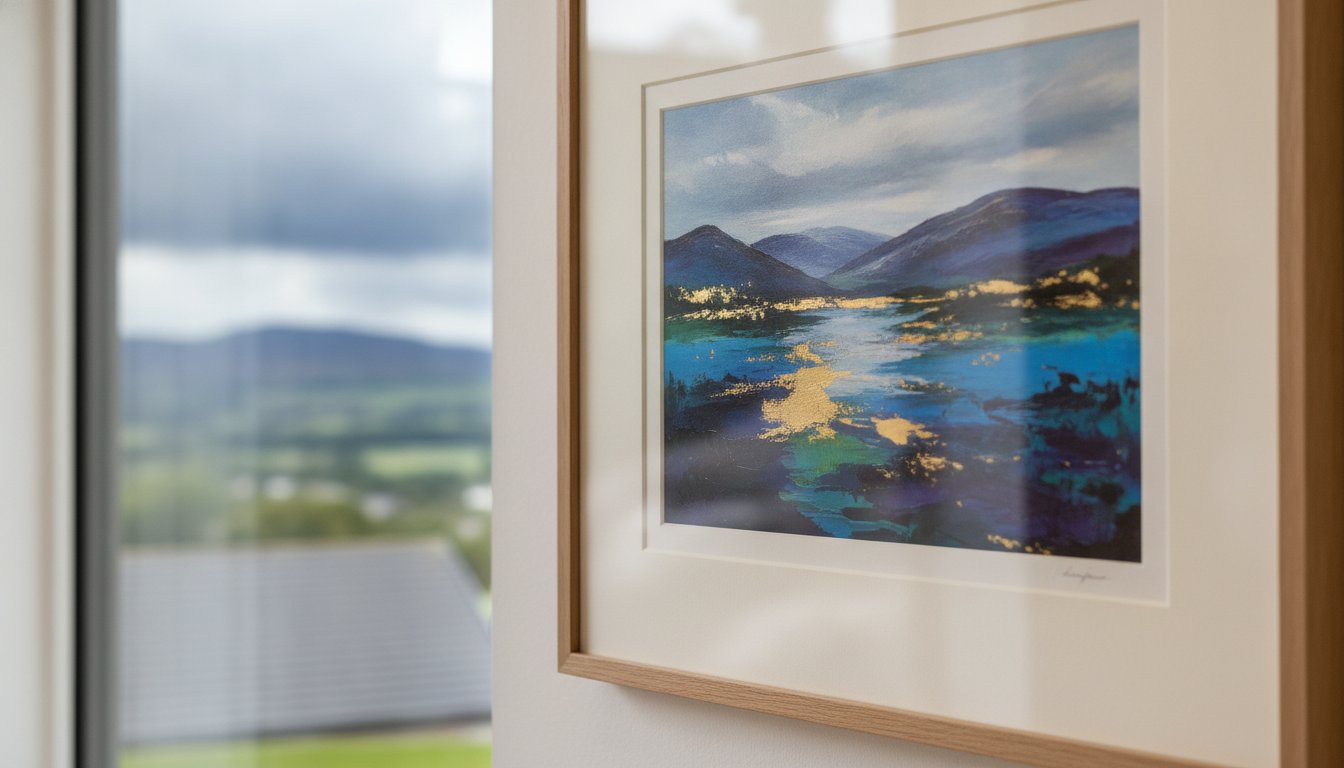
  • Complementary Colours: Choose a frame in a colour that picks up on a subtle tone within the artwork. A natural oak frame can warm up the cool blues and greens of a Highland scene.
  • Modern Simplicity: Crisp black or white frames offer a timeless, gallery-style finish that works with almost any piece.
  • The Power of a Mount: A mount (the card border inside the frame) gives the artwork breathing space, drawing the viewer’s eye inward and adding a layer of professional polish.

Creating Your Own Scottish Gallery Wall

A gallery wall is a spectacular way to display your collection. For a balanced and engaging display, mix a vibrant, tartan-esque print with subtler pieces like monochrome photography or simple line drawings of Scottish wildlife. Don’t be afraid to combine different frame styles-a mix of black, white, and wood can create a wonderfully eclectic yet cohesive feel. Always measure your space and plan your layout on the floor first to ensure a flawless result.

If the thought of curating and framing feels overwhelming, we’re here to help. Ask about our bespoke framing services and let our experts guide you in creating the perfect collection for your home.

Your Bridge to Scottish Art & Identity

As we’ve seen, tartan is a powerful thread running through Scottish culture, from clan history to the bold, imaginative concept of the tartan roof. It represents a connection to heritage and a unique aesthetic that can transform any space. You don’t need a grand architectural gesture to embrace this spirit; you can invite it into your home through the captivating beauty of fine art.

At First4Frames Gallery, we are passionate about connecting you with Scotland’s story. Our curated collection features spectacular works from leading Scottish artists, reproduced as premium, long-lasting Giclée prints. With over 20 years of bespoke framing experience, our expert craftsmanship ensures every piece is perfectly presented, creating a beautiful bridge between the art and your home.

Embark on a journey of artistic discovery and bring a piece of Scotland home with a trusted professional. Discover your perfect piece of framed Scottish art today.

Frequently Asked Questions

Can you actually build a roof with a tartan pattern?

Yes, though it is more of an artistic statement than a standard building practice. Achieving a tartan roof typically involves custom-painted tiles, specialised shingles, or even a large-scale vinyl wrap for a commercial building. It is a highly bespoke and often costly endeavour, perfect for creating a landmark but rarely used in residential construction. The idea is a beautiful fusion of architecture and heritage, turning a functional structure into a piece of art.

How do I use tartan in my home without it looking old-fashioned?

The key to a modern tartan look is to use it as a considered accent. Instead of overwhelming a room, introduce it through a single statement piece like an armchair, a set of premium cushions, or a beautiful wool throw. Pairing a classic tartan with sleek, minimalist furniture creates a stunning contrast. You can also opt for contemporary tartan colourways, such as those featuring greys, navy blues, or even soft pinks, for a fresh and updated feel.

What are the most famous or popular tartan patterns?

Among the hundreds of registered tartans, a few stand out for their global recognition. The Royal Stewart, with its vibrant red base, is arguably the most famous tartan in the world. The Black Watch tartan, a sombre and sophisticated pattern of dark greens and blues, is another classic. In the world of fashion, the Burberry check has become an iconic pattern, demonstrating how a traditional design can be adapted into a timeless symbol of style and luxury.

Which Scottish artists are known for using bold, tartan-like colours?

While not always depicting tartan directly, many Scottish artists are celebrated for their bold, vibrant use of colour that evokes its spirit. The Scottish Colourists, including S.J. Peploe and F.C.B. Cadell, are renowned for their intense, non-naturalistic palettes and structured compositions. More recently, artists like Peter Doig often use rich, layered colours and grid-like forms in their landscapes that echo the intersecting lines and powerful presence of traditional tartan patterns.

Can you frame a piece of tartan fabric as artwork?

Absolutely! Framing a piece of tartan is a wonderful way to create deeply personal and textural artwork. Whether it’s a family clan tartan or a piece with sentimental value, professional framing transforms it into a spectacular display. Using a deep box frame gives the fabric space to breathe and creates a beautiful sense of depth. It’s a perfect way to honour your heritage and add a unique, meaningful piece to your home’s art collection.

What is the difference between tartan and plaid?

While the terms are often used interchangeably today, they have distinct origins. ‘Tartan’ refers specifically to the unique patterned cloths associated with Scottish clans, each with its own name and history. ‘Plaid’, derived from the Gaelic word for blanket, originally referred to the large piece of tartan cloth worn as part of Highland dress. In North America, plaid has become a general term for any criss-cross pattern, but in Scotland, tartan remains the correct and more specific term.

Posted on

The Tartan Roof: A Bold Symbol of Scottish Design & Identity

Searching for inspiration for a ‘tartan roof’ and finding only listings for local pubs and roofing contractors? You’re not alone. You’re looking for something more-a way to celebrate Scottish heritage that feels authentic, stylish, and a world away from tired clichés. The challenge is often knowing how to weave such a bold, historic pattern into a modern home without it feeling overwhelming or dated. You want to honour a rich identity, not create a pastiche.

This is where the true artistry of the tartan pattern comes to life. In this guide, we embark on a journey to explore the rich history and cultural significance behind this iconic design. We’ll reveal how contemporary artists are reimagining tartan, transforming it into spectacular pieces of fine art. Prepare to discover beautiful, inspiring ways to introduce this symbol of Scotland into your décor, confidently and with impeccable craftsmanship, creating a space that is both personal and profound.

Key Takeaways

  • Discover how tartan evolved from a powerful symbol of Scottish clan identity into a bold and enduring design statement.
  • We investigate the surprising reality behind the architectural concept of a tartan roof and showcase real-world buildings inspired by the iconic pattern.
  • Find elegant, contemporary ideas for bringing the warmth and character of tartan into your own home through sophisticated interior design.
  • Learn how to choose beautiful, tartan-inspired art, focusing on colour and pattern to create a stunning focal point for your space.

The Enduring Allure of Tartan: From Clan Identity to Architectural Dreams

You may have heard the term and wondered, what exactly is a tartan roof? At its core, it’s an architectural feature where the roof’s surface-most often slate or tile-is expertly crafted to replicate the iconic crisscrossing pattern of Scottish tartan. This is more than a simple design choice; it’s a bold statement that weaves together centuries of history, identity, and premium craftsmanship, transforming a building’s most protective element into a work of art.

To see how this timeless pattern can be masterfully integrated into modern spaces, this video offers some beautiful inspiration:

But how did a pattern so deeply connected to Scottish heritage make the leap from fabric to the very rooftops of our homes? The journey is a fascinating tale of identity, rebellion, and royal approval.

A Brief History of Tartan

Tartan is far more than just a pattern; it is a powerful emblem of place and belonging. Originally associated with specific regions and later with powerful clans, The History of Tartan is a story of cultural identity. After the Jacobite rising, the Dress Act of 1746 banned tartan, turning it into a potent symbol of Scottish defiance. Its revival in the 19th century, championed by figures like Queen Victoria and her love for Balmoral Castle, catapulted tartan from Highland dress into the world of high fashion and interior design, cementing its status as a timeless and versatile pattern.

Tartan as a Design Element

The psychology behind tartan’s appeal is compelling. Its structured, repeating lines offer a sense of order and tradition, evoking feelings of comfort and heritage. Simultaneously, its bold colour combinations feel confident and expressive. This duality has made it a favourite in fashion and branding to signify “Scottishness” and quality. The leap from fabric to architecture is a natural extension of this symbolic power. In design, a feature like a tartan roof isn’t just a pattern; it’s a bespoke declaration of identity and a nod to a rich cultural landscape.

This appreciation for structured patterns extends beyond textiles and into all areas of home design. Even functional elements like garden fencing can contribute to a home’s aesthetic through their lines and construction, and suppliers such as Romford Fencing Ltd provide a variety of styles to suit different properties.

The ‘Tartan Roof’ in Reality and Imagination: Iconic Examples

While the image of a building literally draped in a woven tartan pattern is more a flight of fancy than an architectural reality, the spirit of tartan is powerfully expressed across Scotland’s built and artistic landscapes. The concept of a tartan roof-and facade-comes to life not through fabric, but through clever design, repeating patterns, and spectacular use of colour. These examples are a beautiful testament to how a traditional symbol can inspire contemporary craftsmanship.

Architectural Interpretations of Tartan

Modern architecture offers the most striking interpretations. Kengo Kuma’s V&A Dundee is a masterpiece, its facade composed of thousands of precast concrete panels. These horizontal lines cast deep shadows that shift with the light, creating a textured, linear pattern that powerfully evokes the warp and weft of a tartan weave. In a more traditional sense, the colourful fishing villages of Scotland, like Tobermory on the Isle of Mull, present a living tartan. The brightly painted houses, lined up in a repeating rhythm of blues, pinks, and yellows, form a vibrant, patchwork grid against the harbour-a deconstructed tartan created by the community itself.

The Tartan Roof in Art and Culture

Beyond bricks and mortar, the idea of a tartan landscape is a profound cultural and artistic concept. Celebrated Scottish artist John Lowrie Morrison (Jolomo) captures this perfectly. His paintings of crofts and coastlines are rendered in a patchwork of bold, expressive colour that feels like the very soul of tartan laid across the canvas. While these artistic interpretations are wonderfully free-flowing, they draw inspiration from a rich heritage of structured patterns, many of which are formally catalogued in the official Scottish Register of Tartans. This connection shows how even abstract art is rooted in defined tradition. Ultimately, the tartan roof becomes a metaphor for the rich, interwoven tapestry of Scottish life-a vibrant and protective covering for its culture, history, and people.

Bringing Tartan Home: Modern Interior Design Inspiration

While a literal tartan roof is a spectacular architectural statement, you don’t need to be on the outside looking in to appreciate this pattern’s power. Bringing the spirit of tartan under your own roof is a brilliant way to add personality, warmth, and a touch of heritage to your space. The key is to treat it as a sophisticated accent, not an overwhelming theme. It’s about creating a dialogue between this historic pattern and your contemporary style.

More Than a Throw Blanket: Creative Tartan Accents

Move beyond the expected and use tartan in ways that feel both fresh and intentional. For a dramatic and confident look, consider a feature wall in a large-scale tartan wallpaper. In a living room or study, this creates an instant focal point that feels both grand and cosy. For a more measured approach, focus on a single piece of statement furniture. A beautifully crafted armchair or an elegant headboard upholstered in a rich, wool tartan can anchor a room with colour and texture. Even smaller touches can make a significant impact:

  • Statement Cushions: Mix and match tartan cushions with solid velvets or linens on your sofa.
  • Area Rugs: A quality tartan rug can define a space and add immense warmth underfoot.
  • Custom Lampshades: A subtle yet effective way to introduce pattern into your lighting scheme.

For those who appreciate the texture and heritage of traditional British fabrics, this aesthetic can extend beyond decor into thoughtful, personal items. For example, artisans like Created By The Ridleys handcraft beautiful personalized gifts using tweed, another fabric rich with history.

Pairing Tartan with Your Existing Decor

The secret to modernising tartan lies in its companions. Juxtapose its traditional, woven texture with sleek, contemporary materials like polished chrome, warm leather, and clear glass. To create a harmonious colour scheme, select one dominant colour from your chosen tartan and weave it throughout the room in paint, accessories, or other textiles. This simple design rule ensures the look is cohesive rather than chaotic. It’s a testament to The Enduring Allure of Tartan that it can adapt so beautifully, from the boldest statements to muted, earthy variations perfect for a calming, minimalist aesthetic.

The Centrepiece: Using Framed Art as Your Tartan Element

Perhaps the most versatile and commitment-free way to introduce this theme is through art. A single, professionally framed piece of artwork can act as the perfect ‘tartan roof’ for your room’s design, introducing the pattern and its associated colours without any permanent changes. This could be a piece with a direct tartan motif or a more abstract work whose vibrant, crisscrossing lines evoke the same energy. Art allows you to celebrate the pattern with elegance and ease, acting as a bridge between your decor and a powerful piece of Scottish identity. Find the perfect piece in our gallery of Scottish artists.

How to Choose and Frame Art Inspired by Tartan & Scotland

A bold design choice like a tartan roof brings a unique personality to a home’s exterior. You can capture that same spirit indoors by curating a collection of art that celebrates the colours, patterns, and landscapes of Scotland. Choosing the right pieces and framing them with care is the key to creating a space that feels both personal and professionally designed. This guide will help you select beautiful, Scottish-inspired art and frame it to perfection.

What to Look For in Scottish-Inspired Art

To capture the essence of tartan, you don’t need to hang a literal depiction of the pattern. Instead, look for artwork that evokes its core elements. Seek out artists who use bold, intersecting blocks of colour, echoing the woven structure of tartan. Consider atmospheric landscape paintings that depict the patchwork fields and dramatic skies of the Highlands. Even abstract art can be a perfect choice, using colour and form to suggest the feeling and energy of tartan without being explicit.

The Art of Framing: The Perfect Finish

A frame is the essential bridge between your artwork and your room’s decor. It does the heavy lifting, pulling the entire look together. The goal is to choose a frame that enhances the art, not overpowers it. For a contemporary feel that lets the artwork shine, consider simple, clean-lined frames.

  • Complementary Colours: Choose a frame in a colour that picks up on a subtle tone within the artwork. A natural oak frame can warm up the cool blues and greens of a Highland scene.
  • Modern Simplicity: Crisp black or white frames offer a timeless, gallery-style finish that works with almost any piece.
  • The Power of a Mount: A mount (the card border inside the frame) gives the artwork breathing space, drawing the viewer’s eye inward and adding a layer of professional polish.

Creating Your Own Scottish Gallery Wall

A gallery wall is a spectacular way to display your collection. For a balanced and engaging display, mix a vibrant, tartan-esque print with subtler pieces like monochrome photography or simple line drawings of Scottish wildlife. Don’t be afraid to combine different frame styles-a mix of black, white, and wood can create a wonderfully eclectic yet cohesive feel. Always measure your space and plan your layout on the floor first to ensure a flawless result.

If the thought of curating and framing feels overwhelming, we’re here to help. Ask about our bespoke framing services and let our experts guide you in creating the perfect collection for your home.

Your Bridge to Scottish Art & Identity

As we’ve seen, tartan is a powerful thread running through Scottish culture, from clan history to the bold, imaginative concept of the tartan roof. It represents a connection to heritage and a unique aesthetic that can transform any space. You don’t need a grand architectural gesture to embrace this spirit; you can invite it into your home through the captivating beauty of fine art.

At First4Frames Gallery, we are passionate about connecting you with Scotland’s story. Our curated collection features spectacular works from leading Scottish artists, reproduced as premium, long-lasting Giclée prints. With over 20 years of bespoke framing experience, our expert craftsmanship ensures every piece is perfectly presented, creating a beautiful bridge between the art and your home.

Embark on a journey of artistic discovery and bring a piece of Scotland home with a trusted professional. Discover your perfect piece of framed Scottish art today.

Frequently Asked Questions

Can you actually build a roof with a tartan pattern?

Yes, though it is more of an artistic statement than a standard building practice. Achieving a tartan roof typically involves custom-painted tiles, specialised shingles, or even a large-scale vinyl wrap for a commercial building. It is a highly bespoke and often costly endeavour, perfect for creating a landmark but rarely used in residential construction. The idea is a beautiful fusion of architecture and heritage, turning a functional structure into a piece of art.

How do I use tartan in my home without it looking old-fashioned?

The key to a modern tartan look is to use it as a considered accent. Instead of overwhelming a room, introduce it through a single statement piece like an armchair, a set of premium cushions, or a beautiful wool throw. Pairing a classic tartan with sleek, minimalist furniture creates a stunning contrast. You can also opt for contemporary tartan colourways, such as those featuring greys, navy blues, or even soft pinks, for a fresh and updated feel.

What are the most famous or popular tartan patterns?

Among the hundreds of registered tartans, a few stand out for their global recognition. The Royal Stewart, with its vibrant red base, is arguably the most famous tartan in the world. The Black Watch tartan, a sombre and sophisticated pattern of dark greens and blues, is another classic. In the world of fashion, the Burberry check has become an iconic pattern, demonstrating how a traditional design can be adapted into a timeless symbol of style and luxury.

Which Scottish artists are known for using bold, tartan-like colours?

While not always depicting tartan directly, many Scottish artists are celebrated for their bold, vibrant use of colour that evokes its spirit. The Scottish Colourists, including S.J. Peploe and F.C.B. Cadell, are renowned for their intense, non-naturalistic palettes and structured compositions. More recently, artists like Peter Doig often use rich, layered colours and grid-like forms in their landscapes that echo the intersecting lines and powerful presence of traditional tartan patterns.

Can you frame a piece of tartan fabric as artwork?

Absolutely! Framing a piece of tartan is a wonderful way to create deeply personal and textural artwork. Whether it’s a family clan tartan or a piece with sentimental value, professional framing transforms it into a spectacular display. Using a deep box frame gives the fabric space to breathe and creates a beautiful sense of depth. It’s a perfect way to honour your heritage and add a unique, meaningful piece to your home’s art collection.

What is the difference between tartan and plaid?

While the terms are often used interchangeably today, they have distinct origins. ‘Tartan’ refers specifically to the unique patterned cloths associated with Scottish clans, each with its own name and history. ‘Plaid’, derived from the Gaelic word for blanket, originally referred to the large piece of tartan cloth worn as part of Highland dress. In North America, plaid has become a general term for any criss-cross pattern, but in Scotland, tartan remains the correct and more specific term.

Posted on

The Tartan Roof: A Bold Symbol of Scottish Design & Identity

Searching for inspiration for a ‘tartan roof’ and finding only listings for local pubs and roofing contractors? You’re not alone. You’re looking for something more-a way to celebrate Scottish heritage that feels authentic, stylish, and a world away from tired clichés. The challenge is often knowing how to weave such a bold, historic pattern into a modern home without it feeling overwhelming or dated. You want to honour a rich identity, not create a pastiche.

This is where the true artistry of the tartan pattern comes to life. In this guide, we embark on a journey to explore the rich history and cultural significance behind this iconic design. We’ll reveal how contemporary artists are reimagining tartan, transforming it into spectacular pieces of fine art. Prepare to discover beautiful, inspiring ways to introduce this symbol of Scotland into your décor, confidently and with impeccable craftsmanship, creating a space that is both personal and profound.

Key Takeaways

  • Discover how tartan evolved from a powerful symbol of Scottish clan identity into a bold and enduring design statement.
  • We investigate the surprising reality behind the architectural concept of a tartan roof and showcase real-world buildings inspired by the iconic pattern.
  • Find elegant, contemporary ideas for bringing the warmth and character of tartan into your own home through sophisticated interior design.
  • Learn how to choose beautiful, tartan-inspired art, focusing on colour and pattern to create a stunning focal point for your space.

The Enduring Allure of Tartan: From Clan Identity to Architectural Dreams

You may have heard the term and wondered, what exactly is a tartan roof? At its core, it’s an architectural feature where the roof’s surface-most often slate or tile-is expertly crafted to replicate the iconic crisscrossing pattern of Scottish tartan. This is more than a simple design choice; it’s a bold statement that weaves together centuries of history, identity, and premium craftsmanship, transforming a building’s most protective element into a work of art.

To see how this timeless pattern can be masterfully integrated into modern spaces, this video offers some beautiful inspiration:

But how did a pattern so deeply connected to Scottish heritage make the leap from fabric to the very rooftops of our homes? The journey is a fascinating tale of identity, rebellion, and royal approval.

A Brief History of Tartan

Tartan is far more than just a pattern; it is a powerful emblem of place and belonging. Originally associated with specific regions and later with powerful clans, The History of Tartan is a story of cultural identity. After the Jacobite rising, the Dress Act of 1746 banned tartan, turning it into a potent symbol of Scottish defiance. Its revival in the 19th century, championed by figures like Queen Victoria and her love for Balmoral Castle, catapulted tartan from Highland dress into the world of high fashion and interior design, cementing its status as a timeless and versatile pattern.

Tartan as a Design Element

The psychology behind tartan’s appeal is compelling. Its structured, repeating lines offer a sense of order and tradition, evoking feelings of comfort and heritage. Simultaneously, its bold colour combinations feel confident and expressive. This duality has made it a favourite in fashion and branding to signify “Scottishness” and quality. The leap from fabric to architecture is a natural extension of this symbolic power. In design, a feature like a tartan roof isn’t just a pattern; it’s a bespoke declaration of identity and a nod to a rich cultural landscape.

This appreciation for structured patterns extends beyond textiles and into all areas of home design. Even functional elements like garden fencing can contribute to a home’s aesthetic through their lines and construction, and suppliers such as Romford Fencing Ltd provide a variety of styles to suit different properties.

The ‘Tartan Roof’ in Reality and Imagination: Iconic Examples

While the image of a building literally draped in a woven tartan pattern is more a flight of fancy than an architectural reality, the spirit of tartan is powerfully expressed across Scotland’s built and artistic landscapes. The concept of a tartan roof-and facade-comes to life not through fabric, but through clever design, repeating patterns, and spectacular use of colour. These examples are a beautiful testament to how a traditional symbol can inspire contemporary craftsmanship.

Architectural Interpretations of Tartan

Modern architecture offers the most striking interpretations. Kengo Kuma’s V&A Dundee is a masterpiece, its facade composed of thousands of precast concrete panels. These horizontal lines cast deep shadows that shift with the light, creating a textured, linear pattern that powerfully evokes the warp and weft of a tartan weave. In a more traditional sense, the colourful fishing villages of Scotland, like Tobermory on the Isle of Mull, present a living tartan. The brightly painted houses, lined up in a repeating rhythm of blues, pinks, and yellows, form a vibrant, patchwork grid against the harbour-a deconstructed tartan created by the community itself.

The Tartan Roof in Art and Culture

Beyond bricks and mortar, the idea of a tartan landscape is a profound cultural and artistic concept. Celebrated Scottish artist John Lowrie Morrison (Jolomo) captures this perfectly. His paintings of crofts and coastlines are rendered in a patchwork of bold, expressive colour that feels like the very soul of tartan laid across the canvas. While these artistic interpretations are wonderfully free-flowing, they draw inspiration from a rich heritage of structured patterns, many of which are formally catalogued in the official Scottish Register of Tartans. This connection shows how even abstract art is rooted in defined tradition. Ultimately, the tartan roof becomes a metaphor for the rich, interwoven tapestry of Scottish life-a vibrant and protective covering for its culture, history, and people.

Bringing Tartan Home: Modern Interior Design Inspiration

While a literal tartan roof is a spectacular architectural statement, you don’t need to be on the outside looking in to appreciate this pattern’s power. Bringing the spirit of tartan under your own roof is a brilliant way to add personality, warmth, and a touch of heritage to your space. The key is to treat it as a sophisticated accent, not an overwhelming theme. It’s about creating a dialogue between this historic pattern and your contemporary style.

More Than a Throw Blanket: Creative Tartan Accents

Move beyond the expected and use tartan in ways that feel both fresh and intentional. For a dramatic and confident look, consider a feature wall in a large-scale tartan wallpaper. In a living room or study, this creates an instant focal point that feels both grand and cosy. For a more measured approach, focus on a single piece of statement furniture. A beautifully crafted armchair or an elegant headboard upholstered in a rich, wool tartan can anchor a room with colour and texture. Even smaller touches can make a significant impact:

  • Statement Cushions: Mix and match tartan cushions with solid velvets or linens on your sofa.
  • Area Rugs: A quality tartan rug can define a space and add immense warmth underfoot.
  • Custom Lampshades: A subtle yet effective way to introduce pattern into your lighting scheme.

For those who appreciate the texture and heritage of traditional British fabrics, this aesthetic can extend beyond decor into thoughtful, personal items. For example, artisans like Created By The Ridleys handcraft beautiful personalized gifts using tweed, another fabric rich with history.

Pairing Tartan with Your Existing Decor

The secret to modernising tartan lies in its companions. Juxtapose its traditional, woven texture with sleek, contemporary materials like polished chrome, warm leather, and clear glass. To create a harmonious colour scheme, select one dominant colour from your chosen tartan and weave it throughout the room in paint, accessories, or other textiles. This simple design rule ensures the look is cohesive rather than chaotic. It’s a testament to The Enduring Allure of Tartan that it can adapt so beautifully, from the boldest statements to muted, earthy variations perfect for a calming, minimalist aesthetic.

The Centrepiece: Using Framed Art as Your Tartan Element

Perhaps the most versatile and commitment-free way to introduce this theme is through art. A single, professionally framed piece of artwork can act as the perfect ‘tartan roof’ for your room’s design, introducing the pattern and its associated colours without any permanent changes. This could be a piece with a direct tartan motif or a more abstract work whose vibrant, crisscrossing lines evoke the same energy. Art allows you to celebrate the pattern with elegance and ease, acting as a bridge between your decor and a powerful piece of Scottish identity. Find the perfect piece in our gallery of Scottish artists.

How to Choose and Frame Art Inspired by Tartan & Scotland

A bold design choice like a tartan roof brings a unique personality to a home’s exterior. You can capture that same spirit indoors by curating a collection of art that celebrates the colours, patterns, and landscapes of Scotland. Choosing the right pieces and framing them with care is the key to creating a space that feels both personal and professionally designed. This guide will help you select beautiful, Scottish-inspired art and frame it to perfection.

What to Look For in Scottish-Inspired Art

To capture the essence of tartan, you don’t need to hang a literal depiction of the pattern. Instead, look for artwork that evokes its core elements. Seek out artists who use bold, intersecting blocks of colour, echoing the woven structure of tartan. Consider atmospheric landscape paintings that depict the patchwork fields and dramatic skies of the Highlands. Even abstract art can be a perfect choice, using colour and form to suggest the feeling and energy of tartan without being explicit.

The Art of Framing: The Perfect Finish

A frame is the essential bridge between your artwork and your room’s decor. It does the heavy lifting, pulling the entire look together. The goal is to choose a frame that enhances the art, not overpowers it. For a contemporary feel that lets the artwork shine, consider simple, clean-lined frames.

  • Complementary Colours: Choose a frame in a colour that picks up on a subtle tone within the artwork. A natural oak frame can warm up the cool blues and greens of a Highland scene.
  • Modern Simplicity: Crisp black or white frames offer a timeless, gallery-style finish that works with almost any piece.
  • The Power of a Mount: A mount (the card border inside the frame) gives the artwork breathing space, drawing the viewer’s eye inward and adding a layer of professional polish.

Creating Your Own Scottish Gallery Wall

A gallery wall is a spectacular way to display your collection. For a balanced and engaging display, mix a vibrant, tartan-esque print with subtler pieces like monochrome photography or simple line drawings of Scottish wildlife. Don’t be afraid to combine different frame styles-a mix of black, white, and wood can create a wonderfully eclectic yet cohesive feel. Always measure your space and plan your layout on the floor first to ensure a flawless result.

If the thought of curating and framing feels overwhelming, we’re here to help. Ask about our bespoke framing services and let our experts guide you in creating the perfect collection for your home.

Your Bridge to Scottish Art & Identity

As we’ve seen, tartan is a powerful thread running through Scottish culture, from clan history to the bold, imaginative concept of the tartan roof. It represents a connection to heritage and a unique aesthetic that can transform any space. You don’t need a grand architectural gesture to embrace this spirit; you can invite it into your home through the captivating beauty of fine art.

At First4Frames Gallery, we are passionate about connecting you with Scotland’s story. Our curated collection features spectacular works from leading Scottish artists, reproduced as premium, long-lasting Giclée prints. With over 20 years of bespoke framing experience, our expert craftsmanship ensures every piece is perfectly presented, creating a beautiful bridge between the art and your home.

Embark on a journey of artistic discovery and bring a piece of Scotland home with a trusted professional. Discover your perfect piece of framed Scottish art today.

Frequently Asked Questions

Can you actually build a roof with a tartan pattern?

Yes, though it is more of an artistic statement than a standard building practice. Achieving a tartan roof typically involves custom-painted tiles, specialised shingles, or even a large-scale vinyl wrap for a commercial building. It is a highly bespoke and often costly endeavour, perfect for creating a landmark but rarely used in residential construction. The idea is a beautiful fusion of architecture and heritage, turning a functional structure into a piece of art.

How do I use tartan in my home without it looking old-fashioned?

The key to a modern tartan look is to use it as a considered accent. Instead of overwhelming a room, introduce it through a single statement piece like an armchair, a set of premium cushions, or a beautiful wool throw. Pairing a classic tartan with sleek, minimalist furniture creates a stunning contrast. You can also opt for contemporary tartan colourways, such as those featuring greys, navy blues, or even soft pinks, for a fresh and updated feel.

What are the most famous or popular tartan patterns?

Among the hundreds of registered tartans, a few stand out for their global recognition. The Royal Stewart, with its vibrant red base, is arguably the most famous tartan in the world. The Black Watch tartan, a sombre and sophisticated pattern of dark greens and blues, is another classic. In the world of fashion, the Burberry check has become an iconic pattern, demonstrating how a traditional design can be adapted into a timeless symbol of style and luxury.

Which Scottish artists are known for using bold, tartan-like colours?

While not always depicting tartan directly, many Scottish artists are celebrated for their bold, vibrant use of colour that evokes its spirit. The Scottish Colourists, including S.J. Peploe and F.C.B. Cadell, are renowned for their intense, non-naturalistic palettes and structured compositions. More recently, artists like Peter Doig often use rich, layered colours and grid-like forms in their landscapes that echo the intersecting lines and powerful presence of traditional tartan patterns.

Can you frame a piece of tartan fabric as artwork?

Absolutely! Framing a piece of tartan is a wonderful way to create deeply personal and textural artwork. Whether it’s a family clan tartan or a piece with sentimental value, professional framing transforms it into a spectacular display. Using a deep box frame gives the fabric space to breathe and creates a beautiful sense of depth. It’s a perfect way to honour your heritage and add a unique, meaningful piece to your home’s art collection.

What is the difference between tartan and plaid?

While the terms are often used interchangeably today, they have distinct origins. ‘Tartan’ refers specifically to the unique patterned cloths associated with Scottish clans, each with its own name and history. ‘Plaid’, derived from the Gaelic word for blanket, originally referred to the large piece of tartan cloth worn as part of Highland dress. In North America, plaid has become a general term for any criss-cross pattern, but in Scotland, tartan remains the correct and more specific term.

Posted on

The Tartan Roof: A Bold Symbol of Scottish Design & Identity

A modern house with large glass windows and a roof featuring a tartan pattern, set on a grassy hillside with misty mountains in the background and soft sunlight filtering through.

Searching for inspiration for a ‘tartan roof’ and finding only listings for local pubs and roofing contractors? You’re not alone. You’re looking for something more-a way to celebrate Scottish heritage that feels authentic, stylish, and a world away from tired clichés. The challenge is often knowing how to weave such a bold, historic pattern into a modern home without it feeling overwhelming or dated. You want to honour a rich identity, not create a pastiche.

This is where the true artistry of the tartan pattern comes to life. In this guide, we embark on a journey to explore the rich history and cultural significance behind this iconic design. We’ll reveal how contemporary artists are reimagining tartan, transforming it into spectacular pieces of fine art. Prepare to discover beautiful, inspiring ways to introduce this symbol of Scotland into your décor, confidently and with impeccable craftsmanship, creating a space that is both personal and profound.

Key Takeaways

  • Discover how tartan evolved from a powerful symbol of Scottish clan identity into a bold and enduring design statement.
  • We investigate the surprising reality behind the architectural concept of a tartan roof and showcase real-world buildings inspired by the iconic pattern.
  • Find elegant, contemporary ideas for bringing the warmth and character of tartan into your own home through sophisticated interior design.
  • Learn how to choose beautiful, tartan-inspired art, focusing on colour and pattern to create a stunning focal point for your space.

The Enduring Allure of Tartan: From Clan Identity to Architectural Dreams

You may have heard the term and wondered, what exactly is a tartan roof? At its core, it’s an architectural feature where the roof’s surface-most often slate or tile-is expertly crafted to replicate the iconic crisscrossing pattern of Scottish tartan. This is more than a simple design choice; it’s a bold statement that weaves together centuries of history, identity, and premium craftsmanship, transforming a building’s most protective element into a work of art.

To see how this timeless pattern can be masterfully integrated into modern spaces, this video offers some beautiful inspiration:

But how did a pattern so deeply connected to Scottish heritage make the leap from fabric to the very rooftops of our homes? The journey is a fascinating tale of identity, rebellion, and royal approval.

A Brief History of Tartan

Tartan is far more than just a pattern; it is a powerful emblem of place and belonging. Originally associated with specific regions and later with powerful clans, The History of Tartan is a story of cultural identity. After the Jacobite rising, the Dress Act of 1746 banned tartan, turning it into a potent symbol of Scottish defiance. Its revival in the 19th century, championed by figures like Queen Victoria and her love for Balmoral Castle, catapulted tartan from Highland dress into the world of high fashion and interior design, cementing its status as a timeless and versatile pattern.

Tartan as a Design Element

The psychology behind tartan’s appeal is compelling. Its structured, repeating lines offer a sense of order and tradition, evoking feelings of comfort and heritage. Simultaneously, its bold colour combinations feel confident and expressive. This duality has made it a favourite in fashion and branding to signify “Scottishness” and quality. The leap from fabric to architecture is a natural extension of this symbolic power. In design, a feature like a tartan roof isn’t just a pattern; it’s a bespoke declaration of identity and a nod to a rich cultural landscape.

This appreciation for structured patterns extends beyond textiles and into all areas of home design. Even functional elements like garden fencing can contribute to a home’s aesthetic through their lines and construction, and suppliers such as Romford Fencing Ltd provide a variety of styles to suit different properties.

The ‘Tartan Roof’ in Reality and Imagination: Iconic Examples

While the image of a building literally draped in a woven tartan pattern is more a flight of fancy than an architectural reality, the spirit of tartan is powerfully expressed across Scotland’s built and artistic landscapes. The concept of a tartan roof-and facade-comes to life not through fabric, but through clever design, repeating patterns, and spectacular use of colour. These examples are a beautiful testament to how a traditional symbol can inspire contemporary craftsmanship.

Architectural Interpretations of Tartan

Modern architecture offers the most striking interpretations. Kengo Kuma’s V&A Dundee is a masterpiece, its facade composed of thousands of precast concrete panels. These horizontal lines cast deep shadows that shift with the light, creating a textured, linear pattern that powerfully evokes the warp and weft of a tartan weave. In a more traditional sense, the colourful fishing villages of Scotland, like Tobermory on the Isle of Mull, present a living tartan. The brightly painted houses, lined up in a repeating rhythm of blues, pinks, and yellows, form a vibrant, patchwork grid against the harbour-a deconstructed tartan created by the community itself.

The Tartan Roof in Art and Culture

Beyond bricks and mortar, the idea of a tartan landscape is a profound cultural and artistic concept. Celebrated Scottish artist John Lowrie Morrison (Jolomo) captures this perfectly. His paintings of crofts and coastlines are rendered in a patchwork of bold, expressive colour that feels like the very soul of tartan laid across the canvas. While these artistic interpretations are wonderfully free-flowing, they draw inspiration from a rich heritage of structured patterns, many of which are formally catalogued in the official Scottish Register of Tartans. This connection shows how even abstract art is rooted in defined tradition. Ultimately, the tartan roof becomes a metaphor for the rich, interwoven tapestry of Scottish life-a vibrant and protective covering for its culture, history, and people.

Bringing Tartan Home: Modern Interior Design Inspiration

While a literal tartan roof is a spectacular architectural statement, you don’t need to be on the outside looking in to appreciate this pattern’s power. Bringing the spirit of tartan under your own roof is a brilliant way to add personality, warmth, and a touch of heritage to your space. The key is to treat it as a sophisticated accent, not an overwhelming theme. It’s about creating a dialogue between this historic pattern and your contemporary style.

More Than a Throw Blanket: Creative Tartan Accents

Move beyond the expected and use tartan in ways that feel both fresh and intentional. For a dramatic and confident look, consider a feature wall in a large-scale tartan wallpaper. In a living room or study, this creates an instant focal point that feels both grand and cosy. For a more measured approach, focus on a single piece of statement furniture. A beautifully crafted armchair or an elegant headboard upholstered in a rich, wool tartan can anchor a room with colour and texture. Even smaller touches can make a significant impact:

  • Statement Cushions: Mix and match tartan cushions with solid velvets or linens on your sofa.
  • Area Rugs: A quality tartan rug can define a space and add immense warmth underfoot.
  • Custom Lampshades: A subtle yet effective way to introduce pattern into your lighting scheme.

For those who appreciate the texture and heritage of traditional British fabrics, this aesthetic can extend beyond decor into thoughtful, personal items. For example, artisans like Created By The Ridleys handcraft beautiful personalized gifts using tweed, another fabric rich with history.

Pairing Tartan with Your Existing Decor

The secret to modernising tartan lies in its companions. Juxtapose its traditional, woven texture with sleek, contemporary materials like polished chrome, warm leather, and clear glass. To create a harmonious colour scheme, select one dominant colour from your chosen tartan and weave it throughout the room in paint, accessories, or other textiles. This simple design rule ensures the look is cohesive rather than chaotic. It’s a testament to The Enduring Allure of Tartan that it can adapt so beautifully, from the boldest statements to muted, earthy variations perfect for a calming, minimalist aesthetic.

The Centrepiece: Using Framed Art as Your Tartan Element

Perhaps the most versatile and commitment-free way to introduce this theme is through art. A single, professionally framed piece of artwork can act as the perfect ‘tartan roof’ for your room’s design, introducing the pattern and its associated colours without any permanent changes. This could be a piece with a direct tartan motif or a more abstract work whose vibrant, crisscrossing lines evoke the same energy. Art allows you to celebrate the pattern with elegance and ease, acting as a bridge between your decor and a powerful piece of Scottish identity. Find the perfect piece in our gallery of Scottish artists.

How to Choose and Frame Art Inspired by Tartan & Scotland

A bold design choice like a tartan roof brings a unique personality to a home’s exterior. You can capture that same spirit indoors by curating a collection of art that celebrates the colours, patterns, and landscapes of Scotland. Choosing the right pieces and framing them with care is the key to creating a space that feels both personal and professionally designed. This guide will help you select beautiful, Scottish-inspired art and frame it to perfection.

What to Look For in Scottish-Inspired Art

To capture the essence of tartan, you don’t need to hang a literal depiction of the pattern. Instead, look for artwork that evokes its core elements. Seek out artists who use bold, intersecting blocks of colour, echoing the woven structure of tartan. Consider atmospheric landscape paintings that depict the patchwork fields and dramatic skies of the Highlands. Even abstract art can be a perfect choice, using colour and form to suggest the feeling and energy of tartan without being explicit.

The Art of Framing: The Perfect Finish

A frame is the essential bridge between your artwork and your room’s decor. It does the heavy lifting, pulling the entire look together. The goal is to choose a frame that enhances the art, not overpowers it. For a contemporary feel that lets the artwork shine, consider simple, clean-lined frames.

  • Complementary Colours: Choose a frame in a colour that picks up on a subtle tone within the artwork. A natural oak frame can warm up the cool blues and greens of a Highland scene.
  • Modern Simplicity: Crisp black or white frames offer a timeless, gallery-style finish that works with almost any piece.
  • The Power of a Mount: A mount (the card border inside the frame) gives the artwork breathing space, drawing the viewer’s eye inward and adding a layer of professional polish.

Creating Your Own Scottish Gallery Wall

A gallery wall is a spectacular way to display your collection. For a balanced and engaging display, mix a vibrant, tartan-esque print with subtler pieces like monochrome photography or simple line drawings of Scottish wildlife. Don’t be afraid to combine different frame styles-a mix of black, white, and wood can create a wonderfully eclectic yet cohesive feel. Always measure your space and plan your layout on the floor first to ensure a flawless result.

If the thought of curating and framing feels overwhelming, we’re here to help. Ask about our bespoke framing services and let our experts guide you in creating the perfect collection for your home.

Your Bridge to Scottish Art & Identity

As we’ve seen, tartan is a powerful thread running through Scottish culture, from clan history to the bold, imaginative concept of the tartan roof. It represents a connection to heritage and a unique aesthetic that can transform any space. You don’t need a grand architectural gesture to embrace this spirit; you can invite it into your home through the captivating beauty of fine art.

At First4Frames Gallery, we are passionate about connecting you with Scotland’s story. Our curated collection features spectacular works from leading Scottish artists, reproduced as premium, long-lasting Giclée prints. With over 20 years of bespoke framing experience, our expert craftsmanship ensures every piece is perfectly presented, creating a beautiful bridge between the art and your home.

Embark on a journey of artistic discovery and bring a piece of Scotland home with a trusted professional. Discover your perfect piece of framed Scottish art today.

Frequently Asked Questions

Can you actually build a roof with a tartan pattern?

Yes, though it is more of an artistic statement than a standard building practice. Achieving a tartan roof typically involves custom-painted tiles, specialised shingles, or even a large-scale vinyl wrap for a commercial building. It is a highly bespoke and often costly endeavour, perfect for creating a landmark but rarely used in residential construction. The idea is a beautiful fusion of architecture and heritage, turning a functional structure into a piece of art.

How do I use tartan in my home without it looking old-fashioned?

The key to a modern tartan look is to use it as a considered accent. Instead of overwhelming a room, introduce it through a single statement piece like an armchair, a set of premium cushions, or a beautiful wool throw. Pairing a classic tartan with sleek, minimalist furniture creates a stunning contrast. You can also opt for contemporary tartan colourways, such as those featuring greys, navy blues, or even soft pinks, for a fresh and updated feel.

What are the most famous or popular tartan patterns?

Among the hundreds of registered tartans, a few stand out for their global recognition. The Royal Stewart, with its vibrant red base, is arguably the most famous tartan in the world. The Black Watch tartan, a sombre and sophisticated pattern of dark greens and blues, is another classic. In the world of fashion, the Burberry check has become an iconic pattern, demonstrating how a traditional design can be adapted into a timeless symbol of style and luxury.

Which Scottish artists are known for using bold, tartan-like colours?

While not always depicting tartan directly, many Scottish artists are celebrated for their bold, vibrant use of colour that evokes its spirit. The Scottish Colourists, including S.J. Peploe and F.C.B. Cadell, are renowned for their intense, non-naturalistic palettes and structured compositions. More recently, artists like Peter Doig often use rich, layered colours and grid-like forms in their landscapes that echo the intersecting lines and powerful presence of traditional tartan patterns.

Can you frame a piece of tartan fabric as artwork?

Absolutely! Framing a piece of tartan is a wonderful way to create deeply personal and textural artwork. Whether it’s a family clan tartan or a piece with sentimental value, professional framing transforms it into a spectacular display. Using a deep box frame gives the fabric space to breathe and creates a beautiful sense of depth. It’s a perfect way to honour your heritage and add a unique, meaningful piece to your home’s art collection.

What is the difference between tartan and plaid?

While the terms are often used interchangeably today, they have distinct origins. ‘Tartan’ refers specifically to the unique patterned cloths associated with Scottish clans, each with its own name and history. ‘Plaid’, derived from the Gaelic word for blanket, originally referred to the large piece of tartan cloth worn as part of Highland dress. In North America, plaid has become a general term for any criss-cross pattern, but in Scotland, tartan remains the correct and more specific term.

Posted on

The Tartan Roof: A Bold Symbol of Scottish Design & Identity

Searching for inspiration for a ‘tartan roof’ and finding only listings for local pubs and roofing contractors? You’re not alone. You’re looking for something more-a way to celebrate Scottish heritage that feels authentic, stylish, and a world away from tired clichés. The challenge is often knowing how to weave such a bold, historic pattern into a modern home without it feeling overwhelming or dated. You want to honour a rich identity, not create a pastiche.

This is where the true artistry of the tartan pattern comes to life. In this guide, we embark on a journey to explore the rich history and cultural significance behind this iconic design. We’ll reveal how contemporary artists are reimagining tartan, transforming it into spectacular pieces of fine art. Prepare to discover beautiful, inspiring ways to introduce this symbol of Scotland into your décor, confidently and with impeccable craftsmanship, creating a space that is both personal and profound.

Key Takeaways

  • Discover how tartan evolved from a powerful symbol of Scottish clan identity into a bold and enduring design statement.
  • We investigate the surprising reality behind the architectural concept of a tartan roof and showcase real-world buildings inspired by the iconic pattern.
  • Find elegant, contemporary ideas for bringing the warmth and character of tartan into your own home through sophisticated interior design.
  • Learn how to choose beautiful, tartan-inspired art, focusing on colour and pattern to create a stunning focal point for your space.

The Enduring Allure of Tartan: From Clan Identity to Architectural Dreams

You may have heard the term and wondered, what exactly is a tartan roof? At its core, it’s an architectural feature where the roof’s surface-most often slate or tile-is expertly crafted to replicate the iconic crisscrossing pattern of Scottish tartan. This is more than a simple design choice; it’s a bold statement that weaves together centuries of history, identity, and premium craftsmanship, transforming a building’s most protective element into a work of art.

To see how this timeless pattern can be masterfully integrated into modern spaces, this video offers some beautiful inspiration:

But how did a pattern so deeply connected to Scottish heritage make the leap from fabric to the very rooftops of our homes? The journey is a fascinating tale of identity, rebellion, and royal approval.

A Brief History of Tartan

Tartan is far more than just a pattern; it is a powerful emblem of place and belonging. Originally associated with specific regions and later with powerful clans, The History of Tartan is a story of cultural identity. After the Jacobite rising, the Dress Act of 1746 banned tartan, turning it into a potent symbol of Scottish defiance. Its revival in the 19th century, championed by figures like Queen Victoria and her love for Balmoral Castle, catapulted tartan from Highland dress into the world of high fashion and interior design, cementing its status as a timeless and versatile pattern.

Tartan as a Design Element

The psychology behind tartan’s appeal is compelling. Its structured, repeating lines offer a sense of order and tradition, evoking feelings of comfort and heritage. Simultaneously, its bold colour combinations feel confident and expressive. This duality has made it a favourite in fashion and branding to signify “Scottishness” and quality. The leap from fabric to architecture is a natural extension of this symbolic power. In design, a feature like a tartan roof isn’t just a pattern; it’s a bespoke declaration of identity and a nod to a rich cultural landscape.

This appreciation for structured patterns extends beyond textiles and into all areas of home design. Even functional elements like garden fencing can contribute to a home’s aesthetic through their lines and construction, and suppliers such as Romford Fencing Ltd provide a variety of styles to suit different properties.

The ‘Tartan Roof’ in Reality and Imagination: Iconic Examples

While the image of a building literally draped in a woven tartan pattern is more a flight of fancy than an architectural reality, the spirit of tartan is powerfully expressed across Scotland’s built and artistic landscapes. The concept of a tartan roof-and facade-comes to life not through fabric, but through clever design, repeating patterns, and spectacular use of colour. These examples are a beautiful testament to how a traditional symbol can inspire contemporary craftsmanship.

Architectural Interpretations of Tartan

Modern architecture offers the most striking interpretations. Kengo Kuma’s V&A Dundee is a masterpiece, its facade composed of thousands of precast concrete panels. These horizontal lines cast deep shadows that shift with the light, creating a textured, linear pattern that powerfully evokes the warp and weft of a tartan weave. In a more traditional sense, the colourful fishing villages of Scotland, like Tobermory on the Isle of Mull, present a living tartan. The brightly painted houses, lined up in a repeating rhythm of blues, pinks, and yellows, form a vibrant, patchwork grid against the harbour-a deconstructed tartan created by the community itself.

The Tartan Roof in Art and Culture

Beyond bricks and mortar, the idea of a tartan landscape is a profound cultural and artistic concept. Celebrated Scottish artist John Lowrie Morrison (Jolomo) captures this perfectly. His paintings of crofts and coastlines are rendered in a patchwork of bold, expressive colour that feels like the very soul of tartan laid across the canvas. While these artistic interpretations are wonderfully free-flowing, they draw inspiration from a rich heritage of structured patterns, many of which are formally catalogued in the official Scottish Register of Tartans. This connection shows how even abstract art is rooted in defined tradition. Ultimately, the tartan roof becomes a metaphor for the rich, interwoven tapestry of Scottish life-a vibrant and protective covering for its culture, history, and people.

Bringing Tartan Home: Modern Interior Design Inspiration

While a literal tartan roof is a spectacular architectural statement, you don’t need to be on the outside looking in to appreciate this pattern’s power. Bringing the spirit of tartan under your own roof is a brilliant way to add personality, warmth, and a touch of heritage to your space. The key is to treat it as a sophisticated accent, not an overwhelming theme. It’s about creating a dialogue between this historic pattern and your contemporary style.

More Than a Throw Blanket: Creative Tartan Accents

Move beyond the expected and use tartan in ways that feel both fresh and intentional. For a dramatic and confident look, consider a feature wall in a large-scale tartan wallpaper. In a living room or study, this creates an instant focal point that feels both grand and cosy. For a more measured approach, focus on a single piece of statement furniture. A beautifully crafted armchair or an elegant headboard upholstered in a rich, wool tartan can anchor a room with colour and texture. Even smaller touches can make a significant impact:

  • Statement Cushions: Mix and match tartan cushions with solid velvets or linens on your sofa.
  • Area Rugs: A quality tartan rug can define a space and add immense warmth underfoot.
  • Custom Lampshades: A subtle yet effective way to introduce pattern into your lighting scheme.

For those who appreciate the texture and heritage of traditional British fabrics, this aesthetic can extend beyond decor into thoughtful, personal items. For example, artisans like Created By The Ridleys handcraft beautiful personalized gifts using tweed, another fabric rich with history.

Pairing Tartan with Your Existing Decor

The secret to modernising tartan lies in its companions. Juxtapose its traditional, woven texture with sleek, contemporary materials like polished chrome, warm leather, and clear glass. To create a harmonious colour scheme, select one dominant colour from your chosen tartan and weave it throughout the room in paint, accessories, or other textiles. This simple design rule ensures the look is cohesive rather than chaotic. It’s a testament to The Enduring Allure of Tartan that it can adapt so beautifully, from the boldest statements to muted, earthy variations perfect for a calming, minimalist aesthetic.

The Centrepiece: Using Framed Art as Your Tartan Element

Perhaps the most versatile and commitment-free way to introduce this theme is through art. A single, professionally framed piece of artwork can act as the perfect ‘tartan roof’ for your room’s design, introducing the pattern and its associated colours without any permanent changes. This could be a piece with a direct tartan motif or a more abstract work whose vibrant, crisscrossing lines evoke the same energy. Art allows you to celebrate the pattern with elegance and ease, acting as a bridge between your decor and a powerful piece of Scottish identity. Find the perfect piece in our gallery of Scottish artists.

How to Choose and Frame Art Inspired by Tartan & Scotland

A bold design choice like a tartan roof brings a unique personality to a home’s exterior. You can capture that same spirit indoors by curating a collection of art that celebrates the colours, patterns, and landscapes of Scotland. Choosing the right pieces and framing them with care is the key to creating a space that feels both personal and professionally designed. This guide will help you select beautiful, Scottish-inspired art and frame it to perfection.

What to Look For in Scottish-Inspired Art

To capture the essence of tartan, you don’t need to hang a literal depiction of the pattern. Instead, look for artwork that evokes its core elements. Seek out artists who use bold, intersecting blocks of colour, echoing the woven structure of tartan. Consider atmospheric landscape paintings that depict the patchwork fields and dramatic skies of the Highlands. Even abstract art can be a perfect choice, using colour and form to suggest the feeling and energy of tartan without being explicit.

The Art of Framing: The Perfect Finish

A frame is the essential bridge between your artwork and your room’s decor. It does the heavy lifting, pulling the entire look together. The goal is to choose a frame that enhances the art, not overpowers it. For a contemporary feel that lets the artwork shine, consider simple, clean-lined frames.

  • Complementary Colours: Choose a frame in a colour that picks up on a subtle tone within the artwork. A natural oak frame can warm up the cool blues and greens of a Highland scene.
  • Modern Simplicity: Crisp black or white frames offer a timeless, gallery-style finish that works with almost any piece.
  • The Power of a Mount: A mount (the card border inside the frame) gives the artwork breathing space, drawing the viewer’s eye inward and adding a layer of professional polish.

Creating Your Own Scottish Gallery Wall

A gallery wall is a spectacular way to display your collection. For a balanced and engaging display, mix a vibrant, tartan-esque print with subtler pieces like monochrome photography or simple line drawings of Scottish wildlife. Don’t be afraid to combine different frame styles-a mix of black, white, and wood can create a wonderfully eclectic yet cohesive feel. Always measure your space and plan your layout on the floor first to ensure a flawless result.

If the thought of curating and framing feels overwhelming, we’re here to help. Ask about our bespoke framing services and let our experts guide you in creating the perfect collection for your home.

Your Bridge to Scottish Art & Identity

As we’ve seen, tartan is a powerful thread running through Scottish culture, from clan history to the bold, imaginative concept of the tartan roof. It represents a connection to heritage and a unique aesthetic that can transform any space. You don’t need a grand architectural gesture to embrace this spirit; you can invite it into your home through the captivating beauty of fine art.

At First4Frames Gallery, we are passionate about connecting you with Scotland’s story. Our curated collection features spectacular works from leading Scottish artists, reproduced as premium, long-lasting Giclée prints. With over 20 years of bespoke framing experience, our expert craftsmanship ensures every piece is perfectly presented, creating a beautiful bridge between the art and your home.

Embark on a journey of artistic discovery and bring a piece of Scotland home with a trusted professional. Discover your perfect piece of framed Scottish art today.

Frequently Asked Questions

Can you actually build a roof with a tartan pattern?

Yes, though it is more of an artistic statement than a standard building practice. Achieving a tartan roof typically involves custom-painted tiles, specialised shingles, or even a large-scale vinyl wrap for a commercial building. It is a highly bespoke and often costly endeavour, perfect for creating a landmark but rarely used in residential construction. The idea is a beautiful fusion of architecture and heritage, turning a functional structure into a piece of art.

How do I use tartan in my home without it looking old-fashioned?

The key to a modern tartan look is to use it as a considered accent. Instead of overwhelming a room, introduce it through a single statement piece like an armchair, a set of premium cushions, or a beautiful wool throw. Pairing a classic tartan with sleek, minimalist furniture creates a stunning contrast. You can also opt for contemporary tartan colourways, such as those featuring greys, navy blues, or even soft pinks, for a fresh and updated feel.

What are the most famous or popular tartan patterns?

Among the hundreds of registered tartans, a few stand out for their global recognition. The Royal Stewart, with its vibrant red base, is arguably the most famous tartan in the world. The Black Watch tartan, a sombre and sophisticated pattern of dark greens and blues, is another classic. In the world of fashion, the Burberry check has become an iconic pattern, demonstrating how a traditional design can be adapted into a timeless symbol of style and luxury.

Which Scottish artists are known for using bold, tartan-like colours?

While not always depicting tartan directly, many Scottish artists are celebrated for their bold, vibrant use of colour that evokes its spirit. The Scottish Colourists, including S.J. Peploe and F.C.B. Cadell, are renowned for their intense, non-naturalistic palettes and structured compositions. More recently, artists like Peter Doig often use rich, layered colours and grid-like forms in their landscapes that echo the intersecting lines and powerful presence of traditional tartan patterns.

Can you frame a piece of tartan fabric as artwork?

Absolutely! Framing a piece of tartan is a wonderful way to create deeply personal and textural artwork. Whether it’s a family clan tartan or a piece with sentimental value, professional framing transforms it into a spectacular display. Using a deep box frame gives the fabric space to breathe and creates a beautiful sense of depth. It’s a perfect way to honour your heritage and add a unique, meaningful piece to your home’s art collection.

What is the difference between tartan and plaid?

While the terms are often used interchangeably today, they have distinct origins. ‘Tartan’ refers specifically to the unique patterned cloths associated with Scottish clans, each with its own name and history. ‘Plaid’, derived from the Gaelic word for blanket, originally referred to the large piece of tartan cloth worn as part of Highland dress. In North America, plaid has become a general term for any criss-cross pattern, but in Scotland, tartan remains the correct and more specific term.

Posted on

The Tartan Roof: A Bold Symbol of Scottish Design & Identity

Searching for inspiration for a ‘tartan roof’ and finding only listings for local pubs and roofing contractors? You’re not alone. You’re looking for something more-a way to celebrate Scottish heritage that feels authentic, stylish, and a world away from tired clichés. The challenge is often knowing how to weave such a bold, historic pattern into a modern home without it feeling overwhelming or dated. You want to honour a rich identity, not create a pastiche.

This is where the true artistry of the tartan pattern comes to life. In this guide, we embark on a journey to explore the rich history and cultural significance behind this iconic design. We’ll reveal how contemporary artists are reimagining tartan, transforming it into spectacular pieces of fine art. Prepare to discover beautiful, inspiring ways to introduce this symbol of Scotland into your décor, confidently and with impeccable craftsmanship, creating a space that is both personal and profound.

Key Takeaways

  • Discover how tartan evolved from a powerful symbol of Scottish clan identity into a bold and enduring design statement.
  • We investigate the surprising reality behind the architectural concept of a tartan roof and showcase real-world buildings inspired by the iconic pattern.
  • Find elegant, contemporary ideas for bringing the warmth and character of tartan into your own home through sophisticated interior design.
  • Learn how to choose beautiful, tartan-inspired art, focusing on colour and pattern to create a stunning focal point for your space.

The Enduring Allure of Tartan: From Clan Identity to Architectural Dreams

You may have heard the term and wondered, what exactly is a tartan roof? At its core, it’s an architectural feature where the roof’s surface-most often slate or tile-is expertly crafted to replicate the iconic crisscrossing pattern of Scottish tartan. This is more than a simple design choice; it’s a bold statement that weaves together centuries of history, identity, and premium craftsmanship, transforming a building’s most protective element into a work of art.

To see how this timeless pattern can be masterfully integrated into modern spaces, this video offers some beautiful inspiration:

But how did a pattern so deeply connected to Scottish heritage make the leap from fabric to the very rooftops of our homes? The journey is a fascinating tale of identity, rebellion, and royal approval.

A Brief History of Tartan

Tartan is far more than just a pattern; it is a powerful emblem of place and belonging. Originally associated with specific regions and later with powerful clans, The History of Tartan is a story of cultural identity. After the Jacobite rising, the Dress Act of 1746 banned tartan, turning it into a potent symbol of Scottish defiance. Its revival in the 19th century, championed by figures like Queen Victoria and her love for Balmoral Castle, catapulted tartan from Highland dress into the world of high fashion and interior design, cementing its status as a timeless and versatile pattern.

Tartan as a Design Element

The psychology behind tartan’s appeal is compelling. Its structured, repeating lines offer a sense of order and tradition, evoking feelings of comfort and heritage. Simultaneously, its bold colour combinations feel confident and expressive. This duality has made it a favourite in fashion and branding to signify “Scottishness” and quality. The leap from fabric to architecture is a natural extension of this symbolic power. In design, a feature like a tartan roof isn’t just a pattern; it’s a bespoke declaration of identity and a nod to a rich cultural landscape.

This appreciation for structured patterns extends beyond textiles and into all areas of home design. Even functional elements like garden fencing can contribute to a home’s aesthetic through their lines and construction, and suppliers such as Romford Fencing Ltd provide a variety of styles to suit different properties.

The ‘Tartan Roof’ in Reality and Imagination: Iconic Examples

While the image of a building literally draped in a woven tartan pattern is more a flight of fancy than an architectural reality, the spirit of tartan is powerfully expressed across Scotland’s built and artistic landscapes. The concept of a tartan roof-and facade-comes to life not through fabric, but through clever design, repeating patterns, and spectacular use of colour. These examples are a beautiful testament to how a traditional symbol can inspire contemporary craftsmanship.

Architectural Interpretations of Tartan

Modern architecture offers the most striking interpretations. Kengo Kuma’s V&A Dundee is a masterpiece, its facade composed of thousands of precast concrete panels. These horizontal lines cast deep shadows that shift with the light, creating a textured, linear pattern that powerfully evokes the warp and weft of a tartan weave. In a more traditional sense, the colourful fishing villages of Scotland, like Tobermory on the Isle of Mull, present a living tartan. The brightly painted houses, lined up in a repeating rhythm of blues, pinks, and yellows, form a vibrant, patchwork grid against the harbour-a deconstructed tartan created by the community itself.

The Tartan Roof in Art and Culture

Beyond bricks and mortar, the idea of a tartan landscape is a profound cultural and artistic concept. Celebrated Scottish artist John Lowrie Morrison (Jolomo) captures this perfectly. His paintings of crofts and coastlines are rendered in a patchwork of bold, expressive colour that feels like the very soul of tartan laid across the canvas. While these artistic interpretations are wonderfully free-flowing, they draw inspiration from a rich heritage of structured patterns, many of which are formally catalogued in the official Scottish Register of Tartans. This connection shows how even abstract art is rooted in defined tradition. Ultimately, the tartan roof becomes a metaphor for the rich, interwoven tapestry of Scottish life-a vibrant and protective covering for its culture, history, and people.

Bringing Tartan Home: Modern Interior Design Inspiration

While a literal tartan roof is a spectacular architectural statement, you don’t need to be on the outside looking in to appreciate this pattern’s power. Bringing the spirit of tartan under your own roof is a brilliant way to add personality, warmth, and a touch of heritage to your space. The key is to treat it as a sophisticated accent, not an overwhelming theme. It’s about creating a dialogue between this historic pattern and your contemporary style.

More Than a Throw Blanket: Creative Tartan Accents

Move beyond the expected and use tartan in ways that feel both fresh and intentional. For a dramatic and confident look, consider a feature wall in a large-scale tartan wallpaper. In a living room or study, this creates an instant focal point that feels both grand and cosy. For a more measured approach, focus on a single piece of statement furniture. A beautifully crafted armchair or an elegant headboard upholstered in a rich, wool tartan can anchor a room with colour and texture. Even smaller touches can make a significant impact:

  • Statement Cushions: Mix and match tartan cushions with solid velvets or linens on your sofa.
  • Area Rugs: A quality tartan rug can define a space and add immense warmth underfoot.
  • Custom Lampshades: A subtle yet effective way to introduce pattern into your lighting scheme.

For those who appreciate the texture and heritage of traditional British fabrics, this aesthetic can extend beyond decor into thoughtful, personal items. For example, artisans like Created By The Ridleys handcraft beautiful personalized gifts using tweed, another fabric rich with history.

Pairing Tartan with Your Existing Decor

The secret to modernising tartan lies in its companions. Juxtapose its traditional, woven texture with sleek, contemporary materials like polished chrome, warm leather, and clear glass. To create a harmonious colour scheme, select one dominant colour from your chosen tartan and weave it throughout the room in paint, accessories, or other textiles. This simple design rule ensures the look is cohesive rather than chaotic. It’s a testament to The Enduring Allure of Tartan that it can adapt so beautifully, from the boldest statements to muted, earthy variations perfect for a calming, minimalist aesthetic.

The Centrepiece: Using Framed Art as Your Tartan Element

Perhaps the most versatile and commitment-free way to introduce this theme is through art. A single, professionally framed piece of artwork can act as the perfect ‘tartan roof’ for your room’s design, introducing the pattern and its associated colours without any permanent changes. This could be a piece with a direct tartan motif or a more abstract work whose vibrant, crisscrossing lines evoke the same energy. Art allows you to celebrate the pattern with elegance and ease, acting as a bridge between your decor and a powerful piece of Scottish identity. Find the perfect piece in our gallery of Scottish artists.

How to Choose and Frame Art Inspired by Tartan & Scotland

A bold design choice like a tartan roof brings a unique personality to a home’s exterior. You can capture that same spirit indoors by curating a collection of art that celebrates the colours, patterns, and landscapes of Scotland. Choosing the right pieces and framing them with care is the key to creating a space that feels both personal and professionally designed. This guide will help you select beautiful, Scottish-inspired art and frame it to perfection.

What to Look For in Scottish-Inspired Art

To capture the essence of tartan, you don’t need to hang a literal depiction of the pattern. Instead, look for artwork that evokes its core elements. Seek out artists who use bold, intersecting blocks of colour, echoing the woven structure of tartan. Consider atmospheric landscape paintings that depict the patchwork fields and dramatic skies of the Highlands. Even abstract art can be a perfect choice, using colour and form to suggest the feeling and energy of tartan without being explicit.

The Art of Framing: The Perfect Finish

A frame is the essential bridge between your artwork and your room’s decor. It does the heavy lifting, pulling the entire look together. The goal is to choose a frame that enhances the art, not overpowers it. For a contemporary feel that lets the artwork shine, consider simple, clean-lined frames.

  • Complementary Colours: Choose a frame in a colour that picks up on a subtle tone within the artwork. A natural oak frame can warm up the cool blues and greens of a Highland scene.
  • Modern Simplicity: Crisp black or white frames offer a timeless, gallery-style finish that works with almost any piece.
  • The Power of a Mount: A mount (the card border inside the frame) gives the artwork breathing space, drawing the viewer’s eye inward and adding a layer of professional polish.

Creating Your Own Scottish Gallery Wall

A gallery wall is a spectacular way to display your collection. For a balanced and engaging display, mix a vibrant, tartan-esque print with subtler pieces like monochrome photography or simple line drawings of Scottish wildlife. Don’t be afraid to combine different frame styles-a mix of black, white, and wood can create a wonderfully eclectic yet cohesive feel. Always measure your space and plan your layout on the floor first to ensure a flawless result.

If the thought of curating and framing feels overwhelming, we’re here to help. Ask about our bespoke framing services and let our experts guide you in creating the perfect collection for your home.

Your Bridge to Scottish Art & Identity

As we’ve seen, tartan is a powerful thread running through Scottish culture, from clan history to the bold, imaginative concept of the tartan roof. It represents a connection to heritage and a unique aesthetic that can transform any space. You don’t need a grand architectural gesture to embrace this spirit; you can invite it into your home through the captivating beauty of fine art.

At First4Frames Gallery, we are passionate about connecting you with Scotland’s story. Our curated collection features spectacular works from leading Scottish artists, reproduced as premium, long-lasting Giclée prints. With over 20 years of bespoke framing experience, our expert craftsmanship ensures every piece is perfectly presented, creating a beautiful bridge between the art and your home.

Embark on a journey of artistic discovery and bring a piece of Scotland home with a trusted professional. Discover your perfect piece of framed Scottish art today.

Frequently Asked Questions

Can you actually build a roof with a tartan pattern?

Yes, though it is more of an artistic statement than a standard building practice. Achieving a tartan roof typically involves custom-painted tiles, specialised shingles, or even a large-scale vinyl wrap for a commercial building. It is a highly bespoke and often costly endeavour, perfect for creating a landmark but rarely used in residential construction. The idea is a beautiful fusion of architecture and heritage, turning a functional structure into a piece of art.

How do I use tartan in my home without it looking old-fashioned?

The key to a modern tartan look is to use it as a considered accent. Instead of overwhelming a room, introduce it through a single statement piece like an armchair, a set of premium cushions, or a beautiful wool throw. Pairing a classic tartan with sleek, minimalist furniture creates a stunning contrast. You can also opt for contemporary tartan colourways, such as those featuring greys, navy blues, or even soft pinks, for a fresh and updated feel.

What are the most famous or popular tartan patterns?

Among the hundreds of registered tartans, a few stand out for their global recognition. The Royal Stewart, with its vibrant red base, is arguably the most famous tartan in the world. The Black Watch tartan, a sombre and sophisticated pattern of dark greens and blues, is another classic. In the world of fashion, the Burberry check has become an iconic pattern, demonstrating how a traditional design can be adapted into a timeless symbol of style and luxury.

Which Scottish artists are known for using bold, tartan-like colours?

While not always depicting tartan directly, many Scottish artists are celebrated for their bold, vibrant use of colour that evokes its spirit. The Scottish Colourists, including S.J. Peploe and F.C.B. Cadell, are renowned for their intense, non-naturalistic palettes and structured compositions. More recently, artists like Peter Doig often use rich, layered colours and grid-like forms in their landscapes that echo the intersecting lines and powerful presence of traditional tartan patterns.

Can you frame a piece of tartan fabric as artwork?

Absolutely! Framing a piece of tartan is a wonderful way to create deeply personal and textural artwork. Whether it’s a family clan tartan or a piece with sentimental value, professional framing transforms it into a spectacular display. Using a deep box frame gives the fabric space to breathe and creates a beautiful sense of depth. It’s a perfect way to honour your heritage and add a unique, meaningful piece to your home’s art collection.

What is the difference between tartan and plaid?

While the terms are often used interchangeably today, they have distinct origins. ‘Tartan’ refers specifically to the unique patterned cloths associated with Scottish clans, each with its own name and history. ‘Plaid’, derived from the Gaelic word for blanket, originally referred to the large piece of tartan cloth worn as part of Highland dress. In North America, plaid has become a general term for any criss-cross pattern, but in Scotland, tartan remains the correct and more specific term.

Posted on

The Tartan Roof: A Bold Symbol of Scottish Design & Identity

Searching for inspiration for a ‘tartan roof’ and finding only listings for local pubs and roofing contractors? You’re not alone. You’re looking for something more-a way to celebrate Scottish heritage that feels authentic, stylish, and a world away from tired clichés. The challenge is often knowing how to weave such a bold, historic pattern into a modern home without it feeling overwhelming or dated. You want to honour a rich identity, not create a pastiche.

This is where the true artistry of the tartan pattern comes to life. In this guide, we embark on a journey to explore the rich history and cultural significance behind this iconic design. We’ll reveal how contemporary artists are reimagining tartan, transforming it into spectacular pieces of fine art. Prepare to discover beautiful, inspiring ways to introduce this symbol of Scotland into your décor, confidently and with impeccable craftsmanship, creating a space that is both personal and profound.

Key Takeaways

  • Discover how tartan evolved from a powerful symbol of Scottish clan identity into a bold and enduring design statement.
  • We investigate the surprising reality behind the architectural concept of a tartan roof and showcase real-world buildings inspired by the iconic pattern.
  • Find elegant, contemporary ideas for bringing the warmth and character of tartan into your own home through sophisticated interior design.
  • Learn how to choose beautiful, tartan-inspired art, focusing on colour and pattern to create a stunning focal point for your space.

The Enduring Allure of Tartan: From Clan Identity to Architectural Dreams

You may have heard the term and wondered, what exactly is a tartan roof? At its core, it’s an architectural feature where the roof’s surface-most often slate or tile-is expertly crafted to replicate the iconic crisscrossing pattern of Scottish tartan. This is more than a simple design choice; it’s a bold statement that weaves together centuries of history, identity, and premium craftsmanship, transforming a building’s most protective element into a work of art.

To see how this timeless pattern can be masterfully integrated into modern spaces, this video offers some beautiful inspiration:

But how did a pattern so deeply connected to Scottish heritage make the leap from fabric to the very rooftops of our homes? The journey is a fascinating tale of identity, rebellion, and royal approval.

A Brief History of Tartan

Tartan is far more than just a pattern; it is a powerful emblem of place and belonging. Originally associated with specific regions and later with powerful clans, The History of Tartan is a story of cultural identity. After the Jacobite rising, the Dress Act of 1746 banned tartan, turning it into a potent symbol of Scottish defiance. Its revival in the 19th century, championed by figures like Queen Victoria and her love for Balmoral Castle, catapulted tartan from Highland dress into the world of high fashion and interior design, cementing its status as a timeless and versatile pattern.

Tartan as a Design Element

The psychology behind tartan’s appeal is compelling. Its structured, repeating lines offer a sense of order and tradition, evoking feelings of comfort and heritage. Simultaneously, its bold colour combinations feel confident and expressive. This duality has made it a favourite in fashion and branding to signify “Scottishness” and quality. The leap from fabric to architecture is a natural extension of this symbolic power. In design, a feature like a tartan roof isn’t just a pattern; it’s a bespoke declaration of identity and a nod to a rich cultural landscape.

This appreciation for structured patterns extends beyond textiles and into all areas of home design. Even functional elements like garden fencing can contribute to a home’s aesthetic through their lines and construction, and suppliers such as Romford Fencing Ltd provide a variety of styles to suit different properties.

The ‘Tartan Roof’ in Reality and Imagination: Iconic Examples

While the image of a building literally draped in a woven tartan pattern is more a flight of fancy than an architectural reality, the spirit of tartan is powerfully expressed across Scotland’s built and artistic landscapes. The concept of a tartan roof-and facade-comes to life not through fabric, but through clever design, repeating patterns, and spectacular use of colour. These examples are a beautiful testament to how a traditional symbol can inspire contemporary craftsmanship.

Architectural Interpretations of Tartan

Modern architecture offers the most striking interpretations. Kengo Kuma’s V&A Dundee is a masterpiece, its facade composed of thousands of precast concrete panels. These horizontal lines cast deep shadows that shift with the light, creating a textured, linear pattern that powerfully evokes the warp and weft of a tartan weave. In a more traditional sense, the colourful fishing villages of Scotland, like Tobermory on the Isle of Mull, present a living tartan. The brightly painted houses, lined up in a repeating rhythm of blues, pinks, and yellows, form a vibrant, patchwork grid against the harbour-a deconstructed tartan created by the community itself.

The Tartan Roof in Art and Culture

Beyond bricks and mortar, the idea of a tartan landscape is a profound cultural and artistic concept. Celebrated Scottish artist John Lowrie Morrison (Jolomo) captures this perfectly. His paintings of crofts and coastlines are rendered in a patchwork of bold, expressive colour that feels like the very soul of tartan laid across the canvas. While these artistic interpretations are wonderfully free-flowing, they draw inspiration from a rich heritage of structured patterns, many of which are formally catalogued in the official Scottish Register of Tartans. This connection shows how even abstract art is rooted in defined tradition. Ultimately, the tartan roof becomes a metaphor for the rich, interwoven tapestry of Scottish life-a vibrant and protective covering for its culture, history, and people.

Bringing Tartan Home: Modern Interior Design Inspiration

While a literal tartan roof is a spectacular architectural statement, you don’t need to be on the outside looking in to appreciate this pattern’s power. Bringing the spirit of tartan under your own roof is a brilliant way to add personality, warmth, and a touch of heritage to your space. The key is to treat it as a sophisticated accent, not an overwhelming theme. It’s about creating a dialogue between this historic pattern and your contemporary style.

More Than a Throw Blanket: Creative Tartan Accents

Move beyond the expected and use tartan in ways that feel both fresh and intentional. For a dramatic and confident look, consider a feature wall in a large-scale tartan wallpaper. In a living room or study, this creates an instant focal point that feels both grand and cosy. For a more measured approach, focus on a single piece of statement furniture. A beautifully crafted armchair or an elegant headboard upholstered in a rich, wool tartan can anchor a room with colour and texture. Even smaller touches can make a significant impact:

  • Statement Cushions: Mix and match tartan cushions with solid velvets or linens on your sofa.
  • Area Rugs: A quality tartan rug can define a space and add immense warmth underfoot.
  • Custom Lampshades: A subtle yet effective way to introduce pattern into your lighting scheme.

For those who appreciate the texture and heritage of traditional British fabrics, this aesthetic can extend beyond decor into thoughtful, personal items. For example, artisans like Created By The Ridleys handcraft beautiful personalized gifts using tweed, another fabric rich with history.

Pairing Tartan with Your Existing Decor

The secret to modernising tartan lies in its companions. Juxtapose its traditional, woven texture with sleek, contemporary materials like polished chrome, warm leather, and clear glass. To create a harmonious colour scheme, select one dominant colour from your chosen tartan and weave it throughout the room in paint, accessories, or other textiles. This simple design rule ensures the look is cohesive rather than chaotic. It’s a testament to The Enduring Allure of Tartan that it can adapt so beautifully, from the boldest statements to muted, earthy variations perfect for a calming, minimalist aesthetic.

The Centrepiece: Using Framed Art as Your Tartan Element

Perhaps the most versatile and commitment-free way to introduce this theme is through art. A single, professionally framed piece of artwork can act as the perfect ‘tartan roof’ for your room’s design, introducing the pattern and its associated colours without any permanent changes. This could be a piece with a direct tartan motif or a more abstract work whose vibrant, crisscrossing lines evoke the same energy. Art allows you to celebrate the pattern with elegance and ease, acting as a bridge between your decor and a powerful piece of Scottish identity. Find the perfect piece in our gallery of Scottish artists.

How to Choose and Frame Art Inspired by Tartan & Scotland

A bold design choice like a tartan roof brings a unique personality to a home’s exterior. You can capture that same spirit indoors by curating a collection of art that celebrates the colours, patterns, and landscapes of Scotland. Choosing the right pieces and framing them with care is the key to creating a space that feels both personal and professionally designed. This guide will help you select beautiful, Scottish-inspired art and frame it to perfection.

What to Look For in Scottish-Inspired Art

To capture the essence of tartan, you don’t need to hang a literal depiction of the pattern. Instead, look for artwork that evokes its core elements. Seek out artists who use bold, intersecting blocks of colour, echoing the woven structure of tartan. Consider atmospheric landscape paintings that depict the patchwork fields and dramatic skies of the Highlands. Even abstract art can be a perfect choice, using colour and form to suggest the feeling and energy of tartan without being explicit.

The Art of Framing: The Perfect Finish

A frame is the essential bridge between your artwork and your room’s decor. It does the heavy lifting, pulling the entire look together. The goal is to choose a frame that enhances the art, not overpowers it. For a contemporary feel that lets the artwork shine, consider simple, clean-lined frames.

  • Complementary Colours: Choose a frame in a colour that picks up on a subtle tone within the artwork. A natural oak frame can warm up the cool blues and greens of a Highland scene.
  • Modern Simplicity: Crisp black or white frames offer a timeless, gallery-style finish that works with almost any piece.
  • The Power of a Mount: A mount (the card border inside the frame) gives the artwork breathing space, drawing the viewer’s eye inward and adding a layer of professional polish.

Creating Your Own Scottish Gallery Wall

A gallery wall is a spectacular way to display your collection. For a balanced and engaging display, mix a vibrant, tartan-esque print with subtler pieces like monochrome photography or simple line drawings of Scottish wildlife. Don’t be afraid to combine different frame styles-a mix of black, white, and wood can create a wonderfully eclectic yet cohesive feel. Always measure your space and plan your layout on the floor first to ensure a flawless result.

If the thought of curating and framing feels overwhelming, we’re here to help. Ask about our bespoke framing services and let our experts guide you in creating the perfect collection for your home.

Your Bridge to Scottish Art & Identity

As we’ve seen, tartan is a powerful thread running through Scottish culture, from clan history to the bold, imaginative concept of the tartan roof. It represents a connection to heritage and a unique aesthetic that can transform any space. You don’t need a grand architectural gesture to embrace this spirit; you can invite it into your home through the captivating beauty of fine art.

At First4Frames Gallery, we are passionate about connecting you with Scotland’s story. Our curated collection features spectacular works from leading Scottish artists, reproduced as premium, long-lasting Giclée prints. With over 20 years of bespoke framing experience, our expert craftsmanship ensures every piece is perfectly presented, creating a beautiful bridge between the art and your home.

Embark on a journey of artistic discovery and bring a piece of Scotland home with a trusted professional. Discover your perfect piece of framed Scottish art today.

Frequently Asked Questions

Can you actually build a roof with a tartan pattern?

Yes, though it is more of an artistic statement than a standard building practice. Achieving a tartan roof typically involves custom-painted tiles, specialised shingles, or even a large-scale vinyl wrap for a commercial building. It is a highly bespoke and often costly endeavour, perfect for creating a landmark but rarely used in residential construction. The idea is a beautiful fusion of architecture and heritage, turning a functional structure into a piece of art.

How do I use tartan in my home without it looking old-fashioned?

The key to a modern tartan look is to use it as a considered accent. Instead of overwhelming a room, introduce it through a single statement piece like an armchair, a set of premium cushions, or a beautiful wool throw. Pairing a classic tartan with sleek, minimalist furniture creates a stunning contrast. You can also opt for contemporary tartan colourways, such as those featuring greys, navy blues, or even soft pinks, for a fresh and updated feel.

What are the most famous or popular tartan patterns?

Among the hundreds of registered tartans, a few stand out for their global recognition. The Royal Stewart, with its vibrant red base, is arguably the most famous tartan in the world. The Black Watch tartan, a sombre and sophisticated pattern of dark greens and blues, is another classic. In the world of fashion, the Burberry check has become an iconic pattern, demonstrating how a traditional design can be adapted into a timeless symbol of style and luxury.

Which Scottish artists are known for using bold, tartan-like colours?

While not always depicting tartan directly, many Scottish artists are celebrated for their bold, vibrant use of colour that evokes its spirit. The Scottish Colourists, including S.J. Peploe and F.C.B. Cadell, are renowned for their intense, non-naturalistic palettes and structured compositions. More recently, artists like Peter Doig often use rich, layered colours and grid-like forms in their landscapes that echo the intersecting lines and powerful presence of traditional tartan patterns.

Can you frame a piece of tartan fabric as artwork?

Absolutely! Framing a piece of tartan is a wonderful way to create deeply personal and textural artwork. Whether it’s a family clan tartan or a piece with sentimental value, professional framing transforms it into a spectacular display. Using a deep box frame gives the fabric space to breathe and creates a beautiful sense of depth. It’s a perfect way to honour your heritage and add a unique, meaningful piece to your home’s art collection.

What is the difference between tartan and plaid?

While the terms are often used interchangeably today, they have distinct origins. ‘Tartan’ refers specifically to the unique patterned cloths associated with Scottish clans, each with its own name and history. ‘Plaid’, derived from the Gaelic word for blanket, originally referred to the large piece of tartan cloth worn as part of Highland dress. In North America, plaid has become a general term for any criss-cross pattern, but in Scotland, tartan remains the correct and more specific term.

Posted on

Bespoke Picture Framing in Nottingham: An Expert Guide

Bespoke Picture Framing in Nottingham: An Expert Guide

Have you got a special piece of art or a treasured memory tucked away, waiting for the perfect frame? It’s a common dilemma. You know it deserves more than a cheap, off-the-shelf solution, but the fear of damage and the challenge of finding a true expert for bespoke picture framing, especially if you’re seeking services in Nottingham, can feel overwhelming. How can you be sure you’re getting premium craftsmanship for a fair price, and that your sentimental item is in safe, skilled hands?

This expert guide is designed to give you clarity and confidence. We believe the right frame is a bridge between your art and your home, and choosing it should be an inspiring journey, not a stressful task. We will explore the essential differences in materials, explain key conservation techniques, and provide you with the questions you must ask to find a reliable local artisan. By the end, you’ll be ready to choose a bespoke framing service that not only enhances your art but protects it beautifully for a lifetime.

Key Takeaways

  • Learn the difference between a basic frame and the true craftsmanship that defines quality picture framing nottingham, actively protecting and enhancing your artwork.
  • Discover how bespoke services for picture framing nottingham can transform more than just prints, with creative techniques for displaying everything from memorabilia to heirlooms.
  • Before choosing a service for picture framing nottingham, arm yourself with our essential checklist of questions to guarantee a quality result.
  • Understand the benefits of a professional online framing service, offering expert craftsmanship and convenience delivered directly to your door.

What Defines Professional Picture Framing? A Quality Checklist

Choosing a frame for your cherished artwork, photograph, or memorabilia goes far beyond picking a colour you like. Professional framing is a craft that both protects and elevates your piece, ensuring it looks spectacular for decades. While the basic answer to ‘What is a picture frame?‘ is a simple structure to hold a picture, the professional execution involves a deep understanding of materials and conservation techniques. This checklist will empower you to identify true quality when seeking bespoke picture framing in Nottingham, turning a simple border into a perfect, lasting presentation.

The Frame Itself: Moulding Materials and Finishes

The foundation of any great frame is its moulding. Premium framers often use solid woods like oak, ash, or beech for their durability and beautiful grain. While budget options like MDF or Polcore have their place, they lack the longevity and refined feel of real wood. Pay close attention to the corners; a professional frame will have perfectly joined, seamless corners that are strong and stable. The finish-from natural wax to painted or hand-gilded surfaces-should act as a bridge between your artwork and your room’s decor.

The Mountboard: More Than Just a Border

A mountboard (or mat) does more than create a visual border; its primary job is protective. It is essential to use an acid-free, conservation-grade mount to prevent yellowing and damage to your artwork over time. The mount creates a crucial air gap, stopping the art from touching the glass, which can lead to moisture damage and mould. A skilled framer will help you choose colours and textures that draw the eye inwards, using techniques like:

  • Single or Double Mounts: Adding depth and a complementary accent colour.
  • Float Mounting: A spectacular method where the artwork appears to “float” above the backing board, showcasing deckled or unique edges.

Glazing Options: Choosing the Right Glass for Your Piece

The glass, or glazing, is your artwork’s shield against the elements. Standard float glass is common, but upgrading can make a significant difference. Anti-reflective glass minimises glare for a crystal-clear view, while UV-protective glass is vital for preventing fading caused by sunlight. For valuable or irreplaceable pieces, museum-grade glass offers the highest level of UV protection and anti-reflection. For large frames or pieces in high-traffic areas, lightweight and shatter-resistant acrylic is an excellent, safe alternative.

A Guide to Framing Different Items: From Prints to Memorabilia

Bespoke framing is a beautiful craft that extends far beyond traditional pictures. It’s an opportunity to protect, preserve, and showcase the items that hold personal value, turning them into stunning displays. From fine art to three-dimensional memorabilia, the right frame acts as a bridge between your item and your décor, enhancing its story and significance. Discover the unique considerations for different objects and get inspired for your next project.

Framing Fine Art, Prints, and Posters

A professionally chosen frame can transform a piece of art. For premium Giclée prints, the right mount and frame combination will make the colours pop and bring out intricate details. We handle original paintings on paper or canvas with the utmost care, ensuring the mounting method is appropriate for the medium. Even a simple poster can be elevated to a gallery-quality piece with a sleek, minimalist frame, moving it from a temporary decoration to a permanent feature in your home.

Preserving Cherished Photographs and Documents

Your most precious memories deserve the best protection. For wedding photos, family portraits, and irreplaceable documents, we use conservation-grade materials to prevent fading and degradation. When you need expert picture framing in Nottingham, we ensure every element is designed for longevity.

  • Archival Mounts: Acid-free mount boards prevent yellowing and protect your item from damage over time.
  • UV-Protective Glazing: Specialist glass can block up to 99% of harmful UV rays, safeguarding your photographs from fading.
  • Bespoke Collages: We can create beautiful multi-aperture frames to display a collection of photos, certificates, or awards in one cohesive piece.

3D Box Framing for Sports Shirts and Memorabilia

Some items can’t be confined to a flat frame. Our 3D box framing service is perfect for showcasing treasured objects like football shirts, medals, baby’s first shoes, or collectible figures. We create a deep, custom-built ‘shadow box’ that provides the necessary space. Crucially, we use specialised, non-damaging techniques like stitching to secure items, ensuring they remain in pristine condition. A box frame doesn’t just display an object-it tells a story.

Infographic titled A Guide to Professional Bespoke Framing explains the anatomy of quality frames, glazing options, creative ideas, and benefits of bespoke framing, with icons and sections on materials, mountboard, and protection.

How to Choose a Framer in Nottingham: 7 Key Questions to Ask

Finding the right expert for picture framing in Nottingham is about more than just finding the nearest workshop. The level of craftsmanship, quality of materials, and customer service can vary significantly. To ensure your treasured artwork, photograph, or memorabilia receives the care it deserves, it’s wise to be prepared.

Walking into a consultation armed with the right questions will help you gauge a framer’s expertise and commitment to quality. This ensures you can feel completely confident leaving your piece in their hands. Here are the key questions we recommend asking.

Questions About Their Process and Experience

A framer’s history and process speak volumes about their dedication to the craft. Understanding how they work is the first step to building trust.

  • Can I see examples of your previous work? A portfolio of completed projects is the best evidence of quality and style. Look for clean corners, precise mount cutting, and a professional finish.
  • How long have you been a professional framer? Experience often translates to a deeper understanding of different art mediums and conservation techniques.
  • Do you do all the work on-site? This is crucial for security and quality control. A framer who completes all work in their own workshop maintains oversight from start to finish.
  • What is your typical turnaround time? A clear timeframe helps manage your expectations, especially if the piece is for a gift or specific event.

Questions About Materials and Protection

A beautiful frame should also be a protective one. The materials used are the bridge between your artwork and its long-term preservation.

  • Are your mountboards acid-free as standard? Standard mounts contain acids that can “burn” and permanently discolour your artwork over time. Always insist on acid-free or conservation-grade board.
  • What are my options for UV-protective glazing? Standard glass offers minimal protection from fading caused by ultraviolet light. Ask about conservation glass with 99% UV filtering to preserve the colours and integrity of your piece.
  • How will you attach my artwork within the frame? Professional framers use reversible, conservation-approved methods like T-hinges with acid-free tape, never permanent adhesives that can damage the art.

Questions About Cost and Guarantees

Transparency is the hallmark of a trustworthy service. You should feel clear about what you are paying for and confident in the final result.

  • Can you provide a detailed, itemised quote? A professional quote should break down the cost of the frame moulding, mount, glazing, and labour.
  • What is included in the final price? Confirm that the price includes everything from assembly to hanging fixtures, ensuring there are no hidden costs.
  • Do you offer a satisfaction guarantee on your work? A framer who stands by their craftsmanship will offer a guarantee on the quality of their work, giving you complete peace of mind.

The First4Frames Alternative: Expert Craftsmanship Delivered to Your Door

Searching for the perfect picture frame on your local high street can be time-consuming, and you may not find the specialist skills or materials your artwork deserves. What if the ideal solution wasn’t local, but was delivered directly to you? At First4Frames Gallery, we bridge that gap. We combine over 20 years of professional framing experience with a seamless online service, offering an exceptional alternative for picture framing nottingham residents can trust. Get gallery-quality results without leaving your home.

Why Choose a UK-Wide Specialist?

Opting for a dedicated online framer like First4Frames Gallery opens up a world of possibilities that a local shop might not be able to offer. We provide a consistent, premium service for customers across the country, from artists and photographers to busy homeowners.

  • Unrivalled Material Access: We source a wider range of high-quality, professional-grade mouldings, mounts, and glazing than most high street stores.
  • Gallery-Level Quality Control: Every single order is handcrafted in our workshop to the same exacting standards, ensuring consistent, beautiful results every time.
  • Ultimate Convenience: Perfect for busy individuals who value their time. Design and order your perfect frame online in minutes, and we’ll handle the rest.
  • A Partner for Creatives: We are the trusted choice for artists and photographers who need a reliable, high-quality framing partner for their exhibitions and sales.

Our Simple 3-Step Process for Nottingham Customers

We believe that bespoke framing should be a joy, not a chore. Our straightforward process makes it easy to bring your vision to life from anywhere in Nottingham.

  1. Choose Your Artwork: Browse our curated gallery of stunning Giclée prints or prepare your own photo or artwork for framing.
  2. Design Your Perfect Frame: Use our intuitive online tool to select your ideal frame, choose a complementary mount, and visualise the final piece.
  3. Expert Framing & Secure Delivery: Our master framers get to work, handcrafting your frame. We then securely package and deliver the finished masterpiece directly to your door.

Our Commitment to Quality and Service

Our reputation is built on a foundation of passion and precision. We treat every piece of art as if it were our own, using only the best materials to ensure it looks spectacular for decades. We use conservation-grade mount boards to protect your art from fading, and our Giclée prints offer breathtaking colour fidelity and detail. Every frame is meticulously handcrafted in our dedicated Falkirk workshop by our team of experts. Let us create the perfect bridge between your art and your decor. Explore our bespoke framing options today.

Bring Your Vision to Life with Expert Picture Framing

Choosing the right frame is an art in itself-a crucial final step that protects your memories and elevates your most treasured pieces. This guide has shown you what defines quality craftsmanship and the key questions to ask, empowering you to make an informed choice. While there are many local options for picture framing nottingham, the perfect blend of expertise, convenience, and quality is now delivered directly to your door.

At First4Frames, we channel over 20 years of professional experience into every project. As specialists in conservation and gallery-quality framing, we treat your art and memorabilia with the meticulous care they deserve. We believe premium craftsmanship should be accessible and straightforward, which is why we offer a hassle-free service with secure delivery across the UK.

Ready to see your piece transformed? Let’s create something spectacular together. Start your bespoke framing project with us today!

Frequently Asked Questions

How much does bespoke picture framing cost?

The cost of bespoke picture framing is tailored to your unique piece. Key factors include the size of the artwork, your choice of frame moulding, the style of the mount, and the type of glazing selected. A small, simple frame might start from around £40, while a larger, more ornate frame with specialist UV-protective glass will be more. For a precise and competitive price for picture framing in Nottingham, we recommend getting a free, no-obligation quote.

How long does custom framing typically take?

Our standard turnaround time for custom framing is typically between 7 to 10 working days. This allows our skilled craftspeople the time to give your artwork the meticulous attention it deserves. This can vary depending on the complexity of the project and the availability of specific materials. If you have an urgent deadline, please let us know when you request your quote, and we will always do our best to accommodate your schedule.

What is the main difference between a custom frame and a ready-made one?

A ready-made frame is a standard size, offering a quick but often ill-fitting solution. In contrast, a custom frame is a bespoke creation, built precisely to your artwork’s dimensions for a perfect, professional finish. With custom framing, you also have a vast choice of premium mouldings, mounts, and conservation-grade materials that protect your art for years to come. It’s the difference between an adequate covering and a spectacular, protective showcase for your piece.

Can you frame a canvas painting that is already stretched?

Absolutely! We frequently frame stretched canvases. A popular and beautiful option is the ‘tray’ or ‘floater’ frame, which creates a shadow gap between the canvas and the frame, making the artwork appear to float. This modern style showcases the entire painting, including the sides. We can help you choose the perfect profile and finish to complement your canvas painting and create a stunning gallery-quality display in your home or office.

Is it worth paying extra for UV-protective glass?

Yes, for treasured or valuable pieces, we highly recommend it. Standard glass offers minimal protection from ultraviolet light, which causes colours to fade and paper to yellow over time. UV-protective glazing blocks up to 99% of harmful UV rays, acting as a crucial sunscreen for your art. It is a worthwhile investment to preserve the vibrancy and integrity of original artworks, limited edition prints, and sentimental photographs for a lifetime of enjoyment.

How do I measure my artwork for a custom frame?

For an accurate measurement, lay your artwork on a flat surface. Use a steel tape measure and measure only the image area you wish to be visible. Measure the width and the height in at least two different places to check for any variation, and provide us with these exact ‘artwork size’ dimensions. When you bring your piece to us, we will always double-check the measurements to ensure a perfect, bespoke fit for your art.

Posted on

The Tartan Roof: A Bold Symbol of Scottish Design & Identity

The Tartan Roof: A Bold Symbol of Scottish Design & Identity

Searching for inspiration for a ‘tartan roof’ and finding only listings for local pubs and roofing contractors? You’re not alone. You’re looking for something more-a way to celebrate Scottish heritage that feels authentic, stylish, and a world away from tired clichés. The challenge is often knowing how to weave such a bold, historic pattern into a modern home without it feeling overwhelming or dated. You want to honour a rich identity, not create a pastiche.

This is where the true artistry of the tartan pattern comes to life. In this guide, we embark on a journey to explore the rich history and cultural significance behind this iconic design. We’ll reveal how contemporary artists are reimagining tartan, transforming it into spectacular pieces of fine art. Prepare to discover beautiful, inspiring ways to introduce this symbol of Scotland into your décor, confidently and with impeccable craftsmanship, creating a space that is both personal and profound.

Key Takeaways

  • Discover how tartan evolved from a powerful symbol of Scottish clan identity into a bold and enduring design statement.
  • We investigate the surprising reality behind the architectural concept of a tartan roof and showcase real-world buildings inspired by the iconic pattern.
  • Find elegant, contemporary ideas for bringing the warmth and character of tartan into your own home through sophisticated interior design.
  • Learn how to choose beautiful, tartan-inspired art, focusing on colour and pattern to create a stunning focal point for your space.

The Enduring Allure of Tartan: From Clan Identity to Architectural Dreams

You may have heard the term and wondered, what exactly is a tartan roof? At its core, it’s an architectural feature where the roof’s surface-most often slate or tile-is expertly crafted to replicate the iconic crisscrossing pattern of Scottish tartan. This is more than a simple design choice; it’s a bold statement that weaves together centuries of history, identity, and premium craftsmanship, transforming a building’s most protective element into a work of art.

To see how this timeless pattern can be masterfully integrated into modern spaces, this video offers some beautiful inspiration:

But how did a pattern so deeply connected to Scottish heritage make the leap from fabric to the very rooftops of our homes? The journey is a fascinating tale of identity, rebellion, and royal approval.

A Brief History of Tartan

Tartan is far more than just a pattern; it is a powerful emblem of place and belonging. Originally associated with specific regions and later with powerful clans, The History of Tartan is a story of cultural identity. After the Jacobite rising, the Dress Act of 1746 banned tartan, turning it into a potent symbol of Scottish defiance. Its revival in the 19th century, championed by figures like Queen Victoria and her love for Balmoral Castle, catapulted tartan from Highland dress into the world of high fashion and interior design, cementing its status as a timeless and versatile pattern.

Tartan as a Design Element

The psychology behind tartan’s appeal is compelling. Its structured, repeating lines offer a sense of order and tradition, evoking feelings of comfort and heritage. Simultaneously, its bold colour combinations feel confident and expressive. This duality has made it a favourite in fashion and branding to signify “Scottishness” and quality. The leap from fabric to architecture is a natural extension of this symbolic power. In design, a feature like a tartan roof isn’t just a pattern; it’s a bespoke declaration of identity and a nod to a rich cultural landscape.

This appreciation for structured patterns extends beyond textiles and into all areas of home design. Even functional elements like garden fencing can contribute to a home’s aesthetic through their lines and construction, and suppliers such as Romford Fencing Ltd provide a variety of styles to suit different properties.

The ‘Tartan Roof’ in Reality and Imagination: Iconic Examples

While the image of a building literally draped in a woven tartan pattern is more a flight of fancy than an architectural reality, the spirit of tartan is powerfully expressed across Scotland’s built and artistic landscapes. The concept of a tartan roof-and facade-comes to life not through fabric, but through clever design, repeating patterns, and spectacular use of colour. These examples are a beautiful testament to how a traditional symbol can inspire contemporary craftsmanship.

Architectural Interpretations of Tartan

Modern architecture offers the most striking interpretations. Kengo Kuma’s V&A Dundee is a masterpiece, its facade composed of thousands of precast concrete panels. These horizontal lines cast deep shadows that shift with the light, creating a textured, linear pattern that powerfully evokes the warp and weft of a tartan weave. In a more traditional sense, the colourful fishing villages of Scotland, like Tobermory on the Isle of Mull, present a living tartan. The brightly painted houses, lined up in a repeating rhythm of blues, pinks, and yellows, form a vibrant, patchwork grid against the harbour-a deconstructed tartan created by the community itself.

The Tartan Roof in Art and Culture

Beyond bricks and mortar, the idea of a tartan landscape is a profound cultural and artistic concept. Celebrated Scottish artist John Lowrie Morrison (Jolomo) captures this perfectly. His paintings of crofts and coastlines are rendered in a patchwork of bold, expressive colour that feels like the very soul of tartan laid across the canvas. While these artistic interpretations are wonderfully free-flowing, they draw inspiration from a rich heritage of structured patterns, many of which are formally catalogued in the official Scottish Register of Tartans. This connection shows how even abstract art is rooted in defined tradition. Ultimately, the tartan roof becomes a metaphor for the rich, interwoven tapestry of Scottish life-a vibrant and protective covering for its culture, history, and people.

The Tartan Roof: A Bold Symbol of Scottish Design & Identity

Bringing Tartan Home: Modern Interior Design Inspiration

While a literal tartan roof is a spectacular architectural statement, you don’t need to be on the outside looking in to appreciate this pattern’s power. Bringing the spirit of tartan under your own roof is a brilliant way to add personality, warmth, and a touch of heritage to your space. The key is to treat it as a sophisticated accent, not an overwhelming theme. It’s about creating a dialogue between this historic pattern and your contemporary style.

More Than a Throw Blanket: Creative Tartan Accents

Move beyond the expected and use tartan in ways that feel both fresh and intentional. For a dramatic and confident look, consider a feature wall in a large-scale tartan wallpaper. In a living room or study, this creates an instant focal point that feels both grand and cosy. For a more measured approach, focus on a single piece of statement furniture. A beautifully crafted armchair or an elegant headboard upholstered in a rich, wool tartan can anchor a room with colour and texture. Even smaller touches can make a significant impact:

  • Statement Cushions: Mix and match tartan cushions with solid velvets or linens on your sofa.
  • Area Rugs: A quality tartan rug can define a space and add immense warmth underfoot.
  • Custom Lampshades: A subtle yet effective way to introduce pattern into your lighting scheme.

For those who appreciate the texture and heritage of traditional British fabrics, this aesthetic can extend beyond decor into thoughtful, personal items. For example, artisans like Created By The Ridleys handcraft beautiful personalized gifts using tweed, another fabric rich with history.

Pairing Tartan with Your Existing Decor

The secret to modernising tartan lies in its companions. Juxtapose its traditional, woven texture with sleek, contemporary materials like polished chrome, warm leather, and clear glass. To create a harmonious colour scheme, select one dominant colour from your chosen tartan and weave it throughout the room in paint, accessories, or other textiles. This simple design rule ensures the look is cohesive rather than chaotic. It’s a testament to The Enduring Allure of Tartan that it can adapt so beautifully, from the boldest statements to muted, earthy variations perfect for a calming, minimalist aesthetic.

The Centrepiece: Using Framed Art as Your Tartan Element

Perhaps the most versatile and commitment-free way to introduce this theme is through art. A single, professionally framed piece of artwork can act as the perfect ‘tartan roof’ for your room’s design, introducing the pattern and its associated colours without any permanent changes. This could be a piece with a direct tartan motif or a more abstract work whose vibrant, crisscrossing lines evoke the same energy. Art allows you to celebrate the pattern with elegance and ease, acting as a bridge between your decor and a powerful piece of Scottish identity. Find the perfect piece in our gallery of Scottish artists.

How to Choose and Frame Art Inspired by Tartan & Scotland

A bold design choice like a tartan roof brings a unique personality to a home’s exterior. You can capture that same spirit indoors by curating a collection of art that celebrates the colours, patterns, and landscapes of Scotland. Choosing the right pieces and framing them with care is the key to creating a space that feels both personal and professionally designed. This guide will help you select beautiful, Scottish-inspired art and frame it to perfection.

What to Look For in Scottish-Inspired Art

To capture the essence of tartan, you don’t need to hang a literal depiction of the pattern. Instead, look for artwork that evokes its core elements. Seek out artists who use bold, intersecting blocks of colour, echoing the woven structure of tartan. Consider atmospheric landscape paintings that depict the patchwork fields and dramatic skies of the Highlands. Even abstract art can be a perfect choice, using colour and form to suggest the feeling and energy of tartan without being explicit.

The Art of Framing: The Perfect Finish

A frame is the essential bridge between your artwork and your room’s decor. It does the heavy lifting, pulling the entire look together. The goal is to choose a frame that enhances the art, not overpowers it. For a contemporary feel that lets the artwork shine, consider simple, clean-lined frames.

  • Complementary Colours: Choose a frame in a colour that picks up on a subtle tone within the artwork. A natural oak frame can warm up the cool blues and greens of a Highland scene.
  • Modern Simplicity: Crisp black or white frames offer a timeless, gallery-style finish that works with almost any piece.
  • The Power of a Mount: A mount (the card border inside the frame) gives the artwork breathing space, drawing the viewer’s eye inward and adding a layer of professional polish.

Creating Your Own Scottish Gallery Wall

A gallery wall is a spectacular way to display your collection. For a balanced and engaging display, mix a vibrant, tartan-esque print with subtler pieces like monochrome photography or simple line drawings of Scottish wildlife. Don’t be afraid to combine different frame styles-a mix of black, white, and wood can create a wonderfully eclectic yet cohesive feel. Always measure your space and plan your layout on the floor first to ensure a flawless result.

If the thought of curating and framing feels overwhelming, we’re here to help. Ask about our bespoke framing services and let our experts guide you in creating the perfect collection for your home.

Your Bridge to Scottish Art & Identity

As we’ve seen, tartan is a powerful thread running through Scottish culture, from clan history to the bold, imaginative concept of the tartan roof. It represents a connection to heritage and a unique aesthetic that can transform any space. You don’t need a grand architectural gesture to embrace this spirit; you can invite it into your home through the captivating beauty of fine art.

At First4Frames Gallery, we are passionate about connecting you with Scotland’s story. Our curated collection features spectacular works from leading Scottish artists, reproduced as premium, long-lasting Giclée prints. With over 20 years of bespoke framing experience, our expert craftsmanship ensures every piece is perfectly presented, creating a beautiful bridge between the art and your home.

Embark on a journey of artistic discovery and bring a piece of Scotland home with a trusted professional. Discover your perfect piece of framed Scottish art today.

Frequently Asked Questions

Can you actually build a roof with a tartan pattern?

Yes, though it is more of an artistic statement than a standard building practice. Achieving a tartan roof typically involves custom-painted tiles, specialised shingles, or even a large-scale vinyl wrap for a commercial building. It is a highly bespoke and often costly endeavour, perfect for creating a landmark but rarely used in residential construction. The idea is a beautiful fusion of architecture and heritage, turning a functional structure into a piece of art.

How do I use tartan in my home without it looking old-fashioned?

The key to a modern tartan look is to use it as a considered accent. Instead of overwhelming a room, introduce it through a single statement piece like an armchair, a set of premium cushions, or a beautiful wool throw. Pairing a classic tartan with sleek, minimalist furniture creates a stunning contrast. You can also opt for contemporary tartan colourways, such as those featuring greys, navy blues, or even soft pinks, for a fresh and updated feel.

What are the most famous or popular tartan patterns?

Among the hundreds of registered tartans, a few stand out for their global recognition. The Royal Stewart, with its vibrant red base, is arguably the most famous tartan in the world. The Black Watch tartan, a sombre and sophisticated pattern of dark greens and blues, is another classic. In the world of fashion, the Burberry check has become an iconic pattern, demonstrating how a traditional design can be adapted into a timeless symbol of style and luxury.

Which Scottish artists are known for using bold, tartan-like colours?

While not always depicting tartan directly, many Scottish artists are celebrated for their bold, vibrant use of colour that evokes its spirit. The Scottish Colourists, including S.J. Peploe and F.C.B. Cadell, are renowned for their intense, non-naturalistic palettes and structured compositions. More recently, artists like Peter Doig often use rich, layered colours and grid-like forms in their landscapes that echo the intersecting lines and powerful presence of traditional tartan patterns.

Can you frame a piece of tartan fabric as artwork?

Absolutely! Framing a piece of tartan is a wonderful way to create deeply personal and textural artwork. Whether it’s a family clan tartan or a piece with sentimental value, professional framing transforms it into a spectacular display. Using a deep box frame gives the fabric space to breathe and creates a beautiful sense of depth. It’s a perfect way to honour your heritage and add a unique, meaningful piece to your home’s art collection.

What is the difference between tartan and plaid?

While the terms are often used interchangeably today, they have distinct origins. ‘Tartan’ refers specifically to the unique patterned cloths associated with Scottish clans, each with its own name and history. ‘Plaid’, derived from the Gaelic word for blanket, originally referred to the large piece of tartan cloth worn as part of Highland dress. In North America, plaid has become a general term for any criss-cross pattern, but in Scotland, tartan remains the correct and more specific term.