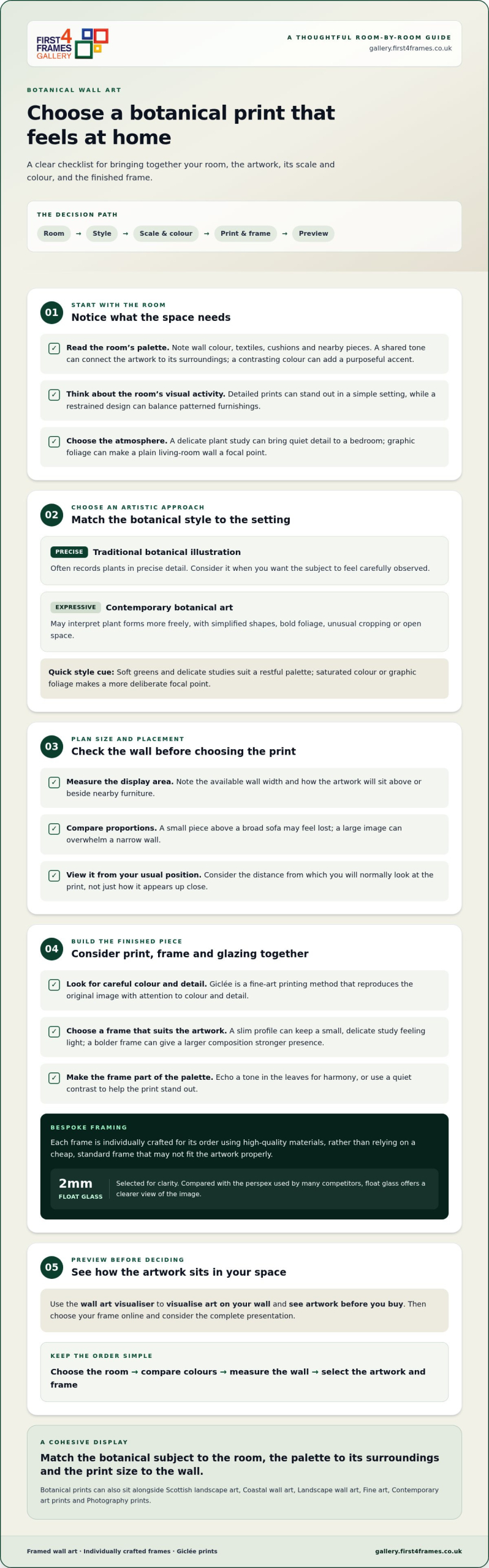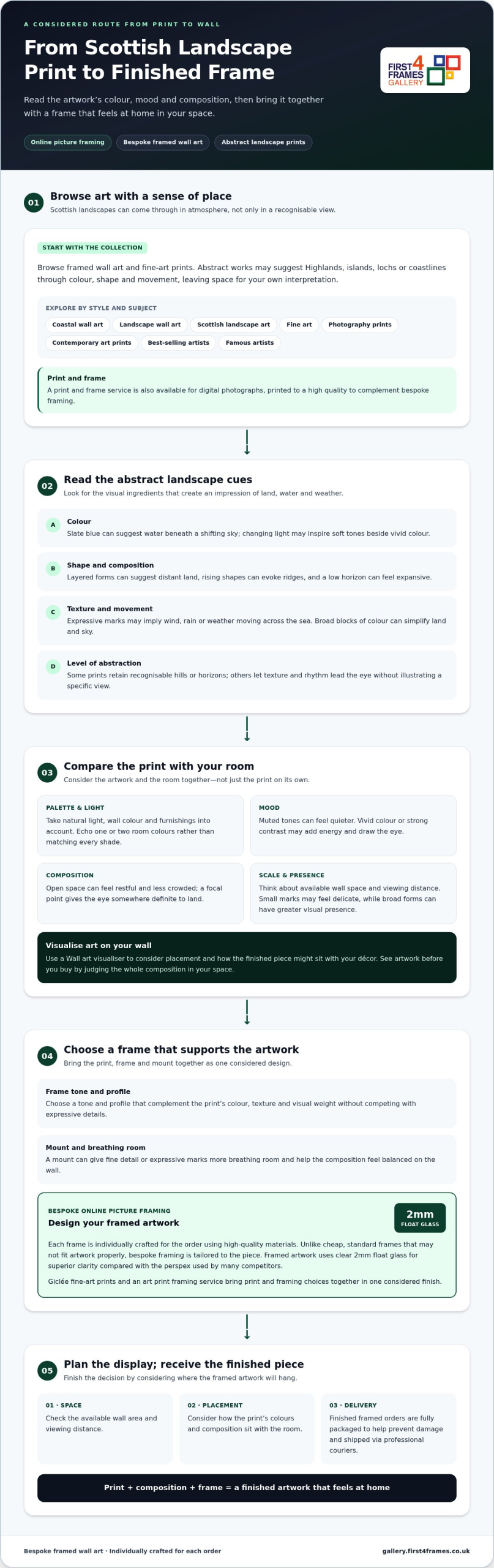
Posted on

Choosing the Perfect Wall Art: A UK Buyer’s Guide

Choosing the Perfect Wall Art: A UK Buyer’s Guide

Why settle for a home that looks like a carbon copy of a high-street showroom when your walls could tell a story of authentic craftsmanship? You’ve likely felt the disappointment of ordering wall art only to receive a flimsy frame with blurry plastic glazing that dulls the image. It’s a common frustration to find that mass-produced pieces often lack the soul and longevity your living space deserves. We believe your home should be a gallery of your own making, filled with pieces that evoke emotion every time you walk into the room.

This guide will help you transform your environment with premium Scottish wall art and bespoke framing that outlasts generic alternatives. You’ll discover the unmatched clarity of 2mm float glass and the vibrant, fade-resistant beauty of professional Giclée prints. We will walk you through selecting the right frames for your style, ensuring your art arrives safely and ready to hang. By the end, you’ll know exactly how to use our visualisation tools to choose a piece that fits your home perfectly and reflects your personal style with absolute precision.

Key Takeaways

  • Identify the ideal artistic style for your space, whether you’re drawn to the tranquility of coastal landscapes or the striking impact of contemporary art prints.
  • Learn why bespoke framing and 2mm float glass provide superior clarity and protection for your wall art compared to standard, mass-produced frames.
  • Gain expert tips on strategic placement, from anchoring a room with a single statement piece to curating a cohesive gallery wall of photography and fine art.
  • Discover how to transform your digital memories into professional-grade decor using a streamlined, custom print and frame service.

Understanding Wall Art Styles: From Coastal to Contemporary

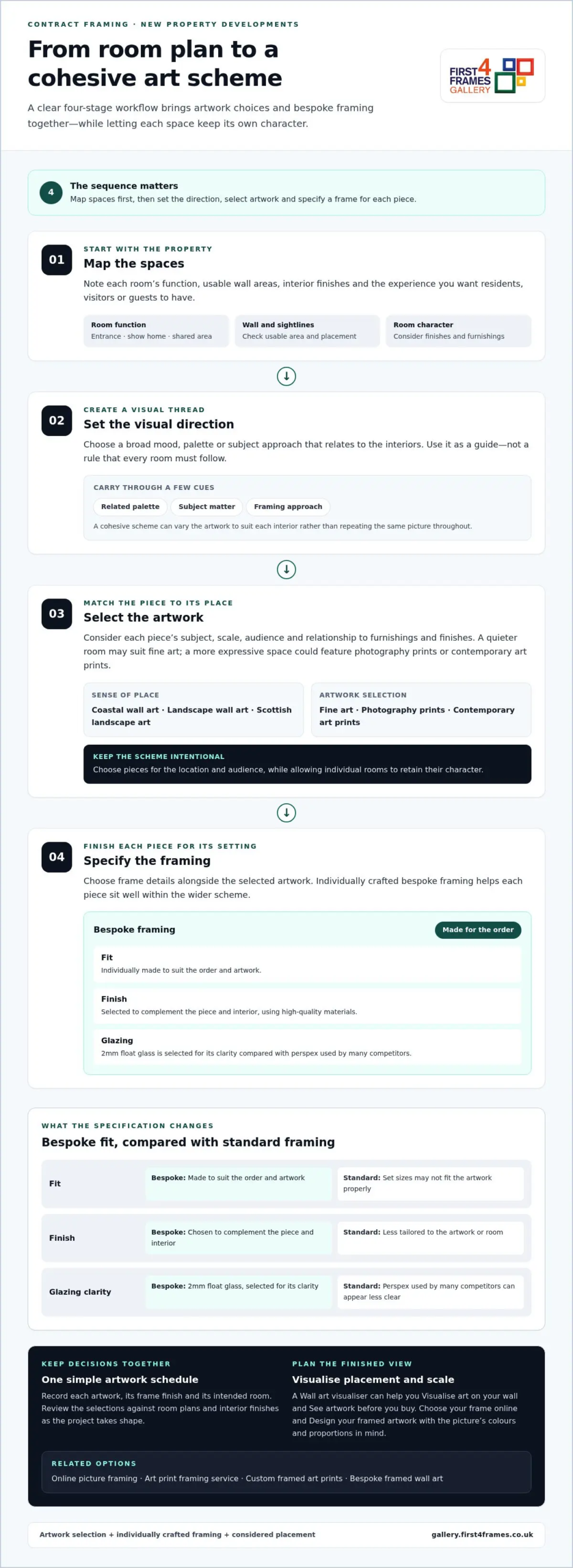
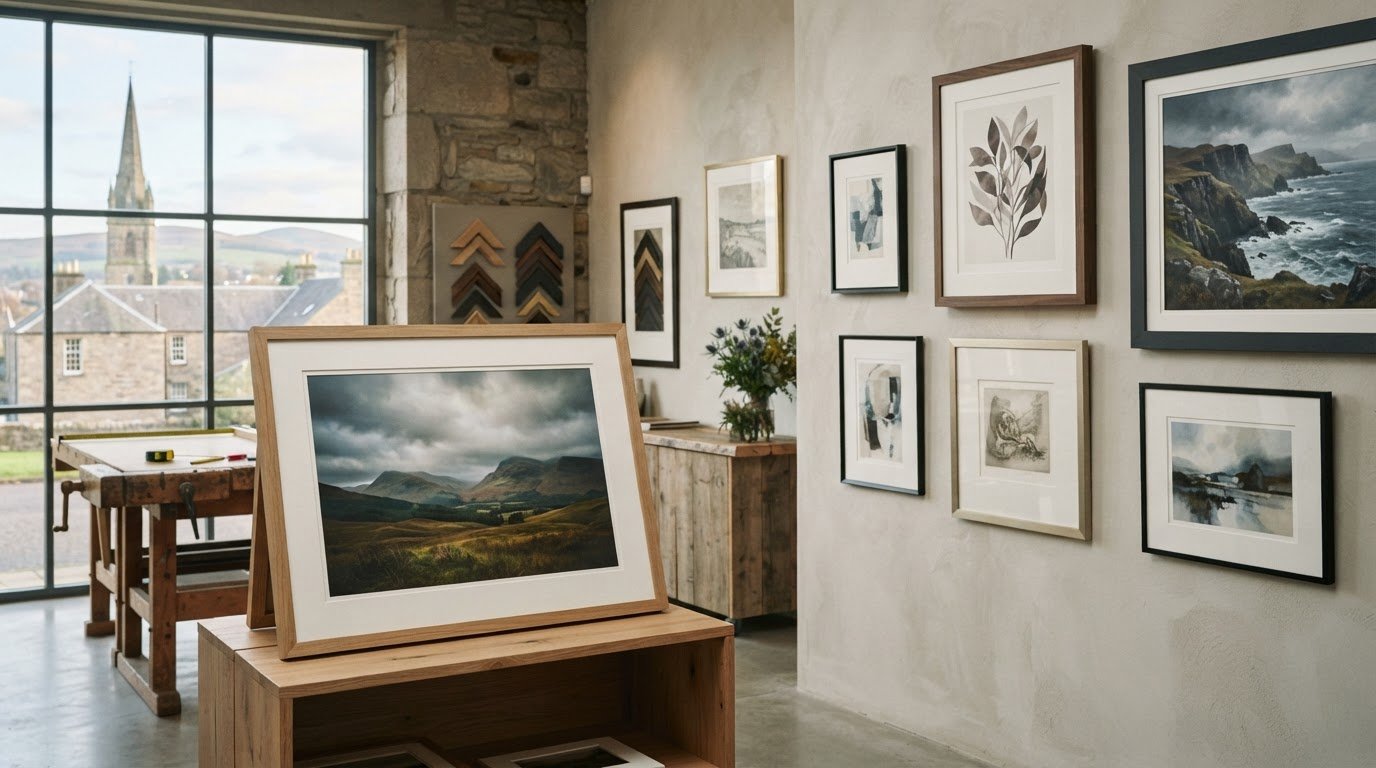
Selecting the right piece of wall art is about more than filling an empty space; it’s a vital part of the art and science of enhancing an interior. A well-chosen framed piece acts as a focal point, drawing the eye and setting the mood for the entire room. Whether you’re looking for the calming influence of coastal wall art or the striking impact of contemporary art prints, the goal is to create a home that feels personal and curated. We believe every frame should be a deliberate choice that reflects your unique taste and the character of your living space.

Quality is the foundation of any lasting investment. We specialise in Giclée fine art prints, a professional standard that guarantees exceptional colour fidelity and longevity. Unlike standard prints that can lose their vibrancy within a few years, Giclée prints use archival inks to ensure your artwork remains as vivid as the day it was framed. To help you make the perfect choice, our “Visualise art on your wall” tool allows you to see exactly how a piece will look in your room. This removes the uncertainty of online shopping; you can test different sizes and styles against your actual furniture and wall colours before you buy.

Scottish Landscape Art: A Timeless Choice

Scottish scenes hold a special place in the hearts of UK homeowners. The unique, shifting light of the Highlands and the rugged beauty of the islands offer a timeless appeal that works beautifully in both modern apartments and traditional cottages. Our online gallery showcases best-selling Scottish artists who capture these vistas with incredible soul. From dramatic mountain ranges to serene lochs, these landscapes bring a breath of fresh air into your home, acting as a constant connection to the natural world. Each piece is individually crafted in our Falkirk workshop, ensuring the frame perfectly complements the art’s natural textures and tones.

The Quality Gap: Bespoke Framing vs. Mass-Produced Options

Standard off-the-shelf frames often fail to do justice to high-quality wall art. While they might seem like a bargain, these mass-produced options frequently use inferior materials that can degrade your artwork over time. Choosing a bespoke, hand-crafted frame is about more than just aesthetics; it’s a commitment to preservation. Investing in quality pieces provides a personalized wellness boost by ensuring your environment remains inspiring and beautiful for decades. Our artisans individually craft every frame in our workshop, providing a structural integrity that factory-line alternatives simply cannot match.

Why Glazing Matters: 2mm Float Glass vs. Perspex

Many retailers use perspex or thin plastic glazing to reduce shipping costs and prevent breakage. However, these materials often have a wavy texture that distorts the image and scratches with the slightest touch. We use 2mm float glass for superior clarity. It offers a perfectly flat, crystal-clear surface that allows the true colours of your prints to shine through. This professional-grade glass isn’t just about looks; it’s a durable barrier that protects your investment from dust and environmental damage.

Custom Framed Art Prints: Design Your Own Look

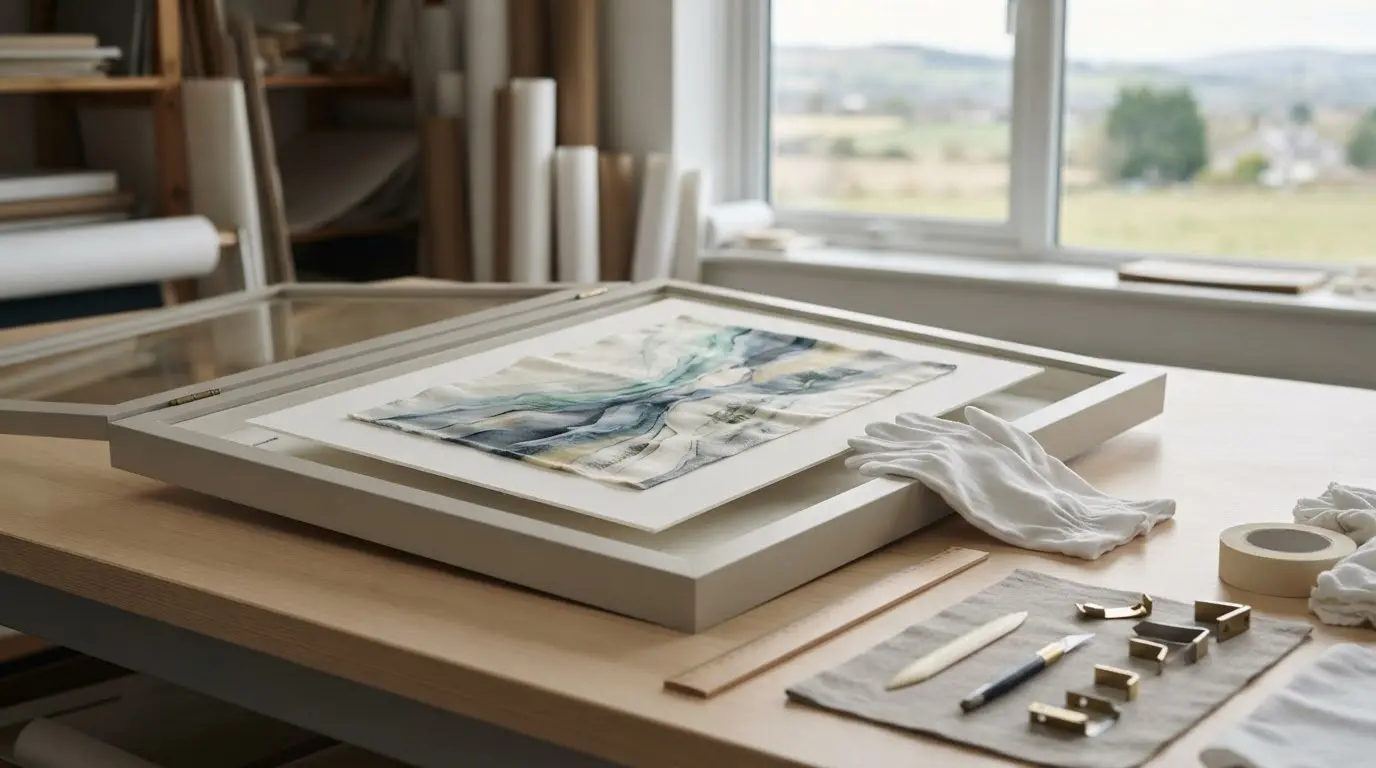
Designing your own look online gives you total control over how the finished piece interacts with your decor. You can select from a range of high-quality mouldings and acid-free mounts to elevate the aesthetic of your bespoke photo frames. Mounts are essential because they create a visual breathing space around the art and prevent the print from touching the glass, which is vital for long-term preservation. If you’re ready to start your collection, you can browse our curated range of wall art to find a style that resonates with your home.

Choosing the Perfect Wall Art: A UK Buyer’s Guide

Curating Your Home: Where to Place Your Framed Art

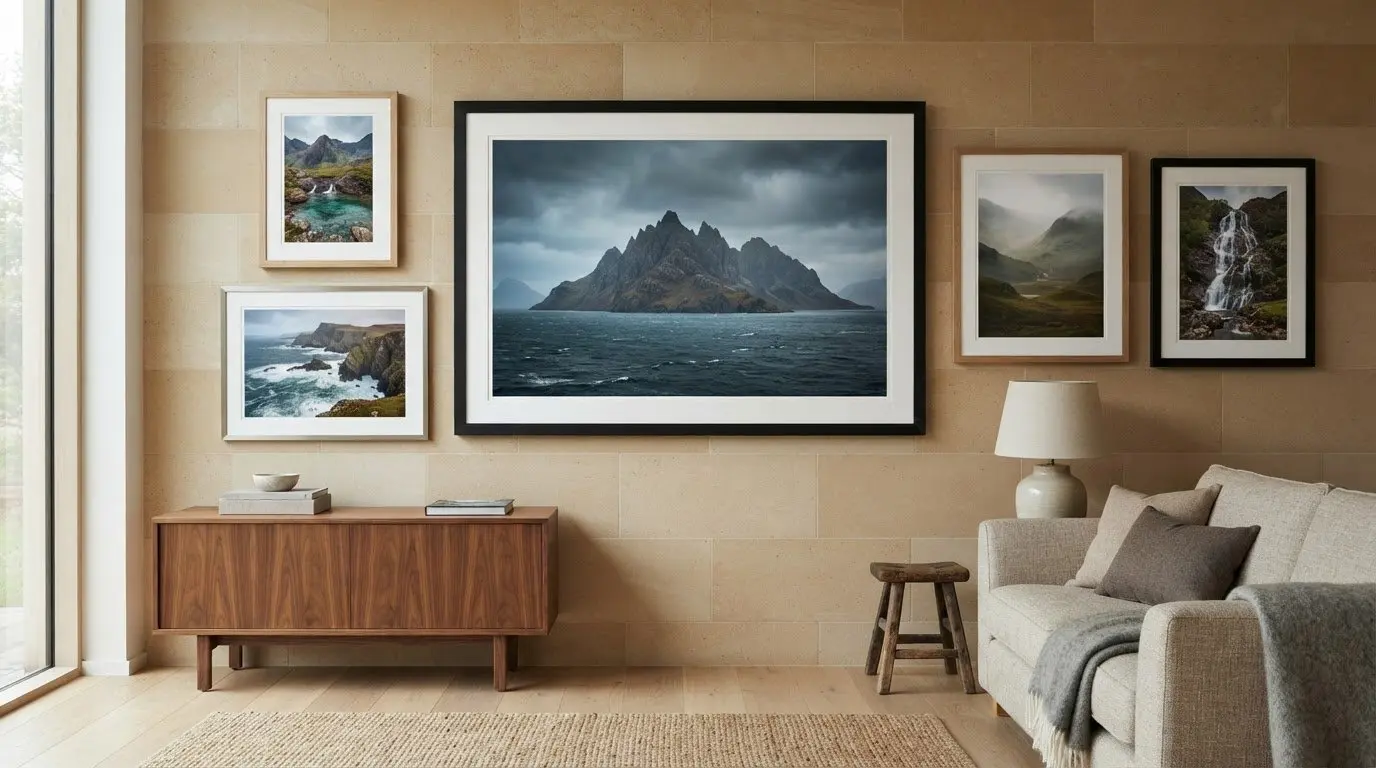
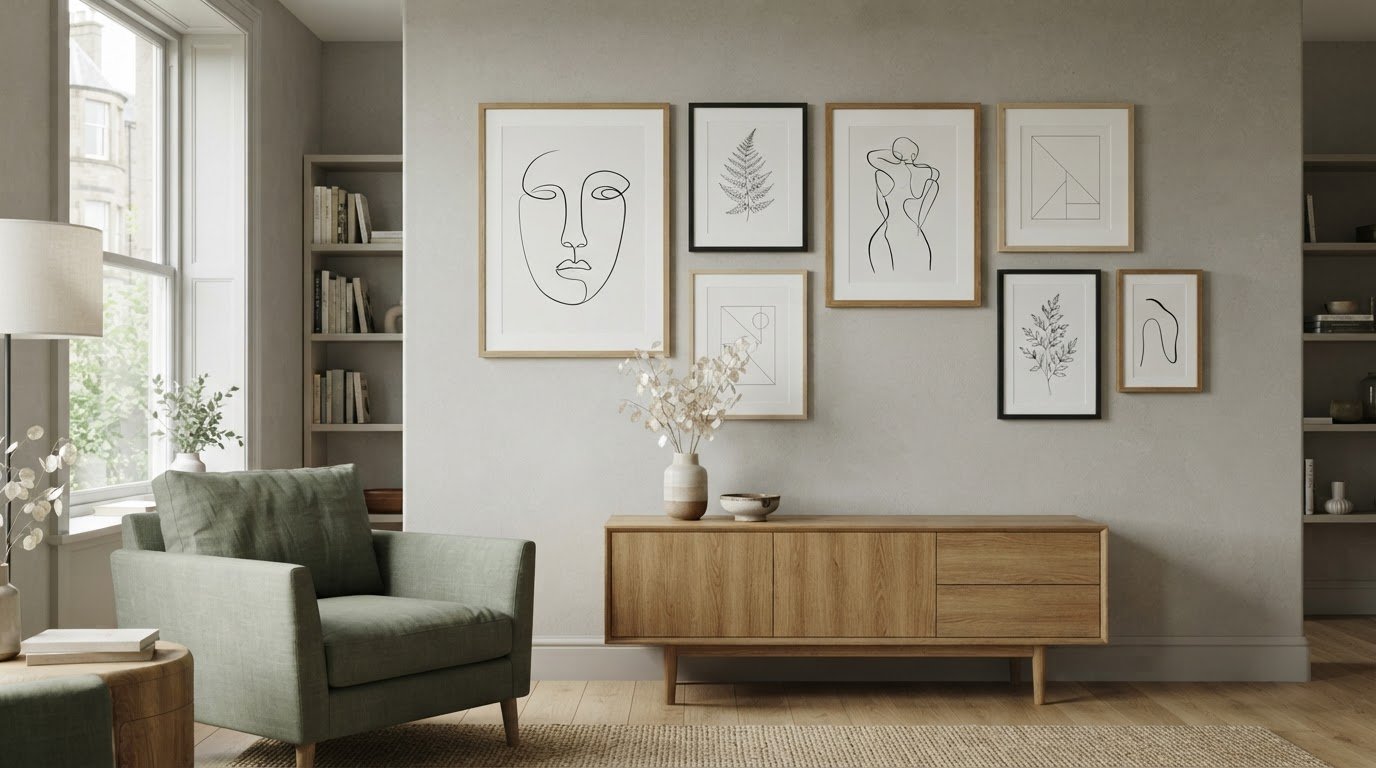
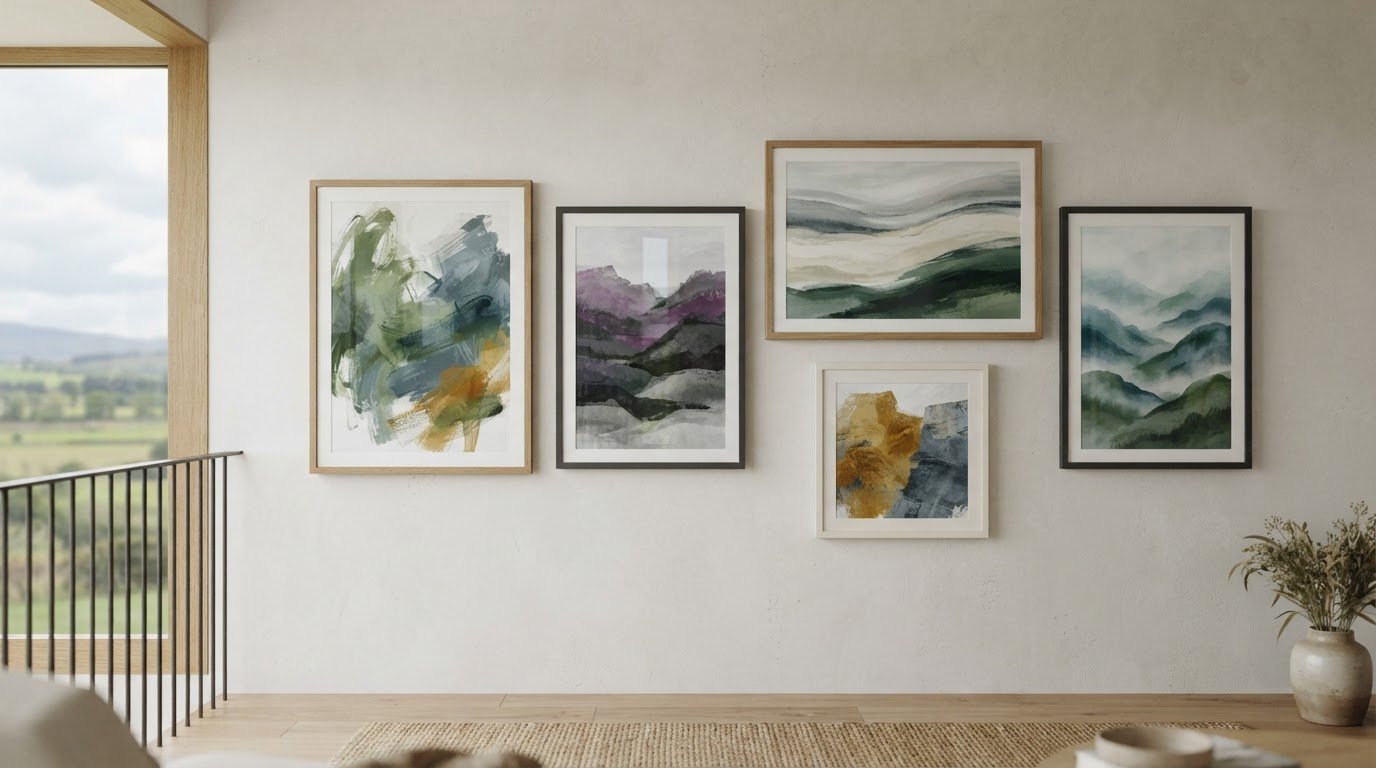
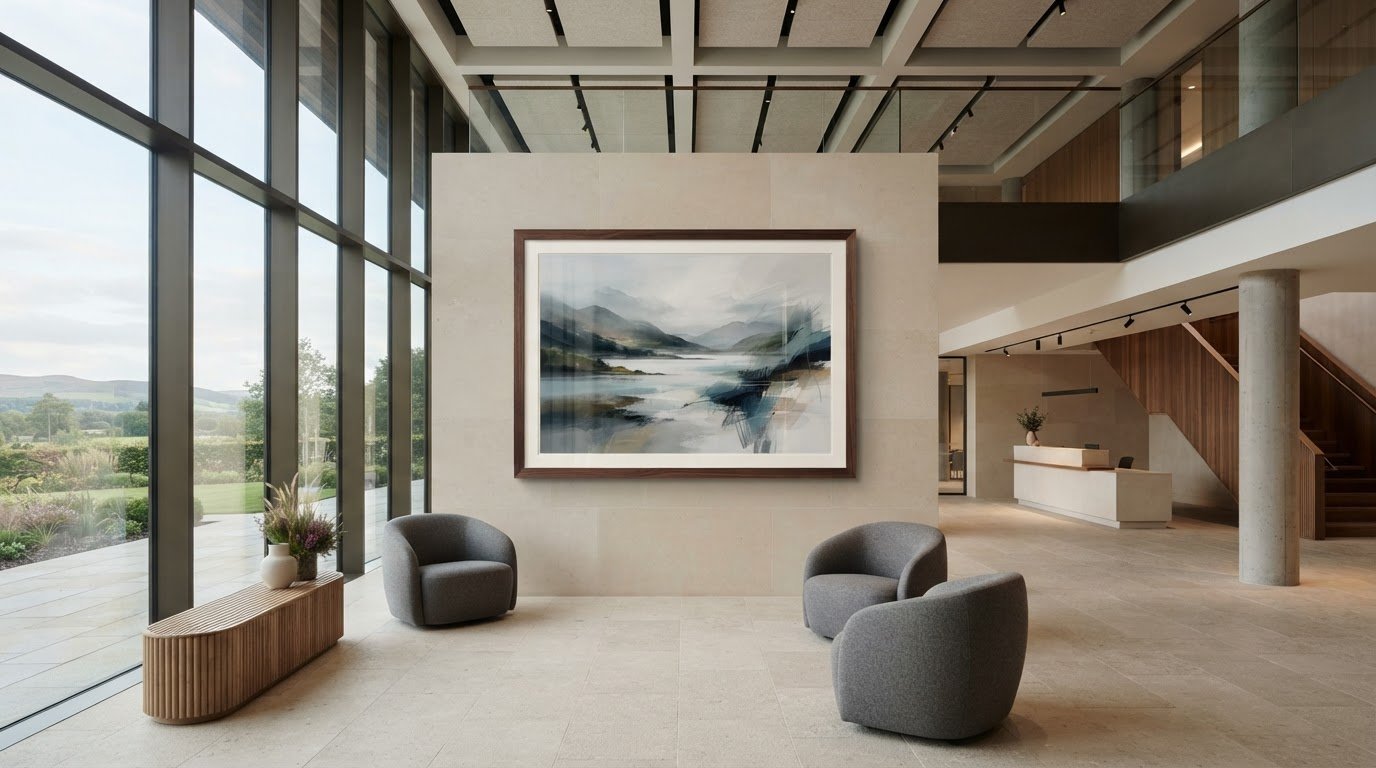
Placement defines the room’s energy. A large landscape art piece can serve as a powerful anchor in a minimalist lounge. It commands attention and provides a window to another world. For more eclectic spaces, creating a gallery wall allows you to tell a broader story. Try mixing high-fidelity Giclée fine art prints with your own photography prints to add a personal touch. This blend of professional craftsmanship and personal memories creates a unique aesthetic that feels lived-in and meaningful. It’s about creating a conversation between the different elements of your decor.

To achieve a professional look, always hang your wall art at eye level. A common mistake is hanging pieces too high, which disconnects the art from the rest of the room. Aim for the centre of the artwork to be approximately 145cm from the floor. This standard ensures a comfortable viewing experience and maintains a visual connection with your furniture. If you’re staging a property for sale, strategic placement of high-quality art can significantly enhance the perceived value of the space by making it feel complete and cared for. This simple adjustment makes a world of difference in how a room is perceived.

Office Wall Art Solutions

The right artwork isn’t just for the home; it’s a vital tool for the workplace. A well-curated office environment can boost employee productivity and create a more welcoming atmosphere for clients. Our Commercial Artwork Curation service helps businesses select pieces that align with their brand identity and professional values. Whether you need calming botanical prints for a waiting room or bold contemporary pieces for a boardroom, we provide a comprehensive solution that handles everything from selection to framing. Explore our full range of Ready-to-Hang Framed Art to find the perfect focal point for your next project.

The Seamless Process: From Online Selection to Ready-to-Hang

Acquiring high-quality wall art for your home should be an inspiring experience, not a logistical headache. Our art print framing service is designed to bridge the gap between digital discovery and a physical masterpiece on your wall. Whether you’re selecting a piece from our curated gallery or using our “print and frame” service to immortalise a personal photograph, the workflow is intuitive. We treat your digital files with the same respect as a fine art original, using high-fidelity Giclée techniques to bring out every detail before it’s hand-finished by our expert team.

Safety during transit is our top priority. While many competitors rely on standard postal services that risk glass breakage, we use professional courier shipping with full protective packaging. We understand the fragility of 2mm float glass and bespoke frames; that’s why we use custom-engineered boxes and multi-layered cushioning. This rigorous standard ensures your artwork arrives in pristine condition, ready to be displayed immediately without the worry of damage or defects.

Ordering Your Bespoke Framed Wall Art Online

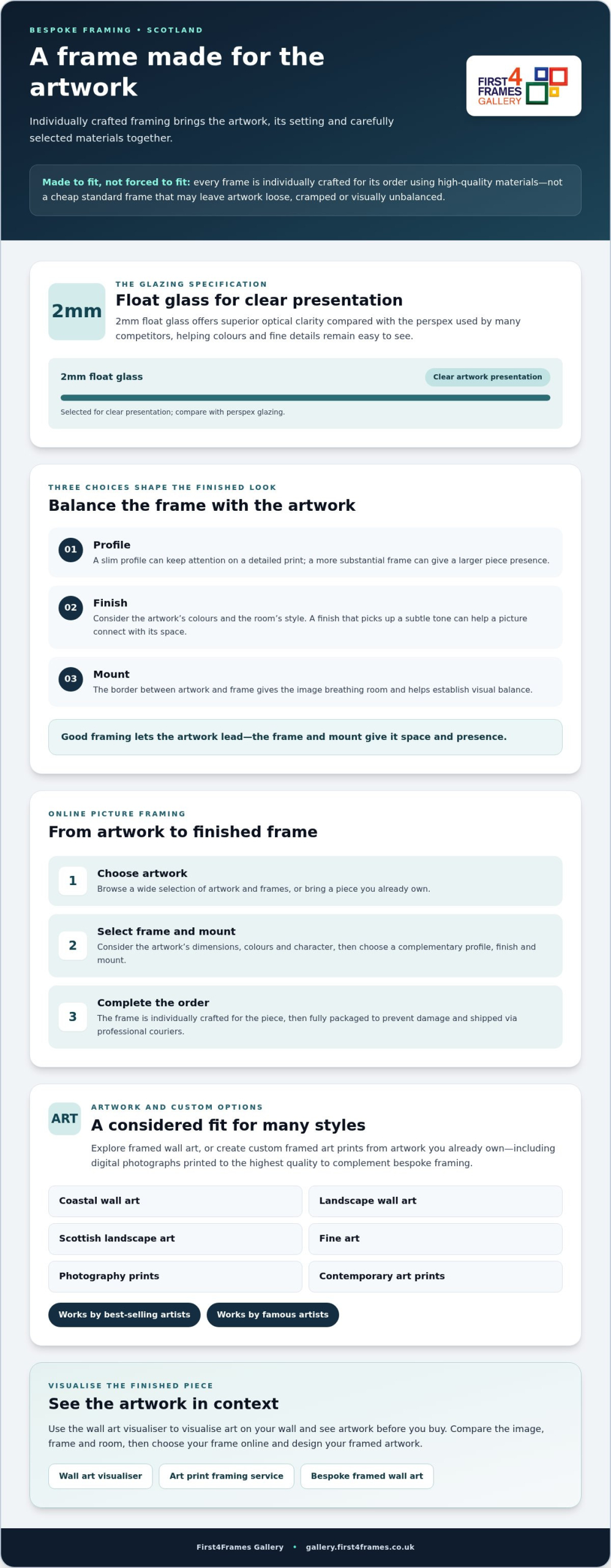
Using our Online picture framing tool is straightforward. First, upload your digital file or select an artist’s print from our collection. Next, customise your dimensions and choose a moulding that complements your interior. Finally, select your mount and glazing options before placing your order. This simplified formula removes the complexity of custom framing, making professional standards accessible from your living room.

Before you finalise your purchase, run through this quick checklist to ensure perfection:

  • Size: Have you used our visualiser tool to confirm the scale fits your specific wall space?
  • Frame Style: Does the moulding colour match your existing furniture or the room’s accent tones?
  • Glass Type: Have you opted for 2mm float glass to ensure maximum clarity and scratch resistance?

Once your order is placed, our Falkirk-based artisans get to work, hand-crafting your piece with the precision and care that only a dedicated framing specialist can provide. You’ll receive tracking updates so you know exactly when your new focal point will arrive.

Transform Your Living Space with Artisan Craftsmanship

Choosing the right wall art is an investment in your home’s atmosphere and your personal wellbeing. By moving away from mass-produced alternatives, you ensure that every piece tells a story of quality and care. We’ve explored how professional Giclée prints and bespoke framing protect your memories; while strategic placement at eye level ensures they receive the attention they deserve. Remember that the clarity of 2mm float glass and the precision of hand-crafted mouldings make a tangible difference that you’ll appreciate every day.

Every order is hand-made in our Falkirk workshop and arrives via secure UK-wide courier delivery to ensure it reaches you in perfect condition. Whether you’re refreshing a single room or curating a professional office, our team is here to help you achieve a flawless finish. You don’t have to settle for the ordinary when expert framing is just a few clicks away. Start Designing Your Bespoke Framed Wall Art Today and bring a touch of Scottish artistry into your home.

Frequently Asked Questions

What is the difference between Giclée prints and standard photo prints?

Giclée prints use archival inks and high-quality paper for superior longevity and colour fidelity. Unlike standard prints that often fade within a few years, Giclée technology ensures your wall art remains vibrant for decades. This process allows for a wider colour gamut; it captures the subtle nuances of the original artwork with professional precision and depth that cheaper alternatives cannot replicate.

Why should I choose 2mm float glass instead of perspex for my wall art?

You should choose 2mm float glass because it provides significantly better clarity and scratch resistance than perspex. While plastic alternatives often distort the image with a wavy surface, float glass is perfectly flat. This ensures that every detail of your artwork is visible without the dullness or static typical of acrylic glazing. It’s a professional choice for those who value visual perfection.

How do I choose the right frame size for my wall?

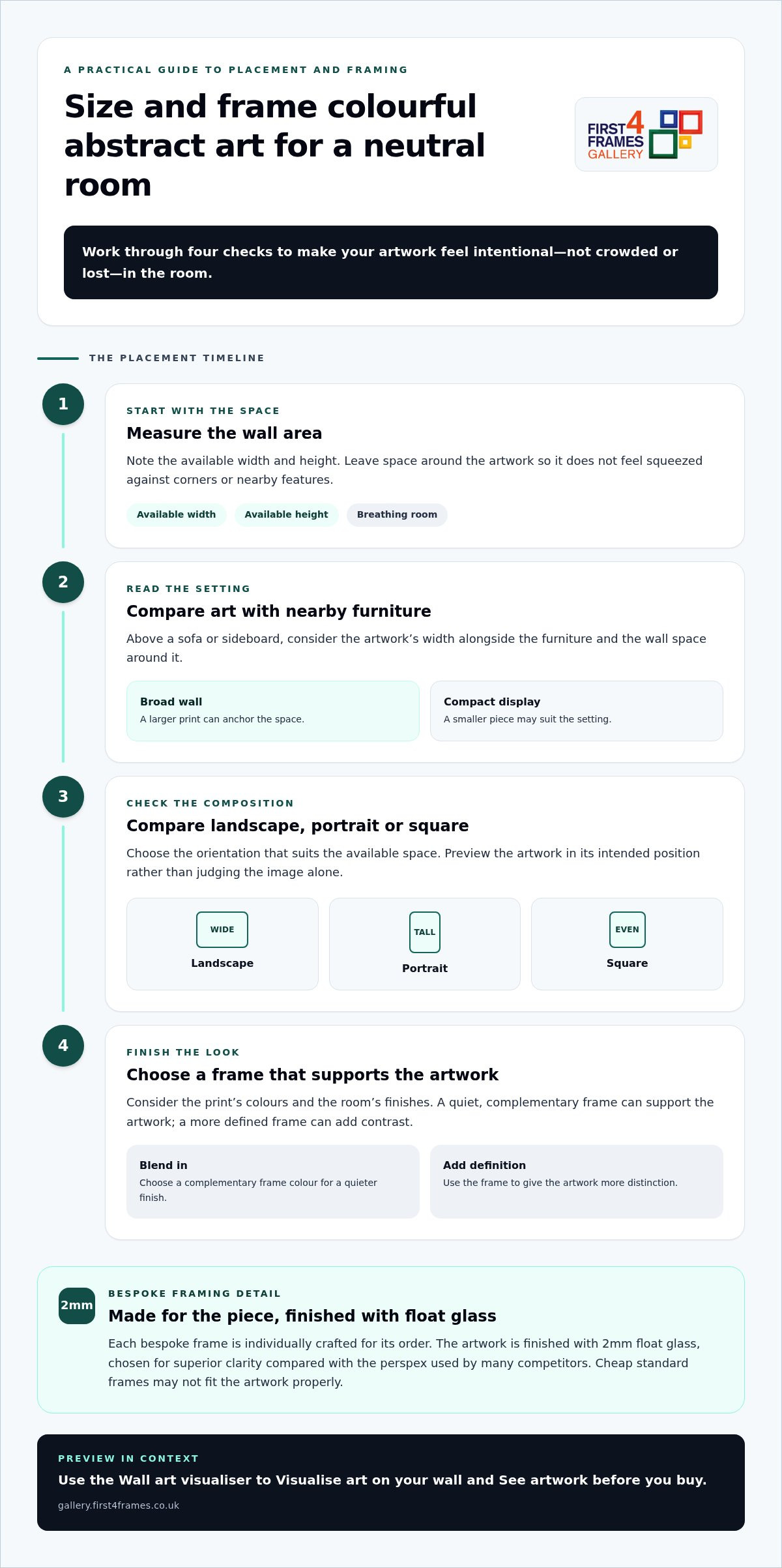
You should choose a frame size that occupies roughly two-thirds to three-quarters of the available wall space for a balanced look. If you’re hanging a piece above a sofa or sideboard, the frame should be slightly narrower than the furniture below it. Use our online visualiser tool to see how different dimensions interact with your specific room layout before you buy.

Can I have my own digital photos printed and framed professionally?

Yes, you can use our professional “print and frame” service to transform your digital memories into high-quality wall art. Simply upload your high-resolution file to our online tool; then select your preferred moulding and mount. Our Falkirk workshop team ensures your personal photography receives the same artisan care and professional finish as our most popular fine art collections.

Is it safe to order framed art with glass through the post?

It’s completely safe to order framed art when you use a specialist service that prioritises protective packaging. We use custom-engineered boxes and multi-layered cushioning specifically designed for fragile glass and heavy frames. Every order is shipped via a professional courier partner to ensure your ready-to-hang piece arrives in pristine condition at your UK address without any risk of breakage.

Posted on

Matching Frames to Art: Professional Designer’s Guide

Matching Frames to Art: Professional Designer's Guide

A frame is never just a border; it’s the vital bridge between an artist’s vision and the unique character of your home. You’ve likely spent hours finding the perfect piece of Scottish landscape art, only to feel paralyzed by the fear of choosing a frame that looks dated within a year. Learning how to match frame to art style shouldn’t be a source of stress, yet many collectors struggle with technical choices like mount widths or worry that cheap materials might damage their investment. We believe your art deserves better than mass-produced, standard-sized solutions that never quite fit the story you’re trying to tell.

For those still searching for that perfect piece or seeking inspiration from a professional studio, you can read more about the creative work at Mark Finzel Art and Design.

In this guide, you will master pairing bespoke frames with any creative style using professional design principles. We’ll show you how to achieve a gallery-quality finish that protects your fine art prints while perfectly complementing your room’s decor. You’ll discover why premium components like 2mm float glass are essential for visual clarity and how our bespoke approach ensures your photography or coastal wall art remains a timeless centrepiece for years to come.

Key Takeaways

  • Learn exactly how to match frame to art style by balancing the unique aesthetic of your artwork with the existing decor of your home.
  • Discover why premium 2mm float glass and bespoke mounts are vital for protecting Giclée fine art prints from long-term damage and environmental wear.
  • Master the selection process for different genres, from pairing ornate woods with Scottish landscapes to choosing minimalist profiles for contemporary prints.
  • Find out how to use a wall art visualiser to design your bespoke framed wall art online and see the finished result before you buy.

The Art of the Frame: Why the Right Choice Transforms Your Space

Choosing a frame is a creative act. It is the final step in the artistic journey, serving as a delicate balance between honouring the artist’s original intent and respecting the unique architecture of your home. When you master how to match frame to art style, you transform a simple image into a commanding focal point. This process isn’t just about aesthetics; it’s about longevity. High-quality bespoke frames provide the necessary structural support for Giclée fine art prints, ensuring the delicate paper remains flat and protected from the subtle shifts in humidity that occur in British homes.

The psychological impact of a well-framed piece is significant. A frame that feels right instantly elevates the perceived value of the artwork, making even a modest print feel like a gallery acquisition. By choosing bespoke framed wall art, you’re making a long-term investment in your home’s atmosphere. Unlike mass-produced frames that often use flimsy materials, a handmade frame is built to last. It provides a sense of permanence and professional polish that standard shop-bought options simply cannot replicate.

The Bridge Between Art and Atmosphere

A frame acts as a vital transition point between the creative world of the artist and the physical reality of your living space. It functions as a visual translator, helping a moody Scottish landscape art piece or a vibrant contemporary print settle into its surroundings without clashing. You can explore how sourcing and framing work in harmony by visiting our online gallery, where we showcase a wide selection of curated works.

Consider these key benefits of a professional framing choice:

  • Visual Focus: Directs the eye toward the artwork rather than the wall.
  • Protection: Shields the medium from physical contact, dust, and environmental damage.
  • Cohesion: Ties different art styles together through consistent framing choices.

Ultimately, the right frame ensures your art doesn’t just hang on the wall; it belongs there.

Matching Frames to Specific Art Genres and Mediums

Different genres demand distinct visual languages. Understanding how to match frame to art style begins with identifying the era and medium of your piece. Traditional works, such as classic Scottish landscape art, often thrive within the weight of dark wood or slightly ornate mouldings. These choices provide a sense of history that mirrors the rugged Highland terrain. In contrast, professional photography prints usually require a sleek, minimalist frame. A simple black or silver profile acts as a clean window, ensuring the focus remains entirely on the composition and clarity of the image.

Framing Scottish Landscapes and Coastal Fine Art

When you’re framing Highland scenes, look for wood grains that echo the natural textures found in the brushwork. Using deeper frame profiles is a professional designer’s secret; it adds a sense of perspective and scale, drawing the viewer deeper into the landscape. For coastal wall art, the goal is a breezy, light-filled atmosphere. White-washed woods or satin white frames maintain that seaside freshness without feeling heavy. You can explore these combinations in our online gallery to see how different finishes transform the mood.

Contemporary and Abstract Pairings

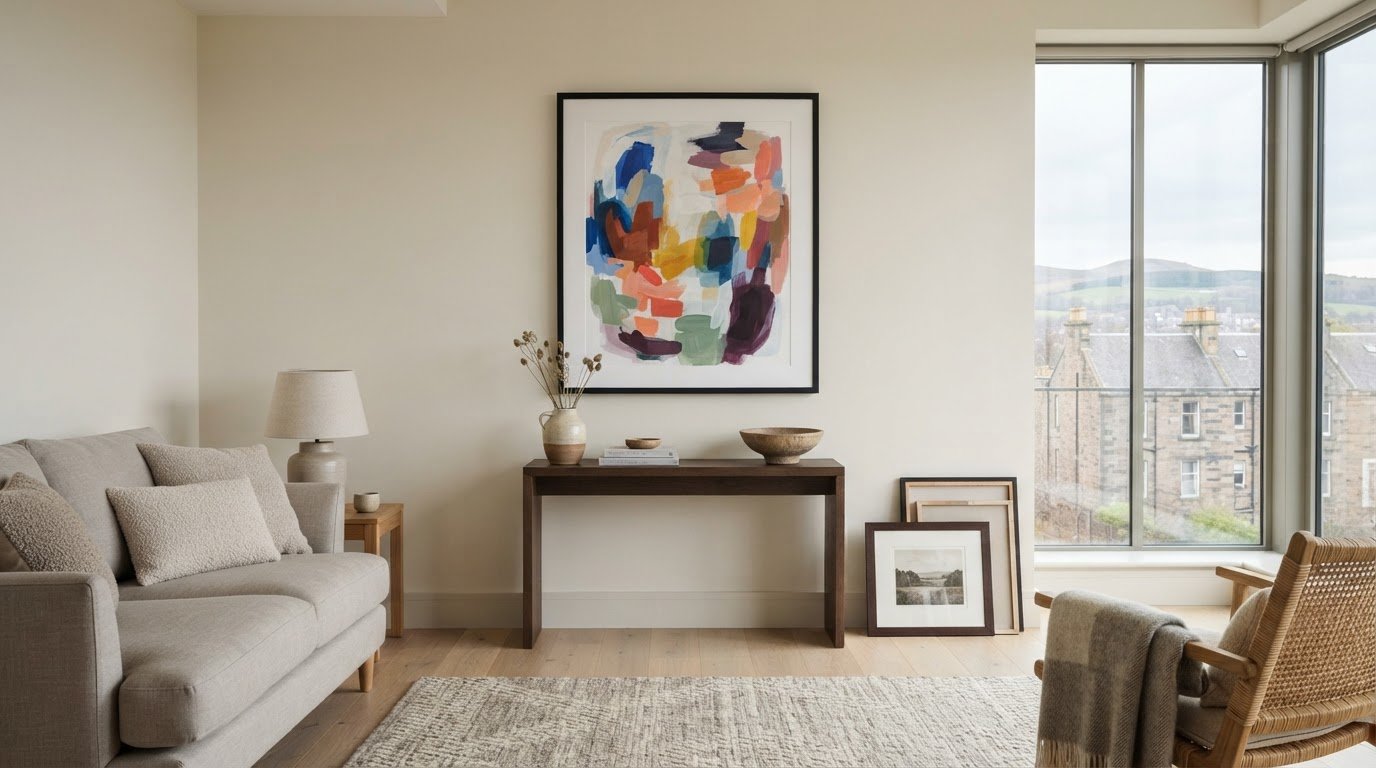
For contemporary art prints and abstract works, a “less is more” philosophy prevents visual clutter. Bold shapes and vibrant palettes provide plenty of energy, so the frame should remain a quiet supporter. Thin, modern profiles in neutral tones like charcoal or natural oak are ideal. Unlike the flimsy, standard-sized frames sold by mass-market competitors, our handmade frames are individually crafted to ensure your artwork sits perfectly. This bespoke approach provides the structural integrity needed to keep your art flat and secure, avoiding the common pitfalls of “off-the-shelf” solutions that often warp or fail over time.

Matching Frames to Art: Professional Designer's Guide

The Technical Details: Glazing, Mounts, and Material Quality

The technical foundation of your frame is just as important as its visual style. When considering how to match frame to art style, you must also evaluate the materials that will house and protect your investment. A bespoke, handmade frame from First4Frames Gallery isn’t just about a perfect aesthetic fit; it’s about using professional-grade components that ensure your artwork remains in pristine condition for decades. Unlike the flimsy, standard-sized frames found in high street shops, our frames are individually crafted to provide the structural integrity your art deserves.

Why 2mm Float Glass Beats Perspex for Clarity

2mm float glass is the professional standard for minimising distortion and maximising colour fidelity in fine art display. While mass-market competitors often use Perspex to reduce shipping costs, this plastic alternative has significant drawbacks. Perspex scratches easily during routine cleaning and acts as a magnet for dust due to static electricity. In contrast, our high-quality glass provides a crystal-clear window that lets the true depth of your art shine through. For a deeper look at the hardware used in professional displays, see our ultimate guide to picture frames.

The mount serves a critical functional role beyond its aesthetic appeal. It creates a necessary “breathing space” between the artwork and the glazing. Without this gap, subtle changes in temperature can cause moisture to trap against the surface of the print, potentially leading to mould or permanent damage. A professionally cut mount ensures the art never touches the glass, preserving the fidelity of your Giclée fine art prints.

Ready to protect and display your favourite pieces? Explore our collection of custom framed art prints to find your perfect match.

How to Design and Visualise Your Custom Framed Art Online

Designing your own display shouldn’t feel like a guessing game. Our Wall art visualiser provides the clarity you need to see artwork before you buy, removing the uncertainty of how to match frame to art style. This digital tool allows you to experiment with different combinations until the balance feels exactly right for your home. It’s the most effective way to ensure your bespoke framed wall art looks exactly as you imagined it.

The process is straightforward and logical. First, start by uploading your own digital file or selecting a print from the First4Frames Gallery gallery. Next, use the Choose your frame online feature to cycle through various finishes, from natural oak to deep charcoals. You can then adjust mount sizes to find the perfect proportions for your specific wall space. This ensures your custom framed art prints don’t just fit the paper, but also the unique character of the room they inhabit.

Using the Wall Art Visualiser for a Perfect Match

The visualiser goes beyond simple framing. You can design your framed artwork by placing it against different room backgrounds, helping you visualise art on your wall before the physical work begins. This interactive process makes online picture framing accessible and precise. If you have complex requirements or need advice on specialized options, we encourage you to contact the Falkirk workshop directly. Our artisans are always ready to help you refine your vision.

Once your design is finalised, our team in Falkirk individually crafts your frame using the high-quality materials discussed earlier. We understand that local logistics are just as important as the build itself. Every finished piece is fully packaged with protective layers to prevent damage during transit. We ship exclusively via professional couriers, ensuring your investment arrives safely and ready to hang. This comprehensive art print framing service combines digital convenience with traditional Scottish craftsmanship, giving you a gallery-quality result every time.

Elevate Your Artwork with Bespoke Craftsmanship

Mastering how to match frame to art style is the final step in turning a simple print into a timeless heirloom. By choosing handmade frames from our Falkirk workshop, you ensure your art is protected by the superior clarity of 2mm float glass rather than cheap plastic alternatives. Whether you’re framing a rugged Scottish landscape or a sleek contemporary abstract, the right materials provide the structural integrity and visual depth your collection deserves. Every piece we create is individually crafted to order, reflecting a level of care that mass-produced frames simply cannot match.

You don’t have to guess how the final result will look in your home. Use our interactive tools to visualise art on your wall and design your bespoke frame today. With secure UK-wide shipping via professional couriers, your finished artwork will arrive fully packaged and ready to transform your living space. Trust your creative vision to artisans who share your passion for excellence and enjoy a gallery-quality finish that lasts a lifetime.

Frequently Asked Questions

How do I match a frame to a modern abstract print?

Use a thin, minimalist frame in a neutral tone like black, white, or natural oak to complement a modern abstract print. This “less is more” approach ensures the frame doesn’t compete with the bold shapes and vibrant colours of the artwork. By choosing a slender profile, you allow the abstract piece to remain the focal point while providing a professional finish that standard shop-bought frames can’t match.

Should the frame match the room decor or the artwork itself?

You should always prioritise matching the frame to the artwork itself rather than the room’s decor. A frame’s primary job is to enhance the piece it holds; if the art looks good, it’ll naturally find its place in your home. Learning how to match frame to art style involves finding a balance where the frame serves as a bridge, respecting the art’s era while nodding to your room’s aesthetic.

What is the best frame style for a traditional Scottish landscape painting?

Traditional Scottish landscape art is best served by dark wood or slightly ornate frames that reflect the rugged, historic nature of the scenery. These deeper profiles add a sense of perspective and scale to Highland vistas or coastal scenes. Unlike mass-produced alternatives, our bespoke frames are individually crafted in our Falkirk workshop to ensure your landscape print is perfectly supported and visually grounded.

Why is 2mm float glass better than Perspex for picture frames?

2mm float glass provides superior visual clarity and colour fidelity compared to the Perspex used by many mass-market competitors. Perspex is prone to scratching during cleaning and often attracts dust through static electricity, which can obscure the fine details of your art. High-quality float glass is the professional standard, offering a durable, crystal-clear window that protects your Giclée prints without the distortion common in plastic glazing.

Can I see how my framed art will look on the wall before I buy it?

Yes, our interactive Wall art visualiser allows you to see exactly how your finished piece will look before you commit. You can upload your own photography or select from our curated gallery, then cycle through different frames and mount sizes. This tool helps you master how to match frame to art style by letting you see the artwork against various room backgrounds, ensuring complete confidence in your final selection.

Posted on

Joseph Maxwell Stuart: A Guide to His Atmospheric Scottish Landscape Art

Joseph Maxwell Stuart: A Guide to His Atmospheric Scottish Landscape Art

A truly great landscape doesn’t just show you a place; it makes you feel the damp mist on your skin and the shifting light of the Scottish Borders. Captured through the “en plein air” technique, the work of Joseph Maxwell Stuart embodies this rare, atmospheric power. You likely understand the frustration of finding a piece that speaks to you, only to worry about it fading over time or struggling to find a frame that fits its unique dimensions. It’s vital that the art you love remains as vivid as the day it was painted, reflecting the same depth and texture found in the original oil or watercolour.

In this guide, we’ll dive into the life and inspiration of Joseph Maxwell Stuart while showing you how to preserve his fine art prints with bespoke framing. You’ll learn about the superior fidelity of Giclée printing and how our handmade frames, featuring 2mm float glass, offer a clarity that standard Perspex simply cannot match. We’ll also preview how to use digital tools to see exactly how these Scottish scenes will look in your home, ensuring your investment in beauty is both protected and perfectly presented.

Key Takeaways

  • Learn how the “en plein air” technique creates the unique atmospheric quality found in every Joseph Maxwell Stuart landscape.
  • Discover why Giclée printing is the gold standard for ensuring your fine art prints retain their museum-quality colour and detail for decades.
  • See how bespoke, hand-made framing with 2mm float glass provides a superior finish and protection compared to mass-produced alternatives.
  • Find out how to choose the right mood for your space and use digital tools to visualise exactly how a framed print will look on your wall.

Who is Joseph Maxwell Stuart? The Artist Behind the Landscapes

Joseph Maxwell Stuart, born in 1956, is a master of atmospheric storytelling. His journey began with rigorous training at the Ruskin School in Oxford and the Edinburgh College of Art, leading to a body of work now featured in our online gallery. Unlike artists who retreat to the comfort of a studio, Stuart embraces the “en plein air” technique. This means he paints directly from nature, standing amidst the wind and shifting light to catch the fleeting essence of a scene. His work serves as a sophisticated bridge between traditional landscape art and contemporary fine art, offering a perspective that’s both timeless and fresh.

Achieving this level of detail requires more than just talent; it demands a commitment to quality that extends from the canvas to the final print. This is why his collection focuses on museum-standard materials. For those unfamiliar with high-end reproduction, understanding What are Giclée prints? helps clarify how the subtle textures of his “en plein air” work are maintained for home display.

To better understand the artist’s background and scholarly perspective, watch this video:

Capturing the Scottish Borders

The rugged beauty of the Scottish Borders provides Joseph Maxwell Stuart with endless inspiration. He translates the quiet drama of the Highlands and the gentle reflections in the Union Canal into evocative visual narratives. Key themes often include the golden glow of autumn sunshine and the mysterious, atmospheric mist that defines the northern landscape. Each piece invites you to step into a world where nature’s mood is the primary subject, rendered with a deep appreciation for the local terrain.

The Venetian Contrast

Venice offers a welcome contrast to the wild Scottish terrain. Here, Stuart explores a palette of lively colours and the constant movement of the Italian canals. Painting “en plein air” in Venice presents unique challenges, particularly when balancing the dancing light on the water with the city’s bustling energy. These works highlight his versatility, showing he’s just as comfortable with urban vibrancy as he is with rural solitude, and demonstrate his skill in capturing light across vastly different environments.

Styling Your Home with Joseph Maxwell Stuart Fine Art Prints

Integrating Joseph Maxwell Stuart pieces into your home transforms a room from a functional space into an emotional experience. Scottish landscape art works beautifully as a central focal point, whether your decor is sleek and contemporary or richly traditional. In smaller UK homes, well-placed landscape wall art creates an illusion of depth, effectively “opening up” a wall by drawing the eye toward distant horizons. Choosing the right piece depends on the energy you want to cultivate. You might select the tranquil “Autumn Afternoon, Inverleith” for a restful bedroom atmosphere or a vibrant North Berwick sea scene to energise a hallway or living area.

Creating a Scottish Gallery Wall

Building a collection allows you to tell a story of place. You can group Stuart’s Edinburgh scenes, such as “After the Rain, Royal Mile,” to create a cohesive urban narrative. To keep the look balanced, try mixing various sizes while maintaining a unified aesthetic through your choice of mounts. It’s often best to invest in bespoke framed wall art that uses archival-quality materials, ensuring the subtle shifts in light Stuart captures don’t degrade over time. A gallery wall works best when you leave consistent gaps of 5cm to 8cm between each piece.

Visualise Art on Your Wall

Our wall art visualiser removes the guesswork of interior design. It allows you to see artwork before you buy by uploading a photo of your own room to our site. Once you’ve selected a print, our online picture framing tool lets you design your framed artwork in real-time. You can choose your frame online, experimenting with different wood finishes to match your existing furniture and wall colours. This simplified, multi-step process ensures your new art feels like an essential component of your home from the moment it arrives. You can browse the latest additions to the Joseph Maxwell Stuart collection to find your perfect match.

Joseph Maxwell Stuart: A Guide to His Atmospheric Scottish Landscape Art

The Importance of Bespoke Framed Wall Art

The intricate brushwork of Joseph Maxwell Stuart deserves a presentation that matches its technical mastery. Standard, shop-bought frames often fail to accommodate the non-standard sizes of fine art prints, leading to awkward crops or unsightly gaps. More importantly, mass-produced frames frequently utilise acidic materials in their backings and mounts. Over time, these acids can leach into the paper, causing permanent staining and fading. Our art print framing service avoids these pitfalls by using individual craftsmanship for every order. We provide a protective, acid-free environment that ensures your investment remains as striking as the day it was printed.

Custom mounts play a vital role in this preservation. They provide essential “breathing room” for complex landscape compositions, preventing the artwork from touching the glass. This gap is crucial for preventing moisture buildup and ensuring the print doesn’t stick to the glazing. If you’re ready to protect your collection, you can browse our ready-to-hang framed art options today.

Glazing Matters: 2mm Float Glass vs. Perspex

Clarity is everything when viewing atmospheric art. We use 2mm float glass because it offers superior visual fidelity compared to plastic alternatives. Perspex is often marketed as a lightweight solution, but it carries significant drawbacks for serious collectors. It scratches easily, attracts dust through static electricity, and can sometimes bow or warp in changing temperatures. In contrast, 2mm float glass provides a flat, crystal-clear surface that allows the subtle mists and light of a Joseph Maxwell Stuart landscape to shine through without distortion.

Custom Framing Styles for Every Taste

Finding the right frame is about balancing the artwork with your room’s character. For contemporary art prints, a sleek, minimalist frame in black or natural oak often works best, allowing the vibrant colours of a coastal scene to take centre stage. If you’re displaying more traditional fine art, a deeper, more ornate profile can add a sense of history and weight. Always look for a frame colour that picks out a secondary tone in the painting, such as a cool grey from a rainy Royal Mile street or a warm gold from an autumn field.

Why Choose Giclée Prints for Your Stuart Collection?

Giclée is the gold standard for custom framed art prints, providing a level of fidelity that standard digital printing simply cannot match. For a collection by Joseph Maxwell Stuart, this technology is essential. Because Stuart captures the raw, immediate energy of the Scottish landscape “en plein air,” his work is defined by subtle brushstrokes and complex textures. Giclée printing uses microscopic droplets of archival ink to replicate these nuances with incredible precision. This archival quality ensures your Scottish landscape art remains vibrant and true to the artist’s vision for decades, resisting the fading often seen in lower-quality reproductions.

Our “print and frame” service offers a seamless transition from digital file to physical masterpiece. By handling both stages under one roof, we ensure the delicate Giclée surface isn’t exposed to unnecessary handling or environmental hazards. This all-in-one approach guarantees the artwork is protected within its bespoke frame from the moment it’s printed, preserving a museum-quality finish for your home.

From Digital to Wall: Our Print and Frame Service

We apply the same professional standards to every project, whether we’re reproducing a Joseph Maxwell Stuart oil painting or your own high-resolution photography prints. Our technicians carefully calibrate every print to ensure colour accuracy and sharp detail. If you have personal images that deserve this level of craftsmanship, you can use our photo printing and framing online service to create your own professional-grade wall art.

Safe Arrival: Professional Shipping and Packaging

Sending delicate framed Giclée prints across the UK requires specialist care and robust materials. We use heavy-duty, custom-fit packaging designed to withstand the rigours of transit. Every order is handled by professional couriers who specialise in fragile items, providing peace of mind that your investment will arrive in pristine condition. This reliable delivery process is the final step in our commitment to providing a hassle-free journey from our gallery to your wall.

Bring the Atmospheric Beauty of Scotland into Your Home

Bringing a piece of the Scottish Borders or the Royal Mile into your living space is more than just a decor choice; it’s an investment in a specific mood and memory. We’ve explored how the “en plein air” mastery of Joseph Maxwell Stuart captures the fleeting light of the north, and why only museum-grade Giclée prints can truly do justice to his textured oils and watercolours.

By choosing a professional approach, you ensure your artwork is protected by hand-made bespoke frames and premium 2mm float glass glazing. This level of craftsmanship prevents the damage often caused by standard shop-bought alternatives. Every order is handled with the utmost care and delivered via professional courier shipping to guarantee a safe arrival at your door.

Ready to transform your walls with these evocative scenes? You can Browse the Full Joseph Maxwell Stuart Collection to find the perfect focal point for your room. Let these atmospheric landscapes inspire you every single day.

Frequently Asked Questions

Who is the artist Joseph Maxwell Stuart?

Joseph Maxwell Stuart is a renowned Scottish landscape artist born in 1956. He studied at the Ruskin School in Oxford and the Edinburgh College of Art before settling in the Scottish Borders. His work is celebrated for its atmospheric quality, achieved through the “en plein air” technique where he paints directly outdoors. This method allows him to capture the immediate shifts in light and weather across both rural Scotland and urban Venice.

What is Giclée printing and why is it used for Joseph Maxwell Stuart prints?

Giclée printing is a high-fidelity method using archival-quality inks and microscopic droplets to reproduce fine art. We use it for every Joseph Maxwell Stuart print because it captures the subtle textures and brushstrokes of his original oils and watercolours with museum-standard precision. This process ensures the vibrant colours of a Scottish sunset or the misty tones of the Highlands remain vivid for decades, providing a longevity that standard digital prints cannot offer.

Can I choose my own frame for a Joseph Maxwell Stuart print online?

Yes, you can fully customise your framing options through our online gallery. Our interactive tool allows you to select from a variety of bespoke, hand-made frame styles and mount colours to perfectly complement your chosen print. This ensures your new artwork matches your existing interior decor. Every frame is individually crafted to order, providing a seamless “print and frame” service that delivers a ready-to-hang piece of art directly to your door.

What are the benefits of using 2mm float glass in a picture frame?

We use 2mm float glass because it offers superior clarity and protection compared to standard Perspex. Unlike plastic alternatives, float glass is resistant to scratches and does not attract dust through static electricity. Its perfectly flat surface ensures that the fine details and atmospheric light in Stuart’s landscapes are visible without distortion. This professional-grade glazing provides a crystal-clear window that enhances the visual fidelity of your fine art collection while ensuring long-term preservation.

How do I use the wall art visualiser to see the art in my room?

Our wall art visualiser is a simple, multi-step tool found on each product page. You simply upload a photo of your own room, and the tool overlays the framed print onto your wall at the correct scale. This allows you to see exactly how a specific piece will look alongside your furniture and wall colours before you buy. It’s a practical way to ensure your chosen landscape fits your space perfectly and confidently.

Posted on

How to Hang a Gallery Wall: Professional Display Guide

How to Hang a Gallery Wall: Professional Display Guide

Have you ever stared at a blank wall, hammer in hand, only to put it back in the drawer because you’re terrified of making a permanent mistake? You aren’t alone. Many people find that learning how to hang a gallery wall feels like a high-stakes puzzle where one wrong move leaves your home’s plaster looking like Swiss cheese. It’s frustrating when inconsistent spacing makes a beautiful collection of Scottish landscape art or fine art look cluttered rather than curated.

We understand that your art is an investment in your home’s personality. Whether you’re displaying contemporary art prints or cherished photography prints, the secret to a professional finish lies in the harmony between meticulous planning and high-quality materials. This guide promises to transform your uncertainty into confidence. We will walk you through our expert method for precision hanging, explain why choosing bespoke framed wall art with 2mm float glass is essential for clarity, and show you how to use our wall art visualiser to design your framed artwork before the first nail ever touches the wall.

Key Takeaways

  • Learn how to use a wall art visualiser to see artwork before you buy, allowing you to trial layouts without making a single mark on your wall.
  • Discover why bespoke framed wall art using 2mm float glass provides the professional clarity and protection that cheap perspex alternatives simply cannot match.
  • Master how to hang a gallery wall with precision by starting from a central anchor piece and using professional tools like a spirit level for a perfectly balanced display.
  • Explore how to use a professional print and frame service to combine diverse styles, from Scottish landscape art to contemporary photography prints, into a cohesive narrative.

Planning Your Layout: How to Visualise Art on Your Wall

Planning is the bridge to a masterpiece. Before you pick up a hammer, you need to identify the narrative of your wall. Are you celebrating heritage with Scottish landscape art, or creating a modern vibe with contemporary art prints? The most successful displays often mix media, pairing landscape wall art with personal photography prints. This layered approach draws inspiration from the history of salon-style hanging, where diverse works were displayed together to create a rich visual experience. Knowing how to hang a gallery wall begins with this conceptual phase.

To visualise art on your wall without making holes, use the “floor layout” method. Clear a space on the carpet equal to your wall size and arrange your pieces there. For a professional finish, keep your spacing consistent. Most experts recommend a gap of 5cm to 8cm between frames. This creates breathing room so each piece of bespoke framed wall art can shine. If you’re still choosing pieces, use our wall art visualiser to see artwork before you buy and ensure the scale is correct for your room.

Choosing a Gallery Wall Theme

Your theme dictates the frames you’ll need. You might use our art print framing service to design your framed artwork to match a specific palette, perhaps using minimalist black for fine art or ornate wood for traditional pieces. Unlike mass-produced alternatives, our frames are individually crafted to ensure a perfect fit for your custom framed art prints. This bespoke approach ensures your display looks like a curated collection rather than a random assortment.

The Paper Template Trick

Once you’ve finalised your floor layout, trace each frame onto brown paper and cut it out. Tape these templates to your wall using low-tack masking tape. Mark the exact nail point on the paper by measuring the distance from the top of the frame to the hanging wire. This simple step is the most reliable way to master how to hang a gallery wall with absolute precision while protecting your home’s plaster.

Selecting Quality: Bespoke Framed Art Prints vs. Cheap Alternatives

The longevity of your display depends on the materials protecting it. While many high-street retailers use cheap perspex, we prioritise 2mm float glass for our bespoke framed wall art. Perspex often carries a static charge that attracts dust and can bow, distorting your view. In contrast, float glass offers superior clarity and remains perfectly flat. This ensures your fine art looks exactly as the artist intended, which is vital when learning how to hang a gallery wall that truly captures the eye.

Mass-produced frames are built to standard sizes, often forcing artwork to fit a generic mount. Our frames are individually crafted for each order. This hand-made approach means every corner is joined with precision. These sturdy frames hang flush against the wall, making it much easier to learn how to hang a gallery wall. After assembly, frames from First4Frames Gallery are fully packaged and shipped via professional couriers to ensure they arrive in pristine condition.

We use Giclée printing for all our custom framed art prints to ensure deep colour fidelity. Our extensive collection includes works by Best-selling artists and Famous artists, all under the general category of framed wall art. You can choose your frame online to see how different mouldings complement your photography prints before they are professionally printed and assembled.

The Print and Frame Advantage

Our photo printing and framing online service ensures digital memories receive artisan treatment. This art print framing service provides expert online picture framing that matches your files with the perfect mount. It’s a seamless way to integrate personal moments with professional landscape wall art, ensuring every piece meets the same professional standard.

Focusing on Scottish Art

Showcase regional beauty by choosing to browse our Scottish Art Gallery. You’ll find coastal wall art and highland scenes from local landscape masters. These pieces bring a sense of place to your home when presented in hand-made frames that reflect the rugged beauty of the landscape. Understanding the best way to display these vistas ensures they become your home’s focal point.

How to Hang a Gallery Wall: Professional Display Guide

With your layout finalised, it’s time to translate that plan to the wall. You’ll need a spirit level, hammer, measuring tape, and a sharp pencil. Precision is the difference between a cluttered space and a professional display. Start with your anchor piece, which is usually the largest or most central work. A professional standard in the UK is hanging the centre of this piece at roughly 145cm from the floor. This mimics eye-level placement in major galleries, creating a comfortable viewing experience for everyone in the room.

Once the anchor is secure, work outwards to maintain balance. Use your spirit level on every single frame. Even a tiny tilt can disrupt the visual harmony of the entire collection. As you add your contemporary art prints or fine art, keep a consistent gap of 5cm to 8cm between each frame. This disciplined approach is the most effective way to master how to hang a gallery wall while ensuring your display looks intentional and curated. Check each piece twice for security before moving to the next.

Secure Hanging Techniques

The safety of your art depends on choosing the correct fixings for your specific wall type. For plasterboard, always use dedicated hollow wall anchors; for brick, a standard wall plug and screw provide the best grip. While many mass-produced frames come with flimsy clips, bespoke framed wall art from First4Frames Gallery is individually crafted to be sturdy and arrives ready-to-hang. This saves you the frustration of sourcing extra hardware and ensures your collection stays level for years.

Using a Wall Art Visualiser

If you’re still deciding on the final look, our wall art visualiser allows you to see artwork before you buy. You can choose your frame online and experiment with different moulding colours to match your room’s specific palette. It’s a brilliant way to design your framed artwork with total confidence, ensuring the final result is exactly as you imagined before you even pick up the hammer. Understanding how to hang a gallery wall becomes much simpler when you have already seen the finished result digitally.

Once you’ve mastered how to hang a gallery wall, consistent maintenance preserves your investment. Our 2mm float glass provides superior clarity but requires gentle care to stay pristine. Use a microfibre cloth and a non-abrasive cleaner. Don’t spray directly onto the glass; spray the cloth first to prevent moisture from seeping into the mount. For coastal wall art, this protection is crucial against salt air and humidity, ensuring your fine art remains untarnished over time.

A gallery wall is a living entity that should grow with you. You can easily swap out contemporary art prints or photography prints while keeping your hand-made bespoke frames. This flexibility allows your display to evolve with your tastes or seasonal changes. If you decide to expand your collection, return to our wall art visualiser to ensure new pieces fit the existing narrative. Knowing how to hang a gallery wall is a skill that makes adding new landscape wall art a simple, rewarding process.

Logistics and Delivery Care

We take immense pride in our craftsmanship, and that care extends to the logistical journey. Every piece of bespoke framed wall art is fully packaged in multiple protective layers to prevent any transit damage. We ship via professional couriers to ensure your custom framed art prints arrive in perfect condition. This reliable service means your artwork is ready to be displayed the moment it reaches your door.

Commercial and Large Scale Displays

For property developers or business owners in Central Scotland, we offer expert artwork curation for larger projects. Whether you need Scottish landscape art for a reception or fine art for a new showroom, we provide comprehensive solutions. Please contact our Falkirk Gallery for bespoke orders to discuss your specific requirements with our artisan team.

Transforming a blank wall into a professional gallery is a journey from inspiration to precision. You now have the tools to plan your layout effectively and the knowledge of why premium materials matter. The secret to how to hang a gallery wall lies in the synergy between careful measurement and the superior clarity of 2mm float glass. By choosing hand-made frames crafted right here in the UK, you ensure your artwork is protected and displayed with the respect it deserves.

Our frames aren’t mass-produced. Every piece is individually created for your specific order and delivered via professional couriers to guarantee it arrives in perfect condition. Whether you’re showcasing Scottish landscapes or personal memories, your home deserves a curated look that lasts. Don’t let a blank wall hold you back any longer. It’s time to bring your creative vision to life with confidence and artisan quality.

Design your bespoke framed wall art online today and start building a display that truly inspires.

Frequently Asked Questions

How much space should I leave between frames on a gallery wall?

You should aim for a gap of 5cm to 8cm between your frames. This consistent spacing is the secret to a professional look that avoids a cluttered feel. When you know how to hang a gallery wall, using a simple spacer block made of wood or card ensures every gap remains identical across the whole collection. This creates a clean, intentional aesthetic that lets each individual piece of art breathe.

Can I mix different frame colours and styles in one display?

You can absolutely mix different frame colours and styles to create an eclectic, curated display. Pairing ornate traditional frames with minimalist bespoke framed wall art adds depth and personality to your room. To maintain harmony, try to use a consistent mount colour or a shared palette. Our online picture framing tool allows you to experiment with these combinations to ensure your chosen frames complement your contemporary art prints perfectly.

What is the best height to hang a gallery wall?

The best height for a gallery wall is eye level, which is roughly 145cm from the floor to the centre of the display. This standard is used by professional galleries across the UK to ensure optimal viewing. When figuring out how to hang a gallery wall, always measure to the midpoint of your central anchor piece. This provides a balanced foundation that makes the rest of the arrangement feel grounded and comfortable.

Should I use nails or command strips for bespoke frames?

We recommend using nails or dedicated wall anchors rather than adhesive strips for our bespoke frames. Because we use 2mm float glass for superior clarity, our frames have a professional weight that requires secure support. Adhesive strips often struggle with high-quality materials and can fail over time. Proper fixings ensure your custom framed art prints stay level and safe, protecting your investment from accidental falls.

How do I choose the right art for a large statement wall?

Start by selecting a large, impactful piece of Scottish landscape art or fine art as your primary focal point. A statement wall needs a central anchor to prevent it from looking fragmented. Use our wall art visualiser to test different scales against your room’s dimensions. Once your main piece is chosen, you can surround it with smaller photography prints or contemporary art prints to build a rich, cohesive narrative.

Posted on

Modern Scottish Art Prints: A Guide to Contemporary Style & Bespoke Framing

Modern Scottish Art Prints: A Guide to Contemporary Style & Bespoke Framing

What if the missing piece of your interior design isn’t a new piece of furniture, but a window into the soul of the Highlands? Selecting modern Scottish art prints should be an inspiring journey, yet many collectors worry about receiving a flimsy, pixelated image that doesn’t do justice to the artist’s vision. You want a piece that captures the vibrant energy of a coastal scene or the moody depths of a landscape, not a mass-produced imitation that lacks heart.

You’ve likely felt the frustration of finding a work you love, only to be stumped by technical terms like Giclée or the fear that a standard frame will make a beautiful work look cheap. We understand that your home deserves better than cloudy perspex and flimsy backing. This guide ensures you can select, visualise art on your wall, and professionally frame the finest contemporary Scottish art with absolute confidence. We’ll walk you through the nuances of bespoke craftsmanship, from the clarity of 2mm float glass to our expert “print and frame” service. Discover how to transform your space with a professional, gallery-ready finish that arrives perfectly protected at your door.

Key Takeaways

  • Learn how modern Scottish art prints combine traditional Highland themes with contemporary Giclée printing to capture the vibrant, high-fidelity colours of the landscape.
  • Discover expert tips for matching Scottish landscape art to your room’s palette, whether you’re aiming for a sleek contemporary look or a cozy rustic-modern “Tartan Bothy” style.
  • Understand the value of hand-crafted bespoke framing and why 2mm float glass offers a professional, scratch-resistant finish that far surpasses the cheap perspex used by competitors.
  • Gain confidence in your online purchase by using a wall art visualiser to see your chosen piece in a real-world setting before it is shipped via professional courier.

What Defines Modern Scottish Art Prints Today?

Modern Scottish art prints represent a striking synergy between heritage and innovation. Today’s artists don’t just paint the Highlands; they reinterpret them using contemporary palettes and expressive techniques. You’ll find traditional icons like lonely bothies and rugged mountains reimagined with bold accents or abstract strokes. This isn’t just about decoration; it’s about bringing a piece of the Scottish soul into your living space through a medium that feels both fresh and timeless.

The Evolution of the Scottish Aesthetic

The current scene owes much to its predecessors. The influence of the Scottish Colourists is evident in the confident use of light and pigment found in today’s best-selling works. Exploring the History of Modern Scottish Art reveals a journey from rigid realism to the fluid, emotive styles we love today. Our curated collection includes works inspired by Famous artists alongside emerging talent, typically categorised into several popular styles:

  • Coastal wall art: Vibrant depictions of white sands and azure Hebridean seas.
  • Landscape wall art: Atmospheric captures of the rugged, misty interior.
  • Contemporary whimsical prints: Playful, modern takes on Scottish wildlife and culture.

Why Giclée is the Professional Choice

To truly elevate these works, choosing bespoke framed wall art from First4Frames Gallery is essential. It provides a tailor-made home for your art, ensuring it looks as professional as a gallery piece from the moment it’s hung. You can find an extensive range of these high-quality works in our online art gallery, where each piece is ready for artisanal framing.

Choosing the Right Style for Your Space

Selecting the perfect piece involves more than just liking a picture. It’s about how the work interacts with your environment and the emotions it stirs. If your room features neutral tones, a piece of Scottish landscape art with deep purples and earthy ochres can provide a grounding focal point. Conversely, the “Tartan Bothy” trend blends rustic textures with modern minimalism, making it the perfect setting for Modern Scottish art prints that feature bold, contemporary palettes.

Popular Categories in Modern Scottish Art

Deciding on a style often depends on the mood you want to create. Coastal wall art brings the ethereal light of the Hebrides into city apartments, offering a sense of openness and calm. Photography prints capture the raw, atmospheric reality of the Highlands, while contemporary art prints explore abstract interpretations of traditional heritage. For inspiration on current trends, the National Galleries of Scotland: Modern collection showcases how these styles have evolved. Choosing works by best-selling artists ensures your collection remains a timeless investment.

Curating a Gallery Wall

Creating a gallery wall allows you to tell a broader story by mixing different sizes and orientations. You don’t have to guess how a piece will look; you can use a wall art visualiser to see artwork before you buy. This tool helps you experiment with spacing and frame styles in your own room.

  • Mix orientations: Try a large landscape piece as an anchor, surrounded by smaller portrait-oriented photography prints.
  • Consistent framing: Using bespoke framed wall art ensures a cohesive look across diverse artistic styles.

For more in-depth advice on sourcing the perfect pieces, visit Art in the Frame, our complete resource for fine art collectors. If you’re ready to start your collection, you can browse our full range of contemporary prints to find your next favourite work.

Modern Scottish Art Prints: A Guide to Contemporary Style & Bespoke Framing

The Craft of Bespoke Picture Framing

Every frame produced by First4Frames Gallery is individually hand-crafted in our Falkirk workshop. Unlike mass-produced alternatives that use standard sizes, our bespoke approach ensures a perfect fit for your Modern Scottish art prints. Cheap, standard frames often use acidic materials that can yellow and damage fine art over time. By choosing our dedicated Art print framing service, you ensure that your investment is protected by high-quality mounts and professional assembly techniques designed for longevity.

A defining feature of our craftsmanship is the use of 2mm float glass for glazing. While many competitors use cheap perspex or acrylic to save on shipping costs, we choose glass for its superior clarity and scratch resistance. Perspex often carries a static charge that attracts dust and can cloud over time, obscuring the vibrant colours of the work. Float glass ensures your artwork remains as crisp as the day it was printed, providing a professional finish that truly stands the test of time.

Materials That Matter

Our online picture framing service utilizes preservation-grade materials to safeguard your collection. We use genuine wood moldings rather than the plastic or “wrapped” MDF alternatives found in high-street shops. For those looking to understand the technical nuances of display, our Picture Frames Guide offers a deep dive into selecting the right style for your home environment.

Custom Framing Options

You can fully design your framed artwork by selecting from a vast range of styles, from minimalist thin black frames to more ornate traditional moldings. We also extend this artisanal quality to your personal collection through our “print and frame” service for digital memories at First4Frames Photo Printing. This ensures your photography receives the same high-standard treatment as our professional gallery prints. Ready to find your perfect match? Browse our gallery collection today.

How to Buy Modern Scottish Art Prints Online with Confidence

Buying Modern Scottish art prints online shouldn’t feel like a gamble. We’ve simplified the acquisition process into a clear, four-step journey to ensure your new artwork arrives exactly as you imagined it. This structured approach moves you from inspiration to a gallery-ready finish without the stress of technical guesswork or logistical uncertainty.

First, explore the First4Frames Gallery to find a piece that truly resonates with you. Once you’ve selected an image, use our “Wall art visualiser” to see the work in a real-world setting. Next, you can choose your frame online, selecting the specific moulding and mount that complements both the art and your interior decor. Finally, place your order with the peace of mind that your Custom framed art prints will be individually hand-crafted in our workshop and securely delivered to your door.

Safe Delivery and Logistics

We take the logistical journey as seriously as the framing itself. Finished pieces are fully packaged using specialized materials to prevent impact or moisture damage during transit. We ship exclusively via professional couriers who understand the delicate nature of fragile art shipments across the UK. This ensures your piece arrives in pristine condition, ready to be displayed immediately without the risk of damage often associated with standard postal services.

Our Commitment to Quality

Our “Bespoke framed wall art” guarantee is simple: if it isn’t perfect, we’ll make it right. We pride ourselves on the artisanal quality of our materials, from the solid wood mouldings to the 2mm float glass clarity mentioned previously. If you have specific custom framing requirements or a unique project in mind, we invite you to Contact Us directly. Our team is always ready to provide expert advice to help you enhance your environment with a piece of true Scottish heritage.

Transform Your Space with Authentic Scottish Craftsmanship

Bringing a piece of Scotland into your home should be a seamless and rewarding experience. By choosing high-quality Giclée prints, you ensure that the vibrant colours and intricate details of the Highlands remain vivid for years to come. We’ve explored how the right bespoke frame, fitted with premium 2mm float glass, elevates these works from simple images to professional gallery pieces. Every frame is hand-made in our Falkirk workshop, ensuring a level of craftsmanship that mass-produced alternatives simply can’t match.

When you invest in Modern Scottish art prints, you aren’t just buying wall decor; you’re acquiring a hand-crafted piece of heritage. With our professional UK courier delivery and secure packaging, you can feel confident that your new artwork will arrive in perfect condition, ready to hang. It’s time to stop settling for standard sizes and cloudy perspex. You deserve a finish that reflects the quality of the art itself.

Browse our Gallery of Modern Scottish Art Prints and find the perfect contemporary work to inspire your space today. We look forward to being your partner in creating a beautiful, art-filled environment.

Frequently Asked Questions

What is the difference between a standard print and a Giclée print?

Giclée printing uses archival-grade inks and high-fidelity detail to produce gallery-quality results. It’s the professional gold standard for Modern Scottish art prints. Unlike mass-market posters, these prints offer superior longevity and deep color saturation. They capture every delicate brushstroke of the original artwork, ensuring your investment doesn’t fade. This specialized process is essential for maintaining the value and clarity of fine art in your home.

Can I see the artwork on my own wall before I buy it?

Yes, you can use our wall art visualiser to see exactly how a piece fits your space. Simply upload a photo of your room to experiment with different sizes and frame styles before you buy. This tool helps you visualise art on your wall with total confidence. It eliminates technical guesswork, ensuring your chosen contemporary print perfectly matches your existing interior decor and lighting.

Why do you use 2mm float glass instead of perspex or plastic?

We use 2mm float glass because it provides superior clarity and scratch resistance compared to the cheap perspex used by many competitors. Plastic glazing often carries a static charge that attracts dust and can cloud or yellow over time. Glass ensures your Modern Scottish art prints remain crisp and vibrant. It offers a professional finish that protects the artwork while maintaining the high-fidelity detail you expect.

Do you offer custom framing for my own digital photos?

We certainly do through our dedicated “print and frame” service for digital photography. Your personal images receive the same expert care as our professional gallery prints, including individually hand-crafted frames made in our Falkirk workshop. You can choose your frame online to create a bespoke look that matches your home perfectly. This service ensures your cherished memories are preserved using the same high-quality materials we use for best-selling artists.

How is the framed art packaged to prevent damage during shipping?

Every piece of bespoke framed wall art is fully packaged using specialist materials designed to withstand the rigours of transit. We use protective corner guards and heavy-duty wrapping to prevent impacts or moisture damage. All orders are shipped via professional couriers across the UK. This rigorous logistical process ensures your ready-to-hang art arrives in pristine condition, backed by our commitment to quality and secure delivery standards.

Posted on

How to Protect Art from Mould in Old Houses: A Preservation Guide

How to Protect Art from Mould in Old Houses: A Preservation Guide

Imagine walking into your drawing room, expecting to admire a bespoke Scottish landscape print, only to find faint, brown “tide marks” creeping across the mount. It’s a heartbreaking moment for any collector; yet it’s a common reality when living in a period property where musty smells and damp walls are part of the building’s soul. Learning how to protect art from mould in old houses is essential if you want to prevent foxing from permanently devaluing your collection. You shouldn’t have to live in fear of ruining your favourite pieces simply because of the age of your property.

At First4Frames Gallery, we believe that your home’s historic charm shouldn’t come at the cost of your precious artwork. In this guide, you’ll discover how to create a protective micro-climate using professional preservation framing and strategic environmental controls. We’ll explore the technical benefits of using 2mm float glass over standard plastic alternatives, explain why “wall-distancing” is your best defence against damp, and show you how to use our wall visualiser to find the safest hanging spots in your home.

Key Takeaways

  • Understand why solid stone walls in period properties create high-risk zones for mildew and discover how to protect art from mould in old houses by identifying early signs of foxing.
  • Learn why bespoke framing using 2mm float glass provides a superior seal and clarity compared to mass-produced frames that often use moisture-absorbing MDF backings.
  • Master the “air gap” technique using frame spacers to prevent damp transfer and use a wall art visualiser to identify the safest hanging locations in your home.
  • Explore the benefits of Giclée fine art prints and archival materials that ensure your collection maintains its fidelity even in challenging environmental conditions.

Understanding Why Old Houses Put Your Art at Risk of Mould

Living in a beautiful Victorian terrace or a rustic stone cottage comes with unique challenges for any art collector. The organic materials found in your artwork, such as paper fibres and wooden stretchers, act as a primary food source for fungal spores. “Art mould” typically manifests as mildew, a fuzzy surface growth, or foxing, which are the stubborn reddish-brown spots often seen on antique prints. Applying professional collections care principles is the first step in learning how to protect art from mould in old houses.

British period homes often feature solid stone or brick walls built without modern cavity insulation. These structures create “thermal bridges” where the cold exterior masonry meets the warm, humid air of a heated drawing room. Moisture condenses at this intersection, often directly behind your picture frames. Damp walls are dangerous. You should watch for early warning signs like wavy paper, known as cockling, dark “tide marks” on mount boards, or a faint misting on the interior of the glazing.

The Science of the Micro-Climate

Cheap, mass-produced frames often rely on moisture-absorbing MDF backings and thin perspex. These materials trap humidity against the artwork, creating a stagnant micro-climate where spores thrive. Knowing how to protect art from mould in old houses isn’t just about a quick wipe; it’s about controlling the atmosphere. Unlike flimsy retail alternatives, a professional, sealed environment is your best defence. We believe in the power of a bespoke framed wall art solution. By using premium 2mm float glass for superior clarity and individually crafted frames, we ensure a flatter, more secure seal. This controlled environment prevents the damp air of an old house from ever reaching the delicate Giclée print or fine art photography inside.

Professional Framing: Your First Line of Defence Against Damp

The first line of defence for your artwork isn’t just the wall it hangs on; it’s the frame that protects it. Cheap, mass-produced frames often rely on MDF backings, which act like sponges in a damp room. These boards trap moisture and release harmful gases that encourage fungal growth. When considering how to protect art from mould in old houses, you must look for acid-free mounting boards and individually crafted frames. Following the NPS guide to preventing mold, we prioritise archival materials that don’t provide a food source for spores, ensuring your collection remains pristine.

Why Glass Quality Matters for Preservation

Glazing is more than just a window; it’s a structural barrier. Many budget retailers use flimsy perspex, but we use 2mm float glass for its exceptional clarity and flatness. Perspex can bow over time, breaking the seal and allowing humid air to enter. This creates a “greenhouse effect” where condensation forms on the inside of the glass, leading to water damage and mildew. High-quality glass provides a more secure, flatter seal that’s essential for preserving fine art prints in challenging environments.

Sealing and Backing Techniques

Professional sealing is what separates an artisan frame from a standard one. We use specialised framing tape to seal the back of the assembly, creating a barrier against dust and spores. This hand-finished approach ensures a tighter fit than any pre-made frame could offer. For a seamless experience, our “print and frame” service allows you to design your framed artwork using Giclée prints that are archival from the moment they’re created. Learn more about our bespoke photo frames and printing to see how we protect your memories with professional craftsmanship.

How to Protect Art from Mould in Old Houses: A Preservation Guide

Strategic Placement and Airflow: How to Hang Art on Cold Walls

Learning how to protect art from mould in old houses requires more than just a sturdy frame; it demands a strategic approach to where you hang it. In period properties, external stone walls are often much colder than the room’s ambient temperature. This temperature difference causes moisture to settle behind the frame. To decide on the safest location, use our wall art visualiser to see artwork before you buy and test different layouts away from damp-prone corners.

  • Prioritise internal walls: Choose internal partition walls over external masonry whenever possible to avoid the “thermal bridge” effect.
  • Create a buffer: Attach cork or felt spacers to the bottom corners of your frame to ensure a 5mm gap for ventilation.
  • Monitor humidity: Use a digital hygrometer to keep room humidity within a stable 40% to 55% range.

Creating a Buffer Zone

Avoiding High-Risk Areas

Don’t hang your collection above radiators or near single-glazed windows. Rapid temperature changes from radiators can warp wooden frames, while windows are magnets for condensation. If you’re looking to safely display Scottish landscape art in a traditional drawing room, stick to well-ventilated areas with consistent lighting. Avoid “dead air” spots like the narrow gaps behind doors or deep alcoves where moisture tends to linger. Ready to protect your collection? Visualise art on your wall today and plan your perfect, safe gallery layout.

Selecting the Best Framed Wall Art for Longevity

Choosing the right medium is just as vital as the frame when you’re figuring out how to protect art from mould in old houses. Giclée fine art prints are the superior choice for period properties because they use high-stability pigment-based inks and heavy archival paper. This is especially true for vibrant Contemporary art prints or atmospheric Coastal wall art, where maintaining colour fidelity is essential. Our selection includes works by Best-selling artists, ensuring that your chosen piece isn’t just beautiful but manufactured to museum-grade archival standards.

Our online picture framing service allows you to customise every element of your display to suit your specific environment. Whether you are looking for expansive Landscape wall art or works by Famous artists, you can choose your frame online to match the structural needs of your room. We recommend using our wall visualiser to “see artwork before you buy” to accurately assess the scale. This ensures your piece fits perfectly within the safe “airflow zones” we discussed earlier, keeping it away from damp corners. Bespoke framed wall art offers a level of protection that standard, pre-made frames simply cannot provide.

Investing in Quality Materials

Handmade frames built with traditional craftsmanship naturally outlast standard retail options. At First4Frames Gallery, every order is individually crafted in our workshop, ensuring the 2mm float glass and acid-free mounts create a permanent, protective seal. This bespoke approach is the most effective way to understand how to protect art from mould in old houses over several decades. To maintain this integrity, we use professional couriers and robust packaging to ensure your art print framing service arrives with its archival seals intact. For more advice, explore our full guide to choosing and displaying picture frames.

Preserve Your Collection for Generations

Your period home’s historic charm shouldn’t be a threat to your most cherished artwork. By combining the science of a sealed micro-climate with strategic airflow, you now have the essential tools for how to protect art from mould in old houses. Remember that the secret lies in the details; choosing internal partition walls, creating a 5mm ventilation gap, and insisting on archival Giclée prints. These small adjustments transform a vulnerable display into a lasting legacy that’s built to endure.

At First4Frames Gallery, every piece we produce is individually hand-made in the UK with a deep appreciation for craftsmanship. We use 2mm float glass for superior clarity and a secure seal, ensuring your art is shielded from the damp environments of older properties. To guarantee it reaches you safely, we use secure professional courier packaging for every order. Ready to transform your space? Design your bespoke framed artwork online today and enjoy the peace of mind that comes with professional preservation. Your art deserves a home as enduring as the building it inhabits.

Frequently Asked Questions

Can I remove mould from a paper art print myself?

You should avoid attempting to remove mould from a paper print yourself. Fungal spores are delicate and often penetrate deep into the paper fibres; meaning household cleaners or physical scrubbing will likely cause permanent damage. Professional conservation is the only safe route to restore the piece. Focus instead on stabilising your room’s humidity to prevent further growth while you seek expert advice for your collection.

Does 2mm float glass really protect art better than plastic or perspex?

Yes, 2mm float glass offers vastly superior protection compared to the flexible perspex found in budget frames. Plastic glazing can bow or warp over time; which breaks the archival seal and allows humid air to reach the artwork. Our float glass remains perfectly flat and rigid. This ensures a consistent micro-climate that is vital for anyone learning how to protect art from mould in old houses.

Is it safe to hang framed prints on an external stone wall in an old house?

It’s generally safer to avoid external stone walls because they’re prone to “thermal bridging” where condensation forms. If you must use an external wall, ensure you create a 5mm air gap using cork or felt spacers on the frame’s reverse. This passive ventilation prevents moisture from the cold masonry transferring directly into the timber frame and reaching your bespoke framed art prints.

What are the first signs that mould is growing inside my picture frame?

Look for “cockling,” which is when the paper appears wavy rather than flat against the mount. You might also notice “foxing,” appearing as small reddish-brown spots, or dark “tide marks” on the mount board. Another early warning is a faint misting on the interior of the glass. Identifying these signs early is a key part of how to protect art from mould in old houses.

How often should I check my framed art for damp damage?

You should inspect your collection at least once every three months, especially during the transition into autumn and winter. These seasonal shifts often cause humidity spikes in period properties. Check the back of the frames for any dampness or musty smells. Regular monitoring allows you to relocate pieces to drier internal walls before any significant fungal growth or permanent paper staining occurs.

Posted on

The Best Way to Store Framed Pictures Long-Term: A Preservation Guide

The Best Way to Store Framed Pictures Long-Term: A Preservation Guide

What if the family portrait or limited edition landscape print you tucked away for safekeeping is actually deteriorating right now? Without the right precautions, moisture and acidic materials can quietly ruin your collection. Finding the best way to store framed pictures long-term isn’t just about finding a spare corner in the attic; it’s about understanding how to shield your investment from the elements.

At First4Frames Gallery, we understand the anxiety of moving or downsizing, from the fear of shattered glass to the appearance of “foxing” on a cherished print. You’ve likely used a tool to visualise art on your wall to ensure pieces look perfect. In this guide, we’ll share professional secrets to preservation, explaining why bespoke framed wall art stands up better to time than cheap, standard frames.

You’ll discover a checklist of archival packing materials and learn why we insist on 2mm float glass for superior clarity and protection compared to perspex. We’ll also explain how to choose storage environments that meet ISO standards for climate control. By the end, you’ll have the confidence to pack your art so it remains gallery-fresh for years to come.

Key Takeaways

  • Understand the “Big Three” environmental threats—humidity, UV light, and acid migration—to ensure your collection remains in gallery-fresh condition.
  • Master the best way to store framed pictures long-term by always wrapping your art in acid-free glassine or tissue paper before adding protective outer layers.
  • Learn why storing frames vertically like books on a shelf is the only safe way to prevent glass breakage and pressure damage over several years.
  • Discover how bespoke framed wall art, crafted with 2mm float glass, provides superior clarity and a tighter seal against dust compared to standard off-the-shelf options.
  • Gain the confidence to curate your collection using a wall art visualiser, knowing your stored pieces are protected by professional-grade packing and storage techniques.

The Science of Preservation: Why Proper Storage Matters for Framed Art

The best way to store framed pictures long-term involves protecting the chemical and physical integrity of both the artwork and the frame itself. Preservation isn’t just about avoiding a broken corner; it’s about stopping invisible reactions that can destroy your investment. The Science of Preservation identifies the “Big Three” threats to art: fluctuating humidity, UV light exposure, and acid migration. When these factors combine, they can turn a vibrant piece of bespoke framed wall art into a faded, brittle shadow of its former self.

At First4Frames, we use 2mm float glass in our hand-made frames because it provides a more stable micro-environment than cheap plastic or thin Perspex. This professional-grade glass acts as a thermal buffer, slowing down the rate at which temperature changes reach the paper. Foxing is the term for reddish-brown spots caused by fungal growth in humid conditions. High-quality glazing and sealed frame backings are your first line of defence against this common storage tragedy.

Humidity and Temperature: The Invisible Enemies

UK homes present unique challenges, particularly with dampness. UK garages and uninsulated attics are the worst places for your custom framed art prints. These spaces act like thermal rollercoasters. As the temperature spikes and drops, bespoke wood frames expand and contract, which can eventually warp the mitred joins. In damp environments, a dangerous micro-climate forms behind the glass. This trapped moisture can cause the paper to ripple or stick to the glazing, making it nearly impossible to remove without damage.

Light Exposure and UV Damage

You might assume that putting art in a box or a dark cupboard means it’s safe from light. However, even indirect UV rays can seep into poorly sealed storage areas and cause permanent pigment fading in Giclée prints. Whether you’re storing Scottish landscape art, photography prints, or contemporary art prints, light remains a constant threat. Storing your art in total darkness is the only way to halt light-based deterioration completely. This ensures that when you finally decide to hang your piece again, the colours remain as vivid as the day you first chose your frame online.

Step-by-Step: Preparing and Wrapping Your Frames for the Long Haul

Preparing your collection for a hiatus requires a meticulous approach to keep it looking gallery-fresh. The best way to store framed pictures long-term begins with a gentle but thorough cleaning. Use a clean microfibre cloth to remove dust and skin oils from the frame and the 2mm float glass. These oils can attract pests or lead to permanent staining if left for years. Following Smithsonian conservation guidelines, your first layer of protection must always be acid-free. Use glassine paper or acid-free tissue to create a barrier that prevents chemical migration between the artwork and the outer packing materials.

Once the primary layer is secure, focus on the structural points. Apply cardboard or foam “V” guards to each corner to prevent chipping or denting. For the final seal, wrap the entire piece in heavy-duty brown paper followed by a generous layer of bubble wrap. Unlike some competitors who suggest wrapping glass directly in plastic, we advise against this. Bubble wrap can leave permanent “ghost” marks on the glazing if applied directly. If you want to ensure your pieces are built to last, you can design your framed artwork with preservation in mind from the very start with First4Frames Gallery.

The Essential Packing Material Checklist

Choosing the right supplies is vital for the health of your art. Glassine is superior to plastic wrap because it allows natural wood frames to breathe, preventing moisture buildup. Ensure you use professional-grade tape, but never let the adhesive touch the frame or the glass. For extra security, create a “sandwich” by placing a sheet of stiff cardboard on both the front and back of the frame before the final wrap. This adds a critical layer of puncture protection against accidental bumps in the storage unit.

Securing Your Artwork for Transport

Moving your art to its new home is the final hurdle. At First4Frames Gallery, we use courier-grade packaging standards to ensure our bespoke framed wall art arrives in perfect condition. When packing your own boxes, use clear labels such as “Fragile,” “Glass,” and “This Side Up.” If you feel unsure about the process, you can contact our Falkirk gallery for professional packing advice. Taking these extra steps now ensures your Scottish landscape art or photography prints remain pristine for the day they finally return to your walls.

The Best Way to Store Framed Pictures Long-Term: A Preservation Guide

Choosing the Right Environment: Positioning and Climate Control

The Golden Rule of art preservation is simple: always store your framed pictures vertically. Think of your collection like books on a library shelf rather than a stack of magazines. Stacking frames flat is a common mistake that leads to shattered glass and “mount-burn” over time. The weight of the top frames puts immense pressure on the bottom piece, which can cause the glazing to crack or the artwork to fuse with the mount. The best way to store framed pictures long-term is to ensure each frame stands on its own edge, supported by its neighbours without bearing their full weight.

Moisture is another silent threat that often creeps up from below. Never place your wrapped art directly on a concrete floor. Concrete is porous and wicks moisture, which can seep through your packaging and rot the bottom of a bespoke wood frame. Use wooden pallets or simple blocks to elevate your collection at least a few inches off the ground. For total peace of mind, place a digital hygrometer in your storage space to track humidity levels. Keeping a close eye on these numbers helps you act before moisture damage begins.

Vertical Storage Physics

Storing art vertically distributes the weight of the 2mm float glass evenly across the rebate of the frame. This prevents the glass from shifting or bowing, which is a frequent issue with thin Perspex used by some competitors. Use small “spacers” like pieces of acid-free cardboard between stored frames to prevent them from scratching each other. You can consult our guide to standard photo and picture sizes to help plan your storage layout efficiently. If you find your collection is growing too large for your home, you can use our wall art visualiser to decide which pieces deserve a spot on the wall and which should go into storage.

Ideal Climate Conditions for Art

Your art thrives in the same conditions you do. Aim for a “Comfort Zone” of 18-21°C and 40-50% relative humidity. A spare bedroom or a climate-controlled unit is always superior to a damp shed or a drafty basement. Finding a stable environment is the best way to store framed pictures long-term without risking the integrity of the materials. These stable environments protect delicate Giclée prints, Scottish landscape art, and photography prints from the cycle of expansion and contraction. To keep pests at bay, place cedar blocks near your storage area. Cedar is a natural, gentle deterrent that won’t leave the harsh chemical smell associated with traditional mothballs.

Why Bespoke Framing is Your Art’s Best Insurance Policy

While previous sections focused on external care, the internal quality of a frame is your first line of defence. Bespoke framed wall art from First4Frames Gallery acts as a protective cocoon for your investment. Unlike mass-produced frames that often have loose joins or gaps, our individually crafted frames feature tight seals and conservation-grade mounts that block dust and insects. These high-quality components ensure that even after years in storage, your fine art remains pristine and free from the environmental damage that plagues cheaper, off-the-shelf alternatives.

The choice of glazing is critical for structural integrity. We insist on 2mm float glass because it provides superior clarity compared to the thin perspex used by many competitors. Perspex is prone to bowing and can attract static dust that settles on the print surface during long-term storage. Our frames use stronger joins that won’t fail under their own weight while standing vertically. By choosing a professional Art print framing service, you ensure the print stays flat and protected for decades without the risk of sagging or slipping inside the mount.

Choosing Quality Before You Store

Before you commit a piece to a storage box, use our online picture framing tool to design your framed artwork with conservation materials. Our wall art visualiser allows you to see artwork before you buy, ensuring your investment in Landscape wall art or Coastal wall art is truly worth the preservation effort. This preparation step ensures that your custom framed art prints are assembled with the precision needed to survive a long hiatus. When you choose your frame online with First4Frames Gallery, you’re opting for a product that’s built for longevity from the very first day.

The First4Frames Gallery Difference

Every piece is hand-made in our Falkirk workshop, combining traditional Scottish craftsmanship with modern technology. Our print and frame service pairs high-fidelity digital photography prints with bespoke framing for a seamless finish. From Scottish landscape art and Contemporary art prints to works by Best-selling artists and Famous artists, we provide a comprehensive solution for all your framed wall art needs. Explore our full gallery of Scottish landscape art to find stunning pieces that are crafted to last a lifetime.

Preserve Your Collection for Future Generations

By mastering the best way to store framed pictures long-term, you ensure that your Scottish landscape art or family photography prints remain as vibrant as the day they were first framed. Remember to keep your pieces vertical, maintain a stable climate, and always use acid-free materials for that first layer of protection. These simple steps prevent the heartbreak of foxing or glass damage, keeping your artwork gallery-fresh while it waits for its next moment in the spotlight.

High-quality preservation starts with the frame itself. Our bespoke frames are hand-made in our Falkirk workshop using premium 2mm float glass for superior clarity. We use expert preservation techniques for all Giclée prints to ensure they stand the test of time. Whether you’re moving house or simply rotating your collection, you can trust that professional craftsmanship provides the ultimate protection from the inside out.

Design your bespoke framed wall art today and ensure it lasts a lifetime. Your cherished memories deserve a home that’s built to last, providing peace of mind every time you pack them away or hang them back on your wall.

Frequently Asked Questions

Can I store framed pictures in bubble wrap for several years?

You shouldn’t use bubble wrap as the primary layer against your frame for long periods. Over several years, the plastic can trap moisture or leave circular “ghost marks” on the 2mm float glass that are difficult to remove. Always wrap your bespoke framed wall art in acid-free glassine paper or tissue first. Once the piece is shielded by a breathable, pH-neutral layer, you can safely use bubble wrap on the outside to provide essential impact protection.

Is it better to store framed art flat or standing up?

It’s always better to store framed art standing up, positioned like books on a library shelf. Stacking frames flat puts immense pressure on the glazing of the bottom pieces, which frequently leads to shattered glass or mount-burn. This vertical orientation is the best way to store framed pictures long-term because it distributes the weight of the frame and glass evenly across the joins, preventing the wood from warping or the mitres from failing.

How do I prevent my picture frames from getting mouldy in storage?

You prevent mould by controlling the humidity of your environment and ensuring your art isn’t in direct contact with cold surfaces. Avoid storing your collection in damp areas like UK basements or uninsulated attics where moisture levels can spike. Elevate your frames off the floor using wooden pallets to stop dampness from wicking up through concrete. Using a simple digital hygrometer helps you monitor the space to ensure humidity stays within a safe range.

What is the best temperature for storing fine art prints?

The ideal temperature for storing fine art prints is a stable room temperature between 18°C and 21°C. Consistency is vital for preservation, so you should avoid spaces that suffer from extreme heat cycles. Rapid temperature changes cause the natural wood in bespoke frames to expand and contract, which can eventually loosen the structural joins. A climate-controlled unit or a spare bedroom provides the stable environment needed to keep your prints in gallery-fresh condition.

Do I need to take the art out of the frame before storing it long-term?

You don’t need to remove your artwork if it’s already housed in a professional bespoke frame. High-quality framing uses conservation-grade mounts and tight seals that actually protect the print from dust and insects during its time in storage. Unlike cheap, standard frames that may use acidic materials, our bespoke framed wall art is designed to preserve the piece. Taking the art out often increases the risk of accidental tearing or oil transfer from your fingertips.

Posted on

What Happens if You Use the Wrong Frame Backing? The Hidden Risks to Your Art

What Happens if You Use the Wrong Frame Backing? The Hidden Risks to Your Art

That standard piece of cardboard sitting behind your print feels solid enough, but it could be a ticking time bomb for your artwork. Many people assume that as long as a frame looks good on the outside, the internal components don’t matter. However, understanding what happens if you use the wrong frame backing is the difference between a lifetime of enjoyment and watching a sentimental landscape wall art piece slowly turn yellow. Cheap, mass-produced frames often rely on high-acid materials that leach chemicals into your art, a process that is often irreversible once the damage is done.

It’s natural to feel overwhelmed by technical jargon like ‘pH-neutral’ or ‘lignin-free’, especially when you just want to protect a beautiful Scottish landscape art print. You deserve to feel confident that your investment is safe. In this guide, we’ll demystify these terms and show you how First4Frames Gallery uses premium components, such as 2mm float glass and conservation-grade backing, to provide a chemical shield. You’ll learn how to identify acid burn and how to use tools like a wall art visualiser to design your framed artwork with total peace of mind. By choosing bespoke framed wall art or custom framed art prints crafted with care, you can ensure your favourite pieces remain as vibrant as the day they were printed.

Key Takeaways

  • Understand how professional frame backing acts as a vital chemical and structural shield, protecting your art from wall moisture and environmental pollutants.
  • Discover exactly what happens if you use the wrong frame backing, including irreversible acid migration that causes yellowing and the development of destructive foxing.
  • Learn the difference between standard MDF and archival barrier boards to ensure you choose the correct level of protection for your specific type of artwork.
  • Explore why bespoke, hand-made frames featuring 2mm float glass offer superior clarity and preservation compared to mass-produced alternatives using perspex.
  • Gain confidence in using a wall art visualiser to design your framed artwork, knowing every component is selected to ensure the longevity of your collection.

The Hidden Role of Frame Backing: More Than Just a Cover

When you choose your frame online, it’s easy to focus on the beautiful wood or the perfect mount. However, the backing is the unsung hero of the entire assembly. It’s the final layer that provides structural support and environmental protection. While some might think it’s just a way to hold the art in place, professional framing treats it as a critical shield. If you’ve ever wondered what happens if you use the wrong frame backing, the answer often involves a silent decay that starts from the back and works its way forward.

Think of your frame as a protective sandwich. Our bespoke, hand-made frames use 2mm float glass to provide superior clarity at the front, while the mount creates essential breathing space. The backing seals the unit, creating a stable micro-environment. A ‘pretty’ frame with poor backing is essentially a ticking time bomb. Without a proper barrier, your artwork is vulnerable to the very wall it hangs on. Walls often hold hidden moisture or transmit cold temperatures directly onto the paper, leading to long-term chemical damage.

Structural Integrity and Support

A high-quality backing ensures your art stays perfectly flat. Over time, gravity and humidity can cause paper to sag or bow if it isn’t supported by a rigid, professional-grade board. In our bespoke framed wall art, we ensure the backing maintains a consistent focal plane. This prevents the “wavy” look often seen in cheap, mass-produced frames where the backing is little more than thin cardboard that lacks the strength to resist warping or bending under its own weight.

The Environmental Shield

The rear of the frame is a common entry point for dust, insects, and atmospheric pollutants. A professional backing board acts as a physical filter and regulates minor humidity shifts within the frame. This level of protection is consistent with the standard practices found in the conservation and restoration of painting frames. By creating this seal, we protect your contemporary art prints or photography prints from the invisible threats lurking in the air. Understanding what happens if you use the wrong frame backing helps you see that it’s much more than a simple cover; it’s a dedicated partner in the preservation of your most cherished pieces.

4 Critical Risks of Using the Wrong Frame Backing

Choosing a frame is an exciting part of the creative process, but the internal materials matter just as much as the external aesthetic. If you’ve ever wondered what happens if you use the wrong frame backing, the reality is a series of chemical and physical threats. Unlike our bespoke, hand-made frames, many budget options use standard acidic cardboard that acts as a catalyst for decay. This is especially dangerous for high-quality items like Scottish landscape art or coastal wall art, where paper integrity is paramount.

  • Acid Migration: The slow transfer of acids from the backing into your art.
  • Moisture Trapping: Non-breathable materials that cause foxing or mould.
  • Mechanical Damage: Physical rippling caused by poor structural support.
  • Pest Infestation: Cheap wood-pulp boards that attract insects like silverfish.

Understanding Acid Burn and Yellowing

The primary danger in cheap backing boards is lignin. This organic polymer, found in wood-pulp cardboard, breaks down over time and releases acidic gases. This leads to ‘acid burn’, where your fine art prints develop a distinct yellow or brown tint and become brittle. The Canadian Conservation Institute framing guide highlights how these environmental fluctuations and poor materials can lead to physical damage. If you notice a dark line around the edge of your mount, your backing is likely ‘burning’ your artwork. Our online picture framing service prevents this by using only archival-grade materials.

The Danger of Warping and Rippling

Humidity is a constant threat to paper. When you use a backing that doesn’t breathe or expands at a different rate than the frame, your art may begin to ripple or ‘cockle’. This mechanical stress is common in contemporary art prints that aren’t properly supported. Bespoke framed wall art is designed with specific tolerances to allow the art to breathe, ensuring it stays flat and vibrant behind our high-clarity 2mm float glass. Before you commit, you can use our wall art visualiser to see artwork before you buy and ensure your design includes the protection it deserves. It’s a simple way to plan your collection and ensure your photography prints are preserved for years to come.

What Happens if You Use the Wrong Frame Backing? The Hidden Risks to Your Art

Choosing the Right Materials: MDF vs. Acid-Free vs. Barrier Boards

Selecting the correct material is about matching the protection to the value of your piece. While we previously explored the chemical dangers, the solution lies in a layered defense. Different materials serve different roles within the frame assembly. Understanding what happens if you use the wrong frame backing helps you appreciate why professional material selection is so nuanced. It’s not just about the back; it’s about the entire assembly working together to shield your art.

  • MDF and Hardboard: These provide excellent structural strength for larger frames but aren’t archival. They must be used with a barrier layer to prevent acid transfer.
  • Foam Board (CFC-free): Lightweight and perfectly flat, this is a professional staple. Ensure you’re using the archival version for long-term safety.
  • Barrier Boards: This is the essential ‘shield’ layer. It sits directly behind the art to block chemical migration from less stable outer layers.
  • Corrugated Plastic: Often used in humid environments, this waterproof material won’t warp or hold moisture like paper-based boards.

When you choose your frame online, consider the environment where the piece will hang. If you ignore the specific needs of the art, what happens if you use the wrong frame backing is a slow loss of both sentimental and financial value.

When to Use Conservation-Grade Backing

Original watercolours, limited editions, and Giclée prints demand conservation-grade materials. These items are often printed on high-quality papers that are incredibly sensitive to their surroundings. Using pH-neutral materials is essential for preserving Scottish landscape art or delicate contemporary art prints. This level of care ensures that the ‘white’ of the paper remains crisp and the colours stay true to the artist’s original vision for decades.

The DIY Trap: Why Cardboard is Never the Answer

It’s tempting to use a recycled shipping box for a quick DIY project, but this is a significant risk. Recycled cardboard contains a cocktail of hidden chemicals and glues that accelerate the decay of your art. Cheap, mass-produced frames often hide these low-grade materials behind a thin sheet of paper to save costs. Our bespoke framed wall art contrasts this by using individually crafted components for every order. You can design your framed artwork with confidence, knowing we never cut corners on the materials that keep your art safe.

At First4Frames Gallery, we believe that the soul of a frame lies in its invisible details. While we have discussed the chemical risks of inferior materials, our workshop focuses on providing a complete archival solution. Understanding what happens if you use the wrong frame backing has led our artisans to reject standard components in favour of individually crafted, preservation-grade materials for every order. This bespoke approach ensures that your artwork isn’t just displayed, but truly protected within a stable micro-environment that prevents the slow decay associated with mass-produced alternatives.

A cornerstone of our quality is the use of 2mm float glass. Unlike the thin perspex found in many high-street alternatives, float glass offers superior clarity and structural rigidity. When paired with our professional backing boards, it creates a secure seal that safeguards your photography prints from the moment they’re mounted. To ensure this perfection reaches you, every frame is fully packaged and shipped via professional couriers. This careful logistical process prevents damage during the journey from our workshop to your wall.

Visualise and Design Your Perfect Frame Online

Our Online picture framing tool makes it easy to protect your collection from the comfort of your home. You can use our wall art visualiser to see artwork before you buy, allowing you to design your framed artwork with total confidence. This art print framing service is designed to be straightforward and inspiring, whether you’re framing a new landscape wall art piece or a cherished family portrait you’ve printed through our “print and frame” service.

Expert Advice for Your Custom Project

Our Falkirk-based team brings years of experience to every custom project. We understand that Scottish landscape art requires different considerations than contemporary art prints or heavy oils. If you have unique requirements or a high-value piece, we invite you to contact us. We can advise on the specific barrier boards needed to avoid what happens if you use the wrong frame backing, ensuring your art remains a legacy for future generations.

Protect Your Art for a Lifetime

By moving beyond the surface of your frame, you’ve taken the first step in ensuring your collection stands the test of time. Understanding what happens if you use the wrong frame backing transforms framing from a simple aesthetic choice into a long-term investment in your art’s survival. Whether it’s a coastal wall art piece or a rare fine art print, the right internal components act as a silent guardian against the elements, preventing the slow chemical decay that ruins so many unprotected works.

At First4Frames Gallery, we combine this technical expertise with a passion for traditional craftsmanship. Every frame is hand-made in our UK workshop, featuring 2mm float glass for unmatched clarity and protection. We’re proud to be trusted by artists across Scotland to preserve their most meaningful work with the care it deserves. You can design your bespoke framed artwork with professional protection today through our online gallery. Let’s work together to make sure your art remains a beautiful and vibrant part of your environment for generations to come.

Frequently Asked Questions

Can I use regular cardboard as a frame backing?

No, you should never use regular cardboard for anything other than temporary decorative items. Standard cardboard contains lignin and recycled chemicals that release acidic gases over time. This is exactly what happens if you use the wrong frame backing; the acids leach into the paper, causing irreversible yellowing and brittleness. For valuable Scottish landscape art or fine art, always opt for professional, pH-neutral materials that won’t decay.

What is the best material for the back of a picture frame?

The best material depends on the level of protection needed, but archival-grade foam board or conservation barrier board are the professional standards. These materials are chemically stable and provide a flat, rigid support system for your art. Our bespoke framed wall art uses high-quality, preservation-grade components that act as a shield against the environment. For moisture-prone areas, corrugated plastic is an excellent choice as it won’t warp or hold dampness.

How do I know if my frame backing is acidic?

You can often identify acidic backing by looking for visual cues like ‘mat burn’, which appears as a dark brown or yellow line on the edges of your artwork. If the backing board itself is brown and brittle, it’s likely a high-lignin wood-pulp material. Professional framers also use pH testing pens to check for acidity. If you’re unsure what happens if you use the wrong frame backing, these visual warnings are your first sign that the art is in danger.

What is a barrier board in framing?

A barrier board is a thin, chemically inert layer placed directly between the artwork and the structural backing board. Its primary job is to block the migration of acids and pollutants from the outer frame layers to the art itself. This is a critical component in custom framed art prints, as it creates a purified micro-environment. It ensures that even if the outer frame is wood, the art remains untouched by harmful chemicals.

How often should I replace my frame backing?

You should inspect your framing every five to ten years to ensure the materials are still performing their protective duties. If you notice any warping, foxing, or discolouration on the backing board, it’s time for a replacement. High-quality conservation framing can protect art for up to 20 years, but environmental factors like humidity can accelerate wear. Regularly checking your frames ensures your photography prints and contemporary art prints stay in gallery condition for a lifetime.

Posted on

How to Safely Pack Framed Art: A Gallery-Standard Guide

How to Safely Pack Framed Art: A Gallery-Standard Guide

You’ve spent years curating a collection that reflects your personality, from breathtaking Scottish landscape art to bespoke contemporary prints, only to face the stomach-churning thought of hearing glass shatter during transit. It’s a common anxiety for any art lover. You’ve invested in quality, and you don’t want to see your hand-crafted frames chipped or that crystal-clear 2mm float glass ruined by improper handling.

We understand that moving home is stressful enough without worrying about your most precious walls. Learning how to safely pack framed art for moving is about more than just layers of bubble wrap; it’s about structural integrity. Unlike standard frames that use cheap perspex, professional-grade art requires a specific touch to maintain its longevity and clarity.

This guide promises to give you the confidence of a gallery curator. You’ll master the techniques used to protect bespoke edges and fine art surfaces. We’ll walk you through essential materials, like acid-free archival tissue and heavy-duty boxes, providing a clear, step-by-step framework to ensure your entire collection arrives ready to hang in your new home.

Key Takeaways

  • Discover why acid-free glassine and heavy-duty corner protectors are essential for preserving the delicate surfaces and corners of bespoke framed wall art.
  • Learn the professional “X” taping technique and a proven 5-step method for how to safely pack framed art for moving without risking your premium 2mm float glass.
  • Understand the golden rule of transit: why your landscape and contemporary art prints must always travel on their edges rather than flat to prevent structural damage.
  • Gain the confidence to safely unpack and inspect your collection so you can immediately begin to visualise art on your walls in your new home.

Professional packing starts with the surface of the art itself. Whether you are moving original works by Famous artists or modern photography, acid-free glassine or archival tissue is the only safe initial barrier. It preserves the integrity of the ink and paper, ensuring your investment remains pristine throughout the journey. Standard packing paper or generic bubble wrap can trap moisture, which is why gallery-standard materials are a necessity.

A well-crafted frame does more than just look beautiful. Its primary purpose is to properly protect and support the artwork within. When you are learning how to safely pack framed art for moving, you must respect the craftsmanship of the frame as much as the art it holds. Using the right materials is the difference between a successful relocation and a costly restoration bill.

To better understand the fundamentals of art protection, watch this helpful tutorial on packing delicate items:

The Importance of 2mm Float Glass

At First4Frames Gallery, we exclusively use 2mm float glass because it offers superior clarity compared to the hazy, scratch-prone perspex used by many competitors. While float glass is rigid and provides excellent protection, it requires a specific packing strategy. We recommend applying a low-tack masking tape in an “X” pattern across the glass surface. If an accident happens, the tape holds the shards together. This prevents them from slicing into your bespoke framed art or compromising the quality of your art print framing service.

Choosing Your Frame Protection

When considering how to safely pack framed art for moving, remember that bespoke, hand-made frames are individually crafted for strength, but their corners remain vulnerable. Protecting your investment in works by Best-selling artists requires heavy-duty cardboard corner protectors. These absorb the shock of a sudden bump in the transit van. Minimalist frames need edge-to-edge shielding, while ornate styles benefit from extra padding to prevent delicate wood details from chipping.

Your essential gallery-standard tool kit should include:

  • Low-tack masking tape (for the “X” factor)
  • Acid-free tissue or glassine paper
  • High-quality corrugated cardboard sheets
  • Professional-grade, large-cell bubble wrap
  • Heavy-duty corner protectors

The 5-Step Process to Pack Framed Art Safely

Transforming your home involves more than just moving boxes. It’s about ensuring your cherished memories and investments arrive intact. Following a gallery-standard routine for how to safely pack framed art for moving keeps your collection secure. This structured approach prevents the common pitfalls that lead to cracked glass or bruised frame corners.

  • Step 1: The “X” Factor. Apply low-tack masking tape in a large “X” across the 2mm float glass. This adds structural integrity and keeps the glass in place if an impact occurs.
  • Step 2: Surface Protection. Wrap the entire piece in acid-free glassine or tissue paper. This crucial layer prevents moisture from being trapped against the surface and ensures no ink transfer on your fine art or Giclée prints.
  • Step 3: Corner Guarding. Slide heavy-duty cardboard protectors onto each corner. These are the most vulnerable points of your bespoke framed wall art.
  • Step 4: The Cardboard Sandwich. Place a sheet of thick, corrugated cardboard on the front and back of the frame. Tape these sheets together to create a rigid shell that deflects direct pressure.
  • Step 5: The Shock Barrier. Envelop the entire bundle in professional-grade bubble wrap to provide a final, soft buffer against vibration.

Cushioning and Bundling

When applying your bubble wrap, always keep the bubbles facing out. If the bubbles face inward, they can leave permanent circular indentations on the finish of your hand-made frames. For smaller items, use the “Book Method” by standing three or four similar-sized frames together on their edges and wrapping them as a single, sturdy block. This collective mass is much harder to damage than individual loose pieces.

Final Sealing and Labelling

Before you seal the outer box, ensure you never apply packing tape directly to the frame’s wood or the glazing. Use high-quality tape only on the outer packing materials. Label the box clearly on all sides with “Fragile,” “Glass,” and “This Side Up” arrows. If you want to ensure your frames stay in top condition long after the move, our Bespoke Picture Framing guide offers excellent maintenance tips. If you find your old frames didn’t survive a previous move, you can always view our collection of contemporary art prints to find a fresh replacement.

How to Safely Pack Framed Art: A Gallery-Standard Guide

Safe Handling and Transit Logistics

Once you’ve mastered how to safely pack framed art for moving, the next hurdle is the journey itself. The most critical rule in art transport is that framed pieces must always travel on their edge. Stacking art flat is a recipe for disaster. When laid flat, the weight of the entire stack or even the frame’s own weight puts immense pressure on the center of the glazing. By standing the piece vertically, the pressure is distributed through the sturdy, hand-made frame instead of the 2mm float glass.

Securing your collection in a moving van requires a focus on tension rather than weight. Don’t pile heavy boxes on top of your art. Instead, use furniture pads or tension straps to keep the pieces from shifting. For those moving long distances, climate is a silent enemy. Large humidity swings can cause wood frames to expand or contract, which is particularly risky for delicate Scottish landscape art or fine art prints. Maintaining a stable environment prevents the paper from buckling or the frame joints from loosening.

Loading the Moving Vehicle

Position your art in the “goldilocks zone” of the van. This is usually the space between heavy, stable items like mattresses or the side of a wardrobe. These items provide a soft but firm support system. Avoid placing art at the very back of the truck. This area experiences the most vibration and bounce from the road, which can lead to hairline cracks in glass even if the packing is perfect.

Insurance and Documentation

Take high-resolution photos of your contemporary art prints before they go into their boxes. This creates a clear paper trail for insurance purposes. Check your home insurance policy to see if it covers “goods in transit” for fine art. If you’re moving a high-value collection, a professional courier might be a safer choice than a DIY approach. They use specialized vehicles that offer better shock absorption and climate control than a standard rental truck.

If you’re worried your current frames won’t survive the trip, why not browse our gallery of ready-to-hang art to find a fresh look for your new home?

Unpacking and Re-Visualising Your New Space

Arriving at your new destination is a milestone, but the final stage of your art’s journey requires just as much care as the initial wrap. While you’ve followed the professional steps for how to safely pack framed art for moving, the way you open those boxes determines if your bespoke frames remain scratch-free. Avoid the temptation to slice through tape with a deep blade; instead, use a shallow cut or peel the tape back carefully to ensure you don’t gouge the hand-finished wood of your frames.

Once the layers are removed, perform a thorough inspection. Check the corners of your frames and look closely at the 2mm float glass for any hairline cracks. If everything is in pristine condition, you can begin the exciting process of curation. Before you reach for the hammer, use our Visualise art on your wall tool. This wall art visualiser allows you to see artwork before you buy or hang, ensuring your existing collection fits your new room’s dimensions and light perfectly.

Refreshing Your Collection

A change of scenery often highlights that your old frames don’t quite match the new aesthetic. Perhaps your Landscape wall art requires a deeper, more traditional moulding for a formal dining room, or you want to explore our online picture framing options for a fresh look. This is also the ideal time to utilise our “print and frame” service for digital photographs. We ensure your personal memories are printed to the highest quality and paired with a bespoke frame that matches the standard of any professional gallery piece.

Professional Re-Framing

If you discover that a frame didn’t survive the journey or if you’re ready to upgrade a piece that was previously in a cheap, standard frame, First4Frames Gallery is here to help. Many customers use a move as a catalyst to replace hazy perspex with our premium 2mm float glass for superior clarity. Our team specialises in crafting bespoke framed wall art that is individually tailored to your specific requirements, ensuring your collection looks its absolute best in your new home.

Ready Your Collection for a New Beginning

Protecting your investment during a transition is about more than just physical barriers; it’s about respecting the craftsmanship of each piece. By prioritizing acid-free layers and ensuring your frames always travel on their edges, you’ve mastered how to safely pack framed art for moving like a professional. These gallery-standard techniques keep your bespoke frames and 2mm float glass secure, whether they are Highland landscapes or contemporary art prints.

Design your framed artwork and see it on your wall today

Your new home is a blank canvas. With your collection arriving in pristine condition, you can begin the joyful process of turning those walls into a personal gallery that inspires you every single day.

Frequently Asked Questions

Is it better to use bubble wrap or packing paper for framed art?

It’s best to use both in a specific sequence to ensure maximum protection. You should always use acid-free packing paper or glassine as your first layer to protect the surface of your fine art. Bubble wrap provides excellent shock absorption, but if placed directly against the frame, the plastic can trap moisture or leave permanent marks on hand-finished wood. Once the paper layer is secure, wrap the piece in large-cell bubble wrap with the bubbles facing outward.

Should I use masking tape or packing tape on the glass of my picture frames?

You should only use low-tack masking tape on the glass. Masking tape is designed to be removed without leaving a sticky residue that can be difficult to clean off premium 2mm float glass. Apply it in a large “X” pattern to provide structural support. Never use standard packing tape on the glazing or the frame itself; the aggressive adhesive can strip away delicate finishes or damage the clarity of the glass.

How do I pack large landscape wall art that won’t fit in standard boxes?

If your large Scottish landscape art doesn’t fit in a standard container, you can create a custom “telescoping” box by joining two heavy-duty boxes together. Alternatively, use the cardboard sandwich method. Place thick, double-walled corrugated cardboard on both sides of the wrapped art and tape the edges securely. This creates a rigid, bespoke outer shell that is often more protective than a loose-fitting generic box for your oversized pieces.

Can I leave my art in the frame when I move, or should I take it out?

You should definitely leave your art in its frame. A bespoke, hand-made frame acts as a protective exoskeleton for your prints or photographs. Taking the art out exposes the delicate paper to dust, fingerprints, and physical creases. When you know how to safely pack framed art for moving, the frame provides the necessary rigidity and protection to ensure the piece survives the journey without any internal damage.

What is the safest way to transport art if I don’t have the original box?

The safest method without an original box is to build a protective bundle using professional materials. Start with acid-free tissue, add sturdy cardboard corner protectors, and wrap the piece in at least two layers of bubble wrap. Secure this entire bundle between two sheets of rigid cardboard. If you’re transporting high-value contemporary art prints, using a professional courier who understands gallery-standard handling is always the most reliable option for peace of mind.

Posted on

How to Spot a Badly Made Picture Frame: The 2026 Quality Checklist

How to Spot a Badly Made Picture Frame: The 2026 Quality Checklist

What if that bargain frame you bought for your favorite Scottish landscape art is actually destroying it from the inside out? It’s a common worry for collectors who fear that a low-quality border might warp over time or ruin an expensive Giclée print. Knowing how to spot a badly made picture frame is essential for anyone looking to preserve fine art or photography prints for a lifetime. You deserve to feel certain that your custom framed art prints will look as professional in a decade as they do the day they arrive at your door.

We understand the frustration of receiving a wobbly frame or struggling with hazy glazing that hides the detail of your contemporary art prints. This 2026 checklist provides the red flags you need to watch for when using an online picture framing service. You’ll learn why we insist on 2mm float glass for superior clarity and how a wall art visualiser helps you see artwork before you buy. Whether you are framing coastal wall art or works by famous artists, this guide ensures you can design your framed artwork with the confidence of a professional artisan. We’ll show you why bespoke framed wall art is the only way to truly protect your investment.

Key Takeaways

  • Understand why structural flaws are more than just cosmetic and how a poor frame can actually damage your Giclée prints over time.
  • Master the “Mitre Joint Test” to learn how to spot a badly made picture frame by identifying gaps and uneven corners that signal weak craftsmanship.
  • Discover why 2mm float glass is the gold standard for clarity, offering a professional finish that hazy, budget perspex alternatives simply cannot provide.
  • Learn how to use a wall art visualiser to see artwork before you buy, ensuring your bespoke framed wall art perfectly complements your space.
  • Identify the differences between solid wood mouldings and cheap MDF substitutes to ensure your fine art prints are held in a frame built to last.

The Anatomy of Quality: Why a Badly Made Frame Matters

A frame is more than just a border; it is a protective embrace for your art. When you choose bespoke framed wall art, you’re investing in a hand-crafted shield designed to last. In contrast, mass-produced “ready-made traps” often rely on inferior components that fail to support the weight or dimensions of your piece. Understanding The Anatomy of a Picture Frame helps you see that every layer, from the backing board to the glazing, must work in harmony. If you’re wondering how to spot a badly made picture frame, start by looking at the relationship between the frame and the artwork. A standard, off-the-shelf product rarely accounts for the specific needs of unique pieces like Scottish landscape art, leading to an ill-fitting appearance that diminishes the art’s impact.

The visual consequences of a poor frame are immediate. It acts like a heavy anchor, dragging down the perceived value of your entire collection. When you buy a cheap, mass-produced border, you risk warping and moisture damage that can ruin the integrity of the piece over time. These structural failures aren’t just ugly; they’re dangerous for the longevity of your investment.

The Aesthetic Impact of Poor Craftsmanship

A low-quality frame can make even expensive fine art look like a cheap reproduction. For contemporary art prints, clarity and proportion are essential to ensure the frame enhances the composition rather than distracting with visible gaps or rough edges. Professional craftsmanship ensures that the frame complements the artwork’s scale, creating a finish that makes your home decor look intentional and curated.

The Preservation Risk

By 2026, many collectors have discovered that using non-conservation materials leads to irreversible acid damage, causing prints to yellow and brittle over time. You can explore our online gallery to see how quality framing preserves value and keeps your collection pristine for years to come. Learning how to spot a badly made picture frame is the first step in becoming a true guardian of your art.

Construction Red Flags: A Checklist for Structural Integrity

Structural integrity is the backbone of any piece of bespoke framed wall art. If the foundation is weak, the aesthetic appeal will eventually crumble. When you choose your frame online, it’s vital to look past the surface finish. Cheap frames often hide their flaws behind thin veneers or clever photography. Learning how to spot a badly made picture frame requires a keen eye for the ‘hidden’ components that mass-produced competitors ignore.

Inspecting the Mitre Joints

The corners, or mitre joints, are where a frame’s quality is most visible. For those using an online picture framing service, follow this 3-step check once your piece arrives:

  • Check for light leaks: Hold the corner up to a bright light. If you see even a sliver of light passing through the join, the cut is inaccurate.
  • Feel for ridges: Run your finger over the join. It should be perfectly flush. Any jagged edges indicate a lack of hand-finishing.
  • Look for “stepping”: The two pieces of moulding must meet at the exact same height. If one side is higher, the frame will look lopsided on your wall.

Hand-finished corners are individually sanded and joined to ensure a seamless bond. This process is far superior to mass-produced joins that are often just stapled in bulk, leaving them vulnerable to splitting as the wood naturally breathes and reacts to your home environment.

Weight and Balance

High-quality moulding has a distinct heft. If a large frame feels suspiciously light, it’s likely hollow plastic or low-density MDF rather than solid wood. This lack of density is a major red flag; it often leads to bowing, especially when protecting larger photography prints. Sturdy hanging hardware is equally important. Flimsy staples or thin wire can’t support a professional build. We ensure every frame is individually crafted with robust fastenings and high-quality backing boards to prevent moisture damage. You can visualise art on your wall through our gallery to see how these substantial materials create a premium look that lasts a lifetime.

How to Spot a Badly Made Picture Frame: The 2026 Quality Checklist

Glazing and Mounting: Spotting the Cheap Alternatives

Glazing serves as the protective shield for your artwork, yet it is often where budget manufacturers cut corners. If you are learning how to spot a badly made picture frame, pay close attention to the clarity of the surface. Many competitors in the online picture framing market use thin perspex or cheap acrylic to save on shipping costs. While these materials are lightweight, they often possess a distinct haze that dulls the colors of vibrant coastal wall art or fine art prints. Over time, low-grade plastic glazing is prone to yellowing and scratching, which can permanently obscure the details of your collection.

In contrast, we use 2mm float glass for our bespoke framed wall art. This professional standard provides superior fidelity, ensuring that the intricate textures of Scottish landscape art or contemporary art prints remain sharp and true to life. It doesn’t warp or cloud; it acts as a silent guardian for your art. Our logistics process reflects this commitment to quality. Every order is fully packaged to prevent damage and shipped via professional couriers to ensure your custom framed art prints arrive in pristine condition.

Clarity and Glare

The visual difference between professional 2mm float glass and standard discount-store glazing is stark. Cheap glazing often creates distracting reflections or a slight grey tint that flattens the image. When you choose your frame online, you should demand materials that enhance rather than hide your art. Ensuring the glazing offers high clarity is essential for maintaining the visual impact of your landscape wall art or contemporary pieces.

Mount Board Quality

A mount should draw the eye inward, not distract with ragged edges. Badly made mounts are often mass-cut from acidic wood pulp boards. You can spot these by looking at the bevel. If the inner edge looks yellow or brown, it is likely leaching acid into your photography prints. True conservation-grade mounts remain pure white at the core. When you use our art print framing service, every mount is precision-cut with a crisp, clean bevel. You can use our wall art visualiser to see artwork before you buy, allowing you to design your framed artwork and visualise art on your wall with absolute precision. Whether you are framing fine art by best-selling artists or contemporary art prints by famous artists, our process remains the same: hand-crafted quality that lasts a lifetime. Explore our collection today to start your bespoke framing journey.

The Bespoke Solution: How to Ensure Quality Every Time

Once you understand how to spot a badly made picture frame, the limitations of high-street “off-the-shelf” options become clear. Mass-produced frames are built for speed and low cost, often sacrificing the structural integrity and archival safety your art requires. Choosing to work with a specialist artisan ensures that every component is tailored to your specific piece. When you visualise art on your wall using modern digital tools, you remove the guesswork that often leads to sizing errors and aesthetic disappointment.

Quality doesn’t end at the workshop bench. The logistical process is a vital part of the professional service we provide. Unlike budget retailers who may use flimsy mailers, we ensure every finished piece is fully packaged to prevent damage during transit. By using professional couriers, we guarantee that your bespoke framed wall art arrives ready to hang, maintaining the high standards of our Falkirk workshop from our hands to your home.

Designing Your Framed Artwork Online

Our art print framing service is designed to be a collaborative journey. You don’t have to be an expert to create something beautiful. By using our wall art visualiser, you can experiment with different mouldings and mount widths to see exactly how they complement specific styles like Scottish landscape art or coastal wall art. This interactive experience allows you to see artwork before you buy, giving you the confidence that the final product will perfectly match your interior decor.

The First4Frames Guarantee

Every piece of bespoke framed wall art we produce is individually crafted for each order. We take immense pride in our traditional craftsmanship, using only premium materials like 2mm float glass for superior clarity. This dedicated approach ensures your fine art prints and photography prints are protected for a lifetime. If you have a unique project or require a specific size not listed online, please contact us to discuss your custom framing options. We are here to help you turn your creative vision into a professional reality.

Elevate Your Art with Professional Craftsmanship

You now have the essential checklist for how to spot a badly made picture frame. By focusing on structural integrity and the superior clarity of 2mm float glass, you can protect your investment from the risks of warping or acid damage. A frame is more than a utility; it’s a partner to your artwork that should enhance its beauty while ensuring it stays in pristine condition for years to come. Choosing bespoke quality means you’re no longer guessing about the safety of your favorite prints.

We take pride in every piece hand-crafted in our Falkirk workshop, a standard trusted by best-selling Scottish artists. Your art is safe with us, as every order is expertly packaged for damage-free UK shipping via professional couriers. It’s time to stop settling for “good enough” and start choosing quality that reflects your passion for art. Whether you are framing a family photograph or a limited edition print, the right construction makes all the difference.

Design your framed artwork today with our online visualiser to see your vision come to life. We look forward to crafting a bespoke home for your favorite prints that you’ll be proud to display for a lifetime.

Frequently Asked Questions

How can I tell if a picture frame is made of real wood or MDF?

You can identify real wood by looking for natural grain patterns and variations in the surface texture. MDF is a dense, engineered material that usually feels heavier than natural pine but lacks the organic character of solid timber. If the back of the moulding is visible, MDF looks like a uniform, brownish compressed board, while real wood shows distinct fibers or growth rings. Our bespoke frames always use high-quality materials to ensure your art is supported by a solid foundation.

Is perspex or glass better for framing fine art prints?

2mm float glass is the professional standard for fine art because it offers superior clarity and doesn’t cloud over time. While many budget providers use perspex to reduce shipping costs, it often has a distinct haze that dulls the colors of your contemporary art prints. Glass provides a crisp, flat surface that lets the true vibrance of your Giclée prints shine through without the static or scratching common with plastic alternatives.

What causes the corners of a picture frame to separate over time?

Corner separation usually happens because of poor mitre joinery or the use of cheap staples instead of professional wood glue. This is a common sign of how to spot a badly made picture frame. When mass-produced frames are exposed to natural changes in home temperature and humidity, the weak joints expand and contract. This eventually creates visible gaps or “light leaks” that compromise the structural integrity of your bespoke framed wall art.

Can a badly made frame actually damage my digital photography prints?

Yes, a low-quality frame can cause irreversible damage to your photography prints through acid leaching and moisture trapping. If the backing board or mount isn’t conservation-grade, chemicals can migrate into the paper, causing brown spots known as foxing. Additionally, if the frame doesn’t provide enough space between the glass and the print, the ink can stick to the glazing. This makes it impossible to remove the artwork without tearing the image.

Why does my framed art look hazy or yellowed after a few years?

Hazy or yellowed art is often the result of using low-grade acrylic glazing and non-conservation mount boards. Cheap plastic glazing reacts to sunlight, developing a cloudy film that obscures your Scottish landscape art. Yellowing edges usually indicate that the mount board is made of acidic wood pulp rather than alpha-cellulose or cotton. Choosing an expert art print framing service ensures you use materials designed to stay bright and clear for a lifetime.