
Posted on

The Mystery of Banksy: Art, Anonymity, and Activism

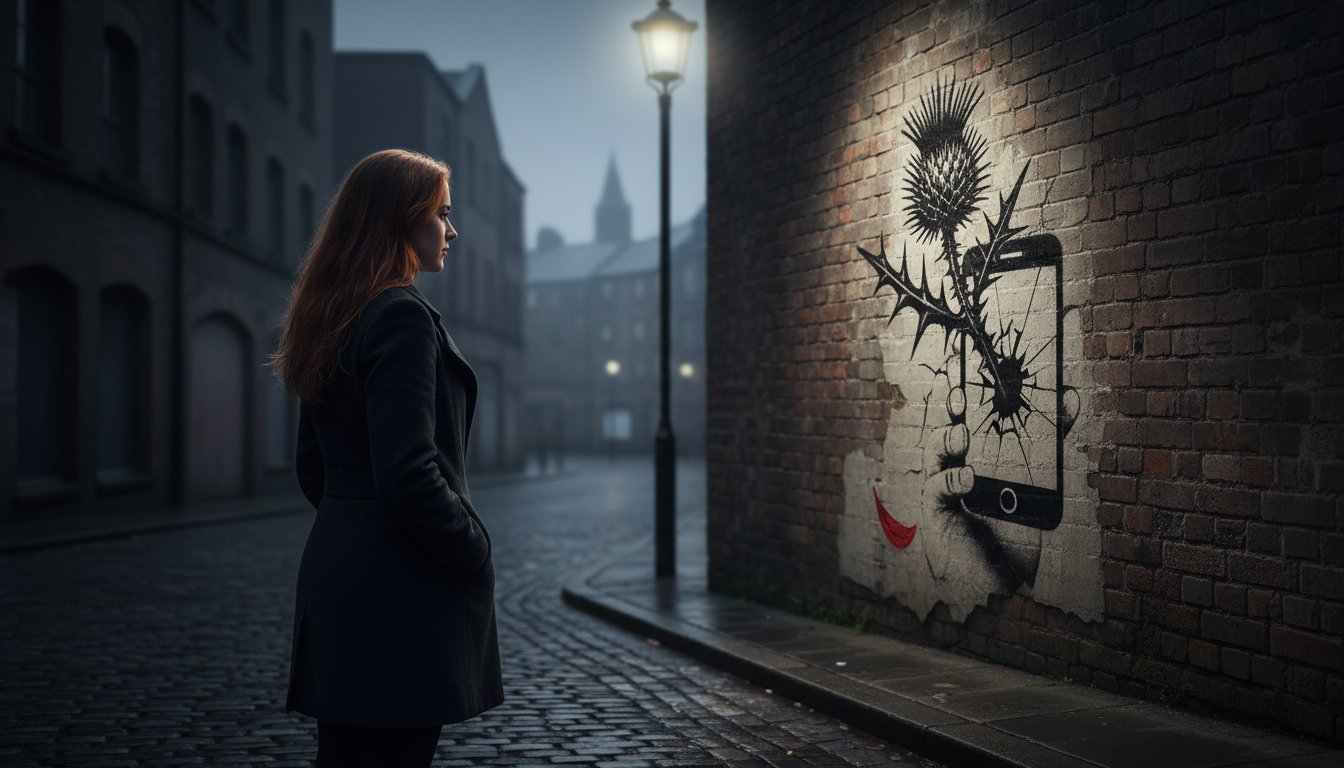
A stencilled rat, a girl with a balloon, a canvas that self-destructs at auction-the world knows the work, but the artist remains a ghost. The mystery of Banksy, Banksy, Banksy is one of modern art’s greatest puzzles. He’s a cultural phenomenon, a political activist, and a master of public spectacle. Yet, for many, his work raises more questions than it answers. Is it truly fine art, or is it simply vandalism? What are the powerful messages hidden in plain sight, and how has one anonymous artist managed to captivate the globe?

Embark on a journey of artistic discovery with us as we uncover the story behind the world’s most famous anonymous artist. In this guide, we will explore the leading theories about his identity, decode the symbolism in his most iconic pieces, and examine his lasting impact on the art world and beyond. You’ll gain a deeper appreciation for the techniques and themes that define his style, helping you form your own informed opinion on this spectacular and provocative creator.

Key Takeaways

  • Discover the leading theories behind the artist’s identity and why maintaining his anonymity is central to his powerful message.
  • Explore the stories and techniques behind Banksy’s most iconic artworks, from the poignant Girl with Balloon to the satirical Dismaland.
  • Understand the impact banksy banksy banksy has had on the art world, challenging the long-standing debate between street art and fine art.
  • Learn where you can see Banksy’s art in person, with a practical guide to finding his work on the streets of the UK and in galleries worldwide.

Who is Banksy? The Enduring Mystery of an Anonymous Artist

In the world of contemporary art, no name generates more intrigue than Banksy. He is a global phenomenon, a political activist, and an artist whose work fetches millions at auction. Yet, he remains a complete enigma. This central paradox-being world-famous while completely anonymous-is the foundation of his persona. His satirical and subversive street art appears unannounced on walls, bridges, and buildings around the world, leaving behind powerful messages that challenge the establishment, consumerism, and the very nature of art itself.

To delve deeper into this fascinating enigma, watch this short documentary from CBS Sunday Morning:

The Power of Anonymity

Banksy’s anonymity is not just a gimmick; it is essential to his craft. By operating in the shadows, he is free to create illegal graffiti without fear of prosecution, allowing him to place his art directly in the public sphere where it can have the most impact. This secrecy masterfully shifts the focus away from the artist’s personality and onto the artwork’s message. The mystique created by his hidden identity only fuels public fascination, turning the search for banksy banksy banksy into a global obsession.

Popular Identity Theories and Investigations

Over the years, numerous journalistic investigations have attempted to unmask the artist. The most persistent theory points to a man named Robin Gunningham from Bristol, supported by geographic profiling and analysis by scientists at Queen Mary University of London. Other popular suggestions include Robert Del Naja of the band Massive Attack or even the idea that Banksy is a collective of artists. Despite these efforts to answer the question of Who is Banksy?, all theories remain unconfirmed, preserving the powerful mystery.

To manage his affairs and, crucially, to verify his work, Banksy operates an official handling service known as Pest Control. This is the only organisation that can authenticate his art, issuing certificates of authenticity for genuine pieces. It’s a professional, almost corporate, layer to an otherwise underground operation, ensuring that while the artist remains a ghost, his spectacular body of work is properly documented and protected from fakes.

From Street Walls to Auction Halls: Banksy’s Most Iconic Artworks

From clandestine street stencils to the world’s most prestigious auction houses, the journey of a Banksy artwork is often as compelling as the piece itself. The artist’s spectacular ability to blend sharp social commentary with striking visuals has produced a portfolio of truly iconic images. Exploring the world of banksy banksy banksy reveals a master of subversion whose work consistently challenges our perceptions. The profound nature of Banksy’s impact on the art world is best understood by examining the stories behind his most famous creations.

Girl with Balloon / Love is in the Bin

Perhaps his most universally recognised image, the original stencil depicted a small child reaching for a red, heart-shaped balloon just out of her grasp. It’s a beautiful, simple metaphor for hope, innocence, and loss. This piece achieved legendary status in 2018 during a spectacular stunt at Sotheby’s. The moment the hammer fell on a £1.04 million sale, an alarm sounded and the canvas began to self-destruct through a shredder hidden in the bespoke frame. In an instant, Girl with Balloon was gone, and a new, even more famous piece, Love is in the Bin, was born-a masterpiece of performance art.

Flower Thrower (Rage)

First appearing in Jerusalem in 2003, this powerful piece is painted on the controversial West Bank wall. The artwork features the classic silhouette of a masked protestor poised to throw a projectile. However, instead of a rock or petrol bomb, he holds a vibrant bouquet of flowers. This beautiful substitution transforms an image of aggression into a potent symbol of peace and non-violent resistance, challenging viewers to consider alternative paths to conflict resolution.

Kissing Coppers

Originally stencilled on the side of The Prince Albert pub in Brighton in 2004, Kissing Coppers shows two male British policemen in a passionate embrace. The piece was a direct and witty commentary on authority and homophobia, subverting the hyper-masculine image of law enforcement. Its popularity was immense, but it also raised complex questions about ownership when the original was removed from the wall and sold at auction, highlighting the ongoing debate over the commercialisation of public art.

The Banksy Method: Stencils, Satire, and Social Commentary

To truly appreciate the art of Banksy, one must look beyond the final image and understand the masterful technique behind it. His chosen method is not just a practical choice; it is the very engine of his commentary. The combination of multi-layered stencilling, sharp satire, and profound social critique is what makes the banksy banksy banksy phenomenon so powerful and enduring. This approach allows him to deliver complex ideas with stunning speed and visual clarity.

The Art of the Stencil

Banksy’s signature stencil technique is born from necessity. Working in the public realm, often illegally, requires incredible speed. Stencils are prepared meticulously in the studio, allowing for a piece to be executed on the street in mere minutes. This method also lends his work a distinct, graphic style-sharp lines and bold contrasts that are instantly recognisable. More than just a tool for efficiency, the stencil connects his work to a long history of protest art and political propaganda, where reproducible images are used to spread a message to the masses quickly and effectively.

Recurring Themes in His Work

The genius of Banksy lies in his ability to distil complex societal issues into a single, powerful image. His body of work is a running commentary on the state of the modern world, often returning to several key themes. You can explore many of Banksy’s most iconic artworks to see these powerful ideas in action. His work consistently challenges authority and convention through:

  • Anti-Establishment & Anti-War Messages: Pieces like CND Soldiers or Love is in the Air (Flower Thrower) subvert symbols of power and conflict, replacing violence with peace and absurdity.
  • Critiques of Consumerism: Works targeting large corporations or depicting barcodes and shopping trolleys in desolate landscapes critique the hollow promises of capitalism.
  • Social Commentary: He frequently tackles issues like poverty, surveillance (One Nation Under CCTV), and environmental decay, forcing passers-by to confront uncomfortable truths.
  • Symbolic Animals: Rats, often seen as pests that thrive in the forgotten corners of the city, are a recurring motif representing the common person or the artist himself. Monkeys are also used to question authority and intelligence.

Through this unique blend of technique and theme, Banksy uses humour and visual wit as a Trojan horse, delivering serious and often unsettling messages in a way that is both accessible and unforgettable.

Art or Vandalism? Banksy’s Impact on the Art World

Few artists provoke the “art or vandalism?” debate as fiercely as Banksy. For decades, street art was dismissed as a nuisance, but Banksy’s witty and politically charged stencils have forced the art world, and the public, to look again. He has masterfully blurred the line between the street and the gallery, challenging the very definition of where art belongs and who gets to decide its value.

Challenging the Art Establishment

Banksy’s career is built on a foundation of audacious rebellion against the traditional art system. In his early days, he famously conducted “guerrilla” installations, secretly hanging his own modified artworks in prestigious institutions like the Tate Britain and the British Museum. Larger projects, such as his 2015 “bemusement park” Dismaland, offered a spectacular, satirical critique of consumer culture. By using public walls as his canvas, he bypasses the exclusive gallery system entirely, delivering his message directly to the people.

The Commercialisation of Street Art

The ultimate irony of Banksy’s work is its immense commercial success. An artist who critiques capitalism has become a global brand, with works fetching astronomical sums. His shredded Girl with Balloon, which renamed itself Love is in the Bin, sold for a staggering £18.5 million at Sotheby’s. This “Banksy Effect” has legitimised street art for collectors but also raises complex ethical questions. Who truly owns a piece of art created on a public wall? The property owner who can cut it out and sell it, or the community for whom it was intended? The legacy of banksy banksy banksy is a fascinating paradox of anti-establishment art becoming a premium asset.

While his original street pieces remain contentious and ephemeral, their impact is undeniable. To own a piece of modern art history that speaks to this legacy, you can explore our curated collection of beautiful fine art prints, professionally framed to preserve their power and message.

Experiencing Banksy: Where to See His Work Today

The allure of Banksy lies not just in the art itself, but in the experience of discovering it. While the artist remains a mystery, his work is surprisingly accessible, inviting you on a journey of artistic discovery. You can encounter his powerful statements in two distinct ways: by hunting for them on the city streets where they first appeared, or by appreciating them in more permanent, curated settings. Each offers a unique connection to the art and its message.

On the Streets: A Global Treasure Hunt

To see a Banksy in its natural habitat is to see it as intended: a surprise interruption in the urban landscape. This modern-day treasure hunt often begins in his hometown of Bristol, where early works like Well Hung Lover can still be found. The streets of London also serve as a sprawling, unofficial gallery. Internationally, you might spot his stencils in cities from New York to Paris. However, it’s crucial to remember that street art is ephemeral. Works can be damaged, painted over, or removed entirely, making each sighting a fleeting privilege. Before you set off, we recommend checking dedicated online maps and fan blogs for the most up-to-date information on surviving locations.

In the Gallery and at Home

While the street provides context, Banksy has also orchestrated large-scale projects and exhibitions that showcase his satirical vision on a grander scale. Ambitious, temporary installations like the Dismaland “bemusement park” and the fully-functioning The Walled Off Hotel in Bethlehem demonstrate his flair for creating immersive, thought-provoking experiences. These sanctioned events offer a different, more focused way to engage with the artist’s world. For those who wish to bring his powerful message home, the opportunity lies in official, limited-edition prints. Authenticated exclusively by his handling service, Pest Control, these pieces allow you to own a genuine part of the banksy banksy banksy phenomenon. A beautiful, professionally framed print does more than just decorate a room; it becomes a statement piece, a daily reminder of art’s power to challenge and inspire.

Inspired by art with a message? Explore our collection of prints.

The Enduring Echo of Banksy’s Shadow

From the spray-painted walls of Bristol to the hallowed halls of international auction houses, Banksy’s journey is a masterclass in artistic disruption. His enduring anonymity fuels his legend, proving that a message can be more powerful than the messenger. By wielding satire and stencils, he challenges our perceptions of authority, consumerism, and the very definition of art. The question of banksy banksy banksy’s identity may never be answered, but his impact is permanently etched into the public consciousness.

The power of art is its ability to provoke thought and transform a space. While an original Banksy might be out of reach, you can capture that same spirit of inspiration in your own home. With over 20 years of bespoke framing expertise, our passionate, professional team is dedicated to craftsmanship, offering premium Giclée prints from a wide range of talented artists who spark conversation and stir emotion.

Begin your own journey of artistic discovery today. Discover art that inspires. Explore our gallery of framed prints.

Frequently Asked Questions About Banksy

How much is an original Banksy artwork worth?

The value of an original Banksy artwork varies dramatically, from tens of thousands to millions of pounds. Major canvas works like ‘Devolved Parliament’ have sold for nearly £10 million, while others have fetched even more at auction. Signed, limited edition prints are more accessible but still command significant prices, often ranging from £30,000 to over £200,000 depending on the rarity and subject. The market for banksy banksy banksy remains incredibly strong, making each piece a significant investment.

Has Banksy ever been arrested or caught?

To date, Banksy has never been officially caught or arrested. His anonymity is a crucial element of his artistic persona, allowing him to create politically charged street art without legal repercussions. While there has been intense media speculation over the years, with several names suggested, his true identity remains one of the art world’s most closely guarded secrets. This mystery only adds to the immense public fascination with his work and his enduring global appeal.

What is the meaning of the rats that appear in Banksy’s art?

Banksy’s iconic rats are a powerful and recurring motif, often seen as a symbol for the common person or the disenfranchised. Like rats, graffiti artists are often hunted and despised by the establishment, yet they are resilient, resourceful, and capable of bringing a city to a halt. The rat is also an anagram of ‘art’. This clever nod is widely believed to be an homage to the Parisian street artist Blek le Rat, a pioneer of stencil graffiti.

Is it legal to buy and sell Banksy’s street art?

In the UK, buying and selling Banksy’s public street art exists in a legal grey area. The artwork is created on property without permission, raising complex questions of ownership. Removing a piece from a building could be considered criminal damage, and its sale can be legally challenged. For this reason, the most legitimate and secure way to own a piece is by purchasing an official print or an original studio work that comes with verifiable provenance and authentication.

Did Banksy create the film ‘Exit Through the Gift Shop’?

Yes, Banksy directed the critically acclaimed 2010 film ‘Exit Through the Gift Shop’. The film, which Banksy described as “a film about a man who tried to make a film about me,” follows the story of an eccentric amateur filmmaker, Thierry Guetta. It masterfully blurs the lines between fact and fiction while exploring themes of art, commercialism, and authenticity. The documentary was nominated for an Academy Award and is considered essential viewing for any fan.

How can I be sure a Banksy print is authentic?

The only way to be certain a Banksy print is authentic is to ensure it comes with a Certificate of Authenticity (COA) from Pest Control. This is the official handling service acting on behalf of the artist, and they maintain a comprehensive record of all authentic prints. We strongly advise against purchasing any print without this official documentation, as the market is filled with fakes. Pest Control is the definitive authority on authenticating his studio work.

Posted on

L.S. Lowry: The Man Who Painted Britain’s Industrial Soul

When you hear the name L.S. Lowry, what comes to mind? For many, it’s the iconic ‘matchstick men’ scurrying against a backdrop of towering chimneys and industrial smog. But to see only that is to miss the profound story and incredible craftsmanship captured on his canvases. The world of Lowry is far richer and more complex than it first appears, filled with a quiet beauty, subtle humour, and a deep empathy for the working-class life he observed so keenly every day.

Embark on a journey of artistic discovery with us as we look beyond the familiar figures. In this guide, we’ll uncover the man behind the easel, explore the unique artistic style that made him a household name, and delve into the powerful stories behind his most famous works. By the end, you’ll see the industrial soul of Britain through the eyes of one of its most beloved artists and gain a new, confident appreciation for the depth in every brushstroke.

Key Takeaways

  • Uncover the complex personal life of the man behind the famous “matchstick men,” from his demanding mother to his secret double life.
  • Discover the surprising depth and emotion Lowry achieved by using a deliberately limited palette of just five core colours.
  • Explore the stories behind his most iconic works, learning to read the details in both his bustling crowd scenes and his solitary landscapes.
  • Understand how he revolutionised British art by transforming industrial cityscapes into powerful and celebrated subjects.

Who Was L.S. Lowry? The Man Behind the Matchstick Men

Often celebrated for his ‘matchstick men’, L.S. Lowry was far more than a simple painter of industrial scenes. He was a complex, private man who led a remarkable double life. For over four decades, he was a full-time rent collector by day and a dedicated artist by night, meticulously crafting a unique and beautiful vision of Northern England that was entirely his own. This daily routine gave him an unfiltered view of working-class life, which became the soul of his spectacular work.

To truly appreciate the artist, it helps to understand the man. This short film offers a wonderful insight into his life and work:

A Stretford Childhood and a Difficult Relationship

Born in Stretford, Manchester, in 1887, Laurence Stephen Lowry grew up in a conventional Victorian middle-class home. His life was profoundly shaped by his mother, Elizabeth, a talented but frustrated woman who was openly critical of her son. Her constant disapproval, though painful, paradoxically strengthened his resolve to prove his worth through his art. This challenging upbringing cemented his lifelong attachment to the industrial landscapes he grew up in, which he felt a deep and personal need to capture on canvas.

The Rent Collector’s Secret Life

For more than 40 years, Lowry worked for the Pall Mall Property Company, walking the industrial streets of Manchester as a rent collector. Far from being a burden, this job was the very source of his inspiration. It gave him a street-level view of the crowds, factories, and quiet moments of daily existence. This unique dual existence is a central theme in L.S. Lowry’s life and career, keeping him grounded and intimately connected to his subjects, whom he would often sketch on his rounds.

Art School and Early Influences

Despite his distinctive style, Lowry was not an untrained ‘naïve’ painter. He dedicated years to evening classes at the Manchester School of Art and later the Salford Royal Technical College. A key influence was his tutor, the French Impressionist painter Adolphe Valette, whose dark, atmospheric depictions of Manchester’s smog-filled streets clearly left their mark. While Lowry ultimately forged his own path, this formal training provided the professional craftsmanship and technical foundation for his revolutionary artistic vision.

Decoding Lowry’s Unique Artistic Style

L. S. Lowry’s work is instantly recognisable, yet its apparent simplicity hides a deep and complex artistic vision. He developed a unique visual language to document the industrial North of England, turning everyday scenes into beautiful, compelling works of fine art. His genius lies not just in what he painted, but in how he saw the world-a world of constant movement, shared experience, and quiet dignity.

The Famous Five-Colour Palette

Lowry famously claimed to use a highly restricted palette to achieve his signature look. This deliberate limitation was a mark of his artistic mastery, creating a muted yet incredibly powerful atmosphere. His core colours were:

  • Flake White
  • Ivory Black
  • Vermilion Red
  • Prussian Blue
  • Yellow Ochre

His stark white backgrounds were never empty; they were carefully prepared canvases that gave his scenes a timeless, almost dreamlike quality. This limited palette forces the viewer to look past colour and focus on the incredible detail in his composition, form, and the ballet of human movement.

Industrial Landscapes as Theatre

For Lowry, the mills, factories, and terraced houses were not grim, oppressive structures. Instead, he saw them as a grand stage-a backdrop for the theatre of everyday life. Often painting from a combination of memory and imagination, he would compose his scenes meticulously. By frequently using a low viewpoint and a panoramic perspective, he pulls you directly into the bustling street. You don’t just observe the scene; you feel like a part of the crowd, experiencing the energy of the industrial world he so beautifully captured.

More Than Just ‘Matchstick Men’

The term ‘matchstick men’ is a popular but overly simplistic description of Lowry’s figures. Each stylised person is a carefully observed individual, captured in a fleeting moment of their daily life. Lowry was a constant observer, filling sketchbooks with drawings of people he saw on the street, noting their posture, their gait, and their interactions. Leading institutions help us appreciate the depth of L.S. Lowry’s artistic style, revealing that these are not anonymous figures but characters in a larger narrative. Together, they tell the collective story of a resilient and vibrant community.

A Journey Through Lowry’s Most Iconic Paintings

To truly understand L.S. Lowry, we must look closely at his key works. These paintings are more than just snapshots of industrial Britain; they are profound stories about community, labour, and the quiet moments in between. Each piece captures a different facet of his artistic vision, from the bustling energy of crowds to the poignant beauty of solitude. You can explore a spectacular collection of Lowry’s most iconic paintings at Art UK, which holds many of the originals. Here, we delve into three masterpieces that define his remarkable career.

Going to the Match (1953)

This spectacular painting captures the electric atmosphere of crowds converging on a football ground. It’s a perfect portrayal of a shared community ritual, a weekend escape from the grind of the mills that dominate the skyline. The contrast between the tiny, almost anonymous figures and the massive industrial architecture is striking. Its cultural importance was cemented when it was purchased for The Lowry gallery for a record-breaking £8.1 million, ensuring it remains a public treasure.

Coming from the Mill (1930)

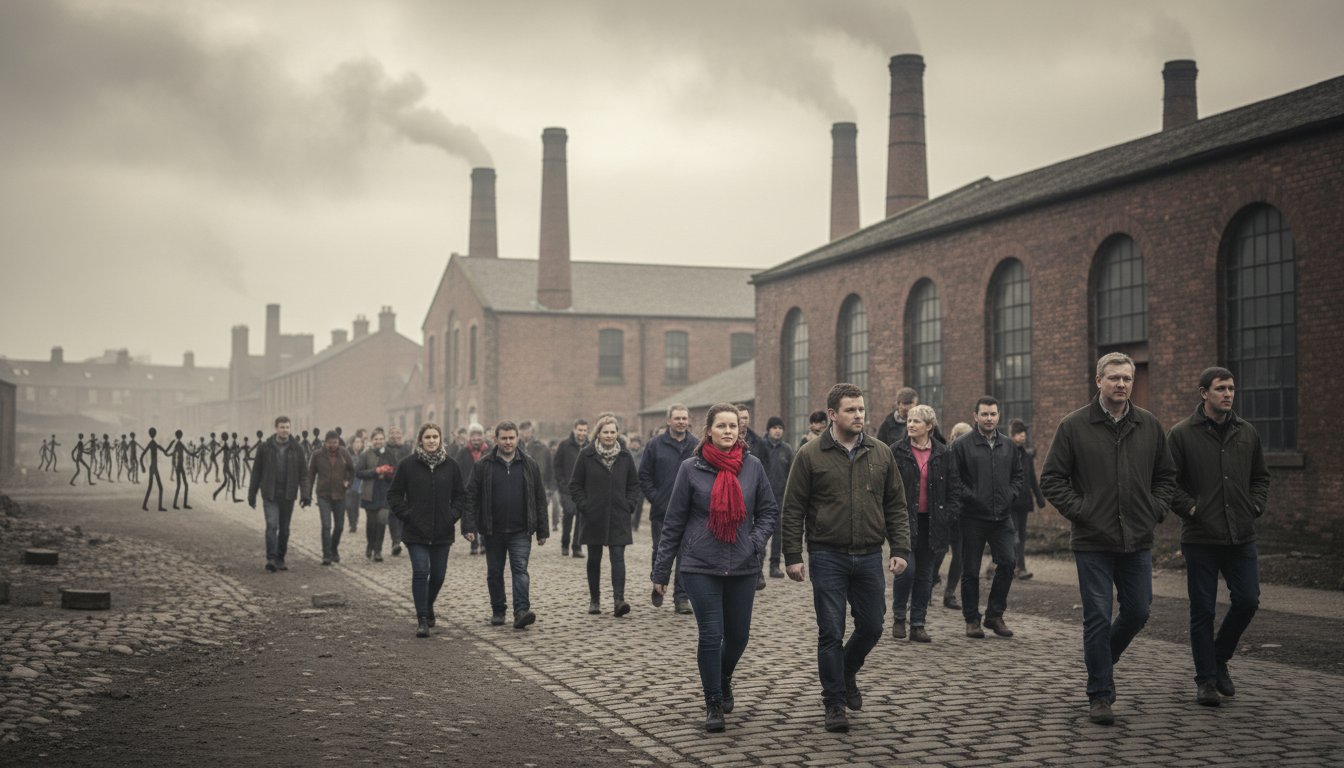
A classic scene from the artist, this piece depicts the relentless flow of workers leaving a factory at the end of their shift. There is a powerful sense of rhythmic, unending movement as the tide of humanity pours out from the factory gates. This painting masterfully captures the daily rhythm of industrial life, showing how the environment shaped the lives of its inhabitants. It stands as a powerful statement on the relationship between people and the industrial world they built.

Man Lying on a Wall (1957)

In stark contrast to his busy crowd scenes, this enigmatic painting offers a moment of quiet contemplation. It explores themes of leisure, observation, and perhaps a touch of loneliness, focusing on a single figure set against a sparse industrial landscape. This piece beautifully demonstrates the artist’s versatility and his deep interest in individual human experiences, not just the masses. It reminds us that even within the sprawling industrial world, there were moments of solitary stillness.

These three paintings showcase the incredible depth and variety of this celebrated artist’s work. To bring the unique atmosphere of a Lowry into your own home, explore our collection of professionally framed prints at gallery.first4frames.co.uk.

The Enduring Legacy of a British Master

Since his death in 1976, L.S. Lowry’s reputation has soared, cementing his position as one of Britain’s most cherished artists. He possessed a unique genius for finding profound beauty and humanity in the industrial landscapes of Northern England. By transforming the smokestacks, mills, and bustling crowds-scenes once dismissed as unworthy subjects-into powerful works of art, he created a new visual language. Today, his work continues to influence artists, musicians, and filmmakers, and his original paintings are some of the most sought-after in British art.

From Outsider to National Treasure

For decades, Lowry was considered an outsider by the London art establishment. Yet his distinctive style and unwavering focus on the lives of ordinary people eventually captured the nation’s heart. He became a beloved public figure, famous not only for his art but also for his humble character, famously turning down at least five state honours, including a knighthood. The ultimate tribute came in 2000 with the opening of The Lowry, a spectacular theatre and gallery complex in his beloved Salford, forever celebrating his unique contribution to modern art.

Collecting Lowry: Prints and Originals

While an original Lowry painting can command millions of pounds at auction, owning a piece of his artistic vision is more accessible than ever. High-quality fine art prints offer a fantastic way for enthusiasts to connect with his work. It’s important to distinguish between different types:

  • Original Works: The one-of-a-kind paintings and drawings created by the artist himself.
  • Signed Limited-Edition Prints: Collectible prints approved and signed by Lowry, produced in a fixed number.
  • Giclée Reproductions: Premium, modern prints that use advanced technology to create a stunningly faithful copy of an original artwork, capturing its colour and texture with incredible precision.

A beautiful, professionally framed Giclée print allows the soul of Lowry’s world to resonate in any room, bridging the gap between history and home. It is a perfect way to celebrate the legacy of this truly unique British master.

Ready to bring this artistic heritage into your home? Find the perfect framed Lowry print for your space in our collection.

L.S. Lowry: A Legacy for Your Walls

L.S. Lowry did more than just paint industrial landscapes; he chronicled the soul of a nation in transition. Far from being simple “matchstick men,” his figures populate scenes of profound depth, capturing both the bustling energy and the quiet isolation of early 20th-century life. The enduring power of Lowry lies in his unique ability to find beauty and humanity amidst the smoke and stone, leaving a legacy that continues to fascinate and move us today.

Now, you can invite that same powerful spirit into your own space. Our premium Giclée prints capture every subtle texture and colour of his iconic works. Each piece is then given a bespoke, handcrafted frame from our Falkirk workshop, creating a beautiful bridge between his world and yours. Our passionate team of experts is always here to help you choose the perfect piece to complement your home.

Bring the spirit of L.S. Lowry into your home. Explore our collection of framed prints.

Embark on your own journey of artistic discovery and find a masterpiece that will inspire for years to come.

Frequently Asked Questions About L.S. Lowry

Was L.S. Lowry a self-taught or ‘Sunday’ painter?

This is a common misconception. While L.S. Lowry did paint in his spare time alongside a full-time job as a rent collector, he was far from self-taught. He undertook formal art training for years, studying at the Manchester School of Art and the Salford Royal Technical College. The term ‘Sunday painter’ often downplays his immense dedication and the professional training that underpinned his unique and celebrated style, which he honed over decades of disciplined work.

Why did L.S. Lowry only paint industrial scenes?

While famous for his industrial landscapes, Lowry’s body of work is more diverse than many realise. He also painted haunting seascapes and compelling portraits. However, he was deeply moved by the urban environment of Pendlebury and Salford, seeing a unique beauty and drama in the mills, chimneys, and crowds. He felt a powerful connection to this world and dedicated himself to capturing the soul of the industrial North, making it his most iconic and defining subject.

What are ‘matchstick men’ and why did Lowry paint them that way?

The term ‘matchstick men’ refers to the stylised, elongated human figures that populate Lowry’s industrial scenes. He painted them this way intentionally, not due to a lack of skill. Lowry was not interested in painting specific individuals but in capturing the collective experience and movement of the urban crowd. These simple, anonymous figures represent the mass of humanity, conveying a sense of both community and isolation within the vast industrial landscape without distracting from the overall composition.

How much is an original L.S. Lowry painting worth?

The value of an original L.S. Lowry work varies enormously, depending on the size, medium, and subject. Minor drawings or sketches can be acquired for several thousand pounds. However, his classic oil paintings of industrial scenes command significant prices at auction. Major works have sold for millions, with “The Football Match” famously fetching over £5.6 million. The market remains strong, reflecting his status as one of Britain’s most beloved modern artists.

Where can I see L.S. Lowry’s paintings in person?

For the ultimate experience, The Lowry in Salford Quays is a must-visit, as it holds the world’s largest public collection of his paintings and drawings. You can also find significant works at Manchester Art Gallery and the Tate Britain in London. Many regional galleries across the UK, such as the Sunderland Museum and Winter Gardens, also hold at least one Lowry painting in their permanent collections, so it’s always worth checking with your local museum.

What is the best way to frame a Lowry print?

A Lowry print deserves a frame that enhances its unique atmosphere without overpowering it. We recommend a simple, high-quality moulding in a classic black, a deep wood tone, or even a soft, off-white to complement the limited colour palette. A generous mount is essential; it provides breathing space and draws your eye into the detail of the scene. The perfect frame acts as a bridge between the artwork and your room, completing the piece beautifully.

Posted on

David Hockney: A Guide to Britain’s Master of Colour

Ever felt like the art world can be a little intimidating? You’ve likely seen the sun-drenched swimming pools or the spectacular, winding roads of a Yorkshire landscape and felt an instant connection, even if the name of the artist wasn’t immediately familiar. That artist is David Hockney, arguably Britain’s most beloved living painter and a true master of colour. For over sixty years, his work has brought joy and challenged conventions, but understanding his journey is the key to appreciating his genius.

In this guide, we pull back the curtain on his incredible life and career. We invite you to embark on a journey from his Pop Art beginnings to his groundbreaking digital creations, exploring the iconic pieces that cemented his legacy. You’ll discover the stories behind the canvases, understand his unique perspective on the world, and gain the confidence to talk about his work. Prepare to be inspired by the vibrant vision of a modern master.

Who is David Hockney? The Journey from Bradford to LA

When you think of modern British art, few names resonate as powerfully as David Hockney. Widely celebrated as one of Britain’s most important living artists, his career is a spectacular journey of constant innovation, vibrant colour, and a unique way of seeing the world. A true artistic force, the full story of David Hockney is one of relentless curiosity, charting a path from a working-class childhood in Bradford to becoming a global art icon synonymous with the sun-drenched landscapes of Los Angeles.

To hear the artist discuss his unique perspective on art and life, this interview offers a wonderful insight:

Early Life and the Royal College of Art

Born in Bradford in 1937, Hockney displayed a prodigious talent for drawing from a very young age. His formative years were marked by a passion for art that led him to the prestigious Royal College of Art in London. It was here that his rebellious and confident spirit began to shine. He famously refused to write a final essay for his diploma, arguing he should be judged on his artwork alone-a bold move that signalled the arrival of a distinctive new voice in British art.

A British Pop Art Pioneer

During the 1960s, Hockney emerged as a key figure in the British Pop Art movement. However, his work stood apart from the commercial, often impersonal style of his American counterparts like Andy Warhol. Hockney infused his paintings with deeply personal and autobiographical themes, exploring love, identity, and desire. His style was more lyrical and expressive, bridging the gap between pop culture and fine art with a uniquely human touch.

The California Dream: Light, Water, and Colour

A visit to Los Angeles in 1964 was a watershed moment that transformed his art forever. Captivated by the brilliant light, modern architecture, and hedonistic lifestyle, his palette exploded with vibrant new colours. This period gave rise to his most iconic works: the swimming pool series. Paintings like A Bigger Splash capture the essence of the California dream, with their clean lines, dazzling sunlight, and cool, inviting water. This body of work cemented his international reputation and made his vision of LA instantly recognisable.

The Evolution of an Artist: Hockney’s Key Periods and Styles

To truly appreciate the art of David Hockney is to follow a journey of constant reinvention. A true innovator, he has never settled into a single style, instead choosing to relentlessly experiment with new techniques, perspectives, and technologies. His spectacular career is a masterclass in artistic curiosity, moving seamlessly from the intimate canvas to the photographic collage and, eventually, the digital screen. This evolution showcases a restless creativity that continues to challenge how we see the world.

The Swinging Sixties: Portraits and Personal Narratives

Emerging from the Royal College of Art, Hockney quickly became a leading figure in the British Pop Art movement. This era is defined by his beautifully observed double portraits, which explore the complex dynamics of human relationships. In iconic works like Mr and Mrs Clark and Percy (1971), he combines a naturalistic approach with a subtly flattened perspective, capturing his subjects in quiet, intimate domestic settings with a distinctive, stylised elegance.

California Dreaming: The Iconic Swimming Pool Paintings

A move to sunny Los Angeles in the mid-1960s dramatically transformed Hockney’s palette and subject matter. He became fascinated with the shimmering light and laid-back lifestyle of California, famously captured in his swimming pool series. His masterful technique for painting the fleeting patterns of light on water is perfectly captured in A Bigger Splash, and you can explore this piece in detail among Hockney’s Most Famous Artworks at the Tate. These works are not just paintings; they are emblems of an era.

Photographic Collages: Inventing the ‘Joiner’

Always questioning the limits of a single viewpoint, Hockney began deconstructing photography in the 1980s. He created what he called ‘joiners’-composite images made from dozens of individual Polaroid or 35mm photos taken from slightly different angles. This technique challenged traditional perspective, creating a fragmented, cubist-like effect that mimics how the human eye actually sees. His masterpiece, Pearblossom Highway, is a sprawling, vibrant example of this innovative vision.

A Return to Nature: The Yorkshire Landscapes

In the 2000s, Hockney returned to his roots in East Yorkshire, turning his attention to the English landscape with renewed passion. Armed with a deep understanding of art history and a bold new colour palette, he created monumental works that celebrate the changing seasons. Often painting across multiple canvases joined together, he produced vast, immersive landscapes that pull the viewer into the woods and fields of his childhood, proving his artistic vision was as powerful as ever.

Hockney’s Most Famous Artworks (And Why They Matter)

To truly appreciate the genius of David Hockney, you must explore the key pieces that define his spectacular career. Each work is more than just a beautiful image; it’s a solution to an artistic puzzle, a moment captured with profound insight and technical brilliance. Here are three of his most iconic masterpieces.

A Bigger Splash (1967): Capturing a Moment in Time

Instantly recognisable, A Bigger Splash is the epitome of 1960s California cool. The composition is deceptively simple: a minimalist, modern house, a lone diving board, and a perfect blue sky. But the true subject is the explosive splash, a fleeting event frozen for eternity. Hockney laboured over capturing the dynamic energy of the water, contrasting it with the serene, almost sterile, stillness of the architecture. The result is a painting that feels both exciting and strangely silent, perfectly bottling the allure of the Los Angeles lifestyle.

Portrait of an Artist (Pool with Two Figures) (1972)

This powerful painting is layered with emotional complexity. It depicts two men: one swimming underwater, and another, fully clothed, looking down at him from the edge of the pool. The standing figure is based on Hockney’s former lover, Peter Schlesinger, and the scene captures the painful distance at the end of their relationship. The masterful use of light, reflection, and distorted perspective creates a beautiful yet unsettling atmosphere. In 2018, it sold for over £70 million, becoming the most expensive work by a living artist at the time and cementing its place in art history.

The Arrival of Spring in Woldgate (2011): Embracing Digital Art

Proving that innovation has no age limit, Hockney embraced the iPad in his seventies, using it to create a breathtaking series of works capturing the changing seasons in his native Yorkshire. The Arrival of Spring in Woldgate is a vibrant, monumental piece composed of 32 canvases that form one magnificent image. The technology allowed him to work quickly outdoors, capturing the fleeting light and explosive colour of spring with incredible immediacy. This relentless drive to explore new ways of seeing is a key theme in The Evolution of an Artist, showing his continued relevance.

From sun-drenched pools to digital landscapes, Hockney’s work offers a lifetime of visual discovery. Find the perfect David Hockney print to bring his unique vision into your own home by exploring our professionally framed collection.

Bringing Hockney’s Vibrancy Into Your Home

Studying the art of David Hockney is one thing, but inviting his spectacular use of colour and light into your daily life is a truly transformative experience. A carefully chosen piece of art does more than just decorate a wall; it can fundamentally change a room’s atmosphere, infusing it with energy, optimism, and a new perspective. Moving from appreciation to application, let’s explore how you can bring this artistic spirit into your own home.

The Power of Colour and Light in Your Space

Hockney is a master of colour, using it to evoke deep emotion and capture the essence of a place, from a sun-drenched Californian pool to the rolling hills of Yorkshire. When choosing art, consider this principle. A vibrant print can serve as a stunning focal point, either by complementing your existing decor with similar tones or by creating a dynamic contrast that energises the entire room. The right piece can make a space feel larger, brighter, and profoundly more optimistic.

Choosing a High-Quality Art Print

To truly capture the depth and brilliance of colourful artwork, the quality of the print is paramount. A standard paper poster might look good initially, but it can fade and lose its impact over time. A Giclée fine art print, however, is an investment in lasting beauty. This professional printing method uses archival-quality inks on premium, acid-free paper, ensuring:

  • Spectacular Colour Accuracy: An almost identical copy that honours the original artwork’s richness.
  • Longevity and Durability: Fade-resistant for decades, preserving the artist’s vision for a lifetime.
  • Exceptional Detail: Captures every nuance, brushstroke, and texture with clarity.

A fine art print makes owning a piece of beautiful, high-impact art more accessible than ever before.

Why the Right Frame Matters for Bold Artwork

A frame is the essential bridge between your artwork and your decor, doing the heavy lifting to unite them. For a bold, colourful piece, the right frame provides structure without competing for attention. A simple, elegant frame in black, white, or natural wood can enhance the artwork’s vibrancy, while a professional mount gives it the “breathing space” it needs to truly stand out. Bespoke framing ensures a perfect partnership, tailored precisely to both the print and your interior style. Discover how our bespoke framing can elevate your art.

Experience the Enduring Vibrancy of David Hockney

From the industrial landscapes of his youth to the sun-drenched swimming pools of California, David Hockney’s journey is a masterclass in artistic reinvention. His fearless embrace of new technologies and his unparalleled eye for colour have cemented his status as one of Britain’s most beloved and influential artists. More than just images on a canvas, his works are a powerful invitation to see the world with more vibrancy and joy.

Inspired to bring a splash of this artistic brilliance into your own home? You can capture that same spirit with a piece from our curated collection of fine art. We believe beautiful art deserves a beautiful presentation. That’s why our premium Giclée prints ensure lasting, vivid colour, and our bespoke framing by expert craftspeople provides the perfect finish to protect and elevate your chosen artwork. Embark on your own journey of artistic discovery in our gallery and find the perfect piece to tell your own story.

Frequently Asked Questions

What is David Hockney’s most famous painting?

While many works are iconic, “A Bigger Splash” (1967) is arguably David Hockney’s most famous painting. It perfectly captures the bright, sun-drenched lifestyle of 1960s California with its minimalist composition of a swimming pool and diving board moments after a diver has entered the water. The painting is celebrated for its flat planes of colour and the spectacular, frozen-in-time splash, which contrasts beautifully with the stillness of the surrounding scene.

Is David Hockney considered a Pop Artist?

David Hockney was a significant contributor to the British Pop Art movement in the early 1960s, and his early work certainly shares its characteristics. However, his artistic journey is too varied to be confined to a single label. Over his long and spectacular career, he has explored naturalism, photography, and digital media. While Pop Art was a crucial starting point, he is more accurately described as a key 20th and 21st-century artist who transcends easy categorisation.

What is a Hockney ‘joiner’ photograph?

A ‘joiner’ is a unique style of photocollage pioneered by Hockney in the 1980s. Instead of a single photograph, he would take dozens of individual Polaroid or 35mm photos of a subject from slightly different viewpoints. He then arranged these shots in a grid-like composition. This innovative technique creates a fragmented, Cubist-inspired image that captures a sense of time, space, and movement in a way a single snapshot simply cannot.

Why are David Hockney’s swimming pool paintings so famous?

Hockney’s swimming pool paintings are famous because they represent a powerful vision of the California dream. Created after his move to Los Angeles, they symbolise a world of leisure, sunshine, and modern living. Artistically, they are a masterclass in capturing the elusive qualities of light on water, using bold, vibrant colours and flattened perspectives. These beautiful works established David Hockney as a major international artist and remain some of his most beloved creations.

How did David Hockney use iPads to create art?

Always an innovator, Hockney embraced the iPad as a serious artistic medium. Using his thumb or a stylus with drawing apps like Brushes, he could sketch directly onto the screen, much like a digital sketchbook. This allowed him to work quickly, experiment with a vast palette of vibrant colours, and even record the process of his drawing’s creation. His series “The Arrival of Spring in Woldgate,” featuring hundreds of iPad drawings, is a perfect example of his technological craftsmanship.

Where can I see David Hockney’s original artworks in the UK?

To see original Hockney artworks in the UK, a great place to start is Tate Britain in London, which holds a substantial collection, including “A Bigger Splash.” For a truly special experience, visit Salts Mill in Saltaire, West Yorkshire, near Hockney’s birthplace, which has a dedicated gallery of his work. It’s also wise to check the websites of major institutions like The Hepworth Wakefield and the Royal Academy of Arts for current exhibitions.