
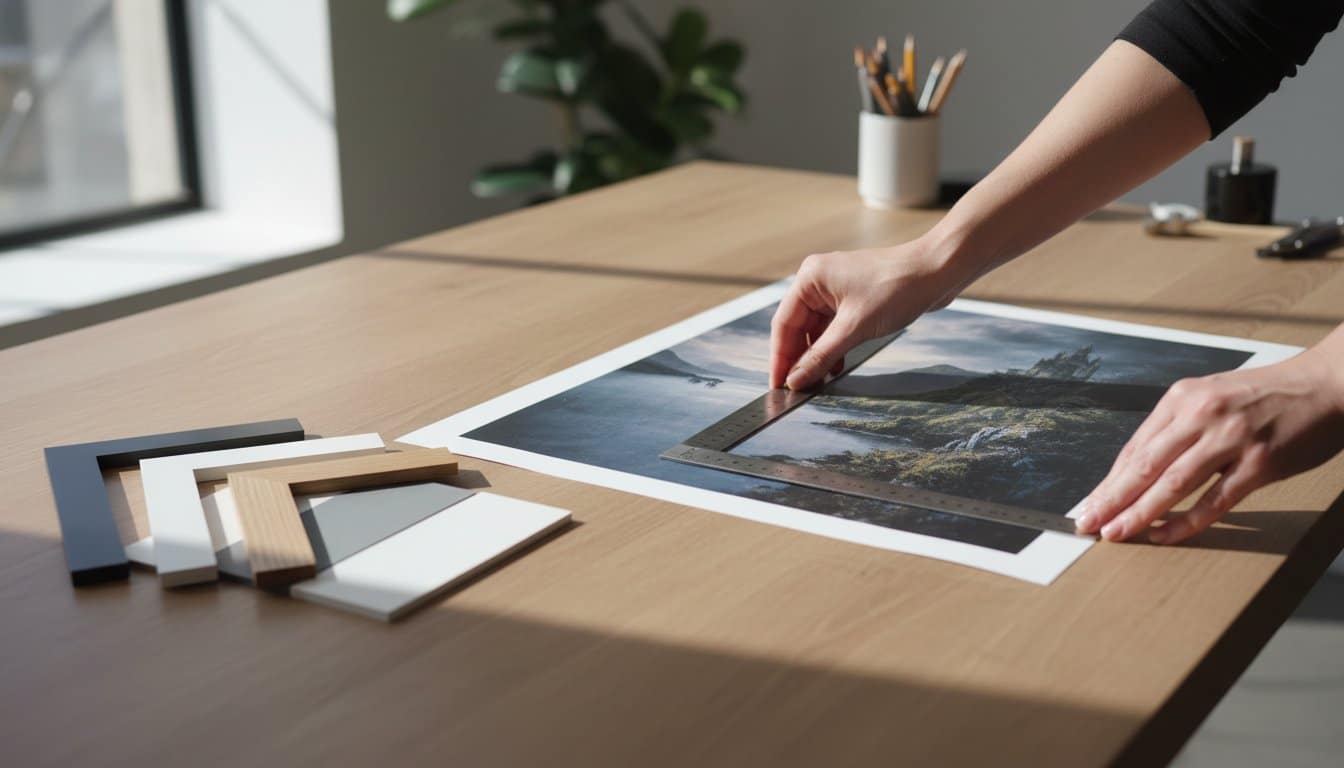
A beautiful picture holds a memory, a moment, or a spark of inspiration. But when it comes to displaying it, does the world of mounts, glazing, and measurements feel more intimidating than inspiring? We believe the journey of pictures and framing should be a joy, not a chore. A perfect frame is a true partner to your artwork; it’s the final, crucial touch that protects your piece and acts as a bridge between the art and your home décor. It doesn’t just surround the picture-it completes it, making it truly shine.
This beginner’s guide is here to strip away the jargon and simplify the entire process. We’ll walk you through everything you need to know, from understanding the essential components of a premium, bespoke frame to choosing a style that elevates your art. Forget the fear of making the wrong choice or measuring incorrectly. By the end, you will feel empowered to confidently select a frame that protects your memories and transforms your picture into a spectacular centrepiece you’ll be proud to display for years to come.
The Anatomy of a Picture Frame: Understanding the Key Components
A beautiful frame is far more than just a border; it’s a complete system designed to protect and enhance your artwork. Understanding The Anatomy of a Picture Frame and the terminology professionals use is the first step toward making an informed decision. Each component, from the wood profile to the backing board, plays a vital role in both the aesthetic appeal and the long-term preservation of your piece. Let’s explore the key parts that come together in bespoke pictures and framing.
To see how these components come together, this short video offers a great overview:
The Moulding: Setting the Style and Structure
The moulding is the outer frame itself, defining the style and providing the core structure. We source only the best materials, from the timeless warmth of classic wood to the clean, modern lines of aluminium. Profiles range from simple, flat designs for a minimalist look to ornate, decorative shapes for a traditional feel. Finishes can be tailored to your décor, including natural wood grain, painted colours, or even elegant metallic leaf for a spectacular finish.
The Glazing: Your Picture’s Shield
Glazing is the clear, protective layer that shields your art from dust, moisture, and damage. While standard glass offers excellent clarity, we often recommend premium acrylic for larger pieces as it is both lightweight and shatter-resistant. For irreplaceable or fine art, consider upgrading to UV-protective glazing to prevent fading from sunlight, or an anti-reflective option to ensure your artwork is the star of the show, not the glare.
The Mount (or Mat): Giving Your Art Space to Breathe
Often called a mat, the mount is the beautiful card border that sits between the artwork and the frame. It serves two crucial purposes: creating visual separation that draws the eye inward and preventing the artwork from touching the glazing. You can choose a neutral tone to complement the art or a bold accent colour to make a statement. Popular options include:
- Single Mount: A classic, clean look.
- Double Mount: Adds depth with a second, contrasting colour.
- Float Mounting: Lifts the art for a modern, three-dimensional effect.
The Backing Board & Fitments: Securing Your Artwork
The final, unseen elements are critical for preservation. A premium, acid-free backing board is essential to prevent yellowing and degradation over time. Your artwork is then carefully secured and the frame is sealed with professional taping to lock out dust and insects. Finally, we attach robust, appropriate hanging hardware to ensure your beautifully framed piece is displayed safely and securely on your wall, completing the professional finish.
Ready-Made vs. Custom Framing: Which is Right for You?
Before you even pick up a tape measure, the first major decision on your framing journey is choosing between a ready-made frame and a bespoke, custom-made solution. This choice is the foundation of your project, and the right path depends entirely on your artwork, your budget, and the final look you want to achieve. Understanding the pros and cons of both off-the-shelf and custom pictures and framing will help you make a confident decision that honours your art.
When to Choose Ready-Made Frames
Off-the-shelf frames are a fantastic, budget-friendly option for artwork in standard sizes, such as A4, 8×10, or 12×16 inches. They are perfect for quickly displaying posters, casual family photos, or prints that don’t hold significant monetary or sentimental value. However, their convenience comes with limitations. You’ll find a restricted choice of styles, materials, and colours, and they rarely offer the conservation-grade protection needed for fine art.
The Power of Bespoke & Custom Framing
When your artwork is unique, valuable, or deeply personal, custom framing is the only way to do it justice. A bespoke frame is crafted precisely to your piece’s dimensions, ensuring a perfect, professional fit for non-standard sizes. This path offers limitless creative freedom, allowing you to select the ideal combination of moulding, mount board, and glazing to complement both the art and your decor. Most importantly, a professional framer uses conservation-grade, acid-free materials to protect your piece from damage and fading for decades to come. Understanding The Framing Process reveals how these premium materials are essential for preserving valuable and sentimental art.
A Quick Cost Comparison
Ready-made frames are an accessible starting point, typically ranging from £10 to £50 depending on size and material. The cost of custom framing, on the other hand, is an investment in craftsmanship and preservation. Prices are influenced by several factors, including the final size, the width and material of the frame moulding, the type of mount, and the choice of glazing (such as standard, anti-reflective, or UV-protective). Think of it not as a cost, but as the final, beautiful step in protecting and presenting a piece you love. It’s the bridge that connects your art to your home.
Ready to see how a bespoke frame can transform your art? Get a quote for your custom framing project.
A Practical Guide to Matching Frames with Your Pictures & Decor
Once you have your measurements, the creative journey truly begins. The art of pictures and framing lies in creating a beautiful partnership between the frame, the artwork, and your space. A well-chosen frame doesn’t shout for attention; it’s a supporting actor that allows the art to be the star. The goal is to create harmony, drawing the eye into the picture and enhancing its story without rewriting it.
Let the Artwork Lead the Way
Always let your artwork’s character guide your framing choice. A contemporary abstract piece often sings in a simple, slimline black or white frame, while a classic watercolour might call for a more traditional wooden moulding. Don’t forget the mount board; choosing a mount in a soft, complementary tone drawn from the artwork itself creates a seamless visual transition. The key is balance: avoid overwhelming a delicate sketch with a heavy, ornate frame, and remember that larger pieces can handle wider, more substantial mouldings to give them the presence they deserve.
Harmonise with Your Room’s Interior Style
A frame acts as a crucial bridge, connecting your art to your home’s decor. Consider the existing finishes in your room-do you have warm oak furniture, or cool, brushed steel fixtures? Matching the frame’s material or tone can create a cohesive and professionally curated feel. The process of matching frames with your pictures and decor is about ensuring the final piece feels at home. A rustic, distressed wood frame looks perfect in a country cottage, while a sleek metallic frame complements a minimalist, urban apartment. Think about the wall colour and surrounding furniture to create the perfect atmosphere.
Common Framing Mistakes to Avoid
With our expertise in bespoke pictures and framing, we can help you steer clear of common pitfalls to ensure your finished piece is a timeless treasure. Pay close attention to these details:
- Colour Clashing: Choosing a frame or mount colour that competes with the dominant colours in your art, creating a jarring effect instead of a complementary one.
- Skipping the Mount: Forgetting a mount can make artwork feel cramped against the glass, losing the ‘breathing room’ that gives it a professional, gallery-quality finish.
- Following Fleeting Trends: Opting for a frame that is overly fashionable can cause your piece to look dated in just a few years. Classic styles have timeless, enduring appeal.
- Ignoring Protection: For valuable or sentimental pieces, failing to choose UV-protective glass can lead to irreversible fading and damage from sunlight over time.
For inspiration on achieving the perfect balance, why not explore our gallery of beautifully framed pieces?
The Framing Process: From Measuring at Home to Professional Assembly
You’ve chosen your artwork and envisioned its place in your home. Now, let’s bridge the gap between your measurements and a beautifully finished piece. This final stage is where precision and craftsmanship come together, ensuring your art is protected and presented perfectly. A successful outcome in pictures and framing is built on a foundation of accurate measurements and expert assembly.
How to Measure Your Artwork Accurately
The first step to a perfect, bespoke frame is providing the correct dimensions. A small error here can lead to a frame that simply doesn’t fit. Follow these simple rules for a flawless result:
- Measure the Image Only: Using a steel tape measure, find the exact height and width of the visible image area, not the entire paper.
- Consider the Border: Does your print have a white border? Decide if you want this border to be visible inside the mount or covered by it and make a note of its size.
- Measure Twice, Order Once: It’s a classic rule for a reason. Double-checking your measurements is the easiest way to avoid costly mistakes and delays.
- When in Doubt, Ask an Expert: If you’re unsure about your measurements or have an unusually shaped piece, a professional framer can provide complete peace of mind.
Why Professional Assembly is Worth It
Once your measurements are confirmed, the magic of professional assembly begins. This is far more than simply putting four corners together; it’s a craft that protects and elevates your artwork. At First 4 Frames, our expertise ensures every detail is handled with care.
- A Dust-Free Finish: We assemble frames in a controlled environment to ensure no specks of dust or debris are trapped under the glazing.
- Perfect Mounting: Your art is mounted perfectly straight and secured using acid-free materials that prevent slipping or damage over time.
- Protective Sealing: The back of the frame is properly sealed with tape to protect your artwork from moisture, dust, and insects.
- Safe & Secure Hardware: We fit the correct hanging hardware for the frame’s specific size and weight, ensuring it can be displayed on your wall safely.
Caring for Your Framed Pictures
With your art beautifully framed, a little care will keep it looking spectacular for years to come. To preserve its quality and vibrancy, avoid hanging your piece in direct sunlight, as UV rays can cause the colours to fade over time. It’s also best to keep it away from areas with high humidity or drastic temperature changes, such as bathrooms or above radiators. When cleaning, spray a small amount of glass cleaner onto a soft, microfibre cloth-not directly onto the frame-and gently wipe the glazing.
Seeing the final result of expert pictures and framing is a true delight. To see how these principles come to life, we invite you to explore our gallery of professionally framed art.
Your Journey to Beautifully Framed Art Starts Here
You are now equipped with the knowledge to make confident framing decisions. Remember that understanding a frame’s components and choosing a style that complements both the artwork and your decor are the keys to a spectacular result. Mastering the world of pictures and framing is a rewarding process that transforms a simple print or photograph into a cherished centrepiece for your home.
When you’re ready to bring your vision to life, our passion for craftsmanship is at your service. As a one-stop-shop for both fine art prints and bespoke framing, we draw on over 20 years of professional experience, using only the best conservation-grade materials to ensure your art is beautifully protected for a lifetime.
Start your bespoke framing project with our friendly experts today. We look forward to helping you create something truly perfect.
Frequently Asked Questions
How much does it typically cost to frame a picture in the UK?
The cost of bespoke pictures and framing in the UK can vary significantly based on your choices. A simple, small frame might start from around £30. For a medium-sized piece with a quality wooden frame and a mount, you could expect to pay between £60 and £120. Larger artworks or those requiring specialist materials, such as conservation-grade glazing and mounts, can cost £150 or more. The final price is a reflection of the size, materials, and craftsmanship involved.
Should the picture frame match the other frames in the room?
There’s no strict rule that all frames must match. Instead of perfect matching, aim for a cohesive feel. You can achieve this by sticking to a consistent colour palette (e.g., all black, white, or natural wood frames) or a similar style (e.g., all modern, all ornate). A beautiful frame acts as a bridge between your art and your decor, so choosing a style that complements both the artwork and the room’s character is most important for a spectacular display.
What is the difference between a mount and a frame?
The frame is the outer wooden or metal border that houses the entire piece. The mount, also known as a mat, is the card border that sits inside the frame, directly around your artwork. Its primary purpose is to create a visual breathing space that draws the eye into the image. A mount also serves a practical function by preventing your artwork from touching the glass, which helps protect it from potential moisture damage over time.
Can you frame a canvas painting, and does it need glass?
Yes, you can absolutely frame a canvas painting to give it a beautiful, finished look. A popular modern choice is a ‘floater frame,’ which leaves a small gap around the canvas, making it appear to float. Generally, canvas paintings (especially oils and acrylics) do not require glass. The paint is durable and often protected by a layer of varnish. In fact, glass can trap humidity and potentially harm the painted surface, so it’s best to leave it uncovered.
How do I choose between glass and acrylic for my picture frame?
Both glass and acrylic (often called Perspex) are excellent choices, but they have different strengths. Glass offers superior clarity and a traditional, weighty feel, but it is more fragile. Premium acrylic is a fantastic alternative; it’s lightweight, shatter-resistant, and often comes with higher UV protection to prevent fading. We recommend acrylic for very large frames, artwork in children’s rooms, or pieces that will be shipped, as it offers greater safety and durability.
What does ‘conservation framing’ mean and when do I need it?
Conservation framing is a method designed for the long-term preservation of artwork. It involves using only premium, acid-free materials, including the mount board and backing, alongside glazing that blocks up to 99% of harmful UV rays. You should choose conservation framing for any piece that is valuable, sentimental, or irreplaceable. This includes original art, limited edition prints, and precious photographs that you wish to protect from fading and environmental damage for future generations to enjoy.