There’s a raw, untamed magic to the Scottish Highlands that stays with you long after you leave. Capturing that spirit for your home with the beautiful wildlife art prints scotland has to offer should be a joy, not a challenge. Yet, it’s easy to feel overwhelmed by endless online galleries, unsure about print quality, and daunted by the task of finding the perfect frame to match your style. What if you could find an authentic piece of the wild, confident in its quality, and have it arrive perfectly framed and ready to hang?
Embark on an artistic journey with us. This guide is your trusted companion to discovering spectacular Scottish wildlife art in 2026. We’ll walk you through selecting a premium print that resonates with you and demystify the art of bespoke framing, ensuring your chosen piece becomes a breathtaking centrepiece. Forget the hassle and the guesswork; it’s time to confidently choose a beautiful, professionally crafted piece of the Highlands and bring its enduring spirit into your home.
Key Takeaways
- Understand the deep connection between Scottish wildlife art and the nation’s dramatic landscapes, from the Highlands to the Isles.
- Explore a curated gallery of iconic animals to find the perfect wildlife art prints scotland and learn a simple framework for choosing a piece that complements your home.
- Learn why professional framing is the crucial final step to protect your print and elevate it into a stunning centrepiece.
- Discover the convenience of sourcing a complete, ready-to-hang masterpiece, combining premium Giclée prints with expert, bespoke framing.
The Allure of Scottish Wildlife Art: More Than Just a Picture
Scottish wildlife art is more than a simple depiction of an animal; it’s a genre that captures the untamed spirit of the nation itself. From the mist-shrouded glens of the Highlands to the rugged coastlines of the Isles, these artworks are deeply connected to Scotland’s dramatic landscapes. They evoke powerful feelings of freedom, resilience, and the raw, natural beauty that defines this incredible country. When you choose from our collection of wildlife art prints Scotland, you are not just decorating a wall—you are bringing a piece of that wild spirit into your home.
This appreciation for wild, northern landscapes often extends beyond Scotland’s borders. If the untamed spirit of the Highlands captivates you, the breathtaking scenery of Scandinavia and the Arctic offers a similar allure. For those looking to explore these regions, a comprehensive Nordic travel guide can be an excellent source of inspiration.
To see how artists translate this powerful inspiration onto the canvas, watch this video from a creator immersed in the Scottish wilderness:
Historically rooted in traditions of landscape and sporting art, the genre is experiencing a vibrant resurgence. Contemporary artists are now reinterpreting classic subjects, from the majestic Red Deer to the characterful Puffin. They draw endless inspiration from Scotland’s most iconic animals, ensuring this timeless art form continues to evolve and captivate new audiences in 2026 and beyond.
From Traditional to Contemporary Styles
The beauty of Scottish wildlife art lies in its diversity. For those who appreciate nature’s precision, there are stunningly realistic and detailed depictions—think of a watercolour capturing the intricate plumage of a Golden Eagle. Alternatively, modern interpretations offer a more expressive take, using bold colours or abstract forms to convey an animal’s energy. This variety ensures there is a perfect piece for any interior, whether you prefer a classic, rustic aesthetic or a minimalist, contemporary space.
The Artists Behind the Canvas
At the heart of every great print is a passionate artist. We believe in the profound importance of supporting local Scottish talent—creators who live and breathe the environment they portray. Their inspiration is drawn directly from their surroundings, from patient hours spent observing a stag on a mountainside to sketching sea birds on a cliff edge. Our gallery is built on close collaboration with these talented individuals, allowing us to offer authentic, high-quality wildlife art prints scotland that truly honour their vision and craft.
A Curated Gallery: Scotland’s Most Iconic Animals in Art
Embark on a virtual journey through our gallery, where creativity meets craftsmanship. This carefully selected exhibition showcases the soul of the Highlands, captured by talented artists who share a passion for the natural world. Our collection of wildlife art prints scotland offers more than just decoration; it’s a window into the untamed beauty and rich heritage of this spectacular country. Let’s explore the stories behind the art.
The Majestic Stag & Red Deer
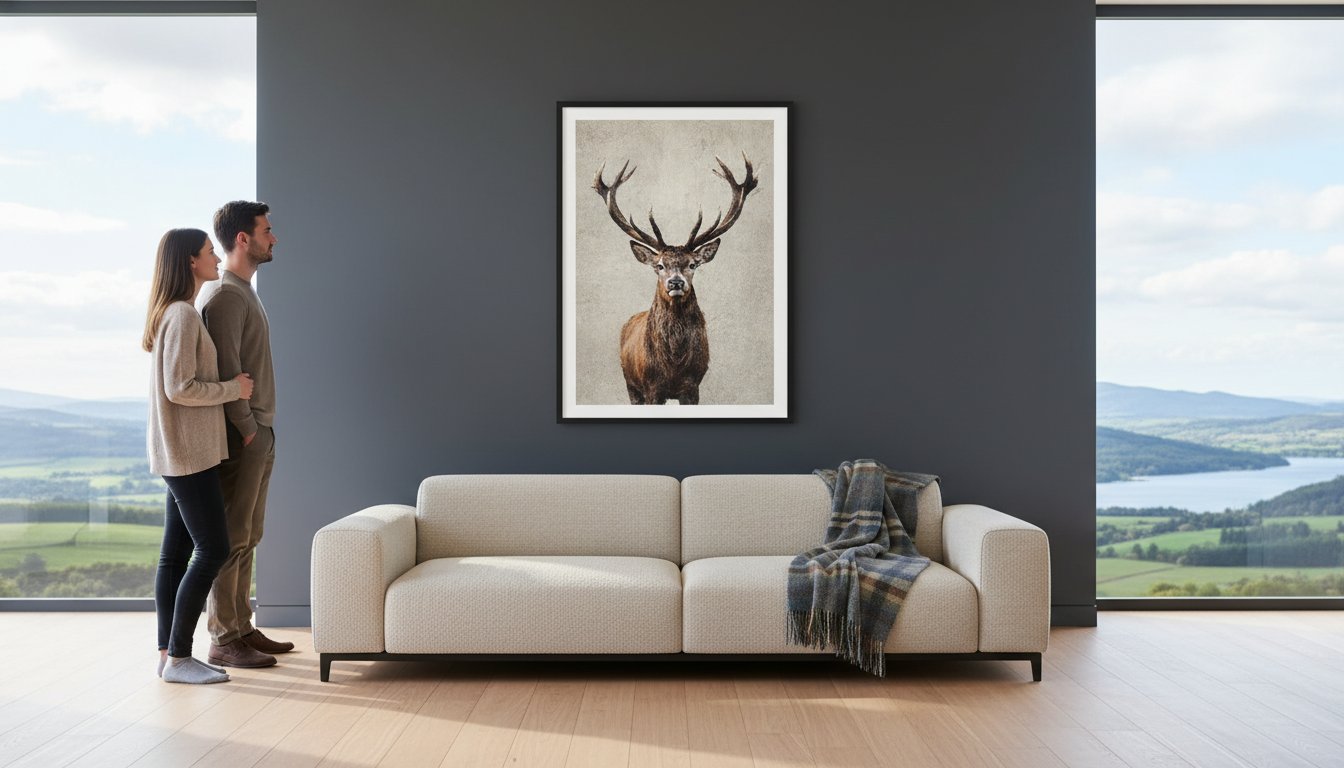
Embodying strength, nobility, and the raw spirit of the wilderness, the Red Deer stag is the undisputed ‘Monarch of the Glen’. This powerful symbol of Scotland has captivated artists for centuries. Our collection focuses on capturing its magnificent presence, often set against the dramatic backdrop of misty glens and heather-clad hills. The work of artists like Julian F. May expertly portrays this regal stature.
Ideal for: A premium, professionally framed stag print makes a spectacular statement piece, perfect for creating a focal point in a living room, study, or grand entranceway.
The Hardy Highland Cow (Heilan’ Coo)
With its shaggy coat and gentle disposition, the Highland Cow, or ‘Heilan’ Coo’, is a beloved icon of Scotland’s rugged yet charming character. These hardy animals are a joy to behold, and our prints celebrate their unique personalities. Artists such as Clara Meadowes focus on their endearing expressions and textured coats, bringing their gentle nature to life with every brushstroke.
Ideal for: Adding a touch of warmth, personality, and rustic charm to kitchens, family rooms, or hallways. A Heilan’ Coo print is sure to bring a smile to everyone’s face.
Puffins, Eagles, and Coastal Birds
From the comical charm of the Puffin to the awe-inspiring flight of the Golden Eagle, Scotland’s coastal birds represent the wild, windswept beauty of its shores and islands. These dynamic fine art prints celebrate the vibrant life that thrives in these habitats, a testament to the importance of the conservation of Scottish wildlife. The intricate detail in these pieces brings the energy of the coast indoors.
Ideal for: The bright colours and characterful subjects, found in pieces by David Ross, are perfect for bringing life to conservatories, bathrooms, or any space that benefits from a splash of natural energy.
How to Choose the Right Wildlife Print for Your Space
Choosing the perfect piece of art is a journey from the heart to the home. You’ve been inspired by the wild beauty of the Highlands; now, let’s find a print that fits seamlessly into your space. This simple guide will help you move from inspiration to a confident decision, ensuring your chosen artwork feels like it was always meant to be there.
Consider Scale and Placement
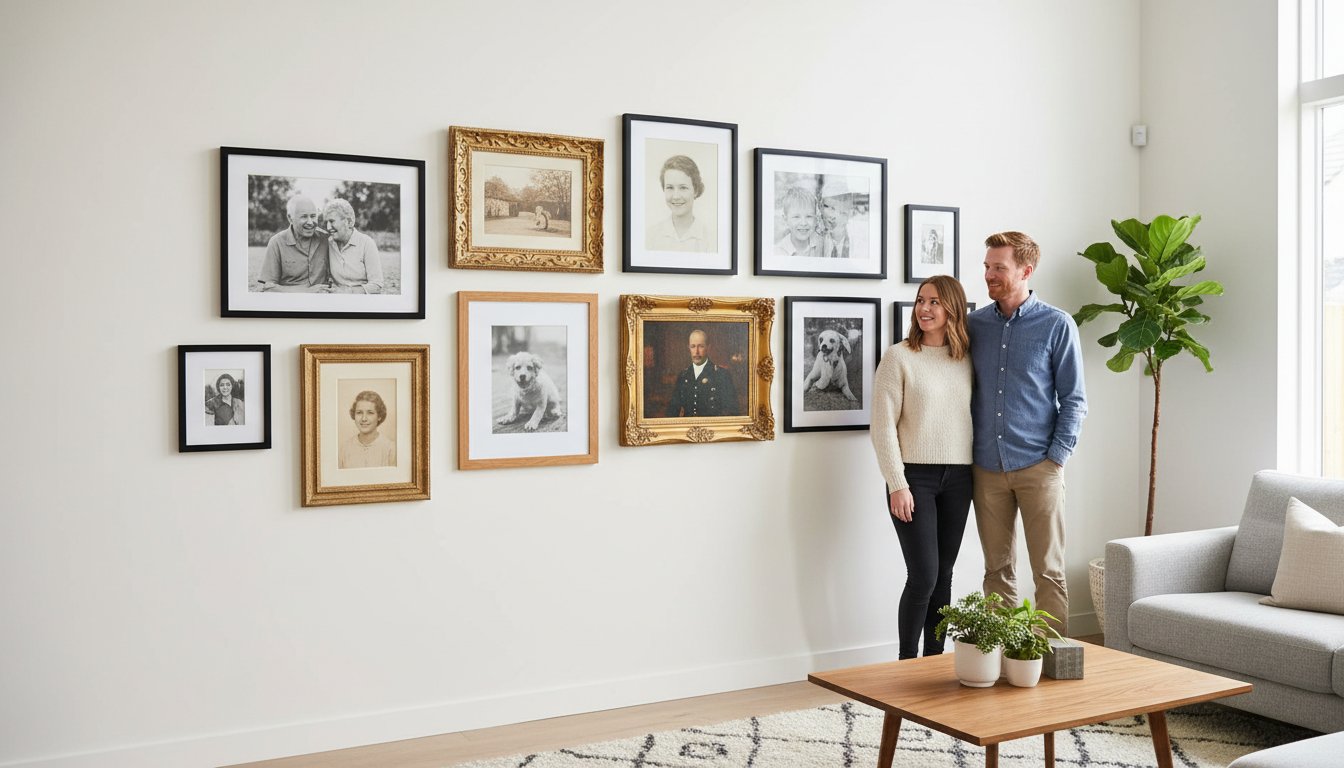
The first step is to consider the wall itself. Are you looking to create a dramatic focal point or a subtle accent? A large statement piece works beautifully above a sofa, bed, or fireplace, drawing the eye and defining the room. In contrast, a gallery wall of smaller prints can tell a story, perfect for a hallway or a larger blank wall where one piece might feel lost.
Before you fall in love with a print, measure your space. A good rule of thumb is that art should fill about two-thirds of the wall space above your furniture. Also, consider the artwork’s orientation: a landscape print enhances the width of a room, while a portrait format can add a sense of height to a narrow space.
Match Art to Your Interior Style
The best wildlife art prints scotland has to offer will feel like a natural extension of your home’s personality. For a modern or minimalist interior, consider a piece with clean lines and a simple colour palette—perhaps a striking silhouette of a stag. If your home has a more traditional or rustic feel, a classic, richly detailed painting of a golden eagle will add warmth and character. To see how experts pair art with different settings, you can draw inspiration from a dedicated Scottish wildlife art gallery. Use the colours within the print to tie your room together, either by matching them to your cushions and throws or by choosing a piece that provides a vibrant, contrasting splash of colour.
As you bring the spirit of wild animals into your home through art, it’s also a great time to think about the beloved animal companions who are already part of the family. For those looking to provide the best care for their dogs and cats, you can discover FIRSTPETCENTRAL and their range of pet essentials.
Understanding Print Quality: What is a Giclée Print?
When you invest in fine art, you deserve to know it will last. That’s why we use Giclée printing, a superior method trusted by artists and galleries worldwide. In simple terms, Giclée (pronounced ‘zhee-clay’) is a sophisticated inkjet process that uses high-quality, archival inks on premium fine art paper. The result is a print of exceptional quality with:
- Stunning Colour Accuracy: The colours are so rich and precise, they are virtually indistinguishable from the original artwork.
- Incredible Detail: Every brushstroke and subtle texture of the original piece is captured perfectly.
- Archival Longevity: Your print is fade-resistant and crafted to last for generations, becoming a true family heirloom.
Choosing a Giclée print means you are acquiring a beautiful, lasting piece of craftsmanship that honours both the artist’s vision and your home.
The Art of the Frame: Why Professional Framing Matters
You’ve found the perfect piece of art—a stunning stag against a misty glen or a majestic eagle soaring over a loch. But the journey isn’t complete. The frame is the crucial final step that transforms a beautiful print into a breathtaking centrepiece for your home. A thoughtfully chosen frame does more than just protect your artwork; it’s the bridge between the wild spirit of the Highlands and your interior décor. It enhances colours, creates depth, and pulls you into the scene, ensuring your chosen piece makes a spectacular, lasting impression.
Frame Styles to Complement Nature
To honour the organic themes in our wildlife art prints scotland, consider a frame made from natural wood like oak or ash. These materials add a rustic warmth that echoes the textures of the forests and mountains. For a more contemporary, gallery-style aesthetic, a simple black or white frame creates a crisp border, allowing the art to command full attention. We also recommend a quality mount, which provides essential ‘breathing space’ around the image to guide the viewer’s focus.
This appreciation for natural, handcrafted quality can extend beyond picture frames to other statement pieces in your home. If you’re looking for a centrepiece that captures the same raw, organic beauty, you can visit River Table to see how bespoke live edge resin tables bring the spirit of the outdoors inside.
The First4Frames Bespoke Service
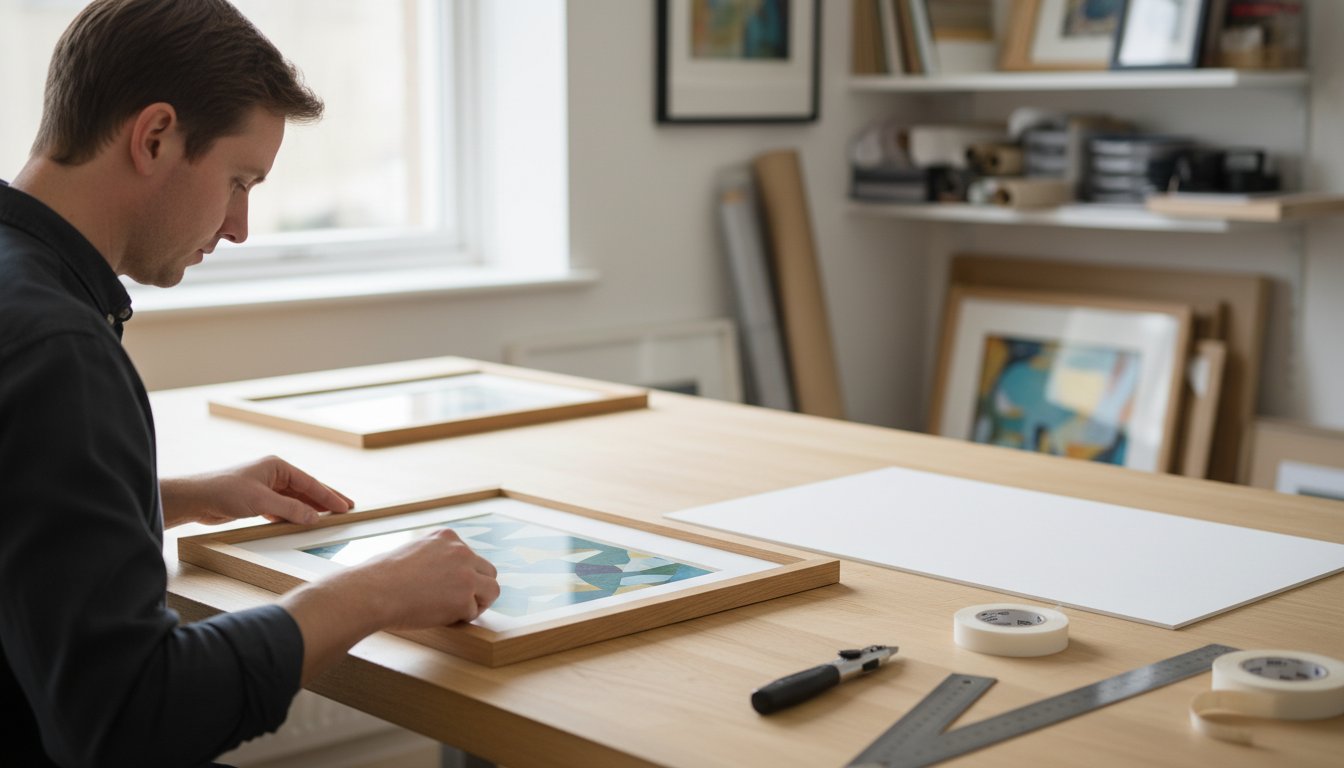
Choosing professional framing is an investment in the beauty and longevity of your art. At First4Frames, our passion for craftsmanship is at the heart of everything we do. Our bespoke service guarantees:
- Lasting Preservation: We use premium, archival-quality materials to protect your print from fading and environmental damage for years to come.
- Superior Craftsmanship: Every frame is meticulously hand-crafted to perfection by our experts in our dedicated Falkirk workshop, ensuring a flawless finish.
- A Perfect Match: Our expertise ensures you find the ideal frame to complement both the artwork and your personal style.
We’ve created a seamless, one-stop-shop experience. When you select your print, you can choose your custom frame at the same time, all online. We take the guesswork out of the process, delivering a beautiful, ready-to-hang piece directly to your door. Let our passion and expertise bring your vision to life.
Ready to find the perfect pairing? Explore our custom framing options and see how the right frame can truly elevate your art.
Find Your Perfect Framed Wildlife Print at Our Scottish Gallery
Embarking on your journey to find the perfect piece of art should be a joy, not a chore. At First 4 Frames, we combine our passion for Scotland’s magnificent fauna with decades of framing expertise. We are your one-stop-shop for stunning, gallery-quality art, curating the finest wildlife art prints Scotland has to offer. Each piece is a premium Giclée print, chosen for its exceptional detail and colour fidelity. Paired with our bespoke, handcrafted frames, your chosen artwork arrives at your door as a complete, beautiful piece, ready to hang and transform your space instantly. Let us handle the craftsmanship, so you can focus on the inspiration.
Our Simple Three-Step Process
We believe acquiring fine art should be as beautiful as the art itself. That’s why we’ve refined our process to be clear, simple, and enjoyable from start to finish.
- 1. Browse Our Collection: Explore our carefully curated online gallery of Scottish wildlife art. Discover spectacular images of stags, eagles, puffins, and more, captured by talented artists.
- 2. Choose Your Bespoke Frame: A frame is the bridge between your art and your home. Select the perfect mount and moulding from our premium range to complement your print and your interior décor.
- 3. Place Your Order: Once you’ve made your selection, simply place your order through our secure checkout. We’ll professionally frame your print and arrange for speedy, insured delivery across the UK.
Visit Us in Falkirk or Shop Online
For those nearby, we extend a warm invitation to visit our gallery in Falkirk. Here, you can view our prints in person and receive a personal consultation from our framing experts to find the perfect match for your home. We’re always happy to share our passion and guide you through the options. Please see our website for the latest opening times and directions.
Of course, our entire collection of spectacular wildlife art is available to browse and purchase from the comfort of your own home, wherever you are in the UK.
Your home deserves a touch of the wild, untamed beauty of the Scottish Highlands. Finding the perfect piece of framed art has never been easier. Are you ready to discover the print that speaks to you? Embark on your artistic discovery today.
Browse Our Curated Wildlife Art Collection and bring a piece of Scotland home.
Bring the Spirit of the Highlands Home
A piece of Scottish wildlife art is more than just a picture; it’s a daily connection to the untamed beauty and majestic spirit of the Highlands. Choosing the right artwork is a personal journey, but ensuring its quality and impact is where true craftsmanship matters. From the archival-quality Giclée print that captures every detail to the bespoke frame that bridges the art with your décor, every element works together to create a lasting masterpiece for your home.
At our gallery, we unite the vision of talented Scottish artists with the expertise of our Falkirk workshop. We are passionate about providing the finest wildlife art prints scotland has to offer, each one professionally framed to last a lifetime. This commitment ensures your chosen piece remains as vibrant and captivating as the landscape that inspired it.
Ready to find the perfect window to the wild? Embark on your artistic discovery today.
Browse Our Curated Wildlife Art Collection and let the untamed beauty of Scotland transform your space.
Frequently Asked Questions
What is the most iconic animal in Scottish art?
While many creatures capture the spirit of the Highlands, the majestic Red Deer, or Stag, is arguably the most iconic. A powerful symbol of the untamed wilderness, it features prominently in art. The characterful Highland Cow, with its shaggy coat and gentle nature, is another firm favourite. Both animals beautifully represent the rugged, breathtaking landscape of Scotland and are a popular choice for artists and collectors alike, bringing a piece of wild Scotland indoors.
Are Giclée art prints better than standard posters?
Absolutely. A Giclée print is a premium, fine art reproduction, far superior to a standard poster. This process uses archival-quality inks on acid-free paper, resulting in spectacular colour depth and accuracy that will not fade over time, creating a near-identical copy of the original artwork. A standard poster is typically mass-produced with lower-quality inks and paper, offering a much shorter lifespan and less vibrant detail. Choosing Giclée ensures a lasting piece of art.
Can I buy prints directly from Scottish artists through your gallery?
Yes, we are proud to be a one-stop-shop that bridges the gap between art lovers and talented creators. We partner with a curated selection of brilliant Scottish artists, allowing you to purchase their work directly through our gallery. This ensures you receive a beautiful, authentic piece of art while also supporting the local artistic community. Every print comes with the assurance of our professional quality control and expert framing service, making the process simple and hassle-free.
How much does it cost to get a wildlife art print framed?
The cost of professionally framing your print varies based on several factors, including the size, the choice of frame material, the mount board, and the type of glazing. As a guide, a simple, high-quality frame for a smaller print might start from around £50. For a larger, more elaborate bespoke frame with premium anti-reflective glass for a statement piece, you could expect the cost to be £150 or more. We offer options to suit various styles and budgets.
How do I care for my framed art print to make it last?
To ensure your beautiful framed art print lasts a lifetime, a little care goes a long way. The most important step is to hang it away from direct sunlight, which can cause colours to fade. Dust the frame and glazing regularly with a soft, microfibre cloth. Avoid spraying cleaning products directly onto the glass, as moisture can seep behind the frame and damage the print. Instead, apply a small amount of glass cleaner to your cloth first.
Do you ship your framed wildlife prints outside of Scotland?
We certainly do. We believe everyone should have a chance to bring the Highlands home. We securely package and ship our framed wildlife art prints Scotland-wide and to all corners of the United Kingdom, including England, Wales, and Northern Ireland. Each piece is professionally packed using premium materials to ensure it arrives at your door in perfect, gallery-ready condition. For international shipping enquiries, please contact our customer service team for available options.