That stunning Giclée print you just bought is a masterpiece of colour and detail, but finding the best frames for giclee prints is the only way to stop it from becoming a ticking clock of fading pigments and yellowing paper.
You’ve likely spent hours searching for the perfect Scottish landscape art or photography print, only to feel overwhelmed by framing choices. It’s natural to worry about your investment fading or arriving shattered in a box because of poor courier handling.
This guide will show you how to choose the perfect materials to ensure your artwork remains as vibrant in twenty years as it is today. You’ll discover why choosing bespoke, hand-made frames with 2mm float glass is the only way to achieve true gallery-level clarity while avoiding the dull, static-heavy finish of cheap perspex alternatives.
We’ll walk you through our online picture framing process, showing you how to use a wall art visualiser to design your framed artwork with confidence. From fine art to photography prints, you’ll learn how to select bespoke framed wall art that arrives safely via professional courier.
Key Takeaways
- Learn how to protect the 100-year longevity of your artwork by avoiding acidic, off-the-shelf frames that cause yellowing and permanent mount damage.
- Discover why 2mm float glass is the professional standard for the best frames for giclee prints, offering unmatched clarity compared to common perspex options.
- Use our online wall art visualiser to design your framed artwork and see how different finishes will look in your home before placing your order.
- Understand the value of bespoke framed wall art that is hand-crafted in our Falkirk workshop and delivered ready-to-hang via secure professional courier.
Understanding Giclée Prints: Why Your Framing Choice Matters
A Giclée print is far more than a simple digital copy. It’s a professional marriage of high-fidelity pigment inks and heavy, acid-free archival paper designed for a lifespan exceeding 100 years. Because of this museum-grade quality, the best frames for giclee prints must function as a conservation chamber. You can learn more about the history and technical standards of this medium by exploring What is a Giclée Print? on Wikipedia.
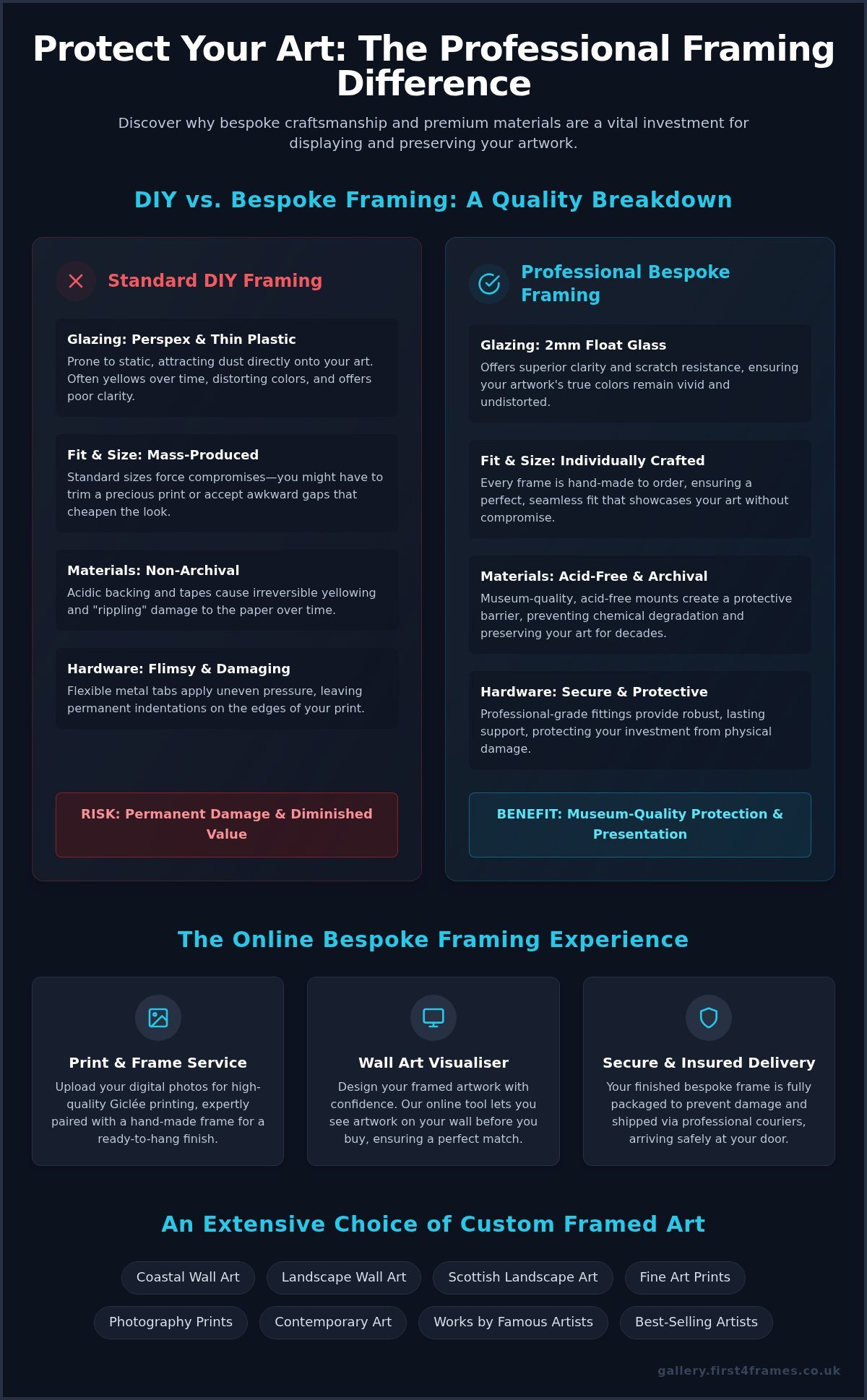
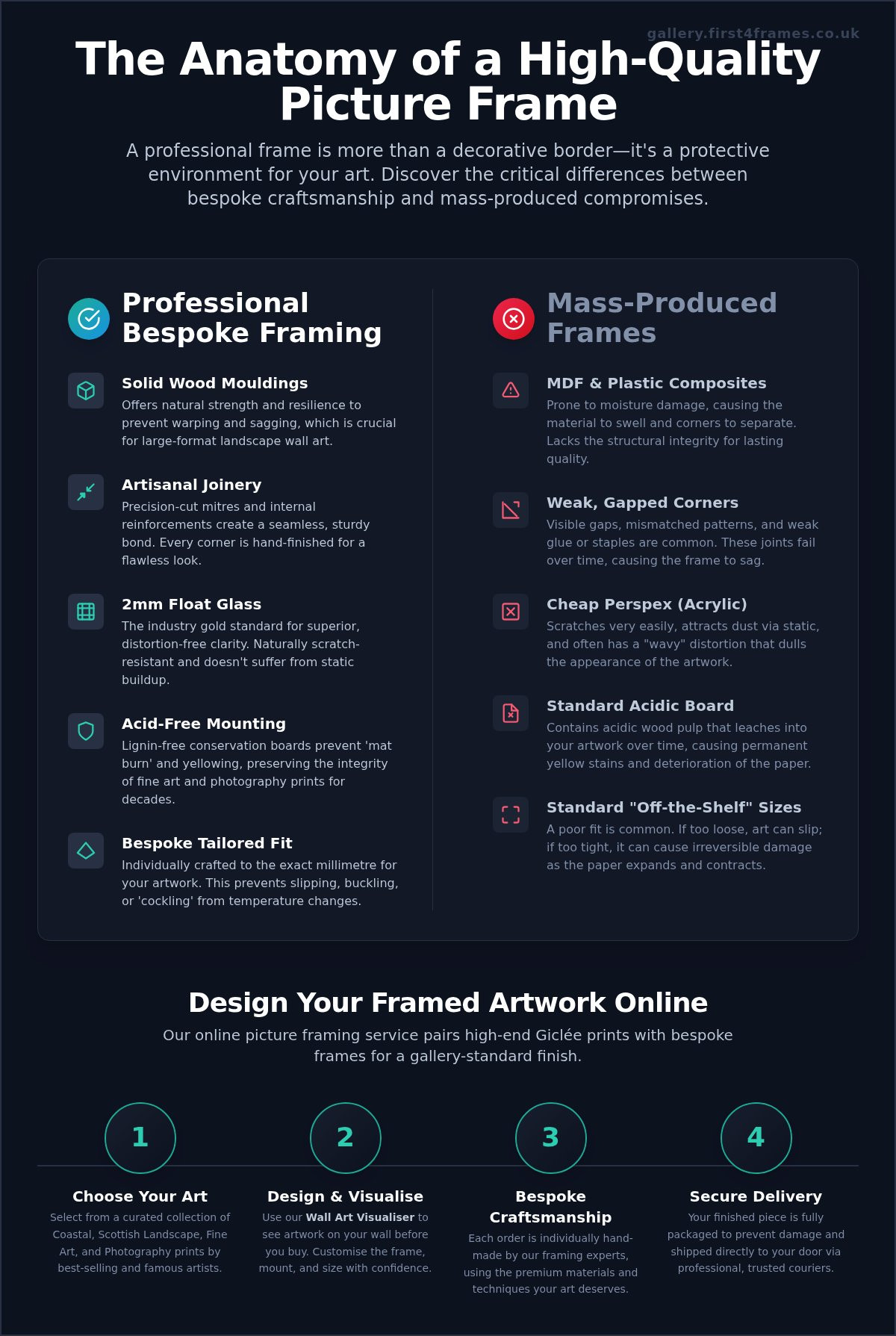
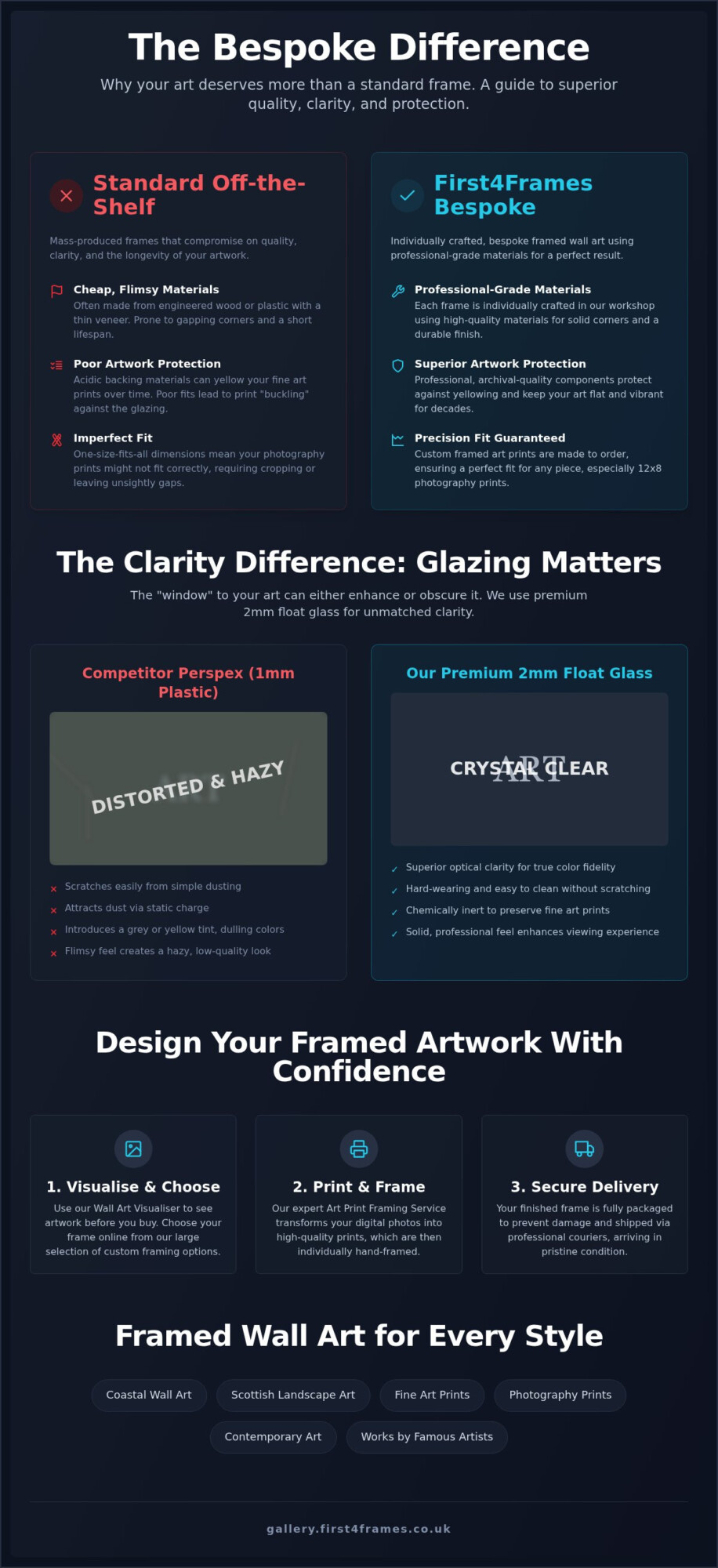
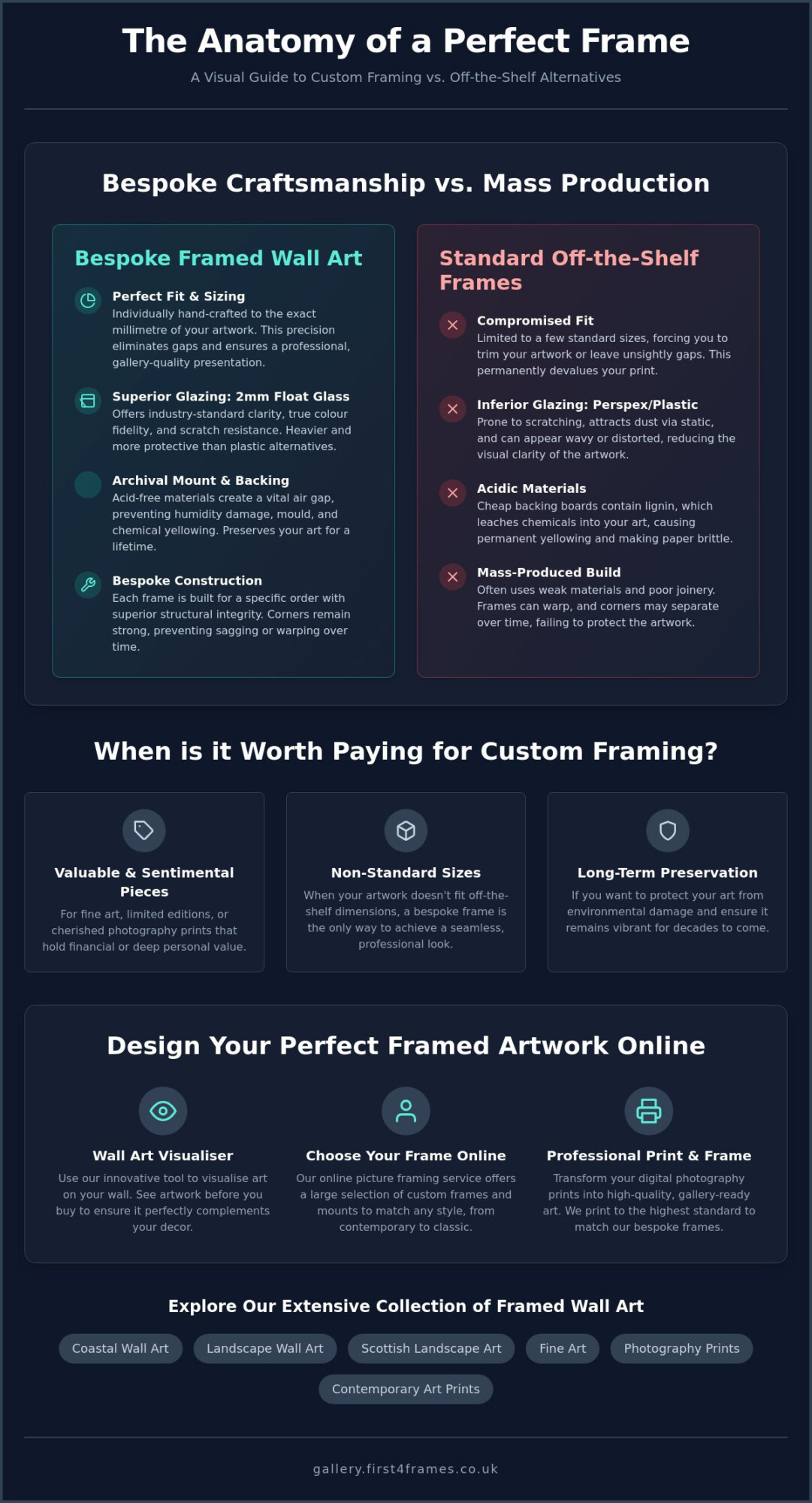
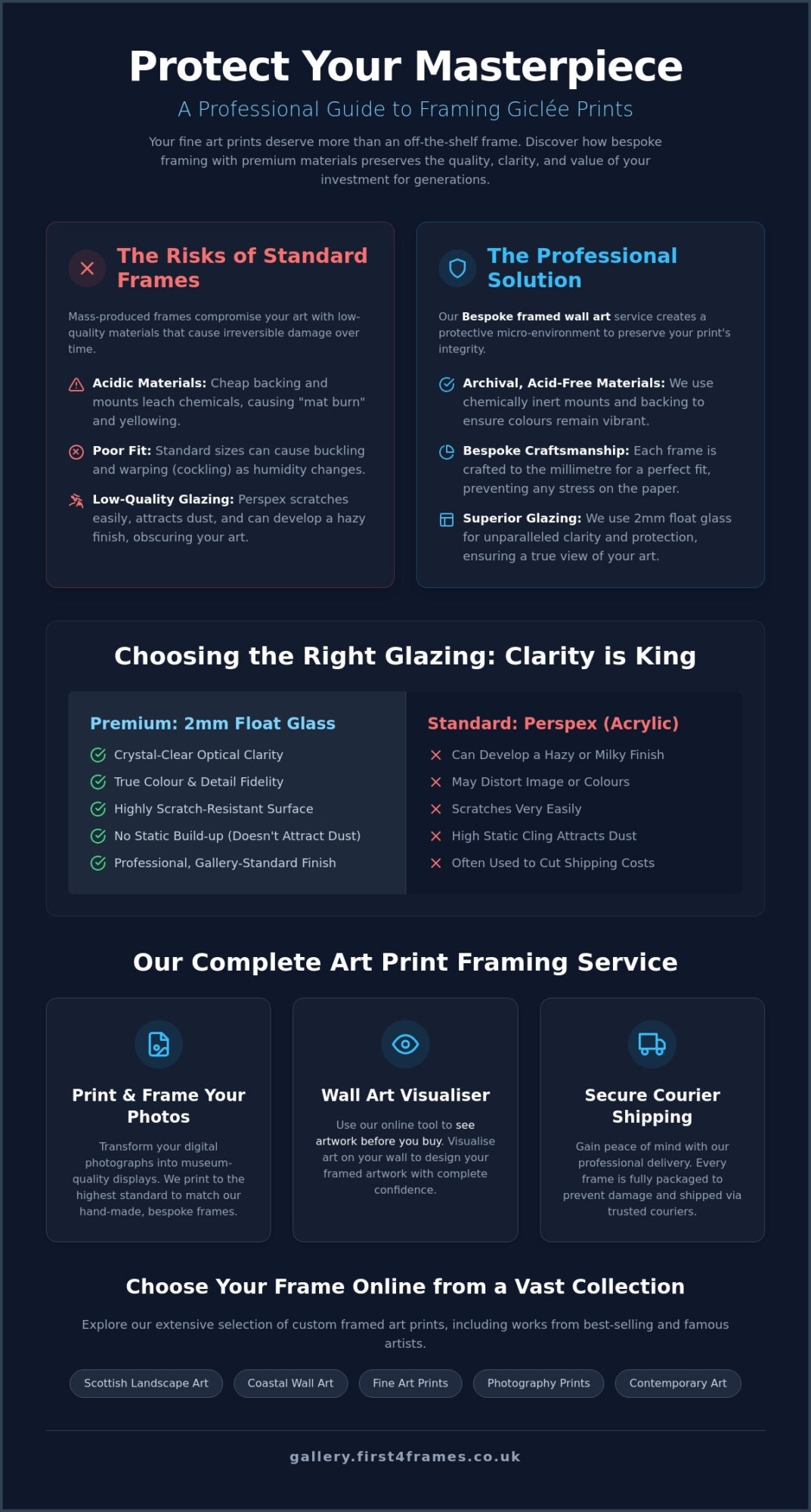
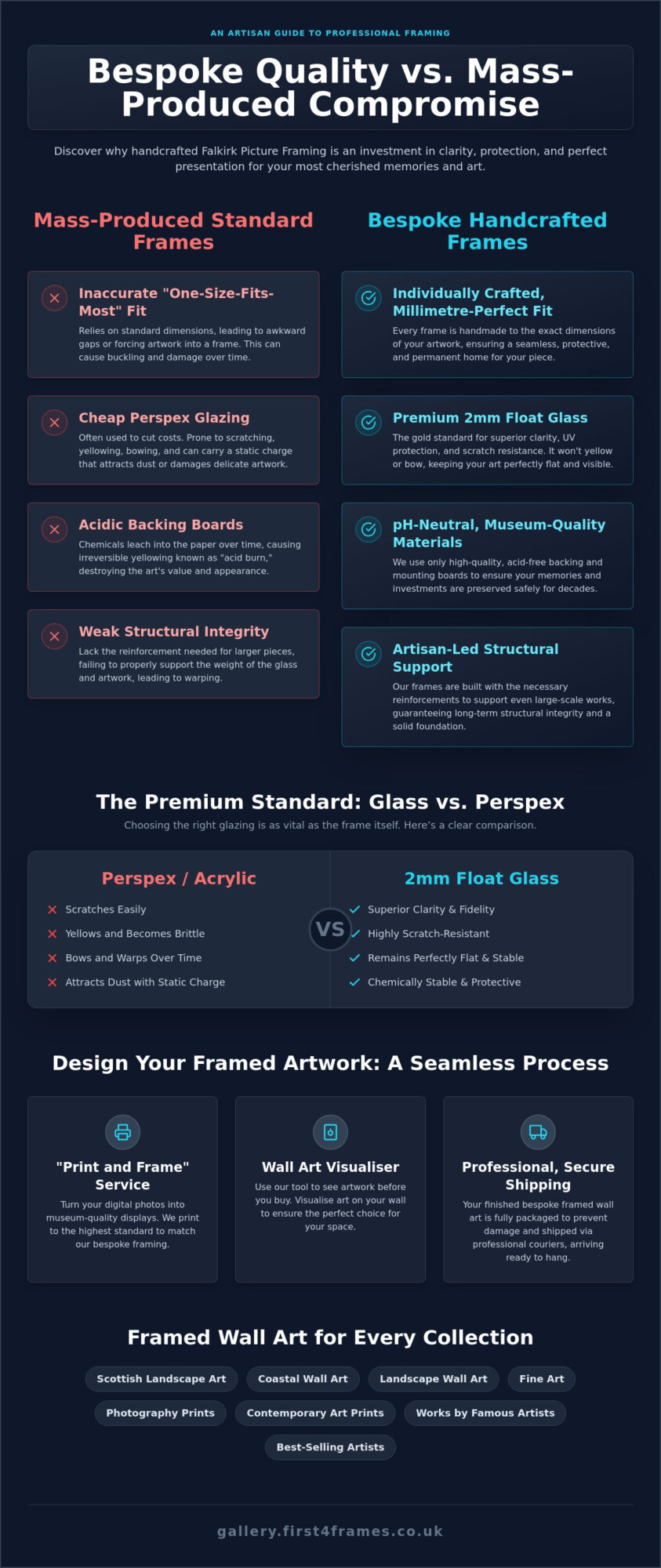
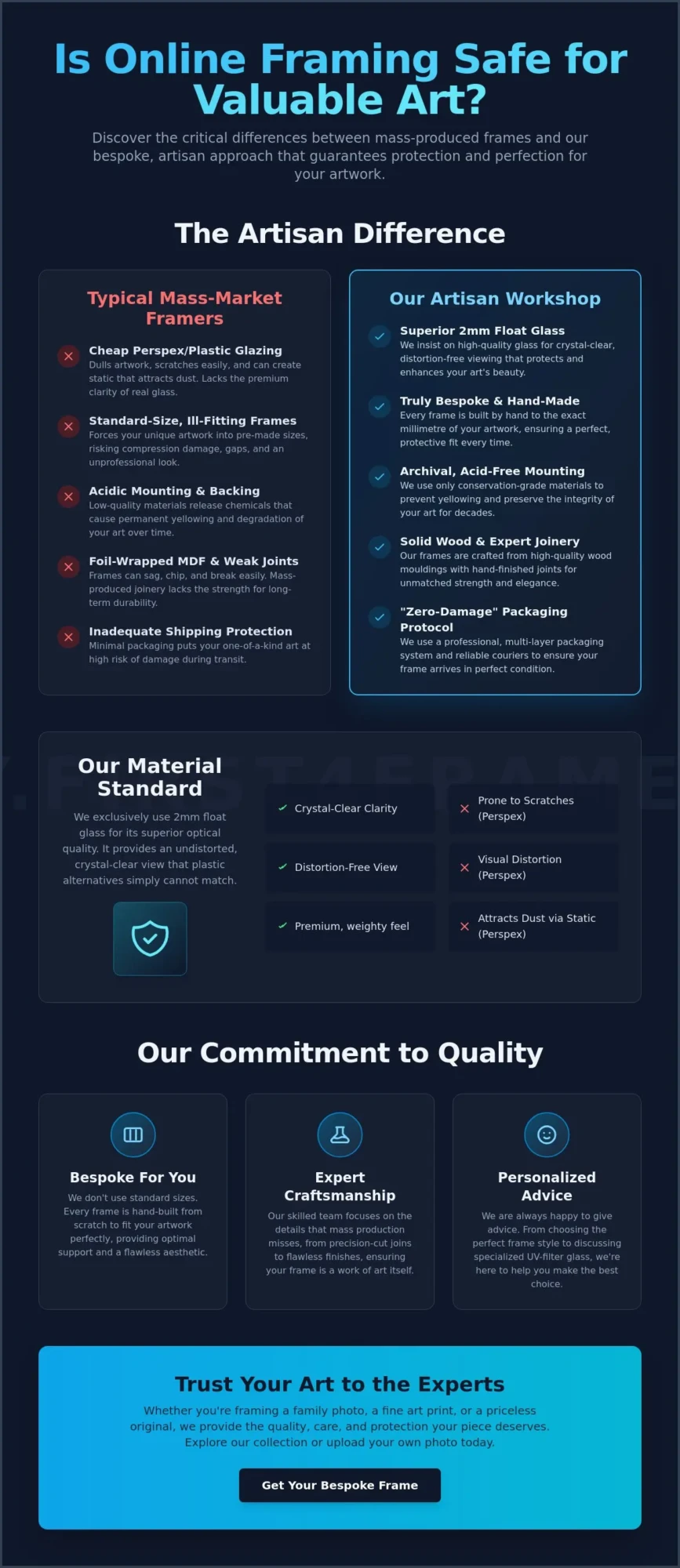
Standard, off-the-shelf frames often use cheap backing boards that contain high levels of acid. Over time, these acids migrate into the artwork, leading to “mat burn” and irreversible yellowing. Investing in bespoke framed wall art ensures your print is sealed against humidity and airborne pollutants that can degrade the paper fibres and dull the vibrant pigments.
The Vulnerability of Fine Art Paper
The texture and weight of Giclée paper are central to its aesthetic appeal, but they also make it susceptible to environmental stress. When fine art paper isn’t properly secured in a professional frame, it can develop “rippling” or waves as it reacts to moisture in the air. Expert handling is required to mount the work securely while protecting the delicate surface from the damaging effects of oxygen and UV light.
Bespoke vs. Off-the-Shelf Frames
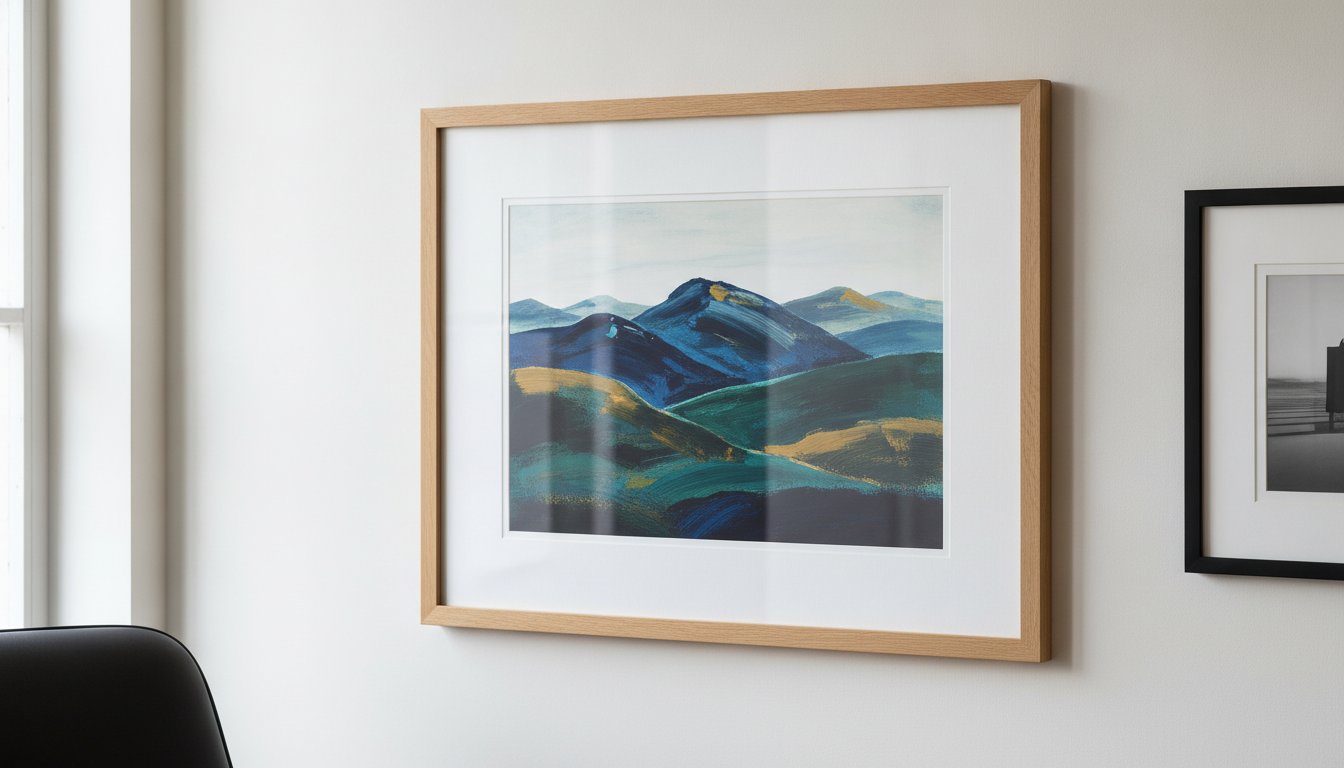
Generic frames force you to compromise. You might have to crop a beautiful landscape or hide the artist’s signature behind a standard-sized mount. Choosing the best frames for giclee prints means opting for a frame individually crafted to the exact millimetre of your artwork in our Falkirk workshop. This precision ensures that contemporary art prints or Scottish landscape art are displayed in their entirety, maintaining the integrity of the original composition without the risk of physical damage from a poor fit.
The First4Frames Standard: Glazing and Archival Materials
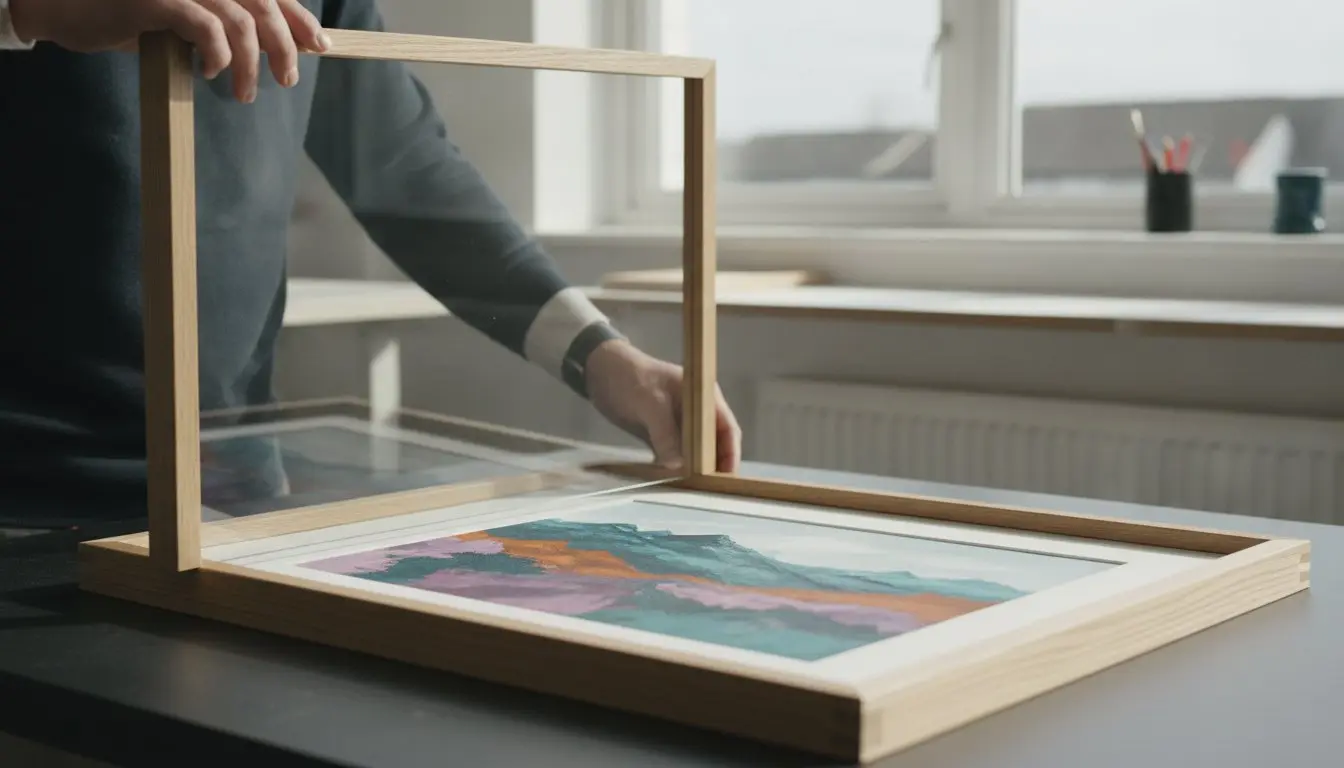
A high-quality print is only as good as the materials surrounding it. At First4Frames Gallery, we believe the best frames for giclee prints must offer both aesthetic beauty and structural protection. Unlike many mass-produced alternatives, every frame we produce is a piece of bespoke framed wall art, individually crafted in our Falkirk workshop to meet the specific needs of your artwork.
Glazing: 2mm Float Glass vs. Perspex
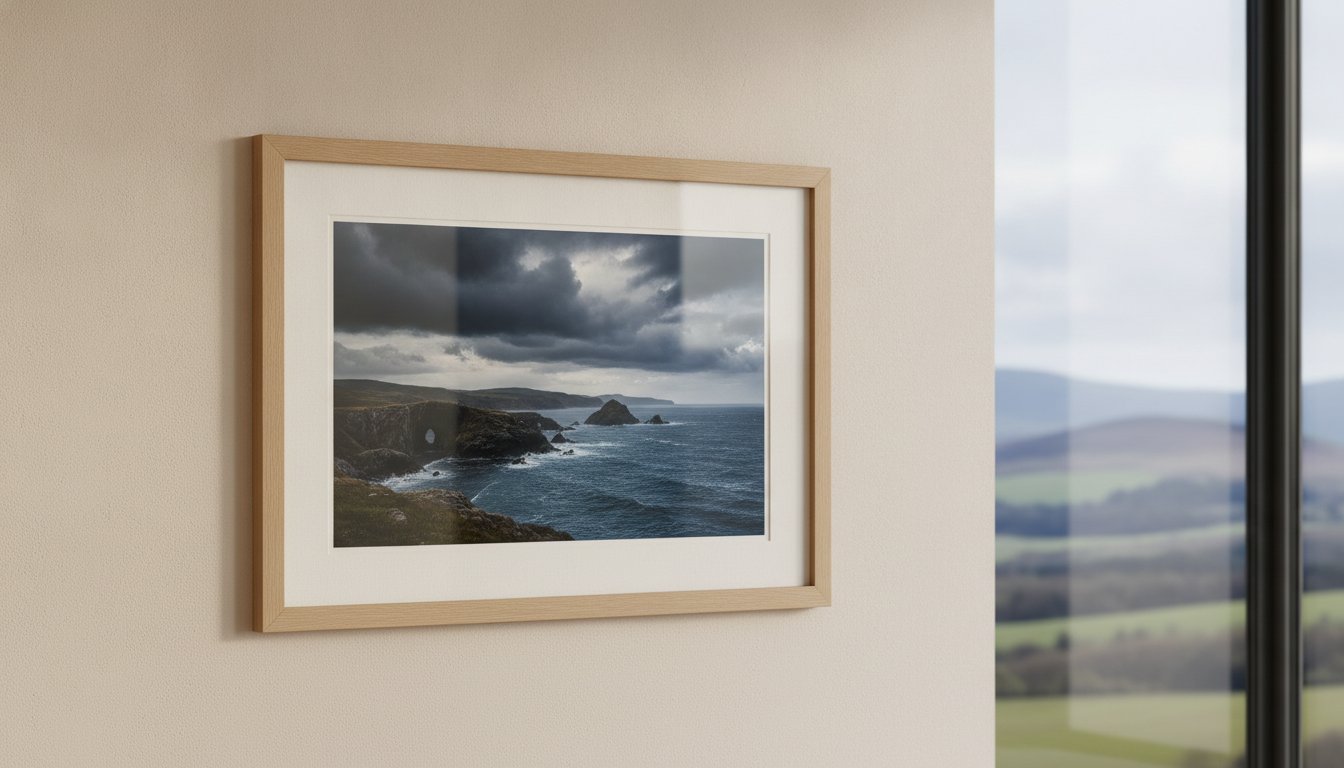
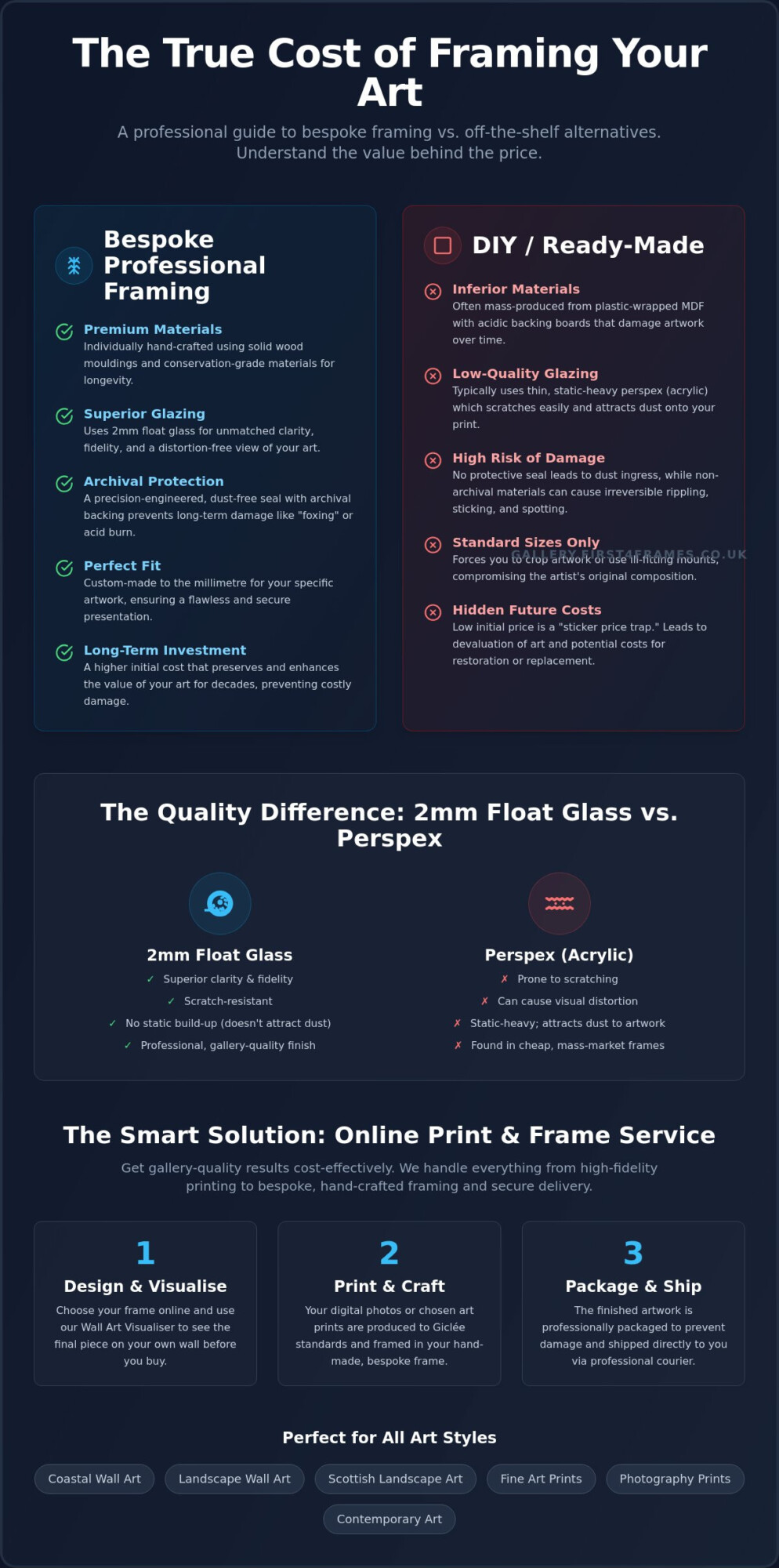
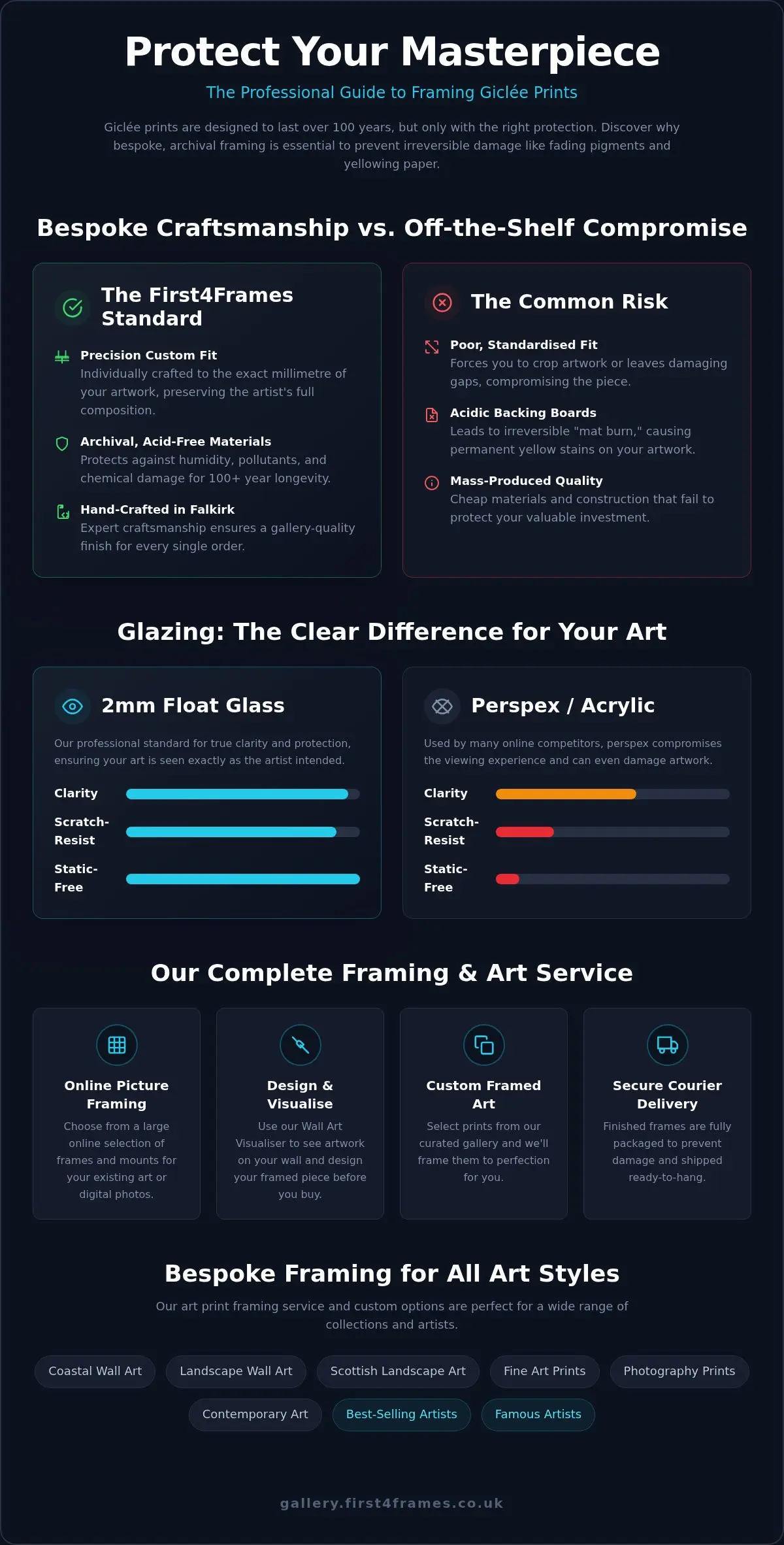
Clarity is the heartbeat of fine art. We use 2mm float glass as our professional standard because it provides a level of transparency that plastic simply cannot match. Many online competitors opt for perspex to reduce shipping risks, but this often comes at a cost to your viewing experience. Perspex carries a static charge that attracts dust and can even lift delicate pigments from the paper. It’s also incredibly easy to scratch. Our 2mm float glass remains clear, static-free, and resilient, ensuring your Coastal wall art or contemporary art prints look exactly as the artist intended.
Archival Mounting Techniques
A mount is an essential barrier. It creates a protective air pocket that prevents the print from touching the glass directly. This gap is vital for preventing moisture transfer and “cockling” of the paper. We use strictly acid-free materials to avoid the chemical damage discussed in the previous section. If you’re designing your own display, you might find our guide to Standard Photo & Picture Sizes helpful for planning your layout.
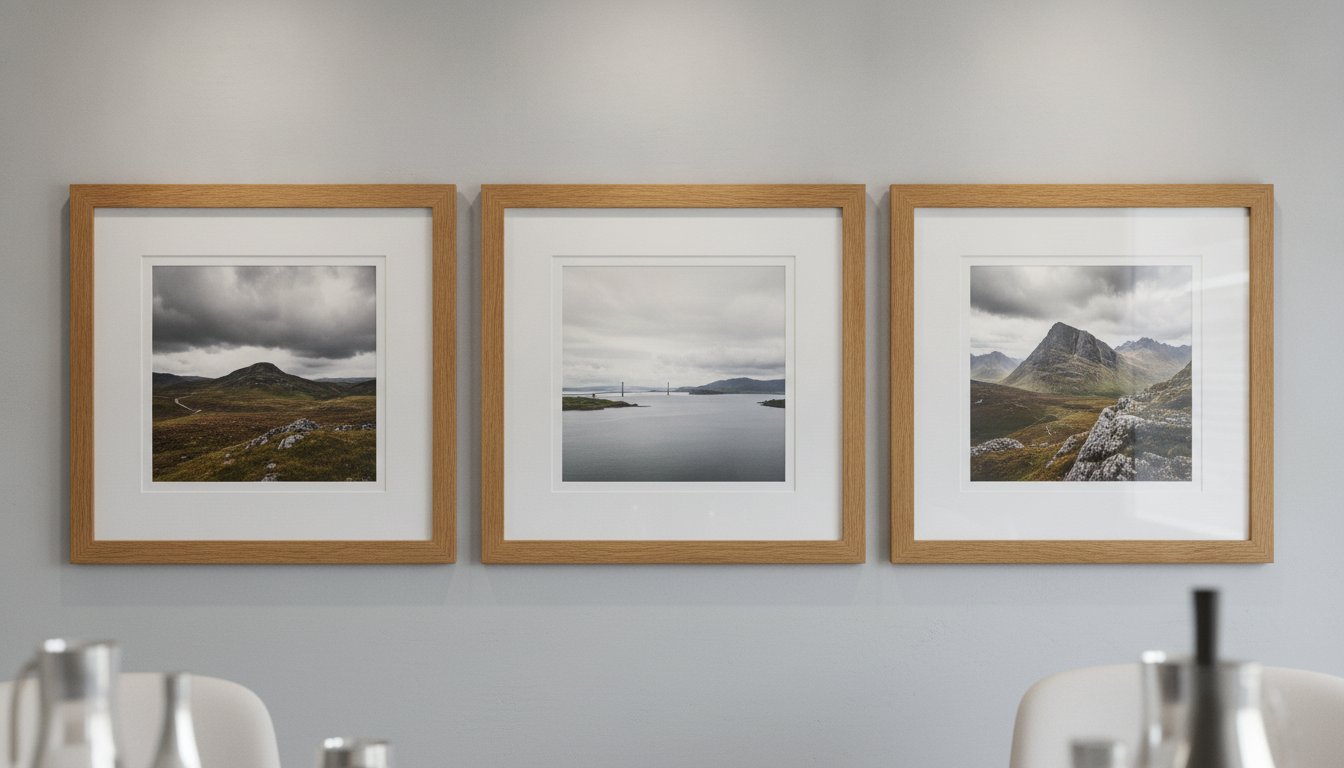
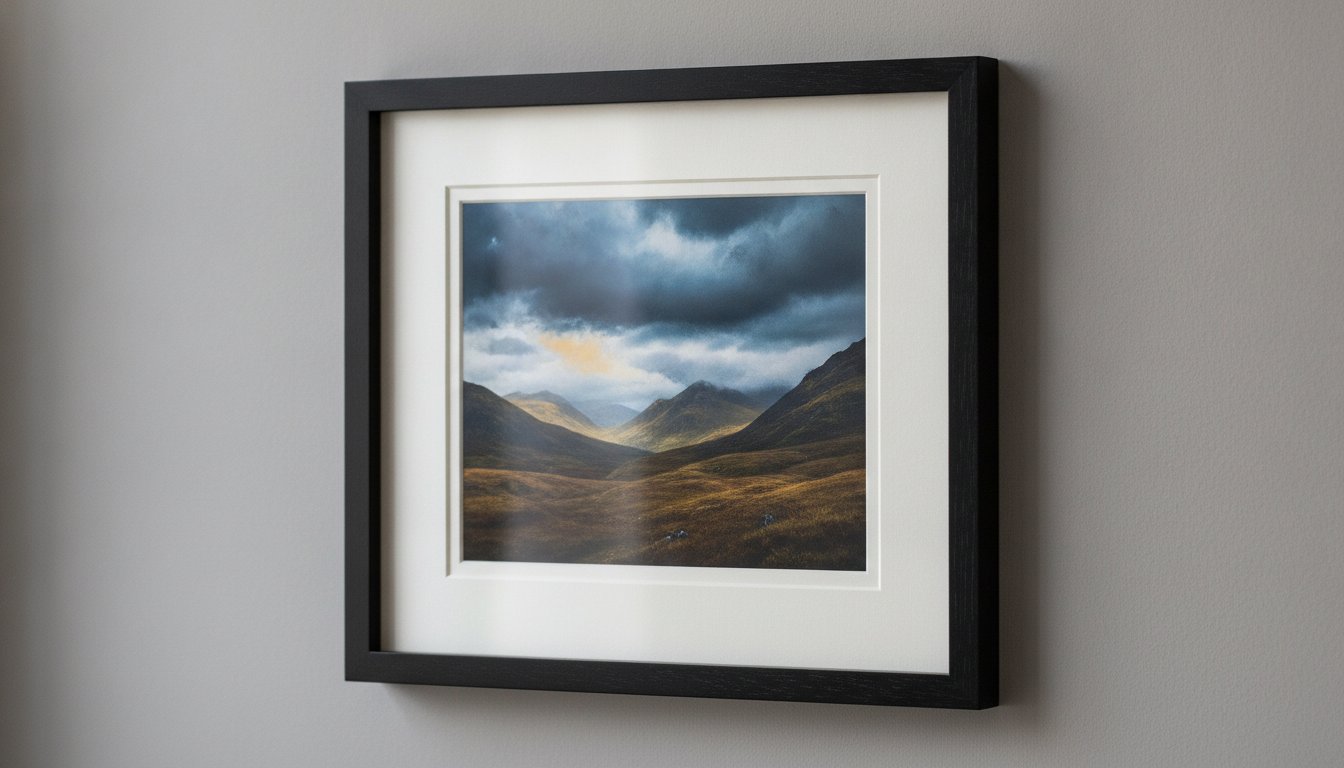
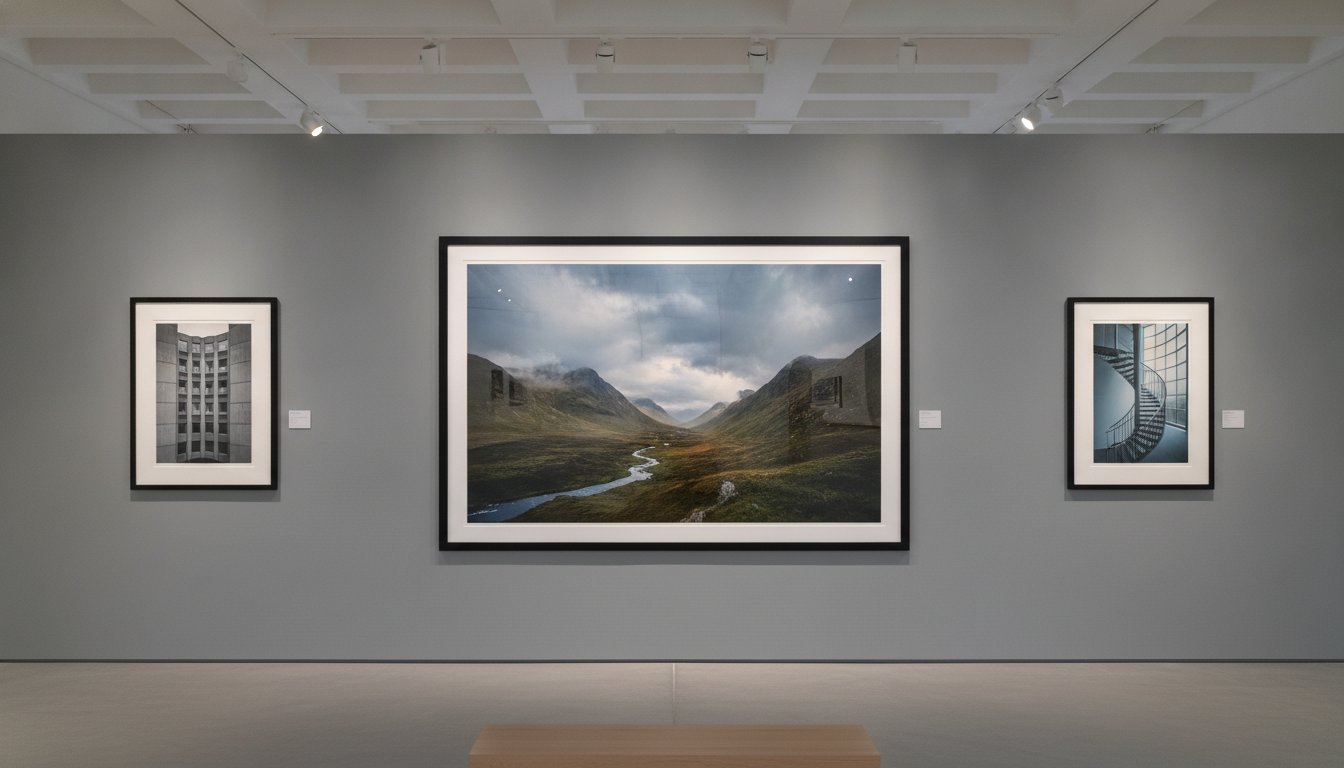
The right mount also enhances the visual impact of the work. A wide, bright border can provide breathing room for Scottish landscapes, while a minimalist approach might suit photography prints. You can view our gallery of bespoke options to see how different combinations can transform your space.
Design Your Framed Artwork: The Online Selection Process
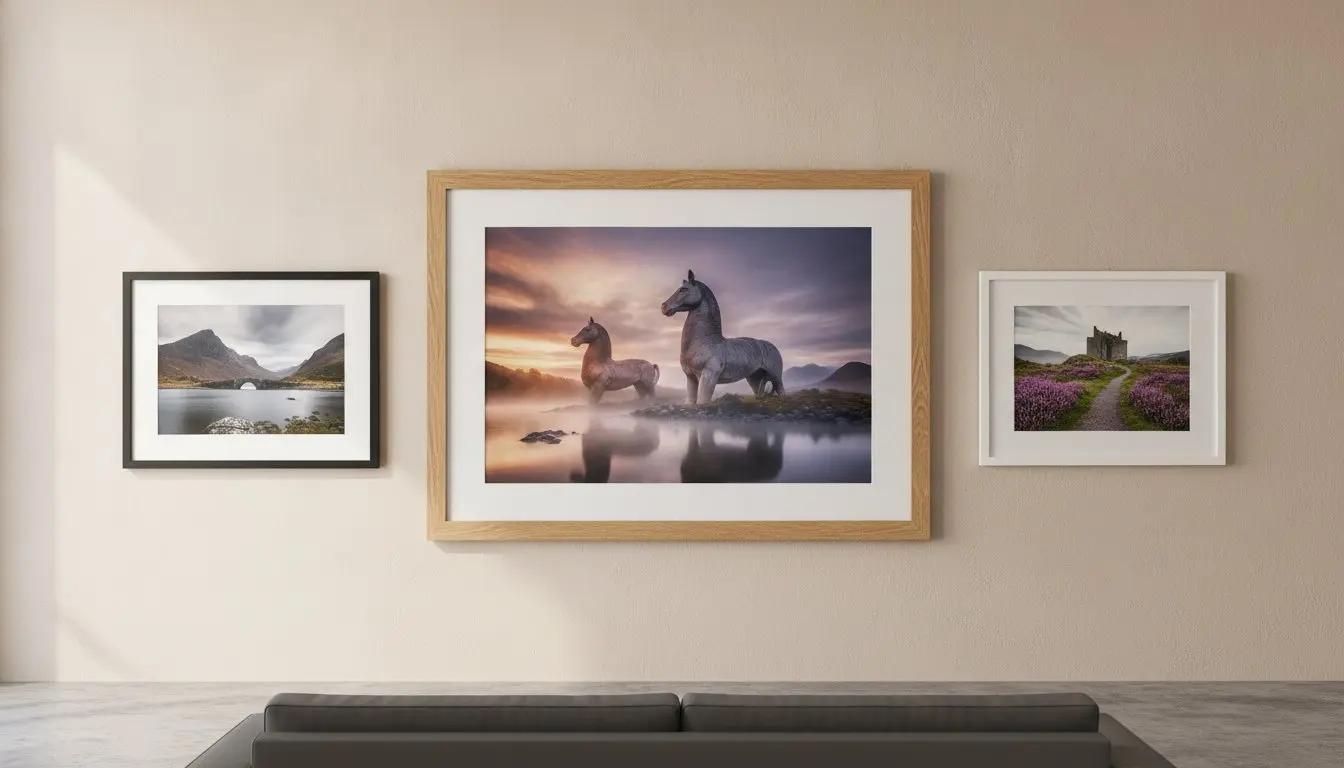
Selecting the perfect aesthetic is the final step in creating a display that truly speaks to your style. While we’ve discussed technical protection, our professional Art print framing service is designed to elevate the visual impact of your collection. Our Online picture framing platform provides access to an extensive selection of framed wall art, ranging from rustic textures that ground Scottish landscape art to contemporary metallics that suit Contemporary art prints. Every choice you make is backed by our commitment to quality craftsmanship, ensuring your Fine art is presented exactly as intended.
Visualise Art on Your Wall
Our interactive Wall art visualiser removes the guesswork, allowing you to Visualise art on your wall before making a commitment. This tool lets you See artwork before you buy, ensuring the frame finish and mount colour perfectly complement your existing interior themes. Whether you are searching for breezy Coastal wall art to brighten a hallway or a moody, atmospheric Landscape wall art piece for a study, you can Design your framed artwork with total confidence. You can easily Choose your frame online and experiment with different styles until the composition feels just right.
Bespoke Options for Unique Sizes
Not every piece of art fits a standard A-size. Rare editions or works by Famous artists often require Custom framed art prints to avoid awkward cropping or empty spaces. Our Falkirk artisans hand-finish every order to your exact specifications, preserving the integrity of the original work. We also offer a premium Photo Printing and Framing Online service for your own Photography prints. This turns your personal memories into professional Bespoke framed wall art using the same archival standards we apply to works by Best-selling artists. Ready to transform your space? Browse our full gallery and choose your frame online today.
Bespoke Craftsmanship: From Our Falkirk Workshop to Your Door
Every piece of bespoke framed wall art we create begins its life in our Falkirk workshop. We don’t believe in mass production. Instead, our artisans hand-finish each frame to ensure it meets our exacting standards. This dedication is why we provide the best frames for giclee prints in the UK. Before any order leaves our gallery, it undergoes a final, individual inspection. We check every mitre joint and mount edge to ensure your investment is flawless. When your order arrives, it’s ready-to-hang, meaning you can transform your space immediately without needing to assemble a thing.
Safe Shipping of Glass Art
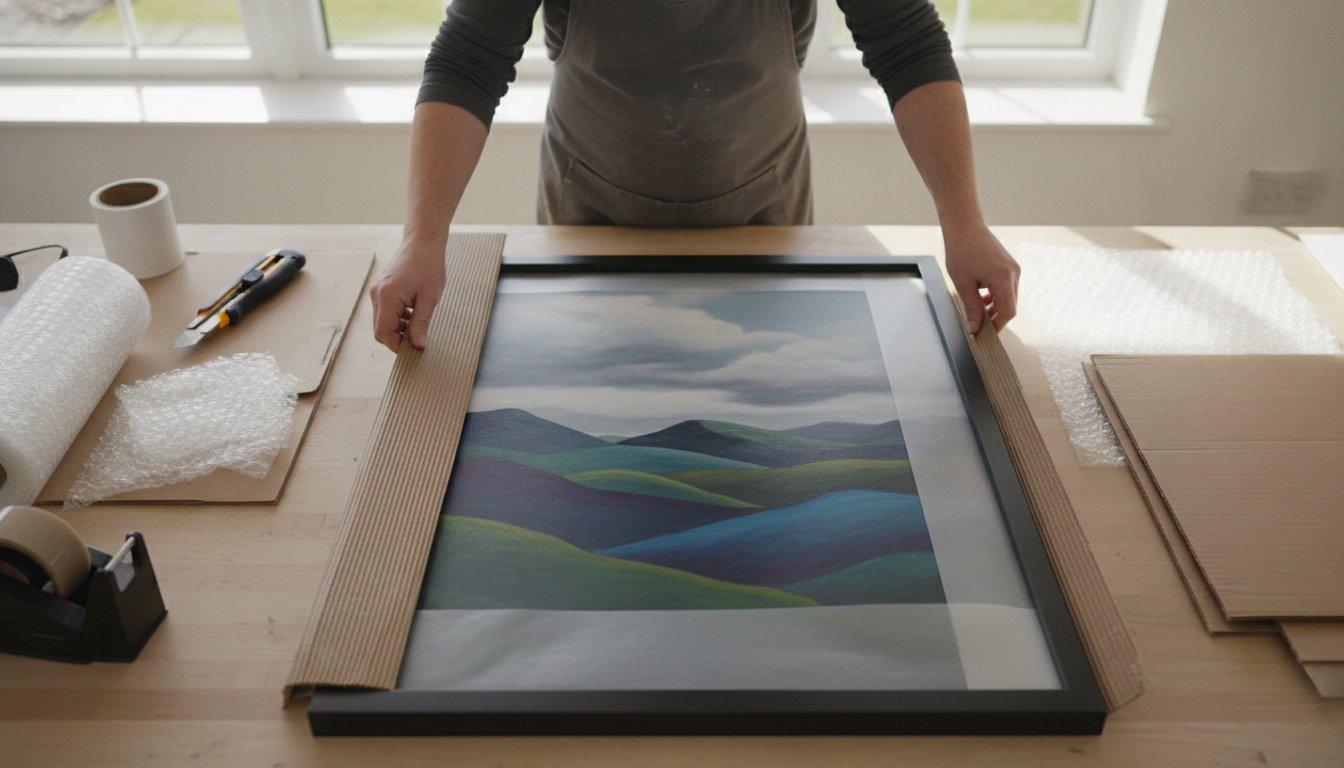
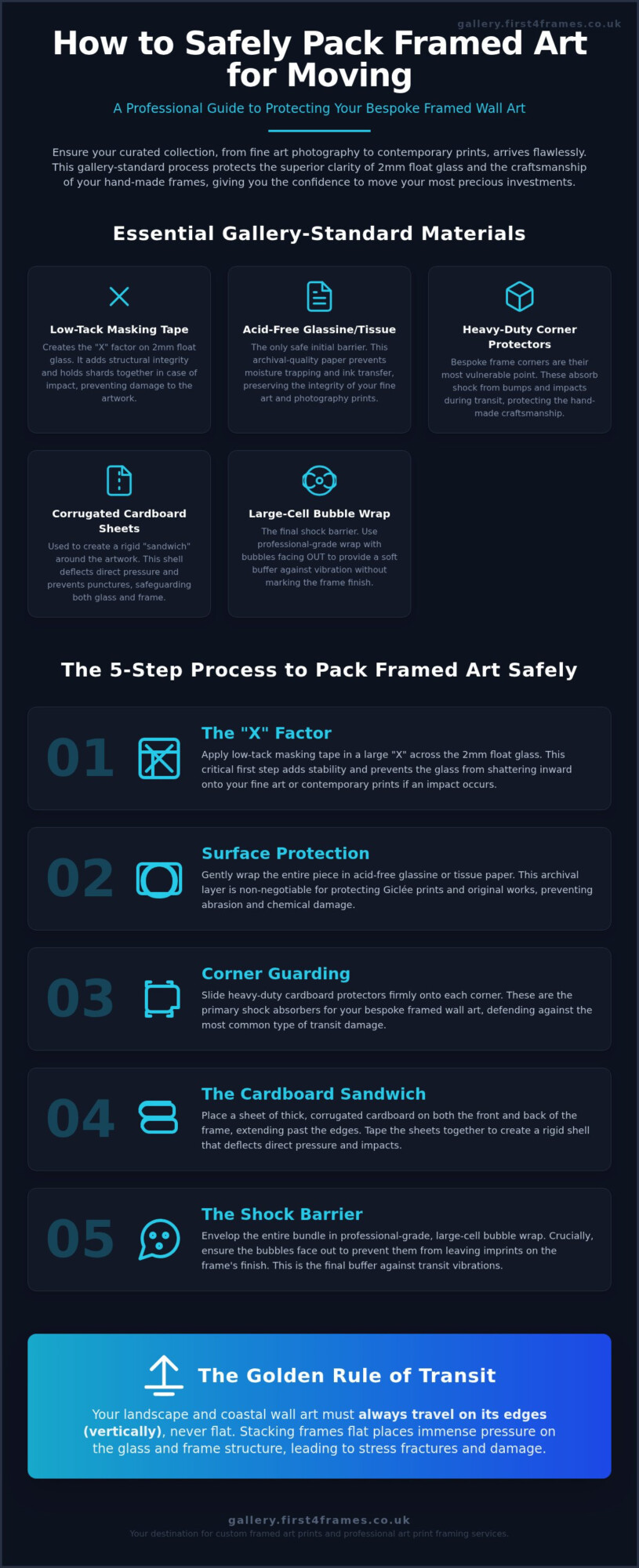
Shipping 2mm float glass across the UK requires more than just a “fragile” sticker. We’ve developed a multi-layer protection system specifically for our bespoke frames. We use heavy-duty boxing and reinforced protective cornering to absorb any shocks during transit. Finding the best frames for giclee prints also means finding a partner who cares as much about the delivery as the design. Unlike competitors who might use thin plastic to simplify logistics, we stand by our premium glass standard. Every shipment is handled by professional couriers and includes full transit insurance for your absolute peace of mind.
Hanging and Displaying Your Giclée Art
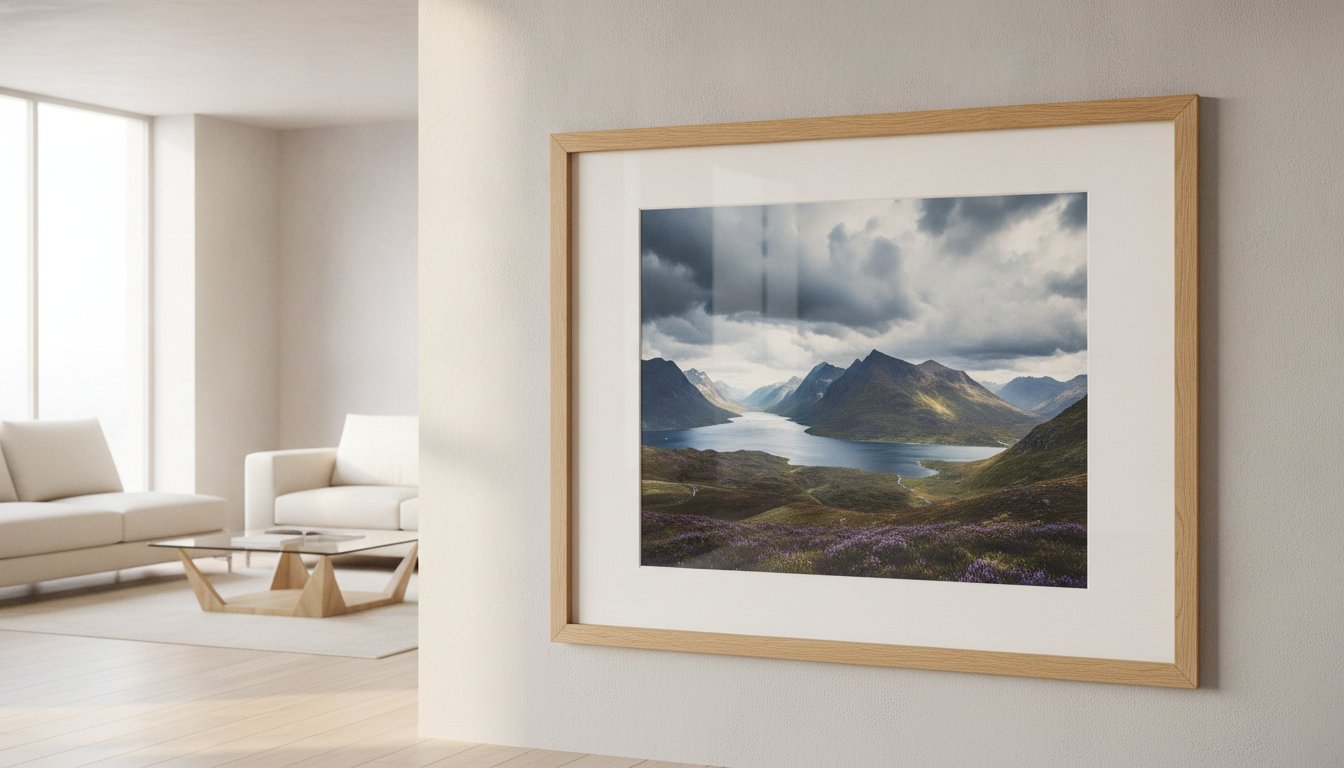
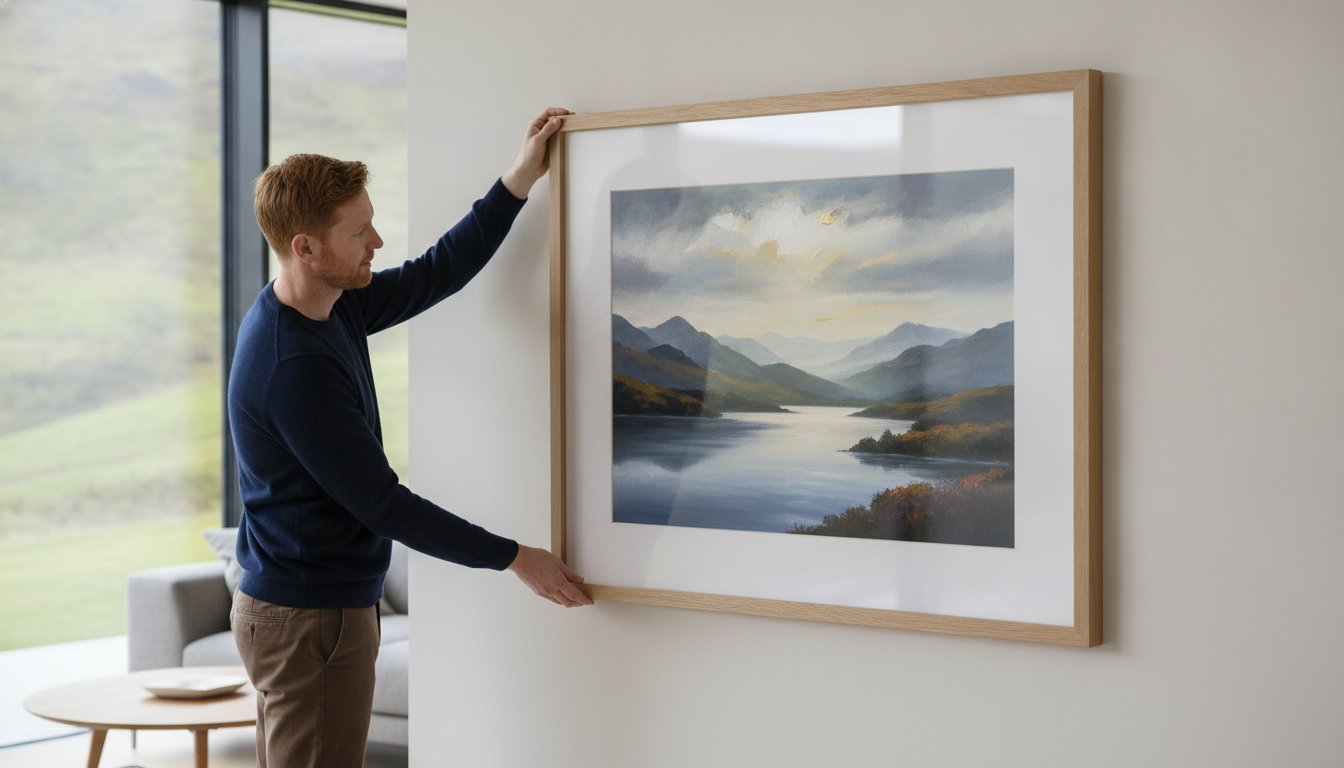
Once your artwork is safely home, placement is key to its longevity. Even with the protection of 2mm float glass, you should avoid hanging your Giclée prints in direct sunlight or areas of extreme humidity. These conditions can eventually affect the archival paper and pigment inks over decades. For more detailed advice on placement and interior design, read The Ultimate Guide to Choosing and Hanging Art. By following these best practices, you ensure your Scottish landscapes or contemporary prints remain a vibrant centrepiece for a lifetime.
Protect and Showcase Your Investment Today
Your Giclée prints deserve more than just a basic border. They need a protective environment that celebrates their detail. We’ve seen how choosing the best frames for giclee prints involves prioritizing archival-grade mounts and the superior clarity of 2mm float glass. By avoiding the static and scratches of cheap perspex, you ensure your contemporary art prints or Scottish landscapes remain breathtaking for decades.
Every order is individually hand-crafted in our Falkirk workshop. This bespoke approach guarantees a perfect fit that protects your art from chemical damage and physical warping. With our multi-layer packaging and professional courier delivery, your ready-to-hang art will arrive safely at your door anywhere in the UK. You can use our wall art visualiser to see exactly how your choices will look in your home before you buy.
Take the guesswork out of framing and give your artwork the professional finish it deserves. Design your bespoke framed artwork online today and let our artisans bring your vision to life. We’re excited to help you create a stunning display that you’ll be proud to hang on your wall.
Frequently Asked Questions
What is the best glass for framing a Giclée print?
The professional standard for the best frames for giclee prints is 2mm float glass. It offers superior clarity and a scratch-resistant surface that plastic alternatives like perspex cannot match. Unlike acrylic, float glass doesn’t carry a static charge, which prevents it from attracting dust or pulling delicate pigments from the paper surface. This ensures your artwork remains sharp and vibrant while being shielded from environmental pollutants.
Can I frame a Giclée print without a mount?
While you can frame without a mount, it isn’t recommended for archival Giclée prints. A mount creates a vital air pocket between the paper and the glass. This gap prevents moisture from being trapped against the print, which can cause the paper to ripple or stick to the glazing. Using acid-free mounts ensures your bespoke framed wall art remains preserved and physically stable for its intended 100-year lifespan.
How do I protect my Giclée print from fading?
Protection starts with using archival, acid-free materials that prevent chemical degradation. To stop fading, you should avoid hanging your artwork in direct sunlight or areas with high humidity, such as bathrooms. The best frames for giclee prints use high-quality glazing like our 2mm float glass to seal the work from oxygen and pollutants. These steps ensure the pigment inks and acid-free paper maintain their original fidelity for decades.
Is it better to frame a print online or in-store?
Both options offer the same hand-finished quality from our Falkirk workshop. Online picture framing is often better for most customers because you can use a wall art visualiser to see artwork before you buy. This tool allows you to experiment with different frame and mount combinations from the comfort of your home. Whether you order online or visit us in-store, every frame is individually crafted to the same professional standards.
How long does a bespoke framing order take to ship?
Because every frame is individually crafted for each order, shipping times depend on the complexity of your custom requirements. Our Falkirk artisans hand-finish each piece to ensure it meets our quality standards before it’s fully packaged for transit. Once ready, we ship your bespoke framed wall art via professional couriers to ensure it arrives safely. You’ll receive tracking information so you can monitor your order’s journey to your door.