

Posted on

How to Clean Dust from Ornate Picture Frames Without Damaging Them

How to Clean Dust from Ornate Picture Frames Without Damaging Them

Your ornate picture frame is less of a border and more of a sculpture. Treating it like a common bookshelf is a recipe for heartbreak, especially when cleaning dust from ornate picture frames requires such a delicate touch. It’s frustrating to watch a grey film settle into those deep, hand-carved crevices. It’s even more terrifying to think about snagging a fragile decorative leaf or accidentally dissolving the gilding with the wrong chemical spray. You’ve invested in bespoke beauty, and you want to keep it that way.

We understand that a hand-made frame is a vital part of the creative process. This guide will teach you the professional techniques for safely removing debris, ensuring you can maintain that museum-quality glow without risking the integrity of the piece. You’ll learn which specialized tools the experts use and why high-quality components, like our signature 2mm float glass, provide the superior clarity and protection your Scottish landscape art or fine art prints deserve. We’ll walk you through a gentle, step-by-step process to restore the vibrancy of your home’s most precious displays with absolute confidence.

Key Takeaways

  • Learn why standard dusting cloths can damage delicate plaster mouldings and how to identify the porous materials often found in bespoke frames.
  • Discover the essential artisan toolkit for cleaning dust from ornate picture frames, including why soft-bristled brushes are safer than cloths and how 2mm float glass offers superior clarity over cheap perspex.
  • Master the professional “top-down” brushing technique to remove trapped debris from deep crevices without scratching the finish or redistributing dust.
  • Understand how premium materials and strategic placement away from heat sources protect your Scottish landscape art and fine art prints from long-term damage.

Why Ornate Frames Require a Specialized Cleaning Approach

Bespoke framed wall art represents a significant investment in your home’s aesthetic environment. Unlike cheap, mass-produced alternatives that use standard sizes and flimsy plastic, a hand-made frame is a unique piece of craftsmanship. Because of this, cleaning dust from ornate picture frames requires a gentle touch rooted in the principles of conservation and restoration of painting frames. Standard household cleaning methods can easily ruin these delicate structures.

To see the difference between routine maintenance and deep cleaning, watch this helpful guide:

Ornate mouldings often use “compo,” a blend of resin, oil, and plaster that is surprisingly porous. Standard household dust is actually quite abrasive under a microscope. When left to sit, it traps moisture against the frame’s finish, which eventually leads to unsightly cracking. It’s vital to remember the golden rule: keep it dry. Liquids can seep behind the 2mm float glass we use for superior clarity, potentially reaching and ruining your Giclée fine art prints. High-quality bespoke framing is actually easier to maintain long-term because the superior materials used are more resilient than flimsy, standard alternatives.

The Anatomy of an Ornate Frame

Most ornate frames feature delicate finishes like gold leaf, silver leaf, or specialized paints. These layers are incredibly thin. The deep, intricate crevices found in high-end Scottish landscape art or landscape wall art frames act as natural dust traps. If you use a standard cloth, you risk snagging these decorative elements or simply pushing the grit deeper into the detail. This is why a specialized approach is non-negotiable for preserving your fine art collection.

The Artisan Toolkit: What You Need for Delicate Dusting

You wouldn’t use a scouring pad on a fine painting, so don’t use a standard household rag on your frame. For cleaning dust from ornate picture frames, the most important tool in your arsenal is a soft-bristled brush. A hake brush or a clean, natural-hair makeup brush allows you to reach into deep carvings without the friction that causes damage. Following expert guidance on caring for frames, we recommend “dry-brushing” to flick dust away rather than wiping it into the surface. This technique prevents abrasive grit from scratching the delicate finish of your investment.

Avoid using canned air. While it seems convenient, the high-pressure blast can dislodge loose decorative “compo” or gilding flakes on older, bespoke pieces. Keep your microfibre cloths strictly for the glazing. Using them on the frame itself often leads to snagging on delicate filigree, which can cause permanent chips in the ornate detail.

Why 2mm Float Glass Matters

The soul of a piece of bespoke framed wall art from First4Frames Gallery is its clarity. We exclusively use 2mm float glass because it offers a crisp, undistorted view that cheap perspex can’t match. Perspex often looks dull and is highly prone to static, which actually attracts more dust. To identify your glazing, gently tap the surface with a fingernail; glass has a sharp, high-pitched “clink,” whereas perspex sounds like a hollow, dull thud.

Glass requires specific care. While it’s more resilient than acrylic, you should still apply any glass cleaner to the cloth first, never directly to the surface. This prevents liquid from running down into the frame’s rebate where it could damage the artwork. Because our frames are individually crafted and fully packaged for professional couriers, you start with a pristine surface that stays vibrant for much longer than standard off-the-shelf options.

How to Clean Dust from Ornate Picture Frames Without Damaging Them

Step-by-Step: How to Clean Dust from Ornate Picture Frames

Before you begin cleaning dust from ornate picture frames, proper preparation is essential. Remove the artwork from the wall and lay it face-up on a clean, soft towel or a dedicated padded workbench. This prevents accidental drops and protects the structural integrity of the piece. Working while the frame is still hanging is risky; gravity often pulls loosened debris into the lower crevices where it becomes harder to remove. By placing the frame on a flat, stable surface, you can safely access every intricate angle of your bespoke framed wall art.

Use your soft brush to work from the top of the frame downwards. This ensures that any loosened particles fall onto uncleaned areas rather than settling back into finished sections. For deeper grime in contemporary art prints frames, a dry cotton swab is excellent for precision. As seen in this conservation case study, professional conservators utilize incredibly targeted methods to lift surface dirt without introducing harmful moisture. Use light, circular motions to coax the dust out of the intricate geometry without applying pressure.

Dealing with Stubborn Grime in Crevices

Gold and silver leaf finishes are exceptionally thin and fragile. Use a “dry-wipe” method with a clean, dry swab for these areas. Avoid even a hint of water or chemical cleaners, as they can cause the leaf to lift, flake, or tarnish. This meticulous level of care ensures that your investment in Scottish landscape art remains vibrant and protected for decades to come.

Cleaning the Glazing Safely

When maintaining the 2mm float glass on your custom framed art prints, never spray liquid directly onto the surface. This causes “wicking,” where the cleaner seeps under the frame’s lip and permanently stains the mount or the print itself. Dampen a microfibre cloth first, then wipe gently. If your current glazing lacks the clarity you desire, you can explore our photo printing and framing online service to upgrade to premium components.

Finally, adopt a wall art visualiser mindset. Move a bright light across the frame at different angles to check for missed spots or streaks. Once satisfied, your artwork is ready to return to its place of honor. To find your next masterpiece, choose your frame online from our extensive curated collection.

Preventing Dust and Preserving Your Bespoke Framing

Prevention is the best way to reduce the frequency of cleaning dust from ornate picture frames. Strategic placement is your first line of defense. Avoid hanging your Coastal wall art or Scottish landscape art directly above radiators or on damp exterior walls. Fluctuating heat causes wood to contract and expand, which leads to cracks in delicate plaster mouldings. Dampness can cause “blooming,” a cloudy white haze that develops under the glazing. For more expert advice on perfect placement, read The Ultimate Guide to Choosing and Displaying Art.

High-quality materials naturally resist the elements better than mass-produced alternatives. Bespoke framed wall art from a professional shop uses seasoned wood and 2mm float glass. This glass is superior to the cheap perspex used by many online competitors because it doesn’t carry a heavy static charge. Perspex acts like a magnet for airborne particles, whereas 2mm float glass stays clearer for longer. This ensures your photography prints and contemporary art prints maintain their museum-quality fidelity with minimal intervention.

Choosing Low-Maintenance Frames Online

When you use an online picture framing service, you can design your framed artwork to fit your specific lifestyle. If you prefer a lower-maintenance home, you might choose a frame with slightly shallower carvings. Our wall art visualiser allows you to see artwork before you buy. This tool helps you visualise art on your wall and decide if a particular ornate style balances beauty with your cleaning routine.

Sometimes, cleaning dust from ornate picture frames isn’t enough. If you notice the gilding is actively flaking or the underlying “compo” is crumbling, stop immediately. These are signs that the frame requires professional restoration rather than a simple clean. Preserving works by famous artists or best-selling artists requires knowing when to put the brush down to protect the artwork’s long-term value.

Protect Your Artistic Investment with Confidence

Maintaining the long-term vibrancy of your collection is a rewarding part of art ownership. By mastering the delicate process of cleaning dust from ornate picture frames, you ensure that the intricate details of your mouldings remain as sharp as the day they left our workshop. You now have the artisan knowledge to choose the right tools and care for your premium glazing without the risks associated with standard household cleaning or abrasive rags.

Every piece of bespoke framed wall art we create is individually hand-made in our UK workshop and shipped via professional courier with full protective packaging. We remain committed to using 2mm float glass for superior clarity, ensuring your Scottish landscape art or contemporary art prints look their absolute best. Design your own bespoke framed artwork today with First4Frames Gallery and enjoy the peace of mind that comes with professional-grade materials. Your home is a gallery; let’s keep it shining.

Frequently Asked Questions

Can I use a vacuum cleaner with a brush attachment on my ornate frame?

Avoid using a vacuum cleaner on your bespoke frames. The powerful suction can easily dislodge fragile decorative elements or loose flakes of gilding. Even with a soft brush attachment, the mechanical pressure is often too aggressive for hand-made mouldings. Stick to the dry-brushing technique using a hake brush. This ensures you are cleaning dust from ornate picture frames safely without risking structural damage to the intricate carvings.

What is the best way to clean the glass on a bespoke framed art print?

Use a clean microfibre cloth and a high-quality glass cleaner. Always spray the liquid onto the cloth rather than the surface to prevent moisture from seeping into the frame rebate. Our frames feature 2mm float glass, which provides superior clarity compared to the dull perspex used by many competitors. This premium glazing is more resilient to static, helping your custom framed art prints stay vibrant and dust-free for longer.

How do I know if my frame is too delicate to clean at home?

Inspect the surface for active flaking, deep cracks, or crumbling plaster before you begin. If the decorative “compo” feels loose or if the frame joints seem unstable, it is best to consult a professional. Cleaning dust from ornate picture frames that are already failing can accelerate the damage. We recommend a cautious approach for historic pieces to preserve the long-term value of your Scottish landscape art and fine art prints.

Will water damage the gold finish on my picture frame?

Yes, water is a major threat to traditional gold and silver leaf finishes. These materials are often applied using water-based size, meaning moisture can literally dissolve the bond and cause the leaf to lift. Dampness also leads to tarnishing and unsightly spots on the metal surface. Always use a dry brush for the mouldings. This preserves the hand-made quality of your bespoke framed wall art without introducing harmful liquids.

How often should I dust my framed wall art to prevent buildup?

Aim for a light dusting every two to four weeks to prevent heavy accumulation. Frequent maintenance is much safer than an annual deep clean because it prevents abrasive grit from bonding with the frame’s finish. If you have positioned your art prints away from radiators or damp walls, the buildup will be significantly slower. Regular care ensures your photography prints and contemporary art prints remain a stunning focal point in your home.

Posted on

Ornate and Decorative Picture Frames: A Guide to Timeless Elegance

Ornate and Decorative Picture Frames: A Guide to Timeless Elegance

Does the thought of a grand, gilded frame feel both thrilling and a little intimidating? You’re not alone. Many art lovers are drawn to the timeless elegance of ornate and decorative picture frames but hesitate, worried about choosing something that looks tacky or overpowers their cherished artwork. The fear of getting it wrong can stop us from making a truly spectacular choice. But what if that elaborate frame wasn’t a risk, but the perfect finishing touch-the beautiful bridge that transforms your picture into a breathtaking masterpiece?

Embark on a journey with us as we demystify the world of decorative framing. In this guide, you’ll discover the rich history behind iconic styles from Baroque to Rococo and learn the professional secrets to matching a frame’s character to your art and décor. We’ll show you how to spot true craftsmanship and give you the confidence to select a premium, bespoke frame that doesn’t just hold your art, but elevates it into a statement piece you’ll adore for years to come.

What Defines an Ornate and Decorative Picture Frame?

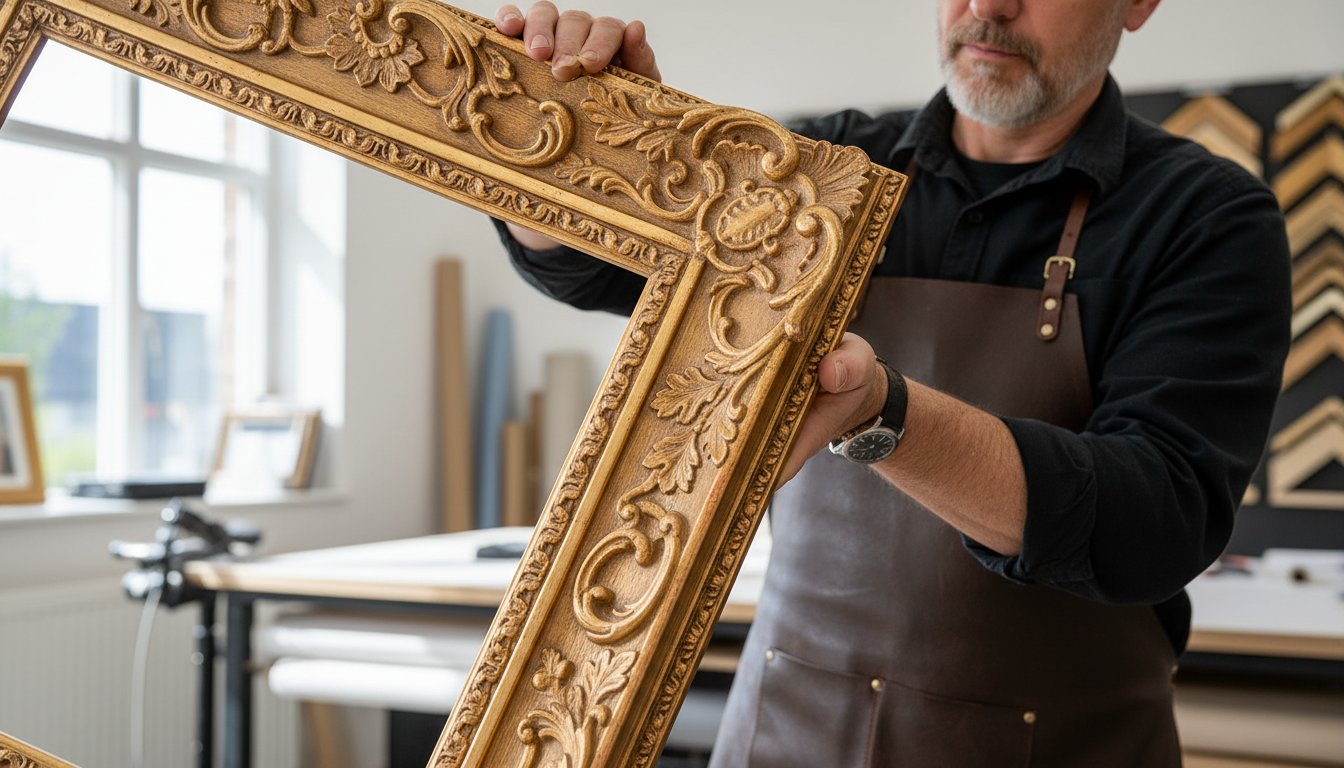
An ornate frame is far more than a simple border; it’s a statement piece, an extension of the artwork itself. Unlike its minimalist counterparts, which aim to disappear, ornate and decorative picture frames are designed to be seen. They perform the heavy lifting in the relationship between your art and your room’s decor, bridging the two with spectacular detail, rich texture, and a powerful presence that commands attention.

To see the beautiful detail of these frames up close, take a look at this example:

The Anatomy of an Ornate Frame

The character of a decorative frame comes from a combination of intricate elements, each chosen to create a cohesive and impactful design. Understanding these components helps you appreciate the premium craftsmanship involved.

  • Common Motifs: Look for classic, nature-inspired carvings like swirling acanthus leaves, elegant scrolls, delicate florals, and scallop shells. These details add a layer of storytelling and historical weight.
  • Rich Finishes: The surface treatment is crucial. Gilding with gold or silver leaf imparts a timeless lustre, while gesso provides a smooth, chalky base for intricate painted effects. These techniques, rooted in the long history of picture frames, add depth and luxury that cannot be replicated.
  • Complex Profile: The profile refers to the shape and depth of the frame’s moulding. Ornate frames often feature deep, scooped, or multi-layered profiles that create dramatic shadows and draw the eye inward towards the art.

In stark contrast, a modern frame typically features a simple, flat profile with a clean finish, designed for subtlety rather than spectacle.

Why Choose a Decorative Frame?

Opting for a decorative frame is a deliberate design choice that can transform both your art and your space. It’s the perfect solution when you want to:

  • Elevate a Traditional Piece: Classic oil paintings, distinguished portraits, and historical prints are perfectly complemented by a frame that matches their gravitas and style.
  • Create a Dramatic Focal Point: A single, beautifully framed piece of art can anchor an entire room, serving as a spectacular centrepiece above a fireplace or on a feature wall.
  • Add Luxury and Character: These frames introduce a sense of history and opulence, adding a touch of grandeur to any interior design scheme.
  • Juxtapose with Modern Art: Create a bold, eclectic look by placing a contemporary or abstract piece within a highly ornate frame. The contrast is unexpected, confident, and utterly captivating.

A Journey Through Timeless Ornate Frame Styles

To truly appreciate the artistry of ornate and decorative picture frames, we can embark on a journey through art history. A frame is never just a border; it is a product of its time, reflecting the cultural and artistic shifts of its era. Understanding these historical styles allows you to choose a frame that not only complements your artwork but also tells a story of its own. For those passionate about the deep heritage of this craft, delving into an expert history of frames reveals a fascinating world of design evolution. Let’s explore some of the most influential periods.

Baroque: Bold and Dramatic (17th Century)

The Baroque period was all about grandeur, power, and emotion, and its frames are no exception. Designed to make a spectacular statement, they were the perfect complement to the dramatic oil paintings of the Old Masters. Their powerful presence can transform a piece of art into a magnificent focal point.

  • Key Features: Deep, intricate carvings, dramatic C-shaped and S-shaped scrolls, and a strong sense of movement.
  • Materials & Finish: Often finished with heavy, brilliant gilding to catch the light.
  • Best For: Classic oil paintings, mirrors, and creating a grand, opulent atmosphere in a room.

Rococo: Playful and Asymmetrical (18th Century)

Evolving from the weight of Baroque, the Rococo style is lighter, more graceful, and overtly romantic. Originating in France, this style is defined by its delicacy and intricate, nature-inspired motifs. A Rococo frame adds a touch of playful elegance and sophisticated charm, perfect for more intimate artworks.

  • Key Features: Asymmetrical designs, delicate C-scrolls, and signature “rocaille” motifs of shells, flowers, and leaves.
  • Materials & Finish: Lighter gilding, often with a softer, more burnished finish than Baroque frames.
  • Best For: Portraits, decorative mirrors, and adding a touch of classic French elegance to an interior.

Victorian: Eclectic and Sentimental (19th Century)

The Victorian era was a melting pot of revived historical styles, resulting in a diverse and often sentimental approach to frame design. These frames are typically substantial and rich, reflecting the period’s love for ornamentation, pattern, and personal history. They bring a sense of warmth and nostalgia to any piece.

  • Key Features: A mix of Gothic, Rococo, and Renaissance revival elements, often with floral patterns, beading, or intricate pressed composition ornaments.
  • Materials & Finish: Dark, rich woods like walnut and mahogany were popular, sometimes with gold or velvet liners.
  • Best For: Family portraits, antique photographs, and displaying cherished memorabilia.

Art Nouveau: Natural and Flowing (Late 19th – Early 20th Century)

As a reaction against the industrial age and historical revivals, Art Nouveau embraced organic forms and fluid lines. Inspired entirely by the natural world, these frames are true works of art in their own right. Their unique, flowing designs make them a distinctive choice for specific artworks.

  • Key Features: Asymmetrical, flowing lines known as “whiplash curves,” and motifs of flowers (lilies, irises), vines, insects, and graceful figures.
  • Materials & Finish: Can be found in carved wood, gesso, or even cast metal with a soft, aged patina.
  • Best For: Art prints and posters from the Art Nouveau period, botanical illustrations, and unique, artistic pieces.

How to Choose the Perfect Ornate Frame for Your Art

Selecting a frame is an art in itself. The golden rule is simple: the frame should always serve the artwork, acting as a beautiful bridge to your space, not overpowering the piece it holds. It’s about creating a harmonious relationship that elevates the art. When choosing from a collection of ornate and decorative picture frames, consider the artwork’s history, its medium, and its visual weight to find the perfect partner.

Matching the Frame to the Artwork’s Period

A frame can anchor an artwork in its historical context. A classical oil painting feels perfectly at home in a traditional swept or Baroque-style frame, while an antique portrait shines within an intricate Victorian design. But don’t be afraid to create a striking contrast; a bold, modern abstract can look spectacular when housed in a classic ornate frame, creating a powerful and engaging dialogue between old and new.

Considering Colour and Tone

Move beyond simply matching a colour from the painting. Instead, think about complementing the overall tone and mood. A warm, gilded gold frame beautifully enhances the rich reds, ochres, and deep browns of a traditional landscape or portrait. Conversely, a silver, champagne, or antique white frame can lift the cooler blues, greys, and greens in a seascape or contemporary piece, adding light and definition without competing for attention.

Scale and Proportion are Key

The visual ‘weight’ of the frame must balance the artwork. A large, dramatic painting can handle a substantial, wide frame, giving it the presence and finish it deserves. However, that same heavy frame can easily overwhelm a small, delicate watercolour or sketch. Using a mount is an excellent technique to add breathing space, creating a visual pause between the art and the frame. Getting this balance right is crucial. If you need expert advice on finding that perfect fit, our bespoke framing team can help.

Ornate and Decorative Picture Frames: A Guide to Timeless Elegance

Styling Decorative Frames in Your Home Interior

The true beauty of ornate and decorative picture frames lies in their remarkable versatility. It’s a common myth that these detailed pieces belong only in traditional, period-style homes. In reality, when styled with intention, they can introduce a spectacular layer of texture, history, and personality to almost any interior. The secret is not about matching everything perfectly, but about creating balance and a confident design statement.

In Traditional and Maximalist Interiors

In spaces that celebrate opulence, more is truly more. Don’t be afraid to layer different styles of ornate frames-from Rococo to Victorian-to create a rich, curated gallery wall that looks collected over time. A single, large-scale gilded mirror frame can act as a breathtaking centrepiece above a mantelpiece or console table, reflecting light and amplifying the room’s grandeur. These frames are the perfect companions for antique furniture, rich velvets, and detailed textiles, tying the entire scheme together with a sense of timeless elegance.

In Modern and Eclectic Spaces

Here, ornate frames create a powerful and exciting contrast. Placing a piece of contemporary abstract art or a stark, modern photograph within a heavily carved Baroque-style frame creates a beautiful ‘moment of tension’ that is both sophisticated and unexpected. For a minimalist approach, use a single, spectacular ornate frame as a standalone art piece on a clean, uncluttered wall. This allows the frame’s craftsmanship to shine. In a gallery wall, try mixing a few ornate gold frames with simple, slim black or white ones for a dynamic and deeply personal display.

To ensure your frame enhances, rather than overwhelms, your space, keep these simple tips in mind:

  • Give it breathing room: Allow a particularly detailed frame to be the star by keeping the surrounding wall space relatively clear.
  • Create cohesion: Tie the frame’s finish (e.g., gold, silver, or dark wood) to other small accents in the room, such as light fittings or cabinet hardware.
  • Consider the scale: Ensure the size of the frame is proportional to both the artwork it holds and the wall it hangs on.

Ready to find the perfect statement piece? Embark on a journey of artistic discovery and explore our gallery for inspiration.

The Craftsmanship Behind a Quality Ornate Frame

While many frames can border a picture, a truly exceptional one elevates it. The distinction between a mass-produced item and a fine art frame lies in the passion, materials, and time-honoured techniques invested by a master framer. Understanding this craftsmanship reveals why a quality frame is an investment not only in aesthetics but also in the preservation and enhancement of your treasured art.

A beautifully crafted frame does more than just hang on a wall; it acts as a bridge between your art and your living space, completing the story the artist began. The value is found in the handcrafted details that you can see and feel.

Materials: Solid Wood vs. Resin

For heirloom-quality ornate and decorative picture frames, solid wood is the superior choice. Timbers like ayous or obeche are favoured by artisans for their fine grain, which allows for crisp, intricate carving and ensures remarkable longevity. In contrast, frames made from resin or composite materials can replicate complex details at a more accessible price point. While perfect for certain decorative projects, they may not offer the same durability or the warm, authentic feel of a handcrafted wooden frame.

Finishing Touches: The Art of Gilding

The luminous finish of a classic ornate frame is often achieved through gilding-a meticulous, traditional art form. This process involves applying ultra-thin sheets of real gold or silver leaf over a carefully prepared surface, typically a smooth layer of gesso. The result is a spectacular depth and lustre that simple ‘gold finish’ paint cannot replicate. This dedication to authentic techniques is a hallmark of premium craftsmanship, ensuring your frame has a timeless and radiant appeal.

The Bespoke Advantage

Choosing a bespoke frame means every detail is tailored to your artwork, creating a perfect and harmonious presentation. This custom approach offers significant benefits:

  • Perfect Proportions: Custom sizing ensures your frame complements the artwork flawlessly, without the awkward gaps of standard-sized frames.
  • Archival Protection: You can select conservation-grade materials, such as acid-free mounts and UV-protective glazing, to safeguard your art from fading and environmental damage for generations.
  • A Unique Creation: Working with a professional allows you to choose the ideal profile, finish, and style, resulting in a truly one-of-a-kind piece that reflects your personal taste.

Investing in a bespoke frame ensures your art is not just displayed, but truly celebrated. Explore our bespoke framing options today to create the perfect home for your masterpiece.

Embrace Timeless Elegance with the Perfect Frame

An ornate frame is far more than a simple border; it is the final, crucial brushstroke that completes a masterpiece. As we’ve explored, understanding the rich history of different styles and how to perfectly balance a frame with both your artwork and your interior decor is key to creating a truly harmonious display. The finest ornate and decorative picture frames are a testament to exquisite craftsmanship, designed to protect and elevate your art for generations to come.

At First 4 Frames, we pour our passion for this craft into every piece we create. With over 20 years of bespoke framing experience, our skilled artisans craft each frame in our Falkirk workshop, continuing a legacy of excellence. We are committed to sourcing only the best materials for timeless quality, ensuring your chosen frame is as enduring as the art it holds.

Ready to discover the perfect finishing touch for your piece? Find the perfect frame to complement your art in our gallery. Let us help you turn your cherished art into a spectacular centrepiece for your home.

Frequently Asked Questions

Can you put a modern photograph or abstract print in an ornate frame?

Absolutely! The contrast between a modern piece and a classic, ornate frame creates a visually stunning and sophisticated look. This juxtaposition is a celebrated technique in interior design, adding depth and character to a space. The frame acts as a beautiful bridge between the contemporary artwork and your room’s décor, making the piece a true focal point. It’s a perfect way to honour both past and present craftsmanship.

Are ornate gold picture frames considered out of style?

Far from it! Ornate gold frames are a timeless choice that has seen a powerful resurgence in contemporary design. They are no longer reserved for traditional settings and are now used to add a touch of luxury and history to minimalist, eclectic, and even industrial interiors. A spectacular gold frame can elevate a simple print or mirror, transforming it into a statement piece that feels both classic and wonderfully current.

How do I clean a delicate, carved picture frame without damaging it?

Gentle care is essential for preserving your frame’s beauty. Begin by using a very soft, dry paintbrush or a microfibre cloth to lightly remove dust from the intricate carvings. For a more thorough clean, you can slightly dampen a cotton bud with distilled water. Always avoid household cleaners or polishes, as these can strip away delicate finishes like gilding. A little care goes a long way in maintaining its pristine condition.

What is the difference between gesso and gilding on a frame?

Think of gesso as the perfect foundation and gilding as the beautiful finish. Gesso is a primer applied to the raw wood, creating a smooth, stable surface that is ready to be decorated. Gilding is the highly skilled art of applying incredibly thin sheets of metal leaf, such as gold or silver, over the prepared gesso. This traditional process is what gives a premium frame its characteristic lustre and luxurious appearance.

How much should I expect to pay for a high-quality decorative frame?

In the UK, the cost reflects the level of craftsmanship and materials. A smaller, high-quality decorative frame may start around £70 to £120. For larger or more elaborate, bespoke ornate and decorative picture frames featuring hand-applied finishes like gold leaf, the price can range from £250 to over £600. This investment ensures you receive a piece of lasting quality, built by artisans to perfectly showcase your art.

What art styles work best with ornate and decorative frames?

While they are a natural partner for traditional art like oil paintings from the Renaissance or Baroque periods, their versatility is surprising. An ornate frame can create a spectacular contrast with modern art, including bold abstract prints, minimalist line drawings, and even fine art photography. The key is creating a dialogue between the art and the frame, allowing the pairing to elevate the visual impact of the entire piece within your space.