Posted on

Can I Get My Existing Frame Re-Glazed with UV Glass?

Can I Get My Existing Frame Re-Glazed with UV Glass?

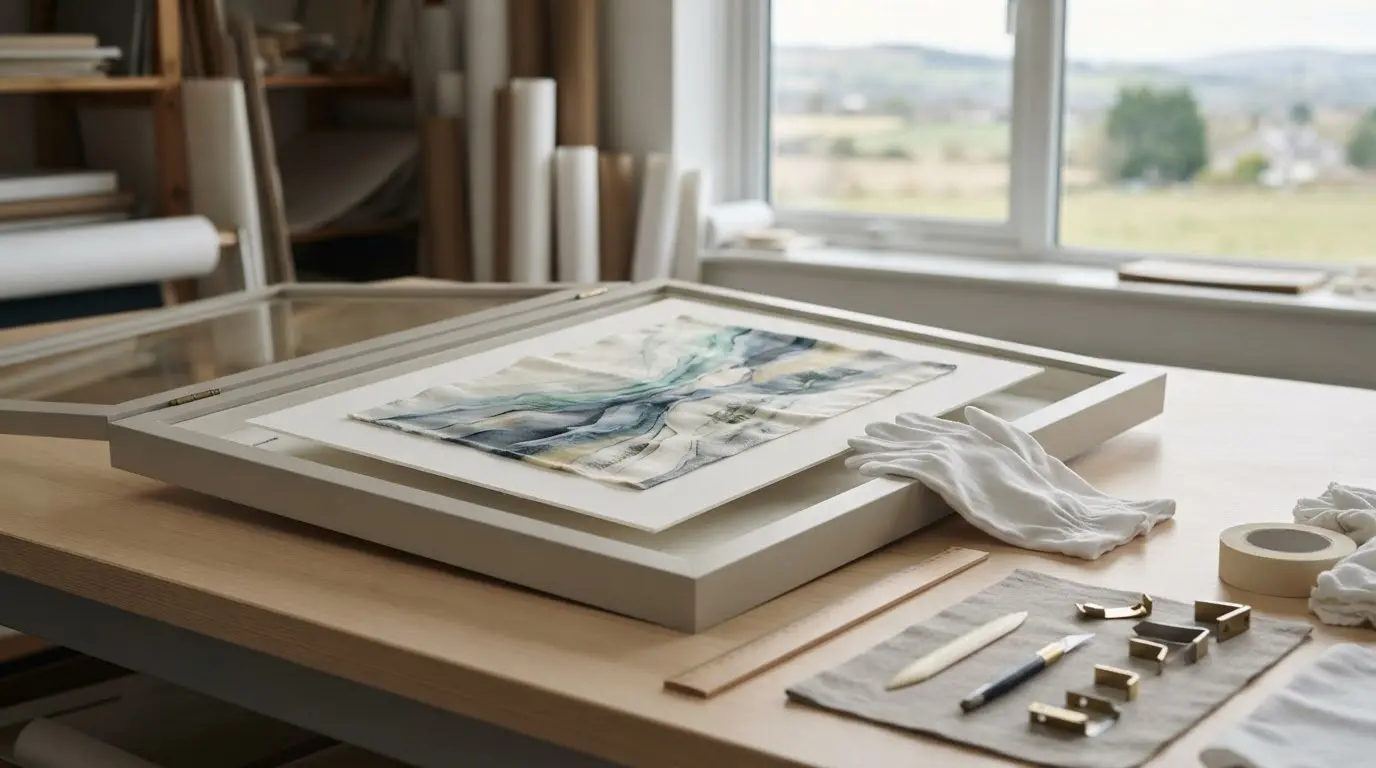
What if your frame can stay, but its glazing needs to change? If you’re asking, “can I get my existing frame re-glazed with UV glass”, the answer may be yes. A framer first needs to check whether the frame can safely accommodate the new glazing and whether it is suitable for the artwork.

It makes sense to check before replacing a frame you already love. UV protection varies between glazing options, and filtering UV light is not the same as reducing reflections or improving clarity. First4Frames Gallery specifies 2mm float glass for its framing, but standard float glass should not be mistaken for UV-protective glazing. Whether First4Frames Gallery offers UV-glass reglazing is not confirmed, so check directly before making plans.

This guide explains what a framer needs to assess, what to ask about UV performance, and how glass and acrylic differ. You’ll also learn when bespoke reframing may be a better fit, so you can make an informed choice for your artwork.

Key Takeaways

  • Wondering “can I get my existing frame re-glazed with UV glass”? A framer needs to assess the frame and artwork before confirming whether they’re suitable.
  • Compare glazing by its documented UV specification, clarity, reflections and handling needs. Don’t rely on the label “UV glass” alone.
  • Photograph your frame and describe the artwork, then ask about glazing availability, fit and whether the mount needs review.
  • If the frame is unsuitable, bespoke picture framing may provide a better fit, with each frame individually crafted for the artwork.

Can an Existing Picture Frame Be Re-Glazed with UV Glass?

Yes, an existing frame may be suitable for UV-protective glass, but a framer needs to check the frame and artwork before confirming. The glazing must fit securely without pressing against the artwork or mount. The frame’s condition, internal depth, rebate (the channel that holds the glazing and artwork) and fixing method all affect whether it can be reused. There is no universal fit.

If you’re asking, “can I get my existing frame re-glazed with UV glass”, treat UV protection as a specification to verify, not an automatic feature of replacement glass. Ask which product is proposed and request its documented UV performance. This is separate from whether the glass is anti-reflective or offers a clear view. UV filtering can help reduce one source of deterioration, but it cannot prevent every cause of fading or damage.

What needs checking before replacing the glazing?

Ask a framer to inspect the frame, rebate depth, fixings and existing glazing. They should also check how the artwork and mount sit inside the frame. If the replacement glazing is thicker than the original, or the frame is worn or unusually constructed, it may not fit securely. An assessment can establish whether reglazing is practical or bespoke reframing would be more suitable.

What does UV-protective glass mean for framed art?

The term “UV glass” alone does not tell you how much UV the product filters. Check the manufacturer’s documented specification and ask the framer to explain what it means for your artwork. A picture frame brings together several components, including protective glazing, but glazing cannot preserve artwork on its own. Light exposure, the artwork’s materials and its surroundings matter too.

UV filtering and anti-reflective treatment are different features. One concerns UV performance, while the other reduces reflections. Ordinary glass clarity is another consideration. First4Frames specifies 2mm float glass and describes its clarity as superior to perspex used by many competitors, but this is not a claim of UV protection. Its available information confirms bespoke framing, not UV-glass reglazing, so check availability directly.

UV Glass, Standard Glass, and Perspex: What Should You Compare?

The label “UV glass” is not enough to judge whether glazing suits your artwork or frame. Compare the documented UV specification alongside appearance, handling and fit. UV filtering, anti-reflective treatment and glass clarity are separate considerations.

Glazing UV specification Clarity and reflections Handling and compatibility
Standard glass Check the product details. Don’t assume it has a UV-protective specification. Appearance and reflections depend on the glass and any coatings. Heavier than acrylic and can break. Confirm that its thickness and weight suit the frame and fixings.
UV-specified glass Ask for the manufacturer’s documented UV performance. UV filtering does not necessarily reduce reflections. Ask whether the glazing has an anti-reflective treatment. Check the chosen product’s thickness and weight against the frame’s rebate and construction.
Perspex or acrylic UV performance varies by product, so request its specification. Check the product’s appearance against your artwork and lighting. Lighter and shatter-resistant compared with glass, but more prone to scratching and static. Confirm it can be fitted securely.

First4Frames specifies 2mm float glass and describes it as clearer than perspex used by many competitors. This detail concerns clarity, not UV protection, and should not be treated as a UV specification.

Which glazing questions should you ask a framer?

Ask what UV performance is documented for the proposed glazing, whether its thickness and weight suit your frame, and how it may affect reflections and the artwork’s appearance. Check any handling or cleaning requirements as well. If you’re considering whether can I get my existing frame re-glazed with UV glass is practical, these details will help the framer assess your specific frame.

Does UV glass protect artwork from all fading?

No glazing can prevent every kind of fading or damage. Tell the framer where the piece will hang, particularly if it may receive direct sunlight, and seek advice tailored to valuable or delicate work. If reframing is a better fit, you can browse framed artwork for inspiration.

Can I Get My Existing Frame Re-Glazed with UV Glass?

How to Decide Whether to Re-Glaze or Reframe Your Artwork

A careful assessment helps protect both the artwork and the frame. Before approving new glazing, give a framer enough information to check the frame’s condition, construction and fit.

  1. Photograph the frame. Share clear images of the front, back, corners and fixings. Include a side view so the framer can see the frame’s depth.
  2. Describe the artwork. Explain what it is made from, whether it has a mount and where it is displayed. Mention any concerns about its condition or sensitivity.
  3. Ask for an assessment. Confirm whether the requested glazing is available, whether it will fit securely and what handling it needs. Ask whether removing and refitting the artwork could affect the mount or frame construction.
  4. Agree the next step. Proceed with reglazing only after a professional confirms that the frame can safely accommodate the chosen material.

When might keeping the existing frame make sense?

Reusing a frame may be practical if it is in good condition and the framer confirms that the replacement glazing fits the rebate and fixings. Even then, changing the glazing means taking the frame apart. Ask whether removing and refitting the artwork could affect it or the mount. The answer depends on the individual frame, so don’t assume it will be a straightforward swap.

When should you consider bespoke reframing?

If the frame cannot safely hold your preferred glazing, a new frame made for the artwork may be more suitable. First4Frames offers bespoke picture framing, with each frame individually crafted for the order using quality materials. Its available information does not confirm whether it accepts reglazing jobs, so check service availability before making arrangements.

For more on framing decisions, read a custom picture framing guide and a picture frame selection guide. If a new piece is the right direction, explore framed artwork for inspiration.

Your Next Step: Get the Right Framing Advice for Your Artwork

Before authorising work, ask a framer to confirm the UV specification, check that the glazing fits your frame and establish whether it is suitable for the artwork. Preparing clear details will help them assess your options.

What information should you prepare for a framing enquiry?

Gather these details before speaking to a framer:

  • Measurements: Record the outside frame dimensions and, if accessible, the artwork and rebate dimensions.
  • Photographs: Take clear pictures of the front, back and edges, including any visible damage.
  • Artwork and glazing: Describe the artwork, current glazing, display location and the UV-protection outcome you want. If you have a digital photograph, ask about print and frame options. First4Frames sells Giclée fine art prints that customers can pair with a custom frame.

First4Frames offers bespoke framing, but whether it provides UV-glass reglazing is not confirmed. If a new piece better suits your needs, explore its selection of fine art prints and ready-to-hang framed art, with a choice of frames. You can also consider bespoke framed art for your home or commercial space. Browse the framed art gallery for inspiration.

Choose the Right Next Step for Your Artwork

The answer to “can I get my existing frame re-glazed with UV glass” depends on the frame’s construction, the glazing available and what suits the artwork. Before authorising a change, ask a framer to confirm the UV specification, check the frame’s fit and consider how the artwork and mount will sit behind the replacement glazing.

Clear details make that conversation easier. Share the frame’s measurements and photographs, describe the artwork and its display location, and explain what you want UV protection to achieve. First4Frames specifies 2mm float glass for its clarity compared with perspex, but this is not a UV-protection claim. If a new frame is a better solution, First4Frames offers bespoke picture framing, with each frame individually crafted for the order.

Looking for a fresh piece instead? Explore framed art in the First4Frames Gallery for inspiration. Ask a framer to assess your existing frame, or browse the gallery to find artwork that you can pair with a frame.

Frequently Asked Questions

Can I replace the glass in my existing picture frame with UV glass?

Possibly, but a framer needs to inspect the frame and confirm that the required glazing is available. The frame’s depth, condition and fixings must suit the replacement, and the artwork must sit safely behind it. If you’re asking, “can I get my existing frame re-glazed with UV glass”, request the product’s documented UV specification and a fit assessment before approving any work.

Will UV glass fit any existing picture frame?

No, there is no universal fit. A framer needs to check the frame’s depth and rebate, its condition, and whether the fixings can hold the new glazing securely. They should also make sure the artwork and mount have enough clearance and will not press against the glass. The answer depends on the specific frame and glazing, so arrange an assessment before choosing a replacement.

Does UV glass stop artwork from fading completely?

No. UV-filtering glazing can help reduce exposure to UV radiation, but it cannot prevent every cause of fading or damage. Other light and environmental conditions matter too, including display location and direct sunlight. Ask a framer how the proposed glazing’s documented specification relates to your artwork and where it will hang. For valuable or delicate work, seek advice tailored to the piece.

Is UV glass better than perspex for picture framing?

Neither is automatically better for every artwork or frame. Compare the specific product’s documented UV performance, appearance, thickness and handling needs. Glass is generally more scratch-resistant but can break. Acrylic, often called perspex, is lighter and shatter-resistant but can scratch and attract dust through static. First4Frames specifies 2mm float glass and highlights its clarity compared with perspex, but this is not a UV-protection claim.

Can a picture framer reglaze a frame without replacing the artwork or mount?

It may be possible, but the framer should inspect the specific frame construction first. They need to consider how the glazing is held in place and whether the artwork and mount can be removed and refitted safely. The mount may need review if the replacement affects the available clearance. Don’t assume the artwork can remain untouched or that the mount will suit the new glazing.

Posted on

Large Framed Art for Commercial Spaces: Buying Guide

Large Framed Art for Commercial Spaces: Buying Guide

The most impressive artwork for a commercial space is not always the largest piece available. Choosing large framed art for commercial spaces means balancing visual impact with the room’s purpose, wall dimensions and existing interior. The right choice should feel considered in its setting, not oversized for the sake of it.

When you are planning artwork for several rooms, it can be difficult to make the selection feel cohesive while still giving each space its own character. You may also need to decide whether a standard frame will suit each piece. This guide covers practical ways to assess artwork, framing and project requirements before you order.

Explore how commercial artwork curation can bring a scheme together, from fine art and photography prints to coastal wall art, Scottish landscape art and contemporary art prints. You’ll also learn how to use a wall art visualiser to preview art on your wall before you buy. First4Frames Gallery’s frames are individually crafted using high-quality materials, with 2mm float glass for clarity. We’ll look at how online selection, bespoke framing and professional courier delivery can support the process from choosing artwork to receiving finished framed wall art.

Key Takeaways

  • Learn how large framed art for commercial spaces can support a room’s atmosphere and identity, without relying on a fixed definition of “large”.
  • Compare artwork subject, colour and mood with framing options to find a considered fit for each piece and setting.
  • Use a practical planning sequence: start with the project brief and wall measurements, then coordinate artwork, framing and delivery.
  • Discover how commercial artwork curation, online selection and custom framing can help property developers, hoteliers and estate agents create a cohesive scheme.

Why Large Framed Art Can Work in Commercial Spaces

“Large” has no single size threshold in a business interior. It means artwork with enough presence to relate to its surroundings, whether it anchors a reception wall or adds character to a meeting room. To judge whether a piece will work, consider the available wall area, how far away people will view it, the room’s function and the atmosphere you want visitors or staff to experience.

Well-chosen framed art can create a focal point, contribute to a business’s identity and help an interior feel complete. Artwork displayed in a shared setting also relates to the broader idea of public art, although a framed work selected for a commercial interior is not necessarily a site-specific commission.

For a visual example of oversized wall art, watch this short video:

Which commercial spaces might benefit from framed artwork?

In an office, artwork can help distinguish a reception area from a quieter meeting room. Hotels can use considered choices to create a welcoming impression, while art in a staged property can help visitors picture the space as finished and lived in. Galleries may select framed works to complement their wider presentation. Start by defining what each room needs to do and the experience you want people to have. Then consider which subjects and moods support that brief.

When is framed art different from an art installation?

Curated framed works are finished pieces, paired with framing suited to the artwork and setting. A site-specific installation, by contrast, may involve a design developed for a particular building or location. Large framed art for commercial spaces can make a strong visual statement without becoming a construction project. First4Frames provides commercial artwork curation and framing, but not on-site installation. Confirm installation arrangements separately if your project requires them.

How to Compare Large Framed Art and Framing Options

Start with the artwork, then consider the frame. Compare each option with the project brief: its subject, palette and mood should suit the room’s purpose and the impression you want to create. A calm landscape might complement a restful guest space, while a more expressive contemporary print could bring energy to a shared area. The best fit depends on the setting, not on a presumed trend.

What should a commercial buyer compare before choosing artwork?

Consider coastal wall art, landscape wall art and Scottish landscape art alongside fine art, photography prints and contemporary art prints. Check how each work’s colours and visual character relate to the interior, and whether it supports the brief. A selection may include pieces by best-selling and famous artists. For a multi-room project, compare the works as a group too. Related colours or subject matter can create continuity without making every room look identical.

Why does bespoke framing matter for large framed art?

A standard frame may not suit the dimensions or presentation of a particular work. First4Frames individually crafts each frame to order using high-quality materials, so the frame can be matched to the chosen piece rather than relying on a standard option. The specified glazing is 2mm float glass, selected for clarity. For more guidance on choosing a frame to complement a work, see Mastering Custom Picture Framing: The Expert Guide to Bespoke Art Display.

Consider the artwork and framing together before deciding. For large framed art for commercial spaces, this helps the finished piece feel intentional, with the frame supporting rather than distracting from the image. You can browse the framed art gallery to explore options for your brief.

Large Framed Art for Commercial Spaces: Buying Guide

How to Plan Large Framed Art for Your Commercial Project

A clear plan makes it easier to coordinate artwork across a commercial space. Work through the decisions in order and keep a record of the details a provider will need to give project-specific guidance.

  1. Define the brief. Note each room’s purpose, the atmosphere you want to create and any visual themes to carry between spaces.
  2. Assess the walls. Record the available wall measurements and where people are likely to view the artwork from. Note the viewing conditions, including natural and artificial light.
  3. Shortlist artwork. Group rooms by function, then choose works that feel related without requiring every space to look the same.
  4. Choose the framing. Confirm the artwork and frame combination, including the finished dimensions and any custom framing requirements.
  5. Coordinate delivery. Confirm project quantities, delivery arrangements and how finished frames will be packaged and shipped.

How can you shortlist art for several rooms?

Begin with the experience each area should offer. A reception space and a quiet meeting room may call for different subjects or moods. A shared colour palette can help the wider scheme feel coherent. Use a wall art visualiser to Visualise art on your wall and See artwork before you buy, so you can consider a work in context. The “Art in the Frame” resource can also help you think about sourcing and framing as connected choices.

What should you confirm before ordering framed works?

Before placing an order, check the artwork dimensions, frame choice and quantities with the provider. Ask how finished frames are protected for transit and how delivery is coordinated. First4Frames packages finished frames to help prevent damage and ships them via professional couriers. Confirm project-specific dimensions, framing suitability and delivery arrangements before ordering.

Ready to explore options for your brief? Browse the framed art gallery as you shape your shortlist.

How First4Frames Helps Source Large Framed Art for Business

Choosing large framed art for commercial spaces involves more than finding a striking image. First4Frames Gallery supports property developers, hoteliers and estate agents with commercial artwork curation, connecting artwork selection with bespoke framing. Its online gallery includes Giclée prints and works by artists primarily from Scotland, alongside a selection of frames. Explore landscape, coastal, fine art, photography and contemporary styles to find options that suit your project.

What can buyers explore through the online art and framing service?

Browse Custom framed art prints and Bespoke framed wall art, or consider the Art print framing service for a digital photograph you’d like printed and framed. First4Frames prints supplied photographs to complement the bespoke frame. This is a print-and-frame option, not a photography service. Frames are individually crafted for each order using high-quality materials, with 2mm float glass for clarity.

The Online picture framing journey is straightforward: choose artwork, Choose your frame online, then Design your framed artwork by reviewing the combination. Online visualisation can help you picture a work in its intended setting before deciding. For more framing guidance, explore the article Picture Frames: The Ultimate Guide to Choosing, Hanging, and Displaying Art.

How can a commercial buyer take the next step?

Browse the gallery and shortlist pieces that suit the rooms, visual brief and framing needs of your project. Then contact First4Frames Gallery to discuss commercial curation or bespoke framing requirements. Before ordering, confirm project-specific dimensions, framing suitability, quantities and delivery arrangements. Finished frames are fully packaged to help prevent damage and shipped via professional couriers.

Contact First4Frames about commercial framing to discuss your requirements, then Browse framed artwork for your commercial space.

Bring Your Commercial Art Brief to Life

Choosing large framed art for commercial spaces starts with the setting. Consider each room’s purpose, the artwork’s subject and mood, and how the frame completes the presentation. For a project spanning several rooms, a clear brief and recorded wall measurements help you build a cohesive selection and check the practical details before ordering.

First4Frames Gallery supports property developers, hoteliers and estate agents with commercial artwork curation, Giclée prints and works by artists primarily from Scotland. Each frame is individually crafted for its order using high-quality materials, so it can be matched to the chosen artwork rather than relying on a standard frame that may not fit. This offers a considered route from selecting artwork to choosing finished framed art.

Ready to shape a distinctive scheme for your space? Browse the gallery and find framed art for your project. A thoughtful selection can help bring the whole interior together.

Frequently Asked Questions

Can large framed art work in an office or other commercial space?

Yes. Framed artwork can suit offices, hotels, staged properties and galleries when it supports the room’s purpose and visitor experience. Consider the wall around it, how people will view the work and the atmosphere you want to create. For large framed art for commercial spaces, the subject, colour and framing should suit the interior rather than being selected by size alone.

How do I choose the right size framed art for a commercial wall?

Measure the available wall area first, then consider viewing distance, furniture and the room’s layout. A work that feels prominent in a reception area may have a different impact in a corridor or meeting room. There is no universal size rule for every commercial setting. Share your measurements and viewing context with the provider, and confirm the finished artwork and frame dimensions before ordering.

Is bespoke framing better than a standard frame for commercial artwork?

Bespoke framing can be a better fit when the frame needs to suit a particular artwork. A standard frame may not fit the piece properly or complement its presentation. First4Frames individually crafts each frame to order using high-quality materials, rather than relying on a one-size-fits-all option. Its specified glazing is 2mm float glass, selected for clarity.

Can I preview framed artwork on my wall before ordering?

A wall art visualiser can help you preview a work in context and consider how its subject, colour and scale may sit within your interior. It is a useful selection aid, but it does not replace checking the actual artwork and frame details. Before ordering, confirm how the preview represents the finished piece, including the chosen frame, dimensions and appearance, with the provider.

How is large framed art packaged and delivered?

First4Frames fully packages finished framed orders to help prevent damage and ships them via professional couriers. Before placing a commercial order, confirm the artwork dimensions, framing suitability, quantities and delivery arrangements with the provider. Ask how the finished pieces will be packaged for transit, particularly if your project includes several works. No delivery time is specified, so check the arrangements for your order directly.

Posted on

Non-Reflective Office Lighting Frames: Buying Guide

Non-Reflective Office Lighting Frames: Buying Guide

A beautifully framed print can still be difficult to enjoy when bright reflections compete with the image. Choosing non-reflective frames for office lighting involves more than the frame itself: glazing, light direction and artwork placement all play a part. Glazing terms can also be confusing when you’re comparing options for a professional-looking display.

First4Frames Gallery individually crafts each frame using high-quality materials. Its framing service uses 2mm float glass, which it describes as clearer than perspex. That should not be mistaken for non-reflective glazing. If reflections are a concern, check directly with your framer which specialist glazing choices are available before ordering.

This guide explains what causes reflections and how glazing, lighting and placement can work together to make office artwork easier to see. Learn how anti-glare and anti-reflective glazing differ, what to consider when choosing framed wall art, and which questions to ask before commissioning custom picture framing.

Key Takeaways

  • Check how windows, overhead lights and viewing angles affect the display, then assess the lighting around the wall you’re considering.
  • Compare glazing choices when considering non-reflective frames for office lighting. Clear 2mm float glass is not necessarily glazing designed to reduce reflections.
  • Use a practical order of checks: inspect the lighting, identify viewing angles, choose artwork, confirm framing options, then settle on placement.
  • Explore bespoke framing and commercial artwork curation for an office display. First4Frames individually crafts each frame using high-quality materials.

Why office lighting creates reflections on framed artwork

A reflection is light bouncing off the glazing towards the viewer, not a feature of the frame itself. A window opposite the artwork may reflect across it as daylight changes. Ceiling lights can appear as bright patches, while a desk lamp may cause a smaller, local reflection. The most distracting source depends on the room and the artwork’s position.

Viewing angle matters too. A framed print may look clear from one spot and mirror a light source from another. Check it from the seated and standing positions people typically use in the office. For an overview of picture framing glass or acrylic, see the different glazing materials used in framing.

This short video demonstrates acrylic described as non-glare:

Which office lights and positions create the most glare?

Assess the artwork in the lighting conditions it will actually face. A window opposite the frame may reflect daylight directly, while overhead fittings can show up from particular angles. Task lighting can cause glare if it points towards the glazing. No single light source always dominates, so check from the usual seated and standing positions before deciding where the piece should hang.

Does a non-reflective frame mean non-reflective glass?

The frame surrounds and supports the artwork; glazing is the transparent front layer. The phrase “non-reflective frame” may refer loosely to the glazing or the finished display, so ask the seller exactly what it means and which glazing is specified. The frame shapes the presentation; the glazing determines how its surface handles light. First4Frames specifies 2mm float glass and describes it as clearer than perspex, but does not describe it as non-reflective. Confirm any low-reflection requirement before ordering.

Compare glazing choices for clearer framed art in an office

Glazing affects how clearly artwork can be seen and how reflections appear, but these are separate considerations. When choosing non-reflective frames for office lighting, compare the glazing itself rather than assuming the frame material controls glare.

Glazing choice What to consider
Standard glass A familiar framing option, but don’t assume it’s designed to reduce reflections. Ask what type is specified.
Perspex or acrylic A glass alternative. Confirm the exact material and how it is expected to look in your office lighting.
Low-reflection glazing Designed to reduce visible reflections, but options and performance vary. Check availability and details with the framer.

First4Frames specifies 2mm float glass and describes its clarity as superior to perspex. That stated clarity benefit doesn’t mean the glass is non-reflective. Clarity describes how clearly you see the artwork; reflection control describes how glazing handles reflected light. Availability depends on the framer.

What should you ask about anti-reflective glazing?

Ask whether the quoted glazing is specifically intended to reduce reflections, how the provider describes its performance, and whether it suits your artwork and display conditions. Confirm which options can be supplied and fitted, and ask for any relevant care guidance. Don’t rely on “non-reflective” alone; find out exactly what the term refers to.

How do clarity and reflection control differ?

Glazing can offer a clear view without being designed to minimise reflections. Consider both needs, then ask the framer to explain the available choices. Lighting placement may also help: Lutron suggests lights can be tilted at a 30-degree angle to avoid glare on glass-covered art.

To find artwork for your office, browse the framed artwork gallery, then confirm your glazing requirements directly before ordering.

Non-Reflective Office Lighting Frames: Buying Guide

How to choose and position framed artwork under office lighting

A practical plan helps you choose artwork that suits the office and stays visible from the places people use most. Before ordering non-reflective frames for office lighting, work through these steps:

  • Inspect the lighting. Note windows, overhead fittings and task lights, including when they’re likely to shine towards the display.
  • Identify viewing angles. Check sightlines from desks, meeting areas and circulation routes, from both seated and standing positions.
  • Choose the artwork. Consider the room’s purpose, existing colours and the atmosphere you want the art to create.
  • Confirm framing options. Ask the framer about suitable frame and glazing choices before placing your order.

How should you assess artwork placement before ordering?

Use a temporary paper outline or hold a sample print against the wall in a few possible positions. This helps you visualise the scale and placement before you buy. A wall art visualiser may also help if you have access to one, but don’t assume it’s provided by the seller. Check sightlines from desks and meeting areas. If reflections distract from the image, try moving the planned position or adjusting nearby lighting.

Which artwork styles suit a professional office?

Choose imagery that supports the space without overwhelming it. Coastal wall art can suggest an open, restful mood; landscape wall art offers a broad range of natural scenes, while Scottish landscape art brings a more specific sense of place. Fine art, photography prints and contemporary art prints offer further options. If considering work by best-selling artists or famous artists, compare the image, scale and palette with the room before choosing a frame.

For broader frame-selection advice, consult Picture Frames: The Ultimate Guide. To explore artwork options for your office, browse the framed art gallery.

Choose bespoke framed wall art for a polished office finish

A well-chosen frame brings artwork into the room’s design, while suitable glazing and placement help keep it comfortable to view. First4Frames individually crafts each frame to order using high-quality materials. Bespoke framing lets you discuss how the frame should present the artwork and fit the space. Businesses planning a coordinated display can also consider commercial artwork curation.

First4Frames offers a selection of frames and artwork online. Choose a frame, then plan the finished piece around the print, office palette and intended position. If reflections are a concern, ask which glazing options are available rather than assuming a bespoke frame includes non-reflective glass.

What can an office ask a bespoke framer to tailor?

Discuss the artwork’s size and presentation, frame selection and any glazing requirements. First4Frames specifies 2mm float glass and describes its clarity as superior to perspex; this doesn’t mean it has anti-reflective performance. Confirm any low-reflection requirement directly with the framing service. These choices can help shape custom framed art prints through an art print framing service, creating bespoke framed wall art suited to the workplace.

How can businesses source office artwork and framed photographs?

Commercial artwork curation can help businesses furnish office spaces. First4Frames offers bespoke framing for prints, fine art, paintings and photographs. Businesses can discuss the artwork and framing requirements for their space, including the glazing and presentation they have in mind.

Explore framed wall art for your office and consider how each piece will work with its lighting, position and frame.

Make your office artwork clear and considered

Choosing non-reflective frames for office lighting means looking beyond the frame: glazing, light direction and viewing position all influence how easily artwork can be seen. Check the display from everyday desk and meeting-room sightlines, and confirm exactly what a framer means by “non-reflective” before ordering.

First4Frames individually crafts each frame to order using high-quality materials. Its framing uses 2mm float glass, described as clearer than perspex, but that clarity should not be mistaken for verified anti-reflective performance. Ask about glazing requirements directly. Businesses can also consider commercial artwork curation for a cohesive office display.

Thoughtful artwork choices and bespoke framing can help create a polished space that feels welcoming and reflects your workplace. Explore framed wall art for your office and find pieces to help bring your vision to life.

Frequently Asked Questions

Are non-reflective frames the same as anti-reflective glass?

No. “Non-reflective frame” doesn’t necessarily mean the frame includes anti-reflective glass. The frame is the structure surrounding the artwork, while glazing is the transparent front layer. Sellers may use the phrase informally, so ask what glazing is included and whether it’s specifically intended to reduce reflections. Don’t assume ordinary glass or a particular frame finish will control glare.

Does 2mm float glass stop reflections from office lights?

No. First4Frames specifies 2mm float glass and describes its clarity as superior to perspex, but clarity and reflection reduction are different qualities. Float glass can still show reflections from office lights, depending partly on light direction and viewing angle. Ask the framer whether lower-reflection glazing is available for your chosen artwork and frame before ordering.

How can I reduce glare on framed pictures in an office?

Start by checking the artwork from the places people usually sit or stand. Reflections can change with the sightline, so view the piece from desks and meeting areas, then try adjusting its position or nearby lighting. Before ordering non-reflective frames for office lighting, ask the framer about glazing options. The best approach depends on your room, windows, light sources and viewing angles.

Is perspex clearer than glass for picture framing?

Not necessarily. Performance depends on the specific glazing and your priorities. First4Frames describes its 2mm float glass as clearer than perspex, but this doesn’t establish that every type of glass is clearer than every acrylic. Ask the framer to explain the materials available and compare how they suit your artwork, office lighting and handling needs.

Can I order custom framed art prints for an office?

Yes. First4Frames offers bespoke picture framing, fine art prints and commercial artwork curation, so businesses can discuss artwork and framing requirements for their space. Frames are individually crafted for each order using high-quality materials. Confirm glazing choices directly, especially if reducing reflections under office lighting is important to your project.

Posted on

Art for Dental Waiting Rooms: A Practical Buying Guide

Art for Dental Waiting Rooms: A Practical Buying Guide

What if the artwork on your waiting-room walls could make the whole practice feel more considered? Selecting art for a dental practice waiting room isn’t simply about filling a blank space. The right subjects, colours and proportions can create a welcoming first impression and reflect your practice’s identity without making the room feel overly personal or visually busy.

This guide explains how to choose artwork for the room and its visitors, assess size and placement, and finish each piece with a suitable frame. Compare options such as coastal wall art, Scottish landscape art, photography prints and contemporary art prints, then consider how the frame relates to the image and the rest of the room. First4Frames Gallery offers Giclée fine art prints, bespoke framing and commercial artwork curation. Use the steps below to plan a cohesive display and make confident choices for your practice.

Key Takeaways

  • Start selecting art for a dental practice waiting room by deciding what impression the space should create, such as warm, professional or locally connected.
  • Compare landscapes, coastal scenes, photography and contemporary art by subject, colour and visual contrast to find a style that fits the room.
  • Measure usable wall space, consider viewing distance and test the layout before choosing a focal piece or a coordinated group.
  • Choose ready-to-hang framed art or bespoke framing, and check that the frame suits the artwork for a cohesive finish.

What Should Art for a Dental Practice Waiting Room Achieve?

Waiting-room art is a design choice, not a substitute for clinical care. It helps shape a practice’s first impression. You might want the room to feel calm, professional, warm, contemporary or connected to its local setting. Selecting art for a dental practice waiting room means considering that intended impression alongside the space, rather than choosing a picture in isolation.

Evidence-based design (EBD) is a broader approach to planning environments with research in mind. It can inform thoughtful decisions about a healthcare setting, but artwork is one part of the room’s design. It is not a guarantee of changes to health or treatment outcomes.

Start with the people and the room

Consider who uses the waiting room, how long they may wait and what the space already communicates. Children, adults and other visitors may have different tastes, so avoid assuming that one theme will suit everyone. Look for artwork that feels welcoming and considered for a varied audience. Comfort is a design aim, not a promised clinical result.

Define the atmosphere before browsing

Write down a few words that describe the atmosphere you want, such as composed, welcoming or contemporary. Then note the wall colours, furniture finishes, lighting and practice branding. These details give you a practical basis for comparing artwork: a print might repeat a colour already in the room, complement its overall mood or provide a deliberate focal point. Explore art in the frame and compare how different prints and frames work together.

Decision rule: Consider the room, its audience and the atmosphere you want to create before choosing a subject. This keeps your shortlist connected to the practice’s identity and gives you a clear basis for comparing style, colour and scale.

Which Art Styles and Subjects Suit a Dental Waiting Room?

There’s no single style that suits every practice. Choose artwork that fits the room’s character and the impression you want to create, while remaining easy to view from the seats where patients spend their time. A consistent visual direction usually feels more considered than a group of unrelated pictures.

Compare landscapes, photography and contemporary art

Landscape wall art can bring a broad, open view to a wall. Coastal wall art offers a more specific sense of place through shorelines, sea and sky. For a practice with a Scottish connection, Scottish landscape art can express local identity without relying on overt branding. Photography prints offer realistic detail, fine art prints foreground an artist’s interpretation, and contemporary art prints can introduce a more graphic or modern note.

Choose landscape art for a spacious, natural feel, coastal imagery for a place-led palette, photography for recognisable detail, or contemporary prints for a modern character. Treat these as starting points, not fixed rules. When selecting art for a dental practice waiting room, choose a clear visual direction, such as nature-led, locally connected or contemporary, rather than mixing subjects without a reason.

Use colour and subject with intention

Compare each print’s colours with the wall paint, seating and other finishes. A piece that picks up an existing colour can help the scheme feel connected; a strong contrast can make the artwork stand out. Neither approach is automatically better. Consider the image’s level of detail, too. Ask whether its main subject is easy to make out from the usual seating positions, not just when viewed close up.

Before deciding, compare your shortlist with the room’s actual palette and layout. The gallery’s selection of framed artwork can help you explore different visual directions. Choose pieces whose mood, palette and scale feel at home in your practice.

Art for Dental Waiting Rooms: A Practical Buying Guide

How Do You Choose the Right Size, Layout and Frame?

Good proportions help artwork feel intentional rather than lost on a wall or crowded by its surroundings. Before selecting art for a dental practice waiting room, map the usable space and account for how people move through and use the room.

Plan artwork scale and placement

Use this sequence to make a considered choice:

  1. Measure the usable wall space. Record its width and height, noting doors, furniture, signage and other features that may compete with the artwork or limit where it can go.
  2. Consider viewing distance. Check what patients can see from the main seating positions. A detailed image may need to be larger or placed where its subject is easier to distinguish.
  3. Test the layout. Mark the proposed dimensions on the wall with removable tape, then step back and assess the balance. Sketch a single focal piece and, if the wall allows, a coordinated group. Keep spacing and alignment consistent so a group reads as one arrangement.
  4. Select the frame and glazing. Compare the frame’s profile and colour with the artwork and the room’s finishes. Consider how the framed piece will look from the seating area, including whether reflections affect the view.

Assess frame finish and glazing

A frame should be made to fit the artwork, not simply approximate its dimensions. First4Frames frames are individually crafted for each order using high-quality materials. When comparing framed options, look at the frame’s proportions and finish alongside the print, then check the glazing choices for the piece. The aim is to keep the image clear and create a finish that suits the room.

Once you’ve settled on the size, layout and finish, browse framed artwork and print options to compare pieces for your planned space.

How Can a Practice Source and Finish Waiting-Room Art?

Once you’ve settled on the room’s style and layout, choose the sourcing route that suits your project. Ready-to-hang framed art offers a straightforward way to select a finished piece. Bespoke framing lets you bring a particular print, artwork or photograph and choose a frame to suit its dimensions and the room.

Choose an online, bespoke or print-and-frame route

Online picture framing lets you compare artwork and frame options. As you choose a frame and design your framed artwork, check the finished dimensions and how the frame relates to the image. Custom framed art prints can be a useful route when you have a specific wall or brief in mind. First4Frames Gallery offers fine art prints that customers can pair with a selected frame, as well as bespoke framing for prints, paintings and photographs.

If you’re looking for a wall art visualiser to preview artwork on your wall, confirm whether a preview tool is available before relying on it. A mock-up made to the artwork’s intended dimensions can also help you judge scale and placement. First4Frames frames are individually crafted for each order using high-quality materials, so compare the available frame options with the size and style of the piece you have chosen.

Make the next step straightforward

First4Frames Gallery offers Giclée prints from a range of artists, primarily from Scotland, alongside a selection of frames. Check the current artwork and framing choices before selecting particular pieces. If you’re furnishing several areas, consider whether a shared palette or subject will help the rooms feel connected. First4Frames also provides commercial artwork curation and custom framing for businesses.

Explore the framed art gallery to compare artwork and frame options, or contact First4Frames Gallery about commercial artwork curation and custom framing for a more tailored approach.

Make Your Waiting Room Feel Considered

Thoughtful artwork can help your practice make a polished first impression. Choose subjects and colours that suit the room, its visitors and the atmosphere you want to create, then check the scale and layout before ordering. Selecting art for a dental practice waiting room is a practical design decision: each piece should feel at home in the space and contribute to a cohesive whole.

Finishing matters, too. A frame made to fit the artwork can bring the print and its surroundings together. First4Frames Gallery offers bespoke framing and ready-to-hang framed art, so you can compare a finished piece with options tailored to your chosen print or photograph.

Start with a clear plan, then compare artwork and frames against the room itself. Browse framed artwork for your practice and contact First4Frames Gallery to discuss commercial artwork curation or custom framing.

Frequently Asked Questions

What art is suitable for a dental practice waiting room?

Suitable art reflects the room, its audience and the atmosphere the practice wants to create. Landscapes and coastal imagery can offer a natural or place-led direction, while photography prints and contemporary art create different visual characters. When selecting art for a dental practice waiting room, compare each piece with the wall colours, furniture and available space. No single subject or style will suit every practice or visitor.

How do I choose the right size artwork for a waiting room?

Measure the usable wall area before choosing a piece, and note nearby furniture, doors and signage that affect placement. Consider how the artwork will appear from the main seating positions as well as up close. A paper template or simple layout mock-up helps you compare dimensions and arrangements on the actual wall before ordering framed art.

Can framed art help make a dental waiting room feel more welcoming?

Artwork can contribute to a room’s appearance and support the impression created by its colours, furnishings and practice identity. It is one part of the overall design, not a guarantee of how patients will feel or a clinical outcome. Review the complete room, including how the art relates to seating and other finishes, rather than selecting a piece in isolation.

What should I look for in a frame for dental practice artwork?

Choose a frame that suits the artwork and room, and check that it is made to fit the piece properly. First4Frames Gallery individually crafts frames for each order using high-quality materials. Compare the available frame and glazing options with the artwork and the way it will be viewed in the room.

Can I order custom framed art prints for a dental practice online?

You can compare artwork and framing options online, then check that your chosen dimensions and frame suit the intended wall. First4Frames Gallery offers ready-to-hang framed art, bespoke picture framing and Giclée fine art prints that customers can pair with a frame. Review the current artwork selection and framing options before placing an order for your practice.

Posted on

Corporate Art Consultants in Edinburgh: How to Choose the Right Partner

Corporate Art Consultants in Edinburgh: How to Choose the Right Partner

Before choosing artwork, decide how you want it supplied. Leasing offers a different route from buying, while curated artwork and bespoke framing give you more say over the finished display. If you’re searching for corporate art consultants edinburgh, understanding these service models can help you find a partner whose approach suits your workplace.

You want artwork that feels right for your space and audience, with clear answers about selection, framing and what happens after you choose. First4Frames Gallery supports commercial customers with artwork consultation and curation, fine art prints and bespoke framing. Its frames are individually crafted using high-quality materials and specified with 2mm float glass. This article compares leasing with buying curated artwork, then outlines what to clarify about selection, framing, delivery, installation and ongoing service. Use it to assess your options and plan a cohesive workplace display.

Key Takeaways

  • Understand what corporate art consultants edinburgh may handle, and distinguish artwork advice and curation from buying or leasing.
  • Compare service models by ownership, artwork changes, framing, maintenance and responsibility for each part of the project.
  • Build a clear brief by considering room dimensions, viewing distance, existing décor, audience and the atmosphere you want to create.
  • Consider curated Giclée prints and individually crafted framing as a practical option for a coordinated commercial display.

Corporate art consultants in Edinburgh: what businesses actually need

In an office, hotel, reception area or staged property, art should feel considered rather than simply fill a blank wall. Corporate art consulting means advising on artwork for a business space, with choices shaped by the room, its purpose and the people who use it. A consultant may help with artwork selection, scale, placement and framing, but the exact scope depends on the provider. The related role of an art agent involves representing an artist’s professional interests. That is not automatically the same as advising a business on a complete display.

For a quick introduction to the profession, watch Dream Jobs: Art consultant from Scripps News:

What can an Edinburgh corporate art consultant help with?

A consultant may advise on suitable artwork, how its size relates to the wall and viewing distance, where it should be placed, and whether the framing complements the interior. A calm reception may need a different visual feel from a lively shared workspace. Ask whether the provider offers advice only, or also curation, sourcing, framing and other project support. The phrase corporate art consultants edinburgh can refer to providers with quite different responsibilities.

When does a business need art leasing rather than curation?

Leasing is a procurement arrangement, not another name for curation. It may suit a business that wants artwork for an agreed period or expects to change pieces. Buying curated art means purchasing selected work. Before agreeing to a lease, check who owns each piece, the term, maintenance responsibilities, replacement arrangements and what happens at the end. First4Frames Gallery offers commercial artwork curation and framing; art leasing is not a confirmed service.

Art leasing or curated artwork in Edinburgh: compare the service models

Choose the procurement model before settling on the artwork. The role of an art consultant can include shaping a business’s visual identity, but the consultant’s involvement does not determine who owns the art or who cares for it. Leasing and purchasing differ chiefly in ownership and the terms agreed with the provider.

Model Payment and ownership Changes, framing and responsibilities
Art leasing Payment follows the provider’s agreement. The provider or another party may retain ownership, so confirm this before signing. Ask whether artwork can be changed, who arranges framing and delivery, and who covers installation, insurance, damage, maintenance and replacement.
Buying curated artwork The business purchases selected artwork. Confirm payment arrangements and when ownership transfers. Future changes may mean choosing and purchasing different pieces. Clarify whether curation includes framing, delivery or installation, or whether these are separate.
Commissioning bespoke framing Framing is commissioned for artwork you own or have selected. Confirm the framing charge and what it covers. The frame is made to suit the artwork. Check who supplies the art and handles delivery, installation and any later maintenance.

Questions to ask before agreeing to an art lease

Get the details in writing. Who owns each piece, how long does the agreement last, and what happens when it ends? Confirm responsibilities for delivery, installation, insurance, damage, maintenance and replacement. Do not assume these are included, because terms vary by provider.

When curated purchase and bespoke framing may fit better

Buying selected prints and commissioning individually made frames with high-quality materials can create a coordinated, ready-to-hang display without requiring a lease. First4Frames offers commercial artwork curation, Giclée fine art prints and bespoke framing, including 2mm float glass. Explore the framed art gallery, or read this guide to custom picture framing.

Corporate Art Consultants in Edinburgh: How to Choose the Right Partner

How to brief and assess corporate art consultants for an Edinburgh project

A clear brief turns broad ideas into artwork that suits the space and its users. When comparing corporate art consultants edinburgh, assess how each provider approaches selection and presentation, then clarify who is responsible for practical details.

  1. Define the space. Note the venue type, locations, approximate wall dimensions, viewing distance, existing décor and audience. A reception, hotel corridor and meeting room may each call for a different visual mood.
  2. Set the brief. Describe the atmosphere you want, preferred subjects or styles, and project schedule. Say whether you’re considering Scottish landscape art, contemporary art prints or photography prints. Reference images can help communicate the look you have in mind.
  3. Compare the service scope. Ask whether the proposal covers artwork curation, print selection, frame customisation and glazing, or whether these are separate decisions. Check that the suggested artwork suits the wall size and viewing distance.
  4. Confirm fulfilment. For an Edinburgh project, ask about site access, delivery arrangements and whether an in-person visit is available. Confirm packaging, installation responsibilities, exclusions and named contacts in writing.

Details matter. A proposal should explain what the framing includes, which glazing is specified and how finished pieces will be packaged and delivered. First4Frames frames are individually crafted using high-quality materials and specified with 2mm float glass. Ask each provider to confirm the exact scope for your project instead of assuming services are included.

Compare proposals on responsibilities as well as artwork. Who approves the final selection? Who coordinates delivery? What falls outside the proposed scope? Clear answers make it easier to assess the overall fit, not just the visual concept.

For ideas on artwork and framing, explore this framed art gallery as a starting point for your brief.

A practical Edinburgh art solution: curated prints and bespoke framing

First4Frames Gallery provides commercial artwork curation, Giclée fine art prints and bespoke framing. Art leasing is not a confirmed service. This purchase-and-frame route gives businesses another way to create a coordinated display, with artwork selected to suit the space and its purpose.

How curated framed art can serve commercial spaces

Consider styles such as Coastal wall art, Landscape wall art, Scottish landscape art, Fine art, Photography prints and Contemporary art prints. Works by Best-selling artists and Famous artists can also help shape a display’s character. Scottish landscapes might reinforce a sense of place in a hotel, while a contemporary office may call for a different mood.

Each frame is individually crafted for the order using high-quality materials, rather than relying on a standard frame that may not suit the artwork. The specified 2mm float glass offers superior clarity compared with perspex. Finished frames are fully packaged to help prevent damage and shipped via professional couriers. Explore the framed artwork and prints, and confirm delivery, installation and project arrangements for your Edinburgh site.

Next steps for Edinburgh businesses

Prepare a brief, then ask the gallery to confirm whether it can support your Edinburgh project and discuss consultation arrangements. If you’re comparing Online picture framing options, check whether you can Choose your frame online, Design your framed artwork, Visualise art on your wall, or See artwork before you buy using a Wall art visualiser. Do not assume these tools are available. For custom digital photography, online photo printing and framing can pair high-quality prints with bespoke framing. Ask about Custom framed art prints and the Art print framing service to find a suitable route to Bespoke framed wall art.

Choose an art partnership that fits your workplace

The right route starts with the service model. Leasing and purchasing have different ownership and agreement terms, while curated prints with bespoke framing offer another way to create a considered workplace display. Define the space and audience, then clarify who is responsible for selection, framing, delivery and installation.

First4Frames Gallery provides commercial artwork curation for businesses and property professionals, alongside fine art prints and framing. Each frame is individually crafted using high-quality materials, with 2mm float glass glazing. Confirm the arrangements for your Edinburgh project directly, including consultation and fulfilment details, so expectations are clear from the outset.

Ready to explore artwork for your business space? Explore framed artwork and prints for your business.

Frequently Asked Questions

What do corporate art consultants in Edinburgh do?

Corporate art consultants advise businesses on selecting, curating, placing and presenting artwork in commercial spaces. Some providers may also supply, frame, lease or install pieces, while others focus on advice or curation. Scope varies, so ask what’s included, whether the provider supports projects in Edinburgh, and who handles practical responsibilities such as delivery and installation before appointing them.

Do corporate art consultants in Edinburgh offer art leasing?

Some providers may offer art leasing, but availability depends on the individual provider and should be confirmed directly. Before comparing a lease with purchasing curated artwork, ask who owns the pieces, how long the agreement lasts, whether artwork can be changed, and who is responsible for maintenance or damage. Clarify replacement arrangements and what happens when the agreement ends.

Is it better for a business to lease or buy artwork?

Neither option is best for every workplace. Leasing may suit a business seeking an agreed ongoing arrangement, while purchasing gives the buyer ownership subject to the sale terms. Compare more than the initial service description. Check whether artwork changes, framing, maintenance and other responsibilities are included, and understand the exit conditions. Then choose the model that fits your brief and the provider’s written terms.

How should an Edinburgh business choose a corporate art consultant?

Start with the venue, audience, wall dimensions, visual goals and preferred artwork categories. Ask providers to explain their curation, frame choices, glazing, packaging and delivery arrangements, and identify who is responsible for each part. Confirm whether they serve Edinburgh and whether site visits are available. Request the proposed services, exclusions and terms in writing, especially if leasing forms part of your brief.

Can First4Frames provide art leasing for Edinburgh businesses?

First4Frames provides commercial artwork curation, fine art prints and bespoke framing, but art leasing is not a confirmed service. If you’re considering a lease, ask the gallery directly before treating it as an option. For a curated framed-art approach, browse the gallery, then confirm whether its consultation and project arrangements suit your Edinburgh brief.

Posted on

How to Source Local Scottish Artists for Commercial Projects

How to Source Local Scottish Artists for Commercial Projects

What if the artwork in a commercial space could tell a story about its Scottish setting before a guest or customer reads a single word? Finding local scottish artists for commercial projects is about more than choosing attractive images. The collection should suit the place, purpose and feel of the space, while meeting practical needs such as quantity, framing and fulfilment.

It can be hard to know where to begin when you’re weighing original works against framed prints or commissioned murals. A clear plan helps you compare options and bring the collection together without losing sight of the project’s requirements.

This guide explains how to match Scottish artwork to a commercial interior, assess sourcing options and coordinate artwork choices with professional framing. You’ll also learn how First4Frames Gallery, based in Falkirk and featuring a selection of artists primarily from Scotland, can support commercial artwork curation and provide bespoke, ready-to-hang framed prints. Frames are individually crafted for each order, bringing the artwork and its presentation together with care.

Key Takeaways

  • Match artwork to the space, audience and brand, while recognising the range of styles within Scottish art.
  • Assess local scottish artists for commercial projects against the brief, including whether prints, original works or a mural best suit the space.
  • Record quantities, dimensions, room locations and project constraints before shortlisting artwork and confirming formats.
  • Plan framing and fulfilment as part of the selection process so the finished collection feels cohesive and meets the space’s practical needs.

Why Source Local Scottish Artists for Commercial Projects?

Artwork for a commercial space has to do more than fill a wall. It should suit the room, audience and brand, while meeting practical requirements such as viewing distance and the project brief. Choosing local scottish artists for commercial projects can give a space a meaningful sense of place, provided you select the artwork for the setting as well as its regional connection.

Scottish art isn’t one look. It can draw on landscapes, communities, history or contemporary life, with artists exploring these subjects in very different ways. Commercial art curation is the considered selection and coordination of artwork to suit a space, its users and its purpose.

For a visual example of artwork in a commercial setting, watch this video:

Start with the space, audience and project brief

For each room, note its function, how far away people will view the artwork, the existing finishes and the atmosphere you want to create. A hotel reception might need a welcoming focal point, while an office may call for a consistent visual identity across several rooms. For property staging, artwork should complete the interior without competing with its features. Decide which matters most for each space: cohesion, local character or a polished finish.

What does local mean when sourcing Scottish artists?

Decide whether “local” means Scottish subject matter, artists based in Scotland, or both. These criteria aren’t interchangeable: an artist based elsewhere can create a Scottish landscape, while a Scotland-based artist may explore subjects beyond Scotland. A gallery’s location also doesn’t mean every artist it represents lives nearby. For context, explore this overview of the history of Scottish art, then define what regional connection matters to your project. First4Frames Gallery is based in Falkirk and offers a selection of artists primarily from Scotland.

Being specific about what you mean by local helps you choose art that connects with its setting without reducing Scottish creativity to a single subject or style.

How to Choose Scottish Artwork and the Right Commercial Sourcing Route

Choose a format to suit the brief, not simply the wall. Framed Giclée prints can create a coordinated look across guest rooms or offices. Original works bring individual character to a focal space, while bespoke murals are designed for a particular wall and need their own site and installation planning. When sourcing local scottish artists for commercial projects, compare each work’s subject, scale and finish with how the room will be used.

Choose artwork that works across the commercial space

A reception may benefit from a strong focal image, while a staged property may need artwork that complements its finishes without dominating them. Scottish landscape art, coastal wall art and contemporary art prints offer different ways to set a mood. Browse framed wall art categories such as fine art and photography prints, including best-selling or famous artists, as starting points rather than guarantees of availability. Ask the supplier to confirm what suits your brief.

Format Suitable project needs Questions to confirm
Framed Giclée print Coordinated artwork across multiple rooms, with a consistent finished presentation. What sizes and framing options suit the walls? Are the selected works available in the required quantities?
Original work A distinctive focal point or a collection where individual character is central. What are the dimensions, display requirements and permitted uses?
Bespoke mural A site-specific feature integrated with the wall and architecture. Who handles design, surface preparation, installation and usage permissions?

Prints and murals serve different purposes: a print is framed artwork, while a mural is made for a particular wall. For framed prints, ask about materials and finish. First4Frames Gallery frames are individually crafted for each order using high-quality materials, with 2mm float glass. This offers a made-to-fit alternative to standard frames that may not suit the artwork. For a commissioned work, consult the Scottish Contemporary Art Network’s commissioning best practices, and confirm rights, specifications and suitability directly with the artist or supplier. To explore print options, browse the Scottish artwork gallery.

How to Source Local Scottish Artists for Commercial Projects

How to Brief, Frame, and Coordinate a Scottish Commercial Art Project

A clear schedule connects artwork decisions with room requirements and fulfilment planning. Keep the brief, approvals and framing details together so your team and supplier can review the project scope before ordering.

Specify artwork and framing before placing an order

Work through this five-step process:

  1. Define the brief: Record visual priorities, project constraints and the atmosphere each space should convey.
  2. Shortlist artwork: Note the selected artist, image and intended room for every piece.
  3. Confirm formats: Check the artwork dimensions and whether each selection is a print or original work.
  4. Specify framing: Confirm the frame choice, glazing and any project-specific custom options with the supplier. Ask how the frame will fit the artwork and suit the planned display.
  5. Coordinate fulfilment: Consolidate quantities, room allocations and delivery details, then confirm arrangements with the supplier.

For framed work, First4Frames uses 2mm float glass, which provides superior clarity compared with the perspex used by many competitors. Ask for custom picture framing guidance to discuss project-specific options.

Plan a simple approval and delivery process

Use one schedule to track each artwork’s dimensions, quantity, room location, framing specification and approval status. This gives the project team a shared reference before fulfilment. Confirm delivery arrangements directly with the supplier, especially if pieces are allocated across multiple locations. First4Frames finished frames are packaged for protection and shipped via professional couriers.

Review bespoke framed wall art for your project, or use the commercial artwork enquiry page to discuss requirements.

A Practical Scottish Commercial Art Solution with First4Frames

Choosing artwork for a commercial space means balancing project fit, artist and subject, format, framing and fulfilment. First4Frames Gallery, based in Falkirk, offers commercial artwork curation and a wide online selection of frames and artwork, including prints by artists primarily from Scotland. Project teams can review the options against the character and practical needs of their space.

From choosing artwork to finished framed art

Explore the selection, then Choose your frame online or ask about custom options suited to your artwork. The Art print framing service brings artwork and presentation together as Custom framed art prints. Customers supplying digital photographs can ask about the print-and-frame service: their images are printed to the highest quality to match the bespoke framing. Share the intended size and finish so framing can be considered alongside the image.

Make the next step easy for your project team

Shortlist choices by room, then Design your framed artwork around the brief. Note any questions about dimensions or framing before purchase. Reviewing options this way helps your team compare artwork consistently and see how each choice contributes to the space.

Browse framed artwork for your commercial project and start shaping a collection that feels right for your setting.

Bring a Considered Scottish Art Collection Together

The strongest commercial collections begin with the space and its purpose. Define what the artwork should contribute, choose a format that suits each room, and keep quantities, framing choices and fulfilment details together in a clear brief. This makes sourcing local scottish artists for commercial projects more manageable and helps the finished collection feel connected rather than incidental.

First4Frames Gallery supports property developers, hoteliers and estate agents with commercial artwork curation and fine art prints by artists primarily from Scotland. Frames are individually crafted using high-quality materials, finished with 2mm float glass and packaged for protection before shipment via professional couriers. This brings your selected artwork from choice to presentation with care.

Ready to explore possibilities for your space? Browse framed artwork for your commercial project and begin shaping a collection that gives the setting its own character.

Frequently Asked Questions

How do I find local Scottish artists for a commercial project?

Start by defining the space, audience, desired atmosphere and practical requirements. Then review galleries and artist portfolios, deciding whether you prioritise artists based in Scotland, Scottish subject matter, or both. These are different criteria, so make them clear in your shortlist. Ask potential suppliers about commercial artwork curation, available formats, framing choices and fulfilment arrangements before deciding what suits the project.

What type of Scottish art works best in hotels or offices?

There’s no single subject or format that works best in every commercial interior. Consider how the room is used, its finishes, viewing distance and the impression you want to create. Scottish landscape art might complement a place-focused brief, while coastal wall art, photography prints, fine art or contemporary art prints may suit other visual directions. Compare each option with the specific room and project aims.

Can I use framed prints instead of commissioning a mural?

Yes, framed prints are an alternative to a bespoke mural, but the two formats serve different needs. Prints can be selected from a gallery and paired with a frame, while a mural is designed for a particular wall. Consider the visual effect, site requirements and installation needs before choosing. Confirm artwork specifications and any intended commercial use directly with the relevant artist or supplier.

How should I brief a commercial art supplier?

Give the supplier a concise record of the property type, room list, intended audience, approximate artwork dimensions, visual direction and project constraints. Include useful references, such as existing finishes or interior details. Before ordering, ask them to confirm artwork formats, frame choices, glazing, custom requirements, protective packaging and courier arrangements. A shared schedule of selections and room allocations can help your team review the proposed scope.

Can First4Frames help source and frame artwork for a business?

Yes. First4Frames Gallery offers commercial artwork curation for property developers, hoteliers and estate agents, alongside Giclée fine art prints by artists primarily from Scotland and bespoke framing. Its frames are individually crafted for each order using high-quality materials, with 2mm float glass. Finished frames are packaged for protection and shipped via professional couriers. Browse the gallery or contact the team to discuss your project requirements.

Posted on

Scottish Art Gift Ideas: Framed Prints to Inspire

Scottish Art Gift Ideas: Framed Prints to Inspire

The most unforgettable gifts don’t simply decorate a room; they anchor treasured memories to a physical sense of place. Yet searching for meaningful Scottish art gift ideas often comes with genuine hesitation. You want a piece that evokes the mist-shrouded peaks of Glencoe or the light along the Fife coast, but you worry about choosing a moulding that clashes with their living room, receiving cloudy perspex instead of real glass, or opening a parcel to find cracked glazing.

You shouldn’t have to gamble on quality when celebrating someone’s heritage. In this guide, discover inspiring selections ranging from wild Highland landscapes to bespoke framed Giclée prints crafted to last generations. We’ll explore timeless regional styles, unpack why hand-built framing and 2mm float glass make all the difference, and show you how online tools let you preview the finished artwork before it arrives safely at their door.

Key Takeaways

  • Explore thoughtful Scottish art gift ideas that celebrate ancestral heritage, proposal spots, and favourite destinations through Highland landscapes and serene coastal prints.
  • Discover why individually hand-crafted frames glazed with premium 2mm float glass provide superior clarity and lasting protection compared to standard off-the-shelf alternatives.
  • Use interactive online visualisation tools to customise mouldings and preview finished artwork with total confidence before ordering.
  • Present a ready-to-hang tribute for milestone weddings, anniversaries, or new homes that arrives fully packaged and protected for secure courier delivery.

Inspiring Scottish Art Gift Ideas: Choosing the Perfect Theme

Standard souvenir shops often reduce Scotland’s visual culture to predictable tartan novelties and cartoonish Highland cows. Yet exploring the rich history of Scottish art reveals a dynamic tradition of evocative landscape painting, expressive colour, and dramatic natural light. Choosing inspired Scottish art gift ideas means moving past temporary trinkets to find bespoke framed wall art that genuinely complements your recipient’s interior aesthetic. Curating the right theme ensures the artwork feels intentionally selected rather than bought on impulse. For a deeper look at how to select unique Scottish art gifts that truly reflect the country’s heritage, expert guidance on bespoke framing and regional styles can help you choose with confidence.

To see how authentic keepsakes capture genuine regional character, watch this helpful guide:

Highland Scenery and Coastal Scenes for Nature Lovers

Atmospheric Scottish landscape art transforms traditional rooms by capturing deep emotional ties to windswept heather moors, misty Munros, and mirror-still lochs. These dramatic wilderness scenes establish grounding focal points above living room fireplaces or within quiet home studies. For brighter, minimalist interiors, coastal wall art depicting the turquoise waters of the Outer Hebrides or Fife’s historic fishing harbours introduces a tranquil atmosphere. These seascapes introduce soft seafoam greens, slate greys, and warm sandy tones that easily match neutral furnishings.

Contemporary Prints and Urban Cityscapes for Modern Homes

Modern interiors often call for a sharper, more energetic perspective. Stylised contemporary art prints breathe fresh vitality into classic themes, delivering vibrant colour palettes suited to open-plan apartments and creative workspaces. Striking fine art photography prints featuring Edinburgh’s historic Old Town wynds or Glasgow’s dramatic Victorian architecture celebrate Scottish culture without feeling old-fashioned. Showcasing pieces inspired by famous artists and contemporary printmakers ensures your gift feels both culturally rich and effortlessly stylish.

Why Ready-to-Hang Bespoke Framed Art Makes a Superior Gift

Handing someone a rolled paper tube inadvertently passes along a chore. Unframed prints require the recipient to measure, source, and purchase their own framing before they can enjoy the piece. Choosing bespoke framed wall art transforms thoughtful Scottish art gift ideas into complete, ready-to-hang presentations. Custom picture framing pairs museum-grade Giclée fine art prints with individually crafted solid wood mouldings, protecting rich pigment fidelity for decades while eliminating awkward assembly.

The Quality Advantage: 2mm Float Glass vs Plastic Perspex

Glazing quality fundamentally determines how artwork looks on the wall. Many commercial retailers rely on lightweight acrylic plastic or perspex, which easily statics dust, scratches during light cleaning, and distorts sightlines through cloudy warping. In contrast, genuine 2mm float glass provides superior optical clarity, ensuring pigment-rich landscapes appear vibrant and sharp without optical distortion. Crucially, genuine glass sits perfectly flat against the mount, protecting delicate Giclée inks from environmental wear while preserving the subtle tonal gradations seen across historic masterworks in the National Galleries of Scotland.

Selecting Timeless Mouldings and Mounts That Complement Any Decor

Worries about clashing with a friend’s interior often dissolve when you select versatile, high-grade finishes. Neutral wooden profiles, satin black mouldings, and warm white timber adapt effortlessly to both historic stone tenements and crisp new-builds. Acid-free conservation window mounts create visual breathing room between the glazing and the print, preventing direct contact while highlighting rich horizon details. If you feel uncertain about specific dimensions or finishes, explore our curated fine art prints to view harmonious moulding pairings designed to elevate any room seamlessly.

Scottish Art Gift Ideas: Framed Prints to Inspire

How to Choose and Customise Scottish Art Gifts Online

Ordering bespoke framing online used to feel like a gamble. Today, our four-step studio workflow removes that guesswork, letting you design your framed artwork with absolute precision:

  • Select your artwork: Explore evocative originals and prints across our curated online fine art gallery.
  • Choose your frame online: Pair the image with premium natural woods, warm metallics, or sleek contemporary mouldings.
  • Visualise art on your wall: Test colours, mount widths, and scale against realistic room backgrounds.
  • Customise specifications: Finalise your exact mount margins, fine art papers, and 2mm float glass glazing.

This streamlined process makes evaluating Scottish art gift ideas effortless, giving you total creative control from your screen.

Using the Wall Art Visualiser to See Artwork Before You Buy

Digital preview tools bridge the imagination gap. Rather than guessing how a frame looks over a sofa, our wall art visualiser lets you see artwork before you buy by projecting custom framed art prints directly into virtual room settings. You can switch moulding profiles instantly and test finishes against dark navy, soft plaster, or exposed stone walls. This eliminates scale errors and ensures proportions feel balanced before our Falkirk workshop cuts a single length of timber.

Personalised Photo Printing and Framing for Cherished Scottish Memories

Sometimes the most evocative Scottish landscape art comes from your own adventures. Scotland’s striking architecture and rugged terrain have inspired generations of creative icons trained at institutions like The Glasgow School of Art, and your personal holiday photos deserve equal care. Through our professional photo printing and framing online service, our art print framing service transforms high-resolution travel snapshots into archival Giclée prints. Each piece is hand-fitted behind genuine float glass, fully packaged to prevent transit damage, and delivered via tracked courier.

Ready to start creating? Browse our online picture framing collection to create a custom, ready-to-hang gift today.

Gifting Scottish Art for Weddings, Anniversaries, and Housewarmings

Registry gifts like kitchen appliances often wear out or get replaced within a few years. In contrast, framed landscape wall art establishes an enduring emotional tribute that gains personal value over time. Scottish art gift ideas shine brightest during milestone celebrations because they root significant memories in iconic places. Whether celebrating an outdoor engagement on the Isle of Skye or honouring multi-generational clan roots, ready-to-hang artwork turns fleeting moments into permanent household fixtures. Exploring timeless framed prints as Scottish art gifts is an ideal way to find a piece that resonates deeply with the occasion and the recipient’s personal connection to Scotland.

Milestone Celebrations: Weddings, Anniversaries, and Retirements

Pairing fine art with life events creates an immediate emotional connection. For couples who honeymooned along the North Coast 500 or exchanged vows near Loch Lomond, an evocative mountain panorama captures that shared history effortlessly. For anniversaries and retirements, custom-inscribed window mounts or discreet title details add personal historical context beneath the image. These thoughtful touches elevate Scottish landscape art from simple decor to an everyday reminder of shared commitments and lifetime achievements.

Safe Packaging and Professional UK Courier Delivery

Sending glazed artwork through the post can naturally cause anxiety about transit damage. To guarantee your gift arrives pristine, our Falkirk framing team uses specialist multi-layered packing systems:

  • Reinforced edge protection: Heavyweight corner guards shield fragile frame joins from external impacts.
  • Impact-absorbing cushioning: Dense interior barriers suspend the float glass glazing away from carton walls.
  • Rigid outer cartons: Puncture-resistant outer packaging prevents crushing or flexing during transit.
  • Tracked courier shipping: Handled by professional delivery networks specialising in fragile, high-value goods.

Whether sending a piece directly to newlyweds or ordering in advance for a housewarming, you can buy with total confidence. If you need bespoke advice on sizing or custom dimensions, you can readily contact First4Frames Gallery to discuss your requirements with an artisan framer.

Bring Authentic Scottish Craftsmanship into Their Home

Finding meaningful Scottish art gift ideas doesn’t have to involve guesswork or flimsy materials. Choosing bespoke framing gives an enduring emotional connection to Scotland’s wild beauty, whether you’re celebrating ancestral heritage, a romantic wedding, or an unforgettable holiday journey across the Highlands.

Every piece is individually handcrafted in our Falkirk, Scotland workshop, pairing archival Giclée prints with solid, custom-cut mouldings. We fit premium 2mm float glass as standard for superior clarity, ensuring rich landscape pigments shine through without the cloudiness or surface scratches typical of cheap perspex. Protected by reinforced, damage-resistant packaging and delivered safely across the UK via tracked couriers, your artwork arrives pristine and ready to hang immediately.

Give a thoughtful keepsake that elevates their home for decades to come. Explore Scottish framed art gifts at First4Frames Gallery today to design a gift they’ll treasure every time they look at the wall.

Frequently Asked Questions

Why is framed art considered a meaningful Scottish gift?

Framed art is considered a meaningful Scottish gift because it permanently connects the recipient to a specific memory, ancestral root, or beloved destination. Unlike disposable gifts or mass-produced trinkets, thoughtfully selected Scottish art gift ideas celebrate cultural heritage through stunning visual storytelling. A professionally framed piece transforms sentimental milestones into permanent focal points that bring daily joy and evoke lasting memories for decades to come.

What is the advantage of 2mm float glass over perspex in gift frames?

Premium 2mm float glass provides superior optical clarity, scratch resistance, and structural rigidity compared to lightweight perspex. Perspex tends to attract static dust, scratches easily during routine cleaning, and can bow slightly over time, distorting fine art details. Real glass lies perfectly flat against the mount, protecting delicate Giclée inks while allowing the genuine colours and deep tones of the print to be viewed with crystal-clear fidelity.

How do I choose an art frame if I do not know their home decor style?

When you don’t know someone’s exact interior palette, select timeless, neutral mouldings like natural oak, satin black, or soft white profiles. These understated finishes adapt seamlessly to both traditional period properties and modern minimalist homes. Adding a wide, acid-free conservation mount in off-white provides a clean visual separation between the art and the moulding, ensuring the finished piece harmonises effortlessly with virtually any wall colour or existing decor.

Can I turn my own holiday photo of Scotland into a framed gift?

Yes, you can easily turn personal travel photography into bespoke artwork through our dedicated online photo printing and framing service. High-resolution digital files from your smartphone or camera are reproduced as archival Giclée prints on premium fine art paper. Your image is then custom-framed with your choice of solid wood moulding and 2mm float glass, creating an authentic, ready-to-hang gift that immortalises your favourite Scottish holiday moments.

How is fragile framed glass art safely shipped across the UK?

Fragile glass artwork is protected using a multi-tiered packaging system designed specifically to prevent transit shocks. Each custom frame receives reinforced corner protectors, dense shock-absorbing wrapping to cushion the float glass, and a puncture-resistant heavy-duty outer carton. Shipments are handled across the UK by trusted courier partners specialising in fragile goods, providing comprehensive tracking from our Falkirk workshop straight to your recipient’s front door.

Posted on

Adjusting the Hanging Hardware on a Frame: Step-by-Step Guide

Adjusting the Hanging Hardware on a Frame: Step-by-Step Guide

What if the reason your picture hangs crooked has nothing to do with your wall hooks? You can measure meticulously, but if hanging wire has slackened or factory brackets are misaligned, your artwork will inevitably tilt forward or drift off-centre. Learning the craft of adjusting the hanging hardware on a frame is the true secret to keeping any piece sitting securely and beautifully flush against the wall.

We know how frustrating it feels when a treasured print refuses to hang straight, especially when cheap fittings threaten to split delicate moulding or fail under the weight of authentic glass. In this guide, you will discover how to safely reposition D-rings, balance wire tension, and calculate proper weight support for your favourite pieces. Here is our practical, step-by-step walkthrough to achieving a secure, perfectly level finish every single time.

Key Takeaways

  • Understand the mechanics of D-rings, heavy-duty strap hangers, and wire tension to protect your walls and eliminate frame drift.
  • Master adjusting the hanging hardware on a frame using the proven one-third measurement rule to keep your artwork balanced and completely flush.
  • Safely calculate weight distribution for substantial timber profiles glazed with authentic 2mm float glass rather than lightweight synthetic alternatives.
  • Discover when to save time by choosing bespoke, ready-to-hang wall art fitted with workshop-grade hardware tailored specifically to your piece.

Identifying Frame Hardware: D-Rings, Wire, and Brackets Explained

Every well-crafted display relies entirely on what sits hidden behind the moulding. Before adjusting the hanging hardware on a frame, you need to understand the mechanical role each fitting plays. Proper selection protects your plasterwork, maintains level lines, and ensures your artwork hangs safely for years. As professional framers know, accurate hardware placement prevents tilt and structural frame joint separation entirely. Investing time in fitting the right components to your bespoke picture frames safeguards both your walls and your art.

Common Hardware Types and Their Ideal Weight Capacities

Different frame profiles and glazing weights demand specific load-rated fittings:

  • Single-screw D-rings: Rated for small to medium pieces weighing up to 4.5-9 kg (10-20 lbs).
  • Two-screw heavy-duty strap hangers: Ideal for substantial wooden mouldings, safely bearing 9-23 kg (20-50 lbs).
  • Braided vs. plastic-coated steel wire: Braided galvanised wire supports working loads up to 16.3 kg (#8 gauge), while nylon-coated stainless steel supports 27-45 kg without fraying.
  • Sawtooth brackets: Stamped metal brackets struggle on pieces wider than 30 cm, as single-point hanging causes unstable pivot points.

Why Flimsy Factory Hardware Causes Hanging Problems

Budget off-the-shelf mouldings often rely on pressed tin loops or tiny nails tapped into soft composite backing. Over time, downward tension forces these weak fasteners loose, risking wall gouges or catastrophic falls. Misaligned factory brackets also guarantee persistent tilting, as even a two-millimetre height discrepancy produces a noticeably crooked picture. For lasting stability, adjusting the hanging hardware on a frame by replacing flimsy factory fixings with solid, screw-anchored steel D-rings is essential.

Step-by-Step Guide to Adjusting the Hanging Hardware on a Frame

When adjusting the hanging hardware on a frame, you don’t need a full carpentry workshop. A steel tape measure, a sharp bradawl, and a precision screwdriver are plenty. Most hanging frustrations come down to uneven anchor points or excessive wire slack rather than poor wall fixings. By adjusting the hanging hardware on a frame directly, you can restore perfect alignment without drilling unnecessary holes in your plaster.

Repositioning D-Rings to Eliminate Slanted Artwork

Measure down along both vertical side stiles, placing your D-rings between one-quarter and one-third (25% to 33%) of the distance from the top edge. Hardware placed lower pulls the centre of gravity outwards, creating an unsightly forward drop. Once your marks match to the nearest millimetre, press a bradawl into the timber to form a pilot indentation. This simple step prevents the wood grain from splitting as you drive the screws home securely.

Shortening and Tensioning Hanging Wire to Stop Forward Tilt

Loose hanging wire is the main reason framed pictures lean away from the wall. To correct this issue:

  • Unwind the terminal wraps carefully without kinking the inner steel strands.
  • Pull the wire taut, leaving just enough slack so the peak sits 20 mm to 30 mm below the top moulding under tension.
  • Maintain an included wire angle greater than 60 degrees to prevent inward sideways strain on the frame rails.
  • Secure the loose ends with tight, uniform wraps using pliers so the wire cannot slip under load.

If you prefer ready-balanced artwork without the workshop tinkering, browse our curated bespoke framed wall art collection for pieces crafted to hang flush right out of the box.

Adjusting the Hanging Hardware on a Frame: Step-by-Step Guide

Securing Heavy Frames: Weight Distribution and Glazing Safety

Solid timber mouldings and archival backing create significant structural mass, especially when paired with authentic glazing. Unlike budget perspex that flexes and scratches easily, premium 2mm float glass delivers distortion-free optical clarity. However, with a density of 2,500 kg/m³ (5.0 kg per square metre), real glass adds considerable static load. When adjusting the hanging hardware on a frame carrying genuine glass, proper weight distribution becomes non-negotiable.

Hanging Directly from D-Rings Versus Using Cross Wires

Wiring wide or heavy frames pulls the side rails inward, risking joint separation over time. Gallery testing shows mounting directly onto two level wall fixings via D-rings reduces accidental drift and tilt by up to 80% compared to a single central wire loop. By resting the frame directly onto two wall anchors, you eliminate wire stretch and keep the load sheer against the wall. For comprehensive display guidance, explore our expert insights on custom picture framing to safeguard your display.

Protecting Float Glass and Frame Mouldings During Adjustments

Never carry out hardware adjustments while a frame rests on a bare floor or hard table. Place a soft, folded woollen blanket on your workbench before laying the frame face down. This cushions the moulding profile and relieves uneven pressure points that could otherwise fracture the 2mm float glass. Double-check screw lengths before adjusting the hanging hardware on a frame to ensure fasteners never penetrate through to the front rebate.

Ready to upgrade your home with professionally mounted art? Explore our bespoke framed art collection to find pieces balanced and fitted for effortless hanging.

Eliminate Hanging Headaches with Professional Ready-to-Hang Framing

While mastering DIY adjustments solves immediate problems, true display perfection begins at the craft bench. Cheap, mass-produced store frames rely on standard dimensions and flimsy stamped brackets that often pull away from soft synthetic mouldings. In contrast, choosing hand-made bespoke framed wall art ensures your display arrives precisely weighted, balanced, and ready to hang on your wall immediately. You skip the delicate hassle of adjusting the hanging hardware on a frame entirely.

Why Bespoke Custom Framing Offers Superior Balance and Longevity

Every bespoke piece from First4Frames Gallery is individually crafted to order in our Falkirk workshop. Rather than relying on generic fixings, we calculate the exact centre of gravity for each piece, fitting heavy-duty D-rings paired with crystal-clear 2mm float glass. Reinforced timber corner joints prevent bowing, whilst multi-layer bespoke packaging ensures professional UK couriers deliver your finished artwork completely pristine and ready for mounting.

Design Your Display Online with Digital Wall Visualisers

Curating your home gallery should feel inspiring, not intimidating. Through modern online picture framing tools, you can:

  • Use an interactive wall art visualiser to visualise art on your wall before ordering.
  • See artwork before you buy to verify scale, frame widths, and mount colours.
  • Choose your frame online and design your framed artwork alongside fine art photography prints or contemporary art prints.
  • Select custom framed art prints celebrating coastal wall art, landscape wall art, and evocative Scottish landscape art from famous artists and best-selling artists.

Whether you require a full art print framing service, want to upload personal digital pictures through our print and frame workflow, or need custom dimensions, professional framing bypasses tricky hardware woes. Explore our curated selection of bespoke ready-to-hang art to display your collection with effortless confidence.

Transform Your Walls with Perfectly Balanced Framed Art

Taking time to get your fittings right transforms how your collection looks in your home. By mastering adjusting the hanging hardware on a frame, you’ll correct forward tilt, balance wire tension, and safely anchor heavy timber mouldings. Whether you reposition D-rings or switch to direct dual-point wall fixings, precision alignment keeps your favourite pieces hanging level and flush.

If you want to avoid workshop guesswork entirely, choosing expertly hand-crafted framing makes all the difference. Every bespoke frame from our Falkirk workshop is built to order with individually fitted hardware and glazed with crystal-clear 2mm float glass rather than cheap perspex. Arriving in multi-layer protective packaging via professional UK couriers, your artwork is ready to mount with total confidence. Find perfectly balanced, ready-to-hang framed art today and give your living space the striking display it deserves.

Frequently Asked Questions

How do I stop a picture frame from tilting forward from the wall?

Shorten your picture hanging wire and reposition your mounting hardware higher up the frame rails. When wire has too much slack or D-rings sit below the upper third, gravity pulls the top forward. Tighten the steel wire so it deflects only 20 mm to 30 mm beneath the top moulding, or mount directly to hooks. Adding small felt pads to the lower corners also keeps the frame perfectly flush.

Where should D-rings be placed on the back of a picture frame?

Position D-rings precisely one-quarter to one-third of the total frame height down from the top edge. Measuring along both side stiles within this range creates an ideal centre of gravity. If placed too low, the artwork tilts away from the wall; placed too high, the hanging hooks become visible. For flawless balance, measure accurately to the millimetre before adjusting the hanging hardware on a frame.

Can you adjust hardware on a frame without removing it from the wall?

No, you should always take the frame down from the wall before attempting hardware adjustments. Trying to tighten screws or reposition brackets while the piece is suspended risks gouging your plaster or dropping the frame. Lay the piece face down on a soft, padded blanket instead. This workshop precaution protects delicate mouldings and authentic glazing, such as 2mm float glass, from unexpected pressure cracks or scratches.

Why is my picture frame still crooked when the wall hooks are level?

A crooked frame despite level wall fixings almost always indicates misaligned brackets or uneven wire knots on the frame itself. Even a two-millimetre discrepancy between left and right D-rings produces a noticeable tilt. When adjusting the hanging hardware on a frame, use a steel ruler to ensure both fittings sit at identical heights from the top edge, and verify that the hanging wire hasn’t slipped on one side.

Is it better to hang a heavy frame using picture wire or D-rings directly?

Direct hanging from two D-rings is far superior and safer for heavy or oversized frames. Stringing heavy glass-glazed artwork with wire exerts intense inward tension on side rails, which can pull timber corner joints apart over time. Resting D-rings directly onto two level wall anchors distributes static weight evenly, prevents wire stretch, and reduces accidental tilting by up to 80% compared to single-point hanging.

Posted on

Polymer Picture Frames

Colourful, whimsical painting of a stone-paved street lined with tilted, vibrant houses under a cloudy sky, framed in grey wood with a white mount.

The Benefits of a Lighter, Cost-Effective Alternative to Wood

When choosing a picture frame, most people naturally think of wood. Timber has been the conventional material used by picture framers for generations, and it remains an excellent choice.

However, wood isn’t the only option.

At First4Frames, we also use high-quality polymer picture-frame mouldings where they are appropriate for the artwork and the type of finished frame we’re creating.

Modern polymer mouldings can offer some significant advantages, particularly when you’re looking for a large frame or a wide, substantial moulding without the additional weight and cost that can come with an equivalent timber frame.

One of the ranges available to professional framers is Polcore® from Mainline Mouldings, which is manufactured using recycled polystyrene. Mainline currently describes Polcore as containing 80–95% recycled polystyrene and being 100% recyclable. (mainlinemouldings.com)

What is a polymer picture frame?

A row of  polymer picture frame corners in various colours and finishes is displayed on a light wooden surface, with each frame angled upright against a white background.
A row of wooden and polymer picture frame corners in various colours and finishes is displayed on a light wooden surface, with each frame angled upright against a white background.

A polymer picture frame uses a manufactured polymer moulding for the outer frame rather than a traditional timber moulding.

The range of styles available is surprisingly extensive. Polymer mouldings can have contemporary finishes, traditional profiles, metallic effects, ornate designs and realistic wood finishes. Mainline’s Polcore collection, for example, includes black, bronze, gold, silver, white, coloured and wood-tone mouldings. (mainlinemouldings.com)

Close-up of a polymer picture frame with a black, glossy outer edge and a white inner mount, focusing on the corner where the frame and mount meet.

This means choosing polymer doesn’t necessarily restrict the appearance of your finished frame.

For many pictures, you’d be unlikely to know simply by looking at the finished frame on the wall whether the moulding underneath the decorative finish was polymer or timber.

The big advantages: cost and weight

Two ornate polymer picture frame corners, one white and one black with gold, rest on a dark blue fabric chair.

There are two particularly good reasons for considering a polymer frame: cost and weight.

Good-quality polymer mouldings can provide an impressive finished frame at a lower cost than many comparable timber mouldings. Mainline similarly describes its Polcore range as offering the appearance of traditional wood at a fraction of the weight and cost. (mainlinemouldings.com)

The difference becomes particularly interesting when we start looking at wide mouldings and large frames.

A substantial frame can require several metres of moulding. With traditional timber, increasing the width and depth of the moulding can add considerably to both the price and the overall weight of the finished picture.

A polymer moulding can give you the appearance and impact of a substantial frame while keeping the finished piece considerably lighter.

The bigger the frame, the more important weight can become

Weight isn’t necessarily a major consideration with a small picture. As frame dimensions increase, however, it becomes much more significant.

A lighter moulding makes a large finished picture easier to handle, transport and hang. Mainline also specifically highlights these weight advantages for larger Polcore frames. (mainlinemouldings.com)

This can make polymer particularly attractive when somebody wants a large statement frame or a wide moulding without unnecessarily increasing the weight hanging on the wall.

The frame may be polymer, but the rest of the framing doesn’t change

This is an important distinction.

Choosing a polymer moulding doesn’t mean choosing inferior glass, mountboard or other framing materials.

The polymer is the moulding used to create the outer frame.

We can use the same quality glass and mountboards that we would use when producing a frame with a traditional wooden moulding.

The artwork can therefore receive the same careful mounting, glazing and professional framing treatment. What changes is the material used to manufacture the outer moulding.

That allows us to take advantage of the reduced weight and cost of polymer where appropriate without compromising the other components that go into creating a quality finished picture frame.

Some examples of our finished frames

Here are a few examples showing how different moulding styles can work with very different types of artwork.

Border Bothy

Two brown hares stand on their hind legs boxing in a wildflower meadow, with a cottage, trees, and a colourful, swirling sky in the background. The scene is framed in grey and cream.

The combination of a substantial dark frame, generous mount and colourful artwork demonstrates how the frame itself can become an important part of the overall presentation.

Colourful landscape painting with orange fields, a blue sky, and two small white houses by water. Impressionist style with bold brushstrokes. Framed with a beige and gold border.

A lighter-toned moulding works particularly well with the intense blues, oranges and yellows in this colourful landscape.

Midnight Tour London

People in paper boats float on the River Thames near Big Ben and Westminster Bridge at sunset, blending fantasy elements with a London cityscape.

The wide light-coloured frame and mount provide a strong contrast to this atmospheric London night scene.

Circus Lane & Clock Tower

Colourful painting of a cobbled street lined with bright houses, flower pots, and benches, leading to a tall church tower under a cloudy sky. White wooden frame surrounds the artwork.

Another example of a wide frame giving a picture real presence, while allowing the colourful artwork itself to remain the focus.

You can see many more examples of finished artwork and framing combinations in the:

First4Frames Gallery

Why doesn’t every picture framer use polymer mouldings?

Working successfully with polymer mouldings requires different skills and techniques from traditional timber framing.

Although the finished frames may look very similar, polymer behaves differently when it is being cut, joined and assembled.

Depending on the moulding, a framer may need different machinery, cutting equipment or workshop settings to achieve a clean and accurate mitre. Joining also requires the correct technique to produce strong, neat corners.

At First4Frames, we also use a different type of glue specifically suited to polymer mouldings, rather than the conventional wood glue used when assembling timber frames.

Getting the combination of cutting, joining and adhesive right is particularly important with wider mouldings, where the quality and accuracy of a corner can be much more noticeable.

For a framing workshop that has traditionally worked exclusively with wood, introducing polymer mouldings can therefore mean investing in additional equipment and materials, as well as developing the practical skills and experience required to work with the material consistently.

This is one reason some picture framers choose to stay with timber.

Wood remains the conventional framing material and is an excellent choice. However, with the appropriate equipment, materials and expertise, polymer mouldings can produce strong, attractive and professionally finished frames while offering the advantages of lower weight and, in many cases, lower cost.

What about the environmental benefits?

It’s easy to assume that because a product is made from a polymer, timber must automatically be the more environmentally responsible option.

The reality deserves a little more consideration, particularly when recycled materials are involved.

According to Mainline, its Polcore mouldings are manufactured from 80–95% recycled polystyrene and are 100% recyclable. (mainlinemouldings.com)

Mainline has also published information about the lifecycle and production of Polcore. Its sustainability document states that moulding which fails its manufacturing standards is returned to the manufacturing process for reuse, while packaging includes 100% recyclable cardboard and recyclable low-density polyethylene sheets.

The same document reports a study by Hillside Environmental Services which found Polcore to be 38% more carbon efficient than an equivalent wood moulding. Mainline also states that its Polcore manufacturing sites use solar power and hydroelectric energy.

Those are Mainline’s published environmental claims and provide useful additional context when comparing the two materials.

Read Mainline’s Polcore: A Sustainable Approach document

Are there disadvantages to polymer picture frames?

As with most materials, there are advantages and disadvantages.

One consideration with polymer is repairability.

If a polymer moulding becomes badly damaged, repairing the affected section isn’t always practical. Depending on the type of damage and whether the same moulding remains available, it may be necessary to replace the complete outer frame.

Wood can sometimes offer more possibilities for repair. Depending on the finish and extent of the damage, a wooden frame may be capable of being filled, touched up, refinished or otherwise repaired.

However, it’s important to say that wooden frames aren’t always repairable either.

Serious damage, damage to a corner joint, an unusual finish or a discontinued moulding can mean that replacing a timber frame is also the most practical option.

It’s therefore something we consider alongside the many other factors when selecting an appropriate moulding.

Polymer or wood – which should you choose?

We don’t see framing as a question of polymer versus wood, with one material automatically being better than the other.

They each have their place.

There are pictures where a particular timber moulding is exactly what is required. There are other situations where a polymer moulding makes excellent practical and economic sense.

Polymer is particularly worth considering for:

  • Large pictures and frames
  • Wide or substantial mouldings
  • Projects where reducing overall weight is beneficial
  • Customers looking for the appearance of a larger frame while keeping costs under control
  • Projects where one of the many available polymer finishes works particularly well with the artwork

Modern polymer mouldings are available in a surprisingly broad selection of styles. Mainline’s current Polcore collection ranges from simple contemporary profiles to wood effects, metallic finishes and highly decorative traditional mouldings. (mainlinemouldings.com)

Professional picture framing from First4Frames

Ultimately, the material used to manufacture the moulding is only one part of creating a successful picture frame.

The style, proportions, mount, glazing, colour and quality of construction all need to work together with the artwork.

Our aim at First4Frames is to choose the combination that works for the individual picture. Sometimes that’s a traditional timber moulding; sometimes a polymer moulding offers exactly the appearance we want along with the practical benefits of reduced weight and cost.

And for those larger pictures and wider statement frames, those advantages can become particularly significant.

For ideas and inspiration, take a look through our online gallery to see examples of artwork professionally framed by First4Frames.

Browse the First4Frames Gallery

Posted on

How to Present an Office Art Proposal to Management in 2026

How to Present an Office Art Proposal to Management in 2026

Leadership rarely rejects workplace art because they dislike inspiring surroundings; they reject proposals that treat visual culture as a frivolous aesthetic luxury. You already know that sterile, blank walls drain energy and make justifying the office commute harder for hybrid teams, but asking finance leaders for creative budgets without hard data often invites an immediate veto. Mastering how to present an office art proposal to management requires shifting the entire conversation away from subjective personal taste toward measurable commercial performance, employee well-being, and brand reputation.

This guide shows you exactly how to build an executive-ready business case that links curated workplace visuals to proven productivity gains and staff retention. You’ll discover practical ways to answer tough boardroom questions about commercial framing durability and logistics, translate aesthetic upgrades into clear commercial value, and use digital wall preview tools to secure budget sign-off with confidence.

Key Takeaways

  • Discover how to link curated workplace visuals directly to tangible commercial metrics, from employee retention to measurable focus and productivity gains.
  • Master how to present an office art proposal to management using a structured five-step framework and digital preview tools that secure confident boardroom approval.
  • Neutralise executive pushback regarding long-term maintenance by specifying individually crafted frames, archival Giclée prints, and scratch-resistant 2mm float glass over cheap perspex.
  • Eliminate operational friction by implementing phased departmental procurement plans and partnering with dedicated UK framing specialists for secure, ready-to-hang delivery.

Building the Business Case: Aligning Workplace Art with Corporate ROI

To win executive backing, you must reposition workplace visuals from an optional cosmetic expense into an active performance driver. Boardrooms evaluate capital outlays through commercial returns; understanding environmental psychology principles lets you demonstrate that enriched environments directly enhance operational output. Research from the University of Exeter reveals that employees working in spaces enriched with art and greenery are 15% to 17% more productive than those in spartan offices. When teams have collaborative input into their surroundings, productivity gains jump up to 32% alongside a 45% lift in reported well-being.

To better understand how to tailor creative proposals directly to senior leadership priorities, watch this practical guide:

Applying this commercial framing is essential when deciding how to present an office art proposal to management. According to the Gensler Global Workplace Survey, 90% of employees who enjoy their physical workspace feel proud of their company, making curated visual surroundings a tangible retention asset for hybrid teams.

Translating Visual Assets into Measurable Workplace Wellbeing

Restorative environments directly combat mental exhaustion. Incorporating biophilic themes such as coastal wall art and landscape wall art provides indirect nature connections that reduce screen fatigue. A Perspectus Global study found that 69% of UK office workers report interesting artwork directly enhances their daily well-being, turning blank communal corridors into energising spaces that justify the daily commute.

Reinforcing Corporate Identity and Client-Facing Credibility

Curated visuals establish silent authority during critical commercial negotiations. Introducing museum-grade fine art and contemporary art prints into client meeting rooms signals stability, creative ambition, and financial health. In regional offices, featuring authentic Scottish landscape art grounds corporate spaces in local heritage while elevating brand prestige through bespoke framed wall art.

How to Structure Your Proposal: The 5-Step Executive Presentation Framework

Transforming workplace walls into commercial assets requires a logical submission that leadership can review without ambiguity. Deciding how to present an office art proposal to management comes down to structuring your pitch around business clarity rather than abstract tastes. By highlighting proven productivity gains in art-enriched offices, this structured framework presents management with an accountable, boardroom-ready plan:

  • Step 1: Conduct a Spatial Sightline Audit: Identify high-traffic focal areas, from reception desks to primary meeting rooms.
  • Step 2: Establish Zone-Specific Themes: Match imagery styles directly to each department’s acoustic and focus requirements.
  • Step 3: Generate Interactive Visual Proofs: Deploy digital tools to eliminate stakeholder doubt before purchasing.
  • Step 4: Formulate a Modular Rollout: Structure procurement in phases across quarters to protect operating cash flow.
  • Step 5: Define Commercial Logistics: Specify professional courier dispatch, protective crating, and ready-to-hang delivery.

Conducting the Spatial Audit and Thematic Selection

Map your floor plan to separate deep-focus areas from collaborative hubs. High-energy corridors benefit from contemporary photography prints, while pairing calming coastal wall art with breakout areas creates restorative spaces that foster relaxed dialogue. If you need inspiration on balancing aesthetics with workplace functionality, explore our resource for sourcing fine art across different commercial environments.

Visualising Layouts and Demonstrating Proof of Concept

Abstract descriptions cause budget hesitation. Instead, use an intuitive digital tool to visualise art on your wall before submitting final figures to the finance director. An interactive wall art visualiser allows the executive team to see artwork before you buy, reviewing scale and moulding choices on their own meeting room walls. When you need to preview finishes or browse diverse styles, you can explore curated fine art selections to present custom framed art prints directly inside your proposal slides.

How to Present an Office Art Proposal to Management in 2026

Overcoming Executive Objections: Durability, Glass Quality, and Budget Allocation

Executive hesitation usually boils down to two sharp questions: will these pieces degrade in eighteen months, and why shouldn’t the company buy cheap frames off the shelf? Knowing how to present an office art proposal to management means dismantling these objections before they stall your project. Demonstrating how art in the office boosts staff productivity justifies initial spend, but proving physical longevity protects the budget. Phasing rollout milestones across quarterly schedules also neutralises cash-flow anxiety.

The Glazing Factor: Why 2mm Float Glass Outperforms Standard Perspex

Facilities managers care deeply about maintenance lifecycles. Mass-market suppliers rely on cheap perspex, which bows across wider apertures, attracts static dust, and clouds from routine chemical cleaning. Specifying genuine 2mm float glass guarantees distortion-free optical clarity and superior scratch resistance that withstands daily office upkeep. Review our expert guide on custom picture framing to understand how commercial glazing preserves visual assets over decades.

Safeguarding Company Capital with Archival Framing Standards

Unlike off-the-shelf retail frames that warp under commercial climate control, individually crafted timber mouldings seal archival Giclée fine art prints against light exposure and humidity shifts. Choosing ready-to-hang framed art eliminates expensive on-site handyman coordination, ensuring seamless transitions from parcel arrival to wall mounting. Read our guide on selecting picture frames to evaluate structural build criteria. To finalise your hardware specifications and budget tiers, browse our full commercial gallery collection for contract-grade finishes.

Executing the Rollout: Procurement, Secure Logistics, and Seamless Installation

A bulletproof operational plan eliminates the logistical anxiety that often stalls boardroom sign-off. When resolving how to present an office art proposal to management, demonstrating that procurement and hanging won’t disrupt daily office operations is essential. Partnering with commercial artwork curation specialists provides single-point accountability. This replaces disparate framing shops and unvetted handlers with a dependable, end-to-end UK manufacturing workflow.

Selecting Works from Established and Contemporary Artists

Balancing visual tone across different business zones builds broader executive consensus. Curate statement fine art pieces alongside recognisable works from famous artists and best-selling artists in client hubs, while using atmospheric photography prints to enliven transition corridors. For corporate brand culture, an integrated print and frame service allows you to turn high-resolution digital event photography and brand milestones into sharp, archival gallery displays.

Streamlining Board Sign-Off and Ordering with Digital Tools

Modern digital ordering removes friction from the final purchasing sign-off. Utilizing online picture framing workflows allows teams to choose your frame online, test proportions, and design your framed artwork to fit corporate brand standards before committing funds. You can explore curated artwork collections at First4Frames Gallery to finalise your proposal deck with exact specifications. Finished orders of bespoke framed wall art arrive fully packaged in protective transit materials and shipped via professional couriers. This reliable art print framing service ensures every frame arrives in ready-to-hang condition, enabling effortless handover to facilities personnel.

Secure Boardroom Approval and Elevate Your Workplace

Presenting a compelling case to leadership isn’t about defending artistic taste; it’s about validating commercial value. When you master how to present an office art proposal to management, you transform bare partition walls into measurable investments in staff well-being, retention, and corporate prestige. By pairing performance metrics with durable specifications, such as genuine 2mm float glass glazing over cloudy perspex, you neutralise operational doubt before the board votes.

Backed by over two decades of bespoke framing expertise in Falkirk, Scotland, our workshop builds individually crafted displays designed to endure. Every piece arrives fully packaged for secure UK-wide courier delivery, eliminating installation headaches for facilities teams. Take the next step: explore our curated collections and visualise ready-to-hang art at First4Frames Gallery today. You’ll give your leadership team an executive-ready vision they can sign off with complete confidence.

Frequently Asked Questions

Why should executive management invest in professional office art instead of leaving walls bare?

Bare walls foster an uninspiring, transactional atmosphere that discourages hybrid staff from returning to the workplace. Professional office art actively boosts cognitive engagement, softens harsh commercial architecture, and signals stability to visiting clients. Investing in bespoke framed wall art creates a sense of collective identity, directly aligning physical workspace quality with talent retention while demonstrating to leadership that visual standards reflect commercial ambition.

How do I estimate an office art proposal budget without knowing exact framing costs upfront?

Build your initial expenditure forecast around modular spatial zones rather than individual piece pricing. When structuring how to present an office art proposal to management, group locations into tiers, such as client-facing boardrooms, collaborative breakout hubs, and functional corridors. Partnering with a dedicated commercial framing specialist allows you to request phased project estimates based on confirmed wall dimensions, keeping preliminary forecasts realistic before presenting to leadership.

What is the advantage of 2mm float glass over perspex acrylic for commercial office framing?

Genuine 2mm float glass delivers superior optical clarity, staying perfectly flat across the artwork without the bowing or wave distortion common to perspex acrylic. In commercial offices, standard perspex attracts static dust and clouds quickly under abrasive daily cleaning sprays. Float glass resists routine maintenance scratches, maintains true colour rendition over decades, and ensures contract art installations retain their professional, hand-crafted appeal without requiring frequent reglazing.

How can our proposal demonstrate what the framed artwork will look like before buying?

Digital visualisation tools bridge the gap between design concepts and boardroom approval. By uploading actual photographs of your company’s boardrooms or reception areas into an interactive wall art visualiser, you can test specific moulding profiles, mount widths, and print dimensions directly in situ. This enables management to see artwork before you buy, eliminating aesthetic guesswork and giving stakeholders clear visual proof of concept before signing off purchase orders.

How does ready-to-hang framed art minimize commercial installation downtime and disruption?

Specifying ready-to-hang framed art ensures pieces arrive completely assembled with pre-fitted heavy-duty hardware, individually tailored mouldings, and secure backing. Facilities teams avoid sourcing brackets, measuring glass, or hiring specialised joiners during standard business hours. When learning how to present an office art proposal to management, highlighting that deliveries arrive safely packaged via professional couriers reassures directors that installation requires minimal internal labour and causes zero disruption to active operations.