Once sunlight has faded a limited edition print, the change may not be restorable, so prevention matters. Caring for a limited edition art print means limiting direct sun and UV exposure, cleaning framed art gently, and handling the paper carefully before framing. A damaged print may not be recoverable, but thoughtful care can help reduce the risk of further harm.
It’s natural to want to keep a treasured print looking as close as possible to the day you bought it. A few careful choices make everyday care straightforward: position the artwork away from direct sunlight and heat, avoid spraying cleaner onto the glazing, and use clean weights to help flatten a print before framing. This guide explains how to protect your print from light, clean its frame and glazing safely, choose suitable glazing, and prepare curled paper for framing. It also explains when a mark or change inside the frame calls for professional advice rather than a home cleaning attempt.
Key Takeaways
- Choose a display position away from direct sunlight and heat to help reduce fading and environmental damage.
- Clean framed artwork carefully, using a gentle approach that protects both the glazing and the print.
- Consider how glazing can help limit UV exposure, and keep the print from resting against it.
- Handle curled paper gently and prepare it for framing with a simple, low-risk flattening method.
Protecting prints from sunlight and UV exposure
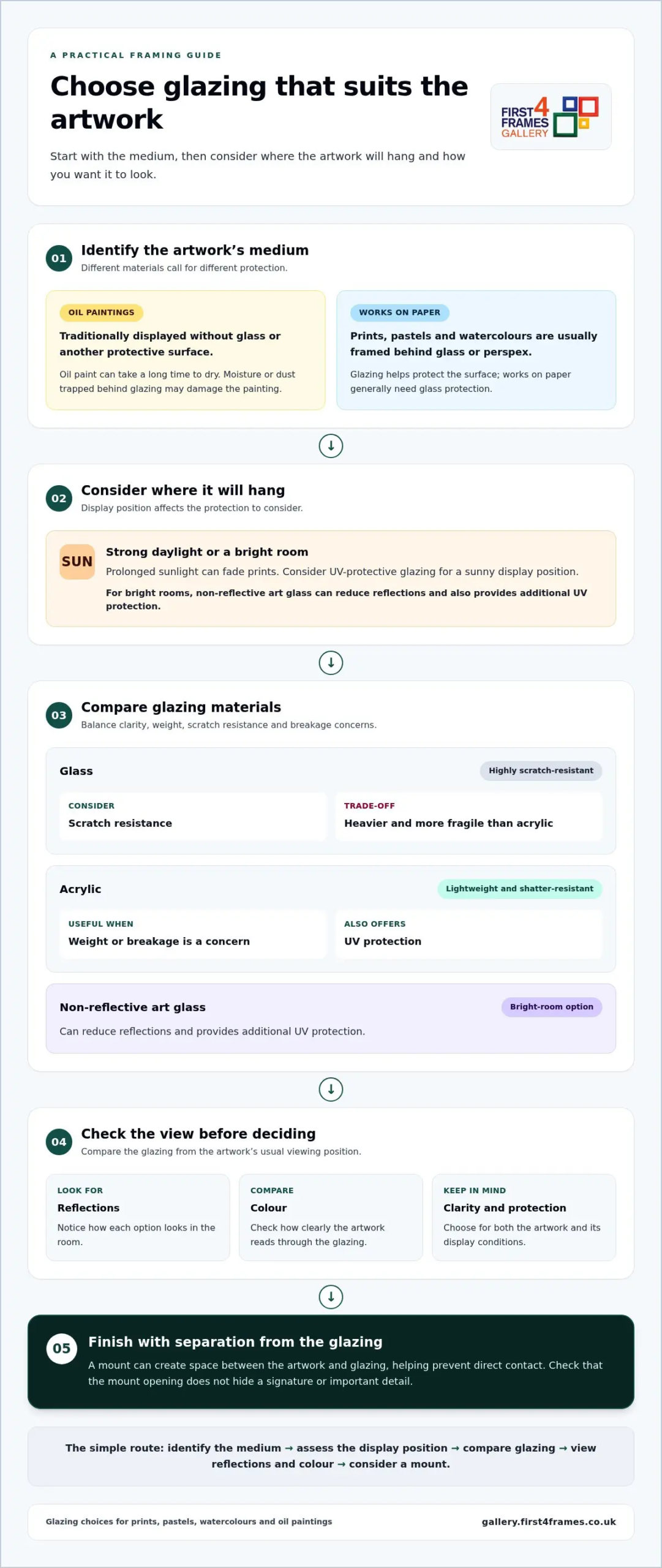
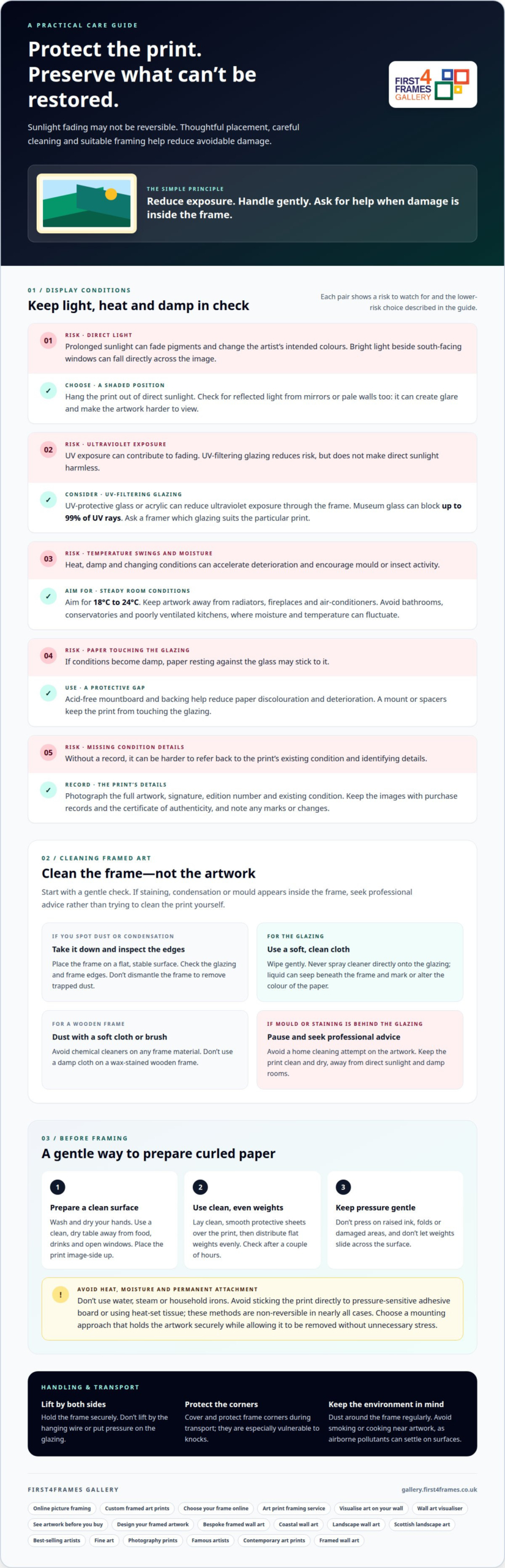
Sunlight, damp, heat and airborne pollutants can damage a print, while prolonged exposure to sunlight may cause fading that cannot be reversed. Reduce these risks by considering the artwork’s position, surroundings and framing materials.
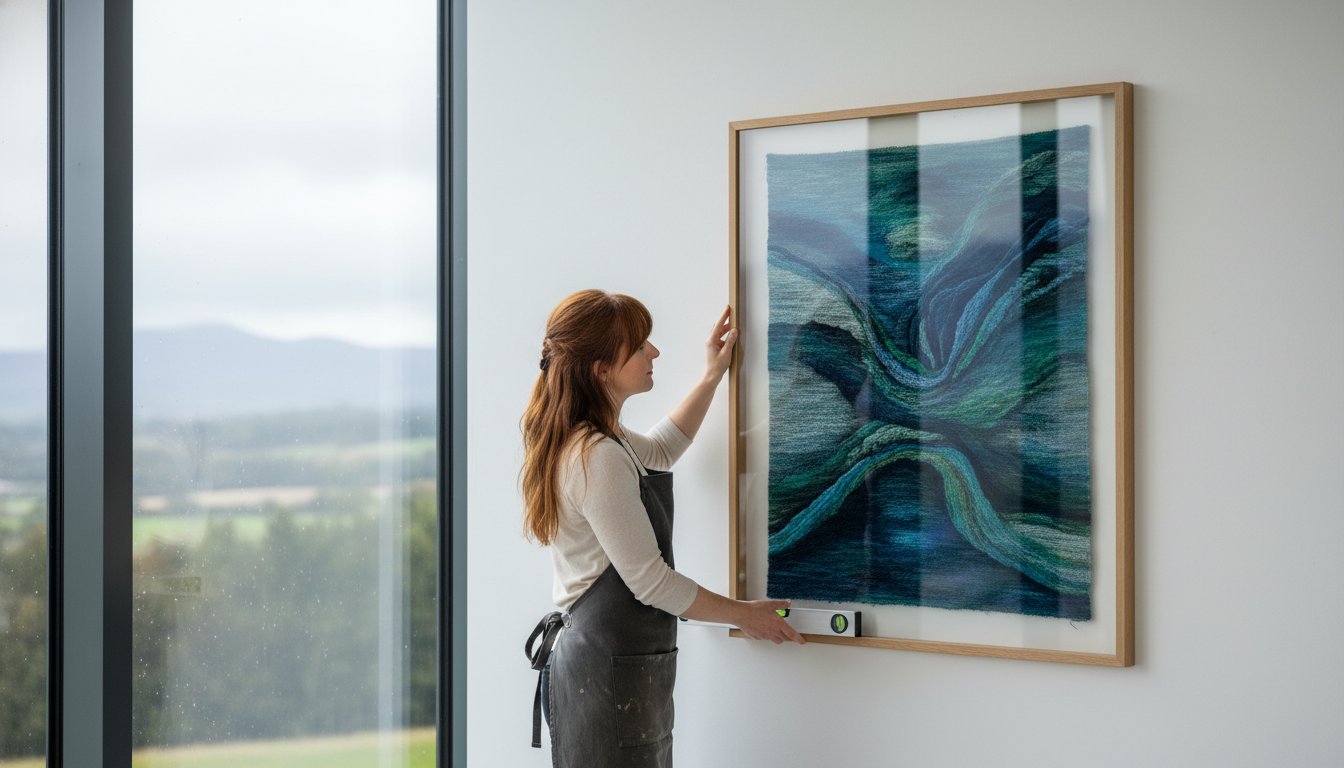
- Choose a shaded position. Keep framed prints out of direct sunlight, especially beside south-facing windows where bright light falls across the image. Sunlight can gradually fade pigments and change the artist’s intended colours. Also check for reflected light from mirrors or pale walls, which can cause glare and make the print harder to view.
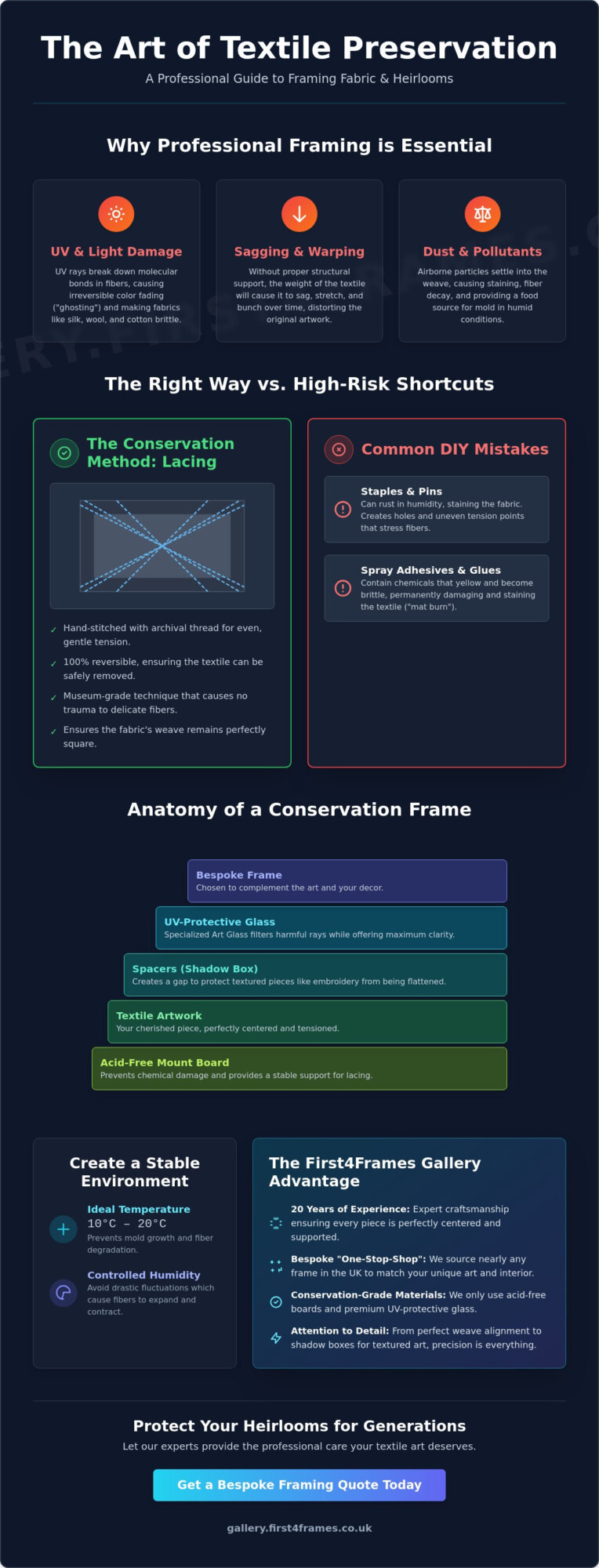
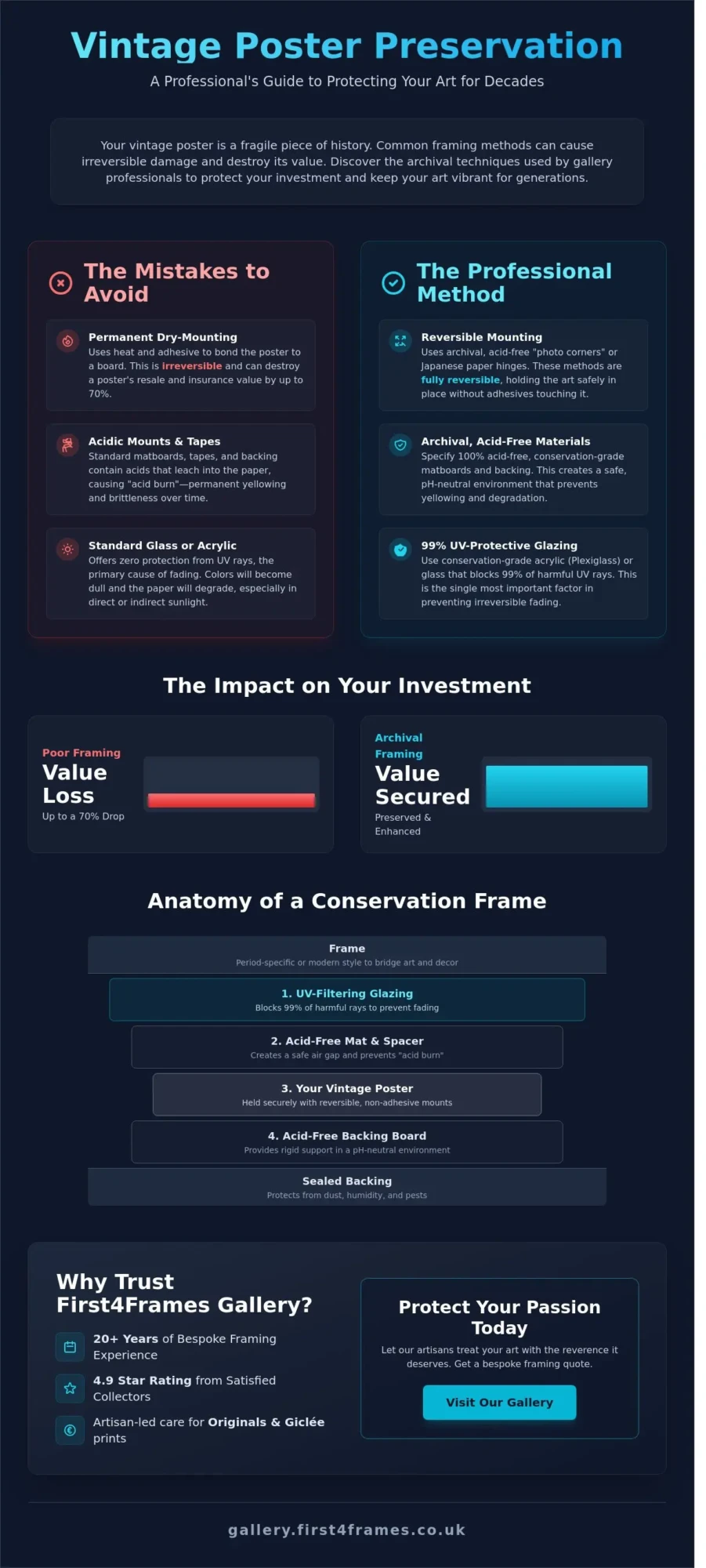
- Consider UV-filtering glazing. UV-protective glass or acrylic can reduce ultraviolet exposure through the frame. Museum glass can block up to 99% of UV rays. Ask your framer about glazing options for the particular print, and remember that UV-filtering glazing reduces risk rather than making direct sunlight harmless.
- Keep the print away from heat and damp. Aim for a steady room temperature of 18°C to 24°C. Hang artwork away from radiators, fireplaces and air-conditioners, where temperature changes or warm, moist air can accelerate deterioration and encourage mould or insect activity. Avoid bathrooms, conservatories and poorly ventilated kitchens, where moisture and temperature can fluctuate.
- Use suitable framing materials. Acid-free mountboard and backing help reduce paper discolouration and deterioration over time. A mount or spacers should keep the print from touching the glazing. This gap helps prevent the paper from sticking to the glass if conditions become damp.
- Record the print’s details for insurance. Photograph the artwork, signature, edition number and existing condition, then store the images with its purchase records and certificate of authenticity. Capture the full print as well as close-ups of the signature and numbering. Keep a separate written note of any marks or changes to provide a clear reference for future condition comparisons.
How do I clean framed art?
To help prevent foxing, mould and fading, keep prints clean and dry, away from direct sunlight and damp rooms. If you notice staining, condensation or mould inside a frame, seek professional advice promptly.
-
Check for Dust, Condensation, and Mould
Take the framed print down and place it on a flat, stable surface. Check the glazing and frame edges for dust or condensation, and look for signs of mould inside. Don’t dismantle the frame to remove trapped dust, as handling the print can cause damage. If you see staining or mould behind the glazing, get professional advice rather than trying to clean the artwork yourself.
-
Clean Framed Prints with Glazing
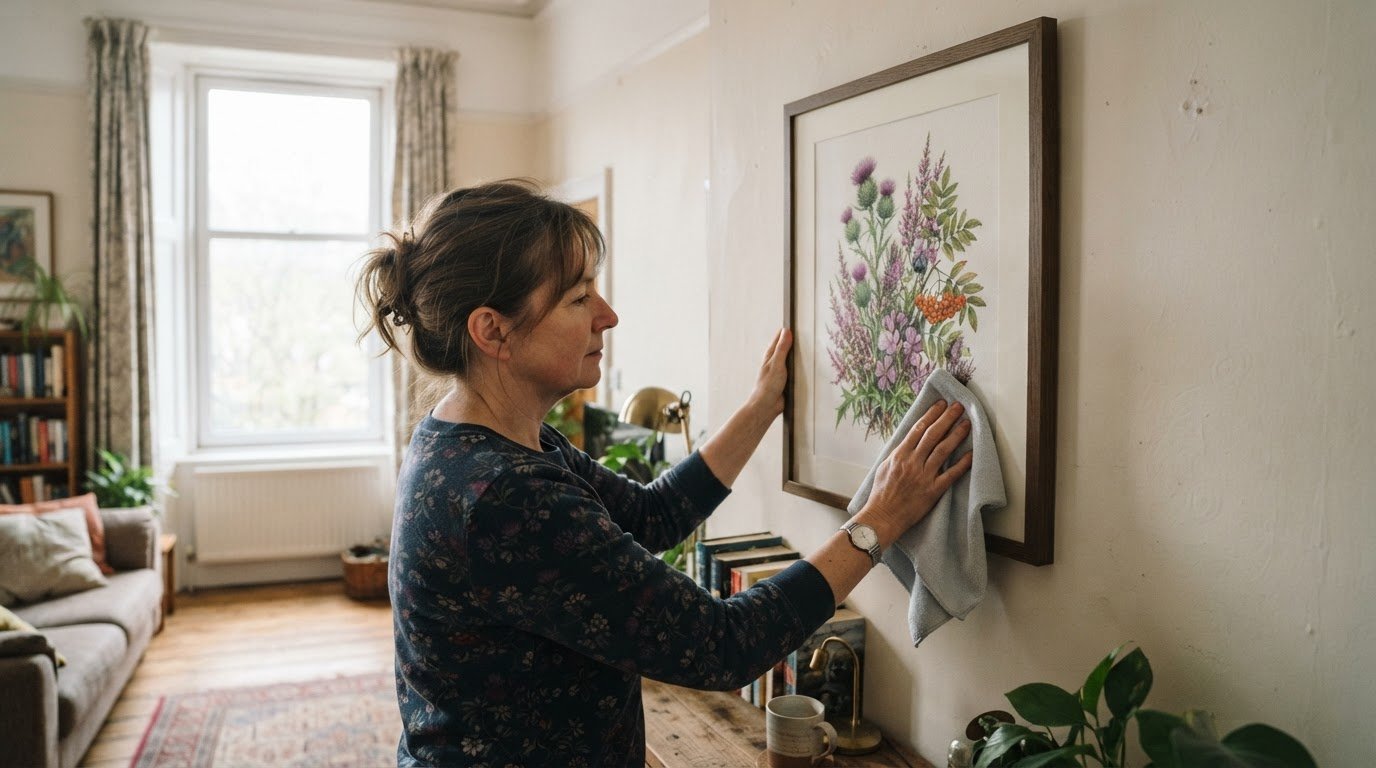
Wipe the glazing gently with a soft, clean cloth, and never spray cleaning products directly onto it. Liquid can seep beneath the frame and mark the paper or alter its colour. Dust a wooden frame with a soft cloth or brush, and avoid chemical cleaners on any frame material. For example, don’t use a damp cloth on a wax-stained wooden frame.
-
Handle Prints to Avoid Damage
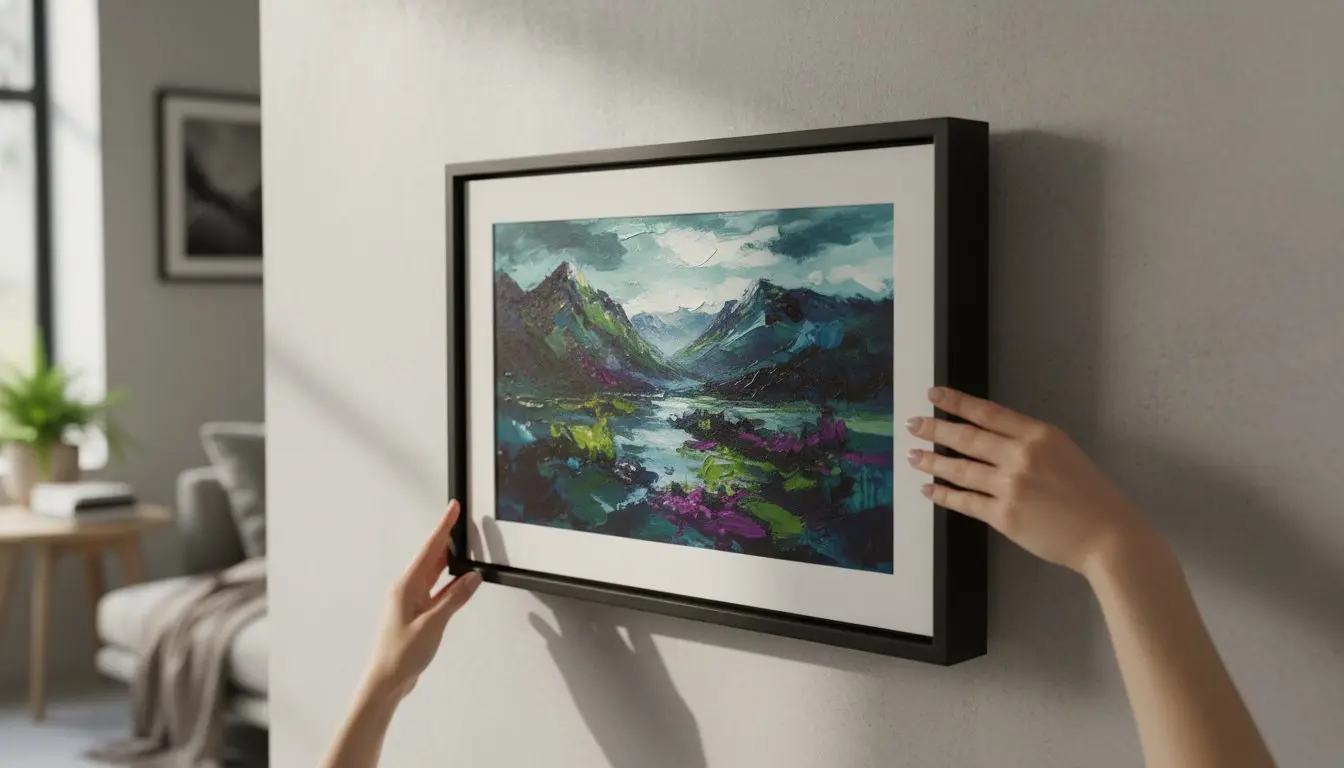
Lift a framed piece by holding both sides securely, rather than gripping the hanging wire or placing pressure on the glazing. For transport, cover and protect the corners, which are especially vulnerable to knocks. If you’re checking a print’s size before choosing a frame, standard paper formats include A4 at 21 x 29.7 cm, A3 at 29.7 x 42 cm, and A2 at 42 x 59.4 cm.
-
Prevent Foxing, Mould, and Fading
Keep framed prints out of bathrooms and other damp spaces, where changing moisture and temperature can encourage deterioration. Dust around the frame regularly, and avoid smoking or cooking near artwork, as airborne pollutants can settle on surfaces. If you’re selecting artwork for a carefully planned display, browse prints for your space and consider how their position will protect them from dust and strong light.
Flattening a print before framing
Before framing, let a curled print settle flat without adding moisture or forcing creases. Careful preparation and suitable materials help protect its surface over time.
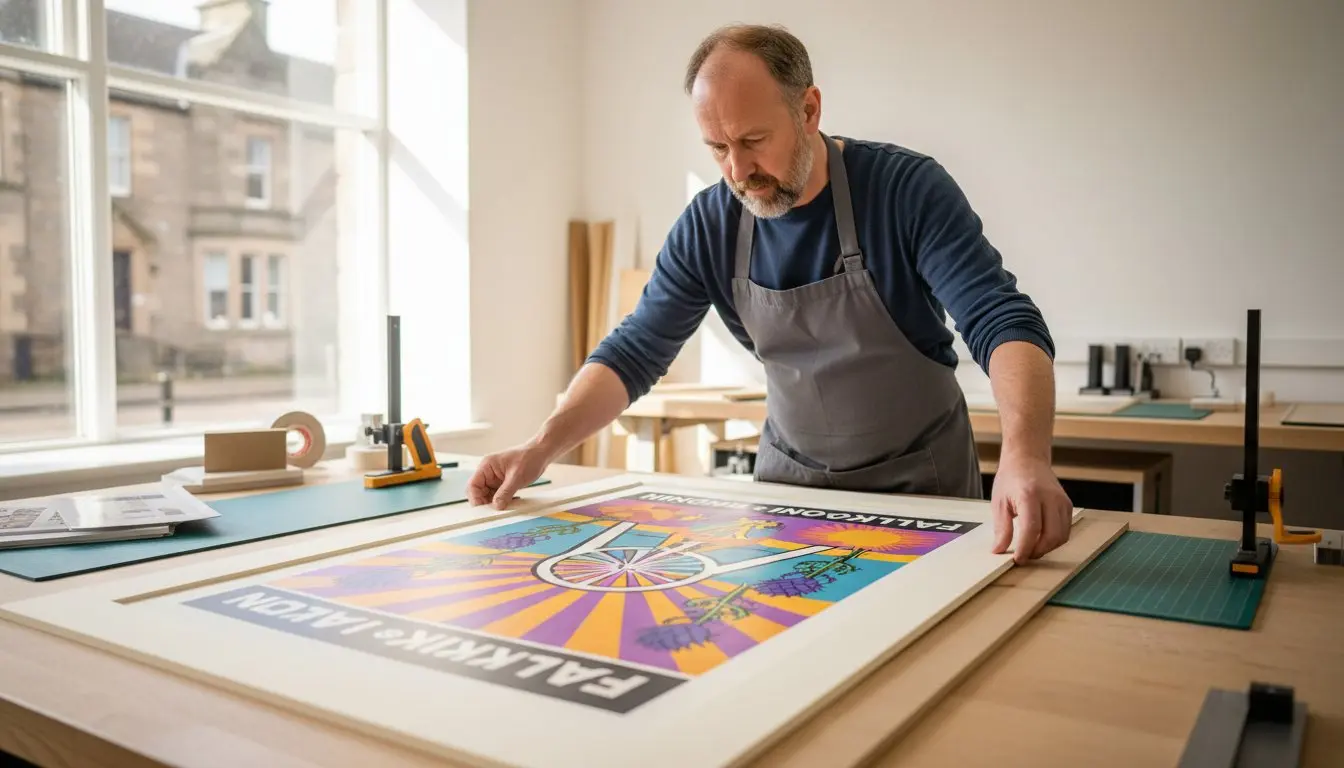
- Prepare a clean, dry surface. Wash and dry your hands, then clear a flat table away from food, drinks and open windows. Place the print image-side up and check its edges and corners. Don’t use water, steam or household irons to relax the paper; moisture and heat can mark the image or change its shape.
- Flatten it gently with clean weights. Place clean, smooth protective sheets over the print, then lay flat, evenly distributed weights on top. Leave it for a couple of hours before checking whether it sits more evenly. Don’t press hard on raised ink, folds or damaged areas, and never let weights slide across the surface.
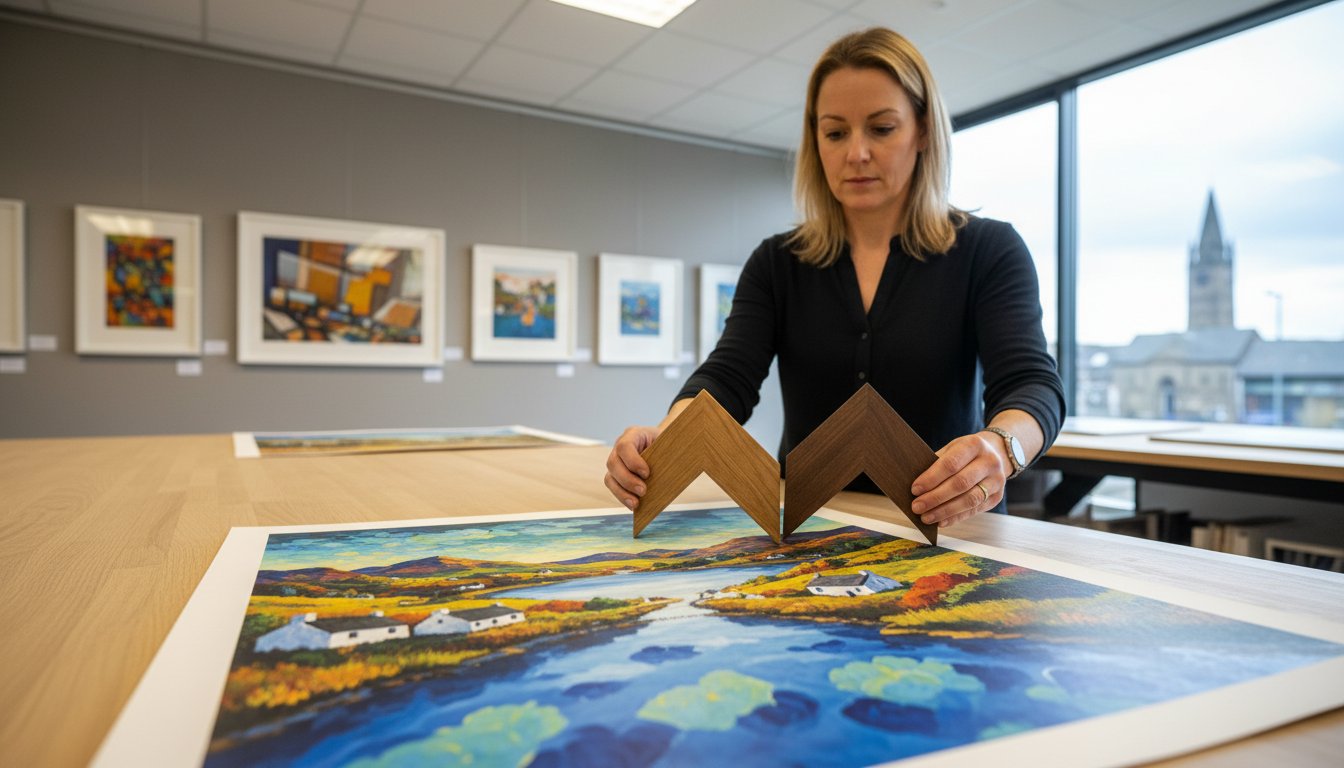
- Choose acid-free framing materials. Acid-free mountboard and backing help prevent paper discolouration and deterioration over time. A mount also creates space between the print and the glazing, so the image isn’t pressed directly against the glass. Choose a mount opening that supports the composition without covering important details or the artist’s signature.
- Avoid permanent attachment. Don’t stick a print directly onto pressure-sensitive adhesive board or use heat-set tissue. These methods are non-reversible in nearly all cases, which can complicate future framing or conservation. Instead, use a mounting approach that holds the artwork securely while allowing it to be removed without unnecessary stress.
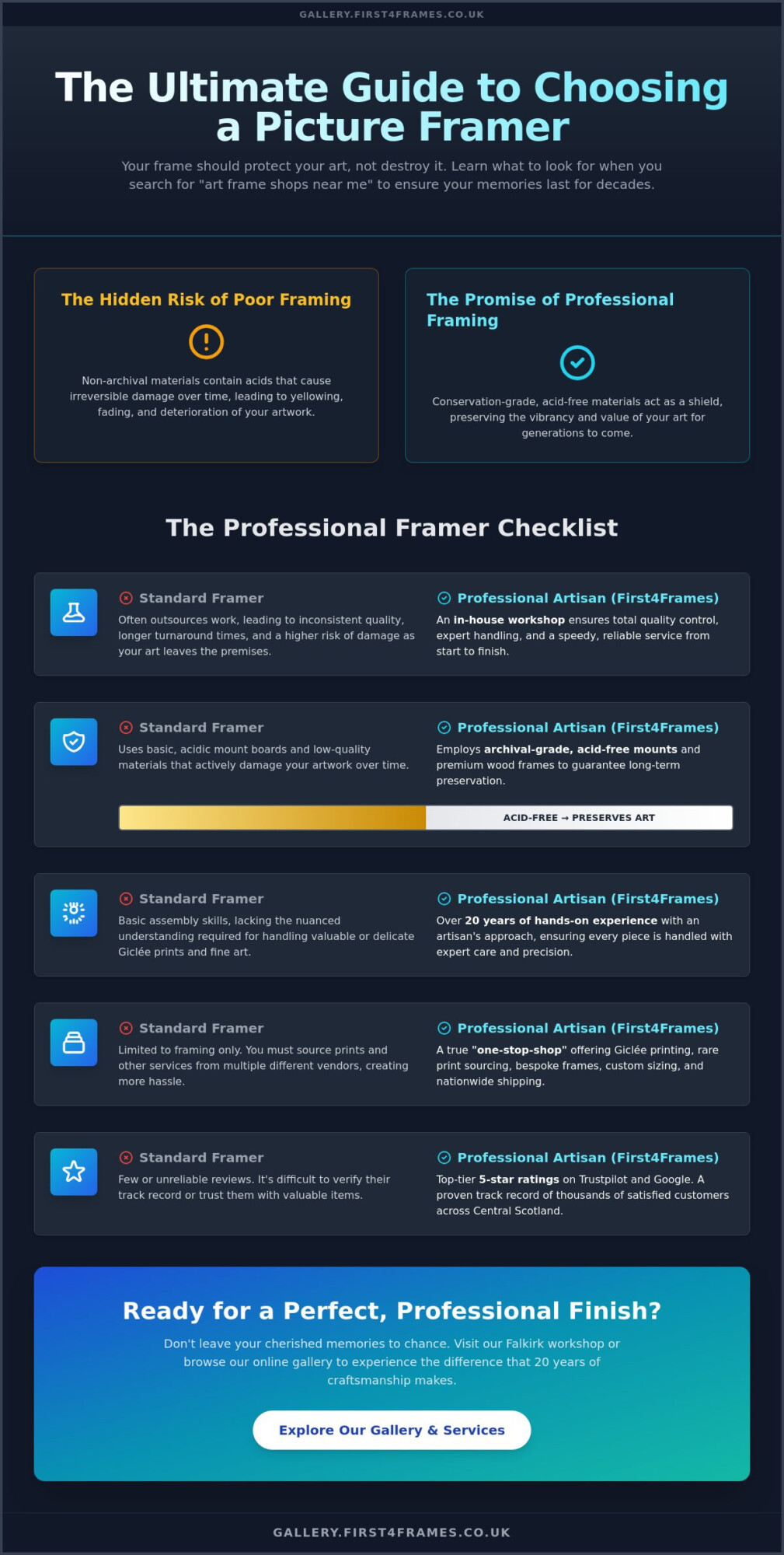
- Plan archival or conservation-quality framing. For a print you value as an investment, consider the paper, mount, backing and glazing as one system. Archival materials and careful assembly help limit avoidable deterioration, but the right choices depend on the print’s condition and display environment. A professional framer can assess the paper and recommend a suitable, conservation-minded setup.
How should you handle a limited edition art print to avoid damage?
Careful handling reduces the chance of creases, scuffs and pressure marks. Follow these steps whenever you unwrap, move or store an unframed print.
- Prepare a clean workspace. Clear a flat surface before opening the packaging, and keep drinks, food and sharp objects away. Unwrap the artwork slowly, without dragging paper across the table or pulling at its edges. Keep the original packaging nearby to help protect the print during temporary storage or moving.
- Lift the print by its edges. Make sure your hands are clean and dry, then support the paper evenly rather than pinching one corner. Avoid touching the printed image, especially where ink may be vulnerable to friction. If you need to turn the sheet, support its full width to prevent it bending under its own weight.
- Transport it flat and protected. Place an unframed print between smooth card and acid-free tissue, then carry it in a portfolio or print-browser sleeve. Keep the package flat, and don’t put books or other objects on top. This protects the surface from rubbing and reduces the chance of creasing during a journey.
- Store it carefully between moves. Keep an unframed limited edition print flat whenever possible, in a dry place away from spills and damp. If rolling is unavoidable, store it horizontally in a dry environment, and avoid repeated rolling or prolonged tight-tube storage. These stresses can damage the surface, particularly silkscreen ink, by increasing the risk of micro-cracking.
- Protect framed artwork in transit. Keep framed works upright in storage, and don’t place them directly on concrete floors. During transport, cover the corners well because they’re especially vulnerable to knocks. Keep any certificate of authenticity in a polyester sleeve or separate file, not taped to the frame backing or placed behind the print. For a new piece, browse fine art prints and plan how you’ll handle it from unwrapping to display.
First4Frames Gallery: Ready-to-Hang Framed Art
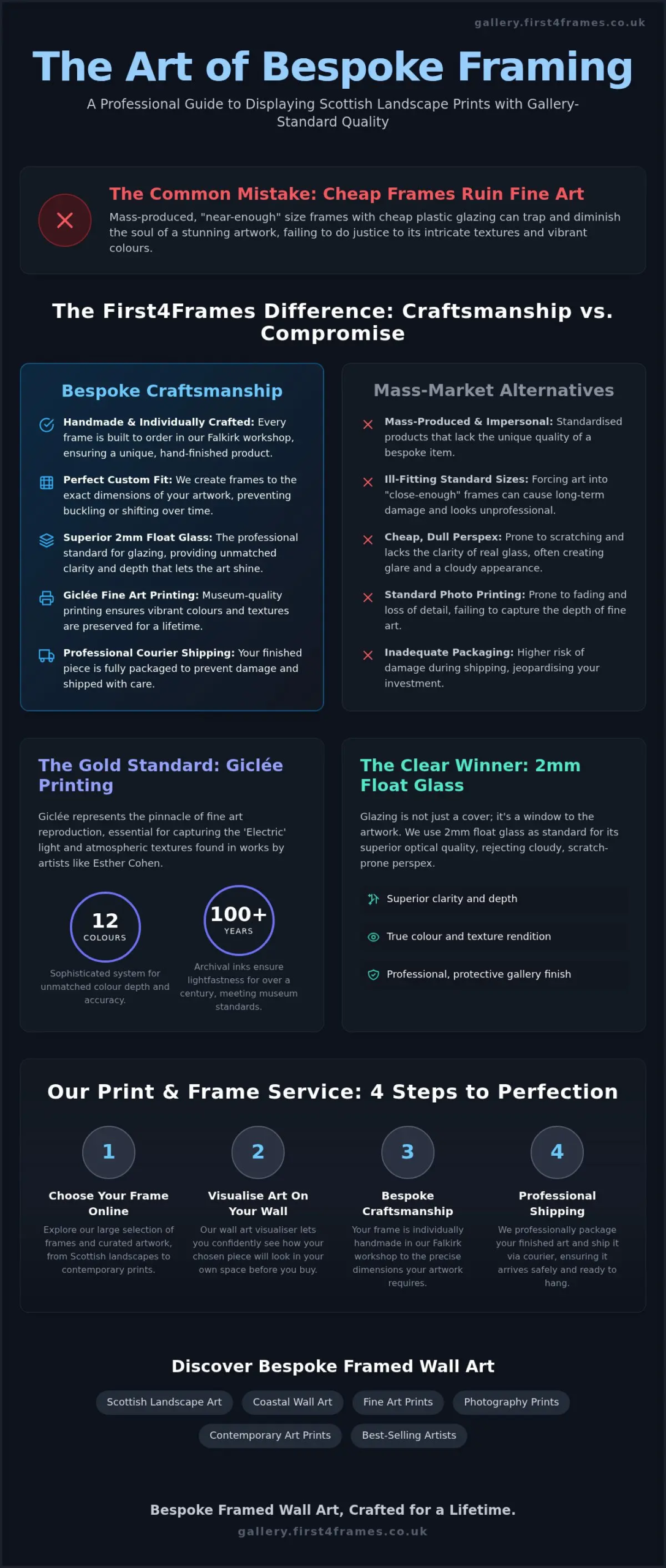
First4Frames Gallery offers Ready-to-Hang Framed Art, Custom Picture Framing and Giclée Fine Art Prints. Its handmade, bespoke framing gives custom framed art prints a considered finish, with frames made to order and glazed with 2 mm float glass. Explore Scottish landscape art, coastal wall art, contemporary art prints and more, then choose your frame online to create bespoke framed wall art that suits your space. For online picture framing, browse the collection to see artwork before you buy and design your framed artwork around a print you love.
Make space for your print to be enjoyed
A limited edition print deserves more than careful storage; it should also feel part of the room you’ve made your own. Think about the atmosphere you want it to create, the colours around it, and how you’ll enjoy seeing it each day. Caring for a limited edition art print can become a thoughtful habit, connecting its place in your home with the story that drew you to it.
As your collection grows, choose pieces that complement one another without losing their individual character. A landscape might bring a quieter mood to a reading corner, while a bold contemporary image can become the centre of a living space. Let your eye lead, and give each print room to be appreciated.
Ready to find a piece that feels right for your walls? Explore artwork and framing options, and take the next step towards making art part of your everyday surroundings. A little care helps your chosen print keep its place in the story of your home.
Frequently Asked Questions
Can a Damaged Print Be Restored?
Some print damage can be improved, but fading from prolonged sunlight may not be reversible. Caring for a limited edition art print means avoiding home remedies such as rubbing, erasers, water or household cleaners, which can lift ink or alter paper. If you notice a crease, stain or flaking area, stop handling the print and photograph it under even light for a paper conservator to assess.
Should You Store Prints Flat or Rolled?
Store unframed prints flat whenever possible, with clean, smooth protective sheets between them. Flat storage avoids repeated bending and pressure along a rolled edge. If rolling is necessary, keep the print horizontal in a dry environment and avoid tight, long-term tube storage. Repeated rolling can stress the surface and increase the risk of micro-cracking in silkscreen ink. Let a rolled print uncoil gradually before framing.
What If Dust Appears Inside the Frame?
Don’t open the frame just to remove trapped dust. Dismantling it can expose the print to handling damage and disturb its mount. Check the glazing for condensation, spots or visible mould without pressing against it. If you see staining, mould or condensation inside, seek professional advice promptly. Gently remove surface dust without taking the frame apart.
What Temperature and Humidity Are Best for Storing Art Prints?
Aim for 18°C to 24°C and relative humidity between 40% and 55% for art prints. Keep readings steady, rather than allowing conditions to swing between cold, damp air and warmth. A hygrometer near the storage area can help you spot recurring changes. If condensation regularly forms on nearby windows, move the prints to a more stable storage location.
How Should You Frame a Limited Edition Print Using Archival Materials?
Use acid-free mountboard and backing to help limit paper discolouration, and keep the print from touching the glazing with a mount or spacers. Choose a window opening that leaves the image, signature and edition number visible. Avoid pressure-sensitive adhesive boards and heat-set tissue, which are non-reversible in nearly all cases. Store the certificate of authenticity separately in a polyester sleeve or file.
Should Art Prints Be Displayed Behind UV-Protective Glass or Acrylic?
Yes. UV-filtering glass or acrylic helps reduce ultraviolet exposure; museum glass can block up to 99% of UV rays. Good habits for caring for a limited edition art print also include choosing a display position away from direct sunlight. Treat UV-protective glazing as one layer of protection, since it doesn’t make bright conditions harmless. Consider nearby windows and reflections when selecting the spot.