Posted on

Large Picture Frames for Living Room: The Ultimate Guide

That expansive, empty wall in your living room holds so much promise, but the thought of filling it can feel daunting. Will the frame be too big, or worse, too small? How do you choose a style that complements your sofa and not clash with it? And what about the practicalities of safely hanging a heavy, precious piece? The fear of making a costly mistake can often lead to leaving that beautiful space bare.

There’s no need to feel overwhelmed. Choosing from the beautiful selection of large picture frames for living room spaces should be an exciting journey, not a stressful one. A spectacular, well-chosen frame is the bridge between your room’s décor and the artwork it holds, creating a professional and breathtaking focal point. In this ultimate guide, we share our passion and expertise to help you navigate every step. Discover how to select the perfect size, match styles with confidence, and hang your new masterpiece securely, transforming your living space into a gallery you’ll be proud of.

Why Go Large? The Impact of a Statement Frame in Your Living Room

Your living room is the heart of your home, but sometimes it can feel a little… predictable. The secret to transforming this everyday space into an extraordinary showcase of your personality lies in a single, powerful design choice: a statement piece of art. Opting for large picture frames for living room walls is more than just filling a blank space; it’s about making a confident declaration of style that instantly elevates your entire home.

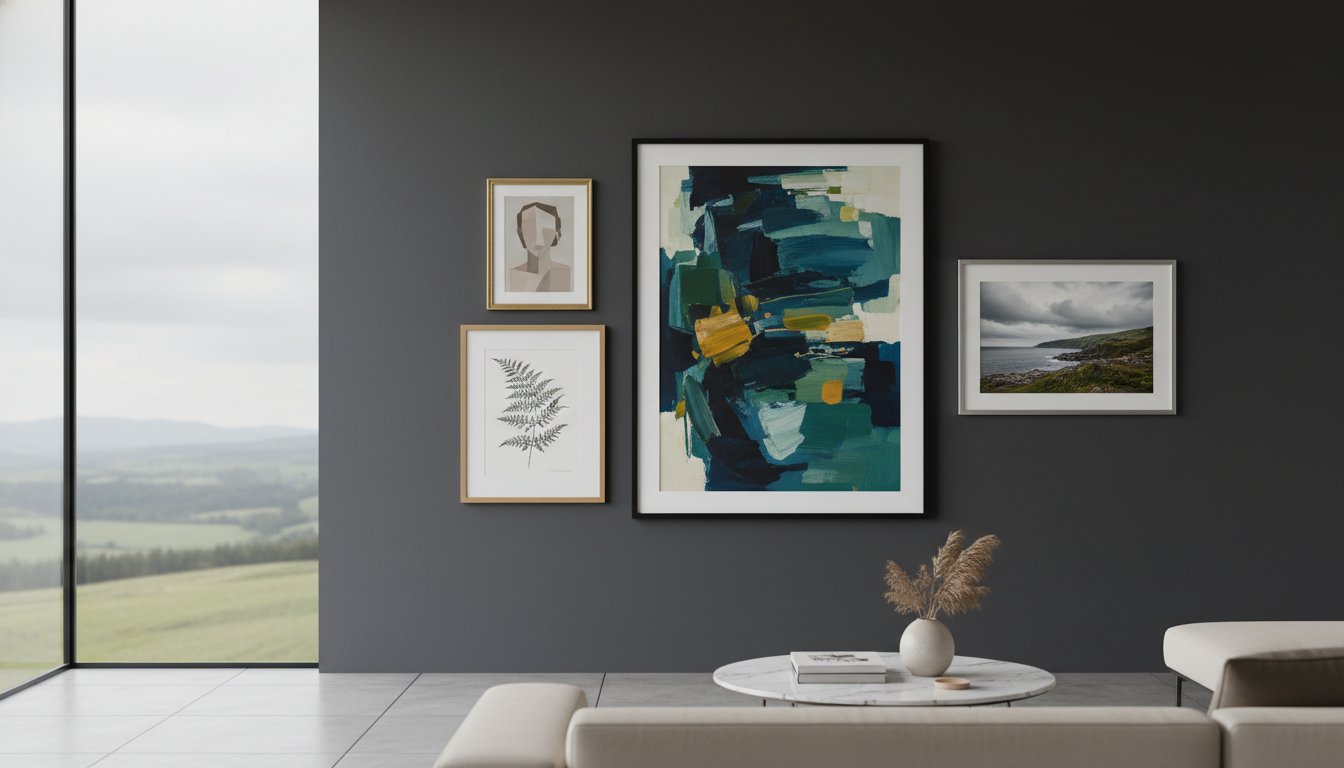
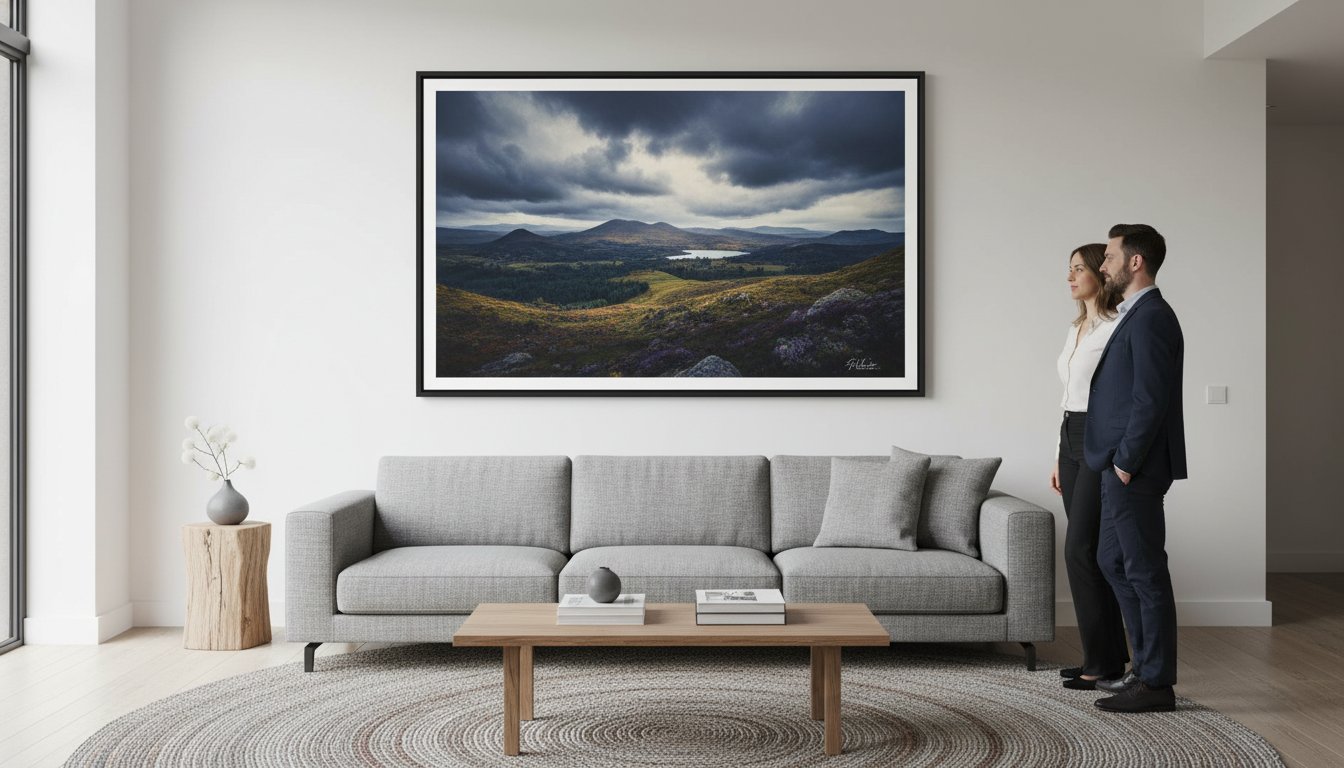
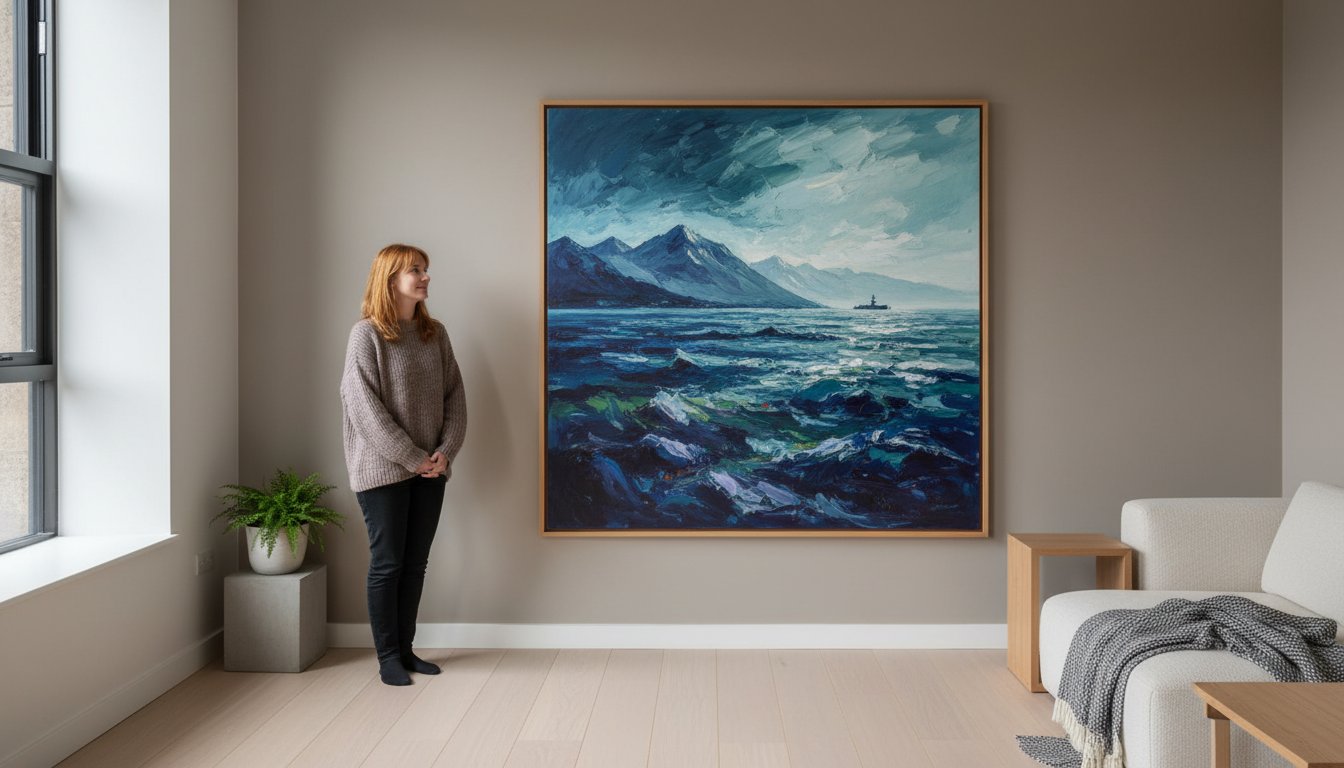
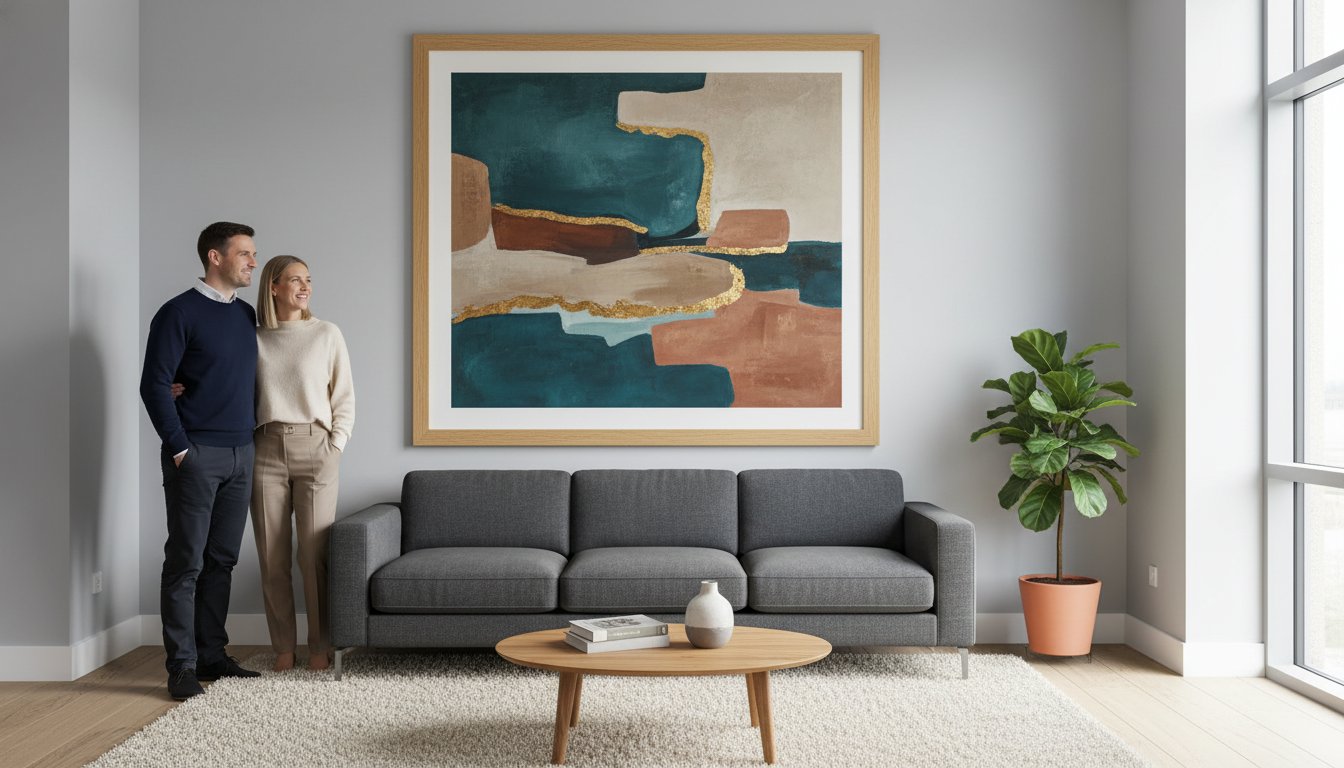
To see how oversized art can redefine a space, take a look at these spectacular ideas:

A single, spectacular piece of framed art acts as the perfect anchor for your room’s design. It can unify a colour scheme by pulling together disparate shades from your sofa, cushions, and rugs, creating a cohesive and professionally designed feel. More importantly, it’s a deeply personal choice that tells a story, turning your wall into a conversation starter and a true reflection of your tastes.

Creating a Focal Point

A large frame immediately draws the eye, establishing a clear focal point. Positioned above a key piece of furniture like a sofa or a fireplace, it commands attention and gives the room a sense of purpose. In open-plan living areas, a significant artwork can cleverly define a zone, visually separating the seating area from a dining space. The colour, subject, and style of the art you choose will set the entire mood, whether you’re aiming for serene tranquillity or vibrant energy.

The Psychology of Scale

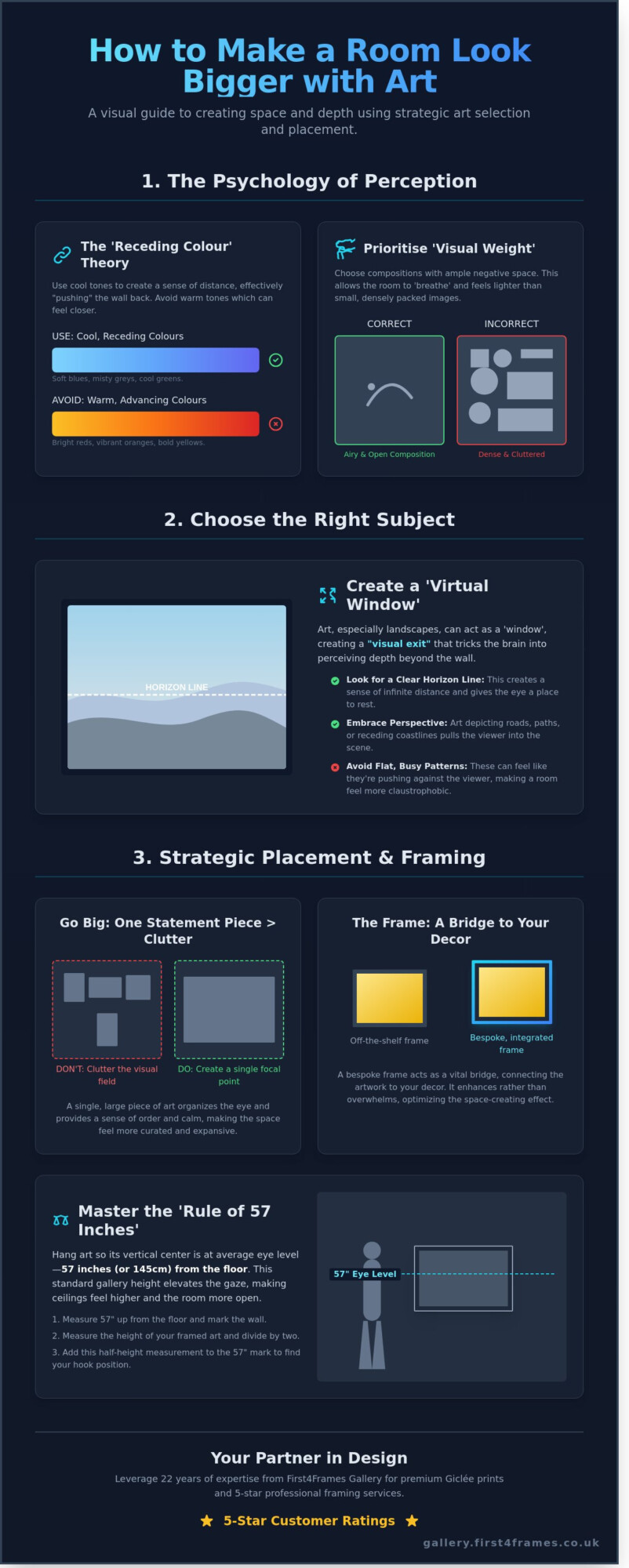
While it may seem counterintuitive, a large, uncluttered artwork can actually make a room feel bigger and more serene. Unlike a busy gallery wall, which can sometimes feel chaotic, a single oversized piece offers a bold, confident simplicity. It creates negative space around it, allowing the room to breathe. The key is achieving the right balance between the art, the wall, and your furniture. A premium, well-chosen picture frame acts as the perfect bridge, harmonising the artwork with its surroundings and completing the vision for your space.

How to Choose the Right Size: A Practical Measurement Guide

Choosing a large frame can feel daunting; the most common fear is simply getting the size wrong. An undersized frame can look lost and insignificant, while an oversized one can overwhelm your space. But there’s no need to worry. With a few simple guidelines and a tape measure, you can select the perfect size with the confidence of a professional interior designer. Getting the scale right is the secret to creating a balanced, harmonious, and truly spectacular focal point in your living room.

The ‘Rules’ of Scale and Proportion

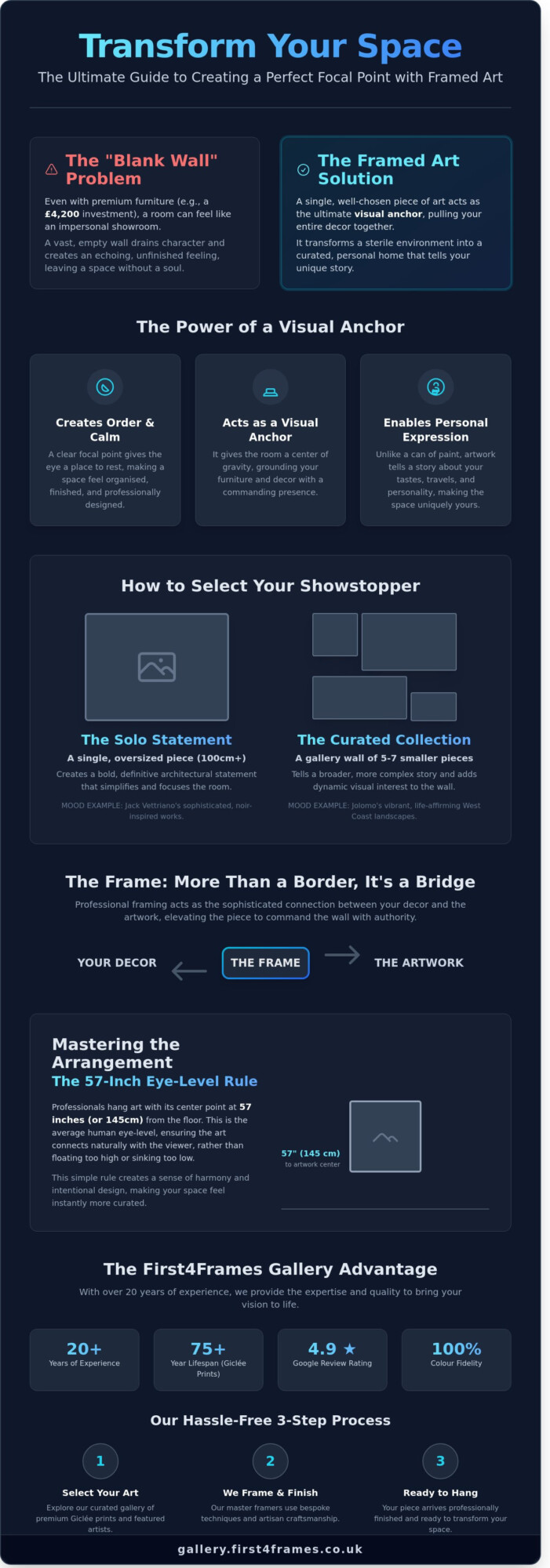
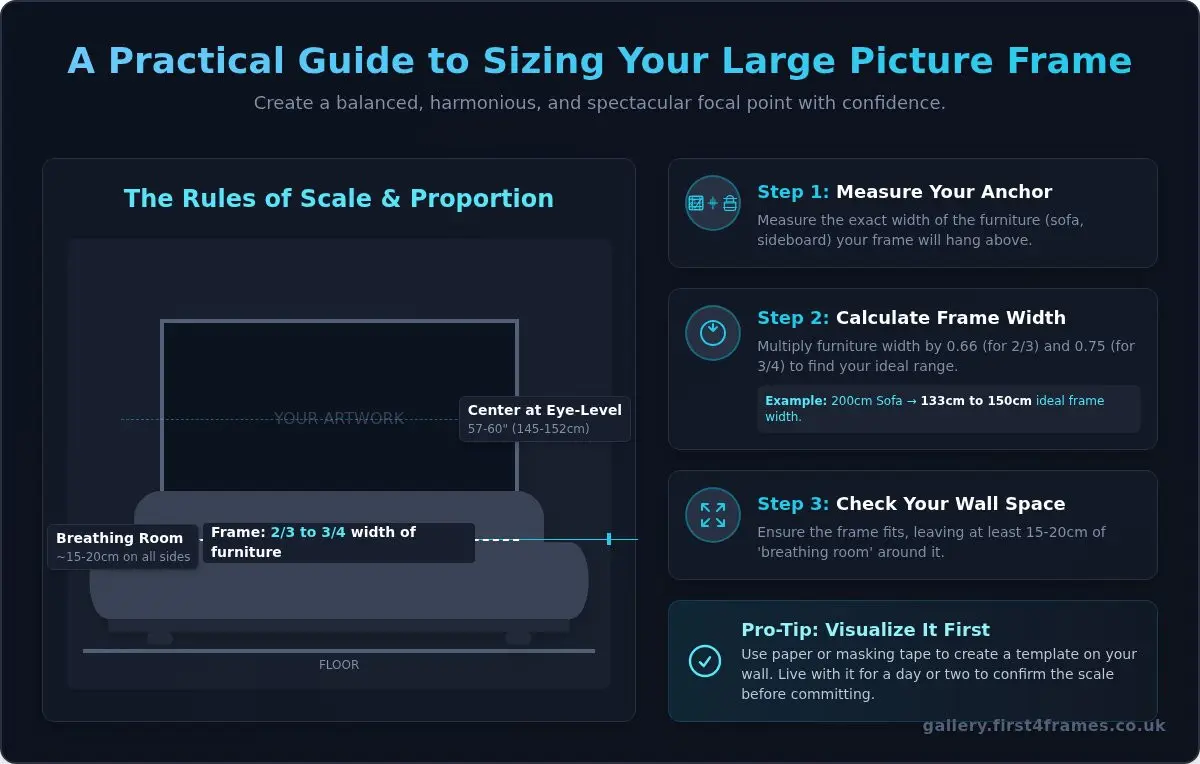
While design ‘rules’ are often made to be broken, these time-tested principles provide a fantastic starting point. For large picture frames for a living room, the most important guideline is the sofa rule: your framed art should be approximately two-thirds to three-quarters the width of the furniture it hangs above. This creates a pleasing visual anchor. Height is equally crucial; hang your artwork so its centre point is at eye level, which is typically 57-60 inches (about 145-152cm) from the floor. Also, consider your room’s architecture—taller ceilings can beautifully accommodate larger, portrait-oriented frames, drawing the eye upward.

Measuring for Your Frame: Step-by-Step

Ready to find your perfect dimensions? Our simple, three-step process makes it a hassle-free experience. Remember that the overall size includes the artwork, the mount, and the frame moulding itself.

  • Step 1: Measure Your Anchor. Use a tape measure to find the exact width of the sofa, sideboard, or console table your frame will hang above.
  • Step 2: Calculate Your Ideal Frame Width. Multiply the width of your furniture by 0.66 and 0.75. This gives you the ideal size range for your finished frame. For a 200cm sofa, you’d look for a frame between 133cm and 150cm wide.
  • Step 3: Check Your Wall Space. Measure the total wall area to ensure your chosen frame will fit comfortably, leaving at least 15-20cm of ‘breathing room’ on each side and above any furniture. Note the location of any light switches or sockets.

The weight of a large, beautifully crafted piece also means that selecting proper frame materials and hardware, such as D-rings instead of picture wire, is essential for a secure and lasting display.

Visualising the Final Look

The best way to banish any lingering doubts is to create a template. Cut a piece of brown paper or use masking tape to outline the potential frame’s dimensions directly on your wall. Live with this template for a day or two to see how it feels as you use the room. Does it command attention without dominating? For a final check, take a photo on your phone. Seeing the composition in a 2D format gives you a surprisingly accurate perspective on the scale and helps you commit to your perfect size.

Matching Frame Style to Your Living Room Décor

Think of your picture frame as the essential bridge connecting your chosen artwork to your living room’s aesthetic. It’s a powerful design tool that does the heavy lifting, ensuring the art feels like a natural part of the space, not just an afterthought. The right choice can elevate both the art and the room, creating a seamless, professionally curated look. When selecting from our range of large picture frames for living room spaces, consider whether you want the frame to complement your existing colour palette or provide a bold, eye-catching contrast. The profile of the frame—from a thin, barely-there line to a wide, ornate statement—also plays a crucial role in the final effect.

For the Modern & Minimalist Home

In a modern or minimalist interior, the goal is often to let the artwork speak for itself. We recommend sleek, clean-lined frames with a simple, flat profile. Classic black or white frames create a sharp, gallery-style finish, while natural light oak adds a touch of warmth without overwhelming the piece. For a subtle industrial edge, consider a thin, premium aluminium frame in a matte finish. These choices ensure the focus remains squarely on the art.

For the Traditional & Classic Space

A traditional living room calls for a frame with presence and character. Ornate, decorative frames in classic finishes like antiqued gold, polished silver, or deep mahogany add a wonderful sense of history and elegance. Don’t be afraid of detail; a swept or embellished frame can transform a simple print into a spectacular centrepiece, lending a luxurious, timeless quality to your décor. This style works beautifully with portraits, landscapes, and classic art.

For Scandi & Japandi Inspired Interiors

The Scandi and Japandi styles celebrate simplicity, natural materials, and craftsmanship. To achieve this serene, organic feel, opt for frames made from light, natural woods such as oak, ash, or maple. Look for simple profiles that showcase the beautiful texture and grain of the wood. A signature look is to pair a light wood frame with a generous, crisp white mount. This combination creates breathing space around the artwork, enhancing the calm and uncluttered feel of the room.

A Guide to Frame Materials, Mounts, and Glazing

Once you’ve chosen your artwork, the frame itself becomes the bridge between your print and your living room décor. The right combination of material, mount, and glazing not only enhances the art but also protects it for years to come. These details are where true craftsmanship shines, transforming a simple picture into a spectacular centrepiece.

Choosing Your Frame Material

The frame’s material sets the overall tone. Each option offers a distinct personality to complement your art and interior style.

  • Wood: Timeless, warm, and wonderfully versatile. A classic solid oak or ash frame brings a natural, organic feel, while a darker walnut adds a touch of sophisticated warmth. Wood is perfect for both traditional and contemporary settings.
  • Metal (Aluminium): For a clean, modern aesthetic, metal is an excellent choice. Its sleek lines and slim profile are ideal for contemporary photography and abstract prints, offering a durable and minimalist finish.
  • Polcore: An innovative and eco-friendly alternative, Polcore is made from recycled polystyrene. It offers the look of wood at a more accessible price point and is resistant to moisture, making it a practical and stylish option.

The Importance of a Mount (or Mat)

A mount is the card border that sits between the artwork and the frame, and its role is crucial. Aesthetically, it provides visual “breathing space,” preventing the art from feeling cramped and drawing the viewer’s eye inward. For large picture frames for living room displays, a wider mount can add significant presence and impact.

Functionally, the mount is vital for preservation as it stops the artwork from making direct contact with the glazing, protecting it from potential damage caused by condensation. Choose a crisp white for a classic gallery look, an off-white for a softer feel, or a contrasting colour to make your artwork truly pop.

Selecting the Right Glazing

Glazing is your artwork’s first line of defence against dust, humidity, and fading. While standard glass is a cost-effective option, it can be heavy and prone to reflections. For very large picture frames for living room walls, we highly recommend Acrylic (Perspex), which is much lighter and shatter-resistant, making it a safer choice. For treasured pieces, consider upgrading to anti-reflective and UV-protective glazing. This premium option minimises glare for perfect clarity and filters out harmful ultraviolet rays that can cause colours to fade over time.

Navigating these choices ensures your final piece is perfectly suited to your art and your home. Getting these details just right is our passion. Need help deciding? Talk to our bespoke framing experts.

How to Hang a Large, Heavy Picture Frame Safely

You’ve chosen the perfect artwork and the ideal bespoke frame. Now for the final, crucial step: hanging it securely on your living room wall. Getting this right is essential to protect both your wall and your beautiful new art. For the oversized or particularly heavy large picture frames for living room, we always recommend having two people for the job – it makes the process safer and much easier.

Know Your Wall Type & Fixings

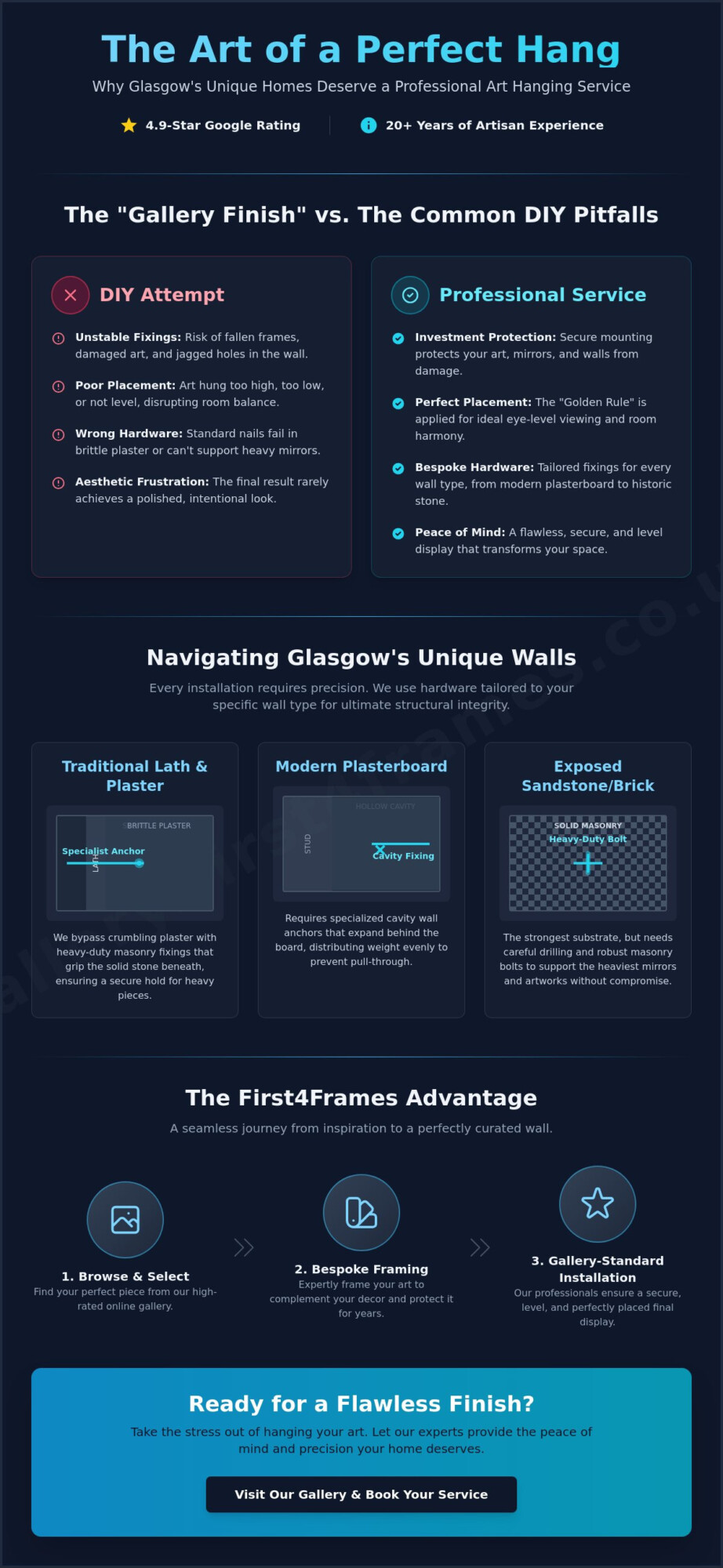
The single most important factor for a secure fitting is matching your fixings to your wall type. Using the wrong hardware can lead to damage, so it’s vital to choose correctly. For complete peace of mind, always ensure your chosen fixings are rated to hold at least double the weight of your frame.

  • Plasterboard Walls: Standard wall plugs are not strong enough for heavy frames. You will need specialist heavy-duty plasterboard fixings, such as spring toggles or strap toggles, which open up behind the board to securely distribute the load.
  • Brick or Masonry Walls: These solid walls offer the strongest support. You’ll need to drill a hole with a masonry drill bit, insert a suitable wall plug (often called a Rawlplug in the UK), and then use a sturdy screw.

Safety First: Before you drill any holes, always use a stud and pipe detector to check for hidden electrical wires, water pipes, or metal studs.

Essential Tools & Preparation

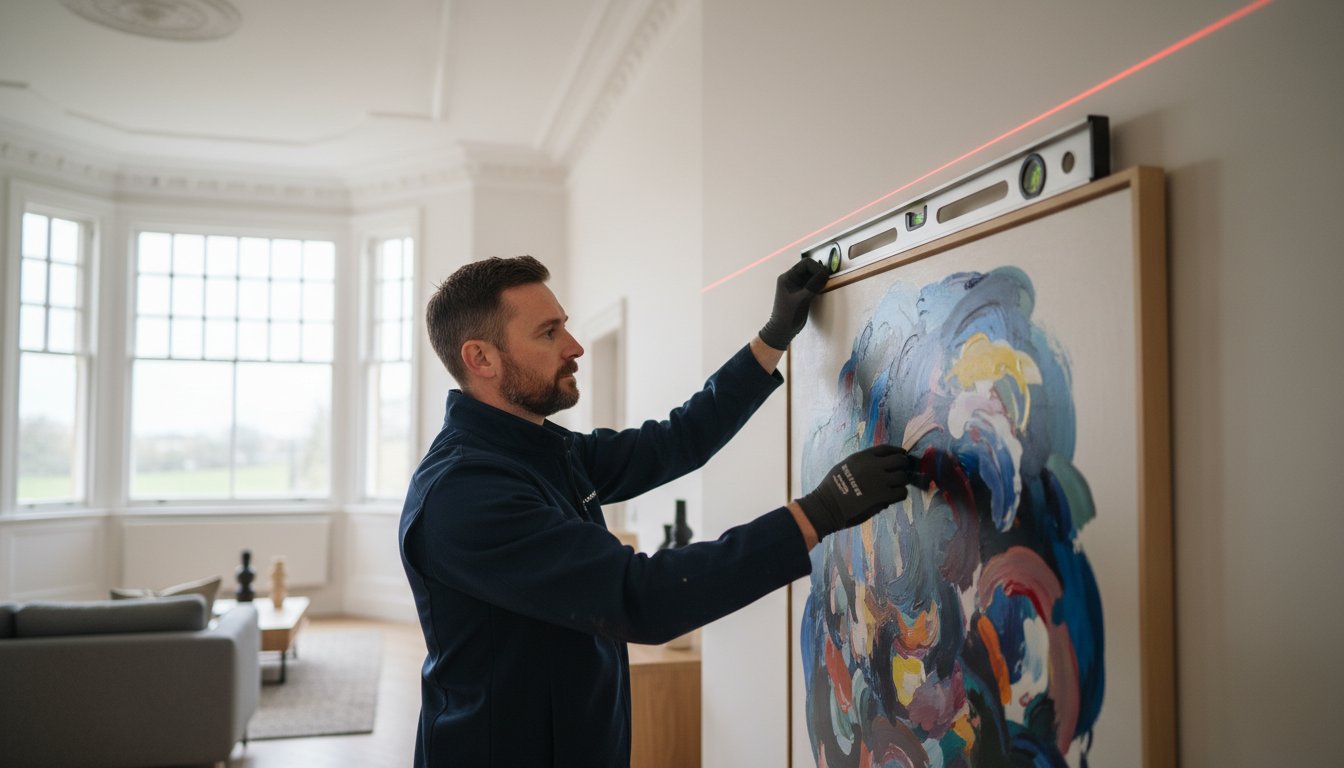
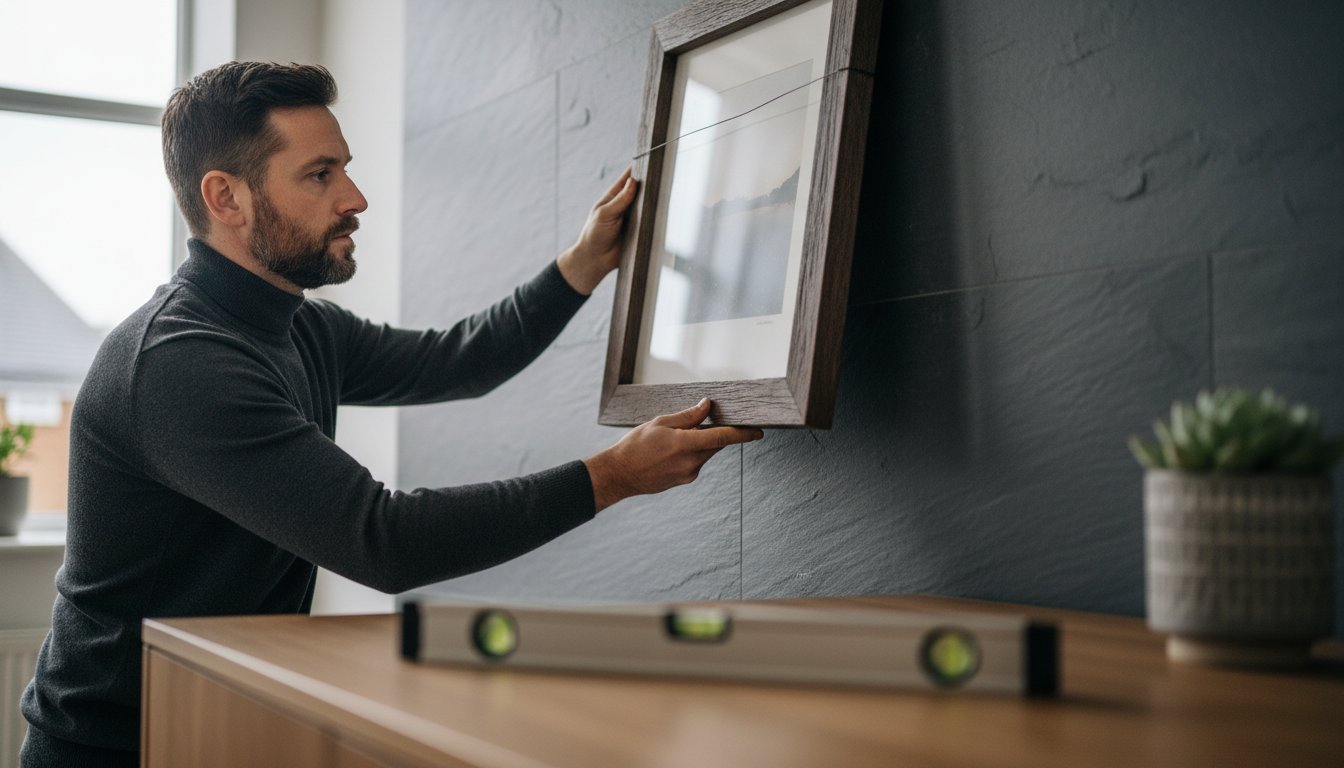
Gathering your tools beforehand makes the job run smoothly. Remember the old carpenter’s rule: measure twice, drill once. Double-checking your markings with a spirit level is the secret to a perfectly horizontal, professional-looking result.

  • Tape measure
  • Pencil
  • Spirit level
  • Drill with the correct bits for your wall type
  • Your chosen wall fixings and screws

The Hanging Process: A Simple Guide

With your tools ready and a helper on standby, you can begin.

  1. Mark the Position: Decide on the perfect height. A good rule of thumb is to hang art so its centre is at eye level, roughly 145-152cm from the floor. Mark this central point lightly with a pencil.
  2. Mark Your Fixing Points: Measure the distance between the hanging points (e.g., D-rings) on the back of your frame. Transfer this measurement to the wall, using your spirit level to ensure the two marks are perfectly level.
  3. Drill and Install: Carefully drill your holes on the marked spots. Insert your wall plugs or toggle fixings, ensuring they are flush and secure. Then, screw in your screws, leaving them protruding just enough to hang the frame on.
  4. Hang Your Frame: With your helper, carefully lift your picture frame and hook it onto the screws. Step back to check it’s straight, making minor adjustments if needed. Use your spirit level one last time on top of the frame for confirmation.

Once complete, you can stand back and admire your spectacular new focal point. A securely hung piece of art not only looks professional but gives you the confidence that it will be enjoyed for years to come.

Your Journey to a Spectacular Living Room Starts Here

You now have the insights to confidently choose a statement piece that transforms your home. From measuring your space and matching your décor to selecting the right materials, you’re ready to make a bold impact. Remember that the best large picture frames for living room do more than just fill a wall; they create an unforgettable focal point and beautifully reflect your personal style.

With over 20 years of passionate framing expertise, we’re here to help you complete that vision. Our bespoke service is dedicated to finding the perfect custom fit for your art, using premium Giclée prints and archival materials to ensure your chosen piece is as enduring as it is spectacular.

Ready to find your perfect match? Explore our curated collection of large framed art for your living room.

Embark on your artistic journey today and let’s create a space you’ll truly love.

Frequently Asked Questions

What size is considered a large picture frame?

While there’s no official rule, a picture frame is generally considered large when it’s A1 size (59.4 x 84.1cm) or bigger. These frames are designed to make a significant statement and act as a focal point in a room. Think of sizes like 70 x 100cm or 100 x 140cm. The key is its ability to command attention and anchor the decor, transforming a blank wall into a spectacular feature, and showcasing the beautiful craftsmanship of the frame.

Should a large picture frame always have a mount?

Not always! A mount, or passe-partout, creates visual space around the artwork, giving it a classic, gallery-quality finish that draws the eye inward. It’s perfect for fine art prints or detailed pieces. However, for a more modern, immersive look, especially with bold posters or photography, framing without a mount (full-bleed) can be incredibly impactful. The choice ultimately depends on the artwork and the aesthetic you wish to achieve.

How much does a large bespoke picture frame typically cost?

The cost of a large bespoke frame is a reflection of its premium materials and expert craftsmanship. For an A1-sized frame, you might expect prices to start from around £90 for a simple profile and standard glazing. This can increase to £200 or more for larger sizes, ornate solid wood mouldings, or specialist options like anti-reflective Artglass. Each bespoke frame is a unique piece, crafted to perfectly protect and present your chosen artwork.

What is the best type of artwork for a large frame in a living room?

Large frames demand artwork with presence. Bold abstract pieces are perfect for adding a dynamic splash of colour and energy to a modern space. Alternatively, a spectacular landscape photograph can create a window to another world, adding depth and serenity. For a more personal touch, an oversized family portrait in black and white offers timeless sophistication. The perfect piece is one that resonates with you and becomes a true centrepiece for your home.

Can you hang a large frame on a plasterboard wall?

Absolutely. Plasterboard is the standard in most modern UK homes and can safely support a large, heavy frame with the correct fixings. Instead of a simple nail, you must use specialised plasterboard plugs, such as spring toggles or heavy-duty self-drilling anchors, which are designed to grip the back of the board. For stability and peace of mind, we always recommend using two fixing points to distribute the weight evenly and securely.

Is it better to have one large picture or a gallery wall in a living room?

This is a wonderful question of personal style! A single, statement piece creates a powerful, singular focal point. Using one of our large picture frames for living room walls offers a clean, confident, and high-impact look that can define a room’s entire aesthetic. A gallery wall, on the other hand, tells a more personal story through a collection of smaller pieces, creating texture and a sense of curated history. Consider if you want one stunning hero piece or a chorus of beautiful memories.

Posted on

Gallery Wall Layout Ideas: 10 Inspiring Trends for 2026

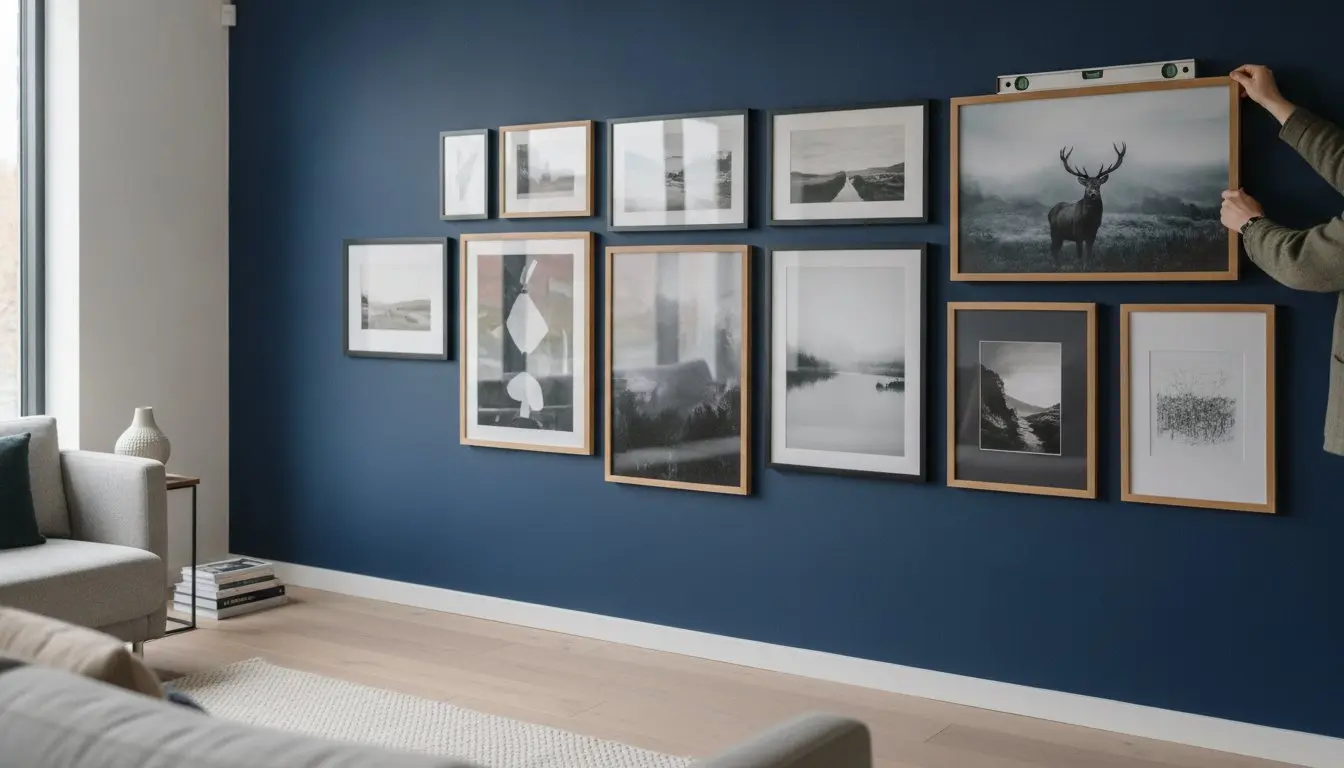
That vast, empty wall in your living room holds so much potential, but where do you even begin? If the thought of mixing different frames, choosing art that works together, and committing to nail holes fills you with more dread than delight, you’re in the right place. We believe creating a spectacular gallery wall should be a journey of artistic discovery, not a stressful puzzle. That’s why we’ve delved into the future of interior design to bring you the definitive guide to gallery wall layout ideas 2026.

Prepare to be inspired. In this article, you’ll explore ten of the most exciting trends, from the beauty of minimalist grids to the charm of eclectic clusters. We’ll share our expert advice on how to confidently plan and hang your artwork, ensuring you can create a display that not only fits your space perfectly but also tells your personal story. It’s time to transform that blank canvas into a beautiful, professional-looking feature you’ll love for years to come.

The Foundations of a Flawless Gallery Wall: Planning for 2026

Before you hammer a single nail, the journey to a spectacular gallery wall begins with a thoughtful plan. A truly beautiful collection of art is more than just a way to fill a blank space; it’s a personal narrative, a reflection of your style and story. This practice of curating and showing art has a rich past, and understanding the history of displaying art can inspire us to create displays with meaning. Good planning is the secret to saving time, preventing misplaced holes, and achieving that perfectly polished, professional result you envision.

To help you visualise the latest trends and possibilities, take a look at this inspiring video:

Start with a Story: Defining Your Theme & Palette

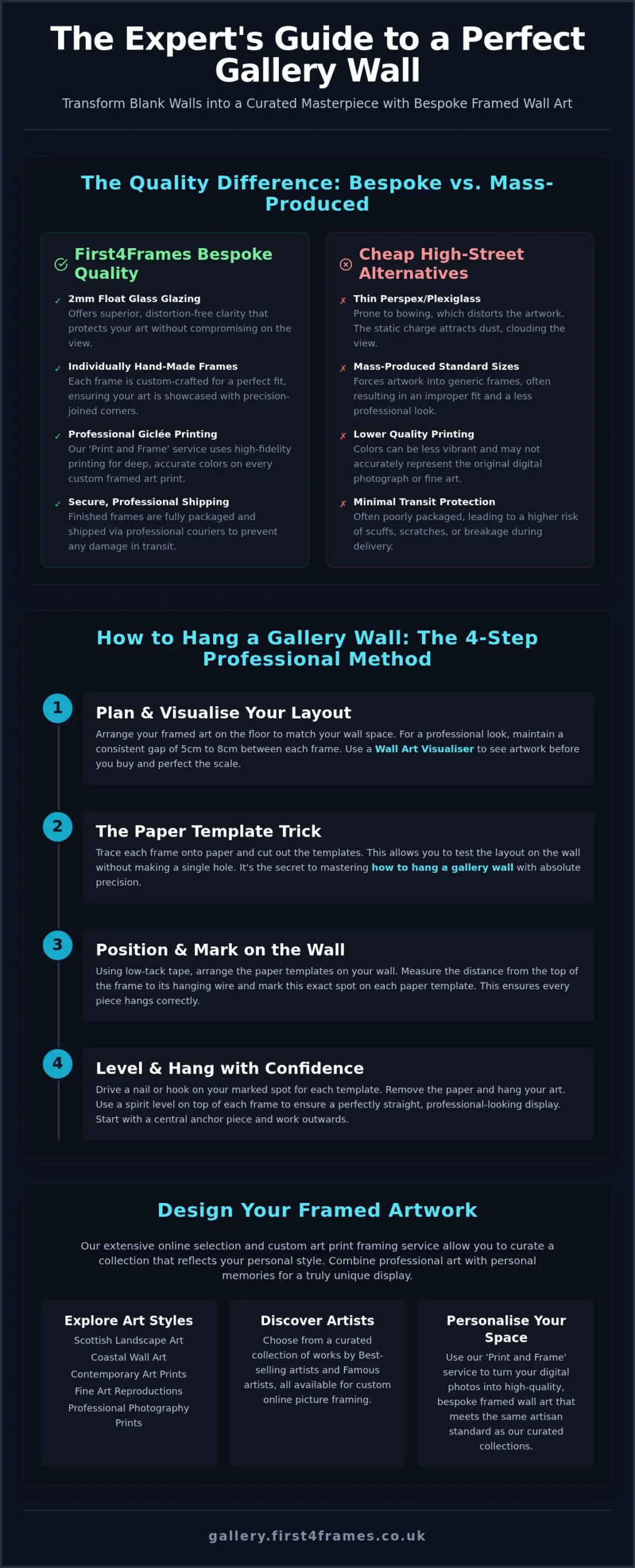
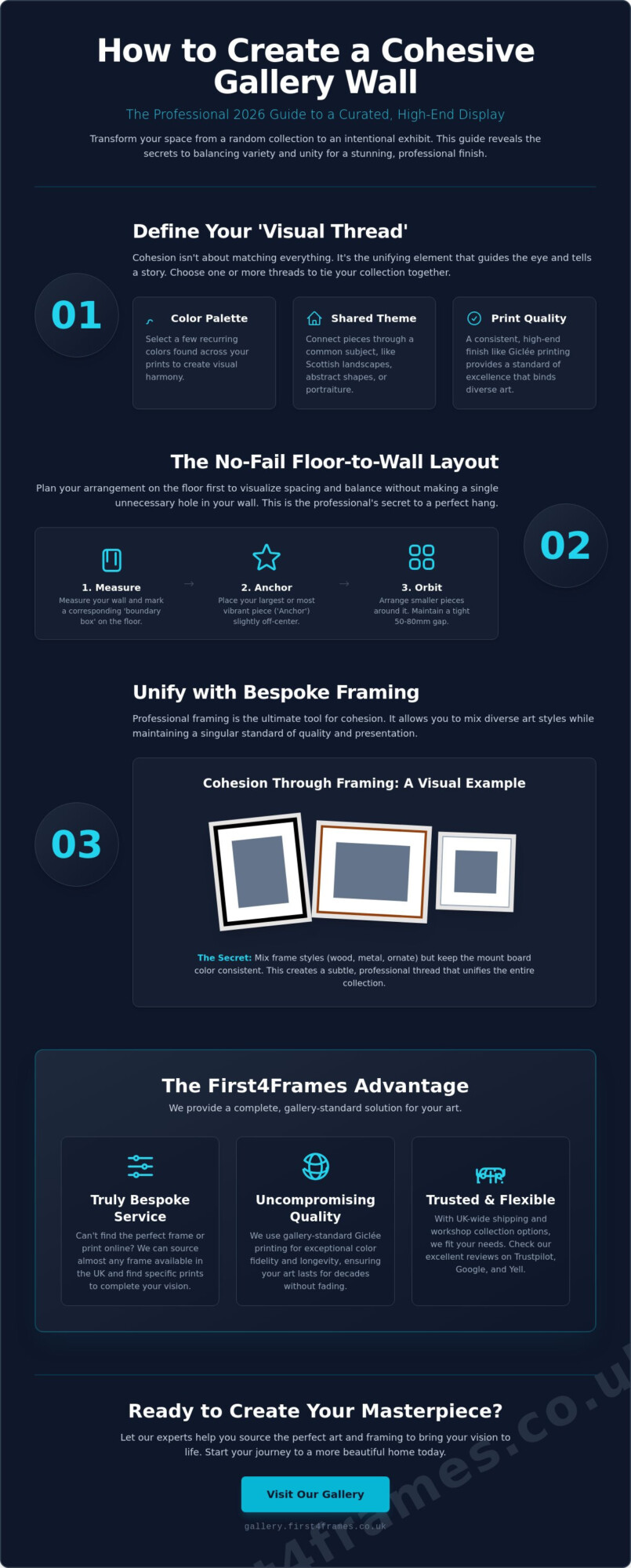
Every great gallery wall tells a story. What will yours be? Decide on a unifying element that ties each piece together. This could be a consistent colour palette, a shared subject matter, or a specific feeling you want to evoke. Consider popular themes like travel memories, family portraits, botanical prints, or abstract forms. We recommend choosing two or three dominant colours to guide your art and frame selection, creating a cohesive and harmonious look.

Measure Twice, Hang Once: Mapping Your Layout

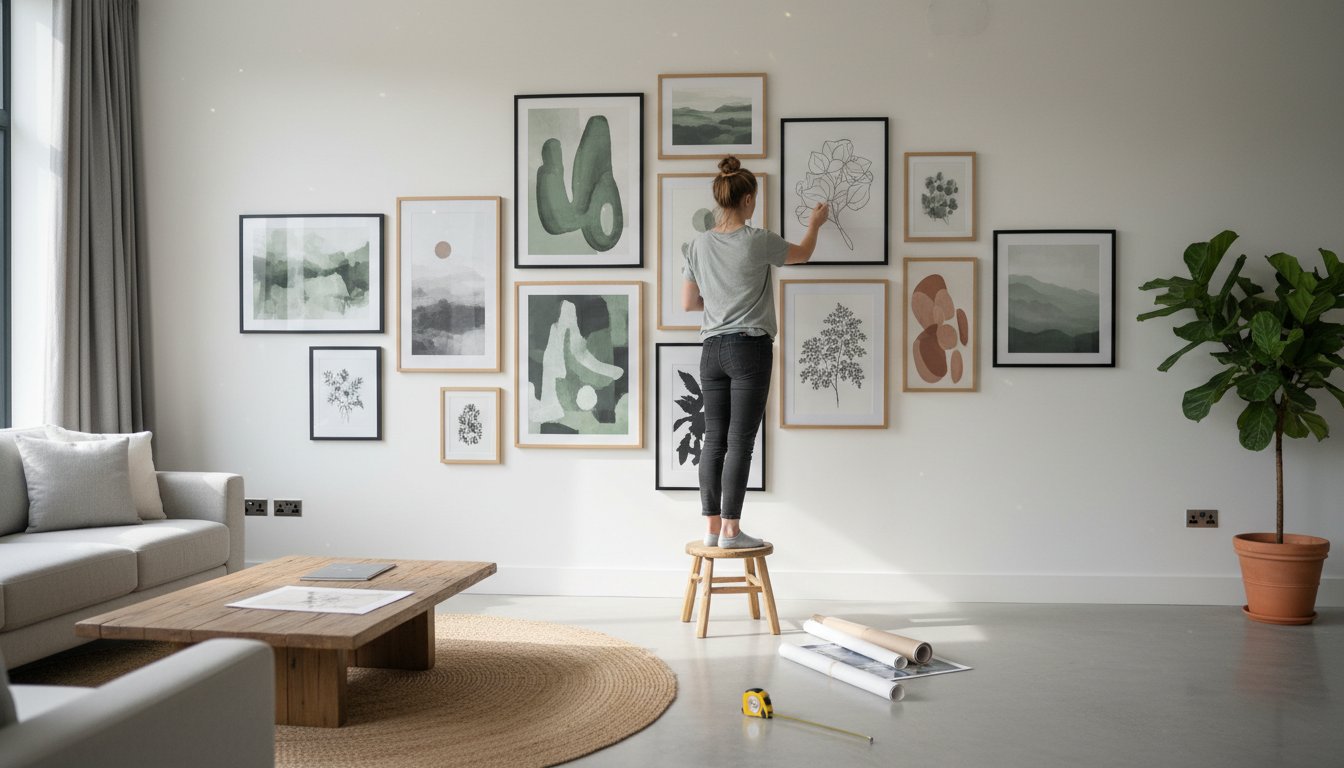
This timeless advice is the golden rule of gallery walls. To perfect your arrangement before making any permanent marks, use paper. Trace each of your frames onto craft paper or newspaper, cut them out, and use painter’s tape to test different layouts directly on your wall. This allows you to visualise the spacing and balance. As a rule of thumb, aim to hang your collection so that the centre point is at eye level, which is roughly 145cm from the floor. This step is crucial for executing the best gallery wall layout ideas 2026 without regret.

Finding Your Anchor: The Centrepiece of Your Wall

Most successful gallery walls have an ‘anchor’ piece. This is typically your largest, boldest, or most meaningful piece of art. It acts as the natural focal point and gives the entire arrangement structure. Begin by placing this piece first. For a more dynamic, modern feel, position it slightly off-centre. From there, you can build the rest of your layout outwards, balancing smaller pieces around it. This creates a gravitational pull for the viewer’s eye, making the collection feel intentional and expertly curated.

Top Layout Trends for 2026: From Quiet Luxury to Dopamine Decor

As we look towards 2026, interior design is embracing personal expression and curated comfort like never before. The classic gallery wall is evolving, moving beyond simple, rigid grids to become a more organic, story-driven feature of our homes. The best gallery wall layout ideas 2026 are less about perfection and more about personality. Let’s explore the key trends shaping how we display art, helping you find a style that truly reflects who you are and elevates your home’s aesthetic.

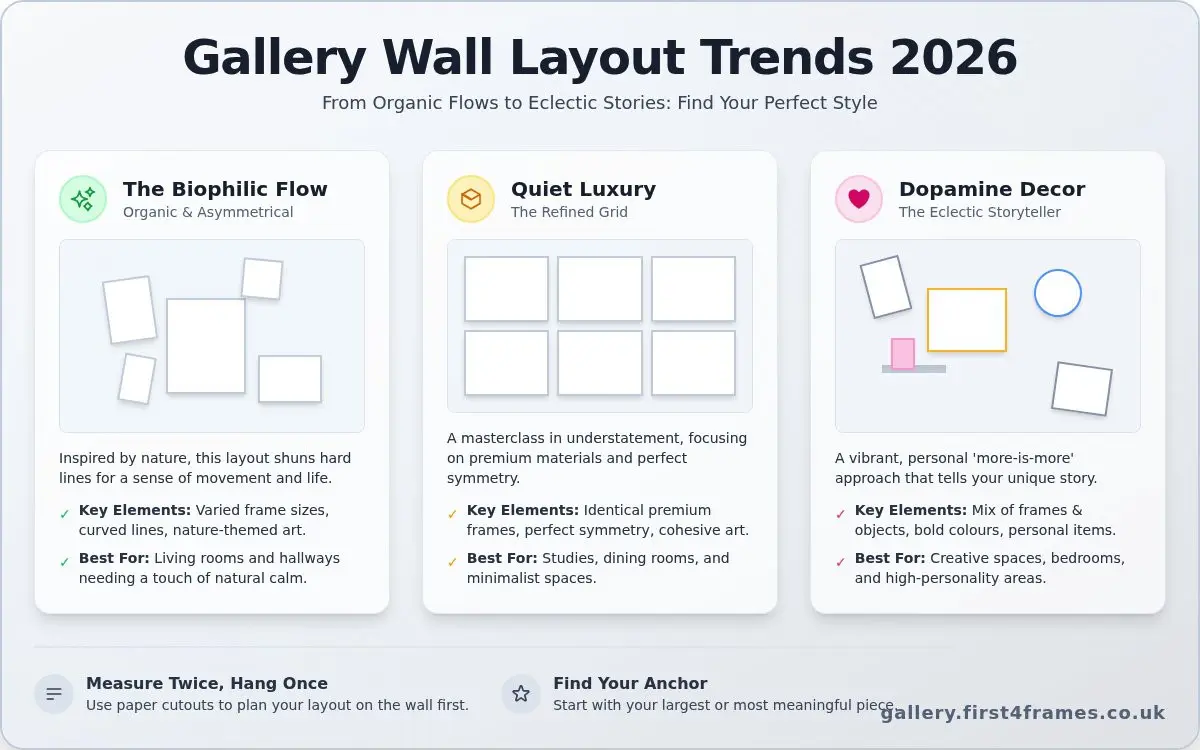
Trend 1: The Biophilic Flow – Organic & Asymmetrical

Inspired by the untamed beauty of nature, this layout shuns hard lines and perfect symmetry. The goal is to create a sense of movement and life on your wall. Arrange a mix of frame sizes in a flowing, almost cloud-like cluster that feels intuitive rather than planned. This style is the perfect home for botanical prints, spectacular landscape photography, and pieces with natural textures. Think of the sweeping, vibrant colours in the work of an artist like John Lowrie Morrison (Jolomo) to capture this spirit.

To fully embrace this trend, you can complement your botanical prints with a living feature wall or an indoor garden. For the specialist supplies needed to create this, you can visit Discount Hydro.

  • Best for: Living rooms, hallways, or any space needing a touch of natural calm.
  • Key elements: Varied frame sizes, curved lines, and nature-themed art.

Trend 2: Quiet Luxury – The Refined Grid

For those who find beauty in order and elegance, the Quiet Luxury trend is a masterclass in understatement. This layout focuses on premium materials and impeccable craftsmanship. It uses a precise, symmetrical grid with identical, high-quality frames to create a powerful sense of cohesion and calm. The focus isn’t on the layout itself, but on the quality of the art and framing. This approach provides a perfect, professional gallery feel for a series of black-and-white photographs or minimalist abstract prints.

  • Best for: Studies, dining rooms, and minimalist spaces.
  • Key elements: Identical premium frames, perfect symmetry, and a cohesive art collection.

Trend 3: Dopamine Decor – The Eclectic Storyteller

Embrace joy with a ‘more-is-more’ approach that tells your unique story. This layout is a vibrant, personal collection of art, photographs, and treasured objects. Don’t be afraid to mix different frame styles, colours, materials, and eras for a beautifully collected-over-time look. You can even incorporate small floating shelves, antique mirrors, or personal memorabilia among the frames. This is the most personal of all gallery wall layouts, one that grows and evolves with you.

This is the perfect trend for showcasing your unique hobbies and passions. For example, enthusiasts of classic video games can create a visually stunning feature wall with vintage game posters, framed cartridges, or console art. Sourcing these nostalgic pieces from a specialist like RetroFix can add an authentic and personal touch to your eclectic display.

  • Best for: Creative spaces, bedrooms, and anywhere you want to inject personality.
  • Key elements: A mix of frames and objects, bold colours, and personal significance.

Classic & Timeless Gallery Wall Layouts (with a 2026 Twist)

Some gallery wall layouts are classics for a simple reason: they create immediate harmony and impact. These tried-and-tested arrangements provide a beautiful structure for any art collection, from family photographs to fine art prints. They are the reliable foundations of interior design. While new trends emerge, mastering these foundational templates is the secret to creating stunning displays in any room. We’ll show you how to give these enduring styles a fresh, modern update, ensuring they remain essential gallery wall layout ideas 2026 that feel both timeless and completely current.

The Symmetrical Grid: For Order and Impact

The grid is the epitome of clean, organised design, delivering a high-impact statement with its satisfying sense of order. It’s the perfect layout for showcasing a series of prints of the same size and orientation, creating a powerful, unified focal point above a sofa or bed. For flawless, professional execution, maintain equal spacing—typically 2-3 inches—between each frame.

  • The 2026 Twist: Elevate this classic look with oversized, crisp white mats and ultra-slim, minimalist frames in black or natural wood. This technique draws the eye inward, giving your art a true gallery-quality feel and allowing each beautiful piece to breathe.

The Staircase Gallery: Elevate Your Ascent

Transform a functional space into a personal journey with a staircase gallery wall. This layout beautifully follows the diagonal line of your ascent, telling a story as you move. A simple way to achieve this is the ‘step’ method: align the centre of each frame with the rise of the stairs, creating a natural, flowing line. It’s a wonderful way to display a timeline of cherished family photos, turning a simple walk upstairs into a trip down memory lane.

  • The 2026 Twist: Break up the linear arrangement by mixing in a few circular or oval frames. This small change adds a dynamic, contemporary rhythm, softening the hard angles of the staircase and adding unexpected visual interest.

The Centred Cluster: Above Furniture

Creating a balanced arrangement above a key piece of furniture—like a console table, fireplace, or headboard—anchors the entire room. The key is to treat your collection as one single, cohesive unit. The overall shape of the cluster should feel grounded, typically wider than it is tall, with the bottom edge of the lowest frames sitting 6-8 inches above the furniture. This ensures your art connects to the furniture without feeling cramped. If you’re searching for an inspiring piece to build your display around, you can find the perfect centrepiece in our ready-to-hang art collection.

Of course, the furniture itself sets the stage for your art. For a fantastic selection of console tables, sideboards, and other pieces that provide the perfect foundation for a gallery wall, you can check out Womacks Of Bawtry.

Creative Solutions for Tricky Spaces

In the real world, few of us have vast, empty walls just waiting for art. More often, we face architectural quirks: tight corners, narrow hallways, or walls dominated by a television. But what if these challenges were actually opportunities? These expert tips are central to the most innovative gallery wall layout ideas 2026, designed to turn challenging spots into the highlight of your home.

With over twenty years of craftsmanship under our belts, we’ve learned that a thoughtful layout can conquer any space. It’s about seeing potential where others see problems and using beautiful, professionally framed art to redefine a room’s architecture.

The Corner Wrap: Thinking in Three Dimensions

Extend your collection beyond a single plane by wrapping it around an inside or outside corner. This creates a wonderfully immersive effect, drawing the eye around the bend and making the entire room feel more dynamic and spacious. We recommend placing a larger, statement piece on the main wall, with a series of smaller, complementary frames flowing onto the adjacent one for a surprising and sophisticated look.

The Vertical Stack: For Narrow Walls & High Ceilings

Perfect for those slender sections of wall between doorways or windows, the vertical stack is a simple yet powerful solution. This layout uses a single column of frames to create a strong vertical line that draws the eye upward, giving an illusion of greater height. For a polished, intentional aesthetic, use frames of the same width but play with varying heights. This maintains cohesion while adding beautiful visual interest.

Framing the Tech: Integrating a TV

Don’t let a black screen dictate your décor. By surrounding your television with a curated collection of art, you integrate it seamlessly into your room’s design. The key is connection. Use premium black frames that echo the screen, or choose artwork with deep tones to create a visual bridge. Suddenly, the TV is no longer just an appliance, but another considered piece in your beautiful gallery wall.

These forward-thinking gallery wall layout ideas 2026 prove that every space, no matter how awkward, has artistic potential. Ready to conquer your tricky corners? Explore our bespoke collection and find the perfect, professionally framed pieces to begin your masterpiece.

From Idea to Reality: Choosing Your Art & Frames

You’ve mapped out your grid, measured your wall, and planned your layout. Now for the truly creative part: selecting the art and frames that will transform your concept into a spectacular reality. Choosing the right pieces is what breathes life and personality into your design. We’ll guide you through curating your collection like a professional, ensuring every element works in beautiful harmony for a polished, cohesive finish.

The Art of the Mix: Combining Prints, Photos & Paintings

Don’t be afraid to create a rich narrative by mixing professional art with personal memories. A beautiful Giclée print can hang proudly next to a cherished family photograph or a child’s first painting. To create a sense of unity, consider converting all your photos to classic black and white or using the same style of mount for every piece. This blend of high and low, public and private, is what tells a richer story and makes a gallery wall uniquely yours.

Frame Game: How to Choose the Perfect Frames

The frame is the bridge between your artwork and your room’s décor, so choosing wisely is key. For many of the leading gallery wall layout ideas 2026, a thoughtful framing strategy is crucial to success. Consider these tips:

  • For a Cohesive Look: Stick to one or two frame colours and materials, like all-black or a mix of natural oak and white. This creates a calm, unified aesthetic.
  • For an Eclectic Look: Mix different frame styles, but keep one element consistent—such as the material (all wood) or the colour family (all metallics)—to avoid a chaotic feel.
  • Consider the Artwork: Let the art guide you. Modern, minimalist prints shine in slim, clean-lined frames, while classic portraits may call for something more ornate.
  • Perfect the Fit: For those non-standard sizes that are essential to your layout, bespoke framing is the perfect solution, ensuring every piece fits its designated space flawlessly.

Sourcing Your Collection: Finding Art You Love

Building a collection is a journey, not a race. Start by looking around your own home for treasures—sentimental postcards, favourite photographs, or your children’s drawings can become the heart of your wall. To supplement these, explore online galleries for premium Giclée prints from talented artists. Supporting local makers at art fairs is another wonderful way to find unique pieces that no one else has. Once you’ve gathered your favourites, let us frame your treasures with our bespoke framing service and bring your vision to life.

From Inspiration to Installation: Your Perfect Gallery Wall Awaits

As we’ve explored, creating a stunning feature wall is about more than just hanging pictures. The best gallery wall layout ideas 2026 are a beautiful blend of personal expression and thoughtful composition, whether you’re embracing the understated elegance of ‘Quiet Luxury’ or the joyful energy of ‘Dopamine Decor’. By planning your layout and choosing pieces that tell your story, you can transform any space—even a tricky staircase or narrow hallway—into a true reflection of your style.

The final, crucial step is selecting beautiful art and the perfect frames to bring your vision to life. At First 4 Frames, we make this part simple and inspiring. With over 20 years of bespoke framing experience, we are trusted by homeowners and commercial clients across the UK to deliver exceptional craftsmanship. Our collection of premium Giclée prints from talented artists provides the perfect starting point for your masterpiece.

Ready to build your dream gallery wall? Explore our collection of art prints!

Embark on your creative journey today and curate a wall that you will love for years to come.

Frequently Asked Questions

How far apart should pictures be in a gallery wall?

As a general rule, we recommend spacing your frames 2 to 5 inches (about 5-12 cm) apart. The most crucial element is consistency across the entire arrangement. Maintaining a uniform gap creates a clean, professional look that allows each piece of art to breathe while still feeling connected to the collection. For more formal, grid-style layouts, a smaller, precise gap works best, whereas eclectic layouts can handle slightly more space between frames.

Is it okay to mix different frame colours and styles in one layout?

Absolutely! Mixing frame colours, materials, and styles is a spectacular way to add depth, personality, and a curated feel to your gallery wall. To create a cohesive look, find a common element to tie them together. This could be a consistent matting colour, a metallic finish that appears in multiple frames, or a single colour that is present in each piece of artwork. This thoughtful approach ensures the collection looks beautifully harmonious rather than chaotic.

Should all the pictures in a gallery wall have the same theme?

Not at all. While a single theme can be very impactful, many of the most personal and interesting gallery walls feature a diverse mix of art. You can unite different subjects—like abstract prints, family photos, and line drawings—by establishing a consistent colour palette throughout the collection. Alternatively, using the same style of bespoke frame for every piece can create a powerful sense of unity, turning varied images into a single, stunning feature.

What’s the best height to hang pictures for a gallery wall?

To achieve a professional, gallery-quality display, the centre of your entire arrangement should be at average eye level, which is typically 57-60 inches (145-152 cm) from the floor. This ensures the collection is viewed comfortably and feels perfectly balanced in the room. If you are hanging your gallery wall above a piece of furniture like a sofa or console table, a good rule is to leave a gap of 6-8 inches above the furniture.

How do I start building a gallery wall on a budget?

Creating a beautiful gallery wall doesn’t require a huge investment. Start by printing your own favourite photographs and mixing them with affordable art prints you can find online. Scour local charity shops and car boot sales for unique, pre-loved frames that you can often find for just a few pounds. This approach allows you to build a deeply personal collection over time, adding premium, professionally framed pieces as your budget allows to elevate the display.

Can I create a gallery wall without using nails?

Yes, you can easily create a beautiful display without making a single hole in your wall. Adhesive picture-hanging strips are an excellent damage-free option, perfect for renters. Just be sure to check the weight capacity of the strips against the weight of your framed art. Another stylish alternative is a picture ledge. This allows you to layer frames and easily update your gallery wall layout ideas 2026 without any commitment.

Posted on

Creative Alternatives to Ready-Made Frames: A 2026 Display Guide

Creative Alternatives to Ready-Made Frames: A 2025 Display Guide

Have you ever found a spectacular piece of art, only to be frustrated by the search for a frame that fits its unique size or your modern aesthetic? Perhaps the thought of custom framing seems too expensive, or you’re simply looking for a more creative way to bring your walls to life. If you’re tired of the one-size-fits-all approach, exploring beautiful and affordable alternatives to ready-made frames is the perfect next step. We believe that how you display your art is part of the art itself, and it shouldn’t feel limiting or complicated.

In this 2025 guide, we’ll help you embark on a journey of artistic discovery. We will unveil a range of stylish and damage-free options—from sleek poster hangers for a Scandinavian vibe to charming clips for a rustic touch—that will elevate your prints without looking temporary. We’ll also provide our professional insight on when a bespoke, premium frame is the undeniable best choice for protecting and showcasing your most treasured pieces. By the end, you’ll have all the inspiration and knowledge needed to display your art with confidence and style.

Minimalist & Modern: Sleek Hanging Systems for a Clean Look

In contemporary interior design, the focus often shifts to clean lines and uncluttered spaces, allowing the art itself to be the hero. For those with a modern aesthetic, finding alternatives to ready-made frames is key to achieving a look that is both personal and polished. These methods are perfect for displaying posters, fine art prints, and photographs, putting the emphasis squarely on the image. While the primary goal of any display is visual appeal, it’s crucial to balance this with the long-term protection of your artwork. A deep understanding of what picture frames are and the archival protection they offer provides a vital baseline when exploring these more exposed systems.

For a visual guide on creating a modern display on a budget, this video offers some excellent inspiration:

The secret to elevating these simple solutions from a ‘student dorm’ aesthetic to a sophisticated display lies in the quality of the materials. Opting for premium woods, metals, and acrylics ensures your display complements both your art and your home with effortless style.

This principle of using high-quality materials to elevate an aesthetic isn’t limited to home decor. In the world of automotive customization, for example, upgrading with premium components is key to achieving a polished look. For those interested in this, you can check out Aggwings for high-quality aftermarket body parts.

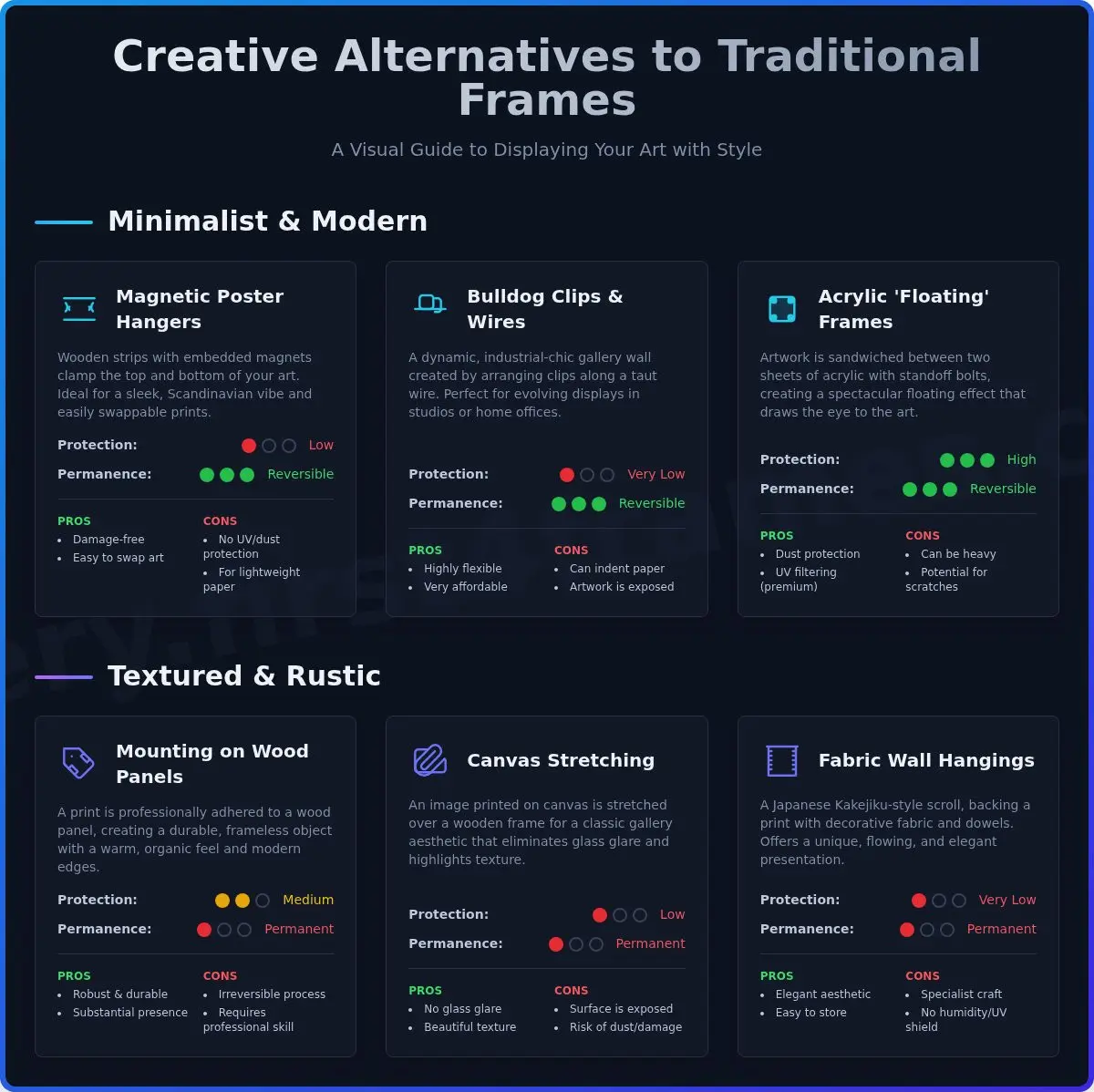
Magnetic Poster Hangers

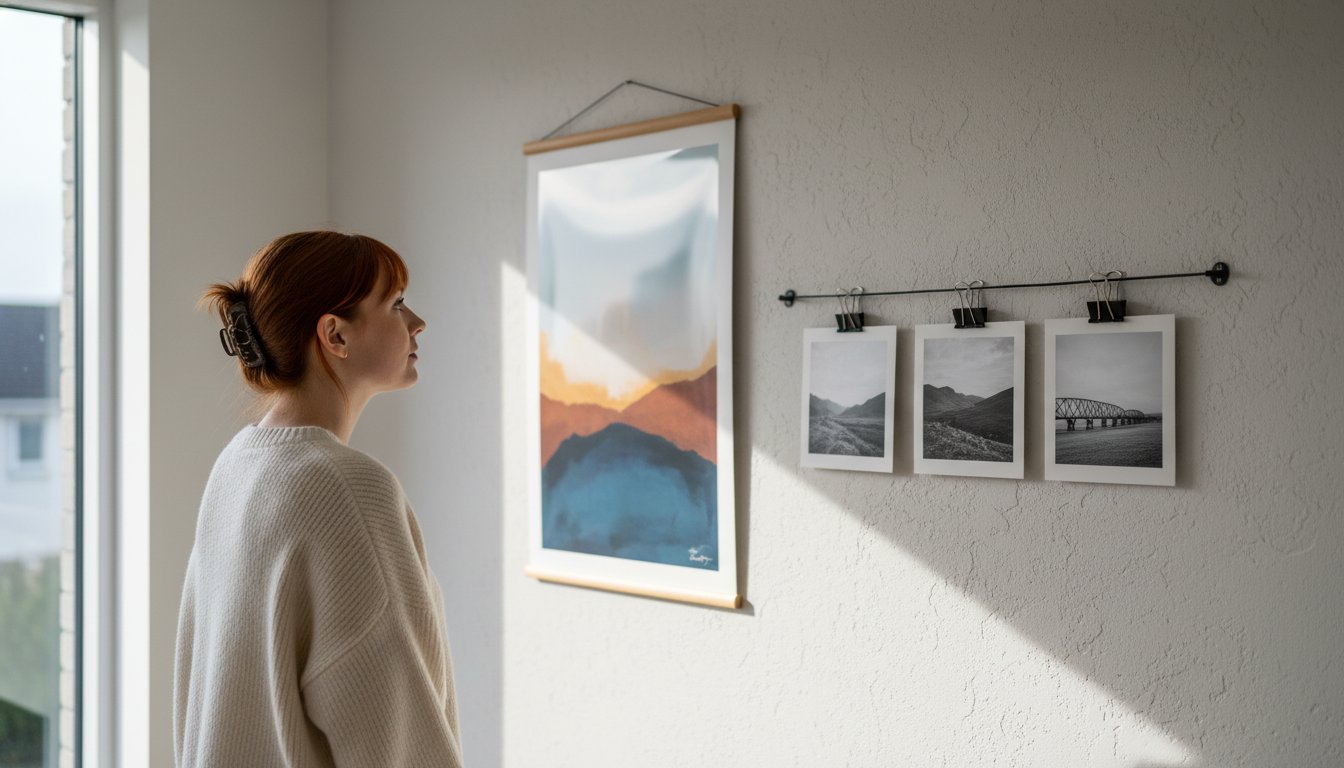
A beautifully simple and popular choice, these hangers consist of two pairs of wooden strips. Each strip has powerful magnets embedded within, allowing you to sandwich the top and bottom of your print without piercing the paper. The top strip includes a cord for easy hanging. They offer a wonderfully sleek and damage-free way to display art, making them ideal for rotating posters or casual prints. However, they provide no UV or dust protection, so they are best suited for less valuable pieces and lightweight paper stocks.

Bulldog Clips & Hanging Wires

For an industrial-chic or rustic look, this DIY method is incredibly effective and affordable. By arranging bulldog clips along a taut wire or length of twine, you can create a dynamic gallery wall that is easily reconfigurable. This is one of the most flexible alternatives to ready-made frames for a casual, evolving display. Be mindful that the clips can leave small indentations on the paper over time, and the artwork is completely exposed to the elements. We recommend this as a temporary solution, perfect for studios, home offices, or displaying children’s art, but not for treasured pieces.

Acrylic ‘Floating’ Frames

This option creates a spectacular floating effect by sandwiching your artwork between two sheets of acrylic or perspex, held together with stylish standoff bolts. The transparency of the acrylic draws the eye directly to the art, making it appear suspended in mid-air. This method offers excellent protection from dust and handling. The primary drawbacks can be the weight and the potential for scratching. It’s vital to distinguish between cheap plexiglass, which can yellow and scratch easily, and premium, museum-grade acrylic that offers greater clarity and sometimes even UV protection for a truly professional finish.

Textured & Rustic: Mounting Art for a Tactile Finish

Step beyond the conventional look of paper behind glass. For a display that truly engages the senses, textured mounting methods add depth and a tactile quality, inviting a closer connection with your artwork. These beautiful alternatives to ready-made frames integrate your print into a more substantial, three-dimensional object, turning a simple picture into a piece of decorative art in its own right. It is crucial to understand that these techniques are permanent and irreversible, bonding the print to a new surface forever. For this reason, they are best suited for replaceable art, such as high-quality Giclée prints or posters. Considering how the final piece will integrate into your room is key to making the ultimate choice for your art display.

Mounting Prints on Wood Panels

This popular method involves professionally adhering a print directly onto a prepared wood block or panel, often with a protective laminate finish. The result is a durable, frameless object with a wonderfully rustic and organic feel that brings warmth to any space.

  • Pros: Creates a robust, long-lasting piece with clean, modern edges and a substantial presence on the wall.
  • Cons: The process is unforgiving. Without professional skill, you risk air bubbles, wrinkles, and misalignment. The wood itself can also warp over time if not properly sealed, which is why we recommend trusting this to an expert for a flawless, premium finish.

Canvas Stretching

A timeless choice for achieving a classic gallery aesthetic. Here, an image printed onto canvas fabric is stretched over a bespoke wooden frame, known as stretcher bars. This method completely eliminates glass glare, allowing the unique texture of the canvas to become part of the viewing experience.

  • Gallery Wrap: The image extends around the edges of the frame for a contemporary, ready-to-hang piece.
  • Museum Wrap: The sides are kept blank, designed for the piece to be placed into an outer ‘floater’ frame for a more traditional look.

While lightweight and beautiful, remember the canvas surface is exposed to dust and potential damage.

Fabric Wall Hangings (Kakejiku Style)

For a touch of elegance and global tradition, consider mounting your art as a Japanese-style hanging scroll (Kakejiku). This involves backing a paper or silk print with decorative brocade fabric and attaching wooden dowels at the top and bottom. It’s a spectacular way to display delicate pieces like ink paintings or calligraphy, offering a unique, flowing presentation. While these scrolls are easy to store and transport, they require specialist craftsmanship and offer minimal protection from humidity or UV light.

The DIY Approach: Ledges, Tapes, and Grids

For those who love to refresh their decor with the seasons or are looking for budget-friendly solutions, the DIY approach offers a world of creative freedom. These informal and flexible alternatives to ready-made frames are particularly brilliant for renters, as they often require minimal wall damage. They are the perfect way to display casual photos, posters, and prints, turning a blank wall into a personal and dynamic gallery. However, a word of caution: always prioritise art-safe materials to ensure your cherished prints aren’t damaged in the process.

Picture Ledges and Shelves

Narrow picture ledges provide a sophisticated and versatile display system. Instead of committing to a single nail, a ledge allows you to layer art, mix unframed prints with framed pieces, and even add small decorative objects. This makes rotating your display effortless.

  • Pros: Highly flexible, encourages creative layering, and allows easy updates to your collection.
  • Cons: Art isn’t secured and can be knocked over, and the open shelf is a natural dust collector.

Pro Tip: To give unmounted prints a more finished, premium look on a ledge, have them professionally matted first.

Washi Tape Walls

Unleash your inner artist with washi tape, a decorative, low-tack paper tape from Japan. Use it to create colourful, geometric “frames” directly on your wall. This method is exceptionally low-cost (a roll costs just a few pounds) and can be changed in minutes. There are countless creative ways to hang art using simple materials, and washi tape is one of the most playful.

  • Pros: Inexpensive, fully customisable, and easily removable without damaging most painted walls.
  • Cons: Offers zero protection from dust or UV light and can tear delicate paper upon removal.

Important: This is a beautiful solution for temporary displays of non-valuable items like postcards or magazine clippings.

Wire Wall Grids

A metal wire grid, often paired with bulldog clips or miniature pegs, creates an industrial-chic mood board. This is one of the most dynamic alternatives to ready-made frames for an evolving collection of inspirations, photos, and notes. It’s an organisational tool and a piece of wall art in one.

  • Pros: Extremely versatile, easy to update, and perfect for small, lightweight items.
  • Cons: Can quickly look cluttered if not curated, and offers no protection for your prints.

This approach works wonderfully in home offices, creative studios, and teenage bedrooms where personality is key. While these DIY methods are fantastic for fun, informal displays, remember that for a truly spectacular piece of fine art, nothing compares to the protective quality and bespoke craftsmanship of a professional frame. For inspiration, you can view our gallery of beautifully framed art.

Why Bespoke Framing is the Ultimate Choice for Your Art

We’ve explored some wonderfully creative alternatives to ready-made frames, from minimalist clips to artistic washi tape. These methods offer a quick and stylish way to display prints and posters. However, when it comes to pieces you truly cherish—original art, limited edition prints, or sentimental photographs—these solutions often lack two crucial elements: long-term protection and a truly professional polish.

Viewing a custom frame not as a cost, but as an investment, is key. It’s the ultimate commitment to preserving and presenting your art, ensuring it captivates viewers for decades to come. A bespoke frame does the heavy lifting, acting as both a guardian and a stage for your treasured piece.

Unmatched Protection for Your Investment

Unlike frameless options that leave your artwork exposed to the elements, professional framing offers a complete protective enclosure. Our conservation-grade methods shield your art from irreversible damage:

  • Acid-Free Mounts: We use premium, acid-free mount boards that prevent the yellowing and discolouration that can permanently stain your artwork over time.
  • UV-Protective Glazing: Sunlight and even artificial light can cause colours to fade dramatically. Our specialist glazing blocks up to 99% of harmful UV rays, preserving the vibrancy of your piece.
  • Sealed Backing: A sealed backing board provides a robust barrier against dust, humidity changes, and even insects, safeguarding your art from behind.

Elevating the Artwork’s Aesthetics

A bespoke frame is far more than a simple border; it is a carefully considered extension of the artwork itself. It’s designed to build a beautiful bridge between your piece and your room’s décor. The right frame and mount combination draws the viewer’s eye inward, focusing attention on the artist’s work. It creates a “visual pause,” giving the art space to breathe and establishing a finished, deliberate presence on your wall that commands attention.

The Perfect Fit, Every Time

One of the greatest frustrations with off-the-shelf options is the limitation of standard sizes. Bespoke framing eliminates this entirely. Whether you have a panoramic photograph or an unusually shaped canvas, a custom frame is built to the exact millimetre. Our experts help you select the perfect proportions for the frame and mount, ensuring the final result flatters the artwork, rather than overwhelming it.

Your art deserves the best defence and the most beautiful presentation. Talk to our framing experts today and let us help you create the perfect, lasting home for your masterpiece.

Elevate Your Art Beyond the Standard Frame

As we’ve explored, moving beyond the off-the-shelf aisle opens up a world of creative display possibilities. From the clean lines of minimalist hanging systems to the unique character of DIY ledges and tapes, the best alternatives to ready-made frames are the ones that reflect your personal style and let your artwork shine. These approaches empower you to curate a space that is truly your own, turning every wall into a beautiful statement.

Yet, for those truly special pieces that deserve to be preserved and celebrated, nothing compares to the precision and protective quality of bespoke framing. At First 4 Frames, we combine over 20 years of professional craftsmanship with high-quality conservation materials—a commitment to excellence trusted by artists and collectors across Scotland. We believe every piece of art deserves the perfect finish to complete its story. Ready to give your art the finish it deserves? Explore our bespoke framing services.

Frequently Asked Questions

Can frameless options like clips or tape damage my art prints?

Yes, some frameless options can pose a risk to your artwork. Metal clips can leave permanent indentations or pinch marks on the paper. We strongly advise against using standard household tapes, as their acidic adhesives can cause yellowing and irreversible damage over time. For a safer temporary display, always choose professional, acid-free artist’s tape or archival photo corners. These are designed to be gentle on fine art paper and can be removed without leaving a sticky, damaging residue.

What is the most affordable way to display a large poster?

For large posters, magnetic wooden hangers are a fantastic and budget-friendly choice. These simple bars, typically costing between £10 and £25, clamp onto the top and bottom of your poster, allowing it to hang flat without the expense of a large, heavy frame. They are reusable and won’t damage the print. Another ultra-low-cost method is using washi tape to create a colourful border directly on the wall, but be mindful that some tapes may affect the paintwork or the poster itself upon removal.

How do I protect my artwork from sunlight without using a UV-glass frame?

The simplest and most effective method is strategic placement. Hang your artwork on a wall that does not receive direct sunlight at any point during the day, such as a north-facing wall or in a hallway with limited natural light. For rooms that are unavoidably bright, consider applying a UV-filtering film to your windows. This transparent layer is an excellent way to block up to 99% of harmful UV rays, protecting not just your art but all your interior furnishings from fading.

Are floating acrylic frames a good option for original artwork?

Floating acrylic or ‘Perspex’ frames offer a spectacular, modern aesthetic, but caution is advised for original pieces. When the artwork is pressed directly between two sheets, it can trap moisture or damage delicate media like pastels or charcoal. While these are fantastic alternatives to ready-made frames for prints, we suggest ensuring a gap is present for originals, often achieved with spacers. For truly irreplaceable art, bespoke conservation framing remains the safest and most professional choice for perfect preservation.

Is it difficult to mount a print on a wood panel myself?

Mounting a print yourself can be a rewarding project, but it requires patience and a steady hand. The main challenge is applying the adhesive evenly and smoothing the print without creating any air bubbles or creases. You will need a suitable pH-neutral adhesive and a soft rubber brayer to ensure a flawless, professional finish. We highly recommend practising on a spare or low-value print first to perfect your technique before attempting it on a piece you treasure.

When is custom framing truly worth the cost?

Bespoke framing is a worthwhile investment for artwork that is valuable, sentimental, or of a non-standard size that won’t fit off-the-shelf options. For original art or limited edition prints, the cost is justified by the use of premium, conservation-grade materials that protect your piece for a lifetime. It also becomes essential when you want the frame to act as the perfect bridge between your art and your room’s décor, ensuring the dimensions and style create a truly stunning feature.