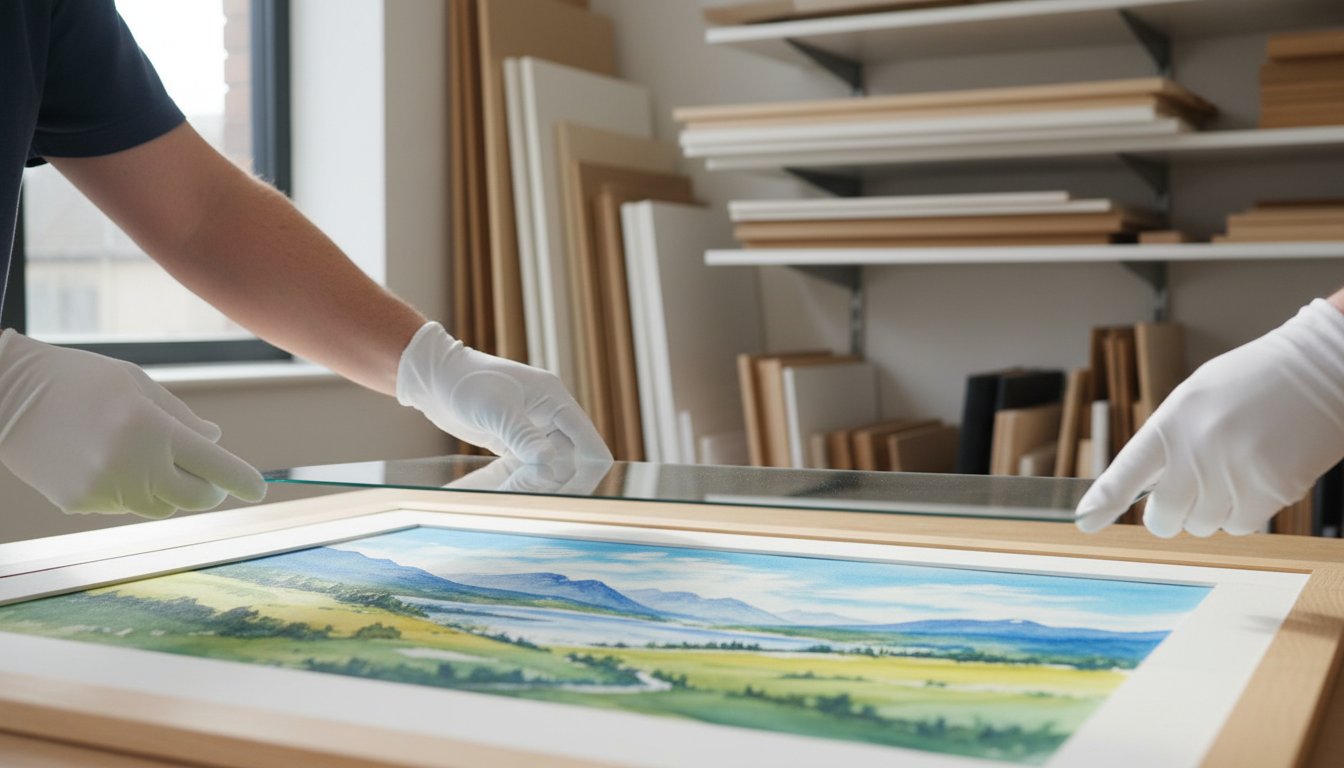
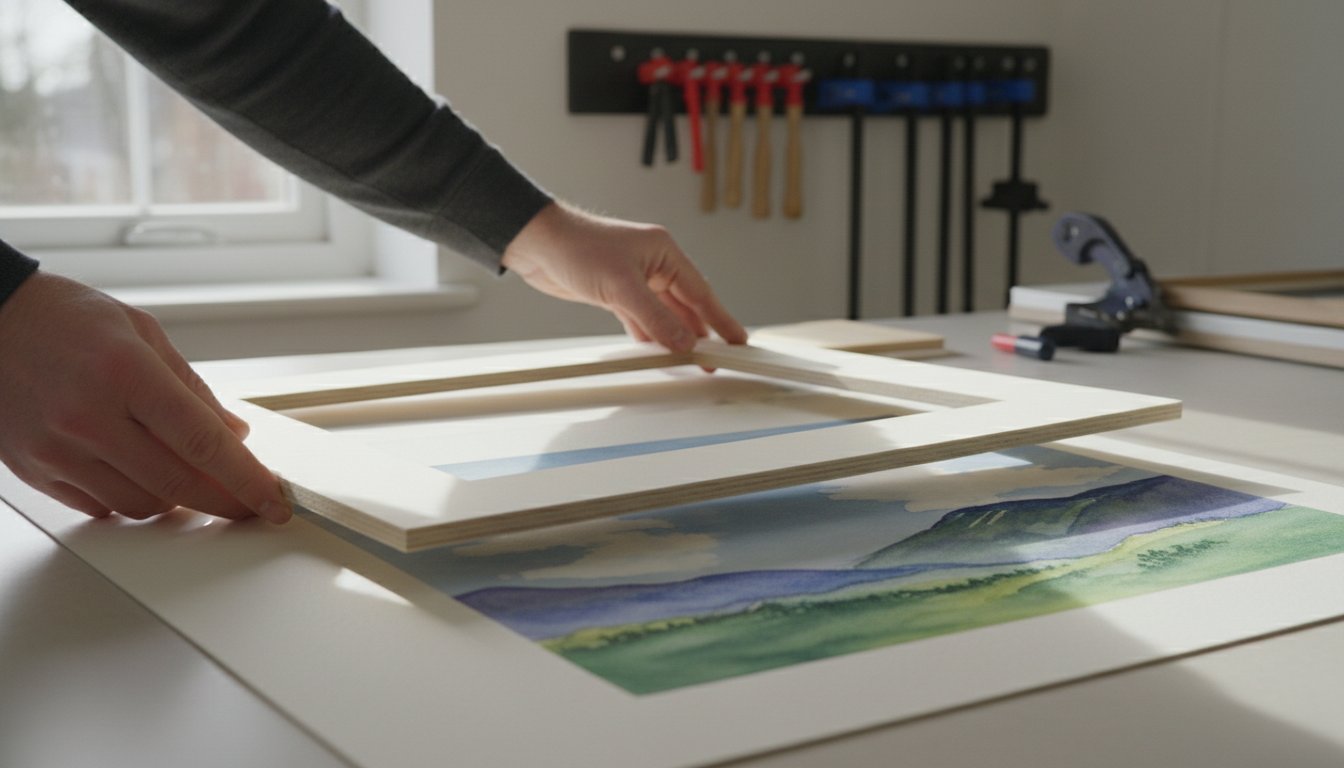
That cherished family photograph, that spectacular print you fell in love with… what if the very frame meant to protect it is causing silent, irreversible damage? It’s a common fear, and the culprit is often an invisible threat: acid, leaching from standard materials and causing those dreaded yellow stains and faded colours. This is where the true craftsmanship of preservation comes into play, and it starts with a crucial, yet often overlooked, component: using premium acid-free mount boards for framing.
But what does ‘acid-free’ really mean, and is ‘conservation grade’ truly worth the investment? We understand these technical terms can feel daunting when you simply want to create a beautiful, long-lasting display for your home. In this guide, we’ll demystify the world of professional framing. We will show you exactly why these materials are essential for protecting your art’s colour, quality, and value, giving you the confidence to ensure your treasured pieces are preserved perfectly for generations to come.
What is a Mount Board and Why Does ‘Acid-Free’ Matter?
A picture mount, often called a mat or passe-partout, is far more than just a decorative border. It performs two crucial jobs in professionally framed art. Aesthetically, it creates a beautiful visual space between the artwork and the frame, preventing the piece from feeling cramped and drawing your eye inward. Functionally, it serves as a vital spacer, keeping the artwork from touching the glazing (the glass or acrylic). This separation is essential to prevent moisture buildup, mould growth, and the artwork physically sticking to the glass over time. For a deeper dive into its purpose, Wikipedia offers a comprehensive explanation of what a mount board is and its history. However, the material your mount is made from is the most critical factor in long-term preservation.
To better understand the critical difference these materials can make, this short video offers a clear visual guide:
Lurking within standard, budget-friendly mount boards is a hidden enemy to your art: acid. Most low-cost boards are made from wood pulp, which contains a natural compound that slowly degrades your precious pictures. This process causes permanent, irreversible damage known as ‘acid burn’, a sad fate for any cherished photograph or print. This is why investing in professional, acid-free mount boards for framing is not a luxury, but a necessity for true preservation craftsmanship.
The Science of Acid Damage in Framing
The primary culprit is a substance called lignin, a natural polymer that holds wood fibres together. Over time, and especially when exposed to light and humidity, lignin breaks down and releases acid. This acid then migrates from the mount board and backing paper directly into your artwork, causing the paper fibres to weaken and discolour from the inside out. This creates the tell-tale yellowing and staining that permanently ruins the original piece.
Spotting the Signs of Acid Burn on Old Pictures
You have likely seen acid burn without realising it. The most common sign is the bevelled edge of the mount turning a distinct yellow or dark brown. On the artwork itself, you may see a brownish stain that mirrors the shape of the mount window. The paper may also become incredibly brittle and fragile to the touch. Sadly, once this damage occurs, it cannot be undone, highlighting the importance of using the correct conservation materials from the very beginning.
The Different Levels of Mount Board Quality Explained
When it comes to framing, it’s a common misconception that all mount boards are created equal. In reality, the material touching your artwork plays a crucial role in its long-term preservation. The Fine Art Trade Guild recognises several quality levels, but for preserving your art, three main tiers matter. Choosing the right one is the first step in providing the perfect home for your picture, ensuring it’s protected for years to come.
Standard Mount Board (Level 4)
Often found in inexpensive, ready-made frames, standard mount board is made from wood pulp that contains acidic compounds like lignin. While it looks fine initially, this acid will leach into your artwork over time, causing the board to yellow and your art to suffer from discolouration and embrittlement. This type of board is only suitable for temporary displays or items of little sentimental or monetary value.
Conservation Mount Board (Level 2)
This is the professional standard for most bespoke framing and a fantastic investment for your cherished pieces. Conservation boards are made from wood pulp that has been chemically purified to remove all acid and lignin. They are also buffered with an alkaline substance, like calcium carbonate, to maintain a pH of 7.5-9.5. This buffer neutralises any future acid attacks from the environment, protecting your artwork for decades. This approach is consistent with the Library of Congress preservation guidelines for archival materials.
Museum Mount Board (Level 1)
Representing the pinnacle of preservation, museum mount board is crafted from 100% cotton fibre. Cotton is naturally lignin-free and acid-free, making it the purest material available. This is the quality used by museums, galleries, and serious collectors to protect priceless or historically significant works. When you need to ensure your artwork lasts for centuries, premium acid-free mount boards for framing at museum level offer the ultimate peace of mind.
| Feature | Standard Board | Conservation Board | Museum Board |
|---|---|---|---|
| Material | Wood Pulp | Purified Wood Pulp | 100% Cotton Fibre |
| Acid & Lignin | Present (damaging) | Removed & Buffered | Naturally Free |
| Protection Lifespan | 1-5 years | Decades (30-50+ years) | Centuries (100+ years) |
| Best For | Temporary Displays | Fine art prints, photos, original art | Valuable, historic, or heirloom art |
Ultimately, the right choice depends on the value-both sentimental and financial-of your artwork. By understanding these tiers, you can confidently select the perfect mount board to protect your art beautifully for a lifetime.
How to Choose the Right Acid-Free Mount for Your Artwork
Understanding the science behind acid-free materials is the first step. Now, let’s move on to the art of selection. Choosing the right mount board is a beautiful balance between protecting your piece for a lifetime and enhancing its visual appeal. This practical guide will help you select the perfect stage for your artwork to shine.
Consider the Artwork’s Value
The level of preservation you need is directly linked to the value-both monetary and sentimental-of your artwork. Not all acid-free mount boards for framing are created equal, so match the grade to the piece.
- Original Art & Limited Editions: For any piece that is an investment or one-of-a-kind, always opt for Conservation Grade. It provides the necessary protection to preserve its condition and value.
- Family Heirlooms & Sentimental Photos: These items are irreplaceable. They deserve the same high level of care as fine art to prevent fading and deterioration, ensuring they can be passed down through generations.
- Historically Important or Highly Valuable Pieces: For the ultimate in preservation, Museum Grade is the only choice. This isn’t just a recommendation; it’s a critical step to prevent irreversible damage, a fact underlined by leading art conservation experts who stress the importance of archival materials.
Choosing Colours and Textures
The mount is the bridge between your artwork and your room’s décor, and its colour can make or break the final presentation. The classic advice is to choose a neutral, off-white tone that won’t compete with the art. Alternatively, selecting a subtle secondary colour from within the piece itself can beautifully tie everything together.
Consider a double mount to add depth and a sophisticated finish. This technique uses two layers of board, allowing you to introduce a slim border of a complementary accent colour that makes the artwork pop. Finally, don’t forget texture; from perfectly smooth to subtly textured surfaces, the finish of the board can add another layer of bespoke detail.
What to Ask Your Professional Framer
A professional framer is your partner in preservation and presentation. To ensure you receive the quality your artwork deserves, don’t be afraid to ask specific questions. A trustworthy framer will be happy to share their expertise.
Key questions include:
- Do you use conservation-grade, acid-free mount boards as standard?
- What level of framing does the Fine Art Trade Guild recommend for this particular piece?
- What mount width and proportions will best balance the artwork visually?
Getting these details right is part of the craftsmanship of bespoke framing. Our experts at First4Frames can guide you through every choice, ensuring your final piece is both perfectly protected and beautifully presented.
Beyond the Mount: Creating a Fully Archival Framing Package
Choosing premium acid-free mount boards for framing is a fantastic first step in preserving your artwork, but it’s just one piece of the puzzle. A truly professional, archival frame is a complete preservation system, where every component works in harmony to protect your art from harm. It’s this holistic approach that separates a decorative frame from a genuine conservation-grade solution, ensuring your cherished piece remains as vibrant as the day it was created.
Acid-Free Backing Boards and Tapes
The backing board sits directly behind your artwork, making its composition critical. Standard MDF or cardboard backings are highly acidic and will leach damaging chemicals into your art over time, causing yellowing and brittleness. A professional framer will always use a conservation-grade, acid-free backing to create a safe, stable environment. For added protection against moisture from walls, an archival barrier board can be included. Likewise, the tapes used to secure the art are crucial. Common household tapes will fail and leave a sticky, acidic residue, whereas specialised acid-free hinging tapes hold the art securely while being completely reversible and safe for the paper.
The Role of UV-Protective Glazing
Beyond chemical damage, the single biggest threat to your artwork is light. Ultraviolet (UV) rays, present in both sunlight and artificial light, break down pigments and cause irreversible fading. The glazing-the glass or acrylic at the front-is your primary shield against this threat.
- Standard Glass: Blocks approximately 45% of UV rays, offering minimal protection.
- Conservation Clear Glass/Acrylic: A professional standard that blocks over 99% of harmful UV rays.
- Museum Glass: Offers the ultimate protection, blocking over 99% of UV rays while having incredible anti-reflective properties for crystal-clear viewing.
When you combine high-quality acid-free mount boards for framing with archival backing, proper tapes, and UV-protective glazing, you create a complete fortress for your art. This professional approach is the difference between a frame that simply looks good and one that actively preserves your investment for generations to come. It’s this commitment to craftsmanship that defines every piece you’ll find in our online gallery.
Why Professional Framing is a Worthy Investment
Throughout this guide, we’ve explored the crucial role that archival materials play in protecting your cherished artwork. From preventing yellow stains to stopping irreversible chemical damage, the choice of mount board is more than just a decorative decision-it’s an act of preservation. This is where professional framing elevates itself from a simple service to a vital investment in your art’s future.
When you choose expert framing, you’re not just buying a border for your art. You are investing in:
- Longevity: Protection against fading, discolouration, and chemical damage from acidic materials.
- Value Preservation: Safeguarding both the financial and sentimental worth of your piece for years to come.
- Superior Aesthetics: A bespoke design that perfectly complements your artwork and your home’s decor.
- Peace of Mind: The confidence that comes from knowing your art is protected by expert craftsmanship.
Long-Term Value vs. Short-Term Cost
A budget off-the-shelf frame may seem like a bargain, but it’s often a false economy. These frames are typically constructed with acidic backings and low-quality mounts that can leach harmful chemicals, causing that familiar yellow “burn” on your artwork. In a few short years, you may find yourself not only replacing the frame but facing the heartbreaking reality of a ruined print or photograph. Think of professional framing as insurance for your art. By using premium acid-free mount boards for framing and conservation techniques, a bespoke frame is built to last a lifetime, ensuring your art remains as vibrant as the day you first saw it.
The First4Frames Commitment to Quality
At First4Frames, we believe exceptional care should be the standard. Our commitment to quality means we exclusively use conservation-grade, acid-free materials for every project we undertake. With over 20 years of experience, our team combines technical precision with an artist’s eye, ensuring every frame not only protects but also enhances the artwork within. We treat every piece with the respect it deserves, providing a hassle-free service that delivers a perfectly finished result, ready to hang and admire for decades to come.
Don’t leave the future of your artwork to chance. Protect your art for generations and get a bespoke framing quote today.
Your Artwork’s Future: Secured with Professional Framing
As we’ve explored, the mount board plays a monumental role in the life of your artwork. It’s far more than a decorative border; it is the first line of defence against acid damage and environmental harm that can cause irreversible fading and discolouration. Understanding the difference between standard, conservation, and museum-grade boards empowers you to make an informed choice, safeguarding your piece for generations to come.
Making the right choice is the first step, but for true peace of mind, a professional touch makes all the difference. Using the correct acid-free mount boards for framing is a non-negotiable part of a complete archival package. At First 4 Frames, we bring over 20 years of expertise to every project, adhering to strict Fine Art Trade Guild standards and using premium, conservation-grade materials as our benchmark for quality and longevity.
Let our passionate team create a beautiful, bespoke frame that not only enhances your art but protects its legacy. Explore our bespoke framing services and protect your art today.
Frequently Asked Questions
How can I tell if my current picture mount is acid-free?
The most telling sign of an acidic mount is discolouration over time. Examine the bevelled edge that touches your artwork. If this edge has yellowed or turned brown, it is a clear indication of “acid burn” from a low-quality board. For a definitive answer, a professional framer can perform a pH test. At First 4 Frames, we use only premium, conservation-grade materials to ensure your beautiful artwork is perfectly preserved for years to come.
How long does an acid-free mount board last?
A high-quality, conservation-grade acid-free mount board is designed for exceptional longevity. Under normal home conditions, away from direct sunlight and excessive humidity, it can easily last for many decades, often for the entire lifetime of the artwork it protects. This is a stark contrast to standard acidic boards, which can show signs of degradation and yellowing in as little as five years, compromising the piece they are meant to display.
Is ‘pH neutral’ the same as ‘acid-free’?
While related, they are not quite the same. ‘pH neutral’ means the board has a pH of 7.0 when it is manufactured, but it can absorb acidic pollutants from the atmosphere over time. A true ‘acid-free’ or ‘archival’ board is also buffered, typically with calcium carbonate. This alkaline buffer actively neutralises acids that the board may absorb in the future, offering far superior, long-term protection for your fine art. For genuine preservation, always choose buffered acid-free.
Can I buy acid-free mount boards and frame my art myself?
Absolutely! You can purchase acid-free mount boards for framing and assemble the piece yourself if you have the right tools. However, achieving a clean, professional bevelled edge requires a specialised mount cutter and considerable precision to avoid costly mistakes. For a guaranteed perfect finish that truly elevates your artwork, we recommend our bespoke framing service. We handle the craftsmanship so you can simply enjoy the spectacular result without the hassle.
What is the difference between a white core and a cream core mount board?
The difference is purely aesthetic and refers to the colour of the board’s central layer, which is visible in the bevelled cut around your image. A white core provides a crisp, bright white line, lending a clean and contemporary feel to the artwork. A cream core offers a softer, slightly off-white bevel for a more traditional or warmer appearance. The most important factor is ensuring that, regardless of the core colour, the board itself is of archival, acid-free quality.
Does a black mount board also need to be acid-free?
Yes, it is essential. The colour of the mount board’s surface is just a thin decorative paper; the real danger to your art lies within the core material beneath it. An acidic core, regardless of its surface colour, will still release harmful acids over time. These can migrate into your artwork and cause irreversible damage and discolouration. Whether you choose black, white, or any other colour, always ensure it is specified as being conservation-grade and acid-free throughout.
What is the best way to clean the glass on my framed artwork without damaging the mount?
To clean the glass safely, never spray cleaner directly onto the surface. Liquid can easily seep under the edge of the frame and come into contact with the mount board and artwork, causing moisture damage. Instead, lightly spray a small amount of ammonia-free glass cleaner onto a soft, lint-free microfibre cloth. Then, gently wipe the glass, taking care to stay away from the frame edges. This simple method keeps your picture looking pristine without risking harm.