Posted on

A3 Frames: The Complete Guide to Dimensions, Styles, and Uses

There’s a special kind of magic in finding the perfect piece of art. But turning that beautiful A3 print into a spectacular wall feature can feel surprisingly complex. Questions start to surface: What are the exact A3 dimensions in centimetres? Will it need a mount? And how do you choose a frame that elevates your art rather than making it look cheap? It can feel like a daunting task, leaving you worried about making the wrong choice for your cherished print.

Fear not. Choosing the right frame is an art in itself—it’s the bridge between your artwork and your décor. That’s why we’ve created this complete guide to a3 frames. We believe in making professional framing simple and accessible. In this guide, we will demystify everything from precise measurements and the role of a mount, to selecting a premium style that truly honours the piece within. Prepare to move from uncertainty to inspiration, ready to confidently select a beautiful frame that provides the perfect finishing touch for your home.

What is an A3 Frame? Understanding the Standard Dimensions

When choosing the perfect frame, understanding the size is the first step on your creative journey. The A3 size is one of the most popular and versatile choices for displaying everything from fine art prints to treasured photographs. As part of the globally recognised ISO 216 series, its Standard Dimensions make it a familiar and accessible option. It strikes a beautiful balance—large enough to make a statement on its own, yet modest enough to work splendidly as part of a gallery wall.

It’s important to remember that when we talk about an A3 frame, we are referring to the size of the artwork, poster, or photo it is designed to hold. The outer dimensions of the frame itself will be larger, depending on the width of the moulding you select. This versatile size is perfect for showcasing art in either a vertical (portrait) or horizontal (landscape) orientation, giving you complete creative control.

To see how these dimensions translate into a finished piece, the video below provides a fantastic hands-on look:

A3 Frame Dimensions in Detail

For perfect clarity when measuring your artwork, here are the exact dimensions of an A3 print. Ensuring your piece matches these measurements guarantees a flawless fit within any standard A3 frame.

  • Millimetres: 297 x 420 mm
  • Centimetres: 29.7 x 42 cm
  • Inches: 11.7 x 16.5 inches

The Role of a Mount: Enhancing Your A3 Artwork

A picture mount (also known as a mat or passe-partout) is the elegant cardboard border that sits between your artwork and the frame. It serves a dual purpose: it creates a professional visual separation that draws the eye inward and prevents your print from touching the glass, protecting it over time. Using a mount is a hallmark of premium, bespoke framing. For instance, our a3 frames can be beautifully paired with a mount to showcase a smaller A4 print, instantly elevating it with a sophisticated, gallery-quality finish that truly honours the art within.

The Best Uses for A3 Picture Frames in Your Home or Office

Once you understand the dimensions, the real creative journey begins. The A3 size (297 x 420 mm) hits a perfect sweet spot—it’s substantial enough to make a statement yet versatile enough to fit beautifully into any room, from a bustling office to a tranquil living space. Its adaptability is its greatest strength, offering a spectacular canvas for your most cherished memories, art, and achievements. Let’s explore how you can use a3 frames to elevate your décor.

Displaying Art Prints and Posters

The A3 format is the classic choice for artists and designers for good reason. It’s the perfect size for displaying concert posters, limited edition art prints, and bold graphic designs. An A3 frame allows the artwork’s finer details to shine without overwhelming your wall. Whether you’re showcasing a single, powerful statement piece above a desk or arranging a symmetrical series of prints along a hallway, this size provides the ideal balance and impact.

Framing Professional Certificates and Diplomas

Your academic degrees, professional awards, and certificates represent significant milestones. An A3 frame offers an elegant and professional way to display these important documents, protecting them for years to come. A premium frame does more than just showcase your hard-earned achievements; it preserves them. Using archival-quality materials is crucial, because as preservation experts advise, Quality Matters when protecting important documents from environmental damage. We recommend simple, classic styles like a slim black or natural oak frame to lend a timeless, distinguished look.

Creating a Striking Gallery Wall

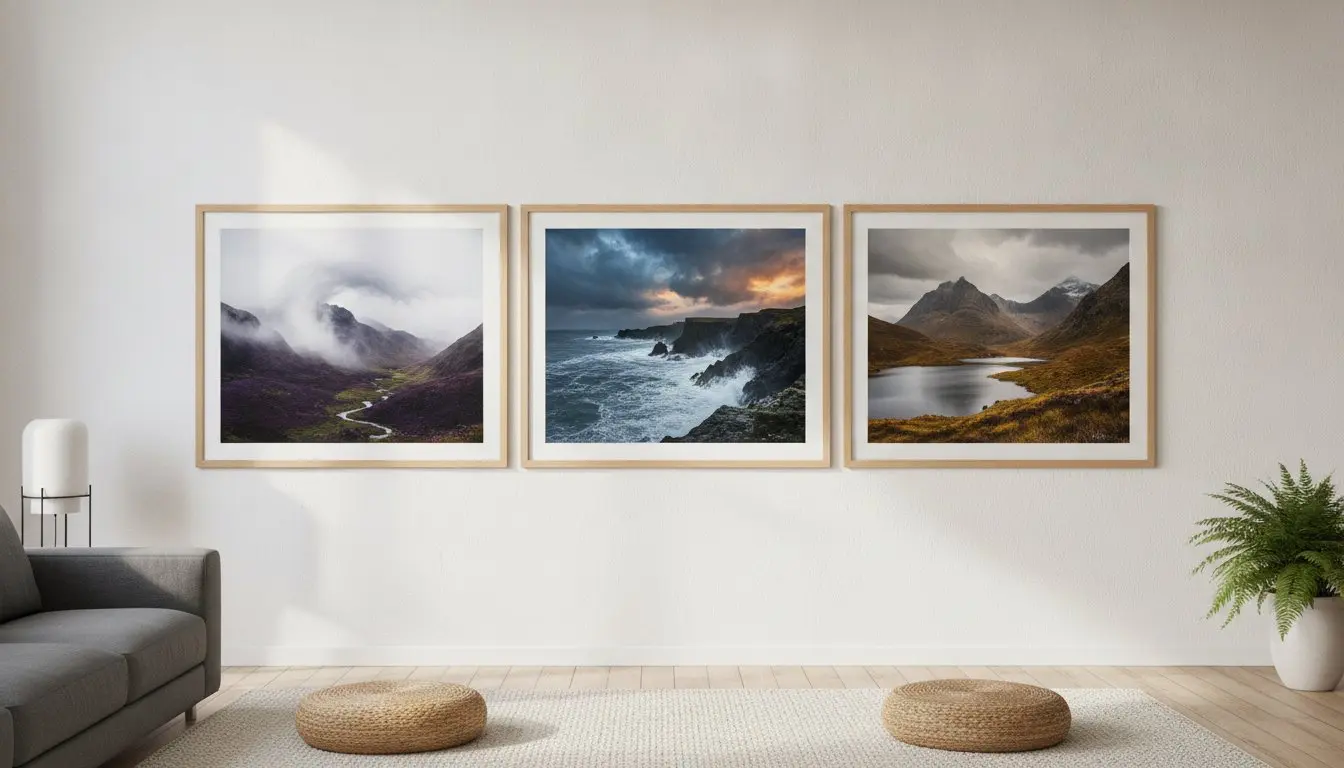
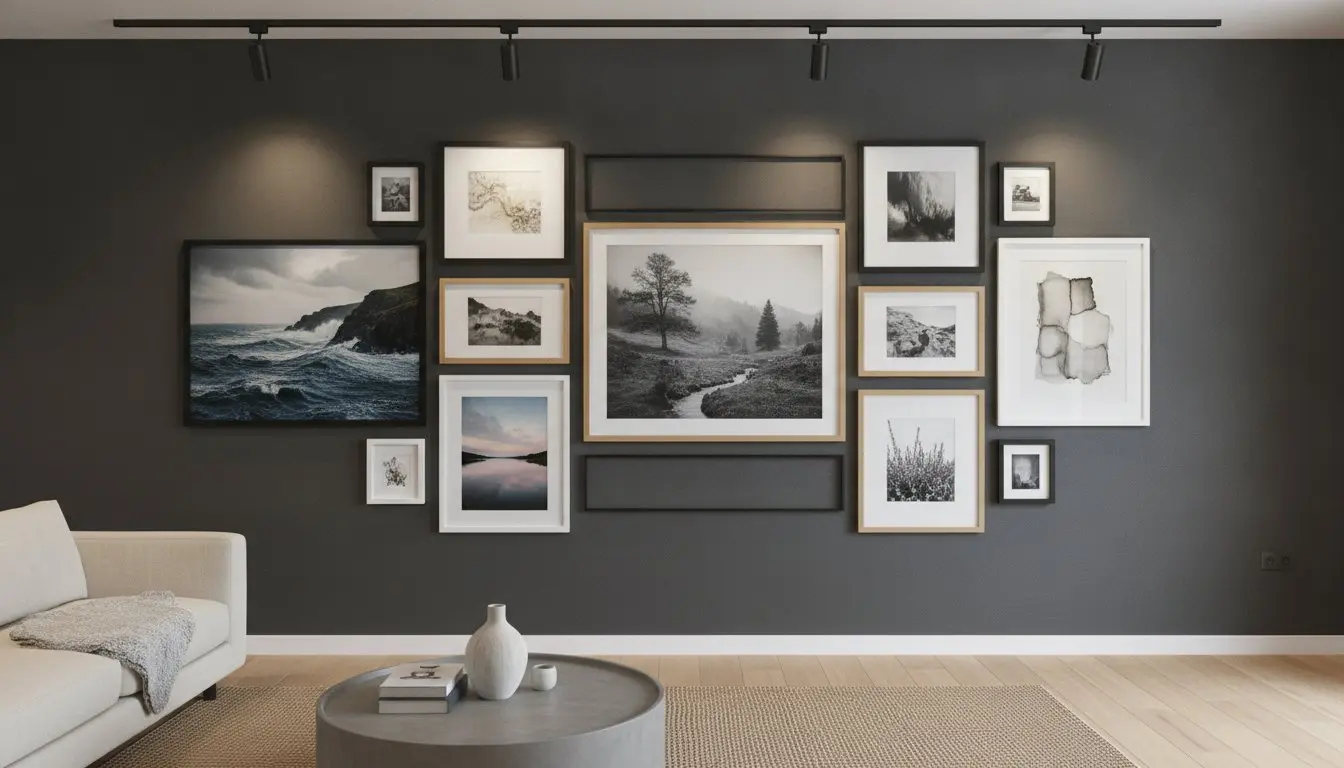
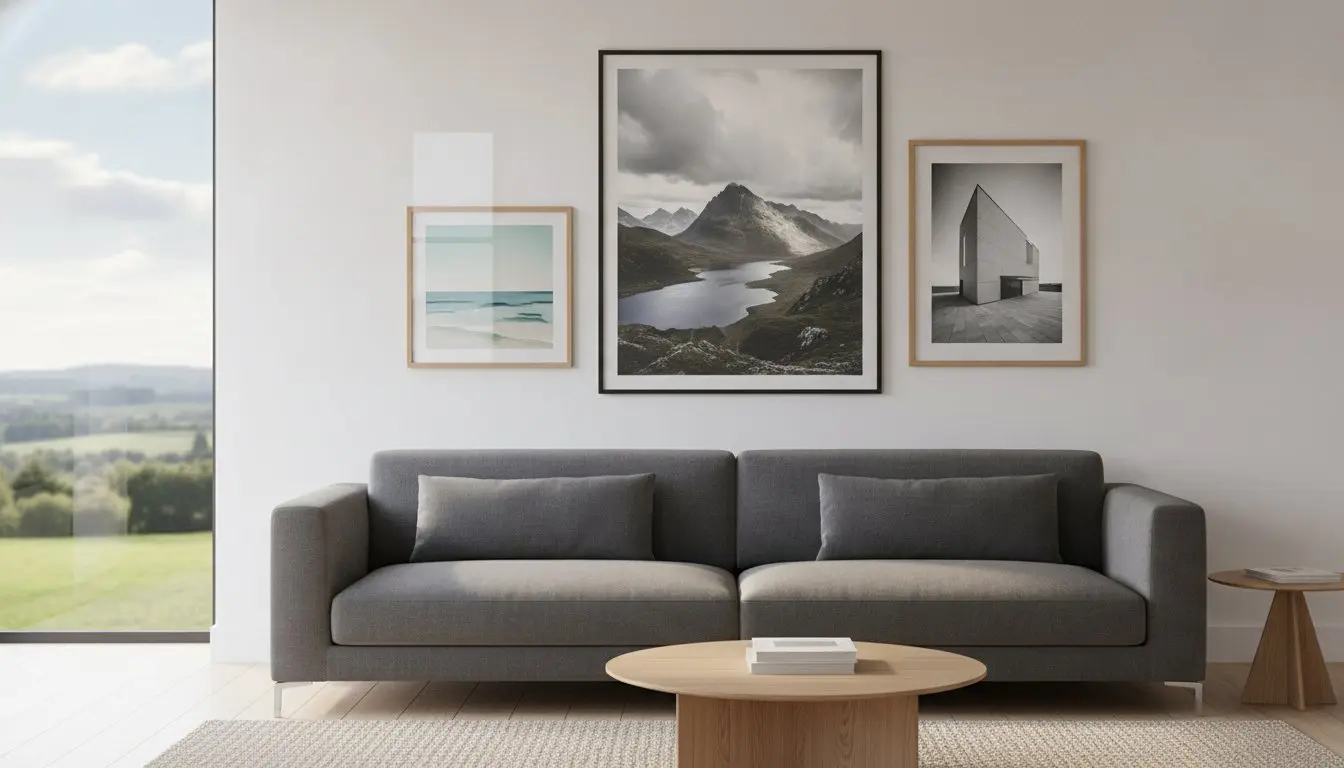
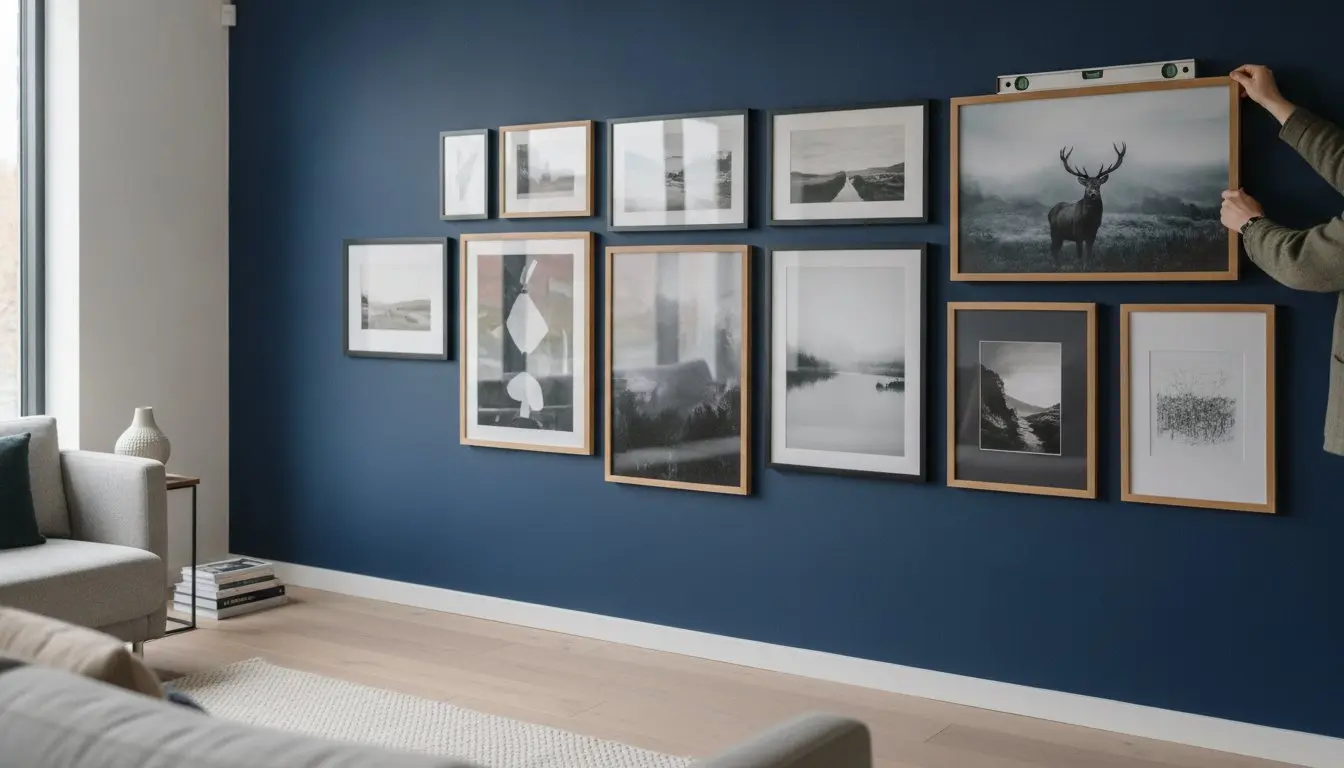
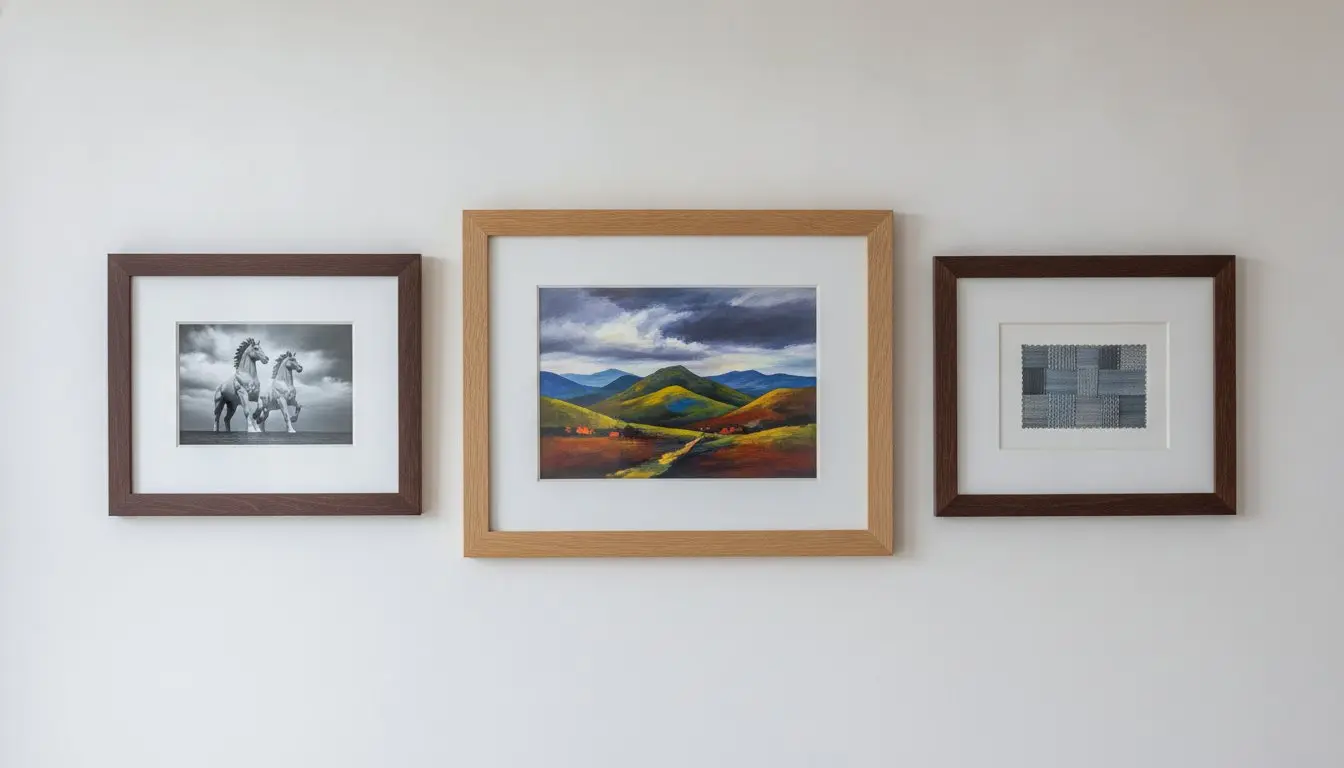
A gallery wall is a beautiful way to tell a personal story, and a3 frames often play a leading role. Use them as the ‘hero’ pieces to anchor your layout, building a collection of smaller A4 and A5 frames around them for a dynamic, eclectic feel. Alternatively, for a clean and contemporary aesthetic, a symmetrical grid of identical A3 frames creates a powerful, organised display. This approach is perfect for a themed collection of photography or a series of matching art prints.

How to Choose the Perfect A3 Frame Style and Material

Selecting the perfect frame is about more than just protecting your print; it’s about creating a beautiful bridge between your artwork and your room’s decor. For A3 prints, a versatile size defined by the ISO 216 international standard, the right frame enhances the art and harmonises with your space. Think of the frame as the final, crucial touch that pulls everything together. Our passion is helping you find that perfect match, so here are a few simple tips to guide your decision.

Classic Wooden Frames: Timeless and Versatile

Wooden a3 frames bring a natural warmth and classic appeal that suits almost any interior. Crafted from premium, sustainable wood, they add a touch of timeless craftsmanship. Each finish offers a different personality:

  • Oak Frames: The gentle, warm tones of natural oak are perfect for bringing a touch of nature indoors. They beautifully complement traditional, rustic, or bohemian decor.
  • Black Frames: A classic for a reason. Black provides a bold, modern contrast that makes the colours in your artwork truly pop. It’s a spectacular choice for creating a focal point.
  • White Frames: For a clean, minimalist aesthetic, a white frame is unbeatable. It offers a fresh, airy feel that works wonderfully in Scandinavian-inspired or contemporary spaces.

Modern Metal Frames: Sleek and Contemporary

For a clean, contemporary edge, metal is an excellent choice. Aluminium frames typically have a very thin, elegant profile, ensuring the focus remains squarely on your artwork. This minimalist style is ideal for:

  • Photography and posters
  • Architectural prints and line drawings
  • Modern and industrial-style interiors

Available in various finishes like matte black, brushed silver, or subtle gold, metal frames offer a sophisticated and durable way to display your favourite pieces.

Matching Frame to Artwork: Simple Rules to Follow

Feeling unsure? Follow these simple principles to find the perfect pairing every time:

  • Complement the Style: Match the frame to the artwork’s era or mood. A modern abstract print shines in a sleek metal frame, while a classic watercolour feels at home in oak.
  • Balance the Composition: If your artwork is busy and vibrant, choose a simple, understated frame that won’t compete for attention.
  • Consider the Colour Palette: Look at the dominant colours in both the art and the room where it will hang. Choose a frame that either picks up on a subtle accent colour or provides a complementary contrast.

Ultimately, the goal is to select a frame that makes you fall in love with your artwork all over again. Ready to find your perfect match? Explore our curated collection of beautiful frames.

Quality Matters: What to Look for in a Well-Made A3 Frame

An A3 frame does more than just hang your picture on the wall; it acts as the bridge between your art and your room, protecting and enhancing the piece within. While a low price tag can be tempting, investing in a well-made frame ensures your artwork remains beautiful for years to come. Understanding the components of quality craftsmanship empowers you to choose wisely, turning a simple print into a lasting display.

The Moulding: Solid Wood vs. MDF

The moulding is the main structure of the frame, and its material is a key indicator of quality. Mass-produced frames often use MDF (Medium-Density Fibreboard) or Polcore, which are budget-friendly options. However, for superior durability and a truly premium feel, nothing compares to solid wood. Each wooden frame boasts a unique grain, offering a natural warmth and character that synthetic materials simply cannot replicate. It’s an investment in strength and timeless style.

Glazing: Protecting Your Print with Glass or Acrylic

Glazing is the clear, protective layer that shields your artwork from dust, moisture, and fading. Your main choices are:

  • Glass: Offers exceptional clarity and a traditional, weighty feel. It’s scratch-resistant and perfect for pieces that won’t be moved often.
  • Acrylic (Perspex): A lighter and shatter-resistant alternative, making it safer for high-traffic areas or children’s rooms. High-quality acrylic can also offer superior UV protection to prevent your print’s colours from fading over time.

Ready-Made vs. Bespoke Framing

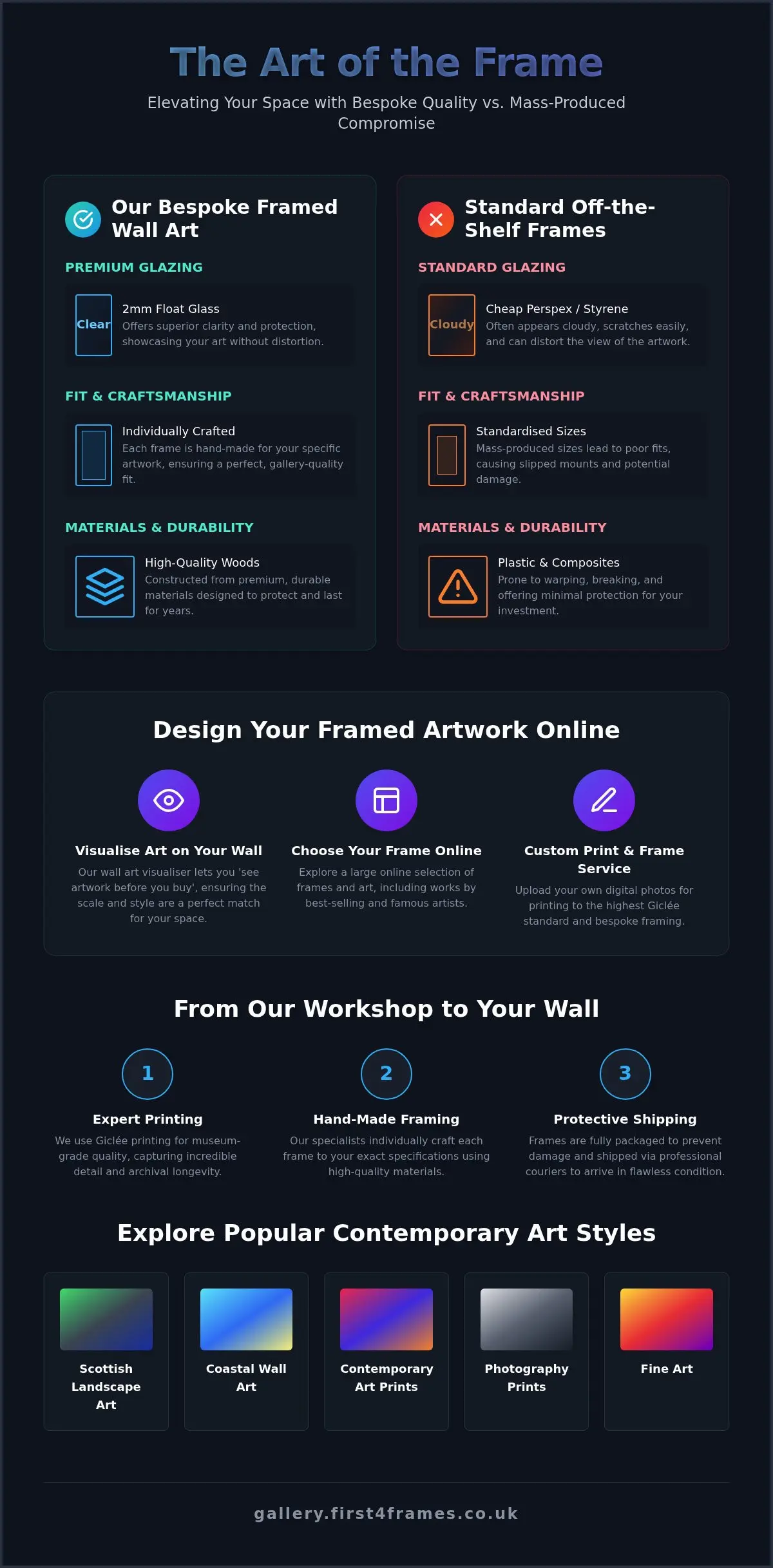
Ready-made A3 frames are a convenient and cost-effective solution for standard-sized prints and posters. They offer a quick way to get your art on the wall. However, for a truly perfect finish or to protect a valuable piece of fine art, bespoke framing is the ultimate choice. A custom-made frame is crafted with higher-quality materials and precision-cut to fit your artwork exactly, eliminating unsightly gaps and ensuring archival-level protection. For a piece you truly treasure, a bespoke frame is an investment in its future. Get a quote for a custom A3 frame from our experts.

The Final Touch: Choosing Your Perfect A3 Frame

As we’ve explored, the perfect frame is more than just a border; it’s the bridge between your artwork and your decor. Understanding the standard A3 dimensions gives you a versatile starting point, while choosing the right style and material is what truly brings your vision to life. The key is that quality craftsmanship makes all the difference, ensuring your cherished prints and photographs are beautifully preserved for years to come.

With over 20 years of professional framing experience, we understand that power. From our Falkirk workshop, our team offers a bespoke service, using premium, locally sourced materials to create exceptional a3 frames that honour your art. Our passion is transforming your space with pieces that are built to last and designed to inspire.

If you’re ready to see the difference that true craftsmanship can make, we invite you to explore our collection of beautifully framed art prints. Discover the perfect frame for your story today.

Frequently Asked Questions About A3 Frames

What are the exact dimensions of an A3 frame in cm and inches?

An A3 frame is crafted to perfectly house an A3 print, which measures exactly 29.7 x 42 cm or 11.7 x 16.5 inches. It’s important to note these are the internal dimensions for the artwork itself. The frame’s external size will be slightly larger, depending on the width of the beautiful moulding you select. Always measure your artwork first to ensure a professional, seamless fit for your treasured piece before purchasing.

Can I put an A4 picture into an A3 frame?

Absolutely! Placing a smaller A4 picture (21 x 29.7 cm) inside a larger A3 frame is a spectacular way to achieve a professional, gallery-style presentation. This is done by using a picture mount, which creates a crisp, clean border around your artwork. This technique gives the piece space to breathe, draws the eye inward, and adds a touch of bespoke elegance to your wall display, truly elevating the final look.

Is A3 a good size for framing a photograph?

Yes, A3 is a fantastic and highly versatile size for framing photographs. It’s large enough to make a significant impact and showcase the fine details of your image, yet not so large that it overwhelms a room. This size works beautifully as a standalone feature piece or as the centrepiece of a growing gallery wall. Whether it’s a family portrait or a stunning landscape, an A3 frame provides the perfect canvas to display your memories.

What is a picture mount and do I need one for my A3 frame?

A picture mount is a high-quality cardboard border that sits between your artwork and the frame’s glass. It serves two key purposes: it creates a visual separation that enhances the artwork, and it protects your print by preventing it from touching the glass. While you don’t need a mount if your artwork is already A3 size, we highly recommend one for adding a premium, professional finish or for framing smaller images within your A3 frame.

How do I hang an A3 frame securely on the wall?

For most A3 frames, a single, correctly installed picture hook is sufficient for plasterboard walls. Always check that the hook is rated to hold at least double the weight of your frame for safety. Use a spirit level for perfect alignment. For heavier frames or solid masonry walls, we recommend using a wall plug and screw for a more robust and secure fitting, ensuring your beautiful artwork remains perfectly displayed for years to come.

Which is bigger, an A3 frame or an A2 frame?

An A2 frame is bigger than an A3 frame. The ‘A’ paper sizing system can seem counter-intuitive: as the number gets smaller, the paper size gets larger. An A2 sheet of paper (42 x 59.4 cm) is exactly double the size of an A3 sheet. Consequently, an A2 frame is designed for a much larger, statement piece of art, while an A3 frame offers a more adaptable and popular size for most homes.

Posted on

John Lowrie Morrison (Jolomo): A Guide to the Iconic Scottish Artist

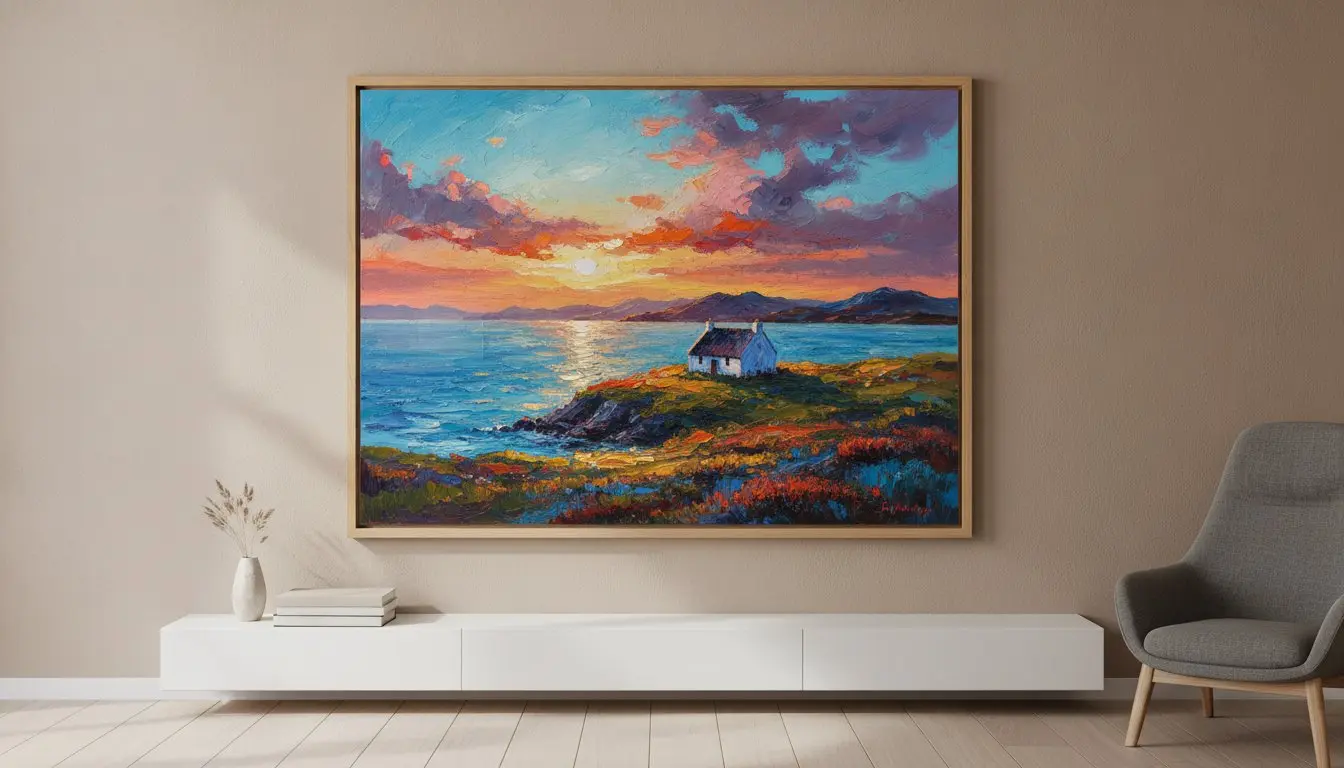
A large, colorful painting of a coastal landscape with a small house, green hills, a vibrant sunset, and dramatic clouds hangs on a white wall in a modern, minimalist room. Books are stacked on the floor nearby.

If you’ve ever been captivated by a painting of a Scottish croft bathed in impossibly vibrant light, or a dramatic coastal scene bursting with electric colour, you’ve likely encountered the spectacular work of the iconic john lowrie morrison artist. Known affectionately to many as ‘Jolomo’, his style is one of the most recognisable in contemporary Scottish art, yet many admirers are left with questions about the man behind the breathtaking canvases.

What does ‘Jolomo’ actually mean? What inspires his uniquely powerful use of colour? And is it possible to bring one of these beautiful pieces into your own home without an eye-watering price tag? In this guide, we embark on a journey to discover the life and passion of one of Scotland’s most beloved painters. We’ll explore his deep connection to the landscape, uncover the secrets behind his vibrant style, and show you how owning a piece of his artistic legacy, through a premium, professionally framed print, is more accessible than you might think.

Who is John Lowrie Morrison? The Man Behind ‘Jolomo’

When exploring the world of contemporary Scottish art, one name shines with unparalleled vibrancy: John Lowrie Morrison. Known globally by his signature ‘Jolomo’, he is widely celebrated as one of Scotland’s most successful and beloved landscape painters. His work is a passionate and powerful expression of his deep connection to the Scottish West Coast and its islands, capturing the wild, untamed beauty of Argyll, the Hebrides, and beyond.

With a spectacular and distinctive high-key colour palette, Jolomo’s paintings are instantly recognisable. His use of bold, expressive strokes and intense, often electric, colours transforms familiar landscapes into something truly magical. This unique vision has earned him international recognition, with his beautiful fine art prints and original works cherished by collectors across the world.

Early Life and Artistic Beginnings

Born and raised in Glasgow, John Lowrie Morrison’s artistic journey began at a young age, culminating in his studies at the prestigious Glasgow School of Art from 1967 to 1971. For a detailed look at his formative years, the John Lowrie Morrison (Jolomo) Wikipedia page offers a comprehensive overview of his development. For over 25 years, he balanced his painting with a dedicated career in art education, serving as an art adviser in Argyll and inspiring a new generation of artists before committing to painting full-time in 1997.

The Origin of the ‘Jolomo’ Signature

The name ‘Jolomo’ is more than just a signature; it is his artistic identity. This renowned name is a clever portmanteau, created by taking the first two letters of each of his names: John Lowrie Morrison. What started as a simple way to sign his work has become a powerful brand, synonymous with the vibrant energy and spectacular colour that defines this exceptional john lowrie morrison artist. Today, the Jolomo signature is a hallmark of quality and a promise of a breathtaking view of Scotland.

The Unmistakable Style: What Makes a ‘Jolomo’ Painting?

To gaze upon a Jolomo painting is to experience the Scottish landscape with heightened senses. His powerful interpretation of the land, often described as a form of Scottish Expressionism, is not about creating a literal, photographic copy. Instead, John Lowrie Morrison captures the very soul of a place. His work is an emotional response, translating the feeling of a windswept Hebridean coastline or a quiet Argyll croft into a spectacular visual language. This is achieved through bold, confident brushstrokes and a thick, textured application of paint that gives each piece a vibrant, almost sculptural quality. The distinctive approach of this celebrated john lowrie morrison artist has resonated deeply with collectors and critics alike, earning him significant recognition, including an honorary doctorate from the University of the West of Scotland for his contribution to Scottish culture.

A Master of Colour and Light

Colour is the cornerstone of Jolomo’s work. He is renowned for his signature use of high-key, vibrant colours that seem to radiate energy from the canvas. He masterfully captures the unique, ever-changing light of the Scottish West Coast, where sunlight can break through stormy skies in an instant. By placing contrasting colours side-by-side—a fiery orange against a deep cerulean blue, or a brilliant cadmium yellow next to a rich purple—he creates a dynamic tension that makes his landscapes feel alive. These are not the muted tones one might expect, but a joyous and optimistic celebration of light and atmosphere.

Key Subjects and Recurring Motifs

While his style is distinct, Jolomo frequently returns to a set of beloved subjects that have become iconic in his art. His paintings are populated with the enduring symbols of the Highlands and Islands:

  • White-Washed Crofts: Often depicted with a glowing light in the window, the humble croft becomes a beacon of warmth, hope, and human presence against the wildness of nature.
  • Lighthouses and Coastlines: Standing resilient against the elements, his lighthouses symbolise guidance and safety amidst the dramatic seascapes of Argyll, the Hebrides, and Iona.
  • Fishing Boats: These vessels represent the deep connection between the people and the sea, a core part of life on the West Coast.

Though best known for these spectacular landscapes, Morrison also applies his unique vision to beautiful still life paintings, proving his mastery extends beyond the coastal horizon.

The Scottish West Coast: Morrison’s Lifelong Muse

To understand the art of Jolomo is to understand the Scottish West Coast. This spectacular, rugged landscape is not merely a subject for John Lowrie Morrison; it is the heart and soul of his entire body of work. He possesses a deeply personal and spiritual connection to the isles and crofting communities of Argyll and the Hebrides. It is here, amidst the raw, untamed beauty of churning seas and windswept moors, that he finds his endless inspiration.

Morrison is a master of translating the fleeting, dramatic moments of Hebridean weather onto the canvas. He captures the sudden burst of golden light through dark, stormy clouds, the vibrant turquoise of a sunlit sea, and the deep, rich purples of a twilight sky. It is this profound ability to convey the energy and emotion of the landscape that truly defines the john lowrie morrison artist style, making each painting a living, breathing experience of a specific moment in time.

Capturing the ‘Spirit of Place’

For Morrison, painting is not about creating a literal copy of a view but about capturing its ‘spirit of place’—the intangible essence and feeling of a location. His strong Christian faith is central to this, as he perceives a divine light and spiritual presence within the land’s natural glory. This is particularly evident in his frequent depictions of Iona, a historic centre of Celtic Christianity, which he paints as a beacon of peace and spirituality.

The Human Element: Crofts and Communities

Amidst the wildness of his landscapes, the humble croft house stands as a powerful symbol of warmth, resilience, and human presence. These simple, whitewashed buildings represent safety and sanctuary against the elements, embodying a historic and enduring way of life. The recurring motif of a single light glowing from a window is particularly poignant, offering a message of hope, welcome, and the enduring spirit of the close-knit communities that inhabit this beautiful land.

This appreciation for heritage and craftsmanship, capturing the spirit of a place, isn’t limited to the canvas. In the culinary arts, for instance, artisanal producers work to preserve the authentic taste of a region. For those who appreciate this dedication to quality, you can find out more.

From Art Teacher to National Treasure: Career and Accolades

For over two decades, John Lowrie Morrison masterfully balanced two passions: a career as an art teacher shaping young minds, and his personal drive to capture the soul of the Scottish landscape on canvas. In 1997, he took a leap of faith, leaving education to pursue painting full-time. The decision was immediately validated. His first major solo exhibition in Edinburgh was a phenomenal success, selling out within hours and setting a precedent for the soaring demand that would follow.

This breakout success quickly established the john lowrie morrison artist name as a powerhouse in contemporary Scottish art. His vibrant and emotionally resonant paintings became highly coveted, leading to a string of sell-out exhibitions across the UK, from London to Glasgow, and attracting collectors from around the globe. His work has not only captured the public’s imagination but has also made a significant and lasting contribution to Scottish culture.

OBE for Services to Art and Charity

In recognition of his profound impact, Morrison was appointed an Officer of the Order of the British Empire (OBE) in the 2011 New Year Honours list. This prestigious national honour celebrated his dual contributions, acknowledging both his outstanding services to art in Scotland and his incredible dedication to charitable causes, cementing his status as a true national treasure.

Philanthropy: The Jolomo Foundation

Deeply committed to fostering new talent, Morrison established The Jolomo Foundation to support and encourage emerging artists who paint the Scottish landscape. The foundation became renowned for the Jolomo Bank of Scotland Awards, which grew to be the UK’s largest privately funded art prize. Beyond this, Morrison’s generosity is legendary; he has raised over £2 million for numerous charities through the sale of his spectacular artwork, using his success as a powerful force for good.

The journey of John Lowrie Morrison is a testament to talent, hard work, and generosity. His captivating vision of Scotland continues to inspire art lovers everywhere. Explore our curated selection of his fine art prints to bring a piece of his world into your home.

How to Own a John Lowrie Morrison: Prints and Originals

Falling in love with a John Lowrie Morrison painting is easy; bringing one home can feel like a more distant dream. As one of Scotland’s most celebrated contemporary painters, his original works are in high demand, often commanding prices in the thousands of pounds. But the spirit and spectacular colour of his art are not reserved solely for high-end collectors. Thanks to premium Giclée printing, you can welcome the magic of Jolomo into your own space.

Original Paintings vs. Fine Art Prints

An original painting is a one-of-a-kind piece, a direct connection to the artist’s vision and touch, which is why it holds such significant value. A fine art Giclée print, on the other hand, is a museum-quality reproduction created using specialist archival inks to perfectly capture the colour, texture, and depth of the original. This makes prints an affordable and accessible way to begin your art collection and celebrate the work of an artist you admire. They offer a beautiful, lasting way for everyone to enjoy the vision of the john lowrie morrison artist.

Why Professional Framing Matters for Your Jolomo Print

A print is only half the story; the frame is what completes it. A professionally chosen frame does more than simply hang the artwork on your wall—it protects your investment and elevates its visual impact. Think of the frame as the perfect bridge between the artwork and your room’s décor, pulling everything together in harmony. For a Jolomo print, with its famously vibrant and expressive colours, the right frame is essential to make those hues truly sing.

Our bespoke framing service ensures your print is not only beautifully presented but also preserved for a lifetime. Key elements of our craftsmanship include:

  • Conservation Materials: We use acid-free mounts and backing boards to prevent discolouration and damage over time.
  • UV-Protective Glazing: Specialist glass helps shield the print from harmful ultraviolet light, ensuring the brilliant colours won’t fade.
  • Bespoke Design: We help you select the perfect moulding and mount colour to complement both the artwork and your personal style.

Ready to bring the light and colour of the Scottish coast into your home? Browse our curated collection of framed Jolomo prints.

Bring the Light of Jolomo into Your Home

From his beginnings as an art teacher to his status as a national treasure, John Lowrie Morrison’s journey is as inspiring as his art. His unmistakable style, defined by bold, expressive colour, perfectly captures the raw, spiritual beauty of the Scottish West Coast. The enduring appeal of the john lowrie morrison artist lies in his unique ability to translate the dramatic light and landscapes of his homeland onto canvas, creating works that resonate with collectors worldwide.

Owning a piece of this Scottish magic is a wonderful way to connect with that vision. As your one-stop-shop for beautiful, ready-to-hang art, we are passionate about presentation. Our premium Giclée prints capture every vibrant detail of Jolomo’s work, and with over 20 years of bespoke framing expertise, we ensure your chosen piece becomes a stunning focal point in any room. Begin your journey and find the perfect, professionally framed John Lowrie Morrison print for your home.

Frequently Asked Questions About John Lowrie Morrison

What does JOLOMO stand for?

JOLOMO is the distinctive signature used by the artist John Lowrie Morrison. It is a creative acronym derived from the first two letters of his first name (JO), his middle name (LO), and his surname (MO). This unique moniker has become synonymous with his vibrant and expressive paintings of the Scottish landscape, making his work instantly recognisable to collectors and art lovers alike. It’s a memorable signature for a truly memorable artist.

Is John Lowrie Morrison still painting today?

Yes, John Lowrie Morrison is still a prolific and active artist. He continues to draw inspiration from the Scottish landscape, regularly producing new and spectacular paintings from his studio in Argyll. He frequently holds exhibitions of his latest work, allowing enthusiasts to see how his style evolves while retaining its signature vibrancy. His ongoing passion for his craft ensures there is always new art for admirers to discover and enjoy.

How much is an original John Lowrie Morrison painting worth?

The value of an original painting by the john lowrie morrison artist can vary significantly, often ranging from a few thousand pounds for smaller pieces to over £20,000 for major canvases. Factors like size, subject matter, and the period it was painted all influence the price. For a precise valuation, it is always best to consult a reputable art gallery or auction house that specialises in contemporary Scottish art and can provide expert advice.

Where can I see Jolomo’s original artwork in a gallery?

You can view Jolomo’s original artwork at several prestigious galleries, primarily in Scotland. His own dedicated spaces, the Jolomo Galleries, are key locations to see a wide collection of his work. Additionally, respected commercial galleries such as Annan Gallery in Glasgow and Morningside Gallery in Edinburgh frequently exhibit and sell his beautiful original paintings. We recommend checking with a gallery directly to confirm their current display before visiting.

What type of paint does John Lowrie Morrison use?

Jolomo is renowned for his masterful use of oil paints. He applies the paint thickly, a technique known as impasto, which creates a spectacular texture and depth in his work. This method allows him to capture the dynamic light and rugged character of the Scottish landscape with incredible energy and vibrancy. The rich, bold pigments are a signature element of his beautiful and expressive style, bringing each scene to life on the canvas.

Why is John Lowrie Morrison’s art so popular in Scotland?

John Lowrie Morrison’s art resonates deeply across Scotland because it captures the very soul of the nation’s landscape. His vibrant, high-key colours and expressive style bring the West Coast, the Hebrides, and Argyll to life in a way that feels both dramatic and familiar. His work evokes a powerful sense of place and emotion, celebrating the wild beauty of Scotland. This unique ability to translate scenery into feeling has made him one of the country’s most beloved contemporary painters.