Posted on

Picture Framing Supplies UK: The Ultimate Guide for Artists & DIYers

Have you ever held a piece of art, a cherished photograph, or your own creative work and felt that mix of pride and slight panic? You know it deserves a beautiful, bespoke frame, but navigating the vast world of picture framing supplies uk can be daunting. Which mount will complement the colours? What glazing offers the best protection? And are you investing in the right tools, or risking a costly mistake with your treasured piece?

Embark on your framing journey with confidence. This guide is your trusted partner, created to demystify the entire process. We’ll provide a clear checklist of every tool and material you need, from premium mount boards to conservation-grade tapes. You’ll learn to distinguish quality craftsmanship, achieve a professional-looking result, and ensure your artwork is protected for years to come. We’ll also help you understand when to embrace the rewarding DIY challenge and when to call in a professional for that perfect, lasting finish.

The Anatomy of a Frame: Core Supplies You’ll Need

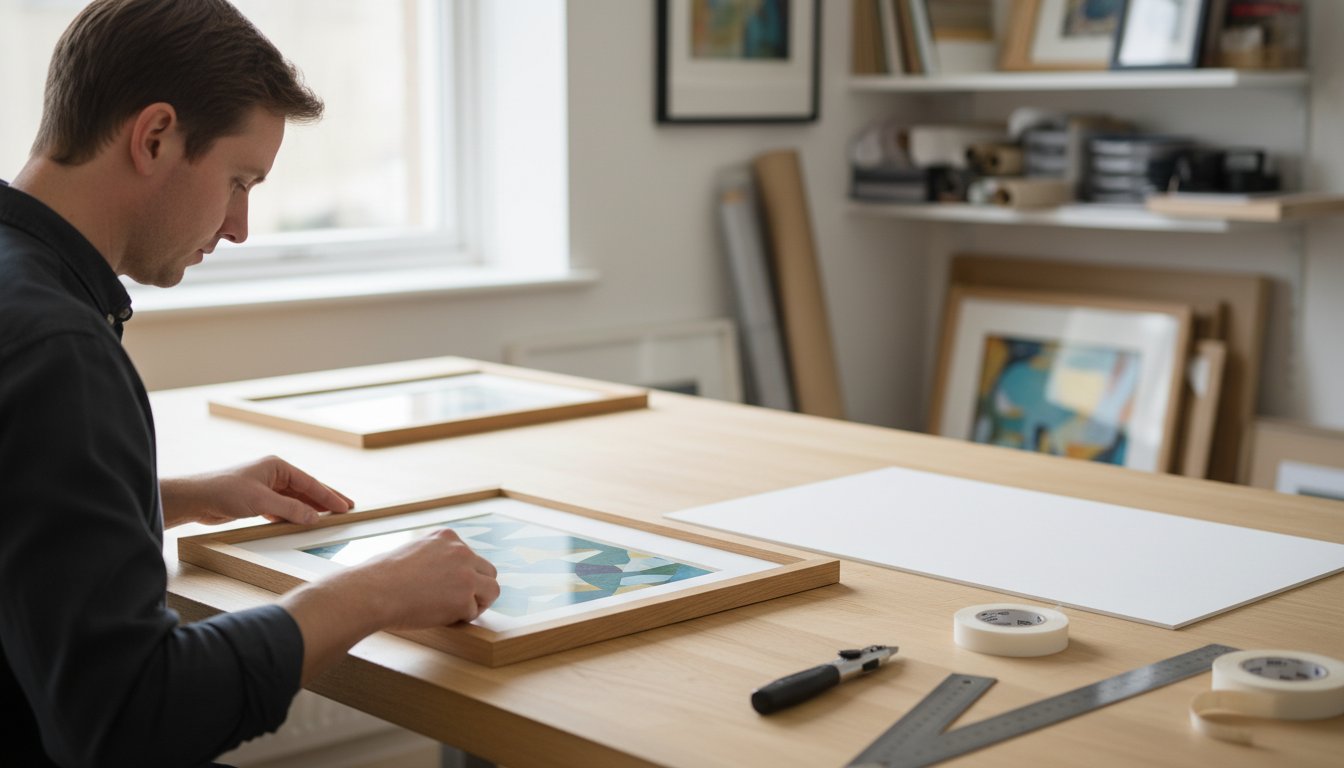
A beautifully finished picture frame is a work of craftsmanship, a sum of carefully chosen parts working in harmony to protect and present your art. Each layer, from the visible moulding to the hidden backing board, plays a crucial role in both the final look and the long-term preservation of your piece. Understanding The Anatomy of a Picture Frame is the first step towards making informed choices when sourcing your materials. This foundational checklist will guide you through the essential components for any project.

To see how these components come together, this short video provides a helpful overview:

Before you begin, it’s important to distinguish between standard decorative framing and ‘conservation framing’. While standard framing focuses primarily on aesthetics, conservation framing uses archival-quality, acid-free materials to protect valuable or sentimental artwork from environmental damage. Choosing the right picture framing supplies uk retailers offer is key to achieving the level of protection your artwork deserves.

Frame Moulding: The Foundation of Your Design

The moulding is the structural and decorative border of your frame. The material and profile you choose set the tone for the entire piece.

  • Materials: Wood offers timeless warmth and versatility, aluminium provides a sleek, modern finish, and Polcore (a recycled polystyrene) is a durable and cost-effective alternative that beautifully mimics wood.
  • Profiles: Common styles include flat, contemporary profiles; curved ‘scoop’ profiles that draw the eye inward; ornate, traditional designs; and ‘floater’ frames for canvas art.
  • Sizing: Ensure the moulding width is proportional to your artwork-a delicate print needs a slender frame, while a large canvas demands a more substantial one. You can buy moulding in lengths to cut yourself or use a chop service for precise, mitred corners.

Glazing: Protecting Your Artwork

Glazing is the clear protective layer covering your art. Its primary job is to shield the piece from dust, moisture, and damaging light. The main options include standard glass, which is clear and scratch-resistant but heavy, and acrylic (often known by the brand name Perspex), which is lightweight, shatter-resistant, and an excellent choice for large frames or pieces that will be shipped. For precious artwork, always opt for glazing with at least 99% UV-filtering properties to prevent fading caused by sunlight.

Mountboard and Backing Board: Presentation and Preservation

The window mount (or mat) serves two purposes: it provides a visual border that draws the eye to the artwork and creates a crucial air gap between the art and the glazing. It’s vital to choose between a standard, decorative mountboard and an acid-free, conservation-grade board. Standard boards contain acids that can ‘burn’ and discolour your artwork over time, whereas conservation boards are archival quality. Finally, the backing board provides structural support and seals the frame ‘sandwich’, protecting it from behind.

Essential Tools for the DIY Framer’s Toolkit

While premium materials are the heart of a beautiful frame, the right tools are the skilled hands that bring it all together. Achieving those crisp, professional-looking corners and clean lines isn’t about luck; it’s about precision. Investing in a basic toolkit is the single most important step you can take to elevate your DIY framing from a hobby to true craftsmanship. To get started, it’s helpful to understand the Essential Tools for the DIY Framer and how they function. We’ve broken them down into three key stages: cutting, joining, and finishing.

Cutting and Sizing Equipment

Precision starts here. To create a perfect frame, every component must be sized with complete accuracy. A tiny error at this stage can compromise the entire project.

  • Mitre Saws or Guillotines: These are essential for cutting your moulding to a perfect 45-degree angle. A sharp, accurate cut is non-negotiable for seamless, gap-free corners.
  • Mat/Mount Cutters: A specialised cutter is the secret to achieving that clean, bevelled edge on your window mount, adding depth and a truly professional finish to the artwork.
  • Glass/Acrylic Cutters: A simple scoring tool allows you to cleanly and safely size your glazing to fit the frame dimensions perfectly.

Joining and Assembly Tools

Once your pieces are cut, you need the right equipment to join them securely. While professional framers use heavy-duty underpinners that drive V-nails into the corners for an instant bond, there are excellent, more accessible alternatives for the home workshop.

  • Frame or Band Clamps: An essential for the DIY framer, these tools hold the four corners of your frame tightly and squarely together while the wood glue dries, ensuring a strong, permanent bond.
  • Point Drivers or Tab Guns: This handy tool fires flexible or rigid points into the back of the frame, holding your artwork ‘sandwich’ (glazing, mount, artwork, and backing board) securely in place.

Finishing and Hanging Hardware

The final touches are what separate a good frame from a great one. Sealing the back and adding the right hardware ensures your artwork is protected and ready for beautiful display. When searching for these specific picture framing supplies UK retailers offer a wide variety to suit any project.

  • Framing Tape: Use this to seal the gap between the frame and the backing board. This creates a crucial barrier against dust, moisture, and even insects.
  • Hanging System: Choose from D-rings and picture wire for a traditional gallery hang, or a simple sawtooth hanger for smaller, lighter frames.
  • Felt Bumpers: Stick these small pads on the bottom corners to protect your wall from scuffs and allow air to circulate evenly behind the frame.

DIY vs. Professional Framing: A Cost and Quality Comparison

One of the biggest decisions you’ll face is whether to do it yourself or entrust your artwork to an expert. There’s an undeniable satisfaction in a successful DIY project, but it’s a craft that requires precision and patience. This comparison isn’t just about the initial price tag; it’s about understanding the true cost, the time involved, and matching the right approach to the value of the piece you’re framing.

The True Cost of DIY Framing

Venturing into DIY framing can be incredibly rewarding. However, before you start buying picture framing supplies UK, it’s crucial to understand the full investment. Beyond the frame moulding and mount board, you’ll need specialised tools for a quality finish. A common mistake is underestimating the cost of wastage from mis-measured mounts or poorly cut corners. For a simple poster or a child’s drawing, the DIY route can be a fun and cost-effective choice. For anything more, the costs quickly add up.

Item / Service Typical DIY Investment Typical Professional Cost (One-off)
Decent Mount Cutter £80 – £150+ Included in service
Mitre Saw / Guillotine £100 – £300+ Included in service
Tools (Glass cutter, tabs, etc.) £40 – £60 Included in service
Total Initial Tool Cost £220 – £510+ £0
Bespoke A3 Frame Service (Plus materials & time) £60 – £100

The Value of a Professional Framing Service

When you commission a professional framer, you’re not just buying a product; you’re investing in years of expertise and a guaranteed result. Professionals use specialist equipment that ensures perfectly joined corners, flawless, dust-free mounting, and structural integrity. They provide access to an extensive range of premium mouldings and conservation-grade materials designed to protect your art. These experts follow best practices, often guided by standards from the Fine Art Trade Guild, to shield your piece from UV light and environmental damage, preserving it for a lifetime. The result is a spectacular, gallery-quality finish that elevates your art and your home. See how affordable professional quality can be. Get a Bespoke Framing Quote.

Checklist: When to Choose a Professional

Still unsure which path to take? Here’s a quick checklist to help you decide when calling in an expert is the wisest choice for your art:

  • The artwork is valuable, an original, or has significant sentimental importance.
  • You are framing a large, oversized, or unusually shaped piece that requires specialist handling.
  • You need guaranteed conservation-grade, archival framing to protect your art for decades to come.
  • You want a flawless, premium finish that looks perfectly at home in a gallery, your office, or living space.

Sourcing High-Quality Picture Framing Supplies in the UK

Once you understand the essential components, the next step is finding them. The quality of your materials is not just a detail; it’s the very foundation of a beautiful, long-lasting frame. The right components act as the perfect bridge between your artwork and your decor, so choosing your source wisely is paramount to achieving a professional finish.

Where to Look for Materials

Your search for picture framing supplies UK will lead you to several types of vendors, each catering to different needs. For the widest selection of professional-grade mouldings, conservation boards, and specialist glazing, online suppliers dedicated to the framing industry are your best resource. For those just starting out or working on less critical projects, large high-street art retailers offer a good range of hobbyist and student-grade materials. And for the true artisan, local timber merchants can provide raw, unfinished wood to create bespoke mouldings from scratch.

What to Look for in a Supplier

A reliable supplier is more than just a shop; they are a partner in your creative process. When evaluating where to buy, look for these key indicators of quality and service:

  • Conservation-Grade Options: A reputable supplier will clearly label and offer a wide range of acid-free mountboards, backing boards, and UV-filtering glass or acrylic to ensure your artwork is protected from fading and degradation.
  • Helpful Services: Many online specialists offer a ‘chop service’, which provides moulding cut precisely to your required lengths with perfect mitre cuts. This saves you time and the need for specialised equipment.
  • Verified Reviews: Check customer feedback regarding the quality of the materials, the accuracy of their descriptions, and the care they take in packaging items for shipping to prevent damage.

The Professional Alternative: Let Us Source for You

While the DIY route is rewarding, it can also be a path of trial and error. Sourcing premium materials, ensuring compatibility, and achieving a flawless finish requires expertise. This is where our passion and experience come in. As professional framers, we have access to exclusive, trade-only suppliers and a deep understanding of which materials will best protect and enhance your specific piece of art.

We take the guesswork out of the equation, selecting only the finest mouldings, archival boards, and crystal-clear glazing for every project. We believe your art deserves nothing less than perfection. We source only the best materials for our frames. Discover Our Craftsmanship.

Your Masterpiece Deserves the Perfect Frame

Whether you’re an artist or a dedicated DIYer, framing your own work is a uniquely rewarding journey. This guide has equipped you with the essentials, from understanding the anatomy of a frame to sourcing the best picture framing supplies uk has to offer. The right materials and tools are the foundation of a project you can be proud of for years to come.

But for those pieces that demand an expert touch, or when you simply want a guaranteed, museum-quality result, nothing compares to professional craftsmanship. With over 20 years of experience, our Falkirk-based team at First4Frames Gallery uses only premium, conservation-grade materials to create stunning bespoke frames for art lovers across the UK.

Ready for a flawless finish? Let our experts create the perfect bespoke frame for your art. Get Your Quote Today and give your masterpiece the celebration it deserves.

Frequently Asked Questions

Is it cheaper to frame a picture yourself in the UK?

Framing a picture yourself can certainly be more cost-effective, particularly if you plan to frame multiple pieces. While there’s an initial investment in tools, the cost of materials for a single frame is often significantly lower than a bespoke framing service. For example, materials for a standard A4 frame could cost around £15-£25, whereas a professional service might start from £40. For those passionate about craftsmanship, the savings and satisfaction are well worth it.

What are the most essential supplies for a beginner picture framer?

To begin your framing journey, you’ll need a few essential tools to ensure a professional finish. We recommend starting with a quality mount cutter for crisp, clean bevels, a sturdy mitre box and saw for accurate corner cuts, and a reliable measuring tape. Wood glue for joining corners and a point driver to secure your artwork in the frame are also fundamental. These core items form the perfect foundation for your new craft, allowing you to create beautiful, bespoke frames at home.

What is conservation framing and why is it important?

Conservation framing is a premium method designed to protect and preserve your artwork for generations. It uses archival-quality, acid-free materials, including mountboards, backing boards, and tapes, to prevent yellowing and degradation. Crucially, it often incorporates special glazing that blocks up to 99% of harmful UV light, which is the primary cause of fading. This level of craftsmanship is essential for valuable or sentimental pieces, ensuring their beauty remains spectacular for years to come.

How do I choose the right size mount for my picture?

Choosing the right mount is about creating visual balance and drawing the eye towards the artwork. A good rule of thumb is to make the mount borders at least 1.5 times the width of your frame moulding, with a typical minimum of 50-65mm (2-2.5 inches). For a more traditional or dramatic effect, consider a ‘weighted’ bottom border, making it slightly deeper than the top and sides. This simple technique prevents the artwork from looking like it’s visually ‘slipping’ down.

Can I buy professional-grade frame moulding online?

Absolutely. The internet has made it incredibly easy to access a spectacular range of professional-grade materials. Many specialist retailers now offer the same high-quality frame mouldings used by bespoke framers directly to the public. When searching for picture framing supplies uk online, you can find everything from solid oak and ash to ornate Polcore and sleek aluminium profiles. This allows you to achieve a truly premium, gallery-quality finish for your projects right from your own workshop.

What’s the best way to seal the back of a picture frame?

Sealing the back of your frame provides a final, professional touch and, more importantly, protects your artwork from dust, humidity, and insects. The best method is to use a quality self-adhesive framing tape, such as brown Kraft tape. Simply apply the tape neatly over the gap where the backing board meets the frame moulding, ensuring you press it down firmly for a secure seal. This simple step elevates your work from homemade to beautifully handcrafted and ensures its longevity.

Posted on

How to Preserve Old Photographs: A Complete Guide for Cherished Memories

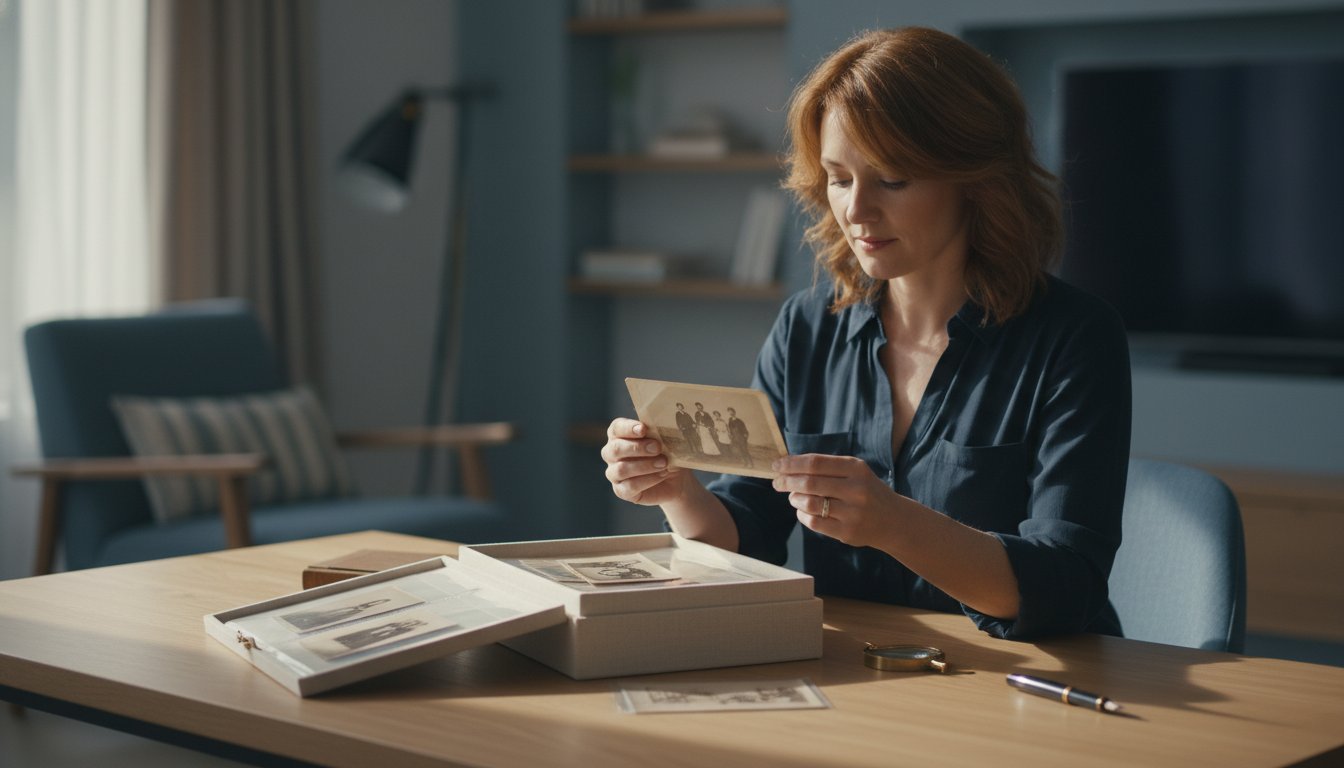
That shoebox of treasured family photographs holds more than just images; it contains generations of stories. But watching those precious moments fade, yellow, or become brittle can be heartbreaking. You worry that one wrong touch could cause irreparable damage, and the simple desire to display a beloved portrait is often clouded by the fear of sunlight stealing its character forever. It’s a common concern, and you’re not alone in wanting to protect your family’s irreplaceable legacy.

This guide is here to give you confidence and clarity. We’ll demystify the entire process and provide clear, practical steps on how to preserve old photographs for generations to come. From the correct way to handle these delicate treasures to understanding what terms like ‘acid-free’ and ‘archival-quality’ truly mean, you’ll learn everything you need. Soon, you’ll be able to safely store your entire collection and beautifully display your most cherished memories, giving them the premium care and craftsmanship they deserve.

Understanding the Enemy: What Really Damages Old Photographs?

Before we explore the best methods for how to preserve old photographs, we must first understand what we are saving them from. An old photograph is more than just an image on paper; it’s a delicate chemical object, a moment captured through a fragile process. Most of the fading, yellowing, and decay we see is not inevitable but the result of a slow, gradual attack from its environment. Identifying these key threats is the first, most crucial step in protecting your precious memories for generations to come.

This short video provides a great visual overview of the common culprits that can damage your collection:

Environmental Factors: Light, Heat, and Humidity

The world around your photos is often their biggest adversary. These three elements work together to accelerate aging:

  • Light: The number one cause of fading. Ultraviolet (UV) light, found in sunlight and fluorescent bulbs, breaks down the chemical bonds that form the image, causing colours to bleach and black-and-white photos to lose contrast.
  • Heat: High temperatures speed up chemical reactions, causing prints to become yellow and brittle. A hot loft or a sun-drenched wall is a photograph’s worst enemy.
  • Humidity: Too much moisture encourages mould growth and can cause photos to stick together, often irreparably. Too little makes them dry and fragile. Constant fluctuations are particularly damaging.

Chemical Contamination: The Hidden Danger of Acidity

Sometimes, the danger comes from within the materials themselves. A deeper understanding of how photographs are made reveals their vulnerability to acidic materials. Many older photo albums and backing papers were made from wood pulp, which is naturally acidic and releases chemicals that eat away at the photograph over time. Similarly, old glues, tapes, and cheap plastic sleeves can off-gas, creating a harmful micro-environment that causes staining and decay. Even writing on the back with the wrong kind of pen can bleed through and permanently damage the image.

Physical and Biological Threats

Finally, we have the more direct dangers. Improper handling is a common cause of damage; fingerprints leave behind oils that can etch the surface, while simple carelessness can lead to scratches, creases, and tears. Beyond our own hands, pests like silverfish are drawn to the gelatin in photo emulsions, and dust or dirt particles can act like sandpaper, abrading the delicate surface every time the photo is moved. This is why knowing how to preserve old photographs involves both the right storage and the right handling techniques.

First Steps: Handling, Cleaning, and Documenting Your Collection

Before you even think about albums or archival boxes, the journey of preservation begins with your own two hands. This initial phase is fundamental to learning how to preserve old photographs without causing accidental harm. Taking the time to handle, clean, and organise your collection now not only prevents smudges, tears, and fading but also saves you significant headaches later. More importantly, it ensures the precious stories behind each image are not lost to time.

The Right Way to Handle Vintage Photos

Every photograph is a delicate piece of history, and the natural oils on your skin can cause permanent damage over time. To protect these irreplaceable items, adopt a professional approach from the very start. These techniques are essential for proper care, and for a more detailed guide, the U.S. Library of Congress offers an excellent resource on the Care, Handling, and Storage of Photographs.

  • Start with clean hands. Always wash and dry your hands thoroughly before you begin. For the best protection, wear clean cotton or nitrile gloves.
  • Hold photos by their edges. Gently cup the photograph by its borders to avoid touching the fragile emulsion of the image itself.
  • Avoid damaging fasteners. Never use paper clips, staples, rubber bands, or adhesive tape. These materials will stain, tear, and degrade the photograph over time.

Gentle Cleaning and Dusting

Decades of storage can leave photos covered in a layer of dust and debris. Cleaning them requires an extremely gentle touch, as improper methods can scratch or permanently mar the image. The golden rule is to always start with the least invasive method possible.

  • Use a soft, clean brush. A soft-bristled artist’s or camera lens brush can be used to gently sweep away loose surface dust.
  • Try a puff of air. A photographer’s air bulb (a rubber bulb you squeeze) is perfect for dislodging stubborn particles without physical contact. Never use canned air, as the propellant can leave a damaging chemical residue.
  • Never use water or cleaners. Liquids can dissolve the image emulsion and cause irreversible staining and warping. If a photograph is very dirty or fragile, it’s best to consult a professional photo conservator.

Capturing the Story: How to Label Photos

A photograph without its story is only half a memory. Documenting the who, what, where, and when is just as vital as the physical preservation of the print. Just be sure to do it safely.

  • Never write on the front. Ink can bleed through, and the pressure from a pen can create indentations visible from the front.
  • Use a soft graphite pencil. If you must write on the back, use a very soft graphite pencil (like a 2B) and write gently along the border where there is no image.
  • Note key details. Include names (from left to right), the date, and the location or event.
  • Create a reference log. A fantastic alternative is to place each photo in a numbered archival sleeve and keep a separate logbook or digital file with corresponding details.

Safe Storage Solutions: Protecting Your Photos for the Long Term

Just as a premium frame protects and enhances a piece of art, the right storage solution creates a perfect, stable environment for your cherished photographs. The goal is simple: to house your memories in a space that is chemically inert and physically secure, protecting them from the very materials designed to hold them. Not all photo albums and boxes are created equal; many common products contain acids and chemicals that can cause irreversible fading and yellowing. Understanding what ‘archival-safe’ truly means is the most important step in learning how to preserve old photographs for generations to come.

Decoding the Jargon: Acid-Free, Lignin-Free, and PAT

When shopping for archival supplies, you’ll encounter specific terms. Here’s what the most important ones mean for the safety of your collection:

  • Acid-Free: This refers to materials with a neutral pH of 7.0 or higher. Acidity is a primary cause of embrittlement and discoloration in paper and photographs.
  • Lignin-Free: Lignin is a natural compound in wood pulp that breaks down over time, releasing acid. Even if a paper is initially acid-free, the presence of lignin means it will become acidic later. Always choose lignin-free materials.
  • PAT (Photographic Activity Test): This is the gold standard. Materials that have passed the PAT (an ISO standard) are guaranteed to be chemically inert and will not react with or damage your photos over time.

Choosing the Right Sleeves and Envelopes

Each photograph deserves its own protective enclosure to prevent it from sticking to others and to guard it against fingerprints and dust. When choosing individual sleeves, opt for chemically stable plastics like polyester, polypropylene, or polyethylene. Crucially, avoid PVC (polyvinyl chloride) sleeves, as they can release harmful chemicals and cause permanent damage. If you prefer paper, ensure any envelopes or interleaving sheets are both acid-free and lignin-free.

Archival Boxes vs. Photo Albums

For the bulk of your collection, archival-quality boxes are the most efficient and safest choice. Look for sturdy boxes made from acid-free, lignin-free board-not standard cardboard, which is highly acidic. These create a controlled micro-environment perfect for long-term storage.

If you prefer an album for easier viewing, ensure every component is archival quality, from the pages to the sleeves and any descriptive paper inserts. Be especially wary of old ‘magnetic’ photo albums. Their adhesive backing is extremely damaging, leaving a sticky residue that can ruin photographs beyond repair. Carefully removing photos from these albums is a critical preservation step.

From the Box to the Wall: How to Display Old Photos Safely

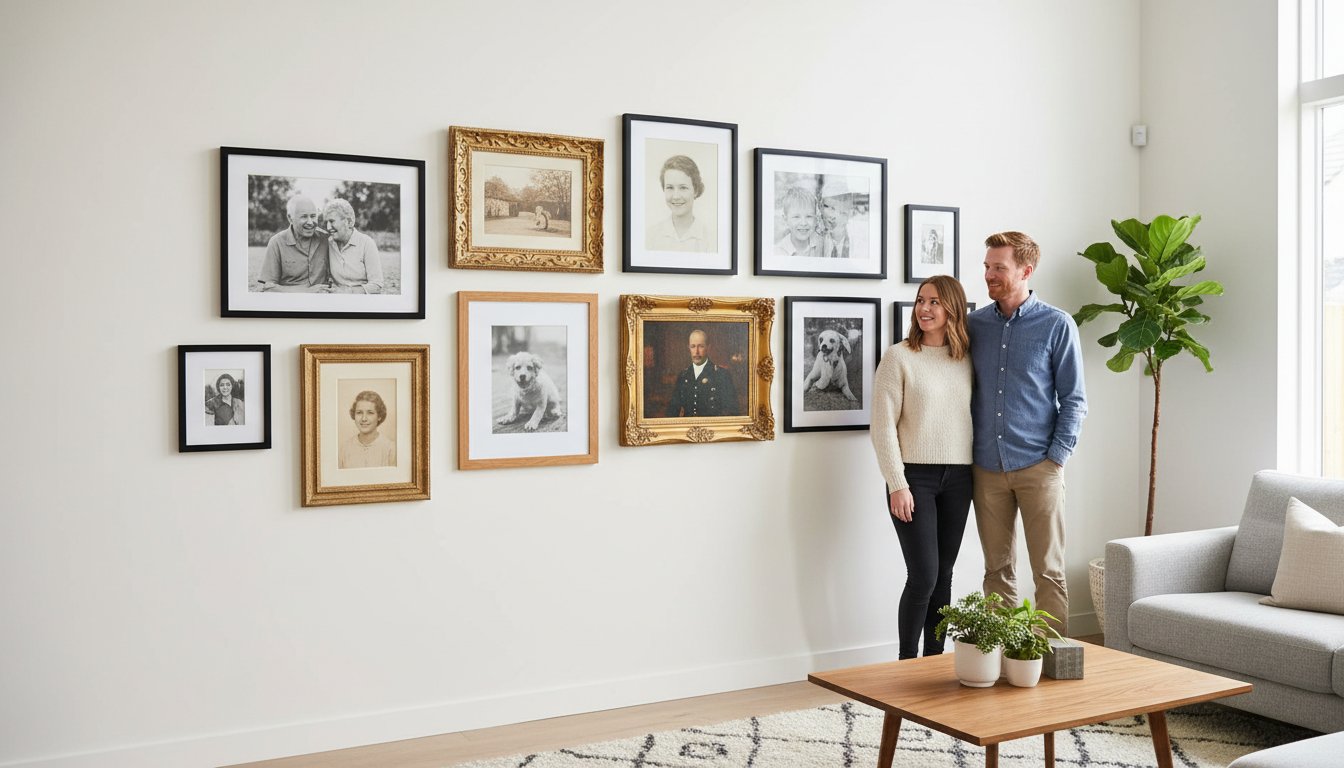
Your most cherished photographs deserve to be seen, not hidden away in a box. However, bringing them into the light exposes them to their greatest enemy. Sunlight and even standard indoor lighting can cause irreversible fading and damage. A standard, off-the-shelf picture frame can often do more harm than good, accelerating decay with acidic materials. The secret to displaying your memories without destroying them lies in professional conservation framing, a crucial step in learning how to preserve old photographs for generations to come.

The Anatomy of a Conservation-Grade Frame

A conservation frame is more than just a beautiful border; it’s a bespoke protective environment for your photograph. True craftsmanship involves using specific, high-quality materials designed for longevity. Key components include:

  • UV-Protective Glazing: This specialist glass or acrylic acts as a powerful shield, blocking up to 99% of the harmful ultraviolet rays that cause colours to fade.
  • Acid-Free Mounts and Backing Boards: Standard boards contain acids that can leach into your photo over time, causing yellowing and brittleness. We use premium, acid-free and pH-neutral materials to prevent this “acid burn.”
  • Proper Spacing: Spacers or a deep window mount ensure the photograph’s surface never touches the glass. This prevents moisture build-up and potential damage to the delicate emulsion.

Framing an Original vs. Framing a High-Quality Copy

For a truly irreplaceable family heirloom, the safest approach is to display a perfect copy. This allows the precious original to remain protected in dark, archival storage, away from any potential harm. A professionally produced Giclée print can create a spectacular, identical copy that captures every detail with museum-grade quality. Modern high-resolution scanning can often enhance faded details, breathing new life into the image you display while the original stays safe. This is an expert method for how to preserve old photographs while still enjoying them every day.

Finding a Professional Framer

Choosing the right framer is essential. Look for a trusted professional who is passionate about conservation and understands the science behind it. Don’t be afraid to ask questions about their materials-do they use UV-protective glass? Are their mount boards genuinely acid-free? A dedicated framer will happily guide you through the options, helping you choose the perfect combination of protection and aesthetic appeal for your memory. They act as a knowledgeable partner in protecting your history.

If you’re ready to give your treasured photographs the protection they deserve, we can help. Discover our bespoke conservation framing services and let our expertise bring your memories to life safely.

Digital Preservation: Creating a Backup for Peace of Mind

While carefully storing your physical prints is essential, creating a high-quality digital copy is the ultimate insurance policy for your precious memories. A digital archive protects your family’s history against unforeseen events like fire, flood, or accidental damage. It’s the modern, definitive answer to how to preserve old photographs for generations to come.

This digital archive, along with your original prints, represents an irreplaceable collection. Ensuring the physical security of your home where these items are stored is a vital part of a complete preservation strategy. For comprehensive protection against threats like theft or fire, resources like homesecurityinstallation.co.uk can provide an essential layer of security for your valuables.

Beyond simple protection, digitising your collection unlocks new possibilities. You can effortlessly share cherished moments with relatives across the globe, collaborate on family history projects, or create beautiful photo books. It also provides you with a ‘master copy’ from which you can make stunning new prints for display, keeping the fragile originals safely tucked away.

Best Practices for Scanning Your Photographs

To achieve a digital copy worthy of your memories, a little care goes a long way. Follow these professional tips for the best results:

  • Use a Flatbed Scanner: For the best quality and to avoid damaging delicate prints, a flatbed scanner is superior to a sheet-fed scanner or a phone app.
  • Clean Your Equipment: Use a microfibre cloth to gently wipe both the scanner glass and the surface of your photograph to remove any dust or smudges.
  • Scan at High Resolution: A minimum of 600 DPI (Dots Per Inch) is recommended for archival purposes. For very small photos or those you intend to enlarge, consider 1200 DPI.
  • Choose the Right File Format: Save your master scans as uncompressed TIFF files (.tiff). While large, they retain all the original data. You can create smaller JPEG (.jpg) copies for easy sharing.

Organising Your Digital Archive

A well-organised archive is a joy to browse. Start by creating a logical folder structure, perhaps by year, by event, or by family branch (e.g., ‘Smith Family’, ‘Jones Family’). Adopt a consistent and descriptive file-naming system, such as ‘1972-08-Grandma-Joan-Cornwall-Holiday.tiff’. This makes searching for specific images simple and ensures the context isn’t lost over time.

The 3-2-1 Backup Strategy

Digital files are not immune to loss. Hard drives can fail and cloud services can change. Professionals use the 3-2-1 strategy to ensure their data is secure. It’s a simple and effective method for anyone wanting to know how to preserve old photographs digitally. The principle is:

  • Keep at least three total copies of your files.
  • Store the copies on two different types of media (e.g., an external hard drive and a cloud storage service).
  • Keep one copy off-site (e.g., your cloud backup, or a second hard drive stored at a trusted relative’s house).

Once you have a premium digital master, you can create beautiful new prints to display without ever risking the original. Explore our gallery for inspiration on how to bring your newly preserved memories to life with bespoke framing.

Your Cherished Memories, Beautifully Preserved

Your old photographs are more than just paper; they are irreplaceable links to your family’s history and personal story. This guide has shown you that with the right knowledge, you can become the dedicated guardian of these moments. From careful handling and archival storage to creating essential digital backups, learning how to preserve old photographs is a rewarding act of love that ensures these stories are passed down through generations.

When a memory is too special to keep in a box, it deserves to be displayed with the same level of care. That’s where preservation meets beautiful presentation. At First 4 Frames, we bring over 20 years of framing expertise to this craft. Trusted by artists and collectors across Scotland, we use only the finest conservation-grade materials to protect and showcase your most precious images, creating a perfect bridge between your history and your home.

Protect your cherished memories. Explore our bespoke conservation framing. Give your history the beautiful, lasting home it deserves.

Frequently Asked Questions

Can I laminate an old photograph to protect it?

We strongly advise against laminating any precious old photograph. The process uses heat and adhesives that cause irreversible damage to the delicate paper and image emulsion. While it may seem like a protective measure, it actually seals in harmful acids and moisture, which can accelerate fading and deterioration over time. True archival preservation requires breathable, acid-free materials, not permanent plastic encapsulation. It’s a method best avoided for any treasured memory.

Are the old ‘magnetic’ sticky photo albums safe to use?

Unfortunately, those vintage ‘magnetic’ albums with sticky pages are one of the worst storage solutions for photographs. The adhesive on the cardboard is highly acidic, which leaches into the photo paper, causing yellowing and brittleness. The plastic overlay also off-gasses chemicals that accelerate fading. We always recommend transferring your beautiful images to albums made with premium, acid-free, archival-quality paper and polypropylene sleeves to ensure their longevity.

How can I safely remove an old photograph that’s stuck to the frame glass?

This is a delicate situation that requires immense patience. Never try to pull the photograph away, as this will tear the image emulsion. The safest first step is to consult a professional photo conservator. If you wish to attempt it yourself, a last resort involves submerging the entire glass and photo in room-temperature distilled water. After a few hours, the photo may release, but this process carries significant risk of further damage, so proceed with extreme caution.

What is the ideal temperature and humidity for storing my photo collection?

The key to long-term storage is a stable environment. The ideal conditions are a consistent temperature below 20°C and a relative humidity between 30% and 40%. Avoid attics and basements, where temperature and moisture fluctuate dramatically. A cool, dark cupboard in the main part of your house is a much better choice. Following these guidelines is a crucial step in knowing how to preserve old photographs and protect them from mould, fading, and chemical decay.

Should I try to restore a torn or faded photograph myself before framing it?

While the temptation to fix a tear with tape or touch up a faded spot is understandable, we advise against it. DIY restoration attempts often use non-archival materials like standard tape or inks that can cause permanent staining and make professional repair more difficult later. For a truly precious image, it’s best to consult an expert photo restorer. They possess the craftsmanship and specialised tools to ensure a beautiful, seamless, and safe restoration for your artwork.

How much does professional conservation framing cost?

The cost of professional conservation framing in the UK varies based on the size of the photograph and the materials chosen. For a small to medium-sized print, you can typically expect to pay anywhere from £70 to £180 or more. This price reflects the use of premium, essential materials like acid-free mount boards and backing, plus UV-protective glazing to prevent fading. While it’s an investment, this bespoke service provides the ultimate protection for your irreplaceable memories.