
Posted on

Fine Art Prints: The Ultimate Guide to Choosing & Collecting Art

Have you ever longed to transform a room with a beautiful piece of art, only to feel overwhelmed by the choice? The art world can seem intimidating, leaving you wondering what separates a cheap poster from a premium print, or if you’re choosing the right piece for your home and your budget. It’s a common feeling, but creating a home that truly reflects your style doesn’t have to be complicated or costly.

The secret lies in understanding the world of fine art prints-a spectacular and accessible way to bring lasting craftsmanship into your home. This guide is your trusted partner on this artistic journey. We’ll demystify what separates a simple poster from a premium, gallery-quality print and give you the confidence to choose the perfect piece for your space and budget. You’ll learn how to spot true quality, select the right size and style, and understand the lasting value of the art you bring into your life.

Key Takeaways

  • Spot a superior print by understanding the crucial trio of archival paper, pigment-based inks, and the artist’s signature.
  • Discover a simple framework for choosing art that not only matches your décor but also resonates with you personally.
  • Learn how the edition type (limited vs. open) directly impacts the value and collectability of fine art prints.
  • Discover why bespoke framing is not just a finishing touch, but an essential step in preserving your art’s beauty and value for years to come.

What Exactly Are Fine Art Prints? (Beyond Just a Poster)

When you hear the term ‘fine art prints,’ it’s easy to picture a simple poster, but the two could not be more different. A fine art print is a premium, high-quality reproduction of an original piece of artwork, created with meticulous care and professional-grade materials. Unlike mass-produced posters you might find in a high street shop, these prints are often produced in collaboration with the artist to ensure the final piece is a faithful and spectacular representation of their vision. This process honours the original artwork by adhering to the historical definition of fine art, which values aesthetic beauty and intellectual stimulation over purely commercial use.

To get a better sense of the technology and craftsmanship involved, this video offers a look into the world of professional art printing:

The Key Differences: Fine Art Print vs. Poster

Understanding what sets a fine art print apart comes down to four key elements of quality and intent:

  • Paper Quality: We use archival, acid-free papers that preserve the artwork’s integrity, whereas posters use thin, standard paper prone to yellowing.
  • Ink & Colour: Prints are made with fade-resistant pigment inks for vibrant, lasting colour. Posters typically use less durable dye-based inks that fade quickly in sunlight.
  • Lifespan: A fine art print is an investment designed to last for generations. A poster is a temporary decoration that may look tired within a few years.
  • Artist’s Intent: The print is intended to be a lasting piece of art in its own right, while a poster is created for mass-market appeal.

An Introduction to Giclée Prints

At the heart of modern fine art reproduction is the Giclée (pronounced “zhee-clay”) process. Considered the gold standard by galleries and artists, Giclée is a sophisticated inkjet printing method that uses high-resolution digital scans and sprays microscopic droplets of pigment-based ink onto archival paper. This technique captures the precise detail, subtle tones, and rich colour of the original artwork with breathtaking accuracy, creating a near-identical copy.

Why Choose a Fine Art Print for Your Home?

Investing in fine art prints is a beautiful and accessible way to bring more art into your life. It allows you to:

  • Own a piece from a beloved artist at a much more accessible price point than an original painting or sculpture.
  • Directly support the livelihood of talented contemporary artists, allowing them to continue their creative work.
  • Elevate your home decor with a piece of lasting quality and craftsmanship that tells a story.
  • Build a personal collection that truly reflects your unique taste and personality over time.

The Hallmarks of Quality: How to Spot a Superior Print

When you invest in art, you want to be confident in its quality. A superior print isn’t just a copy; it’s a carefully crafted piece designed to last for generations. The true value and beauty of fine art prints are determined by three essential pillars: the paper it’s printed on, the ink used to create the image, and the artist’s personal approval. Understanding these elements empowers you to read product descriptions like a professional and choose a print that you will cherish for a lifetime.

The Importance of Archival Paper

The foundation of any exceptional print is the paper. Look for descriptions that mention “archival” or “acid-free” paper. This means it’s chemically stable and won’t yellow or degrade over time. Premium papers, like 100% cotton rag, offer a beautiful texture and a substantial feel. Pay attention to the paper weight, measured in GSM (grams per square metre). A higher GSM, typically 250-310gsm for fine art, indicates a thicker, more durable paper that feels luxurious and hangs beautifully without buckling. The paper’s texture-from velvety smooth to subtly textured-can also be chosen to perfectly complement the artwork’s style.

Pigment Inks: The Secret to Lasting Colour

The vibrancy of a print depends entirely on the ink. The gold standard for fine art printing is pigment-based ink. Unlike standard dye inks which soak into the paper and can fade quickly when exposed to light, pigment inks are made of microscopic solid particles that sit on the paper’s surface. This creates incredibly rich, deep colours with superior lightfastness, meaning they resist fading for decades, often over 100 years. This technology is a key reason why Giclée prints are renowned for their longevity and stunning colour accuracy, capturing every nuance of the original artwork.

The Artist’s Signature and Edition Number

The final mark of quality comes directly from the artist. A hand-signed signature is more than just a name; it’s the artist’s seal of approval, confirming that the print meets their exacting standards. Many fine art prints are also part of a limited edition, indicated by a number like 15/50. This means your print is the 15th in a strictly limited run of 50, creating scarcity that enhances its value and collectability. To complete the package, always look for a Certificate of Authenticity (COA), which provides official documentation of the print’s origin, edition size, and the artist’s genuine signature.

How to Choose the Perfect Fine Art Print for Your Space

Now that you understand the craftsmanship behind high-quality giclée printing, it’s time for the most exciting part: choosing the perfect fine art print for your space. This is where the technical meets the personal. Selecting art is less about following strict rules and more about discovering a connection. It’s an opportunity to express your personality and transform a house into a home filled with inspiration.

Start with Your Personal Style and Taste

The best place to begin is with you. Allow yourself to browse different genres-from sweeping landscapes and intricate abstracts to powerful figurative works. Pay attention to your gut reaction. A piece of art should make you feel something. Consider the mood you want to cultivate. Are you aiming for a calm, serene atmosphere or a vibrant, energetic one? Don’t worry about passing trends; choose a piece you will genuinely love looking at every day for years to come.

Considering Colour, Scale, and Placement

Once you have a style in mind, it’s time to think about the practicalities. The right placement can make a good piece look spectacular. Here are a few trusted guidelines to help your chosen fine art prints shine:

  • Colour Palette: Use your print to either harmonise with your existing colour scheme or introduce a bold, exciting contrast that acts as a focal point.
  • Scale and Proportion: A common rule of thumb is to choose art that is approximately two-thirds the width of the furniture it hangs above, such as a sofa or console table.
  • Hanging Height: To ensure comfortable viewing, hang your print so its centre is at eye level-typically around 57-60 inches (145-152cm) from the floor.

Not sure where to start? Our team can help you find the perfect piece.

Art for Every Room: Ideas & Inspiration

Different spaces call for different artistic moods. While there are no hard rules, here are some ideas to get your creative journey started:

  • Living Room: This is the perfect place for a large statement piece that anchors the room or a curated gallery wall that tells a personal story.
  • Bedroom: Create a tranquil sanctuary with calming landscapes, soft abstracts, or intimate subjects that feel personal and reflective.
  • Home Office: Boost focus and creativity with inspiring or thought-provoking artwork. Choose a piece that motivates you throughout the workday.
  • Kitchen & Dining Area: This is a space for connection. Opt for fun, vibrant prints that can spark conversation over a meal.

Limited vs. Open Editions: Understanding Value & Collectability

As you explore the world of fine art, you’ll often encounter the terms ‘limited edition’ and ‘open edition’. This isn’t just industry jargon; it’s a crucial distinction that directly impacts a print’s price, rarity, and potential as a long-term investment. Understanding the difference empowers you to choose the perfect piece that aligns with both your budget and your passion for art.

What is a Limited Edition Print?

A limited edition print is one where a fixed, finite number of copies are ever produced from the original artwork. Once the edition sells out, no more will be created. This intentional scarcity is the primary driver of its value and collectability. Each print is almost always hand-signed and numbered by the artist, often in pencil, with a fraction like ’15/100′. This tells you it is the 15th print from a total edition of 100. For many collectors, purchasing a limited edition is a more direct investment in an artist’s career, securing a rare piece that may appreciate in value over time.

What is an Open Edition Print?

An open edition print, as the name suggests, can be reproduced an unlimited number of times based on demand. Because there is no limit to the supply, these prints are far more accessible and affordable. It’s important to note that ‘open edition’ does not mean lower quality. Many of our open edition pieces are stunning Giclée fine art prints, created with the same premium archival inks and papers as a limited edition. They are the perfect choice for those whose primary goal is aesthetic-to find a beautiful, high-quality piece of art to decorate their home or office.

Which One Should You Buy?

The right choice simply depends on your personal goals as a buyer. Both options are a wonderful way to support artists and bring craftsmanship into your home. Here’s a simple guide to help you decide:

  • Choose a limited edition if: You are an art collector, you’re interested in the potential for your art to increase in value, or you want to own a rarer piece with a unique connection to the artist.
  • Choose an open edition if: Your main goal is to find the perfect artwork for your decor, you are working with a more modest budget, or you’ve simply fallen in love with an image and want to enjoy it on your wall without the higher price tag.

Whether you’re starting a collection or simply styling a room, the perfect print is waiting for you. Explore our gallery to discover both limited and open editions from spectacular artists.

Caring for Your Art: The Crucial Role of Bespoke Framing

You’ve chosen a beautiful piece of art; now, the journey continues. A fine art print is more than just a picture on the wall-it’s an investment in your space and a piece you’ll treasure for years to come. To ensure its longevity and preserve its vibrant colours, proper care is essential. The single most important step you can take is professional framing. A frame is not merely a decorative border; it is the artwork’s first line of defence against the elements.

Protecting Your Print from Everyday Dangers

Before your print even reaches a frame, mindful handling and placement are key. To prevent damage and fading, always remember a few simple rules:

  • Avoid direct sunlight. UV rays are the primary cause of fading. Hang your art on a wall that doesn’t receive hours of direct sun.
  • Steer clear of humidity. High-moisture areas like bathrooms or kitchens can cause the paper to ripple or encourage mould growth.
  • Handle with care. Always hold your print by the edges to avoid transferring oils from your fingers onto the image surface.
  • Never use standard tape. Household adhesives are acidic and will cause permanent stains and damage to the paper over time.

Why Professional Framing is a Smart Investment

While off-the-shelf frames may seem convenient, they lack the protective qualities needed for high-quality fine art prints. A professional framer uses premium, conservation-grade materials to create a safe and stable environment for your art. This includes:

  • Archival, acid-free mounts and backing boards that won’t yellow or degrade the artwork.
  • UV-protective glazing options (glass or acrylic) to shield the print from 99% of harmful rays.
  • Proper sealing techniques to protect against dust, humidity, and even insects.
  • A perfect, bespoke fit that supports the print correctly, preventing warping or slipping.

The Frame: A Bridge Between Art and Decor

We believe a frame acts as the perfect bridge between your room’s decor and the artwork itself. It performs the heavy lifting, connecting the artist’s vision to your personal style. A thoughtfully chosen frame enhances the piece without overpowering it, drawing your eye into the image. Whether you opt for a classic wood finish to add warmth or a sleek modern profile for a contemporary feel, the right frame completes the picture, turning a beautiful print into a spectacular centrepiece for your home.

By investing in quality craftsmanship, you are not just decorating a wall; you are preserving a treasure for a lifetime. Explore our bespoke framing services to preserve your treasure.

Your Art Collecting Journey Starts Here

Armed with an understanding of what truly defines a superior print, you can now embark on your own collecting journey with confidence. Remember that the key is to find a piece that resonates with you personally, and that professional, bespoke framing is not just a finishing touch-it’s an essential part of preserving and presenting your art. This is your opportunity to turn a space you like into a home you absolutely love.

At First4Frames Gallery, we celebrate this journey by making it both simple and spectacular. We pair premium Giclée printing for lasting, vibrant quality with the passion of our expert craftsmen who create the perfect bespoke frame for every piece. Our curated collection of fine art prints from leading Scottish artists is the perfect place to begin.

Ready to transform your walls? Discover your perfect piece in our gallery of fine art prints.

Frequently Asked Questions

Are fine art prints a good investment?

While limited edition prints from renowned artists can appreciate in value, it’s best to view them as an investment in your home and personal enjoyment. The true value lies in how a beautiful piece of art enriches your living space and brings you joy every day. Choose a print because you love it, and any potential increase in monetary value will simply be a welcome bonus. It’s about curating a space that perfectly reflects your personal style.

How can you tell if a fine art print is authentic?

Authenticity is key to a print’s value. Look for a Certificate of Authenticity (COA) from the artist or publisher. For limited editions, check for the artist’s signature, typically in pencil, and an edition number (e.g., 15/100). The most reliable way to ensure you are buying a genuine piece is to purchase from a reputable gallery, a trusted professional framer, or directly from the artist’s studio. This guarantees the quality and origin of your artwork.

What is the difference between a fine art print and a canvas print?

The primary difference lies in the material and print quality. A fine art print, often a Giclée print, is created on premium, archival-grade paper using pigment-based inks for exceptional detail and longevity. A canvas print is printed directly onto canvas material, which has a distinct texture. While both can be beautiful, fine art prints typically offer superior colour accuracy and sharpness, and are considered the standard for museum-quality reproductions that will not fade over time.

How much should I expect to pay for a quality fine art print?

The cost of a quality fine art print in the UK can vary significantly. You might find beautiful open-edition prints from emerging artists starting from £40-£60. For limited-edition pieces from more established artists, prices can range from £100 to £500 or more, depending on the edition size and the artist’s reputation. Always consider the quality of the paper and printing technique, as these are crucial factors in the final price of the piece.

Can I frame a fine art print myself?

While you can frame a print yourself, we highly recommend professional framing to ensure its protection and longevity. A professional uses acid-free, archival materials that prevent yellowing and damage over time. They also ensure the print is perfectly sealed from dust and humidity. Investing in bespoke framing is the best way to safeguard your artwork and display it to its full potential, making it a spectacular centrepiece for any room.

How do I clean the glass on my framed print?

To clean the glass on your framed print safely, never spray cleaner directly onto the surface. Liquid can seep under the frame and damage the print or mount. Instead, lightly spray a small amount of ammonia-free glass cleaner onto a clean, soft microfibre cloth. Gently wipe the glass in a circular motion to remove dust and smudges. This simple technique keeps your artwork looking pristine without risking any damage to the frame or the precious print inside.
Posted on

Fine Art Prints: The Ultimate Guide to Choosing & Collecting Art

Have you ever longed to transform a room with a beautiful piece of art, only to feel overwhelmed by the choice? The art world can seem intimidating, leaving you wondering what separates a cheap poster from a premium print, or if you’re choosing the right piece for your home and your budget. It’s a common feeling, but creating a home that truly reflects your style doesn’t have to be complicated or costly.

The secret lies in understanding the world of fine art prints-a spectacular and accessible way to bring lasting craftsmanship into your home. This guide is your trusted partner on this artistic journey. We’ll demystify what separates a simple poster from a premium, gallery-quality print and give you the confidence to choose the perfect piece for your space and budget. You’ll learn how to spot true quality, select the right size and style, and understand the lasting value of the art you bring into your life.

Key Takeaways

  • Spot a superior print by understanding the crucial trio of archival paper, pigment-based inks, and the artist’s signature.
  • Discover a simple framework for choosing art that not only matches your décor but also resonates with you personally.
  • Learn how the edition type (limited vs. open) directly impacts the value and collectability of fine art prints.
  • Discover why bespoke framing is not just a finishing touch, but an essential step in preserving your art’s beauty and value for years to come.

What Exactly Are Fine Art Prints? (Beyond Just a Poster)

When you hear the term ‘fine art prints,’ it’s easy to picture a simple poster, but the two could not be more different. A fine art print is a premium, high-quality reproduction of an original piece of artwork, created with meticulous care and professional-grade materials. Unlike mass-produced posters you might find in a high street shop, these prints are often produced in collaboration with the artist to ensure the final piece is a faithful and spectacular representation of their vision. This process honours the original artwork by adhering to the historical definition of fine art, which values aesthetic beauty and intellectual stimulation over purely commercial use.

To get a better sense of the technology and craftsmanship involved, this video offers a look into the world of professional art printing:

The Key Differences: Fine Art Print vs. Poster

Understanding what sets a fine art print apart comes down to four key elements of quality and intent:

  • Paper Quality: We use archival, acid-free papers that preserve the artwork’s integrity, whereas posters use thin, standard paper prone to yellowing.
  • Ink & Colour: Prints are made with fade-resistant pigment inks for vibrant, lasting colour. Posters typically use less durable dye-based inks that fade quickly in sunlight.
  • Lifespan: A fine art print is an investment designed to last for generations. A poster is a temporary decoration that may look tired within a few years.
  • Artist’s Intent: The print is intended to be a lasting piece of art in its own right, while a poster is created for mass-market appeal.

An Introduction to Giclée Prints

At the heart of modern fine art reproduction is the Giclée (pronounced “zhee-clay”) process. Considered the gold standard by galleries and artists, Giclée is a sophisticated inkjet printing method that uses high-resolution digital scans and sprays microscopic droplets of pigment-based ink onto archival paper. This technique captures the precise detail, subtle tones, and rich colour of the original artwork with breathtaking accuracy, creating a near-identical copy.

Why Choose a Fine Art Print for Your Home?

Investing in fine art prints is a beautiful and accessible way to bring more art into your life. It allows you to:

  • Own a piece from a beloved artist at a much more accessible price point than an original painting or sculpture.
  • Directly support the livelihood of talented contemporary artists, allowing them to continue their creative work.
  • Elevate your home decor with a piece of lasting quality and craftsmanship that tells a story.
  • Build a personal collection that truly reflects your unique taste and personality over time.

The Hallmarks of Quality: How to Spot a Superior Print

When you invest in art, you want to be confident in its quality. A superior print isn’t just a copy; it’s a carefully crafted piece designed to last for generations. The true value and beauty of fine art prints are determined by three essential pillars: the paper it’s printed on, the ink used to create the image, and the artist’s personal approval. Understanding these elements empowers you to read product descriptions like a professional and choose a print that you will cherish for a lifetime.

The Importance of Archival Paper

The foundation of any exceptional print is the paper. Look for descriptions that mention “archival” or “acid-free” paper. This means it’s chemically stable and won’t yellow or degrade over time. Premium papers, like 100% cotton rag, offer a beautiful texture and a substantial feel. Pay attention to the paper weight, measured in GSM (grams per square metre). A higher GSM, typically 250-310gsm for fine art, indicates a thicker, more durable paper that feels luxurious and hangs beautifully without buckling. The paper’s texture-from velvety smooth to subtly textured-can also be chosen to perfectly complement the artwork’s style.

Pigment Inks: The Secret to Lasting Colour

The vibrancy of a print depends entirely on the ink. The gold standard for fine art printing is pigment-based ink. Unlike standard dye inks which soak into the paper and can fade quickly when exposed to light, pigment inks are made of microscopic solid particles that sit on the paper’s surface. This creates incredibly rich, deep colours with superior lightfastness, meaning they resist fading for decades, often over 100 years. This technology is a key reason why Giclée prints are renowned for their longevity and stunning colour accuracy, capturing every nuance of the original artwork.

The Artist’s Signature and Edition Number

The final mark of quality comes directly from the artist. A hand-signed signature is more than just a name; it’s the artist’s seal of approval, confirming that the print meets their exacting standards. Many fine art prints are also part of a limited edition, indicated by a number like 15/50. This means your print is the 15th in a strictly limited run of 50, creating scarcity that enhances its value and collectability. To complete the package, always look for a Certificate of Authenticity (COA), which provides official documentation of the print’s origin, edition size, and the artist’s genuine signature.

How to Choose the Perfect Fine Art Print for Your Space

Now that you understand the craftsmanship behind high-quality giclée printing, it’s time for the most exciting part: choosing the perfect fine art print for your space. This is where the technical meets the personal. Selecting art is less about following strict rules and more about discovering a connection. It’s an opportunity to express your personality and transform a house into a home filled with inspiration.

Start with Your Personal Style and Taste

The best place to begin is with you. Allow yourself to browse different genres-from sweeping landscapes and intricate abstracts to powerful figurative works. Pay attention to your gut reaction. A piece of art should make you feel something. Consider the mood you want to cultivate. Are you aiming for a calm, serene atmosphere or a vibrant, energetic one? Don’t worry about passing trends; choose a piece you will genuinely love looking at every day for years to come.

Considering Colour, Scale, and Placement

Once you have a style in mind, it’s time to think about the practicalities. The right placement can make a good piece look spectacular. Here are a few trusted guidelines to help your chosen fine art prints shine:

  • Colour Palette: Use your print to either harmonise with your existing colour scheme or introduce a bold, exciting contrast that acts as a focal point.
  • Scale and Proportion: A common rule of thumb is to choose art that is approximately two-thirds the width of the furniture it hangs above, such as a sofa or console table.
  • Hanging Height: To ensure comfortable viewing, hang your print so its centre is at eye level-typically around 57-60 inches (145-152cm) from the floor.

Not sure where to start? Our team can help you find the perfect piece.

Art for Every Room: Ideas & Inspiration

Different spaces call for different artistic moods. While there are no hard rules, here are some ideas to get your creative journey started:

  • Living Room: This is the perfect place for a large statement piece that anchors the room or a curated gallery wall that tells a personal story.
  • Bedroom: Create a tranquil sanctuary with calming landscapes, soft abstracts, or intimate subjects that feel personal and reflective.
  • Home Office: Boost focus and creativity with inspiring or thought-provoking artwork. Choose a piece that motivates you throughout the workday.
  • Kitchen & Dining Area: This is a space for connection. Opt for fun, vibrant prints that can spark conversation over a meal.

Limited vs. Open Editions: Understanding Value & Collectability

As you explore the world of fine art, you’ll often encounter the terms ‘limited edition’ and ‘open edition’. This isn’t just industry jargon; it’s a crucial distinction that directly impacts a print’s price, rarity, and potential as a long-term investment. Understanding the difference empowers you to choose the perfect piece that aligns with both your budget and your passion for art.

What is a Limited Edition Print?

A limited edition print is one where a fixed, finite number of copies are ever produced from the original artwork. Once the edition sells out, no more will be created. This intentional scarcity is the primary driver of its value and collectability. Each print is almost always hand-signed and numbered by the artist, often in pencil, with a fraction like ’15/100′. This tells you it is the 15th print from a total edition of 100. For many collectors, purchasing a limited edition is a more direct investment in an artist’s career, securing a rare piece that may appreciate in value over time.

What is an Open Edition Print?

An open edition print, as the name suggests, can be reproduced an unlimited number of times based on demand. Because there is no limit to the supply, these prints are far more accessible and affordable. It’s important to note that ‘open edition’ does not mean lower quality. Many of our open edition pieces are stunning Giclée fine art prints, created with the same premium archival inks and papers as a limited edition. They are the perfect choice for those whose primary goal is aesthetic-to find a beautiful, high-quality piece of art to decorate their home or office.

Which One Should You Buy?

The right choice simply depends on your personal goals as a buyer. Both options are a wonderful way to support artists and bring craftsmanship into your home. Here’s a simple guide to help you decide:

  • Choose a limited edition if: You are an art collector, you’re interested in the potential for your art to increase in value, or you want to own a rarer piece with a unique connection to the artist.
  • Choose an open edition if: Your main goal is to find the perfect artwork for your decor, you are working with a more modest budget, or you’ve simply fallen in love with an image and want to enjoy it on your wall without the higher price tag.

Whether you’re starting a collection or simply styling a room, the perfect print is waiting for you. Explore our gallery to discover both limited and open editions from spectacular artists.

Caring for Your Art: The Crucial Role of Bespoke Framing

You’ve chosen a beautiful piece of art; now, the journey continues. A fine art print is more than just a picture on the wall-it’s an investment in your space and a piece you’ll treasure for years to come. To ensure its longevity and preserve its vibrant colours, proper care is essential. The single most important step you can take is professional framing. A frame is not merely a decorative border; it is the artwork’s first line of defence against the elements.

Protecting Your Print from Everyday Dangers

Before your print even reaches a frame, mindful handling and placement are key. To prevent damage and fading, always remember a few simple rules:

  • Avoid direct sunlight. UV rays are the primary cause of fading. Hang your art on a wall that doesn’t receive hours of direct sun.
  • Steer clear of humidity. High-moisture areas like bathrooms or kitchens can cause the paper to ripple or encourage mould growth.
  • Handle with care. Always hold your print by the edges to avoid transferring oils from your fingers onto the image surface.
  • Never use standard tape. Household adhesives are acidic and will cause permanent stains and damage to the paper over time.

Why Professional Framing is a Smart Investment

While off-the-shelf frames may seem convenient, they lack the protective qualities needed for high-quality fine art prints. A professional framer uses premium, conservation-grade materials to create a safe and stable environment for your art. This includes:

  • Archival, acid-free mounts and backing boards that won’t yellow or degrade the artwork.
  • UV-protective glazing options (glass or acrylic) to shield the print from 99% of harmful rays.
  • Proper sealing techniques to protect against dust, humidity, and even insects.
  • A perfect, bespoke fit that supports the print correctly, preventing warping or slipping.

The Frame: A Bridge Between Art and Decor

We believe a frame acts as the perfect bridge between your room’s decor and the artwork itself. It performs the heavy lifting, connecting the artist’s vision to your personal style. A thoughtfully chosen frame enhances the piece without overpowering it, drawing your eye into the image. Whether you opt for a classic wood finish to add warmth or a sleek modern profile for a contemporary feel, the right frame completes the picture, turning a beautiful print into a spectacular centrepiece for your home.

By investing in quality craftsmanship, you are not just decorating a wall; you are preserving a treasure for a lifetime. Explore our bespoke framing services to preserve your treasure.

Your Art Collecting Journey Starts Here

Armed with an understanding of what truly defines a superior print, you can now embark on your own collecting journey with confidence. Remember that the key is to find a piece that resonates with you personally, and that professional, bespoke framing is not just a finishing touch-it’s an essential part of preserving and presenting your art. This is your opportunity to turn a space you like into a home you absolutely love.

At First4Frames Gallery, we celebrate this journey by making it both simple and spectacular. We pair premium Giclée printing for lasting, vibrant quality with the passion of our expert craftsmen who create the perfect bespoke frame for every piece. Our curated collection of fine art prints from leading Scottish artists is the perfect place to begin.

Ready to transform your walls? Discover your perfect piece in our gallery of fine art prints.

Frequently Asked Questions

Are fine art prints a good investment?

While limited edition prints from renowned artists can appreciate in value, it’s best to view them as an investment in your home and personal enjoyment. The true value lies in how a beautiful piece of art enriches your living space and brings you joy every day. Choose a print because you love it, and any potential increase in monetary value will simply be a welcome bonus. It’s about curating a space that perfectly reflects your personal style.

How can you tell if a fine art print is authentic?

Authenticity is key to a print’s value. Look for a Certificate of Authenticity (COA) from the artist or publisher. For limited editions, check for the artist’s signature, typically in pencil, and an edition number (e.g., 15/100). The most reliable way to ensure you are buying a genuine piece is to purchase from a reputable gallery, a trusted professional framer, or directly from the artist’s studio. This guarantees the quality and origin of your artwork.

What is the difference between a fine art print and a canvas print?

The primary difference lies in the material and print quality. A fine art print, often a Giclée print, is created on premium, archival-grade paper using pigment-based inks for exceptional detail and longevity. A canvas print is printed directly onto canvas material, which has a distinct texture. While both can be beautiful, fine art prints typically offer superior colour accuracy and sharpness, and are considered the standard for museum-quality reproductions that will not fade over time.

How much should I expect to pay for a quality fine art print?

The cost of a quality fine art print in the UK can vary significantly. You might find beautiful open-edition prints from emerging artists starting from £40-£60. For limited-edition pieces from more established artists, prices can range from £100 to £500 or more, depending on the edition size and the artist’s reputation. Always consider the quality of the paper and printing technique, as these are crucial factors in the final price of the piece.

Can I frame a fine art print myself?

While you can frame a print yourself, we highly recommend professional framing to ensure its protection and longevity. A professional uses acid-free, archival materials that prevent yellowing and damage over time. They also ensure the print is perfectly sealed from dust and humidity. Investing in bespoke framing is the best way to safeguard your artwork and display it to its full potential, making it a spectacular centrepiece for any room.

How do I clean the glass on my framed print?

To clean the glass on your framed print safely, never spray cleaner directly onto the surface. Liquid can seep under the frame and damage the print or mount. Instead, lightly spray a small amount of ammonia-free glass cleaner onto a clean, soft microfibre cloth. Gently wipe the glass in a circular motion to remove dust and smudges. This simple technique keeps your artwork looking pristine without risking any damage to the frame or the precious print inside.

Posted on

Fine Art Prints: The Ultimate Guide to Choosing & Collecting Art

Have you ever longed to transform a room with a beautiful piece of art, only to feel overwhelmed by the choice? The art world can seem intimidating, leaving you wondering what separates a cheap poster from a premium print, or if you’re choosing the right piece for your home and your budget. It’s a common feeling, but creating a home that truly reflects your style doesn’t have to be complicated or costly.

The secret lies in understanding the world of fine art prints-a spectacular and accessible way to bring lasting craftsmanship into your home. This guide is your trusted partner on this artistic journey. We’ll demystify what separates a simple poster from a premium, gallery-quality print and give you the confidence to choose the perfect piece for your space and budget. You’ll learn how to spot true quality, select the right size and style, and understand the lasting value of the art you bring into your life.

Key Takeaways

  • Spot a superior print by understanding the crucial trio of archival paper, pigment-based inks, and the artist’s signature.
  • Discover a simple framework for choosing art that not only matches your décor but also resonates with you personally.
  • Learn how the edition type (limited vs. open) directly impacts the value and collectability of fine art prints.
  • Discover why bespoke framing is not just a finishing touch, but an essential step in preserving your art’s beauty and value for years to come.

What Exactly Are Fine Art Prints? (Beyond Just a Poster)

When you hear the term ‘fine art prints,’ it’s easy to picture a simple poster, but the two could not be more different. A fine art print is a premium, high-quality reproduction of an original piece of artwork, created with meticulous care and professional-grade materials. Unlike mass-produced posters you might find in a high street shop, these prints are often produced in collaboration with the artist to ensure the final piece is a faithful and spectacular representation of their vision. This process honours the original artwork by adhering to the historical definition of fine art, which values aesthetic beauty and intellectual stimulation over purely commercial use.

To get a better sense of the technology and craftsmanship involved, this video offers a look into the world of professional art printing:

The Key Differences: Fine Art Print vs. Poster

Understanding what sets a fine art print apart comes down to four key elements of quality and intent:

  • Paper Quality: We use archival, acid-free papers that preserve the artwork’s integrity, whereas posters use thin, standard paper prone to yellowing.
  • Ink & Colour: Prints are made with fade-resistant pigment inks for vibrant, lasting colour. Posters typically use less durable dye-based inks that fade quickly in sunlight.
  • Lifespan: A fine art print is an investment designed to last for generations. A poster is a temporary decoration that may look tired within a few years.
  • Artist’s Intent: The print is intended to be a lasting piece of art in its own right, while a poster is created for mass-market appeal.

An Introduction to Giclée Prints

At the heart of modern fine art reproduction is the Giclée (pronounced “zhee-clay”) process. Considered the gold standard by galleries and artists, Giclée is a sophisticated inkjet printing method that uses high-resolution digital scans and sprays microscopic droplets of pigment-based ink onto archival paper. This technique captures the precise detail, subtle tones, and rich colour of the original artwork with breathtaking accuracy, creating a near-identical copy.

Why Choose a Fine Art Print for Your Home?

Investing in fine art prints is a beautiful and accessible way to bring more art into your life. It allows you to:

  • Own a piece from a beloved artist at a much more accessible price point than an original painting or sculpture.
  • Directly support the livelihood of talented contemporary artists, allowing them to continue their creative work.
  • Elevate your home decor with a piece of lasting quality and craftsmanship that tells a story.
  • Build a personal collection that truly reflects your unique taste and personality over time.

The Hallmarks of Quality: How to Spot a Superior Print

When you invest in art, you want to be confident in its quality. A superior print isn’t just a copy; it’s a carefully crafted piece designed to last for generations. The true value and beauty of fine art prints are determined by three essential pillars: the paper it’s printed on, the ink used to create the image, and the artist’s personal approval. Understanding these elements empowers you to read product descriptions like a professional and choose a print that you will cherish for a lifetime.

The Importance of Archival Paper

The foundation of any exceptional print is the paper. Look for descriptions that mention “archival” or “acid-free” paper. This means it’s chemically stable and won’t yellow or degrade over time. Premium papers, like 100% cotton rag, offer a beautiful texture and a substantial feel. Pay attention to the paper weight, measured in GSM (grams per square metre). A higher GSM, typically 250-310gsm for fine art, indicates a thicker, more durable paper that feels luxurious and hangs beautifully without buckling. The paper’s texture-from velvety smooth to subtly textured-can also be chosen to perfectly complement the artwork’s style.

Pigment Inks: The Secret to Lasting Colour

The vibrancy of a print depends entirely on the ink. The gold standard for fine art printing is pigment-based ink. Unlike standard dye inks which soak into the paper and can fade quickly when exposed to light, pigment inks are made of microscopic solid particles that sit on the paper’s surface. This creates incredibly rich, deep colours with superior lightfastness, meaning they resist fading for decades, often over 100 years. This technology is a key reason why Giclée prints are renowned for their longevity and stunning colour accuracy, capturing every nuance of the original artwork.

The Artist’s Signature and Edition Number

The final mark of quality comes directly from the artist. A hand-signed signature is more than just a name; it’s the artist’s seal of approval, confirming that the print meets their exacting standards. Many fine art prints are also part of a limited edition, indicated by a number like 15/50. This means your print is the 15th in a strictly limited run of 50, creating scarcity that enhances its value and collectability. To complete the package, always look for a Certificate of Authenticity (COA), which provides official documentation of the print’s origin, edition size, and the artist’s genuine signature.

How to Choose the Perfect Fine Art Print for Your Space

Now that you understand the craftsmanship behind high-quality giclée printing, it’s time for the most exciting part: choosing the perfect fine art print for your space. This is where the technical meets the personal. Selecting art is less about following strict rules and more about discovering a connection. It’s an opportunity to express your personality and transform a house into a home filled with inspiration.

Start with Your Personal Style and Taste

The best place to begin is with you. Allow yourself to browse different genres-from sweeping landscapes and intricate abstracts to powerful figurative works. Pay attention to your gut reaction. A piece of art should make you feel something. Consider the mood you want to cultivate. Are you aiming for a calm, serene atmosphere or a vibrant, energetic one? Don’t worry about passing trends; choose a piece you will genuinely love looking at every day for years to come.

Considering Colour, Scale, and Placement

Once you have a style in mind, it’s time to think about the practicalities. The right placement can make a good piece look spectacular. Here are a few trusted guidelines to help your chosen fine art prints shine:

  • Colour Palette: Use your print to either harmonise with your existing colour scheme or introduce a bold, exciting contrast that acts as a focal point.
  • Scale and Proportion: A common rule of thumb is to choose art that is approximately two-thirds the width of the furniture it hangs above, such as a sofa or console table.
  • Hanging Height: To ensure comfortable viewing, hang your print so its centre is at eye level-typically around 57-60 inches (145-152cm) from the floor.

Not sure where to start? Our team can help you find the perfect piece.

Art for Every Room: Ideas & Inspiration

Different spaces call for different artistic moods. While there are no hard rules, here are some ideas to get your creative journey started:

  • Living Room: This is the perfect place for a large statement piece that anchors the room or a curated gallery wall that tells a personal story.
  • Bedroom: Create a tranquil sanctuary with calming landscapes, soft abstracts, or intimate subjects that feel personal and reflective.
  • Home Office: Boost focus and creativity with inspiring or thought-provoking artwork. Choose a piece that motivates you throughout the workday.
  • Kitchen & Dining Area: This is a space for connection. Opt for fun, vibrant prints that can spark conversation over a meal.

Limited vs. Open Editions: Understanding Value & Collectability

As you explore the world of fine art, you’ll often encounter the terms ‘limited edition’ and ‘open edition’. This isn’t just industry jargon; it’s a crucial distinction that directly impacts a print’s price, rarity, and potential as a long-term investment. Understanding the difference empowers you to choose the perfect piece that aligns with both your budget and your passion for art.

What is a Limited Edition Print?

A limited edition print is one where a fixed, finite number of copies are ever produced from the original artwork. Once the edition sells out, no more will be created. This intentional scarcity is the primary driver of its value and collectability. Each print is almost always hand-signed and numbered by the artist, often in pencil, with a fraction like ’15/100′. This tells you it is the 15th print from a total edition of 100. For many collectors, purchasing a limited edition is a more direct investment in an artist’s career, securing a rare piece that may appreciate in value over time.

What is an Open Edition Print?

An open edition print, as the name suggests, can be reproduced an unlimited number of times based on demand. Because there is no limit to the supply, these prints are far more accessible and affordable. It’s important to note that ‘open edition’ does not mean lower quality. Many of our open edition pieces are stunning Giclée fine art prints, created with the same premium archival inks and papers as a limited edition. They are the perfect choice for those whose primary goal is aesthetic-to find a beautiful, high-quality piece of art to decorate their home or office.

Which One Should You Buy?

The right choice simply depends on your personal goals as a buyer. Both options are a wonderful way to support artists and bring craftsmanship into your home. Here’s a simple guide to help you decide:

  • Choose a limited edition if: You are an art collector, you’re interested in the potential for your art to increase in value, or you want to own a rarer piece with a unique connection to the artist.
  • Choose an open edition if: Your main goal is to find the perfect artwork for your decor, you are working with a more modest budget, or you’ve simply fallen in love with an image and want to enjoy it on your wall without the higher price tag.

Whether you’re starting a collection or simply styling a room, the perfect print is waiting for you. Explore our gallery to discover both limited and open editions from spectacular artists.

Caring for Your Art: The Crucial Role of Bespoke Framing

You’ve chosen a beautiful piece of art; now, the journey continues. A fine art print is more than just a picture on the wall-it’s an investment in your space and a piece you’ll treasure for years to come. To ensure its longevity and preserve its vibrant colours, proper care is essential. The single most important step you can take is professional framing. A frame is not merely a decorative border; it is the artwork’s first line of defence against the elements.

Protecting Your Print from Everyday Dangers

Before your print even reaches a frame, mindful handling and placement are key. To prevent damage and fading, always remember a few simple rules:

  • Avoid direct sunlight. UV rays are the primary cause of fading. Hang your art on a wall that doesn’t receive hours of direct sun.
  • Steer clear of humidity. High-moisture areas like bathrooms or kitchens can cause the paper to ripple or encourage mould growth.
  • Handle with care. Always hold your print by the edges to avoid transferring oils from your fingers onto the image surface.
  • Never use standard tape. Household adhesives are acidic and will cause permanent stains and damage to the paper over time.

Why Professional Framing is a Smart Investment

While off-the-shelf frames may seem convenient, they lack the protective qualities needed for high-quality fine art prints. A professional framer uses premium, conservation-grade materials to create a safe and stable environment for your art. This includes:

  • Archival, acid-free mounts and backing boards that won’t yellow or degrade the artwork.
  • UV-protective glazing options (glass or acrylic) to shield the print from 99% of harmful rays.
  • Proper sealing techniques to protect against dust, humidity, and even insects.
  • A perfect, bespoke fit that supports the print correctly, preventing warping or slipping.

The Frame: A Bridge Between Art and Decor

We believe a frame acts as the perfect bridge between your room’s decor and the artwork itself. It performs the heavy lifting, connecting the artist’s vision to your personal style. A thoughtfully chosen frame enhances the piece without overpowering it, drawing your eye into the image. Whether you opt for a classic wood finish to add warmth or a sleek modern profile for a contemporary feel, the right frame completes the picture, turning a beautiful print into a spectacular centrepiece for your home.

By investing in quality craftsmanship, you are not just decorating a wall; you are preserving a treasure for a lifetime. Explore our bespoke framing services to preserve your treasure.

Your Art Collecting Journey Starts Here

Armed with an understanding of what truly defines a superior print, you can now embark on your own collecting journey with confidence. Remember that the key is to find a piece that resonates with you personally, and that professional, bespoke framing is not just a finishing touch-it’s an essential part of preserving and presenting your art. This is your opportunity to turn a space you like into a home you absolutely love.

At First4Frames Gallery, we celebrate this journey by making it both simple and spectacular. We pair premium Giclée printing for lasting, vibrant quality with the passion of our expert craftsmen who create the perfect bespoke frame for every piece. Our curated collection of fine art prints from leading Scottish artists is the perfect place to begin.

Ready to transform your walls? Discover your perfect piece in our gallery of fine art prints.

Frequently Asked Questions

Are fine art prints a good investment?

While limited edition prints from renowned artists can appreciate in value, it’s best to view them as an investment in your home and personal enjoyment. The true value lies in how a beautiful piece of art enriches your living space and brings you joy every day. Choose a print because you love it, and any potential increase in monetary value will simply be a welcome bonus. It’s about curating a space that perfectly reflects your personal style.

How can you tell if a fine art print is authentic?

Authenticity is key to a print’s value. Look for a Certificate of Authenticity (COA) from the artist or publisher. For limited editions, check for the artist’s signature, typically in pencil, and an edition number (e.g., 15/100). The most reliable way to ensure you are buying a genuine piece is to purchase from a reputable gallery, a trusted professional framer, or directly from the artist’s studio. This guarantees the quality and origin of your artwork.

What is the difference between a fine art print and a canvas print?

The primary difference lies in the material and print quality. A fine art print, often a Giclée print, is created on premium, archival-grade paper using pigment-based inks for exceptional detail and longevity. A canvas print is printed directly onto canvas material, which has a distinct texture. While both can be beautiful, fine art prints typically offer superior colour accuracy and sharpness, and are considered the standard for museum-quality reproductions that will not fade over time.

How much should I expect to pay for a quality fine art print?

The cost of a quality fine art print in the UK can vary significantly. You might find beautiful open-edition prints from emerging artists starting from £40-£60. For limited-edition pieces from more established artists, prices can range from £100 to £500 or more, depending on the edition size and the artist’s reputation. Always consider the quality of the paper and printing technique, as these are crucial factors in the final price of the piece.

Can I frame a fine art print myself?

While you can frame a print yourself, we highly recommend professional framing to ensure its protection and longevity. A professional uses acid-free, archival materials that prevent yellowing and damage over time. They also ensure the print is perfectly sealed from dust and humidity. Investing in bespoke framing is the best way to safeguard your artwork and display it to its full potential, making it a spectacular centrepiece for any room.

How do I clean the glass on my framed print?

To clean the glass on your framed print safely, never spray cleaner directly onto the surface. Liquid can seep under the frame and damage the print or mount. Instead, lightly spray a small amount of ammonia-free glass cleaner onto a clean, soft microfibre cloth. Gently wipe the glass in a circular motion to remove dust and smudges. This simple technique keeps your artwork looking pristine without risking any damage to the frame or the precious print inside.
Posted on

Framed Fine Art Prints: The Ultimate Guide to Choosing Art You’ll Love

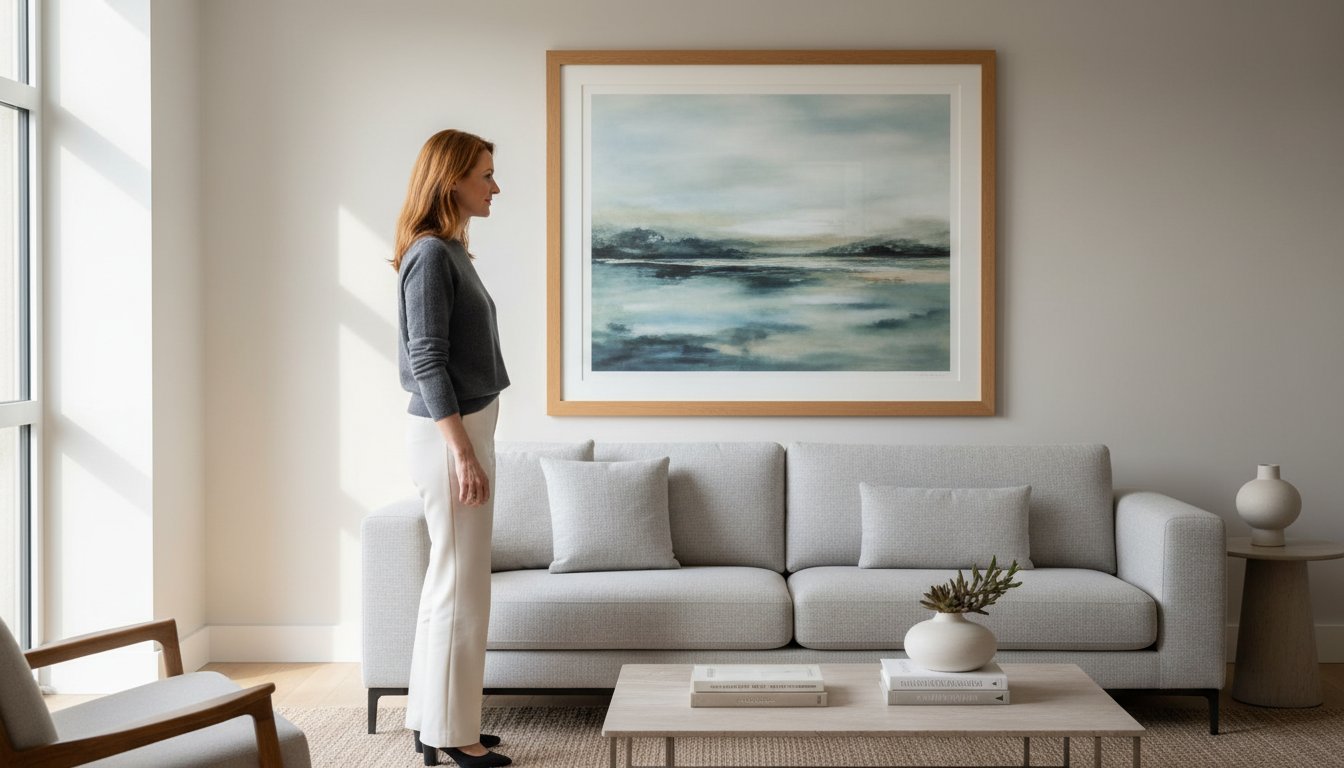
A woman stands in a modern, bright living room with a large abstract landscape painting above a light grey sofa, neutral decor, and minimalistic furniture.

That empty space on your wall is calling for something beautiful, but the journey to finding the perfect piece can feel daunting. You want more than just a poster, but the world of art terminology, framing choices, and sizing can be overwhelming. What truly makes a print ‘fine art,’ and how can you be sure the piece you choose will look just as spectacular in your home for years to come, without fading? It’s the difference between a simple decoration and a timeless investment in your home’s personality.

Embark on a journey of artistic discovery with us. This guide is here to be your trusted partner, demystifying the process of selecting beautiful, long-lasting art with confidence. We’ll explore the exceptional quality behind professionally crafted Framed Fine Art prints and show you how to choose the perfect size, style, and bespoke frame to elevate your space. By the end, you’ll have all the knowledge you need to select a piece you’ll love for a lifetime, transforming your house into a home that truly reflects you.

Key Takeaways

  • Learn to distinguish a high-quality, long-lasting fine art print from a standard poster to ensure your art stands the test of time.
  • Discover how the right frame is more than just a border; it’s a crucial element that complements both the artwork and your room’s décor.
  • Understand the key principles for selecting Framed Fineart prints that not only match your personal style but also represent a worthwhile investment in your home.
  • Find out why opting for a professionally curated and framed piece removes the guesswork, guaranteeing a beautiful, high-quality result you’ll love for years.

What Exactly Is a Framed Fine Art Print?

When you invest in a framed fine art print, you’re acquiring more than just a picture for your wall. You’re bringing home a piece of art created with exceptional care, designed to last a lifetime. Unlike mass-produced posters that can fade and discolour, a fine art print is a high-quality reproduction of an original artwork, crafted using superior materials and techniques. It’s a perfect marriage of two key components: the spectacular quality of the print itself and the bespoke craftsmanship of the frame that houses it.

To see how this process comes to life, this video shows the care taken in mounting a beautiful print:

Beyond the Poster: The ‘Fine Art’ Print Difference

The distinction lies in the dedication to quality. A true fine art print begins with the printing process itself, a craft with a rich history. To understand the technical skill involved, it’s helpful to know What is Printmaking? in its broader context. We use the most advanced modern method, Giclée printing, which employs archival-quality inks. These specialised inks are designed to resist fading for decades, ensuring your art remains as vibrant as the day you bought it. This is paired with premium, acid-free paper that won’t yellow over time, preserving the print’s integrity and detail for generations.

The Power of Giclée Printing Explained

So, what exactly is Giclée (pronounced ‘zhee-clay’)? The term describes an advanced inkjet printing process where microscopic droplets of ink are sprayed onto high-quality paper. This method is the gold standard for artists, galleries, and museums for several reasons:

  • Incredible Detail: It captures every nuance and subtle tone of the original artwork.
  • Rich Colour Accuracy: The colour gamut is far wider than standard printing, resulting in deep, vibrant, and accurate colours.
  • Exceptional Longevity: When combined with archival paper, Giclée prints can last for over 100 years without significant fading.

The Frame’s Critical Role: More Than Just a Border

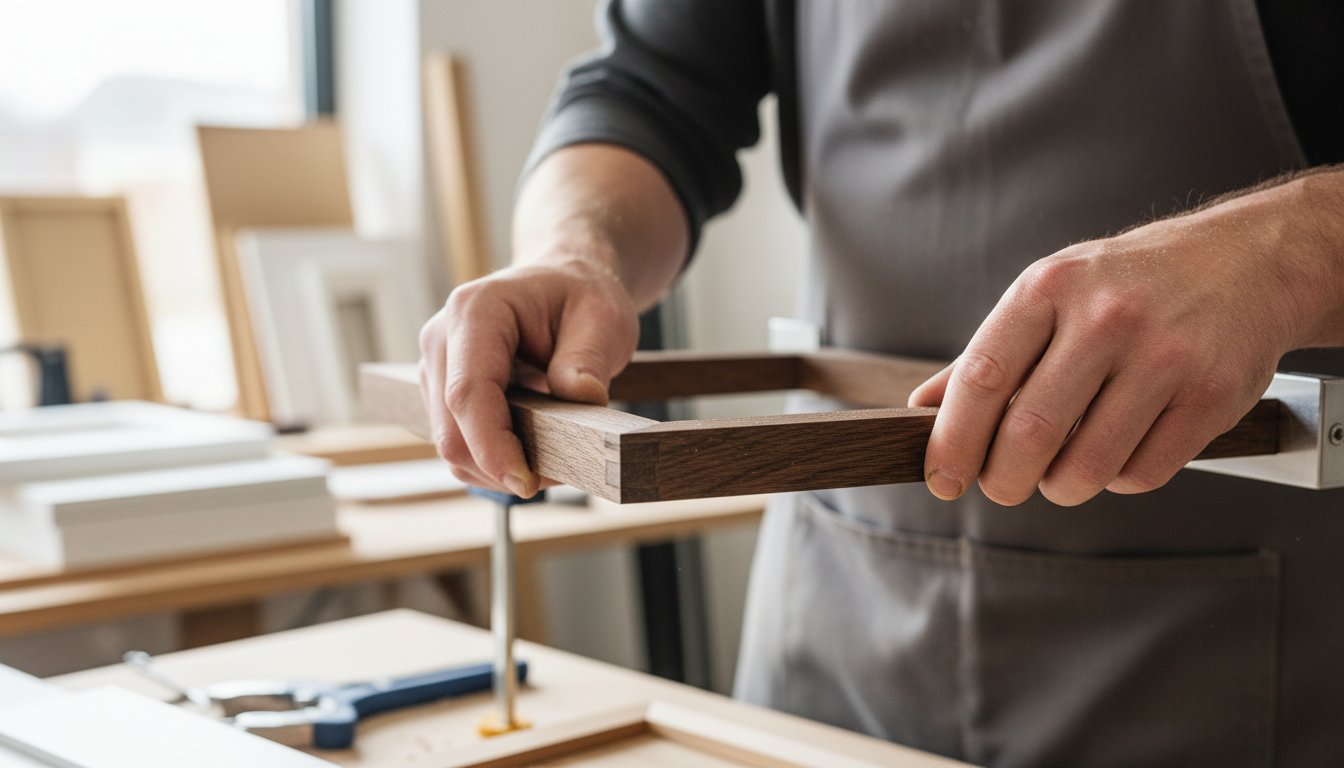
The print is only half of the story. A professionally chosen frame does more than just hang on a wall; it acts as the essential bridge between the artwork and your room’s decor. Its first duty is protection, shielding the delicate print from dust, moisture, and accidental damage. But beyond that, the right frame elevates the art, enhancing its colours and drawing your eye to the heart of the image. A thoughtfully crafted frame completes the piece, turning a beautiful print into one of the spectacular Framed Fineart prints that truly transforms a space.

The Art of the Frame: Choosing the Perfect Style for Your Print

A frame is far more than just a border; it’s the final brushstroke that completes a masterpiece. It acts as a bridge between your room’s décor and the artwork itself, enhancing the piece and protecting it for years to come. While the perfect choice is deeply personal, it’s a decision guided by a few key principles of design and craftsmanship. Understanding the core components-the frame material, the mount, and the glazing-is the first step. But don’t feel overwhelmed; our bespoke service is designed to make this process simple and inspiring, ensuring your Framed Fineart prints look spectacular.

Matching Frame to Art: Key Design Principles

The golden rule of framing is to complement, not compete. The frame should always serve the artwork. For a bold, contemporary abstract, a slim, minimalist black or white frame allows the colours to command attention. Conversely, a classic landscape or a traditional portrait might feel more at home in a warm, natural wood frame that echoes its organic mood. Consider the artwork’s dominant colours and choose a frame that either picks up a subtle accent colour or provides a beautiful, neutral contrast.

This is particularly true for personal commissions. For example, the award-winning work from portrait specialists like Wow Photography can be transformed into a timeless family heirloom with the right classic frame, preserving a moment in stunning detail.

Frame Materials & Finishes Explained

The material and finish of your frame define its character. Each option offers a distinct aesthetic, allowing you to tailor the final look to both the art and your interior style. Our curated selection focuses on premium quality and timeless appeal:

  • Natural Woods: Options like solid oak bring warmth, texture, and a touch of nature indoors. They are exceptionally versatile, suiting everything from botanical prints to rustic landscapes.
  • Sleek Metals: Aluminium frames offer a clean, contemporary, and industrial-chic look. Their slim profile is perfect for modern photography and graphic art.
  • Classic Finishes: You can never go wrong with the essentials. A simple black, crisp white, or elegant silver frame provides a gallery-quality finish that works with almost any piece of art and décor.

Mounts and Glazing: The Professional Finishing Touches

The details that truly elevate Framed Fineart prints are the professional finishing touches. A mount (also known as a mat) is the paper border between the frame and the print. Its purpose is twofold: it creates visual space, giving the artwork “breathing room” and drawing the viewer’s eye inward, and it prevents the print from touching the glass. To ensure longevity, we use only acid-free, conservation-grade mounts to prevent discolouration. Similarly, the glazing is your print’s shield. For a deeper understanding of archival methods, this conservation framing guide offers expert advice. Opting for glazing with UV protection is a worthy investment, safeguarding your art from fading and keeping its colours vibrant for a lifetime.

How to Select and Style Framed Art in Your Home

A beautiful piece of art is more than just an object; it’s a vital part of your home’s story. The right print, framed with professional care, can transform a room from a simple space into a personal sanctuary. Choosing art is an exciting journey, and styling it correctly ensures it becomes a spectacular and integrated feature of your décor, pulling the whole room together.

Choosing Art by Room: Living Room, Bedroom, and Beyond

The function and feel of a room should guide your art choices. For social spaces like living rooms and entryways, consider a bold, statement piece that sparks conversation and sets an immediate tone. In bedrooms and private areas, opt for calming, serene artwork. Abstract landscapes or soft botanicals can create a tranquil atmosphere that promotes rest. For smaller nooks like kitchens, bathrooms, or a home office, a collection of smaller prints can add a touch of personality without overwhelming the space.

Getting the Proportions Right: Size and Scale

Achieving a balanced, professional look is all about proportion. A common mistake is hanging art that is too small for the wall, leaving it looking lost. To ensure your art feels perfectly placed, follow a few simple interior design guidelines:

  • Above Furniture: When hanging a piece over a sofa or headboard, choose art that is roughly two-thirds the width of the furniture below it. This creates a pleasing visual connection.
  • At Eye Level: Hang your art so its centre is at average eye level, which is typically 145-152cm (57-60 inches) from the floor. This is the standard for galleries and ensures comfortable viewing.
  • Visual Weight: A large, dark piece has more ‘visual weight’ and can anchor a room, while a collection of smaller, lighter pieces feels more airy and dynamic.

Creating a Cohesive Look: From Single Pieces to Gallery Walls

A single, oversized framed print can act as a powerful focal point, anchoring a room’s entire design scheme. It’s a simple yet dramatic way to make a confident impact. Alternatively, a gallery wall allows you to tell a more complex story with multiple pieces. For a cohesive display, start with a theme-perhaps a colour palette, a subject like travel, or a specific artistic style. Plan your layout on the floor first, mixing sizes and orientations for visual interest. Using consistent frame styles or colours is a brilliant way to unify a diverse collection of Framed Fineart prints. Need inspiration to get started? Explore our curated gallery walls.

Investing in Quality: Why a Professionally Framed Print is Worth It

While the initial cost of a professionally framed print might seem higher than off-the-shelf alternatives, it’s essential to view it not as a purchase, but as an investment. You are investing in the longevity of the art, the character of your home, and the value of true craftsmanship. A high-quality piece is designed to bring you joy for decades, making its long-term value far greater than that of disposable decor which may need replacing in just a few years.

Longevity and Durability: Art That Lasts a Lifetime

Our commitment to quality begins with the print itself. We use archival-grade Giclée printing on acid-free papers, ensuring the colours remain vibrant and true for a lifetime, without fading or yellowing. Professional framing then acts as a suit of armour for your art, protecting it from environmental threats. Unlike cheaper frames, our bespoke service includes:

  • Sealed Backing: To prevent dust and moisture from damaging the print.
  • Acid-Free Mounts: To ensure no discolouration seeps into the paper over time.
  • Sturdy Construction: To prevent warping and ensure the frame remains secure.

This level of protection means your art remains as beautiful as the day you bought it, a stark contrast to mass-produced items that quickly degrade.

The ‘Ready-to-Hang’ Advantage: Convenience and Perfection

Choosing one of our Framed Fineart prints eliminates the time, cost, and hassle of finding a separate professional framer. There’s no need to worry about measuring mounts, choosing the right materials, or risking damage during a DIY attempt. Your artwork arrives at your door perfectly finished, sealed, and ready to hang. We guarantee a flawless, gallery-quality presentation every time, allowing you to enjoy your new art immediately.

Supporting Artists and British Craftsmanship

When you invest in a piece from us, you are making a meaningful choice. Each purchase directly supports the talented artists we collaborate with, enabling them to continue their creative work. Furthermore, every frame is hand-built in our UK workshop by skilled craftspeople with years of experience. This celebrates local expertise and provides you with a thoughtfully made product, far removed from the impersonal nature of mass-produced decor. It’s a purchase you can feel truly good about, connecting you to a community of creators and artisans.

Ready to find a piece that will last a lifetime? Explore our gallery and discover the perfect work of art for your home.

The First4Frames Difference: Your One-Stop-Shop for Framed Art

Throughout this guide, we’ve explored the journey of selecting and preserving beautiful artwork. From understanding Giclée quality to choosing the perfect frame, the goal is to find a piece that truly resonates with you and your space. At First4Frames, we bring all these essential elements together under one roof, simplifying the entire process for you. We are not just a gallery or a framer; we are your dedicated partner in art.

Based in the heart of Scotland, we combine our passion for art with decades of craftsmanship to offer a unique, seamless experience. We believe that everyone deserves to own beautiful, professionally finished art without the hassle.

A Curated Collection of Fine Art Prints

Finding the right art can be a time-consuming search. Our gallery eliminates the guesswork by featuring a thoughtfully curated collection from a diverse range of talented artists, with a special focus on creators from Scotland and across the UK. This careful selection ensures every piece meets our high standards for quality and artistic merit, allowing you to discover spectacular works you won’t find anywhere else.

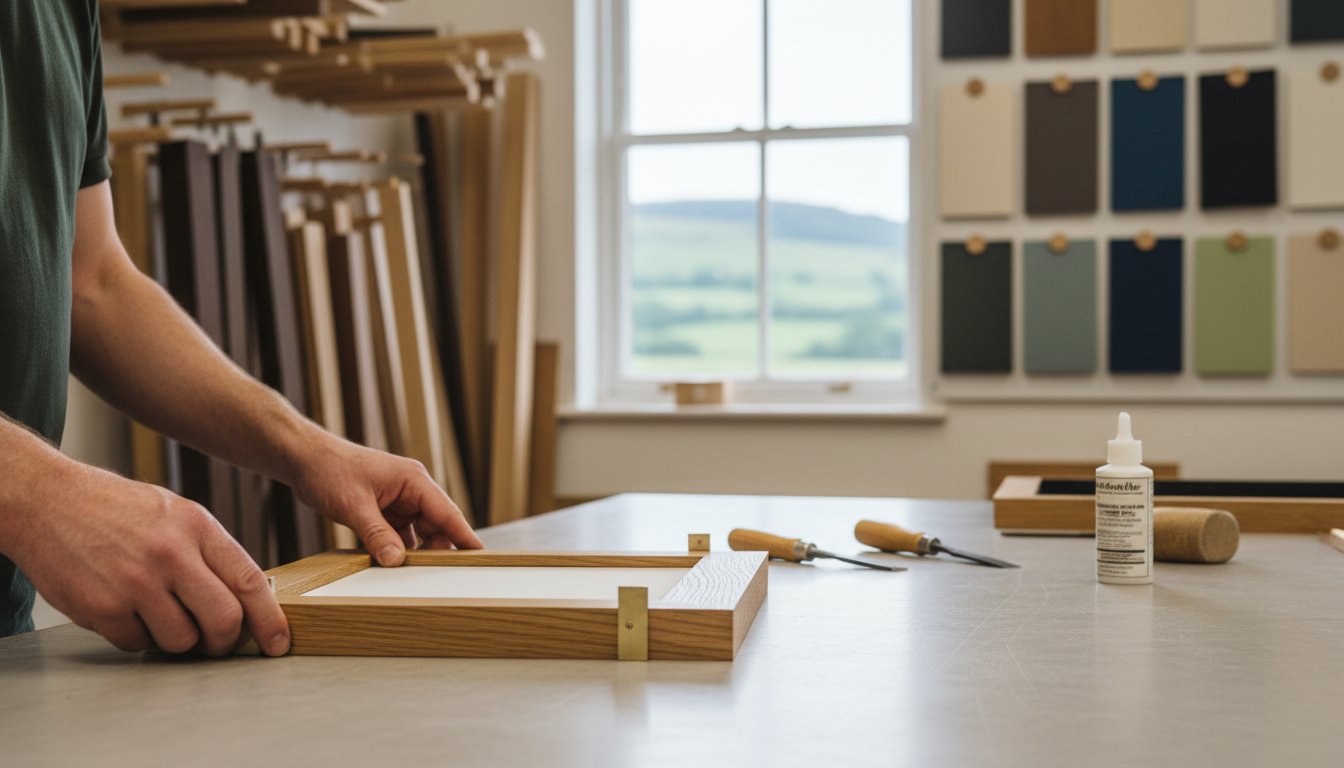
Bespoke Craftsmanship from Our Falkirk Workshop

A premium print deserves an exceptional frame. Unlike mass-produced alternatives, all our Framed Fineart prints are handcrafted to order by our experienced team in our Falkirk workshop. With over 20 years of bespoke framing expertise, we use high-quality, conservation-grade materials-sourced locally where possible-to protect and elevate your chosen artwork, ensuring it remains a stunning centrepiece for decades to come.

A Simple, Hassle-Free Process to Your Perfect Artwork

We believe acquiring beautiful art should be a joy, not a chore. Our customer-focused process is designed for absolute simplicity, letting you find and customise your perfect piece in just a few clicks:

  • Step 1: Browse our curated gallery and discover art you love.
  • Step 2: Choose from our selection of premium, handcrafted frames to find the perfect match.
  • Step 3: Place your order, and we’ll handle the rest, delivering your ready-to-hang artwork directly to your door.

Your search for the perfect piece of art ends here. Start your artistic journey and find your perfect print today.

Your Walls Are a Canvas: Find Your Masterpiece

Choosing art for your home is a deeply personal journey. As we’ve explored, the perfect Framed Fineart prints are a beautiful combination of a stunning image and a frame that acts as a bridge to your décor. Investing in professional quality ensures your chosen art doesn’t just hang on a wall, but truly elevates your space, becoming a cherished part of your story for years to come.

At First4Frames, we pour over 20 years of bespoke framing experience into every single piece. Hand-crafted with passion in our Falkirk workshop, our frames are designed to perfectly showcase our curated collection of leading Scottish and UK artists. We are your one-stop-shop for quality, craftsmanship, and spectacular art that will bring your home to life.

Your journey of artistic discovery starts now. Are you ready to find a piece that speaks to you? Browse our gallery and discover your perfect piece of framed art.

Frequently Asked Questions

What is the difference between a fine art print and a poster?

The key difference lies in quality and longevity. A poster is typically mass-produced on thinner paper with inks that can fade. A fine art print, often a Giclée print, is created using premium, archival-quality paper and pigment-based inks. This professional process ensures spectacular colour accuracy and durability, so the artwork’s beauty will not fade over time. It’s an investment in true craftsmanship that will last for generations.

How do I clean and care for my framed fine art print?

To keep your artwork pristine, dust the frame gently with a soft, dry cloth. For the glazing, lightly spray glass cleaner onto a microfibre cloth (never directly onto the surface) and wipe carefully. Most importantly, hang your art away from direct sunlight and areas of high humidity, like bathrooms, to protect it from damage. This simple care will preserve the beauty of your professionally framed piece for years to come.

Can you frame a print or photograph that I already own?

Absolutely. We offer a full bespoke framing service to help you display your personal treasures. With over twenty years of experience, we can guide you through our selection of premium, handcrafted frames and mounts to find the perfect complement for your piece. Get in touch with our friendly team, and we will provide a hassle-free service to professionally frame the art you already love and own.

How long will it take to receive my ready-to-hang framed art?

Each piece is made to order with meticulous craftsmanship. Our standard delivery time within the UK is typically 7-10 working days from when you place your order. Once your beautiful artwork is professionally framed, packed, and ready, we will dispatch it via a trusted courier. You will receive a notification with tracking details, so you’ll know exactly when to expect your new art to arrive at your door.

Are the colours I see on my screen accurate to the final print?

We work hard to ensure the images on our website are as true to life as possible. However, all screens are calibrated differently, so minor colour variations can occur. You can be confident that our Giclée printing process produces a near-identical copy of the original artwork. Your final framed fine art print will have the rich, deep, and accurate colours intended by the artist, creating a spectacular finish for your wall.

What is the best way to hang a heavy framed print securely?

For larger or heavier framed fine art prints, we always recommend using two fixing points on the wall for stability and security. For solid masonry walls, use wall plugs and screws. For plasterboard, be sure to use appropriate heavy-duty fixings designed for hollow walls. Always check that your chosen hooks and fixings are rated to hold the weight of your artwork. This ensures your beautiful piece remains safely and perfectly in place.