
Posted on

Music Wall Art: Set the Rhythm of a Listening Room With Take Five

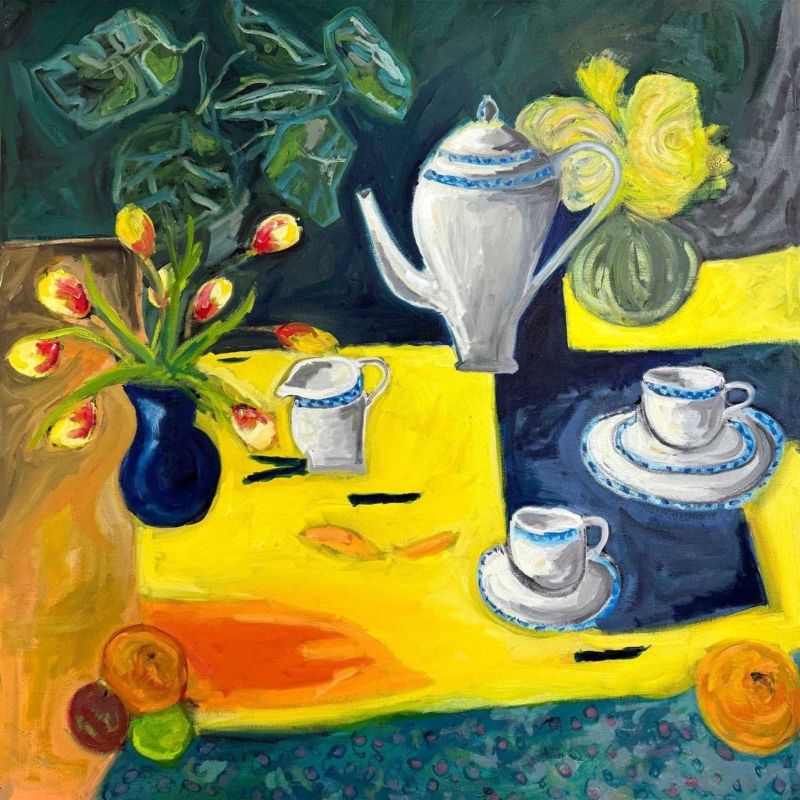
Image of Take Five by David Short

music wall art should answer a specific need in the room or for the buyer. Take Five is a useful example because its rhythmic title and square format can give a listening space identity without covering the walls in sleeve reproductions or printed lyrics.

music wall art - Take Five

Arrange music wall art around listening, not equipment

Set the speakers and main chair first. Good listening positions rarely match the geometric centre of a wall, so artwork should respond to the complete arrangement. Keep it clear of speaker tops, cable routes and shelving that may grow as a collection changes.

Compact 265 mm square

Use it near a reading chair, headphone station or short record cabinet where it can be seen closely.

Flexible 500 mm square

Test it above a medium console or between equipment zones, including the full framed outline.

Bold 800 mm square

Reserve it for a broad wall with enough distance and no conflict with tall speakers or acoustic panels.

Let records and instruments remain useful objects rather than turning them into a forced backdrop. One artwork with a suggestive title creates a looser connection to music. It leaves room for changing tastes and does not make the space look like a themed bar.

  • Check reflections under evening listening light.
  • Keep turntable lids and cabinet doors clear of the frame.
  • Use one size template at a time.
  • Leave visual separation from acoustic treatment.

Give an energetic square a quiet boundary

A music room already contains strong shapes and detailed equipment. Controlled Giclée output and a precisely made frame give Take Five its own visual boundary. First 4 Frames completes the work in-house, so scale and presentation can be considered together.

For recordings, stories and wider context from Britain’s jazz heritage, explore the National Jazz Archive. You can also browse the David Short collection or see the exact framed product.

Music wall art should support the pleasure of the room rather than compete with it. Take Five can set a visual rhythm while measured placement keeps the listening chair, speakers and record collection at the centre of use.
Posted on

Music Wall Art Sets a Sophisticated Listening-Room Mood With Blue Jazz

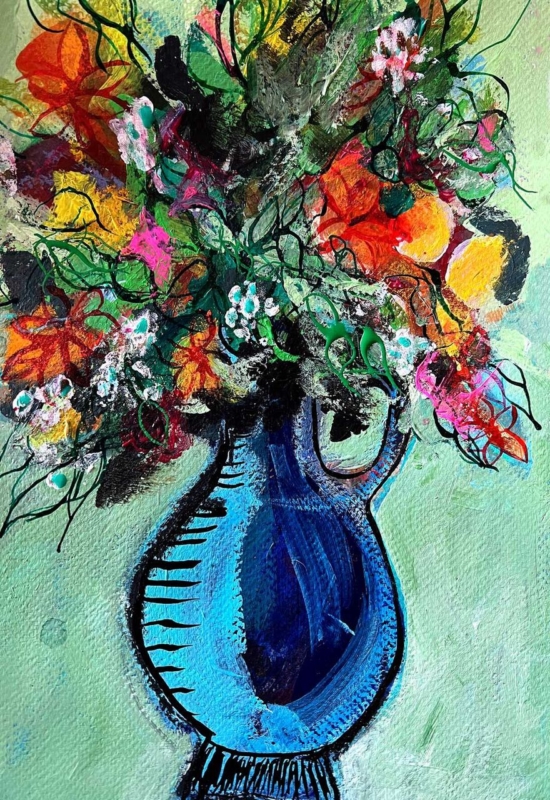
Image of Blue Jazz by David Short

The most effective music wall art does not have to show a record sleeve, quote a lyric, or catalogue a collection. Blue Jazz can establish a listening-room mood through rhythm and colour alone. That makes it easy to enjoy beside a turntable, favourite chair, or compact audio system.

music wall art - Blue Jazz

Build a listening corner around music wall art

Begin with comfort and listening position. Hang the print at seated eye level when possible, rather than using standing gallery height. This makes the artwork feel connected to the ritual of choosing an album and settling down.

Blue can feel cool in a sparse room, so introduce warmth through oak, walnut, woven fabric, or a softer lamp. A frame with clear definition will keep the image from disappearing beside dark speakers. Leave space between the artwork and audio equipment, allowing each element to have its own visual beat.

  • Keep cables and accessories visually quiet.
  • Use one or two deep-blue accents elsewhere in the room.
  • Let the framed print be the emotional focus, not another piece of equipment.

First 4 Frames creates the Giclée print and bespoke frame in-house at its Falkirk workshop. The colour-managed process and hand-finished presentation give saturated artwork the clarity it needs in lower, relaxed evening light.

Explore jazz history through the National Jazz Archive, see other work by David Short, or view Blue Jazz itself.

As music wall art for a listening room, Blue Jazz creates atmosphere through suggestion. It leaves the actual soundtrack entirely up to you.

Posted on

Why Pipers on Parade Gives Music Wall Art More Presence and Movement

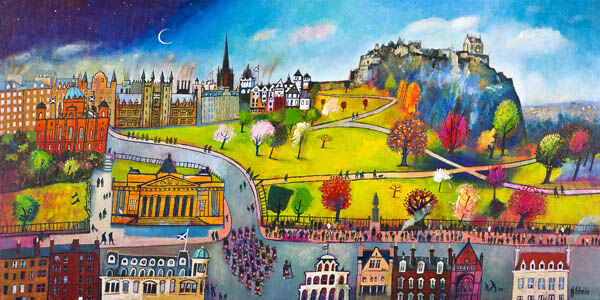
Pipers on Parade is a colorful, whimsical painting featuring a cityscape with historic buildings, vibrant trees, and people gathered along winding roads beneath a bright blue sky, grassy hill castle, and crescent moon.

The best music wall art should capture energy without feeling gimmicky. Many music-themed pieces lean too heavily on notes, instruments, or obvious motifs. Pipers on Parade is different because it carries movement, atmosphere, and cultural character in a way that feels far more grounded and display worthy.

Why rhythm on the wall matters in a music-led space

Rooms shaped by music often benefit from artwork that feels lively, but still controlled. The aim is not visual noise. It is a sense of pace and personality. Pipers on Parade does that especially well, making the wall feel animated without taking over the room.

  • It works beautifully in music rooms, practice spaces, or hallways near a piano or listening area.
  • It adds cultural identity rather than generic decorative references.
  • It helps the room feel more spirited and memorable.

This kind of piece is often most useful where the room already has timber, darker upholstery, or shelves filled with records and books. The image contributes movement, but it still feels coherent alongside those lived-in details.

Good music wall art should carry rhythm and personality, not just a musical subject.

First 4 Frames produces each piece in-house in Falkirk with bespoke framing, colour-managed Giclee printing, and hand-finished craftsmanship. That superior presentation helps the artwork feel intentional enough for a room built around creativity and enjoyment.

You can browse more from Rob Hain and view the exact framed product here.

If you want music wall art with more movement, place, and personality, Pipers on Parade is well worth considering.