
Posted on

Music Wall Art: Set the Rhythm of a Listening Room With Take Five

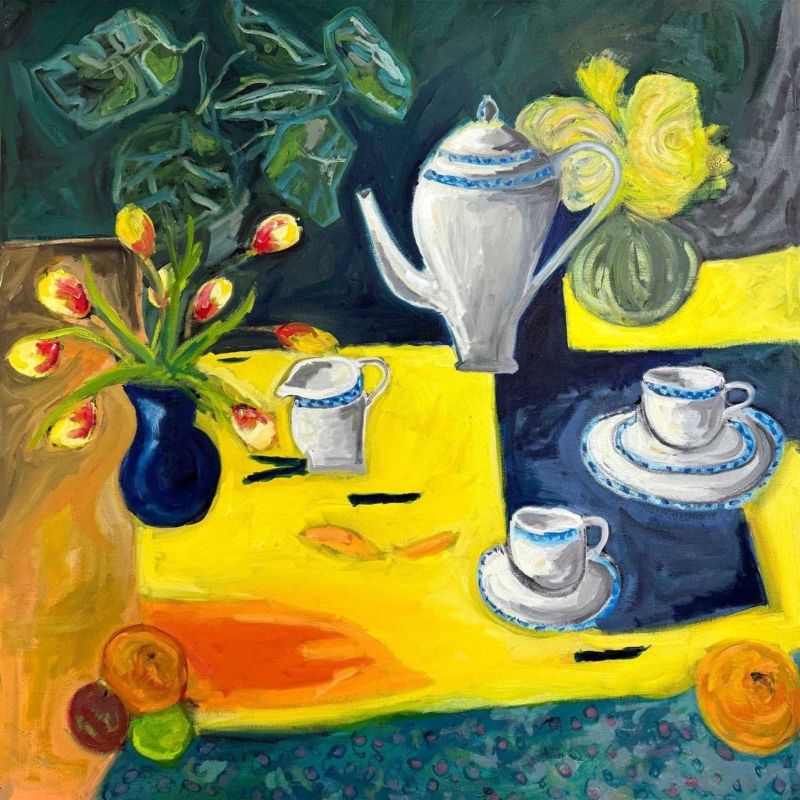
Image of Take Five by David Short

music wall art should answer a specific need in the room or for the buyer. Take Five is a useful example because its rhythmic title and square format can give a listening space identity without covering the walls in sleeve reproductions or printed lyrics.

music wall art - Take Five

Arrange music wall art around listening, not equipment

Set the speakers and main chair first. Good listening positions rarely match the geometric centre of a wall, so artwork should respond to the complete arrangement. Keep it clear of speaker tops, cable routes and shelving that may grow as a collection changes.

Compact 265 mm square

Use it near a reading chair, headphone station or short record cabinet where it can be seen closely.

Flexible 500 mm square

Test it above a medium console or between equipment zones, including the full framed outline.

Bold 800 mm square

Reserve it for a broad wall with enough distance and no conflict with tall speakers or acoustic panels.

Let records and instruments remain useful objects rather than turning them into a forced backdrop. One artwork with a suggestive title creates a looser connection to music. It leaves room for changing tastes and does not make the space look like a themed bar.

  • Check reflections under evening listening light.
  • Keep turntable lids and cabinet doors clear of the frame.
  • Use one size template at a time.
  • Leave visual separation from acoustic treatment.

Give an energetic square a quiet boundary

A music room already contains strong shapes and detailed equipment. Controlled Giclée output and a precisely made frame give Take Five its own visual boundary. First 4 Frames completes the work in-house, so scale and presentation can be considered together.

For recordings, stories and wider context from Britain’s jazz heritage, explore the National Jazz Archive. You can also browse the David Short collection or see the exact framed product.

Music wall art should support the pleasure of the room rather than compete with it. Take Five can set a visual rhythm while measured placement keeps the listening chair, speakers and record collection at the centre of use.

Posted on

Take Five: Wall Art for a Vinyl Listening Room

Image of Take Five by David Short

wall art for a vinyl listening room needs to contribute something different from the records, sleeves, and equipment already in the space. Take Five by David Short offers a lively visual rhythm without turning the room into a display of familiar music logos. Its colourful square composition can hold attention between listening sessions and give the practical elements of a record setup a more considered setting.

wall art for a vinyl listening room: Take Five by David Short

What wall art for a vinyl listening room should add

A listening room often has a strong visual centre before any artwork arrives. The turntable, speakers, amplifier, and rows of records create repeated rectangles, dark surfaces, and small details. A successful picture should soften that technical arrangement while still feeling connected to the reason the room exists.

Take Five brings colour, movement, and a musical title into that setting. The connection is clear, yet the work remains an artwork in its own right. That distinction matters. It means the picture can suit a dedicated music room, a living-room listening corner, or a study where records share space with books and furniture.

Plan the wall around listening, not just looking

  1. Start with the speakers. Keep the area directly around them visually calm so the setup still feels balanced.
  2. Check the seated view. Position the artwork where it can be enjoyed from the main chair without asking the listener to turn or look upwards.
  3. Leave access to records. A frame above storage should not interfere with lids, doors, or the comfortable removal of an LP.
  4. Watch direct light. Avoid strong glare from a nearby window or lamp, especially on a wall viewed during evening listening.

The square format is particularly useful above a compact record cabinet or on a section of wall beside the equipment. Available print sizes include 265, 500, and 800 millimetres square. Measure the finished wall area and the furniture below it rather than choosing by print dimensions alone. The frame and the clear margin around it are part of the final proportion.

Balance colour with record storage and equipment

Existing featureUseful responseWhat to avoid
Black equipmentA restrained dark frame with a lighter mountMaking every surface black
Timber record unitA frame tone that relates to, rather than copies, the woodMixing several unrelated timber finishes
Colourful record sleevesClear wall space around the artworkDisplaying too many sleeves beside the print
Low evening lightA nearby lamp aimed away from the glazingDirect reflections across the image

There is no need to pick out every colour in the picture. One echo in a chair, cushion, or small object is enough. The artwork should organise the room, not issue a list of colours that must be repeated. This restraint also allows favourite album covers to change without upsetting the wider scheme.

Frame a musical image for the long term

A listening room rewards details that feel good over time. First 4 Frames produces colour-managed Giclée prints and completes bespoke framing in-house at its Falkirk workshop. Careful print production supports the work’s colour and pattern, while a hand-finished frame gives it enough presence beside substantial speakers and record furniture.

David Short creates bright contemporary work influenced by colour, pattern, memory, travel, and familiar objects. Visit David Short’s official website for more background, or browse the wider David Short collection at First 4 Frames.

Good wall art for a vinyl listening room should enrich the atmosphere without competing with the act of listening. View the framed Take Five print for a colourful musical focal point that can make a record space feel finished, personal, and ready for the next side.