
Posted on

Art for Limestone Flooring: Soften Stone With Wild Thistles

A vibrant painting of pink thistles and tall grass under stormy skies—"Wild Thistles on Dumyat" Framed Fine Art Giclée Print by Greer Ralston.

art for limestone flooring should earn its place through a clear connection to the room, recipient or daily routine. Wild Thistles on Dumyat provides a specific starting point because pink thistles and tall grasses introduce organic movement above the cool, steady surface of natural stone.

art for limestone flooring - Wild Thistles on Dumyat

Use art for limestone flooring to add movement, not disguise

Limestone has variation, fossils and tonal shifts of its own. Begin by looking at the floor in daylight rather than treating it as one beige or grey block. The artwork can answer one undertone while its grasses and flowers provide the looser movement that a hard floor lacks.

  1. Photograph the wall and floor together from the main doorway.
  2. Hold a product image near the actual stone to identify one shared neutral.
  3. Choose a frame that separates the landscape from the wall without fighting the floor.
  4. Add one textile surface to control echo and repeat a warmer note.

The stormy sky gives the composition weight, while the pink blooms stop the room feeling austere. Do not repeat thistles on cushions, ornaments and tableware. Their effect is stronger when the framed landscape supplies the natural narrative.

Check the complete sightline

Stone floors often continue through open doorways. Judge the artwork from the adjoining space as well as nearby seating, and include the mount and moulding in every size template.

Balance art for limestone flooring with a defined edge

The contrast between delicate flower heads, moving grass and a darker sky needs controlled reproduction. Colour-managed Giclée output keeps those passages distinct. Bespoke framing can connect with timber, metal or paint elsewhere rather than imitating the limestone.

For geographical context and a sense of the hill landscape behind the subject, see this geographical introduction to Dumyat. Explore the Greer Ralston collection, or view the exact product and its available options.

Art for limestone flooring works best when it adds a quality the stone does not provide. Wild Thistles on Dumyat contributes colour and movement while allowing the floor’s quieter natural texture to remain visible.
Posted on

Art for Limestone Flooring: Let Autumn Light Supply the Warmth

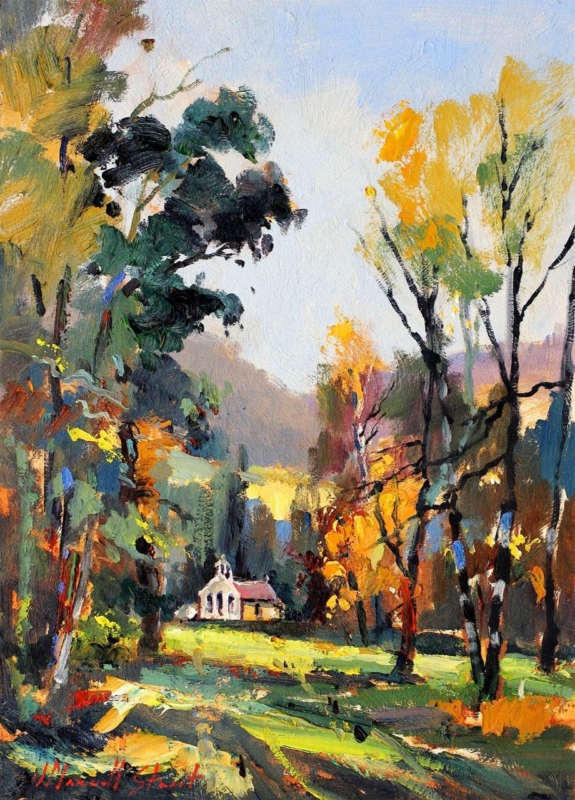
Image of Autumn Light by Josepth Maxwell Stuart

art for limestone flooring becomes more useful when the picture solves a real placement question. Autumn Light offers a clear starting point because its vertical format and warm seasonal idea can counter a broad, cool floor without covering the stone or forcing the whole room into an autumn palette.

art for limestone flooring - Autumn Light

Balance art for limestone flooring from the ground up

Limestone usually contributes pale tone, quiet variation and a strong horizontal plane. A portrait artwork answers that structure by drawing the eye upwards. Mark both available print sizes—230 x 320 mm and 400 x 550 mm—then add allowances for mount and moulding.

Use warmth selectively

Repeat one russet, amber or soft brown in a textile or ceramic. Leave other surfaces quieter so the artwork remains the source of warmth.

Keep the stone visible

Avoid several heavy rugs and dark objects merely to correct a cool floor. Texture and one framed focal point can be enough.

Check the picture in the light that reaches the room. Limestone can bounce daylight upwards, while evening lamps may introduce warm glare. View the proposed glazing from seated and standing positions before finalising the hanging point.

  1. Photograph the room in morning and evening light.
  2. Template the complete frame above the main furniture group.
  3. Choose one colour connection instead of a fully matched palette.
  4. Keep the lower wall clear enough for floor and picture to read together.

Separate warm colour from pale stone

Subtle seasonal colour needs accurate relationships, not simply extra saturation. Colour-managed Giclée production helps preserve that balance. A hand-finished frame creates a measured transition between the artwork, wall and limestone below.

For natural context on the changing colour that inspires autumn imagery, read the Woodland Trust’s guide to autumn leaf colour. You can also browse the Joseph Maxwell Stuart collection or view the exact framed product.

Art for limestone flooring should add warmth while respecting the material already in the room. Autumn Light offers upward movement and seasonal colour, allowing the floor to remain calm rather than cold.

Posted on

Art for Limestone Flooring Can Feel Warmer With the Texture of Abandoned

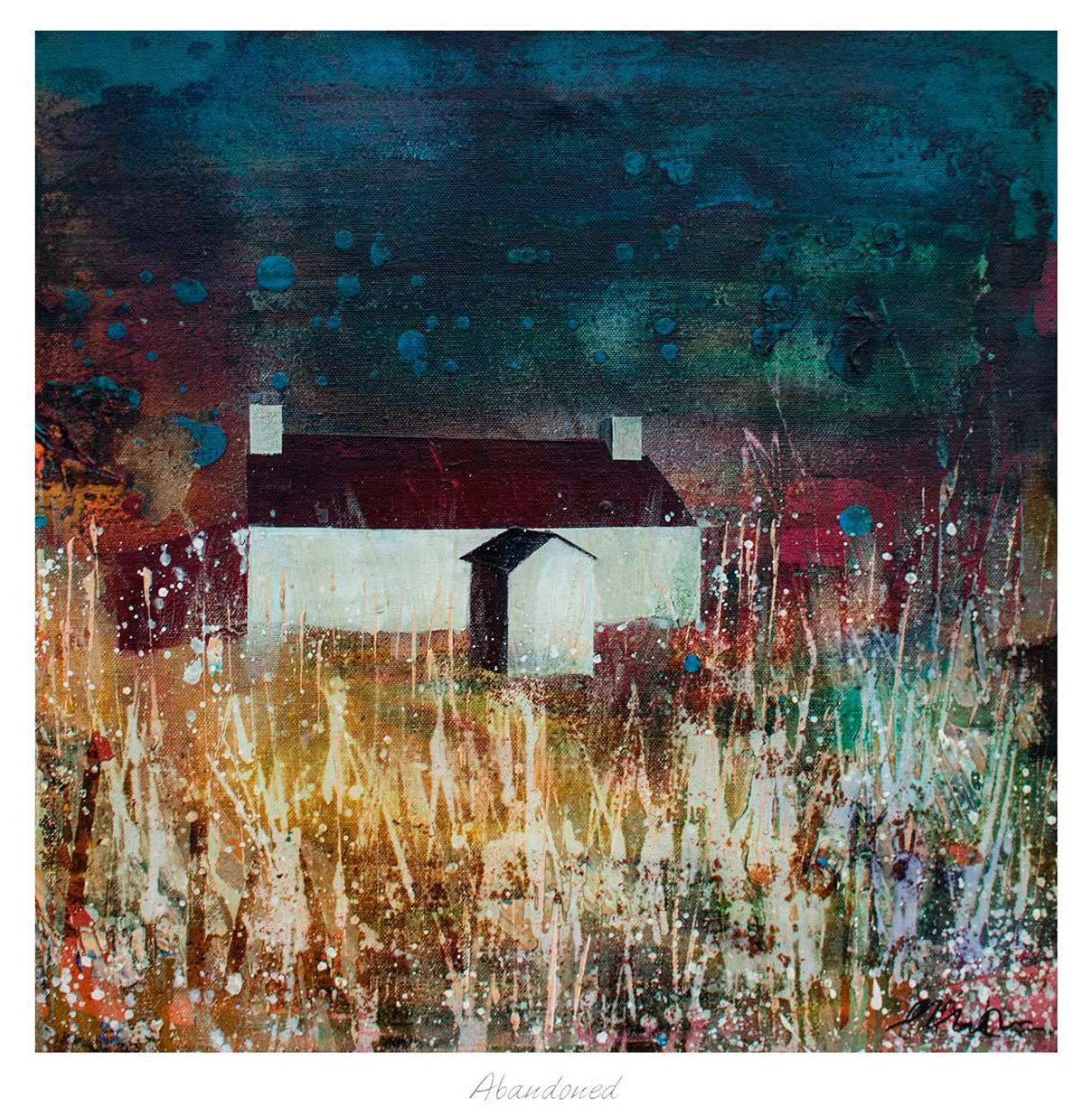
Abandoned features a white house with a red roof in a field of tall grass and wildflowers under a dramatic, color-splattered sky.

The best art for limestone flooring brings life to the room without covering up the stone’s quiet beauty. Limestone often creates a pale, softly varied base. Abandoned can add the contrasting sense of age, texture, and story that stops such a scheme feeling too pristine.

art for limestone flooring - Abandoned

Balance art for limestone flooring through texture

Start by identifying whether the floor reads warm cream, cool grey, or sandy beige in daylight. Do not force the artwork to match it exactly. A small tonal connection is enough. More important is contrast in surface character: where stone feels smooth and architectural, a layered image can make the wall feel tactile and inhabited.

Keep

  • Natural tonal links
  • Visible wall space
  • A frame with definition

Avoid

  • Matching every beige note
  • Cold glare opposite windows
  • Frames that disappear completely

A darker or mid-tone frame can outline the work against pale plaster. In a larger room, generous scale prevents the print from looking detached from the visual weight of the floor. First 4 Frames can resolve those choices through bespoke, hand-finished framing and colour-managed Giclée production at its Falkirk workshop.

You can read more about the material through the Natural Stone Institute’s limestone guide, browse art by Fiona Matheson, and view the exact Abandoned print.

When selecting art for limestone flooring, Abandoned is a useful reminder that warmth often comes from contrast and character, not closer colour matching.