Posted on

Walkerburn Retreat: Scottish Landscape Wall Art Above a Dining Bench

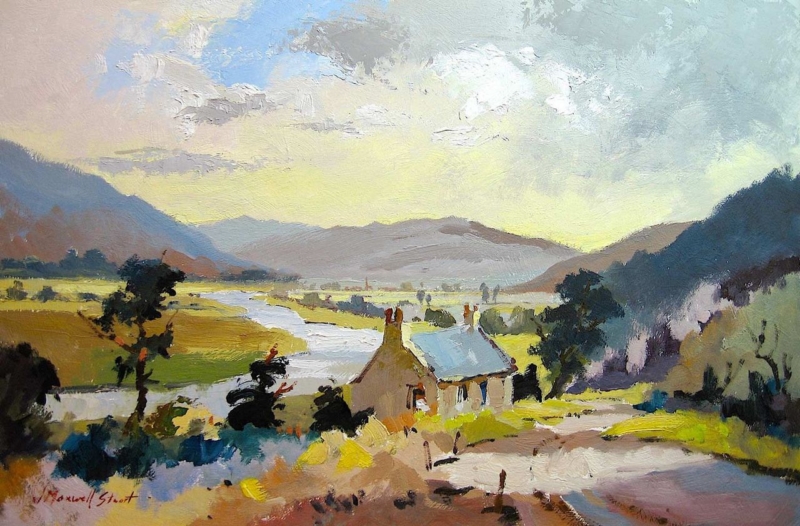
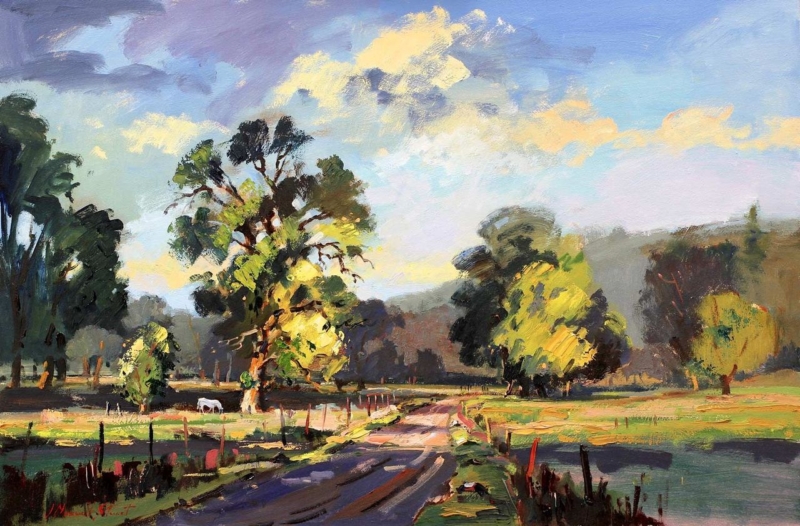
Image of Walkerburn Retreat by Josepth Maxwell Stuart

Scottish landscape wall art above a dining bench can make an informal eating area feel broader, calmer, and more connected to its setting. Walkerburn Retreat by Joseph Maxwell Stuart is especially well suited to the job. Its long valley, pale river, cottage roof, and open sky create a clear outward view. The landscape adds depth behind the seating without making the wall feel busy or heavily decorated.

Scottish landscape wall art above a dining bench: Walkerburn Retreat by Joseph Maxwell Stuart

Why Scottish landscape wall art above a dining bench works

A dining bench creates a strong horizontal line. Artwork that ignores that line can look detached, while a cluster of small frames may compete with people, cushions, tableware, and pendant lights. A single landscape gives the seating a visual destination. It also establishes a horizon that helps the whole arrangement feel settled.

Walkerburn Retreat has more than a distant view. The foreground path leads past the cottage and towards the River Tweed. Dark trees hold the two sides, while the brighter central valley keeps the composition open. Loose, expressive marks stop the scene from feeling photographic or overly formal. That balance suits a bench used every day rather than a dining room reserved for occasions.

Size the artwork to the bench, not the whole wall

Begin with the width of the bench or banquette. The finished frame should feel clearly related to the seating but should not extend beyond it. Mark the likely frame dimensions with low-tack tape or a paper template. Then sit down, stand at the table, and enter from the adjoining room. This reveals whether the picture feels properly centred from the viewpoints that matter.

  1. Check seated headroom. Leave a comfortable gap above the tallest regular user, including room for relaxed movement.
  2. Allow for cushions. Deep back cushions can change the usable wall and push people closer to the frame.
  3. Read the full composition. The cottage, river, and pale sky should remain visible above the table setting.
  4. Open nearby doors. Confirm that a door, blind, or cupboard does not cut across the finished frame.

The available print sizes include a broader 550 by 365 millimetre option and a compact 350 by 230 millimetre option. Finished dimensions will increase once the mount and moulding are added, so plan around the complete framed piece rather than the image size alone.

Use the valley colours without creating a country theme

The painting combines yellow-green fields, soft blue, chalky cloud, warm stone, and near-black trees. Those colours give several decorating routes, but they do not all need to be repeated. One warm timber table may connect to the cottage. A muted blue cushion can pick up the river and roof. Plain linen or wool adds texture without copying the landscape literally.

Dining-area featureHelpful response
Painted benchChoose one quieter blue, green, or stone tone from the image
Natural timber tableLet the wood echo the warm path and cottage without exact matching
Patterned cushionsKeep the frame and surrounding wall restrained
Open-plan kitchenRepeat one artwork colour in a small ceramic or textile only

This controlled approach keeps the room contemporary. The recognisable Scottish subject supplies place and character, while the furniture can remain simple. Avoid adding several tartan, stag, or thistle motifs around it. They would turn a nuanced landscape into part of a decorating theme.

Protect the picture from dining-area conditions

A bench near a kitchen may receive steam, grease, and rapid temperature changes. Keep framed work away from a hob, kettle station, radiator, or wall that regularly becomes damp. If the bench sits below a window, watch direct sun and check whether the blind hardware leaves enough clearance.

Pendant lighting can help the picture after dusk, but the bulb should not create a bright reflection in the glazing. View the proposed position from the opposite chair at the hour when the table is normally used. A small shift in hanging height or light angle often solves glare before any fixing is made.

Frame the open view with enough definition

A slim dark moulding can relate to the trees and give the pale sky a crisp edge. A warm timber frame may sit more softly with an oak table or built-in bench. A measured mount can add breathing space, especially when the surrounding wall carries shelves or strong paint colour.

First 4 Frames produces colour-managed Giclée prints and completes bespoke framing by hand at its Falkirk workshop. This in-house approach helps the subtle sky, bright valley, and darker foreground retain their balance. It also allows the moulding, mount, glazing, and final dimensions to be considered for the actual dining area.

A real Tweed Valley setting behind the view

Joseph Maxwell Stuart studied drawing at the Ruskin School and fine art at Edinburgh College of Art. His direct, energetic landscape painting gives this view atmosphere without losing its structure. Browse the wider Joseph Maxwell Stuart collection at First 4 Frames. For local context, the Walkerburn community website introduces the village, its history, and its Tweed Valley surroundings.

Well-placed Scottish landscape wall art above a dining bench can turn an everyday bench into a properly resolved part of the room. View the framed Walkerburn Retreat print for a broad, lively landscape that brings depth, Scottish character, and hand-finished quality to informal dining.
Posted on

Giclée Art Prints in Changing Light: Look Closely at Late Afternoon

Image of Late Afternoon by Josepth Maxwell Stuart

Giclee art prints becomes more useful when the artwork answers a real feature of the room. Late Afternoon offers a clear example because the scene’s atmosphere depends on the transitions that occur as stronger daylight softens towards evening.

Giclee art prints - Late Afternoon

What to notice in Giclee art prints with subtle light

A print built around time of day needs more than a bright overall result. Look for separation between the lightest areas, middle tones and deeper passages. If those zones collapse together, the atmosphere becomes flat. A colour-managed workflow is valuable because it aims to reproduce those relationships consistently.

Viewing checkWhat to look for
Morning daylightQuiet tones should remain distinct rather than appearing washed out.
Late afternoonWarm room light should support the scene without turning every neutral orange.
After darkA nearby lamp should reveal detail without reflecting directly in the glazing.

Late Afternoon is offered in 350 × 230 mm and 550 × 365 mm print sizes. Compare the finished framed outline with the viewing distance, since the larger option can reveal gradual tonal changes more readily from across a room.

Frame atmosphere without introducing visual noise

First 4 Frames produces colour-managed Giclée work in-house in Falkirk. A restrained bespoke frame can then protect the quieter mood, while careful positioning prevents glare from hiding the tonal work the print process preserves.

For background on the print method, read Tate’s definition of a Giclée print. You can also browse the Joseph Maxwell Stuart collection or view the exact framed product.

The appeal of Giclee art prints lies partly in controlled detail and tone. Late Afternoon rewards checking those qualities under the real light in which the finished work will be seen.

Posted on

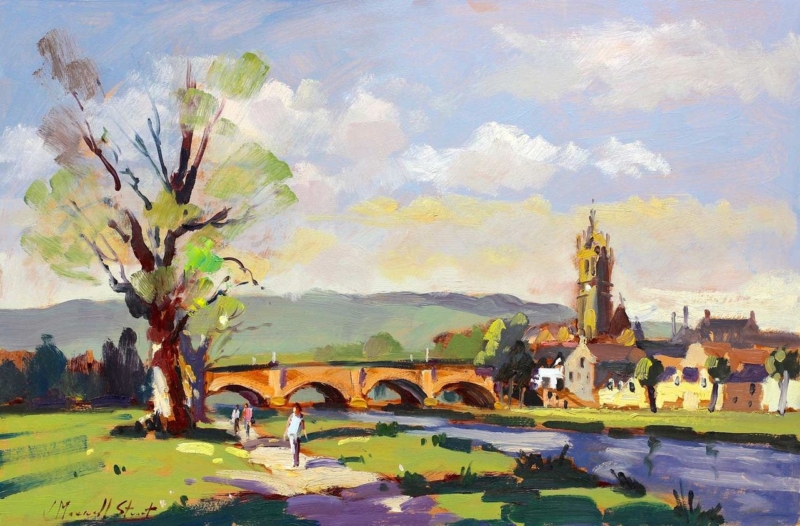
Wall Art for a Room With Picture Windows: Look Beyond the River Tweed

Image of By the River Tweed, Peebles by Josepth Maxwell Stuart

Wall art for a room with picture windows should hold its own beside a real outlook. It does not need to imitate the exact trees, weather or season outside. By the River Tweed, Peebles by Joseph Maxwell Stuart offers a distinct journey through a Peebles riverscape. Its landscape format can extend the room’s sense of distance while remaining clearly framed as an artist’s view.

wall art for a room with picture windows - By the River Tweed, Peebles

Position wall art for a room with picture windows off-axis

Choose the side wall

A side wall lets the eye move between the real outlook and the painted river. Directly opposite the glass, reflections may replace the quieter detail with a bright rectangle.

Keep the horizon at a comfortable level

Relate the composition to seated viewing height rather than aligning it mechanically with the window frame. The picture should remain comfortable when curtains or blinds are closed.

The available 550 × 365 mm and 350 × 230 mm print sizes support different roles. The larger size can balance a generous glazed area, while the smaller option suits a return wall or reading corner. Always mark the complete framed dimensions before ordering.

Should the frame match the window frames?

It can relate to them, but an exact match is unnecessary. A frame should first support the artwork. A natural timber or quiet dark moulding may connect with the architecture while still giving the River Tweed scene its own identity.

Protect the quieter view from changing daylight

River, foliage and atmospheric distance depend on subtle tonal steps. Colour-managed Giclée production helps retain those layers. Bespoke framing completed in-house can then account for the wall colour and the room’s unusually strong daylight, with a finish that gives the painted landscape definition beside the brighter live view.

For more context on the town and surrounding Borders landscape, visit the VisitScotland guide to Peebles. Browse the Joseph Maxwell Stuart collection, or view the exact By the River Tweed, Peebles product.

Thoughtful wall art for a room with picture windows creates a second kind of looking. By the River Tweed, Peebles brings a composed place, a chosen season and an artist’s emphasis, giving the interior something rewarding even after the daylight fades.

Posted on

Art for a Living Room That Needs Depth: A Walk Through Dawyck

Image of The Woodland of Royal Botanic Garden, Dawyck by Josepth Maxwell Stuart

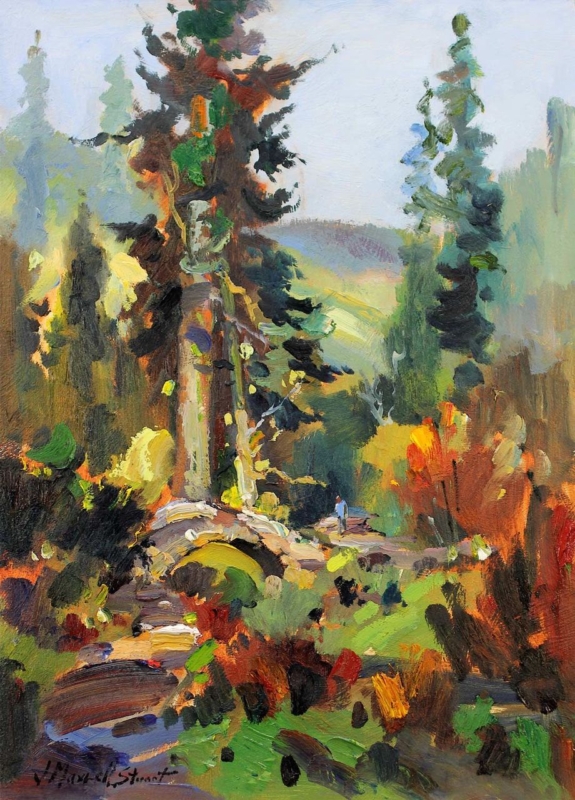
Art for living room walls can do more than supply colour. The Woodland of Royal Botanic Garden, Dawyck offers a route into a real Borders woodland, using its portrait format to draw the eye through trees and layered space. That visual depth is especially useful where a living room feels enclosed or where a narrow wall needs a convincing destination.

art for living room - The Woodland of Royal Botanic Garden, Dawyck

Place art for living room depth on a useful sightline

Seen from the doorway

Use the portrait image to create a point of arrival. Keep the floor area below it clear so the woodland route is not blocked by a tall plant or lamp.

Seen from the sofa

Hang it at seated viewing height and check reflections at the time of day the room is used most. Softer side lighting will reveal depth more reliably than a spotlight aimed at the glass.

Should woodland art sit beside lots of houseplants?

Not necessarily. One plant can connect the room to the subject, but several overlapping leaves may flatten the framed view. Let the picture provide the main woodland structure.

The 230 × 320 mm print size suits a reading-side wall or compact room. The 400 × 550 mm option has more presence beside a standard sofa or console. In either case, relate the complete framed dimensions to the furniture rather than judging the print size alone.

Frame the woodland as a view, not a pattern

Subtle changes through trunks, foliage and distance create the sense of walking into the scene. Colour-managed Giclée output protects those quieter tonal steps. Bespoke in-house framing can provide breathing space around the portrait image so it reads as a considered view rather than another layer of surface pattern.

Learn more about the garden and its internationally important plant collection through the Royal Botanic Garden Edinburgh’s Dawyck guide. Browse the Joseph Maxwell Stuart collection, or view the exact The Woodland of Royal Botanic Garden, Dawyck product.

When choosing art for living room walls, The Woodland of Royal Botanic Garden, Dawyck is a useful reminder that perceived space can matter as much as colour. A clear woodland route gives the eye somewhere calm to travel.

Posted on

Art for a Hallway: Let Traquair House Open the View

Image of Traquair House by Josepth Maxwell Stuart

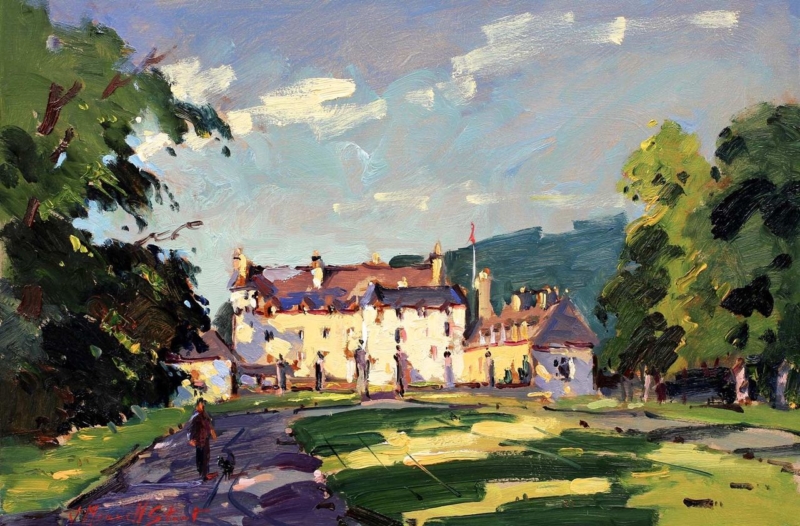
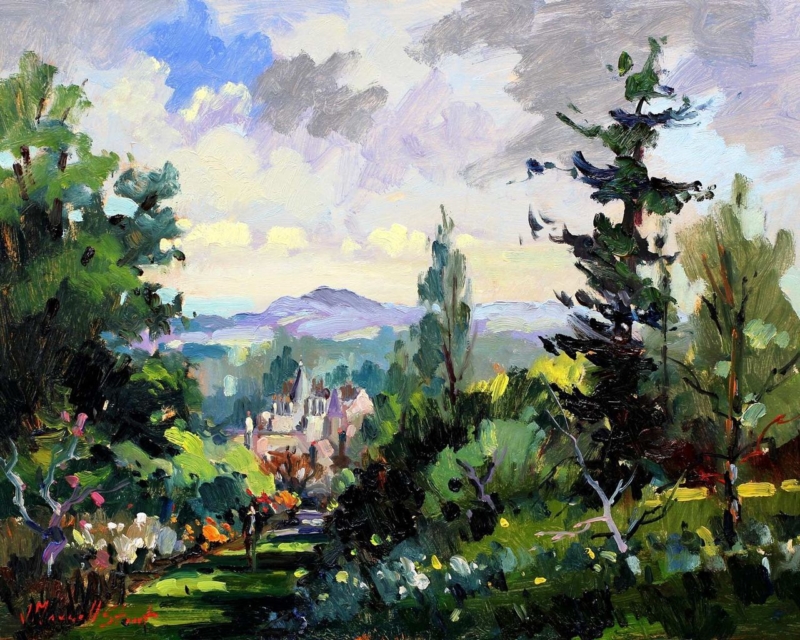
Art for a hallway works especially well when the composition seems to extend the route through the home. In Traquair House, a curving approach leads between deep trees toward a sunlit historic house. That progression can give a narrow or windowless passage a welcome sense of destination.

art for a hallway - Traquair House

Position art for a hallway along the natural sightline

Look from the doorway

Choose the wall that remains visible as someone enters and moves through the hall. The bright building should read before the smaller figures and garden detail.

Relate the frame to the route

Align the work with a console, radiator cover or strong door frame. This makes the landscape feel connected to the architecture rather than floating between several openings.

Check evening glare

Hall lighting often sits close to the wall. View the proposed position after dark and move the frame away from a direct reflection if the facade becomes difficult to see.

The warm house and lawn can relieve a cool passage, while the large areas of sky and shadow provide breathing room. Keep nearby objects low so the painted path remains visually open.

Preserve the light that draws the eye forward

The appeal lies in the contrast between shaded trees, loose brushwork and the luminous facade. Colour-managed Giclée reproduction keeps those values separate. A bespoke frame adds an orderly edge that suits the hallway without making the painting feel formal or remote.

To understand the history and setting represented in the painting, visit the official Traquair House website. Browse the Joseph Maxwell Stuart collection, or view the exact Traquair House framed print.

When choosing art for a hallway, Traquair House offers more than decoration: its path, light and welcoming architecture can make movement through the space feel purposeful.

Posted on

Autumn Reflections Union Canal: Wall Art for a Narrow Hallway

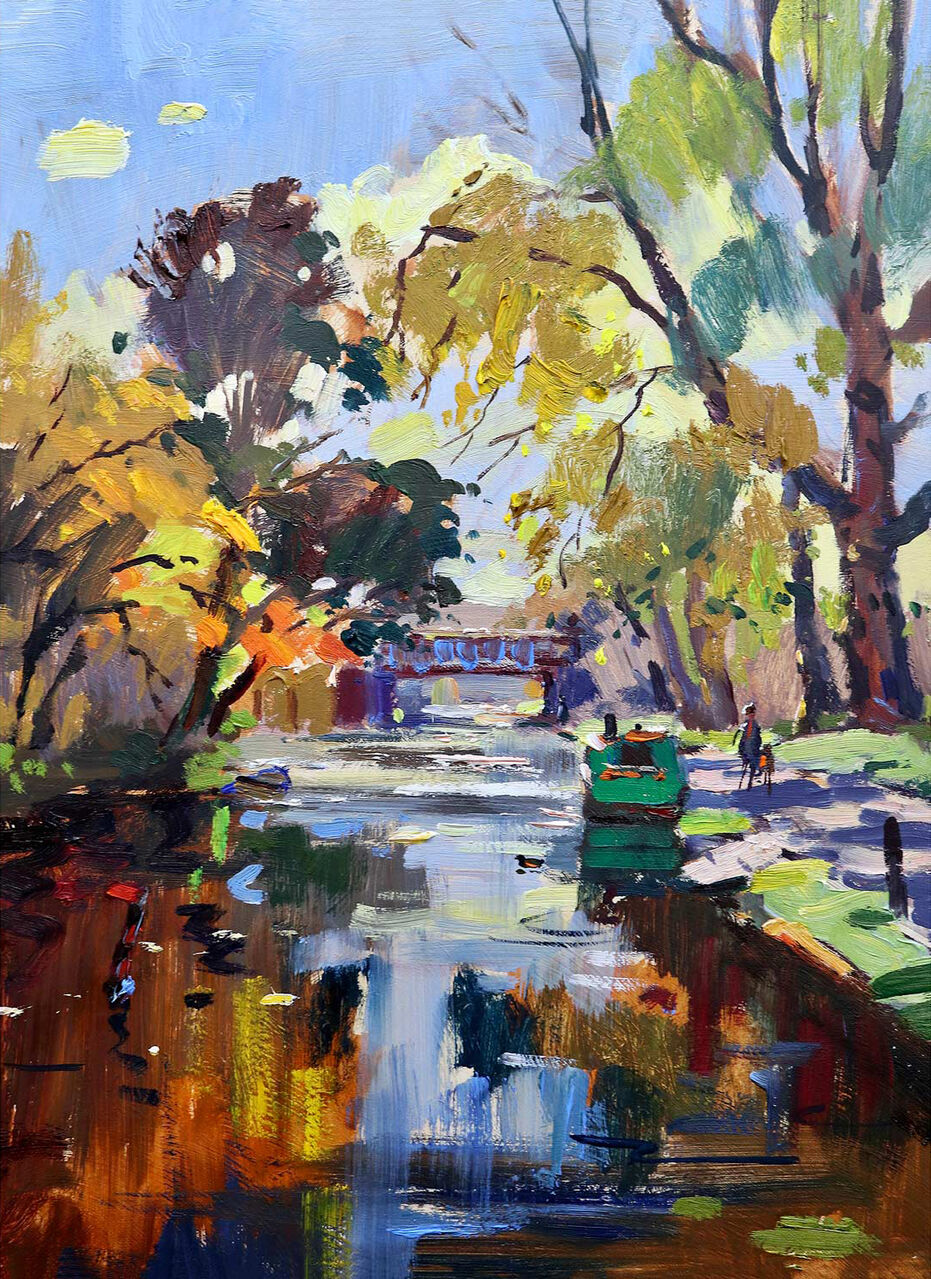
Autumn Reflections Union Canal"—an impressionist fine art giclée print by Joseph Maxwell Stuart—depicts vivid autumn hues, a green boat by the bank, two people strolling under colorful trees, and a distant bridge.

wall art for a narrow hallway has to earn its place. The route may be busy, the viewing distance short, and the available wall broken up by doors. Autumn Reflections Union Canal by Joseph Maxwell Stuart answers those constraints with a path-like stretch of water, trees, figures, and a distant bridge. That recession draws the eye forward, while the autumn colour gives a practical circulation space genuine warmth.

wall art for a narrow hallway: Autumn Reflections Union Canal by Joseph Maxwell Stuart

Why wall art for a narrow hallway benefits from depth

A narrow hall can feel like a passage rather than a room. Artwork with a clear foreground, middle distance, and horizon helps counter that effect. In Autumn Reflections Union Canal, the canal carries the view beyond the surface of the wall. The bridge and walkers provide small points of interest without turning the image into a crowded scene.

This visual depth is particularly useful on the end wall of a straight hallway. The picture becomes a destination as someone enters. On a side wall, it can also slow the eye between doorways. Choose the position that offers the longest comfortable view, then check it again from the rooms that open onto the hall.

Map the sightlines before making holes

  1. Stand at the entrance. Mark the section of wall that remains visible when internal doors are open.
  2. Walk the route. Make sure the frame will not sit where shoulders, bags, or coats regularly pass.
  3. Check the end view. Centre the picture on the useful sightline, which may differ from the mathematical centre of the wall.
  4. Test eye level. Use the viewpoint of a person walking through the space, rather than aligning automatically with a nearby door frame.

A paper template cut to the finished frame size is valuable here. Leave it in place for a day and approach it from both directions. This simple check reveals whether the piece feels confident or cramped, and whether switches, radiators, or opening doors interrupt the composition.

Use autumn colour without darkening the passage

Warm orange, russet, and gold can make a hallway feel welcoming, especially as October light becomes cooler. The water and open distance in this image prevent those richer notes from becoming heavy. Rather than painting the whole hall a matching deep shade, repeat one restrained colour in a runner, small ceramic, or timber detail.

Hallway conditionHelpful response
Limited daylightKeep the surrounding wall and mount relatively light
Several timber doorsRelate the frame to one established wood tone
Patterned runnerAllow plain wall space between floor pattern and artwork
Strong ceiling lightCheck the glazing for reflections from walking height

Choose a frame with safe, useful presence

A hallway frame needs enough definition to look deliberate, but excessive projection can become awkward in a tight route. A neat profile, carefully chosen mount, and secure hanging method keep the presentation refined. If the wall is plasterboard or receives regular vibration from doors, suitable fixings are as important as the visual choice.

First 4 Frames produces colour-managed Giclée prints and completes bespoke framing by hand at its Falkirk workshop. That in-house approach makes it easier to consider the image, finished dimensions, moulding depth, and exact wall together rather than treating the frame as an afterthought.

A local waterway with year-round interest

Joseph Maxwell Stuart studied drawing at the Ruskin School and fine art at Edinburgh College of Art. His landscapes are informed by working directly from nature. Browse the wider Joseph Maxwell Stuart collection at First 4 Frames. The Scottish Canals guide to the Union Canal also gives useful context for the waterway represented in the title.

Effective wall art for a narrow hallway can make the journey through a home feel considered, not merely decorated. View the framed Autumn Reflections Union Canal print for a scene that adds perspective, Scottish character, and autumn warmth while keeping a compact passage visually open.

Posted on

Choosing Scottish Landscape Art for a Calm Morning Room

Image of Sunrise, Urquhart Castle by Josepth Maxwell Stuart

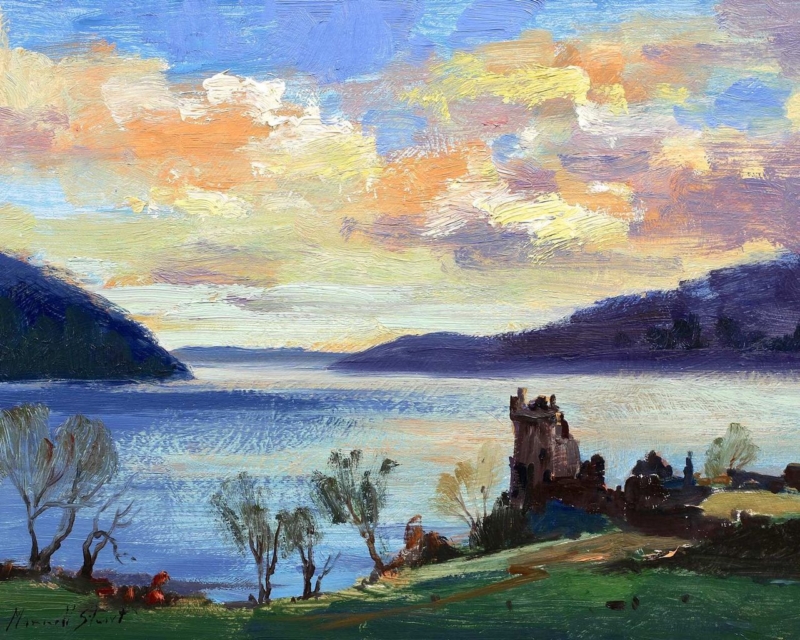
Scottish landscape art can give a morning room a sense of distance before the day becomes busy. Sunrise, Urquhart Castle by Joseph Maxwell Stuart combines early light with the structure of a historic site. The result feels rooted and contemplative without asking the room to become formal.

Scottish landscape art - Sunrise, Urquhart Castle

Let Scottish landscape art support the morning light

Start by studying where the first usable daylight reaches the room. Hang the work where soft light can reveal the landscape, but avoid a direct line to the window. Reflections will hide the quieter transitions that make a sunrise scene convincing.

  1. Measure above the breakfast table, low sideboard, or reading bench.
  2. Compare the 350 × 280 mm and 560 × 440 mm print options against that furniture.
  3. Keep the artwork visually connected to the surface below, rather than centring it on the entire wall.
  4. Check the view from the doorway and the seat used most often in the morning.

Keep heritage references selective

The castle already supplies history and place. Pair it with simple ceramics, linen, or timber rather than tartan patterns and miniature landmarks. This allows the image to feel relevant in both traditional and contemporary homes.

A quieter wall colour can help the sunrise remain the source of warmth. Soft grey, chalky blue, or muted stone will give the landscape definition while keeping the room restful.

Frame detail without hardening the atmosphere

The ruins need enough definition to remain recognisable, while the sky and distance need softer tonal handling. Colour-managed Giclée reproduction protects both qualities. In-house bespoke framing gives the horizontal view a precise finish without making its morning mood severe.

For the site’s history and visitor information, consult Historic Environment Scotland’s Urquhart Castle guide. Browse more work by Joseph Maxwell Stuart, or view the exact Sunrise, Urquhart Castle framed print.

As Scottish landscape art for a morning room, Sunrise, Urquhart Castle offers light, history, and visual distance in a format that can make the start of the day feel more settled.

Posted on

Amongst the Azaleas: Botanical Wall Art for an Orangery

Image of Amongst the Azaleas by Josepth Maxwell Stuart

botanical wall art for an orangery should do more than repeat the planting visible through the glass. It needs to give the room a steady focal point when daylight changes and the garden moves through the seasons. Amongst the Azaleas by Joseph Maxwell Stuart offers that balance. Its layered garden subject brings colour and depth indoors, while the composition feels considered enough to stand apart from the view outside.

botanical wall art for an orangery: Amongst the Azaleas by Joseph Maxwell Stuart

Why botanical wall art for an orangery needs visual structure

An orangery often contains several competing features: broad windows, strong sunlight, pots, patterned leaves, and routes into the garden. Artwork can disappear among those details if it is too pale or slight. At the other extreme, a very graphic piece may feel disconnected from the room’s softer purpose.

Amongst the Azaleas provides a useful middle ground. The azaleas relate naturally to a planted setting, yet the framed image creates its own boundary and sense of order. This makes it suitable for the solid wall above a console, between glazed doors, or near a dining table where the picture can be enjoyed at close range.

Choose the wall by watching the light

Before fixing the position, observe the room in the morning, at midday, and near dusk. Direct glare can hide colour and detail. A wall at right angles to the main glazing often gives a clearer view than one directly opposite it. If reflections remain a concern, discuss glazing and placement during the framing consultation.

Season matters too. A wall that seems quiet in summer may become much more prominent when leaves fall and daylight shortens. Place the artwork where it can hold the room during winter as well as complement abundant colour in spring. That year-round role is more valuable than matching one brief flowering period.

Build a restrained orangery palette

Room elementUseful connectionCommon mistake
Painted wallsSoft mineral or warm neutral colourMatching the brightest flower exactly
FurnitureNatural timber, cane, or one painted pieceAdding several competing garden motifs
TextilesPlain linen or a small-scale textureUsing a large floral pattern beside the print
AccessoriesOne ceramic drawn from a quieter picture toneRepeating every colour around the room

The artwork does not need exact colour partners. One or two quiet echoes will make it feel connected. Leaving some plain surfaces around the frame also helps separate the painted garden from real foliage. That breathing space is especially useful in a room where plants already provide texture.

Use scale to support the architecture

Measure the solid section of wall rather than the entire glazed elevation. A frame should relate to the furniture below it and retain a clear margin at each side. If the wall is narrow, the smaller available print size can create a deliberate pause. On a broader wall, the larger version can hold its own against tall windows and substantial seating.

A mount can give the detailed subject a calm transition into the frame. A warm timber may connect with natural furniture, while a refined painted or darker moulding can define the image more firmly. First 4 Frames produces colour-managed Giclée prints and completes bespoke framing in-house at its Falkirk workshop, allowing the presentation to respond to both the image and the room.

A garden subject that is not limited to one season

Joseph Maxwell Stuart studied drawing at the Ruskin School and fine art at Edinburgh College of Art, and now works in the Scottish Borders. Browse the wider Joseph Maxwell Stuart collection at First 4 Frames. For useful background on the plants that give this work its title, the Royal Horticultural Society guide to azaleas explains their forms and variety.

Well-chosen botanical wall art for an orangery should connect inside and outside while still giving the interior its own identity. View the framed Amongst the Azaleas print for a garden-led focal point that can remain rewarding through bright summer days and quieter winter light.

Posted on

Scottish Castle Wall Art Can Bring Distance to a Limestone-Floored Room

Image of View to Eilean Donan Castle by Josepth Maxwell Stuart

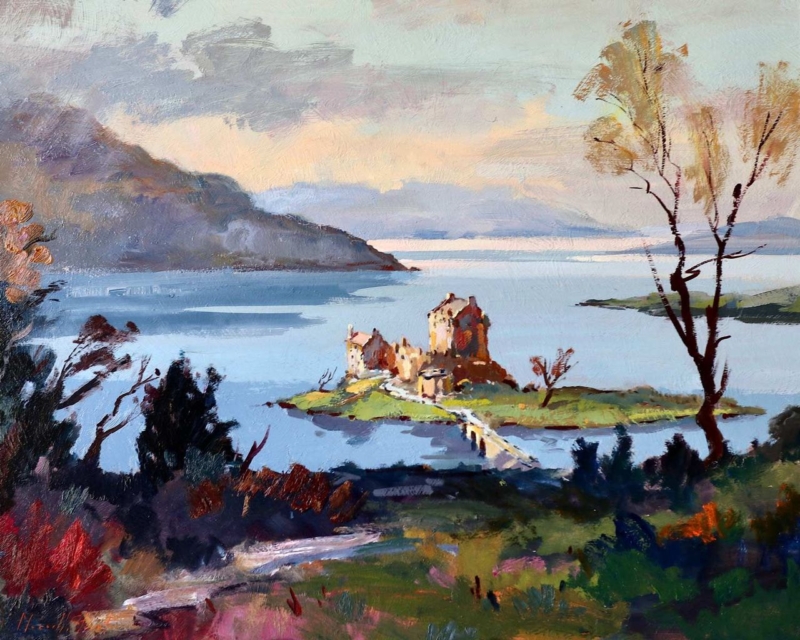
Scottish castle wall art can work beautifully in a room with limestone flooring when it offers more than another hard stone surface. View to Eilean Donan Castle by Joseph Maxwell Stuart sets historic architecture within water, landscape, and open distance. Those softer layers can balance a cool, durable floor.

Scottish castle wall art - View to Eilean Donan Castle

Balance Scottish castle wall art with the room’s hard surfaces

Room elementUseful response
Pale limestoneChoose a restrained frame that separates the image from the wall.
Cool grey stoneIntroduce wool, timber, or linen near the artwork for warmth.
Broad glazingHang away from direct reflections so water and distance stay readable.
Traditional furnitureKeep castle references to the artwork rather than adding heritage props.

The horizontal print options suit a console, bench, or modest sideboard. Avoid placing the lower edge too close to a stone surface, where the frame can feel compressed. Breathing space lets the castle sit within its wider setting and prevents architecture from dominating the room.

Let the landscape soften the stone; do not ask the room to imitate the castle.

Preserve detail across architecture, water, and distance

A castle landscape needs crisp structure, but its atmosphere depends on quieter changes in land, sky, and water. Colour-managed Giclée production retains both. Bespoke framing made in the Falkirk workshop gives the view a precise boundary against a tactile limestone interior.

For history and visitor information about the landmark, visit the official Eilean Donan Castle website. Browse more work by Joseph Maxwell Stuart, or view the exact View to Eilean Donan Castle framed print.

As Scottish castle wall art, View to Eilean Donan Castle introduces heritage and a strong sense of place while helping a limestone-floored room feel more open and liveable.

Posted on

Scottish Heritage Wall Art Can Settle a Traditional Study

Image of Traquair House, Early Autumn by Josepth Maxwell Stuart

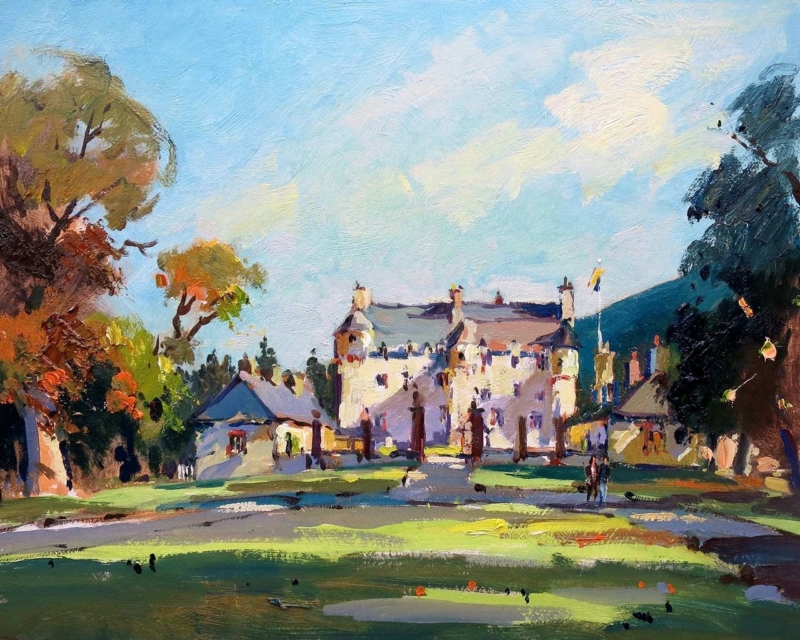
Scottish heritage wall art for a traditional study works best when the subject brings real history but the room remains comfortable for present-day use. Traquair House, Early Autumn by Joseph Maxwell Stuart offers architecture, landscape, and early autumn atmosphere together. It can sit naturally with books and timber without requiring tartan accessories or staged antiques.

Scottish heritage wall art for a traditional study - Traquair House, Early Autumn

Balance Scottish heritage wall art for a traditional study with the room

If the study is dark

Use a lighter mount and leave clear wall around the frame. Place the work near the reading zone, but angle lamps so reflected bulbs do not obscure the house or landscape.

If the study is pale

A deeper frame can connect the picture with a desk or bookcase. Repeat one autumn colour in leather, wool, or a single object rather than throughout the room.

The artwork can work above a low cabinet, beside a reading chair, or on the wall opposite the desk. Do not force it into a narrow shelf gap. The architecture needs enough breathing space to feel like a destination rather than another item catalogued among the books.

Keep the heritage reference current

Pair the framed print with useful contemporary lighting and clear work surfaces. The historical subject then adds depth while the room remains practical, personal, and easy to use.

Keep architectural and autumn detail distinct

Stone, foliage, and soft seasonal light require tonal control. Colour-managed Giclée production preserves those relationships, and bespoke hand finishing gives the print a substantial presentation suited to a book-lined room. All of that work is completed in-house in Falkirk.

For direct background on the location, visit Traquair House and its history. Browse more work by Joseph Maxwell Stuart, or view the exact Traquair House, Early Autumn framed print.

As Scottish heritage wall art for a traditional study, Traquair House, Early Autumn adds history and atmosphere while leaving the room grounded in everyday life.