Posted on

Image Printing and Framing: A Complete Guide to Wall-Ready Art

Have you ever captured a perfect photo or created a piece of digital art, only to feel lost in a sea of technical terms like Giclée, DPI, and archival paper? The journey from a digital file to a beautiful piece for your wall can feel daunting, filled with confusing choices and the fear of spending money on a print that quickly fades.

We believe the process of image printing and framing should be as joyful as the creative moment itself. It’s an act of transforming a memory or a vision into a tangible, lasting treasure. This complete guide is your trusted partner, designed to demystify the entire process from pixel to print and empower you to make confident, creative decisions for your artwork.

Embark on this journey with us, and you will learn how to confidently select the perfect fine art paper, choose a bespoke frame that both protects and enhances your work, and prepare your files for spectacular, professional results. Let’s turn your favourite images into beautifully crafted, wall-ready art that you can cherish for a lifetime.

Step 1: Choosing the Right Printing Method for Your Image

The journey from a digital file on your screen to a beautiful piece of art on your wall begins with one crucial step: printing. But not all prints are created equal. Different methods offer vastly different results in colour accuracy, detail, and longevity, and understanding these options is the key to ensuring your final piece looks exactly as you envision. The right choice at this stage sets the foundation for a spectacular finished product, especially when considering the entire process of professional image printing and framing.

To better understand how different printing methods compare, watch this helpful video:

Giclée Printing: The Gold Standard for Fine Art

At the pinnacle of printing quality is the Giclée (pronounced “zhee-clay”) method. This is a premium inkjet process that uses pigment-based inks on archival-quality paper. The result is superior colour accuracy, an incredible depth of tone, and spectacular detail that captures every nuance of the original image. Renowned for its archival quality, a Giclée print can last for generations without fading, making it the definitive choice for fine art reproductions, illustrations, and professional photography.

Standard Photo Prints (C-Type) vs. Posters

While Giclée stands in a class of its own, it’s useful to know the alternatives. Standard photo prints, often called C-Type or Chromogenic prints, use a traditional chemical process common in photo labs. They offer good results for everyday snapshots. Posters, on the other hand, are typically printed on thinner, less durable paper with lower-quality inks. Both are fine for casual use or temporary displays, but they lack the lifespan and rich colour depth required for permanent, high-quality wall art.

The Importance of Paper: Matte, Lustre, and Fine Art Papers

The paper you print on dramatically affects the final look and feel of your image. It’s not just a background; it’s an integral part of the artwork itself. Here’s a quick guide:

  • Matte Paper: Offers a non-reflective, often textured finish that is ideal for a subtle, classic, and artistic feel.
  • Lustre or Satin Paper: Provides a slight sheen that makes colours pop with vibrancy without the high glare of a full gloss finish.
  • Archival Fine Art Papers: Crucially, using archival, acid-free papers prevents the print from yellowing over time. This commitment to quality materials is essential, from the ink and paper right through to the final picture frame that will house your beautiful artwork.

Step 2: The Art of Framing: Protecting and Enhancing Your Print

A beautiful Giclée print deserves a frame that does more than just hang it on the wall. Think of a frame as the final, crucial step in the artistic process. It does the heavy lifting, protecting your print from dust, damaging UV light, and everyday accidents. More importantly, the right frame acts as the perfect bridge between the art itself and your room’s décor, creating a harmonious and spectacular display.

Anatomy of a Bespoke Frame

Understanding the components of a premium frame helps you appreciate the craftsmanship involved. A professionally made frame consists of several key layers, each with a vital role:

  • Moulding: This is the outer profile, crafted from high-quality materials like solid wood or sleek metal. It defines the frame’s character and aesthetic.
  • Glazing: The clear protective layer. While standard glass is common, we recommend UV-protective or anti-reflective options to preserve the vibrant, archival colours of your Giclée print for a lifetime.
  • Mountboard: A high-quality, acid-free border that creates a visual space between the print and the glazing, preventing direct contact and adding a sense of depth and importance to the artwork.
  • Backing Board: The final layer, providing structural support and sealing the artwork against moisture and environmental pollutants.

How to Choose a Frame Style to Match Your Art

Selecting the right style is a personal choice, but a few principles can guide you. Consider the artwork’s personality—a modern abstract print often shines in a simple, clean-lined frame, while a traditional landscape may call for a natural wood finish. Your frame should also complement your interior design. For a deeper dive into the curatorial approach, the Getty Museum’s guide to framing offers fantastic insights into matching a frame to an artwork’s history. The goal is to find a frame that enhances the image without overpowering it.

Why Professional Framing Matters More Than You Think

While DIY framing kits are available, the difference a professional touch makes is undeniable. A craftsman ensures perfect alignment, a completely dust-free seal, and the structural integrity needed for larger pieces. We use conservation-grade, acid-free materials that prevent yellowing and preserve your print for decades. This commitment to quality is what separates a temporary display from a lasting investment. When you choose a complete image printing and framing service, you’re not just buying a product; you’re investing in a perfectly finished piece of art, ready to be treasured for years to come.

From Screen to Wall: The Custom Printing and Framing Process

Transforming a digital image into a spectacular piece of wall art is a journey of precision and passion. This professional process ensures every technical detail and aesthetic choice is perfect, from the initial file check to the final assembly. By working with a specialist who combines expertise in both printing and fine art framing, you are guaranteed a seamless experience and a beautiful final product that will stand the test of time.

Preparing Your Digital File for Printing

To achieve a flawless Giclée print, the digital file must be perfect. Getting this right is the foundation of high-quality image printing and framing. Here’s what matters most:

  • Resolution & DPI: For a sharp, crisp image, your file should ideally have a resolution of 300 Dots Per Inch (DPI) at the desired print size. This prevents any unwanted blurriness or pixelation.
  • Colour Space: We work with both sRGB and Adobe RGB colour profiles to ensure the colours you see on your calibrated screen are faithfully and vibrantly reproduced on paper.
  • File Type: A high-quality JPEG is excellent for most purposes, but for maximum detail, an uncompressed TIFF file is the professional choice as it preserves all of the original image data.

The Consultation and Selection Stage

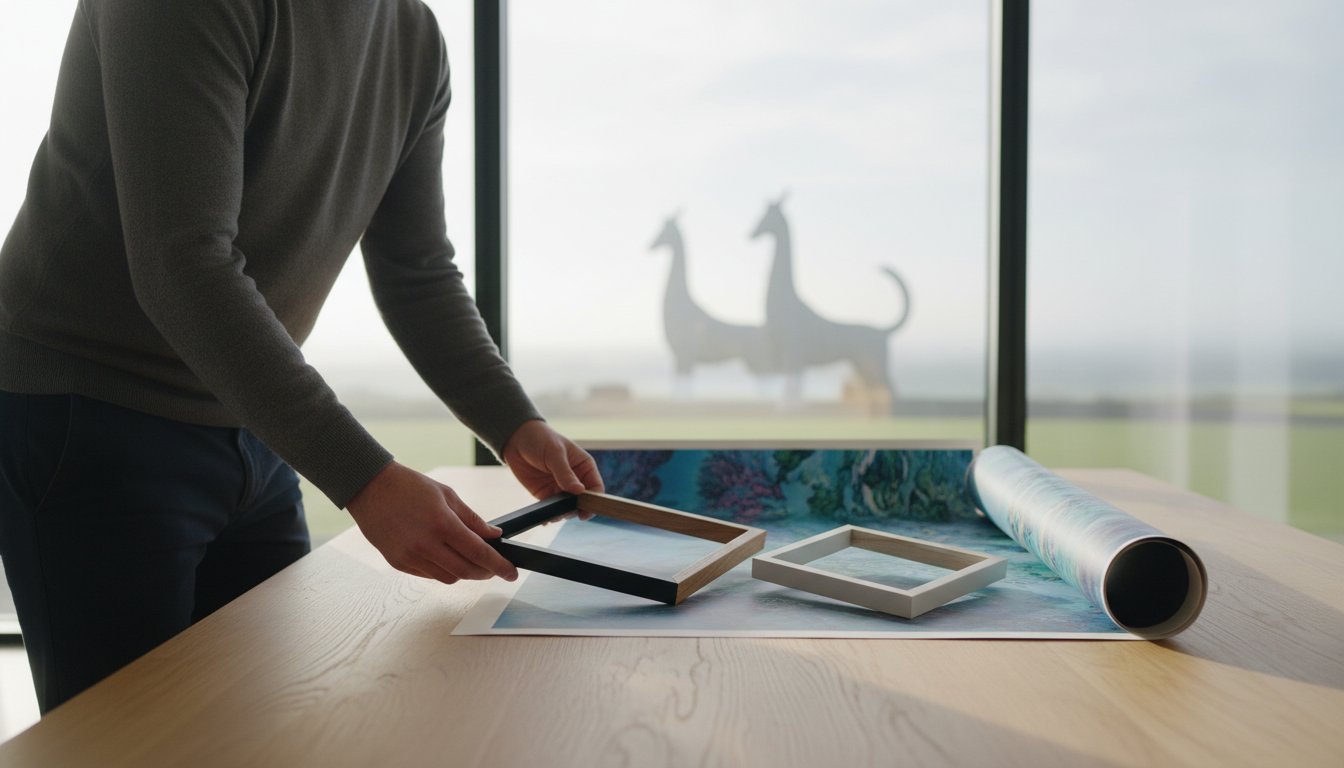
This is where your creative vision truly comes to life. You’ll select the perfect print size and choose from our range of premium fine art papers, each offering a unique texture and finish. We help you virtually pair different bespoke frame and mount combinations with your art, offering expert advice on what styles will best complement both the image and your home décor. This collaborative step ensures every detail of your piece is finalised to your satisfaction.

Craftsmanship in Action: Printing and Assembly

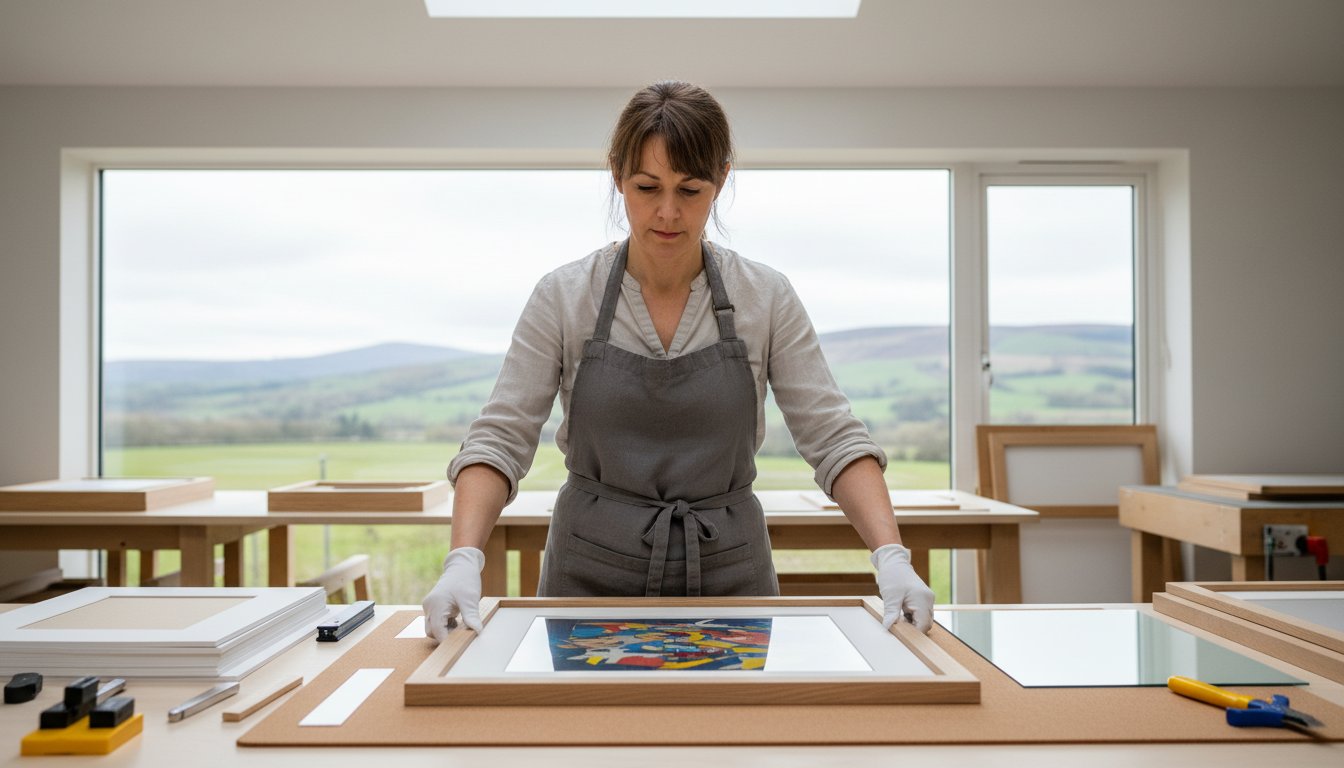
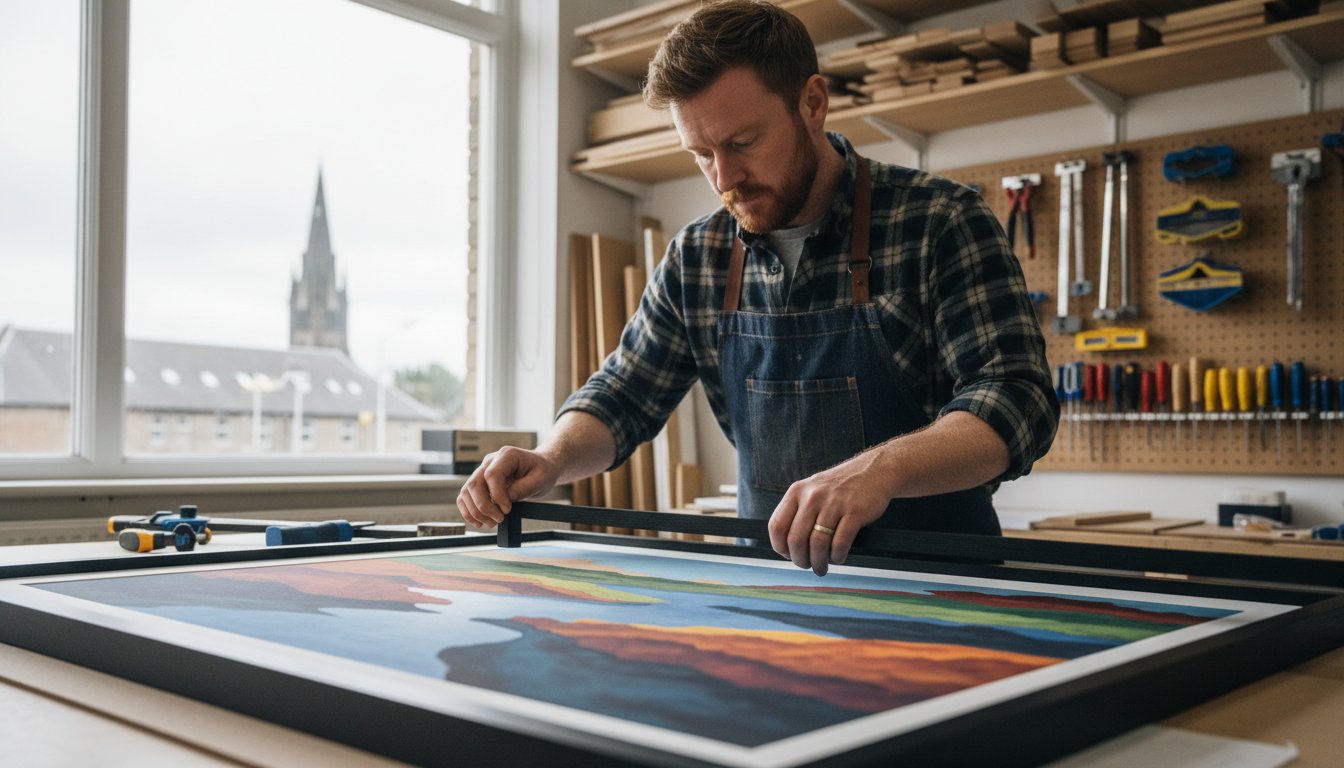
Once the details are confirmed, our artisans get to work. Your image is printed using calibrated, professional-grade Giclée printers for unparalleled colour accuracy and longevity. The frame, mount, and glazing are then cut to precise dimensions. Finally, the print is carefully mounted and sealed within the frame, undergoing rigorous quality checks before it is perfectly prepared to hang on your wall.

This meticulous approach is what elevates a simple picture into a cherished masterpiece. Ready to start your own journey from screen to wall? Explore our gallery of beautiful prints.

Common Mistakes to Avoid in Image Printing and Framing

Investing in a beautiful Giclée print is just the first step. The final stage—the image printing and framing—is where your art truly comes to life. However, a few common pitfalls can lead to disappointing results, turning a potential masterpiece into a missed opportunity. Avoiding these mistakes not only saves you time, money, and frustration, but also ensures your investment is well-protected and looks fantastic for years to come. Let’s explore the key technical, aesthetic, and preservation errors to watch out for.

Technical and File Preparation Errors

The quality of your print is determined by the quality of your digital file. To ensure a spectacular result, steer clear of these common mistakes:

  • Using a low-resolution image: This is the most frequent error, leading to a blurry or pixelated print. Always start with the largest, highest-quality file you have for crisp, clean lines.
  • Ignoring colour management: What you see on your screen isn’t always what you’ll get. Without proper colour profiling, your final print’s colours can appear dull or inaccurate.
  • Over-sharpening the file: Too much digital sharpening creates an unnatural, harsh look and can introduce unwanted digital artefacts, detracting from the image’s beauty.

Aesthetic and Design Misjudgements

A frame should complement the artwork, not compete with it. It acts as the perfect bridge between your art and your decor. A poor aesthetic choice can disrupt this harmony:

  • An overpowering frame: A thick, ornate frame can easily overwhelm a delicate, minimalist piece. The frame should enhance, not dominate the artwork.
  • Clashing mount colours: A mount should provide visual breathing room. Choosing a colour that clashes with the art or your room’s palette is a common misstep.
  • Ignoring scale: A tiny framed print can get lost on a large, empty wall, while an oversized piece can make a small room feel cramped.

Preservation and Material Oversights

A Giclée print is an investment designed to last a lifetime, but only if protected with the right materials. Using cheap, low-quality materials can actively damage your art over time.

  • Using acidic materials: Standard, non-archival mounts and backing boards contain acids that will cause your beautiful print to yellow and degrade over the years.
  • Opting for standard glass: Regular glass offers no protection from harmful ultraviolet (UV) light, which is the primary cause of fading.
  • Hanging in direct sunlight: Even with UV-protective glass, positioning your art in constant, direct sunlight will accelerate damage and cause colours to fade.

Navigating the world of professional image printing and framing can feel complex, but getting it right is crucial. If you want to ensure your artwork is protected and presented with bespoke craftsmanship, our experts are here to help. Get a bespoke framing quote today.

Bring Your Vision to Life: The Art of Wall-Ready Masterpieces

Transforming a digital file into a breathtaking piece of art for your wall is a journey of careful choices. As we’ve seen, the key is to pair the right printing method with the perfect frame. A premium Giclée print ensures your image has spectacular colour fidelity and longevity, while a bespoke frame does more than just protect—it enhances the artwork, creating a seamless bridge to your room’s décor.

Navigating the world of image printing and framing doesn’t have to be complex. At First 4 Frames, we bring over 20 years of professional experience to every project. As Falkirk’s one-stop-shop for art, we combine our passion for craftsmanship with premium materials to create pieces you’ll cherish. Let our expertise guide you from screen to wall, hassle-free.

Are you ready to create something beautiful? Discover our collection of fine art prints and bespoke frames and start your artistic journey with a trusted partner today.

Frequently Asked Questions

What is the difference between a Giclée print and a standard poster?

The distinction lies in quality and longevity. A Giclée print is a fine art reproduction created using premium, archival-quality pigment-based inks and acid-free paper. This process produces spectacular colour accuracy and detail that can last for over 100 years without fading. In contrast, a standard poster is typically mass-produced using lower-quality dye-based inks and thinner paper, which can lead to fading and colour shifting in just a few years.

How do I know what resolution my digital image needs to be for a good quality print?

For the best results from any image printing and framing service, your digital file should ideally be 300 DPI (dots per inch) at the final print size. For example, a file for a 10×8 inch print should be 3000×2400 pixels. While we can work with lower resolutions, 300 DPI is the professional standard for ensuring your finished artwork is sharp, clear, and rich in detail, without any pixelation or blurriness.

Can you frame my own painting or photograph, not just a print I buy from you?

Absolutely. While we are passionate about our Giclée prints, our bespoke craftsmanship extends to your personal treasures. We are a one-stop-shop for all framing needs and would be delighted to professionally frame your own paintings, photographs, or memorabilia. Our experts will help you choose the perfect mount and frame combination to protect and beautifully display your unique piece, treating it with the utmost care and respect.

What does ‘archival quality’ or ‘acid-free’ mean in printing and framing?

‘Acid-free’ means the materials, such as the paper and mountboard, have a neutral pH. This is crucial as acid can cause paper to yellow and become brittle over time, damaging the artwork. ‘Archival quality’ is a broader term indicating that all components—from the pigment inks to the mounting materials—are designed for longevity and preservation, ensuring your beautiful artwork is protected from degradation and will not fade for many decades.

How long does the custom printing and framing process typically take?

Our complete image printing and framing process is a blend of precision and passion. From the moment you place your order, we get to work crafting your piece. Typically, your bespoke framed Giclée print will be ready for dispatch within 7-10 working days. We take great pride in our speedy, hassle-free service and will keep you updated, ensuring your beautiful new artwork arrives safely and promptly at your door.

Is UV-protective glass really necessary for my framed art?

While standard glass offers some protection, UV-protective glazing is highly recommended, especially for valuable or sentimental pieces. It blocks over 99% of harmful ultraviolet rays, which are the primary cause of fading and discolouration in artwork. Investing in UV-protective glass is the best way to preserve the vibrant colours and integrity of your print for a lifetime, making it an essential choice for any art displayed in a brightly lit room.

Posted on

Picture Frames: The Ultimate Guide to Choosing, Hanging, and Displaying Art

A person holds a framed abstract landscape artwork in a bright, modern living room with a sofa, coffee table, and several framed pictures on the wall in the background.

That spectacular print you’ve just bought, or the family photograph you cherish, deserves more than to be left leaning against a wall. But stepping into the world of picture frames can often feel overwhelming. With a sea of materials, colours, and styles to choose from, how do you find the one that doesn’t just hold your art, but truly elevates it? How do you create that seamless bridge between a beautiful piece and your room’s decor, instead of creating an awkward afterthought?

Consider this your friendly, expert guide. We believe that framing is an art in itself, and our passion is to make it accessible and enjoyable for everyone. In the following sections, we will demystify the entire process. You will learn how to confidently select the perfect frame that makes your art sing, master the simple, secure techniques for hanging it at the ideal height, and find professional inspiration for creating a stunning gallery wall that tells your unique story. Let’s turn those bare walls into a beautiful, personal gallery, together.

More Than a Border: Why the Right Picture Frame is Essential

A common mistake is to see a frame as a mere afterthought—a simple border to finish the job. In reality, a thoughtfully chosen frame does the heavy lifting, acting as the crucial bridge between your artwork and your room’s decor. It protects, enhances, and completes, transforming a simple photograph or print into a spectacular, finished piece ready for display. The right choice doesn’t just surround the art; it pulls you into the picture.

To see how these elements come together, this short video offers a great overview:

Protecting Your Prized Artwork

First and foremost, a frame’s primary role is preservation. To ensure your art stands the test of time, it is vital to use conservation-grade materials. This includes:

  • Acid-free mounts: These prevent the unsightly yellowing and deterioration that can occur when art is in direct contact with acidic materials.
  • Protective glazing: High-quality glass or acrylic acts as a shield against everyday threats like dust, moisture, and, most importantly, harmful UV light that causes colours to fade.

Enhancing the Visual Impact

A well-chosen frame guides the viewer’s eye, drawing attention directly to the artwork’s focal point. The colour and texture of the frame should complement the piece, echoing its tones without overpowering them. This role has evolved significantly throughout the history of picture frames, moving from purely functional to an art form in itself. By creating a distinct boundary, the frame gives the art a sense of depth and importance, elevating its presence on your wall.

Completing Your Interior Design

The best picture frames are a seamless extension of your home’s personality. A sleek, black frame can accentuate a modern, minimalist aesthetic, while a rustic oak frame might be the perfect fit for a country-style living room. You can use frames to introduce a subtle accent colour or a new texture, such as brushed metal or natural wood grain. Using a consistent style across a gallery wall or throughout a room creates a cohesive, professionally curated look that ties your entire space together.

A Guide to Picture Frame Materials and Styles

Choosing the perfect frame is about more than just a border; it’s about creating a beautiful bridge between your artwork and your living space. The material of a frame dramatically affects its look, feel, and durability, while its style can elevate a simple print into a masterpiece. Key factors like the frame’s width (known as its profile) and its finish—from matte to high gloss—all play a vital role. Understanding the main categories of picture frames is the first step to making a choice you’ll love for years to come.

Classic and Versatile: Wood Frames

For a touch of warmth and timeless elegance, nothing compares to wood. It’s a wonderfully versatile material that brings a natural, organic feel to any room. Each type of wood offers a unique character, from the rich, pronounced grain of Oak to the subtle, lighter tones of Ash and the rustic charm of Pine. Finishes range from natural stains that celebrate the grain to a spectrum of painted colours, offering a bespoke solution for any interior palette. Wood frames are the perfect choice for traditional art, family photographs, and creating a cosy, inviting atmosphere.

Modern and Minimalist: Metal Frames

Sleek, sharp, and effortlessly contemporary, metal frames are prized for their strength and clean lines. Typically crafted from high-grade aluminium, they allow for exceptionally slim profiles that let the artwork take centre stage. This minimalist approach is perfect for modern interiors. Popular finishes include:

  • Matte Black or White for a crisp, graphic look.
  • Brushed Silver or Gold for a touch of sophisticated shimmer.
  • Polished Chrome for a high-impact, industrial feel.

Metal frames are an ideal partner for contemporary art, posters, and black and white photography, complementing minimalist and industrial décor schemes perfectly.

Statement Pieces: Ornate and Decorative Frames

When you want to create a truly dramatic focal point, an ornate frame is the answer. Styles inspired by Baroque, Rococo, or Victorian design feature intricate carvings, gilded finishes, and sweeping, decorative details. These frames are works of art in themselves, best used to enhance traditional oil paintings or to give a single, special piece pride of place. To prevent an ornate frame from overwhelming the art, select a piece with a simple composition or ensure the frame’s tones are echoed within the artwork itself, creating a harmonious and spectacular display.

How to Select the Perfect Frame for Your Art and Home

Choosing a frame is an art in itself. The goal is to find a partner for your artwork—a frame that enhances and elevates the piece without competing for attention. It’s a beautiful balance between the art, the frame, and the room it will call home. Considering the scale of the piece, the style of your decor, and the professional finish a mount can provide will transform a simple print or photo into a bespoke centrepiece. And remember, with over two decades of experience, we’re always here to offer a professional opinion.

Rule #1: Let the Artwork Guide You

Your art should always be the star of the show. The frame’s style should harmonise with the era and mood of the piece—a classic oil painting often suits an ornate, traditional frame, while modern photography shines in a minimalist design. For colour, look for a neutral tone within the artwork to pull into the frame. Finally, a mount board provides essential ‘breathing space’, creating a clean visual pause that draws the viewer’s eye directly to the image.

Rule #2: Consider Your Room’s Decor

The perfect frame acts as a bridge between your artwork and your interior. Take cues from the existing finishes in your room. Do you have warm oak furniture, brushed chrome light fittings, or a specific wall colour you want to complement? Choosing picture frames that echo these materials and tones creates a seamless, curated feel. You can either create harmony by matching styles or introduce a deliberate, stylish contrast for a bolder statement.

Rule #3: Get the Proportions Right

Scale and proportion are key to achieving a polished look. Generally, larger pieces of art can handle wider, more substantial frames that give them weight and presence on the wall. In contrast, smaller, more delicate works are often best served by thin, simple frames that don’t overwhelm them. The mount is also a powerful tool here; a wider mount can make a small piece feel more significant and important. Visualising the final result is the best way to make a confident choice. Explore our gallery for inspiration!

The Art of the Hang: How to Display Picture Frames Like a Pro

A beautifully framed picture deserves to be displayed with care. The final step, hanging your art, can feel daunting, but it’s where the magic truly happens. The most common mistake is hanging art too high, but with a few professional tips and the right tools, you can position your picture frames perfectly every time, creating a display that feels balanced and intentional.

Your Essential Toolkit

Gathering your tools beforehand makes the process smooth and simple. For most jobs, you will only need the basics:

  • Tape Measure: For accurate measurements.
  • Spirit Level: To ensure a perfectly straight finish.
  • Pencil: For marking the wall lightly.
  • Hammer: To secure your fixings.

Your wall type dictates the fixing. For solid masonry walls, a drill and rawl plug are best. For modern plasterboard walls, specialist hooks are designed to grip the board securely. Always check the weight rating on the hook’s packaging to ensure it can support your frame. For larger pieces, we always recommend using two fixing points for stability.

The 57-Inch Rule: Finding the Perfect Height

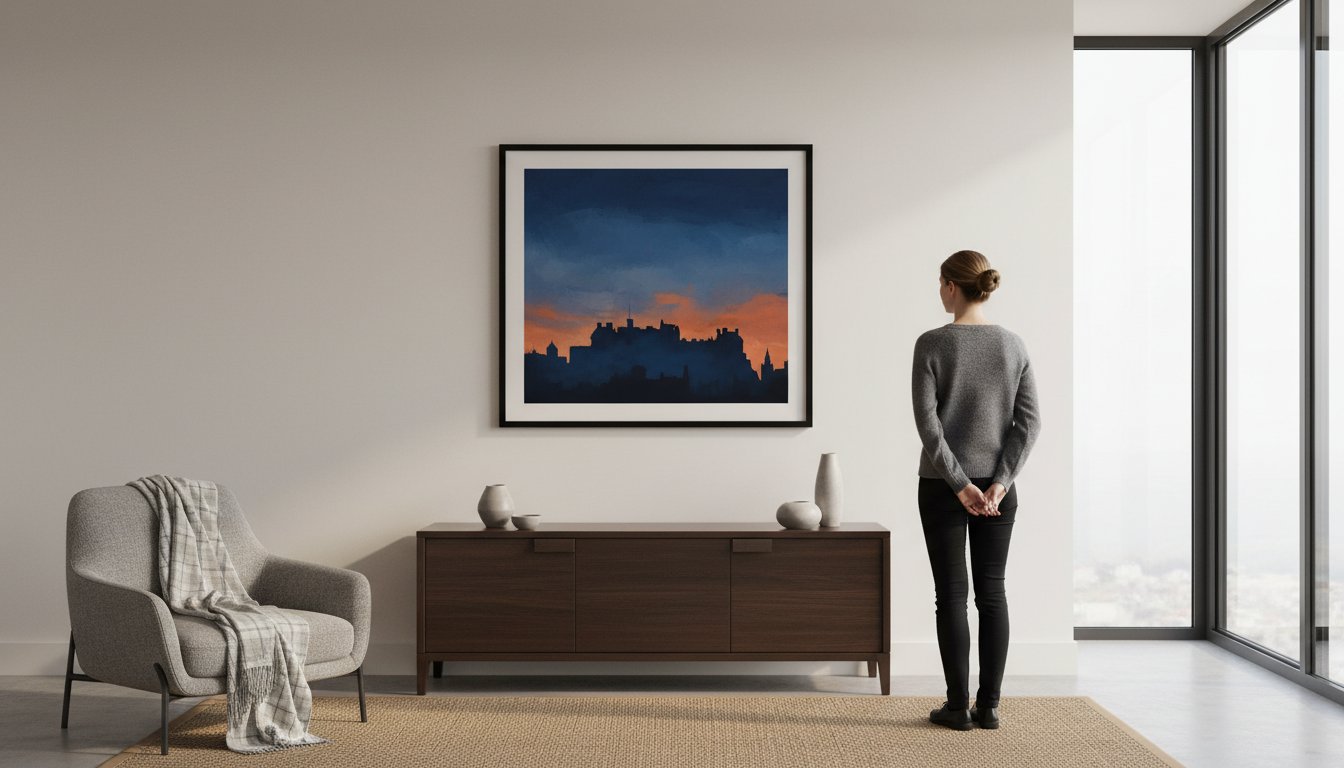
Ever wonder how galleries achieve such a harmonious look? They use the 57-inch (or 145 cm) rule. This industry standard dictates that the centre of a piece of art should be positioned 57 inches from the floor, which represents the average human eye level. This creates an immediate and comfortable connection with the artwork. When hanging above furniture like a sofa or console table, simply adapt the rule by aiming for a gap of 6-8 inches between the bottom of the frame and the top of the furniture.

A Simple Step-by-Step Hanging Method

Follow these simple steps for a professional result every time:

  1. Mark Your Centre: Measure 57 inches (145 cm) from the floor and make a light pencil mark on the wall. This is the central point for your artwork.
  2. Measure Your Frame: On the back of your frame, measure the distance from the top edge down to the hanging wire or fixing point (when pulled taut).
  3. Find Your Hook Point: On the wall, measure up from your 57-inch mark by half of your frame’s total height. From that new spot, measure back down by the distance you found in step 2. This is precisely where your nail or hook goes.
  4. Hang and Level: Install your hook, hang your frame, and place your spirit level on top to make final adjustments until it’s perfectly straight.

With your beautiful picture frames now perfectly placed, you can stand back and admire the result. If you’re ready to find your next masterpiece, we invite you to explore our curated gallery.

Beyond the Single Frame: How to Arrange a Collection

A single, beautifully framed piece is a statement, but a collection of frames is a story. Arranging multiple picture frames on a wall is your chance to create a personal gallery that reflects your taste and memories. Before you pick up a hammer, save yourself time and misplaced holes by planning your layout on the floor first. The secret to a professional, polished look lies in two simple rules: build your arrangement around a larger ‘anchor’ piece and maintain consistent spacing between every frame.

The Structured Grid: A Formal Approach

For a clean, contemporary, and symmetrical display, the structured grid is a timeless choice. This approach uses identical frames, perfectly aligned to create a sense of order and calm. It is especially effective for displaying a series of related photographs or a matched set of fine art prints. To ensure perfect alignment, create paper templates for each frame and use painter’s tape to position them on the wall. This allows you to adjust the layout until it’s just right before making any permanent marks.

The Eclectic Salon Wall: A Creative Display

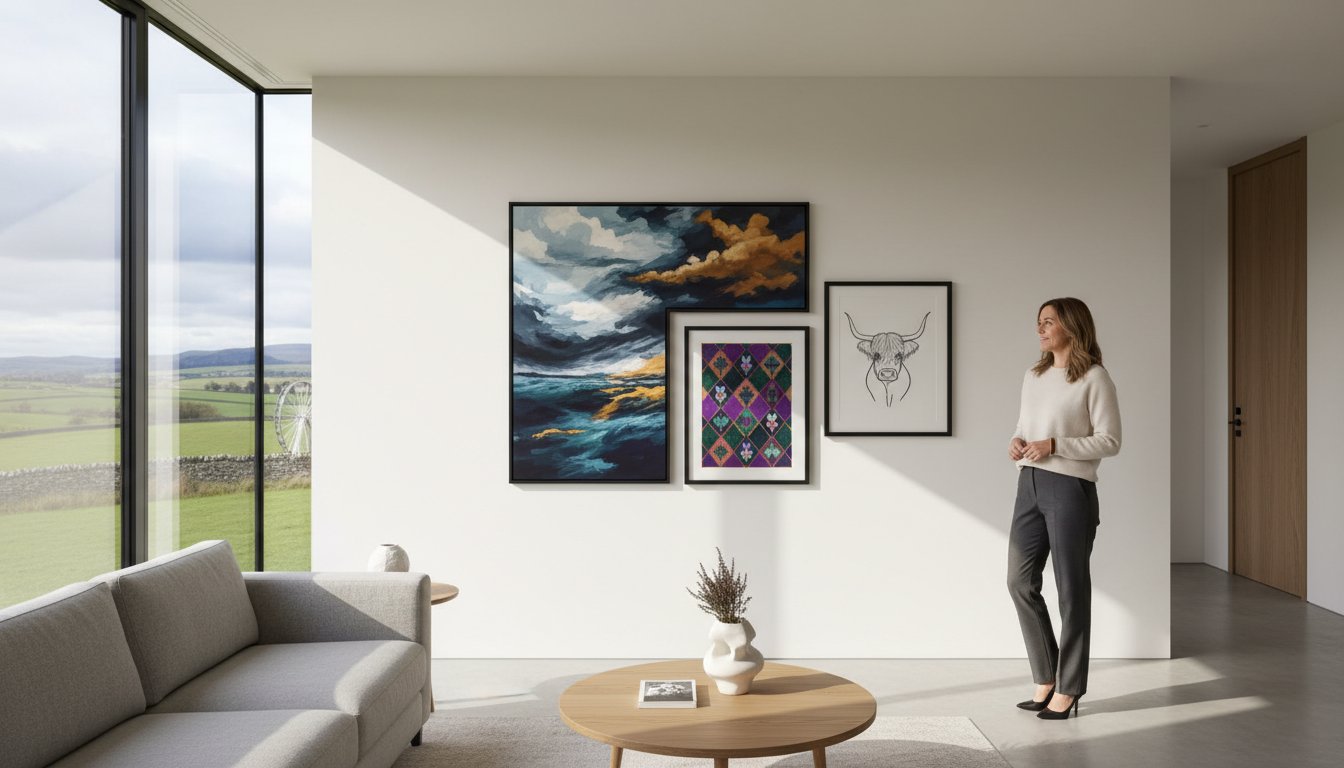
Embrace your inner curator with a salon-style wall. This creative display involves mixing different frame sizes, styles, materials, and orientations to build a rich, visual tapestry. The key to avoiding chaos is to start by placing your largest or most impactful piece slightly off-centre. From there, work outwards, balancing smaller pieces around it. You can unify the collection with a common element, such as a consistent colour in the artwork or a single finish for all the frames.

The Picture Ledge: Flexible and Stylish

A picture ledge offers a wonderfully versatile way to display your art without the commitment of multiple wall hooks. This simple shelf allows you to effortlessly rotate and update your collection. Create visual depth by layering frames of different heights and sizes, placing smaller ones in front of larger ones. This method is ideal for renters or anyone who loves to frequently refresh their decor. This flexible approach is also perfect for commercial spaces that need regular updates. Need help with a large project? Learn about our commercial services.

Bringing Your Vision to Life with the Perfect Frame

As we’ve explored, the right frame is far more than a simple border—it’s the bridge that connects your art to your personal style and the soul of your home. From understanding materials and styles to mastering the art of the gallery wall, you now have the tools to display your cherished pieces with the confidence of a professional.

Finding the perfect picture frames is the final, crucial step in your creative journey. At First 4 Frames, we bring over 20 years of expert framing experience from our Falkirk workshop to every project. As your one-stop-shop for fine art prints and professional framing, we use only the highest quality, conservation-grade materials to protect and showcase what you love. Need the perfect frame? Discover our bespoke framing service.

Your walls are a canvas for your story. Now go and tell it beautifully.

Frequently Asked Questions

What is the best way to clean a picture frame and the glass?

For the frame itself, a soft, dry microfibre cloth is usually sufficient to remove dust. For the glazing, spray a small amount of glass cleaner onto your cloth, not directly onto the surface. This prevents liquid from seeping under the glass and damaging your artwork. Gently wipe the glass or acrylic in a circular motion for a beautiful, streak-free finish that lets your art shine through.

How do I hang a picture frame without using nails?

For a simple, damage-free solution, adhesive strips like Command Strips are a superb choice for lighter frames. Always check the weight limit on the packaging to ensure they can support your piece. For a more traditional and versatile option, consider installing a picture rail. This allows you to hang and easily rearrange your art using adjustable hooks and wires, all without creating new holes in your walls.

What is a picture frame mount (or mat) and do I need one?

A mount, also known as a mat, is the card border that sits between your artwork and the frame. It serves two key purposes. Aesthetically, it creates visual space, drawing the eye inward and giving the piece a professional, gallery-quality finish. Practically, it separates the art from the glazing, protecting it from condensation. While not always essential, a mount is highly recommended to both protect and elevate your artwork.

Should I choose glass or acrylic (Perspex) for my frame?

The choice depends on your priorities. Traditional glass offers excellent clarity and is more scratch-resistant, but it is heavier and can shatter. Premium acrylic, or Perspex, is a fantastic modern alternative. It’s lightweight, shatter-resistant—making it ideal for large frames or homes with children—and often provides superior UV protection to prevent your artwork from fading. Both offer a spectacular view; the decision rests on safety, weight, and location.

How can I tell what size frame I need for my picture?

First, carefully measure the exact height and width of your picture. Standard picture frames are sold based on the artwork size they are designed to hold, so an A4 photo will fit an A4 frame. If you plan to use a mount, you will need a larger frame. For example, an A4 print with a 5cm mount border would require a frame with an internal dimension of approximately 30cm x 39cm. Always measure your art first for a perfect fit.

Is it worth paying for bespoke framing for a simple photo?

While an off-the-shelf frame suits standard prints, bespoke framing is an investment in preservation and perfect presentation. For a cherished photo, professional framing ensures it is protected by conservation-grade materials that prevent fading and damage. It also offers limitless creative control, allowing you to choose the perfect mount and frame style to complement both the photo and your home, turning a simple snapshot into a treasured piece of art.

Posted on

Pictures and Framing: A Beginner’s Guide to Choosing the Perfect Frame

A person measures a landscape photo print with a ruler on a wooden desk, next to sample frame corners and art supplies, in a bright, modern workspace.

A beautiful picture holds a memory, a moment, or a spark of inspiration. But when it comes to displaying it, does the world of mounts, glazing, and measurements feel more intimidating than inspiring? We believe the journey of pictures and framing should be a joy, not a chore. A perfect frame is a true partner to your artwork; it’s the final, crucial touch that protects your piece and acts as a bridge between the art and your home décor. It doesn’t just surround the picture—it completes it, making it truly shine.

This beginner’s guide is here to strip away the jargon and simplify the entire process. We’ll walk you through everything you need to know, from understanding the essential components of a premium, bespoke frame to choosing a style that elevates your art. Forget the fear of making the wrong choice or measuring incorrectly. By the end, you will feel empowered to confidently select a frame that protects your memories and transforms your picture into a spectacular centrepiece you’ll be proud to display for years to come.

The Anatomy of a Picture Frame: Understanding the Key Components

A beautiful frame is far more than just a border; it’s a complete system designed to protect and enhance your artwork. Understanding The Anatomy of a Picture Frame and the terminology professionals use is the first step toward making an informed decision. Each component, from the wood profile to the backing board, plays a vital role in both the aesthetic appeal and the long-term preservation of your piece. Let’s explore the key parts that come together in bespoke pictures and framing.

To see how these components come together, this short video offers a great overview:

The Moulding: Setting the Style and Structure

The moulding is the outer frame itself, defining the style and providing the core structure. We source only the best materials, from the timeless warmth of classic wood to the clean, modern lines of aluminium. Profiles range from simple, flat designs for a minimalist look to ornate, decorative shapes for a traditional feel. Finishes can be tailored to your décor, including natural wood grain, painted colours, or even elegant metallic leaf for a spectacular finish.

The Glazing: Your Picture’s Shield

Glazing is the clear, protective layer that shields your art from dust, moisture, and damage. While standard glass offers excellent clarity, we often recommend premium acrylic for larger pieces as it is both lightweight and shatter-resistant. For irreplaceable or fine art, consider upgrading to UV-protective glazing to prevent fading from sunlight, or an anti-reflective option to ensure your artwork is the star of the show, not the glare.

The Mount (or Mat): Giving Your Art Space to Breathe

Often called a mat, the mount is the beautiful card border that sits between the artwork and the frame. It serves two crucial purposes: creating visual separation that draws the eye inward and preventing the artwork from touching the glazing. You can choose a neutral tone to complement the art or a bold accent colour to make a statement. Popular options include:

  • Single Mount: A classic, clean look.
  • Double Mount: Adds depth with a second, contrasting colour.
  • Float Mounting: Lifts the art for a modern, three-dimensional effect.

The Backing Board & Fitments: Securing Your Artwork

The final, unseen elements are critical for preservation. A premium, acid-free backing board is essential to prevent yellowing and degradation over time. Your artwork is then carefully secured and the frame is sealed with professional taping to lock out dust and insects. Finally, we attach robust, appropriate hanging hardware to ensure your beautifully framed piece is displayed safely and securely on your wall, completing the professional finish.

Ready-Made vs. Custom Framing: Which is Right for You?

Before you even pick up a tape measure, the first major decision on your framing journey is choosing between a ready-made frame and a bespoke, custom-made solution. This choice is the foundation of your project, and the right path depends entirely on your artwork, your budget, and the final look you want to achieve. Understanding the pros and cons of both off-the-shelf and custom pictures and framing will help you make a confident decision that honours your art.

When to Choose Ready-Made Frames

Off-the-shelf frames are a fantastic, budget-friendly option for artwork in standard sizes, such as A4, 8×10, or 12×16 inches. They are perfect for quickly displaying posters, casual family photos, or prints that don’t hold significant monetary or sentimental value. However, their convenience comes with limitations. You’ll find a restricted choice of styles, materials, and colours, and they rarely offer the conservation-grade protection needed for fine art.

The Power of Bespoke & Custom Framing

When your artwork is unique, valuable, or deeply personal, custom framing is the only way to do it justice. A bespoke frame is crafted precisely to your piece’s dimensions, ensuring a perfect, professional fit for non-standard sizes. This path offers limitless creative freedom, allowing you to select the ideal combination of moulding, mount board, and glazing to complement both the art and your decor. Most importantly, a professional framer uses conservation-grade, acid-free materials to protect your piece from damage and fading for decades to come. Understanding The Framing Process reveals how these premium materials are essential for preserving valuable and sentimental art.

A Quick Cost Comparison

Ready-made frames are an accessible starting point, typically ranging from £10 to £50 depending on size and material. The cost of custom framing, on the other hand, is an investment in craftsmanship and preservation. Prices are influenced by several factors, including the final size, the width and material of the frame moulding, the type of mount, and the choice of glazing (such as standard, anti-reflective, or UV-protective). Think of it not as a cost, but as the final, beautiful step in protecting and presenting a piece you love. It’s the bridge that connects your art to your home.

Ready to see how a bespoke frame can transform your art? Get a quote for your custom framing project.

A Practical Guide to Matching Frames with Your Pictures & Decor

Once you have your measurements, the creative journey truly begins. The art of pictures and framing lies in creating a beautiful partnership between the frame, the artwork, and your space. A well-chosen frame doesn’t shout for attention; it’s a supporting actor that allows the art to be the star. The goal is to create harmony, drawing the eye into the picture and enhancing its story without rewriting it.

Let the Artwork Lead the Way

Always let your artwork’s character guide your framing choice. A contemporary abstract piece often sings in a simple, slimline black or white frame, while a classic watercolour might call for a more traditional wooden moulding. Don’t forget the mount board; choosing a mount in a soft, complementary tone drawn from the artwork itself creates a seamless visual transition. The key is balance: avoid overwhelming a delicate sketch with a heavy, ornate frame, and remember that larger pieces can handle wider, more substantial mouldings to give them the presence they deserve.

Harmonise with Your Room’s Interior Style

A frame acts as a crucial bridge, connecting your art to your home’s decor. Consider the existing finishes in your room—do you have warm oak furniture, or cool, brushed steel fixtures? Matching the frame’s material or tone can create a cohesive and professionally curated feel. The process of matching frames with your pictures and decor is about ensuring the final piece feels at home. A rustic, distressed wood frame looks perfect in a country cottage, while a sleek metallic frame complements a minimalist, urban apartment. Think about the wall colour and surrounding furniture to create the perfect atmosphere.

Common Framing Mistakes to Avoid

With our expertise in bespoke pictures and framing, we can help you steer clear of common pitfalls to ensure your finished piece is a timeless treasure. Pay close attention to these details:

  • Colour Clashing: Choosing a frame or mount colour that competes with the dominant colours in your art, creating a jarring effect instead of a complementary one.
  • Skipping the Mount: Forgetting a mount can make artwork feel cramped against the glass, losing the ‘breathing room’ that gives it a professional, gallery-quality finish.
  • Following Fleeting Trends: Opting for a frame that is overly fashionable can cause your piece to look dated in just a few years. Classic styles have timeless, enduring appeal.
  • Ignoring Protection: For valuable or sentimental pieces, failing to choose UV-protective glass can lead to irreversible fading and damage from sunlight over time.

For inspiration on achieving the perfect balance, why not explore our gallery of beautifully framed pieces?

The Framing Process: From Measuring at Home to Professional Assembly

You’ve chosen your artwork and envisioned its place in your home. Now, let’s bridge the gap between your measurements and a beautifully finished piece. This final stage is where precision and craftsmanship come together, ensuring your art is protected and presented perfectly. A successful outcome in pictures and framing is built on a foundation of accurate measurements and expert assembly.

How to Measure Your Artwork Accurately

The first step to a perfect, bespoke frame is providing the correct dimensions. A small error here can lead to a frame that simply doesn’t fit. Follow these simple rules for a flawless result:

  • Measure the Image Only: Using a steel tape measure, find the exact height and width of the visible image area, not the entire paper.
  • Consider the Border: Does your print have a white border? Decide if you want this border to be visible inside the mount or covered by it and make a note of its size.
  • Measure Twice, Order Once: It’s a classic rule for a reason. Double-checking your measurements is the easiest way to avoid costly mistakes and delays.
  • When in Doubt, Ask an Expert: If you’re unsure about your measurements or have an unusually shaped piece, a professional framer can provide complete peace of mind.

Why Professional Assembly is Worth It

Once your measurements are confirmed, the magic of professional assembly begins. This is far more than simply putting four corners together; it’s a craft that protects and elevates your artwork. At First 4 Frames, our expertise ensures every detail is handled with care.

  • A Dust-Free Finish: We assemble frames in a controlled environment to ensure no specks of dust or debris are trapped under the glazing.
  • Perfect Mounting: Your art is mounted perfectly straight and secured using acid-free materials that prevent slipping or damage over time.
  • Protective Sealing: The back of the frame is properly sealed with tape to protect your artwork from moisture, dust, and insects.
  • Safe & Secure Hardware: We fit the correct hanging hardware for the frame’s specific size and weight, ensuring it can be displayed on your wall safely.

Caring for Your Framed Pictures

With your art beautifully framed, a little care will keep it looking spectacular for years to come. To preserve its quality and vibrancy, avoid hanging your piece in direct sunlight, as UV rays can cause the colours to fade over time. It’s also best to keep it away from areas with high humidity or drastic temperature changes, such as bathrooms or above radiators. When cleaning, spray a small amount of glass cleaner onto a soft, microfibre cloth—not directly onto the frame—and gently wipe the glazing.

Seeing the final result of expert pictures and framing is a true delight. To see how these principles come to life, we invite you to explore our gallery of professionally framed art.

Your Journey to Beautifully Framed Art Starts Here

You are now equipped with the knowledge to make confident framing decisions. Remember that understanding a frame’s components and choosing a style that complements both the artwork and your decor are the keys to a spectacular result. Mastering the world of pictures and framing is a rewarding process that transforms a simple print or photograph into a cherished centrepiece for your home.

When you’re ready to bring your vision to life, our passion for craftsmanship is at your service. As a one-stop-shop for both fine art prints and bespoke framing, we draw on over 20 years of professional experience, using only the best conservation-grade materials to ensure your art is beautifully protected for a lifetime.

Start your bespoke framing project with our friendly experts today. We look forward to helping you create something truly perfect.

Frequently Asked Questions

How much does it typically cost to frame a picture in the UK?

The cost of bespoke pictures and framing in the UK can vary significantly based on your choices. A simple, small frame might start from around £30. For a medium-sized piece with a quality wooden frame and a mount, you could expect to pay between £60 and £120. Larger artworks or those requiring specialist materials, such as conservation-grade glazing and mounts, can cost £150 or more. The final price is a reflection of the size, materials, and craftsmanship involved.

Should the picture frame match the other frames in the room?

There’s no strict rule that all frames must match. Instead of perfect matching, aim for a cohesive feel. You can achieve this by sticking to a consistent colour palette (e.g., all black, white, or natural wood frames) or a similar style (e.g., all modern, all ornate). A beautiful frame acts as a bridge between your art and your decor, so choosing a style that complements both the artwork and the room’s character is most important for a spectacular display.

What is the difference between a mount and a frame?

The frame is the outer wooden or metal border that houses the entire piece. The mount, also known as a mat, is the card border that sits inside the frame, directly around your artwork. Its primary purpose is to create a visual breathing space that draws the eye into the image. A mount also serves a practical function by preventing your artwork from touching the glass, which helps protect it from potential moisture damage over time.

Can you frame a canvas painting, and does it need glass?

Yes, you can absolutely frame a canvas painting to give it a beautiful, finished look. A popular modern choice is a ‘floater frame,’ which leaves a small gap around the canvas, making it appear to float. Generally, canvas paintings (especially oils and acrylics) do not require glass. The paint is durable and often protected by a layer of varnish. In fact, glass can trap humidity and potentially harm the painted surface, so it’s best to leave it uncovered.

How do I choose between glass and acrylic for my picture frame?

Both glass and acrylic (often called Perspex) are excellent choices, but they have different strengths. Glass offers superior clarity and a traditional, weighty feel, but it is more fragile. Premium acrylic is a fantastic alternative; it’s lightweight, shatter-resistant, and often comes with higher UV protection to prevent fading. We recommend acrylic for very large frames, artwork in children’s rooms, or pieces that will be shipped, as it offers greater safety and durability.

What does ‘conservation framing’ mean and when do I need it?

Conservation framing is a method designed for the long-term preservation of artwork. It involves using only premium, acid-free materials, including the mount board and backing, alongside glazing that blocks up to 99% of harmful UV rays. You should choose conservation framing for any piece that is valuable, sentimental, or irreplaceable. This includes original art, limited edition prints, and precious photographs that you wish to protect from fading and environmental damage for future generations to enjoy.

Posted on

How to Choose the Perfect Picture Frame Shop: An Expert Guide

A man and woman discuss framing options for a landscape painting in an art studio, holding wooden frame samples. Various frame styles are displayed on the wall behind them.

You have a beautiful print, a treasured photograph, or a spectacular piece of original art ready to be displayed, but one crucial step remains: choosing the frame. The sheer number of online options and local workshops can feel overwhelming, leaving you worried about making the wrong choice. How can you distinguish between a cheap, flimsy frame and one built with genuine craftsmanship? Finding the right picture frame shop isn’t just about finding a border; it’s about finding a trusted partner to protect and elevate your art for years to come.

Consider this your expert guide to making that choice with confidence. We’ll embark on a journey to demystify the world of bespoke framing, helping you understand the key differences in materials, what to look for in premium services, and how to spot the signs of a truly skilled artisan. By the end, you’ll feel empowered to select the perfect framer who will give your artwork the stunning, protective home it deserves, ensuring it becomes a cherished centrepiece in your space.

Online vs. Local Picture Frame Shops: Which is Right for You?

In your quest to find the perfect frame, you face a modern dilemma: the endless choice of online stores versus the hands-on expertise of a local picture frame shop. Each offers distinct advantages, and the right choice often depends on your specific project, budget, and confidence in your own vision. Understanding the strengths of both can help you make a decision that beautifully honours your artwork.

To help you weigh the options, this short video breaks down some crucial factors to consider before you buy.

The Case for Online Frame Shops

Online framers offer unparalleled convenience, a vast selection, and often competitive pricing. They are an excellent choice for standard-sized photos, posters, and digital art prints where the requirements are straightforward. The best sites provide clear measuring guides and visualisation tools to help you see the final product. However, it’s crucial to do your homework: always check customer reviews, understand the material specifications, and be clear on the return policy before ordering.

The Enduring Value of a Local Framer

A local framer provides something the internet cannot: tangible, expert consultation. This is essential for valuable, original, or deeply sentimental artwork that deserves conservation-grade protection. In person, you can see and feel the textures of mount boards and wood grains. An expert can guide you through every component of the picture frame, from UV-protective glazing to acid-free backing, ensuring your piece is preserved for generations. This bespoke service is perfect for framing 3D objects, delicate textiles, and cherished memorabilia.

The Hybrid Approach: The Best of Both Worlds

Why choose when you can have both? Some businesses, like ours, bridge the gap by offering the convenience of an online gallery backed by a physical workshop. This model allows you to browse a curated collection from the comfort of your home and then visit in person for that final, expert touch. You get the advantage of premium, bespoke craftsmanship combined with a hassle-free selection process. It’s the perfect way to feel confident in your investment. Visit our Falkirk gallery to see our quality firsthand and discuss your project with our passionate team.

What Makes a Great Picture Frame Shop? 4 Key Qualities to Look For

When you invest in a piece of art or a cherished photograph, the frame is more than just a border; it’s a vital part of its preservation and presentation. Not all framers are created equal, and the quality is truly in the details. Whether you’re browsing online or visiting a local workshop, use this checklist to find a partner who values your art as much as you do.

1. Quality of Materials

The foundation of a lasting frame is the materials used. A reputable picture frame shop will be transparent about their supplies and prioritise longevity. Look for:

  • Frame Mouldings: Solid wood or high-grade aluminium offer durability and a premium finish, unlike cheaper MDF or plastic which can warp or break.
  • Mountboard: Insist on acid-free or conservation-grade mountboards. Standard boards contain acids that will yellow and damage your artwork over time.
  • Glazing Options: A good framer provides choices beyond standard glass, such as UV-protective glass to prevent fading or anti-reflective glass for crystal-clear viewing.

2. Expertise and Craftsmanship

True craftsmanship is evident in the final product. An experienced framer combines technical skill with an artistic eye. A great framer acts as a consultant, offering professional advice on what best suits your artwork, from the colour of the mount to the style of the frame. For a deeper dive, Christie’s offers expert tips on choosing a frame that highlight this collaborative process. Always check for cleanly joined corners, a dust-free finish under the glass, and ask about their conservation framing techniques for valuable or sentimental pieces.

3. Range of Services

Your needs may change from one project to the next, so a versatile framer is a valuable find. The best shops offer a comprehensive service that goes beyond standard sizes. Do they provide fully bespoke framing for unusual dimensions? Can they handle more complex projects like framing football shirts, medals, or deep canvases? Top-tier services often include fine art Giclée printing, creating a convenient one-stop solution for printing and framing your images perfectly.

4. Customer Service and Consultation

A great framing experience should be collaborative and reassuring. A passionate framer will ask questions about your art and where it will be displayed to help guide your choices. They should provide clear, upfront pricing in pounds (£) with no hidden fees, making you feel confident in your investment. Before committing, read online reviews to see how they communicate with customers and handle any issues. Ultimately, you should feel informed and inspired, never rushed.

A Deep Dive into Framing Components: What Are You Paying For?

Ever wondered why the price of a custom frame can vary so significantly? The secret lies in its anatomy. A professionally finished frame is more than just four pieces of wood; it’s a carefully constructed package designed to both enhance and protect your art. Understanding the three core components—the frame moulding, the glazing, and the mount—empowers you to make informed choices. Each element plays a crucial role in aesthetics and preservation, and knowing what you’re paying for is the first step to a beautiful, lasting result.

Choosing Your Frame Moulding

The moulding is the structure itself, the literal ‘frame’ that borders your artwork. The material you choose sets the tone for the entire piece and is a key decision at any picture frame shop.

  • Wood Frames: Timeless and versatile, materials like oak, ash, and pine bring a natural warmth and classic feel to any piece of art.
  • Aluminium Frames: For a modern, sleek aesthetic, aluminium is a durable and lightweight choice, perfect for larger prints or photographs.
  • Polcore Frames: Made from recycled polystyrene, Polcore is a brilliant, budget-friendly alternative that comes in a vast range of finishes and profiles.

Beyond the material, consider the profile—its width, depth, and shape—to ensure it complements, rather than overpowers, your art.

Understanding Glazing (The ‘Glass’)

The glazing is the protective shield for your artwork. While it might all look the same, the type of glazing makes a significant difference in both clarity and preservation.

  • Standard Float Glass: The most common and affordable option, suitable for general-purpose framing where budget is a key factor.
  • Acrylic (Plexiglass): Lighter and shatter-resistant, making it ideal for large frames or shipping. It also offers a degree of natural UV protection.
  • Anti-Reflective Glass: A premium choice that minimises glare and reflections, offering crystal-clear viewing even in brightly lit rooms.
  • Conservation/UV Glass: Essential for valuable or sentimental pieces, this glass blocks up to 99% of harmful UV rays to prevent fading over time.

The Importance of the Mount (or Matboard)

Often overlooked, the mount is a vital component. It’s the card border that sits between the frame and your artwork, creating visual “breathing space” that draws the eye inward. More importantly, it serves a critical protective function by preventing the artwork from touching the glazing, which can cause damage from condensation. Always insist on acid-free or conservation-grade mountboard to prevent discolouration. For a detailed look at the science behind this, the Rochester Institute of Technology offers an excellent preservation framing materials guide. The colour and width you choose can dramatically alter the final presentation, turning a simple print into a spectacular centrepiece.

Bespoke vs. Ready-Made Frames: Making the Right Choice

One of the first and most important decisions you’ll face is whether your artwork needs a bespoke, custom-made frame or if an off-the-shelf solution will suffice. This choice impacts everything from the final cost and aesthetic to the long-term protection of your piece. A professional picture frame shop will always offer expert guidance, but understanding the core differences empowers you to choose with confidence.

When a Ready-Made Frame is the Perfect Fit

An off-the-shelf frame can be a brilliant, cost-effective solution for many common projects. They are often the ideal choice when you are working with standard sizes and want a quick, beautiful result. Consider a ready-made frame if your project involves:

  • Standard photo or paper sizes, such as A4, A3, 8×10″, or 5×7″.
  • Framing posters, decorative prints, or family snapshots where conservation is not the primary concern.
  • Creating a stylish and uniform gallery wall with a consistent frame style and colour.

Even when choosing a ready-made option, look for premium quality. A well-made frame crafted from real wood with proper glass will always elevate your picture more than a cheap plastic alternative.

Why and When to Invest in Bespoke Framing

For pieces that are valuable, irreplaceable, or simply outside standard dimensions, bespoke framing is an essential investment. This is where true craftsmanship comes into play, ensuring your art is perfectly presented and preserved. You should always opt for bespoke framing for:

  • Unique Dimensions: Artwork that is an unusual size or shape and won’t fit a standard frame.
  • Valuable Pieces: Original art, limited edition prints, or sentimental items that deserve the highest level of protection with conservation-grade, acid-free materials.
  • Complete Creative Control: A bespoke service allows you to hand-pick every element—the frame material, the exact colour, the mount style, and specialist glazing options like anti-reflective glass.

Beyond Pictures: Framing Memorabilia and 3D Objects

What if you want to frame something with depth? This is where the expertise of a specialist picture frame shop truly shines. For cherished items like sports shirts, medals, certificates, or other precious keepsakes, a custom-built ‘box frame’ or ‘shadow box’ is required. This technique creates a stunning 3D display that protects and showcases your memorabilia beautifully, turning it into a true work of art.

These projects require precision and skill to mount the items securely and elegantly. Ready to display something you love? Get a quote for your bespoke framing project today.

The Perfect Frame for Your Masterpiece Awaits

Choosing the right frame is the final, crucial step in honouring your art. As we’ve explored, the best choice comes from understanding the value of true craftsmanship, the difference between bespoke and ready-made options, and what to look for in both online and local retailers. Ultimately, the perfect picture frame shop is one that combines deep expertise with a genuine passion for art, ensuring your cherished work receives the attention it deserves.

At First 4 Frames, we embody these qualities. With over 20 years of professional framing expertise, our passion is tangible in everything we craft in our Falkirk, Scotland workshop. We are specialists in creating beautiful, bespoke frames for spectacular Giclée fine art prints from leading artists, offering a truly premium service from our physical gallery right to your home.

Ready to transform your space? Let our craftsmanship be the bridge between your room and your art. Browse our gallery of framed art and discover your perfect piece.

Frequently Asked Questions

How much should I expect to pay for custom picture framing?

The cost of bespoke framing varies widely based on your choices. For a small A4-sized piece, you might expect to pay between £40 and £80. Larger or more complex projects can range from £100 to £300 or more. Key factors influencing the final price include the frame material (solid wood is more premium than MDF), the type of glazing selected, the size and style of the mount, and the overall complexity of the craftsmanship involved.

How long does bespoke framing usually take from order to delivery?

A typical timeframe for a bespoke framing order in the UK is between 7 and 14 working days. This allows our artisans the time needed for precise craftsmanship, from cutting the mount and frame to expertly assembling the final piece. This can sometimes be faster for simpler jobs or slightly longer during peak periods. We always provide a clear estimated completion date when you place your order, ensuring you are kept fully informed throughout the process.

Can you frame my own artwork, or only the prints you sell in your gallery?

Absolutely. While we offer a beautiful gallery of fine art prints, we are passionate about framing your personal treasures. A professional picture frame shop takes great pride in handling and protecting customer-owned pieces, whether it’s an original painting, a family photograph, or a child’s first drawing. We treat every piece with the utmost care and respect, helping you find the perfect bespoke frame to preserve and display it beautifully for years to come.

What is the real difference between standard glass and UV-protective glass?

Standard picture frame glass offers basic protection from dust and physical damage. However, UV-protective glass, often called conservation or museum glass, is an essential investment for valuable or sentimental artwork. It is specially coated to block up to 99% of harmful ultraviolet rays, which are the primary cause of fading and discolouration over time. Choosing UV glass ensures the vibrancy and longevity of your piece, preserving its original beauty for decades.

How do I accurately measure my artwork for an online frame order?

For a perfect fit, precision is key. Lay your artwork on a flat surface and use a steel tape measure. You must measure the exact dimensions of the image area you want to be visible—not the full paper size. Measure the width and the height in at least two different places to check for any slight variations. Record the measurements in millimetres for the greatest accuracy, and always double-check your figures before submitting your online order.

Is it safe to ship a large, glazed picture frame?

Yes, it is perfectly safe when handled by professionals. We use specialist, robust packaging designed to protect frames in transit, including reinforced corner protectors, bubble wrap, and sturdy double-walled boxes. For very large or valuable pieces, we often recommend high-quality acrylic glazing instead of glass. It is lighter, shatter-resistant, and offers the same beautiful clarity and UV protection, providing complete peace of mind during delivery anywhere in the UK.