Posted on

A3 Frame Size: The Complete Guide to Dimensions & Uses

A smiling man wearing an apron holds a framed landscape photograph of a lake and hills in a well-lit workshop, with framing tools and frame samples visible in the background.

You’ve found a beautiful piece of A3 art, a spectacular photograph, or a poster that speaks to you. Now comes the crucial final step: finding its perfect home on your wall. But navigating the world of the a3 frame size can feel surprisingly complex. Do you measure in centimetres or inches? Will a mount enhance the image or overwhelm it? Choosing the right frame is an act of craftsmanship, and it’s easy to feel lost in the details when you want everything to be just right.

This guide is here to be your trusted professional partner. We will demystify the exact A3 dimensions in millimetres, centimetres, and inches, ensuring you can buy online or in-store with complete confidence. We’ll explore how to select the ideal style and material to complement your artwork, and help you decide if a mount will elevate your piece from lovely to truly stunning. Let’s find the perfect frame to act as the bridge between your art and your room, making your piece shine.

What Exactly is A3 Frame Size? The Essential Dimensions

Choosing the perfect frame begins with understanding its size. Put simply, an A3 frame is expertly crafted to hold a piece of A3 paper or a print of the same dimensions. This size is defined by the globally recognised ISO 216 international paper size standard, ensuring consistency whether you’re framing a professional photograph, a fine art print, or a treasured poster.

To help you visualise it, an A3 sheet is exactly twice the size of a standard A4 piece of office paper, making it a popular and impactful choice for wall art without overwhelming a room.

For a practical look at how to handle and place artwork into a frame, this video offers an excellent tutorial:

A3 Frame Dimensions in cm, mm, and inches

To ensure you have the precise measurements for your artwork, it’s helpful to know the dimensions in various units. An A3 print measures:

  • In centimetres: 29.7 cm x 42 cm
  • In millimetres: 297 mm x 420 mm
  • In inches: 11.7 x 16.5 inches

These are the exact dimensions your print should be to fit snugly and professionally within an A3 frame.

Artwork Size vs. Frame Size: A Crucial Distinction

One of the most important details to understand is that when you purchase an ‘A3 frame’, the measurement refers to the internal aperture—the ‘window’ that your A3 artwork will fit into perfectly. The overall external dimensions will always be larger, depending on the width of the frame’s border, often called the ‘moulding’ or ‘profile’. This is a crucial detail to consider when planning your gallery wall to ensure a perfect fit in your chosen space.

Portrait vs. Landscape Orientation for A3 Frames

The versatile a3 frame size is beautifully suited for displaying artwork in both portrait (vertical) and landscape (horizontal) orientations. Most high-quality frames, including those we craft, are supplied with flexible fittings on the backboard, allowing you to hang them either way with ease. We always recommend checking the orientation of your chosen artwork first to help you envision its perfect spot on your wall before making a final decision.

Common Uses for A3 Frames: What Fits Perfectly?

The A3 frame size is often considered the “Goldilocks” of framing—not too big, not too small, but just right. It’s a wonderfully versatile and popular mid-size option that makes a beautiful statement without overwhelming your space. Measuring 29.7 x 42 cm, it strikes the perfect balance between offering enough scale for visual impact and allowing the finer details of the artwork to be appreciated. For those interested in the precise standards behind these measurements, the University of Cambridge offers a technical overview of the A3 frame dimensions and the ISO 216 paper system.

Displaying Art Prints and Posters

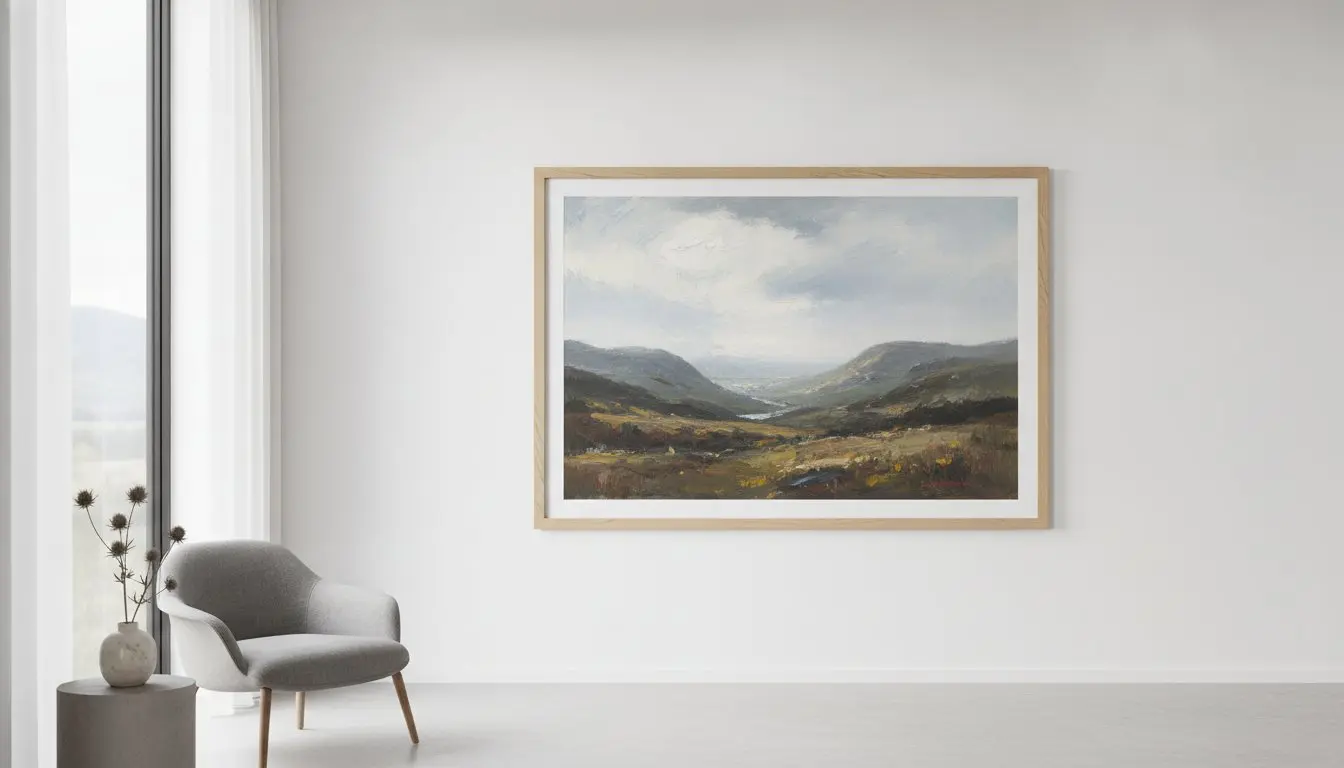
A3 is the ideal canvas for the affordable art prints, limited edition graphics, and concert posters you love to collect. It’s large enough that the artwork commands attention and its details can be enjoyed from across the room. A single, beautifully framed A3 print can serve as a stunning focal point above a desk or console table, while also acting as the perfect centrepiece to build a dynamic gallery wall around.

Framing Larger Photographs and Collages

While smaller photos are charming, an A3 frame gives a truly special photograph the presence it deserves. This size is perfect for showcasing a spectacular landscape from your travels, a professional family portrait, or a cherished wedding photo. It also provides ample space to create a bespoke photo collage, weaving together multiple smaller moments into one impactful piece that tells a unique story.

Professional Use: Certificates, Diplomas, and Signage

Step into any professional office, and you’ll likely see A3 frames used to display important qualifications, diplomas, and industry awards. The generous size lends a sense of prestige and ensures the text is easily readable. This professional, polished look also makes the A3 frame size a superb choice for customer-facing signage in reception areas, cafes, and boutiques, clearly communicating information with a touch of class.

To Mount or Not to Mount? Elevating Your A3 Print

Once you’ve chosen your beautiful A3 print, the next decision is how to present it. While you can place it directly into an A3 frame, adding a picture mount is the secret to achieving a truly professional, gallery-quality finish. A mount, also known as a mat, does more than just fill space; it’s a crucial element that protects and enhances your artwork.

The right mount creates a visual ‘breathing space’ between the art and the frame, preventing the composition from feeling cramped. This clean border draws the viewer’s eye inward, focusing attention squarely on the print itself. It’s a simple addition that dramatically elevates the final look, making it a key consideration when selecting the perfect a3 frame size for your piece.

What is a Picture Mount and Why Use One?

A picture mount is a specially cut piece of acid-free cardboard that sits between your artwork and the frame’s glass. Its purpose is twofold: protection and presentation. By creating a small air gap, it prevents the print from making direct contact with the glass, which can cause damage from condensation over time. Aesthetically, it adds depth and structure, giving your print a polished, deliberate, and professional appearance.

How a Mount Affects Your Frame Size Choice

This is the most important rule to remember: if you use a mount with your A3 print, you will need a frame that is larger than A3. Forgetting this can lead to a frame that simply won’t fit.

Let’s use a practical example. An A3 print measures 297 x 420 mm, as defined by the ISO 216 international paper size standard. If you add a classic 50mm (5cm) mount border around it, the total mounted size becomes approximately 400 x 520 mm. This combination would then fit perfectly within a standard A2 frame (420 x 594 mm). Always measure your artwork and add the width of your desired mount border (times two) to determine the final dimensions you need. Getting this right is essential for your final a3 frame size calculation. Our bespoke framing service can create the perfect mount and frame combination, taking all the guesswork out of the process.

Choosing a Mount Colour and Style

The right mount colour can beautifully complement your artwork. Here are a few popular approaches:

  • Classic White: A crisp white or a softer off-white mount is a timeless choice that works with almost any artwork and interior style.
  • Complementary Colour: Selecting a mount colour that picks up on a subtle accent in your print can create a wonderfully cohesive and curated look.
  • Double Mounts: For added sophistication, a double mount uses two layers, with the inner layer providing a thin, contrasting border. This adds an incredible sense of depth to the finished piece.

Choosing the Right A3 Frame Style for Your Space

Once you’ve settled on the perfect a3 frame size for your print, the next step is a journey into style. A frame is much more than a simple border; it’s the crucial bridge connecting your artwork to your room’s décor. The right choice will elevate both the print and the space it inhabits. The material, colour, and profile width all play a vital role in creating a cohesive and beautiful final look that honours your art.

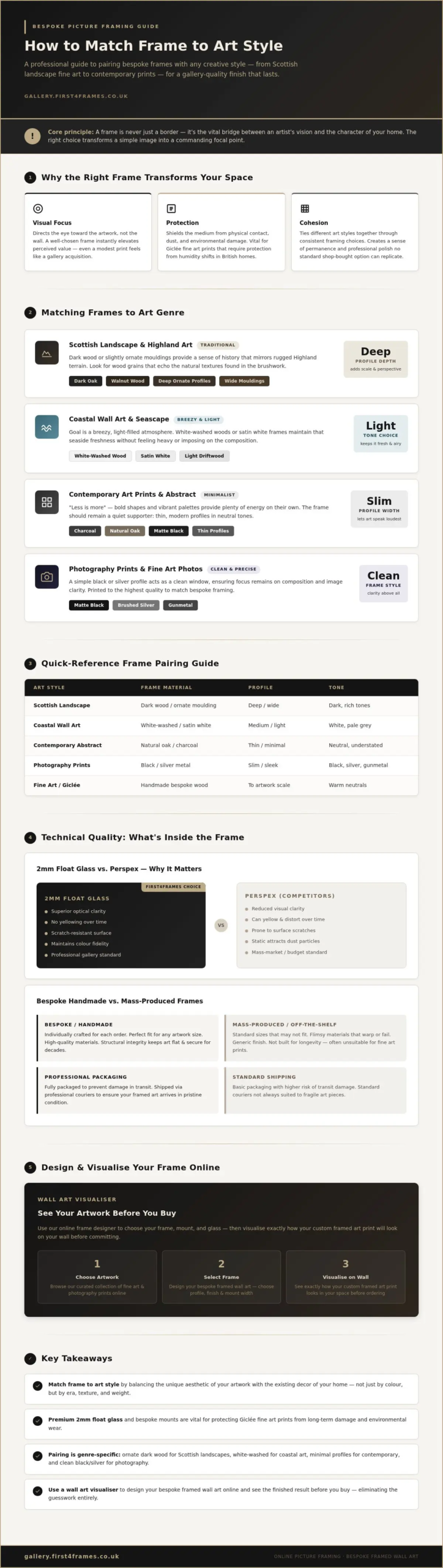
Frame Materials: Wood, Metal, and Modern Finishes

The material of your frame sets the foundational tone. Each offers a distinct personality to complement your art and interior style:

  • Wood Frames: Crafted from materials like oak or pine, wooden frames bring natural warmth and a timeless, traditional feel. They are perfect for classic art, family portraits, and rustic interiors.
  • Metal Frames: Typically made from sleek aluminium, these provide a sharp, contemporary look. Their minimalist appeal is ideal for modern photography, posters, and abstract art.
  • Polcore Frames: A fantastic and versatile alternative, Polcore is a modern composite material made from recycled polystyrene. It offers a smooth, clean finish and is available in a huge range of colours and styles, providing a premium look at an affordable price.

Matching Frame Colour to Your Artwork and Décor

Colour is your tool for creating harmony. The goal is to choose a shade that enhances the artwork without overpowering it. Consider these classic pairings:

  • Black or White: The ultimate versatile choice. A simple black or white frame allows the art to be the hero, suiting almost any print and décor style, from monochrome to vibrant colour.
  • Natural Wood Tones: These beautifully complement nature scenes, botanical prints, and art with a warm palette. The organic grain adds texture and depth.
  • Gold or Silver: For a touch of elegance, metallic frames are unmatched. They can elevate a formal certificate, a classical print, or a special photograph, adding a sophisticated finish.

Moulding Profile: From Simple & Modern to Ornate & Classic

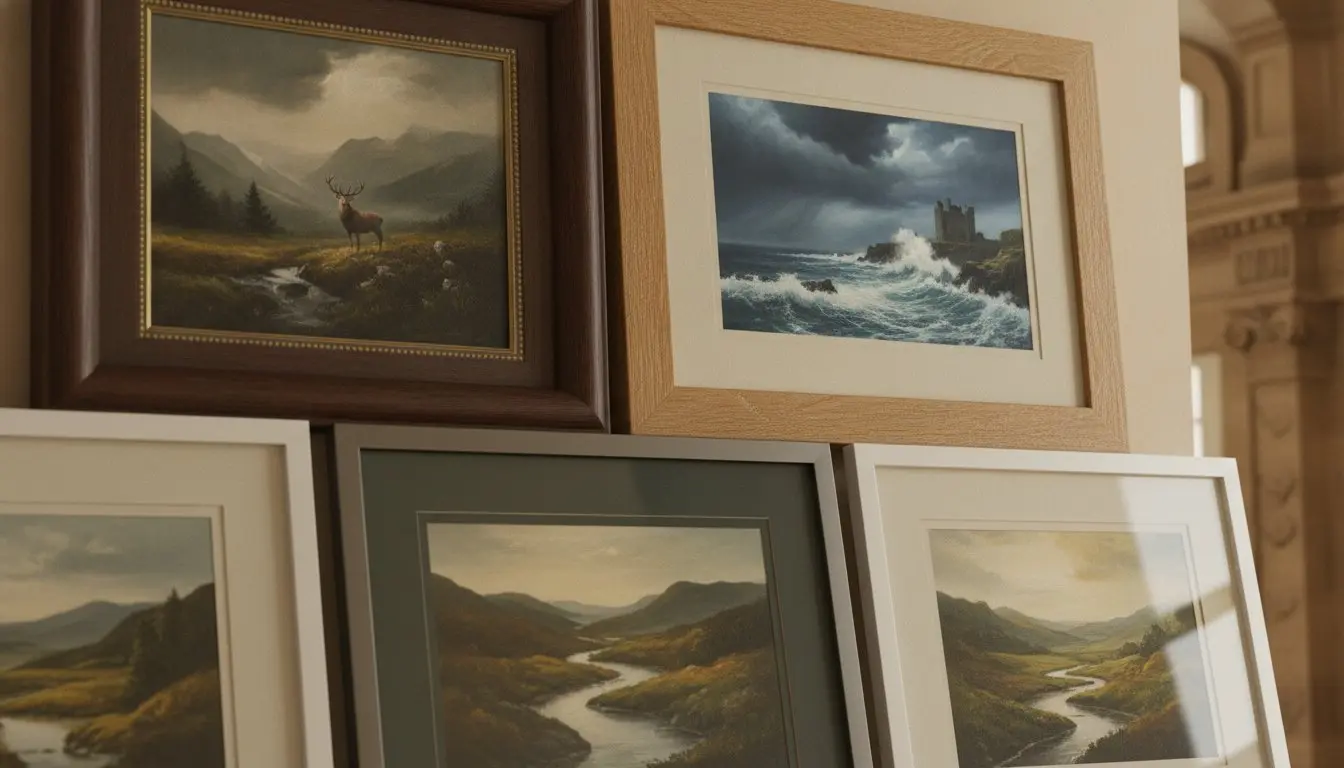
The ‘moulding profile’ refers to the shape and width of the frame itself. This detail can dramatically alter the final impression. A thin, flat profile offers a clean, minimalist feel, perfect for a contemporary gallery wall where the art is the sole focus. Conversely, a wider or more ornate profile makes a bold, traditional statement. It draws the eye and can transform a simple print into a significant feature piece, adding a sense of grandeur and importance.

Considering the style of your art is paramount. A modern abstract piece will sing in a thin metal frame, while a classic watercolour may call for the warmth of oak. Whatever your vision, finding the perfect style for your a3 frame size is a rewarding final step in bringing your art to life. Browse our curated collections to find inspiration and the perfect frame for your space.

Ready-Made vs. Bespoke A3 Frames: Which is Right for You?

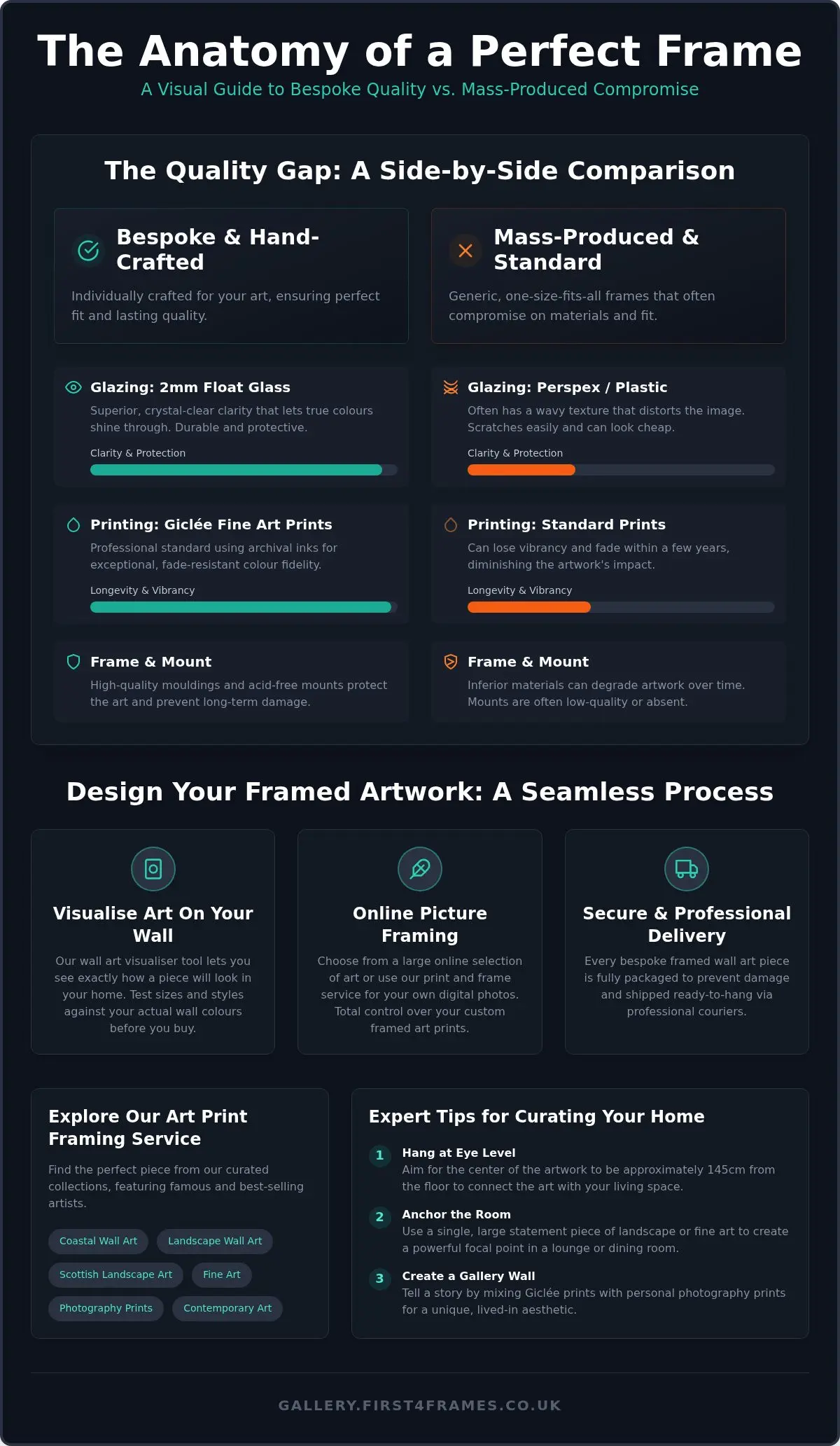
Once you’ve chosen your beautiful A3 print, the next crucial step is selecting the perfect frame. This often leads to a key decision: should you opt for a readily available off-the-shelf frame or invest in a bespoke creation? The answer depends entirely on your artwork, your budget, and the final look you want to achieve. Let’s explore both paths to help you make a confident choice for your space.

The Pros and Cons of Off-the-Shelf Frames

Ready-made frames are a popular choice, primarily for their convenience and affordability. You can find them in countless high street shops, often for under £20, making them a great option for framing simple posters, certificates, or children’s drawings. They are perfect for temporary displays or when you need a quick and easy solution for a standard a3 frame size.

However, this convenience comes with trade-offs. The range of styles, colours, and materials is often limited, and the quality can be inconsistent. Most standard frames use basic materials that lack the protective qualities needed for fine art, such as UV-filtering glass or acid-free mounts. This can leave your artwork vulnerable to fading and long-term damage from sunlight and acidic materials.

When to Invest in a Bespoke A3 Frame

A bespoke frame is more than just a border; it’s a vital part of the artwork’s presentation and preservation. It acts as the perfect bridge between your art and your room’s décor. Investing in a custom frame is the best choice when:

  • You are framing something valuable: For limited edition prints, original art, or irreplaceable photographs, a bespoke frame provides essential, conservation-grade protection to preserve its value and condition.
  • You want a perfect design match: With custom framing, you can select the precise moulding, colour, and mount to create a seamless, professional finish that perfectly complements both the artwork and your interior design.
  • Preservation is a priority: We use premium materials like acid-free conservation mount boards to prevent discolouration and UV-protective glazing to shield your art from 99% of harmful light.

Ultimately, a bespoke frame is an investment in the life and beauty of your art, ensuring your piece is not only displayed beautifully but is also protected for decades. If you have a special piece that deserves the finest presentation, professional craftsmanship is the answer. Get a quote for a bespoke A3 frame for your artwork.

Your Perfect A3 Frame: From Idea to Artwork

Mastering the versatile a3 frame size is about more than just dimensions; it’s about making a statement. We’ve explored how the right mount can elevate a simple print and how a carefully chosen style can transform your space. Whether you opt for a ready-made solution or a bespoke creation, the goal is always to perfectly complement your artwork and enhance your décor.

At First 4 Frames, we pour over 20 years of professional framing experience into every piece we create. Each frame is a testament to true craftsmanship, handcrafted with passion in our Falkirk workshop using only premium, locally-sourced materials. We believe the perfect frame is the bridge between your art and your home. Ready to find yours? Discover our collection of beautiful prints and bespoke A3 frames and let us help you turn your cherished piece into a spectacular centrepiece.

Frequently Asked Questions About A3 Frames

What are the exact dimensions of an A3 frame in cm?

An A3 frame is expertly crafted to hold a print measuring exactly 29.7 x 42 cm. While these are the internal dimensions your artwork will fit into, the frame’s overall external size will be larger. This depends on the width of the beautiful, handcrafted moulding you select. When you purchase an A3 frame, you can be confident the aperture is perfectly sized to provide a snug and secure home for your cherished piece.

Will an A3 print fit in a 30×40 cm frame?

An A3 print can technically fit inside a 30×40 cm frame, but it is not a perfect match. Since A3 paper measures 29.7 x 42 cm, the frame is slightly wider but 2 cm shorter. This means the top and bottom of your artwork will be cropped. This can work if the main subject is centred, but for a flawless presentation, we always recommend a frame specifically made for the A3 format or using a custom mount.

Is A3 a good size for a gallery wall?

Absolutely! A3 is a spectacular and versatile size for creating a gallery wall. It strikes the perfect balance, offering enough presence to act as a central focal point without overwhelming the other pieces. You can use a single A3 print as the anchor for your collection, surrounded by smaller A4 and A5 frames. Its scale allows it to shine on its own or harmonise beautifully within a larger, curated display, bringing your entire wall to life.

How much bigger should my frame be if I want to add a mount to my A3 print?

To give your A3 print a professional, gallery-quality finish, we suggest adding a mount with a border of 5-8 cm on all sides. For a classic 5 cm border, you would need a frame with an internal aperture of approximately 40 x 52 cm. This essential breathing room prevents the artwork from feeling cramped and beautifully draws the viewer’s eye inward, enhancing the visual impact of the art and completing its story.

Can I buy just an A3 frame for a picture I already own?

Yes, of course. We believe every piece of art deserves a perfect home, which is why we offer our premium frames for sale individually. If you have a treasured A3 print or photograph, selecting one of our standalone frames is a wonderful way to elevate it. Choosing the right a3 frame size and style is a key step, and our bespoke craftsmanship ensures your existing picture will be protected and displayed with the elegance it deserves.

What is the difference between an A3 and A4 frame?

The primary difference between an A3 and A4 frame is simply size. An A4 frame is designed to hold paper measuring 21 x 29.7 cm, which is standard for letters and certificates. An A3 frame holds paper that is exactly double that size, at 29.7 x 42 cm. This makes A4 ideal for smaller photos and documents, while the more substantial A3 format is perfect for art prints, posters, and photographs you wish to turn into a true statement piece.

Posted on

Standard Photo & Picture Sizes: The Complete UK Guide for Framing

A woman stands in a modern living room, looking at a gallery wall of framed photos on a teal accent wall. The room features a light sofa, round wooden coffee table, and large windows with views of greenery outside.

That perfect holiday snapshot, the beautiful family portrait you treasure… only to have it returned from the printers with an awkward crop. Or perhaps you’re standing in a shop, baffled by the wall of frames, trying to decode the difference between a 10×8 and an A4. It’s a frustratingly common experience that can take the joy out of displaying your most precious memories. This confusion often comes down to a simple misunderstanding of standard photo picture sizes and how they relate to the shape of your original image.

At First 4 Frames, we believe that bringing your memories to life should be a joyful and straightforward process. That’s why we’ve created this complete UK guide. We’re here to demystify the numbers, explain the jargon, and give you the confidence to choose the perfect print and frame combination every time. You’ll learn how to avoid blurry results, match a photo to the right frame and mount for a professional finish, and turn your digital images into beautiful, perfectly presented works of art for your home. Say goodbye to wasted money and hello to flawlessly framed memories.

Understanding the Basics: Why Standard Sizes Exist

Have you ever printed a beautiful photograph, only to find it doesn’t quite fit the frame you bought? It’s a common frustration. This confusion often stems from the transition from traditional film to digital photography. Understanding why standard photo picture sizes were created, and how they relate to modern cameras, is the first step towards perfectly framing your cherished memories.

To help visualise these core concepts, the short video below offers a clear and practical explanation:

What is Aspect Ratio? (A Simple Guide)

Simply put, aspect ratio is the proportional shape of your image—the relationship between its width and height. Think of the difference between a wide, rectangular cinema screen (often 16:9) and a more traditional, squarer television screen (4:3). The shape is different, even if the size varies. For decades, 35mm film cameras used a 3:2 aspect ratio, which is why the classic 6×4 inch print became so popular. This legacy established many of the standard photographic print sizes we still use today. However, most modern smartphones and digital cameras capture images in a 4:3 ratio. This mismatch is why printing a phone picture as a 6×4 print often results in unwanted cropping, cutting off parts of your original shot.

Resolution Explained: Pixels and Print Quality

Resolution refers to the amount of detail packed into your photo, measured in pixels. A high-resolution image has millions of pixels, creating a sharp and clear picture. When it comes to printing, the most important metric is DPI (Dots Per Inch). For a premium, fine art quality print that looks crisp and professional, the industry standard is 300 DPI. A low-resolution image, like one saved from social media, might look fine on your screen but will appear blurry or “pixelated” when printed large. Always use the original, highest-quality file for printing to ensure your final framed piece looks spectacular, no matter which of the standard photo picture sizes you choose.

A Guide to Common Photo Print Sizes (Imperial Measurements)

Even in a metric world, when it comes to printing cherished memories, the UK still relies heavily on traditional imperial measurements. These are the standard photo picture sizes you’ll encounter most often, from online printing services to high street photo labs. Understanding these dimensions is the crucial first step to finding the perfect frame that will truly honour your image. Let’s explore the most popular options to help you on your journey.

Small & Standard Prints: 6×4″ and 7×5″

These are the foundational sizes for everyday photography, perfect for capturing and sharing life’s fleeting moments.

  • 6×4 inches (152 x 102mm): This is the undisputed champion of photo printing. The classic 6×4″ print is perfectly proportioned for filling photo albums and is the most cost-effective option for printing holiday snaps and family pictures in bulk. Its universal appeal makes it a household staple.
  • Framing Tip: To give a 6×4″ print a more premium, gallery-style feel, place it within a larger 8×6″ or A5 frame using a professional mount. The surrounding space draws the eye inward, making your photograph the true star of the show.
  • 7×5 inches (178 x 127mm): As a popular step-up, the 7×5″ print offers a little more presence. This extra space makes it ideal for small group shots or portraits where detail is important. It’s a beautiful size for freestanding desk or mantelpiece frames.
  • Framing Tip: A 7×5″ photo looks spectacular when housed in a 10×8″ frame with a mount. This classic combination provides a perfectly balanced border that adds a touch of elegance and importance to the image.

Medium & Large Prints: 8×6″, 10×8″, and 12×8″

When you have a photograph you truly love, these larger formats provide the impact it deserves, transforming a simple picture into a piece of personal art.

  • 8×6 inches (203 x 152mm): A wonderfully versatile size, an 8×6″ print is substantial enough for a wall display yet compact enough not to overwhelm a desk or shelf.
  • 10×8 inches (254 x 203mm): This is the go-to size for professional portraits and fine art prints. It commands attention without dominating a room and is a popular choice for creating a feature on a gallery wall.
  • 12×8 inches (305 x 203mm): This format maintains the classic 3:2 aspect ratio of most digital cameras, meaning your photo often won’t need cropping. This makes it perfect for preserving the full composition of beautiful landscapes and dynamic group photos.

Framing Tip: These impactful sizes are beautiful enough to be framed ‘full bleed’ (without a mount) for a bold, modern look. However, adding a mount will always provide a more traditional, professional finish, creating a visual bridge between the artwork and your décor. The choice depends entirely on your personal style and the statement you wish to make with your art. Understanding these common standard photo picture sizes is the key to confident framing.

Understanding Standard Paper Sizes (The ‘A’ Series)

While many of us are familiar with the dimensions of traditional photo prints, the world of art prints, posters, and official documents operates on a different system: the ‘A’ series. This international standard, used throughout the UK, is a beautifully logical system where each size is precisely half of the one before it. It starts with A0, and as the number increases, the paper size decreases—A1 is half of A0, A2 is half of A1, and so on.

It’s important to note that the ‘A’ series has a different aspect ratio (1:√2) compared to most digital camera sensors. This is a key reason why it’s treated differently from the standard photo picture sizes we discussed earlier. For home décor, the most popular and versatile sizes are typically A2, A3, A4, and A5.

A5, A4, and A3: The Most Common Choices

When curating art for your home, these three sizes offer exceptional flexibility and are perfect for creating stunning visual displays.

  • A5 (148 x 210mm): A charming and discreet size, ideal for small art prints, illustrated postcards, or for grouping together as part of a larger, eclectic gallery wall.
  • A4 (210 x 297mm): Instantly recognisable as the UK’s standard letter size, A4 is incredibly versatile. It’s the perfect canvas for everything from professional certificates to beautiful fine art prints that add a touch of sophistication to any space.
  • A3 (297 x 420mm): Double the size of A4, an A3 print makes a confident statement. It’s a popular choice for eye-catching posters and standalone art pieces that can serve as a room’s focal point.

These sizes provide a wonderful foundation for building a personal art collection that truly reflects your style. Browse our collection of fine art prints available in A-sizes.

Framing ‘A’ Size Prints

One of the great advantages of ‘A’ sizes is that corresponding off-the-shelf frames are widely available. However, to truly elevate your artwork, consider using a mount. Placing an A4 print inside a larger A3 frame with a window mount, for example, creates a professional, gallery-quality finish. This negative space draws the viewer’s eye directly to the artwork, giving it room to breathe and enhancing its visual impact.

A generous, crisp white mount acts as a perfect bridge between the art and the frame, adding depth and a touch of luxury. While standard frames are convenient, a professionally crafted bespoke frame ensures a flawless fit and allows you to perfectly match the frame’s style and colour to both the artwork and your interior décor.

From Print to Wall: How to Choose the Right Frame and Mount

You’ve chosen the perfect print, and now it’s time to display it. The most common mistake we see is buying a frame that’s the exact same size as the picture. An 8×10″ print in an 8×10″ frame feels cramped, with the artwork pressed right against the edge. To give your image the professional, gallery-quality finish it deserves, you need to introduce a crucial component: the picture mount.

Think of the mount as the bridge between your art and your decor. It provides visual breathing space and performs a vital protective role. The formula is simple:

Print Size + Mount Border = Frame Size

The Role of the Picture Mount

A picture mount, also known as a passe-partout, serves two essential functions. Visually, it creates a clean, neutral border that draws the viewer’s eye inward towards the artwork, preventing it from getting lost in the frame. Functionally, it creates a small air gap that stops the print from touching the glass. This is critical for long-term preservation, protecting your photograph or art from moisture, condensation, and the risk of sticking to the glazing over time.

Classic off-white or cream mounts are timeless choices, but you can also select a complementary colour to accentuate a specific tone in your picture. A standard mount border is typically between 2 and 3 inches, providing a balanced and elegant look.

Matching Print, Mount, and Frame: A Worked Example

Let’s put this into practice with one of the most popular standard photo picture sizes. Imagine you have a 10×8″ print.

  • Your Print Size: 10″ (height) x 8″ (width).
  • Your Desired Mount: A 2-inch border all the way around.
  • The Calculation: You add the mount border to each side. The final aperture (opening) size will be 14″ (10 + 2 + 2) by 12″ (8 + 2 + 2).
  • Your Frame Size: You now need a 14×12″ frame.

This simple calculation ensures your print is beautifully centred and professionally presented.

Off-the-Shelf vs. Bespoke Frames

Ready-made frames are a convenient option if your print and desired mount combination matches a common size. However, their selection of materials, styles, and dimensions is often limited. What happens when you have a panoramic photo, an oddly-sized print, or a specific vision for the final look?

This is where bespoke framing offers unparalleled freedom. With a custom-made frame, you are not limited by standard dimensions. You can choose the precise size, material, and finish to create a truly perfect match for your artwork and your home. It’s the ultimate way to ensure your cherished memories are presented with the premium craftsmanship they deserve. Let our experts create the perfect bespoke frame for your art.

Bringing Your Memories to Life: The Perfect Frame Awaits

Understanding the world of standard photo picture sizes is the first step to beautifully displaying your favourite moments. From classic imperial prints to versatile ‘A’ series paper, knowing your options empowers you to make a great choice. Remember that a well-chosen mount and frame do more than just protect your picture; they elevate it into a piece of art that complements your space perfectly.

Every picture tells a story, and every story deserves a beautiful frame. With over 20 years of professional framing experience, we combine expert craftsmanship with high-quality, conservation-grade materials to ensure your memories are preserved for a lifetime. With a huge selection of frame styles and mounts to choose from, we make the process simple and enjoyable.

Have a picture you love? Discover our bespoke framing service and let us help you create the perfect finishing touch for your cherished artwork.

Frequently Asked Questions

What is the most popular photo size in the UK?

The most popular and widely recognised photo size in the UK is 6×4 inches (15x10cm). This classic format is the standard for photo albums and for printing everyday snapshots. It offers a fantastic balance of detail and convenience. Another very common choice is 7×5 inches, which provides a slightly larger canvas for your cherished memories, making it a perfect size for freestanding frames on a desk or mantelpiece.

Should my frame be bigger than my picture?

Yes, your frame should be larger than your picture if you wish to include a mount. A mount (the card border between the picture and the frame) provides breathing space, drawing the viewer’s eye towards the artwork and preventing the image from touching the glass. It acts as a beautiful bridge between your art and the frame. If you prefer a full-bleed look without a mount, then the internal size of the frame should match your picture size exactly.

How do I know if my photo is high enough resolution to print large?

For premium, sharp prints, you should aim for a resolution of 300 Dots Per Inch (DPI). To check, find the pixel dimensions of your image file. For example, to print a high-quality 10×8 inch photo, your image should be at least 3000 x 2400 pixels (10 inches x 300 DPI and 8 inches x 300 DPI). Enlarging a small, low-resolution image will result in a blurry or pixelated print, so it’s always best to start with the highest quality file possible.

Is A4 the same as 12×8 inches?

While they are very similar in size, an A4 sheet is not the same as a 12×8 inch print. A4 paper measures 29.7 x 21 cm, which is approximately 11.7 x 8.3 inches. A 12×8 inch print is slightly longer and narrower. This small difference is crucial when buying a ready-made frame, as an A4 print will not fit perfectly in a 12×8 frame. This highlights the importance of knowing your exact dimensions when choosing from standard photo picture sizes.

Can you frame a picture that is not a standard size?

Absolutely! Many beautiful pieces of art, limited edition prints, or creatively cropped photographs don’t conform to standard photo picture sizes. This is where bespoke framing provides the perfect solution. A custom-made frame is crafted to the exact dimensions of your artwork, ensuring a flawless and professional finish that protects and enhances your unique picture. It’s the ideal way to give any piece the presentation it deserves.

What is the difference between a picture frame and a photo frame?

The terms are often used interchangeably, but there can be a subtle distinction. “Photo frames” typically refer to ready-made frames in common sizes like 6×4 or 7×5 inches, often designed with a backing stand for display on a table or shelf. “Picture frames” is a broader term that includes these, but also encompasses larger, custom-made, and more ornate frames intended for wall-hanging prints, original art, and posters, showcasing a higher level of craftsmanship.

Posted on

Standard Photo & Picture Sizes: The Complete UK Guide for Framing

That perfect holiday snapshot, the beautiful family portrait you treasure… only to have it returned from the printers with an awkward crop. Or perhaps you’re standing in a shop, baffled by the wall of frames, trying to decode the difference between a 10×8 and an A4. It’s a frustratingly common experience that can take the joy out of displaying your most precious memories. This confusion often comes down to a simple misunderstanding of standard photo picture sizes and how they relate to the shape of your original image.

At First 4 Frames, we believe that bringing your memories to life should be a joyful and straightforward process. That’s why we’ve created this complete UK guide. We’re here to demystify the numbers, explain the jargon, and give you the confidence to choose the perfect print and frame combination every time. You’ll learn how to avoid blurry results, match a photo to the right frame and mount for a professional finish, and turn your digital images into beautiful, perfectly presented works of art for your home. Say goodbye to wasted money and hello to flawlessly framed memories.

Understanding the Basics: Why Standard Sizes Exist

Have you ever printed a beautiful photograph, only to find it doesn’t quite fit the frame you bought? It’s a common frustration. This confusion often stems from the transition from traditional film to digital photography. Understanding why standard photo picture sizes were created, and how they relate to modern cameras, is the first step towards perfectly framing your cherished memories.

To help visualise these core concepts, the short video below offers a clear and practical explanation:

What is Aspect Ratio? (A Simple Guide)

Simply put, aspect ratio is the proportional shape of your image—the relationship between its width and height. Think of the difference between a wide, rectangular cinema screen (often 16:9) and a more traditional, squarer television screen (4:3). The shape is different, even if the size varies. For decades, 35mm film cameras used a 3:2 aspect ratio, which is why the classic 6×4 inch print became so popular. This legacy established many of the standard photographic print sizes we still use today. However, most modern smartphones and digital cameras capture images in a 4:3 ratio. This mismatch is why printing a phone picture as a 6×4 print often results in unwanted cropping, cutting off parts of your original shot.

Resolution Explained: Pixels and Print Quality

Resolution refers to the amount of detail packed into your photo, measured in pixels. A high-resolution image has millions of pixels, creating a sharp and clear picture. When it comes to printing, the most important metric is DPI (Dots Per Inch). For a premium, fine art quality print that looks crisp and professional, the industry standard is 300 DPI. A low-resolution image, like one saved from social media, might look fine on your screen but will appear blurry or “pixelated” when printed large. Always use the original, highest-quality file for printing to ensure your final framed piece looks spectacular, no matter which of the standard photo picture sizes you choose.

A Guide to Common Photo Print Sizes (Imperial Measurements)

Even in a metric world, when it comes to printing cherished memories, the UK still relies heavily on traditional imperial measurements. These are the standard photo picture sizes you’ll encounter most often, from online printing services to high street photo labs. Understanding these dimensions is the crucial first step to finding the perfect frame that will truly honour your image. Let’s explore the most popular options to help you on your journey.

Small & Standard Prints: 6×4″ and 7×5″

These are the foundational sizes for everyday photography, perfect for capturing and sharing life’s fleeting moments.

  • 6×4 inches (152 x 102mm): This is the undisputed champion of photo printing. The classic 6×4″ print is perfectly proportioned for filling photo albums and is the most cost-effective option for printing holiday snaps and family pictures in bulk. Its universal appeal makes it a household staple.
  • Framing Tip: To give a 6×4″ print a more premium, gallery-style feel, place it within a larger 8×6″ or A5 frame using a professional mount. The surrounding space draws the eye inward, making your photograph the true star of the show.
  • 7×5 inches (178 x 127mm): As a popular step-up, the 7×5″ print offers a little more presence. This extra space makes it ideal for small group shots or portraits where detail is important. It’s a beautiful size for freestanding desk or mantelpiece frames.
  • Framing Tip: A 7×5″ photo looks spectacular when housed in a 10×8″ frame with a mount. This classic combination provides a perfectly balanced border that adds a touch of elegance and importance to the image.

Medium & Large Prints: 8×6″, 10×8″, and 12×8″

When you have a photograph you truly love, these larger formats provide the impact it deserves, transforming a simple picture into a piece of personal art.

  • 8×6 inches (203 x 152mm): A wonderfully versatile size, an 8×6″ print is substantial enough for a wall display yet compact enough not to overwhelm a desk or shelf.
  • 10×8 inches (254 x 203mm): This is the go-to size for professional portraits and fine art prints. It commands attention without dominating a room and is a popular choice for creating a feature on a gallery wall.
  • 12×8 inches (305 x 203mm): This format maintains the classic 3:2 aspect ratio of most digital cameras, meaning your photo often won’t need cropping. This makes it perfect for preserving the full composition of beautiful landscapes and dynamic group photos.

Framing Tip: These impactful sizes are beautiful enough to be framed ‘full bleed’ (without a mount) for a bold, modern look. However, adding a mount will always provide a more traditional, professional finish, creating a visual bridge between the artwork and your décor. The choice depends entirely on your personal style and the statement you wish to make with your art. Understanding these common standard photo picture sizes is the key to confident framing.

Understanding Standard Paper Sizes (The ‘A’ Series)

While many of us are familiar with the dimensions of traditional photo prints, the world of art prints, posters, and official documents operates on a different system: the ‘A’ series. This international standard, used throughout the UK, is a beautifully logical system where each size is precisely half of the one before it. It starts with A0, and as the number increases, the paper size decreases—A1 is half of A0, A2 is half of A1, and so on.

It’s important to note that the ‘A’ series has a different aspect ratio (1:√2) compared to most digital camera sensors. This is a key reason why it’s treated differently from the standard photo picture sizes we discussed earlier. For home décor, the most popular and versatile sizes are typically A2, A3, A4, and A5.

A5, A4, and A3: The Most Common Choices

When curating art for your home, these three sizes offer exceptional flexibility and are perfect for creating stunning visual displays.

  • A5 (148 x 210mm): A charming and discreet size, ideal for small art prints, illustrated postcards, or for grouping together as part of a larger, eclectic gallery wall.
  • A4 (210 x 297mm): Instantly recognisable as the UK’s standard letter size, A4 is incredibly versatile. It’s the perfect canvas for everything from professional certificates to beautiful fine art prints that add a touch of sophistication to any space.
  • A3 (297 x 420mm): Double the size of A4, an A3 print makes a confident statement. It’s a popular choice for eye-catching posters and standalone art pieces that can serve as a room’s focal point.

These sizes provide a wonderful foundation for building a personal art collection that truly reflects your style. Browse our collection of fine art prints available in A-sizes.

Framing ‘A’ Size Prints

One of the great advantages of ‘A’ sizes is that corresponding off-the-shelf frames are widely available. However, to truly elevate your artwork, consider using a mount. Placing an A4 print inside a larger A3 frame with a window mount, for example, creates a professional, gallery-quality finish. This negative space draws the viewer’s eye directly to the artwork, giving it room to breathe and enhancing its visual impact.

A generous, crisp white mount acts as a perfect bridge between the art and the frame, adding depth and a touch of luxury. While standard frames are convenient, a professionally crafted bespoke frame ensures a flawless fit and allows you to perfectly match the frame’s style and colour to both the artwork and your interior décor.

From Print to Wall: How to Choose the Right Frame and Mount

You’ve chosen the perfect print, and now it’s time to display it. The most common mistake we see is buying a frame that’s the exact same size as the picture. An 8×10″ print in an 8×10″ frame feels cramped, with the artwork pressed right against the edge. To give your image the professional, gallery-quality finish it deserves, you need to introduce a crucial component: the picture mount.

Think of the mount as the bridge between your art and your decor. It provides visual breathing space and performs a vital protective role. The formula is simple:

Print Size + Mount Border = Frame Size

The Role of the Picture Mount

A picture mount, also known as a passe-partout, serves two essential functions. Visually, it creates a clean, neutral border that draws the viewer’s eye inward towards the artwork, preventing it from getting lost in the frame. Functionally, it creates a small air gap that stops the print from touching the glass. This is critical for long-term preservation, protecting your photograph or art from moisture, condensation, and the risk of sticking to the glazing over time.

Classic off-white or cream mounts are timeless choices, but you can also select a complementary colour to accentuate a specific tone in your picture. A standard mount border is typically between 2 and 3 inches, providing a balanced and elegant look.

Matching Print, Mount, and Frame: A Worked Example

Let’s put this into practice with one of the most popular standard photo picture sizes. Imagine you have a 10×8″ print.

  • Your Print Size: 10″ (height) x 8″ (width).
  • Your Desired Mount: A 2-inch border all the way around.
  • The Calculation: You add the mount border to each side. The final aperture (opening) size will be 14″ (10 + 2 + 2) by 12″ (8 + 2 + 2).
  • Your Frame Size: You now need a 14×12″ frame.

This simple calculation ensures your print is beautifully centred and professionally presented.

Off-the-Shelf vs. Bespoke Frames

Ready-made frames are a convenient option if your print and desired mount combination matches a common size. However, their selection of materials, styles, and dimensions is often limited. What happens when you have a panoramic photo, an oddly-sized print, or a specific vision for the final look?

This is where bespoke framing offers unparalleled freedom. With a custom-made frame, you are not limited by standard dimensions. You can choose the precise size, material, and finish to create a truly perfect match for your artwork and your home. It’s the ultimate way to ensure your cherished memories are presented with the premium craftsmanship they deserve. Let our experts create the perfect bespoke frame for your art.

Bringing Your Memories to Life: The Perfect Frame Awaits

Understanding the world of standard photo picture sizes is the first step to beautifully displaying your favourite moments. From classic imperial prints to versatile ‘A’ series paper, knowing your options empowers you to make a great choice. Remember that a well-chosen mount and frame do more than just protect your picture; they elevate it into a piece of art that complements your space perfectly.

Every picture tells a story, and every story deserves a beautiful frame. With over 20 years of professional framing experience, we combine expert craftsmanship with high-quality, conservation-grade materials to ensure your memories are preserved for a lifetime. With a huge selection of frame styles and mounts to choose from, we make the process simple and enjoyable.

Have a picture you love? Discover our bespoke framing service and let us help you create the perfect finishing touch for your cherished artwork.

Frequently Asked Questions

What is the most popular photo size in the UK?

The most popular and widely recognised photo size in the UK is 6×4 inches (15x10cm). This classic format is the standard for photo albums and for printing everyday snapshots. It offers a fantastic balance of detail and convenience. Another very common choice is 7×5 inches, which provides a slightly larger canvas for your cherished memories, making it a perfect size for freestanding frames on a desk or mantelpiece.

Should my frame be bigger than my picture?

Yes, your frame should be larger than your picture if you wish to include a mount. A mount (the card border between the picture and the frame) provides breathing space, drawing the viewer’s eye towards the artwork and preventing the image from touching the glass. It acts as a beautiful bridge between your art and the frame. If you prefer a full-bleed look without a mount, then the internal size of the frame should match your picture size exactly.

How do I know if my photo is high enough resolution to print large?

For premium, sharp prints, you should aim for a resolution of 300 Dots Per Inch (DPI). To check, find the pixel dimensions of your image file. For example, to print a high-quality 10×8 inch photo, your image should be at least 3000 x 2400 pixels (10 inches x 300 DPI and 8 inches x 300 DPI). Enlarging a small, low-resolution image will result in a blurry or pixelated print, so it’s always best to start with the highest quality file possible.

Is A4 the same as 12×8 inches?

While they are very similar in size, an A4 sheet is not the same as a 12×8 inch print. A4 paper measures 29.7 x 21 cm, which is approximately 11.7 x 8.3 inches. A 12×8 inch print is slightly longer and narrower. This small difference is crucial when buying a ready-made frame, as an A4 print will not fit perfectly in a 12×8 frame. This highlights the importance of knowing your exact dimensions when choosing from standard photo picture sizes.

Can you frame a picture that is not a standard size?

Absolutely! Many beautiful pieces of art, limited edition prints, or creatively cropped photographs don’t conform to standard photo picture sizes. This is where bespoke framing provides the perfect solution. A custom-made frame is crafted to the exact dimensions of your artwork, ensuring a flawless and professional finish that protects and enhances your unique picture. It’s the ideal way to give any piece the presentation it deserves.

What is the difference between a picture frame and a photo frame?

The terms are often used interchangeably, but there can be a subtle distinction. “Photo frames” typically refer to ready-made frames in common sizes like 6×4 or 7×5 inches, often designed with a backing stand for display on a table or shelf. “Picture frames” is a broader term that includes these, but also encompasses larger, custom-made, and more ornate frames intended for wall-hanging prints, original art, and posters, showcasing a higher level of craftsmanship.

Posted on

Standard Photo & Picture Sizes: The Complete UK Guide for Framing

That perfect holiday snapshot, the beautiful family portrait you treasure… only to have it returned from the printers with an awkward crop. Or perhaps you’re standing in a shop, baffled by the wall of frames, trying to decode the difference between a 10×8 and an A4. It’s a frustratingly common experience that can take the joy out of displaying your most precious memories. This confusion often comes down to a simple misunderstanding of standard photo picture sizes and how they relate to the shape of your original image.

At First 4 Frames, we believe that bringing your memories to life should be a joyful and straightforward process. That’s why we’ve created this complete UK guide. We’re here to demystify the numbers, explain the jargon, and give you the confidence to choose the perfect print and frame combination every time. You’ll learn how to avoid blurry results, match a photo to the right frame and mount for a professional finish, and turn your digital images into beautiful, perfectly presented works of art for your home. Say goodbye to wasted money and hello to flawlessly framed memories.

Understanding the Basics: Why Standard Sizes Exist

Have you ever printed a beautiful photograph, only to find it doesn’t quite fit the frame you bought? It’s a common frustration. This confusion often stems from the transition from traditional film to digital photography. Understanding why standard photo picture sizes were created, and how they relate to modern cameras, is the first step towards perfectly framing your cherished memories.

To help visualise these core concepts, the short video below offers a clear and practical explanation:

What is Aspect Ratio? (A Simple Guide)

Simply put, aspect ratio is the proportional shape of your image—the relationship between its width and height. Think of the difference between a wide, rectangular cinema screen (often 16:9) and a more traditional, squarer television screen (4:3). The shape is different, even if the size varies. For decades, 35mm film cameras used a 3:2 aspect ratio, which is why the classic 6×4 inch print became so popular. This legacy established many of the standard photographic print sizes we still use today. However, most modern smartphones and digital cameras capture images in a 4:3 ratio. This mismatch is why printing a phone picture as a 6×4 print often results in unwanted cropping, cutting off parts of your original shot.

Resolution Explained: Pixels and Print Quality

Resolution refers to the amount of detail packed into your photo, measured in pixels. A high-resolution image has millions of pixels, creating a sharp and clear picture. When it comes to printing, the most important metric is DPI (Dots Per Inch). For a premium, fine art quality print that looks crisp and professional, the industry standard is 300 DPI. A low-resolution image, like one saved from social media, might look fine on your screen but will appear blurry or “pixelated” when printed large. Always use the original, highest-quality file for printing to ensure your final framed piece looks spectacular, no matter which of the standard photo picture sizes you choose.

A Guide to Common Photo Print Sizes (Imperial Measurements)

Even in a metric world, when it comes to printing cherished memories, the UK still relies heavily on traditional imperial measurements. These are the standard photo picture sizes you’ll encounter most often, from online printing services to high street photo labs. Understanding these dimensions is the crucial first step to finding the perfect frame that will truly honour your image. Let’s explore the most popular options to help you on your journey.

Small & Standard Prints: 6×4″ and 7×5″

These are the foundational sizes for everyday photography, perfect for capturing and sharing life’s fleeting moments.

  • 6×4 inches (152 x 102mm): This is the undisputed champion of photo printing. The classic 6×4″ print is perfectly proportioned for filling photo albums and is the most cost-effective option for printing holiday snaps and family pictures in bulk. Its universal appeal makes it a household staple.
  • Framing Tip: To give a 6×4″ print a more premium, gallery-style feel, place it within a larger 8×6″ or A5 frame using a professional mount. The surrounding space draws the eye inward, making your photograph the true star of the show.
  • 7×5 inches (178 x 127mm): As a popular step-up, the 7×5″ print offers a little more presence. This extra space makes it ideal for small group shots or portraits where detail is important. It’s a beautiful size for freestanding desk or mantelpiece frames.
  • Framing Tip: A 7×5″ photo looks spectacular when housed in a 10×8″ frame with a mount. This classic combination provides a perfectly balanced border that adds a touch of elegance and importance to the image.

Medium & Large Prints: 8×6″, 10×8″, and 12×8″

When you have a photograph you truly love, these larger formats provide the impact it deserves, transforming a simple picture into a piece of personal art.

  • 8×6 inches (203 x 152mm): A wonderfully versatile size, an 8×6″ print is substantial enough for a wall display yet compact enough not to overwhelm a desk or shelf.
  • 10×8 inches (254 x 203mm): This is the go-to size for professional portraits and fine art prints. It commands attention without dominating a room and is a popular choice for creating a feature on a gallery wall.
  • 12×8 inches (305 x 203mm): This format maintains the classic 3:2 aspect ratio of most digital cameras, meaning your photo often won’t need cropping. This makes it perfect for preserving the full composition of beautiful landscapes and dynamic group photos.

Framing Tip: These impactful sizes are beautiful enough to be framed ‘full bleed’ (without a mount) for a bold, modern look. However, adding a mount will always provide a more traditional, professional finish, creating a visual bridge between the artwork and your décor. The choice depends entirely on your personal style and the statement you wish to make with your art. Understanding these common standard photo picture sizes is the key to confident framing.

Understanding Standard Paper Sizes (The ‘A’ Series)

While many of us are familiar with the dimensions of traditional photo prints, the world of art prints, posters, and official documents operates on a different system: the ‘A’ series. This international standard, used throughout the UK, is a beautifully logical system where each size is precisely half of the one before it. It starts with A0, and as the number increases, the paper size decreases—A1 is half of A0, A2 is half of A1, and so on.

It’s important to note that the ‘A’ series has a different aspect ratio (1:√2) compared to most digital camera sensors. This is a key reason why it’s treated differently from the standard photo picture sizes we discussed earlier. For home décor, the most popular and versatile sizes are typically A2, A3, A4, and A5.

A5, A4, and A3: The Most Common Choices

When curating art for your home, these three sizes offer exceptional flexibility and are perfect for creating stunning visual displays.

  • A5 (148 x 210mm): A charming and discreet size, ideal for small art prints, illustrated postcards, or for grouping together as part of a larger, eclectic gallery wall.
  • A4 (210 x 297mm): Instantly recognisable as the UK’s standard letter size, A4 is incredibly versatile. It’s the perfect canvas for everything from professional certificates to beautiful fine art prints that add a touch of sophistication to any space.
  • A3 (297 x 420mm): Double the size of A4, an A3 print makes a confident statement. It’s a popular choice for eye-catching posters and standalone art pieces that can serve as a room’s focal point.

These sizes provide a wonderful foundation for building a personal art collection that truly reflects your style. Browse our collection of fine art prints available in A-sizes.

Framing ‘A’ Size Prints

One of the great advantages of ‘A’ sizes is that corresponding off-the-shelf frames are widely available. However, to truly elevate your artwork, consider using a mount. Placing an A4 print inside a larger A3 frame with a window mount, for example, creates a professional, gallery-quality finish. This negative space draws the viewer’s eye directly to the artwork, giving it room to breathe and enhancing its visual impact.

A generous, crisp white mount acts as a perfect bridge between the art and the frame, adding depth and a touch of luxury. While standard frames are convenient, a professionally crafted bespoke frame ensures a flawless fit and allows you to perfectly match the frame’s style and colour to both the artwork and your interior décor.

From Print to Wall: How to Choose the Right Frame and Mount

You’ve chosen the perfect print, and now it’s time to display it. The most common mistake we see is buying a frame that’s the exact same size as the picture. An 8×10″ print in an 8×10″ frame feels cramped, with the artwork pressed right against the edge. To give your image the professional, gallery-quality finish it deserves, you need to introduce a crucial component: the picture mount.

Think of the mount as the bridge between your art and your decor. It provides visual breathing space and performs a vital protective role. The formula is simple:

Print Size + Mount Border = Frame Size

The Role of the Picture Mount

A picture mount, also known as a passe-partout, serves two essential functions. Visually, it creates a clean, neutral border that draws the viewer’s eye inward towards the artwork, preventing it from getting lost in the frame. Functionally, it creates a small air gap that stops the print from touching the glass. This is critical for long-term preservation, protecting your photograph or art from moisture, condensation, and the risk of sticking to the glazing over time.

Classic off-white or cream mounts are timeless choices, but you can also select a complementary colour to accentuate a specific tone in your picture. A standard mount border is typically between 2 and 3 inches, providing a balanced and elegant look.

Matching Print, Mount, and Frame: A Worked Example

Let’s put this into practice with one of the most popular standard photo picture sizes. Imagine you have a 10×8″ print.

  • Your Print Size: 10″ (height) x 8″ (width).
  • Your Desired Mount: A 2-inch border all the way around.
  • The Calculation: You add the mount border to each side. The final aperture (opening) size will be 14″ (10 + 2 + 2) by 12″ (8 + 2 + 2).
  • Your Frame Size: You now need a 14×12″ frame.

This simple calculation ensures your print is beautifully centred and professionally presented.

Off-the-Shelf vs. Bespoke Frames

Ready-made frames are a convenient option if your print and desired mount combination matches a common size. However, their selection of materials, styles, and dimensions is often limited. What happens when you have a panoramic photo, an oddly-sized print, or a specific vision for the final look?

This is where bespoke framing offers unparalleled freedom. With a custom-made frame, you are not limited by standard dimensions. You can choose the precise size, material, and finish to create a truly perfect match for your artwork and your home. It’s the ultimate way to ensure your cherished memories are presented with the premium craftsmanship they deserve. Let our experts create the perfect bespoke frame for your art.

Bringing Your Memories to Life: The Perfect Frame Awaits

Understanding the world of standard photo picture sizes is the first step to beautifully displaying your favourite moments. From classic imperial prints to versatile ‘A’ series paper, knowing your options empowers you to make a great choice. Remember that a well-chosen mount and frame do more than just protect your picture; they elevate it into a piece of art that complements your space perfectly.

Every picture tells a story, and every story deserves a beautiful frame. With over 20 years of professional framing experience, we combine expert craftsmanship with high-quality, conservation-grade materials to ensure your memories are preserved for a lifetime. With a huge selection of frame styles and mounts to choose from, we make the process simple and enjoyable.

Have a picture you love? Discover our bespoke framing service and let us help you create the perfect finishing touch for your cherished artwork.

Frequently Asked Questions

What is the most popular photo size in the UK?

The most popular and widely recognised photo size in the UK is 6×4 inches (15x10cm). This classic format is the standard for photo albums and for printing everyday snapshots. It offers a fantastic balance of detail and convenience. Another very common choice is 7×5 inches, which provides a slightly larger canvas for your cherished memories, making it a perfect size for freestanding frames on a desk or mantelpiece.

Should my frame be bigger than my picture?

Yes, your frame should be larger than your picture if you wish to include a mount. A mount (the card border between the picture and the frame) provides breathing space, drawing the viewer’s eye towards the artwork and preventing the image from touching the glass. It acts as a beautiful bridge between your art and the frame. If you prefer a full-bleed look without a mount, then the internal size of the frame should match your picture size exactly.

How do I know if my photo is high enough resolution to print large?

For premium, sharp prints, you should aim for a resolution of 300 Dots Per Inch (DPI). To check, find the pixel dimensions of your image file. For example, to print a high-quality 10×8 inch photo, your image should be at least 3000 x 2400 pixels (10 inches x 300 DPI and 8 inches x 300 DPI). Enlarging a small, low-resolution image will result in a blurry or pixelated print, so it’s always best to start with the highest quality file possible.

Is A4 the same as 12×8 inches?

While they are very similar in size, an A4 sheet is not the same as a 12×8 inch print. A4 paper measures 29.7 x 21 cm, which is approximately 11.7 x 8.3 inches. A 12×8 inch print is slightly longer and narrower. This small difference is crucial when buying a ready-made frame, as an A4 print will not fit perfectly in a 12×8 frame. This highlights the importance of knowing your exact dimensions when choosing from standard photo picture sizes.

Can you frame a picture that is not a standard size?

Absolutely! Many beautiful pieces of art, limited edition prints, or creatively cropped photographs don’t conform to standard photo picture sizes. This is where bespoke framing provides the perfect solution. A custom-made frame is crafted to the exact dimensions of your artwork, ensuring a flawless and professional finish that protects and enhances your unique picture. It’s the ideal way to give any piece the presentation it deserves.

What is the difference between a picture frame and a photo frame?

The terms are often used interchangeably, but there can be a subtle distinction. “Photo frames” typically refer to ready-made frames in common sizes like 6×4 or 7×5 inches, often designed with a backing stand for display on a table or shelf. “Picture frames” is a broader term that includes these, but also encompasses larger, custom-made, and more ornate frames intended for wall-hanging prints, original art, and posters, showcasing a higher level of craftsmanship.

Posted on

Standard Photo & Picture Sizes: The Complete UK Guide for Framing

That perfect holiday snapshot, the beautiful family portrait you treasure… only to have it returned from the printers with an awkward crop. Or perhaps you’re standing in a shop, baffled by the wall of frames, trying to decode the difference between a 10×8 and an A4. It’s a frustratingly common experience that can take the joy out of displaying your most precious memories. This confusion often comes down to a simple misunderstanding of standard photo picture sizes and how they relate to the shape of your original image.

At First 4 Frames, we believe that bringing your memories to life should be a joyful and straightforward process. That’s why we’ve created this complete UK guide. We’re here to demystify the numbers, explain the jargon, and give you the confidence to choose the perfect print and frame combination every time. You’ll learn how to avoid blurry results, match a photo to the right frame and mount for a professional finish, and turn your digital images into beautiful, perfectly presented works of art for your home. Say goodbye to wasted money and hello to flawlessly framed memories.

Understanding the Basics: Why Standard Sizes Exist

Have you ever printed a beautiful photograph, only to find it doesn’t quite fit the frame you bought? It’s a common frustration. This confusion often stems from the transition from traditional film to digital photography. Understanding why standard photo picture sizes were created, and how they relate to modern cameras, is the first step towards perfectly framing your cherished memories.

To help visualise these core concepts, the short video below offers a clear and practical explanation:

What is Aspect Ratio? (A Simple Guide)

Simply put, aspect ratio is the proportional shape of your image—the relationship between its width and height. Think of the difference between a wide, rectangular cinema screen (often 16:9) and a more traditional, squarer television screen (4:3). The shape is different, even if the size varies. For decades, 35mm film cameras used a 3:2 aspect ratio, which is why the classic 6×4 inch print became so popular. This legacy established many of the standard photographic print sizes we still use today. However, most modern smartphones and digital cameras capture images in a 4:3 ratio. This mismatch is why printing a phone picture as a 6×4 print often results in unwanted cropping, cutting off parts of your original shot.

Resolution Explained: Pixels and Print Quality

Resolution refers to the amount of detail packed into your photo, measured in pixels. A high-resolution image has millions of pixels, creating a sharp and clear picture. When it comes to printing, the most important metric is DPI (Dots Per Inch). For a premium, fine art quality print that looks crisp and professional, the industry standard is 300 DPI. A low-resolution image, like one saved from social media, might look fine on your screen but will appear blurry or “pixelated” when printed large. Always use the original, highest-quality file for printing to ensure your final framed piece looks spectacular, no matter which of the standard photo picture sizes you choose.

A Guide to Common Photo Print Sizes (Imperial Measurements)

Even in a metric world, when it comes to printing cherished memories, the UK still relies heavily on traditional imperial measurements. These are the standard photo picture sizes you’ll encounter most often, from online printing services to high street photo labs. Understanding these dimensions is the crucial first step to finding the perfect frame that will truly honour your image. Let’s explore the most popular options to help you on your journey.

Small & Standard Prints: 6×4″ and 7×5″

These are the foundational sizes for everyday photography, perfect for capturing and sharing life’s fleeting moments.

  • 6×4 inches (152 x 102mm): This is the undisputed champion of photo printing. The classic 6×4″ print is perfectly proportioned for filling photo albums and is the most cost-effective option for printing holiday snaps and family pictures in bulk. Its universal appeal makes it a household staple.
  • Framing Tip: To give a 6×4″ print a more premium, gallery-style feel, place it within a larger 8×6″ or A5 frame using a professional mount. The surrounding space draws the eye inward, making your photograph the true star of the show.
  • 7×5 inches (178 x 127mm): As a popular step-up, the 7×5″ print offers a little more presence. This extra space makes it ideal for small group shots or portraits where detail is important. It’s a beautiful size for freestanding desk or mantelpiece frames.
  • Framing Tip: A 7×5″ photo looks spectacular when housed in a 10×8″ frame with a mount. This classic combination provides a perfectly balanced border that adds a touch of elegance and importance to the image.

Medium & Large Prints: 8×6″, 10×8″, and 12×8″

When you have a photograph you truly love, these larger formats provide the impact it deserves, transforming a simple picture into a piece of personal art.

  • 8×6 inches (203 x 152mm): A wonderfully versatile size, an 8×6″ print is substantial enough for a wall display yet compact enough not to overwhelm a desk or shelf.
  • 10×8 inches (254 x 203mm): This is the go-to size for professional portraits and fine art prints. It commands attention without dominating a room and is a popular choice for creating a feature on a gallery wall.
  • 12×8 inches (305 x 203mm): This format maintains the classic 3:2 aspect ratio of most digital cameras, meaning your photo often won’t need cropping. This makes it perfect for preserving the full composition of beautiful landscapes and dynamic group photos.

Framing Tip: These impactful sizes are beautiful enough to be framed ‘full bleed’ (without a mount) for a bold, modern look. However, adding a mount will always provide a more traditional, professional finish, creating a visual bridge between the artwork and your décor. The choice depends entirely on your personal style and the statement you wish to make with your art. Understanding these common standard photo picture sizes is the key to confident framing.

Understanding Standard Paper Sizes (The ‘A’ Series)

While many of us are familiar with the dimensions of traditional photo prints, the world of art prints, posters, and official documents operates on a different system: the ‘A’ series. This international standard, used throughout the UK, is a beautifully logical system where each size is precisely half of the one before it. It starts with A0, and as the number increases, the paper size decreases—A1 is half of A0, A2 is half of A1, and so on.

It’s important to note that the ‘A’ series has a different aspect ratio (1:√2) compared to most digital camera sensors. This is a key reason why it’s treated differently from the standard photo picture sizes we discussed earlier. For home décor, the most popular and versatile sizes are typically A2, A3, A4, and A5.

A5, A4, and A3: The Most Common Choices

When curating art for your home, these three sizes offer exceptional flexibility and are perfect for creating stunning visual displays.

  • A5 (148 x 210mm): A charming and discreet size, ideal for small art prints, illustrated postcards, or for grouping together as part of a larger, eclectic gallery wall.
  • A4 (210 x 297mm): Instantly recognisable as the UK’s standard letter size, A4 is incredibly versatile. It’s the perfect canvas for everything from professional certificates to beautiful fine art prints that add a touch of sophistication to any space.
  • A3 (297 x 420mm): Double the size of A4, an A3 print makes a confident statement. It’s a popular choice for eye-catching posters and standalone art pieces that can serve as a room’s focal point.

These sizes provide a wonderful foundation for building a personal art collection that truly reflects your style. Browse our collection of fine art prints available in A-sizes.

Framing ‘A’ Size Prints

One of the great advantages of ‘A’ sizes is that corresponding off-the-shelf frames are widely available. However, to truly elevate your artwork, consider using a mount. Placing an A4 print inside a larger A3 frame with a window mount, for example, creates a professional, gallery-quality finish. This negative space draws the viewer’s eye directly to the artwork, giving it room to breathe and enhancing its visual impact.

A generous, crisp white mount acts as a perfect bridge between the art and the frame, adding depth and a touch of luxury. While standard frames are convenient, a professionally crafted bespoke frame ensures a flawless fit and allows you to perfectly match the frame’s style and colour to both the artwork and your interior décor.

From Print to Wall: How to Choose the Right Frame and Mount

You’ve chosen the perfect print, and now it’s time to display it. The most common mistake we see is buying a frame that’s the exact same size as the picture. An 8×10″ print in an 8×10″ frame feels cramped, with the artwork pressed right against the edge. To give your image the professional, gallery-quality finish it deserves, you need to introduce a crucial component: the picture mount.

Think of the mount as the bridge between your art and your decor. It provides visual breathing space and performs a vital protective role. The formula is simple:

Print Size + Mount Border = Frame Size

The Role of the Picture Mount

A picture mount, also known as a passe-partout, serves two essential functions. Visually, it creates a clean, neutral border that draws the viewer’s eye inward towards the artwork, preventing it from getting lost in the frame. Functionally, it creates a small air gap that stops the print from touching the glass. This is critical for long-term preservation, protecting your photograph or art from moisture, condensation, and the risk of sticking to the glazing over time.

Classic off-white or cream mounts are timeless choices, but you can also select a complementary colour to accentuate a specific tone in your picture. A standard mount border is typically between 2 and 3 inches, providing a balanced and elegant look.

Matching Print, Mount, and Frame: A Worked Example

Let’s put this into practice with one of the most popular standard photo picture sizes. Imagine you have a 10×8″ print.

  • Your Print Size: 10″ (height) x 8″ (width).
  • Your Desired Mount: A 2-inch border all the way around.
  • The Calculation: You add the mount border to each side. The final aperture (opening) size will be 14″ (10 + 2 + 2) by 12″ (8 + 2 + 2).
  • Your Frame Size: You now need a 14×12″ frame.

This simple calculation ensures your print is beautifully centred and professionally presented.

Off-the-Shelf vs. Bespoke Frames

Ready-made frames are a convenient option if your print and desired mount combination matches a common size. However, their selection of materials, styles, and dimensions is often limited. What happens when you have a panoramic photo, an oddly-sized print, or a specific vision for the final look?

This is where bespoke framing offers unparalleled freedom. With a custom-made frame, you are not limited by standard dimensions. You can choose the precise size, material, and finish to create a truly perfect match for your artwork and your home. It’s the ultimate way to ensure your cherished memories are presented with the premium craftsmanship they deserve. Let our experts create the perfect bespoke frame for your art.

Bringing Your Memories to Life: The Perfect Frame Awaits

Understanding the world of standard photo picture sizes is the first step to beautifully displaying your favourite moments. From classic imperial prints to versatile ‘A’ series paper, knowing your options empowers you to make a great choice. Remember that a well-chosen mount and frame do more than just protect your picture; they elevate it into a piece of art that complements your space perfectly.

Every picture tells a story, and every story deserves a beautiful frame. With over 20 years of professional framing experience, we combine expert craftsmanship with high-quality, conservation-grade materials to ensure your memories are preserved for a lifetime. With a huge selection of frame styles and mounts to choose from, we make the process simple and enjoyable.

Have a picture you love? Discover our bespoke framing service and let us help you create the perfect finishing touch for your cherished artwork.

Frequently Asked Questions

What is the most popular photo size in the UK?

The most popular and widely recognised photo size in the UK is 6×4 inches (15x10cm). This classic format is the standard for photo albums and for printing everyday snapshots. It offers a fantastic balance of detail and convenience. Another very common choice is 7×5 inches, which provides a slightly larger canvas for your cherished memories, making it a perfect size for freestanding frames on a desk or mantelpiece.

Should my frame be bigger than my picture?

Yes, your frame should be larger than your picture if you wish to include a mount. A mount (the card border between the picture and the frame) provides breathing space, drawing the viewer’s eye towards the artwork and preventing the image from touching the glass. It acts as a beautiful bridge between your art and the frame. If you prefer a full-bleed look without a mount, then the internal size of the frame should match your picture size exactly.

How do I know if my photo is high enough resolution to print large?

For premium, sharp prints, you should aim for a resolution of 300 Dots Per Inch (DPI). To check, find the pixel dimensions of your image file. For example, to print a high-quality 10×8 inch photo, your image should be at least 3000 x 2400 pixels (10 inches x 300 DPI and 8 inches x 300 DPI). Enlarging a small, low-resolution image will result in a blurry or pixelated print, so it’s always best to start with the highest quality file possible.

Is A4 the same as 12×8 inches?

While they are very similar in size, an A4 sheet is not the same as a 12×8 inch print. A4 paper measures 29.7 x 21 cm, which is approximately 11.7 x 8.3 inches. A 12×8 inch print is slightly longer and narrower. This small difference is crucial when buying a ready-made frame, as an A4 print will not fit perfectly in a 12×8 frame. This highlights the importance of knowing your exact dimensions when choosing from standard photo picture sizes.

Can you frame a picture that is not a standard size?

Absolutely! Many beautiful pieces of art, limited edition prints, or creatively cropped photographs don’t conform to standard photo picture sizes. This is where bespoke framing provides the perfect solution. A custom-made frame is crafted to the exact dimensions of your artwork, ensuring a flawless and professional finish that protects and enhances your unique picture. It’s the ideal way to give any piece the presentation it deserves.

What is the difference between a picture frame and a photo frame?

The terms are often used interchangeably, but there can be a subtle distinction. “Photo frames” typically refer to ready-made frames in common sizes like 6×4 or 7×5 inches, often designed with a backing stand for display on a table or shelf. “Picture frames” is a broader term that includes these, but also encompasses larger, custom-made, and more ornate frames intended for wall-hanging prints, original art, and posters, showcasing a higher level of craftsmanship.

Posted on

Standard Photo & Picture Sizes: The Complete UK Guide for Framing

That perfect holiday snapshot, the beautiful family portrait you treasure… only to have it returned from the printers with an awkward crop. Or perhaps you’re standing in a shop, baffled by the wall of frames, trying to decode the difference between a 10×8 and an A4. It’s a frustratingly common experience that can take the joy out of displaying your most precious memories. This confusion often comes down to a simple misunderstanding of standard photo picture sizes and how they relate to the shape of your original image.

At First 4 Frames, we believe that bringing your memories to life should be a joyful and straightforward process. That’s why we’ve created this complete UK guide. We’re here to demystify the numbers, explain the jargon, and give you the confidence to choose the perfect print and frame combination every time. You’ll learn how to avoid blurry results, match a photo to the right frame and mount for a professional finish, and turn your digital images into beautiful, perfectly presented works of art for your home. Say goodbye to wasted money and hello to flawlessly framed memories.

Understanding the Basics: Why Standard Sizes Exist

Have you ever printed a beautiful photograph, only to find it doesn’t quite fit the frame you bought? It’s a common frustration. This confusion often stems from the transition from traditional film to digital photography. Understanding why standard photo picture sizes were created, and how they relate to modern cameras, is the first step towards perfectly framing your cherished memories.

To help visualise these core concepts, the short video below offers a clear and practical explanation:

What is Aspect Ratio? (A Simple Guide)

Simply put, aspect ratio is the proportional shape of your image—the relationship between its width and height. Think of the difference between a wide, rectangular cinema screen (often 16:9) and a more traditional, squarer television screen (4:3). The shape is different, even if the size varies. For decades, 35mm film cameras used a 3:2 aspect ratio, which is why the classic 6×4 inch print became so popular. This legacy established many of the standard photographic print sizes we still use today. However, most modern smartphones and digital cameras capture images in a 4:3 ratio. This mismatch is why printing a phone picture as a 6×4 print often results in unwanted cropping, cutting off parts of your original shot.

Resolution Explained: Pixels and Print Quality

Resolution refers to the amount of detail packed into your photo, measured in pixels. A high-resolution image has millions of pixels, creating a sharp and clear picture. When it comes to printing, the most important metric is DPI (Dots Per Inch). For a premium, fine art quality print that looks crisp and professional, the industry standard is 300 DPI. A low-resolution image, like one saved from social media, might look fine on your screen but will appear blurry or “pixelated” when printed large. Always use the original, highest-quality file for printing to ensure your final framed piece looks spectacular, no matter which of the standard photo picture sizes you choose.

A Guide to Common Photo Print Sizes (Imperial Measurements)

Even in a metric world, when it comes to printing cherished memories, the UK still relies heavily on traditional imperial measurements. These are the standard photo picture sizes you’ll encounter most often, from online printing services to high street photo labs. Understanding these dimensions is the crucial first step to finding the perfect frame that will truly honour your image. Let’s explore the most popular options to help you on your journey.

Small & Standard Prints: 6×4″ and 7×5″

These are the foundational sizes for everyday photography, perfect for capturing and sharing life’s fleeting moments.

  • 6×4 inches (152 x 102mm): This is the undisputed champion of photo printing. The classic 6×4″ print is perfectly proportioned for filling photo albums and is the most cost-effective option for printing holiday snaps and family pictures in bulk. Its universal appeal makes it a household staple.
  • Framing Tip: To give a 6×4″ print a more premium, gallery-style feel, place it within a larger 8×6″ or A5 frame using a professional mount. The surrounding space draws the eye inward, making your photograph the true star of the show.
  • 7×5 inches (178 x 127mm): As a popular step-up, the 7×5″ print offers a little more presence. This extra space makes it ideal for small group shots or portraits where detail is important. It’s a beautiful size for freestanding desk or mantelpiece frames.
  • Framing Tip: A 7×5″ photo looks spectacular when housed in a 10×8″ frame with a mount. This classic combination provides a perfectly balanced border that adds a touch of elegance and importance to the image.

Medium & Large Prints: 8×6″, 10×8″, and 12×8″

When you have a photograph you truly love, these larger formats provide the impact it deserves, transforming a simple picture into a piece of personal art.

  • 8×6 inches (203 x 152mm): A wonderfully versatile size, an 8×6″ print is substantial enough for a wall display yet compact enough not to overwhelm a desk or shelf.
  • 10×8 inches (254 x 203mm): This is the go-to size for professional portraits and fine art prints. It commands attention without dominating a room and is a popular choice for creating a feature on a gallery wall.
  • 12×8 inches (305 x 203mm): This format maintains the classic 3:2 aspect ratio of most digital cameras, meaning your photo often won’t need cropping. This makes it perfect for preserving the full composition of beautiful landscapes and dynamic group photos.

Framing Tip: These impactful sizes are beautiful enough to be framed ‘full bleed’ (without a mount) for a bold, modern look. However, adding a mount will always provide a more traditional, professional finish, creating a visual bridge between the artwork and your décor. The choice depends entirely on your personal style and the statement you wish to make with your art. Understanding these common standard photo picture sizes is the key to confident framing.

Understanding Standard Paper Sizes (The ‘A’ Series)

While many of us are familiar with the dimensions of traditional photo prints, the world of art prints, posters, and official documents operates on a different system: the ‘A’ series. This international standard, used throughout the UK, is a beautifully logical system where each size is precisely half of the one before it. It starts with A0, and as the number increases, the paper size decreases—A1 is half of A0, A2 is half of A1, and so on.

It’s important to note that the ‘A’ series has a different aspect ratio (1:√2) compared to most digital camera sensors. This is a key reason why it’s treated differently from the standard photo picture sizes we discussed earlier. For home décor, the most popular and versatile sizes are typically A2, A3, A4, and A5.

A5, A4, and A3: The Most Common Choices

When curating art for your home, these three sizes offer exceptional flexibility and are perfect for creating stunning visual displays.

  • A5 (148 x 210mm): A charming and discreet size, ideal for small art prints, illustrated postcards, or for grouping together as part of a larger, eclectic gallery wall.
  • A4 (210 x 297mm): Instantly recognisable as the UK’s standard letter size, A4 is incredibly versatile. It’s the perfect canvas for everything from professional certificates to beautiful fine art prints that add a touch of sophistication to any space.
  • A3 (297 x 420mm): Double the size of A4, an A3 print makes a confident statement. It’s a popular choice for eye-catching posters and standalone art pieces that can serve as a room’s focal point.

These sizes provide a wonderful foundation for building a personal art collection that truly reflects your style. Browse our collection of fine art prints available in A-sizes.

Framing ‘A’ Size Prints

One of the great advantages of ‘A’ sizes is that corresponding off-the-shelf frames are widely available. However, to truly elevate your artwork, consider using a mount. Placing an A4 print inside a larger A3 frame with a window mount, for example, creates a professional, gallery-quality finish. This negative space draws the viewer’s eye directly to the artwork, giving it room to breathe and enhancing its visual impact.

A generous, crisp white mount acts as a perfect bridge between the art and the frame, adding depth and a touch of luxury. While standard frames are convenient, a professionally crafted bespoke frame ensures a flawless fit and allows you to perfectly match the frame’s style and colour to both the artwork and your interior décor.

From Print to Wall: How to Choose the Right Frame and Mount

You’ve chosen the perfect print, and now it’s time to display it. The most common mistake we see is buying a frame that’s the exact same size as the picture. An 8×10″ print in an 8×10″ frame feels cramped, with the artwork pressed right against the edge. To give your image the professional, gallery-quality finish it deserves, you need to introduce a crucial component: the picture mount.

Think of the mount as the bridge between your art and your decor. It provides visual breathing space and performs a vital protective role. The formula is simple:

Print Size + Mount Border = Frame Size

The Role of the Picture Mount

A picture mount, also known as a passe-partout, serves two essential functions. Visually, it creates a clean, neutral border that draws the viewer’s eye inward towards the artwork, preventing it from getting lost in the frame. Functionally, it creates a small air gap that stops the print from touching the glass. This is critical for long-term preservation, protecting your photograph or art from moisture, condensation, and the risk of sticking to the glazing over time.

Classic off-white or cream mounts are timeless choices, but you can also select a complementary colour to accentuate a specific tone in your picture. A standard mount border is typically between 2 and 3 inches, providing a balanced and elegant look.

Matching Print, Mount, and Frame: A Worked Example

Let’s put this into practice with one of the most popular standard photo picture sizes. Imagine you have a 10×8″ print.

  • Your Print Size: 10″ (height) x 8″ (width).
  • Your Desired Mount: A 2-inch border all the way around.
  • The Calculation: You add the mount border to each side. The final aperture (opening) size will be 14″ (10 + 2 + 2) by 12″ (8 + 2 + 2).
  • Your Frame Size: You now need a 14×12″ frame.

This simple calculation ensures your print is beautifully centred and professionally presented.

Off-the-Shelf vs. Bespoke Frames

Ready-made frames are a convenient option if your print and desired mount combination matches a common size. However, their selection of materials, styles, and dimensions is often limited. What happens when you have a panoramic photo, an oddly-sized print, or a specific vision for the final look?

This is where bespoke framing offers unparalleled freedom. With a custom-made frame, you are not limited by standard dimensions. You can choose the precise size, material, and finish to create a truly perfect match for your artwork and your home. It’s the ultimate way to ensure your cherished memories are presented with the premium craftsmanship they deserve. Let our experts create the perfect bespoke frame for your art.

Bringing Your Memories to Life: The Perfect Frame Awaits

Understanding the world of standard photo picture sizes is the first step to beautifully displaying your favourite moments. From classic imperial prints to versatile ‘A’ series paper, knowing your options empowers you to make a great choice. Remember that a well-chosen mount and frame do more than just protect your picture; they elevate it into a piece of art that complements your space perfectly.

Every picture tells a story, and every story deserves a beautiful frame. With over 20 years of professional framing experience, we combine expert craftsmanship with high-quality, conservation-grade materials to ensure your memories are preserved for a lifetime. With a huge selection of frame styles and mounts to choose from, we make the process simple and enjoyable.

Have a picture you love? Discover our bespoke framing service and let us help you create the perfect finishing touch for your cherished artwork.

Frequently Asked Questions

What is the most popular photo size in the UK?

The most popular and widely recognised photo size in the UK is 6×4 inches (15x10cm). This classic format is the standard for photo albums and for printing everyday snapshots. It offers a fantastic balance of detail and convenience. Another very common choice is 7×5 inches, which provides a slightly larger canvas for your cherished memories, making it a perfect size for freestanding frames on a desk or mantelpiece.

Should my frame be bigger than my picture?

Yes, your frame should be larger than your picture if you wish to include a mount. A mount (the card border between the picture and the frame) provides breathing space, drawing the viewer’s eye towards the artwork and preventing the image from touching the glass. It acts as a beautiful bridge between your art and the frame. If you prefer a full-bleed look without a mount, then the internal size of the frame should match your picture size exactly.

How do I know if my photo is high enough resolution to print large?

For premium, sharp prints, you should aim for a resolution of 300 Dots Per Inch (DPI). To check, find the pixel dimensions of your image file. For example, to print a high-quality 10×8 inch photo, your image should be at least 3000 x 2400 pixels (10 inches x 300 DPI and 8 inches x 300 DPI). Enlarging a small, low-resolution image will result in a blurry or pixelated print, so it’s always best to start with the highest quality file possible.

Is A4 the same as 12×8 inches?

While they are very similar in size, an A4 sheet is not the same as a 12×8 inch print. A4 paper measures 29.7 x 21 cm, which is approximately 11.7 x 8.3 inches. A 12×8 inch print is slightly longer and narrower. This small difference is crucial when buying a ready-made frame, as an A4 print will not fit perfectly in a 12×8 frame. This highlights the importance of knowing your exact dimensions when choosing from standard photo picture sizes.

Can you frame a picture that is not a standard size?

Absolutely! Many beautiful pieces of art, limited edition prints, or creatively cropped photographs don’t conform to standard photo picture sizes. This is where bespoke framing provides the perfect solution. A custom-made frame is crafted to the exact dimensions of your artwork, ensuring a flawless and professional finish that protects and enhances your unique picture. It’s the ideal way to give any piece the presentation it deserves.

What is the difference between a picture frame and a photo frame?

The terms are often used interchangeably, but there can be a subtle distinction. “Photo frames” typically refer to ready-made frames in common sizes like 6×4 or 7×5 inches, often designed with a backing stand for display on a table or shelf. “Picture frames” is a broader term that includes these, but also encompasses larger, custom-made, and more ornate frames intended for wall-hanging prints, original art, and posters, showcasing a higher level of craftsmanship.

Posted on

Standard Photo & Picture Sizes: The Complete UK Guide for Framing

That perfect holiday snapshot, the beautiful family portrait you treasure… only to have it returned from the printers with an awkward crop. Or perhaps you’re standing in a shop, baffled by the wall of frames, trying to decode the difference between a 10×8 and an A4. It’s a frustratingly common experience that can take the joy out of displaying your most precious memories. This confusion often comes down to a simple misunderstanding of standard photo picture sizes and how they relate to the shape of your original image.

At First 4 Frames, we believe that bringing your memories to life should be a joyful and straightforward process. That’s why we’ve created this complete UK guide. We’re here to demystify the numbers, explain the jargon, and give you the confidence to choose the perfect print and frame combination every time. You’ll learn how to avoid blurry results, match a photo to the right frame and mount for a professional finish, and turn your digital images into beautiful, perfectly presented works of art for your home. Say goodbye to wasted money and hello to flawlessly framed memories.

Understanding the Basics: Why Standard Sizes Exist

Have you ever printed a beautiful photograph, only to find it doesn’t quite fit the frame you bought? It’s a common frustration. This confusion often stems from the transition from traditional film to digital photography. Understanding why standard photo picture sizes were created, and how they relate to modern cameras, is the first step towards perfectly framing your cherished memories.

To help visualise these core concepts, the short video below offers a clear and practical explanation:

What is Aspect Ratio? (A Simple Guide)

Simply put, aspect ratio is the proportional shape of your image—the relationship between its width and height. Think of the difference between a wide, rectangular cinema screen (often 16:9) and a more traditional, squarer television screen (4:3). The shape is different, even if the size varies. For decades, 35mm film cameras used a 3:2 aspect ratio, which is why the classic 6×4 inch print became so popular. This legacy established many of the standard photographic print sizes we still use today. However, most modern smartphones and digital cameras capture images in a 4:3 ratio. This mismatch is why printing a phone picture as a 6×4 print often results in unwanted cropping, cutting off parts of your original shot.

Resolution Explained: Pixels and Print Quality

Resolution refers to the amount of detail packed into your photo, measured in pixels. A high-resolution image has millions of pixels, creating a sharp and clear picture. When it comes to printing, the most important metric is DPI (Dots Per Inch). For a premium, fine art quality print that looks crisp and professional, the industry standard is 300 DPI. A low-resolution image, like one saved from social media, might look fine on your screen but will appear blurry or “pixelated” when printed large. Always use the original, highest-quality file for printing to ensure your final framed piece looks spectacular, no matter which of the standard photo picture sizes you choose.

A Guide to Common Photo Print Sizes (Imperial Measurements)

Even in a metric world, when it comes to printing cherished memories, the UK still relies heavily on traditional imperial measurements. These are the standard photo picture sizes you’ll encounter most often, from online printing services to high street photo labs. Understanding these dimensions is the crucial first step to finding the perfect frame that will truly honour your image. Let’s explore the most popular options to help you on your journey.

Small & Standard Prints: 6×4″ and 7×5″

These are the foundational sizes for everyday photography, perfect for capturing and sharing life’s fleeting moments.

  • 6×4 inches (152 x 102mm): This is the undisputed champion of photo printing. The classic 6×4″ print is perfectly proportioned for filling photo albums and is the most cost-effective option for printing holiday snaps and family pictures in bulk. Its universal appeal makes it a household staple.
  • Framing Tip: To give a 6×4″ print a more premium, gallery-style feel, place it within a larger 8×6″ or A5 frame using a professional mount. The surrounding space draws the eye inward, making your photograph the true star of the show.
  • 7×5 inches (178 x 127mm): As a popular step-up, the 7×5″ print offers a little more presence. This extra space makes it ideal for small group shots or portraits where detail is important. It’s a beautiful size for freestanding desk or mantelpiece frames.
  • Framing Tip: A 7×5″ photo looks spectacular when housed in a 10×8″ frame with a mount. This classic combination provides a perfectly balanced border that adds a touch of elegance and importance to the image.

Medium & Large Prints: 8×6″, 10×8″, and 12×8″

When you have a photograph you truly love, these larger formats provide the impact it deserves, transforming a simple picture into a piece of personal art.

  • 8×6 inches (203 x 152mm): A wonderfully versatile size, an 8×6″ print is substantial enough for a wall display yet compact enough not to overwhelm a desk or shelf.
  • 10×8 inches (254 x 203mm): This is the go-to size for professional portraits and fine art prints. It commands attention without dominating a room and is a popular choice for creating a feature on a gallery wall.
  • 12×8 inches (305 x 203mm): This format maintains the classic 3:2 aspect ratio of most digital cameras, meaning your photo often won’t need cropping. This makes it perfect for preserving the full composition of beautiful landscapes and dynamic group photos.

Framing Tip: These impactful sizes are beautiful enough to be framed ‘full bleed’ (without a mount) for a bold, modern look. However, adding a mount will always provide a more traditional, professional finish, creating a visual bridge between the artwork and your décor. The choice depends entirely on your personal style and the statement you wish to make with your art. Understanding these common standard photo picture sizes is the key to confident framing.

Understanding Standard Paper Sizes (The ‘A’ Series)

While many of us are familiar with the dimensions of traditional photo prints, the world of art prints, posters, and official documents operates on a different system: the ‘A’ series. This international standard, used throughout the UK, is a beautifully logical system where each size is precisely half of the one before it. It starts with A0, and as the number increases, the paper size decreases—A1 is half of A0, A2 is half of A1, and so on.

It’s important to note that the ‘A’ series has a different aspect ratio (1:√2) compared to most digital camera sensors. This is a key reason why it’s treated differently from the standard photo picture sizes we discussed earlier. For home décor, the most popular and versatile sizes are typically A2, A3, A4, and A5.

A5, A4, and A3: The Most Common Choices

When curating art for your home, these three sizes offer exceptional flexibility and are perfect for creating stunning visual displays.

  • A5 (148 x 210mm): A charming and discreet size, ideal for small art prints, illustrated postcards, or for grouping together as part of a larger, eclectic gallery wall.
  • A4 (210 x 297mm): Instantly recognisable as the UK’s standard letter size, A4 is incredibly versatile. It’s the perfect canvas for everything from professional certificates to beautiful fine art prints that add a touch of sophistication to any space.
  • A3 (297 x 420mm): Double the size of A4, an A3 print makes a confident statement. It’s a popular choice for eye-catching posters and standalone art pieces that can serve as a room’s focal point.

These sizes provide a wonderful foundation for building a personal art collection that truly reflects your style. Browse our collection of fine art prints available in A-sizes.

Framing ‘A’ Size Prints

One of the great advantages of ‘A’ sizes is that corresponding off-the-shelf frames are widely available. However, to truly elevate your artwork, consider using a mount. Placing an A4 print inside a larger A3 frame with a window mount, for example, creates a professional, gallery-quality finish. This negative space draws the viewer’s eye directly to the artwork, giving it room to breathe and enhancing its visual impact.

A generous, crisp white mount acts as a perfect bridge between the art and the frame, adding depth and a touch of luxury. While standard frames are convenient, a professionally crafted bespoke frame ensures a flawless fit and allows you to perfectly match the frame’s style and colour to both the artwork and your interior décor.

From Print to Wall: How to Choose the Right Frame and Mount

You’ve chosen the perfect print, and now it’s time to display it. The most common mistake we see is buying a frame that’s the exact same size as the picture. An 8×10″ print in an 8×10″ frame feels cramped, with the artwork pressed right against the edge. To give your image the professional, gallery-quality finish it deserves, you need to introduce a crucial component: the picture mount.

Think of the mount as the bridge between your art and your decor. It provides visual breathing space and performs a vital protective role. The formula is simple:

Print Size + Mount Border = Frame Size

The Role of the Picture Mount

A picture mount, also known as a passe-partout, serves two essential functions. Visually, it creates a clean, neutral border that draws the viewer’s eye inward towards the artwork, preventing it from getting lost in the frame. Functionally, it creates a small air gap that stops the print from touching the glass. This is critical for long-term preservation, protecting your photograph or art from moisture, condensation, and the risk of sticking to the glazing over time.

Classic off-white or cream mounts are timeless choices, but you can also select a complementary colour to accentuate a specific tone in your picture. A standard mount border is typically between 2 and 3 inches, providing a balanced and elegant look.

Matching Print, Mount, and Frame: A Worked Example

Let’s put this into practice with one of the most popular standard photo picture sizes. Imagine you have a 10×8″ print.

  • Your Print Size: 10″ (height) x 8″ (width).
  • Your Desired Mount: A 2-inch border all the way around.
  • The Calculation: You add the mount border to each side. The final aperture (opening) size will be 14″ (10 + 2 + 2) by 12″ (8 + 2 + 2).
  • Your Frame Size: You now need a 14×12″ frame.

This simple calculation ensures your print is beautifully centred and professionally presented.

Off-the-Shelf vs. Bespoke Frames

Ready-made frames are a convenient option if your print and desired mount combination matches a common size. However, their selection of materials, styles, and dimensions is often limited. What happens when you have a panoramic photo, an oddly-sized print, or a specific vision for the final look?

This is where bespoke framing offers unparalleled freedom. With a custom-made frame, you are not limited by standard dimensions. You can choose the precise size, material, and finish to create a truly perfect match for your artwork and your home. It’s the ultimate way to ensure your cherished memories are presented with the premium craftsmanship they deserve. Let our experts create the perfect bespoke frame for your art.

Bringing Your Memories to Life: The Perfect Frame Awaits

Understanding the world of standard photo picture sizes is the first step to beautifully displaying your favourite moments. From classic imperial prints to versatile ‘A’ series paper, knowing your options empowers you to make a great choice. Remember that a well-chosen mount and frame do more than just protect your picture; they elevate it into a piece of art that complements your space perfectly.

Every picture tells a story, and every story deserves a beautiful frame. With over 20 years of professional framing experience, we combine expert craftsmanship with high-quality, conservation-grade materials to ensure your memories are preserved for a lifetime. With a huge selection of frame styles and mounts to choose from, we make the process simple and enjoyable.

Have a picture you love? Discover our bespoke framing service and let us help you create the perfect finishing touch for your cherished artwork.

Frequently Asked Questions

What is the most popular photo size in the UK?

The most popular and widely recognised photo size in the UK is 6×4 inches (15x10cm). This classic format is the standard for photo albums and for printing everyday snapshots. It offers a fantastic balance of detail and convenience. Another very common choice is 7×5 inches, which provides a slightly larger canvas for your cherished memories, making it a perfect size for freestanding frames on a desk or mantelpiece.

Should my frame be bigger than my picture?

Yes, your frame should be larger than your picture if you wish to include a mount. A mount (the card border between the picture and the frame) provides breathing space, drawing the viewer’s eye towards the artwork and preventing the image from touching the glass. It acts as a beautiful bridge between your art and the frame. If you prefer a full-bleed look without a mount, then the internal size of the frame should match your picture size exactly.

How do I know if my photo is high enough resolution to print large?

For premium, sharp prints, you should aim for a resolution of 300 Dots Per Inch (DPI). To check, find the pixel dimensions of your image file. For example, to print a high-quality 10×8 inch photo, your image should be at least 3000 x 2400 pixels (10 inches x 300 DPI and 8 inches x 300 DPI). Enlarging a small, low-resolution image will result in a blurry or pixelated print, so it’s always best to start with the highest quality file possible.

Is A4 the same as 12×8 inches?

While they are very similar in size, an A4 sheet is not the same as a 12×8 inch print. A4 paper measures 29.7 x 21 cm, which is approximately 11.7 x 8.3 inches. A 12×8 inch print is slightly longer and narrower. This small difference is crucial when buying a ready-made frame, as an A4 print will not fit perfectly in a 12×8 frame. This highlights the importance of knowing your exact dimensions when choosing from standard photo picture sizes.

Can you frame a picture that is not a standard size?

Absolutely! Many beautiful pieces of art, limited edition prints, or creatively cropped photographs don’t conform to standard photo picture sizes. This is where bespoke framing provides the perfect solution. A custom-made frame is crafted to the exact dimensions of your artwork, ensuring a flawless and professional finish that protects and enhances your unique picture. It’s the ideal way to give any piece the presentation it deserves.

What is the difference between a picture frame and a photo frame?

The terms are often used interchangeably, but there can be a subtle distinction. “Photo frames” typically refer to ready-made frames in common sizes like 6×4 or 7×5 inches, often designed with a backing stand for display on a table or shelf. “Picture frames” is a broader term that includes these, but also encompasses larger, custom-made, and more ornate frames intended for wall-hanging prints, original art, and posters, showcasing a higher level of craftsmanship.

Posted on

Standard Photo & Picture Sizes: The Complete UK Guide for Framing

That perfect holiday snapshot, the beautiful family portrait you treasure… only to have it returned from the printers with an awkward crop. Or perhaps you’re standing in a shop, baffled by the wall of frames, trying to decode the difference between a 10×8 and an A4. It’s a frustratingly common experience that can take the joy out of displaying your most precious memories. This confusion often comes down to a simple misunderstanding of standard photo picture sizes and how they relate to the shape of your original image.

At First 4 Frames, we believe that bringing your memories to life should be a joyful and straightforward process. That’s why we’ve created this complete UK guide. We’re here to demystify the numbers, explain the jargon, and give you the confidence to choose the perfect print and frame combination every time. You’ll learn how to avoid blurry results, match a photo to the right frame and mount for a professional finish, and turn your digital images into beautiful, perfectly presented works of art for your home. Say goodbye to wasted money and hello to flawlessly framed memories.

Understanding the Basics: Why Standard Sizes Exist

Have you ever printed a beautiful photograph, only to find it doesn’t quite fit the frame you bought? It’s a common frustration. This confusion often stems from the transition from traditional film to digital photography. Understanding why standard photo picture sizes were created, and how they relate to modern cameras, is the first step towards perfectly framing your cherished memories.

To help visualise these core concepts, the short video below offers a clear and practical explanation:

What is Aspect Ratio? (A Simple Guide)

Simply put, aspect ratio is the proportional shape of your image—the relationship between its width and height. Think of the difference between a wide, rectangular cinema screen (often 16:9) and a more traditional, squarer television screen (4:3). The shape is different, even if the size varies. For decades, 35mm film cameras used a 3:2 aspect ratio, which is why the classic 6×4 inch print became so popular. This legacy established many of the standard photographic print sizes we still use today. However, most modern smartphones and digital cameras capture images in a 4:3 ratio. This mismatch is why printing a phone picture as a 6×4 print often results in unwanted cropping, cutting off parts of your original shot.

Resolution Explained: Pixels and Print Quality

Resolution refers to the amount of detail packed into your photo, measured in pixels. A high-resolution image has millions of pixels, creating a sharp and clear picture. When it comes to printing, the most important metric is DPI (Dots Per Inch). For a premium, fine art quality print that looks crisp and professional, the industry standard is 300 DPI. A low-resolution image, like one saved from social media, might look fine on your screen but will appear blurry or “pixelated” when printed large. Always use the original, highest-quality file for printing to ensure your final framed piece looks spectacular, no matter which of the standard photo picture sizes you choose.

A Guide to Common Photo Print Sizes (Imperial Measurements)

Even in a metric world, when it comes to printing cherished memories, the UK still relies heavily on traditional imperial measurements. These are the standard photo picture sizes you’ll encounter most often, from online printing services to high street photo labs. Understanding these dimensions is the crucial first step to finding the perfect frame that will truly honour your image. Let’s explore the most popular options to help you on your journey.

Small & Standard Prints: 6×4″ and 7×5″

These are the foundational sizes for everyday photography, perfect for capturing and sharing life’s fleeting moments.

  • 6×4 inches (152 x 102mm): This is the undisputed champion of photo printing. The classic 6×4″ print is perfectly proportioned for filling photo albums and is the most cost-effective option for printing holiday snaps and family pictures in bulk. Its universal appeal makes it a household staple.
  • Framing Tip: To give a 6×4″ print a more premium, gallery-style feel, place it within a larger 8×6″ or A5 frame using a professional mount. The surrounding space draws the eye inward, making your photograph the true star of the show.
  • 7×5 inches (178 x 127mm): As a popular step-up, the 7×5″ print offers a little more presence. This extra space makes it ideal for small group shots or portraits where detail is important. It’s a beautiful size for freestanding desk or mantelpiece frames.
  • Framing Tip: A 7×5″ photo looks spectacular when housed in a 10×8″ frame with a mount. This classic combination provides a perfectly balanced border that adds a touch of elegance and importance to the image.

Medium & Large Prints: 8×6″, 10×8″, and 12×8″

When you have a photograph you truly love, these larger formats provide the impact it deserves, transforming a simple picture into a piece of personal art.

  • 8×6 inches (203 x 152mm): A wonderfully versatile size, an 8×6″ print is substantial enough for a wall display yet compact enough not to overwhelm a desk or shelf.
  • 10×8 inches (254 x 203mm): This is the go-to size for professional portraits and fine art prints. It commands attention without dominating a room and is a popular choice for creating a feature on a gallery wall.
  • 12×8 inches (305 x 203mm): This format maintains the classic 3:2 aspect ratio of most digital cameras, meaning your photo often won’t need cropping. This makes it perfect for preserving the full composition of beautiful landscapes and dynamic group photos.

Framing Tip: These impactful sizes are beautiful enough to be framed ‘full bleed’ (without a mount) for a bold, modern look. However, adding a mount will always provide a more traditional, professional finish, creating a visual bridge between the artwork and your décor. The choice depends entirely on your personal style and the statement you wish to make with your art. Understanding these common standard photo picture sizes is the key to confident framing.

Understanding Standard Paper Sizes (The ‘A’ Series)

While many of us are familiar with the dimensions of traditional photo prints, the world of art prints, posters, and official documents operates on a different system: the ‘A’ series. This international standard, used throughout the UK, is a beautifully logical system where each size is precisely half of the one before it. It starts with A0, and as the number increases, the paper size decreases—A1 is half of A0, A2 is half of A1, and so on.

It’s important to note that the ‘A’ series has a different aspect ratio (1:√2) compared to most digital camera sensors. This is a key reason why it’s treated differently from the standard photo picture sizes we discussed earlier. For home décor, the most popular and versatile sizes are typically A2, A3, A4, and A5.

A5, A4, and A3: The Most Common Choices

When curating art for your home, these three sizes offer exceptional flexibility and are perfect for creating stunning visual displays.

  • A5 (148 x 210mm): A charming and discreet size, ideal for small art prints, illustrated postcards, or for grouping together as part of a larger, eclectic gallery wall.
  • A4 (210 x 297mm): Instantly recognisable as the UK’s standard letter size, A4 is incredibly versatile. It’s the perfect canvas for everything from professional certificates to beautiful fine art prints that add a touch of sophistication to any space.
  • A3 (297 x 420mm): Double the size of A4, an A3 print makes a confident statement. It’s a popular choice for eye-catching posters and standalone art pieces that can serve as a room’s focal point.

These sizes provide a wonderful foundation for building a personal art collection that truly reflects your style. Browse our collection of fine art prints available in A-sizes.

Framing ‘A’ Size Prints

One of the great advantages of ‘A’ sizes is that corresponding off-the-shelf frames are widely available. However, to truly elevate your artwork, consider using a mount. Placing an A4 print inside a larger A3 frame with a window mount, for example, creates a professional, gallery-quality finish. This negative space draws the viewer’s eye directly to the artwork, giving it room to breathe and enhancing its visual impact.

A generous, crisp white mount acts as a perfect bridge between the art and the frame, adding depth and a touch of luxury. While standard frames are convenient, a professionally crafted bespoke frame ensures a flawless fit and allows you to perfectly match the frame’s style and colour to both the artwork and your interior décor.

From Print to Wall: How to Choose the Right Frame and Mount

You’ve chosen the perfect print, and now it’s time to display it. The most common mistake we see is buying a frame that’s the exact same size as the picture. An 8×10″ print in an 8×10″ frame feels cramped, with the artwork pressed right against the edge. To give your image the professional, gallery-quality finish it deserves, you need to introduce a crucial component: the picture mount.

Think of the mount as the bridge between your art and your decor. It provides visual breathing space and performs a vital protective role. The formula is simple:

Print Size + Mount Border = Frame Size

The Role of the Picture Mount

A picture mount, also known as a passe-partout, serves two essential functions. Visually, it creates a clean, neutral border that draws the viewer’s eye inward towards the artwork, preventing it from getting lost in the frame. Functionally, it creates a small air gap that stops the print from touching the glass. This is critical for long-term preservation, protecting your photograph or art from moisture, condensation, and the risk of sticking to the glazing over time.

Classic off-white or cream mounts are timeless choices, but you can also select a complementary colour to accentuate a specific tone in your picture. A standard mount border is typically between 2 and 3 inches, providing a balanced and elegant look.

Matching Print, Mount, and Frame: A Worked Example

Let’s put this into practice with one of the most popular standard photo picture sizes. Imagine you have a 10×8″ print.

  • Your Print Size: 10″ (height) x 8″ (width).
  • Your Desired Mount: A 2-inch border all the way around.
  • The Calculation: You add the mount border to each side. The final aperture (opening) size will be 14″ (10 + 2 + 2) by 12″ (8 + 2 + 2).
  • Your Frame Size: You now need a 14×12″ frame.

This simple calculation ensures your print is beautifully centred and professionally presented.

Off-the-Shelf vs. Bespoke Frames

Ready-made frames are a convenient option if your print and desired mount combination matches a common size. However, their selection of materials, styles, and dimensions is often limited. What happens when you have a panoramic photo, an oddly-sized print, or a specific vision for the final look?

This is where bespoke framing offers unparalleled freedom. With a custom-made frame, you are not limited by standard dimensions. You can choose the precise size, material, and finish to create a truly perfect match for your artwork and your home. It’s the ultimate way to ensure your cherished memories are presented with the premium craftsmanship they deserve. Let our experts create the perfect bespoke frame for your art.

Bringing Your Memories to Life: The Perfect Frame Awaits

Understanding the world of standard photo picture sizes is the first step to beautifully displaying your favourite moments. From classic imperial prints to versatile ‘A’ series paper, knowing your options empowers you to make a great choice. Remember that a well-chosen mount and frame do more than just protect your picture; they elevate it into a piece of art that complements your space perfectly.

Every picture tells a story, and every story deserves a beautiful frame. With over 20 years of professional framing experience, we combine expert craftsmanship with high-quality, conservation-grade materials to ensure your memories are preserved for a lifetime. With a huge selection of frame styles and mounts to choose from, we make the process simple and enjoyable.

Have a picture you love? Discover our bespoke framing service and let us help you create the perfect finishing touch for your cherished artwork.

Frequently Asked Questions

What is the most popular photo size in the UK?

The most popular and widely recognised photo size in the UK is 6×4 inches (15x10cm). This classic format is the standard for photo albums and for printing everyday snapshots. It offers a fantastic balance of detail and convenience. Another very common choice is 7×5 inches, which provides a slightly larger canvas for your cherished memories, making it a perfect size for freestanding frames on a desk or mantelpiece.

Should my frame be bigger than my picture?

Yes, your frame should be larger than your picture if you wish to include a mount. A mount (the card border between the picture and the frame) provides breathing space, drawing the viewer’s eye towards the artwork and preventing the image from touching the glass. It acts as a beautiful bridge between your art and the frame. If you prefer a full-bleed look without a mount, then the internal size of the frame should match your picture size exactly.

How do I know if my photo is high enough resolution to print large?

For premium, sharp prints, you should aim for a resolution of 300 Dots Per Inch (DPI). To check, find the pixel dimensions of your image file. For example, to print a high-quality 10×8 inch photo, your image should be at least 3000 x 2400 pixels (10 inches x 300 DPI and 8 inches x 300 DPI). Enlarging a small, low-resolution image will result in a blurry or pixelated print, so it’s always best to start with the highest quality file possible.

Is A4 the same as 12×8 inches?

While they are very similar in size, an A4 sheet is not the same as a 12×8 inch print. A4 paper measures 29.7 x 21 cm, which is approximately 11.7 x 8.3 inches. A 12×8 inch print is slightly longer and narrower. This small difference is crucial when buying a ready-made frame, as an A4 print will not fit perfectly in a 12×8 frame. This highlights the importance of knowing your exact dimensions when choosing from standard photo picture sizes.

Can you frame a picture that is not a standard size?

Absolutely! Many beautiful pieces of art, limited edition prints, or creatively cropped photographs don’t conform to standard photo picture sizes. This is where bespoke framing provides the perfect solution. A custom-made frame is crafted to the exact dimensions of your artwork, ensuring a flawless and professional finish that protects and enhances your unique picture. It’s the ideal way to give any piece the presentation it deserves.

What is the difference between a picture frame and a photo frame?

The terms are often used interchangeably, but there can be a subtle distinction. “Photo frames” typically refer to ready-made frames in common sizes like 6×4 or 7×5 inches, often designed with a backing stand for display on a table or shelf. “Picture frames” is a broader term that includes these, but also encompasses larger, custom-made, and more ornate frames intended for wall-hanging prints, original art, and posters, showcasing a higher level of craftsmanship.

Posted on

Standard Photo & Picture Sizes: The Complete UK Guide for Framing

That perfect holiday snapshot, the beautiful family portrait you treasure… only to have it returned from the printers with an awkward crop. Or perhaps you’re standing in a shop, baffled by the wall of frames, trying to decode the difference between a 10×8 and an A4. It’s a frustratingly common experience that can take the joy out of displaying your most precious memories. This confusion often comes down to a simple misunderstanding of standard photo picture sizes and how they relate to the shape of your original image.

At First 4 Frames, we believe that bringing your memories to life should be a joyful and straightforward process. That’s why we’ve created this complete UK guide. We’re here to demystify the numbers, explain the jargon, and give you the confidence to choose the perfect print and frame combination every time. You’ll learn how to avoid blurry results, match a photo to the right frame and mount for a professional finish, and turn your digital images into beautiful, perfectly presented works of art for your home. Say goodbye to wasted money and hello to flawlessly framed memories.

Understanding the Basics: Why Standard Sizes Exist

Have you ever printed a beautiful photograph, only to find it doesn’t quite fit the frame you bought? It’s a common frustration. This confusion often stems from the transition from traditional film to digital photography. Understanding why standard photo picture sizes were created, and how they relate to modern cameras, is the first step towards perfectly framing your cherished memories.

To help visualise these core concepts, the short video below offers a clear and practical explanation:

What is Aspect Ratio? (A Simple Guide)

Simply put, aspect ratio is the proportional shape of your image—the relationship between its width and height. Think of the difference between a wide, rectangular cinema screen (often 16:9) and a more traditional, squarer television screen (4:3). The shape is different, even if the size varies. For decades, 35mm film cameras used a 3:2 aspect ratio, which is why the classic 6×4 inch print became so popular. This legacy established many of the standard photographic print sizes we still use today. However, most modern smartphones and digital cameras capture images in a 4:3 ratio. This mismatch is why printing a phone picture as a 6×4 print often results in unwanted cropping, cutting off parts of your original shot.

Resolution Explained: Pixels and Print Quality

Resolution refers to the amount of detail packed into your photo, measured in pixels. A high-resolution image has millions of pixels, creating a sharp and clear picture. When it comes to printing, the most important metric is DPI (Dots Per Inch). For a premium, fine art quality print that looks crisp and professional, the industry standard is 300 DPI. A low-resolution image, like one saved from social media, might look fine on your screen but will appear blurry or “pixelated” when printed large. Always use the original, highest-quality file for printing to ensure your final framed piece looks spectacular, no matter which of the standard photo picture sizes you choose.

A Guide to Common Photo Print Sizes (Imperial Measurements)

Even in a metric world, when it comes to printing cherished memories, the UK still relies heavily on traditional imperial measurements. These are the standard photo picture sizes you’ll encounter most often, from online printing services to high street photo labs. Understanding these dimensions is the crucial first step to finding the perfect frame that will truly honour your image. Let’s explore the most popular options to help you on your journey.

Small & Standard Prints: 6×4″ and 7×5″

These are the foundational sizes for everyday photography, perfect for capturing and sharing life’s fleeting moments.

  • 6×4 inches (152 x 102mm): This is the undisputed champion of photo printing. The classic 6×4″ print is perfectly proportioned for filling photo albums and is the most cost-effective option for printing holiday snaps and family pictures in bulk. Its universal appeal makes it a household staple.
  • Framing Tip: To give a 6×4″ print a more premium, gallery-style feel, place it within a larger 8×6″ or A5 frame using a professional mount. The surrounding space draws the eye inward, making your photograph the true star of the show.
  • 7×5 inches (178 x 127mm): As a popular step-up, the 7×5″ print offers a little more presence. This extra space makes it ideal for small group shots or portraits where detail is important. It’s a beautiful size for freestanding desk or mantelpiece frames.
  • Framing Tip: A 7×5″ photo looks spectacular when housed in a 10×8″ frame with a mount. This classic combination provides a perfectly balanced border that adds a touch of elegance and importance to the image.

Medium & Large Prints: 8×6″, 10×8″, and 12×8″

When you have a photograph you truly love, these larger formats provide the impact it deserves, transforming a simple picture into a piece of personal art.

  • 8×6 inches (203 x 152mm): A wonderfully versatile size, an 8×6″ print is substantial enough for a wall display yet compact enough not to overwhelm a desk or shelf.
  • 10×8 inches (254 x 203mm): This is the go-to size for professional portraits and fine art prints. It commands attention without dominating a room and is a popular choice for creating a feature on a gallery wall.
  • 12×8 inches (305 x 203mm): This format maintains the classic 3:2 aspect ratio of most digital cameras, meaning your photo often won’t need cropping. This makes it perfect for preserving the full composition of beautiful landscapes and dynamic group photos.

Framing Tip: These impactful sizes are beautiful enough to be framed ‘full bleed’ (without a mount) for a bold, modern look. However, adding a mount will always provide a more traditional, professional finish, creating a visual bridge between the artwork and your décor. The choice depends entirely on your personal style and the statement you wish to make with your art. Understanding these common standard photo picture sizes is the key to confident framing.

Understanding Standard Paper Sizes (The ‘A’ Series)

While many of us are familiar with the dimensions of traditional photo prints, the world of art prints, posters, and official documents operates on a different system: the ‘A’ series. This international standard, used throughout the UK, is a beautifully logical system where each size is precisely half of the one before it. It starts with A0, and as the number increases, the paper size decreases—A1 is half of A0, A2 is half of A1, and so on.

It’s important to note that the ‘A’ series has a different aspect ratio (1:√2) compared to most digital camera sensors. This is a key reason why it’s treated differently from the standard photo picture sizes we discussed earlier. For home décor, the most popular and versatile sizes are typically A2, A3, A4, and A5.

A5, A4, and A3: The Most Common Choices

When curating art for your home, these three sizes offer exceptional flexibility and are perfect for creating stunning visual displays.

  • A5 (148 x 210mm): A charming and discreet size, ideal for small art prints, illustrated postcards, or for grouping together as part of a larger, eclectic gallery wall.
  • A4 (210 x 297mm): Instantly recognisable as the UK’s standard letter size, A4 is incredibly versatile. It’s the perfect canvas for everything from professional certificates to beautiful fine art prints that add a touch of sophistication to any space.
  • A3 (297 x 420mm): Double the size of A4, an A3 print makes a confident statement. It’s a popular choice for eye-catching posters and standalone art pieces that can serve as a room’s focal point.

These sizes provide a wonderful foundation for building a personal art collection that truly reflects your style. Browse our collection of fine art prints available in A-sizes.

Framing ‘A’ Size Prints

One of the great advantages of ‘A’ sizes is that corresponding off-the-shelf frames are widely available. However, to truly elevate your artwork, consider using a mount. Placing an A4 print inside a larger A3 frame with a window mount, for example, creates a professional, gallery-quality finish. This negative space draws the viewer’s eye directly to the artwork, giving it room to breathe and enhancing its visual impact.

A generous, crisp white mount acts as a perfect bridge between the art and the frame, adding depth and a touch of luxury. While standard frames are convenient, a professionally crafted bespoke frame ensures a flawless fit and allows you to perfectly match the frame’s style and colour to both the artwork and your interior décor.

From Print to Wall: How to Choose the Right Frame and Mount

You’ve chosen the perfect print, and now it’s time to display it. The most common mistake we see is buying a frame that’s the exact same size as the picture. An 8×10″ print in an 8×10″ frame feels cramped, with the artwork pressed right against the edge. To give your image the professional, gallery-quality finish it deserves, you need to introduce a crucial component: the picture mount.

Think of the mount as the bridge between your art and your decor. It provides visual breathing space and performs a vital protective role. The formula is simple:

Print Size + Mount Border = Frame Size

The Role of the Picture Mount

A picture mount, also known as a passe-partout, serves two essential functions. Visually, it creates a clean, neutral border that draws the viewer’s eye inward towards the artwork, preventing it from getting lost in the frame. Functionally, it creates a small air gap that stops the print from touching the glass. This is critical for long-term preservation, protecting your photograph or art from moisture, condensation, and the risk of sticking to the glazing over time.

Classic off-white or cream mounts are timeless choices, but you can also select a complementary colour to accentuate a specific tone in your picture. A standard mount border is typically between 2 and 3 inches, providing a balanced and elegant look.

Matching Print, Mount, and Frame: A Worked Example

Let’s put this into practice with one of the most popular standard photo picture sizes. Imagine you have a 10×8″ print.

  • Your Print Size: 10″ (height) x 8″ (width).
  • Your Desired Mount: A 2-inch border all the way around.
  • The Calculation: You add the mount border to each side. The final aperture (opening) size will be 14″ (10 + 2 + 2) by 12″ (8 + 2 + 2).
  • Your Frame Size: You now need a 14×12″ frame.

This simple calculation ensures your print is beautifully centred and professionally presented.

Off-the-Shelf vs. Bespoke Frames

Ready-made frames are a convenient option if your print and desired mount combination matches a common size. However, their selection of materials, styles, and dimensions is often limited. What happens when you have a panoramic photo, an oddly-sized print, or a specific vision for the final look?

This is where bespoke framing offers unparalleled freedom. With a custom-made frame, you are not limited by standard dimensions. You can choose the precise size, material, and finish to create a truly perfect match for your artwork and your home. It’s the ultimate way to ensure your cherished memories are presented with the premium craftsmanship they deserve. Let our experts create the perfect bespoke frame for your art.

Bringing Your Memories to Life: The Perfect Frame Awaits

Understanding the world of standard photo picture sizes is the first step to beautifully displaying your favourite moments. From classic imperial prints to versatile ‘A’ series paper, knowing your options empowers you to make a great choice. Remember that a well-chosen mount and frame do more than just protect your picture; they elevate it into a piece of art that complements your space perfectly.

Every picture tells a story, and every story deserves a beautiful frame. With over 20 years of professional framing experience, we combine expert craftsmanship with high-quality, conservation-grade materials to ensure your memories are preserved for a lifetime. With a huge selection of frame styles and mounts to choose from, we make the process simple and enjoyable.

Have a picture you love? Discover our bespoke framing service and let us help you create the perfect finishing touch for your cherished artwork.

Frequently Asked Questions

What is the most popular photo size in the UK?

The most popular and widely recognised photo size in the UK is 6×4 inches (15x10cm). This classic format is the standard for photo albums and for printing everyday snapshots. It offers a fantastic balance of detail and convenience. Another very common choice is 7×5 inches, which provides a slightly larger canvas for your cherished memories, making it a perfect size for freestanding frames on a desk or mantelpiece.

Should my frame be bigger than my picture?

Yes, your frame should be larger than your picture if you wish to include a mount. A mount (the card border between the picture and the frame) provides breathing space, drawing the viewer’s eye towards the artwork and preventing the image from touching the glass. It acts as a beautiful bridge between your art and the frame. If you prefer a full-bleed look without a mount, then the internal size of the frame should match your picture size exactly.

How do I know if my photo is high enough resolution to print large?

For premium, sharp prints, you should aim for a resolution of 300 Dots Per Inch (DPI). To check, find the pixel dimensions of your image file. For example, to print a high-quality 10×8 inch photo, your image should be at least 3000 x 2400 pixels (10 inches x 300 DPI and 8 inches x 300 DPI). Enlarging a small, low-resolution image will result in a blurry or pixelated print, so it’s always best to start with the highest quality file possible.

Is A4 the same as 12×8 inches?

While they are very similar in size, an A4 sheet is not the same as a 12×8 inch print. A4 paper measures 29.7 x 21 cm, which is approximately 11.7 x 8.3 inches. A 12×8 inch print is slightly longer and narrower. This small difference is crucial when buying a ready-made frame, as an A4 print will not fit perfectly in a 12×8 frame. This highlights the importance of knowing your exact dimensions when choosing from standard photo picture sizes.

Can you frame a picture that is not a standard size?

Absolutely! Many beautiful pieces of art, limited edition prints, or creatively cropped photographs don’t conform to standard photo picture sizes. This is where bespoke framing provides the perfect solution. A custom-made frame is crafted to the exact dimensions of your artwork, ensuring a flawless and professional finish that protects and enhances your unique picture. It’s the ideal way to give any piece the presentation it deserves.

What is the difference between a picture frame and a photo frame?

The terms are often used interchangeably, but there can be a subtle distinction. “Photo frames” typically refer to ready-made frames in common sizes like 6×4 or 7×5 inches, often designed with a backing stand for display on a table or shelf. “Picture frames” is a broader term that includes these, but also encompasses larger, custom-made, and more ornate frames intended for wall-hanging prints, original art, and posters, showcasing a higher level of craftsmanship.

Posted on

Standard Photo & Picture Sizes: The Complete UK Guide for Framing

That perfect holiday snapshot, the beautiful family portrait you treasure… only to have it returned from the printers with an awkward crop. Or perhaps you’re standing in a shop, baffled by the wall of frames, trying to decode the difference between a 10×8 and an A4. It’s a frustratingly common experience that can take the joy out of displaying your most precious memories. This confusion often comes down to a simple misunderstanding of standard photo picture sizes and how they relate to the shape of your original image.

At First 4 Frames, we believe that bringing your memories to life should be a joyful and straightforward process. That’s why we’ve created this complete UK guide. We’re here to demystify the numbers, explain the jargon, and give you the confidence to choose the perfect print and frame combination every time. You’ll learn how to avoid blurry results, match a photo to the right frame and mount for a professional finish, and turn your digital images into beautiful, perfectly presented works of art for your home. Say goodbye to wasted money and hello to flawlessly framed memories.

Understanding the Basics: Why Standard Sizes Exist

Have you ever printed a beautiful photograph, only to find it doesn’t quite fit the frame you bought? It’s a common frustration. This confusion often stems from the transition from traditional film to digital photography. Understanding why standard photo picture sizes were created, and how they relate to modern cameras, is the first step towards perfectly framing your cherished memories.

To help visualise these core concepts, the short video below offers a clear and practical explanation:

What is Aspect Ratio? (A Simple Guide)

Simply put, aspect ratio is the proportional shape of your image—the relationship between its width and height. Think of the difference between a wide, rectangular cinema screen (often 16:9) and a more traditional, squarer television screen (4:3). The shape is different, even if the size varies. For decades, 35mm film cameras used a 3:2 aspect ratio, which is why the classic 6×4 inch print became so popular. This legacy established many of the standard photographic print sizes we still use today. However, most modern smartphones and digital cameras capture images in a 4:3 ratio. This mismatch is why printing a phone picture as a 6×4 print often results in unwanted cropping, cutting off parts of your original shot.

Resolution Explained: Pixels and Print Quality

Resolution refers to the amount of detail packed into your photo, measured in pixels. A high-resolution image has millions of pixels, creating a sharp and clear picture. When it comes to printing, the most important metric is DPI (Dots Per Inch). For a premium, fine art quality print that looks crisp and professional, the industry standard is 300 DPI. A low-resolution image, like one saved from social media, might look fine on your screen but will appear blurry or “pixelated” when printed large. Always use the original, highest-quality file for printing to ensure your final framed piece looks spectacular, no matter which of the standard photo picture sizes you choose.

A Guide to Common Photo Print Sizes (Imperial Measurements)

Even in a metric world, when it comes to printing cherished memories, the UK still relies heavily on traditional imperial measurements. These are the standard photo picture sizes you’ll encounter most often, from online printing services to high street photo labs. Understanding these dimensions is the crucial first step to finding the perfect frame that will truly honour your image. Let’s explore the most popular options to help you on your journey.

Small & Standard Prints: 6×4″ and 7×5″

These are the foundational sizes for everyday photography, perfect for capturing and sharing life’s fleeting moments.

  • 6×4 inches (152 x 102mm): This is the undisputed champion of photo printing. The classic 6×4″ print is perfectly proportioned for filling photo albums and is the most cost-effective option for printing holiday snaps and family pictures in bulk. Its universal appeal makes it a household staple.
  • Framing Tip: To give a 6×4″ print a more premium, gallery-style feel, place it within a larger 8×6″ or A5 frame using a professional mount. The surrounding space draws the eye inward, making your photograph the true star of the show.
  • 7×5 inches (178 x 127mm): As a popular step-up, the 7×5″ print offers a little more presence. This extra space makes it ideal for small group shots or portraits where detail is important. It’s a beautiful size for freestanding desk or mantelpiece frames.
  • Framing Tip: A 7×5″ photo looks spectacular when housed in a 10×8″ frame with a mount. This classic combination provides a perfectly balanced border that adds a touch of elegance and importance to the image.

Medium & Large Prints: 8×6″, 10×8″, and 12×8″

When you have a photograph you truly love, these larger formats provide the impact it deserves, transforming a simple picture into a piece of personal art.

  • 8×6 inches (203 x 152mm): A wonderfully versatile size, an 8×6″ print is substantial enough for a wall display yet compact enough not to overwhelm a desk or shelf.
  • 10×8 inches (254 x 203mm): This is the go-to size for professional portraits and fine art prints. It commands attention without dominating a room and is a popular choice for creating a feature on a gallery wall.
  • 12×8 inches (305 x 203mm): This format maintains the classic 3:2 aspect ratio of most digital cameras, meaning your photo often won’t need cropping. This makes it perfect for preserving the full composition of beautiful landscapes and dynamic group photos.

Framing Tip: These impactful sizes are beautiful enough to be framed ‘full bleed’ (without a mount) for a bold, modern look. However, adding a mount will always provide a more traditional, professional finish, creating a visual bridge between the artwork and your décor. The choice depends entirely on your personal style and the statement you wish to make with your art. Understanding these common standard photo picture sizes is the key to confident framing.

Understanding Standard Paper Sizes (The ‘A’ Series)

While many of us are familiar with the dimensions of traditional photo prints, the world of art prints, posters, and official documents operates on a different system: the ‘A’ series. This international standard, used throughout the UK, is a beautifully logical system where each size is precisely half of the one before it. It starts with A0, and as the number increases, the paper size decreases—A1 is half of A0, A2 is half of A1, and so on.

It’s important to note that the ‘A’ series has a different aspect ratio (1:√2) compared to most digital camera sensors. This is a key reason why it’s treated differently from the standard photo picture sizes we discussed earlier. For home décor, the most popular and versatile sizes are typically A2, A3, A4, and A5.

A5, A4, and A3: The Most Common Choices

When curating art for your home, these three sizes offer exceptional flexibility and are perfect for creating stunning visual displays.

  • A5 (148 x 210mm): A charming and discreet size, ideal for small art prints, illustrated postcards, or for grouping together as part of a larger, eclectic gallery wall.
  • A4 (210 x 297mm): Instantly recognisable as the UK’s standard letter size, A4 is incredibly versatile. It’s the perfect canvas for everything from professional certificates to beautiful fine art prints that add a touch of sophistication to any space.
  • A3 (297 x 420mm): Double the size of A4, an A3 print makes a confident statement. It’s a popular choice for eye-catching posters and standalone art pieces that can serve as a room’s focal point.

These sizes provide a wonderful foundation for building a personal art collection that truly reflects your style. Browse our collection of fine art prints available in A-sizes.

Framing ‘A’ Size Prints

One of the great advantages of ‘A’ sizes is that corresponding off-the-shelf frames are widely available. However, to truly elevate your artwork, consider using a mount. Placing an A4 print inside a larger A3 frame with a window mount, for example, creates a professional, gallery-quality finish. This negative space draws the viewer’s eye directly to the artwork, giving it room to breathe and enhancing its visual impact.

A generous, crisp white mount acts as a perfect bridge between the art and the frame, adding depth and a touch of luxury. While standard frames are convenient, a professionally crafted bespoke frame ensures a flawless fit and allows you to perfectly match the frame’s style and colour to both the artwork and your interior décor.

From Print to Wall: How to Choose the Right Frame and Mount

You’ve chosen the perfect print, and now it’s time to display it. The most common mistake we see is buying a frame that’s the exact same size as the picture. An 8×10″ print in an 8×10″ frame feels cramped, with the artwork pressed right against the edge. To give your image the professional, gallery-quality finish it deserves, you need to introduce a crucial component: the picture mount.

Think of the mount as the bridge between your art and your decor. It provides visual breathing space and performs a vital protective role. The formula is simple:

Print Size + Mount Border = Frame Size

The Role of the Picture Mount

A picture mount, also known as a passe-partout, serves two essential functions. Visually, it creates a clean, neutral border that draws the viewer’s eye inward towards the artwork, preventing it from getting lost in the frame. Functionally, it creates a small air gap that stops the print from touching the glass. This is critical for long-term preservation, protecting your photograph or art from moisture, condensation, and the risk of sticking to the glazing over time.

Classic off-white or cream mounts are timeless choices, but you can also select a complementary colour to accentuate a specific tone in your picture. A standard mount border is typically between 2 and 3 inches, providing a balanced and elegant look.

Matching Print, Mount, and Frame: A Worked Example

Let’s put this into practice with one of the most popular standard photo picture sizes. Imagine you have a 10×8″ print.

  • Your Print Size: 10″ (height) x 8″ (width).
  • Your Desired Mount: A 2-inch border all the way around.
  • The Calculation: You add the mount border to each side. The final aperture (opening) size will be 14″ (10 + 2 + 2) by 12″ (8 + 2 + 2).
  • Your Frame Size: You now need a 14×12″ frame.

This simple calculation ensures your print is beautifully centred and professionally presented.

Off-the-Shelf vs. Bespoke Frames

Ready-made frames are a convenient option if your print and desired mount combination matches a common size. However, their selection of materials, styles, and dimensions is often limited. What happens when you have a panoramic photo, an oddly-sized print, or a specific vision for the final look?

This is where bespoke framing offers unparalleled freedom. With a custom-made frame, you are not limited by standard dimensions. You can choose the precise size, material, and finish to create a truly perfect match for your artwork and your home. It’s the ultimate way to ensure your cherished memories are presented with the premium craftsmanship they deserve. Let our experts create the perfect bespoke frame for your art.

Bringing Your Memories to Life: The Perfect Frame Awaits

Understanding the world of standard photo picture sizes is the first step to beautifully displaying your favourite moments. From classic imperial prints to versatile ‘A’ series paper, knowing your options empowers you to make a great choice. Remember that a well-chosen mount and frame do more than just protect your picture; they elevate it into a piece of art that complements your space perfectly.

Every picture tells a story, and every story deserves a beautiful frame. With over 20 years of professional framing experience, we combine expert craftsmanship with high-quality, conservation-grade materials to ensure your memories are preserved for a lifetime. With a huge selection of frame styles and mounts to choose from, we make the process simple and enjoyable.

Have a picture you love? Discover our bespoke framing service and let us help you create the perfect finishing touch for your cherished artwork.

Frequently Asked Questions

What is the most popular photo size in the UK?

The most popular and widely recognised photo size in the UK is 6×4 inches (15x10cm). This classic format is the standard for photo albums and for printing everyday snapshots. It offers a fantastic balance of detail and convenience. Another very common choice is 7×5 inches, which provides a slightly larger canvas for your cherished memories, making it a perfect size for freestanding frames on a desk or mantelpiece.

Should my frame be bigger than my picture?

Yes, your frame should be larger than your picture if you wish to include a mount. A mount (the card border between the picture and the frame) provides breathing space, drawing the viewer’s eye towards the artwork and preventing the image from touching the glass. It acts as a beautiful bridge between your art and the frame. If you prefer a full-bleed look without a mount, then the internal size of the frame should match your picture size exactly.

How do I know if my photo is high enough resolution to print large?

For premium, sharp prints, you should aim for a resolution of 300 Dots Per Inch (DPI). To check, find the pixel dimensions of your image file. For example, to print a high-quality 10×8 inch photo, your image should be at least 3000 x 2400 pixels (10 inches x 300 DPI and 8 inches x 300 DPI). Enlarging a small, low-resolution image will result in a blurry or pixelated print, so it’s always best to start with the highest quality file possible.

Is A4 the same as 12×8 inches?

While they are very similar in size, an A4 sheet is not the same as a 12×8 inch print. A4 paper measures 29.7 x 21 cm, which is approximately 11.7 x 8.3 inches. A 12×8 inch print is slightly longer and narrower. This small difference is crucial when buying a ready-made frame, as an A4 print will not fit perfectly in a 12×8 frame. This highlights the importance of knowing your exact dimensions when choosing from standard photo picture sizes.

Can you frame a picture that is not a standard size?

Absolutely! Many beautiful pieces of art, limited edition prints, or creatively cropped photographs don’t conform to standard photo picture sizes. This is where bespoke framing provides the perfect solution. A custom-made frame is crafted to the exact dimensions of your artwork, ensuring a flawless and professional finish that protects and enhances your unique picture. It’s the ideal way to give any piece the presentation it deserves.

What is the difference between a picture frame and a photo frame?

The terms are often used interchangeably, but there can be a subtle distinction. “Photo frames” typically refer to ready-made frames in common sizes like 6×4 or 7×5 inches, often designed with a backing stand for display on a table or shelf. “Picture frames” is a broader term that includes these, but also encompasses larger, custom-made, and more ornate frames intended for wall-hanging prints, original art, and posters, showcasing a higher level of craftsmanship.