Posted on

Arie Vardi: The Artist Capturing the Soul of Scotland

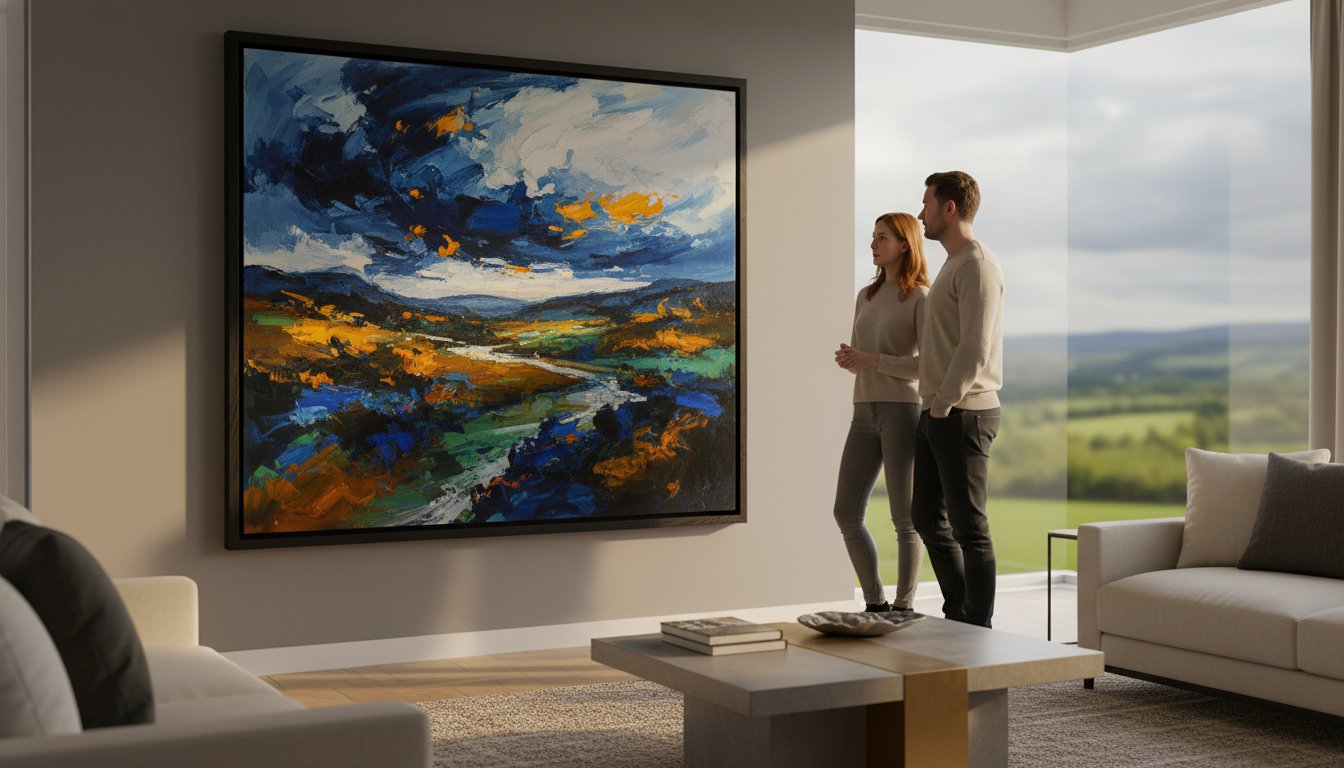
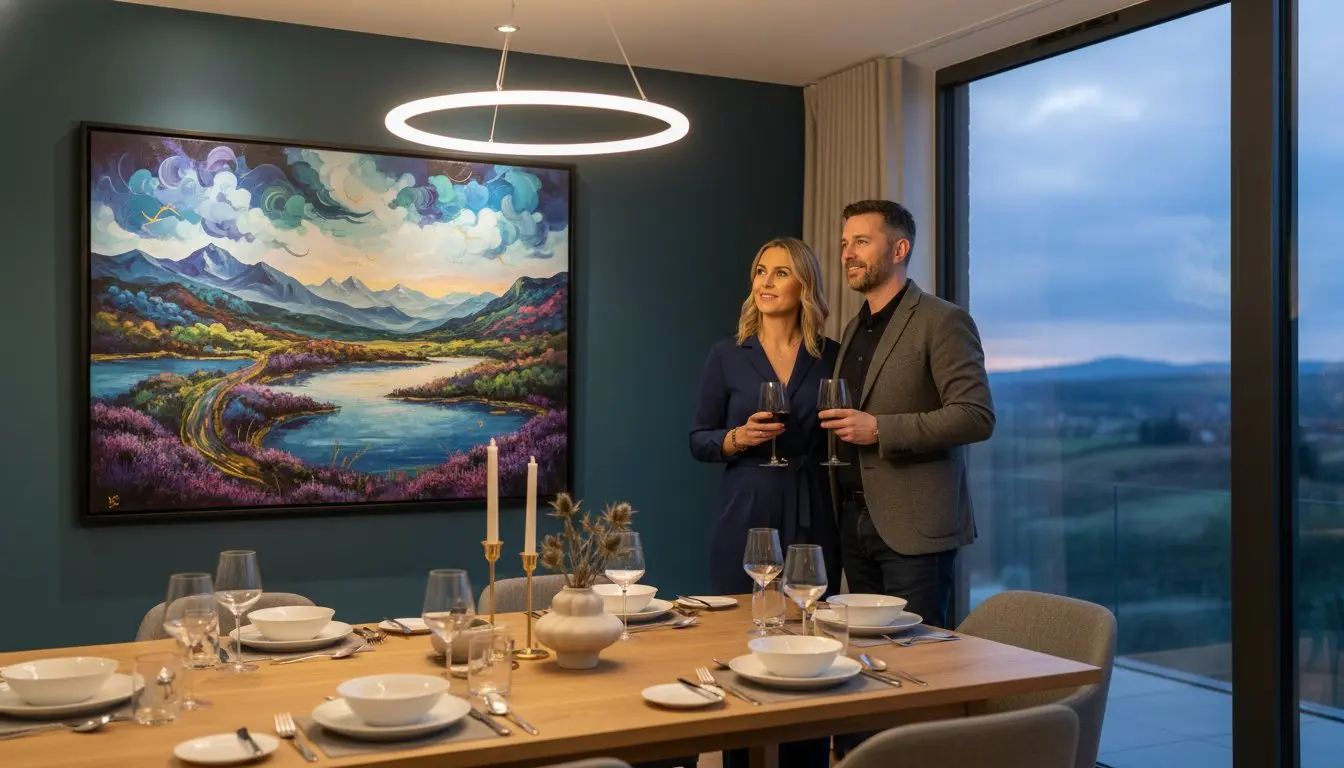
A quick search for the artist might leave you wondering if you’ve found a classical pianist instead. While both are masters of their craft, the Aria Vardi we celebrate today composes not with musical notes, but with breathtaking strokes of colour. Born in Chile but with his heart firmly planted in the rugged landscapes of Scotland, Arie Vardi translates the wild spirit of the Highlands and the dramatic energy of its seascapes into vibrant, unforgettable paintings. His work captures more than just a view; it captures a feeling, a moment of raw, natural beauty.

In this article, we invite you to embark on a journey of artistic discovery. We’ll explore the life and inspiration behind this spectacular artist, giving you a clear understanding of the story woven into every canvas. More than that, we’ll guide you through selecting the perfect, premium Giclée print for your home and share our professional tips on how to frame and display it beautifully. Prepare to feel a connection to both the artist and his awe-inspiring vision of Scotland.

Who is Arie Vardi? The Man Behind the Scottish Landscapes

When you search for the artist behind some of today’s most evocative Scottish landscapes, you might first encounter the celebrated Israeli classical pianist and conductor, Arie Vardi. However, the artist whose spectacular work captures the wild heart of Scotland has a story that is uniquely his own—a journey of passion, craftsmanship, and profound connection to his adopted home.

To avoid any confusion and highlight the work of his renowned namesake, you can watch a masterclass from the distinguished pianist below:

From Chile to the Heart of Scotland

Originally from Chile, the painter Arie Vardi’s artistic journey began in South America, where his creative inclinations first took root. His path eventually led him across the world to Scotland, a country whose dramatic scenery and ever-changing light would become the central muse for his work. This move was transformative, sparking a deep-seated passion to capture the raw beauty of the glens, lochs, and coastlines. His unique background provides him with a fresh perspective, allowing him to see and interpret familiar Scottish vistas in a way that feels both new and profoundly authentic.

An Artist’s Dual Passion: Painting and Jewellery

Before dedicating himself to painting full-time, Arie Vardi was also a skilled jewellery designer. This background in a craft demanding immense precision and an intimate understanding of form has left a lasting mark on his art. The same meticulous attention to detail and appreciation for structure seen in fine jewellery can be felt in the composition of his paintings. While he has since transitioned to focus primarily on his canvases, the discipline of his earlier craft infuses his work. For fans of Aria Vardi, this dual passion is evident in the beautiful, balanced, and masterfully constructed landscapes that define his collection.

The Artistic Style of Arie Vardi: Colour, Light, and Texture

Arie Vardi’s work is a testament to the power of contemporary landscape painting. He moves beyond mere representation, using his canvas to interpret the very soul of the Scottish Highlands. Where traditional art might focus on photorealistic detail, Vardi’s signature style is an expressive symphony of colour, light, and texture, creating an emotional resonance that is both powerful and deeply personal. His paintings are not just views; they are experiences.

Mastering the Scottish Palette

Vardi wields a palette that is quintessentially Scottish yet uniquely his own. He saturates his canvases with the rich, deep blues of the lochs and the vibrant, life-affirming greens of the glens. These are often balanced with the warm, earthy tones of heather-clad hills and ancient stone. In pieces like ‘First Light on the Cuillins’, his colour choices do more than just describe a scene; they evoke a powerful sense of place and the raw emotion of a moment captured in time.

Capturing the Fleeting Light

Anyone who has visited Scotland knows its light is a fleeting, magical thing. This transient beauty is the centrepiece of Arie Vardi’s work. He masterfully portrays the dramatic interplay between shadow and brilliance—a sudden shaft of sunlight piercing through heavy storm clouds, or the soft, ethereal glow of dawn over a still sea. This focus on light is a recurring theme, and as noted in reviews covering his biography and artistic style, he often employs mixed media and even gold leaf to perfectly capture that divine shimmer. The result is a dynamic energy that makes his landscapes feel alive and ever-changing.

Texture That Tells a Story

To look at one of Vardi’s paintings is to feel the landscape itself. He builds layers of paint with confident, often energetic, brushwork and palette knife application, creating a tangible sense of depth. The rugged texture of a granite cliff face feels coarse and ancient, while the surface of a windswept loch is conveyed with smoother, more fluid strokes. This tactile quality is a key part of the immersive experience. The textural work of Aria Vardi doesn’t just show you Scotland; it invites you to reach out and touch it.

Key Inspirations: The Wild Beauty of Scotland’s Coasts

The pull of the Scottish coastline is the undeniable heart of Aria Vardi’s art. It is in these wild, untamed landscapes that he finds his primary muse, translating the raw emotion of the natural world onto the canvas with spectacular effect. His work is a powerful dialogue between the immense, often brutal, power of nature and its moments of profound, soul-stirring tranquility. Vardi has a unique talent for capturing the very atmosphere of a place—the taste of salt in the air, the biting wind on your face, and the unique quality of the northern light. He doesn’t just paint a scene; he invites you to experience the feeling of standing right there beside him, immersed in the landscape.

The Hebrides and Beyond: Vardi’s Favourite Vistas

Vardi is drawn repeatedly to the magnificent coastlines of the Inner and Outer Hebrides. Islands like Harris, with its otherworldly Luskentyre Sands, and the rugged, imposing Paps of Jura, feature as recurring characters in his portfolio. He also finds inspiration in more secluded spots like Taransay and the Ardnamurchan peninsula, home to the beautiful Sanna Bay. The allure of these remote areas for an artist is clear: their raw, unspoiled beauty, the dramatic and ever-changing light, and the profound sense of solitude. This isolation allows for a deep, uninterrupted connection with the environment, which is essential for translating its essence into fine art.

Seascapes and the Power of the Ocean

The sea is a central and dynamic force in Vardi’s body of work. His canvases explore its dual nature with beautiful precision and masterful craftsmanship. In one piece, you might find the serene calm of a sheltered bay, its turquoise waters reflecting a soft, diffused light that speaks of peace. In another, he unleashes the dramatic, untamed energy of a North Atlantic storm, with colossal waves crashing against ancient cliffs in a display of pure natural power. This ability to capture the ocean’s shifting moods is a testament to his skill and deep connection to his subject. A recent exhibition of his work highlighted this very dynamism, celebrating how his background in design informs his powerful compositions. For Vardi, the sea often symbolises both the constancy of time and the inevitability of change—a powerful and enduring metaphor for life itself.

Owning a Piece of Scotland: Bringing Arie Vardi’s Art Home

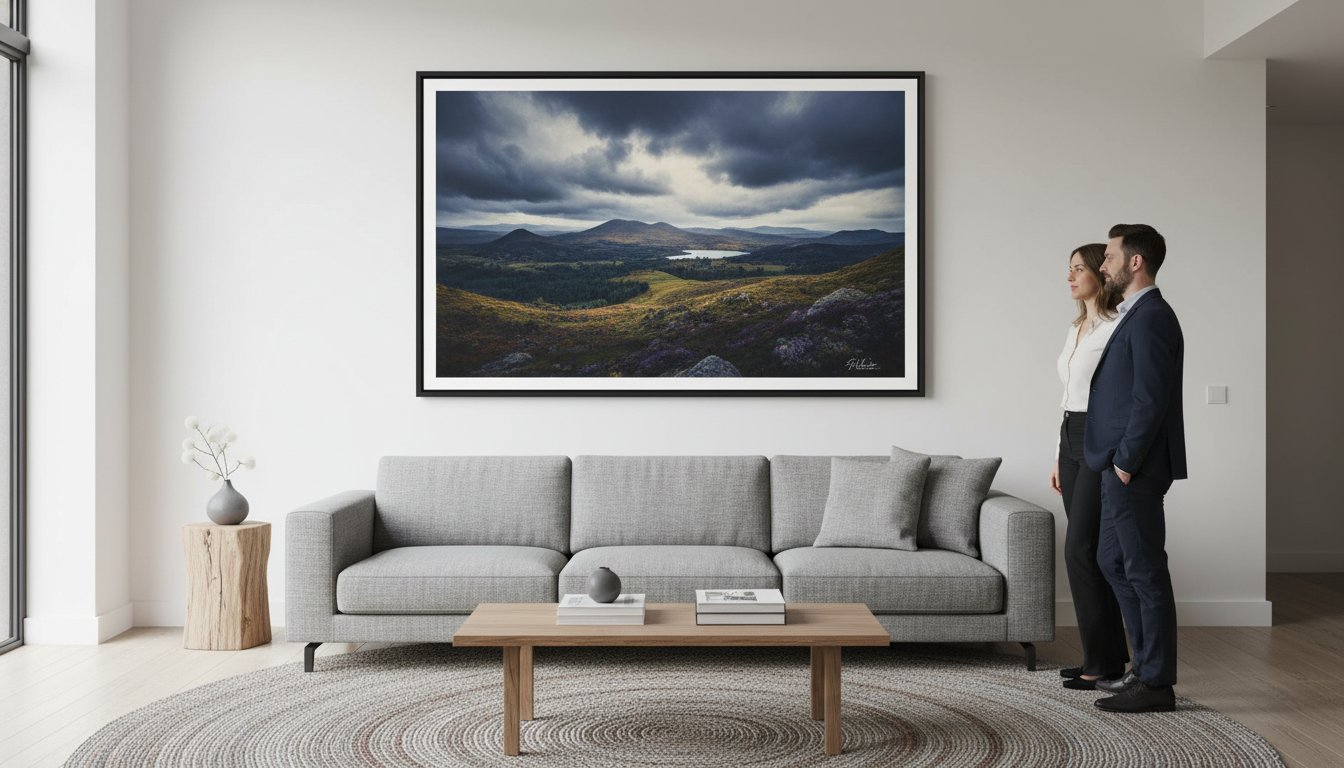
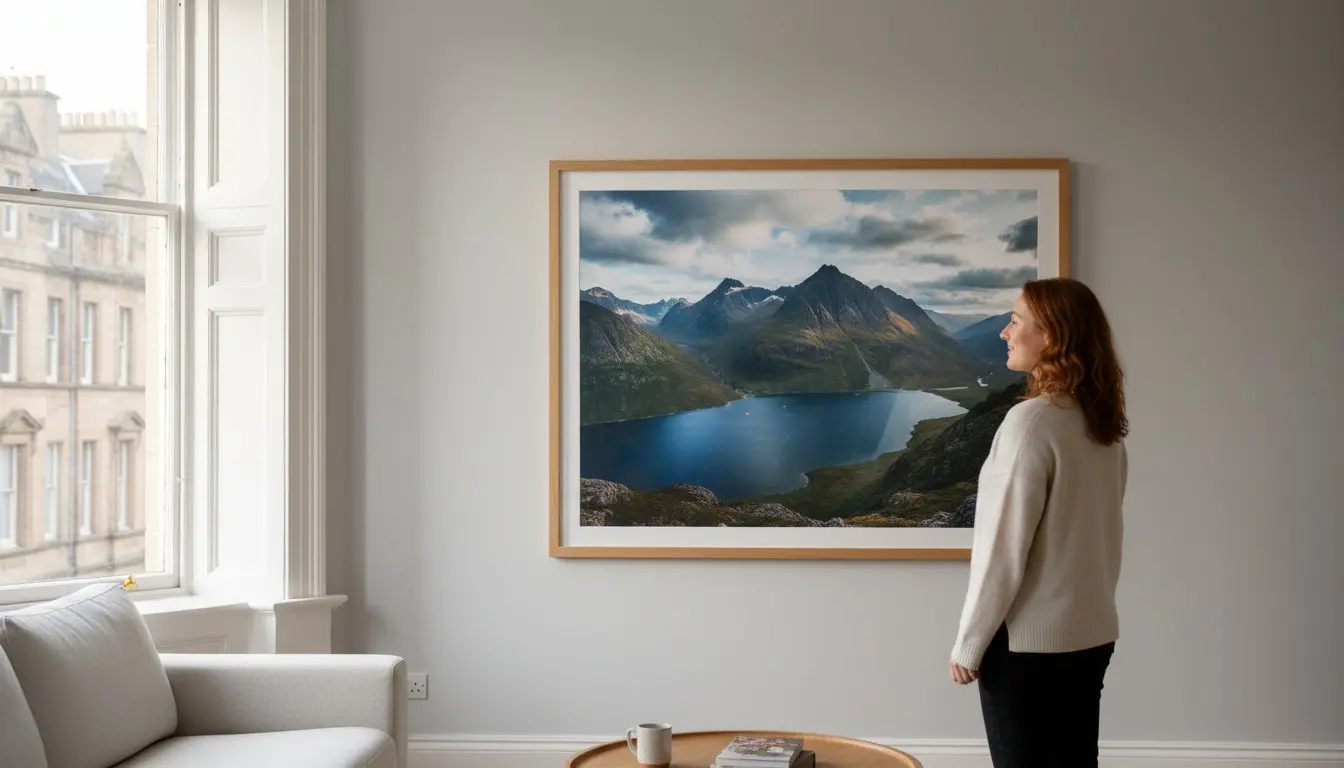
The wild beauty of a Scottish loch, the dramatic light over a Highland glen—Arie Vardi’s paintings are more than images; they are experiences. Bringing one of his pieces into your home is a way to own a piece of Scotland’s soul, a daily window into its breathtaking landscapes. But how do you choose the right piece and ensure it does justice to the original masterpiece? Here, we guide you through selecting a premium print that will last a lifetime.

Why Choose a Giclée Print?

A Giclée (pronounced ‘zhee-clay’) print is the gold standard in fine art reproduction. Unlike a standard poster, a Giclée uses specialist archival inks and premium, acid-free paper to create a perfect and identical copy. This meticulous process ensures that every subtle hue and intricate brushstroke of Arie Vardi’s original work is captured with spectacular accuracy. The result is a museum-quality print with exceptional longevity, guaranteed not to fade over time. It’s an investment in beautiful art that will retain its vibrancy and value for decades to come.

Selecting the Perfect Artwork for Your Space

Choosing an Aria Vardi print is a personal journey. To find the perfect match for your home and interior design style, consider these simple factors:

  • Room & Mood: What atmosphere do you want to create? A dramatic, stormy seascape can bring a sense of tranquil power to a bedroom or study, creating a space for reflection.
  • Colour Palette: Look for a piece with colours that complement or contrast beautifully with your existing décor. Vardi’s rich earth tones can warm up a neutral space, while his vibrant greens can bring life to a hallway or living room.
  • Scale & Impact: A large, statement landscape can become the stunning focal point of a main room, drawing the eye and starting conversations. A smaller, more intimate scene might be perfect for a quiet reading nook.

Whether your home is contemporary minimalist or classic country, the timeless appeal of a Scottish landscape fits beautifully. The key is to choose a piece that speaks to you. At First4Frames, we are proud to offer a bespoke collection of Arie Vardi’s work, ready to be professionally framed and delivered. Discover our curated collection of Arie Vardi prints and find the perfect window to Scotland for your home.

The Final Touch: Expertly Framing Arie Vardi’s Work

An exceptional piece of art deserves an exceptional finish. A professional frame does more than just protect your print; it enhances its beauty and completes its story. Think of the frame as the perfect bridge between the artwork and your room’s décor, a final touch that elevates a beautiful print into a spectacular centrepiece. Choosing the right frame is crucial to honouring the vibrant energy of an Arie Vardi masterpiece and ensuring it captivates for years to come.

Complementing, Not Competing with, the Art

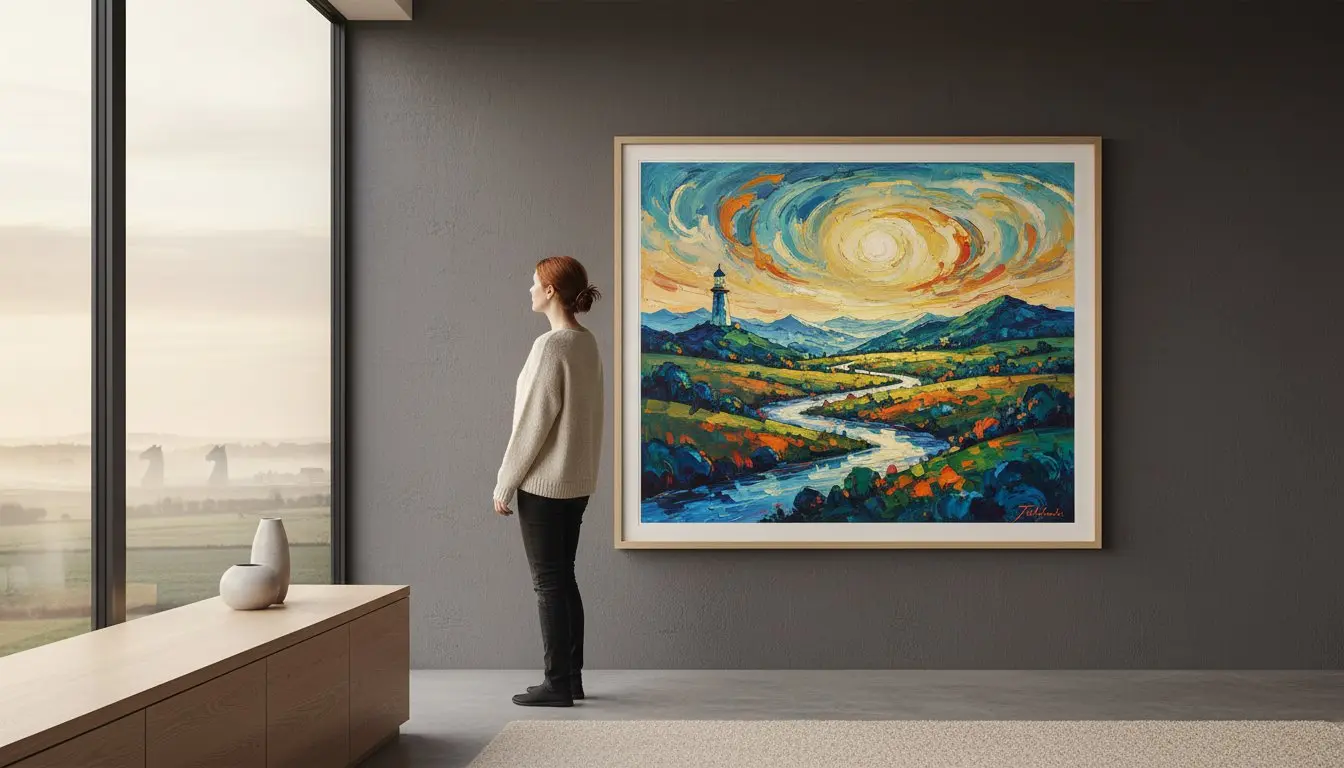
The goal is to draw the eye into the painting, not to the border around it. With the dramatic colours and sweeping landscapes characteristic of Vardi’s work, a simple, elegant frame is often the most effective choice. We recommend clean profiles in natural oak to add warmth, or classic black or white to create a sharp, contemporary look. These styles support the art without overwhelming it. An overly ornate frame can compete for attention, distracting from the artist’s vision. Adding a crisp, white mount provides essential “breathing space,” creating a visual pause that guides your focus directly to the heart of the artwork.

The First4Frames Bespoke Service

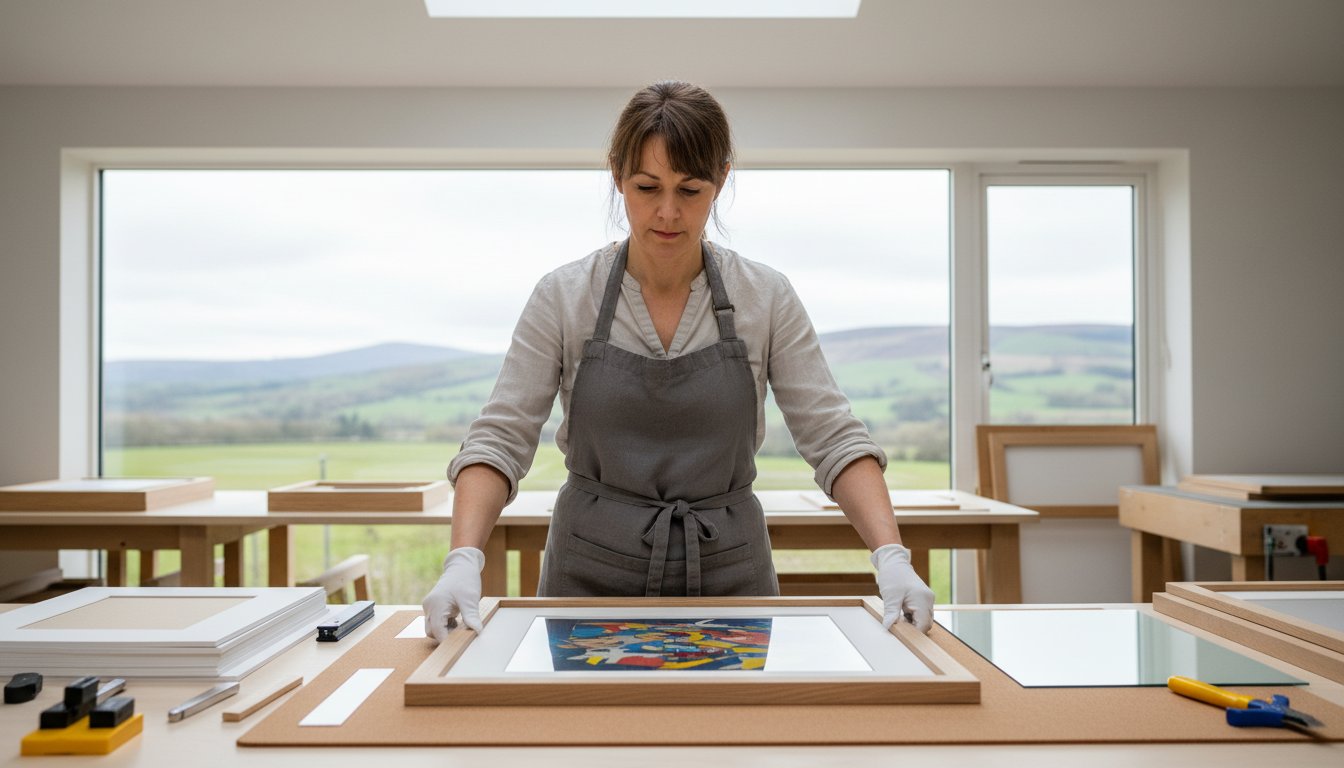
To achieve a truly professional finish, a bespoke framing service is unparalleled. Unlike off-the-shelf options, our custom service ensures your print is treated with the care and precision it deserves. The benefits include:

  • A Perfect Fit: Every frame is handcrafted to the exact dimensions of your print for a seamless, gallery-standard result.
  • Premium Materials: We use only the highest quality wood mouldings and materials to ensure durability and a premium aesthetic.
  • Long-Term Preservation: Options like UV-protective glass are available to shield your art from fading, protecting your investment for a lifetime.

Ordering is simple. When you select your chosen print, you can easily add our bespoke framing service online. Our team of experts will then handcraft the perfect frame, delivering a ready-to-hang masterpiece directly to your door.

Let our experts frame your Arie Vardi print to perfection.

Bring the Soul of Scotland Home with Arie Vardi

Arie Vardi is more than just a landscape painter; he is a storyteller who translates the wild, untamed spirit of Scotland onto canvas. Through his masterful use of vibrant colour, dramatic light, and rich texture, he invites us not just to see the Scottish coast, but to feel its bracing winds and hear its crashing waves. Each piece is a testament to the profound connection between an artist and their environment, capturing a fleeting moment of natural beauty for you to cherish forever.

Owning this vision is simpler than ever. As your one-stop-shop for beautiful, professionally framed Scottish art, we provide the perfect bridge between the artist’s creation and your home. Every piece by Aria Vardi is reproduced as a premium Giclée print, ensuring spectacular colour and longevity that does justice to the original masterpiece.

With over 20 years of bespoke framing expertise, we guarantee your chosen artwork arrives perfectly finished and ready to hang. Explore the full collection of Arie Vardi’s ready-to-hang art and find the perfect piece to bring the soul of Scotland into your home.

Frequently Asked Questions

Is Arie Vardi a Scottish artist?

While Arie Vardi was not born in Scotland, he has lived and worked from his studio in the Highlands for over thirty years. He is widely regarded as a Scottish artist due to his profound connection to the country. His entire body of work is a passionate and ongoing exploration of Scotland’s dramatic landscapes, ancient cities, and ever-changing light, capturing the very soul of the nation in his spectacular paintings.

What are Arie Vardi’s most famous paintings or series?

Arie Vardi is celebrated for several key series that beautifully capture different facets of Scotland. His “Highland Light” collection is renowned for its atmospheric depictions of the glens and lochs. Another acclaimed series, “Edinburgh Old Town,” masterfully portrays the historic capital’s unique architecture and mood. Many collectors also seek out his powerful “Coastal Moods” series, which captures the raw, dramatic energy of Scotland’s coastlines with spectacular use of colour and texture.

What is the difference between an original Arie Vardi painting and a print?

An original Arie Vardi painting is a unique, one-of-a-kind piece created directly by the artist’s hand, typically using oil or acrylic on canvas. Its value lies in its absolute originality and the artist’s direct touch. A Giclée print, by contrast, is a premium, museum-quality reproduction. Using advanced printing technology and archival inks on fine art paper, it creates a near-identical copy that captures every brushstroke and colour nuance, making his beautiful work accessible to a wider audience.

Where can I see Arie Vardi’s original artwork on display?

Arie Vardi’s original paintings are held in several private collections and prestigious galleries across the United Kingdom. You can often find his work on display at contemporary art galleries in Edinburgh and Glasgow, such as The Saltire Gallery or the Lomond Contemporary Arts. For the most current information on exhibitions and public displays, we recommend visiting the artist’s official website or contacting his representing galleries directly.

How do I care for my Giclée art print?

Caring for your Giclée print is simple and ensures its longevity. The most important step is to keep it out of direct sunlight, which can cause the colours to fade over time. We also recommend framing your print behind UV-protective glass for the best protection. Avoid hanging it in areas of high humidity, such as bathrooms. When handling, always hold the print by its edges to prevent smudging the premium inks.

Does Arie Vardi’s art increase in value over time?

While many collectors view art as an investment, its primary value is the daily enjoyment it brings. The financial value of an artist’s work, including that of Aria Vardi, can certainly appreciate as their reputation and demand grow within the UK art market. Original paintings typically have the highest potential for appreciation. While our Giclée prints are not considered financial investments, they are premium, lasting pieces of fine art craftsmanship that will enrich your home for a lifetime.

Posted on

What Type of Glass for Picture Frames? An Expert Guide

You’ve found the perfect piece of art, a spectacular print that speaks to you, and a bespoke frame that acts as the perfect bridge to your décor. But now you face a crucial, and often confusing, decision that can make or break your display: what type of glass for picture frames is the right choice? The fear of seeing your cherished memories fade, the frustration of distracting glare obscuring the view, or simply not knowing if a premium option like museum glass is worth the investment can be overwhelming. It’s the final, vital layer of protection and presentation for your artwork.

In this expert guide, we’ll demystify the options with professional clarity. We will walk you through the crucial differences between standard glazing, anti-reflective glass, vital UV-protective options, and the unparalleled quality of museum glass. By the end, you’ll feel knowledgeable and empowered to choose the perfect glazing that not only protects your precious art from damage and fading but showcases it with the spectacular, crystal-clear finish it truly deserves. Let’s ensure your art is seen exactly as the artist intended.

Why Your Choice of ‘Glass’ Matters More Than You Think

When you invest in a beautiful piece of art, the frame is the essential finishing touch. But within that frame lies an unsung hero: the glazing. More than just a transparent layer, the glazing performs two critical roles—protection and presentation. Making the right choice is a crucial step in preserving the beauty, value, and longevity of your artwork. Understanding what type of glass for picture frames to use ensures your cherished piece is both safe and seen in its best possible light.

To see these differences in action, this short video provides an excellent overview:

Protection: More Than Just a Dust Cover

The most immediate threat to your art isn’t dust or fingerprints—it’s invisible ultraviolet (UV) light. Sunlight and even some indoor lighting can cause colours to fade and paper to become brittle over time. Premium glazing with UV protection acts as a powerful shield, blocking up to 99% of harmful rays. It also provides a vital barrier against physical damage, humidity, and pollutants, preserving the life and integrity of your fine art prints and original works for decades to come.

This same principle of protecting valuables from UV damage is why high-performance glazing is also essential in modern windows and doors. If you’re considering how to protect your entire home’s interior from sun damage, you can learn more about Custom Trade Systems Ltd.

Presentation: Ensuring a Crystal-Clear View

There is nothing more frustrating than hanging a spectacular piece of art only to see a perfect reflection of your living room lamp. The primary goal of glazing is to be invisible, allowing the artwork to shine. Different types of Picture-framing glass offer varying levels of anti-reflective properties, from standard glass with noticeable glare to premium museum-grade options that are virtually reflection-free. The right choice ensures true colour accuracy and crisp detail, pulling you into the picture without distraction.

Glass vs. Acrylic (Plexiglass): The First Big Decision

Your first major choice in glazing comes down to two materials: traditional glass and modern acrylic (often known by the brand name Plexiglass). Each has distinct advantages that make it suitable for different needs.

  • Traditional Glass: Offers superior clarity and a satisfying, weighty feel that many associate with premium craftsmanship. Its hard surface is highly scratch-resistant, making it easy to clean and maintain over the years. However, it is heavier and can shatter upon impact.
  • Acrylic (Plexiglass): Significantly lighter and virtually shatter-proof, making it the perfect choice for large-scale frames or pieces that will be shipped or hung in high-traffic areas. Its main drawback is a softer surface that can be more susceptible to scratching if not cared for properly.

The Main Types of PictureFrame Glazing Explained

When considering what type of glass for picture frames, the options can seem daunting. In the world of professional craftsmanship, we refer to this protective layer as ‘glazing’, and the right choice can elevate your artwork from simply being on the wall to being truly showcased. To simplify your decision, we’ve broken down the most common options from a professional framer into a ‘Good, Better, Best’ guide, focusing on the practical benefits for your treasured pieces.

Good: Standard Float Glass

This is the most common and budget-friendly option you’ll find in most ready-made frames. Standard float glass offers excellent basic protection from dust and handling. However, it provides no UV filtering to prevent fading and can have noticeable reflections. It’s a perfectly suitable choice for inexpensive posters or easily replaceable prints where long-term preservation isn’t the primary concern.

Better: UV-Protective / Conservation Glass

A significant step up, this premium glass is coated to block up to 99% of the harmful UV rays that cause colours to fade and paper to yellow. This is an essential investment for protecting limited edition prints, original artwork, or sentimental photographs. A deeper look into Choosing The Right Glazing confirms that for anything of monetary or sentimental value, UV protection is a non-negotiable part of true, long-term preservation.

Best: Anti-Reflective (AR) Glass

If you’ve ever been frustrated by glare obscuring your view, Anti-Reflective glass is the solution. It features a sophisticated optical coating that reduces reflections to less than 1%, providing spectacular clarity. This makes the glass seem almost invisible, allowing the true colours and beautiful details of your artwork to shine through. It’s the perfect choice for pieces displayed in rooms with significant natural or artificial light.

The Ultimate: Museum Glass

For the absolute pinnacle of protection and viewing pleasure, there is Museum Glass. This option combines the best of both worlds: it offers 99% UV protection to preserve your art for a lifetime, and it features the same advanced anti-reflective coating for crystal-clear, glare-free viewing. This is the ultimate choice for irreplaceable heirlooms, valuable fine art, and any piece that deserves a truly museum-quality display.

Picture Frame Glazing at a Glance

Glazing Type UV Protection Reflection Level Best For
Standard Float Glass None High Posters, replaceable prints, budget projects
UV-Protective Glass Up to 99% High Sentimental photos, limited editions, original art
Anti-Reflective Glass ~70% (Standard) Very Low (<1%) Brightly lit rooms, dark artwork, maximum clarity
Museum Glass Up to 99% Very Low (<1%) Valuable artwork, heirlooms, ultimate display

A Closer Look at Acrylic Glazing (Perspex)

When our clients ask what type of glass for picture frames we recommend, many are surprised when we suggest acrylic. It’s time to move past the outdated idea of acrylic as a “cheap plastic” alternative. Today’s premium acrylic, often known by the brand name Perspex, is a high-performance glazing material used by galleries, museums, and professional framers for its outstanding clarity, light weight, and superior durability. It offers the same crystal-clear view as glass but with several practical advantages that make it the perfect choice for specific situations.

Far from being a compromise, modern acrylic glazing is a bespoke choice that enhances and protects your artwork. Like its glass counterpart, it is available in conservation grades that offer the highest level of protection, ensuring your beautiful art remains vibrant for a lifetime.

When to Choose Acrylic Over Glass

While traditional glass has its place, our twenty years of craftsmanship have shown us that acrylic is often the superior and safer option. We recommend choosing acrylic glazing in these key scenarios:

  • For oversized pieces: Large panes of glass are incredibly heavy, putting significant stress on the frame and making the artwork difficult and dangerous to hang. Acrylic is significantly lighter, making it the only practical choice for large-scale art.
  • In high-traffic areas or children’s rooms: Safety is paramount. Acrylic is shatter-resistant, meaning it won’t break into dangerous shards if knocked or dropped, providing peace of mind in busy homes, nurseries, or public spaces.
  • When shipping framed artwork: As professionals who ship art across the UK, we almost exclusively use acrylic for transit. It virtually eliminates the risk of breakage, ensuring your precious piece arrives in perfect condition.

Specialty Acrylic Options

Just like glass, acrylic comes in several specialist varieties to meet specific conservation and display needs. This allows for a truly tailored approach to framing your fine art.

  • UV-Filtering Acrylic: Offering up to 99% protection from harmful ultraviolet light, this is the conservation standard for protecting your prints and original artwork from fading and discolouration.
  • Anti-Static Acrylic: An essential choice for framing loose-media art like charcoal, pastels, or chalk drawings. It prevents dust and media particles from clinging to the inside of the glazing.
  • Scratch-Resistant Acrylic: For the ultimate in durability, a special hard coating is applied to make the surface more robust and less prone to fine scratches during cleaning.

How to Care for Acrylic Frames

Caring for acrylic is simple, but it requires a different approach than cleaning glass. To maintain its pristine finish, always use a soft, non-abrasive microfiber cloth. Never use standard glass cleaners, as the ammonia and alcohol they contain can damage and cloud the acrylic surface over time. For best results, use a cleaning solution specifically designed for acrylic, which will gently lift dust and dirt while reducing static charge.

How to Choose the Perfect Glazing for Your Artwork

Choosing the right glazing is more than a final touch; it’s an investment in the longevity and beauty of your artwork. The best way to answer the question of what type of glass for picture frames you need is to consider the piece itself—its monetary value, its sentimental worth, and where it will hang. Think of the glazing as the silent guardian of your art, protecting it for years to come.

Here’s a practical guide to help you make the perfect choice for your bespoke frame.

For Family Photos & Open-Edition Prints

For posters, digital prints, or family photos that can be easily and inexpensively replaced, our premium 2mm float glass is an excellent, cost-effective option. However, if you’re framing a cherished, irreplaceable family photograph, upgrading to a UV-protective glass is a wise decision. This small additional investment acts as a sunscreen, preventing the fading that can dull precious memories over time. Also, consider the location: if the frame will hang opposite a bright window, an anti-reflective glass will ensure you see the image, not your reflection.

For Limited Edition Prints & Original Art

When framing something of significant financial or artistic value, UV-protective glazing is the absolute minimum requirement. UV rays are the primary cause of fading and can irreversibly damage the pigments in original watercolours, drawings, and limited edition prints, diminishing their value. For pieces that deserve the very best, we highly recommend Museum Glass. It offers over 99% UV protection combined with incredible anti-reflective technology, providing a crystal-clear view that makes it seem as if there’s no glass there at all. It’s the ultimate way to both protect and display your investment.

For 3D Objects & Memorabilia (Box Frames)

For deeper box frames containing 3D items like sports shirts, medals, or other memorabilia, acrylic (often known by the brand name Perspex) is the superior choice. It is significantly lighter than glass, making larger frames safer to hang, and it is virtually shatterproof. For signed shirts or delicate fabrics, choosing a UV-protective acrylic is vital. The ink in signatures is notoriously susceptible to fading, and this glazing ensures your treasured items remain in pristine condition. Protecting these unique pieces is a craft we specialise in. See how we frame memorabilia at First4Frames.

Common Mistakes and Expert Framing Tips

Choosing the right glazing is a crucial step, but our twenty years of craftsmanship have taught us that a few insider tips can make the difference between a good result and a spectacular one. As passionate artisans, we want to help you avoid common pitfalls and ensure your artwork is displayed and protected perfectly.

The ‘Non-Glare’ vs. ‘Anti-Reflective’ Myth

This is one of the most frequent points of confusion. Inexpensive “non-glare” glass is typically acid-etched to scatter light. While this reduces reflections, it also softens the image, creating a fuzzy, slightly distorted look. True “anti-reflective” glass, however, uses a sophisticated optical coating—much like that on high-end camera lenses—to provide crystal-clear viewing with minimal reflection. For pristine clarity, always ask for anti-reflective glazing.

Why Your Artwork Shouldn’t Touch the Glass

A cardinal rule in professional framing is to create a small air gap between the artwork and the glass. This is the primary role of a mount board or spacers. Direct contact is a recipe for disaster, as temperature changes can cause condensation to form. This moisture can lead to mould, mildew, and permanent damage where the art physically bonds to the glass surface.

When to Upgrade the Glass in an Old Frame

Do you have a treasured piece in an old frame? Replacing its standard glass is one of the most impactful upgrades you can make. Many older frames contain thin, basic glass with no protective qualities. Swapping it for a modern UV-protective or anti-reflective option will not only breathe new life into the piece visually but also shield it from fading for decades to come. Knowing what type of glass for picture frames to choose for an upgrade is key to preserving your memories. Have a piece that needs an upgrade? Contact our framing experts.

The Perfect Finish: Choosing Your Picture Frame Glazing

Choosing the right glazing is the final, crucial step in protecting and showcasing your art. As we’ve explored, the decision goes far beyond simple glass; it involves balancing stunning clarity, essential UV protection, and the specific needs of your piece. Ultimately, the answer to what type of glass for picture frames you should choose depends on your unique artwork and its intended home.

Making that final decision can feel daunting, but you don’t have to do it alone. With over 20 years of bespoke framing experience, the team at First 4 Frames is passionate about finding the perfect solution. We use only premium, conservation-grade materials and are trusted by artists and collectors across Scotland to preserve their most treasured works.

Have a special piece to frame? Let our experts help you choose the perfect materials.

Let’s work together to give your art the beautiful, lasting presentation it deserves.

Frequently Asked Questions

What is the best glass for picture frames to reduce reflection?

For a truly uninterrupted view of your beautiful artwork, anti-reflective (AR) glass is the premium choice. This specialist glass features an optical coating that minimises reflections to less than 1%, ensuring spectacular clarity and colour vibrancy. While non-glare glass also reduces reflection by diffusing light, it can slightly soften the image details. For preserving every nuance of your piece, AR glass offers the most pristine and reflection-free experience, allowing the art to truly shine.

Is acrylic (Plexiglass) as good as real glass for picture frames?

Acrylic, often called Plexiglass, is an excellent alternative to traditional glass, with distinct benefits. It’s significantly lighter and virtually shatterproof, making it a perfect, safe choice for large frames or homes with children. Premium acrylic also offers superior UV protection. However, glass is more scratch-resistant and can offer a greater sense of weight and tradition. The choice often comes down to the specific needs of the artwork’s location, size, and your personal preference for safety and handling.

How much does UV-protective picture frame glass cost?

Investing in UV-protective glass is a wise choice to preserve your art. In the UK, you can expect to pay a premium over standard float glass. For a standard A4-sized frame, Conservation Clear glass, which blocks 99% of UV rays, might add £15 to £30 to the cost. For premium Museum Glass, which combines 99% UV protection with anti-reflective properties, the cost could be significantly higher. This investment is crucial for protecting irreplaceable or valuable pieces from long-term damage.

Will UV glass completely stop my artwork from fading?

While UV-protective glass is the single most effective defence against fading, it cannot stop the process entirely. It works by blocking up to 99% of harmful ultraviolet rays, which are the main cause of discolouration and damage. However, other environmental factors like intense visible light, heat, and humidity can still contribute to ageing over a very long period. Think of it as a powerful shield that dramatically slows down fading, preserving the vibrancy of your art for decades to come.

What is the difference between non-glare and anti-reflective glass?

The key difference lies in how they handle light. Non-glare glass has a micro-etched surface that diffuses light, scattering reflections. While effective, this process can slightly soften the image details, making it appear less sharp. In contrast, anti-reflective glass has a sophisticated optical coating that cancels out reflections, allowing over 98% of light to pass through. This provides a crystal-clear, almost invisible finish that preserves every detail and colour of your artwork without compromise.

Can I replace the glass in a frame I already own?

Absolutely! Replacing the glazing is a fantastic way to upgrade an existing frame, perhaps to add UV protection or reduce reflections. When considering what type of glass for picture frames you need for a replacement, precise measurements of the old glass or the frame’s rebate are essential. While it’s possible to do this yourself, we recommend a professional fitting to ensure the new glass is cut perfectly and installed safely, protecting both you and your precious artwork.

Posted on

Memorabilia Framing Service: Preserve Your Cherished Items in a Bespoke Frame

That signed football shirt tucked away in a drawer? The concert ticket that defines an era? These aren’t just objects; they’re stories, holding precious moments in time. Yet, the fear of a cheap frame causing irreparable damage, or a DIY attempt going wrong, often keeps these treasures hidden from view, safely stored but rarely enjoyed. This is where the expertise of a professional memorabilia framing service becomes not just a choice, but an essential act of preservation.

We understand that your items are irreplaceable, and the thought of entrusting them to someone can feel daunting. Our passion is transforming your sentimental items into beautifully preserved displays that celebrate your story. We replace worry with confidence and creative collaboration, guiding you through a process that is simple, secure, and tailored entirely to you and your treasured piece.

In this guide, we will demystify the art of bespoke framing. Discover the stunning design possibilities, understand the premium craftsmanship that protects your items for a lifetime, and see how we turn your cherished memories into spectacular works of art for your home.

Why Professional Framing is Essential for Your Memorabilia

Your cherished memorabilia—be it a signed football shirt, a concert ticket, or a family heirloom—is more than just an object; it’s a tangible piece of a treasured memory. While it’s tempting to place it in a standard off-the-shelf frame, this approach often overlooks the most crucial element: preservation. A professional memorabilia framing service goes far beyond simple display, offering a bespoke solution that protects your item from irreversible damage and turns it into a true work of art.

To see how an expert approach can transform a treasured item, watch this helpful video on framing a signed shirt:

The Hidden Dangers: UV Light, Acid & Dust

Everyday environments pose a significant threat to delicate items. The most common culprits are invisible until the damage is done:

  • UV Light: Sunlight and even some indoor lighting emit UV rays that cause vibrant colours to fade and signatures to vanish. Fabrics can become brittle and paper can yellow and degrade.
  • Acid Damage: Standard cardboard and paper backings found in cheap frames contain acidic compounds. Over time, this acid leaches into your memorabilia, causing permanent staining and deterioration, often called ‘mat burn’.
  • Dust & Humidity: An improperly sealed frame allows microscopic dust particles and moisture to creep in, leading to mould, mildew, and physical abrasion that can ruin your item forever.

Our professional framing process uses only conservation-grade, acid-free materials and UV-protective glazing to create a safe, stable environment that preserves your memorabilia for generations to come.

The Artisan’s Touch vs. a Standard Box Frame

An off-the-shelf frame is a one-size-fits-all solution that rarely fits anything perfectly. In contrast, our bespoke service provides the craftsmanship your memories deserve. A standard frame can compress, bend, or require harmful adhesives to hold an object, whereas our experts design a custom mount that secures the item safely without causing stress or damage. Understanding the anatomy of a bespoke frame reveals how every component, from the moulding to the mount, is chosen to protect and enhance. We create a balanced, visually stunning layout that elevates the object, tells its story, and increases its perceived value. The frame ceases to be a mere container; it becomes an integral part of the masterpiece.

Beyond Sports Shirts: Inspiring Ideas for Your Memorabilia

While we love framing a classic football shirt, a truly bespoke memorabilia framing service goes far beyond the pitch. Your life is a collection of unique stories, and the items you’ve gathered along the way deserve to be celebrated. From the roar of a concert to the quiet pride of a personal achievement, we are passionate about turning your cherished possessions into beautiful, lasting displays. Let us spark your imagination with just a few ideas of what we can preserve for you.

This is especially true for hobbies that involve intricate craftsmanship and collecting. Model railway enthusiasts, for example, often build stunningly detailed dioramas or collect rare locomotives that are works of art in their own right. For those passionate about this hobby, you can check out Narrow Minded Railworks for unique kits and accessories that might become your next treasured display piece.

Music, Film & Pop Culture Memories

Capture the energy of your favourite artists and the magic of the silver screen. These items tell the story of your passions, and our expert framing ensures they take centre stage in your home. We can create spectacular displays for:

  • Concert tickets, vinyl records, and signed posters.
  • Drumsticks, guitar picks, and festival wristbands.
  • Authentic film cells, movie props, and signed photographs.

Personal Achievements & Family Heirlooms

Some of the most meaningful items are those that mark a significant personal milestone or connect us to our family’s past. We handle these sentimental treasures with the utmost care, creating displays that honour their emotional value. Consider framing:

  • Marathon medals, race numbers, and even the running shoes that crossed the finish line.
  • A baby’s first shoes, delicate christening gowns, or treasured family letters.
  • Graduation certificates, caps, and other university memorabilia.

Travel & Historical Souvenirs

From global adventures to pieces of history, these items are irreplaceable. Protecting them from environmental damage is paramount. Following professional guidelines for the preservation of artifacts, our conservation framing techniques shield your treasures from light and humidity, ensuring they last for generations. Our memorabilia framing service is perfect for:

  • Travel maps with pins, foreign currency, and unique souvenirs.
  • Antique documents, delicate family papers, and historical coins.
  • Military medals, uniforms, and service records.

The Anatomy of a Bespoke Memorabilia Frame

A professionally framed piece is more than just a border; it’s a bespoke system designed for preservation and presentation. Understanding the components that make up your frame is key to appreciating the craftsmanship behind our memorabilia framing service. Each element is chosen with care to protect your cherished item and display it perfectly, creating a bridge between the memory and your home décor.

Choosing the Right Frame: Box vs. Flat

The first choice is the structure itself. For three-dimensional items like signed football boots, boxing gloves, or cricket balls, a 3D box frame is essential. We create these with custom depths to perfectly house your item, giving it presence and protection. For flatter pieces such as signed shirts, photographs, or certificates, a classic flat frame provides a sleek and elegant finish. We offer a spectacular range of premium wood finishes and colours to complement any item or interior.

The Importance of Mounts and Backing

The mount board is the unsung hero of framing. It creates a crucial air gap between your memorabilia and the glass, preventing moisture transfer and potential damage. We use only acid-free, conservation-grade mount boards to guarantee your item won’t yellow or degrade over time. We can match the mount colour to your team’s colours or your room’s aesthetic, and our expert techniques ensure your item is secured safely without causing any harm.

Glazing Options: From Clarity to UV Protection

The glass, or glazing, is your window to the memory. It does the heavy lifting in protecting your item from the environment. We offer several premium options to suit your needs and budget:

  • Standard Picture Glass: A high-quality, clear, and cost-effective choice for most projects.
  • Anti-Reflective Glass: Offers crystal-clear viewing by minimising distracting glare and reflections, pulling you right into the display.
  • Conservation UV-Protective Glass: The ultimate investment. This specialist glass blocks over 99% of harmful ultraviolet rays—the primary cause of fading in signatures and fabrics. For irreplaceable memorabilia, this is the most important choice you can make to ensure its longevity.

Explore examples of these beautiful components in action in our online gallery.

Our Framing Process: From Your Hands to Your Wall in 4 Simple Steps

We understand that your memorabilia is priceless, and the thought of framing it can seem daunting. That’s why we’ve designed our memorabilia framing service to be as straightforward and secure as possible. We treat every item with the reverence it deserves, blending our passion for craftsmanship with a process that is collaborative, transparent, and completely focused on your vision. Follow our simple journey from your initial idea to a beautifully finished piece, ready for your wall.

Step 1: Consultation & Design

Your journey begins with a conversation. You can get in touch online or visit us in our Falkirk gallery to discuss your cherished item. We’ll explore your ideas, your home’s decor, and your budget. Our passionate experts will then offer design suggestions—from mount colours to frame styles—and provide a detailed, no-obligation quote, ensuring the final piece is a perfect reflection of your story.

Step 2: Getting Your Item to Us

Once you’re happy with the design, it’s time to get your item to our workshop. You are always welcome to drop it off in person at our gallery, where you can meet the team. Alternatively, you can send it to us. We recommend using a sturdy box with protective packaging like bubble wrap and a tracked postal service. Rest assured, the moment your precious item arrives, we will contact you to confirm its safe receipt.

Step 3: The Crafting Process

This is where the magic happens. Our skilled framers get to work, building your bespoke frame entirely by hand using only the best materials. We use specialist, conservation-grade techniques to mount your memorabilia, ensuring it is not only displayed beautifully but also preserved for a lifetime. Before we consider the work complete, it undergoes a meticulous final quality check to ensure every single detail is perfect.

Step 4: Collection or Secure Delivery

We’ll notify you as soon as your masterpiece is ready. You can collect it from our Falkirk gallery at your convenience. If that’s not an option, we can arrange for your framed item to be delivered directly to your door via a specialist, insured courier service. It will arrive securely packaged and ready to hang, allowing you to enjoy your preserved memory for many years to come.

Ready to transform your treasured item into a work of art? Start your framing journey with a free consultation.

Give Your Memorabilia the Masterpiece Treatment

Your most cherished items are not just objects; they are tangible pieces of your story. From a signed sports shirt to a collection of concert tickets, giving them the display they deserve is the final, beautiful step in honouring their significance. As we’ve explored, professional framing is essential not only for visual impact but for long-term preservation, protecting your memories with conservation-grade materials as standard.

A bespoke frame is the perfect bridge between your room’s décor and the item itself, designed with meticulous care. With over 20 years of bespoke framing experience right here in our Falkirk, Scotland gallery, our passionate team is dedicated to this craft. We make our professional memorabilia framing service a simple, collaborative, and rewarding journey from start to finish.

Are you ready to transform your treasured item into a stunning focal point for your home? Let’s create something truly special together.

Get a No-Obligation Quote for Your Memorabilia Framing.

Frequently Asked Questions

How much does memorabilia framing cost?

As every project is bespoke, the cost of framing your memorabilia varies. Factors include the item’s size, your choice of frame and mount, and specialist options like UV-protective glass. A signed photo will differ in price from a boxing glove, for example. To give you an idea, our custom framing for smaller, simpler items typically starts from around £75. For a precise and friendly quote on your specific piece, please get in touch with our team.

How long does the custom framing process take?

Our standard turnaround time for custom framing is typically 10-14 working days from when we receive your item. This allows our skilled artisans to give your piece the dedicated craftsmanship it deserves. If you need your memorabilia framed for a specific date, such as a birthday or anniversary, please let us know when you enquire. We will always do our best to accommodate your deadline and ensure a speedy, professional service.

Is it safe to send my valuable memorabilia through the post?

We understand your items are precious. We strongly recommend sending them to us using a secure, tracked, and insured service like Royal Mail Special Delivery or a trusted courier. This ensures your memorabilia is protected in transit. Once it arrives at our workshop, it is handled with the utmost care by our professional framers. We treat every item as if it were our own, guaranteeing its safety throughout the entire framing process.

Can you frame something very large or an unusual shape?

Yes, absolutely! Our passion lies in creating the perfect bespoke solution for any item, regardless of its size or shape. We have experience framing everything from large flags and guitars to unusually shaped items like racing helmets and ballet shoes. Our custom-built shadow box frames are ideal for 3D objects. Please contact us to discuss the specific dimensions and requirements of your unique piece; we love a creative challenge and are here to help.

What’s the difference between your service and a high street shop?

Unlike many high street shops, we are specialists dedicated to the art of framing treasured objects. Our online memorabilia framing service allows us to use premium, conservation-grade materials while remaining competitively priced. You benefit from our twenty years of focused expertise, ensuring your item is not just framed, but beautifully preserved. We offer a convenient, hassle-free process from start to finish, delivering professional craftsmanship directly to your door.

Do you only frame sports items?

While we are renowned for our spectacular sports framing, we love to frame all kinds of cherished items! Our expertise extends to a huge variety of memorabilia, including concert tickets, signed album covers, military medals, film props, and even a baby’s first pair of shoes. If it holds a special memory for you, we can create a beautiful, bespoke display that tells its story. No item is too unusual for our passionate team.

Posted on

How to Preserve Old Photographs: A Complete Guide for Cherished Memories

That shoebox of treasured family photographs holds more than just images; it contains generations of stories. But watching those precious moments fade, yellow, or become brittle can be heartbreaking. You worry that one wrong touch could cause irreparable damage, and the simple desire to display a beloved portrait is often clouded by the fear of sunlight stealing its character forever. It’s a common concern, and you’re not alone in wanting to protect your family’s irreplaceable legacy.

This guide is here to give you confidence and clarity. We’ll demystify the entire process and provide clear, practical steps on how to preserve old photographs for generations to come. From the correct way to handle these delicate treasures to understanding what terms like ‘acid-free’ and ‘archival-quality’ truly mean, you’ll learn everything you need. Soon, you’ll be able to safely store your entire collection and beautifully display your most cherished memories, giving them the premium care and craftsmanship they deserve.

Understanding the Enemy: What Really Damages Old Photographs?

Before we explore the best methods for how to preserve old photographs, we must first understand what we are saving them from. An old photograph is more than just an image on paper; it’s a delicate chemical object, a moment captured through a fragile process. Most of the fading, yellowing, and decay we see is not inevitable but the result of a slow, gradual attack from its environment. Identifying these key threats is the first, most crucial step in protecting your precious memories for generations to come.

This short video provides a great visual overview of the common culprits that can damage your collection:

Environmental Factors: Light, Heat, and Humidity

The world around your photos is often their biggest adversary. These three elements work together to accelerate aging:

  • Light: The number one cause of fading. Ultraviolet (UV) light, found in sunlight and fluorescent bulbs, breaks down the chemical bonds that form the image, causing colours to bleach and black-and-white photos to lose contrast.
  • Heat: High temperatures speed up chemical reactions, causing prints to become yellow and brittle. A hot loft or a sun-drenched wall is a photograph’s worst enemy.
  • Humidity: Too much moisture encourages mould growth and can cause photos to stick together, often irreparably. Too little makes them dry and fragile. Constant fluctuations are particularly damaging.

Chemical Contamination: The Hidden Danger of Acidity

Sometimes, the danger comes from within the materials themselves. A deeper understanding of how photographs are made reveals their vulnerability to acidic materials. Many older photo albums and backing papers were made from wood pulp, which is naturally acidic and releases chemicals that eat away at the photograph over time. Similarly, old glues, tapes, and cheap plastic sleeves can off-gas, creating a harmful micro-environment that causes staining and decay. Even writing on the back with the wrong kind of pen can bleed through and permanently damage the image.

Physical and Biological Threats

Finally, we have the more direct dangers. Improper handling is a common cause of damage; fingerprints leave behind oils that can etch the surface, while simple carelessness can lead to scratches, creases, and tears. Beyond our own hands, pests like silverfish are drawn to the gelatin in photo emulsions, and dust or dirt particles can act like sandpaper, abrading the delicate surface every time the photo is moved. This is why knowing how to preserve old photographs involves both the right storage and the right handling techniques.

First Steps: Handling, Cleaning, and Documenting Your Collection

Before you even think about albums or archival boxes, the journey of preservation begins with your own two hands. This initial phase is fundamental to learning how to preserve old photographs without causing accidental harm. Taking the time to handle, clean, and organise your collection now not only prevents smudges, tears, and fading but also saves you significant headaches later. More importantly, it ensures the precious stories behind each image are not lost to time.

The Right Way to Handle Vintage Photos

Every photograph is a delicate piece of history, and the natural oils on your skin can cause permanent damage over time. To protect these irreplaceable items, adopt a professional approach from the very start. These techniques are essential for proper care, and for a more detailed guide, the U.S. Library of Congress offers an excellent resource on the Care, Handling, and Storage of Photographs.

  • Start with clean hands. Always wash and dry your hands thoroughly before you begin. For the best protection, wear clean cotton or nitrile gloves.
  • Hold photos by their edges. Gently cup the photograph by its borders to avoid touching the fragile emulsion of the image itself.
  • Avoid damaging fasteners. Never use paper clips, staples, rubber bands, or adhesive tape. These materials will stain, tear, and degrade the photograph over time.

Gentle Cleaning and Dusting

Decades of storage can leave photos covered in a layer of dust and debris. Cleaning them requires an extremely gentle touch, as improper methods can scratch or permanently mar the image. The golden rule is to always start with the least invasive method possible.

  • Use a soft, clean brush. A soft-bristled artist’s or camera lens brush can be used to gently sweep away loose surface dust.
  • Try a puff of air. A photographer’s air bulb (a rubber bulb you squeeze) is perfect for dislodging stubborn particles without physical contact. Never use canned air, as the propellant can leave a damaging chemical residue.
  • Never use water or cleaners. Liquids can dissolve the image emulsion and cause irreversible staining and warping. If a photograph is very dirty or fragile, it’s best to consult a professional photo conservator.

Capturing the Story: How to Label Photos

A photograph without its story is only half a memory. Documenting the who, what, where, and when is just as vital as the physical preservation of the print. Just be sure to do it safely.

  • Never write on the front. Ink can bleed through, and the pressure from a pen can create indentations visible from the front.
  • Use a soft graphite pencil. If you must write on the back, use a very soft graphite pencil (like a 2B) and write gently along the border where there is no image.
  • Note key details. Include names (from left to right), the date, and the location or event.
  • Create a reference log. A fantastic alternative is to place each photo in a numbered archival sleeve and keep a separate logbook or digital file with corresponding details.

Safe Storage Solutions: Protecting Your Photos for the Long Term

Just as a premium frame protects and enhances a piece of art, the right storage solution creates a perfect, stable environment for your cherished photographs. The goal is simple: to house your memories in a space that is chemically inert and physically secure, protecting them from the very materials designed to hold them. Not all photo albums and boxes are created equal; many common products contain acids and chemicals that can cause irreversible fading and yellowing. Understanding what ‘archival-safe’ truly means is the most important step in learning how to preserve old photographs for generations to come.

Decoding the Jargon: Acid-Free, Lignin-Free, and PAT

When shopping for archival supplies, you’ll encounter specific terms. Here’s what the most important ones mean for the safety of your collection:

  • Acid-Free: This refers to materials with a neutral pH of 7.0 or higher. Acidity is a primary cause of embrittlement and discoloration in paper and photographs.
  • Lignin-Free: Lignin is a natural compound in wood pulp that breaks down over time, releasing acid. Even if a paper is initially acid-free, the presence of lignin means it will become acidic later. Always choose lignin-free materials.
  • PAT (Photographic Activity Test): This is the gold standard. Materials that have passed the PAT (an ISO standard) are guaranteed to be chemically inert and will not react with or damage your photos over time.

Choosing the Right Sleeves and Envelopes

Each photograph deserves its own protective enclosure to prevent it from sticking to others and to guard it against fingerprints and dust. When choosing individual sleeves, opt for chemically stable plastics like polyester, polypropylene, or polyethylene. Crucially, avoid PVC (polyvinyl chloride) sleeves, as they can release harmful chemicals and cause permanent damage. If you prefer paper, ensure any envelopes or interleaving sheets are both acid-free and lignin-free.

Archival Boxes vs. Photo Albums

For the bulk of your collection, archival-quality boxes are the most efficient and safest choice. Look for sturdy boxes made from acid-free, lignin-free board—not standard cardboard, which is highly acidic. These create a controlled micro-environment perfect for long-term storage.

If you prefer an album for easier viewing, ensure every component is archival quality, from the pages to the sleeves and any descriptive paper inserts. Be especially wary of old ‘magnetic’ photo albums. Their adhesive backing is extremely damaging, leaving a sticky residue that can ruin photographs beyond repair. Carefully removing photos from these albums is a critical preservation step.

From the Box to the Wall: How to Display Old Photos Safely

Your most cherished photographs deserve to be seen, not hidden away in a box. However, bringing them into the light exposes them to their greatest enemy. Sunlight and even standard indoor lighting can cause irreversible fading and damage. A standard, off-the-shelf picture frame can often do more harm than good, accelerating decay with acidic materials. The secret to displaying your memories without destroying them lies in professional conservation framing, a crucial step in learning how to preserve old photographs for generations to come.

The Anatomy of a Conservation-Grade Frame

A conservation frame is more than just a beautiful border; it’s a bespoke protective environment for your photograph. True craftsmanship involves using specific, high-quality materials designed for longevity. Key components include:

  • UV-Protective Glazing: This specialist glass or acrylic acts as a powerful shield, blocking up to 99% of the harmful ultraviolet rays that cause colours to fade.
  • Acid-Free Mounts and Backing Boards: Standard boards contain acids that can leach into your photo over time, causing yellowing and brittleness. We use premium, acid-free and pH-neutral materials to prevent this “acid burn.”
  • Proper Spacing: Spacers or a deep window mount ensure the photograph’s surface never touches the glass. This prevents moisture build-up and potential damage to the delicate emulsion.

Framing an Original vs. Framing a High-Quality Copy

For a truly irreplaceable family heirloom, the safest approach is to display a perfect copy. This allows the precious original to remain protected in dark, archival storage, away from any potential harm. A professionally produced Giclée print can create a spectacular, identical copy that captures every detail with museum-grade quality. Modern high-resolution scanning can often enhance faded details, breathing new life into the image you display while the original stays safe. This is an expert method for how to preserve old photographs while still enjoying them every day.

Finding a Professional Framer

Choosing the right framer is essential. Look for a trusted professional who is passionate about conservation and understands the science behind it. Don’t be afraid to ask questions about their materials—do they use UV-protective glass? Are their mount boards genuinely acid-free? A dedicated framer will happily guide you through the options, helping you choose the perfect combination of protection and aesthetic appeal for your memory. They act as a knowledgeable partner in protecting your history.

If you’re ready to give your treasured photographs the protection they deserve, we can help. Discover our bespoke conservation framing services and let our expertise bring your memories to life safely.

Digital Preservation: Creating a Backup for Peace of Mind

While carefully storing your physical prints is essential, creating a high-quality digital copy is the ultimate insurance policy for your precious memories. A digital archive protects your family’s history against unforeseen events like fire, flood, or accidental damage. It’s the modern, definitive answer to how to preserve old photographs for generations to come.

This digital archive, along with your original prints, represents an irreplaceable collection. Ensuring the physical security of your home where these items are stored is a vital part of a complete preservation strategy. For comprehensive protection against threats like theft or fire, resources like homesecurityinstallation.co.uk can provide an essential layer of security for your valuables.

Beyond simple protection, digitising your collection unlocks new possibilities. You can effortlessly share cherished moments with relatives across the globe, collaborate on family history projects, or create beautiful photo books. It also provides you with a ‘master copy’ from which you can make stunning new prints for display, keeping the fragile originals safely tucked away.

Best Practices for Scanning Your Photographs

To achieve a digital copy worthy of your memories, a little care goes a long way. Follow these professional tips for the best results:

  • Use a Flatbed Scanner: For the best quality and to avoid damaging delicate prints, a flatbed scanner is superior to a sheet-fed scanner or a phone app.
  • Clean Your Equipment: Use a microfibre cloth to gently wipe both the scanner glass and the surface of your photograph to remove any dust or smudges.
  • Scan at High Resolution: A minimum of 600 DPI (Dots Per Inch) is recommended for archival purposes. For very small photos or those you intend to enlarge, consider 1200 DPI.
  • Choose the Right File Format: Save your master scans as uncompressed TIFF files (.tiff). While large, they retain all the original data. You can create smaller JPEG (.jpg) copies for easy sharing.

Organising Your Digital Archive

A well-organised archive is a joy to browse. Start by creating a logical folder structure, perhaps by year, by event, or by family branch (e.g., ‘Smith Family’, ‘Jones Family’). Adopt a consistent and descriptive file-naming system, such as ‘1972-08-Grandma-Joan-Cornwall-Holiday.tiff’. This makes searching for specific images simple and ensures the context isn’t lost over time.

The 3-2-1 Backup Strategy

Digital files are not immune to loss. Hard drives can fail and cloud services can change. Professionals use the 3-2-1 strategy to ensure their data is secure. It’s a simple and effective method for anyone wanting to know how to preserve old photographs digitally. The principle is:

  • Keep at least three total copies of your files.
  • Store the copies on two different types of media (e.g., an external hard drive and a cloud storage service).
  • Keep one copy off-site (e.g., your cloud backup, or a second hard drive stored at a trusted relative’s house).

Once you have a premium digital master, you can create beautiful new prints to display without ever risking the original. Explore our gallery for inspiration on how to bring your newly preserved memories to life with bespoke framing.

Your Cherished Memories, Beautifully Preserved

Your old photographs are more than just paper; they are irreplaceable links to your family’s history and personal story. This guide has shown you that with the right knowledge, you can become the dedicated guardian of these moments. From careful handling and archival storage to creating essential digital backups, learning how to preserve old photographs is a rewarding act of love that ensures these stories are passed down through generations.

When a memory is too special to keep in a box, it deserves to be displayed with the same level of care. That’s where preservation meets beautiful presentation. At First 4 Frames, we bring over 20 years of framing expertise to this craft. Trusted by artists and collectors across Scotland, we use only the finest conservation-grade materials to protect and showcase your most precious images, creating a perfect bridge between your history and your home.

Protect your cherished memories. Explore our bespoke conservation framing. Give your history the beautiful, lasting home it deserves.

Frequently Asked Questions

Can I laminate an old photograph to protect it?

We strongly advise against laminating any precious old photograph. The process uses heat and adhesives that cause irreversible damage to the delicate paper and image emulsion. While it may seem like a protective measure, it actually seals in harmful acids and moisture, which can accelerate fading and deterioration over time. True archival preservation requires breathable, acid-free materials, not permanent plastic encapsulation. It’s a method best avoided for any treasured memory.

Are the old ‘magnetic’ sticky photo albums safe to use?

Unfortunately, those vintage ‘magnetic’ albums with sticky pages are one of the worst storage solutions for photographs. The adhesive on the cardboard is highly acidic, which leaches into the photo paper, causing yellowing and brittleness. The plastic overlay also off-gasses chemicals that accelerate fading. We always recommend transferring your beautiful images to albums made with premium, acid-free, archival-quality paper and polypropylene sleeves to ensure their longevity.

How can I safely remove an old photograph that’s stuck to the frame glass?

This is a delicate situation that requires immense patience. Never try to pull the photograph away, as this will tear the image emulsion. The safest first step is to consult a professional photo conservator. If you wish to attempt it yourself, a last resort involves submerging the entire glass and photo in room-temperature distilled water. After a few hours, the photo may release, but this process carries significant risk of further damage, so proceed with extreme caution.

What is the ideal temperature and humidity for storing my photo collection?

The key to long-term storage is a stable environment. The ideal conditions are a consistent temperature below 20°C and a relative humidity between 30% and 40%. Avoid attics and basements, where temperature and moisture fluctuate dramatically. A cool, dark cupboard in the main part of your house is a much better choice. Following these guidelines is a crucial step in knowing how to preserve old photographs and protect them from mould, fading, and chemical decay.

Should I try to restore a torn or faded photograph myself before framing it?

While the temptation to fix a tear with tape or touch up a faded spot is understandable, we advise against it. DIY restoration attempts often use non-archival materials like standard tape or inks that can cause permanent staining and make professional repair more difficult later. For a truly precious image, it’s best to consult an expert photo restorer. They possess the craftsmanship and specialised tools to ensure a beautiful, seamless, and safe restoration for your artwork.

How much does professional conservation framing cost?

The cost of professional conservation framing in the UK varies based on the size of the photograph and the materials chosen. For a small to medium-sized print, you can typically expect to pay anywhere from £70 to £180 or more. This price reflects the use of premium, essential materials like acid-free mount boards and backing, plus UV-protective glazing to prevent fading. While it’s an investment, this bespoke service provides the ultimate protection for your irreplaceable memories.

Posted on

A4 Photo Frames: The Ultimate Guide to Choosing the Perfect Frame

You have a beautiful A4 print—a treasured photograph, a hard-earned certificate, or a piece of art you love. Yet finding the right frame can feel overwhelming. Faced with a sea of flimsy, low-quality options online, it’s difficult to know which material to choose, whether you need a mount, or how to select a frame that truly does your picture justice. A great frame is more than a border; it’s the bridge between your art and your room, and choosing from the vast array of a4 photo frames shouldn’t be a frustrating experience.

This is your ultimate guide to finding that perfect frame. We’ll embark on a journey through the world of premium materials, from the timeless warmth of wood to the sleek finish of metal. You will discover the secrets to selecting the right style, understand the transformative power of a professional mount, and learn the hallmarks of quality craftsmanship. By the end, you’ll feel confident and inspired, ready to choose a beautiful, durable frame that protects and elevates your A4 print into a spectacular display.

What Makes the A4 Photo Frame a Timeless Classic?

Walk into almost any home or office, and you are bound to find an A4 photo frame. Its enduring popularity isn’t an accident; it’s a testament to its incredible versatility. The A4 size is the universal standard for everything from official documents to printed photographs, making it the perfect, go-to choice for displaying life’s most important moments and achievements. It strikes a beautiful balance—large enough to make an impact, yet compact enough to fit comfortably on a desk, shelf, or as part of a larger gallery wall.

To see how simple it can be to perfectly house your print, take a look at this helpful video:

However, this universal appeal means that not all a4 photo frames are created equal. There is a world of difference between a flimsy, mass-produced frame and a piece of bespoke craftsmanship. A premium frame doesn’t just hold your picture; it protects it with high-quality glazing and enhances it with a robust, beautifully finished profile. It acts as the perfect bridge between your art and your décor, ensuring your treasured item is presented with the elegance it deserves.

Understanding A4 Frame Dimensions

The ‘A4’ in the name refers to the size of the artwork it is designed to hold. An A4 sheet of paper measures exactly 210 x 297 millimetres or 8.3 x 11.7 inches. This dimension is part of the ISO 216 international paper size standard, which ensures consistency worldwide. The most crucial measurement to look for is the ‘aperture’ size—this is the visible area inside the frame, which should match these A4 dimensions. The frame itself, with its border, will naturally be larger.

Ideal Uses for A4 Picture Frames

The A4 format is exceptionally versatile, making it the perfect choice for a wide range of display purposes. Its classic proportions lend themselves well to both professional and personal items.

  • Professional Achievements: It is the traditional size for proudly displaying university diplomas, professional certificates, and company awards, lending them an air of distinction and importance.
  • Personal Memories: From school portraits to candid family holiday snaps, the A4 frame is ideal for showcasing the people and moments that matter most. It gives a favourite photo the presence it deserves.
  • Presenting Art: A4 is a spectacular format for smaller art prints, original sketches, and limited-edition pieces. It allows for an intimate viewing experience, drawing the eye directly to the artist’s work.

Choosing Your Frame Material: A Guide to Wood, Metal & More

The material of your frame does the heavy lifting, acting as the bridge between your artwork and your room’s décor. It defines the mood, adds texture, and most importantly, protects your cherished photograph or print for years to come. Choosing the right material is a crucial step in finding the perfect A4 photo frame. We believe premium materials are the foundation of good craftsmanship and are central to professional conservation framing practices, ensuring your art remains pristine.

Classic Wooden Frames: For Warmth and Tradition

There’s an undeniable warmth and authenticity to a classic wooden frame. Timeless options like solid oak and ash bring a rich, natural grain that complements traditional art and photography beautifully. For a more versatile look, painted finishes in crisp white or bold black offer a clean border that suits any piece. Wooden frames are the perfect choice for creating a cosy, inviting atmosphere in rustic, classic, or Scandi-inspired interiors.

Sleek Metal Frames: For a Modern, Minimalist Look

For a sharp, contemporary aesthetic, metal frames are an exceptional choice. Aluminium is a popular favourite; it’s lightweight, incredibly durable, and offers a slim profile that lets the artwork take centre stage. Finishes range from sophisticated brushed silver and matte black to elegant gold, allowing you to perfectly match your décor. These sleek frames are ideal for modern art, graphic prints, and professional certificates, fitting seamlessly into minimalist and industrial-style homes.

Alternative Materials: Understanding Polcore

Polcore is a modern, eco-conscious framing material made from recycled polystyrene. It offers the best of both worlds: the beautiful look of wood with enhanced durability and a more accessible price point. Because it’s a manufactured material, Polcore is available in a vast array of intricate designs and finishes that are often difficult to achieve with natural wood. It’s a versatile, sustainable, and robust choice for all types of A4 photo frames.

Style Secrets: Matching Your A4 Frame to Your Artwork & Decor

A beautifully chosen frame is far more than just a border; it’s the bridge between your artwork and your home’s decor. It has the power to elevate a simple print, harmonise with your interior design, and truly make your art sing. Choosing the right style is a crucial step in our bespoke framing craft, ensuring the final piece feels perfectly at home on your wall.

Frame Profiles: From Simple & Skinny to Ornate & Wide

The ‘profile’ or ‘moulding’ refers to the width and shape of the frame material. A slim, clean profile creates a subtle, contemporary border that allows the artwork itself to take centre stage, making it ideal for modern photography or minimalist prints. Conversely, a wider or more ornate profile adds weight and presence, turning a standard A4 print into a statement piece that commands attention.

Colour Theory for Framing

The colour of your frame can dramatically alter the mood of your artwork. Classic black or white frames offer timeless contrast and suit almost any image. For a more curated look, select a frame colour that picks out a subtle accent from within the art, creating a seamless and professional finish. Natural wood tones are unmatched for adding warmth and texture, beautifully complementing everything from family portraits to nature-inspired art.

Creating a Gallery Wall with A4 Frames

The consistent dimensions of a4 photo frames make them a superb choice for building a cohesive and stylish gallery wall. This popular format allows you to display a collection of treasured memories or complementary art prints without overwhelming your space. For a stunning display, consider these simple tips:

  • Grid Layout: For a clean, formal look, arrange your frames in a symmetrical grid. Use a spirit level and measuring tape for perfect alignment.
  • Mix Orientations: Create a more dynamic, relaxed feel by mixing portrait and landscape orientations within your arrangement.
  • Stay Consistent: To ensure your gallery wall looks curated, stick to a single frame colour or style. This creates a unified look, even if the artwork inside is eclectic.

By thoughtfully selecting the style, you ensure your a4 photo frames not only protect your pictures but also enhance them, creating a beautiful and personal display you’ll cherish for years. While style is paramount, remember that quality materials are key to preservation; the official Library of Congress framing guidelines offer expert advice on archival-quality mounting and materials for those looking to protect precious art.

The Professional Touch: Why You Shouldn’t Forget the Mount

A picture mount, sometimes called a mat board, is the elegant border that sits between your photograph and the frame itself. Far from being just a filler, a mount is a crucial component that performs the heavy lifting in presentation. It acts as a beautiful bridge between your artwork and its surroundings, transforming a simple print into a professionally finished piece ready for display.

Visual Benefits of Using a Mount

A high-quality mount instantly elevates your artwork, turning a standard print into a gallery-worthy piece. Its primary visual roles are to:

  • Create breathing space: It prevents the image from feeling cramped against the frame, drawing the viewer’s eye directly to the heart of the picture.
  • Add depth and importance: The separation gives the artwork a professional finish, making your photo feel more significant and intentional.
  • Offer flexible sizing: It allows a smaller, cherished print to sit perfectly and elegantly within standard a4 photo frames.

Protective Qualities of a Mount

Beyond aesthetics, a mount serves a vital protective function for the long-term preservation of your image. It creates a small air gap that stops your artwork from pressing directly against the glazing (the glass or acrylic front). This simple barrier is essential for:

  • Preventing moisture build-up which can lead to mould or water damage.
  • Stopping the photograph from sticking to the glass over time, which can cause irreparable harm.
  • Protecting against discolouration when you choose a premium, conservation-grade, acid-free mount. This is a must for any valuable print.

Choosing the Right Mount Colour and Size

Choosing a mount doesn’t have to be complicated. For a timeless look that suits almost any image, an off-white or cream mount is a classic, safe choice. If you want to create a more dramatic, contemporary effect, a black or dark-coloured mount can make the colours in your photo truly pop.

As a simple rule of thumb, a mount border width of 1.5 to 2.5 inches works beautifully for most prints. This generous border provides that premium, gallery-style finish that makes all the difference. Still unsure about the perfect combination? Our experts can advise on the perfect frame and mount combination.

Beyond Off-the-Shelf: When to Choose a Bespoke A4 Frame

While our ready-made a4 photo frames are perfect for many occasions, some pieces of art demand a more personal touch. For a photograph or print that holds special value—be it sentimental, artistic, or financial—an off-the-shelf solution might not do it justice. This is where bespoke framing elevates your display, transforming a simple picture into a spectacular centrepiece. Think of it as an investment in perfect presentation, ensuring your art is protected and showcased exactly as it deserves.

Perfect Fit for Non-Standard Art

Have you ever tried to frame a print that’s almost A4? Vintage photographs, original sketches, or limited-edition prints often have unique dimensions. A standard frame can leave unsightly gaps or, worse, force you to crop a precious image. Our bespoke service crafts a frame to the exact millimetre of your artwork, guaranteeing a flawless, gallery-quality fit with no compromises.

Unmatched Quality and Choice

Choosing a custom frame opens up a world of premium materials and finishes far beyond the high street. You can select from an extensive collection of high-quality mouldings, from classic solid oak to sleek, contemporary metals. More importantly, you can truly protect your art with specialist glazing options:

  • UV-Protective Glass: Essential for preventing precious artwork and photographs from fading over time.
  • Anti-Reflective Glass: Offers crystal-clear viewing without distracting glare, letting the art speak for itself.

Every bespoke frame is handmade by our expert team, ensuring superior craftsmanship and a beautiful finish that lasts a lifetime.

How to Order Your Custom Frame

Getting a frame made to your exact specifications is a simple, hassle-free process. We’ve refined it into three easy steps to bring your vision to life:

  1. Measure Your Artwork: Carefully measure the exact height and width of your piece. Precision is key to a perfect fit!
  2. Choose Your Style: Browse our extensive range of mouldings, mounts, and glazing options online.
  3. Get Your Quote: Enter your dimensions and choices on our bespoke framing page to receive your no-obligation quote.

Ready to create a frame that’s as unique as your art? Start designing your perfect bespoke frame today.

Bringing Your Vision to Life with the Perfect Frame

As we’ve explored, choosing the perfect frame is a journey of artistry in itself. It’s about understanding how different materials and styles can complement your piece, and how a professional mount can create a bridge between the artwork and your decor. The right choice transforms simple a4 photo frames from mere holders into integral parts of your artwork’s story, giving your cherished photos and prints the presentation they truly deserve.

With over 20 years of expert framing experience, we understand this process intimately. Every frame is handcrafted with passion in our Falkirk, Scotland workshop, using only premium, conservation-grade materials to ensure your memories and artwork are protected for a lifetime. We believe that a beautiful piece of art deserves a frame of equal quality and craftsmanship.

Ready to find the perfect partner for your picture? Find the perfect frame for your art in our curated collection. Let us help you create something truly spectacular.

Frequently Asked Questions About A4 Photo Frames

What size photo fits perfectly in an A4 frame?

An A4 frame is specifically designed to hold a photo or print that is A4 size. In the UK, the standard dimensions for A4 are 210 x 297 millimetres (or 21 x 29.7 cm). For a perfect, borderless display, your photograph should match these dimensions exactly. This ensures your image fills the frame beautifully from edge to edge, creating a sleek and professional presentation without any gaps, ideal for showcasing standard-sized prints and documents.

Can I put a smaller photo, like A5, into an A4 frame?

Absolutely! Placing a smaller photo, such as an A5 print (148 x 210 mm), inside an A4 frame is a beautiful way to create visual interest. To achieve this, you will need a mount (also known as a mat). A mount is a precision-cut cardboard border that sits inside the frame, elegantly surrounding your smaller photo. This professional technique draws the eye towards the image and gives it a premium, gallery-quality appearance.

Are A4 frames a good choice for displaying official certificates?

Yes, A4 is the most common size for official documents in the UK, including university degrees, professional qualifications, and award certificates. Using high-quality a4 photo frames is a spectacular way to protect and display these important achievements. A well-chosen frame not only preserves the document from damage and fading but also lends it the sense of prestige it deserves, whether it’s displayed in your home or office.

What is the difference between a ‘photo frame’ and a ‘picture frame’?

While the terms are often used interchangeably, there can be a subtle distinction. ‘Photo frames’ typically refer to smaller, standard-sized frames that often include a stand for tabletop display. ‘Picture frames’ is a broader term encompassing all types, including large, bespoke frames for fine art or posters. At its heart, any frame that showcases an image is a picture frame, acting as the perfect bridge between the artwork and your room’s décor.

How should I clean and care for my picture frames?

To maintain the beauty of your frames, regular light dusting with a soft, dry microfibre cloth is best for the moulding. For the glazing (the glass or acrylic front), spray a small amount of an appropriate cleaner onto your cloth, not directly onto the surface. This prevents liquid from seeping behind the frame and damaging your art. Avoid abrasive chemicals, which can strip the frame’s finish, ensuring your treasured memories look perfect for years to come.

What’s better for a frame, glass or acrylic glazing?

Both glass and acrylic (often called Perspex) have their merits. Traditional glass offers excellent clarity and a weighty, premium feel, but it can be heavy and is prone to shattering. High-quality acrylic glazing is a fantastic modern alternative; it’s lightweight, shatter-resistant, and often provides superior UV protection to prevent your photos from fading. For valuable art or frames in high-traffic areas, we recommend the safety and protective qualities of acrylic.

Posted on

Corporate Art Rental vs Buying: A Complete Guide for Your Business

The blank walls of your office hold incredible potential. They can be a canvas to express your brand’s identity, inspire your team’s best work, and make a spectacular first impression on clients. Yet, faced with limited budgets and the fear of choosing art that might quickly feel dated, making the right choice can seem daunting. This is where the crucial debate of corporate art rental vs buying comes into sharp focus. It’s a decision that goes far beyond simple decoration, touching on your company’s financial strategy and long-term vision.

Embark on a journey of discovery with us. This guide is designed to provide clarity, helping you navigate the financial, branding, and cultural differences between these two powerful options. We’ll explore how each path can help you cultivate a unique and inspiring workplace, ensuring you make a confident, well-informed decision. Let’s find the perfect way to bring your business environment to life, reflecting the quality and passion at the heart of what you do.

The Case for Art Rental: A Flexible First Step

Embarking on the journey to bring beautiful art into your corporate space can feel like a significant commitment. The debate over corporate art rental vs buying often begins here, with rental presenting itself as a wonderfully accessible first step. Think of it as a subscription service for your walls—a way to introduce premium, professionally curated artwork into your office, reception, or boardroom without the substantial upfront investment of a purchase. This model is built on flexibility, allowing your business to stay dynamic and fresh.

To better understand how this model works in practice, this short video offers a helpful overview:

When Does Renting Make Sense for a Business?

Art rental is not just about saving initial costs; it’s a strategic choice that aligns perfectly with specific business needs. It offers a practical solution for companies navigating growth, change, or temporary projects. Renting is an ideal option for:

  • Startups and SMEs with limited initial capital who want to project a professional image from day one.
  • Temporary spaces such as pop-up shops, event venues, or property show homes that require a high-end feel for a short duration.
  • Evolving brands that are still defining their aesthetic and wish to experiment with different styles before committing to a permanent collection.

The Financial Reality of Long-Term Rental

While rental shines in the short term, its financial appeal can diminish over time. Those manageable monthly fees accumulate. For example, renting a piece valued at £2,500 for £100 per month would cost £3,600 over three years. At the end of the term, you are left with no asset. Unlike a purchase, rental payments build zero equity, meaning the investment never translates into a tangible company asset that can appreciate in value.

The Hidden Downsides of a Rotating Gallery

The convenience of rotation comes with its own set of compromises. Your selection is inherently limited to the rental company’s current inventory. While some large collections, including government-backed art rental programs, offer a wide selection, you are still confined to what is available. This constant change can also create a sense of impermanence, feeling impersonal to both employees and clients who connect with specific pieces. Ultimately, you are borrowing an identity rather than building your own unique corporate collection that tells your company’s story.

The Power of Ownership: Buying Art as a Strategic Investment

While renting offers flexibility, choosing to buy art for your workspace is a powerful, permanent statement. It’s an investment not just in a beautiful object, but in the very fabric of your brand’s identity and culture. When debating corporate art rental vs buying, purchasing art shifts the conversation from a recurring expense to the creation of a lasting legacy. It signals stability, a deep commitment to your environment, and a belief in the enduring value of quality and creativity.

By purchasing art, you also have the unique opportunity to directly support and build meaningful relationships with the artists whose work resonates with your company’s vision, becoming a patron of the arts in your own right.

Building a Valuable Corporate Asset

Unlike a rental fee, a purchased piece of fine art is a tangible asset recorded on your company’s balance sheet. More than just decoration, it’s a long-term investment with the potential to appreciate in value, particularly when you acquire works from established or rising artists. This financial upside makes it a strategic choice, with many experts highlighting art as a resilient investment that can diversify your company’s portfolio.

Crafting a Unique and Lasting Brand Story

A permanent, curated art collection tells a compelling story about your company’s values, vision, and personality without saying a word. It demonstrates a commitment to culture and quality that resonates with both employees and clients. This considered approach creates a sophisticated and memorable experience for anyone visiting your premises, transforming your office from a simple workplace into a destination that truly reflects your brand’s character.

The Ultimate Freedom: Bespoke Curation and Framing

Ownership grants you complete creative control. You can commission a unique piece of art specifically for a feature wall or collaborate with an artist to create something that embodies your company’s mission. Crucially, you have the final say on presentation. With bespoke framing, you can select premium materials and styles that perfectly complement both the artwork and your interior design, ensuring every piece is a flawless extension of your brand aesthetic.

Head-to-Head Financials: A Clear Cost & Benefit Analysis

When weighing corporate art rental vs buying, the decision extends far beyond the initial price tag. To make a truly informed choice for your business, you must consider the total cost of ownership, unique tax advantages, and the potential return on your investment. This clear, objective comparison will help you understand the complete financial picture.

Cost: Initial Outlay vs. Total Cost of Ownership

Renting art offers an accessible entry point with a low initial cost, making it an attractive option for businesses managing cash flow. However, these monthly payments are a continuous operational expense. Buying requires a significant upfront capital investment, but it is a one-time transaction that adds a tangible asset to your balance sheet.

Consider this hypothetical 5-year scenario in the UK:

  • Renting: A premium collection of 10 art pieces at £300/month totals £18,000 over five years.
  • Buying: Purchasing a similar, beautiful collection outright might cost £12,000.

In this example, purchasing becomes the more cost-effective choice in the long run, transforming an ongoing expense into a lasting asset.

Tax Implications for Your Business

The two options have distinctly different tax treatments in the UK. Rental fees are typically 100% tax-deductible as a business operating expense (OpEx) in the year they are paid, directly reducing your taxable profit. Purchased art, on the other hand, is treated as a capital asset. Its value is depreciated over several years according to HMRC’s Capital Allowances rules, offering a more gradual tax benefit.
Disclaimer: Always consult with your accountant for professional advice tailored to your specific business circumstances.

Return on Investment (ROI)

The ROI from renting is immediate but primarily intangible. It’s measured in enhanced brand perception, improved employee morale, and the flexibility to refresh your environment without new capital outlay. The ROI from buying encompasses these same powerful benefits but adds a crucial financial dimension. Your art collection becomes an asset with the potential for significant long-term value appreciation, offering a financial return that renting simply cannot match.

Feature Corporate Art Rental Buying Corporate Art
Initial Cost Low, manageable monthly fee High, significant capital outlay
Long-Term Cost Can exceed purchase price over time One-time cost, potential maintenance
Tax Treatment (UK) Fully deductible operating expense Capital asset, depreciated over time
Financial ROI None (it’s an expense) Potential for appreciation as an asset

Why Quality Matters: The Lasting Impact of Print and Frame

The discussion around corporate art rental vs buying often centres on budgets and flexibility, but the most crucial factor is frequently overlooked: quality. The art on your walls is a silent ambassador for your brand, communicating your values, attention to detail, and commitment to excellence. A faded, mass-produced print in a flimsy, off-the-shelf frame sends a very different message than a vibrant, beautifully presented piece of fine art. This is a critical distinction, as many rental collections prioritise quantity and rotation over the lasting impression of premium craftsmanship.

Giclée Prints: The Gold Standard for Corporate Art

When you choose to invest in art for your business, you should invest in a standard that endures. Giclée (pronounced “zhee-clay”) printing represents the pinnacle of modern fine art reproduction. This sophisticated process uses archival-quality pigment inks on premium, acid-free paper to create spectacular prints that stand the test of time.

  • Superior Colour and Depth: Giclée prints offer an incredibly wide colour gamut, capturing the artist’s original vision with breathtaking accuracy, depth, and vibrancy.
  • Exceptional Detail and Clarity: The precision of the inkjet application ensures every subtle brushstroke and texture is faithfully reproduced for a truly immersive viewing experience.
  • Archival Longevity: Unlike standard posters that can yellow and fade within a year, gallery-quality Giclée prints are rated to retain their brilliance for over 100 years, making them a genuine, lasting asset for your company.

The Crucial Role of Bespoke Framing

A beautiful print is only half the story. A professional, bespoke frame is the crucial element that protects the artwork, enhances its visual impact, and acts as the perfect bridge between the piece and your office decor. It’s the finishing touch that signals an unwavering commitment to quality. Custom framing ensures the artwork integrates seamlessly into your space, complementing your brand’s aesthetic and colour scheme perfectly. In the corporate art rental vs buying equation, the ability to choose a bespoke frame for a purchased piece offers a level of polish and cohesion that rotating collections simply cannot match.

This is where true craftsmanship elevates a print into a powerful statement piece. Explore our bespoke framing services for commercial clients and discover the difference professional presentation makes.

How to Build Your Corporate Collection with First4Frames

After weighing the pros and cons of corporate art rental vs buying, choosing to purchase is a powerful, long-term investment in your brand’s legacy. At First4Frames, we transform this decision from a complex task into a seamless and inspiring journey. We are not just suppliers; we are passionate partners and expert artisans dedicated to helping you build a permanent art collection that reflects your company’s unique vision and values.

Our simple, three-step process makes acquiring beautiful, bespoke art for your business straightforward and rewarding.

Step 1: Define Your Vision and Budget

Our process begins with a conversation. Our expert consultants work closely with you to understand your brand identity, the unique character of your space, and your financial plan. We guide you in defining clear aesthetic goals, ensuring the final collection feels authentic and impactful. Whether you need a single statement piece for your reception or a comprehensive art strategy for an entire building, we tailor our approach to projects of all scales.

Step 2: Curate from Our Exclusive Collection

We invite you to embark on a journey of artistic discovery through our exclusive collection of premium fine art prints. We take immense pride in championing talented Scottish and UK-based artists, offering you a chance to support local creativity. Based on your vision, we will prepare a curated portfolio of spectacular options, saving you hours of searching and presenting art that truly resonates. You can begin exploring by browsing our online gallery.

Step 3: Professional Framing and Delivery

The perfect artwork deserves the perfect frame. Our master framers use decades of experience and the finest materials to create bespoke frames and mounts that elevate each piece. This is where art and craftsmanship meet. Your entire collection will be delivered professionally finished and ready-to-hang, ensuring a hassle-free process from our workshop to your walls. We manage every detail for a polished result.

While the corporate art rental vs buying debate continues, owning your art provides a lasting asset that builds cultural capital. Let us be your trusted partner in creating a collection that inspires your team and impresses your clients for years to come.

Ready to transform your workspace with beautiful, permanent art? Contact our corporate art specialists today to schedule your complimentary consultation.

From Blank Walls to Brand Statements: Your Final Decision

The decision of corporate art rental vs buying ultimately hinges on your unique business goals and vision. Renting provides unmatched flexibility for evolving tastes and temporary spaces, making it an excellent first step. Buying, on the other hand, is a powerful investment in your brand’s culture and a tangible asset that builds a lasting legacy.

Whichever path you take, the quality of the art and framing is what will truly captivate clients and inspire your team. With over 20 years of bespoke framing experience and as specialists in premium Giclée fine art prints, First4Frames is the trusted partner for businesses across Scotland and the UK. We are passionate about helping you source beautiful, professionally framed art that elevates your environment.

Let us help you make the perfect choice for your space. Start building your corporate art collection today. Contact our commercial team for a consultation.

Frequently Asked Questions

Is buying art tax-deductible for a business in the UK?

Art rental is typically treated as an operating expense, making monthly payments fully tax-deductible. Buying art is more complex as it’s a capital asset and generally does not qualify for capital allowances, meaning you cannot write off its cost against profits. While some exceptions exist, they are specific and uncommon. We always recommend speaking with your accountant to get clear financial advice tailored to your business before making a decision.

What is the best type of art for a professional office environment?

The “best” art depends entirely on the atmosphere you want to cultivate. Abstract art can create a modern, dynamic feel perfect for innovative companies. Landscapes and nature photography often bring a sense of calm and restoration, ideal for client-facing areas or high-stress environments. For collaborative spaces, consider vibrant, energetic pieces that spark creativity. The key is to align the artwork’s style and mood with the function of the space and your brand identity.

How do we choose art that reflects our company culture and values?

Begin by defining your core company values—are you focused on innovation, tradition, community, or sustainability? Translate these concepts into visual themes. For example, a tech start-up valuing innovation might choose bold, abstract pieces, while a law firm might prefer art that conveys stability and heritage. Involving your team in the selection process is a wonderful way to ensure the final choices resonate deeply and foster a shared sense of pride in the workplace.

Can we purchase art in installments to manage the upfront cost?

Yes, many galleries and art providers offer financing options or phased payment plans for businesses. This makes acquiring a significant original piece more manageable by spreading the investment over time. This option provides a middle ground in the corporate art rental vs buying debate, allowing for ownership without a single large capital outlay. It’s a fantastic way to build a permanent art collection while respecting your company’s cash flow and budget.

How much should a company budget for artwork?

A common guideline is to allocate approximately 1% of your total building or refurbishment project cost towards art. For an existing space, a practical approach is to budget per key area, such as £500 – £2,500 for a reception or boardroom. Your budget will ultimately be shaped by your choice between unique original paintings and more accessible, premium-quality prints, as well as the number of pieces required to make a beautiful impact.

What’s the difference between an original painting and a high-quality print?

An original painting is a one-of-a-kind piece created directly by the artist, offering exclusivity and potential as a long-term asset. A high-quality print, such as a Giclée print, is a premium reproduction created using archival inks on fine art paper. While not unique, a professionally framed print provides a spectacular and affordable way to bring beautiful, lasting art into your workspace, capturing the colour and detail of the original with incredible accuracy.

Posted on

What is Museum Quality Framing? A Guide to Protecting Your Art

That incredible feeling of finding a piece of art you truly love is unmatched. But with that joy comes a crucial question: how do you ensure its beauty lasts a lifetime, safe from the hidden dangers of light and damaging materials? The world of custom framing can feel intimidating, filled with technical terms like ‘acid-free’ and ‘UV glass’ that can leave you feeling uncertain. This is precisely why understanding what is museum quality framing is so important. It’s more than just a beautiful border; it’s a bespoke promise of preservation, creating a safe, archival home for your treasured artwork.

In this guide, we will pull back the curtain on the craft of professional conservation framing. We’ll walk you through the essential components—from premium glazing to archival mounting boards—that separate a standard frame from one built to last. By the end, you’ll not only have a clear definition but also the confidence to speak with a framer, ask the right questions, and feel complete peace of mind that your art is perfectly protected for generations to come.

Beyond the Buzzword: What ‘Museum Quality Framing’ Really Means

You’ve likely heard the term ‘museum quality framing’ used to describe premium picture frames. But beyond the marketing gloss, what is museum quality framing, really? In short, it’s not a style, but a rigorous set of standards and techniques dedicated to the long-term preservation of your art. Its primary goal is to protect a piece from irreversible environmental damage caused by light, humidity, and airborne pollutants.

While the term can sometimes be used loosely, true museum framing is about craftsmanship that creates a safe, stable, and chemically inert environment for your artwork. It’s a promise that the beautiful piece you invest in today will remain just as vibrant for generations to come.

To see these principles in action, this video offers a fantastic overview:

The Core Principle: Preservation Over Decoration

Standard framing often prioritises aesthetics, focusing on how the frame complements the room’s decor. Museum framing, however, puts preservation first. Think of it as the difference between a stylish high-street jacket and a technical arctic parka. One looks fantastic for the season, while the other is engineered with premium materials to protect you from the harshest conditions. A museum-grade frame is that parka; its job is to do the heavy lifting, protecting what’s inside for decades, not just a few years.

Conservation vs. Museum Level: Is There a Difference?

In the framing world, you’ll often hear ‘conservation’ and ‘museum’ used interchangeably, and for good reason. Both are dedicated to preservation. ‘Museum Level’ is simply the highest possible standard within conservation framing. Both methods exclusively use materials that are chemically stable and acid-free, from the backing board to archival matting materials, to prevent yellowing and decay. Crucially, every step is fully reversible, meaning the artwork can be removed from the frame in the future in its original, untouched condition.

The 4 Pillars of Museum Quality Framing: Materials Matter

So, what is museum quality framing at its core? It’s not about a single expensive material, but a complete protective system. Think of it as four pillars working in harmony to create a safe, stable environment for your artwork. Each component plays a critical role, and compromising on even one can undo the good work of the others. Let’s explore these four essential pillars and why the right materials are the foundation of true, lasting preservation.

Pillar 1: Protective Glazing (Your Artwork’s Sunscreen)

Standard picture frame glass is like sunglasses without UV protection—it looks the part but offers no real defence. Harmful UV light is one of the biggest threats to your art, causing vibrant colours to fade and paper to become yellow and brittle over time. We use glazing like Conservation Clear®, which blocks 99% of damaging UV rays. For ultimate clarity, options like Museum Glass® offer the same protection while also minimising reflections, making it feel like there’s nothing between you and the art.

Pillar 2: Acid-Free Mountboard & Matting (Preventing Mat Burn)

Have you ever seen an old picture with a brown, discoloured line around the edge of the image? That’s ‘mat burn’. It’s caused by acid from standard wood-pulp mountboards leaching into the artwork, causing permanent damage. To prevent this, we use only museum-grade mountboards made from 100% cotton rag. This material is naturally acid-free and lignin-free. As detailed in the National Park Service’s guide to caring for paper objects, using archival-quality materials is non-negotiable for preservation. While colours and textures are important for aesthetics, the archival quality of the board is always our first priority.

Pillar 3: Archival Backing Board (The Unseen Guardian)

The backing board is the final layer of defence, sealing the frame from behind. Common materials like MDF, wood, or standard cardboard are disastrous for artwork, as they contain acids and chemicals that can seep into your piece over time, while also absorbing moisture from the air. A museum-quality frame is finished with a solid, acid-free backing board that acts as a barrier against dust, pollutants, and humidity changes, completing the protective sandwich that keeps your art safe.

Pillar 4: Reversible Mounting Techniques (Doing No Harm)

How the artwork is secured within the frame is just as important as the materials surrounding it. Your precious art should never be permanently glued or stuck down with standard tape. These adhesives can cause irreversible stains and damage. We follow the principle of “do no harm” by using conservation-grade mounting techniques, such as attaching the art with Japanese paper “hinges” and acid-free wheat starch paste. This process is strong yet fully reversible, meaning the art can be safely removed from the frame years from now without a trace.

The Framer’s Craft: Techniques That Complete the Protection

Having the finest materials is only half the battle. The true artistry and protective power of museum quality framing comes to life during the assembly process. Even premium conservation-grade materials can fail if not handled with expert precision. This is where decades of professional craftsmanship make all the difference, transforming a collection of high-quality components into a seamless, protective environment for your artwork. The answer to what is museum quality framing lies as much in the framer’s hands as it does in the materials they use, a principle central to the Fine Art Trade Guild framing standards.

Creating a Sealed Environment

A crucial step in professional framing is to create a sealed “package” that isolates your artwork from the outside world. A skilled framer meticulously seals the back of the frame, typically where the backing board meets the frame itself. Using specialised, acid-free framing tape, they create an airtight barrier. This simple but vital technique prevents dust, humidity, insects, and airborne pollutants from creeping into the frame over time, ensuring the micro-environment inside remains stable and clean for decades.

Using Spacers: Why Art Shouldn’t Touch the Glass

One of the golden rules of art preservation is that the surface of the artwork should never touch the glazing (the glass or acrylic). Direct contact creates a risk of condensation transfer, which can lead to mould, mildew, or foxing. In humid conditions, the artwork can even physically adhere to the glass, causing irreversible damage upon separation. To prevent this, a professional framer uses spacers. Often, the window mount provides the necessary air gap, but for images framed “full-bleed” to the edge, hidden plastic or wood spacers are fitted inside the frame’s rebate to create that essential breathing room.

Is Museum Quality Framing Right for Your Artwork?

After exploring the premium materials and meticulous craftsmanship involved, the crucial question remains: is this level of protection the right choice for your piece? Understanding what is museum quality framing is one thing; deciding to invest in it is another. This is not about spending more, but about investing wisely in the future of your artwork.

To help you decide, we’ve created a simple framework based on value—both monetary and sentimental.

When to Invest in Museum-Level Protection

This premium level of protection is an act of preservation, ideal for pieces you truly cherish or see as a long-term asset. We strongly recommend it for:

  • Original Artwork & Limited Edition Prints: Pieces like Giclée prints, original paintings, or signed photographs have inherent value that is worth protecting from fading and degradation.
  • Items of High Sentimental Value: A faded wedding photograph or a brittle family letter is irreplaceable. Archival framing preserves these precious memories for the next generation.
  • Valuable Memorabilia: Signed sports jerseys, historical documents, or concert tickets can be damaged by the acids in standard materials. Museum framing safeguards their condition and value.
  • Art as an Heirloom: If you intend for a piece to be passed down through your family, conservation framing is the only way to ensure it survives in pristine condition.

What Might Not Need Museum Framing?

Our passion for art includes providing honest advice. Not every piece requires this level of investment. Standard framing is often perfectly suitable for:

  • Decorative or Open-Edition Prints: If a poster or print is easily and inexpensively replaceable, archival protection may not be necessary.
  • Children’s Art: For those wonderful creations you plan to rotate and display seasonally, a simple, safe frame is a great choice.
  • Short-Term Displays: If you’re framing something for a temporary event or a non-critical environment, you may not need long-term conservation features.

The Long-Term Value of Proper Preservation

Think of museum quality framing not as a cost, but as an insurance policy for your art. An investment of a few hundred pounds in a bespoke, archival frame today can prevent thousands in potential restoration fees caused by UV damage or acid burn years from now. It’s the most effective way to protect your artwork’s integrity and financial worth.

Your artwork tells a story. Our job is to ensure that story can be told for generations. Have a special piece you’d like to protect forever? Talk to our experts about bespoke framing.

Your Art’s Legacy Starts with the Right Frame

As we’ve explored, museum quality framing is far more than an elegant border for your wall. It is a complete preservation system, built on the essential pillars of archival materials—from UV-filtering glazing to acid-free mount boards—and assembled with meticulous, professional techniques. This approach actively safeguards your artwork from the irreversible damage caused by light, acid, and environmental factors, ensuring its vibrancy and integrity remain for decades to come.

Ultimately, understanding what is museum quality framing is the first step toward becoming the true custodian of your art. At our Falkirk workshop, we combine a passion for art with artisan craftsmanship. With over 20 years of bespoke framing experience, we use only the highest quality conservation and museum-grade materials to give every piece the protection it deserves.

Protect your treasured art for generations. Get a bespoke framing quote from our experts. We look forward to helping you create the perfect, protective home for your masterpiece.

Frequently Asked Questions

How much more expensive is museum framing than standard framing?

While prices vary based on size and materials, you can generally expect museum quality framing to cost two to four times more than a standard option. This reflects the premium, archival materials used, such as 99% UV-protective glazing, acid-free mount boards, and conservation-grade backing. This investment is a crucial part of our bespoke craftsmanship, ensuring your precious artwork is protected against fading and degradation for the long term, making it a worthwhile cost for valuable pieces.

Can you upgrade an existing frame to be museum quality?

Absolutely. If you love your current frame moulding but want to enhance its protective qualities, we can perform a professional “re-fit.” This involves carefully replacing the existing components with archival materials. We can swap out standard glass for UV-protective glazing and replace acidic mount boards and backing with 100% acid-free, conservation-grade alternatives. This effectively upgrades your frame to meet museum standards, preserving the art within while keeping the look you love.

How long will museum quality framing protect my art?

When properly cared for, museum quality framing is designed to protect your art for a lifetime, and often for future generations. The archival materials dramatically slow the aging process by shielding the artwork from UV light, pollutants, and acid damage. While no method can stop time completely, this level of professional framing ensures your piece remains vibrant and beautifully preserved for many decades, far surpassing the protection offered by standard, off-the-shelf frames.

Does UV-protective glass look different from normal glass?

Modern UV-protective glazing is remarkably clear and, in many cases, offers a better viewing experience than standard glass. Premium options, often called “museum glass” or acrylic, feature anti-reflective coatings that reduce glare and make the glazing seem almost invisible. There is no yellow or distracting tint. This technology provides an uncompromised, crystal-clear view of your artwork’s true colours and details while blocking up to 99% of harmful ultraviolet rays.

What is ‘mat burn’ and how can I spot it on old pictures?

Mat burn is the brownish or yellowish discolouration that appears on artwork where it touches an acidic mount board. You can spot it as a dark, burned-looking line on the paper that perfectly follows the bevelled edge of the old mat. This damage is caused by acid leaching from the wood pulp in standard boards over time. Preventing this is a key part of the answer to what is museum quality framing, as we only use 100% acid-free, archival mount boards.

Are the frame materials (the wood or metal) also archival?

Yes, the frame moulding itself is an integral part of a complete archival package. We source only the best materials, using stable, high-quality woods with inert finishes or durable metals like aluminium for our bespoke frames. This ensures the structure is not only beautiful and strong but also chemically stable. A premium moulding will not degrade or release any harmful gases that could damage your artwork, completing the 360-degree protective enclosure your piece deserves.

Posted on

Corporate Art Solutions for Offices: The Complete Guide

Does your office feel more like a sterile box than a vibrant hub of innovation? Those blank walls might seem harmless, but they can quietly drain inspiration from your team and leave a forgettable impression on clients. You know that art is the answer, but the path from a bare wall to a powerful statement can feel complex and fraught with uncertainty. Finding the right corporate art solutions for offices is about more than just filling a space; it’s about crafting an environment that speaks volumes about who you are as a brand.

Embark on a journey of artistic discovery with us. This complete guide is designed to transform this daunting task into a simple, inspiring process. We will walk you through everything from selecting beautiful, fine art that perfectly captures your company’s ethos to the final, professional details of framing and installation. Get ready to create a workspace that not only looks spectacular but also boosts morale, fuels creativity, and turns your office into a true destination for staff and clients alike.

Why Invest in Office Art? More Than Just Decoration

Traditionally, art was the final touch in an office design—a decorative afterthought. Today, savvy businesses understand that a thoughtfully curated art collection is a powerful strategic tool. It moves beyond aesthetics to become a tangible asset that communicates your brand’s story, motivates your team, and makes a lasting impression on visitors. This strategic use of art in a business setting is a modern evolution of Commercial Art, transforming workspaces into dynamic and inspiring environments.

To see how this transformation takes shape, explore the possibilities in this short video:

The impact is not just perceived; it’s measurable. From boosting productivity to reducing stress, the right art transforms a sterile office into a place where people genuinely want to be. In a competitive UK market, this differentiation is crucial for attracting and retaining top talent who seek employers that invest in a superior work environment. The question is no longer if you should invest in office art, but how you can leverage it for maximum benefit.

Strengthen Your Brand Identity

Your office walls are prime real estate for brand storytelling. A bespoke art collection can visually articulate your company’s mission, values, and culture. Are you an innovative tech firm? Bold, contemporary pieces can reflect a forward-thinking mindset. A heritage brand? Classic landscapes or historical prints can convey stability and tradition. The right corporate art solutions for offices create a cohesive visual language that reinforces your brand identity from the moment someone steps inside.

Boost Employee Well-being and Productivity

An investment in your office environment is an investment in your people. Studies have consistently shown the positive effects of art in the workplace. Research from the University of Exeter, for example, revealed that employees were significantly more productive in enriched spaces containing art and plants. A visually stimulating environment can reduce stress, spark creative problem-solving, and break up monotonous layouts, showing your team that you value their daily experience and well-being.

Enhance Client and Visitor Perception

First impressions are critical. A well-appointed reception or meeting room featuring beautiful, professionally framed art projects an immediate image of success, stability, and meticulous attention to detail. It creates a welcoming atmosphere and provides a natural conversation starter, helping to build rapport with clients and partners. Furthermore, showcasing works by local British artists can demonstrate a strong commitment to your community, adding another layer of depth to your corporate identity.

This commitment to a premium visitor experience extends beyond the physical office. Just as arranging transport with a trusted local service like speedycars247.co.uk ensures a seamless journey, a professionally designed website ensures a positive first impression online. For businesses looking to strengthen their digital presence, resources like ne1webesign.co.uk can be invaluable.

How to Develop Your Corporate Art Strategy: A 4-Step Framework

Choosing art for your office can feel overwhelming, but it doesn’t have to be. A structured approach transforms it from a decorative afterthought into a strategic business decision. This simple four-step framework demystifies the process, helping you avoid generic choices and build a collection that is cohesive, impactful, and aligned with your company’s vision. By involving key stakeholders from the start, you ensure the final selection resonates with everyone, making your investment in corporate art solutions for offices a resounding success.

Step 1: Define Your Goals and Budget

First, clarify what you want your art to achieve. Are you aiming to inspire creativity in a collaborative zone, create a calming atmosphere in a wellness room, or impress clients in the boardroom? Understanding the motivational benefits of workplace art will guide your choices. Establish a realistic budget, such as £500-£2,000 per key area, and remember to factor in professional framing and installation costs from the outset to avoid surprises.

Step 2: Assess Your Physical Space

Next, walk through your workspace. Identify high-impact areas like the reception, boardroom, and main hallways. Pay close attention to wall dimensions, existing decor, and lighting conditions—both natural and artificial. Consider the scale carefully. A large, spectacular statement piece might be perfect for a lobby, while a curated gallery wall could bring life to a long corridor. The key is to match the artwork’s mood and size to the function of each specific space.

Step 3: Align Art with Your Brand

Your art should be a visual extension of your brand. Is your company identity modern and innovative, or established and traditional? Select styles and colour palettes that complement your logo and marketing materials. For example, dynamic abstract art can convey forward-thinking energy, while serene landscapes often suggest stability and growth. To strengthen community ties and add a unique story, consider featuring talented local Scottish artists in your collection.

Step 4: Curate Your Collection

Finally, bring it all together by curating your collection. Decide on a unifying theme—this could be local scenery, abstract interpretations of your industry, or a specific colour story. Don’t be afraid to mix mediums like fine art prints, photography, and original paintings for a dynamic feel. The goal is to ensure a consistent level of quality and style across all pieces, creating a professional and thoughtfully designed environment. Need help building your collection? Talk to our experts.

Choosing the Right Art for Every Office Zone

Transforming your workspace into a dynamic and engaging environment involves more than just hanging a few pictures. The most effective corporate art solutions for offices strategically tailor the atmosphere of each space to support its unique purpose. By carefully selecting pieces for different zones, you can create a cohesive artistic journey for both employees and clients, balancing spectacular statement works with more subtle art for a truly harmonious feel.

Reception & Client-Facing Areas

This is where you make your first impression. A bold, large-scale statement piece can immediately convey confidence and success. Choose art that beautifully reflects your brand identity, or consider commissioning a well-known local artist to create a memorable talking point. Ensure the work is professionally framed and lit to maximise its impact and welcome visitors with a clear sense of your company’s quality and vision.

Boardrooms & Meeting Rooms

The art in these critical spaces should foster focus, inspiration, and clear decision-making. We recommend selecting pieces that are sophisticated but not distracting.

  • Abstract art with a calming colour palette can encourage creative thinking without pulling focus.
  • Subtle landscapes or architectural prints often work beautifully.
  • Avoid controversial or overly personal subjects to maintain a professional atmosphere.
  • A curated series of related works can create a polished and cohesive aesthetic.

Open-Plan Workspaces & Corridors

Use art to energise daily work areas and combat visual monotony. A vibrant gallery wall featuring a variety of smaller prints can inject personality and colour, boosting creativity and morale. These high-traffic areas are perfect for showcasing a diverse collection. Consider rotating the artwork periodically to keep the environment feeling fresh and stimulating for your team.

Canteens & Breakout Areas

In informal spaces designed for relaxation and social interaction, the art can be more playful and fun. Choose vibrant, engaging pieces that encourage conversation and help employees unwind. This is a great opportunity to hang more personal or whimsical artwork that reflects your company culture. Just be sure to select durable, professionally framed pieces that are easy to maintain in these busy areas.

The Power of the Frame: Why Bespoke Framing is Non-Negotiable

In the world of corporate decor, a frame is never just a border; it is the essential final touch that transforms a piece of art into a powerful statement. Too often seen as an afterthought, professional framing is, in fact, a strategic decision. It’s the bridge between your chosen artwork and your office environment, elevating a simple print into a sophisticated feature that reflects your company’s commitment to quality and attention to detail. A well-chosen frame doesn’t just present the art—it completes it.

Achieving a Professional, Cohesive Aesthetic

Consistency is key to a polished corporate interior. By using a unified framing style across your workspace, you create a seamless and professional aesthetic that ties different areas together. Imagine sleek, black metal frames in a modern tech hub or warm, natural oak in a classic consultancy. We help you match materials and finishes to your existing furniture and fixtures, while the right mount gives each piece vital breathing space, enhancing its impact. Off-the-shelf frames simply cannot achieve this level of integration and can cheapen the overall impression of your investment.

Protecting Your Artwork for the Long Term

Your corporate art is an asset, and protecting it is paramount. Offices are often bright environments where sunlight and artificial light can cause irreversible fading. Our bespoke framing solutions use conservation-grade materials to ensure your art remains pristine for years to come.

  • UV-Protective Glazing: We use specialist glass that blocks up to 99% of harmful ultraviolet rays, preventing colours from fading.
  • Acid-Free Materials: All our mounts and backing boards are acid-free to prevent yellowing and long-term damage to the artwork.
  • Professional Sealing: Each frame is expertly sealed to protect against dust, humidity, and airborne pollutants, preserving the piece in perfect condition.

Customisation to Match Your Brand and Space

Bespoke framing allows for unparalleled customisation, ensuring a perfect fit for both the art and its surroundings. This tailored approach is a cornerstone of effective corporate art solutions for offices. We can create frames in custom colours to precisely match your brand palette, reinforcing your corporate identity. From minimalist profiles to more ornate designs, we offer hundreds of styles to suit your vision. Whether you need to frame an oversized statement piece for a lobby or a series of works for a narrow hallway, our craftsmanship ensures a flawless result every time. Explore the possibilities in our online gallery.

Our Hassle-Free Process: From Consultation to Installation

Transforming your workspace with art should be an inspiring journey, not a logistical challenge. With over 20 years of expertise in art curation and bespoke framing, we’ve perfected an end-to-end service that handles every detail for you. We partner with you to deliver premium corporate art solutions for offices that align perfectly with your brand, vision, and budget, making the entire experience simple and enjoyable.

1. Initial Consultation & Briefing

Our process begins with a conversation. We take the time to understand your company culture, aesthetic goals, physical space, and budget. This can be done remotely using photos and floor plans or through an on-site visit. During this complimentary consultation, we listen to your ideas and provide expert initial recommendations to spark your imagination.

2. Curation & Proposal

Drawing from our extensive collection, our art curators develop a bespoke portfolio of artwork options tailored to your brief. To help you truly visualise the impact, we provide digital mock-ups showing how each piece will look in your office. You’ll receive a transparent proposal detailing all art, framing, and delivery costs, with no hidden fees. We then refine the selection based on your feedback until it’s perfect.

3. Bespoke Framing & Production

Once you approve the selection, our production process begins. We source the highest quality Giclée prints, renowned for their longevity and spectacular colour fidelity. In our Falkirk workshop, our master framers craft each bespoke frame using conservation-grade materials to protect and enhance your artwork. A final, meticulous quality check ensures every piece arrives flawless.

4. Delivery & Installation Guidance

Your finished, ready-to-hang artwork is securely packaged and delivered directly to your office. We provide clear guidance and support for your team to ensure a smooth installation, and we are happy to coordinate with your facilities manager or interior designer. Our commitment is to provide seamless corporate art solutions for offices from start to finish.

Ready to start the conversation? Contact our corporate team today.

Your Partner in Crafting an Inspiring Office

As we’ve explored, introducing art into your workplace is a powerful investment in your company culture, employee well-being, and brand identity. It’s about more than just decoration; it’s about creating a narrative. With a clear strategy for choosing pieces and an appreciation for the power of bespoke framing, you can transform any office into a source of daily inspiration.

Navigating this process can seem complex, but it doesn’t have to be. At First 4 Frames, we specialise in providing seamless, end-to-end corporate art solutions for offices of all sizes. Leveraging over 20 years of bespoke framing experience and our curated collections from leading Scottish artists, we make the journey from concept to installation a hassle-free and rewarding experience.

Ready to unlock the potential of your workspace and create an environment that truly reflects your vision? Start your office transformation with a free consultation today and let’s create something beautiful together.

Frequently Asked Questions

How much do corporate art solutions typically cost?

The investment for corporate art varies widely based on your project’s scale and scope. A single, beautifully framed fine art print for a reception area might start from around £150. A complete, multi-floor office curation involving dozens of bespoke pieces can range from £5,000 to £20,000 or more. We provide a transparent, itemised quote after our initial consultation, ensuring a solution that perfectly matches your vision and budget without any surprises.

How long does the process take from consultation to delivery?

Our process is designed to be both thorough and efficient. Following an initial consultation, the art selection and curation phase typically takes 1-2 weeks. Once you have approved the final selection, our expert framing and production require approximately 2-3 weeks. Therefore, you can expect your beautiful, professionally framed artwork to be delivered and ready for installation within 4-6 weeks from our first conversation, transforming your workspace with minimal disruption.

Can you help us choose art for multiple office locations?

Absolutely. We specialise in creating cohesive art strategies for businesses with multiple sites, whether across the UK or internationally. Our team works closely with you to understand your brand’s core identity, then curates a unique yet consistent art collection for each location. This ensures every office feels connected to the brand while reflecting its own local character, creating a spectacular and unified employee and client experience everywhere.

Do you work with interior designers and architects?

Yes, we frequently partner with interior designers, architects, and project managers. We see ourselves as a knowledgeable and helpful extension of your team, providing specialist art and framing expertise to complement your vision. By collaborating from the early stages, we can seamlessly integrate the perfect art solutions into your design, ensuring the final space is both beautiful and inspiring. We are here to make your project a resounding success.

What kind of art is most popular for modern offices?

For modern offices, we see a strong trend towards art that energises and inspires. Bold abstract canvases, minimalist line art, and large-scale Giclée prints of Scottish landscapes are exceptionally popular. These styles create dynamic focal points in meeting rooms and collaborative spaces. Biophilic art, which incorporates natural elements and colours, is also sought after for its proven ability to boost wellbeing and reduce stress in the workplace.

Can we frame our own existing prints or company photos?

Of course. Providing bespoke framing for your existing assets is a key part of our comprehensive corporate art solutions for offices. Whether you have branded prints, award certificates, or professional company photography, our expert craftsmanship can elevate them. We use premium, conservation-grade materials to create the perfect frame that protects your items and aligns beautifully with your office décor, turning your company’s story into a professional display.

Why should we choose art from Scottish artists?

Choosing art from Scottish artists infuses your workspace with a unique sense of place and authentic character. It’s a wonderful way to support the UK’s vibrant creative economy and celebrate local talent. Scottish art often captures the country’s spectacular landscapes and rich cultural heritage, providing a powerful and engaging story for your walls. This connection to local culture can resonate deeply with both your employees and visiting clients, making your office truly memorable.

Posted on

A4 Frames: The Ultimate Guide to Choosing and Styling

You’re holding a precious photograph, a hard-earned certificate, or a beautiful new art print. Now comes the crucial next step: finding the perfect frame to display it. It’s easy to feel lost in a sea of options, worrying that the wrong choice will diminish your piece rather than enhance it. When searching for premium A4 frames, the sheer variety can be overwhelming, leaving you wondering which material is best, whether you need a mount, and how to avoid that cheap, mass-produced look. You know your picture deserves more than just a border; it deserves a partner that truly makes it shine.

This is where our passion for craftsmanship comes to the rescue. Consider this your definitive guide to selecting a spectacular A4 frame with complete confidence. We’ll embark on a journey together, exploring the finest materials, demystifying mounts, and revealing the secrets to styling your art like a professional. You will learn to spot true quality and discover how the perfect frame acts as a beautiful bridge between your artwork and your home’s decor. Let’s find the frame that does your art justice.

What is an A4 Frame? Dimensions and Common Uses Explained

When embarking on your journey to find the perfect frame, you will quickly discover that the A4 frame is the most popular and versatile choice in the UK. Its universal appeal lies in its perfect balance—large enough to make an impact, yet compact enough to fit comfortably in any space, from a bustling office to a cosy living room. It is the go-to standard for preserving and showcasing a huge variety of documents, photographs, and art prints, making it an essential part of any display.

To see just how simple it is to place your print into a standard frame, this short video provides a helpful guide:

The Official A4 Dimensions

Clarity is key in craftsmanship, so let’s define the precise size. An A4 frame is designed to hold an item that measures:

  • 210 x 297 millimetres
  • 8.3 x 11.7 inches

It’s important to remember that these dimensions refer to the size of the artwork, print, or document the frame will house—not the external dimensions of the frame itself. This size is instantly recognisable as it corresponds to the standard UK printer paper, a specification set by the ISO 216 international paper size standard. This universal recognition is what makes high-quality A4 frames so incredibly convenient and easy to shop for.

Popular Items to Display in A4 Frames

The beauty of the A4 size is its remarkable adaptability. It serves as the perfect vessel for a wide range of personal and professional items, bridging the gap between your treasured memories and your room’s décor. Common uses include:

  • Professional Achievements: Proudly display certificates, diplomas, business awards, and qualifications in an office or study.
  • Personal Memories: Frame family portraits, favourite holiday snaps, and cherished school pictures to bring warmth to your home.
  • Art and Creativity: Showcase beautiful art prints, original drawings, and vibrant digital illustrations.
  • Information and Signage: Use them for business notices, restaurant menus, event posters, and important instructions in a clean, professional manner.

While larger A3 frames are better suited for impactful posters and smaller A5 frames are ideal for postcards or individual photos, the A4 frame remains the undisputed champion of versatility, perfectly suited for life’s most important moments.

How to Choose the Right A4 Frame: A Guide to Materials and Styles

Choosing the perfect A4 frame is an art in itself. The right frame acts as a beautiful bridge between your artwork and your room’s decor, enhancing both without overpowering either. It’s about creating a harmonious relationship where the frame does the heavy lifting, pulling you into the picture. Prioritising quality, bespoke craftsmanship over mass-produced alternatives ensures your cherished print or photograph is given the spectacular presentation it truly deserves.

Classic Wood vs. Modern Metal: Which Material is Best?

The material of your frame sets the foundational tone. Wooden frames offer a timeless warmth and tradition. Available in a variety of beautiful finishes like rich oak, rustic pine, or classic painted black, they bring a natural, organic feel to any space. In contrast, metal frames, particularly sleek aluminium, provide a clean, contemporary look perfect for minimalist interiors. Consider the artwork itself: a classic portrait often suits a wooden frame, while a modern graphic print shines in metal. Both materials, when sourced for quality, offer excellent durability and a premium feel.

Matching Frame Style to Your Artwork and Interior

Beyond material, the frame’s style and colour are crucial. A minimalist frame with a thin profile allows the artwork to take centre stage, ideal for busy compositions. For certificates or traditional pieces, an ornate frame can add a sense of importance and grandeur. When it comes to colour, black offers striking contrast, white creates a clean, airy feel, and natural wood adds warmth. For a truly professional touch, consider the expert tips on choosing a frame from art specialists, who often suggest picking a secondary colour from within the artwork to create a cohesive look.

Finding the Perfect Finish

The final detail is the finish, which can dramatically alter the frame’s impact. A matte finish offers a subtle, non-reflective look that complements delicate or fine art prints. A glossy finish, however, can add a modern pop of energy and is easy to clean. For specific interior themes, a natural wood grain is the perfect partner for rustic or Scandinavian decor, while our bespoke painted finishes allow you to match your chosen a4 frames perfectly to your room’s unique colour scheme.

Elevate Your Display: The Importance of Mounts and Glazing

A beautiful frame is far more than just its border. It’s a complete system designed to both protect and enhance the piece within. The two most critical components doing this heavy lifting are the mount and the glazing. These elements are the true difference between a standard, off-the-shelf display and a premium, professionally finished piece that preserves your art and elevates your interior decor.

Why You Should Always Use a Mount

A professional mount, also known as a passe-partout, is an essential partner to your artwork. It creates a visual ‘breathing space’ that separates the image from the frame, drawing the viewer’s eye inward. Crucially, it also prevents the artwork from touching the glass, which can lead to damage from moisture and sticking over time. A mount is also a perfect solution for fitting a smaller picture elegantly into one of our standard A4 frames. For ultimate protection, always opt for a conservation-grade, acid-free mount to shield your prints from discolouration and deterioration.

Choosing the Right Glazing for Your A4 Frame

The glazing is your artwork’s transparent shield. Selecting the right type is vital for both clarity and preservation. Here are the most common options:

  • Standard Glass: A cost-effective and perfectly clear choice for most applications, though it can be prone to reflections in brightly lit rooms.
  • Acrylic (Plexiglass): Lighter and shatter-resistant, acrylic is a safer option for high-traffic areas, children’s rooms, or frames that require shipping.
  • Anti-Reflective Glass: This premium glazing is treated to minimise glare, ensuring your art can be viewed perfectly from any angle without distracting reflections.
  • UV-Protective Glazing: An absolute must for valuable or sentimental prints. This specialised glazing blocks up to 99% of harmful UV rays, preventing fading and preserving colour integrity for decades.

When to Choose a Bespoke A4 Frame

While ready-made frames are convenient, a bespoke service offers unmatched quality and customisation. Choose a bespoke frame when you need a specific mount size or colour not available off-the-shelf, or to guarantee that the highest quality, conservation-grade materials are used throughout. A bespoke frame delivers a perfect, professional finish that transforms the item being framed into a spectacular feature piece. When you’re considering a larger project, understanding how to create a gallery wall with perfectly matched frames can create a truly stunning impact. Ready to achieve that flawless finish? Get a quote for a bespoke A4 frame today.

Creative Ideas for Displaying Your A4 Frames

A beautifully framed print is a work of art in itself, but its true potential is unlocked by how you display it. Moving beyond a single, centrally-hung picture can transform your space, turning walls and surfaces into dynamic, personal showcases. The A4 size is perfectly suited for this creative journey, offering a versatile foundation for spectacular arrangements that reflect your unique style.

How to Create a Stunning A4 Gallery Wall

A gallery wall is a classic way to make a significant visual impact. Using a4 frames as a consistent element provides a wonderful sense of structure and cohesion, allowing the artwork within to truly shine. Whether you prefer a sleek, modern grid or a more eclectic, organic arrangement, here are a few professional tips to get started:

  • Create a Cohesive Grid: Use identical A4 frames, spaced evenly, for a clean and sophisticated look. This works beautifully for a series of related prints or photographs.
  • Mix and Match: For a more relaxed feel, combine different frame styles and finishes—such as black, white, and natural wood—while keeping the A4 size consistent.
  • Play with Scale: Anchor your gallery wall with a larger piece and surround it with a mix of A4 and smaller frames to create a dynamic, visually interesting composition.
  • Top Tip: Before picking up a hammer, arrange your frames on the floor. This allows you to perfect the layout and spacing until you’re completely happy with the balance.

Styling A4 Frames on Desks, Shelves, and Mantels

Not all art needs to hang on a wall. The A4 format is an ideal size for bringing personality to smaller spaces and surfaces throughout your home. A well-placed frame can add a layer of warmth and sophistication to a home office, living room, or bedroom.

  • The Perfect Desk Companion: An A4 frame makes a powerful statement piece on a desk, offering daily inspiration without overwhelming your workspace.
  • Relaxed Ledge Displays: Lean frames casually against the wall on picture ledges or bookshelves for an informal, modern aesthetic that’s easy to update.
  • Layer with Style: Create depth by layering an A4 print behind smaller framed photos, candles, or other cherished decorative objects on a mantelpiece.
  • Ensure a Solid Foundation: If displaying on a tabletop, ensure your frame has a sturdy, high-quality stand to keep it secure and perfectly positioned.

With their perfect balance of presence and versatility, A4 frames are the ultimate tool for creative expression in your home. Ready to find the perfect pieces to begin your display? Embark on a journey of artistic discovery in our gallery.

Find the Perfect Finish for Your Prized Pieces

As we’ve explored, the A4 frame is far more than just a border; it’s a powerful tool for expression. Understanding how materials shape the mood and how the right mount can elevate your art gives you the power to transform any print or photo into a spectacular focal point. The key is to see the frame not as an afterthought, but as an essential partner to the artwork it holds, bridging the gap between your piece and your decor.

When you’re ready to find that perfect partner, craftsmanship makes all the difference. Our expert artisans in Falkirk create beautiful, bespoke a4 frames using only premium, conservation-grade materials to protect and showcase what you love. With a wide selection of styles to match any decor, we are dedicated to helping you find the perfect finish.

Ready to bring your art to life? Explore our curated A4 frames and bespoke options and start your journey toward creating a display you’ll admire for years to come.

Frequently Asked Questions About A4 Frames

Can I put a smaller 6×4 or 7×5 photo into an A4 frame?

Absolutely! Placing a smaller 6×4 or 7×5 photo into an A4 frame is a perfect way to create a professional, gallery-style look. The key is to use a picture mount. A mount is a card border that sits inside the frame, beautifully showcasing your smaller image within the larger space. It not only centres your photo but also creates a visual gap between the image and the frame, drawing the eye and adding a touch of elegance.

What is the difference between an A4 photo frame and an A4 certificate frame?

The primary difference often lies in the design and presentation. An A4 certificate frame is typically more traditional and understated, with classic moulding profiles in black or dark wood, designed to complement the formal nature of a document. A photo frame, however, is available in a much wider array of styles, colours, and materials to match your decor. Photo frames are also more likely to include a picture mount to enhance the visual appeal of the artwork or photograph.

How do I correctly insert my document or photo into an A4 frame?

Inserting your piece is a simple process. First, place your frame face-down on a soft, clean surface to avoid scratches. Carefully turn the flexible tabs on the back and remove the backing board. Position your document or photo neatly against the mount or glazing. Finally, replace the backing board, ensure it is sitting flat, and secure the tabs back into place. Your beautiful new picture is now ready to be admired and displayed with pride.

Are your A4 frames supplied with everything I need to hang them?

Yes, all our A4 frames are delivered ready to hang for your convenience. Each frame is professionally fitted with the appropriate hanging hardware, such as sawtooth hangers or D-rings, suitable for either portrait or landscape orientation. While the frame is ready to go, please note that wall fixings like nails or screws are not included. This is because the ideal fixing depends entirely on the type of wall you have, from plasterboard to solid brick.

Do I need special wall fixings to hang a wooden A4 frame?

For most standard walls in UK homes, you will not need special fixings. A standard wooden A4 frame is relatively lightweight, and a simple picture hook or a sturdy nail angled downwards will provide sufficient support. If you are hanging on plasterboard, using a dedicated plasterboard hook can offer extra peace of mind and prevent any damage to your wall. Always assess your wall type before choosing the final fixing for your beautiful new frame.

How do I clean and care for my picture frame and glazing?

To keep your frame looking its best, regular dusting with a soft, dry microfibre cloth is recommended. For the glazing, spray a small amount of glass cleaner onto a clean cloth (never directly onto the glass) and wipe gently to avoid streaks. For the frame moulding itself, avoid harsh chemical cleaners. A slightly damp cloth can be used for stubborn marks on painted or solid wood frames, but be sure to dry it immediately to protect the premium finish.

Posted on

Giclée Prints of Scottish Highlands: The Ultimate Guide to Choosing Your Art

The wild, dramatic beauty of the Scottish Highlands calls to many, but capturing that magic for your home can feel daunting. You’ve seen a spectacular image of Glencoe or a moody vista from the Isle of Skye, but the questions quickly follow. What exactly does ‘Giclée’ mean, and is it a worthy investment? How do you choose the right size and style from countless options? We believe that finding the perfect giclée prints of scottish highlands shouldn’t be a struggle; it should be an inspiring journey of discovery.

This ultimate guide is designed to make that journey simple and enjoyable. We’ll demystify the premium craftsmanship behind Giclée printing, help you navigate the choice of artists and locations, and provide practical advice on selecting a piece that perfectly fits your space. Our goal is to empower you to choose a beautiful, long-lasting artwork with confidence, one that arrives professionally framed and ready to hang, transforming your home with the timeless spirit of Scotland.

Why Giclée? Capturing the True Essence of the Scottish Highlands

When you decide to bring the wild, dramatic beauty of the Highlands into your home, you want more than just a simple poster. You want to feel the mist rolling over the Munros and see the true depth of a loch under a stormy sky. This is where fine art Giclée printing stands apart as the gold standard. It’s a process designed to create a perfect, museum-quality reproduction that honours the artist’s original vision and captures the very soul of the landscape. Choosing from our collection of giclée prints of scottish highlands is an investment in unparalleled quality and lasting beauty.

To better understand the craftsmanship behind this process, watch this helpful video:

Unmatched Colour and Detail

The Scottish Highlands are a land of subtle, shifting light and spectacular colour. A standard print simply cannot replicate the vivid purple of flowering heather or the moody, complex blues of a Highland sky. But what is a Giclée print? It is a sophisticated printing method that uses up to 12 archival pigment inks, creating an exceptionally wide colour gamut. This precision captures every nuance, from the finest brushstroke on an original painting to the crisp texture of ancient stone, delivering a depth and richness that mass-produced lithographs lack.

Archival Quality for Lasting Beauty

A beautiful piece of art should be a joy for a lifetime, not just a few years. Giclée prints are created using professional, light-fast inks on acid-free, archival paper. This premium combination ensures your artwork is protected against fading and deterioration, with a lightfastness rating of over 100 years. This isn’t just a print; it’s a legacy. It protects the artist’s vision and your investment, ensuring your spectacular view of Glencoe or the Isle of Skye remains as powerful and vibrant for generations to come as the day it was printed.

Exploring the Highlands: Popular Artistic Themes and Locations

The Scottish Highlands are not a single, monolithic landscape; they are a rich tapestry of moods, colours, and textures. When choosing your art, the first step is to consider the feeling you wish to bring into your home. Are you drawn to the wild and dramatic, the calm and serene, or the mystical and untamed? For centuries, artists have been captivated by this region, and their work has profoundly shaped our collective imagination. These varied artistic interpretations of the Highlands offer a spectacular range of scenes to explore.

To help you find your perfect view, we’ve categorised some of the most iconic locations and the emotions they evoke. Think of this as your guide to curating the perfect atmosphere for your space.

The Majestic Munros & Moody Glens

For those who crave drama and a sense of awe, look no further than the towering peaks and deep valleys. Locations like the magnificent Glencoe, with the iconic Buachaille Etive Mòr standing guard, or the vast, wild Cairngorms National Park, provide powerful, untamed scenes. A giclée print of these landscapes creates a spectacular focal point, perfect for a living room or study where you want to make a bold statement. Artists often use dramatic light and shadow to capture the raw, elemental power of these mountains.

The Serene Lochs & Reflective Waters

If peace and tranquillity are what you seek, the gentle beauty of the Highland lochs will speak to you. Imagine the glassy surface of Loch Lomond on a still morning, the legendary depths of Loch Ness, or the poetic calm of Loch Katrine. These artworks bring a profound sense of peace to any room, making them ideal for bedrooms or quiet reading nooks. Artists masterfully use the reflective quality of water to create depth, serenity, and a mesmerising interplay of light and colour.

The Dramatic Coastlines & Mystical Isles

The boundary where land meets sea in the Highlands is a place of magic and constant change. From the jagged Cuillin mountains on the Isle of Skye to the windswept beaches of the Hebrides and ancient castles perched on cliffs, these scenes are filled with character. These beautiful giclée prints of scottish highlands coastlines are perfect for anyone who loves the dynamic energy of the sea. The unique colour palette—moody greys, vibrant sea-pinks, and deep oceanic blues—captures the mystical spirit of Scotland’s rugged edge.

How to Choose the Perfect Highland Print for Your Home

Choosing a piece of art is a deeply personal journey, but it’s also about creating a harmonious link between the artwork and your living space. Moving from inspiration to a confident purchase is simple when you consider the room’s function, your existing decor, and the wall space you have. Our practical tips will ensure your new artwork feels less like an addition and more like it has always belonged.

Matching Art to Your Interior Style

The perfect print should feel like a natural extension of your home’s personality. Think of your decor as the landscape and the art as the beautiful focal point within it. Here’s a simple guide to get you started:

  • For Modern & Minimalist Decor: Look for clean lines and atmospheric scenes. A minimalist depiction of a misty glen or a stark, beautiful mountain peak can add depth without overwhelming the space.
  • For Traditional & Cosy Decor: Embrace rich colours and classic compositions. A timeless view of a sunlit loch or rolling hills in full autumnal glory adds warmth and character.
  • For Rustic & Country Decor: Focus on texture and earthy tones. Scenes featuring rugged coastlines, ancient stone crofts, or Highland cattle bring an authentic, organic feel to your walls.

Selecting the Right Size and Orientation

Size isn’t just a measurement; it’s a statement. Before you fall in love with a print, measure your wall space. A large, sweeping landscape format print can create a spectacular feature above a sofa or bed, acting as a window to the Highlands. In contrast, smaller portrait-oriented prints are perfect for bringing character to alcoves, hallways, or gallery walls. Consider a panoramic view to capture the vastness of a valley, or a standard portrait to focus on the dramatic height of a Munro.

Considering Colour Palettes

Colour is the emotional heart of your artwork. Decide if you want your print to complement your room’s existing colours for a serene feel, or contrast with them to make a bold statement. You can create a beautifully cohesive look by pulling an accent colour from the print—like the deep blue of a loch or the purple of heather—and echoing it in cushions or a throw. The beauty of premium giclée prints of Scottish Highlands lies in their incredible colour fidelity and longevity, a hallmark of the fine art printing technique as detailed in the California Society of Printmakers’ definition of giclée. This ensures the mood you choose, whether it’s the calming greens of a forest or the dramatic oranges of a sunset, is perfectly preserved.

With these elements in mind, you’re ready to find the piece that speaks to you. Explore our gallery to discover the perfect view for your home.

The Finishing Touch: Why Professional Framing Elevates Your Art

Choosing your print is an exciting first step, but a Giclée print is only half the story. The frame is not merely a border; it’s the final brushstroke that completes the artist’s vision and transforms a beautiful image into a stunning centrepiece for your home. A professional frame does the heavy lifting, acting as the perfect bridge between the wild beauty of the Highlands and the personal style of your decor.

More than just decoration, a bespoke frame is a crucial element that enhances, protects, and personalises your chosen artwork.

Enhancing the Artwork’s Impact

The right frame guides your eye, drawing you into the sweeping valleys and misty lochs of the landscape. A carefully chosen mount (the card border inside the frame) gives the artwork essential breathing space, preventing it from feeling cramped and adding a touch of gallery-quality sophistication. Consider how a rustic oak frame can echo the rugged textures of a Cairngorms scene, while a sleek, minimalist black frame might lend a contemporary edge to a dramatic Skye coastline.

Protecting Your Giclée Print Investment

Your fine art print is an investment designed to last for generations. Professional framing provides essential protection against environmental factors that can cause damage over time. Our archival-quality framing ensures your art remains as vibrant as the day it was printed.

  • UV-Protective Glazing: We use high-quality glazing that filters out up to 99% of harmful ultraviolet rays, preventing any potential fading from light exposure.
  • Acid-Free Materials: All our mounts and backing boards are acid-free and pH-neutral, which stops the yellowing or discolouration that can occur with standard materials.
  • Sealed for Durability: A professionally sealed frame protects your print from dust, humidity, and moisture, preserving its pristine condition for a lifetime.

The First4Frames All-in-One Solution

Finding a separate, trustworthy framer can be a time-consuming hassle. At First4Frames, we offer a seamless, one-stop-shop experience. Our experts have over twenty years of experience in pairing the perfect frame and mount combinations with our spectacular giclée prints of Scottish Highlands. We handle the entire process with meticulous care, so all you have to do is unbox and hang your masterpiece. Your art will arrive at your door perfectly finished, protected, and ready to transform your space.

Ready to see the difference a professional frame makes? Browse our curated collection of framed Highland prints.

Your Journey to the Perfect Highland View Starts Here

Choosing a piece of art is a deeply personal journey. As we’ve explored, the Giclée printing method offers unparalleled depth and longevity, perfectly capturing the wild, breathtaking beauty of the Highlands. Understanding the emotional pull of Glencoe’s dramatic peaks or the serene light over a Skye loch is the first step. The final, crucial element is a professional, bespoke frame—the bridge that connects the artwork to your home, protecting your investment and elevating its impact. These elements together ensure your chosen piece truly transforms your space.

Here at First 4 Frames, we bring that entire journey under one roof. With over 20 years of bespoke framing expertise, we are your trusted one-stop-shop for museum-quality giclée prints of scottish highlands. We combine a passion for spectacular art with the craftsmanship needed to create a finished piece that is vibrant, lasting, and ready to become a centrepiece in your home.

Are you ready to find your piece of Scotland? Explore our gallery of Scottish Highlands Giclée prints and find your perfect view.

Frequently Asked Questions

What is the difference between a Giclée print and a regular art print?

A Giclée print represents the pinnacle of fine art reproduction. It is created using premium, archival-quality pigment inks on acid-free paper, a process that ensures spectacular colour accuracy and captures every detail of the original artwork. In contrast, a regular print often uses standard, dye-based inks which can fade more quickly. A Giclée is an investment in longevity and quality, providing a near-identical copy of the artist’s work designed to last for generations.

How long will a Giclée print of the Scottish Highlands last without fading?

Our giclée prints of Scottish Highlands are crafted for exceptional longevity. Using premium archival inks and museum-quality paper, these prints are rated to last for over 100 years without significant fading when cared for properly. To ensure your art remains vibrant, we always recommend displaying it away from direct, prolonged sunlight. This commitment to quality materials means you can enjoy the breathtaking beauty of the Highlands on your wall for a lifetime.

Can I buy a print unframed from First4Frames?

At First4Frames, we pride ourselves on being a “one-stop-shop” for beautiful, ready-to-hang art. Our expertise lies in pairing the perfect bespoke frame with each print to enhance and protect it, which is why we exclusively offer our prints professionally framed. This ensures the artwork is presented to the highest standard and arrives at your home ready to be admired, providing a hassle-free experience from browsing to displaying on your wall.

How do I know what size print to buy for my wall?

A great way to visualise the perfect size is to create a template. Cut paper to the dimensions of the print you’re considering and temporarily tape it to your wall. A good rule of thumb is to choose art that fills roughly two-thirds of the width of the furniture it hangs above. We also recommend hanging the centre of the artwork at eye level, which is typically around 145cm (57 inches) from the floor, for the best viewing experience.

Which artists are famous for their paintings of the Scottish Highlands?

The dramatic landscapes of the Scottish Highlands have inspired countless artists. Historically, figures like Horatio McCulloch and Joseph Farquharson are celebrated for their romantic and atmospheric depictions. In more contemporary circles, artists such as Jolomo (John Lowrie Morrison) are famous for their vibrant and bold use of colour to capture the spirit of the region. Exploring these artists is a wonderful way to discover different interpretations of this spectacular scenery.

How should I care for my framed Giclée print once it’s on the wall?

Caring for your professionally framed Giclée print is simple. Dust the frame and glazing gently with a soft, dry microfibre cloth to avoid scratches. Never spray cleaning fluids or water directly onto the artwork or glass, as moisture can seep behind the frame. Most importantly, hang your art away from direct sunlight and areas of high humidity, such as bathrooms, to preserve its vibrant colours for decades to come.