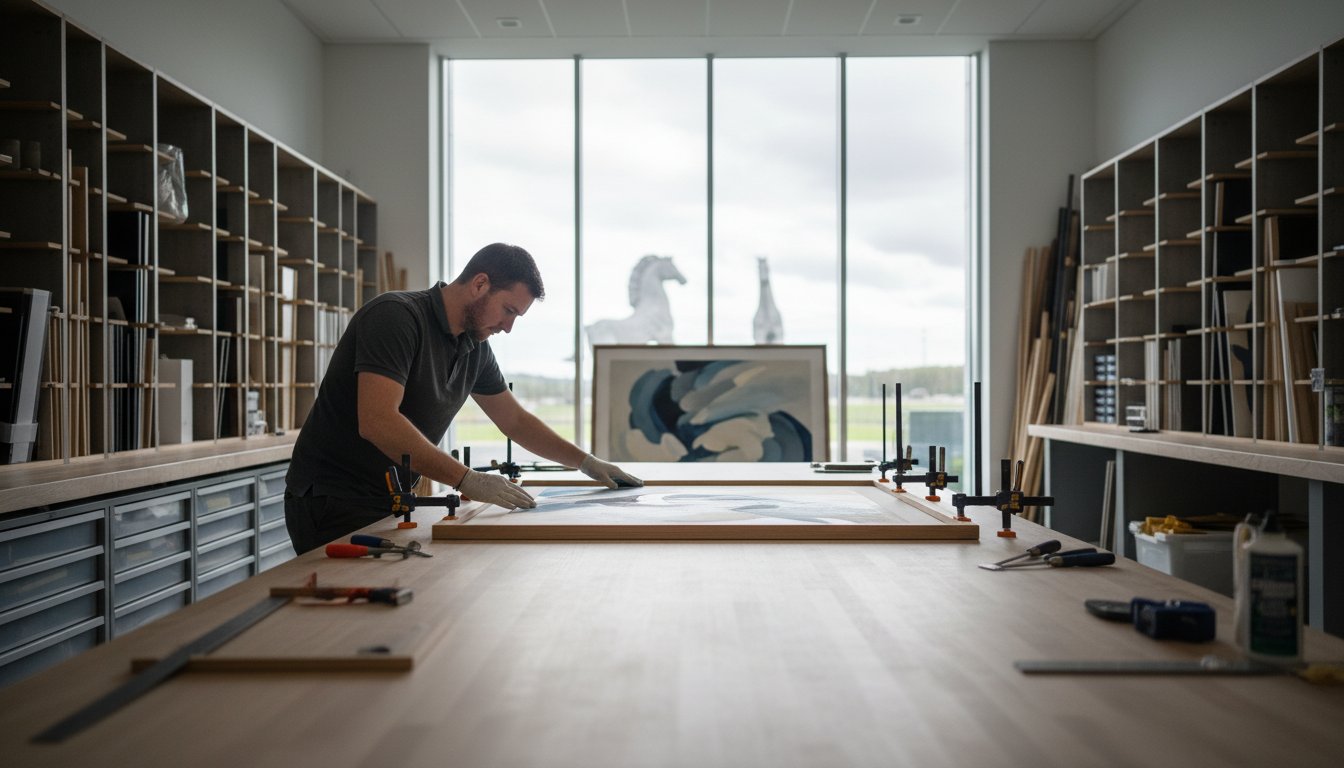
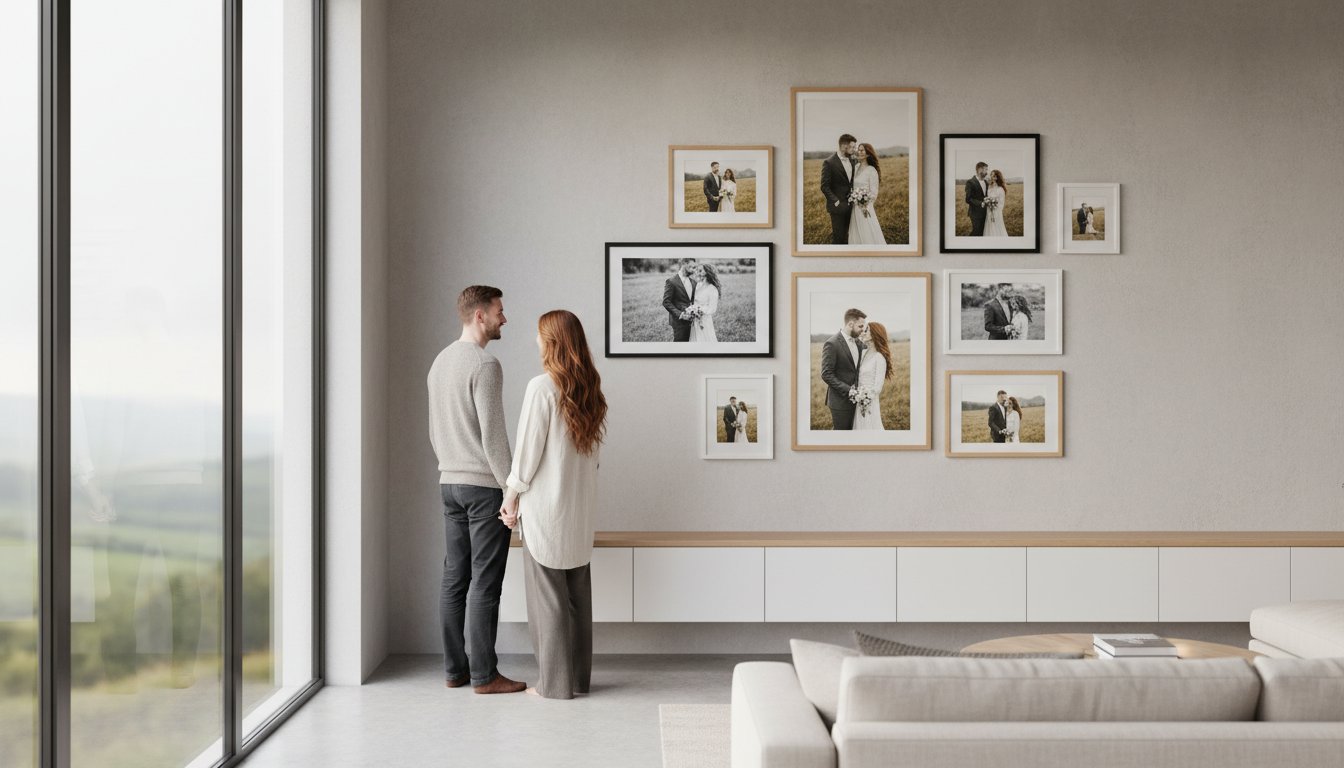
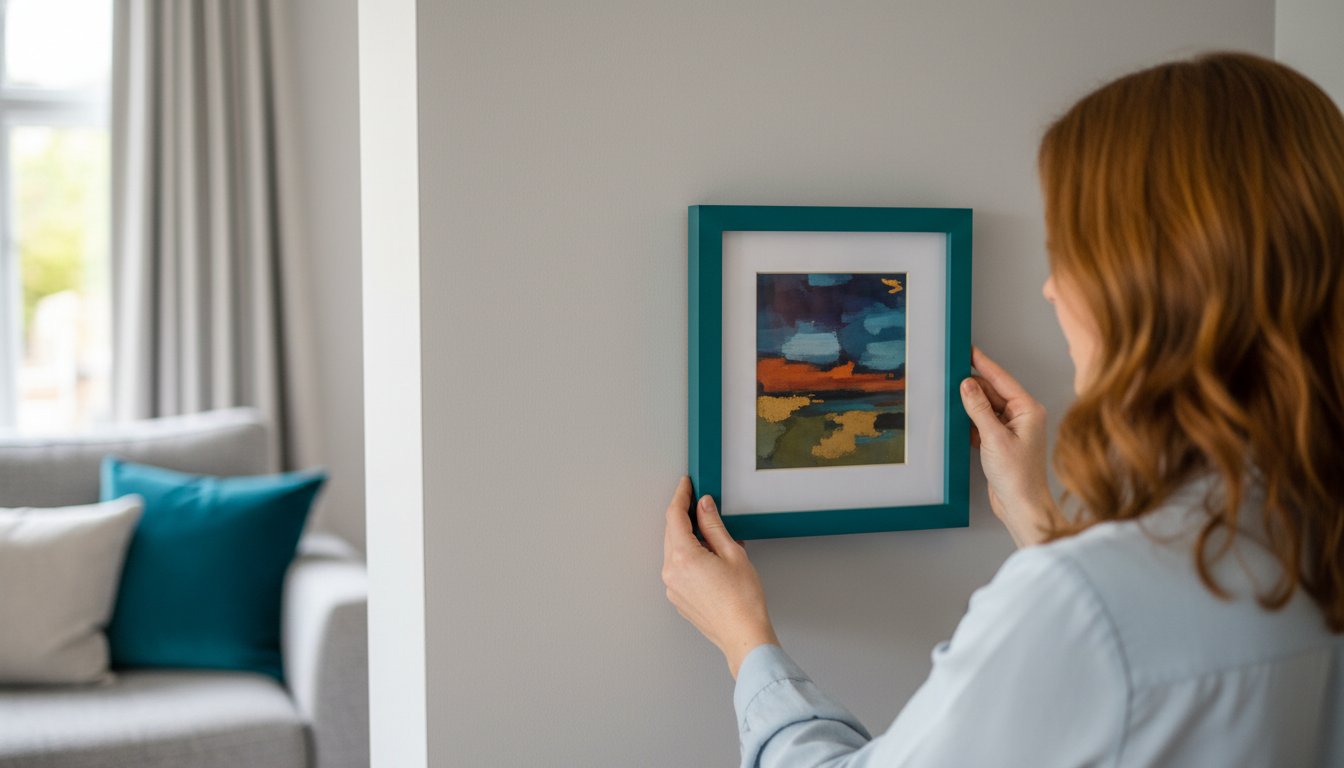
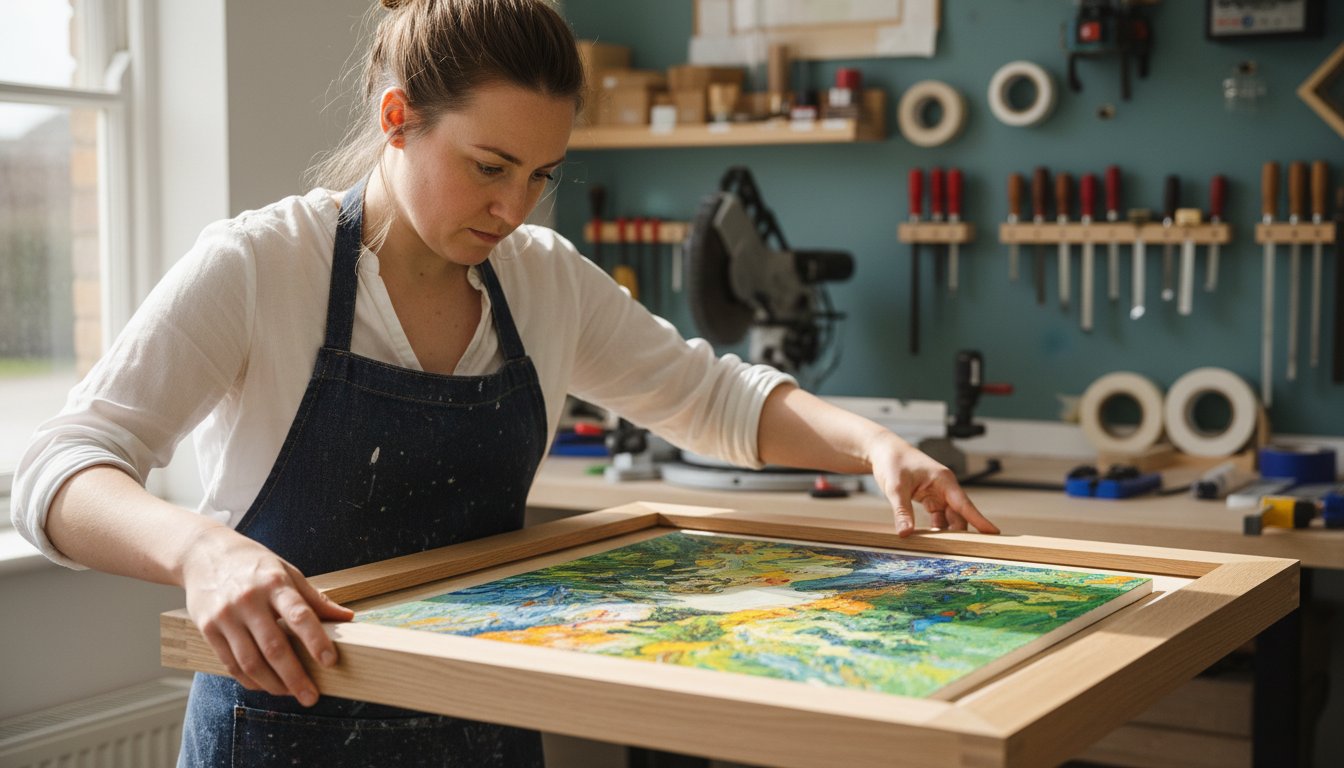
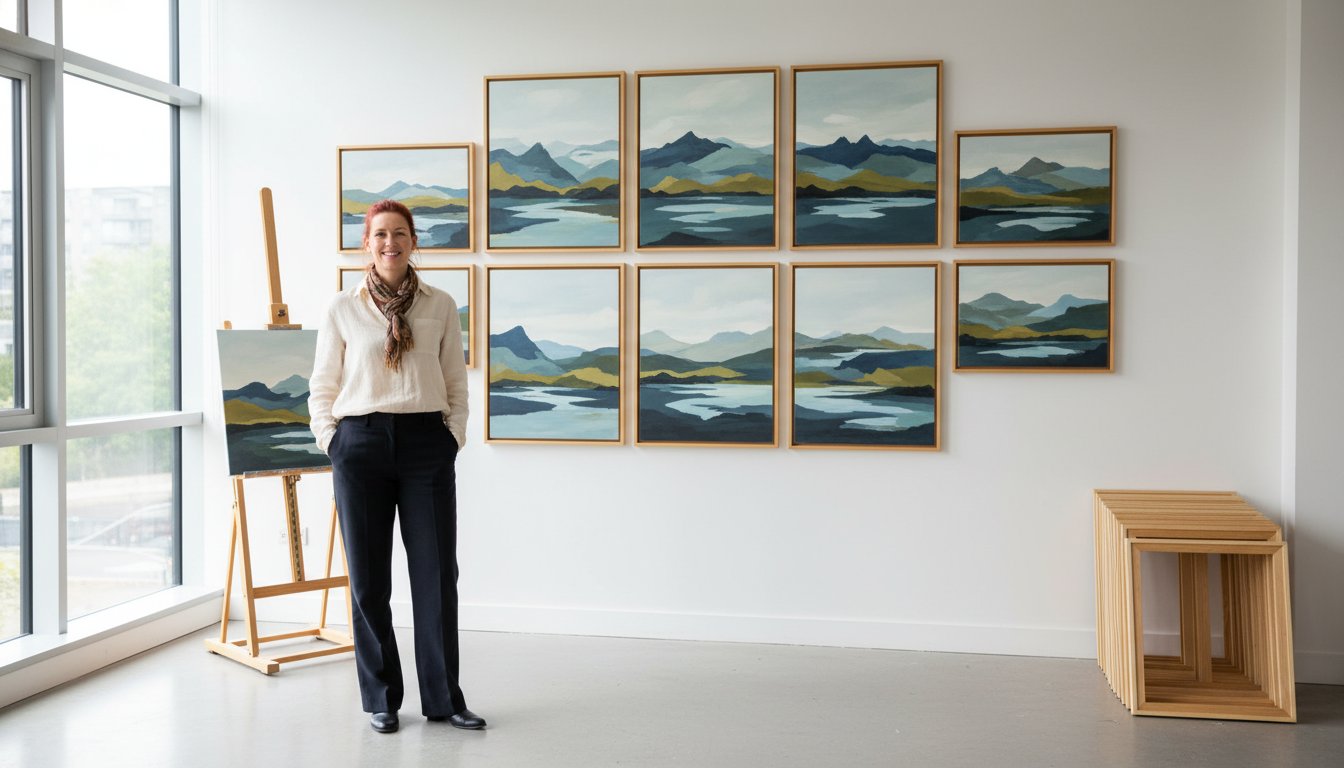
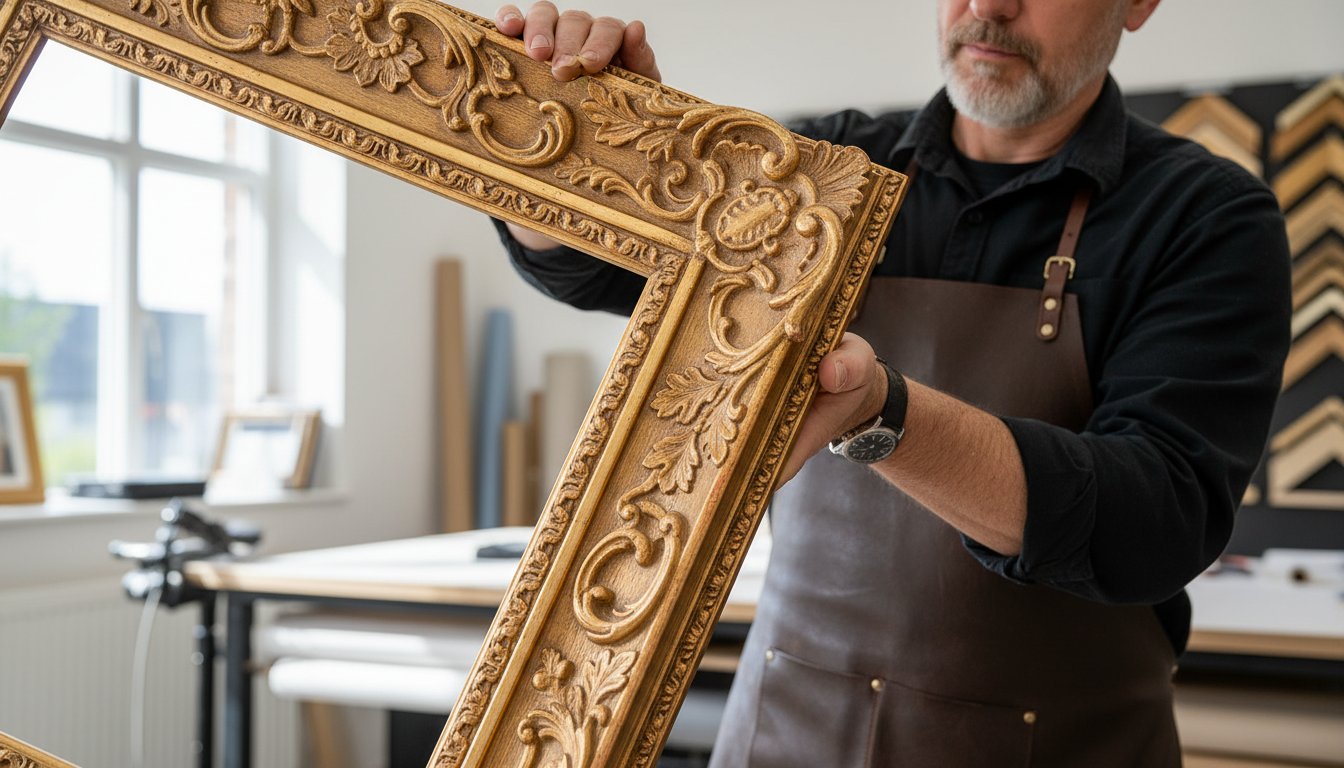
The culmination of months, even years, of creative work is finally ready for the gallery wall. But between your finished canvas and a spectacular exhibition lies a crucial, often daunting, step. Choosing the right custom frames for artists exhibitions can feel overwhelming, with concerns about spiralling costs, gallery expectations, and the fear that a poor choice could detract from your art. It’s a challenge we understand deeply, having worked with countless artists featured in the First4Frames Gallery to present their work with the professional polish it deserves.
This professional guide for 2026 is designed to transform that uncertainty into confidence. We will walk you through every step, from selecting premium, bespoke materials that protect and elevate your artwork to creating a cohesive visual narrative for your show. You’ll learn how to budget effectively for an entire collection and manage the logistics without the stress. Consider this your trusted partner in turning a body of beautiful work into an unforgettable exhibition that captivates your audience and makes a lasting impact.
Key Takeaways
Understand how professional framing elevates your artwork’s perceived value and creates a powerful first impression in a gallery setting.
Learn to select the right moulding, mount, and glazing to build a cohesive visual narrative across your entire collection.
Develop a clear budget for your custom frames for artists exhibitions by understanding the key factors that influence cost and planning effectively.
Discover what to prepare for your consultation to partner successfully with your framer and ensure your creative vision is perfectly realised.
Beyond the Living Room: Why Exhibition Framing Demands a Professional Approach
When preparing artwork for public display, the frame’s role shifts dramatically. It’s no longer a simple decorative accent for a living room wall; it becomes a crucial element of your professional presentation, speaking volumes about you as an artist before a single viewer has truly studied your work. Exhibition framing is about presenting your art to a critical audience-curators, collectors, and critics-in a way that enhances its perceived value and demonstrates your commitment to quality. While the history and purpose of picture frames has deep roots in both decoration and preservation, in a gallery, the primary goal is to serve and elevate the art without distraction.
Achieving this level of polish requires an understanding of professional standards. For a closer look at the techniques involved, this video offers an excellent guide:
The Role of the Frame in a Gallery Setting
Think of an exhibition frame as the artwork’s silent, supportive partner. Its purpose is to create a visual pause, giving the piece essential breathing room from the stark gallery wall and focusing the viewer’s gaze. This is why choosing the right bespoke frame is so important. For a solo show or a series, using consistent, high-quality framing unifies your body of work, transforming individual pieces into a single, cohesive, and powerful statement. Beyond aesthetics, a professionally built frame provides robust protection against the rigours of a public space, from accidental bumps and handling to damaging UV light.
First Impressions: Meeting Curatorial Standards
Galleries, curators, and buyers expect a standard of presentation that off-the-shelf frames rarely meet. First impressions are everything, and a flimsy, poorly finished frame can undermine the perceived quality of the art it holds. Professional venues require:
Archival-Grade Materials: Acid-free mount boards and conservation-grade glazing to protect your work for decades.
Secure and Tidy Fittings: Properly installed D-rings and cord, with the back of the frame sealed cleanly with tape.
Impeccable Craftsmanship: Perfectly joined corners and a flawless finish that signals professionalism.
This is why so many artists rely on specialists for custom frames for artists exhibitions. A professionally crafted frame is an investment in your art’s future, ensuring it is durable enough for a touring exhibition and presented perfectly for a potential sale, reflecting the care and quality inherent in your work.
The Curator’s Choice: Key Decisions in Framing for Gallery Walls
An exhibition is a visual conversation, and the frames are the common language that unites each piece. The curator’s goal isn’t just to hang art, but to present a cohesive vision where the whole is greater than the sum of its parts. Achieving this harmony requires careful consideration of every component, transforming a collection of individual works into a singular, powerful statement. The right custom frames for artists exhibitions don’t just protect the art; they elevate the entire viewing experience, a principle that guides our approach to bespoke framing.
Moulding & Style: Creating a Consistent Narrative
The frame profile, or moulding, is the foundation of your exhibition’s aesthetic. For a powerful, unified look, many artists and curators opt for a single, consistent profile-a slim black wood for a photography series, for instance. Alternatively, a limited palette of two or three complementary frames can add subtle variation without losing cohesion. Natural wood finishes can add warmth to oil paintings, while clean, painted finishes suit contemporary prints. For modern canvases, a tray frame offers a sophisticated, gallery-ready finish that lets the artwork appear to float.
Glazing Options: Protecting Your Work & Enhancing Viewing
Glazing does more than keep dust off; it protects your art from irreversible damage and controls how the viewer sees it. For any original work or limited edition print destined for sale, UV-filtering glazing is non-negotiable to prevent fading. For larger pieces or touring shows, premium acrylic is often a safer and lighter alternative to glass. Here’s a simple breakdown:
Personal display in rooms without direct sunlight.
UV-Filtering Glass
Blocks ~99% of harmful UV rays
Essential for selling original art, limited editions, and conservation.
Anti-Reflective Art Glass
UV protection with near-invisibility
Premium exhibitions where clarity and colour accuracy are paramount.
Mounts & Spacing: Giving Your Art Room to Breathe
The mount, or matboard, provides crucial breathing space between the artwork and the glazing, preventing potential damage from condensation. It is absolutely vital to use only acid-free, conservation-grade mountboard to prevent discolouration-a standard we uphold in all our bespoke framing services and which aligns with professional conservation framing guidelines. A traditional window mount draws the eye inward, while float mounting-where the art is raised on a foam core-creates a beautiful shadow effect, perfect for pieces with deckled or unique edges. The width and colour of the mount can dramatically alter perception; a generous, soft white mount can make a small, delicate watercolour feel monumental.
Budgeting & Logistics: Planning Your Exhibition Framing Project
Embarking on the journey of framing an entire show is a significant step, and we understand that the primary concern for many artists is the cost. Viewing framing not as an expense, but as a crucial investment in your professional presentation, can shift the perspective. A beautifully executed frame does more than just protect your work; it’s the bridge between your art and the viewer. Let’s break down the practical steps to planning your custom frames for artists exhibitions project, making it a seamless and rewarding experience.
Thinking about your professional presentation holistically is key. While frames are crucial inside the gallery, consider how you promote your work outside of it. For artists looking to make a big local impact, professional branding extends to all aspects of their business; some even use their transport for promotion with high-quality vehicle graphics Walsall to build buzz around a show.
How to Budget for Framing an Entire Show
The cost of framing is influenced by several key factors. Creating a simple spreadsheet to list each piece, its dimensions, and your desired materials is an excellent first step. This will help you, and us, build an accurate quote. Remember to ask about discounts for larger orders-many professional framers offer reduced rates for a full exhibition.
Size: Larger pieces require more materials and labour, which is reflected in the price.
Materials: A simple, slim black wood moulding will be more budget-friendly than a bespoke, hand-finished oak frame. Premium materials not only look spectacular but also meet archival framing standards, protecting your art for years to come.
Glazing: This is a major cost variable. While standard acrylic is a great option, upgrading to anti-reflective or UV-protective glass can significantly increase the cost per frame, but offers unparalleled clarity and preservation.
Creating a Realistic Project Timeline
To ensure a stress-free process and the highest quality craftsmanship, avoid leaving framing to the last minute. We recommend contacting your framer at least 4-6 weeks before your exhibition deadline. Rushing the process can lead to mistakes or compromise on material choices. A typical timeline for custom frames for artists exhibitions includes:
Consultation: Discussing your vision, artwork, and material options.
Material Ordering: Sourcing the specific premium mouldings and glazing for your project.
Production: Our experts perform the bespoke craftsmanship in our workshop.
Finishing & Delivery: Final quality checks and arranging for collection or specialist delivery.
Once your pieces are professionally framed, the final step is transportation. We can advise on the best practices for wrapping and transporting your work or recommend trusted local art couriers to ensure every piece arrives at the gallery in perfect, ready-to-hang condition.
Your Pre-Framing Checklist: How to Partner with Your Framer for Success
Choosing the perfect custom frames for artists exhibitions is more than a simple purchase; it’s a creative collaboration. A successful partnership with your framer begins long before you walk through their door. By preparing in advance, you empower yourself to communicate your vision clearly, ensuring the final result not only protects your work but elevates it for the gallery wall. This simple checklist will help you gather everything you need for a productive and inspiring consultation.
Step 1: Gather Your Artwork Information
Your framer’s expertise is most effective when they have precise details. Before your meeting, compile a clear inventory of the pieces requiring bespoke framing. This foundation of information ensures every recommendation is perfectly tailored to your art.
Create a list of all artworks with their exact dimensions (height, width, and the depth of any canvases).
Note the medium of each piece (e.g., oil on canvas, watercolour on paper, Giclée print, or mixed media).
Take clear photographs of the works to share during the consultation, helping to discuss colour and style.
Step 2: Define Your Vision & Budget
With the practical details sorted, it’s time to focus on the aesthetic. Thinking about the overall look you want to achieve, alongside a clear financial plan, will guide the creative process and keep the project on track.
Bring inspiration: Collect images of framed art or exhibitions you admire—browsing the online collections of galleries like Aleph Contemporary is a great place to start. Describe the atmosphere you want to create-minimalist, traditional, or bold?
Set a realistic budget: Have a clear idea of your total framing budget. A professional framer can offer beautiful solutions at different price points.
Know your deadlines: Note your exhibition dates and any specific hanging requirements from the gallery.
Step 3: Questions to Ask Your Framer
A consultation is a two-way conversation. Asking the right questions builds confidence and clarifies expectations. As a trusted professional with excellent customer ratings, we believe in complete transparency throughout the craftsmanship process.
What conservation-grade materials (e.g., acid-free mountboard, UV-protective glazing) do you use as standard?
Can you provide a detailed quote and a clear timeline for a project of this scale?
Do you have experience providing custom frames for artists exhibitions?
By following these steps, you transform the framing process from a task into an exciting part of your exhibition journey. For inspiration on how different styles can come together, explore the beautifully presented works in the First 4 Frames gallery.
Partnering with First4Frames: Bespoke Framing for Scottish Artists
Choosing the right partner for your exhibition framing is as crucial as the art itself. At First4Frames, based in our Falkirk gallery and workshop, we combine a deep passion for art with over two decades of framing expertise. We are proud to be the trusted choice for many Scottish artists, helping them present their work with the professional finish it deserves. Our commitment to quality is evident in every project, from using archival-grade materials to our meticulous craftsmanship, a standard reflected in our excellent customer reviews.
A One-Stop-Shop for Your Exhibition Needs
We understand that preparing for a show involves many moving parts. To streamline your process, we offer a comprehensive Giclée printing service, allowing you to create stunning, gallery-quality reproductions of your work. We can then professionally frame these prints, providing a seamless solution from digital file to finished piece. Our own Falkirk gallery, which showcases work from leading Scottish artists, stands as a testament to our understanding of the art world and what it takes to create a spectacular display.
Our Collaborative Process
Your artistic vision is our starting point. We begin every project with a detailed consultation to understand your unique style, the story behind your work, and your specific exhibition goals. Our experts provide tailored advice on everything from moulding profiles to glazing options, ensuring the final frame perfectly complements your art and fits your budget. In our workshop, we merge time-honoured traditional skills with modern technology to deliver flawless, bespoke custom frames for artists exhibitions.
Start Your Exhibition Journey with Us
Whether you need a single, show-stopping frame or a cohesive set for an entire collection, we provide bespoke solutions tailored to your needs. Our extensive experience working with artists and commercial clients means we understand the importance of deadlines and specifications, delivering exceptional results on time, every time. Let us help you make your next exhibition a resounding success. Contact our team today to discuss your upcoming exhibition.
Frame Your Success: The Final Step to an Unforgettable Exhibition
As we’ve explored, preparing for a gallery show goes far beyond the canvas. Professional exhibition framing is a critical art form in itself, requiring meticulous planning, a curator’s eye, and a strong collaborative relationship with your framer. The right custom frames for artists exhibitions are not just accessories; they are the final brushstroke that completes your artistic statement and captivates your audience.
This is where true craftsmanship makes all the difference. At First4Frames, we bring over 20 years of bespoke framing experience to every project. We are proud to be the trusted partner for artists and galleries across Scotland, a reputation built on premium quality and exceptional service, as reflected in our excellent customer ratings. We believe every piece of art deserves a frame that enhances its story.
How much does it cost to frame art for an exhibition?
The cost of framing for an exhibition can vary significantly based on your specific needs. Factors include the size of the artwork, the choice of moulding, the type of mount, and the glazing selected. A simple, smaller frame might start from around £40, while a large, bespoke piece with conservation-grade materials and anti-reflective glass could cost £150 or more. We provide a detailed quote for every project to ensure complete transparency and help you budget effectively for your show.
Should all the frames in an art exhibition be the same?
Consistency is key to a professional and cohesive exhibition. Using the same frame profile and colour across all pieces allows the artwork itself to be the star of the show. This creates a unified viewing experience for your audience. However, a curated mix of frames can work if it’s a deliberate artistic choice. For a balanced approach, consider using the same frame profile in a limited palette of two or three complementary colours that suit the collection.
What is museum-quality or conservation framing?
Conservation framing is a method designed to protect your artwork for the long term. It involves using premium, acid-free materials, including mount boards and backing, to prevent yellowing and deterioration over time. Crucially, it also uses glazing that filters out up to 99% of harmful UV rays, which are a primary cause of fading. This standard of craftsmanship ensures your art remains as vibrant as the day it was created, which is essential for any professional artist.
How do I choose the right colour frame for my artwork?
The perfect frame should act as a bridge between the art and the wall, enhancing the piece without overpowering it. Instead of matching the frame to a dominant colour in your art, try complementing a subtle, secondary tone. Classic neutral choices like black, white, or natural wood are incredibly versatile and lend a sophisticated gallery feel; you can learn more about Essex Board & Timber to see the variety of high-quality materials available. Our experts are always on hand to offer bespoke advice, ensuring you find the perfect partner for your masterpiece.
How far in advance should I get my art framed before a show?
To ensure a seamless and stress-free experience, we recommend starting the framing process at least 4-6 weeks before your exhibition opens. This timeframe allows for a thorough consultation, sourcing the best materials, and dedicating the time needed for our meticulous craftsmanship. Planning ahead is crucial when ordering custom frames for artists exhibitions, as it guarantees your work is presented beautifully and professionally, just as you envisioned, and ready for opening night without any last-minute rushes.
What is the best type of glass for picture frames in a gallery?
For a gallery setting, we highly recommend specialist anti-reflective glass. While standard glazing can create distracting reflections under bright gallery lighting, anti-reflective options are designed to be almost invisible, offering a crystal-clear view of your artwork from any angle. Many of these premium glazing options also provide excellent UV protection, combining superb clarity with conservation-grade quality. It’s a worthwhile investment to ensure your art is seen at its absolute best.
Can you frame canvases and works on paper for the same exhibition?
Absolutely. It is very common to display different media in a single show, and we can create a cohesive look across all pieces. Works on paper typically require a mount and glazing for protection, while canvases are often set in floater frames to showcase their texture. By selecting a consistent moulding profile or colour palette for both types of frames, you can unify the exhibition beautifully. Our expertise in custom frames for artists exhibitions ensures every piece is presented perfectly.
The confetti has settled, the thank-you cards are sent, and now you’re faced with a hard drive full of hundreds of beautiful wedding photos. The thought of choosing just one, let alone deciding on a style that will feel timeless for decades to come, can feel overwhelming. How do you transform those precious digital files into a tangible celebration of your love story without it becoming a complicated or costly project?
If you’re looking for inspiring and creative framing wedding photos ideas, you’ve come to the right place. We believe your memories deserve to be at the heart of your home, showcased with the care and craftsmanship they warrant. This guide is designed to demystify the process and spark your imagination, turning what feels like a daunting task into an exciting artistic journey.
Get ready to discover 21 beautiful concepts, from spectacular gallery walls to elegant, single statement pieces. We’ll help you find the perfect, bespoke style that acts as a bridge between your décor and your memories, ensuring your wedding day photos become a cherished part of your home for a lifetime.
Key Takeaways
Define your home’s décor style-whether modern, rustic, or minimalist-to ensure your framed photos become a seamless and beautiful part of your space.
Discover a wealth of creative framing wedding photos ideas, from dynamic gallery walls that grow with your family to elegant triptychs that narrate a specific moment.
Understand the key components of a professional frame, from the mount to the glazing, to make confident choices that protect and enhance your precious memories.
See how a simple, collaborative bespoke framing process can transform your favourite wedding photo from a digital file into a timeless, tangible masterpiece.
Beyond the Album: Why Your Wedding Photos Deserve a Perfect Frame
After the confetti has settled and the thank you cards are sent, you’re left with a beautiful collection of memories-often hundreds of digital files living on a hard drive. While a wedding album is a treasured keepsake, the most spectacular moments deserve to be seen every day. Transforming your favourite photographs from pixels into premium, tangible art turns a fleeting moment into a permanent reminder of your joy, beautifully integrated into the home you share.
For some beautiful visual inspiration on this, take a look at the video below:
Telling Your Story, One Frame at a Time
Your wedding photos are more than just pictures; they are chapters in your unique love story. Professional framing allows you to become the curator of your own history, highlighting the moments that truly resonate. Think beyond a single “hero shot” above the mantelpiece. Consider a gallery wall of candid laughter, a triptych of your vows, or a small, intimate frame on your bedside table. These curated collections offer richer, more nuanced framing wedding photos ideas that tell your complete story.
The Value of Professional Craftsmanship
A professional frame does more than just decorate; it preserves your precious memory for a lifetime. There’s a significant difference between a cheap, off-the-shelf frame and a bespoke, archival-quality one. An inexpensive frame often uses acidic mount boards and backing that can cause your photograph to yellow and deteriorate over time. In contrast, professional craftsmanship relies on conservation materials:
Acid-free mounts and backing to prevent discolouration and damage.
Conservation-grade glazing with UV protection to stop your image from fading in the light.
Precision-joined corners and a solid construction that ensures durability and a flawless finish.
This commitment to quality is part of a long and proud tradition; in fact, the history of picture frames reveals how artisans have always sought the best methods to protect and present treasured images. A well-chosen, bespoke frame enhances the photograph without distracting from it, acting as the perfect bridge between the artwork and your room’s décor to complete the look.
First, Find Your Style: Matching Frames to Your Photos & Home
Before you dive into selecting a specific frame, take a moment to consider the bigger picture. The most spectacular results come when the frame acts as a beautiful bridge between your cherished photograph and your home’s unique character. A bespoke frame shouldn’t just encase the photo; it should elevate it, seamlessly integrating your memories into your daily life. The best framing wedding photos ideas begin not with the photo, but with your personal style.
Think about the mood of your home. Is it a clean, modern space or a cosy, traditional retreat? Also, consider the photograph itself. A formal, posed portrait asks for a different treatment than a candid, joyful moment captured on the dance floor. The golden rule is to match the frame to the room’s décor first, ensuring the final piece feels intentional and perfectly placed.
For the Modern & Minimalist Home
If your home celebrates clean lines and uncluttered spaces, your frame choice should reflect that. This style is all about quiet confidence and letting the photograph shine. We recommend focusing on:
Sleek Profiles: Choose thin, simple frames in classic black, crisp white, or light natural woods like ash or maple.
Float Mounting: For a truly contemporary, gallery-like feel, consider float mounting. This technique raises the print from the backing, creating a subtle shadow and a sense of depth. You can learn more about how professionals use these expert framing techniques to create stunning visual effects.
Generous Mounts: Using an oversized, single mount (or “mat”) creates negative space, which draws the viewer’s eye directly to the image at the centre.
For the Classic & Traditional Space
A traditional home embraces elegance, history, and fine craftsmanship. Your wedding photos can become timeless heirlooms with frames that feature richer details and a sense of grandeur. Explore options such as:
Ornate Details: Don’t be shy of detailed or gently-swept profiles in finishes like antique gold, polished silver, or rich, dark woods like mahogany.
Layered Mounts: A double or even triple mount with a bevelled edge adds sophisticated depth and a truly bespoke finish to your photograph.
Timeless Pairings: Classic frames are a perfect partner for black-and-white wedding photography, creating an enduring and romantic piece of art.
For the Rustic or Bohemian Vibe
To complement a home filled with natural textures, warmth, and an eclectic spirit, choose frames that feel organic and authentic. This approach to framing wedding photos ideas is about celebrating imperfection and personality. Look for:
Natural Woods: Frames made from oak, walnut, or reclaimed wood with a visible grain add texture and warmth.
Soft Edges: Consider printing your photos with a torn or deckled edge for a softer, more handcrafted appearance that pairs beautifully with natural wood.
An Eclectic Mix: A gallery wall with a collection of different wood tones and simple frame styles can create a display that feels personal, curated, and full of life.
21 Creative Wedding Photo Display Ideas to Inspire You
Your wedding photos are more than just pictures; they are treasured moments captured in time. Deciding how to display them can feel like a big decision, but it’s also a wonderful opportunity to infuse your home with love and personality. To help you get started, we’ve curated a list of beautiful and creative framing wedding photos ideas that turn your memories into spectacular works of art.
Collections & Series: Telling Your Story
Use multiple photos to build a beautiful narrative of your special day. Our bespoke framing service ensures every piece in your collection is finished to perfection, creating a cohesive and professional display.
The Triptych: Tell a mini-story across three panels. Imagine a sequence: the walk down the aisle, the first kiss, and the joyful confetti exit.
The Story Grid: Achieve a clean, modern look using a symmetrical grid of smaller, same-sized frames. This is perfect for showcasing a series of moments, like the ‘first look’ or candid guest reactions.
The Gallery Wall: Create a dynamic, personal feature by mixing sizes, orientations, and even frame styles. Learn more in our guide on how to create the perfect gallery wall.
The Family Timeline: A gallery wall is the perfect way to let your story grow. Over time, you can add photos from anniversaries, travels, and other precious new beginnings. Many couples even include the first cherished images of their growing family from clinics like Scan Baby Ltd, creating a beautiful visual legacy.
The Details Collection: Group small, matching frames to highlight the little things-the rings, the bouquet, the shoes-for a display rich in texture and memory.
Highlighting details like the wedding rings in a photo collection is a wonderful way to remember the craftsmanship of your special day. If that appreciation for artistry inspires you to find another timeless memento, you can explore Fine Jewelry that can be treasured for generations.
Single Frame, Big Impact
Sometimes, one single image is all you need to make a powerful statement. Choosing a premium Giclée print and a quality frame does the heavy lifting, pulling you right back into that perfect moment.
The Statement Piece: Go big! A spectacular, large-format print of your absolute favourite photograph makes an undeniable focal point in any room.
The Floating Frame: For a contemporary feel, a floating frame gives your photo the appearance of hovering within the frame, adding depth and elegance.
The Vows & Photo Frame: Combine your most cherished portrait with your wedding vows, beautifully printed and mounted side-by-side in one large, bespoke frame.
Beyond the Living Room
Think beyond the main living spaces. Your wedding photos can bring warmth and joy to every corner of your home, reminding you of your love story as you go about your day.
The Staircase Gallery: Let your story unfold as you climb. Arrange photos chronologically up the staircase wall for a journey through your wedding day.
The Bedroom Collection: Create an intimate and personal display above a headboard or on a chest of drawers. This is your private sanctuary, perfect for your most cherished moments.
The Hallway Series: A long hallway is the perfect canvas for a linear series of frames, guiding visitors through the highlights of your celebration.
The Mantlepiece Moment: A small, exquisitely framed photo on a mantlepiece or bookshelf adds a subtle, elegant touch of personal history.
The Kitchen Heart: Don’t forget the kitchen! A small, framed photo on a shelf adds a personal touch to the heart of your home. If you’re considering a bigger update to create the perfect backdrop for your new life together, a professional cabinet refresh can make a world of difference. For inspiration on what’s possible, look at services like Cabinet Painting Denver that specialize in transforming kitchens.
As you curate these personal spaces, remember that the tactile elements are just as important as the visual ones. Creating a true sanctuary, especially in the bedroom, often means investing in comfort. For those who appreciate fine craftsmanship in their frames, extending that same quality to bedding can complete the experience. Brands like King of Cotton specialize in luxurious linens that can elevate your home’s most intimate spaces.
The Anatomy of a Perfect Frame: A Practical Guide
The world of bespoke framing can seem intimidating, filled with technical terms and endless choices. But creating the perfect home for your wedding photos is a joyful process, not a complicated one. Think of it as choosing the perfect outfit for your most cherished memory. We’re here to demystify the key components, and remember, a professional framer is always on hand to guide you towards the best choices for your specific photograph and home décor.
Moulding: The Foundation of the Frame
Moulding is simply the material that forms the structure of your frame. The material, width, and finish you choose will define the overall style. The two most popular choices offer distinct aesthetics:
Wood: Timeless, warm, and versatile. A classic oak or a painted white finish brings a natural, elegant feel to any room.
Metal: Usually aluminium, this option provides a slim, sleek, and contemporary look that’s perfect for modern interiors.
A slim profile creates a minimalist feel, letting the photo shine, while a wider, more ornate moulding makes a bold statement. This is one of the most exciting parts of generating your own unique framing wedding photos ideas.
Mounts (or Mats): Giving Your Photo Room to Breathe
A mount is the paper or card border that sits between the moulding and your photograph. It serves two vital purposes: it creates visual space that draws the eye into the image, and it crucially prevents your precious photo from touching the glass, which can cause damage over time. While crisp white is a timeless choice, a coloured mount can be used to pick out an accent from your photo, such as the colour of the flowers in a bouquet. For more detail, see our guide to Choosing Mounts & Glass.
Glazing: Protecting Your Precious Memories
Glazing is the protective glass or acrylic sheet that covers your artwork. This is perhaps the most important element for preservation. We strongly recommend choosing glazing with at least 99% UV protection. Standard glass does little to block the harmful ultraviolet rays in sunlight, which are the primary cause of photographs fading and discolouring over the years. For rooms with bright light, anti-reflective glazing is a spectacular option that reduces glare and ensures your photo is seen with perfect clarity.
Feeling inspired? Explore our gallery to see how these beautiful elements come together in our bespoke frames.
From Idea to Masterpiece: How Bespoke Framing Works
You’ve explored a world of beautiful display concepts, and now you have a vision for your cherished wedding photos. But how do you bridge the gap between a great idea and a stunning, professionally finished piece for your wall? This is where craftsmanship and collaboration come together. At First4Frames Gallery, we make the bespoke framing process simple, personal, and rewarding, turning your initial framing wedding photos ideas into timeless works of art.
Our process isn’t just about selling you a frame; it’s a partnership dedicated to protecting and showcasing your most precious memories. We believe the perfect frame does more than just surround a picture-it enhances the story within it, connecting the artwork to your home and your heart.
Your Personal Framing Consultation
Your journey begins with a conversation. When you contact us, we take the time to understand your vision. We’ll discuss the photograph itself, the style of your home décor, and the feeling you want to create. Together, we’ll explore our extensive collection of premium mouldings, conservation-grade mounts, and specialist glazing options to find the perfect combination. Whether you visit our gallery in Falkirk for a hands-on experience or use our convenient online service from anywhere in the UK, our expert guidance is always part of the package.
Bringing Your Wedding Story Home
Choosing to professionally frame your wedding photos is an investment in your legacy. It ensures your memories are not only displayed beautifully but are also protected with archival-quality materials that prevent fading and damage for decades to come. Our passion for art and meticulous craftsmanship is evident in every piece we create. We are dedicated to helping you honour your wedding day with a display that is as perfect and enduring as the memory itself.
Your Wedding Story, Beautifully Framed for a Lifetime
Your wedding photos are more than just pictures; they are the first chapter of your life together, and they deserve to be displayed with the care and artistry they represent. As we’ve explored, choosing the right frame is about matching your personal style and understanding how quality materials can preserve your memories for decades. We hope these framing wedding photos ideas have sparked your imagination and shown you the spectacular possibilities beyond the album.
At our gallery in Falkirk, Scotland, we combine over 20 years of expert framing experience with a genuine passion for bespoke craftsmanship. Using only premium, conservation-grade materials, we ensure your cherished memories are protected and perfectly presented. We are dedicated to helping you transform a beautiful moment into a timeless piece of art for your home.
How much does it cost to frame a wedding photo professionally?
Professional framing costs in the UK vary based on size, materials, and glazing. For a standard 8×10 inch photo, you might expect prices to start from around £50-£70. Larger, more ornate pieces using premium solid wood, conservation-grade mounts, and UV-protective glass can cost £150 or more. Our bespoke service provides a detailed quote, ensuring the highest quality craftsmanship for your budget and protecting your cherished memory for years to come.
Which wedding photos are the best to frame?
The best photos to frame are those that tell your unique story and evoke powerful emotions. Consider a mix of iconic moments-the first kiss or walking down the aisle-with candid, joyful shots that capture the atmosphere of the day. A beautiful portrait of the two of you is a classic choice, but don’t overlook detailed shots of the rings or bouquet. Choose the images that make you smile every time you see them; those are the perfect candidates for a frame.
Should I frame my wedding photos in colour or black and white?
This is a personal choice that depends on the photo and your home’s aesthetic. Colour photos capture the vibrant, celebratory mood of your day-the flowers, the décor, the outfits. Black and white, however, offers a timeless, classic feel that emphasises emotion, light, and composition. For a dramatic, artistic look, black and white is spectacular. We often find that a mix of both creates a beautiful and dynamic gallery wall in any home.
How long does custom picture framing take?
Our bespoke framing service is both meticulous and efficient. Typically, the process from your initial consultation to having the finished piece ready for collection or delivery takes between 7 and 14 working days. This allows our craftspeople the time to source the best materials and give your photograph the precise, professional attention it deserves. If you have a specific deadline, please let us know and we will always do our best to accommodate your timeline.
Can I frame something other than a photo from my wedding, like my invitation?
Absolutely! Framing wedding mementos is a beautiful way to preserve the complete story of your day. We can create stunning bespoke frames for your wedding invitation, order of service, a pressed flower from your bouquet, or even a piece of lace from a dress. This type of “shadow box” framing adds depth and personality, turning cherished keepsakes into a unique piece of art. It’s a wonderful addition to your other framing wedding photos ideas.
What is the difference between custom framing and buying a ready-made frame?
A ready-made frame comes in standard sizes with limited style choices. While convenient, the materials may not offer long-term protection for your precious photo. Custom framing, on the other hand, is a completely bespoke service. We craft a frame to the exact dimensions of your piece, offering a vast selection of premium mouldings, mounts, and protective glazing options. This ensures a perfect fit and uses conservation-grade materials to protect your wedding photo from fading for decades.
How do I care for my framed wedding photos?
To keep your professionally framed photos looking beautiful, care is simple but important. The most crucial step is to hang your art away from direct sunlight and sources of high heat or humidity. Dust the frame and glazing regularly with a soft, dry microfibre cloth. Avoid spraying cleaning products directly onto the surface; instead, spray a small amount onto your cloth first. This simple care will ensure your cherished memories are preserved perfectly for a lifetime.
You’ve found the perfect piece of art, a spectacular print that speaks to you. Now comes the final, crucial decision: the frame. The thought of choosing a colour can feel overwhelming. Will it clash with your decor? Will a bold choice look dated in a few years? It’s a common fear that can stand between you and a truly stunning display. This is where the transformative power of custom colour picture frames comes in. A bespoke frame is more than just a border; it’s the bridge between your artwork and your living space, the final touch that ties everything together with professional flair.
In this ultimate guide, we demystify the world of colour. Forget the guesswork and anxiety; we’ll walk you through simple principles to help you select a hue that makes your artwork sing, complements your existing decor, and expresses your personal style. By the end, you’ll have the confidence to choose the perfect coloured frame with the ease of a seasoned professional and create a display that is uniquely and beautifully you.
Key Takeaways
Learn how the right frame colour can dramatically alter the mood of your artwork and act as a beautiful bridge to your room’s decor.
Discover a simple method using the colour wheel to confidently choose hues that either complement or contrast with your art.
Find specific colour recommendations tailored to your home’s interior style, whether it’s modern, traditional, or eclectic.
Follow our step-by-step process to confidently select bespoke custom colour picture frames that perfectly reflect your personal taste.
Why Go Beyond Black and White? The Power of a Coloured Frame
A picture frame is far more than a simple border; it’s a crucial design element that acts as a bridge between your artwork and your room’s decor. While classic black, white, or natural wood frames are timeless choices, they often play a supporting role. A coloured frame, however, does some of the heavy lifting. It has the power to dramatically alter the mood of a piece, draw the eye to specific details, and create a truly bespoke finish that is uniquely yours.
Choosing a custom colour is a professional interior design trick used to achieve a cohesive, polished look that feels intentional and thoughtfully curated. It’s an opportunity to transform the entire dynamic of your art-making a traditional piece feel excitingly modern or lending a classic, timeless quality to a contemporary print. To see how the right frame can transform a piece, take a look at this helpful video:
Make Your Artwork Pop
The right colour choice can elevate your art from beautiful to spectacular. By applying some basic color theory principles, you can create stunning visual effects. Consider these professional techniques:
Create contrast: Use a complementary colour-opposite on the colour wheel-to make the artwork stand out. A deep orange frame around a blue-toned seascape creates a dynamic, energetic feel.
Build harmony: Choose an analogous colour-one that sits next to the main colour in the art-for a unified, serene aesthetic. A soft green frame can beautifully complement a print dominated by blues and yellows.
Pull an accent: Select a subtle, minor colour from within the artwork and use it for the frame. This expert touch draws attention to finer details and creates a sophisticated, cohesive look.
Create a Cohesive Room Aesthetic
Custom colour picture frames are a powerful tool for unifying your interior design. Instead of treating the art as a separate entity, a coloured frame integrates it seamlessly into your space. You can match the frame to other accents in the room, such as cushions, a rug, or a statement vase, to tie the entire scheme together. In a neutral room, a bold, brightly coloured frame can become a stunning focal point. For a gallery wall, using a single, consistent custom colour across all frames creates a powerful, unified display, even with a diverse collection of art.
Express Your Unique Personality
Colour is deeply connected to emotion, and your choice of frame is a wonderful way to express your personal style. Moving beyond standard options allows you to create something truly bespoke that reflects you. A vibrant yellow frame can inject a sense of energy and optimism into a kitchen, while a deep, calming navy can add a touch of sophistication and tranquillity to a study or bedroom. Your home is your story, and a custom-coloured frame is the perfect finishing touch to help you tell it.
A Simple Guide to Colour Theory for Picture Framing
Choosing the perfect colour for your picture frame can feel daunting, but you don’t need an art degree to make a spectacular choice. Think of colour theory as a simple set of tools, not a rigid rulebook. The most important rule? Trust your own taste. A frame is the bridge between your art and your room, and selecting the right shade is a beautiful final touch to your piece. Let’s demystify the process with a few foundational concepts.
Understanding the Colour Wheel
The colour wheel is your best friend in this journey. It’s a visual map that shows the relationships between colours, making it easy to create beautiful pairings. Here are the key combinations to know:
Complementary Colours: These are opposites on the colour wheel (like blue and orange, or red and green). A complementary frame creates high contrast, making the artwork pop with energy and impact. It’s a bold choice that draws the eye.
Analogous Colours: These colours sit next to each other on the wheel (like blue, green, and teal). An analogous frame colour creates a serene and harmonious effect, blending beautifully with the artwork for a calm, cohesive look.
Warm vs. Cool Tones: Setting the Mood
Colours have a temperature that influences the mood of both the artwork and the room. Warm colours like reds, oranges, and yellows feel energetic, cosy, and intimate. Cool colours such as blues, greens, and purples create a sense of calm and spaciousness. A professional touch is to match the frame’s tone to the dominant temperature of the artwork. This is where bespoke custom colour picture frames truly shine, allowing you to find the perfect shade. This principle also extends to your home; a deeper understanding of matching frame to your interior design helps create a perfectly curated space.
The Versatility of ‘Coloured’ Neutrals
When you think of a neutral frame, you might picture only black or white. But the world of neutrals is far richer. Consider the soft sophistication of a charcoal grey, a warm off-white, or a gentle beige. These ‘coloured’ neutrals offer a more subtle and deliberate alternative to stark basics. A warm cream frame can soften a piece without disappearing, while a deep grey provides grounding and depth. These are the perfect choices when you want your custom colour picture frames to support the art with quiet confidence rather than competing for attention.
Matching Frame Colour to Your Interior Design Style
A beautifully chosen frame does more than just protect your artwork; it acts as a crucial bridge between the piece itself and your room’s decor. Choosing from a range of custom colour picture frames allows you to harmonise your space, create a stunning focal point, or add a subtle layer of personality. Before you decide, consider the overall feeling you want to achieve. Are you aiming for calm and serene, or vibrant and energetic? Let’s explore how to select the perfect frame colour for your interior design style.
For Minimalist & Scandinavian Homes
In a space defined by simplicity and light, a frame should enhance, not overwhelm. Soft, muted tones like sage green, dusty blue, or a pale, warm grey add a subtle point of interest without disrupting the calm. A thin frame profile in a custom colour adds a delicate touch, while a natural wood frame with a light colour wash can introduce texture and warmth, perfectly aligning with the Scandi love for natural materials.
For Bold, Maximalist & Eclectic Spaces
This is where you can truly have fun with colour! Maximalist and eclectic interiors thrive on personality and contrast. Don’t be shy-embrace vibrant, saturated hues like emerald green, deep teal, or a striking mustard yellow to make your art pop. This style is the perfect canvas for high-contrast, complementary colour choices. Consider mixing and matching different bold colours on a gallery wall to create a dynamic and truly personal display.
For Traditional & Farmhouse Interiors
These styles call for colours with depth and a sense of history. Rich, classic shades such as navy blue, deep burgundy, or a timeless forest green lend an air of sophistication and cosiness. Remember that stained wood absolutely counts as colour; warm cherry or deep walnut tones add elegance. For a more rustic farmhouse feel, a frame with a distressed or antiqued colour finish can provide that perfect touch of lived-in charm.
Ultimately, the goal is to create a cohesive look that feels uniquely yours. Our bespoke framing service ensures you can achieve that perfect balance, making your art feel completely at home. See how our beautiful framed prints can be tailored to suit any style and bring your vision to life.
Step-by-Step: How to Choose Your Custom Frame Colour
Choosing the perfect hue for your frame can feel daunting, but it doesn’t have to be. This simple, step-by-step guide transforms theory into a clear action plan, removing the guesswork and ensuring you select a colour with confidence. By following this structured approach, you can create a beautiful, cohesive look that you’ll love for years to come.
Step 1: Analyse the Colours in Your Artwork
Your artwork is the star of the show, so begin by looking at it closely. Take a photo in good, natural light to use as a reference. Identify the main, dominant colour and then pick out two or three secondary or accent colours. Now, decide on your goal:
To blend: Choose a neutral shade from the artwork, like a soft grey, cream, or off-white.
To stand out: Pull out a bold accent colour from the piece to create a dynamic, eye-catching effect.
Step 2: Consider the Room’s Colour Palette
A frame acts as a bridge between your art and your decor. Look at your wall colour, furniture, and key accessories like cushions or rugs. A frame that matches a secondary colour in the room creates a wonderfully unified feel. For a more dramatic, gallery-style look, choose a frame that contrasts with the wall. A frame painted the same colour as the wall can create a stunning ‘floating’ effect, making the artwork itself the sole focus.
Step 3: Factor in Material and Finish
The same colour can appear dramatically different depending on its finish. The texture and sheen of your frame play a huge role in the final look of your custom colour picture frames. Consider what best suits your art and your space:
Matte Finish: Offers a contemporary, non-reflective surface that minimises glare and feels understated.
Satin Finish: Provides a subtle, soft sheen that adds a touch of elegance without being overpowering.
Gloss Finish: Creates a bold, high-impact statement, reflecting light for a formal and polished look.
Step 4: Order a Sample (If Possible)
Colours on a screen can vary significantly from their real-life appearance. We always recommend seeing a physical sample of the frame colour in your home. This allows you to check it against your artwork and wall, observing how it looks in your home’s unique lighting throughout the day. If you’re unsure, our experts are here to help guide you to the perfect choice. Contact us for a framing consultation.
Bring Your Vision to Life with the Perfect Hue
Choosing a frame is no longer a simple choice between black and white. As we’ve explored, the right colour acts as a bridge between your artwork and your space, elevating both in perfect harmony. By understanding colour theory and your own interior style, you can select the perfect hue for your custom colour picture frames, turning a cherished image into a spectacular focal point for any room.
At First4Frames Gallery, our passion is helping you find that perfect match. With over 20 years of expert framing experience and a commitment to using only premium, high-quality materials, we ensure a lasting, beautiful finish for your pieces. Based in Falkirk, our team of skilled artisans is proud to serve art lovers across Scotland and the entire UK.
Should a picture frame be lighter or darker than the artwork?
There is no strict rule, but the goal is to enhance the artwork, not overpower it. A frame darker than the art can create a rich, defined border that draws your eye inward. Conversely, a lighter frame can give the piece a more open, airy feel. For a beautifully balanced approach, consider choosing a mid-tone colour found within the artwork itself. This creates a harmonious bridge between the art and its surroundings.
What is the most popular colour for picture frames besides black and white?
Beyond the classics, natural wood finishes like oak remain exceptionally popular for the warmth and texture they bring to a room. Metallic frames, especially in soft gold, champagne, or silver, are also a timeless choice for adding a touch of elegance. We’re also seeing a wonderful trend towards deep, sophisticated hues like navy blue and forest green, which provide a spectacular pop of colour while still feeling classic and refined.
Should the picture frame match the wall colour?
We generally advise against a perfect match, as this can cause your artwork to blend into the wall. Instead, create a subtle and sophisticated contrast. Choose a frame that is a few shades lighter or darker than your wall colour to give the artwork definition. Another excellent strategy is to select a frame colour that picks up an accent shade from your room’s decor, such as from a cushion or rug, to create a cohesive, professionally styled look.
Is it okay to use different coloured frames in the same room?
Absolutely! Mixing different coloured frames is a fantastic way to create a dynamic and personal gallery wall that reflects your unique style. The key to a cohesive look is to maintain a unifying element. This could be a consistent mount colour, the same frame profile in various colours, or a shared colour palette that runs through the artwork itself. This approach adds wonderful visual interest and turns your wall into a bespoke feature.
How do I choose a frame colour for a black and white photograph?
For a timeless, gallery-style look, you can’t go wrong with a simple black, white, or charcoal grey frame to complement the tones in a monochrome photograph. However, this is also a perfect opportunity to be bold. Choosing one of our vibrant custom colour picture frames can create a stunning modern statement and connect the photograph to your room’s decor. A bright yellow or deep red frame can make your black and white art truly pop.
Can you paint an existing picture frame a different colour?
Yes, you can paint an old frame, but achieving a flawless, professional finish requires careful preparation, including thorough sanding and priming. For a truly durable result that honours your art, we recommend a bespoke solution. Ordering a new frame from our workshop ensures premium materials and expert craftsmanship, giving you the perfect, lasting finish without the time and effort of a DIY project, guaranteeing a perfect match every time.
The same logic applies to other custom color projects in your home. For example, professionally refinishing kitchen cabinets can completely transform a space, and just like with picture frames, an expert finish makes all the difference. For inspiration on how custom color can revitalize cabinetry, see the project galleries at cabinetrefinishing.info.
Choosing the perfect frame can feel as challenging as creating the art itself. You want something that not only protects your cherished piece but elevates it, acting as a beautiful bridge between your artwork and your décor. But with so many options, it’s easy to feel lost. How do you tell the difference between timeless oak and elegant ash? How can you be sure you’re investing in premium quality, not a cheap veneer destined to warp? The search for the best solid wood picture frames UK artisans craft can leave you with more questions than answers, turning an exciting purchase into a source of worry.
This is where your journey to confidence begins. In this complete buyer’s guide, we demystify the world of bespoke framing. We will explore the unique character of different woods, help you identify the hallmarks of true craftsmanship, and show you how to choose a finish that harmonises perfectly with your art. By the end, you’ll feel empowered to select a durable, spectacular frame that protects your art and brings you joy for years to come, sourced from trusted UK professionals.
Why Choose a Solid Wood Frame? The Benefits of Natural Quality
When it comes to showcasing your cherished art or photographs, the frame you choose does more than just hold the picture; it becomes part of the experience. While materials like MDF, plastic, or veneers offer a budget-friendly option, a solid wood frame is an investment in unparalleled quality and timeless beauty. It acts as the perfect bridge between your artwork and your room’s decor, protecting and elevating the piece within.
To appreciate the level of craftsmanship that goes into a quality wooden frame, this video provides a fantastic insight into the techniques used by UK artisans:
Unmatched Durability and Longevity
A key benefit of solid wood is its exceptional structural integrity. Unlike MDF, which can sag under its own weight over time, or plastic that can become brittle, solid wood offers lasting strength. The natural fibres provide a robust structure that resists bending and warping, especially in the variable UK climate. Expertly joined corners ensure the frame remains square and secure, protecting your artwork for a lifetime. The principles of robust construction have been central throughout the history of picture frames, and solid wood remains the superior material for creating an heirloom piece that can be passed down through generations.
The Timeless Aesthetic of Natural Wood
Each solid wood frame is genuinely one-of-a-kind. The unique grain, knots, and subtle variations in colour tell the story of the tree it came from, bringing an organic warmth and texture into your home that simply cannot be replicated by synthetic materials. Whether you choose the rich, dark tones of walnut or the light, clean lines of ash, a wooden frame possesses a classic elegance. This versatility allows it to complement both traditional and modern interiors, adding a touch of sophisticated, natural beauty to any space.
An Eco-Conscious and Sustainable Choice
Making a sustainable choice is more important than ever. The best solid wood picture frames UK suppliers source their timber from responsibly managed, sustainable forests where new trees are planted to replace those harvested. As a natural and renewable material, wood has a significantly lower environmental impact than petroleum-based plastics. For those seeking even more character, frames made from reclaimed wood offer a beautiful and eco-friendly alternative, giving old timber a new purpose and a unique story to tell on your wall.
A Guide to Popular Woods for Picture Frames in the UK
The frame is the bridge between your artwork and your décor, and the choice of material is where the magic begins. When selecting from the beautiful range of solid wood picture frames UK artisans offer, the type of timber you choose defines the final character of your piece. Each wood has a unique colour, grain pattern, and density, contributing a distinct personality that can either complement or transform the art it holds. Let’s explore some of the most popular choices.
Oak: The Classic and Versatile Favourite
Renowned for its exceptional strength and durability, Oak is a timeless choice. It boasts a distinctive, prominent grain that brings natural texture and warmth to any room. Its honey-gold tones are incredibly versatile, suiting everything from traditional landscape paintings to official certificates. For a different feel, Oak can be finished in several ways:
Natural Oak: For a warm, classic look that celebrates the wood’s inherent beauty.
Limed Oak: A whitened finish that softens the grain for a coastal or rustic feel.
Dark Stained Oak: Offers a more formal, traditional appearance.
Ash: Light, Bright, and Modern
If you’re aiming for a clean, contemporary aesthetic, Ash is an outstanding option. With its light, creamy colour and a typically straight, uniform grain, Ash provides a minimalist border that allows the artwork to take centre stage. Its bright feel is perfect for modern photography, abstract prints, and interiors with a Scandinavian influence. This flexible wood provides a crisp, understated frame without overwhelming the picture.
Walnut: Dark, Luxurious, and Elegant
For a touch of pure sophistication, Walnut is unmatched. Its rich, dark chocolate-brown colours and fine, smooth grain create a dramatic and luxurious border. Positioned as a premium choice, a Walnut frame elevates fine art, formal portraits, and oil paintings, adding depth and a sense of importance. Its deep, elegant tone provides a powerful contrast that draws the eye directly to the artwork within.
Other Woods to Consider: Pine and Beech
While less common for premium bespoke framing, other woods serve specific purposes. Pine is a softer, more cost-effective wood, often chosen for its rustic charm and distinctive knots. Beech, with its pale cream colour and fine, straight grain, offers a subtle and uniform alternative to Ash, perfect for a gentle, understated finish.
How to Match a Wood Frame to Your Art and Interior Style
Choosing the right frame is an art in itself. The perfect frame doesn’t just protect your artwork; it enhances it. Think of a frame as the crucial bridge between your art and your room’s decor, creating a beautiful, harmonious display. It should complement the piece without overpowering it, drawing the eye inward and allowing the art to take centre stage. The goal is to create a specific mood, whether that’s calm and cohesive or bold and dynamic.
Matching Wood Tones with Artwork Colours
A simple way to create balance is by matching the temperature of the wood to the tones in your artwork. While there are no strict rules, these principles are a great starting point:
Warm Woods for Warm Art: Woods with rich, warm undertones like Oak and Walnut beautifully complement art dominated by reds, yellows, and earthy browns.
Cool Woods for Cool Art: Lighter or neutral woods like Ash, or frames with a painted finish, work wonderfully with cool-toned art featuring blues, greens, and greys.
Use Contrast Carefully: A dark, dramatic frame can make a light or minimalist piece pop, creating a striking focal point. Just be careful not to overwhelm the artwork.
As a rule of thumb, avoid matching your frame colour precisely to the most dominant colour in the art, as this can flatten the overall look.
Considering Your Room’s Decor and Furniture
Your frame should feel at home in its surroundings. For a cohesive look, try matching the frame’s wood or finish to other wooden furniture in the room, like a coffee table or sideboard. Alternatively, use the frame as a deliberate accent piece-a black frame in a neutral room, for instance, adds a touch of modern sophistication. The wide variety of solid wood picture frames UK buyers can choose from allows for perfect styling, from a rustic solid oak frame in a country cottage to a sleek ash profile in a contemporary city flat. If you’re unsure where to start, our experts can help you choose the perfect frame.
Frame Proportions: Getting the Width Right
The width of the frame profile should be in proportion to the artwork itself. Delicate watercolours or fine-line drawings often suit thinner, more elegant frames that don’t distract from the intricate details. In contrast, large, bold abstract paintings or impactful photographs can handle a wider, more substantial frame that gives them the presence they deserve. A mount can also be a powerful tool, adding breathing space between the art and the frame to achieve the perfect visual balance. With bespoke framing, you have complete control to ensure the proportions are absolutely perfect for your piece.
Finishes, Mounts, and Glazing: The Details That Matter
Choosing the perfect solid wood frame is a wonderful start, but the true artistry of bespoke framing lies in the details. The finish, mount, and glazing work together as a complete package to protect your artwork and elevate its presentation from simply ‘hung’ to truly ‘showcased’. These elements are where professional craftsmanship makes all the difference, ensuring your piece is not only beautiful today but preserved for years to come. When you invest in premium solid wood picture frames uk artisans create, these choices are paramount.
Choosing a Finish: Natural, Stained, or Painted?
The finish is the frame’s personality. It dictates how the wood interacts with your artwork and your room’s décor. Each choice offers a distinct aesthetic:
Natural or Waxed: This minimalist approach celebrates the wood’s inherent beauty. A clear wax finish protects the timber while allowing the natural colour and intricate grain of woods like oak or ash to shine through.
Stained: A wood stain alters the colour-deepening it to a rich walnut or warming it to a honeyed pine-while keeping the beautiful grain visible. It offers a classic, sophisticated look.
Painted: For a contemporary or bold statement, a painted finish provides limitless possibilities. From timeless blacks and whites to custom colours that pick out an accent in your artwork, it creates a clean, modern edge.
The Role of the Picture Mount
More than just a border, the picture mount (or mat) is a crucial component. It creates vital breathing room, a visual pause that draws the eye inward towards the art itself. Critically, it also serves a protective function by preventing the artwork from making direct contact with the glazing, which can cause damage over time from moisture and adhesion.
While crisp, off-white mounts are a classic choice for their neutrality, coloured mounts can be used to complement or contrast with the artwork for a more dramatic effect. We always recommend using conservation-grade, acid-free mounts to ensure your art is protected from yellowing and degradation.
Selecting the Right Glazing (Glass)
The final protective layer, glazing, shields your art from dust, moisture, and damage. Standard picture glass is a cost-effective option, but for treasured pieces, upgrading is a wise investment.
Anti-Reflective Glass: Minimises glare and reflections, offering a crystal-clear view of your artwork without distraction. Perfect for rooms with bright, direct lighting.
UV-Protective Glass: Essential for preserving original art, limited edition prints, and precious photographs. This specialist glass blocks up to 99% of harmful ultraviolet rays, the primary cause of fading.
Acrylic (Perspex): A lightweight and shatterproof alternative to glass, making it ideal for very large frames or for pieces that will be hung in high-traffic areas or children’s rooms.
Understanding these details is key to creating a perfectly finished piece. To see how these elements combine to create spectacular results, we invite you to explore our online gallery.
Expertly Crafted in the UK: The First4Frames Difference
Choosing the perfect frame is a journey, and we believe the destination should be a piece that lasts a lifetime. While mass-produced frames have their place, nothing compares to the quality and character of bespoke craftsmanship. From our workshop in Falkirk, Scotland, our small team of passionate artisans pours over two decades of experience into every single frame, transforming your art into a spectacular centrepiece.
Bespoke Service Tailored to You
We see framing as a partnership. Our process begins with understanding your vision, whether you’re purchasing one of our fine art prints or looking to frame a cherished item of your own. We offer a truly bespoke service, capable of creating frames to any size or specification. As your one-stop-shop for premium prints and framing, we ensure a seamless experience from consultation to the finished, professionally framed product arriving at your door. See our craftsmanship in action in our online gallery.
Our Commitment to Quality Materials
The foundation of a beautiful frame is exceptional material. We meticulously source high-quality, sustainable solid woods, ensuring each piece has the strength and natural beauty to complement your artwork. We build the finest solid wood picture frames UK customers can trust by pairing these timbers with conservation-grade mounts and backing boards to protect your art from discolouration. Using precision cutting and joining techniques, we create flawless corners and a robust build that stands the test of time, offering professional quality you can see and feel.
Caring for Your Solid Wood Frame
A solid wood frame is an investment, much like a piece of fine furniture. With the right care, its beauty will endure for generations. We recommend these simple steps to keep your frame in perfect condition:
Dust regularly: Use a dry, soft, lint-free cloth to gently wipe away dust.
Avoid harsh chemicals: Never use furniture polish, abrasive cleaners, or solvents, as they can damage the wood’s finish.
Protect from the elements: To prevent fading and warping, hang your frame away from direct sunlight and areas of high humidity, such as bathrooms.
Embrace Timeless Quality with Your Perfect Frame
As we’ve explored, a solid wood frame is more than just a border-it’s a timeless investment that protects and enhances your cherished artwork. By carefully considering the type of wood, the finish, and the mount, you can create a beautiful bridge between your art and your interior style. When searching for the best solid wood picture frames uk artisans have to offer, choosing genuine, handcrafted quality makes all the difference to the finished piece.
At First4Frames, we pour over 20 years of professional framing experience into every piece we create. Handcrafted with passion in our Falkirk workshop from premium, sustainably sourced solid woods, each frame is a testament to our dedication. We’re here to help you find the perfect, beautiful showcase for your memories and masterpieces.
How can you tell if a picture frame is real solid wood?
To identify a genuine solid wood frame, first examine the grain. Real wood has a unique, non-repeating grain pattern that flows over the edges. In contrast, a veneer or foil-wrapped MDF frame may have a repetitive, printed pattern. Solid wood also feels heavier and more substantial than its synthetic counterparts. Look closely at the corners; the grain should look consistent and natural, not like a wrapped surface with a seam.
What is the most durable type of wood for a picture frame?
For exceptional durability, hardwoods are the premium choice. Oak and ash are two of the most robust options available. Oak is renowned for its density and strength, making it highly resistant to dents and scratches, perfect for a frame that will last a lifetime. Ash is similarly tough and resilient, offering a beautiful finish that stands up to the test of time. Both woods provide a sturdy, high-quality home for your treasured artwork.
Is oak or ash a better choice for picture frames?
Neither is definitively “better”-the perfect choice depends on your personal style and the artwork itself. Oak has a prominent, traditional grain that adds a sense of warmth and character to a room. It’s a classic choice for a timeless feel. Ash, on the other hand, typically has a lighter colour and a straighter, more subtle grain, lending itself to a more modern, minimalist aesthetic. Consider which wood’s personality best complements your art and decor.
Do solid wood picture frames warp over time?
High-quality, professionally crafted solid wood picture frames are highly resistant to warping. Warping is typically caused by significant fluctuations in humidity and temperature. At First4Frames, we use properly seasoned, premium timber to ensure maximum stability. To guarantee your frame’s longevity, we recommend avoiding hanging it in areas of high moisture, such as bathrooms, or directly above a heat source like a radiator. This will keep your frame looking perfect for years to come.
Should my picture frames match the wood of my furniture?
There’s no strict rule, so you can choose what best suits your space. Matching your frames to your furniture creates a very cohesive and harmonious look. However, a contrasting wood can create a beautiful, dynamic focal point. For example, a dark walnut frame can stand out elegantly against light oak furniture. Think of the frame as the bridge between your artwork and your room; its job is to complement both, whether through matching or contrasting.
How much more expensive are solid wood frames compared to MDF?
Solid wood is a premium material, and its price reflects its superior quality and longevity. You can typically expect to pay between 30% and 70% more for solid wood compared to a standard MDF frame of a similar size. For instance, where a small MDF frame might cost around £20, a comparable solid oak or ash frame could range from £30 to £40. This investment ensures you receive a piece of genuine craftsmanship that will protect and enhance your art for decades.
What is the best way to clean a wooden picture frame?
Keeping your wooden frame beautiful is simple. For regular maintenance, gently dust it with a soft, dry microfibre cloth. If you need a deeper clean, slightly dampen the cloth with water, but avoid soaking it. It’s crucial to steer clear of harsh chemical cleaners, silicone-based furniture polishes, and abrasive materials, as these can damage the wood’s natural finish over time. Always wipe gently and ensure the frame is completely dry afterwards.
You’ve poured your heart and soul into creating a beautiful piece of art. Now for the final, crucial step: the frame. But this is often where the uncertainty creeps in. Will it be too expensive? What if you choose the wrong style and it cheapens your work? This is a common challenge, which is why we’ve created this professional guide. We believe the best framing advice for artists is both inspiring and practical, transforming a source of stress into a final, triumphant act of creation.
In this guide, we’ll demystify the entire process, where creativity meets craftsmanship. You will learn how to select the perfect bespoke frame that not only protects your original work for years to come but also enhances its beauty and increases its value. We’ll break down technical terms like mounts and glazing, show you how to budget for framing costs (and price them into your sales), and give you the confidence to present your art professionally to galleries and buyers. Let’s make your masterpiece truly shine.
Why Professional Framing is the Crucial Final Step for Every Artist
As an artist, you pour countless hours into your work, but the creative process doesn’t end with the final brushstroke. Professional framing is not merely decoration; it is the final, critical stage of your artistic statement. It’s the bridge between your creation and the viewer, transforming a piece of art into a finished product ready for sale. This is the most fundamental piece of framing advice for artists: treat the frame with the same care and intention as your artwork itself. A high-quality, bespoke frame instantly communicates professionalism and value, telling galleries and collectors that you are serious about your craft.
To see some of these core principles in action, watch this helpful video from a fellow artist:
Elevate Visual Impact and Perceived Value
A well-chosen frame does the heavy lifting in the relationship between the art and its environment. It creates a dedicated ‘window’, leading the viewer’s eye directly into the piece and separating it from the distractions of the surrounding wall. This professional presentation directly influences an artwork’s perceived worth. A £500 painting in a cheap, off-the-shelf frame can feel unconvincing, whereas the same piece in a £150 bespoke frame feels like a premium investment. Bad framing can kill an artwork; good framing brings it to life.
Protect Your Artwork for a Lifetime
Beyond aesthetics, a frame serves as essential armour for your art. It provides critical, long-term protection that cheap alternatives simply cannot offer. Think of a premium frame as insurance for your investment of time and materials. Key protective elements include:
Physical Shielding: Guards against irreversible damage from dust, humidity, and accidental knocks.
UV-Protective Glazing: A must-have to prevent the vibrant colours in your work from fading over time due to light exposure.
Archival Materials: Using acid-free mounts and backing boards is vital to prevent the yellowing and deterioration that can destroy paper-based works. Understanding the history and construction of picture frames reveals how these archival methods were developed to ensure art survives for centuries.
Build a Cohesive and Recognisable Brand
For artists looking to exhibit or sell a collection, consistent framing is a powerful tool. It unifies a series of works, creating a polished and professional presentation that looks spectacular in a gallery setting. Over time, you can develop a signature framing style-whether it’s a simple, natural wood or a specific profile-that becomes an integral part of your artistic identity. This tells gallery owners and buyers that you are a professional who understands that every detail of the presentation matters.
Deconstructing the Frame: A Simple Guide to the Key Components
A frame is far more than a decorative border; it’s a complete system designed to protect and present your art. A crucial piece of framing advice for artists is to move beyond just the ‘look’ and understand the function of each part. Learning the essential terminology not only empowers you to make better choices but also allows you to communicate your vision confidently with a professional framer. Let’s break down the key components that form the foundation of bespoke craftsmanship.
The Moulding: Choosing a Profile, Material, and Finish
The moulding is the outer structure of the frame itself, and your choice here sets the entire tone. Consider the material-natural woods like oak and ash offer warmth and tradition, while sleek aluminium provides a clean, contemporary feel. The profile shape, from a simple box frame to an ornate ‘scoop’ moulding, also plays a huge role. For a deeper dive into styles, MasterClass offers A Simple Guide to Framing Art which can help you visualise the options. A great tip is to match the frame’s ‘visual weight’-its thickness and presence-to the scale and impact of your artwork.
The Mount (Mat): Giving Your Art Space to Breathe
For any work on paper, a mount (or mat) is essential. It creates a small air gap between the artwork and the glazing, preventing moisture damage, mould, and the art sticking to the surface. Beyond this protective role, the mount’s width directs the viewer’s eye and gives the composition breathing room. While you can choose any colour, neutral whites and off-whites remain the professional standard for a reason: they don’t compete with the art. For added depth, consider a double mount or float mounting to make your piece truly stand out.
The Glazing: Your Artwork’s Invisible Shield
Glazing is the clear protective layer over your art. The main choice is between glass and acrylic (often known by brand names like Perspex). While glass can offer superior clarity, acrylic is lighter and shatter-resistant, making it ideal for large pieces or artwork that will be shipped. For any original artwork, UV-filtering glazing is non-negotiable; it’s the single best defence against fading from light damage. For ultimate clarity, premium anti-reflective options like Artglass make the glazing seem to disappear, offering an incredibly direct view of your work.
Aesthetic Decisions: How to Select the Perfect Frame Style
Once your masterpiece is complete, the next creative step is choosing the perfect frame. This is a crucial decision, and the most important piece of framing advice for artists is simple: the frame must always serve the artwork, never overpower it. Think of the frame as the final brushstroke, a bespoke element that enhances the viewing experience and bridges the art to its surroundings. It’s where your eye for detail truly shines, ensuring your work is presented with the professional craftsmanship it deserves.
Matching the Frame to Your Artwork’s Style
The character of the frame should harmonise with your art’s style and subject. A minimalist abstract piece, for example, is beautifully complemented by a simple, thin-profile black or natural wood frame. In contrast, a traditional oil portrait or a rich landscape can often handle a more substantial, classic moulding that adds weight and presence. Consider the colour palette within your work; a warm-toned wood can draw out earthy hues, while a crisp white frame can make vibrant colours pop. When in doubt, a simple, premium frame is a timeless and safe choice.
Specific Advice for Different Mediums
Different mediums require different framing solutions to ensure both premium presentation and long-term preservation. Here are a few practical tips:
Works on Paper (prints, drawings, watercolours): It is essential to use a mount (or mat board) to separate the artwork from the glass. Always opt for UV-protective glass to prevent fading and preserve the delicate paper and pigments.
Canvas Paintings: For a contemporary, gallery-ready look, explore tray frames (also known as float frames). This style creates the illusion that the canvas is floating within the frame, showcasing the entire artwork, including its edges.
Photography: The image should be the hero. Simple, clean-lined frames in black, white, or grey often work best, ensuring nothing distracts the viewer’s eye from your photograph.
Textiles or 3D Pieces: For works with depth, a box frame is the perfect solution. It provides the necessary space to house the object without compressing it, turning it into a spectacular display piece.
Framing for the Sale vs. For Yourself
Balancing your personal taste with what appeals to buyers is a key part of professional practice. When framing for an exhibition or sale, the goal is to present your work in a way that is both professional and widely appealing. As many working artists will attest, understanding how to frame your artwork for a commercial audience can significantly impact its saleability. Opt for neutral, high-quality choices that won’t clash with a potential buyer’s home decor. Avoid overly eccentric frames that might narrow your market. Remember, the frame is part of the product you are selling, and making the right choice is a vital final step. Need an expert opinion? Bring your art to our Falkirk gallery for a free consultation.
The Artist’s Practical Workflow: From Studio to Framer
Transforming a finished piece from a studio creation into a gallery-ready artwork involves a clear, practical process. The final step, framing, is where your art truly comes to life, bridging the gap between your vision and the viewer’s experience. Following a structured workflow ensures the craftsmanship of the frame matches the quality of your art. This section offers essential framing advice for artists, guiding you through preparation, consultation, and budgeting for a professional finish every time.
Preparing Your Art for the Framer
Before you even step into a framing studio, proper preparation is key to achieving a flawless result. This simple checklist ensures your artwork is protected and ready for its bespoke housing:
Ensure it’s ready: Your artwork must be completely dry, clean, and as flat as possible. For works on paper, allow them to acclimatise outside of any plastic wrapping to prevent moisture from being trapped.
Sign your work: Always sign your piece before the framing process begins, especially if it is being mounted, as your signature could be covered.
Create a record: Photograph your art in high resolution without the frame or glass. This digital copy is vital for your portfolio, prints, and online sales listings.
Make notes: Document any delicate areas, specific textures, or handling requirements to share with your framer.
Working with a Professional Framer
The consultation is a creative collaboration. To make it successful, bring your artwork with you-viewing a digital photo is never a substitute for seeing the real piece. Discuss the artwork’s destination: is it for a competitive gallery show, a client’s home with specific decor, or for selling online? A professional framer has years of experience and can suggest materials and styles you may not have considered. Be open to their expertise, but always ask for a clear, itemised quote and an estimated completion time before you commit.
Budgeting and Pricing Your Framed Work
Professional framing is an investment that enhances the value and appeal of your art. To price your work correctly, always get framing quotes before you set a final price for a piece. A good rule of thumb is that the retail price should comfortably cover the cost of your artwork, the cost of the frame, and your profit margin. For an exhibition, don’t hesitate to ask your framer about potential discounts for framing an entire series. Remember, a premium, well-chosen frame doesn’t just protect your work; it signals quality and professionalism to potential buyers.
To see beautiful examples of how bespoke framing elevates fine art, we invite you to view our gallery.
Your Masterpiece, Perfectly Presented
Framing is more than just a final step; it’s an extension of your artistic vision. By understanding the core components of a frame and making deliberate aesthetic choices, you ensure your work is not just protected, but truly complete. This guide has provided essential framing advice for artists, empowering you to present your creations with the professionalism they command.
Putting this knowledge into practice requires a partner who shares your passion for quality and craftsmanship. At First4Frames Gallery, our team of Guild Certified Framers brings over 20 years of experience to every project. As the trusted choice for many of Scotland’s leading artists, we offer bespoke solutions that honour your unique style and elevate your art.
Ready to give your art the professional finish it deserves? Explore our bespoke framing services. Let us help you create the perfect presentation, ensuring your masterpiece captivates its audience from the very first glance.
Frequently Asked Questions About Framing Your Art
Should I frame my art myself to save money?
While DIY framing might seem cost-effective, it often lacks the professional finish that makes art sellable. Poorly joined corners, dust under the glass, or an ill-fitting mount can detract from your work’s value. Investing in professional framing ensures a premium, bespoke presentation that honours your craftsmanship. It shows buyers you value your own art, encouraging them to do the same, and is an investment in your artistic reputation.
What is the biggest framing mistake artists commonly make?
The most common mistake is choosing a frame that competes with the artwork instead of complementing it. A frame should act as a beautiful bridge between the art and its surroundings, drawing the viewer’s eye inward. Overly ornate or brightly coloured frames can distract from your piece. The goal is to enhance, not overwhelm. Always let your artwork be the star of the show, with the frame providing quiet, elegant support.
How do I frame a canvas painting? What is a float frame?
A stretched canvas can be placed into a traditional frame without glazing. However, for a contemporary gallery finish, consider a “float frame.” This style creates the illusion that the canvas is levitating within the frame, leaving a small, shadowed gap around the edges. This technique beautifully showcases the entire artwork, including the painted sides of a gallery-wrapped canvas, adding a spectacular, three-dimensional effect that looks exceptionally professional.
Is it better to use glass or acrylic (Perspex) for glazing my artwork?
Both have their merits. Traditional glass offers excellent clarity, but acrylic (often known as Perspex in the UK) is a superb modern alternative. It is significantly lighter, shatter-resistant, and often provides superior UV protection to prevent fading. For larger pieces or any art that will be shipped or displayed in a high-traffic area, we almost always recommend the safety and protective qualities of premium acrylic glazing.
How should I price my artwork to include the cost of the frame?
A straightforward method is to add the full cost of the framing directly to the price of the artwork. For example, if your painting is priced at £250 and the bespoke framing costs £90, the final retail price becomes £340. Be transparent with buyers by listing the price as “£340 (framed)” and be prepared to offer an “unframed” price if requested. This approach ensures your material costs are covered while presenting a complete, ready-to-hang product.
Should the frame’s style match the room it will hang in?
This is a common question, and our best framing advice for artists is to always prioritise the artwork. The frame’s primary role is to complement and enhance the piece it holds, creating a single, cohesive unit. While considering general decor is helpful, a frame that perfectly suits the art will look intentional and beautiful in almost any setting. It acts as the perfect transition from the world of the painting to the room itself.
What is conservation framing and is it worth the cost?
Conservation framing uses archival, acid-free materials to protect your artwork from long-term damage caused by light, humidity, and pollutants. This includes using acid-free mount boards, backing boards, and UV-protective glazing. For original artwork, limited edition prints, or any piece you want to preserve for decades, it is absolutely worth the investment. It safeguards the artwork’s integrity and monetary value, ensuring your creative legacy remains vibrant and protected.
You’ve found a beautiful piece of art, something you truly love, but the quote for a custom frame can be startling. Staring at that figure, it’s only natural to ask, is professional framing worth it? The temptation to grab a much cheaper, ready-made frame from a high street shop is strong, yet a nagging worry remains. Will it do justice to your treasured print, or worse, cause irreversible damage over time? This feeling of being caught between a significant cost and a potential risk is a common dilemma for art lovers across the UK.
This guide is here to bring you clarity and confidence. We will embark on a journey beyond the price tag to uncover the crucial differences between a simple border and bespoke craftsmanship. You will discover what goes into a premium, professionally finished frame-from archival materials that protect your art for a lifetime to the perfect design choices that elevate it into a spectacular centrepiece. By the end, you’ll understand the true value behind the investment and feel empowered to decide when your art deserves the lasting protection and beauty of a professionally crafted home.
Ready-Made vs. Bespoke Framing: Understanding the Core Differences
Choosing a frame is much like buying a suit. You can pick one off-the-rack that fits well enough for a single occasion, or you can invest in one that is tailored to your exact measurements for a perfect, lasting fit. The same principle applies to presenting your art. This core distinction between mass-produced and custom-made is central to understanding if professional framing is worth it for the pieces you truly cherish.
A ready-made frame is a standard-sized, mass-produced product you can buy from a high street shop. In contrast, a bespoke frame is a piece of craftsmanship, custom-built by a professional to fit your specific artwork perfectly, using premium, conservation-grade materials. To see these differences in action, this video offers some excellent professional insights:
The right choice ultimately depends on the artwork itself, its sentimental or monetary value, and your long-term goals for displaying and preserving it.
The Limitations of Ready-Made Frames
While convenient for standard-sized photos or temporary displays, off-the-shelf frames present significant drawbacks for unique or valuable art. Their one-size-fits-all approach often means compromising the presentation and longevity of your piece.
Standard Sizing: Odd-sized prints or original canvases rarely fit perfectly, often resulting in awkward gaps or the need to crop the art itself.
Inferior Materials: Typically made from MDF or plastic with flimsy backings, these frames can warp, chip, or break easily, offering minimal physical protection.
Acidic Damage: The backing boards and mounts in cheap frames are often acidic, which can leach into the paper over time, causing irreversible yellowing and brittleness known as ‘mat burn’.
No UV Protection: Standard glass offers almost no defence against harmful UV rays, leading to the colours in your artwork fading dramatically over time.
The Advantages of a Bespoke Approach
Investing in a bespoke frame is an investment in the artwork itself. It is a premium solution designed not just to display your art, but to protect and enhance it for a lifetime, making it a centrepiece in your home.
A Perfect Fit: Each frame is built with precision craftsmanship to the exact dimensions of your artwork, ensuring a flawless and balanced presentation.
Unmatched Quality & Choice: You gain access to a spectacular array of high-quality wood and metal mouldings, drawing from the rich history and styles of picture frames to find the perfect aesthetic for your piece.
Conservation-Grade Protection: We use only acid-free, archival materials and offer UV-protective glazing options to actively shield your art from environmental damage and decay.
Expert Guidance: A professional framer acts as your partner, offering expert advice to create a beautiful final product that complements both the art and your interior decor.
What You’re Really Paying For: The Four Pillars of Professional Framing
When you see the price of a bespoke frame, it’s easy to compare it to a standard one from a high-street shop and wonder, is professional framing worth it? But that comparison misses the immense value packed into the cost. You aren’t just buying four pieces of wood and a sheet of glass; you’re investing in a complete service built on a foundation of expertise, premium materials, and meticulous craftsmanship. This is the bridge between your artwork and your home, designed to both enhance and protect your treasured piece for a lifetime.
Pillar 1: The Framer’s Expertise and Guidance
A professional framer is your personal art consultant. With years of experience in design principles and handling delicate pieces, they provide guidance that goes far beyond just picking a colour. They help you choose the perfect proportions to balance the artwork, select styles that complement your décor, and understand the correct, safe way to mount everything from a delicate watercolour to a heavy textile. This expert eye ensures the final result is a harmonious part of your space.
Pillar 2: Archival, Conservation-Grade Materials
The materials used in professional framing are chosen for one primary reason: preservation. Unlike standard frames, a bespoke service uses:
Acid-free mount boards to prevent the dreaded ‘mat burn’-a yellow-brown stain that can permanently damage your art.
Premium solid wood or aluminium mouldings that are structurally sound and resist warping over time.
Specialist glazing options, including UV-protective glass to stop fading and anti-reflective glass for crystal-clear viewing.
These components are fundamental to the long-term care of your art, following best practices for preserving paper collections and ensuring your piece remains vibrant for decades.
Pillar 3: Precision Craftsmanship and Tools
The final pillar is the flawless execution that only comes with professional tools and skill. This is where craftsmanship truly shines. We’re talking about perfect, seamless mitre joints with absolutely no gaps at the corners. It’s about the clean, sharp bevel of a mount cut with precision machinery. The entire piece is assembled in a controlled, dust-free environment, ensuring no frustrating specks get trapped under the glass. When you combine this level of detail with a securely sealed backing and the correct hanging hardware, the answer to is professional framing worth it becomes a confident yes.
The Aesthetic Impact: How a Frame Transforms Your Art and Your Room
A frame is so much more than a simple border; it’s the final, crucial brushstroke that completes the presentation of your art. It performs the heavy lifting in the relationship between the piece and its environment, creating a deliberate and polished look. A thoughtfully chosen bespoke frame can elevate a simple print into a spectacular focal point, drawing you into the picture. Conversely, a poorly chosen, off-the-shelf frame can unfortunately make even the finest art feel disconnected and diminished. This transformative power is a key reason why so many conclude that yes, professional framing is worth it.
The Frame as a ‘Bridge’ to Your Decor
We’ve always believed a great frame acts as the perfect ‘bridge’ between your room’s décor and the artwork itself. It’s the element that creates visual harmony and makes the art feel truly at home. Consider how a sleek, black frame ties a modern abstract print to a minimalist interior, or how an ornate, natural oak frame connects a landscape painting to a cosy, traditional living room. A professional framer can help you select a frame that picks up on accent colours from your furnishings or walls, creating a seamless and professionally curated look. This principle is vital for gallery walls, where a collection of complementary frames unifies disparate pieces into a single, cohesive statement. Need help building your perfect collection? Explore our art prints.
Making the Artwork ‘Pop’: Proportions and Finish
The aesthetic details that make a piece stand out go far beyond just the colour of the moulding. The proportions of the mount board, for instance, are critical. A generous mount provides essential visual ‘breathing room’, preventing the art from feeling cramped and guiding the viewer’s eye inward. As the RISD Museum on the Art of the Frame notes, a frame’s purpose is to both protect and enhance the artwork. Techniques like using double mounts or coloured bevels can subtly pull out specific hues from within the piece, making them sing. The finish of the frame-be it a non-reflective matte for a sophisticated feel, a high-impact gloss for a modern edge, or the warm texture of natural wood-adds another layer of depth. When you ask, is professional framing worth it, this meticulous attention to proportion and finish provides a clear and compelling answer.
Long-Term Value: Protecting Your Investment and Your Memories
When you ask, “is professional framing worth it?“, it’s helpful to think of a bespoke frame not as a decorative expense, but as a vital insurance policy. Whether you’re safeguarding a limited-edition print worth hundreds of pounds or a priceless family photograph, a professionally crafted frame is the first and most important line of defence against irreversible damage. It’s an investment in preservation, ensuring the longevity of both your financial assets and your irreplaceable memories.
Preventing Irreversible Environmental Damage
An inexpensive, off-the-shelf frame simply cannot offer the same level of protection as a bespoke solution built with archival materials. Over time, your artwork is exposed to numerous household threats that cause slow but steady decay. Our professional framing directly combats these dangers:
UV Light: Sunlight is the primary cause of faded colours and disappearing signatures. We use specialist glazing with up to 99% UV protection to keep your art as vibrant as the day it was created.
Humidity and Moisture: Trapped moisture leads to mould, unsightly brown spots (foxing), and the paper wrinkling or “cockling”. Our sealed frames create a stable micro-environment.
Acid Degradation: Standard mount boards are often acidic and will literally burn your artwork over decades, leaving a yellow or brown stain. We use only acid-free, conservation-grade materials to ensure your piece remains pristine.
Physical Damage: A sturdy, properly sealed frame provides a robust barrier against dust, insects, and accidental knocks and spills that can cause catastrophic damage.
Framing for Sentimental Value
Some of the most important pieces we handle have no monetary value at all-they are emotionally priceless. Think of your child’s first drawing, a cherished wedding photograph, or the concert tickets from a magical evening. These items are tangible links to our most precious moments. Professional framing elevates them, turning a simple memento into a beautiful display piece. More importantly, it ensures these irreplaceable memories are protected, allowing them to be passed down and enjoyed by future generations. This delivers a peace of mind that is truly invaluable.
Ultimately, for any item you wish to protect and enjoy for a lifetime, professional framing is a worthwhile investment in its future. Protecting these moments is at the heart of our craft. Explore our gallery to see how beautiful, long-lasting protection can look.
An Honest Guide: When is a Ready-Made Frame Good Enough?
At First 4 Frames, we are passionate about the transformative power of bespoke framing. However, we are also dedicated to helping you make the best choice for your specific artwork and budget. Professional framing is a premium investment in preserving and enhancing your pieces, and it’s important to make that investment wisely. This guide will help you decide when a standard, ready-made frame is the perfect solution and when only professional craftsmanship will do.
Scenarios Where Ready-Made Frames Work Well
An off-the-shelf frame can be a practical and affordable choice in certain situations. If your piece falls into one of these categories, a standard frame might be all you need:
Temporary or Changeable Art: For inexpensive posters, decorative prints, or children’s drawings that you plan to swap out frequently, a ready-made frame is a cost-effective solution.
Low-Importance Areas: Artwork destined for a low-traffic area like a utility room or a temporary display for an event doesn’t always require the archival quality of a bespoke frame.
Strict Budgets for Non-Valuable Items: If you’re decorating on a tight budget, such as for a student dorm room, and the item holds no significant monetary or sentimental value, a standard frame is a sensible choice.
When You Should Always Choose Professional Framing
For certain items, the question of “is professional framing worth it?” is answered with a resounding yes. For pieces that are valuable, irreplaceable, or central to your home’s décor, the protection and aesthetic elevation of a bespoke frame is non-negotiable. Always opt for professional framing for:
Valuable Artwork: Original paintings, limited edition prints, or signed memorabilia require archival materials and expert handling to prevent damage and preserve their value.
Irreplaceable Sentimental Items: Heirlooms, precious family photographs, or a child’s first drawing are priceless. Professional framing protects these memories from fading, moisture, and environmental damage.
Unique or Delicate Media: Textiles like needlepoint, 3D objects such as medals, or fragile media like pastels need custom-built frames with the correct depth and mounting techniques to be displayed safely and beautifully.
A Room’s Focal Point: When a piece of art is the centrepiece of a room, a bespoke frame acts as the perfect bridge between the artwork and your décor, ensuring it commands the attention it deserves.
For these treasured items, the investment in quality craftsmanship ensures they can be enjoyed for a lifetime. Have a special piece that deserves the best? Get a bespoke framing quote today.
The Final Verdict: An Investment in Beauty and Legacy
Ultimately, the choice between a ready-made frame and a bespoke creation comes down to purpose and passion. A professional frame is far more than a simple border; it is a vital act of preservation that enhances the aesthetic of both your art and your room. It’s the final, perfect touch that transforms a picture into a centrepiece. So, when considering if is professional framing worth it, the answer is a resounding yes for any piece you truly value and wish to protect for generations to come.
At First 4 Frames, we combine a passion for craftsmanship with over 20 years of professional experience. Trusted by artists and collectors across Scotland, we use only the best conservation-grade materials to ensure your art is beautifully presented and perfectly preserved. We believe every cherished memory and beautiful artwork deserves a premium, bespoke finish.
How much more does professional framing cost compared to a ready-made frame?
A ready-made frame from a high street shop might cost between £15 and £50. In contrast, a bespoke professional framing service typically starts from around £70 for a smaller piece and can increase based on the size, complexity, and premium materials you choose. This price reflects the superior craftsmanship, conservation-grade materials used to protect your art, and a perfect fit that a standard-size frame simply cannot offer. The investment ensures your piece is beautifully presented and preserved for years.
Can professional framing increase the value of my artwork?
While professional framing doesn’t increase the intrinsic market value of an artwork, it is crucial for preserving its current value and condition. Using archival materials prevents damage from acid, moisture, and light, protecting your investment for the long term. A beautiful, bespoke frame also enhances the piece’s aesthetic and perceived value, making it look more significant and appealing. So, if you’re asking is professional framing worth it for a valuable piece, the answer is a resounding yes for preservation alone.
How long does the bespoke framing process typically take?
The journey from consultation to a beautifully finished piece typically takes between one to three weeks. This allows our artisans the time needed for meticulous craftsmanship, from cutting the bespoke mount and frame to careful assembly. The exact timeline can vary depending on the complexity of your project and the availability of specific mouldings or materials. We always provide a clear estimated completion date when you place your order, ensuring a reliable and hassle-free service from start to finish.
What is UV-protective glass and is it really necessary?
UV-protective glass, or conservation glass, is a premium glazing option with a special coating that blocks up to 99% of harmful ultraviolet rays. These rays are the primary cause of fading and discolouration in artwork, prints, and photographs over time. If your piece will be displayed in a room with natural light, or if it holds significant sentimental or monetary value, using UV-protective glass is an essential step to preserve its vibrancy and integrity for a lifetime.
Can you frame things other than pictures, like shirts or medals?
Absolutely! Our bespoke framing service extends far beyond traditional pictures and prints. We specialise in 3D object framing, also known as box framing, to create spectacular displays for a wide range of memorabilia. From sports shirts and military medals to concert tickets and family heirlooms, we can craft a beautiful, custom-depth frame. This not only showcases your treasured items perfectly but also protects them from dust and damage, turning your memories into a work of art.
Do I need to know exactly what I want before visiting a framer?
Not at all! In fact, most people come to us with just their piece and an open mind. Our role as your trusted professional framer is to guide you through the creative process. We will show you different moulding and mount options, discuss your room’s décor, and explain the benefits of various materials. Think of it as a collaborative journey where our expertise meets your personal taste to find the perfect frame that makes your artwork sing.
As an artist, your focus should be on the canvas, not the daunting task of framing. Yet, preparing for an exhibition or fulfilling online orders often involves a frustrating cycle of high costs eating into your profits, endless hours of assembly, and the challenge of creating a unified, professional look. This is where mastering bulk picture framing for artists becomes a game-changer, transforming your presentation from a costly chore into a streamlined process that elevates your work and protects your bottom line. It’s the secret to moving from stressed to professional, without compromising on the quality your art deserves.
In this complete guide, we’ll show you exactly how to save valuable time, significantly reduce your framing costs, and create a stunning, cohesive look for your entire collection. Discover how to source beautiful, premium frames that ensure every piece you sell is presented perfectly, allowing you to build a relationship with a trusted partner and get back to what you do best: creating spectacular art.
Why Bulk Framing is a Game-Changer for Artists
For any artist, the moment comes when your work is ready to leave the studio and meet the world. This transition from creation to presentation is critical. Moving from a hobbyist display to a professional, sale-ready collection requires a strategic approach, especially when preparing for an exhibition, stocking an online store, or supplying a gallery. The core challenge is often a delicate balance: how do you achieve impeccable quality and a consistent aesthetic without sacrificing your profit margins? This is where professional bulk picture framing for artists becomes not just an option, but a pivotal business decision. It’s not about finding ‘cheap frames’; it’s about investing in smart, efficient presentation that elevates your entire body of work.
To appreciate the craftsmanship that goes into a professional finish, see how an expert approaches the process:
The Financial Advantage: Maximising Your Profit Margins
The most immediate benefit of ordering frames in volume is the significant cost savings. Professional framers offer tiered pricing, meaning the cost per frame decreases as your order quantity increases. For example, framing a single piece might cost £70. However, ordering ten identical frames could reduce the per-unit price to £55, instantly saving you £150 on the total order. This saving directly boosts the profitability of each piece you sell. Furthermore, investing in premium, bespoke framing enhances the perceived value of your art, allowing you to command a higher price and reinforcing your status as a professional artist.
Achieving Professional Consistency for Your Collection
When you present your art at a fair or in a gallery, you are telling a story. A cohesive and consistent presentation is crucial for creating a powerful impact. Using a single supplier for bulk picture framing for artists ensures every piece is unified by the same high standard of craftsmanship, materials, and finish. This eliminates the distracting variations that can arise from using different off-the-shelf or traditional picture frames for each piece. This consistency develops a signature look for your collection, strengthening your artistic brand and making your work instantly recognisable.
Saving Your Most Valuable Asset: Time
As an artist, your most precious resource is the time you spend creating. Sourcing materials, measuring, cutting, and assembling frames for an entire collection is an immense undertaking that diverts your focus from the studio. Outsourcing your framing in bulk streamlines this entire process, allowing you to:
Reclaim countless hours to focus on painting, drawing, or printing.
Simplify your workflow with a single point of contact for all your framing needs.
Streamline logistics with one order and one delivery ahead of a show.
Ultimately, it’s an investment in efficiency that pays creative dividends, freeing you to do what you do best.
Choosing the Right Frames for a Cohesive Art Collection
A frame is more than just a border; it’s a vital partner to your artwork, enhancing its presence without ever stealing the spotlight. When considering bulk picture framing for artists, the goal is to develop a cohesive, professional presentation that unifies your body of work. This creates a signature look that is instantly recognisable, whether in a gallery, at an art fair, or on your online store.
The key is to balance a timeless style with your unique artistic voice. A frame should feel like a natural extension of the piece itself. Historically, great artists have meticulously chosen their frames to complete their work, understanding it was essential to realising the artist’s original vision. By selecting a ‘go-to’ frame style, you build a consistent and professional brand identity that lets your art truly shine.
Material Matters: Wood, Aluminium, and Finishes
The material you choose sets the foundational tone for your collection. Classic wood frames offer warmth, tradition, and a bespoke feel, with finishes from natural oak to painted colours. For a more contemporary aesthetic, modern aluminium frames provide a sleek, minimalist, and durable option. For maximum versatility, we recommend a simple finish like matte black, crisp white, or natural wood. These timeless choices complement a wide range of styles and colour palettes, ensuring your artwork always remains the hero.
Mounts: Giving Your Artwork Room to Breathe
A picture mount (or mat) serves two critical purposes: it protects your art by creating a space between it and the glazing, and it provides visual breathing room, drawing the viewer’s eye inward. A neutral, off-white mount is a classic choice that works with almost any piece. For original art and premium prints, using conservation-grade, acid-free mounts is non-negotiable. This professional standard prevents yellowing and damage over time, preserving the value and integrity of your work for collectors.
Glazing Options: Protecting Your Art for Years to Come
Glazing is the final, protective shield for your artwork. While standard glass is a good starting point, understanding the premium options is crucial for professional presentation.
Anti-Reflective Glass: Reduces glare and reflections, offering crystal-clear viewing. A worthwhile upgrade for gallery settings or brightly lit spaces.
UV-Protection Glass: An essential investment that blocks up to 99% of harmful ultraviolet rays, preventing fading and preserving the colours of your prints and originals.
Plexiglass (Acrylic): A lighter, shatter-resistant alternative to glass. It’s the safest choice for very large pieces or for artwork that will be shipped to customers.
The Bulk Ordering Process: A Simple Checklist for Artists
Preparing for an exhibition or a large stock refresh can be demanding. At First 4 Frames, we believe the process of bulk picture framing for artists should be as creative and rewarding as making the art itself. We’ve refined our process to be straightforward and collaborative, ensuring you feel supported from your initial query to the final delivery. This simple checklist will help you gather the essential information, making your experience smooth and efficient.
Step 1: Measuring Your Artwork Accurately
A perfect frame starts with a perfect measurement. To ensure a flawless fit for every piece in your collection, take a moment to measure your artwork carefully. Having a clear list of sizes and quantities ready will allow us to provide you with a detailed and accurate quote right from the start. Remember to distinguish between:
Image Size: The exact dimensions of the artwork itself.
Paper Size: The full dimensions of the paper your work is on, including any white borders you wish to show.
Providing this clarity helps us determine the ideal mount aperture and frame size for a balanced, professional finish.
Step 2: Consultation and Frame Selection
This is where your vision comes to life. Our framing experts are here to partner with you, discussing your aesthetic goals and the story behind your collection. We can advise on materials that complement your style, from sleek modern profiles to timeless natural woods. To help you decide with confidence, we can provide samples for you to see in your own studio. We’ll guide you through selecting the perfect frame profile, mount colour, and glazing to ensure your entire collection is cohesive. Finalising these details is crucial for a truly professional presentation that captivates viewers. Ready to discuss your project? Get in touch with our team today.
Step 3: Placing Your Order and Production
Once you’ve finalised your choices, we’ll confirm the details and provide a clear production timeline. Every frame in your bulk order is handcrafted with precision and care in our Falkirk workshop, upholding the highest standards of quality craftsmanship. We understand that deadlines for exhibitions and sales are critical, and we work diligently to meet your schedule. When your beautifully framed artwork is ready, we will arrange for secure delivery directly to your studio or schedule a convenient time for you to collect it from our workshop.
Partnering with First4Frames: A Framer Who Understands Artists
Choosing a framer is more than a transaction; it’s about finding a partner who understands your creative vision and the demands of the art market. At First4Frames, we are more than just a supplier-we are a dedicated part of your artistic journey. With over 20 years of experience working directly with creators, we know what artists need to present their work professionally and successfully. Based in Falkirk, we combine time-honoured Scottish craftsmanship with a bespoke service tailored to your unique needs.
Bespoke Solutions for Any Scale
We recognise that every artist’s project is different. That’s why our service for bulk picture framing for artists is built on flexibility and expert guidance. We’re equipped to handle orders of any size, ensuring consistent quality whether you need:
A small, curated run of frames for your latest print release.
A diverse collection for an art fair or gallery wall.
A complete, cohesive set for a major solo exhibition.
We offer the freedom to mix and match sizes, mouldings, and mounts within a single bulk order, and our team is always on hand to provide expert advice on the best framing choices for different mediums, from fine art Giclée prints to original canvases.
Uncompromising Quality and Craftsmanship
Your art deserves a frame that not only complements it but also protects it for years to come. We are committed to uncompromising quality, using premium, conservation-grade materials to safeguard your valuable work from environmental damage. Each frame is meticulously handcrafted by our experienced team in our Falkirk workshop. This dedication ensures that every piece you sell is presented to the highest professional standard, giving collectors confidence and making your art look its absolute best.
Let’s Get Started on Your Next Project
We believe in building lasting relationships with the creative community, which is why we offer special trade pricing for artists, photographers, and galleries. Let us take the hassle out of presentation so you can focus on what you do best: creating. Discover how we can become your trusted, long-term framing partner, delivering beautiful, professional frames that help your art connect with its audience.
Elevate Your Collection with a Professional Framing Partner
Presenting your art professionally is the final, crucial step in your creative process. As we’ve explored, ordering frames in bulk not only saves you valuable time and money but also ensures your entire collection has a stunning, cohesive aesthetic that captivates buyers. The key is finding a reliable partner who simplifies the process, and this is where a specialist in bulk picture framing for artists makes all the difference.
At First4Frames, we are more than just framers; we are passionate collaborators. With over 20 years of bespoke framing experience, our team handcrafts every frame with precision in our Falkirk workshop. We understand the unique needs of artists and are dedicated to providing a specialist trade service that elevates your work and streamlines your presentation.
What is the minimum order quantity to qualify for bulk framing discounts?
Our bulk framing discounts begin with a minimum order of just 10 frames. This allows emerging artists and those preparing for smaller shows to benefit from our premium craftsmanship at a reduced cost. The discount percentage increases with the size of your order, ensuring you receive the best possible value. This structure makes professional bulk picture framing for artists accessible, whether you’re ordering for a local gallery or a major exhibition. Contact us for a bespoke quote.
Can I order a mix of different frame sizes in one bulk order?
Absolutely. We understand that a collection often features works of varying dimensions, and our bespoke service is designed to accommodate this. You can mix and match different frame sizes, styles, and finishes within a single bulk order and still qualify for our discount structure. This flexibility ensures you can achieve a cohesive, professional look across your entire body of work, regardless of individual piece specifications. Simply detail your requirements when requesting a quote.
What is the typical turnaround time for a large framing order for an exhibition?
For a large or complex exhibition order, we typically recommend a turnaround time of 2-4 weeks from final confirmation. This timeframe allows our artisans to dedicate the meticulous care and attention to detail that your artwork deserves. For more urgent deadlines, please contact us directly to discuss our express service options. We always strive to accommodate your schedule and recommend placing your order well in advance of your exhibition date for a stress-free process.
Do you offer shipping for bulk frame orders across the UK?
Yes, we provide a reliable and fully insured shipping service for all bulk frame orders across the entire UK. From Cornwall to the Scottish Highlands, we ensure your frames arrive safely and in perfect condition. Each frame is meticulously packaged with premium protective materials to prevent any damage in transit. We partner with trusted couriers to guarantee your beautifully crafted frames are delivered securely to your studio or gallery door, ready for your artwork.
Can you frame my original canvases or just paper prints?
We are passionate about framing all forms of fine art and are fully equipped to handle both original canvases and works on paper. We offer beautiful bespoke canvas tray frames, also known as floater frames, that make your paintings appear to levitate within the surround. For paper prints, we provide a wide selection of premium mounts and glazing options, including UV-protective glass, to preserve and enhance your piece with museum-quality craftsmanship.
How can I be sure the frame colour will match my artwork?
Ensuring a perfect match is central to our bespoke service. We encourage you to order frame moulding samples from our website, allowing you to see the colour and texture in your own studio light, directly against your artwork. For larger orders, our experienced team is also available for a consultation. We can provide expert advice on which finishes and tones will best complement your art, creating a harmonious and spectacular final presentation for your entire collection.
Choosing the perfect frame is an art in itself, but finding genuinely sustainable and eco-friendly picture frames can feel like navigating a maze of confusing claims. You want a frame that not only showcases your treasured art beautifully but also aligns with your values-without ever compromising on the premium craftsmanship needed to protect your piece for years to come. But with terms like ‘green’ and ‘eco’ used so freely, how can you be sure you’re making a choice that’s truly kind to the planet?
Consider this your definitive guide. We believe that spectacular design and environmental responsibility should go hand in hand. In the following sections, we will embark on a journey to uncover what truly makes a frame sustainable, from the source of the wood to the finishes used. You will gain the confidence to identify authentic eco-friendly options, understand key materials and certifications, and select a beautiful, high-quality frame that protects both your artwork and our world. Let’s find the perfect, conscious choice for your home.
What Truly Makes a Picture Frame Eco-Friendly?
In a world full of ‘green’ buzzwords, it’s easy to get lost. When we talk about sustainable and eco-friendly picture frames, we are looking beyond a simple label. It’s about understanding the entire journey of the frame, from the forest floor to your living room wall. A truly sustainable choice is built on three core pillars: the materials it’s made from, the way it’s produced, and its ability to last a lifetime. This holistic view considers the frame’s impact at every stage, including its packaging and shipping.
To see how these principles can inspire creativity, take a look at this unique approach to eco-friendly framing:
Sustainably Sourced Materials
The story of a frame begins with its raw materials. A sustainable frame uses materials that are renewable and responsibly managed. For wooden frames, this means sourcing timber from forests that are not just replanted, but managed to protect biodiversity and local communities. A key indicator of this is certification from bodies like the Forest Stewardship Council (FSC), which guarantees responsible forestry. This stands in stark contrast to frames made from virgin plastics or metals, which rely on finite, non-renewable resources.
Low-Impact Production and Finishes
How a frame is crafted is just as important as what it’s made from. The manufacturing process should aim to minimise its environmental footprint by reducing energy and water consumption. Furthermore, the glues, paints, and finishes used can have a significant impact. We prioritise water-based finishes that are low in Volatile Organic Compounds (VOCs), creating a healthier environment both in our workshop and your home. Choosing local UK craftsmanship also reduces the carbon footprint associated with long-distance transportation.
Longevity: The Ultimate Form of Sustainability
Perhaps the most overlooked aspect of sustainability is durability. A cheap, flimsy frame that needs replacing in a few years is a false economy and ultimately creates more waste. A well-made, professionally crafted frame with a timeless design is an investment. It is built to last for decades, protecting your treasured artwork and preventing the need for replacements. This commitment to quality and craftsmanship is the ultimate form of sustainability, ensuring your frame becomes a cherished heirloom, not another item destined for landfill.
A Deep Dive into Sustainable Framing Materials
Choosing the right material is where the journey to finding the perfect frame truly begins. Fortunately, the world of sustainable and eco-friendly picture frames is brimming with beautiful, premium options that don’t force a compromise between your aesthetic and your values. As any good Guide to Eco-Friendly Design will confirm, conscious choices can elevate your home’s character. Let’s explore the materials that bring your art to life, responsibly.
Responsibly Sourced Wood: The Classic Choice
Wood is a timeless choice, offering natural warmth and classic beauty. To ensure it’s a sustainable option, look for key certifications. The Forest Stewardship Council (FSC) logo guarantees that the wood comes from forests that are managed to protect biodiversity, support local communities, and ensure long-term harvesting. Similarly, PEFC (Programme for the Endorsement of Forest Certification) offers another trusted mark of responsible sourcing. Fast-growing woods like pine and ash are also excellent choices, as they are replenished more quickly.
Recycled & Reclaimed Materials: Beauty with a Backstory
Frames crafted from recycled and reclaimed materials offer a unique blend of history, character, and environmental responsibility. Each material brings its own distinct charm:
Reclaimed Wood: Sourced from old buildings, barns, or furniture, each frame has a unique story. Its weathered textures and imperfections add spectacular, rustic character that cannot be replicated.
Recycled Polystyrene: An innovative solution that diverts plastic waste from landfills. This durable, lightweight material can be moulded and finished to look identical to wood, offering incredible versatility and a smooth, consistent finish.
Recycled Metal: Aluminium is a popular choice for its sleek, modern aesthetic. It’s lightweight, strong, and can be recycled infinitely without losing quality, making it a truly circular material.
Alternative Eco-Materials: Modern and Unique
For those seeking something a little different, a new generation of eco-materials provides exciting possibilities. Bamboo, technically a fast-growing grass, has the strength and appearance of hardwood but regenerates in just a few years. Cork is another remarkable resource, harvested from the bark of the cork oak tree without ever harming the tree itself. These innovative options showcase the incredible variety available when you choose sustainable and eco-friendly picture frames for your home.
How to Spot Greenwashing: A Buyer’s Checklist
As the desire for eco-conscious living grows, so does the noise of marketing claims. The term ‘green’ can be used loosely, making it difficult to distinguish genuine commitment from clever advertising. At First 4 Frames, we believe in complete transparency, empowering you to make choices you feel truly good about. This checklist is designed to help you ask the right questions and confidently find genuinely sustainable and eco-friendly picture frames.
Look for Verifiable Certifications
The most reliable indicator of sustainable wood is a third-party certification. Vague phrases like ‘sustainably sourced’ or ‘earth-friendly’ mean very little without proof. Instead, look for official logos from the Forest Stewardship Council (FSC) or the Programme for the Endorsement of Forest Certification (PEFC). When you choose FSC-certified wood, for example, you are supporting forestry that protects biodiversity and ensures long-term environmental health. A committed company will proudly display these credentials and provide clear information on its website about its sourcing policies.
Ask About the ‘Unseen’ Components
A frame’s eco-credentials go far beyond the moulding. The materials you don’t immediately see are just as important for both the planet and the preservation of your art. When speaking with a framer, don’t hesitate to enquire about the details:
The Mount Board: Is it acid-free (essential for protecting your artwork from discolouration) and made from virgin pulp from sustainably managed forests?
The Adhesives and Finishes: Are they water-based and low-VOC (Volatile Organic Compounds)? This is better for the environment and maintains healthy indoor air quality.
The Glazing: While traditional glass is a classic choice, high-quality acrylic is significantly lighter. This reduces the carbon footprint associated with shipping.
Evaluate the Company’s Ethos
A company’s philosophy often reveals its true commitment. Consider their operational practices. Do they champion local craftsmanship, reducing transportation emissions and supporting the UK’s artisan economy? Do they offer a bespoke framing service? Made-to-measure frames are inherently less wasteful than mass-produced options, as materials are cut precisely to your needs. True transparency is the ultimate hallmark; a company dedicated to providing sustainable and eco-friendly picture frames will be open and proud of its suppliers and processes.
Styling Your Home: Aesthetics Without Compromise
One of the most common misconceptions about sustainable living is that it requires a compromise on style. We’re here to show you that when it comes to framing your cherished art, nothing could be further from the truth. The beauty of sustainable and eco-friendly picture frames lies not just in their origins, but in their incredible versatility and character. A thoughtfully chosen frame acts as the perfect bridge between your artwork and your décor, adding an extra layer of story and soul to your space.
Modern & Minimalist Spaces
For interiors defined by clean lines and uncluttered aesthetics, sustainable materials offer a wealth of choice. Consider the sleek, uniform finish of a bamboo frame or the sharp, industrial edge of recycled aluminium. Even frames crafted from recycled polystyrene provide a smooth, flawless surface in a range of neutral tones. Their typically thin profiles ensure the focus remains squarely on your contemporary prints or photography, providing a sophisticated, gallery-quality finish without distraction.
Rustic & Farmhouse Charm
To create a warm, inviting atmosphere, look no further than the natural character of wood. Frames made from reclaimed timber or FSC-certified wood bring an unmatched authenticity to any room. Each piece tells a story through its unique grain, knots, and subtle imperfections. This inherent warmth makes them the perfect companion for landscape paintings, delicate botanical prints, or candid family photos, grounding your space with a beautiful, earthy connection.
Bohemian & Eclectic Interiors
The free-spirited nature of a bohemian or eclectic home is the perfect canvas for creative framing. This is where you can truly have fun, mixing and matching different materials to build a display that is uniquely yours. Pair a rustic reclaimed wood frame with a textured cork design, or combine different wood finishes to create a dynamic and personal gallery wall. This approach celebrates individuality, turning your collection of art and memories into a spectacular focal point.
Ultimately, the material you choose does more than just hold a picture; it contributes to the overall feeling of your room. Ready to discover the perfect, ethically sourced frame that complements your style? Explore our gallery to see how beautiful sustainability can be.
First4Frames: Where Craftsmanship Meets Conscious Choice
Choosing to frame your art with care for the environment doesn’t mean compromising on quality or style. At First4Frames, a conscious choice is built into everything we do. For over twenty years, our passion has been to create beautiful, bespoke frames that not only protect and enhance your artwork but also respect our planet’s resources. We believe longevity is the ultimate form of sustainability, and our entire process is designed around this core principle.
Bespoke Framing: The Enemy of Waste
The most significant step towards sustainability is moving away from mass production. Our bespoke framing model is inherently less wasteful. Unlike standard-size, off-the-shelf frames that often result in unused materials and offcuts, every frame we build is made to the exact dimensions of your piece. This means we use only the materials required for the job, ensuring a perfect fit that eliminates waste and honours the integrity of both the artwork and the raw materials.
A Commitment to Quality Materials
A frame built to last is a frame that respects our resources. Our commitment to quality is the cornerstone of our approach to creating sustainable and eco-friendly picture frames. We carefully select premium wood from trusted, reputable suppliers and use conservation-grade mount boards and glazing. These superior materials don’t just offer a spectacular finish; they provide archival-level protection, ensuring your art is preserved for generations to come and your frame never needs replacing.
Your Partner in Framing
Embarking on your framing journey should be an inspiring and straightforward experience. Our expert team is here to guide you, helping you select the perfect materials and style to create a finished piece you will treasure for a lifetime. We combine our deep knowledge of craftsmanship with a genuine passion for art, ensuring your vision is brought to life beautifully and responsibly. Let us be your trusted partner in making a choice that is good for your art and for the environment.
As we’ve explored, choosing to display your art and memories doesn’t have to come at an environmental cost. By understanding what truly makes a frame sustainable-from responsibly sourced materials to durable craftsmanship-you can confidently select beautiful sustainable and eco-friendly picture frames for your home. You’re now equipped to look beyond the marketing and make a truly informed choice that protects both your cherished art and our planet.
At First4Frames, this conscious approach is at the heart of everything we do. With over 20 years of expert craftsmanship, we believe in creating pieces that are built to last. Our bespoke service ensures every frame is made to order, a process that not only guarantees a perfect fit for your art but also minimises waste. We are passionate about using high-quality, durable materials to create a bridge between your décor and your artwork that you can feel proud of.
Are eco-friendly picture frames more expensive than standard frames?
While some premium sustainable materials like reclaimed oak can be more costly, many eco-friendly options are competitively priced. For instance, a beautiful A4 bamboo frame might cost between £20-£35, which is comparable to many standard hardwood frames. The true value lies in the superior craftsmanship and knowing your purchase supports responsible practices, making it a worthwhile investment in both quality and the planet.
What is an FSC-certified wood frame and why does it matter?
FSC stands for the Forest Stewardship Council, an organisation promoting the responsible management of the world’s forests. An FSC-certified frame guarantees that the wood was sourced in an environmentally sound, socially beneficial, and economically viable manner. Choosing FSC-certified products helps protect wildlife habitats and ensures the long-term health of our forests, making it a powerful statement of conscientious craftsmanship and care.
How should I care for my sustainable wood or bamboo frame to ensure it lasts?
Caring for your frame is beautifully simple. A regular dusting with a soft, dry microfibre cloth will maintain its natural lustre. To preserve the wood’s integrity, avoid placing it in direct sunlight or areas with high humidity, like bathrooms. Never use harsh chemical cleaners; a slightly damp cloth is enough for any stubborn marks. This gentle care will ensure your bespoke frame remains a cherished piece for decades to come.
Can I get a custom-sized, eco-friendly frame for my unique piece of art?
Absolutely. We believe every piece of art deserves the perfect showcase, which is why we specialise in bespoke framing. We offer a comprehensive custom-sizing service for our entire range of sustainable and eco-friendly picture frames, from renewable bamboo to FSC-certified oak. Simply provide us with your artwork’s dimensions, and our expert craftsmen will create a beautiful, perfectly-fitted frame to complement your piece.
What is the most durable sustainable framing material?
While all our sustainable materials are chosen for their premium quality, bamboo is exceptionally durable. It has a greater tensile strength than many types of steel and is highly resistant to shrinking or swelling, making it perfect for the UK climate. Reclaimed hardwoods, such as oak, are also incredibly robust, having already stood the test of time. Both options provide a spectacular and long-lasting home for your art.
Does ‘eco-friendly’ also mean the frame is archival quality?
This is an excellent question. While our sustainable and eco-friendly picture frames are crafted from durable, high-quality materials, ‘archival’ refers to the entire package protecting the art. To be truly archival, the frame must also include acid-free mountboard and UV-protective glazing. We always use conservation-grade materials in our bespoke service to ensure your fine art is protected from fading and degradation, preserving its beauty for a lifetime.
Does the thought of a grand, gilded frame feel both thrilling and a little intimidating? You’re not alone. Many art lovers are drawn to the timeless elegance of ornate and decorative picture frames but hesitate, worried about choosing something that looks tacky or overpowers their cherished artwork. The fear of getting it wrong can stop us from making a truly spectacular choice. But what if that elaborate frame wasn’t a risk, but the perfect finishing touch-the beautiful bridge that transforms your picture into a breathtaking masterpiece?
Embark on a journey with us as we demystify the world of decorative framing. In this guide, you’ll discover the rich history behind iconic styles from Baroque to Rococo and learn the professional secrets to matching a frame’s character to your art and décor. We’ll show you how to spot true craftsmanship and give you the confidence to select a premium, bespoke frame that doesn’t just hold your art, but elevates it into a statement piece you’ll adore for years to come.
What Defines an Ornate and Decorative Picture Frame?
An ornate frame is far more than a simple border; it’s a statement piece, an extension of the artwork itself. Unlike its minimalist counterparts, which aim to disappear, ornate and decorative picture frames are designed to be seen. They perform the heavy lifting in the relationship between your art and your room’s decor, bridging the two with spectacular detail, rich texture, and a powerful presence that commands attention.
To see the beautiful detail of these frames up close, take a look at this example:
The Anatomy of an Ornate Frame
The character of a decorative frame comes from a combination of intricate elements, each chosen to create a cohesive and impactful design. Understanding these components helps you appreciate the premium craftsmanship involved.
Common Motifs: Look for classic, nature-inspired carvings like swirling acanthus leaves, elegant scrolls, delicate florals, and scallop shells. These details add a layer of storytelling and historical weight.
Rich Finishes: The surface treatment is crucial. Gilding with gold or silver leaf imparts a timeless lustre, while gesso provides a smooth, chalky base for intricate painted effects. These techniques, rooted in the long history of picture frames, add depth and luxury that cannot be replicated.
Complex Profile: The profile refers to the shape and depth of the frame’s moulding. Ornate frames often feature deep, scooped, or multi-layered profiles that create dramatic shadows and draw the eye inward towards the art.
In stark contrast, a modern frame typically features a simple, flat profile with a clean finish, designed for subtlety rather than spectacle.
Why Choose a Decorative Frame?
Opting for a decorative frame is a deliberate design choice that can transform both your art and your space. It’s the perfect solution when you want to:
Elevate a Traditional Piece: Classic oil paintings, distinguished portraits, and historical prints are perfectly complemented by a frame that matches their gravitas and style.
Create a Dramatic Focal Point: A single, beautifully framed piece of art can anchor an entire room, serving as a spectacular centrepiece above a fireplace or on a feature wall.
Add Luxury and Character: These frames introduce a sense of history and opulence, adding a touch of grandeur to any interior design scheme.
Juxtapose with Modern Art: Create a bold, eclectic look by placing a contemporary or abstract piece within a highly ornate frame. The contrast is unexpected, confident, and utterly captivating.
A Journey Through Timeless Ornate Frame Styles
To truly appreciate the artistry of ornate and decorative picture frames, we can embark on a journey through art history. A frame is never just a border; it is a product of its time, reflecting the cultural and artistic shifts of its era. Understanding these historical styles allows you to choose a frame that not only complements your artwork but also tells a story of its own. For those passionate about the deep heritage of this craft, delving into an expert history of frames reveals a fascinating world of design evolution. Let’s explore some of the most influential periods.
Baroque: Bold and Dramatic (17th Century)
The Baroque period was all about grandeur, power, and emotion, and its frames are no exception. Designed to make a spectacular statement, they were the perfect complement to the dramatic oil paintings of the Old Masters. Their powerful presence can transform a piece of art into a magnificent focal point.
Key Features: Deep, intricate carvings, dramatic C-shaped and S-shaped scrolls, and a strong sense of movement.
Materials & Finish: Often finished with heavy, brilliant gilding to catch the light.
Best For: Classic oil paintings, mirrors, and creating a grand, opulent atmosphere in a room.
Rococo: Playful and Asymmetrical (18th Century)
Evolving from the weight of Baroque, the Rococo style is lighter, more graceful, and overtly romantic. Originating in France, this style is defined by its delicacy and intricate, nature-inspired motifs. A Rococo frame adds a touch of playful elegance and sophisticated charm, perfect for more intimate artworks.
Key Features: Asymmetrical designs, delicate C-scrolls, and signature “rocaille” motifs of shells, flowers, and leaves.
Materials & Finish: Lighter gilding, often with a softer, more burnished finish than Baroque frames.
Best For: Portraits, decorative mirrors, and adding a touch of classic French elegance to an interior.
Victorian: Eclectic and Sentimental (19th Century)
The Victorian era was a melting pot of revived historical styles, resulting in a diverse and often sentimental approach to frame design. These frames are typically substantial and rich, reflecting the period’s love for ornamentation, pattern, and personal history. They bring a sense of warmth and nostalgia to any piece.
Key Features: A mix of Gothic, Rococo, and Renaissance revival elements, often with floral patterns, beading, or intricate pressed composition ornaments.
Materials & Finish: Dark, rich woods like walnut and mahogany were popular, sometimes with gold or velvet liners.
Best For: Family portraits, antique photographs, and displaying cherished memorabilia.
Art Nouveau: Natural and Flowing (Late 19th – Early 20th Century)
As a reaction against the industrial age and historical revivals, Art Nouveau embraced organic forms and fluid lines. Inspired entirely by the natural world, these frames are true works of art in their own right. Their unique, flowing designs make them a distinctive choice for specific artworks.
Key Features: Asymmetrical, flowing lines known as “whiplash curves,” and motifs of flowers (lilies, irises), vines, insects, and graceful figures.
Materials & Finish: Can be found in carved wood, gesso, or even cast metal with a soft, aged patina.
Best For: Art prints and posters from the Art Nouveau period, botanical illustrations, and unique, artistic pieces.
How to Choose the Perfect Ornate Frame for Your Art
Selecting a frame is an art in itself. The golden rule is simple: the frame should always serve the artwork, acting as a beautiful bridge to your space, not overpowering the piece it holds. It’s about creating a harmonious relationship that elevates the art. When choosing from a collection of ornate and decorative picture frames, consider the artwork’s history, its medium, and its visual weight to find the perfect partner.
Matching the Frame to the Artwork’s Period
A frame can anchor an artwork in its historical context. A classical oil painting feels perfectly at home in a traditional swept or Baroque-style frame, while an antique portrait shines within an intricate Victorian design. But don’t be afraid to create a striking contrast; a bold, modern abstract can look spectacular when housed in a classic ornate frame, creating a powerful and engaging dialogue between old and new.
Considering Colour and Tone
Move beyond simply matching a colour from the painting. Instead, think about complementing the overall tone and mood. A warm, gilded gold frame beautifully enhances the rich reds, ochres, and deep browns of a traditional landscape or portrait. Conversely, a silver, champagne, or antique white frame can lift the cooler blues, greys, and greens in a seascape or contemporary piece, adding light and definition without competing for attention.
Scale and Proportion are Key
The visual ‘weight’ of the frame must balance the artwork. A large, dramatic painting can handle a substantial, wide frame, giving it the presence and finish it deserves. However, that same heavy frame can easily overwhelm a small, delicate watercolour or sketch. Using a mount is an excellent technique to add breathing space, creating a visual pause between the art and the frame. Getting this balance right is crucial. If you need expert advice on finding that perfect fit, our bespoke framing team can help.
Styling Decorative Frames in Your Home Interior
The true beauty of ornate and decorative picture frames lies in their remarkable versatility. It’s a common myth that these detailed pieces belong only in traditional, period-style homes. In reality, when styled with intention, they can introduce a spectacular layer of texture, history, and personality to almost any interior. The secret is not about matching everything perfectly, but about creating balance and a confident design statement.
In Traditional and Maximalist Interiors
In spaces that celebrate opulence, more is truly more. Don’t be afraid to layer different styles of ornate frames-from Rococo to Victorian-to create a rich, curated gallery wall that looks collected over time. A single, large-scale gilded mirror frame can act as a breathtaking centrepiece above a mantelpiece or console table, reflecting light and amplifying the room’s grandeur. These frames are the perfect companions for antique furniture, rich velvets, and detailed textiles, tying the entire scheme together with a sense of timeless elegance.
In Modern and Eclectic Spaces
Here, ornate frames create a powerful and exciting contrast. Placing a piece of contemporary abstract art or a stark, modern photograph within a heavily carved Baroque-style frame creates a beautiful ‘moment of tension’ that is both sophisticated and unexpected. For a minimalist approach, use a single, spectacular ornate frame as a standalone art piece on a clean, uncluttered wall. This allows the frame’s craftsmanship to shine. In a gallery wall, try mixing a few ornate gold frames with simple, slim black or white ones for a dynamic and deeply personal display.
To ensure your frame enhances, rather than overwhelms, your space, keep these simple tips in mind:
Give it breathing room: Allow a particularly detailed frame to be the star by keeping the surrounding wall space relatively clear.
Create cohesion: Tie the frame’s finish (e.g., gold, silver, or dark wood) to other small accents in the room, such as light fittings or cabinet hardware.
Consider the scale: Ensure the size of the frame is proportional to both the artwork it holds and the wall it hangs on.
Ready to find the perfect statement piece? Embark on a journey of artistic discovery and explore our gallery for inspiration.
The Craftsmanship Behind a Quality Ornate Frame
While many frames can border a picture, a truly exceptional one elevates it. The distinction between a mass-produced item and a fine art frame lies in the passion, materials, and time-honoured techniques invested by a master framer. Understanding this craftsmanship reveals why a quality frame is an investment not only in aesthetics but also in the preservation and enhancement of your treasured art.
A beautifully crafted frame does more than just hang on a wall; it acts as a bridge between your art and your living space, completing the story the artist began. The value is found in the handcrafted details that you can see and feel.
Materials: Solid Wood vs. Resin
For heirloom-quality ornate and decorative picture frames, solid wood is the superior choice. Timbers like ayous or obeche are favoured by artisans for their fine grain, which allows for crisp, intricate carving and ensures remarkable longevity. In contrast, frames made from resin or composite materials can replicate complex details at a more accessible price point. While perfect for certain decorative projects, they may not offer the same durability or the warm, authentic feel of a handcrafted wooden frame.
Finishing Touches: The Art of Gilding
The luminous finish of a classic ornate frame is often achieved through gilding-a meticulous, traditional art form. This process involves applying ultra-thin sheets of real gold or silver leaf over a carefully prepared surface, typically a smooth layer of gesso. The result is a spectacular depth and lustre that simple ‘gold finish’ paint cannot replicate. This dedication to authentic techniques is a hallmark of premium craftsmanship, ensuring your frame has a timeless and radiant appeal.
The Bespoke Advantage
Choosing a bespoke frame means every detail is tailored to your artwork, creating a perfect and harmonious presentation. This custom approach offers significant benefits:
Perfect Proportions: Custom sizing ensures your frame complements the artwork flawlessly, without the awkward gaps of standard-sized frames.
Archival Protection: You can select conservation-grade materials, such as acid-free mounts and UV-protective glazing, to safeguard your art from fading and environmental damage for generations.
A Unique Creation: Working with a professional allows you to choose the ideal profile, finish, and style, resulting in a truly one-of-a-kind piece that reflects your personal taste.
Investing in a bespoke frame ensures your art is not just displayed, but truly celebrated. Explore our bespoke framing options today to create the perfect home for your masterpiece.
Embrace Timeless Elegance with the Perfect Frame
An ornate frame is far more than a simple border; it is the final, crucial brushstroke that completes a masterpiece. As we’ve explored, understanding the rich history of different styles and how to perfectly balance a frame with both your artwork and your interior decor is key to creating a truly harmonious display. The finest ornate and decorative picture frames are a testament to exquisite craftsmanship, designed to protect and elevate your art for generations to come.
At First 4 Frames, we pour our passion for this craft into every piece we create. With over 20 years of bespoke framing experience, our skilled artisans craft each frame in our Falkirk workshop, continuing a legacy of excellence. We are committed to sourcing only the best materials for timeless quality, ensuring your chosen frame is as enduring as the art it holds.
Can you put a modern photograph or abstract print in an ornate frame?
Absolutely! The contrast between a modern piece and a classic, ornate frame creates a visually stunning and sophisticated look. This juxtaposition is a celebrated technique in interior design, adding depth and character to a space. The frame acts as a beautiful bridge between the contemporary artwork and your room’s décor, making the piece a true focal point. It’s a perfect way to honour both past and present craftsmanship.
Are ornate gold picture frames considered out of style?
Far from it! Ornate gold frames are a timeless choice that has seen a powerful resurgence in contemporary design. They are no longer reserved for traditional settings and are now used to add a touch of luxury and history to minimalist, eclectic, and even industrial interiors. A spectacular gold frame can elevate a simple print or mirror, transforming it into a statement piece that feels both classic and wonderfully current.
How do I clean a delicate, carved picture frame without damaging it?
Gentle care is essential for preserving your frame’s beauty. Begin by using a very soft, dry paintbrush or a microfibre cloth to lightly remove dust from the intricate carvings. For a more thorough clean, you can slightly dampen a cotton bud with distilled water. Always avoid household cleaners or polishes, as these can strip away delicate finishes like gilding. A little care goes a long way in maintaining its pristine condition.
What is the difference between gesso and gilding on a frame?
Think of gesso as the perfect foundation and gilding as the beautiful finish. Gesso is a primer applied to the raw wood, creating a smooth, stable surface that is ready to be decorated. Gilding is the highly skilled art of applying incredibly thin sheets of metal leaf, such as gold or silver, over the prepared gesso. This traditional process is what gives a premium frame its characteristic lustre and luxurious appearance.
How much should I expect to pay for a high-quality decorative frame?
In the UK, the cost reflects the level of craftsmanship and materials. A smaller, high-quality decorative frame may start around £70 to £120. For larger or more elaborate, bespoke ornate and decorative picture frames featuring hand-applied finishes like gold leaf, the price can range from £250 to over £600. This investment ensures you receive a piece of lasting quality, built by artisans to perfectly showcase your art.
What art styles work best with ornate and decorative frames?
While they are a natural partner for traditional art like oil paintings from the Renaissance or Baroque periods, their versatility is surprising. An ornate frame can create a spectacular contrast with modern art, including bold abstract prints, minimalist line drawings, and even fine art photography. The key is creating a dialogue between the art and the frame, allowing the pairing to elevate the visual impact of the entire piece within your space.
You have a beautiful A4 print-a treasured photograph, a hard-earned certificate, or a piece of art you love. Yet finding the right frame can feel overwhelming. Faced with a sea of flimsy, low-quality options online, it’s difficult to know which material to choose, whether you need a mount, or how to select a frame that truly does your picture justice. A great frame is more than a border; it’s the bridge between your art and your room, and choosing from the vast array of a4 photo frames shouldn’t be a frustrating experience.
This is your ultimate guide to finding that perfect frame. We’ll embark on a journey through the world of premium materials, from the timeless warmth of wood to the sleek finish of metal. You will discover the secrets to selecting the right style, understand the transformative power of a professional mount, and learn the hallmarks of quality craftsmanship. By the end, you’ll feel confident and inspired, ready to choose a beautiful, durable frame that protects and elevates your A4 print into a spectacular display.
What Makes the A4 Photo Frame a Timeless Classic?
Walk into almost any home or office, and you are bound to find an A4 photo frame. Its enduring popularity isn’t an accident; it’s a testament to its incredible versatility. The A4 size is the universal standard for everything from official documents to printed photographs, making it the perfect, go-to choice for displaying life’s most important moments and achievements. It strikes a beautiful balance-large enough to make an impact, yet compact enough to fit comfortably on a desk, shelf, or as part of a larger gallery wall.
To see how simple it can be to perfectly house your print, take a look at this helpful video:
However, this universal appeal means that not all a4 photo frames are created equal. There is a world of difference between a flimsy, mass-produced frame and a piece of bespoke craftsmanship. A premium frame doesn’t just hold your picture; it protects it with high-quality glazing and enhances it with a robust, beautifully finished profile. It acts as the perfect bridge between your art and your décor, ensuring your treasured item is presented with the elegance it deserves.
Understanding A4 Frame Dimensions
The ‘A4’ in the name refers to the size of the artwork it is designed to hold. An A4 sheet of paper measures exactly 210 x 297 millimetres or 8.3 x 11.7 inches. This dimension is part of the ISO 216 international paper size standard, which ensures consistency worldwide. The most crucial measurement to look for is the ‘aperture’ size-this is the visible area inside the frame, which should match these A4 dimensions. The frame itself, with its border, will naturally be larger.
Ideal Uses for A4 Picture Frames
The A4 format is exceptionally versatile, making it the perfect choice for a wide range of display purposes. Its classic proportions lend themselves well to both professional and personal items.
Professional Achievements: It is the traditional size for proudly displaying university diplomas, professional certificates, and company awards, lending them an air of distinction and importance.
Personal Memories: From school portraits to candid family holiday snaps, the A4 frame is ideal for showcasing the people and moments that matter most. It gives a favourite photo the presence it deserves.
Presenting Art: A4 is a spectacular format for smaller art prints, original sketches, and limited-edition pieces. It allows for an intimate viewing experience, drawing the eye directly to the artist’s work.
Choosing Your Frame Material: A Guide to Wood, Metal & More
The material of your frame does the heavy lifting, acting as the bridge between your artwork and your room’s décor. It defines the mood, adds texture, and most importantly, protects your cherished photograph or print for years to come. Choosing the right material is a crucial step in finding the perfect A4 photo frame. We believe premium materials are the foundation of good craftsmanship and are central to professional conservation framing practices, ensuring your art remains pristine.
Classic Wooden Frames: For Warmth and Tradition
There’s an undeniable warmth and authenticity to a classic wooden frame. Timeless options like solid oak and ash bring a rich, natural grain that complements traditional art and photography beautifully. For a more versatile look, painted finishes in crisp white or bold black offer a clean border that suits any piece. Wooden frames are the perfect choice for creating a cosy, inviting atmosphere in rustic, classic, or Scandi-inspired interiors.
Sleek Metal Frames: For a Modern, Minimalist Look
For a sharp, contemporary aesthetic, metal frames are an exceptional choice. Aluminium is a popular favourite; it’s lightweight, incredibly durable, and offers a slim profile that lets the artwork take centre stage. Finishes range from sophisticated brushed silver and matte black to elegant gold, allowing you to perfectly match your décor. These sleek frames are ideal for modern art, graphic prints, and professional certificates, fitting seamlessly into minimalist and industrial-style homes.
Alternative Materials: Understanding Polcore
Polcore is a modern, eco-conscious framing material made from recycled polystyrene. It offers the best of both worlds: the beautiful look of wood with enhanced durability and a more accessible price point. Because it’s a manufactured material, Polcore is available in a vast array of intricate designs and finishes that are often difficult to achieve with natural wood. It’s a versatile, sustainable, and robust choice for all types of A4 photo frames.
Style Secrets: Matching Your A4 Frame to Your Artwork & Decor
A beautifully chosen frame is far more than just a border; it’s the bridge between your artwork and your home’s decor. It has the power to elevate a simple print, harmonise with your interior design, and truly make your art sing. Choosing the right style is a crucial step in our bespoke framing craft, ensuring the final piece feels perfectly at home on your wall.
Frame Profiles: From Simple & Skinny to Ornate & Wide
The ‘profile’ or ‘moulding’ refers to the width and shape of the frame material. A slim, clean profile creates a subtle, contemporary border that allows the artwork itself to take centre stage, making it ideal for modern photography or minimalist prints. Conversely, a wider or more ornate profile adds weight and presence, turning a standard A4 print into a statement piece that commands attention.
Colour Theory for Framing
The colour of your frame can dramatically alter the mood of your artwork. Classic black or white frames offer timeless contrast and suit almost any image. For a more curated look, select a frame colour that picks out a subtle accent from within the art, creating a seamless and professional finish. Natural wood tones are unmatched for adding warmth and texture, beautifully complementing everything from family portraits to nature-inspired art.
Creating a Gallery Wall with A4 Frames
The consistent dimensions of a4 photo frames make them a superb choice for building a cohesive and stylish gallery wall. This popular format allows you to display a collection of treasured memories or complementary art prints without overwhelming your space. For a stunning display, consider these simple tips:
Grid Layout: For a clean, formal look, arrange your frames in a symmetrical grid. Use a spirit level and measuring tape for perfect alignment.
Mix Orientations: Create a more dynamic, relaxed feel by mixing portrait and landscape orientations within your arrangement.
Stay Consistent: To ensure your gallery wall looks curated, stick to a single frame colour or style. This creates a unified look, even if the artwork inside is eclectic.
By thoughtfully selecting the style, you ensure your a4 photo frames not only protect your pictures but also enhance them, creating a beautiful and personal display you’ll cherish for years. While style is paramount, remember that quality materials are key to preservation; the official Library of Congress framing guidelines offer expert advice on archival-quality mounting and materials for those looking to protect precious art.
The Professional Touch: Why You Shouldn’t Forget the Mount
A picture mount, sometimes called a mat board, is the elegant border that sits between your photograph and the frame itself. Far from being just a filler, a mount is a crucial component that performs the heavy lifting in presentation. It acts as a beautiful bridge between your artwork and its surroundings, transforming a simple print into a professionally finished piece ready for display.
Visual Benefits of Using a Mount
A high-quality mount instantly elevates your artwork, turning a standard print into a gallery-worthy piece. Its primary visual roles are to:
Create breathing space: It prevents the image from feeling cramped against the frame, drawing the viewer’s eye directly to the heart of the picture.
Add depth and importance: The separation gives the artwork a professional finish, making your photo feel more significant and intentional.
Offer flexible sizing: It allows a smaller, cherished print to sit perfectly and elegantly within standard a4 photo frames.
Protective Qualities of a Mount
Beyond aesthetics, a mount serves a vital protective function for the long-term preservation of your image. It creates a small air gap that stops your artwork from pressing directly against the glazing (the glass or acrylic front). This simple barrier is essential for:
Preventing moisture build-up which can lead to mould or water damage.
Stopping the photograph from sticking to the glass over time, which can cause irreparable harm.
Protecting against discolouration when you choose a premium, conservation-grade, acid-free mount. This is a must for any valuable print.
Choosing the Right Mount Colour and Size
Choosing a mount doesn’t have to be complicated. For a timeless look that suits almost any image, an off-white or cream mount is a classic, safe choice. If you want to create a more dramatic, contemporary effect, a black or dark-coloured mount can make the colours in your photo truly pop.
As a simple rule of thumb, a mount border width of 1.5 to 2.5 inches works beautifully for most prints. This generous border provides that premium, gallery-style finish that makes all the difference. Still unsure about the perfect combination? Our experts can advise on the perfect frame and mount combination.
Beyond Off-the-Shelf: When to Choose a Bespoke A4 Frame
While our ready-made a4 photo frames are perfect for many occasions, some pieces of art demand a more personal touch. For a photograph or print that holds special value-be it sentimental, artistic, or financial-an off-the-shelf solution might not do it justice. This is where bespoke framing elevates your display, transforming a simple picture into a spectacular centrepiece. Think of it as an investment in perfect presentation, ensuring your art is protected and showcased exactly as it deserves.
Perfect Fit for Non-Standard Art
Have you ever tried to frame a print that’s almost A4? Vintage photographs, original sketches, or limited-edition prints often have unique dimensions. A standard frame can leave unsightly gaps or, worse, force you to crop a precious image. Our bespoke service crafts a frame to the exact millimetre of your artwork, guaranteeing a flawless, gallery-quality fit with no compromises.
Unmatched Quality and Choice
Choosing a custom frame opens up a world of premium materials and finishes far beyond the high street. You can select from an extensive collection of high-quality mouldings, from classic solid oak to sleek, contemporary metals. More importantly, you can truly protect your art with specialist glazing options:
UV-Protective Glass: Essential for preventing precious artwork and photographs from fading over time.
Anti-Reflective Glass: Offers crystal-clear viewing without distracting glare, letting the art speak for itself.
Every bespoke frame is handmade by our expert team, ensuring superior craftsmanship and a beautiful finish that lasts a lifetime.
How to Order Your Custom Frame
Getting a frame made to your exact specifications is a simple, hassle-free process. We’ve refined it into three easy steps to bring your vision to life:
Measure Your Artwork: Carefully measure the exact height and width of your piece. Precision is key to a perfect fit!
Choose Your Style: Browse our extensive range of mouldings, mounts, and glazing options online.
Get Your Quote: Enter your dimensions and choices on our bespoke framing page to receive your no-obligation quote.
Bringing Your Vision to Life with the Perfect Frame
As we’ve explored, choosing the perfect frame is a journey of artistry in itself. It’s about understanding how different materials and styles can complement your piece, and how a professional mount can create a bridge between the artwork and your decor. The right choice transforms simple a4 photo frames from mere holders into integral parts of your artwork’s story, giving your cherished photos and prints the presentation they truly deserve.
With over 20 years of expert framing experience, we understand this process intimately. Every frame is handcrafted with passion in our Falkirk, Scotland workshop, using only premium, conservation-grade materials to ensure your memories and artwork are protected for a lifetime. We believe that a beautiful piece of art deserves a frame of equal quality and craftsmanship.
An A4 frame is specifically designed to hold a photo or print that is A4 size. In the UK, the standard dimensions for A4 are 210 x 297 millimetres (or 21 x 29.7 cm). For a perfect, borderless display, your photograph should match these dimensions exactly. This ensures your image fills the frame beautifully from edge to edge, creating a sleek and professional presentation without any gaps, ideal for showcasing standard-sized prints and documents.
Can I put a smaller photo, like A5, into an A4 frame?
Absolutely! Placing a smaller photo, such as an A5 print (148 x 210 mm), inside an A4 frame is a beautiful way to create visual interest. To achieve this, you will need a mount (also known as a mat). A mount is a precision-cut cardboard border that sits inside the frame, elegantly surrounding your smaller photo. This professional technique draws the eye towards the image and gives it a premium, gallery-quality appearance.
Are A4 frames a good choice for displaying official certificates?
Yes, A4 is the most common size for official documents in the UK, including university degrees, professional qualifications, and award certificates. Using high-quality a4 photo frames is a spectacular way to protect and display these important achievements. A well-chosen frame not only preserves the document from damage and fading but also lends it the sense of prestige it deserves, whether it’s displayed in your home or office.
What is the difference between a ‘photo frame’ and a ‘picture frame’?
While the terms are often used interchangeably, there can be a subtle distinction. ‘Photo frames’ typically refer to smaller, standard-sized frames that often include a stand for tabletop display. ‘Picture frames’ is a broader term encompassing all types, including large, bespoke frames for fine art or posters. At its heart, any frame that showcases an image is a picture frame, acting as the perfect bridge between the artwork and your room’s décor.
How should I clean and care for my picture frames?
To maintain the beauty of your frames, regular light dusting with a soft, dry microfibre cloth is best for the moulding. For the glazing (the glass or acrylic front), spray a small amount of an appropriate cleaner onto your cloth, not directly onto the surface. This prevents liquid from seeping behind the frame and damaging your art. Avoid abrasive chemicals, which can strip the frame’s finish, ensuring your treasured memories look perfect for years to come.
What’s better for a frame, glass or acrylic glazing?
Both glass and acrylic (often called Perspex) have their merits. Traditional glass offers excellent clarity and a weighty, premium feel, but it can be heavy and is prone to shattering. High-quality acrylic glazing is a fantastic modern alternative; it’s lightweight, shatter-resistant, and often provides superior UV protection to prevent your photos from fading. For valuable art or frames in high-traffic areas, we recommend the safety and protective qualities of acrylic.