Living room wall art can carry a story without making the whole scheme feel themed. Celtic Unicorns uses mirrored creatures, Celtic pattern, and graphic clarity to introduce folklore in a balanced way. The result is imaginative enough to start conversation, yet ordered enough for an adult shared space.
Let living room wall art introduce one clear story
Use the print as the room’s narrative element, then keep the supporting décor more restrained. Plain upholstery, natural timber, or one repeated accent colour will give the detailed illustration room to breathe. Avoid surrounding it with multiple heraldic or fantasy objects, which would turn a distinctive artwork into a decorative theme.
Above a sideboard
The symmetry can steady a practical furniture piece. Keep accessories low so they do not interrupt the paired forms.
In a reading corner
The folklore gives the corner curiosity and depth. A simple lamp and comfortable chair are enough to complete it.
The frame can either reinforce the graphic structure or soften it. A darker fine edge creates definition, while a warmer timber helps the piece sit alongside relaxed domestic materials. Judge the choice from normal seating distance as well as close up, because both the overall symmetry and smaller detail matter.
First 4 Frames completes the colour-managed Giclée print and bespoke frame in-house in Falkirk. That process helps preserve the clean pattern and controlled colour, while a hand-finished edge gives the illustration enough presence to belong in a main room.
As living room wall art, Celtic Unicorns brings Scottish-rooted folklore, compositional balance, and a memorable point of conversation without overpowering everyday life.
Premium framed art prints earn their place through qualities that remain rewarding after the first glance. Recline on Blue Uchikake combines a partially concealed figure, deep shadow, and intricate blue textile. Its appeal depends on tonal fidelity and precise presentation, because small losses in detail would change the mood of the whole work.
Judge premium framed art prints at close range
Look first at the transition between the illuminated fabric and the darker background. Good reproduction should preserve that separation without making the shadows appear empty. Then examine the pattern, the edge of the figure, and the quieter mid-tones. These details create depth rather than acting as surface decoration.
Printing: tonal control should retain detail in both dark and bright areas.
Mounting: measured space can stop the patterned fabric feeling confined.
Framing: the moulding should provide definition without competing with the uchikake.
Placement: softer side lighting supports the intimate mood better than harsh glare.
This is a strong piece for a quieter sitting room, dressing area, or adult bedroom. It creates presence through stillness rather than scale. Give it a wall with enough room to be approached and seen closely, instead of placing it in a fast corridor where the detailed surface would be missed.
Premium presentation should reveal subtlety, not turn every image into a louder object.
First 4 Frames uses colour-managed Giclée production and bespoke framing at its Falkirk workshop. Keeping the process in-house supports careful decisions around tone, scale, and edge. The result is hand-finished around the needs of the image rather than assembled to a generic formula.
Among premium framed art prints, Recline on Blue Uchikake demonstrates how craftsmanship protects atmosphere, pattern, and the pleasure of close looking.
Landscape wall art can give a dining room something valuable between meals: a view that lets the eye travel. Green Sea, Iona offers a clear horizon, fresh green-blue water, and expressive movement. It can open the feeling of the room without demanding attention from everyone around the table.
Use landscape wall art to extend the dining-room view
Hang the picture where it can be appreciated from a seated position. A composition placed too high may feel detached from the table. Set its visual centre lower than you might in a hallway, then check it from several chairs. The horizon should feel connected to the room rather than floating above it.
Should coastal art match the dining-room colours?
Not exactly. Choose one or two relationships instead. Green glass, pale ceramics, or a natural linen can echo the image while leaving the rest of the palette independent and relaxed.
Green Sea, Iona can refresh warm timber furniture because its cooler notes create contrast. In a paler room, the richer green areas provide enough substance to prevent the space feeling washed out. Keep overtly nautical objects to a minimum; the painting already communicates sea and island atmosphere.
A dining room is used in both daylight and softer evening light. Check that the frame gives the horizon definition after dark. First 4 Frames can advise on that balance, then produce the colour-managed Giclée print and bespoke, hand-finished frame entirely in-house at its Falkirk workshop.
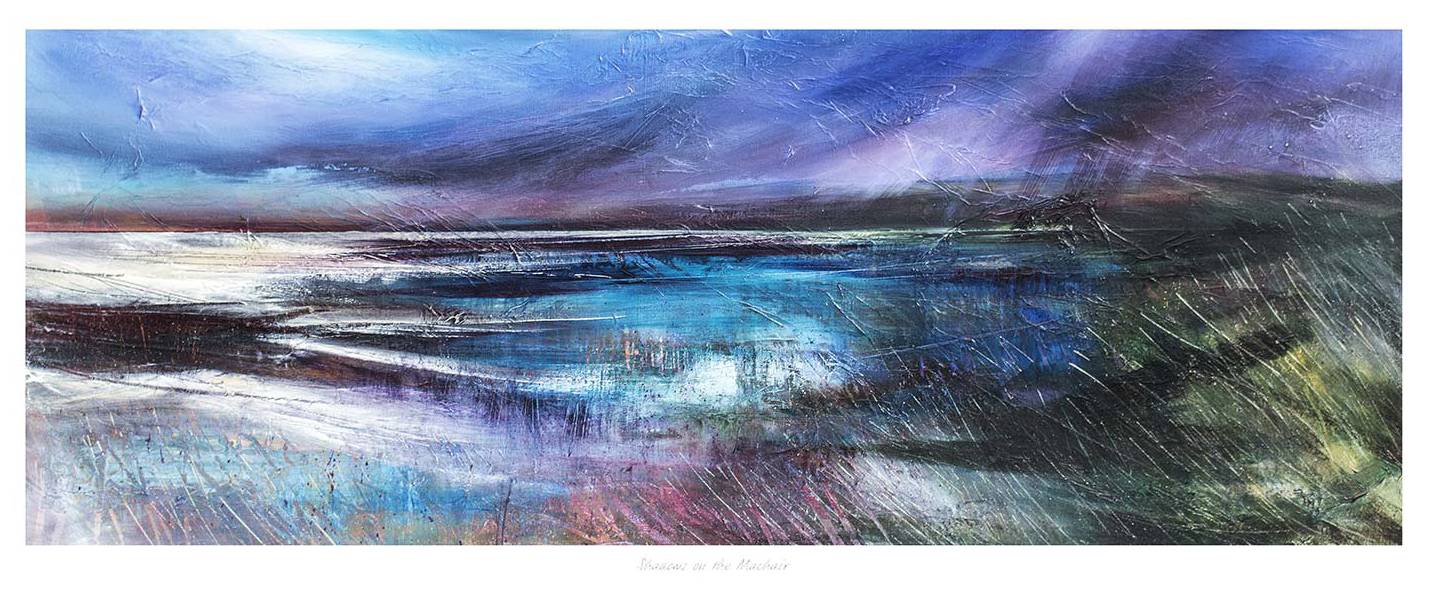
Choosing art for pebble grey walls is an opportunity to add warmth without abandoning a calm neutral scheme. Shadows on the Machair brings earthy marks, shifting coastal light, and textured movement. Those qualities stop grey walls feeling flat while preserving the room’s quieter foundation.
Build art for pebble grey walls around tonal contrast
Room element
Useful connection
Wall colour
Let the cooler grey act as breathing space around the warmer landscape.
Soft furnishings
Repeat one muted ochre, sand, or rust note rather than every colour.
Frame
Use timber for warmth or a darker edge for sharper separation.
The expressive surface is important. A very smooth neutral interior can look impersonal when every finish is equally controlled. Shadows on the Machair introduces irregular marks and natural variation. This creates a useful counterpoint to plain upholstery, neat cabinetry, and simple painted walls.
Avoid matching the grey too closely
A frame chosen only to copy the wall may cause the picture to disappear. Instead, judge the darkest and warmest notes in the image. Even a slim contrasting edge can hold the composition clearly. Place the work where side light reveals its tonal range, but avoid direct glare across the glazing.
First 4 Frames completes its colour-managed Giclée production and bespoke framing in-house in Falkirk. That careful process matters for a work built on subtle shifts. It helps the printed texture retain depth and allows the frame to support the palette rather than flatten it.
Good hallway wall art should introduce the home’s personality before visitors reach the main rooms. Heather Bothy with Hens does this with a small bothy, bright heather, and a gently humorous group of hens. It feels warm and distinctly Scottish, but the scene remains light enough for a busy entrance.
Place hallway wall art where the welcome begins
Stand at the open front door. Check whether the picture is visible without being hidden by coats or the door leaf.
Allow for movement. Keep the frame clear of shoulders, bags, and furniture corners along the main route.
Test the evening light. A picture that feels cheerful by day should still retain definition under lamps.
The print can sit above a slim console or on the first clear wall beside a staircase. Its landscape shape helps lengthen a short hall, while the bothy provides a stable centre. If the room already includes timber, woven baskets, or stone flooring, those materials will support the rural warmth without needing literal country-house props.
A welcoming hallway needs one confident greeting, not a collection of competing messages.
Choose a frame with enough definition to remain visible against the wall colour. A warmer timber can reinforce the homely mood. A simpler dark edge can make the sky and heather feel crisper. First 4 Frames offers one-to-one advice, then completes the colour-managed Giclée print and hand-finished framing in-house in Falkirk.
Extra large wall art has to do more than fill a generous surface. Eagle High gives a tall entrance or double-height room a clear point of focus through the eagle’s upward sweep and the open space around it. The composition feels expansive, yet it avoids the clutter that can make a large wall seem busier rather than better resolved.
Size extra large wall art for the architecture
Begin with the whole elevation, not only the empty patch at eye level. In a stairwell, the artwork should relate to the rise of the stairs. In a vaulted entrance, it should connect the lower furniture zone with the height above. Mark the proposed outer frame with low-tack tape, then view it from the main doorway and the nearest landing.
Keep enough margin
Visible wall around the frame lets the eagle retain its sense of flight. Filling every available centimetre would weaken that impression.
Check distant views
A larger piece should read clearly from across the hall. The strong silhouette makes Eagle High effective before its finer detail is seen.
Keep nearby decoration restrained. A simple bench, one sculptural lamp, or a natural timber console can support the picture without creating a competing display. The artwork already supplies wildlife, movement, and atmosphere, so themed accessories are unnecessary.
First 4 Frames produces the fine art print and bespoke frame in-house in Falkirk. On a substantial piece, careful joining, colour-managed Giclée production, and a well-judged moulding are especially important. The finished frame should give the image authority while preserving the openness that makes the composition work.
An Edinburgh Festival gift is most successful when it recalls how the city felt, not just where someone visited. Edinburgh Festival by Rob Hain captures Edinburgh as a lively shared experience. The busy composition, bright colour, and recognisable setting make it a thoughtful choice for a performer, regular visitor, student, or friend with a strong festival memory.
Begin with the memory behind the Edinburgh Festival gift
Before choosing any present, think about the recipient’s connection to the festival. Did they perform, work backstage, discover a favourite show, or make an annual trip with family? A picture becomes more meaningful when it marks a specific chapter. A short note explaining that connection can turn the framed print into a record of time as well as place.
This approach avoids the weakness of generic city merchandise. The artwork can stand on its own after the ticket stubs and programmes have been stored away. It belongs in the home because the image has colour, movement, and composition, while its subject still carries a private story.
Who might appreciate this particular city print?
The energetic scene suits people who remember Edinburgh at its busiest and most creative. It could celebrate a first Fringe performance, thank a generous host, mark graduation in the city, or remind someone of an annual August tradition. It also works as a leaving gift for a colleague whose festival stories have become part of the workplace.
The strongest art gift connects a recognisable subject with a memory only the giver and recipient fully understand.
Choose presentation for their home, not your own
A colourful print does not require a colourful frame. A restrained dark moulding can define the city detail and suit a modern flat. A lighter timber can soften the image for a relaxed living room or home office. If you are uncertain, consider the furniture and wall colours the recipient already owns rather than guessing from your own taste.
Scale is equally important. A framed piece needs enough presence to hold a wall, but it should not create a problem for someone with limited space. Ask discreetly about the intended room, or involve the recipient in the final framing choice while keeping the artwork itself as the surprise.
Why craftsmanship matters in a lasting gift
A meaningful subject deserves a finish intended for long-term display. First 4 Frames uses colour-managed Giclée production and completes the framing in-house in Falkirk. The hand-finished presentation supports the smaller details in the image and gives the recipient something ready to place in their home.
When the occasion calls for an Edinburgh Festival gift that will outlast the event itself, see the framed Edinburgh Festival print. Add a personal note about the moment it represents, and the gift becomes both artwork and shared history.
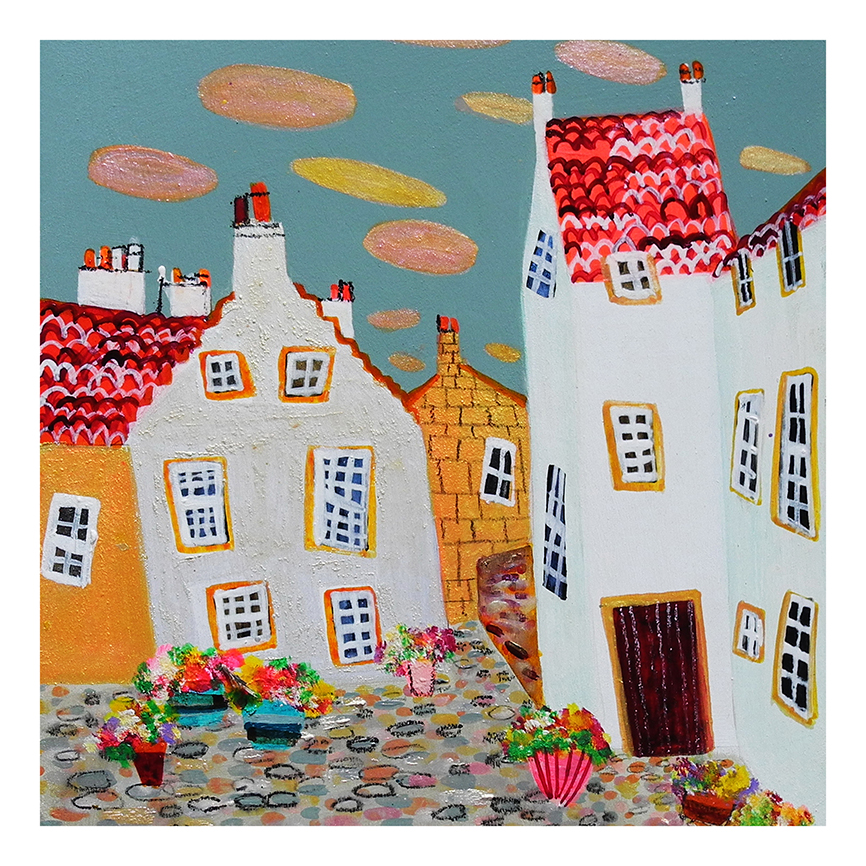
cottage kitchen wall art should make an everyday room feel more personal, not turn it into a stage set. Potted Plants In Culross by Nikki Monaghan offers a useful balance. Its pots, flowers, and distinctive Scottish village setting bring warmth and detail, while the artwork remains grounded in a real place. The result suits a relaxed kitchen without relying on predictable country-house motifs.
Why cottage kitchen wall art needs more than rustic detail
A cottage kitchen often contains several strong textures already. Painted cabinets, timber, stone, ceramics, and open shelves all compete for attention. Artwork must contribute character without adding visual clutter. A scene with depth gives the eye somewhere to travel, which can make a busy practical room feel calmer and more considered.
Potted Plants In Culross combines architectural detail with lively planting. That pairing connects naturally with herbs on a sill, handmade pottery, or a vase from the garden. Yet the Culross setting keeps the image specific. It feels collected because the place means something, rather than selected simply to match a decorating trend.
Find a wall away from the busiest work area
Position matters in a kitchen. Look beyond the space directly above the hob or sink, where steam and splashes are harder on any framed piece. A breakfast corner, the short wall beside a pantry, or the area above a small dresser can be more suitable. These locations also allow the picture to be enjoyed while someone sits, talks, or waits for the kettle.
Leave clear wall around the frame so the detailed scene does not feel crowded.
Repeat only one or two colours from the planting in nearby ceramics or textiles.
Use warm timber or a restrained painted moulding to connect with the cabinetry.
Let the artwork bridge kitchen and garden
The print is especially effective where the kitchen looks onto a patio, courtyard, or garden. Its potted plants can carry that outdoor colour into the room throughout the year. In a darker kitchen, the brighter details provide lift. In a light scheme, the architecture adds enough weight to stop the wall feeling insubstantial.
This is also why an exact colour match is unnecessary. Instead, borrow a family of tones. Soft greens can relate to painted cupboards, while warm flower colours can appear in one bowl or tea towel. The picture remains the richest element, and the room avoids looking over-coordinated.
Finish a characterful subject with care
Fine detail benefits from a clear, colour-managed print and a frame chosen for the finished room. First 4 Frames completes its Giclée printing and hand-finished framing in-house at the Falkirk workshop. That personal process helps the village textures and garden colour remain clear without the presentation becoming fussy.
If you want cottage kitchen wall art with genuine local character, view the framed Potted Plants In Culross print. It can make a kitchen feel welcoming and individual while leaving the room practical, relaxed, and easy to live with.
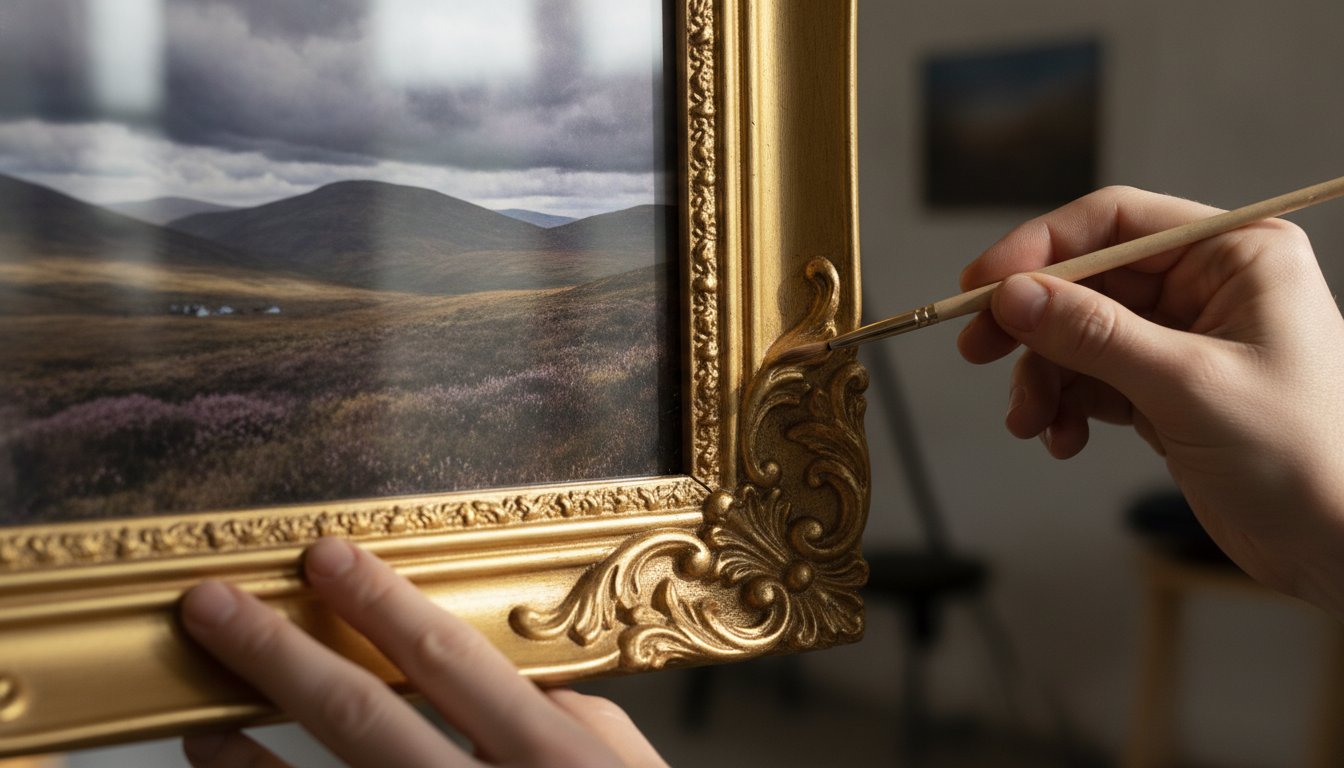
Your ornate picture frame is less of a border and more of a sculpture. Treating it like a common bookshelf is a recipe for heartbreak, especially when cleaning dust from ornate picture frames requires such a delicate touch. It’s frustrating to watch a grey film settle into those deep, hand-carved crevices. It’s even more terrifying to think about snagging a fragile decorative leaf or accidentally dissolving the gilding with the wrong chemical spray. You’ve invested in bespoke beauty, and you want to keep it that way.
We understand that a hand-made frame is a vital part of the creative process. This guide will teach you the professional techniques for safely removing debris, ensuring you can maintain that museum-quality glow without risking the integrity of the piece. You’ll learn which specialized tools the experts use and why high-quality components, like our signature 2mm float glass, provide the superior clarity and protection your Scottish landscape art or fine art prints deserve. We’ll walk you through a gentle, step-by-step process to restore the vibrancy of your home’s most precious displays with absolute confidence.
Key Takeaways
Learn why standard dusting cloths can damage delicate plaster mouldings and how to identify the porous materials often found in bespoke frames.
Discover the essential artisan toolkit for cleaning dust from ornate picture frames, including why soft-bristled brushes are safer than cloths and how 2mm float glass offers superior clarity over cheap perspex.
Master the professional “top-down” brushing technique to remove trapped debris from deep crevices without scratching the finish or redistributing dust.
Understand how premium materials and strategic placement away from heat sources protect your Scottish landscape art and fine art prints from long-term damage.
Why Ornate Frames Require a Specialized Cleaning Approach
Bespoke framed wall art represents a significant investment in your home’s aesthetic environment. Unlike cheap, mass-produced alternatives that use standard sizes and flimsy plastic, a hand-made frame is a unique piece of craftsmanship. Because of this, cleaning dust from ornate picture frames requires a gentle touch rooted in the principles of conservation and restoration of painting frames. Standard household cleaning methods can easily ruin these delicate structures.
To see the difference between routine maintenance and deep cleaning, watch this helpful guide:
Ornate mouldings often use “compo,” a blend of resin, oil, and plaster that is surprisingly porous. Standard household dust is actually quite abrasive under a microscope. When left to sit, it traps moisture against the frame’s finish, which eventually leads to unsightly cracking. It’s vital to remember the golden rule: keep it dry. Liquids can seep behind the 2mm float glass we use for superior clarity, potentially reaching and ruining your Giclée fine art prints. High-quality bespoke framing is actually easier to maintain long-term because the superior materials used are more resilient than flimsy, standard alternatives.
The Anatomy of an Ornate Frame
Most ornate frames feature delicate finishes like gold leaf, silver leaf, or specialized paints. These layers are incredibly thin. The deep, intricate crevices found in high-end Scottish landscape art or landscape wall art frames act as natural dust traps. If you use a standard cloth, you risk snagging these decorative elements or simply pushing the grit deeper into the detail. This is why a specialized approach is non-negotiable for preserving your fine art collection.
The Artisan Toolkit: What You Need for Delicate Dusting
You wouldn’t use a scouring pad on a fine painting, so don’t use a standard household rag on your frame. For cleaning dust from ornate picture frames, the most important tool in your arsenal is a soft-bristled brush. A hake brush or a clean, natural-hair makeup brush allows you to reach into deep carvings without the friction that causes damage. Following expert guidance on caring for frames, we recommend “dry-brushing” to flick dust away rather than wiping it into the surface. This technique prevents abrasive grit from scratching the delicate finish of your investment.
Avoid using canned air. While it seems convenient, the high-pressure blast can dislodge loose decorative “compo” or gilding flakes on older, bespoke pieces. Keep your microfibre cloths strictly for the glazing. Using them on the frame itself often leads to snagging on delicate filigree, which can cause permanent chips in the ornate detail.
Why 2mm Float Glass Matters
The soul of a piece of bespoke framed wall art from First4Frames Gallery is its clarity. We exclusively use 2mm float glass because it offers a crisp, undistorted view that cheap perspex can’t match. Perspex often looks dull and is highly prone to static, which actually attracts more dust. To identify your glazing, gently tap the surface with a fingernail; glass has a sharp, high-pitched “clink,” whereas perspex sounds like a hollow, dull thud.
Glass requires specific care. While it’s more resilient than acrylic, you should still apply any glass cleaner to the cloth first, never directly to the surface. This prevents liquid from running down into the frame’s rebate where it could damage the artwork. Because our frames are individually crafted and fully packaged for professional couriers, you start with a pristine surface that stays vibrant for much longer than standard off-the-shelf options.
Step-by-Step: How to Clean Dust from Ornate Picture Frames
Before you begin cleaning dust from ornate picture frames, proper preparation is essential. Remove the artwork from the wall and lay it face-up on a clean, soft towel or a dedicated padded workbench. This prevents accidental drops and protects the structural integrity of the piece. Working while the frame is still hanging is risky; gravity often pulls loosened debris into the lower crevices where it becomes harder to remove. By placing the frame on a flat, stable surface, you can safely access every intricate angle of your bespoke framed wall art.
Use your soft brush to work from the top of the frame downwards. This ensures that any loosened particles fall onto uncleaned areas rather than settling back into finished sections. For deeper grime in contemporary art prints frames, a dry cotton swab is excellent for precision. As seen in this conservation case study, professional conservators utilize incredibly targeted methods to lift surface dirt without introducing harmful moisture. Use light, circular motions to coax the dust out of the intricate geometry without applying pressure.
Dealing with Stubborn Grime in Crevices
Gold and silver leaf finishes are exceptionally thin and fragile. Use a “dry-wipe” method with a clean, dry swab for these areas. Avoid even a hint of water or chemical cleaners, as they can cause the leaf to lift, flake, or tarnish. This meticulous level of care ensures that your investment in Scottish landscape art remains vibrant and protected for decades to come.
Cleaning the Glazing Safely
When maintaining the 2mm float glass on your custom framed art prints, never spray liquid directly onto the surface. This causes “wicking,” where the cleaner seeps under the frame’s lip and permanently stains the mount or the print itself. Dampen a microfibre cloth first, then wipe gently. If your current glazing lacks the clarity you desire, you can explore our photo printing and framing online service to upgrade to premium components.
Finally, adopt a wall art visualiser mindset. Move a bright light across the frame at different angles to check for missed spots or streaks. Once satisfied, your artwork is ready to return to its place of honor. To find your next masterpiece, choose your frame online from our extensive curated collection.
Preventing Dust and Preserving Your Bespoke Framing
Prevention is the best way to reduce the frequency of cleaning dust from ornate picture frames. Strategic placement is your first line of defense. Avoid hanging your Coastal wall art or Scottish landscape art directly above radiators or on damp exterior walls. Fluctuating heat causes wood to contract and expand, which leads to cracks in delicate plaster mouldings. Dampness can cause “blooming,” a cloudy white haze that develops under the glazing. For more expert advice on perfect placement, read The Ultimate Guide to Choosing and Displaying Art.
High-quality materials naturally resist the elements better than mass-produced alternatives. Bespoke framed wall art from a professional shop uses seasoned wood and 2mm float glass. This glass is superior to the cheap perspex used by many online competitors because it doesn’t carry a heavy static charge. Perspex acts like a magnet for airborne particles, whereas 2mm float glass stays clearer for longer. This ensures your photography prints and contemporary art prints maintain their museum-quality fidelity with minimal intervention.
Choosing Low-Maintenance Frames Online
When you use an online picture framing service, you can design your framed artwork to fit your specific lifestyle. If you prefer a lower-maintenance home, you might choose a frame with slightly shallower carvings. Our wall art visualiser allows you to see artwork before you buy. This tool helps you visualise art on your wall and decide if a particular ornate style balances beauty with your cleaning routine.
Sometimes, cleaning dust from ornate picture frames isn’t enough. If you notice the gilding is actively flaking or the underlying “compo” is crumbling, stop immediately. These are signs that the frame requires professional restoration rather than a simple clean. Preserving works by famous artists or best-selling artists requires knowing when to put the brush down to protect the artwork’s long-term value.
Protect Your Artistic Investment with Confidence
Maintaining the long-term vibrancy of your collection is a rewarding part of art ownership. By mastering the delicate process of cleaning dust from ornate picture frames, you ensure that the intricate details of your mouldings remain as sharp as the day they left our workshop. You now have the artisan knowledge to choose the right tools and care for your premium glazing without the risks associated with standard household cleaning or abrasive rags.
Every piece of bespoke framed wall art we create is individually hand-made in our UK workshop and shipped via professional courier with full protective packaging. We remain committed to using 2mm float glass for superior clarity, ensuring your Scottish landscape art or contemporary art prints look their absolute best. Design your own bespoke framed artwork today with First4Frames Gallery and enjoy the peace of mind that comes with professional-grade materials. Your home is a gallery; let’s keep it shining.
Frequently Asked Questions
Can I use a vacuum cleaner with a brush attachment on my ornate frame?
Avoid using a vacuum cleaner on your bespoke frames. The powerful suction can easily dislodge fragile decorative elements or loose flakes of gilding. Even with a soft brush attachment, the mechanical pressure is often too aggressive for hand-made mouldings. Stick to the dry-brushing technique using a hake brush. This ensures you are cleaning dust from ornate picture frames safely without risking structural damage to the intricate carvings.
What is the best way to clean the glass on a bespoke framed art print?
Use a clean microfibre cloth and a high-quality glass cleaner. Always spray the liquid onto the cloth rather than the surface to prevent moisture from seeping into the frame rebate. Our frames feature 2mm float glass, which provides superior clarity compared to the dull perspex used by many competitors. This premium glazing is more resilient to static, helping your custom framed art prints stay vibrant and dust-free for longer.
How do I know if my frame is too delicate to clean at home?
Inspect the surface for active flaking, deep cracks, or crumbling plaster before you begin. If the decorative “compo” feels loose or if the frame joints seem unstable, it is best to consult a professional. Cleaning dust from ornate picture frames that are already failing can accelerate the damage. We recommend a cautious approach for historic pieces to preserve the long-term value of your Scottish landscape art and fine art prints.
Will water damage the gold finish on my picture frame?
Yes, water is a major threat to traditional gold and silver leaf finishes. These materials are often applied using water-based size, meaning moisture can literally dissolve the bond and cause the leaf to lift. Dampness also leads to tarnishing and unsightly spots on the metal surface. Always use a dry brush for the mouldings. This preserves the hand-made quality of your bespoke framed wall art without introducing harmful liquids.
How often should I dust my framed wall art to prevent buildup?
Aim for a light dusting every two to four weeks to prevent heavy accumulation. Frequent maintenance is much safer than an annual deep clean because it prevents abrasive grit from bonding with the frame’s finish. If you have positioned your art prints away from radiators or damp walls, the buildup will be significantly slower. Regular care ensures your photography prints and contemporary art prints remain a stunning focal point in your home.
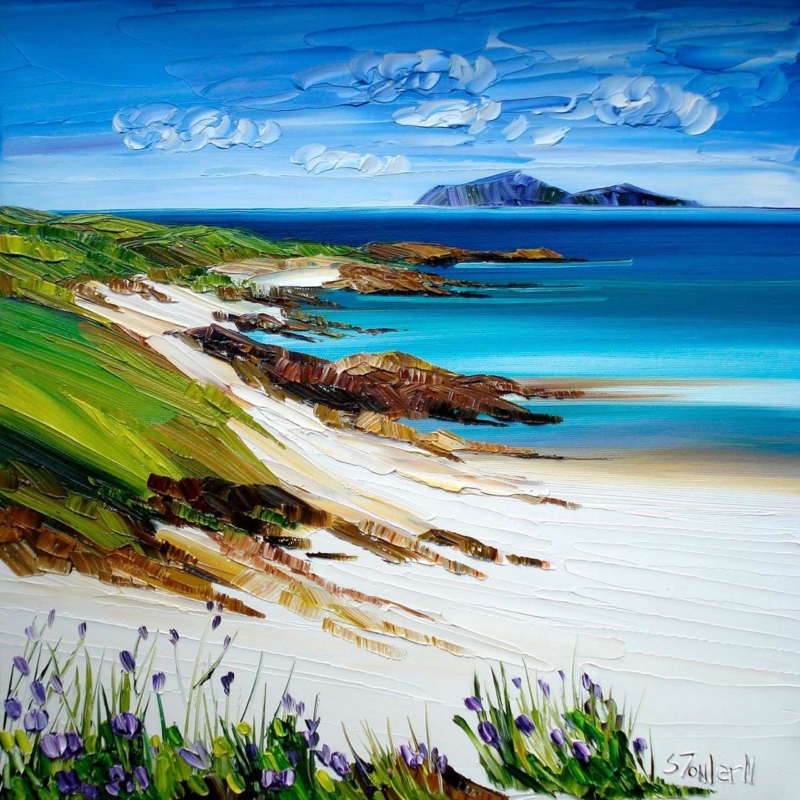
Learning how to create a gallery wall becomes easier when one picture sets the pace. White Sands and Wildflowers, Iona can act as that anchor. Its square shape creates stability, while the open beach, wildflowers, and distant water supply several colours and subjects that smaller companion pieces can develop.
How to create a gallery wall from one strong anchor
Begin by placing the anchor slightly off centre. A perfectly central arrangement can feel formal, while a random spread can look unsettled. Build out from the square with one portrait work, one landscape piece, and perhaps a smaller botanical or abstract image. Vary the shapes, but keep the gaps consistent.
Trace each frame on paper and tape the templates to the wall.
Keep a repeated gap between neighbouring edges.
Choose two or three colours from the anchor instead of matching every shade.
Mix coastal, floral, and abstract details so the group feels collected rather than themed.
Photograph the layout and check it from the doorway before making holes.
Use frames to create family resemblance
Frames do not all need to be identical. They do need a shared logic. You might repeat one timber tone while changing widths, or use two related finishes across the group. White Sands and Wildflowers, Iona can carry the most substantial frame, giving the arrangement a visual centre of gravity.
Leave more empty wall around the whole collection than between individual pieces. This outer margin lets the arrangement read as one feature. It also stops a light, airy coastal anchor from losing its sense of openness.
First 4 Frames creates colour-managed Giclée prints and bespoke frames in-house in Falkirk. That one-to-one framing approach can help different artworks sit together with consistent craftsmanship, even when their formats and subjects vary.
When deciding how to create a gallery wall, White Sands and Wildflowers, Iona provides a calm anchor with enough colour and variety to guide the whole arrangement.