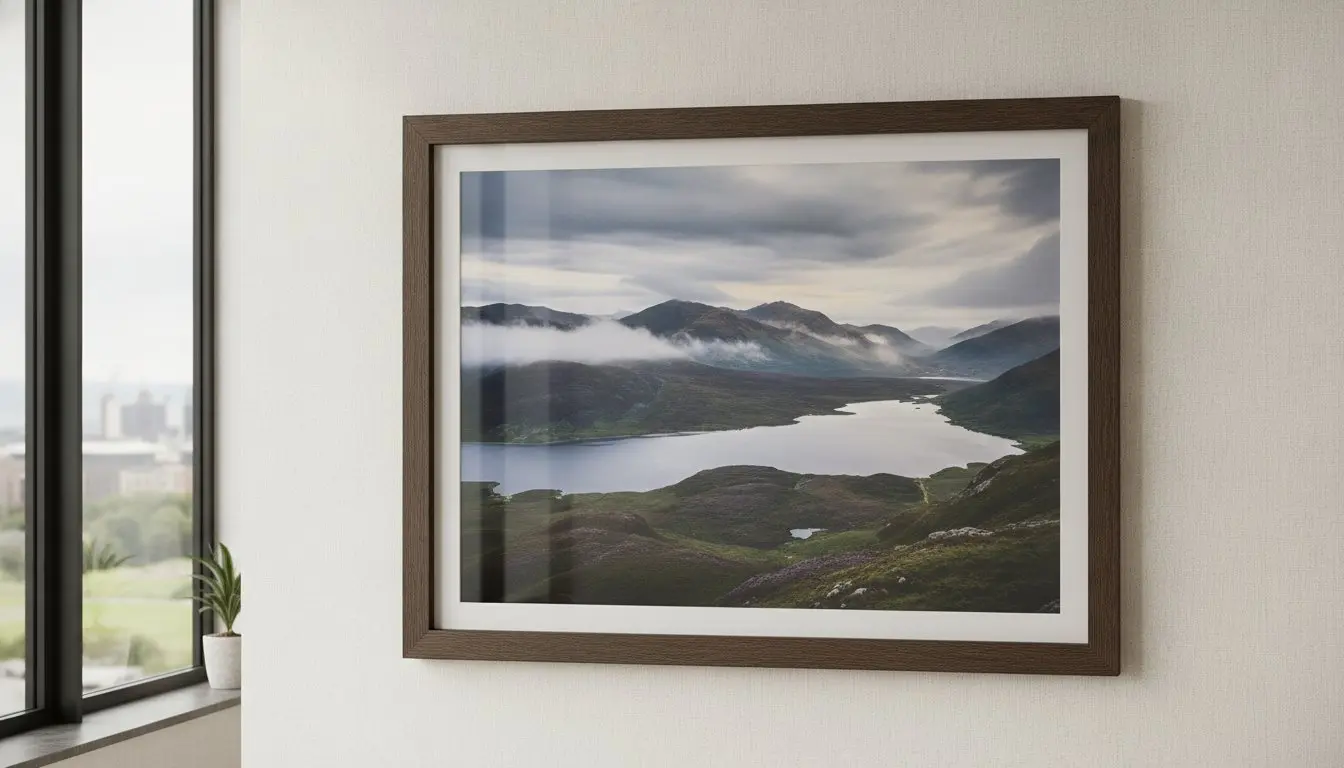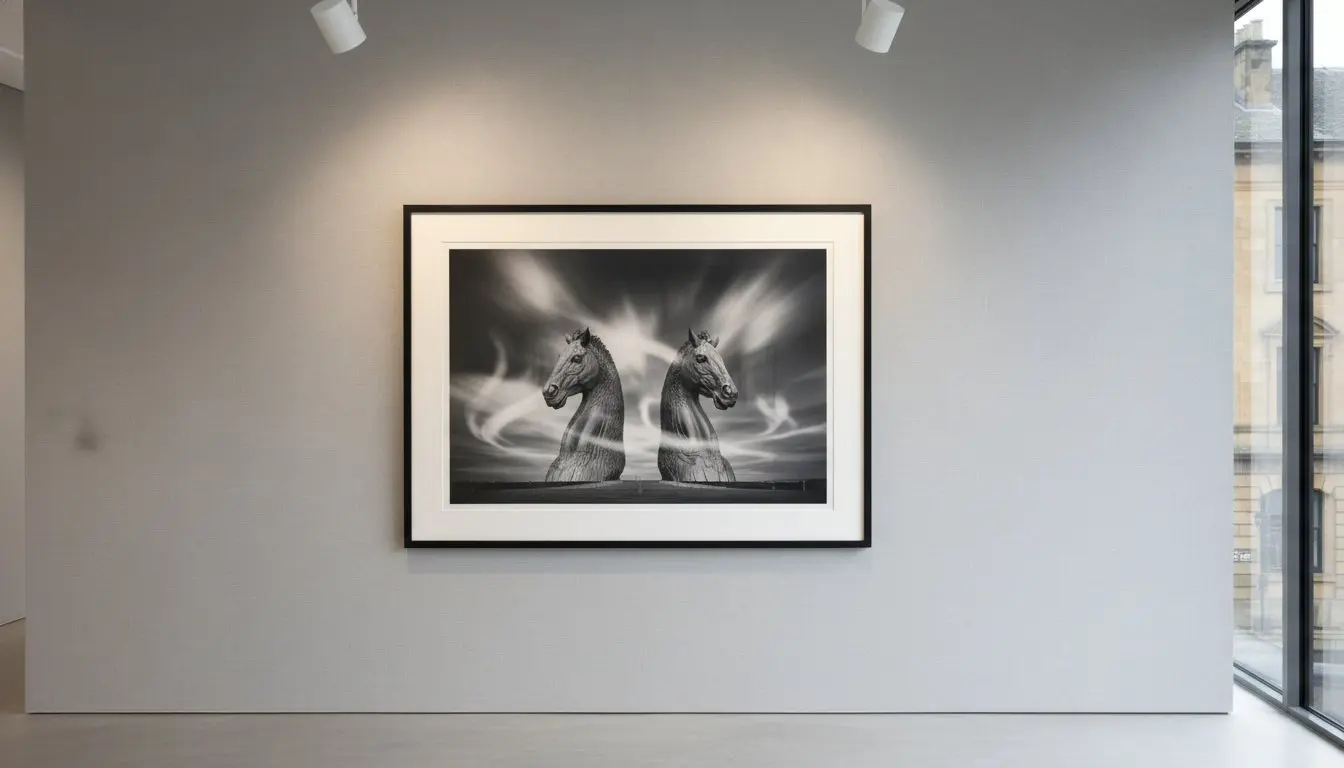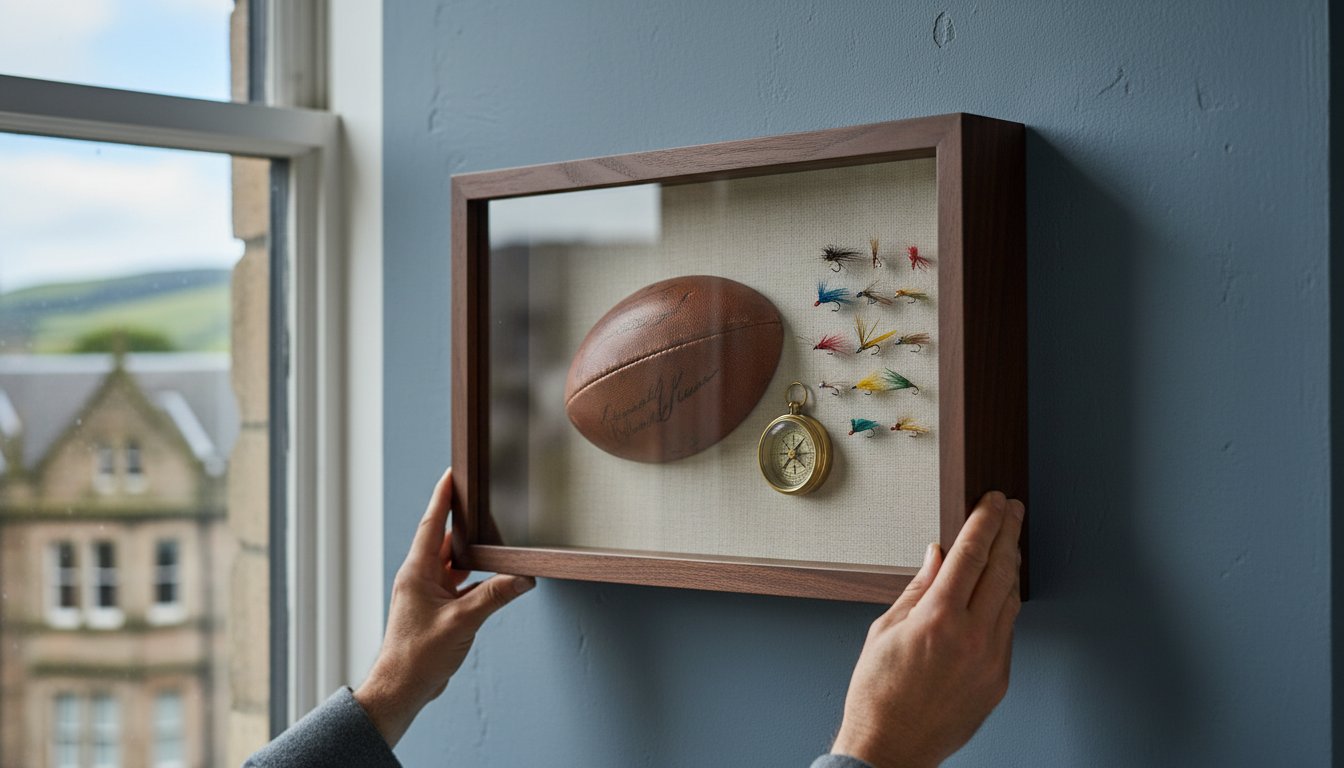
A standard, mass-produced frame is often the quickest way to diminish the soul of a truly beautiful piece of art. When you invest in professional custom picture framing, you’re doing more than just putting a border around a print; you’re choosing to preserve a legacy with artisanal precision. Most collectors worry that poor-quality materials might damage their valuable Scottish landscape art or contemporary art prints over time. It’s a valid concern, especially when high-street frames often use acidic components that cause irreversible yellowing and decay.
You deserve to feel confident that your fine art is protected and presented perfectly. This guide will show you how bespoke craftsmanship and premium materials, like our signature 2mm float glass, elevate your decor while offering superior clarity that cheap perspex simply can’t match. We’ll walk you through how to use a wall art visualiser to see artwork before you buy, ensuring your chosen frame fits your space seamlessly. From selecting the right style for your photography prints to understanding our secure courier shipping, you’ll discover everything you need to design your framed artwork with total peace of mind.
Key Takeaways
- Understand why 2mm float glass is the professional standard for superior clarity, offering far better protection for your memories than budget perspex.
- Learn how professional custom picture framing ensures every piece is individually crafted to order, providing a precision fit that mass-produced frames can’t match.
- Discover how to use a wall art visualiser to see artwork before you buy, making it easy to choose the perfect moulding for your space from home.
- Explore professional curation techniques to transform your environment, whether you’re selecting Scottish landscape art for your lounge or managing a large-scale commercial project.
Custom Picture Framing vs. Standard Frames: Why Quality Matters
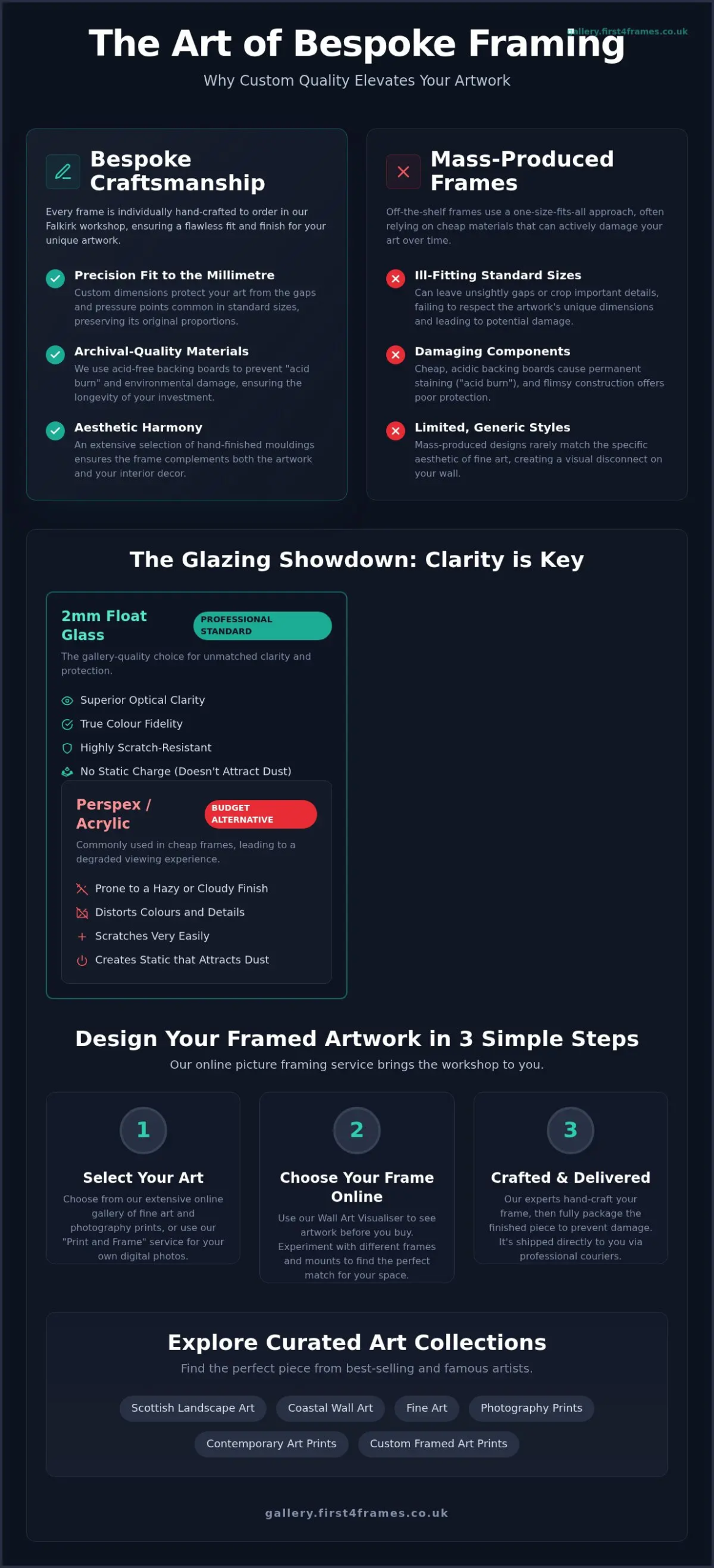
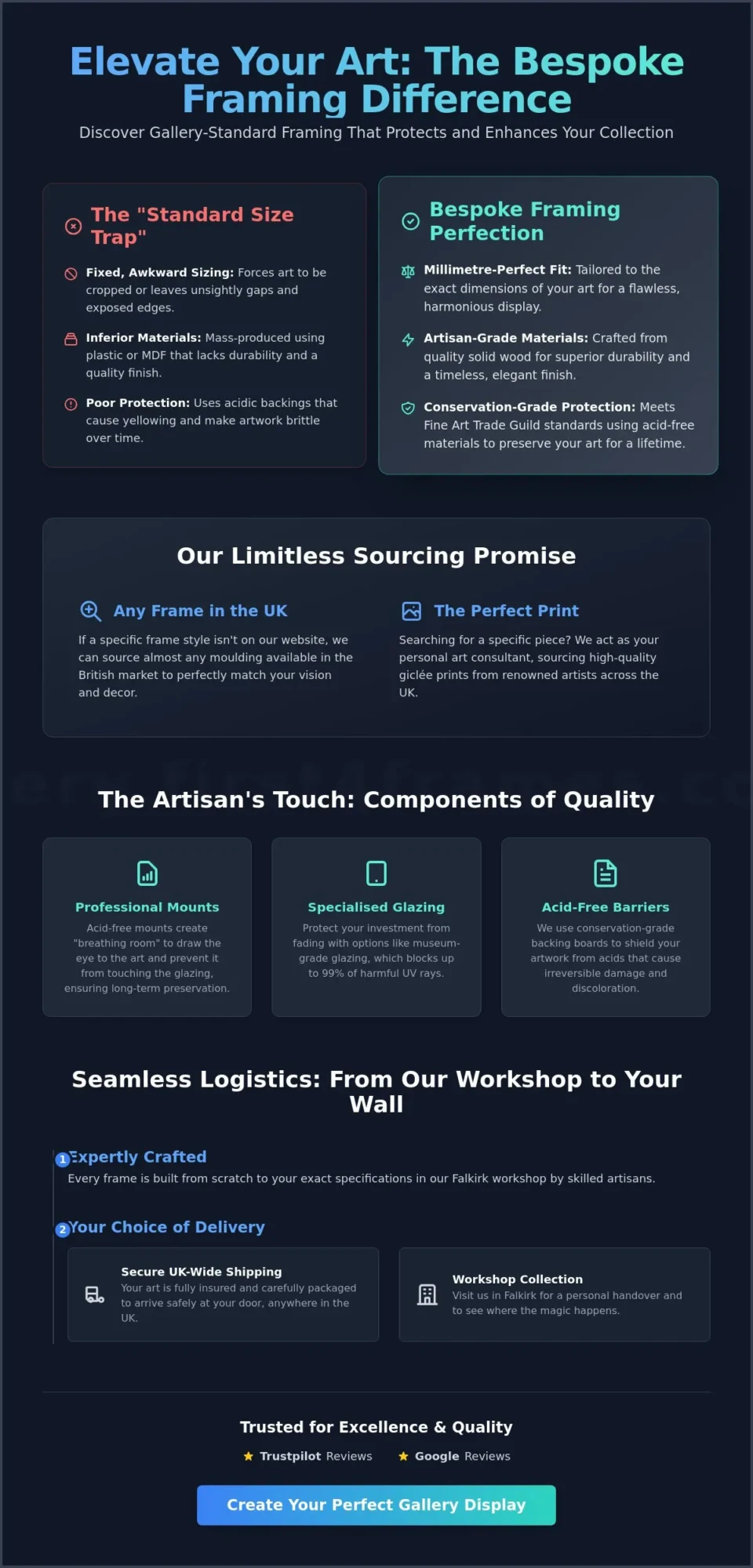
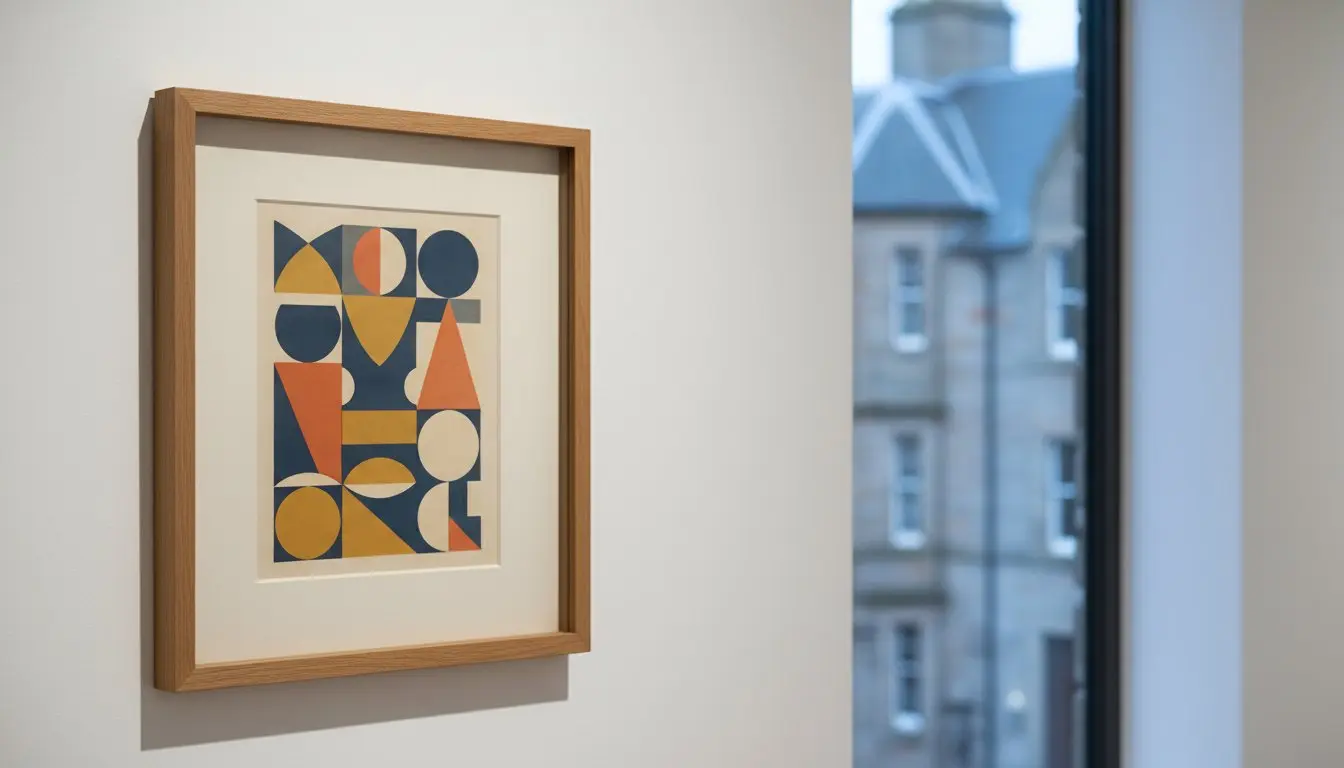
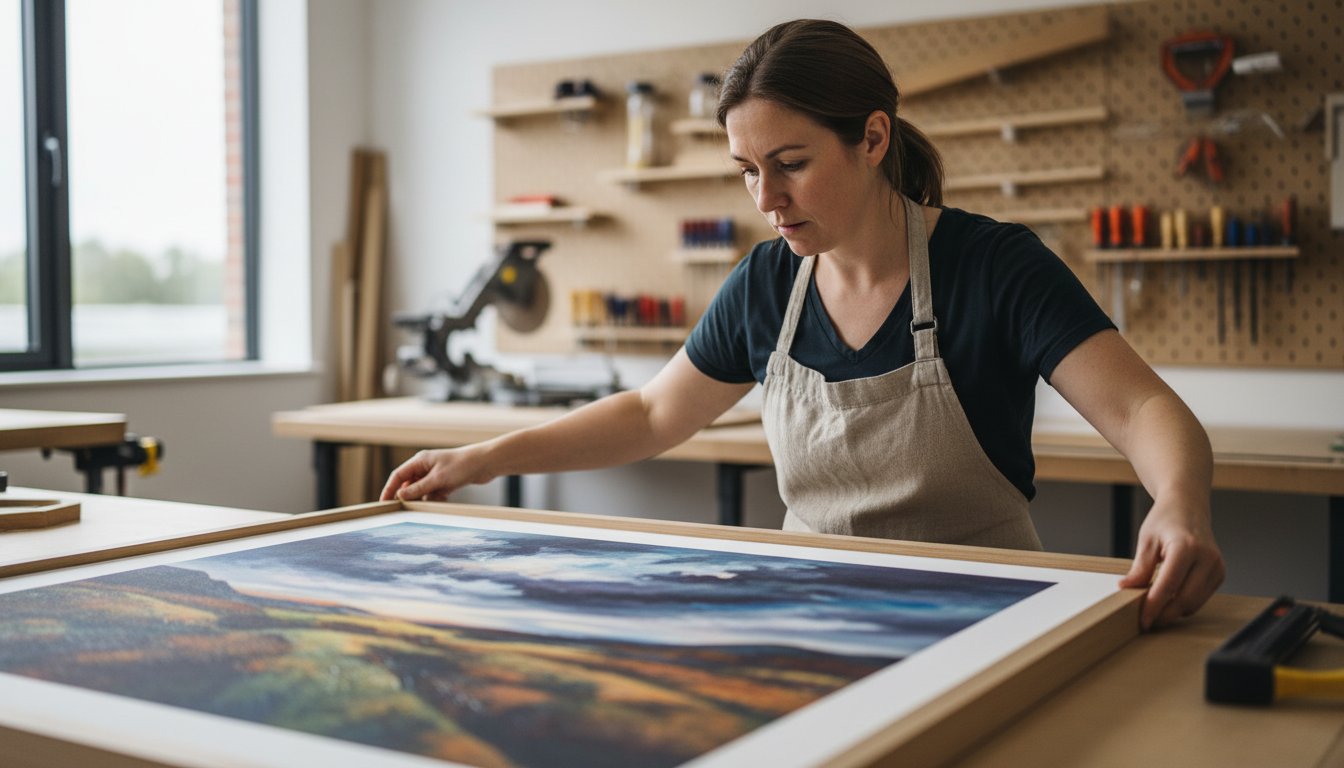
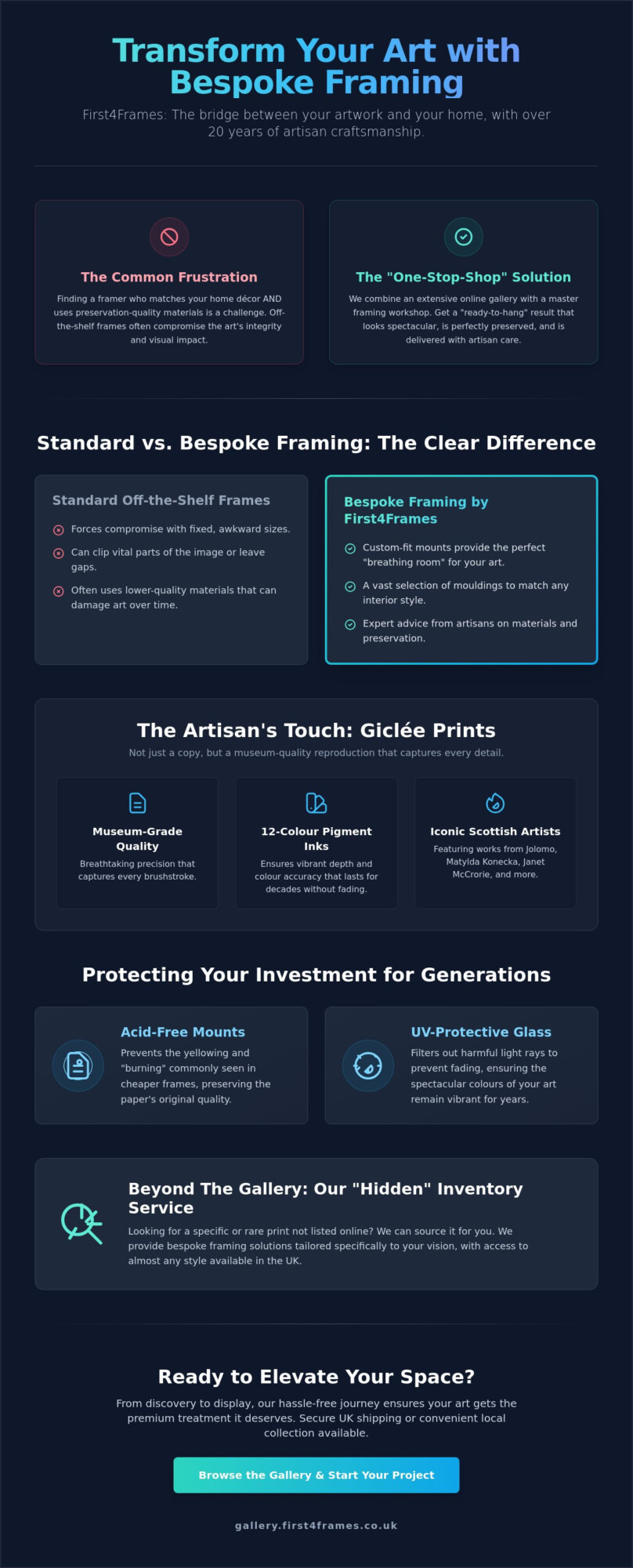
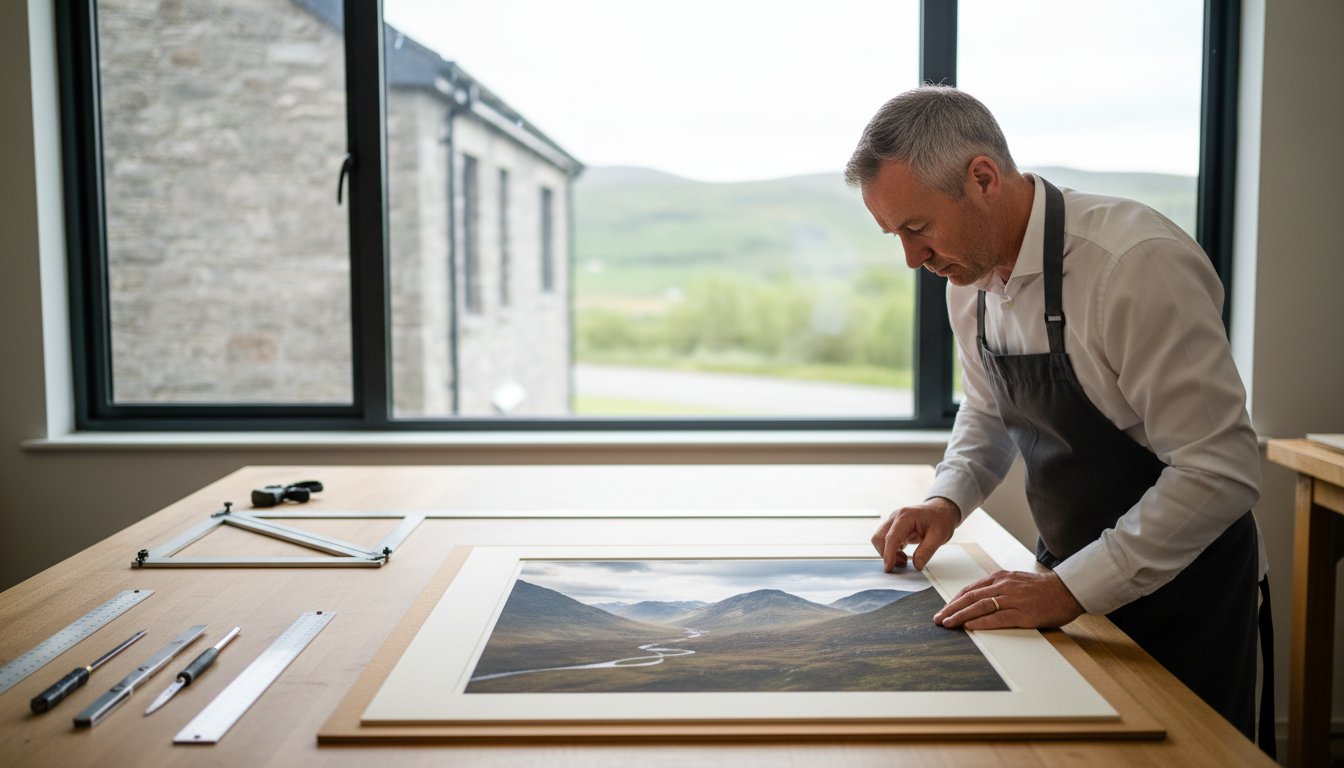
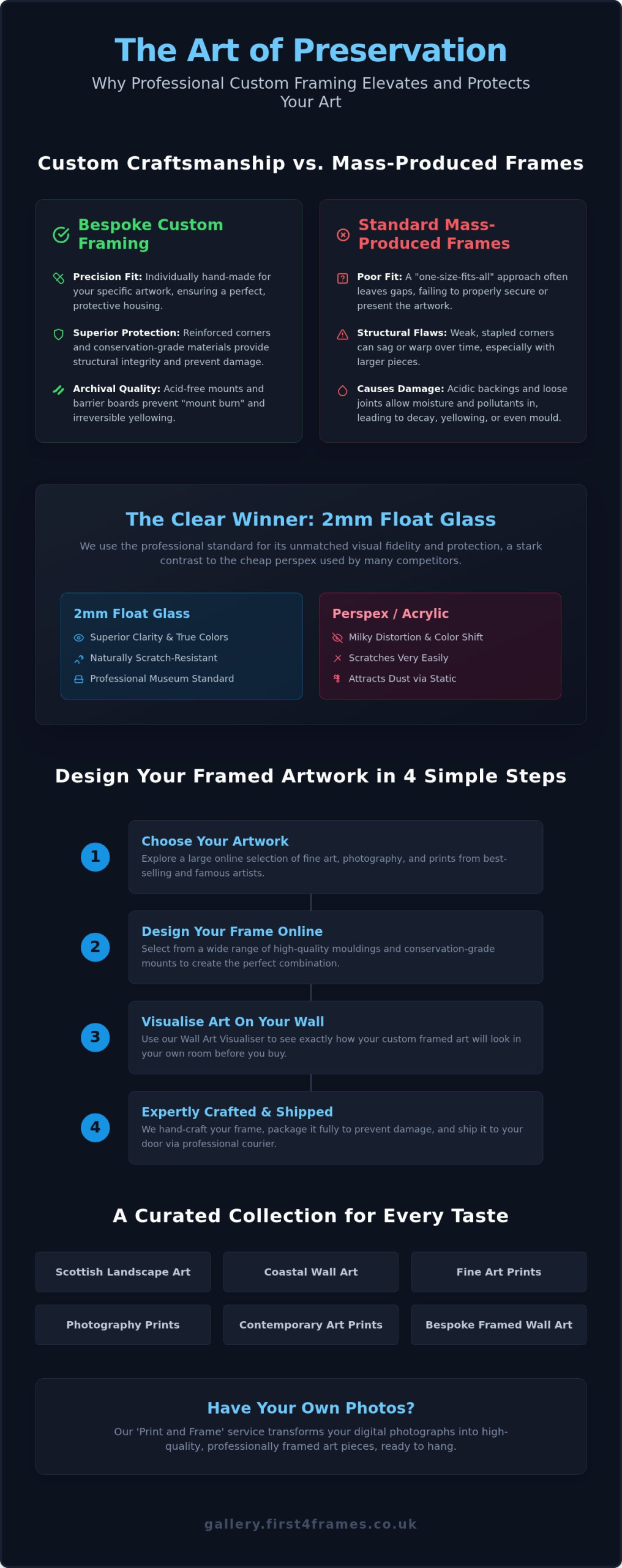
Choosing a standard frame from a big-box store might seem convenient, but you’re likely to find that “one size fits all” often fails fine art. These mass-produced options frequently use acidic backing and loose-fitting joints that allow moisture to seep in. Over time, your cherished Scottish landscape art or coastal wall art can warp, yellow, or even develop mould. Professional custom picture framing addresses these structural flaws by creating a housing specifically measured for your piece. Each frame is an individual creation, hand-made to ensure total protection and a perfect aesthetic fit.
Unlike standard frames that are stapled together in bulk, our custom picture framing involves reinforced corners and individually cut components. This manual process guarantees structural integrity, preventing the frame from sagging under the weight of larger landscape wall art. Every order is treated as a unique project, using materials that meet strict preservation standards to keep your memories safe for a lifetime.
To better understand the transformation a quality frame provides, watch this helpful tutorial:
The 2mm Float Glass Advantage
While many budget competitors use thin acrylic or perspex, we prioritize 2mm float glass for its unmatched visual fidelity. This material offers superior clarity, ensuring the true colors of your contemporary art prints shine through without the milky distortion often found in plastic. Glass is naturally scratch-resistant and doesn’t attract dust via static like acrylic does. Because of its longevity and clarity, 2mm float glass remains the gold standard for professional galleries and museums worldwide.
Bespoke Framed Wall Art as an Investment
A well-crafted frame does more than just hang a picture; it secures the Anatomy of a Bespoke Frame to ensure the art remains a valuable asset. High-quality materials prevent environmental damage, maintaining the monetary value of works by famous artists. If you’re unsure how to spot a top-tier provider, check out our guide on Choosing the Best Art Frame Shops Near Me. Investing in bespoke framed wall art ensures your collection remains a stunning focal point for decades.
The Anatomy of a Bespoke Frame: Design Your Framed Artwork
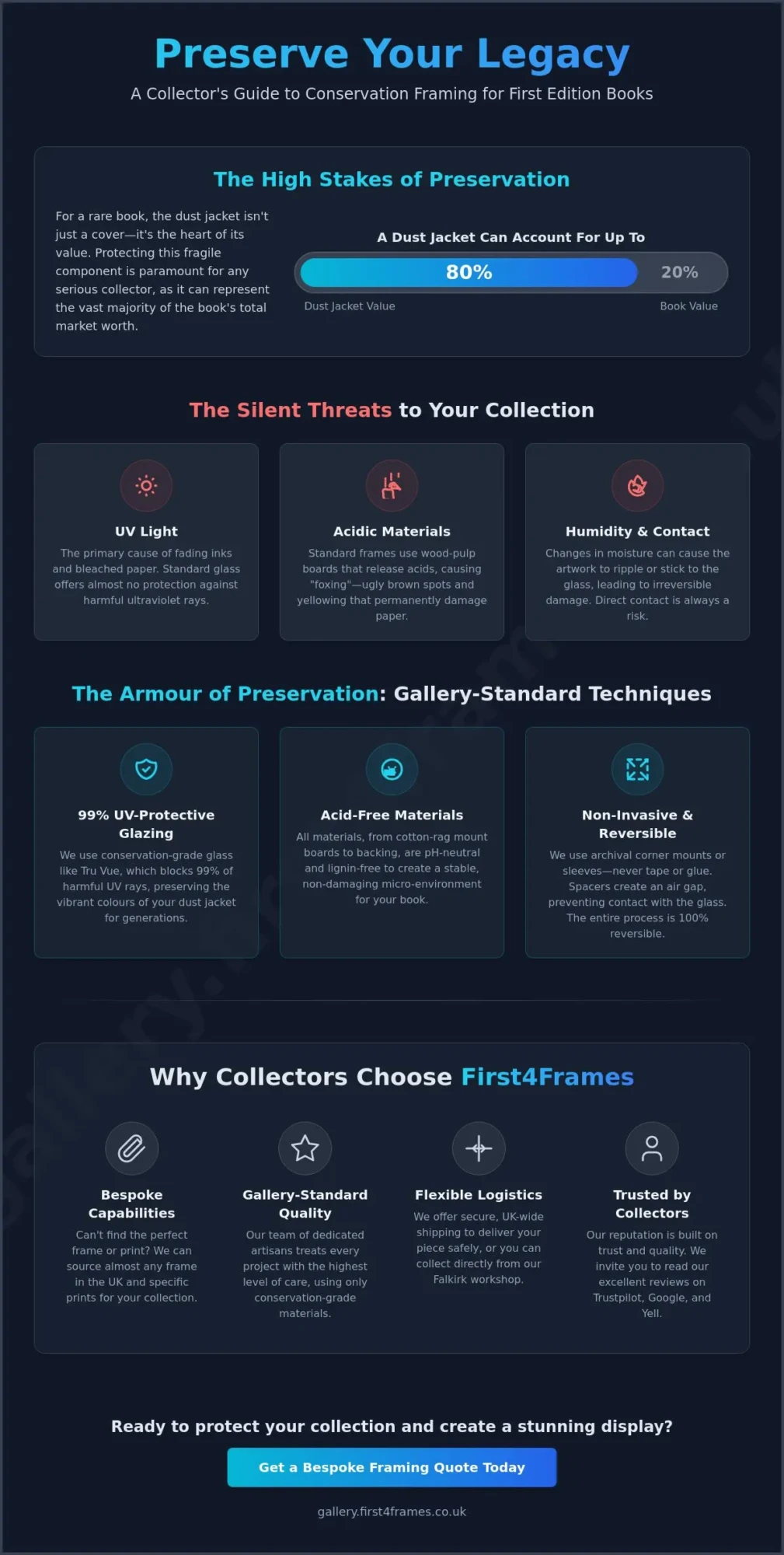
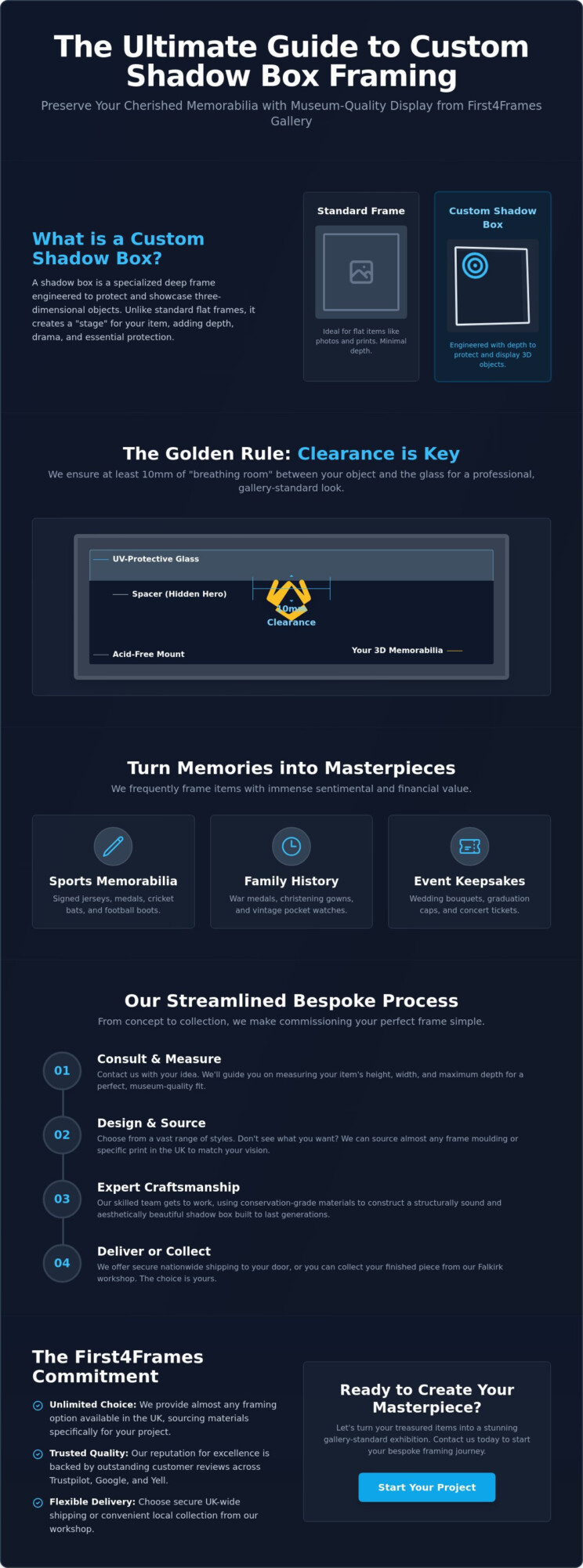
“Bespoke” isn’t just a marketing term; it describes custom picture framing built from scratch to the exact millimetre. When you design your framed artwork with us, we consider the specific chemistry of your piece. We use acid-free barrier boards and conservation-grade mounts to ensure your custom framed art prints don’t suffer from “mount burn” or yellowing. This attention to detail creates bespoke framed wall art that acts as a protective sanctuary for your most valued pieces, unlike mass-produced alternatives that use harmful acidic backings.
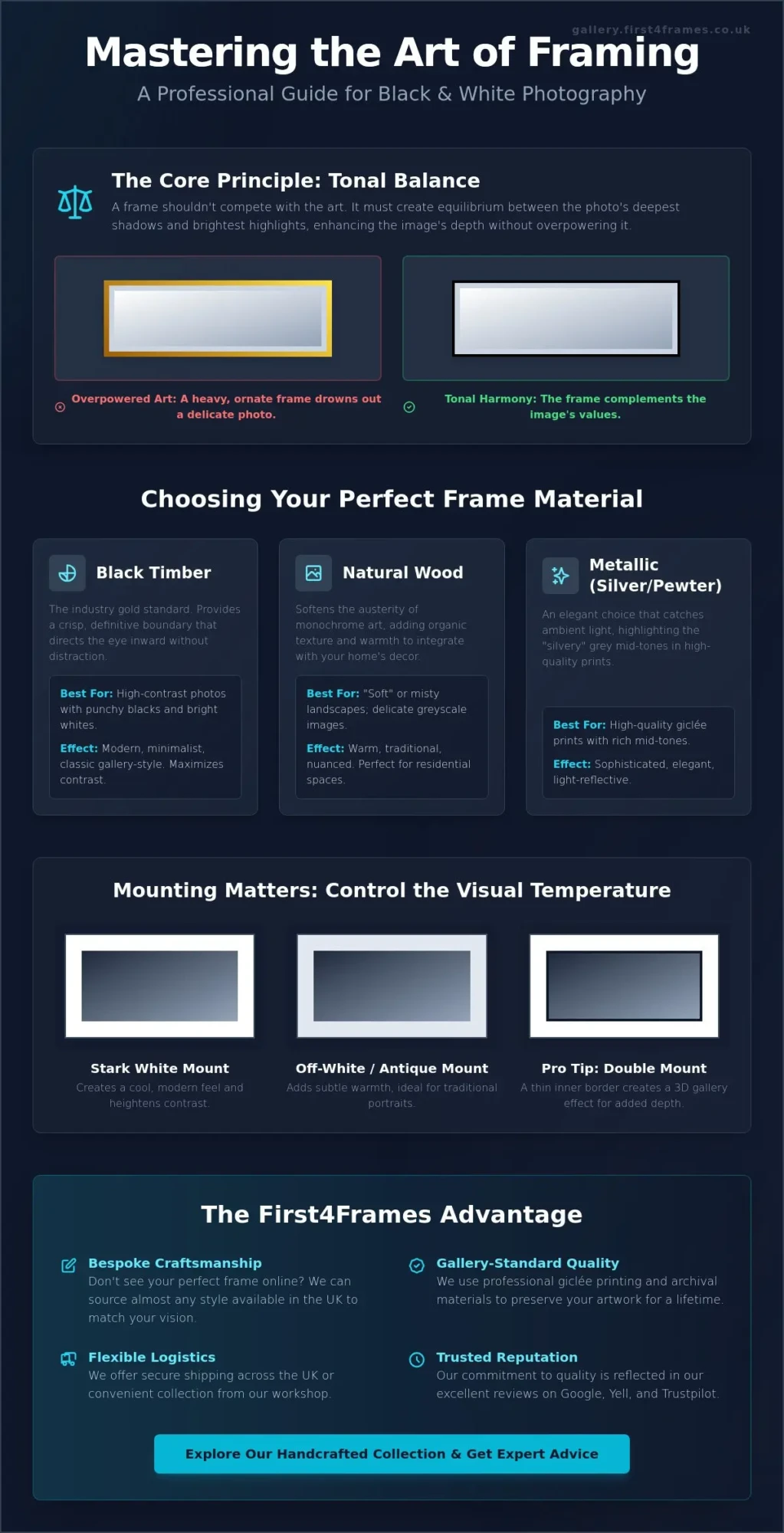
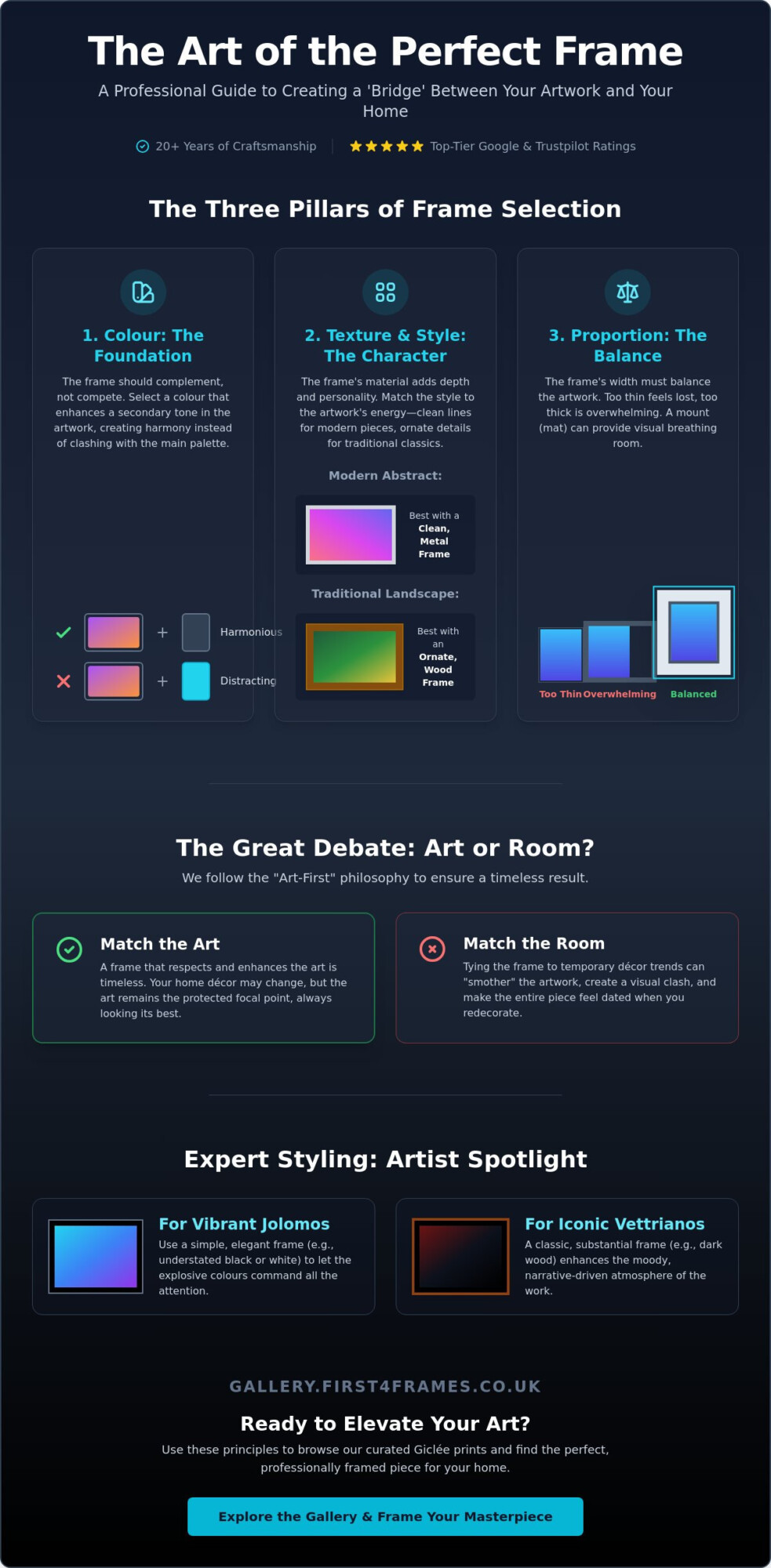
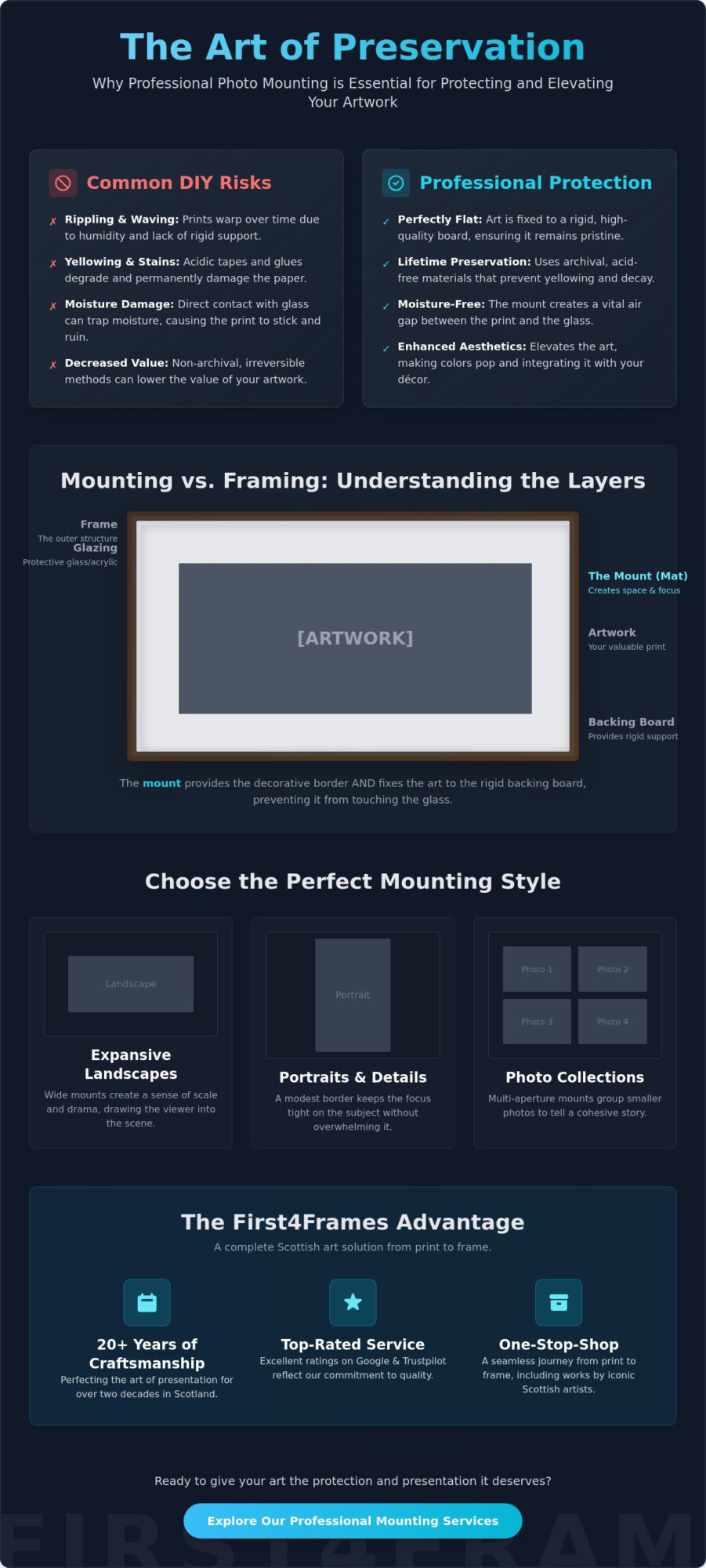
The mount serves a dual purpose: protection and presentation. It provides a vital air gap between the fine art and the 2mm float glass, preventing condensation damage. Choosing the right shade is equally vital. Whether you’re framing photography prints or contemporary art prints, the mount should lift the colours of the image without overpowering them. Our custom picture framing service gives you the freedom to choose your frame online, ensuring the moulding and mount work in harmony.
Using a Wall Art Visualiser to See Before You Buy
Imagining how a frame looks in your lounge is often the hardest part of online picture framing. Our First4Frames Gallery includes a professional wall art visualiser to solve this problem. You can visualise art on your wall by uploading a photo of your room or using our pre-set templates. It’s the perfect way to test if coastal wall art or minimalist Scandinavian frames suit your decor. This interactive experience means you can see artwork before you buy, removing all the guesswork from the process.
Selecting the Right Style for Scottish Landscape Art
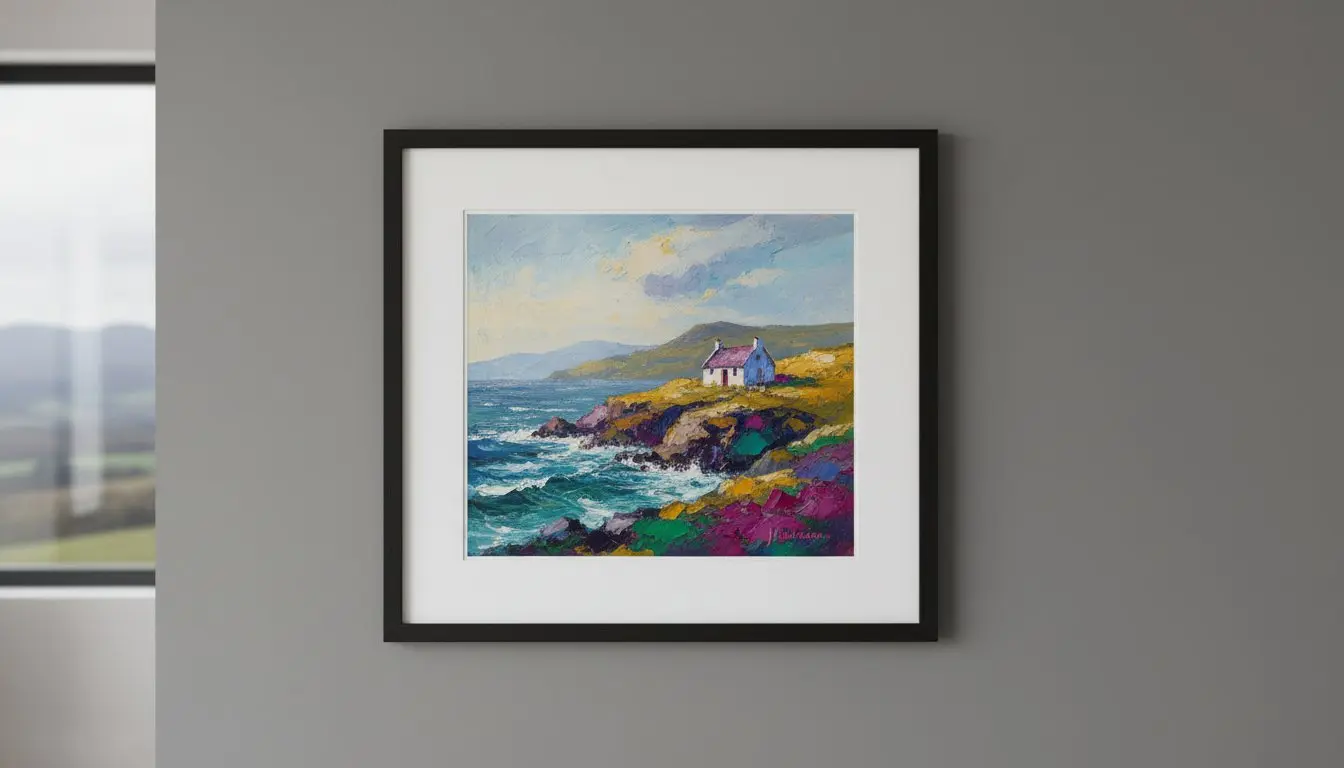
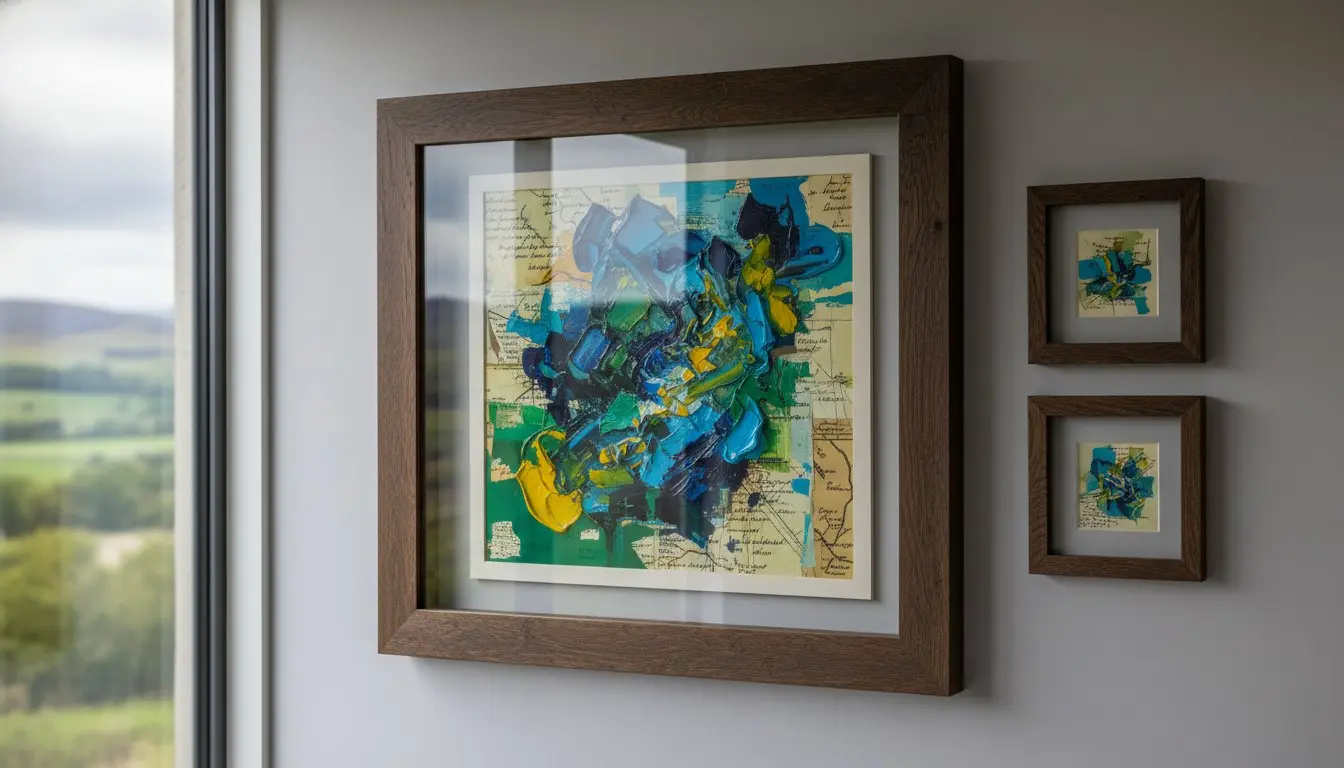
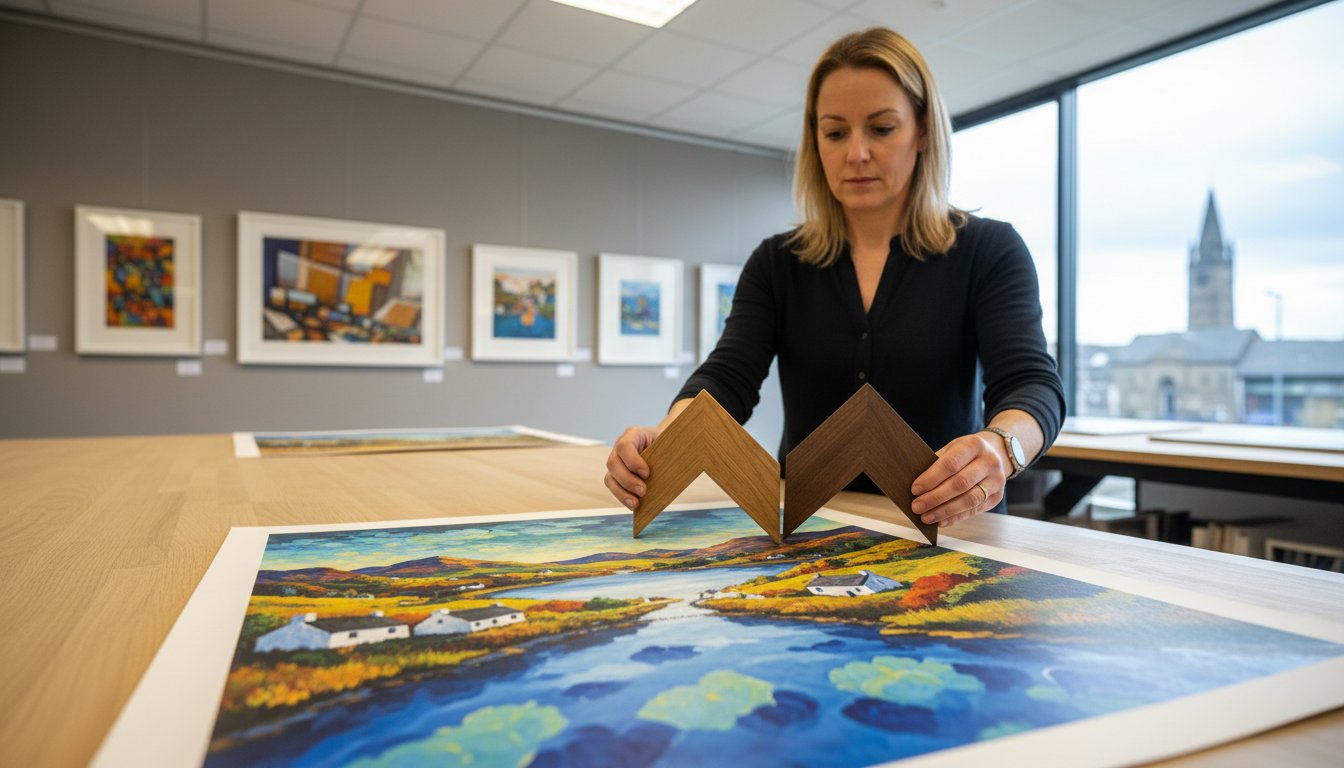
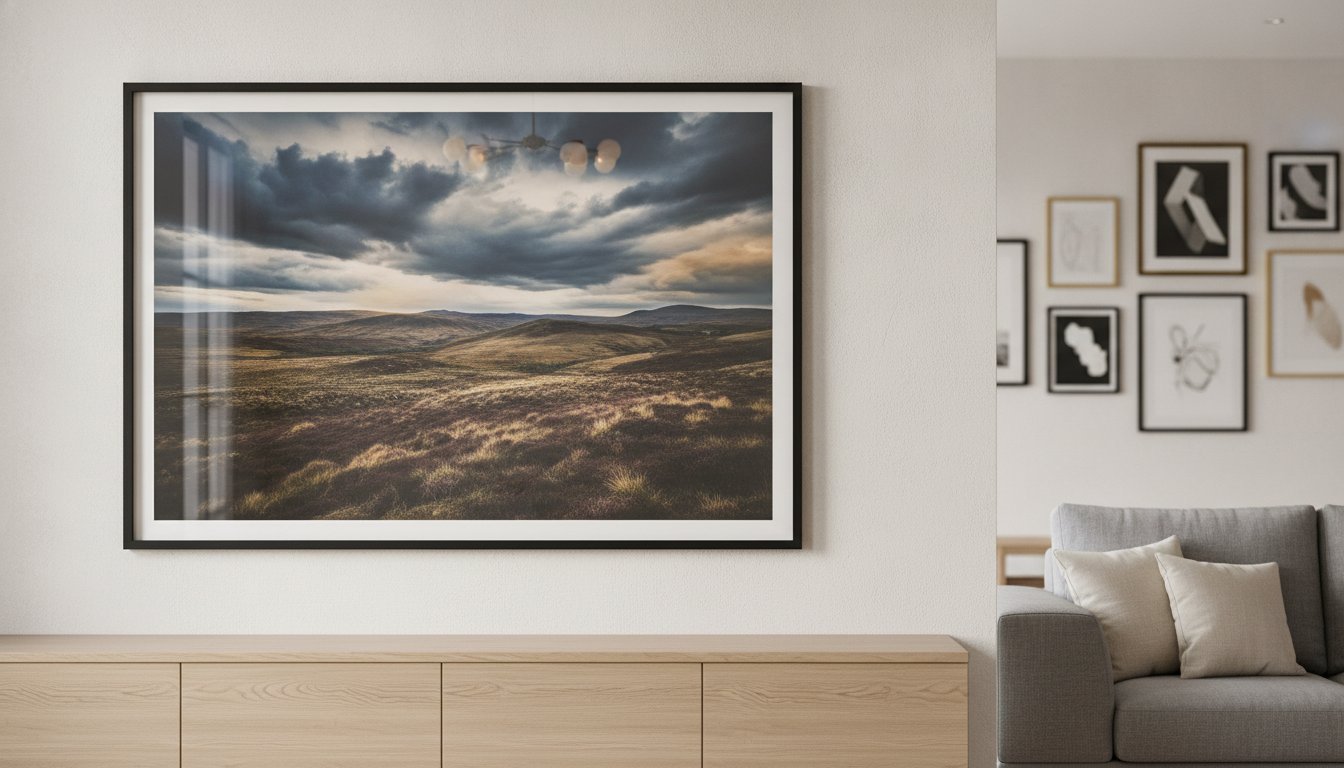
Scottish landscape art often features bold, dramatic tones that require a frame with presence. For works by best-selling artists like Jolomo or Matylda Konecka, we often suggest deep-set mouldings that mirror the rugged beauty of the Highlands. Traditional landscape wall art might benefit from a classic wood grain, while modern pieces by famous artists look stunning in sleek, dark profiles. If you’re ready to transform your space, you can explore our full range of ready-to-hang framed art today.
Online Picture Framing: How to Order from Home
Ordering custom picture framing from your sofa shouldn’t be a daunting task. We’ve simplified the journey into four clear steps to ensure your art receives the professional treatment it deserves. First, measure your piece carefully; for precise results, consult our UK Guide for Framing. Next, select a moulding that speaks to the medium. Fine art often pairs beautifully with classic wood grains, while photography prints usually demand the clean lines of a contemporary profile.
Thirdly, choose your finishing touches. Unlike competitors who rely on static-heavy acrylic, we provide 2mm float glass for superior clarity and depth. Finally, proceed through our secure checkout. Once your frame is hand-crafted in our workshop, we don’t just put it in a standard box. We use specialized, multi-layered packaging to ensure it arrives in pristine condition. You can choose your frame online and begin your design today.
The “Print and Frame” Service for Digital Photos
You don’t need a physical print to get started. Our art print framing service allows you to upload digital memories directly to our site. We use high-quality Giclée printing to ensure your photos match the artisanal standard of our bespoke frames. This all-in-one solution transforms a digital file into a museum-quality display without you ever having to leave the house. Visit our page for Photo Printing and Framing Online to upload your images.
Safe Shipping and Professional Packaging
Shipping bespoke framed wall art requires more than just a simple “fragile” sticker. We utilize professional couriers who understand the delicate nature of 2mm float glass. Every frame is fully packaged with reinforced edges and shock-absorbent materials to prevent any damage during transit. This commitment to logistics ensures that the craftsmanship we put into your frame in our workshop is exactly what you see when you unbox it at home.
Commercial Curation and Bespoke Solutions
For property developers and estate agents, the right artwork does more than fill a wall; it stages a lifestyle. Our custom picture framing provides a professional edge that budget, off-the-shelf options simply can’t achieve. When you’re managing an office refurbishment or a new housing development, a cohesive art strategy is essential for boosting morale and establishing a premium brand identity. We ensure that every piece, whether it’s a single statement work or a volume order for a commercial installation, receives the same hand-made attention to detail.
Maintaining quality across large-scale projects is where our artisanal approach shines. While competitors might rely on flimsy, pre-assembled frames, we individually craft every order in our workshop. This ensures structural integrity and a precision fit for every piece of bespoke framed wall art. We use only 2mm float glass for these projects, providing a level of clarity and professional finish that budget perspex alternatives can’t match. This commitment to quality ensures your investment remains a lasting asset for your business environment.
Art Print Framing Service for Interior Designers
Interior designers need a partner who understands the nuance of textures and room palettes. Our art print framing service is built for collaboration, offering an all-in-one solution from initial curation to final delivery. We help you select frames that complement specific design themes, ensuring the finished product integrates perfectly with your vision. Every frame is fully packaged and shipped via professional couriers, so you don’t have to worry about damage during the final stages of a project.
Scottish Art for Business Spaces
Integrating Scottish landscape art or works by famous artists into a commercial environment creates a strong sense of place and heritage. Whether you’re selecting contemporary art prints for a modern tech hub or traditional fine art for a law firm, sourcing local talent builds a meaningful connection with clients. You can browse our extensive collection of works by best-selling artists at our Gallery for commercial inspiration. Using high-quality frames for these pieces ensures they reflect the high standards of your own brand.
Elevate Your Art with Artisanal Precision
Selecting professional custom picture framing is a long-term investment in the preservation of your collection. Every frame is individually hand-made in our UK workshop, providing a structural integrity that mass-produced options can’t offer. By using premium 2mm float glass, we ensure your contemporary art prints or Scottish fine art are displayed with museum-level clarity. This technical choice avoids the scratches common with cheap perspex; it keeps your focus exactly where it belongs: on the art. Our expert curation and digital printing services make it easy to find a style that resonates with your unique decor.
It’s time to stop settling for “close enough” and enjoy a display that’s perfectly tailored to your space. Whether you’re a private collector or a commercial manager, our bespoke approach guarantees a seamless journey from design to delivery. Your memories deserve the care that only a dedicated artisan can provide. Design your bespoke framed artwork today at First4Frames Gallery and bring your vision to life with confidence.
Frequently Asked Questions
What is the difference between custom framing and ready-made frames?
Custom framing involves individually crafting a frame to the exact millimetre of your piece, whereas ready-made frames are mass-produced in standard sizes. We use high-quality materials and preservation techniques for every order. Unlike cheap alternatives, our custom picture framing provides a precision fit that prevents artwork from sagging or warping. This ensures your Scottish landscape art or fine art remains protected and beautifully presented for decades.
Why do you use 2mm float glass instead of perspex?
We use 2mm float glass because it offers superior clarity and scratch resistance compared to the budget perspex used by many competitors. Glass provides a premium, museum-quality finish that doesn’t attract dust through static. It ensures the vibrant colours of your contemporary art prints remain true and undistorted. While acrylic can yellow or cloud over time, float glass maintains its transparency and structural integrity for a lifetime of display.
Can I frame my own digital photos through your online service?
Yes, our “print and frame” service is designed specifically for your digital memories. You can upload your photographs directly to our website, where we print them using high-quality Giclée techniques to match our artisanal framing standards. This all-in-one art print framing service transforms a digital file into bespoke framed wall art. It’s a seamless way to turn personal photography prints into professional, ready-to-hang decor for your home or office.
How do I use a wall art visualiser to see artwork before I buy?
Our wall art visualiser allows you to see artwork before you buy by placing a digital render of the piece into a room setting. Simply select your desired print and frame combination on our website to generate the preview. You can even upload a photo of your own room to check how coastal wall art or landscape wall art fits your existing decor. It removes the guesswork from online picture framing entirely.
How are bespoke framed pictures packaged for shipping in the UK?
We take logistical safety seriously by using multi-layered, professional packaging for every order. Each piece of custom picture framing is fully wrapped with reinforced corner protection and shock-absorbent materials to prevent damage. We ship exclusively via professional couriers who are experienced in handling fragile 2mm float glass. This ensures your handmade frame arrives at your UK address in the same pristine condition it left our Falkirk workshop.