Posted on

Anti-Reflective Glass for Picture Frames: The Ultimate Guide

You’ve found the perfect piece of art, a beautiful photograph or a treasured print, and you’ve had it professionally framed. Yet, when you hang it on the wall, all you see is the reflection of your window or the ceiling light. This common frustration is why selecting the right glazing is so crucial, and where premium anti-reflective glass for picture frames can completely transform your experience. It eliminates that distracting glare, allowing the vibrant colours and fine details of your artwork to shine through with spectacular clarity.

But what exactly is this specialist glass, and how does it differ from standard or non-glare options? In this ultimate guide, we’ll demystify the world of picture framing glass. We will explore the technology, compare your choices, and explain the vital role it plays in protecting your art from UV damage and fading. You’ll discover how to make the perfect choice, ensuring your treasured pieces are protected and displayed to perfection for years to come.

What is Anti-Reflective Glass? (And Why It’s Not ‘Anti-Glare’)

You’ve found the perfect piece of art, chosen a beautiful bespoke frame, and hung it in just the right spot. But instead of admiring the intricate details and vibrant colours, you see a distracting reflection of your window, your lamp, or even yourself. Standard picture frame glass can act like a mirror, forcing you to find the ‘perfect angle’ just to see the artwork properly. This is where the magic of anti-reflective glass comes in, offering a crystal-clear viewing experience that makes the glass seem to disappear entirely.

To see the remarkable difference for yourself, this short video demonstration is incredibly helpful:

The Problem: How Glare and Reflections Ruin the View

Any light source in a room can create a mirror-like effect on standard framing glass. This unwanted reflection obscures the fine details your chosen artist worked so hard to create, dulls the richness of the colours, and creates a visual barrier between you and the art. It pulls you out of the picture, forcing your eyes to fight past the glare instead of immersing yourself in the image. True appreciation requires an uninterrupted view, something standard glass simply cannot provide.

Anti-Reflective vs. Anti-Glare: The Critical Difference

While often used interchangeably, these two types of glass are fundamentally different. Understanding this distinction is key to making the right choice for your artwork.

  • Anti-Glare Glass: This glass has a micro-etched surface designed to scatter light. While this reduces sharp reflections, the etching process slightly blurs the image, reducing its sharpness and clarity. It’s a more affordable option, but it comes at the cost of image fidelity.
  • Anti-Reflective (AR) Glass: This is a premium, high-tech solution. Instead of an etched surface, it features a micro-thin optical coating that allows over 99% of light to pass through. Think of it like a professional camera lens versus an uncoated one; the coating enhances light transmission for a sharper, more vibrant result.

For fine art, where every detail and colour matters, anti-reflective glass is the superior choice for unparalleled clarity.

How Does the Magic Work? The Science of AR Coatings

The technology behind anti-reflective glass is a marvel of optical physics. The glass is coated with incredibly thin, transparent layers that are precisely engineered to manipulate light waves. As light hits the surface, these coatings cause the reflected light waves to cancel each other out. If you are interested in the technical details, you can learn more about how anti-reflective coatings work and the science of destructive interference. This is the same technology trusted for high-end eyeglasses and professional photography lenses. The result for your artwork is a viewing experience so clear and intimate, it feels as though there is nothing between you and the print. This is why we believe premium anti-reflective glass for picture frames is an essential investment for protecting and showcasing treasured art.

The Spectrum of Glazing: From Standard Float to Museum Quality

Choosing the right glazing is like selecting the perfect lens for a camera-it determines how clearly you see the picture. The glass or acrylic in your frame does more than just protect from dust; it manages reflection and shields your art from harmful light. To help you make the perfect choice for your artwork, we’ve broken down the options into a simple “good, better, best” guide that shows where anti-reflective glass for picture frames fits into the bigger picture.

Glazing Tier Clarity (Reflection) UV Protection Ideal For
Good: Standard Float ~8-10% Reflection ~45% UV Block Budget-friendly framing, posters, and prints in low-light areas.
Better: Anti-Reflective <1% Reflection ~70% UV Block Detailed artwork, family photos, and any piece where clarity is paramount.
Best: Museum Quality <1% Reflection 99% UV Block Valuable art, limited editions, and irreplaceable sentimental items.

Good: Standard Float Glass

This is the entry-level glazing you’ll find in most off-the-shelf frames. It offers basic protection from dust and physical contact but comes with significant drawbacks. Its surface reflects around 8% of light, creating noticeable glare that can obscure the details of your artwork. Furthermore, with only about 45% UV protection, it offers minimal defence against the fading effects of sunlight, making it suitable only for general-purpose framing where budget is the main concern.

Better: Anti-Reflective (AR) Glass

Here is where your viewing experience is truly transformed. Anti-reflective glass for picture frames is engineered to be virtually invisible. By using a sophisticated optical coating to reduce reflections to less than 1%, it removes the distracting glare, allowing the true colours, textures, and fine details of your art to take centre stage. It’s a spectacular upgrade that makes it feel like there’s nothing between you and the artwork. Standard AR glass also provides a better defence against fading, blocking around 70% of UV rays.

Best: Museum Glass & Optium Museum Acrylic

For treasured, valuable, or sentimental pieces, there is no substitute for museum-grade glazing. This is the pinnacle of protection and presentation, combining the incredible clarity of an anti-reflective coating with 99% UV filtering. This level of protection is the standard used by museums and professional conservators to safeguard irreplaceable works from fading and light damage. As detailed in this comprehensive conservation guide to framing glass, blocking UV radiation is critical for long-term preservation. For a shatter-resistant and lightweight alternative, Optium Museum Acrylic offers the same exceptional benefits.

The Key Benefits of Choosing Anti-Reflective Glass

Understanding the science behind anti-reflective glass is one thing, but experiencing its impact is where the true magic lies. Choosing to upgrade isn’t just a technical decision; it’s an emotional one. It’s about transforming your relationship with the art you love, removing every possible barrier to create a pure, intimate connection. Let’s explore the beautiful, practical advantages that make anti-reflective glass for picture frames a worthy investment in your home and your memories.

Unmatched Clarity: It’s Like the Glass Isn’t Even There

Imagine leaning in to admire a piece of art and seeing every delicate brushstroke, every subtle texture, and every intricate detail without a hint of glare. That is the breathtaking experience of anti-reflective glass. This incredible, ‘invisible’ effect is why it’s considered the premium glazing used by framing professionals, creating a direct and unfiltered connection between you and the artwork. It doesn’t just display your art; it invites you into it.

[Image Placeholder: A split image showing a framed picture with standard glass (heavy reflection) on the left and anti-reflective glass (crystal clear) on the right.]

True Colour Fidelity: See the Art as the Artist Intended

Standard float glass often carries a subtle green tint, a slight impurity that can dull vibrant colours and alter the artist’s original palette. Anti-reflective coatings, however, are applied to an optically pure, low-iron glass. This ensures that the colours you see are the colours the artist intended-rich, true, and full of life. For fine art Giclée prints where colour accuracy is paramount, this feature is absolutely essential for an authentic viewing experience.

Enhanced UV Protection: A Vital Shield for Your Art

While its main purpose is to eliminate reflections, premium anti-reflective glass also offers a significant level of UV protection-typically blocking up to 70% of harmful rays. Over time, UV light is the primary culprit behind fading and damage to photographs, prints, and original works. Think of this as an insurance policy for your most treasured pieces, preserving not just an image, but a memory or a valuable asset for years to come.

Reduced Distractions for a More Enjoyable Space

In a modern home with bright windows and layered lighting, a standard picture frame can quickly become a frustrating mirror. You find yourself shifting positions, closing curtains, or turning off lamps just to see the image behind the glare. With anti-reflective glass for picture frames, this problem vanishes. Your art remains a spectacular focal point day or night, allowing you to design your space for comfort and beauty, not to fight reflections.

Is Anti-Reflective Glass Worth It? A Practical Decision Guide

Let’s address the main question directly: premium anti-reflective glass costs more than standard options. We believe in transparency, and it’s important to see this not as an expense, but as an investment in the art you love. The real question is whether it’s the right investment for your specific piece. This guide is designed to help you decide with confidence.

To find the perfect balance between budget and visual perfection, consider these three key factors.

Consider the Artwork’s Value (Monetary and Sentimental)

The nature of your artwork is the best starting point. Not every piece requires the same level of protection or clarity. Think about what you are framing:

  • For original art, limited edition prints, or signed pieces: Museum-grade anti-reflective and UV-protective glass is essential. It preserves the monetary value by preventing fading and allows the artist’s true colours and textures to shine through without compromise.
  • For irreplaceable family photos and heirlooms: The sentimental value is immeasurable. Protecting these memories from light damage and ensuring they can be seen clearly from any angle makes the upgrade priceless.
  • For decorative posters or open-edition prints: If the piece is easily replaceable and displayed away from direct sunlight, our high-quality standard glass or acrylic may be perfectly sufficient for your needs.

Assess Your Room’s Lighting Conditions

The environment where your art will hang plays a huge role. The benefits of anti-reflective glass for picture frames are most dramatic in rooms with challenging light. Ask yourself:

  • Will the frame be placed opposite a bright window that gets hours of direct sun?
  • Is it going to be hung in a hallway or dining room directly under a spotlight?

If you answered yes, reflections will likely be a constant distraction. Here’s a simple test: hold an existing picture with standard glass in the exact spot you plan to use. If you see more of the room’s reflection than the image itself, an anti-reflective option will make a spectacular difference.

Budget vs. Long-Term Enjoyment

When you view the cost as part of the total bespoke framing project, it often represents a small fraction of the overall investment. This one-time upgrade ensures decades of perfect, uninterrupted enjoyment. Compare the modest additional cost-perhaps £30 to £60 depending on size-to the daily frustration of a glare-filled, poorly displayed piece. Investing in the right glass is an investment in your long-term connection to the artwork.

Ultimately, the choice is yours. Our passion is to ensure your art looks its absolute best on your wall. Get a bespoke framing quote with different glass options today, and our expert team will help you find the perfect solution for your art and your budget.

How to Choose and Care For Your Anti-Reflective Glass

You’ve learned the benefits, and now you’re ready to complete your project. Choosing the right glazing is a crucial final step in the bespoke framing journey. Here at First4Frames, we believe in empowering you with the knowledge to select the perfect finish and care for your beautiful investment for years to come.

Discussing Glazing Options With Your Professional Framer

The best way to understand the difference between glazing options is to see them for yourself. A trusted professional will have samples to demonstrate how each performs in the light. We encourage you to ask key questions to ensure you’re choosing the right protection for your artwork.

  • What level of UV protection does this glass offer? (e.g., 70%, 92%, or 99%)
  • Can you show me the difference in reflection between standard glass and this anti-reflective option?
  • Which material do you recommend for the size and value of my piece?

A passionate framer will be your partner, guiding you to a choice that perfectly suits your art and your space.

Glass vs. Acrylic (Plexiglass): Which is Right for You?

Both traditional glass and high-quality acrylic (often called Perspex or Plexiglass) are available as anti-reflective glass for picture frames. Your decision often comes down to the specifics of your project. Glass is renowned for its rigidity and superior scratch resistance, making it a premium choice for most standard-sized frames. Acrylic, however, is significantly lighter and shatter-resistant, making it the safer, more practical option for oversized artwork, frames in high-traffic areas, or pieces that will be shipped.

Cleaning and Maintenance: Protecting Your Investment

Proper care is essential to maintain the pristine, invisible finish of your anti-reflective coating. The most important rule is to never use ammonia-based cleaners (like Windex) or abrasive paper towels, as they can permanently damage the special coating.

For a perfect, streak-free finish, we recommend this simple method:

  • Step 1: Lightly spray an ammonia-free glass cleaner onto a clean, soft microfiber cloth-not directly onto the surface.
  • Step 2: Gently wipe the glass or acrylic in a circular motion to lift dust and smudges.
  • Step 3: Use a second, dry microfiber cloth to lightly buff the surface until it is crystal clear.

Following these steps will ensure your artwork remains the star of the show. To see beautiful examples of art protected by premium glazing, feel free to browse our online gallery.

The Final Frame: See Your Art, Not the Reflection

Choosing the right glazing is the final, crucial step in honouring your artwork. As we’ve explored, the difference is transformative: true anti-reflective glass provides an almost invisible barrier, offering superior clarity and vital UV protection that standard or anti-glare options simply can’t match. Making the decision to use high-quality anti-reflective glass for picture frames is an investment in the beauty and longevity of your most treasured pieces, ensuring they can be enjoyed without distraction for years to come.

At First 4 Frames, our passionate experts live and breathe this commitment to quality. With over 20 years of professional framing experience and a dedication to using only premium, conservation-grade materials, we ensure every piece is presented perfectly. Let us help you remove the reflections and reveal the true beauty of your art. Ready to see your art in perfect clarity? Explore our bespoke framing services today and discover the difference craftsmanship makes.

Frequently Asked Questions

How much more expensive is anti-reflective glass than standard glass?

As a premium product, anti-reflective glass represents a considered investment in your artwork’s presentation. While the exact cost depends on the size of the piece, you can generally expect it to be between £30 to £80 more than standard float glass for a medium-sized frame. This price reflects the advanced multi-layered coating that provides spectacular clarity, turning the glass virtually invisible so you can connect more deeply with the art itself.

Can I replace the glass in a picture frame I already own?

Absolutely. Upgrading the glazing in a beloved frame is a wonderful way to breathe new life into it and enhance the artwork within. We can professionally fit a new piece of bespoke anti-reflective glass into your existing frame, ensuring a perfect, secure fit. This simple change can make a dramatic difference, eliminating distracting reflections and allowing the true colours and details of your art to shine through without compromise.

Is anti-reflective glass the same as ‘museum glass’?

The terms are often used interchangeably, which can be confusing. “Museum Glass” is a brand name for a specific product that combines anti-reflective properties with high-grade UV protection (typically 99%). Many premium anti-reflective glass options we offer provide this same dual benefit of incredible clarity and conservation-grade UV filtering. Essentially, you are getting that museum-quality standard that protects and showcases your art perfectly.

Does anti-reflective glass scratch more easily than normal glass?

The advanced optical coatings on anti-reflective glass are more delicate than the surface of standard glass and require a little extra care. We recommend cleaning with a soft, ammonia-free glass cleaner and a clean microfibre cloth to avoid fine scratches. With proper care, its beautiful, reflection-free surface will remain pristine for years, ensuring your view of the artwork is always crystal clear. Think of it as caring for any piece of fine craftsmanship.

Is there an anti-reflective option that is also shatterproof for a child’s room?

Yes, there is a perfect solution. For spaces like a child’s room, nursery, or busy hallway, we recommend anti-reflective acrylic (often known as Perspex or Plexiglas). This premium material offers the same exceptional clarity and low-reflection properties as glass but is lightweight and shatter-resistant. It provides the ultimate peace of mind, ensuring your little one’s space is both beautiful and safe without compromising on the quality of the display.

Will anti-reflective glass stop my artwork from fading completely?

While no glazing can stop the effects of time completely, a high-quality anti-reflective glass for picture frames offers a spectacular level of protection. The best options block up to 99% of harmful UV light rays, which are the primary cause of fading and discolouration. This conservation-grade filtering drastically slows the ageing process, preserving the rich colours and fine details of your art for decades to come, especially when kept out of direct sunlight.

Posted on

Professional Canvas Stretching UK: The Ultimate Guide to Displaying Your Art

That beautiful canvas you invested in-is it still tucked away in a tube, waiting for its moment to shine on your wall? Taking the step from a rolled artwork to a wall-ready masterpiece can feel daunting. The fear of damage, the confusion around terms like ‘stretcher bars,’ and the search for a trusted expert can be overwhelming. This is where the meticulous craft of professional canvas stretching UK specialists transforms your art, giving it the foundation and form it truly deserves.

Consider this your ultimate guide. We will walk you through the entire journey, demystifying the process from start to finish. We’ll explore the different types of stretching, break down the potential costs (in £), and help you decide on the perfect display style for your art and home-whether that’s a contemporary gallery wrap or a stunning bespoke frame. By the end, you’ll feel confident and inspired, ready to give your artwork the spectacular, sag-free display it was always meant to have.

What is Professional Canvas Stretching and Why is it Essential?

You’ve returned from a wonderful holiday with a beautiful, rolled-up painting, or perhaps you’ve purchased a stunning piece of art online that arrived in a tube. The question is, what now? That rolled canvas needs to be transformed into a display-ready masterpiece, and that’s where professional canvas stretching comes in. At its core, canvas stretching is the meticulous process of mounting a piece of canvas art or a print onto a bespoke wooden frame, known as stretcher bars. This gives the artwork structure, turning it from a delicate roll into a taut, flat surface ready to hang.

This craftsmanship is the essential first step to preserving and presenting your art correctly. To see the process in action, this video provides a fantastic overview of the care and technique involved.

Without proper stretching, a canvas is vulnerable to damage from creasing, cracking paint, and distortion. The process ensures the artwork is perfectly flat and drum-tight, eliminating any ripples or sagging. It prepares the piece for its final destination on your wall, allowing it to be hung as a contemporary, frameless “gallery wrap” or placed into a decorative outer frame. This is far more than simply putting a picture behind glass; it’s a structural necessity that honours the artwork and ensures its longevity.

The Anatomy of a Stretched Canvas

The secret to a long-lasting, beautifully displayed canvas lies in its hidden framework. The stretcher bars provide the essential tension and support. We use only premium, kiln-dried wood to construct these frames, a crucial detail that prevents the timber from warping or twisting over time due to changes in humidity. You can also choose the profile depth of the bars-a standard 18mm depth is perfect for framing, while a deeper 45mm “gallery” profile creates a bold, three-dimensional presence on the wall without an outer frame.

Who Needs This Service?

Our professional canvas stretching UK service is designed for a wide range of art lovers and creators. You might need this service if you are:

  • An art collector who has purchased un-stretched paintings directly from artists or galleries.
  • An artist preparing your work for an exhibition or for sale, ensuring a professional finish.
  • Anyone with a canvas print, such as a family portrait or a fine art reproduction, that needs to be displayed.
  • The owner of an older canvas that has loosened over time and needs to be re-stretched to restore its original tautness.

The Professional Stretching Process: A Look Behind the Scenes

Transforming a rolled canvas into a taut, gallery-ready masterpiece is a meticulous craft. While DIY kits exist, they lack the specialist tools and expertise needed to achieve a truly professional finish. Our process is a blend of precision engineering and artistic care, ensuring your artwork is not only beautifully displayed but also perfectly preserved. We handle every piece with the reverence it deserves, from initial measurement to the final, crisp corner fold.

Step 1: Measurement and Stretcher Bar Construction

Perfection begins with the foundation. We start by precisely measuring your canvas, carefully calculating the exact dimensions needed for the visible art and the portion that will wrap around the frame. Using this data, we construct a bespoke stretcher bar frame from high-quality, kiln-dried timber to prevent warping. Every joint is secured to create perfectly square corners-the non-negotiable first step for a flawless, professional result that will hang true on your wall.

Step 2: Stretching and Securing the Canvas

This is where skilled hands make all the difference. Using professional canvas pliers, we gently pull the canvas, achieving a perfectly even, drum-tight tension across the entire surface. This technique prevents sagging or rippling over time. We work methodically, securing the canvas to the back of the frame with a strategic stapling pattern that remains completely hidden. The final touch is creating immaculate, tidy corners without any unsightly bumps or excess fabric-a true hallmark of expert craftsmanship.

Understanding Canvas Wrap Styles

The way your canvas edge is finished has a significant impact on its final look. As a leading service for professional canvas stretching UK wide, we offer two primary styles to suit your art and décor:

  • Gallery Wrap: The image itself extends around the edges of the stretcher bars. This creates a stunning, contemporary look that is ready to hang without an additional frame, giving your art a modern, three-dimensional presence.
  • Museum Wrap: The full artwork remains on the front face of the canvas, while the edges are wrapped with a solid colour (typically white or black). This classic finish is the perfect choice if you intend to place your stretched canvas into a beautiful floating or traditional frame.

DIY vs. Professional Canvas Stretching: A Crucial Decision

When it comes to displaying your canvas art, you face a key choice: take the DIY route or entrust it to a professional. While home-stretching kits are readily available and may seem like a cost-effective option, the decision should always be weighed against the value-whether monetary or sentimental-of your artwork. A small saving simply isn’t worth risking permanent damage to a piece you love.

The difference between an amateur attempt and bespoke craftsmanship is immediately obvious. A professional has the experience to handle delicate canvases, apply perfect tension, and ensure the finished piece is worthy of your wall. Where a DIY mistake can be permanent, an expert touch guarantees a perfect result.

The Risks of a DIY Approach

Without the right tools and years of experience, stretching a canvas is a delicate process fraught with potential pitfalls. A single misstep can compromise the integrity and appearance of your art. Key risks include:

  • Damage to the Artwork: Using improper tension or the wrong tools can easily tear the canvas or cause the paint to crack, especially on older or heavily textured pieces.
  • Uneven Tension: The most common DIY mistake. This leads to unsightly ripples, sagging over time, and a distorted image that loses its intended impact.
  • Crooked Alignment: Ensuring the artwork is perfectly square to the stretcher bars is extremely difficult. A slightly skewed image looks unprofessional and can be very distracting.
  • Subpar Materials: Many DIY kits use low-quality, unseasoned wood for stretcher bars, which can warp or twist, placing stress on the canvas and causing long-term damage.

When to Always Choose a Professional

For certain pieces, the risk of a DIY attempt is too great. This is where services offering professional canvas stretching UK-wide provide essential peace of mind and a superior finish. You should always opt for an expert for:

  • Valuable Artwork: Any original painting, limited edition print, or piece with significant sentimental value deserves specialist handling to protect your investment.
  • Large or Oversized Canvases: The larger the canvas, the more difficult it is to achieve consistent, drum-tight tension across the entire surface without specialised equipment.
  • A Gallery-Quality Finish: If you want your art to hang perfectly flat with crisp, neat corners and a flawless appearance, only bespoke craftsmanship will do.

Your beautiful art deserves a perfect presentation that will stand the test of time. Trust your art to the experts. Get a stretching quote today.

Beyond the Stretch: Choosing the Perfect Frame for Your Canvas

Once your artwork is perfectly taut and secure, the journey isn’t over. Professional canvas stretching is the crucial first step, but the frame is the finishing touch that truly makes your art sing. A well-chosen frame acts as a beautiful bridge between your artwork and your room’s décor, elevating the final presentation from great to spectacular. Here at First 4 Frames, our passion for craftsmanship extends from our professional canvas stretching UK service directly into our bespoke framing. Beyond aesthetics, a frame provides a vital layer of protection, guarding the vulnerable edges and corners of your canvas against accidental bumps and scrapes for years to come.

The Floater Frame: A Modern Classic

The floater frame is the top choice for contemporary canvases, and for good reason. This style sees the canvas mounted inside the frame with a small, uniform gap, creating the stunning illusion that the artwork is ‘floating’ within its border. It’s a sophisticated and modern look that respects the integrity of the art, allowing the entire front surface and the painted sides of a gallery-wrapped canvas to remain visible. It adds definition without distraction.

Traditional Framing for Canvases

For a more classic or formal presentation, a traditional frame is a timeless choice. Unlike a floater frame, a traditional frame has a ‘rebate’ or lip that sits over the front edge of the canvas, neatly covering the staples and sides. This style works wonderfully with traditional paintings and can be chosen to complement ornate décor. We recommend this option for museum-wrapped canvases, where the sides are plain and not intended to be part of the display.

The Unframed Look: When to Go Bare

Sometimes, the art speaks for itself. A gallery-wrapped canvas, where the image continues seamlessly around the deep edges, can look spectacular hung directly on the wall. This unframed approach offers a clean, minimalist aesthetic that is perfect for bold, contemporary art. However, it’s important to consider that going bare offers less protection for the artwork’s edges and corners, making it more susceptible to damage in high-traffic areas.

Choosing the right finish is a personal journey, and our team is always here to offer expert advice. Explore our gallery to find inspiration and see how the perfect frame can complete your masterpiece.

How to Commission Your Professional Canvas Stretching

Ready to transform your rolled canvas into a gallery-worthy display? Commissioning your professional stretching service is a simple, straightforward process. We have refined our service to be completely hassle-free, ensuring your precious artwork receives the care and expert craftsmanship it truly deserves from the moment you contact us.

Getting an Accurate Quote

To provide you with a precise and transparent quote, our team just needs a few key details about your artwork. Having the following information ready when you get in touch helps us prepare everything perfectly for your piece:

  • Image Dimensions: Measure the exact height and width of the printed image itself, not including any white or unprinted borders.
  • Canvas Border: Note the amount of extra, unprinted canvas you have around the image (e.g., “5cm on all sides”). This is crucial for achieving a flawless wrap.
  • Stretcher Bar Depth: Decide on your preferred profile. We offer a standard 18mm depth or a more contemporary 38mm gallery depth for a bolder look on your wall.
  • Wrap Style: Let us know if you want a classic Gallery Wrap (image continues around the sides) or a clean Museum Wrap (plain white or black sides).

Once you’ve approved your quote, the next step is getting your artwork to our workshop. For safe transit, we recommend carefully rolling your canvas-with the image side facing outwards to prevent cracking-and placing it in a sturdy postal tube. Upon receipt, our typical turnaround time is 5-7 working days, after which your beautifully finished piece will be securely packaged and dispatched back to you.

Why Choose First4Frames for Your Canvas?

When you choose First4Frames, you’re not just getting a service; you’re partnering with passionate artisans dedicated to presentation. We are a trusted provider of professional canvas stretching in the UK for artists, galleries, and collectors alike.

  • Decades of Expertise: With over 20 years of bespoke framing and art handling experience, your work is in the safest, most skilled hands.
  • Premium Materials: We use only high-quality, kiln-dried, warp-resistant timber for our stretcher bars, guaranteeing your art remains taut and beautiful for years to come.
  • A Complete Service: As your one-stop shop for art services in Scotland and across the UK, we can seamlessly stretch and then custom frame your canvas to your exact specifications.

Ready to display your masterpiece? Contact our friendly team.

Give Your Canvas the Professional Finish It Deserves

Your artwork is more than just paint on canvas; it’s a story, an investment, and a centrepiece for your space. As we’ve explored, entrusting your piece to an expert ensures a flawless, gallery-ready presentation and protects it from damage and warping over time. This crucial step preserves its beauty and value for generations to come, making the choice between DIY and professional a simple one.

When seeking the best professional canvas stretching uk has to offer, experience and quality materials are non-negotiable. With over 20 years of expert framing craftsmanship, we use only premium, kiln-dried stretcher bars to guarantee your canvas remains taut and true. Trusted by artists and collectors across the UK, we are passionate about giving your art the platform it was made for.

Ready to see your art displayed at its absolute best? Let us give your masterpiece the exceptional presentation it deserves. Transform your artwork. Get a bespoke canvas stretching quote today!

Frequently Asked Questions

How much does professional canvas stretching cost in the UK?

The cost of professional canvas stretching in the UK varies depending on the size of your artwork and the depth of the stretcher bars you choose. As a guide, prices typically start from around £30 for a small canvas and can go up to £150 or more for a very large, bespoke piece. For an accurate, no-obligation quote based on your specific artwork, please contact our friendly team with your canvas dimensions. We pride ourselves on transparent and fair pricing for our craftsmanship.

Can an old, sagging canvas be re-stretched?

Absolutely. It’s quite common for older canvases to lose their tension over time. Our skilled artisans can carefully remove the canvas from its old frame, assess its condition, and expertly re-stretch it onto new, high-quality timber stretcher bars. This process can breathe new life into a beloved painting, restoring the taut, flawless finish it deserves and making it ready to be displayed beautifully once more. Let us help you preserve your precious art for years to come.

What is the typical turnaround time for canvas stretching?

Our standard turnaround time for most canvas stretching projects is between 7 to 10 working days, starting from the day we safely receive your artwork at our workshop. For exceptionally large or complex pieces that require bespoke solutions, the process may take slightly longer. We always believe in quality craftsmanship over speed and will keep you informed throughout the process, ensuring your artwork receives the dedicated attention it warrants before being returned to you, ready to hang.

How should I ship my rolled canvas to you safely?

To ensure your artwork arrives safely, we recommend rolling it with the painted or printed side facing outwards. This helps prevent the ink or paint from cracking. Place the rolled canvas inside a sturdy, wide-diameter cardboard tube, securing the ends firmly. For shipping within the UK, we suggest using a tracked and insured courier service like Royal Mail Special Delivery or Parcelforce. This provides peace of mind and protects your valuable art during its journey to our workshop.

What is the largest size canvas you can stretch?

We have extensive experience working with large-scale artwork and take great pride in our ability to handle ambitious projects. Our workshop is equipped to stretch canvases up to a spectacular 2.5 metres by 2.5 metres (approximately 98 x 98 inches). If you have an oversized piece that exceeds these dimensions, please get in touch. We love a challenge and can often provide a bespoke solution to ensure your magnificent artwork is displayed to its full potential.

Do you stretch canvas prints as well as original paintings?

Yes, we certainly do. Our expert service for professional canvas stretching in the UK is perfectly suited for both original works of art, like oil or acrylic paintings, and high-quality canvas prints, such as Giclée prints. We use the same premium materials and meticulous techniques for every piece, ensuring that whether it’s a one-of-a-kind painting or a beautiful fine art print, the result is a perfectly tensioned, gallery-ready finish that honours the artwork.

Is my artwork insured while it is with you?

Your peace of mind is our top priority. From the moment your artwork is delivered to our workshop until it is safely dispatched back to you, it is fully insured against damage or loss. We are a trusted professional service and treat every piece with the utmost care and respect, as if it were our own. You can be confident that your valuable art is protected by both our expert hands and our comprehensive insurance policy while in our custody.

Posted on

Find Picture Framers Near Me Open Today: A Complete Guide

That spectacular print you just bought, the cherished family photograph, or the diploma that marks a major achievement-they all deserve more than to be left sitting in a tube or tucked away in a drawer. But when inspiration strikes to get it framed, a new challenge arises: finding a professional who can help you *now*. The search for picture framers near me open today can often feel like a shot in the dark, leaving you wondering who to trust with your precious item and how to make the right choice under pressure.

This guide is here to change that. We believe the journey to getting your art professionally framed should be as beautiful and rewarding as the piece itself. We’ll walk you through the simple steps to find a reliable local artisan, understand the hallmarks of true craftsmanship, and choose the perfect bespoke frame with confidence. Consider this your complete resource for turning that urgent task into a beautifully finished masterpiece on your wall, without the wait.

Why Choose a Professional Framer Over a Big-Box Store?

When you have a piece of art you love, the temptation to grab an off-the-shelf frame from a large retail chain is understandable. It seems quick, easy, and budget-friendly. However, this immediate convenience often comes at the cost of long-term quality and protection. Choosing a professional framer is an investment not just in a frame, but in the life and beauty of your artwork itself. It’s the difference between simply covering your art and truly showcasing it.

To see the passion and precision that goes into professional framing, watch this short introductory video:

Unmatched Craftsmanship and Quality

A professional framer is a skilled artisan. Unlike mass-produced frames with their potential for gaps and imperfections, a custom frame is a work of precision. This dedication to craftsmanship ensures:

  • Perfectly joined corners that create a seamless, professional finish.
  • Premium materials, from solid woods to sleek metals, chosen for their durability and aesthetic appeal.
  • Expert handling of your delicate or valuable pieces, ensuring they are mounted safely and securely.

Archival Preservation for Your Valued Pieces

Perhaps the most crucial benefit is protection. That holiday print or family photograph deserves to be preserved, not damaged by its own frame. Professional picture framers near me open today use archival-quality materials specifically designed to protect your art from degradation over time. This includes acid-free mounts and backing boards that prevent yellowing and UV-protective glass that shields your art from the fading effects of sunlight. Proper sealing also keeps out dust, humidity, and insects.

A Truly Bespoke and Personalised Result

A professional framer acts as your personal consultant. They work with you to create a frame that is the perfect bridge between your artwork and your room’s decor. Instead of being limited to standard sizes, your frame is built to the exact dimensions of your piece. You can explore endless combinations of frame styles, mount colours, and glass types, receiving expert guidance to find the combination that makes your art truly sing. The result is not just a frame, but a spectacular, one-of-a-kind presentation.

How to Find a Picture Framer Open Today: A 3-Step Checklist

When you have a beautiful piece of art ready for its perfect frame, waiting is the last thing on your mind. Your search for picture framers near me open today requires a quick and reliable method to ensure you don’t make a wasted journey. This simple three-step checklist is designed to connect you with a professional framer who is ready to help, combining the speed of digital tools with the certainty of a personal confirmation. Let’s get your project underway without delay.

Step 1: Start with an Online Map Search

Your first port of call should be a tool like Google Maps. A simple search for ‘picture framers near me’ and applying the ‘Open Now’ filter will instantly show local studios that should be open for business. This gives you a fantastic starting list, but it’s wise to treat these hours with a pinch of caution-they aren’t always updated for sudden changes or UK bank holidays, so consider this your initial shortlist, not the final word.

Step 2: Visit Their Website and Social Media

Once you have a few potential framers, take a moment for some digital reconnaissance. A professional framer’s website will often have a dedicated ‘Contact Us’ or ‘Opening Times’ page with the most accurate information. Look for banners on the homepage announcing special hours or holiday closures. A quick check of their Facebook or Instagram page is also a brilliant idea; a recent post is a great sign that the workshop is active and open for business.

Step 3: Call Ahead to Confirm

This is the most foolproof step and the one we always recommend. A quick phone call is the only way to be 100% certain a framer is open and available to see you. It also provides the perfect opportunity to ask a couple of key questions that will ensure a smooth, hassle-free visit:

  • Ask about turnaround times: Inquire about their current schedule for bespoke framing projects.
  • Check if you need an appointment: Many artisan framers prefer appointments for consultations to give your artwork their full attention.

This simple conversation not only confirms their hours but also starts your relationship with the framer on a professional and respectful footing, paving the way for a wonderful framing experience.

What to Look For in a Quality Local Picture Framer

Your online search for “picture framers near me open today” has likely delivered a list of local workshops. But how do you choose the right one? The best framer is more than just a service provider; they are a partner in protecting and presenting your treasured art. Moving beyond the initial price, look for signs of true craftsmanship, passion, and a customer-focused approach that ensures a beautiful, lasting result.

A great frame is the perfect bridge between your art and your decor, and finding an expert who understands this is key. Here are the crucial qualities to look for.

A Wide Range of Mouldings, Mounts, and Glass

A well-stocked workshop is a clear sign of a professional’s investment in their craft. A vast selection shows they can cater to any style, from classic to contemporary, and are serious about providing a truly bespoke service. They should offer a tactile experience, allowing you to see and feel the options.

  • Diverse Mouldings: Look for a comprehensive range of materials, including solid woods like oak and ash, sleek aluminium, and ornate decorative finishes.
  • Premium Mounts: They should have a wide palette of acid-free and conservation-grade mount boards to perfectly complement your artwork and prevent discolouration over time.
  • Specialist Glazing: A quality framer will offer more than standard glass. Ask about options like anti-reflective, UV-protective Conservation Glass, or the ultimate clarity of Museum Glass to protect your piece from fading.

A Consultation-Led Approach

A truly passionate framer doesn’t just take an order; they start a conversation. They act as a guide, using their expertise to find the perfect solution for your specific piece. They should ask about the artwork’s story, the style of the room where it will hang, and the lighting conditions. A great framer will lay your art on their workbench and encourage you to experiment with different mount and frame samples, helping you visualise the final piece. This collaborative process is the heart of bespoke framing.

Visible Examples of Their Work

The proof of quality is in the finished product. Before you commit, take a moment to assess their craftsmanship. Their workshop or gallery should be a showcase, with impeccably framed pieces on the walls demonstrating sharp, clean corners and thoughtful design choices. Check their website for a portfolio of completed projects and look for genuine customer reviews on Google or local directories. Positive feedback and photos from happy clients are one of the most reliable indicators of a trusted professional.

Visit First4Frames in Falkirk: Your Local Experts, Open Today

When you’re searching for expert picture framers near me open today in the Falkirk area, you want more than just a service-you want a partner in preserving your memories. At First4Frames, we combine a deep passion for art with over 20 years of professional framing experience. Our welcoming gallery is a one-stop-shop where creativity meets craftsmanship, and we are open and ready to help you bring your project to life with friendly, practical advice.

We understand that the right frame does more than just protect a picture; it enhances its beauty and integrates it into your space. Let our team guide you through the process, ensuring a perfect, high-quality result every time.

Our Location & Opening Hours

Finding us is simple. Our gallery is conveniently located in the heart of Falkirk, with on-street parking available nearby, making your visit hassle-free. Come and see us today to discuss your framing needs.

  • Find Us: 47A Grahams Road, Falkirk, FK1 1LA
  • Monday – Friday: 9:00 AM – 5:00 PM
  • Saturday: 10:00 AM – 4:00 PM
  • Sunday: Closed

Bespoke Framing for Any Item

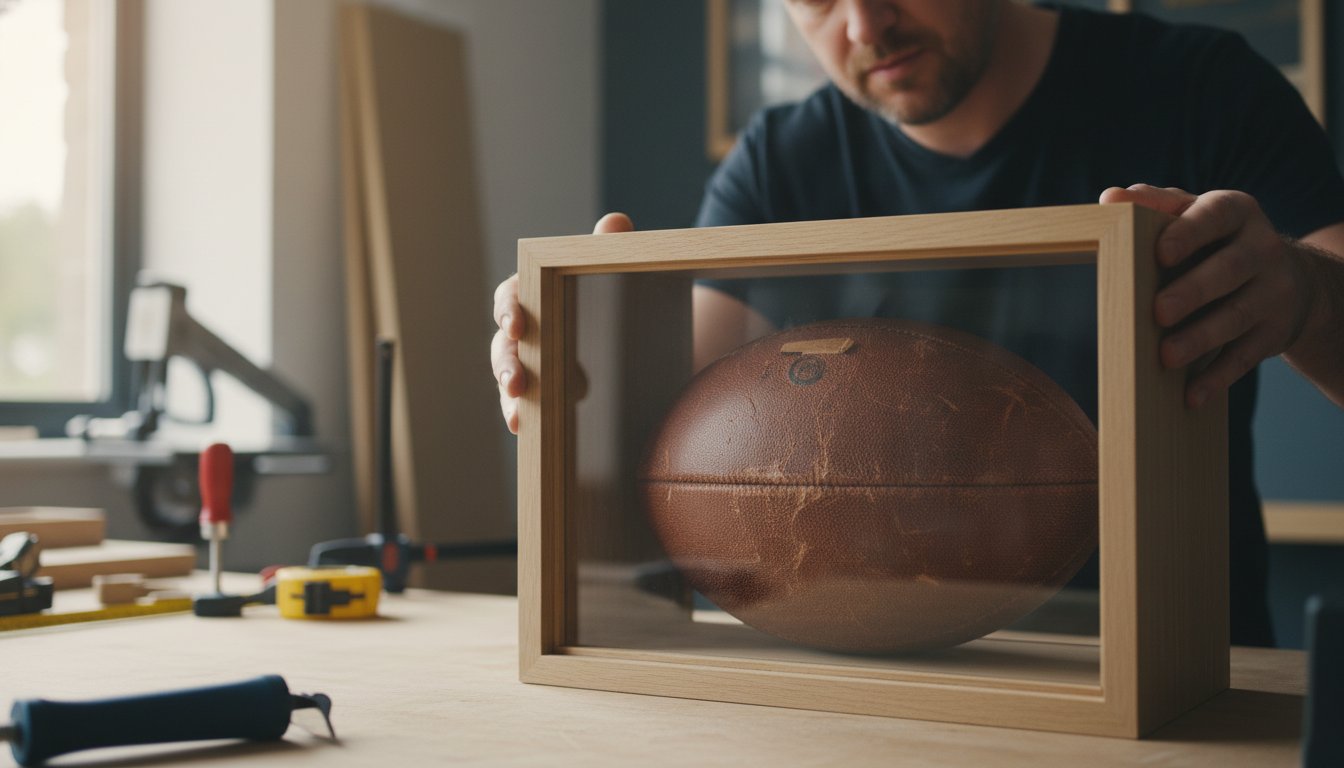
A frame is the bridge between your art and your décor, and we believe every piece deserves a bespoke solution. We professionally frame a diverse range of items, from fine art prints and treasured family photos to your most unique memorabilia. As specialists in framing 3D objects, we can create stunning displays for football shirts, military medals, and other cherished keepsakes. In our gallery, you can explore a huge selection of premium mouldings and mounts to find the perfect match.

Why Visit Our Gallery?

There is no substitute for seeing the quality of our materials and craftsmanship first-hand. Visiting our gallery allows you to feel the textures of different mouldings and see the true colours of our mounts. While you’re here, you can also browse our beautiful collection of Giclée prints featuring spectacular work from talented Scottish artists. If you are looking for local picture framers who are open today, we are here to help.

Walk-ins are welcome! Visit our Falkirk gallery today.

Preparing for Your Visit: What to Bring With You

Once you’ve found the best picture framers near me open today, a little preparation can transform your visit from a simple errand into an exciting creative collaboration. Helping your framer understand your vision and practical needs is the key to achieving the perfect result. Bringing a few simple items ensures a smooth, productive consultation and turns the task into an enjoyable experience where your ideas come to life.

To make the most of your visit, we recommend bringing these three things with you:

Your Artwork or Item

The most important item is, of course, the piece you want to frame. Bringing the physical artwork allows for precise, accurate measurements, which is essential for any bespoke framing project. More importantly, it lets you see different frame and mount samples directly against the piece. This is the only way to truly appreciate how colours, textures, and proportions interact to enhance your art. Please handle your item with care, especially if it is delicate, valuable, or has sentimental importance.

Photos of Your Space

A frame acts as a bridge between your artwork and your room’s décor. To help us build the perfect bridge, bring a few photos of the space where the piece will hang. A quick snap on your phone is perfect. Try to capture the wall colour, surrounding furniture, and the general style of the room. This invaluable context helps us guide you towards a frame that doesn’t just suit the art, but beautifully complements your home’s aesthetic.

An Idea of Your Budget and Style

Having a rough budget in mind helps us present you with the best options within your price range, from simple, elegant finishes to premium, conservation-grade materials. Think about the style you’re drawn to-do you prefer modern and minimal, classic and traditional, or perhaps something more ornate? Don’t worry if you’re unsure! Our passion is craftsmanship, and we are here to offer expert guidance. For a little inspiration beforehand, feel free to browse our online gallery of beautifully finished pieces.

Transform Your Art Today with the Perfect Frame

Choosing a professional picture framer over a big-box store is the first step in truly honouring your artwork. It ensures your piece receives the unparalleled craftsmanship and bespoke advice it deserves, preserving it beautifully for years to come. Your search for exceptional picture framers near me open today ends when you find a local partner who shares your passion and has the expertise to bring your vision to life.

At First4Frames, we are that partner. With over 20 years of professional framing experience, our Falkirk gallery is a place where creativity meets craftsmanship. We offer a wide selection of high-quality materials and friendly, expert advice from passionate art lovers, ready to help you find the perfect bespoke solution for your treasured pieces.

Ready to see the difference true craftsmanship makes? Visit our Falkirk gallery for a free framing consultation today! Let’s create something spectacular together.

Frequently Asked Questions

How much does custom picture framing usually cost?

The cost of bespoke picture framing in the UK varies widely based on size, materials, and complexity. A small, simple frame with standard glass might start from £40-£60. For a larger piece featuring a premium wooden frame, a conservation-grade mount, and UV-protective glass, you could expect to pay £150 or more. We always provide a detailed, no-obligation quote so you can make the perfect choice for your art and your budget.

How long does bespoke framing take once I’ve placed an order?

Our standard turnaround time for bespoke framing is typically between 7 and 14 working days. This allows our skilled craftspeople the time needed to give your piece the meticulous attention it deserves, ensuring a perfect finish. If you have a more urgent deadline for a special occasion, please let us know during your consultation. We will always do our best to accommodate your request without compromising on our high standards of quality.

Do I need to book an appointment to visit a picture framer?

While many framers welcome walk-ins, booking an appointment is highly recommended. An appointment guarantees you dedicated one-on-one time with a framing expert to discuss your vision without interruption. This is especially useful for complex projects or if you need detailed advice. To ensure you get the best service from the picture framers near me open today, a quick call ahead is always a great idea to confirm availability for a consultation.

Can you frame things other than flat art, like football shirts or medals?

Absolutely! We are passionate about framing more than just prints and canvases. Our expertise extends to creating beautiful 3D box frames for a wide array of treasured objects. From sports memorabilia like football shirts and cricket bats to sentimental items like military medals, rosettes, and even baby shoes, we can design a bespoke display case that protects and showcases your precious items, turning them into a spectacular piece of art for your wall.

What’s the difference between standard glass and UV-protective glass?

Standard glass provides basic protection against dust and handling. However, UV-protective glass, also known as conservation or museum glass, is a premium option designed to block up to 99% of damaging ultraviolet light. This is crucial for preventing the colours in your artwork or photographs from fading over time. For any piece that is valuable, sentimental, or will be hung in a brightly lit room, we strongly recommend investing in UV glass for long-term preservation.

What should I do if I have no idea what kind of frame I want?

Please don’t worry! That is precisely what our friendly experts are here for. Simply bring your artwork to our workshop, and we will guide you through the entire creative process. We will present you with a curated selection of frame mouldings, mount colours, and glazing options that complement your piece and your home decor. Our goal is to make the experience inspiring and enjoyable, helping you discover the perfect frame that makes your art truly shine.

Posted on

Ron Lawson Prints for Sale: Bring Scotland’s Soul Home

Have you ever wished you could capture the quiet majesty of a Scottish loch or the stark beauty of a Highland croft and bring it home? The search for authentic ron lawson prints for sale can often feel overwhelming, leaving you wondering which piece to choose and how to frame it perfectly to honour his minimalist style. It’s a journey from inspiration to installation, and it’s easy to feel lost when you want to ensure you’re investing in a beautiful, archival piece that will last a lifetime.

This is where your journey of artistic discovery begins. We’ve curated a spectacular collection of Ron Lawson’s most evocative work, making it simple to find the print that resonates with your own memories of Scotland. In this guide, you will discover our premium Giclée prints, guaranteed not to fade over time, and learn how our bespoke, professional framing service acts as the perfect bridge between the art and your décor. Let us help you select and receive a stunning, ready-to-hang masterpiece that brings the soul of Scotland right into your living space.

Who is Ron Lawson? The Artist Behind the Evocative Landscapes

Ron Lawson stands as one of Scotland’s most distinctive and widely collected contemporary artists. His work is a powerful, minimalist interpretation of the Scottish landscape, instantly recognisable for its profound sense of place and atmosphere. With a deep, personal connection to the remote beauty of the Scottish Highlands and the Outer Hebrides, Lawson captures not just a view, but the very soul of these wild, windswept locations.

His unique perspective strips the landscape down to its essential elements, creating art that feels both timeless and deeply personal. To see his process and the stunning results, watch this brief introduction to his work.

The Signature Ron Lawson Style

Lawson’s signature style is a masterclass in minimalism. He works primarily in watercolour and gouache, using a deliberately limited and muted colour palette of soft greys, blues, and earthy tones. This restraint is his strength; by removing unnecessary detail, he places emphasis on composition, light, and texture. The result is a powerful feeling of peace, solitude, and the immense scale of nature, where a single croft or a windswept fence becomes the focal point in a vast, atmospheric expanse.

Inspiration from the Hebrides and Highlands

The dramatic landscapes of the Outer Hebrides and the Scottish Highlands are the heart of Lawson’s art. He draws specific inspiration from islands like Tiree, Barra, and Eriskay, places he has visited and absorbed for decades. His paintings expertly capture the unique character of these locations-the low, ethereal light, the vast, dramatic skies, and the resilience of life. Recurring motifs like isolated crofts, traditional blackhouses, and sweeping, empty beaches populate his work, acting as symbols of human endurance against the elements.

Why Collectors Adore His Work

The immense popularity of Ron Lawson prints for sale stems from the strong emotional connection his art evokes. For many, his work triggers a sense of nostalgia or a longing for the tranquillity of the Scottish isles. Each signed, limited edition print is a collectible piece of art that holds its value and appeal. His scenes are timeless, complementing both modern and traditional interiors with their quiet elegance. Owning a Ron Lawson print is more than an aesthetic choice; it’s an invitation to bring a piece of Scotland’s enduring spirit into your home.

Exploring Our Curated Collection of Ron Lawson Prints

Embark on a journey through the heart of Scotland with our thoughtfully selected showcase of Ron Lawson’s finest work. We believe that owning a piece of art should be a special experience, which is why every print we offer is a museum-quality Giclée reproduction. This commitment to craftsmanship ensures that the print you receive is a perfect, lasting tribute to the artist’s original vision.

But what exactly is a Giclée print? It’s a premium printing process that uses specialist archival inks and high-quality, acid-free paper to produce a stunningly accurate copy. The key benefits are:

  • Unmatched Colour Fidelity: Giclée prints capture the full spectrum and subtle nuances of the original artwork, delivering vibrant, true-to-life colours.
  • Exceptional Longevity: The archival inks are fade-resistant, meaning your print will retain its beauty for generations without discolouration.

To help you find the perfect piece for your space, we’ve organised our collection of Ron Lawson prints for sale by his most beloved themes.

Iconic Crofts & Blackhouse Scenes

Perhaps Lawson’s most recognisable works, his depictions of isolated crofts and traditional blackhouses are profoundly moving. These humble buildings are more than just structures; they are symbols of resilience, history, and quiet solitude against the vast Scottish landscape. These prints are perfect for creating a peaceful, contemplative mood in a living room or study.

Coastal Vistas & Windswept Beaches

Experience the raw beauty of the Scottish coastline with Lawson’s spectacular seascapes. From the sweeping sands of Traigh Mhor on Barra to dramatic cliffside views, he masterfully captures the sheer vastness of the sky and the intricate texture of the shore. The panoramic format of many of these prints makes them an ideal statement piece for spaces above a sofa or headboard.

Charming Wildlife & Nature Studies

Beyond the sweeping landscapes, Ron Lawson reveals a delicate touch for capturing the character of Scotland’s native wildlife. His detailed studies of puffins, majestic stags, inquisitive robins, and vibrant kingfishers showcase his remarkable versatility as an artist. These charming prints add a touch of personality and life to any room, celebrating the quieter side of nature.

Limited Edition & Signed Prints

For collectors and art lovers seeking something truly special, a limited edition print offers enhanced exclusivity and value. Unlike open editions which are printed indefinitely, a limited edition run is capped at a specific number. Each print is hand-signed and numbered by Ron Lawson himself, certifying its authenticity and place in the collection. Browse our exclusive collection of signed Ron Lawson prints.

The Art of Framing a Ron Lawson Print: Our Bespoke Service

Ron Lawson’s art, with its vast, atmospheric skies and minimalist landscapes, demands more than just a border; it requires a finishing touch that honours its quiet power. The right frame acts as a bridge between the artwork and your home, completing the piece and protecting your investment for a lifetime. With over 20 years of bespoke framing expertise, the artisans at First4Frames ensure your print receives the premium craftsmanship it truly deserves.

Why Bespoke Framing Matters

An off-the-shelf frame simply cannot provide the tailored fit and superior protection of a bespoke creation. Our professional framing service is a commitment to preservation. We use only high-quality, conservation-grade materials-from acid-free mount boards to UV-protective glazing-to shield your print from environmental damage and prevent fading over time. A perfectly crafted frame not only enhances the visual impact of the art but also secures its aesthetic and financial value, making it a true family heirloom.

Recommended Frame Styles for Lawson’s Art

The minimalist elegance of Lawson’s work is best complemented by simple, clean-lined frames that don’t compete with the art itself. A popular and beautiful choice is a soft grey or off-white frame, often paired with a contrasting wooden slip. This subtle inner border adds a wonderful depth and gently draws your eye inward, towards the heart of the Scottish landscape. It’s remarkable how different frames alter the mood: a crisp white frame can lend a contemporary, airy feel, while a darker, natural wood frame might evoke a more rustic, traditional warmth.

Choosing Mounts and Glazing

A mount is essential for giving the artwork visual space to ‘breathe’. It creates a neutral zone between the frame and the image, preventing the glass from touching the print’s delicate surface. We help you select the perfect proportions to create balance and focus. To ensure a flawless viewing experience for all our Ron Lawson prints for sale, we offer premium glazing options:

  • Standard Glass: High-quality clarity perfect for most home environments.
  • Anti-Reflective Glass: A spectacular choice that minimises glare and reflections, offering crystal-clear viewing from any angle.

Our passion is to help you find the perfect presentation. You can explore our framing options and see the difference true craftsmanship makes when you view our Ron Lawson collection.

How to Choose and Display Your Ron Lawson Artwork

Choosing the perfect piece of art is a deeply personal journey. Once you’ve decided to invest in one of the beautiful Ron Lawson prints for sale, the next exciting step is to select the right one for your home and display it for maximum impact. This practical guide will help you choose with confidence and turn your new artwork into a spectacular focal point.

Matching Art to Your Interior Design

One of the greatest strengths of Ron Lawson’s work is its versatile, muted palette. The soft greys, earthy browns, and subtle blues harmonise beautifully with a wide range of interior styles, from minimalist and Scandinavian to rustic and traditional. To create a cohesive look, identify a subtle accent colour in the print-like the ochre of the grasses or the pale blue of the sea-and echo it in your room’s soft furnishings, such as cushions or a throw. A tranquil beach scene can bring serenity to a bedroom, while a dramatic Highland croft can create a welcoming atmosphere in a living room.

Selecting the Right Size for Your Space

Scale and proportion are key to making your artwork look intentional and balanced. A common mistake is choosing a piece that is too small for the wall, which can feel lost. Before you order, take a moment to measure your intended space. A large panoramic print makes a breathtaking feature above a sofa or bed, while a smaller, square print is perfect for an intimate nook or as part of a larger collection. As a simple guide, artwork hung above furniture should be about two-thirds the width of the furniture itself.

Creating a Stunning Focal Point

How you hang and light your art is just as important as the piece you choose. Following a few professional tips ensures your Ron Lawson print truly comes to life in your space.

  • Hang at Eye Level: The centre of your artwork should be positioned at average eye level, which is approximately 57 inches (145 cm) from the floor. This creates the most comfortable and natural viewing experience.
  • Consider Your Lighting: Avoid hanging fine art Giclée prints in direct sunlight. To highlight the beautiful textures and details, use adjustable ceiling spotlights or a picture lamp angled towards the piece.
  • Create a Gallery Wall: Can’t decide on just one? Grouping several smaller prints together can tell a compelling story. Arrange them on the floor first to find a layout you love before committing to the wall.

Ready to find the perfect piece to complete your home? Explore our complete collection of Ron Lawson prints today.

Find Your Perfect Piece of Scotland’s Soul

Ron Lawson’s artwork offers more than just a picture; it’s an evocative window into the tranquil, windswept soul of Scotland. As we’ve explored, his minimalist style captures a profound sense of place. Choosing the right scene and complementing it with a bespoke frame is the key to transforming a beautiful print into a cherished centrepiece that truly resonates within your home.

Our collection of ron lawson prints for sale is carefully curated to offer something for every admirer of his unique style. As a trusted partner for art lovers across Scotland and the UK, we combine over 20 years of bespoke framing expertise with state-of-the-art, museum-quality Giclée printing. This commitment ensures your archival print not only looks spectacular but also brings lasting beauty and professional craftsmanship into your space for decades to come.

Your journey into the heart of Scotland’s landscapes is just a click away. Explore our curated collection of Ron Lawson prints and discover the perfect view to bring the enduring spirit of Scotland home today.

Frequently Asked Questions

Are Ron Lawson prints a good investment?

While many collectors see the value of their prints increase, the primary reason to buy a Ron Lawson print is for the joy it brings. His art captures a unique piece of Scotland that resonates deeply. Limited edition prints, due to their scarcity, have a higher potential to appreciate in value over time. Ultimately, the best investment is one that enriches your home and your life, which a beautiful Ron Lawson piece is guaranteed to do.

What is the difference between an open and a limited edition Ron Lawson print?

An open edition print can be reproduced an unlimited number of times, making it a more accessible way to own a piece of Ron Lawson’s art. A limited edition print, however, is restricted to a specific number of copies. Each one is hand-signed and numbered by the artist, adding to its rarity and collectability. This exclusivity often makes limited editions more sought-after by collectors and art lovers looking for a truly special piece.

How are your Giclée prints made and how long will they last?

Our Giclée prints are created using state-of-the-art inkjet printing technology with archival-quality pigment inks on premium, acid-free fine art paper. This process produces a stunningly accurate and vibrant reproduction of Ron Lawson’s original artwork. When properly cared for and displayed out of direct sunlight, these museum-quality prints are rated to resist fading for over 100 years, ensuring your art remains as beautiful as the day you bought it.

Can I get a Ron Lawson print framed in a different style to the ones shown?

Absolutely! The frames shown on our product pages are popular choices, but we pride ourselves on our bespoke framing service. As a “one-stop-shop” for professionally framed art, we offer a wide selection of mouldings and mounts to perfectly match your decor. Simply contact our friendly team before placing your order to discuss your vision. We are passionate about creating the perfect frame to serve as the bridge between your room and the artwork.

How do you package and ship framed artwork to ensure it arrives safely?

We take the utmost care to ensure your framed print arrives in perfect condition. Each piece is meticulously wrapped in protective layering, including corner protectors and bubble wrap, before being placed in a sturdy, custom-sized cardboard box. We partner with reliable couriers experienced in handling fragile items to deliver your artwork safely to your door. Our process is designed to give you complete peace of mind from the moment you order to the moment you hang your art.

What is Ron Lawson’s most famous or popular print?

While popularity can be subjective, pieces featuring his iconic Hebridean blackhouses and solitary crofts are consistently among his most beloved works. Prints like “Blackhouse, Isle of Harris” and “Croft at Sunset” are exceptionally popular for their atmospheric portrayal of the Scottish landscape. We find that any piece featuring his signature sheep against a minimalist, windswept backdrop quickly becomes a customer favourite when they browse our Ron Lawson prints for sale.

Do you offer framing services for a Ron Lawson print I already own?

Yes, we certainly do. Our bespoke framing workshop has over twenty years of experience and we would be delighted to frame a print you already own. Please get in touch with our team to discuss your requirements, from mount and moulding choices to glazing options. We can provide a no-obligation quote and arrange for you to safely send your print to us. Let our expert craftsmanship give your treasured artwork the beautiful, professional finish it deserves.

Posted on

Esther Cohen: A Guide to the Artist and Her Iconic Scottish Art

Have you ever been stopped in your tracks by a painting of a windswept Scottish harbour or a charming, character-filled cottage that feels both familiar and magical? If so, you may have already encountered the enchanting world of acclaimed artist Esther Cohen. Her work is instantly recognisable for its vibrant energy and heartfelt depiction of Scottish life, yet many who admire her art are unfamiliar with the story and passion behind the canvas. You might wonder which pieces are her most celebrated, or how their unique charm would translate to your own home decor.

This guide is your invitation to journey deeper into her spectacular artistic vision. We will explore the inspirations that shape her style, uncover the stories behind her most iconic themes, and give you the confidence to choose a piece that truly speaks to you. And because we believe finding and framing the perfect artwork should be a joy, not a chore, we’ll also show you how simple it is to bring a beautiful, professionally framed Esther Cohen print into your space, ready to hang and transform a room.

Who is Esther Cohen? The Artist Behind the Tartan Skies

In the vibrant world of contemporary Scottish art, few names resonate with the same warmth and energy as Esther Cohen. A celebrated artist based in Glasgow, she is renowned for her spectacular and emotive landscape paintings that capture the wild, untamed spirit of Scotland. Her work, often described as “Tartan Skies,” uses a rich palette and expressive brushstrokes to translate the dramatic light and tumultuous weather of the Highlands and Islands onto canvas. This unique vision has made her a firm favourite among collectors of fine Scottish art, who are drawn to the powerful connection she forges between the landscape and the viewer.

To get a better sense of her artistic process and inspiration, hear from the artist herself in this brief introduction:

Artistic Roots and Inspiration

Esther Cohen’s journey to becoming a professional artist is as unique as her work. Originally pursuing a career in medicine, she felt an undeniable pull towards her creative passions, eventually dedicating herself full-time to painting. This background lends a unique depth and perspective to her craft. Her inspiration is drawn directly from the raw, elemental beauty of the Scottish outdoors-the ever-changing light over a loch, the brooding skies above the Cuillins, or the fierce energy of the North Sea. She aims not just to paint a scene, but to capture the feeling of being there, translating sensory experiences into a visual language that is both powerful and deeply personal.

Recognition and Presence in the Art World

As one of the UK’s top-selling artists, Esther Cohen’s work has garnered significant acclaim and a dedicated following. Her paintings are a staple in prestigious galleries across Scotland and beyond, where they are celebrated for their modern interpretation of a timeless landscape. Her involvement in major exhibitions places her work alongside that of other leading figures in the national arts scene, including those associated with the historic Society of Scottish Artists. This presence solidifies her reputation, offering collectors a piece of Scotland that feels both contemporary and enduringly authentic-a perfect, premium addition to any art collection.

Deconstructing the Signature Style of Esther Cohen

An Esther Cohen painting is a portal to a Scotland that feels both real and imagined. Her signature style is an instantly recognizable fusion of vibrant, atmospheric landscapes and enchanting narrative details. It’s a style built on a foundation of exceptional craftsmanship, where bold techniques and a deep connection to her subject matter create works that are joyful and emotionally resonant. This distinctive approach, honed through her training and extensive exhibition history, which you can explore further on her official About Esther Cohen page, is what makes her art so beloved.

Her work often employs acrylics and mixed media, allowing for a rich layering of colour and texture that gives each piece a unique, tactile quality. This technical skill is the bedrock upon which her whimsical and narrative style is built.

The Iconic Tartan Skies

Perhaps the most famous element of her work is the iconic tartan sky. This is not just a pattern; it’s a powerful symbol of her Scottish heritage woven directly into the fabric of the landscape. Using this motif, Cohen transforms a simple sky into a tapestry of colour and texture, adding a beautiful layer of fantasy and warmth. It’s a whimsical touch that grounds her art firmly in a Scottish identity while simultaneously lifting it into a world of imagination.

A Vibrant and Expressive Colour Palette

Departing from the often-muted tones of traditional landscape art, Esther Cohen employs a spectacular and expressive colour palette. She paints the Scottish scenery with jewel-like tones-rich purples, deep blues, and fiery oranges-that capture the feeling of a place rather than just its literal appearance. These bold choices are central to the mood of each piece, capable of conveying the wild joy of a coastal scene or the serene calm of a Highland loch.

Whimsical Characters and Charming Details

Her landscapes are rarely empty. They are brought to life by a cast of recurring, whimsical characters, from fluffy Highland cows and curious sheep to charming puffins perched on cliffs. These creatures are not mere additions; they are the protagonists of their own small stories within the painting. Look closer, and you’ll discover other delightful details-a quaint cottage, a lone fishing boat, or a winding path-that add personality and reward the viewer with a new discovery each time.

Exploring Iconic Themes in Esther Cohen’s Artwork

Embark on an artistic journey through the soul of Scotland with the captivating work of Esther Cohen. Her portfolio is a rich tapestry woven with recurring themes that resonate deeply with collectors and art lovers alike. By exploring these key motifs-from solitary shelters to charming wildlife-you can discover which aspect of her beautiful fine art speaks most directly to you.

The Heart of the Highlands: Scottish Bothies

Perhaps the most iconic motif in her collection, the humble Scottish bothy is a powerful symbol of warmth, shelter, and quiet solitude. These simple stone structures are depicted as beacons of hope against wild, sweeping landscapes. In spectacular paintings like ‘Heather Bothy’ or the dramatic ‘Cuillins Bothy’, the glowing window of a lone cottage invites you in, offering a profound sense of peace and refuge from the elements.

Beloved Scottish Wildlife

Esther Cohen has a remarkable talent for capturing the unique character of Scotland’s cherished wildlife. Her charming depictions of the fuzzy, gentle Highland Coo are among her most popular pieces, each one imbued with a distinct and endearing personality. Beyond these beloved icons, her work features a wonderful array of creatures, including:

  • The comical determination of a puffin perched on a cliff edge.
  • The sleek, curious gaze of a seal bobbing in coastal waters.
  • The majestic silhouette of a stag against a misty skyline.

She doesn’t just paint an animal; she captures a fleeting moment of its life and spirit, making each piece feel personal and alive.

Atmospheric Landscapes and Coastal Scenes

From ancient standing stones to bustling cityscapes, the artist masterfully portrays the dramatic mood and light of the Scottish landscape. Her ability to capture the ever-changing weather is unparalleled, whether it’s the ethereal mist enveloping the Callanish Stones or the golden light breaking through clouds over an Edinburgh skyline. Her coastal scenes perfectly balance the wild, untamed energy of storm-tossed waves with the deep tranquillity of a calm, secluded bay, showcasing the dual nature of Scotland’s magnificent shoreline.

How to Choose and Display Your Esther Cohen Print

Moving from admiring an artist’s work to bringing a piece into your own home is a truly special experience. The vibrant energy and captivating narratives in an Esther Cohen print can transform any room, turning a simple wall into a source of daily inspiration. It’s an opportunity to make a personal statement and surround yourself with beauty. But how do you choose the perfect piece and display it for maximum impact? This guide offers practical advice to help you welcome her beautiful art into your space.

Finding the Right Piece for Your Space

The key to selecting the right artwork is to consider its future environment. Think about the room’s purpose, existing colour palette, and the mood you wish to create. A piece of art should be a bridge between your decor and your personality.

  • Consider Room Scale: In a large living room with high ceilings, a bold, oversized print can serve as a spectacular focal point. In a smaller, more intimate space like a study or hallway, a collection of smaller pieces might feel more appropriate.
  • Harmonise with Colour: Look for prints that either complement your existing colour scheme or provide a deliberate, dramatic contrast. Cohen’s rich palettes offer endless possibilities for both harmony and impact.
  • Match the Mood: For a calming bedroom, consider a more serene or abstract work. For a lively dining area, a dynamic, colourful piece can spark conversation and energy.

Whether you’re looking for a single statement piece or a subtle accent, her diverse portfolio offers something for every home.

The Importance of a High-Quality Giclée Print

To truly honour the artist’s vision, the quality of the print is paramount. We exclusively use the Giclée printing method, a sophisticated fine art digital printing process that combines pigment-based inks with high-quality archival paper. This ensures two crucial benefits: exceptional colour accuracy that captures every nuance and brushstroke of the original painting, and archival longevity. A Giclée print is resistant to fading, meaning its brilliant colours will last for generations. When you choose a print from First4Frames, you are investing in a piece of premium craftsmanship designed to endure.

Creating a Scottish-Inspired Gallery Wall

Why stop at just one piece? The work of Esther Cohen can be the perfect cornerstone for a stunning gallery wall celebrating Scottish talent. Pairing her vibrant cityscapes or expressive figures with atmospheric landscapes or bold abstracts from other local artists creates a display that is uniquely yours. For a cohesive look, try to link the pieces with a common colour palette or theme. Don’t be afraid to mix sizes and frame styles-this can add visual interest and a personal, curated feel to your collection.

Ready to find the perfect companions for your new print? View our full gallery of Scottish artists and start building your collection today.

The Final Touch: Bespoke Framing for Your Artwork

A beautiful print is just the beginning. The right frame does more than just protect your artwork; it completes it. At First4Frames, we see a frame as the crucial bridge between the art on your wall and the decor of your room. It draws the eye, complements the colours, and elevates a simple print into a spectacular centrepiece. Professional framing ensures your chosen piece is not only preserved for years to come but is also presented with the elegance and impact it deserves.

Frame Styles that Complement Esther Cohen’s Art

Choosing the perfect frame enhances the unique character of an artist’s work. To best display the art of Esther Cohen, consider these beautiful styles, all easily selectable on our website:

  • Rustic Wood Frames: Natural wood grains beautifully echo the rural landscapes and organic themes present in many of her pieces.
  • Modern Black or White Frames: A simple, clean profile provides a contemporary finish, allowing the artwork’s vibrant colours and details to take centre stage.
  • Ornate & Traditional Frames: For a more classic or statement look, an ornate gold or silver frame can add a touch of timeless sophistication.

Our Professional Framing Process

We combine premium materials with decades of expertise to deliver a flawless finish. Our process is simple for you but meticulous for us. Once you select your print and frame online, our experienced team in Falkirk takes over. We use high-quality, conservation-grade materials to mount your artwork, ensuring it is protected from environmental damage. This expert craftsmanship guarantees your piece arrives perfectly finished and built to last.

A One-Stop-Shop for Beautiful Framed Art

Why coordinate between a printer and a framer when you can have it all in one place? As your one-stop-shop for fine art, we make the entire process hassle-free. Simply choose your favourite print and pair it with one of our bespoke frames. We handle the rest, delivering a beautiful, ready-to-hang piece of art directly to your door. Your masterpiece will be ready to display the moment it arrives.

Ready to bring a piece of her world into your home? Browse our Esther Cohen collection and choose your perfect frame.

Bring the Soul of Scotland Home with You

From her instantly recognisable ‘Tartan Skies’ to the deep, emotional connection she forges with the Scottish landscape, the artwork of Esther Cohen offers more than just a view-it offers a feeling. Understanding the artist behind the canvas and how to perfectly frame her work is the key to transforming a piece of art into a personal treasure that elevates your home.

At our Falkirk gallery, we combine this passion for art with over 20 years of bespoke framing experience. We provide a trusted, professional service to ensure every piece is a spectacular, high-quality archival Giclée print, designed to last a lifetime. A professionally framed print is the perfect bridge between the artwork and your décor, and we make the process simple and rewarding.

Ready to bring this spectacular vision of Scotland into your home? Explore our collection of ready-to-hang Esther Cohen prints and find the piece that speaks to you.

Frequently Asked Questions About Esther Cohen

Is Esther Cohen a Scottish artist?

Yes, Esther Cohen is a celebrated Scottish artist based in Glasgow. Her deep connection to her homeland is a powerful and recurring theme throughout her work. She draws immense inspiration from the dramatic landscapes and ever-changing light of Scotland, particularly the wild and beautiful West Coast, which is vividly reflected in her evocative paintings.

What are Esther Cohen’s most famous or popular paintings?

While artistic taste is personal, some of Esther Cohen’s most beloved works include “Hebridean Light,” “Luskentyre Reflections,” and “Glencoe Mist.” These pieces are highly sought after for their spectacular ability to capture the unique atmosphere and raw beauty of the Scottish Highlands and Islands. Her masterful use of colour and light makes these particular paintings a popular choice for art lovers.

Are you selling original Esther Cohen paintings or prints?

We specialise in providing beautiful, high-quality framed prints of Esther Cohen’s artwork. This approach allows us to make her stunning art more accessible, so a wider audience can enjoy it in their homes. Each piece is a premium Giclée print, professionally reproduced to capture every detail and colour nuance of the original painting, ensuring you receive a spectacular and lasting piece of art.

What is a Giclée print and why is it better than a standard poster?

A Giclée print is a superior fine art printing method. Unlike a standard poster, it uses high-quality, archival-grade pigment inks on acid-free paper. This meticulous process ensures the vibrant colours will not fade over time and produces a near-identical copy of the original artwork with incredible detail and colour accuracy. It is the gold standard for art reproduction, offering museum-quality longevity and finish.

How should I care for my framed Esther Cohen print?

To keep your framed print in perfect condition, we recommend hanging it away from direct sunlight to prevent any potential fading over many years. When cleaning the glass, spray a small amount of glass cleaner onto a soft, lint-free cloth rather than directly onto the surface. The frame itself can be dusted with a dry, soft cloth to maintain its beautiful, handcrafted finish.

Can First4Frames create a custom frame for my own artwork?

Absolutely. While we are passionate about the artists we feature, our core expertise is in bespoke craftsmanship. With over twenty years of experience, we offer a professional, hassle-free framing service for your own artwork, photographs, or treasured memorabilia. We use only the best materials to create the perfect frame to protect and enhance your piece. Please get in touch to discuss your requirements.

Posted on

How to Frame a Silk Scarf: A Professional Guide

That beautiful silk scarf – a vibrant designer piece, a treasured gift, or a vintage find – is a work of art in its own right. Yet, too often, these masterpieces are hidden away, their spectacular colours and stories unseen. The thought of framing a silk scarf can feel daunting. What if it wrinkles? How do you prevent the delicate fabric from sagging or fading? The fear of damaging something so precious is completely understandable, and it stops many from showcasing their treasures.

In this professional guide, we will demystify the entire process with the passion and craftsmanship we apply to all our work. We’ll share our expertise on the correct mounting techniques that ensure a smooth, lasting display, the premium archival materials needed for preservation, and how to select the perfect bespoke frame to transform your scarf into a stunning piece of wall art. Prepare to feel confident in turning your cherished textile into a beautiful, protected centrepiece for your home.

Why Frame a Scarf? Turning Wearable Art into Wall Art

A beautiful silk scarf from a designer like Hermès, Liberty of London, or Chanel is more than just a fashion accessory; it is a piece of wearable art. Each one tells a story through its intricate design, spectacular colours, and exquisite craftsmanship. Often, these scarves carry deep sentimental value, marking a special occasion, a cherished gift, or an heirloom passed down through generations. Leaving such a treasure tucked away in a drawer means its beauty goes unseen. The process of framing a silk scarf elevates it from a beloved item into a stunning piece of bespoke wall art, allowing you to celebrate its story every single day.

To see how this transformation can look, this video offers some great visual inspiration:

Preserving Memories and Value

Silk is a delicate, organic material susceptible to damage. When stored or worn, it’s at risk from accidental snags, spills, and even pests like moths. More insidiously, exposure to sunlight can cause its vibrant colours to fade permanently. Professional framing is the ultimate act of preservation. By using conservation-grade materials, including UV-protective glazing and acid-free mounts, we create a safe, stable environment that protects the fabric. This approach is grounded in established textile conservation principles, ensuring your scarf’s financial and sentimental value is maintained for years to come.

Creating a Unique Focal Point

Choosing to frame a treasured scarf provides a personal touch that mass-produced prints simply cannot match. It becomes a unique statement piece that reflects your personal history and style. The rich colours and dynamic patterns can act as the perfect bridge between your room’s decor and the artwork, tying the entire space together. A professionally framed scarf can create a spectacular focal point in any room.

  • Above a Mantelpiece: A large, colourful scarf can command attention and set the tone for a living room.
  • In a Hallway or Landing: Greet guests with a piece of art that is both beautiful and deeply personal.
  • In a Dressing Room or Bedroom: Add a touch of luxury and elegance to your most private spaces.

By framing a silk scarf, you are not just decorating a wall; you are curating your home with objects that hold meaning, beauty, and memories.

The Professional Approach: Conservation Methods for Framing Scarves

When it comes to professionally framing a silk scarf, the process is as much about preservation as it is about presentation. A trusted framer approaches your beautiful textile not just as a decorative item, but as a delicate piece of art. The guiding principle of this bespoke craftsmanship is simple yet crucial: every step must be fully reversible, ensuring your scarf can be returned to its original state without a trace of ever being framed. This means no damaging adhesives, tapes, or glues will ever touch the precious silk, and only premium, archival-grade materials are used from start to finish.

Step 1: Preparation and Tensioning

The journey begins with a meticulous inspection of the scarf to assess its condition, fabric weight, and any unique features. To achieve a perfectly flat and smooth display, any creases are gently removed using a controlled, low-temperature steaming process-never a direct, hot iron that could scorch the delicate fibres. The scarf is then carefully positioned and stretched over an acid-free foam core backer board. This provides a stable, pH-neutral foundation that prevents yellowing over time. Special care is taken to respect the scarf’s plump, hand-rolled edges, ensuring they are showcased, not flattened.

Step 2: The Art of Stitch Mounting

This is where true expertise in framing a silk scarf shines. Instead of using destructive pins or permanent glues, a professional employs a conservation stitching technique. Using fine, inert threads (often silk or polyester) that won’t discolour or damage the fabric, tiny, almost invisible stitches are strategically placed to secure the scarf to the backer board. This painstaking method, a cornerstone of museum-level archival mounting methods, ensures even tension across the entire surface, preventing sagging or puckering. Most importantly, these stitches can be easily snipped and removed years later, leaving the silk completely unharmed.

Step 3: Choosing Archival Glazing and Spacers

To protect your scarf for decades, the glazing and spacing are critical. The glass should never touch the surface of the silk, as this can trap moisture and lead to mould or fabric decay. To prevent this, custom-cut ‘spacers’ are fitted into the frame’s recess, creating a crucial air gap between the silk and the glazing. We always recommend using glass with at least 99% UV protection to prevent the vibrant colours from fading due to sunlight. For a truly spectacular and uninterrupted view of your artwork, premium anti-reflective glass can be used to minimise glare and enhance clarity.

DIY Scarf Framing: A Guide to the Home Method & Key Risks

We understand the appeal of a personal project, especially for a beautiful scarf that holds sentimental, but not significant monetary, value. If you’re keen to try framing a silk scarf yourself, it’s essential to approach the task with care and the right materials to avoid accidental damage. This guide offers a simplified method for home framing, while honestly highlighting the compromises and risks compared to a professional, conservation-grade service.

What You’ll Need

The foundation of any successful framing project is the quality of your components. Using the wrong materials can cause irreversible yellowing and deterioration over time. For a deeper dive into the conservation science behind choosing framing materials, archival resources offer expert guidance, but here are the non-negotiable basics:

  • A Deep ‘Box’ Frame: This is crucial. A deep frame creates a space between the silk and the glazing (glass or acrylic), preventing direct contact that can trap moisture and damage the delicate fibres.
  • Acid-Free Mount Board or Foam Core: You will wrap your scarf around this board. It must be certified acid-free to prevent chemical burns and discolouration of the fabric.
  • Stainless Steel Entomology Pins: Do not use standard sewing or craft pins, which can rust and stain the silk. Ultra-fine entomology pins are sharp, rust-proof, and minimally invasive.

A Simplified Mounting Process

With your materials ready, you can begin the delicate process of mounting. Patience is key to achieving a smooth, beautiful finish.

  1. Prepare the Silk: Set your iron to its lowest heat setting (the ‘silk’ setting) with the steam turned off. Place a clean, white cotton cloth over the scarf and gently press out any creases. Never place a hot iron directly onto the silk.
  2. Mount the Scarf: Lay your ironed scarf face down on a clean surface. Place the acid-free board in the centre. Carefully wrap the edges of the scarf around the board, ensuring the fabric is taut and smooth without pulling the weave out of shape.
  3. Secure with Pins: Secure the scarf by inserting the stainless steel pins into the edge of the mount board, passing through the folded-over fabric on the back. This method avoids piercing the visible front of your beautiful scarf.

Common DIY Mistakes to Avoid

While the process seems straightforward, several common pitfalls can lead to permanent damage. Here’s what to avoid at all costs when attempting to frame your silk scarf:

  • Warning #1: Never use adhesives. Glue, sticky tape, and spray adhesives will stain the silk and become brittle over time, causing irreversible damage to the delicate fibres.
  • Warning #2: Avoid standard cardboard. The acidic wood pulp in standard cardboard backing will leach into the fabric, causing unsightly yellow-brown marks known as ‘acid burn’.
  • Warning #3: Don’t use a shallow frame. Pressing the silk directly against the glass is one of the fastest ways to cause damage from condensation and potential mould growth.

Your beautiful Hermès or Liberty scarf deserves the highest level of care and craftsmanship to ensure it remains a spectacular centrepiece for decades. For a treasured scarf, trust the experts with your bespoke framing.

Design Masterclass: Choosing the Perfect Frame & Mount

Having covered the technical methods of preservation, we now move to the most creative and personal stage of framing a silk scarf: the design. A frame is much more than a simple border; it acts as a crucial bridge, connecting the artwork to your interior décor. The right choice will harmonise with your space while making the colours and intricate details of your silk truly sing. This bespoke design consultation is a cornerstone of our professional service, ensuring your treasured scarf becomes a spectacular and perfectly integrated centrepiece.

Selecting a Frame Style

The scarf’s own design is the best guide for choosing a frame. We recommend:

  • Simple, slim frames in black, white, or natural wood for bold, contemporary scarves. This minimalist approach allows the vibrant, modern pattern to take centre stage.
  • Ornate or detailed frames for classic or traditional patterns, such as intricate florals or paisley. A touch of classic elegance in the frame can beautifully echo the heritage of the design.
  • Float frames for a modern, gallery-style finish. This technique makes the scarf appear to levitate within the frame, perfectly showcasing beautiful hand-rolled edges.

A great tip is to select a frame colour that pulls out a subtle accent shade from within the silk, creating a truly cohesive and professional look.

To Mount or Not to Mount?

A window mount (the card border around the art) provides essential visual breathing space, preventing the design from feeling crowded by the frame. A crisp, neutral mount is a timeless choice, but a coloured one can create a stunning effect, making the scarf’s colours appear even more vibrant. Alternatively, ‘float mounting’ involves carefully positioning the entire scarf on top of a backing board so that no part of it is covered. This is the premier method for displaying the delicate, hand-finished edges that are the hallmark of a luxury silk scarf.

Matching Your Interior Décor

Finally, consider the room where your framed scarf will hang. Take note of the existing wood tones, metal finishes, and overall style. A sleek silver frame might complement a minimalist room with chrome accents, while a warm oak frame would feel at home in a classic or bohemian space. Our team of experts are passionate about the art of framing and are always on hand to provide personalised advice, ensuring the final piece harmonises perfectly with your home.

Feeling inspired? The perfect frame is waiting to bring your vision to life. Explore our range of custom frames to find your perfect match.

Your Scarf’s Next Chapter: From Drawer to Display

Your beautiful silk scarf holds stories and artistry within its threads, making it far too precious to remain hidden away. As we’ve explored, transforming this wearable art into stunning wall art is a delicate process. While a home attempt is possible, professional conservation framing is the only way to truly protect the delicate fabric, prevent fading, and ensure its longevity. The right bespoke frame acts as a bridge, connecting your scarf’s unique design to your room’s decor to create a truly personal and spectacular centrepiece.

When it comes to the expert task of framing a silk scarf, trust and craftsmanship are paramount. With over 20 years of bespoke framing experience, our team is passionate about preservation. We use only conservation-grade, acid-free materials to protect your treasured item, providing expert guidance on both design and preservation to create a display you’ll adore for a lifetime.

Ready to give your scarf the beautiful presentation it deserves? Get a no-obligation quote for your scarf framing today and let its unique story shine.

Frequently Asked Questions

How much does it cost to professionally frame a silk scarf?

The cost of framing a silk scarf can vary significantly based on your chosen materials and its size. For a standard 90cm x 90cm scarf, you can expect prices to start from around £180 for a quality bespoke frame with standard glass. If you opt for premium mouldings and specialist UV-protective or anti-reflective glass to preserve the vibrant colours, the cost could be £300 or more. We always provide a detailed, no-obligation quote to find the perfect option.

Will framing my valuable Hermès scarf decrease its value?

Quite the opposite! When done professionally using conservation methods, framing protects your valuable Hermès scarf from environmental damage like dust, insects, and UV light, thus preserving its condition and value. We use completely reversible, acid-free mounting techniques, meaning no glues or harmful adhesives ever touch the silk. The scarf can be removed in the future in its original, pristine condition. It’s an investment in preserving your investment.

Can you frame a scarf without glass to avoid reflections?

While it is technically possible, we strongly advise against it. Glazing is the primary barrier that protects the delicate silk fibres from dust, airborne pollutants, and accidental damage. To combat reflections, we recommend specialised anti-reflective glass. This premium option offers crystal-clear viewing without compromising on essential UV protection, which is vital for preventing colour fade. It truly gives you the best of both worlds: perfect visibility and complete protection.

How do you get deep wrinkles or creases out of a silk scarf before framing?

Preparing the silk is a crucial step in our process, which we handle with the utmost care. To remove creases, we use a professional-grade steamer or a very low-temperature iron with a protective cloth. This gently relaxes the delicate fibres without risking heat damage, ensuring the scarf lies perfectly flat and smooth for a flawless presentation. You can trust our expertise to prepare your scarf perfectly before it is mounted by our skilled team.

What is a ‘box frame’ and why is it recommended for scarves?

A ‘box frame’, or shadow box, is a deep frame that uses a spacer to create a gap between the artwork and the glazing. This is essential when framing a silk scarf because it prevents the delicate fabric from pressing against the glass. This air gap is crucial for conservation, as it stops any potential moisture transfer and prevents the risk of mould growth or the silk fibres adhering to the glass over time, ensuring long-term preservation.

How long does the bespoke scarf framing process take?

Our bespoke framing service is a meticulous craft, and quality takes time. From your initial consultation to the finished piece, the entire process typically takes between 2 to 3 weeks. This allows us to order your specific chosen materials, carefully prepare and mount your scarf using conservation techniques, and expertly handcraft the frame. We will always provide you with a more precise timeline once your design choices have been finalised.

Posted on

Ornate and Decorative Picture Frames: A Guide to Timeless Elegance

Does the thought of a grand, gilded frame feel both thrilling and a little intimidating? You’re not alone. Many art lovers are drawn to the timeless elegance of ornate and decorative picture frames but hesitate, worried about choosing something that looks tacky or overpowers their cherished artwork. The fear of getting it wrong can stop us from making a truly spectacular choice. But what if that elaborate frame wasn’t a risk, but the perfect finishing touch-the beautiful bridge that transforms your picture into a breathtaking masterpiece?

Embark on a journey with us as we demystify the world of decorative framing. In this guide, you’ll discover the rich history behind iconic styles from Baroque to Rococo and learn the professional secrets to matching a frame’s character to your art and décor. We’ll show you how to spot true craftsmanship and give you the confidence to select a premium, bespoke frame that doesn’t just hold your art, but elevates it into a statement piece you’ll adore for years to come.

What Defines an Ornate and Decorative Picture Frame?

An ornate frame is far more than a simple border; it’s a statement piece, an extension of the artwork itself. Unlike its minimalist counterparts, which aim to disappear, ornate and decorative picture frames are designed to be seen. They perform the heavy lifting in the relationship between your art and your room’s decor, bridging the two with spectacular detail, rich texture, and a powerful presence that commands attention.

To see the beautiful detail of these frames up close, take a look at this example:

The Anatomy of an Ornate Frame

The character of a decorative frame comes from a combination of intricate elements, each chosen to create a cohesive and impactful design. Understanding these components helps you appreciate the premium craftsmanship involved.

  • Common Motifs: Look for classic, nature-inspired carvings like swirling acanthus leaves, elegant scrolls, delicate florals, and scallop shells. These details add a layer of storytelling and historical weight.
  • Rich Finishes: The surface treatment is crucial. Gilding with gold or silver leaf imparts a timeless lustre, while gesso provides a smooth, chalky base for intricate painted effects. These techniques, rooted in the long history of picture frames, add depth and luxury that cannot be replicated.
  • Complex Profile: The profile refers to the shape and depth of the frame’s moulding. Ornate frames often feature deep, scooped, or multi-layered profiles that create dramatic shadows and draw the eye inward towards the art.

In stark contrast, a modern frame typically features a simple, flat profile with a clean finish, designed for subtlety rather than spectacle.

Why Choose a Decorative Frame?

Opting for a decorative frame is a deliberate design choice that can transform both your art and your space. It’s the perfect solution when you want to:

  • Elevate a Traditional Piece: Classic oil paintings, distinguished portraits, and historical prints are perfectly complemented by a frame that matches their gravitas and style.
  • Create a Dramatic Focal Point: A single, beautifully framed piece of art can anchor an entire room, serving as a spectacular centrepiece above a fireplace or on a feature wall.
  • Add Luxury and Character: These frames introduce a sense of history and opulence, adding a touch of grandeur to any interior design scheme.
  • Juxtapose with Modern Art: Create a bold, eclectic look by placing a contemporary or abstract piece within a highly ornate frame. The contrast is unexpected, confident, and utterly captivating.

A Journey Through Timeless Ornate Frame Styles

To truly appreciate the artistry of ornate and decorative picture frames, we can embark on a journey through art history. A frame is never just a border; it is a product of its time, reflecting the cultural and artistic shifts of its era. Understanding these historical styles allows you to choose a frame that not only complements your artwork but also tells a story of its own. For those passionate about the deep heritage of this craft, delving into an expert history of frames reveals a fascinating world of design evolution. Let’s explore some of the most influential periods.

Baroque: Bold and Dramatic (17th Century)

The Baroque period was all about grandeur, power, and emotion, and its frames are no exception. Designed to make a spectacular statement, they were the perfect complement to the dramatic oil paintings of the Old Masters. Their powerful presence can transform a piece of art into a magnificent focal point.

  • Key Features: Deep, intricate carvings, dramatic C-shaped and S-shaped scrolls, and a strong sense of movement.
  • Materials & Finish: Often finished with heavy, brilliant gilding to catch the light.
  • Best For: Classic oil paintings, mirrors, and creating a grand, opulent atmosphere in a room.

Rococo: Playful and Asymmetrical (18th Century)

Evolving from the weight of Baroque, the Rococo style is lighter, more graceful, and overtly romantic. Originating in France, this style is defined by its delicacy and intricate, nature-inspired motifs. A Rococo frame adds a touch of playful elegance and sophisticated charm, perfect for more intimate artworks.

  • Key Features: Asymmetrical designs, delicate C-scrolls, and signature “rocaille” motifs of shells, flowers, and leaves.
  • Materials & Finish: Lighter gilding, often with a softer, more burnished finish than Baroque frames.
  • Best For: Portraits, decorative mirrors, and adding a touch of classic French elegance to an interior.

Victorian: Eclectic and Sentimental (19th Century)

The Victorian era was a melting pot of revived historical styles, resulting in a diverse and often sentimental approach to frame design. These frames are typically substantial and rich, reflecting the period’s love for ornamentation, pattern, and personal history. They bring a sense of warmth and nostalgia to any piece.

  • Key Features: A mix of Gothic, Rococo, and Renaissance revival elements, often with floral patterns, beading, or intricate pressed composition ornaments.
  • Materials & Finish: Dark, rich woods like walnut and mahogany were popular, sometimes with gold or velvet liners.
  • Best For: Family portraits, antique photographs, and displaying cherished memorabilia.

Art Nouveau: Natural and Flowing (Late 19th – Early 20th Century)

As a reaction against the industrial age and historical revivals, Art Nouveau embraced organic forms and fluid lines. Inspired entirely by the natural world, these frames are true works of art in their own right. Their unique, flowing designs make them a distinctive choice for specific artworks.

  • Key Features: Asymmetrical, flowing lines known as “whiplash curves,” and motifs of flowers (lilies, irises), vines, insects, and graceful figures.
  • Materials & Finish: Can be found in carved wood, gesso, or even cast metal with a soft, aged patina.
  • Best For: Art prints and posters from the Art Nouveau period, botanical illustrations, and unique, artistic pieces.

How to Choose the Perfect Ornate Frame for Your Art

Selecting a frame is an art in itself. The golden rule is simple: the frame should always serve the artwork, acting as a beautiful bridge to your space, not overpowering the piece it holds. It’s about creating a harmonious relationship that elevates the art. When choosing from a collection of ornate and decorative picture frames, consider the artwork’s history, its medium, and its visual weight to find the perfect partner.

Matching the Frame to the Artwork’s Period

A frame can anchor an artwork in its historical context. A classical oil painting feels perfectly at home in a traditional swept or Baroque-style frame, while an antique portrait shines within an intricate Victorian design. But don’t be afraid to create a striking contrast; a bold, modern abstract can look spectacular when housed in a classic ornate frame, creating a powerful and engaging dialogue between old and new.

Considering Colour and Tone

Move beyond simply matching a colour from the painting. Instead, think about complementing the overall tone and mood. A warm, gilded gold frame beautifully enhances the rich reds, ochres, and deep browns of a traditional landscape or portrait. Conversely, a silver, champagne, or antique white frame can lift the cooler blues, greys, and greens in a seascape or contemporary piece, adding light and definition without competing for attention.

Scale and Proportion are Key

The visual ‘weight’ of the frame must balance the artwork. A large, dramatic painting can handle a substantial, wide frame, giving it the presence and finish it deserves. However, that same heavy frame can easily overwhelm a small, delicate watercolour or sketch. Using a mount is an excellent technique to add breathing space, creating a visual pause between the art and the frame. Getting this balance right is crucial. If you need expert advice on finding that perfect fit, our bespoke framing team can help.

Styling Decorative Frames in Your Home Interior

The true beauty of ornate and decorative picture frames lies in their remarkable versatility. It’s a common myth that these detailed pieces belong only in traditional, period-style homes. In reality, when styled with intention, they can introduce a spectacular layer of texture, history, and personality to almost any interior. The secret is not about matching everything perfectly, but about creating balance and a confident design statement.

In Traditional and Maximalist Interiors

In spaces that celebrate opulence, more is truly more. Don’t be afraid to layer different styles of ornate frames-from Rococo to Victorian-to create a rich, curated gallery wall that looks collected over time. A single, large-scale gilded mirror frame can act as a breathtaking centrepiece above a mantelpiece or console table, reflecting light and amplifying the room’s grandeur. These frames are the perfect companions for antique furniture, rich velvets, and detailed textiles, tying the entire scheme together with a sense of timeless elegance.

In Modern and Eclectic Spaces

Here, ornate frames create a powerful and exciting contrast. Placing a piece of contemporary abstract art or a stark, modern photograph within a heavily carved Baroque-style frame creates a beautiful ‘moment of tension’ that is both sophisticated and unexpected. For a minimalist approach, use a single, spectacular ornate frame as a standalone art piece on a clean, uncluttered wall. This allows the frame’s craftsmanship to shine. In a gallery wall, try mixing a few ornate gold frames with simple, slim black or white ones for a dynamic and deeply personal display.

To ensure your frame enhances, rather than overwhelms, your space, keep these simple tips in mind:

  • Give it breathing room: Allow a particularly detailed frame to be the star by keeping the surrounding wall space relatively clear.
  • Create cohesion: Tie the frame’s finish (e.g., gold, silver, or dark wood) to other small accents in the room, such as light fittings or cabinet hardware.
  • Consider the scale: Ensure the size of the frame is proportional to both the artwork it holds and the wall it hangs on.

Ready to find the perfect statement piece? Embark on a journey of artistic discovery and explore our gallery for inspiration.

The Craftsmanship Behind a Quality Ornate Frame

While many frames can border a picture, a truly exceptional one elevates it. The distinction between a mass-produced item and a fine art frame lies in the passion, materials, and time-honoured techniques invested by a master framer. Understanding this craftsmanship reveals why a quality frame is an investment not only in aesthetics but also in the preservation and enhancement of your treasured art.

A beautifully crafted frame does more than just hang on a wall; it acts as a bridge between your art and your living space, completing the story the artist began. The value is found in the handcrafted details that you can see and feel.

Materials: Solid Wood vs. Resin

For heirloom-quality ornate and decorative picture frames, solid wood is the superior choice. Timbers like ayous or obeche are favoured by artisans for their fine grain, which allows for crisp, intricate carving and ensures remarkable longevity. In contrast, frames made from resin or composite materials can replicate complex details at a more accessible price point. While perfect for certain decorative projects, they may not offer the same durability or the warm, authentic feel of a handcrafted wooden frame.

Finishing Touches: The Art of Gilding

The luminous finish of a classic ornate frame is often achieved through gilding-a meticulous, traditional art form. This process involves applying ultra-thin sheets of real gold or silver leaf over a carefully prepared surface, typically a smooth layer of gesso. The result is a spectacular depth and lustre that simple ‘gold finish’ paint cannot replicate. This dedication to authentic techniques is a hallmark of premium craftsmanship, ensuring your frame has a timeless and radiant appeal.

The Bespoke Advantage

Choosing a bespoke frame means every detail is tailored to your artwork, creating a perfect and harmonious presentation. This custom approach offers significant benefits:

  • Perfect Proportions: Custom sizing ensures your frame complements the artwork flawlessly, without the awkward gaps of standard-sized frames.
  • Archival Protection: You can select conservation-grade materials, such as acid-free mounts and UV-protective glazing, to safeguard your art from fading and environmental damage for generations.
  • A Unique Creation: Working with a professional allows you to choose the ideal profile, finish, and style, resulting in a truly one-of-a-kind piece that reflects your personal taste.

Investing in a bespoke frame ensures your art is not just displayed, but truly celebrated. Explore our bespoke framing options today to create the perfect home for your masterpiece.

Embrace Timeless Elegance with the Perfect Frame

An ornate frame is far more than a simple border; it is the final, crucial brushstroke that completes a masterpiece. As we’ve explored, understanding the rich history of different styles and how to perfectly balance a frame with both your artwork and your interior decor is key to creating a truly harmonious display. The finest ornate and decorative picture frames are a testament to exquisite craftsmanship, designed to protect and elevate your art for generations to come.

At First 4 Frames, we pour our passion for this craft into every piece we create. With over 20 years of bespoke framing experience, our skilled artisans craft each frame in our Falkirk workshop, continuing a legacy of excellence. We are committed to sourcing only the best materials for timeless quality, ensuring your chosen frame is as enduring as the art it holds.

Ready to discover the perfect finishing touch for your piece? Find the perfect frame to complement your art in our gallery. Let us help you turn your cherished art into a spectacular centrepiece for your home.

Frequently Asked Questions

Can you put a modern photograph or abstract print in an ornate frame?

Absolutely! The contrast between a modern piece and a classic, ornate frame creates a visually stunning and sophisticated look. This juxtaposition is a celebrated technique in interior design, adding depth and character to a space. The frame acts as a beautiful bridge between the contemporary artwork and your room’s décor, making the piece a true focal point. It’s a perfect way to honour both past and present craftsmanship.

Are ornate gold picture frames considered out of style?

Far from it! Ornate gold frames are a timeless choice that has seen a powerful resurgence in contemporary design. They are no longer reserved for traditional settings and are now used to add a touch of luxury and history to minimalist, eclectic, and even industrial interiors. A spectacular gold frame can elevate a simple print or mirror, transforming it into a statement piece that feels both classic and wonderfully current.

How do I clean a delicate, carved picture frame without damaging it?

Gentle care is essential for preserving your frame’s beauty. Begin by using a very soft, dry paintbrush or a microfibre cloth to lightly remove dust from the intricate carvings. For a more thorough clean, you can slightly dampen a cotton bud with distilled water. Always avoid household cleaners or polishes, as these can strip away delicate finishes like gilding. A little care goes a long way in maintaining its pristine condition.

What is the difference between gesso and gilding on a frame?

Think of gesso as the perfect foundation and gilding as the beautiful finish. Gesso is a primer applied to the raw wood, creating a smooth, stable surface that is ready to be decorated. Gilding is the highly skilled art of applying incredibly thin sheets of metal leaf, such as gold or silver, over the prepared gesso. This traditional process is what gives a premium frame its characteristic lustre and luxurious appearance.

How much should I expect to pay for a high-quality decorative frame?

In the UK, the cost reflects the level of craftsmanship and materials. A smaller, high-quality decorative frame may start around £70 to £120. For larger or more elaborate, bespoke ornate and decorative picture frames featuring hand-applied finishes like gold leaf, the price can range from £250 to over £600. This investment ensures you receive a piece of lasting quality, built by artisans to perfectly showcase your art.

What art styles work best with ornate and decorative frames?

While they are a natural partner for traditional art like oil paintings from the Renaissance or Baroque periods, their versatility is surprising. An ornate frame can create a spectacular contrast with modern art, including bold abstract prints, minimalist line drawings, and even fine art photography. The key is creating a dialogue between the art and the frame, allowing the pairing to elevate the visual impact of the entire piece within your space.

Posted on

Large Picture Frames for Living Room: The Ultimate Guide

That expansive, empty wall in your living room holds so much promise, but the thought of filling it can feel daunting. Will the frame be too big, or worse, too small? How do you choose a style that complements your sofa and not clash with it? And what about the practicalities of safely hanging a heavy, precious piece? The fear of making a costly mistake can often lead to leaving that beautiful space bare.

There’s no need to feel overwhelmed. Choosing from the beautiful selection of large picture frames for living room spaces should be an exciting journey, not a stressful one. A spectacular, well-chosen frame is the bridge between your room’s décor and the artwork it holds, creating a professional and breathtaking focal point. In this ultimate guide, we share our passion and expertise to help you navigate every step. Discover how to select the perfect size, match styles with confidence, and hang your new masterpiece securely, transforming your living space into a gallery you’ll be proud of.

Why Go Large? The Impact of a Statement Frame in Your Living Room

Your living room is the heart of your home, but sometimes it can feel a little… predictable. The secret to transforming this everyday space into an extraordinary showcase of your personality lies in a single, powerful design choice: a statement piece of art. Opting for large picture frames for living room walls is more than just filling a blank space; it’s about making a confident declaration of style that instantly elevates your entire home.

To see how oversized art can redefine a space, take a look at these spectacular ideas:

A single, spectacular piece of framed art acts as the perfect anchor for your room’s design. It can unify a colour scheme by pulling together disparate shades from your sofa, cushions, and rugs, creating a cohesive and professionally designed feel. More importantly, it’s a deeply personal choice that tells a story, turning your wall into a conversation starter and a true reflection of your tastes.

Creating a Focal Point

A large frame immediately draws the eye, establishing a clear focal point. Positioned above a key piece of furniture like a sofa or a fireplace, it commands attention and gives the room a sense of purpose. In open-plan living areas, a significant artwork can cleverly define a zone, visually separating the seating area from a dining space. The colour, subject, and style of the art you choose will set the entire mood, whether you’re aiming for serene tranquillity or vibrant energy.

The Psychology of Scale

While it may seem counterintuitive, a large, uncluttered artwork can actually make a room feel bigger and more serene. Unlike a busy gallery wall, which can sometimes feel chaotic, a single oversized piece offers a bold, confident simplicity. It creates negative space around it, allowing the room to breathe. The key is achieving the right balance between the art, the wall, and your furniture. A premium, well-chosen picture frame acts as the perfect bridge, harmonising the artwork with its surroundings and completing the vision for your space.

How to Choose the Right Size: A Practical Measurement Guide

Choosing a large frame can feel daunting; the most common fear is simply getting the size wrong. An undersized frame can look lost and insignificant, while an oversized one can overwhelm your space. But there’s no need to worry. With a few simple guidelines and a tape measure, you can select the perfect size with the confidence of a professional interior designer. Getting the scale right is the secret to creating a balanced, harmonious, and truly spectacular focal point in your living room.

The ‘Rules’ of Scale and Proportion

While design ‘rules’ are often made to be broken, these time-tested principles provide a fantastic starting point. For large picture frames for a living room, the most important guideline is the sofa rule: your framed art should be approximately two-thirds to three-quarters the width of the furniture it hangs above. This creates a pleasing visual anchor. Height is equally crucial; hang your artwork so its centre point is at eye level, which is typically 57-60 inches (about 145-152cm) from the floor. Also, consider your room’s architecture-taller ceilings can beautifully accommodate larger, portrait-oriented frames, drawing the eye upward.

Measuring for Your Frame: Step-by-Step

Ready to find your perfect dimensions? Our simple, three-step process makes it a hassle-free experience. Remember that the overall size includes the artwork, the mount, and the frame moulding itself.

  • Step 1: Measure Your Anchor. Use a tape measure to find the exact width of the sofa, sideboard, or console table your frame will hang above.
  • Step 2: Calculate Your Ideal Frame Width. Multiply the width of your furniture by 0.66 and 0.75. This gives you the ideal size range for your finished frame. For a 200cm sofa, you’d look for a frame between 133cm and 150cm wide.
  • Step 3: Check Your Wall Space. Measure the total wall area to ensure your chosen frame will fit comfortably, leaving at least 15-20cm of ‘breathing room’ on each side and above any furniture. Note the location of any light switches or sockets.

The weight of a large, beautifully crafted piece also means that selecting proper frame materials and hardware, such as D-rings instead of picture wire, is essential for a secure and lasting display.

Visualising the Final Look

The best way to banish any lingering doubts is to create a template. Cut a piece of brown paper or use masking tape to outline the potential frame’s dimensions directly on your wall. Live with this template for a day or two to see how it feels as you use the room. Does it command attention without dominating? For a final check, take a photo on your phone. Seeing the composition in a 2D format gives you a surprisingly accurate perspective on the scale and helps you commit to your perfect size.

Matching Frame Style to Your Living Room Décor

Think of your picture frame as the essential bridge connecting your chosen artwork to your living room’s aesthetic. It’s a powerful design tool that does the heavy lifting, ensuring the art feels like a natural part of the space, not just an afterthought. The right choice can elevate both the art and the room, creating a seamless, professionally curated look. When selecting from our range of large picture frames for living room spaces, consider whether you want the frame to complement your existing colour palette or provide a bold, eye-catching contrast. The profile of the frame-from a thin, barely-there line to a wide, ornate statement-also plays a crucial role in the final effect.

For the Modern & Minimalist Home

In a modern or minimalist interior, the goal is often to let the artwork speak for itself. We recommend sleek, clean-lined frames with a simple, flat profile. Classic black or white frames create a sharp, gallery-style finish, while natural light oak adds a touch of warmth without overwhelming the piece. For a subtle industrial edge, consider a thin, premium aluminium frame in a matte finish. These choices ensure the focus remains squarely on the art.

For the Traditional & Classic Space

A traditional living room calls for a frame with presence and character. Ornate, decorative frames in classic finishes like antiqued gold, polished silver, or deep mahogany add a wonderful sense of history and elegance. Don’t be afraid of detail; a swept or embellished frame can transform a simple print into a spectacular centrepiece, lending a luxurious, timeless quality to your décor. This style works beautifully with portraits, landscapes, and classic art.

For Scandi & Japandi Inspired Interiors

The Scandi and Japandi styles celebrate simplicity, natural materials, and craftsmanship. To achieve this serene, organic feel, opt for frames made from light, natural woods such as oak, ash, or maple. Look for simple profiles that showcase the beautiful texture and grain of the wood. A signature look is to pair a light wood frame with a generous, crisp white mount. This combination creates breathing space around the artwork, enhancing the calm and uncluttered feel of the room.

A Guide to Frame Materials, Mounts, and Glazing

Once you’ve chosen your artwork, the frame itself becomes the bridge between your print and your living room décor. The right combination of material, mount, and glazing not only enhances the art but also protects it for years to come. These details are where true craftsmanship shines, transforming a simple picture into a spectacular centrepiece.

Choosing Your Frame Material

The frame’s material sets the overall tone. Each option offers a distinct personality to complement your art and interior style.

  • Wood: Timeless, warm, and wonderfully versatile. A classic solid oak or ash frame brings a natural, organic feel, while a darker walnut adds a touch of sophisticated warmth. Wood is perfect for both traditional and contemporary settings.
  • Metal (Aluminium): For a clean, modern aesthetic, metal is an excellent choice. Its sleek lines and slim profile are ideal for contemporary photography and abstract prints, offering a durable and minimalist finish.
  • Polcore: An innovative and eco-friendly alternative, Polcore is made from recycled polystyrene. It offers the look of wood at a more accessible price point and is resistant to moisture, making it a practical and stylish option.

The Importance of a Mount (or Mat)

A mount is the card border that sits between the artwork and the frame, and its role is crucial. Aesthetically, it provides visual “breathing space,” preventing the art from feeling cramped and drawing the viewer’s eye inward. For large picture frames for living room displays, a wider mount can add significant presence and impact.

Functionally, the mount is vital for preservation as it stops the artwork from making direct contact with the glazing, protecting it from potential damage caused by condensation. Choose a crisp white for a classic gallery look, an off-white for a softer feel, or a contrasting colour to make your artwork truly pop.

Selecting the Right Glazing

Glazing is your artwork’s first line of defence against dust, humidity, and fading. While standard glass is a cost-effective option, it can be heavy and prone to reflections. For very large picture frames for living room walls, we highly recommend Acrylic (Perspex), which is much lighter and shatter-resistant, making it a safer choice. For treasured pieces, consider upgrading to anti-reflective and UV-protective glazing. This premium option minimises glare for perfect clarity and filters out harmful ultraviolet rays that can cause colours to fade over time.

Navigating these choices ensures your final piece is perfectly suited to your art and your home. Getting these details just right is our passion. Need help deciding? Talk to our bespoke framing experts.

How to Hang a Large, Heavy Picture Frame Safely

You’ve chosen the perfect artwork and the ideal bespoke frame. Now for the final, crucial step: hanging it securely on your living room wall. Getting this right is essential to protect both your wall and your beautiful new art. For the oversized or particularly heavy large picture frames for living room, we always recommend having two people for the job – it makes the process safer and much easier.

Know Your Wall Type & Fixings

The single most important factor for a secure fitting is matching your fixings to your wall type. Using the wrong hardware can lead to damage, so it’s vital to choose correctly. For complete peace of mind, always ensure your chosen fixings are rated to hold at least double the weight of your frame.

  • Plasterboard Walls: Standard wall plugs are not strong enough for heavy frames. You will need specialist heavy-duty plasterboard fixings, such as spring toggles or strap toggles, which open up behind the board to securely distribute the load.
  • Brick or Masonry Walls: These solid walls offer the strongest support. You’ll need to drill a hole with a masonry drill bit, insert a suitable wall plug (often called a Rawlplug in the UK), and then use a sturdy screw.

Safety First: Before you drill any holes, always use a stud and pipe detector to check for hidden electrical wires, water pipes, or metal studs.

Essential Tools & Preparation

Gathering your tools beforehand makes the job run smoothly. Remember the old carpenter’s rule: measure twice, drill once. Double-checking your markings with a spirit level is the secret to a perfectly horizontal, professional-looking result.

  • Tape measure
  • Pencil
  • Spirit level
  • Drill with the correct bits for your wall type
  • Your chosen wall fixings and screws

The Hanging Process: A Simple Guide

With your tools ready and a helper on standby, you can begin.

  1. Mark the Position: Decide on the perfect height. A good rule of thumb is to hang art so its centre is at eye level, roughly 145-152cm from the floor. Mark this central point lightly with a pencil.
  2. Mark Your Fixing Points: Measure the distance between the hanging points (e.g., D-rings) on the back of your frame. Transfer this measurement to the wall, using your spirit level to ensure the two marks are perfectly level.
  3. Drill and Install: Carefully drill your holes on the marked spots. Insert your wall plugs or toggle fixings, ensuring they are flush and secure. Then, screw in your screws, leaving them protruding just enough to hang the frame on.
  4. Hang Your Frame: With your helper, carefully lift your picture frame and hook it onto the screws. Step back to check it’s straight, making minor adjustments if needed. Use your spirit level one last time on top of the frame for confirmation.

Once complete, you can stand back and admire your spectacular new focal point. A securely hung piece of art not only looks professional but gives you the confidence that it will be enjoyed for years to come.

Your Journey to a Spectacular Living Room Starts Here

You now have the insights to confidently choose a statement piece that transforms your home. From measuring your space and matching your décor to selecting the right materials, you’re ready to make a bold impact. Remember that the best large picture frames for living room do more than just fill a wall; they create an unforgettable focal point and beautifully reflect your personal style.

With over 20 years of passionate framing expertise, we’re here to help you complete that vision. Our bespoke service is dedicated to finding the perfect custom fit for your art, using premium Giclée prints and archival materials to ensure your chosen piece is as enduring as it is spectacular.

Ready to find your perfect match? Explore our curated collection of large framed art for your living room.

Embark on your artistic journey today and let’s create a space you’ll truly love.

Frequently Asked Questions

What size is considered a large picture frame?

While there’s no official rule, a picture frame is generally considered large when it’s A1 size (59.4 x 84.1cm) or bigger. These frames are designed to make a significant statement and act as a focal point in a room. Think of sizes like 70 x 100cm or 100 x 140cm. The key is its ability to command attention and anchor the decor, transforming a blank wall into a spectacular feature, and showcasing the beautiful craftsmanship of the frame.

Should a large picture frame always have a mount?

Not always! A mount, or passe-partout, creates visual space around the artwork, giving it a classic, gallery-quality finish that draws the eye inward. It’s perfect for fine art prints or detailed pieces. However, for a more modern, immersive look, especially with bold posters or photography, framing without a mount (full-bleed) can be incredibly impactful. The choice ultimately depends on the artwork and the aesthetic you wish to achieve.

How much does a large bespoke picture frame typically cost?

The cost of a large bespoke frame is a reflection of its premium materials and expert craftsmanship. For an A1-sized frame, you might expect prices to start from around £90 for a simple profile and standard glazing. This can increase to £200 or more for larger sizes, ornate solid wood mouldings, or specialist options like anti-reflective Artglass. Each bespoke frame is a unique piece, crafted to perfectly protect and present your chosen artwork.

What is the best type of artwork for a large frame in a living room?

Large frames demand artwork with presence. Bold abstract pieces are perfect for adding a dynamic splash of colour and energy to a modern space. Alternatively, a spectacular landscape photograph can create a window to another world, adding depth and serenity. For a more personal touch, an oversized family portrait in black and white offers timeless sophistication. The perfect piece is one that resonates with you and becomes a true centrepiece for your home.

Can you hang a large frame on a plasterboard wall?

Absolutely. Plasterboard is the standard in most modern UK homes and can safely support a large, heavy frame with the correct fixings. Instead of a simple nail, you must use specialised plasterboard plugs, such as spring toggles or heavy-duty self-drilling anchors, which are designed to grip the back of the board. For stability and peace of mind, we always recommend using two fixing points to distribute the weight evenly and securely.

Is it better to have one large picture or a gallery wall in a living room?

This is a wonderful question of personal style! A single, statement piece creates a powerful, singular focal point. Using one of our large picture frames for living room walls offers a clean, confident, and high-impact look that can define a room’s entire aesthetic. A gallery wall, on the other hand, tells a more personal story through a collection of smaller pieces, creating texture and a sense of curated history. Consider if you want one stunning hero piece or a chorus of beautiful memories.

Posted on

How to Choose a Picture Frame Colour: A Professional Guide

You’ve found the perfect piece of art, a spectacular print that speaks to you. Now for the final, crucial step: the frame. Stood before a wall of options, it’s easy to feel overwhelmed. Do you match the frame to the artwork or the wall? What if you choose a colour that clashes, undermining the very piece you love? Learning how to choose a picture frame colour can feel like a high-stakes decision, but it doesn’t have to be a source of stress.

Think of the frame as the perfect supporting actor, designed to make your artwork the star of the show. It’s the beautiful bridge connecting your art to your home décor, and choosing its colour is an art in itself. In this professional guide, we’ll demystify the process, sharing the simple principles we use every day. You’ll gain the confidence to select the perfect bespoke frame, ensuring your final piece looks harmonious, professionally finished, and absolutely beautiful in your space.

The First Rule: Complement the Art, Don’t Overpower It

When embarking on the journey of choosing a frame, the first and most crucial rule is to honour the artwork. A premium, bespoke frame should never compete for attention; its purpose is to enhance and protect the piece it holds. Think of the frame as the perfect bridge between your beautiful art and your room’s décor, creating a seamless transition that draws the eye inward, right to the heart of the image.

This principle is central to understanding how to choose a picture frame colour that truly works. To better understand this concept, watch this helpful video from the experts:

A common mistake is to match the frame colour exactly to a dominant colour in the artwork. This can flatten the image and make the composition feel repetitive. A more professional approach is to select a frame that picks up on a subtle, secondary hue within the piece. This creates a sophisticated, cohesive look that allows the art’s primary colours to shine. The frame’s finish also plays a vital role; a matte finish offers a contemporary, understated look, while a gloss or metallic finish can add a touch of glamour and reflect light.

Identifying the Artwork’s Undertone

Every piece of art has an overall temperature or undertone. Is it warm or cool? Matching the frame’s undertone to the art’s creates a naturally harmonious feel that is pleasing to the eye.

  • Warm Tones: Think reds, yellows, oranges, and creamy off-whites. Natural wood, gold, and bronze frames work beautifully.
  • Cool Tones: Look for blues, greens, purples, and crisp, pure whites. Silver, pewter, black, and white frames are excellent choices.

Considering the Art’s Style and Era

The style of the artwork provides strong clues. A sleek, black or white frame complements the clean lines of modern, minimalist art perfectly. Conversely, a traditional landscape or a classic portrait often calls for the timeless elegance of a natural wood or an ornate gold picture frame, honouring its historical context. Bold, abstract pieces can often handle a stronger, more colourful frame that echoes their vibrant energy.

Light vs. Dark Artwork

The interplay between light and dark is a powerful tool in framing. For light, airy pieces, a dark frame (like a deep charcoal or espresso wood) can create a dramatic, grounding contrast that makes the artwork pop. For dark, moody pieces, a lighter frame-such as a pale wood or off-white-can provide visual relief and prevent the composition from feeling overly heavy. When in doubt, a mid-tone wood frame is a versatile and timeless choice that suits most pieces.

The Second Rule: Coordinate with Your Room’s Decor

Once you’ve considered the artwork, the next step is to look at the room where it will hang. A professionally chosen picture frame acts as the perfect bridge between your art and your décor, tying everything together into a cohesive and beautiful whole. The secret to how to choose a picture frame colour that works is to aim for coordination, not a perfect match. The frame should feel like a deliberate addition that truly belongs in the space, whether your style is modern, traditional, or rustic.

Matching Wood Tones and Finishes

Take cues from the existing wood in your room-your flooring, a beautiful oak dining table, or even wooden window sills. While you don’t need an exact match, consider the undertones. A warm cherry frame will complement other warm woods, while a cooler, ash-toned frame works well with similar finishes. Pay attention to the grain and finish, too; a rustic, heavily-grained frame brings a different energy than a smooth, polished one. For a truly seamless look, explore our bespoke wood framing options to find the perfect character for your space.

Working with Metal Accents

Metal frames offer a sleek and sophisticated touch. Look around your room for existing metal finishes on light fixtures, cabinet hardware, or furniture legs. This is a simple but effective way to create a connected look.

  • Silver, pewter, or chrome frames complement cool-toned, modern interiors.
  • Gold, brass, or bronze add a touch of warmth and timeless elegance, perfect for traditional spaces.
  • Matte black metal is a contemporary chameleon, working beautifully in almost any setting, from industrial to minimalist.

Considering Your Wall Colour

The relationship between your frame and your wall colour is crucial. Generally, you want enough contrast for the artwork to stand out, but there are stylish exceptions. A crisp white frame on a white wall can create a chic, minimalist gallery effect that lets the art do all the talking. Conversely, a dark frame on a deep-coloured wall-like charcoal on navy-can produce a moody and dramatic atmosphere. If your chosen frame is very similar to your wall, using a wide, light-coloured mount is an expert trick to create essential visual separation.

A Practical Guide to Popular Frame Colours

Now that we’ve explored the theory, let’s get practical. Think of this section as your cheat sheet for the most popular and versatile frame colours. Understanding when and where to use these classic options is the secret to mastering how to choose a picture frame colour that feels intentional and beautiful. Each choice offers a unique personality, acting as the perfect bridge between your art and your room.

The Classic Black Frame

A black frame offers a crisp, graphic finish that commands attention. It creates a powerful contrast that makes the colours within your artwork truly pop, lending a formal, gallery-like quality. This makes it a spectacular choice for black and white photography, official certificates, and bold, contemporary art. A premium black frame provides a perfect, sharp anchor in modern or industrial interiors.

The Versatile White Frame

For a clean, fresh, and airy feel, a white frame is an unbeatable choice. It gives artwork breathing room, preventing it from feeling ‘boxed in’ and creating a light, modern aesthetic. It’s beautifully suited for casual family photos, vibrant illustrations, and simple prints where you want the art to feel open and accessible. This versatile option is a staple in minimalist, coastal, and Scandinavian-inspired spaces.

The Natural Warmth of Wood Frames

Nothing adds an organic, timeless element quite like a wood frame. The natural grain brings its own unique texture and interest to the piece, enhancing the overall craftsmanship. Consider these options:

  • Light Woods (Oak, Maple): Perfect for creating a relaxed, earthy feel for nature prints and casual art.
  • Dark Woods (Walnut, Mahogany): Add a touch of sophistication and depth, ideal for complementing traditional paintings and richer colour palettes.

The Elegance of Metallic Frames

Metallic frames introduce a touch of luxury and light. A classic gold frame adds warmth and a sense of tradition, making it ideal for oil paintings and formal portraits. In contrast, sleek silver or pewter frames offer a cool, contemporary edge that works beautifully with abstract art and stylised photography. Use a metallic finish to elevate your piece and add a final, polished sparkle.

Understanding these foundational choices gives you a fantastic starting point. For inspiration on how to choose a picture frame colour in a real-world setting, why not explore our gallery to see how different artworks are brought to life with bespoke framing?

The Secret Weapon: Choosing the Right Mount Colour

The frame might get all the attention, but the mount-the elegant border between your art and the frame-is the unsung hero of professional presentation. Its purpose is twofold: to create visual space that prevents the artwork from feeling cramped, and to guide the viewer’s eye inward, directly to the image itself. When learning how to choose a picture frame colour, understanding the role of the mount is a game-changer. It acts as a neutral buffer, enhancing the colours within the art and bridging the gap between the piece and its new frame.

Why Off-White is the Professional’s Choice

While it might seem logical to reach for brilliant white, it can often be too stark, visually draining the colours from your artwork and making them appear dull. Professionals favour the subtlety of off-white, cream, or ivory. These softer tones provide a gentle transition that complements the art and the frame without competing for attention. For a truly seamless look, a key tip is to match the mount’s undertone-its subtle warm or cool tint-to the paper of the artwork itself.

Using Coloured Mounts Effectively

Coloured mounts offer a fantastic opportunity to add a bespoke touch, but they should be used with a discerning eye. A dark mount in charcoal or navy can create a wonderfully dramatic, moody effect, especially for monochrome photography. For a more subtle approach, consider these professional tips:

  • Pick a secondary colour: Choose a subtle, less dominant colour from within the artwork for the mount.
  • Try a double mount: This technique uses two mounts, allowing a thin reveal of an accent colour beneath the main mount-a truly refined touch.
  • Use bold colours sparingly: A bright, bold mount can easily overpower the art. It’s a high-impact choice best reserved for specific decorative goals.

The Role of Mount Size

The width of the mount has a significant impact on the final presentation. A wider mount gives the artwork more “breathing room,” creating a sense of importance and drawing the eye more effectively to the centre. This is particularly useful for making a smaller piece of art appear more substantial and impactful on your wall. While a standard width is often between 2-3 inches, this can be adjusted for bespoke effect. Deciding on the perfect proportions can be tricky. If you need advice, our framing experts are here to help.

Your Masterpiece Awaits: Choosing the Perfect Frame Colour

Choosing a frame colour is the final, beautiful step in bringing art into your home. Remember to let your frame complement the artwork, not compete with it, and to use it as a bridge to your room’s existing decor. This thoughtful approach is the key to a professional, harmonious display that elevates your entire property, a principle that applies just as much to exterior upkeep, like professional roof restoration brisbane, as it does to interior details.

Mastering how to choose a picture frame colour transforms a simple picture into a stunning focal point. With over 20 years of bespoke framing experience, our passionate team of art lovers uses only premium, gallery-quality materials to ensure every piece looks its absolute best. We pour our expert advice and craftsmanship into every selection, so you can be confident in your choice.

Ready to discover a piece that is already perfectly presented? Embark on a journey of artistic discovery and find the perfect ready-to-hang art in our gallery. Let us help you find a masterpiece for your walls.

Frequently Asked Questions

Should a picture frame be lighter or darker than the artwork?

There is no strict rule; the goal is to enhance the art. A darker frame can create a rich contrast that draws the eye inward, making the artwork’s colours appear more vibrant. Conversely, a lighter frame can lend an open, airy feel, which is perfect for delicate watercolours or minimalist prints. We recommend considering the artwork’s dominant tones and the overall mood you wish to create in the room.

Is it okay to mix different frame colours in the same room?

Absolutely! Mixing frame colours is a wonderful way to add personality and visual interest to your space, creating a curated, designer look. To ensure the result feels cohesive rather than chaotic, try to maintain a common element. This could be the material (e.g., various wood finishes), the style (e.g., all modern or all ornate), or a consistent mount colour to tie the collection together beautifully.

What is the best frame colour for black and white photos?

For a timeless and sophisticated display, a classic black or white frame is a perfect choice. A simple black frame provides a sharp, graphic contrast that makes the photographic details pop. A crisp white frame offers a clean, contemporary feel that integrates seamlessly with the image. For a slightly softer but equally elegant alternative, consider a sleek silver or a muted grey frame to complement the photo’s beautiful tonal range.

How much does my wall colour matter when choosing a frame?

Your wall colour matters significantly, as the frame acts as the perfect bridge between your artwork and your room’s decor. For a bold statement, choose a frame that contrasts with the wall, such as a black frame on a pale wall. For a more subtle, harmonious effect, select a frame that shares similar undertones with your wall colour, like a natural oak frame on a warm, neutral wall, creating a seamless and tranquil look.

What is the most timeless and versatile frame colour?

Simple black, clean white, and natural wood finishes are undoubtedly the most versatile and timeless options. A classic black frame works with nearly any art style, from traditional portraits to modern abstracts. Natural wood, such as oak, adds warmth and texture that complements a wide variety of interiors. These classic choices are a safe yet stylish investment, ensuring your professionally framed art looks spectacular for years to come.

Can I put a gold frame in a room with silver fixtures?

Yes, you certainly can. Mixing metals like gold and silver is a chic and modern interior design trend that adds depth and sophistication. The key is to make the choice look intentional. Create balance by repeating the gold accent elsewhere in the room-perhaps with a lamp, a decorative vase, or a detail in a cushion. This ensures the warm and cool tones feel harmoniously integrated within your space.

Should all the frames on a gallery wall be the same colour?

Not at all! While using a single colour creates a formal, uniform look, mixing colours can result in a more dynamic and personal display. When exploring how to choose a picture frame colour for a gallery wall, consider a limited palette of two or three complementary finishes, like black, white, and a natural wood. This approach creates a collection that feels thoughtfully curated, personal, and effortlessly stylish.

Posted on

How Much Does Custom Framing Cost in the UK? A 2026 Price Guide

How Much Does Custom Framing Cost in the UK? A 2025 Price Guide

You’ve found a beautiful piece of art, a cherished photograph, or a sentimental keepsake that deserves pride of place on your wall. But trying to understand the cost of custom framing UK can feel like stepping into a black box. Why are some quotes so high? What are you actually paying for? And how can you be sure you’re getting true value for your money without being overcharged for materials you don’t understand?

These are common questions that can feel overwhelming. In this 2025 price guide, we’re pulling back the curtain to give you clarity and confidence. We will embark on a journey together, demystifying every element that contributes to the final price-from the choice of a premium wooden moulding and mount style to the specific type of protective glazing that will make your artwork sing.

We’ll provide real-world price estimates to help you budget for your project, so you can commission your next piece feeling knowledgeable and empowered. By the end, you won’t just understand the cost; you’ll appreciate the immense value and longevity that bespoke craftsmanship brings to your most treasured items.

The Core Components: Deconstructing Your Custom Framing Quote

Understanding the final cost of custom framing uk is much simpler when you see it as a sum of its parts. A bespoke frame isn’t a single item; it’s a carefully assembled package of materials, each chosen to protect and enhance your artwork. From a simple, budget-friendly finish to a premium, conservation-grade specification, every choice influences the final price. By deconstructing your quote, you gain the power to make informed decisions, balancing your aesthetic vision with your budget.

To see how these elements come together in a quote, take a look at this helpful overview:

Let’s break down the three main pillars that form the foundation of your custom framing cost.

1. The Frame Moulding (The Wood or Metal Edge)

The moulding is the most visible part of your frame and often the biggest variable in cost. Its price is determined by three key factors: material, profile, and finish. A simple pine or composite moulding will be the most affordable, while premium solid woods like oak or ash cost more. Sleek, minimalist aluminium offers a modern alternative. Wider or more ornate and complex profiles require more material and craftsmanship, increasing the price. Finally, a hand-finished, stained, or gilded moulding represents a premium choice, adding a layer of bespoke artistry to the final piece.

2. The Glazing (The Glass or Acrylic)

Glazing is the protective shield for your artwork, and the type you choose has a significant impact on both price and preservation. Your options typically include:

  • Standard Float Glass: The most common and budget-friendly option, offering basic protection.
  • Anti-Reflective Glass: A mid-range choice that minimises glare and reflections, providing a much clearer view of your art.
  • UV-Protective Glass: Essential for valuable or sentimental pieces, this “conservation glass” blocks up to 99% of harmful UV rays that cause fading.
  • Acrylic (Perspex): Lighter and shatter-resistant, acrylic is the safest choice for very large frames or for artwork being displayed in high-traffic areas or children’s rooms.

3. The Mountboard (The Cardboard Border)

More than just a decorative border, the mountboard (or mat) creates a vital breathing space between the artwork and the glazing. A standard, acid-free mount is a cost-effective choice for general-purpose framing. For long-term preservation, a conservation mountboard is crucial; it’s completely acid-free and lignin-free, preventing the “yellowing” that can damage artwork over time. While often seen as a simple border, the mount is one of the most important picture frame components for preservation. The cost will also increase with added complexity, such as double mounts for a layered effect or decorative V-grooves.

Size and Complexity: How Your Artwork Shapes the Price

When you begin to explore the cost of custom framing UK services, you’ll quickly discover that the single biggest factor influencing the final price is the size of your artwork. It’s a simple equation: larger pieces demand more materials. More frame moulding, a larger pane of glazing, and a bigger mountboard all contribute directly to the cost. But it goes beyond just materials; a larger frame also requires more structural support and careful craftsmanship to ensure it remains stable and beautiful for years to come.

However, size is only half of the story. The complexity of the item you want to frame plays an equally crucial role. A simple photograph requires a very different approach than a treasured 3D object, and this difference is reflected in the skill, time, and price.

The Impact of Dimensions

To give you a practical idea, professional framers often think in terms of size brackets. While every project is bespoke, these general categories help illustrate the price progression:

  • Small (e.g., A4 photo or smaller): These projects use the least amount of material and are the most straightforward to construct. Expect costs to start from around £50-£90 for professional-grade materials.
  • Medium (e.g., A2 poster): This is a very common size for art prints and posters. It represents a mid-range price point, often falling between £120 and £200, depending on your choice of frame and mount.
  • Large (e.g., A0 or bigger): Once you move into large-scale pieces, costs rise significantly. These frames require reinforced corners for stability and often use specialist, lightweight acrylic glazing instead of glass. Prices can easily start at £250 and go much higher.

Flat Art vs. 3D Object Framing

The nature of your artwork dramatically affects the framing process. Framing flat items like prints, posters, and photographs is the most common type of work. The real expertise, however, shines when handling more complex pieces.

Items like stretched canvases often look spectacular in a ‘floater frame’, which creates the illusion that the canvas is suspended within the frame. This specialist style adds a layer of sophistication and a corresponding increase in cost. For memorabilia such as football shirts, medals, or other precious objects, a deep ‘box frame’ is required. This is far more than a simple frame; it’s a custom-built display case. The process involves creating depth, using spacers, and employing conservation-standard mounting techniques to secure the item without causing damage. This level of bespoke work requires immense skill, time, and precision, and the standards for such work are often guided by bodies like the Fine Art Trade Guild to ensure your memories are properly preserved. This is where true craftsmanship elevates the final cost of custom framing UK quotes, reflecting a service that is part art, part science.

The Invisible Cost: Labour, Expertise, and Preservation

When you receive a quote, it’s easy to focus on the tangible items like the moulding and glass. However, a significant portion of the cost of custom framing UK accounts for something you can’t hold: the framer’s skill. You’re not just buying a border; you’re investing in bespoke craftsmanship designed to both enhance and protect your artwork for a lifetime. Choosing a cheap, off-the-shelf option can actively harm your piece over time through chemical damage and poor construction.

What Does a Framer’s Labour Include?

A professional framer’s time is dedicated to perfection at every stage. This meticulous process is a core component of the final price and includes:

  • Consultation: Guiding you through a curated selection of mouldings, mounts, and glazing to find the perfect combination that complements your art and decor.
  • Precision Work: Cutting all materials to the millimetre, ensuring seamless joins and a flawless fit.
  • Careful Assembly: Assembling the frame in a controlled environment to create a dust-free, secure seal that protects the artwork.
  • Finishing Touches: Applying all necessary fixings and preparing your piece so it’s ready to hang securely on your wall.

The Value of Conservation Framing

Beyond aesthetics, professional framing is a crucial act of preservation. This is where conservation-grade materials make all the difference. By adhering to principles like the Fine Art Trade Guild framing standards, we ensure your art is protected from irreversible damage. This includes using acid-free mount boards to prevent yellowing, employing reversible mounting techniques that don’t permanently alter your artwork, and sealing the frame to guard against dust, humidity, and even insects. It’s a vital investment in the longevity of your cherished piece.

Why Expertise Matters

An experienced framer brings an artist’s eye and an engineer’s precision to the job. Their expertise ensures the frame’s style and proportions elevate, rather than overwhelm, the artwork. For large or heavy pieces, they guarantee the structural integrity needed to prevent warping or collapse. This professional insight prevents common but costly mistakes that can ruin valuable art. It’s this blend of art and science that defines true bespoke framing. Trust our 20+ years of framing expertise.

Real-World Custom Framing Cost Examples (UK Estimates)

Theory and price factors are helpful, but nothing makes budgeting clearer than seeing real-world examples. To give you a tangible idea of what to expect, we’ve outlined a few common framing scenarios. Please remember, these are 2026 estimates designed to be a starting point for your planning. Your final quote will always depend on your unique combination of frame, glazing, and mount choices. All figures include premium materials and the professional craftsmanship that goes into every piece.

Small & Simple Projects: A Perfect Introduction

For a treasured A4 photograph, certificate, or small print, you can expect to pay between £45 and £80. This typical price includes a simple, elegant wood frame, a standard acid-free mount to protect the item, and clear, high-quality glass. It’s the perfect, professional way to elevate a personal memento and a wonderful entry point to the world of bespoke framing.

Medium-Sized Artwork: The Popular Choice

This is where most decorative prints and posters land. For a standard A2 art print (approx. 42 x 59cm), the cost generally ranges from £90 to £160. This bracket allows for a wider selection of beautiful mid-range frame mouldings and often includes upgrades like a conservation-grade mount and specialist UV-protective glass to prevent fading-a vital investment for any piece you love.

Large or Complex Projects: Specialist Craftsmanship

When it comes to larger or more intricate items, the final price reflects the specialist materials and labour required. The overall cost of custom framing uk wide for these projects varies significantly, but here are two popular examples:

  • Large Canvas (approx. 100x70cm): Framing a canvas in a modern ‘floater’ frame could range from £150 – £250+. This technique requires precise handling to create the illusion that the canvas is floating within the frame, offering a truly spectacular, gallery-quality finish.
  • Football Shirt in a Box Frame: To professionally display a treasured sports shirt, expect a cost of £180 – £300+. This reflects the deep ‘box’ frame construction, specialist mounting techniques to hold the shirt perfectly in place without damage, and the significant time and skill involved.

These specialist projects truly showcase the art of bespoke framing. For inspiration on how different styles can transform a piece, why not browse our gallery of completed works?

Is Custom Framing Worth It? Off-the-Shelf vs. Bespoke

When you can grab a frame for £20 from a high-street store, it’s tempting to ask if professional framing is truly necessary. The answer depends entirely on the value-both monetary and sentimental-of the item you wish to display. Think of it this way: a ready-made frame is a temporary holder, whereas a custom frame is a permanent, protective home crafted specifically for your art.

While the initial outlay is higher, the long-term benefits of bespoke work often make the cost of custom framing in the UK a worthwhile investment. Let’s compare the key differences in quality, protection, and aesthetics.

The Ready-Made Frame Compromise

Off-the-shelf frames are mass-produced with convenience, not conservation, in mind. This approach often leads to significant compromises that can affect your artwork over time:

  • Standardised Sizes: They are limited to common dimensions, which may force you to crop your art or settle for an awkward, ill-fitting presentation.
  • Acidic Materials: Most are made with low-quality, acidic mount boards and backing that can cause yellowing, staining, and irreversible damage to your piece.
  • Weak Construction: The corners are often poorly joined and can separate or gap over time, allowing dust, moisture, and insects to get inside.
  • Minimal Protection: Standard glass offers little to no defence against UV light, which is a primary cause of fading and colour degradation.

The Bespoke Framing Advantage

Choosing a bespoke frame means investing in craftsmanship designed to preserve and elevate your art. It’s a process where every element is chosen with purpose:

  • A Perfect Fit: Your frame is built to the exact millimetre of your artwork, ensuring a flawless fit for any size or shape, from a tiny photograph to a large canvas.
  • Endless Design Choices: You gain access to a spectacular range of mouldings, mounts, and specialist glazing, allowing you to create a finish that perfectly matches your art and interior decor.
  • Archival Protection: We use only premium, conservation-grade materials that are acid-free. Combined with UV-protective glazing, this shields your piece from damage and preserves its vibrancy for a lifetime.

Ultimately, a bespoke frame is more than a border; it’s the essential bridge between your art and your space. It ensures your most cherished pieces are not only displayed beautifully but are also safeguarded for generations to come. Ready to give your art the finish it deserves? Get a quote today.

Your Artwork Deserves the Perfect Frame

As we’ve explored, the final price of a bespoke frame is a blend of artistry and materials. From the choice of moulding and glazing to the size of your piece, each element plays a role in the final quote. Understanding these components helps demystify the cost of custom framing uk prices, revealing it as a worthwhile investment in protecting and elevating your art, rather than just an expense.

A beautiful frame acts as the perfect bridge between your artwork and your space, and getting it right requires expertise. At our Falkirk, Scotland workshop, our team combines over 20 years of professional framing experience with the finest conservation-grade materials. This commitment to craftsmanship ensures your cherished piece is not only displayed beautifully but is also preserved for generations to come.

Ready to give your art the finish it deserves? Have a piece you’d like to frame? Get a no-obligation quote from our experts. We look forward to helping you create something truly special.

Frequently Asked Questions About Custom Framing Costs

How can I save money on custom framing?

To make custom framing more affordable, consider opting for standard-sized mounts where possible, as this reduces material waste. Choosing a simpler, high-quality wood profile over a highly ornate one can also significantly lower the price. While we always recommend premium materials, selecting standard acrylic glazing instead of specialised UV-protective or anti-reflective options can also help manage the overall cost of custom framing UK, especially if the artwork is not highly valuable or light-sensitive.

What’s the difference between ‘custom’ and ‘bespoke’ framing?

In the UK framing industry, these terms are often used interchangeably to describe a frame made to your exact specifications. Both refer to a service where the frame, mount, and glazing are cut precisely to fit your artwork perfectly, unlike a standard off-the-shelf product. The term ‘bespoke’ can sometimes imply a greater degree of hand-craftsmanship, such as hand-finished mouldings, but fundamentally, both promise a beautiful, tailor-made result for your art.

How long does custom picture framing take in the UK?

Typically, professional custom framing takes between 7 to 14 working days. This timeframe allows our artisans to give your piece the dedicated attention it deserves, ensuring precise cutting, assembly, and a flawless finish. The schedule can vary slightly based on the complexity of the project or if a specific moulding needs to be sourced. We believe in a hassle-free service and will always provide a clear estimated completion date when you place your order.

Do I need UV-protective glass for my picture frame?

We highly recommend UV-protective glazing for irreplaceable or valuable items, such as original art, limited edition prints, or cherished family photographs. While standard glass offers minimal protection, specialised UV glass or acrylic blocks over 99% of harmful ultraviolet rays. This is a crucial investment in preventing fading and discolouration, preserving the vibrancy and integrity of your artwork for generations to come and ensuring its story can be told for years.

Can you frame something I already own?

Absolutely! We are passionate about creating the perfect frame for pieces that hold special meaning to you. Whether it’s a fine art print from another gallery, a family photograph, a child’s first drawing, or even memorabilia, we can design the ideal bespoke frame. Our expert team will guide you through the best mounting and framing techniques to both protect and beautifully display your treasured item, transforming it into a spectacular centrepiece.

Is it more expensive to frame a canvas than a paper print?

Not necessarily. While the process is different, the final price depends on your choices. A canvas does not require glazing or a mount, which can reduce material costs. However, it often needs to be stretched onto a wooden ‘stretcher bar’ before being set into a ‘floater’ or ‘tray’ frame, which is a specialised skill. Ultimately, the size of the artwork and the style of moulding you select will be the biggest factors in the final cost.