Posted on

Ready to Hang Wall Art UK: Your Guide to Effortless Style

Have you ever found a beautiful print you love, only to be stopped by the thought of framing it? The overwhelming choice of mounts, the complexity of matching frames to your decor, and the worry about getting it just right can turn an exciting purchase into a chore. What if you could skip the hassle and go straight to the joy? Finding premium, professionally framed ready to hang wall art uk is the secret to transforming your home with effortless style. It’s about receiving a perfect piece of art, delivered to your door and ready for its place of honour on your wall.

The architecture and foundational design of a home can also guide your choices. For example, the clean lines and natural materials common in Scandinavian-style homes, like those designed by Frest Homes, provide an ideal canvas for minimalist abstract prints or serene, nature-inspired photography.

In this guide, we’ll embark on a journey of artistic discovery together. Drawing on over two decades of craftsmanship from our UK-based gallery, we will show you exactly how to select spectacular art that reflects your personality and instantly elevates your space. You’ll learn how to identify bespoke quality online, understand what makes a piece truly special, and feel completely confident in your choice. Let’s bridge the gap between your vision and a beautifully finished room.

What is ‘Ready to Hang’ Wall Art? The Secret to Instant Home Transformation

In the world of interior design, ‘ready to hang’ wall art is the ultimate expression of convenience meeting craftsmanship. Put simply, it is a beautiful piece of art that arrives at your door fully complete and prepared for immediate display. This isn’t just a print in a tube; it’s a professionally printed, expertly mounted, and perfectly framed masterpiece, complete with all the necessary fittings on the back. It’s the one-stop-shop solution for anyone looking to bring a spectacular new focal point into their home without any of the fuss.

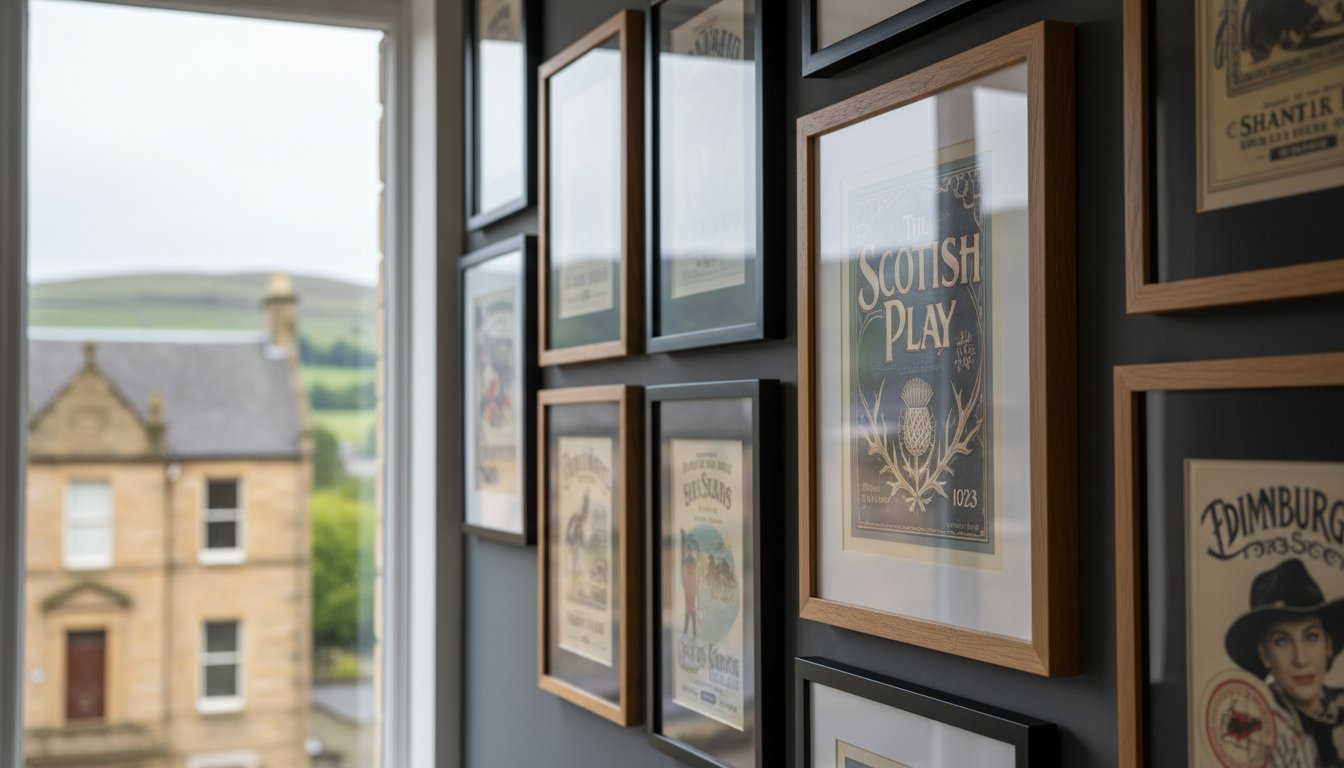
To see how a curated collection can transform a space, this video offers some wonderful inspiration for creating an English-style gallery wall:

The Hassle-Free Advantage Over DIY Framing

Choosing to frame a print yourself can quickly become a complicated and time-consuming task. It involves precise measurements, sourcing a compatible frame and mount, and the delicate process of assembly, where a slight slip can damage your art. When you choose from a collection of ready to hang wall art in the UK, you bypass all these potential pitfalls. You are guaranteed a professional, gallery-quality finish that honours the artwork. This professional touch is crucial for preserving the piece, ensuring it can be enjoyed for years to come, much like the masterpieces seen throughout the history of painting. It’s the effortless way to ensure your art looks its absolute best.

What’s Included in a Ready to Hang Package?

When you invest in a ready to hang piece, you receive a complete, cohesive product created with premium materials. Our bespoke service ensures every component works in harmony to protect and elevate the art. Here’s what you can expect:

  • The Fine Art Print: A high-resolution Giclée print on premium, archival-quality paper.
  • The Bespoke Frame: A solid wood frame, securely joined and finished to perfection in your chosen style.
  • The Acid-Free Mount: A perfectly cut, conservation-grade mount that separates the print from the glazing and prevents discolouration.
  • Protective Glazing & Backing: Crystal-clear acrylic glazing to protect against dust and damage, plus a sturdy backing board.
  • Hanging Hardware: All necessary cord, wire, or brackets are securely attached, so it’s ready for your wall the moment it arrives.

How to Choose the Perfect Ready to Hang Art for Your Space

Embarking on a journey to find the perfect artwork for your home is an exciting prospect. But with so many beautiful options, how do you make a confident choice online? The secret lies in a simple, structured approach. By focusing on three key pillars-size, style, and colour-you can easily narrow down the selection and discover a piece that feels like it was made just for your room. Whether you’re seeking a dramatic focal point or a subtle, complementary touch, this guide will help you select art that truly elevates your space.

Step 1: Master Size and Scale

Before you fall in love with a piece, get to know your wall. Measuring your available space is the essential first step. For a practical preview, use painter’s tape to outline the dimensions of a potential artwork on your wall. This simple trick helps you visualise the scale and ensures a perfect fit. Consider the impact you want to create:

  • A large statement piece can anchor a room and create a powerful focal point.
  • A gallery wall of smaller frames offers a more personal, curated feel.

As a trusted rule of thumb, aim for artwork that fills roughly two-thirds to three-quarters of the empty wall space above furniture like a sofa or headboard. This creates a balanced and professionally styled look.

Step 2: Define Your Interior Style

The most spectacular art works in harmony with its surroundings. Consider your room’s existing personality. Is it minimalist, traditional, bohemian, or contemporary? Your choice of art can either complement this style or create a deliberate, eye-catching contrast.

For example, bold abstract prints often feel at home in modern spaces, while serene landscapes and classic portraits can beautifully enhance a traditional or rustic interior. Don’t be afraid to mix it up; placing a contemporary piece in a classic room can make a powerful and sophisticated statement. The goal is to find art that speaks to you and your home’s unique character.

Step 3: Harmonise with Your Colour Palette

Colour is the bridge that connects your new art to your existing decor. Look at the primary and accent colours in your room-from cushions and rugs to furniture. Choosing art that features one of these colours will create an instant sense of cohesion. For a timeless and versatile option, black and white prints work effortlessly with any colour scheme.

If you’re feeling bold, select a piece with a complementary colour (opposite on the colour wheel) to your room’s main hue for a vibrant pop. Finally, remember the frame. Its colour should complement both the artwork and your room, completing the picture and tying everything together beautifully. This thoughtful approach is key when selecting from the best ready to hang wall art UK collections.

Beyond the Print: The Hallmarks of High-Quality Framed Art

When you invest in ready to hang wall art uk, you’re buying more than just a beautiful image; you’re bringing a piece of lasting craftsmanship into your home. While many options look appealing online, the true value lies in the details that mass-produced items often overlook. Understanding these quality markers ensures your chosen artwork not only looks spectacular on day one but continues to enrich your space for years to come.

The Print Itself: The Power of Giclée

The heart of any framed piece is the print. We use Giclée (pronounced ‘zhee-clay’) printing, a sophisticated process favoured by galleries and museums worldwide. It involves using specialist archival pigment inks on premium fine art paper, resulting in a print of exceptional quality.

  • Superior Colour and Detail: Giclée printing offers a wider colour gamut and incredible precision, capturing the artist’s original vision with breathtaking accuracy.
  • Archival Longevity: The combination of pigment inks and acid-free paper means your print is highly resistant to fading. It’s designed to retain its vibrant colour for a lifetime.

The Frame and Mount: Materials Matter

A frame does more than just border the art; it protects and elevates it. Look for frames crafted from solid wood or high-quality, durable aluminium. A key sign of expert craftsmanship is in the corners-they should be perfectly joined and secure, not simply stapled. The mount (the paper border around the print) is equally vital. It must be acid-free to prevent the artwork from yellowing over time, a common issue with cheaper materials. For a piece that truly complements both the art and your space, explore our bespoke framing options for ultimate quality and personalisation.

The Finishing Touches: Glazing and Fittings

The final components are what make a piece truly ready to hang with confidence. High-quality glazing and secure hardware are non-negotiable for protecting your art and ensuring it hangs safely.

  • Protective Glazing: While standard glass offers good clarity, upgrading to anti-reflective or UV-protective glass can reduce glare and shield the print from light damage.
  • Sealed Backing: A professional finish includes a sealed backing board. This creates a barrier against dust, humidity, and insects, safeguarding the artwork from behind.
  • Secure Hardware: Your art should arrive with robust, professional-grade hanging hardware already attached, making installation simple, safe, and secure.

Explore Popular Art Styles: Finding a Piece You’ll Love Forever

Choosing art is a deeply personal journey. The perfect piece does more than just fill a space; it reflects your personality and sets the tone for the entire room. To help you on your artistic discovery, we’ve curated a guide to some of the most beloved styles available in our collection of ready to hang wall art in the UK. Whether you’re seeking tranquillity or a burst of energy, there’s a beautiful piece waiting for you.

Evocative Scottish Landscapes

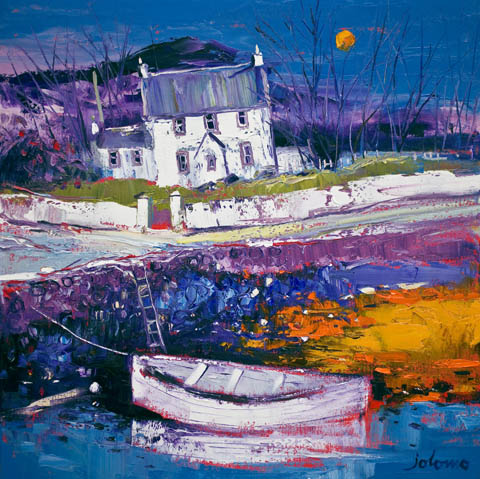
Capture the wild, breathtaking beauty of the Highlands and Islands right in your living room. Landscape art is perfect for creating a calm, natural atmosphere, offering a window to a tranquil world. Artists like the celebrated John Lowrie Morrison (Jolomo) use spectacular, vibrant colours to convey the unique light and spirit of Scotland, making his work a stunning centrepiece for both traditional and contemporary homes.

Modern and Contemporary Abstracts

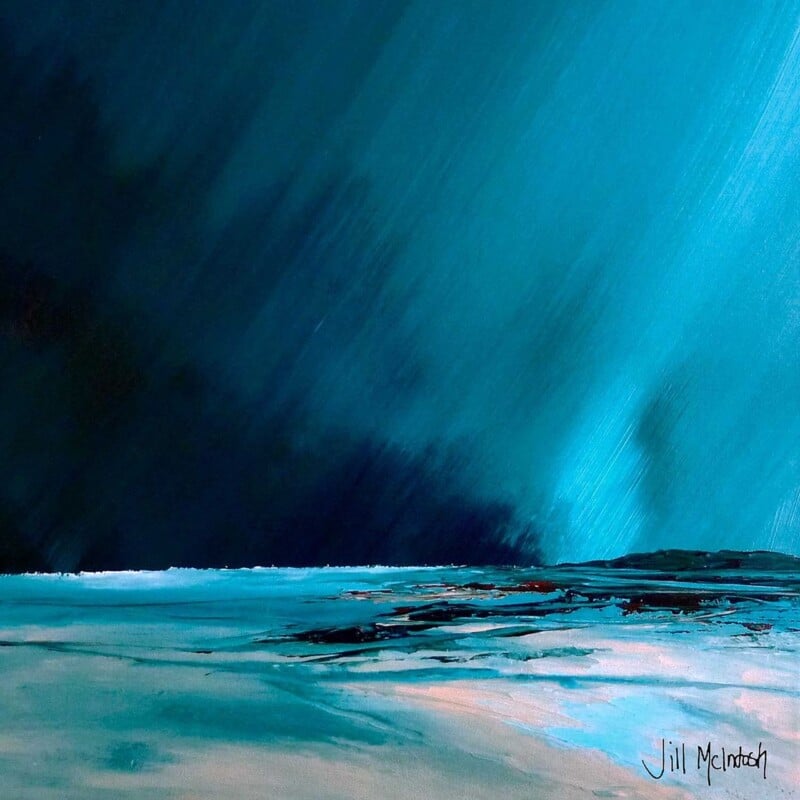
If you want to make a bold statement, abstract art is an exceptional choice. Focussing on colour, form, and texture rather than a literal scene, these pieces add a dynamic splash of energy to any space. An abstract print can be the perfect finishing touch for minimalist and modern interiors, introducing a focal point of colour and emotion without overwhelming the room’s clean aesthetic.

Timeless Photography and Iconic Prints

There is an undeniable sophistication to a beautifully framed photograph. Classic black and white prints of cityscapes or nature offer timeless elegance, while iconic cultural moments can add a layer of narrative and personality. For a touch of romance and storytelling, the work of artists like Jack Vettriano provides a cinematic quality that draws you in, proving that photography and narrative prints are a powerful choice for any art lover.

This is just the beginning of what’s possible. The most important rule is to choose art that speaks to you. Feeling inspired to find the perfect piece? Browse our full gallery to explore these styles and many more, all professionally framed and delivered to your door, ready to transform your space.

Why Buy Ready to Hang Wall Art from a Specialist UK Gallery?

In a world of endless online marketplaces, the source of your artwork matters just as much as the piece itself. Choosing a specialist UK gallery over a general retailer transforms your purchase from a simple transaction into a meaningful investment in quality, craftsmanship, and local creativity. It’s the difference between buying a product and acquiring a professionally finished piece of art, handled with passion from start to finish.

Expert Curation and Unmatched Quality Control

A specialist gallery doesn’t just sell prints; we curate them. Every artist and artwork is meticulously selected for its quality, originality, and impact. Unlike mass-market sites where quality can be unpredictable, we guarantee a consistent standard of excellence. Each piece is professionally framed in-house by our experienced team, ensuring the bespoke craftsmanship perfectly complements the art it holds.

Supporting UK Artists and Local Craftsmanship

When you buy from a UK-based specialist, your purchase resonates beyond your own walls. You are directly supporting the UK’s vibrant art scene, celebrating the immense talent of local and Scottish artists. This connection to community is paired with the assurance of decades of British framing expertise, combining contemporary creativity with time-honoured skills to produce a spectacular final piece for your home.

Faster, Safer UK Delivery and Personal Service

Choosing a local specialist for your ready to hang wall art UK offers significant practical advantages. You benefit from a service that is not only personal but also efficient and reliable. Key benefits include:

  • No Hidden Costs: Avoid long international shipping delays and unexpected import fees or customs charges.
  • Secure Transit: Your artwork is packaged with the care and precision only an expert can provide, ensuring it arrives in perfect condition.
  • UK-Based Support: Have a question? Our knowledgeable, friendly team is right here in the UK, ready to offer advice and assistance.

Embark on your journey of artistic discovery and see the difference for yourself. Browse our gallery of professionally framed art today.

Your Journey to Effortless Style Starts Here

As we’ve explored, art is the secret to instantly transforming a house into a home you truly love. Choosing a piece that speaks to you, backed by professional craftsmanship, ensures your walls tell a beautiful story. The journey to finding the perfect ready to hang wall art uk shouldn’t be complicated-it should be an inspiring discovery of style and personality.

At First 4 Frames, we bring that vision to life. With over 20 years of bespoke framing experience right here in Falkirk, we pour our passion into every piece. We champion talented UK artists, using premium Giclée printing to create spectacular art that lasts. We handle the expert craftsmanship, delivering across the UK, so you can focus on the joy of finding a piece that feels like it was made just for you.

Your effortless home transformation is just a click away. Let us help you find that perfect final touch for your space.
Discover your perfect piece in our curated gallery of ready to hang art.

Frequently Asked Questions

What is the difference between a poster and a Giclée fine art print?

A standard poster is typically mass-produced using lower-quality inks and paper, making it prone to fading over time. A Giclée print, however, is a true fine art reproduction. We use archival-quality pigment inks and premium, acid-free paper to create a spectacular print with incredible detail and colour accuracy. This meticulous process ensures your artwork is a perfect copy of the original that will not fade and will last for generations to enjoy.

How much should I expect to pay for good quality ready to hang wall art?

The price for high-quality framed art can vary. A smaller, simply framed Giclée print might start from around £50, while larger, more ornate bespoke pieces can be £200 or more. The final cost depends on the print size, your choice of fine art paper, and the specific premium frame moulding you select. We offer beautiful, professionally framed options for various budgets, ensuring you always receive exceptional craftsmanship and value with every piece.

How do I care for my framed artwork to make it last?

To ensure your beautiful artwork lasts a lifetime, a little care goes a long way. We recommend hanging your piece away from direct sunlight and areas of high humidity. To clean, gently wipe the glazing and frame with a soft, dry microfibre cloth-avoid using chemical sprays directly on the surface. Periodically check that the hanging hardware is secure. This simple care will preserve the premium quality and vibrant colours of your professionally framed art.

What is your return policy if the art doesn’t suit my space?

We want you to be completely in love with your new art. As each piece is made to order with bespoke craftsmanship, we handle returns on a case-by-case basis. If your artwork arrives damaged, please contact us within 48 hours for a replacement. If it simply doesn’t suit your space, get in touch within 14 days. While we cannot offer refunds on custom-made items, we are passionate about finding a perfect solution for your home.

How long does delivery take within the UK?

Each piece is professionally framed to order with meticulous care. For our ready to hang wall art UK deliveries, please allow 5-7 working days from placing your order to dispatch. We use a trusted and insured courier service to ensure your new artwork arrives safely and in perfect condition, ready to transform your space. You will receive a notification and tracking information as soon as your bespoke piece is on its way to you.

Can you frame a print that I already own?

Absolutely! Bespoke framing is at the heart of what we do. With over twenty years of experience, we pride ourselves on our expert craftsmanship and use only the best materials to protect and enhance your personal prints, photos, or artwork. Our service is a hassle-free, one-stop-shop for all your framing needs. Please visit our ‘Bespoke Framing’ page to learn more about the simple process and get a quote for your unique piece.

Posted on

A3 Picture Frames: The Complete Guide to Choosing the Perfect Frame

A person holds a framed landscape painting of mountains, a river, and a colorful sky in a bright living room with a plant and books on the coffee table.

You’ve found the perfect piece of art, that spectacular A3 print you can’t wait to display. But now comes the part that can feel surprisingly tricky: choosing the frame. Suddenly, questions arise. What are the exact dimensions in centimetres versus inches? Will a mount make it look more professional? And how do you select a material that protects your print without overpowering the image?

Finding the perfect a3 picture frame should be a joy, not a source of stress. A frame is the essential bridge between your artwork and your décor, a piece of craftsmanship designed to elevate and preserve what’s inside. It’s the final touch that transforms a simple print into a beautiful, personal statement for your home.

Consider this your complete guide. We’re here to walk you through everything you need to know, from demystifying dimensions and materials to offering styling tips that will make your artwork truly shine. Let’s embark on this journey together and find the premium frame your art deserves.

What are the A3 Frame Dimensions? Getting the Basics Right

Embarking on your framing journey begins with a clear understanding of size. A3 is a wonderfully versatile and popular choice, striking the perfect balance for showcasing fine art prints, bold posters, and cherished photographs without overwhelming your space. Its universal appeal stems from the globally recognised ISO 216 international paper size standard, which guarantees that an A3 print will always have consistent dimensions. This standardisation removes the guesswork, ensuring that when you select an A3 piece, you know exactly what you’re working with. Getting these foundational measurements right is the first step toward finding the perfect a3 picture frame to complement your art.

To see these concepts in action and get some practical tips, this helpful video offers a great visual guide to framing.

A3 Size in Millimetres, Centimetres, and Inches

At First 4 Frames, we believe precision is the soul of craftsmanship. To ensure a perfect fit, it’s essential to know the exact dimensions of an A3 sheet. This is the size of your artwork itself, not the final frame. Being familiar with these measurements in millimetres, centimetres, and inches will give you the confidence to select the right frame every time.

Here is a quick-reference conversion guide for the A3 paper size:

  • In Millimetres (mm): 297 x 420 mm
  • In Centimetres (cm): 29.7 x 42 cm
  • In Inches (in): Approximately 11.7 x 16.5 inches

Frame Size vs. Aperture Size: Understanding Mounts

This is a crucial distinction that elevates a simple framed picture into a professionally presented piece of art. When you see a product described as an “A3 frame,” it’s vital to clarify what this means. It can refer to a frame with internal dimensions of exactly 29.7 x 42 cm, designed for your artwork to fit snugly from edge to edge. This style offers a clean, modern, and direct presentation.

However, for a classic, gallery-style look, the term often refers to a larger frame that incorporates a mount (also known as a passe-partout or window mount). This is a high-quality card border that sits between the artwork and the frame. The ‘aperture’, or opening, of this mount is cut precisely to display your A3 print. Using a mount is not just about aesthetics; it also protects your art by creating a small air gap between the print and the glazing. For instance, a common choice is a 40 x 50 cm frame with a mount whose aperture is cut for A3. This added border draws the eye inward, enhances the artwork’s presence, and acts as the perfect bridge between the art and its surroundings.

Choosing the Best Material for Your A3 Picture Frame

The material of your frame does more than just hold the glass; it’s the bridge between your artwork and your room’s decor. The right choice enhances the art, protects it for years, and reflects your personal style. When selecting an a3 picture frame, the material is one of the most important decisions you’ll make. Let’s explore the most popular options: classic wood, sleek metal, and versatile composite materials.

Solid Wood Frames: Classic, Warm, and Timeless

For a touch of natural beauty and a truly premium feel, nothing compares to solid wood. Crafted with care, these frames offer exceptional durability and a timeless appeal. Available in a variety of beautiful finishes, from the rich tones of oak and walnut to classic painted options, they bring warmth and sophistication to any space. A solid wood frame is the perfect partner for traditional art, fine art prints, and stunning nature photography, celebrating the quality of both the image and the craftsmanship.

Metal & Aluminium Frames: Modern, Sleek, and Minimalist

If your style leans towards the contemporary, a metal or aluminium frame is an excellent choice. Celebrated for their clean lines and minimalist aesthetic, these frames often feature a very thin profile, ensuring the focus remains squarely on your artwork. They are incredibly durable yet surprisingly lightweight, making them easy to hang. Available in popular finishes like matte black, polished silver, and elegant gold, they are ideal for framing posters, graphic prints, and professional certificates.

Composite (Polcore) Frames: Versatile and Budget-Friendly

Offering fantastic value without compromising on style, composite frames are a brilliant and popular choice. Often made from Polcore, an eco-friendly material created from recycled polystyrene, these frames come in a vast array of styles. They can expertly mimic the grain of real wood or offer a perfectly smooth, modern finish in any colour imaginable. While they may not have the same heirloom quality as solid wood, a composite a3 picture frame is a superb, cost-effective solution for decorative prints and posters.

To help you decide, consider the essence of your piece and your decor:

  • For warmth and tradition: Choose Solid Wood to add a natural, premium feel.
  • For a sharp, modern statement: Choose Metal for its clean, minimalist lines.
  • For versatility and value: Choose Composite for an endless choice of styles at a great price.

How to Select the Perfect Style and Colour

Choosing the perfect frame is an art in itself. Think of your frame as the bridge that connects your beautiful artwork to your room’s decor, creating a seamless and harmonious display. The right style and colour will enhance the piece without overpowering it, allowing the art to take centre stage while the frame does the important work of integrating it into your space. From sleek, simple profiles to ornate, traditional designs, the choice you make will define the final look.

Matching the Frame to the Artwork

A simple rule to follow is that the art is the hero, and the frame is its dedicated support. The goal is to complement, not compete. Minimalist prints or modern photography often look spectacular in a simple, thin frame that doesn’t distract from the clean lines. In contrast, classical art or a piece with intricate detail can be beautifully balanced by a more substantial or ornate frame. For a truly professional touch, select a frame colour that picks up on a subtle accent colour within the artwork itself.

Coordinating the Frame with Your Room Decor

A well-chosen frame should feel like a natural part of your room. Take a moment to consider the existing finishes and furniture. Are your door handles brass? Is your furniture made of light oak? Matching your frame to these elements creates a cohesive feel. For maximum versatility, a black or white a3 picture frame is a timeless choice that fits almost any interior style, from contemporary to traditional.

  • Wood Frames: Natural wood finishes, like oak or walnut, introduce warmth and texture, perfect for neutral, rustic, or Scandinavian-inspired spaces.
  • Black or White Frames: The ultimate chameleons, these frames provide a clean, classic border that works with any colour scheme.
  • Metal Frames: Finishes like silver, gold, or brass add a touch of elegance and complement modern, industrial, or glamorous interiors.

When to Use a Mount to Elevate Your A3 Print

A mount, or mat, is the paper-board border that sits between the art and the frame. It serves two key purposes. Aesthetically, it provides visual ‘breathing room’ around your print, drawing the eye inward. Functionally, it separates the artwork from the glazing, protecting it from potential damage caused by condensation. A crisp white mount is a classic choice that lends any print a sophisticated, gallery-quality finish. Need help creating the perfect combination? Explore our bespoke framing options.

Glazing and Backing: Protecting Your A3 Print for Years

When you invest in a beautiful A3 print, the frame does more than just complement the artwork; it serves as its primary protector. The two most critical components for preservation are the glazing (the clear front sheet) and the backing board. While it can be tempting to opt for a budget frame, cheaper materials often contain acids and impurities that can cause irreversible damage to your art over time, from fading to yellowing.

Understanding these components is the key to ensuring your cherished print remains as vibrant as the day you bought it.

Choosing Your Glazing: Glass vs. Acrylic

The glazing is the clear barrier between your print and the world. The choice you make here impacts not only protection but also the final look, weight, and safety of your framed piece. Here’s a simple breakdown:

  • Standard Glass: Offers perfect, crystal-clear clarity and a satisfying weight that speaks to its quality. It’s scratch-resistant and easy to clean, making it a timeless choice for most settings.
  • Acrylic (Perspex): A lightweight and shatter-resistant alternative. This makes it the perfect option for an a3 picture frame that needs to be shipped, hung in a child’s room, or placed in a high-traffic area. Modern, high-quality acrylic offers excellent clarity with added safety.

For truly valuable or sentimental pieces, consider upgrading to UV-protective glazing. Available in both glass and acrylic, this special coating blocks up to 99% of harmful ultraviolet rays, the primary cause of fading. It’s a small investment for priceless peace of mind.

The Importance of an Acid-Free Backing Board

What rests behind your print is just as important as what’s in front. The backing board provides structural support, but its material composition is crucial. Many off-the-shelf frames use standard cardboard or MDF, which are full of acids. Over years, these acids migrate into your artwork, causing a damaging process called ‘acid burn’ that leads to permanent yellowing and brittleness.

A professional, high-quality a3 picture frame will always use an acid-free or conservation-grade backing board. This archival-quality material is chemically stable and acts as a protective barrier, ensuring your print remains pristine for decades. It is a non-negotiable feature for anyone serious about preserving their art. At First 4 Frames, all our frames are built with premium, acid-free materials to guarantee the longevity of your artwork. Discover the difference professional craftsmanship makes in our online gallery.

Creative Ways to Display A3 Frames in Your Home

The beauty of the A3 size lies in its remarkable versatility. It’s large enough to make a significant visual impact on its own, yet compact enough to fit gracefully into almost any space, from a cosy reading nook to a spacious hallway. Moving beyond a single, isolated picture can transform your walls into a curated display of your personal style. Here are a few professional techniques to help you arrange your art with confidence and flair.

Create a Symmetrical Pair or Triptych

For a look that is both dramatic and perfectly ordered, consider hanging two or three matching A3 frames side-by-side. This approach works beautifully above a key piece of furniture like a sofa, bed, or console table, creating a strong horizontal line that draws the eye. Use this format to showcase a series of related art prints-such as botanical illustrations or architectural sketches-or even a single panoramic photograph split across the frames. The result is a high-impact, cohesive display that feels intentional and professionally styled.

Use A3 as the Anchor in a Gallery Wall

A sprawling gallery wall can quickly feel cluttered without a clear focal point. An a3 picture frame is the perfect piece to provide structure and prevent visual chaos. Start by placing your largest piece, the A3 frame, in a central or slightly off-centre position. From there, you can build outwards, arranging smaller frames (like A4 and A5), postcards, and other treasures around it. This creates a visual anchor, giving the entire arrangement a sense of purpose and balance that is pleasing to the eye.

Stylish Framing for Certificates and Diplomas

Your hard-earned achievements deserve more than a standard, off-the-shelf frame. Elevate your certificates, diplomas, and awards by presenting them with the sophistication they warrant. An A3 frame, complete with a custom-cut mount, transforms a simple document into a statement piece for your home office or study. Choose a premium frame style-a warm oak to match your desk or a sleek black for a modern aesthetic-to create a truly integrated and professional look. Ready to give your achievements the display they deserve? Get a bespoke framing quote today.

Your Journey to the Perfect A3 Frame Ends Here

As we’ve explored, selecting the right frame for your print goes far beyond simply knowing the dimensions. From choosing a material like warm, traditional wood or sleek, modern aluminium that complements your artwork, to selecting a style and colour that harmonises with your décor, every detail matters. The right glazing and backing are not just finishing touches; they are essential for protecting your cherished piece for years to come. With these insights, you are now perfectly equipped to find a beautiful a3 picture frame that truly does your art justice.

If you’re ready to take the next step, our team of passionate art lovers is here to help. With over 20 years of professional framing experience, we combine time-honoured craftsmanship with high-quality, conservation-grade materials to create bespoke frames that protect and enhance your art. Let our expert advice guide you. Find the perfect frame for your art with our bespoke framing service.

Your masterpiece deserves a spectacular frame. We look forward to helping you create something truly special.

Frequently Asked Questions About A3 Picture Frames

Can I put an A4 print in an A3 frame?

Yes, absolutely. An A3 frame is the perfect choice for showcasing an A4 print with a beautiful, professional-looking mount. The mount, or passe-partout, creates a border that draws the eye towards the artwork and prevents it from touching the glass. This is a classic gallery technique that gives your smaller artwork more presence and a truly spectacular finish on your wall, protecting it while enhancing its visual appeal.

What is the difference between an A3 poster frame and a picture frame?

While the terms are often used interchangeably, the main difference lies in the craftsmanship and materials. Poster frames are typically lighter, often made with plastic or MDF and perspex, designed for more temporary displays. A premium A3 picture frame is built for longevity, crafted from quality materials like solid wood with proper glass glazing. It provides a sturdier, more elegant home designed to protect and enhance fine art for years to come.

How do I measure my artwork correctly for an A3 frame?

For a perfect, hassle-free fit, precision is key. Lay your artwork on a clean, flat surface and use a steel ruler or firm tape measure to find its exact height and width. An official A3 paper size is 297 x 420mm (29.7 x 42cm). If your art matches these dimensions, it will fit snugly inside the frame without a mount. For any other size, measure carefully to ensure you choose the correct bespoke mount aperture.

Are black or white A3 frames more popular?

Both black and white frames are timelessly popular, each offering a distinct aesthetic. A black frame creates a bold, classic contrast that makes the colours within your artwork truly pop. A white frame provides a clean, contemporary feel, perfect for minimalist interiors or creating an airy, bright look. The best choice is the one that acts as the perfect bridge between your artwork and your room’s décor, so consider which will best complement your personal style.

Is it better to buy an A3 frame with or without a mount included?

This depends on the final look you wish to achieve. If your artwork is A3 size and you want a full-bleed, edge-to-edge presentation, a frame without a mount is ideal. However, including a mount adds a layer of professional sophistication, creates protective space between the art and the glass, and allows you to elegantly display a smaller piece within the frame. For a truly polished, gallery-worthy display, we almost always recommend using a mount.

How can I hang a heavy wooden A3 frame safely?

To hang a heavier wooden frame securely, we advise against using a single nail. The safest method is to fix two D-rings to the back of the frame, about one-third of the way down from the top on each side. Then, install two corresponding picture hooks or screws with appropriate wall plugs into your wall, making sure they are perfectly level. This two-point hanging system distributes the weight evenly and ensures your beautiful frame remains stable and secure.

Posted on

A3 Frame Size: The Complete Guide to Dimensions & Uses

A smiling man wearing an apron holds a framed landscape photograph of a lake and hills in a well-lit workshop, with framing tools and frame samples visible in the background.

You’ve found a beautiful piece of A3 art, a spectacular photograph, or a poster that speaks to you. Now comes the crucial final step: finding its perfect home on your wall. But navigating the world of the a3 frame size can feel surprisingly complex. Do you measure in centimetres or inches? Will a mount enhance the image or overwhelm it? Choosing the right frame is an act of craftsmanship, and it’s easy to feel lost in the details when you want everything to be just right.

This guide is here to be your trusted professional partner. We will demystify the exact A3 dimensions in millimetres, centimetres, and inches, ensuring you can buy online or in-store with complete confidence. We’ll explore how to select the ideal style and material to complement your artwork, and help you decide if a mount will elevate your piece from lovely to truly stunning. Let’s find the perfect frame to act as the bridge between your art and your room, making your piece shine.

What Exactly is A3 Frame Size? The Essential Dimensions

Choosing the perfect frame begins with understanding its size. Put simply, an A3 frame is expertly crafted to hold a piece of A3 paper or a print of the same dimensions. This size is defined by the globally recognised ISO 216 international paper size standard, ensuring consistency whether you’re framing a professional photograph, a fine art print, or a treasured poster.

To help you visualise it, an A3 sheet is exactly twice the size of a standard A4 piece of office paper, making it a popular and impactful choice for wall art without overwhelming a room.

For a practical look at how to handle and place artwork into a frame, this video offers an excellent tutorial:

A3 Frame Dimensions in cm, mm, and inches

To ensure you have the precise measurements for your artwork, it’s helpful to know the dimensions in various units. An A3 print measures:

  • In centimetres: 29.7 cm x 42 cm
  • In millimetres: 297 mm x 420 mm
  • In inches: 11.7 x 16.5 inches

These are the exact dimensions your print should be to fit snugly and professionally within an A3 frame.

Artwork Size vs. Frame Size: A Crucial Distinction

One of the most important details to understand is that when you purchase an ‘A3 frame’, the measurement refers to the internal aperture-the ‘window’ that your A3 artwork will fit into perfectly. The overall external dimensions will always be larger, depending on the width of the frame’s border, often called the ‘moulding’ or ‘profile’. This is a crucial detail to consider when planning your gallery wall to ensure a perfect fit in your chosen space.

Portrait vs. Landscape Orientation for A3 Frames

The versatile a3 frame size is beautifully suited for displaying artwork in both portrait (vertical) and landscape (horizontal) orientations. Most high-quality frames, including those we craft, are supplied with flexible fittings on the backboard, allowing you to hang them either way with ease. We always recommend checking the orientation of your chosen artwork first to help you envision its perfect spot on your wall before making a final decision.

Common Uses for A3 Frames: What Fits Perfectly?

The A3 frame size is often considered the “Goldilocks” of framing-not too big, not too small, but just right. It’s a wonderfully versatile and popular mid-size option that makes a beautiful statement without overwhelming your space. Measuring 29.7 x 42 cm, it strikes the perfect balance between offering enough scale for visual impact and allowing the finer details of the artwork to be appreciated. For those interested in the precise standards behind these measurements, the University of Cambridge offers a technical overview of the A3 frame dimensions and the ISO 216 paper system.

Displaying Art Prints and Posters

A3 is the ideal canvas for the affordable art prints, limited edition graphics, and concert posters you love to collect. It’s large enough that the artwork commands attention and its details can be enjoyed from across the room. A single, beautifully framed A3 print can serve as a stunning focal point above a desk or console table, while also acting as the perfect centrepiece to build a dynamic gallery wall around.

Framing Larger Photographs and Collages

While smaller photos are charming, an A3 frame gives a truly special photograph the presence it deserves. This size is perfect for showcasing a spectacular landscape from your travels, a professional family portrait, or a cherished wedding photo. It also provides ample space to create a bespoke photo collage, weaving together multiple smaller moments into one impactful piece that tells a unique story.

Professional Use: Certificates, Diplomas, and Signage

Step into any professional office, and you’ll likely see A3 frames used to display important qualifications, diplomas, and industry awards. The generous size lends a sense of prestige and ensures the text is easily readable. This professional, polished look also makes the A3 frame size a superb choice for customer-facing signage in reception areas, cafes, and boutiques, clearly communicating information with a touch of class.

To Mount or Not to Mount? Elevating Your A3 Print

Once you’ve chosen your beautiful A3 print, the next decision is how to present it. While you can place it directly into an A3 frame, adding a picture mount is the secret to achieving a truly professional, gallery-quality finish. A mount, also known as a mat, does more than just fill space; it’s a crucial element that protects and enhances your artwork.

The right mount creates a visual ‘breathing space’ between the art and the frame, preventing the composition from feeling cramped. This clean border draws the viewer’s eye inward, focusing attention squarely on the print itself. It’s a simple addition that dramatically elevates the final look, making it a key consideration when selecting the perfect a3 frame size for your piece.

What is a Picture Mount and Why Use One?

A picture mount is a specially cut piece of acid-free cardboard that sits between your artwork and the frame’s glass. Its purpose is twofold: protection and presentation. By creating a small air gap, it prevents the print from making direct contact with the glass, which can cause damage from condensation over time. Aesthetically, it adds depth and structure, giving your print a polished, deliberate, and professional appearance.

How a Mount Affects Your Frame Size Choice

This is the most important rule to remember: if you use a mount with your A3 print, you will need a frame that is larger than A3. Forgetting this can lead to a frame that simply won’t fit.

Let’s use a practical example. An A3 print measures 297 x 420 mm, as defined by the ISO 216 international paper size standard. If you add a classic 50mm (5cm) mount border around it, the total mounted size becomes approximately 400 x 520 mm. This combination would then fit perfectly within a standard A2 frame (420 x 594 mm). Always measure your artwork and add the width of your desired mount border (times two) to determine the final dimensions you need. Getting this right is essential for your final a3 frame size calculation. Our bespoke framing service can create the perfect mount and frame combination, taking all the guesswork out of the process.

Choosing a Mount Colour and Style

The right mount colour can beautifully complement your artwork. Here are a few popular approaches:

  • Classic White: A crisp white or a softer off-white mount is a timeless choice that works with almost any artwork and interior style.
  • Complementary Colour: Selecting a mount colour that picks up on a subtle accent in your print can create a wonderfully cohesive and curated look.
  • Double Mounts: For added sophistication, a double mount uses two layers, with the inner layer providing a thin, contrasting border. This adds an incredible sense of depth to the finished piece.

Choosing the Right A3 Frame Style for Your Space

Once you’ve settled on the perfect a3 frame size for your print, the next step is a journey into style. A frame is much more than a simple border; it’s the crucial bridge connecting your artwork to your room’s décor. The right choice will elevate both the print and the space it inhabits. The material, colour, and profile width all play a vital role in creating a cohesive and beautiful final look that honours your art.

Frame Materials: Wood, Metal, and Modern Finishes

The material of your frame sets the foundational tone. Each offers a distinct personality to complement your art and interior style:

  • Wood Frames: Crafted from materials like oak or pine, wooden frames bring natural warmth and a timeless, traditional feel. They are perfect for classic art, family portraits, and rustic interiors.
  • Metal Frames: Typically made from sleek aluminium, these provide a sharp, contemporary look. Their minimalist appeal is ideal for modern photography, posters, and abstract art.
  • Polcore Frames: A fantastic and versatile alternative, Polcore is a modern composite material made from recycled polystyrene. It offers a smooth, clean finish and is available in a huge range of colours and styles, providing a premium look at an affordable price.

Matching Frame Colour to Your Artwork and Décor

Colour is your tool for creating harmony. The goal is to choose a shade that enhances the artwork without overpowering it. Consider these classic pairings:

  • Black or White: The ultimate versatile choice. A simple black or white frame allows the art to be the hero, suiting almost any print and décor style, from monochrome to vibrant colour.
  • Natural Wood Tones: These beautifully complement nature scenes, botanical prints, and art with a warm palette. The organic grain adds texture and depth.
  • Gold or Silver: For a touch of elegance, metallic frames are unmatched. They can elevate a formal certificate, a classical print, or a special photograph, adding a sophisticated finish.

Moulding Profile: From Simple & Modern to Ornate & Classic

The ‘moulding profile’ refers to the shape and width of the frame itself. This detail can dramatically alter the final impression. A thin, flat profile offers a clean, minimalist feel, perfect for a contemporary gallery wall where the art is the sole focus. Conversely, a wider or more ornate profile makes a bold, traditional statement. It draws the eye and can transform a simple print into a significant feature piece, adding a sense of grandeur and importance.

Considering the style of your art is paramount. A modern abstract piece will sing in a thin metal frame, while a classic watercolour may call for the warmth of oak. Whatever your vision, finding the perfect style for your a3 frame size is a rewarding final step in bringing your art to life. Browse our curated collections to find inspiration and the perfect frame for your space.

Ready-Made vs. Bespoke A3 Frames: Which is Right for You?

Once you’ve chosen your beautiful A3 print, the next crucial step is selecting the perfect frame. This often leads to a key decision: should you opt for a readily available off-the-shelf frame or invest in a bespoke creation? The answer depends entirely on your artwork, your budget, and the final look you want to achieve. Let’s explore both paths to help you make a confident choice for your space.

The Pros and Cons of Off-the-Shelf Frames

Ready-made frames are a popular choice, primarily for their convenience and affordability. You can find them in countless high street shops, often for under £20, making them a great option for framing simple posters, certificates, or children’s drawings. They are perfect for temporary displays or when you need a quick and easy solution for a standard a3 frame size.

However, this convenience comes with trade-offs. The range of styles, colours, and materials is often limited, and the quality can be inconsistent. Most standard frames use basic materials that lack the protective qualities needed for fine art, such as UV-filtering glass or acid-free mounts. This can leave your artwork vulnerable to fading and long-term damage from sunlight and acidic materials.

When to Invest in a Bespoke A3 Frame

A bespoke frame is more than just a border; it’s a vital part of the artwork’s presentation and preservation. It acts as the perfect bridge between your art and your room’s décor. Investing in a custom frame is the best choice when:

  • You are framing something valuable: For limited edition prints, original art, or irreplaceable photographs, a bespoke frame provides essential, conservation-grade protection to preserve its value and condition.
  • You want a perfect design match: With custom framing, you can select the precise moulding, colour, and mount to create a seamless, professional finish that perfectly complements both the artwork and your interior design.
  • Preservation is a priority: We use premium materials like acid-free conservation mount boards to prevent discolouration and UV-protective glazing to shield your art from 99% of harmful light.

Ultimately, a bespoke frame is an investment in the life and beauty of your art, ensuring your piece is not only displayed beautifully but is also protected for decades. If you have a special piece that deserves the finest presentation, professional craftsmanship is the answer. Get a quote for a bespoke A3 frame for your artwork.

Your Perfect A3 Frame: From Idea to Artwork

Mastering the versatile a3 frame size is about more than just dimensions; it’s about making a statement. We’ve explored how the right mount can elevate a simple print and how a carefully chosen style can transform your space. Whether you opt for a ready-made solution or a bespoke creation, the goal is always to perfectly complement your artwork and enhance your décor.

At First 4 Frames, we pour over 20 years of professional framing experience into every piece we create. Each frame is a testament to true craftsmanship, handcrafted with passion in our Falkirk workshop using only premium, locally-sourced materials. We believe the perfect frame is the bridge between your art and your home. Ready to find yours? Discover our collection of beautiful prints and bespoke A3 frames and let us help you turn your cherished piece into a spectacular centrepiece.

Frequently Asked Questions About A3 Frames

What are the exact dimensions of an A3 frame in cm?

An A3 frame is expertly crafted to hold a print measuring exactly 29.7 x 42 cm. While these are the internal dimensions your artwork will fit into, the frame’s overall external size will be larger. This depends on the width of the beautiful, handcrafted moulding you select. When you purchase an A3 frame, you can be confident the aperture is perfectly sized to provide a snug and secure home for your cherished piece.

Will an A3 print fit in a 30×40 cm frame?

An A3 print can technically fit inside a 30×40 cm frame, but it is not a perfect match. Since A3 paper measures 29.7 x 42 cm, the frame is slightly wider but 2 cm shorter. This means the top and bottom of your artwork will be cropped. This can work if the main subject is centred, but for a flawless presentation, we always recommend a frame specifically made for the A3 format or using a custom mount.

Is A3 a good size for a gallery wall?

Absolutely! A3 is a spectacular and versatile size for creating a gallery wall. It strikes the perfect balance, offering enough presence to act as a central focal point without overwhelming the other pieces. You can use a single A3 print as the anchor for your collection, surrounded by smaller A4 and A5 frames. Its scale allows it to shine on its own or harmonise beautifully within a larger, curated display, bringing your entire wall to life.

How much bigger should my frame be if I want to add a mount to my A3 print?

To give your A3 print a professional, gallery-quality finish, we suggest adding a mount with a border of 5-8 cm on all sides. For a classic 5 cm border, you would need a frame with an internal aperture of approximately 40 x 52 cm. This essential breathing room prevents the artwork from feeling cramped and beautifully draws the viewer’s eye inward, enhancing the visual impact of the art and completing its story.

Can I buy just an A3 frame for a picture I already own?

Yes, of course. We believe every piece of art deserves a perfect home, which is why we offer our premium frames for sale individually. If you have a treasured A3 print or photograph, selecting one of our standalone frames is a wonderful way to elevate it. Choosing the right a3 frame size and style is a key step, and our bespoke craftsmanship ensures your existing picture will be protected and displayed with the elegance it deserves.

What is the difference between an A3 and A4 frame?

The primary difference between an A3 and A4 frame is simply size. An A4 frame is designed to hold paper measuring 21 x 29.7 cm, which is standard for letters and certificates. An A3 frame holds paper that is exactly double that size, at 29.7 x 42 cm. This makes A4 ideal for smaller photos and documents, while the more substantial A3 format is perfect for art prints, posters, and photographs you wish to turn into a true statement piece.

Posted on

Standard Photo & Picture Sizes: The Complete UK Guide for Framing

A woman stands in a modern living room, looking at a gallery wall of framed photos on a teal accent wall. The room features a light sofa, round wooden coffee table, and large windows with views of greenery outside.

That perfect holiday snapshot, the beautiful family portrait you treasure… only to have it returned from the printers with an awkward crop. Or perhaps you’re standing in a shop, baffled by the wall of frames, trying to decode the difference between a 10×8 and an A4. It’s a frustratingly common experience that can take the joy out of displaying your most precious memories. This confusion often comes down to a simple misunderstanding of standard photo picture sizes and how they relate to the shape of your original image.

At First 4 Frames, we believe that bringing your memories to life should be a joyful and straightforward process. That’s why we’ve created this complete UK guide. We’re here to demystify the numbers, explain the jargon, and give you the confidence to choose the perfect print and frame combination every time. You’ll learn how to avoid blurry results, match a photo to the right frame and mount for a professional finish, and turn your digital images into beautiful, perfectly presented works of art for your home. Say goodbye to wasted money and hello to flawlessly framed memories.

Understanding the Basics: Why Standard Sizes Exist

Have you ever printed a beautiful photograph, only to find it doesn’t quite fit the frame you bought? It’s a common frustration. This confusion often stems from the transition from traditional film to digital photography. Understanding why standard photo picture sizes were created, and how they relate to modern cameras, is the first step towards perfectly framing your cherished memories.

To help visualise these core concepts, the short video below offers a clear and practical explanation:

What is Aspect Ratio? (A Simple Guide)

Simply put, aspect ratio is the proportional shape of your image-the relationship between its width and height. Think of the difference between a wide, rectangular cinema screen (often 16:9) and a more traditional, squarer television screen (4:3). The shape is different, even if the size varies. For decades, 35mm film cameras used a 3:2 aspect ratio, which is why the classic 6×4 inch print became so popular. This legacy established many of the standard photographic print sizes we still use today. However, most modern smartphones and digital cameras capture images in a 4:3 ratio. This mismatch is why printing a phone picture as a 6×4 print often results in unwanted cropping, cutting off parts of your original shot.

Resolution Explained: Pixels and Print Quality

Resolution refers to the amount of detail packed into your photo, measured in pixels. A high-resolution image has millions of pixels, creating a sharp and clear picture. When it comes to printing, the most important metric is DPI (Dots Per Inch). For a premium, fine art quality print that looks crisp and professional, the industry standard is 300 DPI. A low-resolution image, like one saved from social media, might look fine on your screen but will appear blurry or “pixelated” when printed large. Always use the original, highest-quality file for printing to ensure your final framed piece looks spectacular, no matter which of the standard photo picture sizes you choose.

A Guide to Common Photo Print Sizes (Imperial Measurements)

Even in a metric world, when it comes to printing cherished memories, the UK still relies heavily on traditional imperial measurements. These are the standard photo picture sizes you’ll encounter most often, from online printing services to high street photo labs. Understanding these dimensions is the crucial first step to finding the perfect frame that will truly honour your image. Let’s explore the most popular options to help you on your journey.

Small & Standard Prints: 6×4″ and 7×5″

These are the foundational sizes for everyday photography, perfect for capturing and sharing life’s fleeting moments.

  • 6×4 inches (152 x 102mm): This is the undisputed champion of photo printing. The classic 6×4″ print is perfectly proportioned for filling photo albums and is the most cost-effective option for printing holiday snaps and family pictures in bulk. Its universal appeal makes it a household staple.
  • Framing Tip: To give a 6×4″ print a more premium, gallery-style feel, place it within a larger 8×6″ or A5 frame using a professional mount. The surrounding space draws the eye inward, making your photograph the true star of the show.
  • 7×5 inches (178 x 127mm): As a popular step-up, the 7×5″ print offers a little more presence. This extra space makes it ideal for small group shots or portraits where detail is important. It’s a beautiful size for freestanding desk or mantelpiece frames.
  • Framing Tip: A 7×5″ photo looks spectacular when housed in a 10×8″ frame with a mount. This classic combination provides a perfectly balanced border that adds a touch of elegance and importance to the image.

Medium & Large Prints: 8×6″, 10×8″, and 12×8″

When you have a photograph you truly love, these larger formats provide the impact it deserves, transforming a simple picture into a piece of personal art.

  • 8×6 inches (203 x 152mm): A wonderfully versatile size, an 8×6″ print is substantial enough for a wall display yet compact enough not to overwhelm a desk or shelf.
  • 10×8 inches (254 x 203mm): This is the go-to size for professional portraits and fine art prints. It commands attention without dominating a room and is a popular choice for creating a feature on a gallery wall.
  • 12×8 inches (305 x 203mm): This format maintains the classic 3:2 aspect ratio of most digital cameras, meaning your photo often won’t need cropping. This makes it perfect for preserving the full composition of beautiful landscapes and dynamic group photos.

Framing Tip: These impactful sizes are beautiful enough to be framed ‘full bleed’ (without a mount) for a bold, modern look. However, adding a mount will always provide a more traditional, professional finish, creating a visual bridge between the artwork and your décor. The choice depends entirely on your personal style and the statement you wish to make with your art. Understanding these common standard photo picture sizes is the key to confident framing.

Understanding Standard Paper Sizes (The ‘A’ Series)

While many of us are familiar with the dimensions of traditional photo prints, the world of art prints, posters, and official documents operates on a different system: the ‘A’ series. This international standard, used throughout the UK, is a beautifully logical system where each size is precisely half of the one before it. It starts with A0, and as the number increases, the paper size decreases-A1 is half of A0, A2 is half of A1, and so on.

It’s important to note that the ‘A’ series has a different aspect ratio (1:√2) compared to most digital camera sensors. This is a key reason why it’s treated differently from the standard photo picture sizes we discussed earlier. For home décor, the most popular and versatile sizes are typically A2, A3, A4, and A5.

A5, A4, and A3: The Most Common Choices

When curating art for your home, these three sizes offer exceptional flexibility and are perfect for creating stunning visual displays.

  • A5 (148 x 210mm): A charming and discreet size, ideal for small art prints, illustrated postcards, or for grouping together as part of a larger, eclectic gallery wall.
  • A4 (210 x 297mm): Instantly recognisable as the UK’s standard letter size, A4 is incredibly versatile. It’s the perfect canvas for everything from professional certificates to beautiful fine art prints that add a touch of sophistication to any space.
  • A3 (297 x 420mm): Double the size of A4, an A3 print makes a confident statement. It’s a popular choice for eye-catching posters and standalone art pieces that can serve as a room’s focal point.

These sizes provide a wonderful foundation for building a personal art collection that truly reflects your style. Browse our collection of fine art prints available in A-sizes.

Framing ‘A’ Size Prints

One of the great advantages of ‘A’ sizes is that corresponding off-the-shelf frames are widely available. However, to truly elevate your artwork, consider using a mount. Placing an A4 print inside a larger A3 frame with a window mount, for example, creates a professional, gallery-quality finish. This negative space draws the viewer’s eye directly to the artwork, giving it room to breathe and enhancing its visual impact.

A generous, crisp white mount acts as a perfect bridge between the art and the frame, adding depth and a touch of luxury. While standard frames are convenient, a professionally crafted bespoke frame ensures a flawless fit and allows you to perfectly match the frame’s style and colour to both the artwork and your interior décor.

From Print to Wall: How to Choose the Right Frame and Mount

You’ve chosen the perfect print, and now it’s time to display it. The most common mistake we see is buying a frame that’s the exact same size as the picture. An 8×10″ print in an 8×10″ frame feels cramped, with the artwork pressed right against the edge. To give your image the professional, gallery-quality finish it deserves, you need to introduce a crucial component: the picture mount.

Think of the mount as the bridge between your art and your decor. It provides visual breathing space and performs a vital protective role. The formula is simple:

Print Size + Mount Border = Frame Size

The Role of the Picture Mount

A picture mount, also known as a passe-partout, serves two essential functions. Visually, it creates a clean, neutral border that draws the viewer’s eye inward towards the artwork, preventing it from getting lost in the frame. Functionally, it creates a small air gap that stops the print from touching the glass. This is critical for long-term preservation, protecting your photograph or art from moisture, condensation, and the risk of sticking to the glazing over time.

Classic off-white or cream mounts are timeless choices, but you can also select a complementary colour to accentuate a specific tone in your picture. A standard mount border is typically between 2 and 3 inches, providing a balanced and elegant look.

Matching Print, Mount, and Frame: A Worked Example

Let’s put this into practice with one of the most popular standard photo picture sizes. Imagine you have a 10×8″ print.

  • Your Print Size: 10″ (height) x 8″ (width).
  • Your Desired Mount: A 2-inch border all the way around.
  • The Calculation: You add the mount border to each side. The final aperture (opening) size will be 14″ (10 + 2 + 2) by 12″ (8 + 2 + 2).
  • Your Frame Size: You now need a 14×12″ frame.

This simple calculation ensures your print is beautifully centred and professionally presented.

Off-the-Shelf vs. Bespoke Frames

Ready-made frames are a convenient option if your print and desired mount combination matches a common size. However, their selection of materials, styles, and dimensions is often limited. What happens when you have a panoramic photo, an oddly-sized print, or a specific vision for the final look?

This is where bespoke framing offers unparalleled freedom. With a custom-made frame, you are not limited by standard dimensions. You can choose the precise size, material, and finish to create a truly perfect match for your artwork and your home. It’s the ultimate way to ensure your cherished memories are presented with the premium craftsmanship they deserve. Let our experts create the perfect bespoke frame for your art.

Bringing Your Memories to Life: The Perfect Frame Awaits

Understanding the world of standard photo picture sizes is the first step to beautifully displaying your favourite moments. From classic imperial prints to versatile ‘A’ series paper, knowing your options empowers you to make a great choice. Remember that a well-chosen mount and frame do more than just protect your picture; they elevate it into a piece of art that complements your space perfectly.

Every picture tells a story, and every story deserves a beautiful frame. With over 20 years of professional framing experience, we combine expert craftsmanship with high-quality, conservation-grade materials to ensure your memories are preserved for a lifetime. With a huge selection of frame styles and mounts to choose from, we make the process simple and enjoyable.

Have a picture you love? Discover our bespoke framing service and let us help you create the perfect finishing touch for your cherished artwork.

Frequently Asked Questions

What is the most popular photo size in the UK?

The most popular and widely recognised photo size in the UK is 6×4 inches (15x10cm). This classic format is the standard for photo albums and for printing everyday snapshots. It offers a fantastic balance of detail and convenience. Another very common choice is 7×5 inches, which provides a slightly larger canvas for your cherished memories, making it a perfect size for freestanding frames on a desk or mantelpiece.

Should my frame be bigger than my picture?

Yes, your frame should be larger than your picture if you wish to include a mount. A mount (the card border between the picture and the frame) provides breathing space, drawing the viewer’s eye towards the artwork and preventing the image from touching the glass. It acts as a beautiful bridge between your art and the frame. If you prefer a full-bleed look without a mount, then the internal size of the frame should match your picture size exactly.

How do I know if my photo is high enough resolution to print large?

For premium, sharp prints, you should aim for a resolution of 300 Dots Per Inch (DPI). To check, find the pixel dimensions of your image file. For example, to print a high-quality 10×8 inch photo, your image should be at least 3000 x 2400 pixels (10 inches x 300 DPI and 8 inches x 300 DPI). Enlarging a small, low-resolution image will result in a blurry or pixelated print, so it’s always best to start with the highest quality file possible.

Is A4 the same as 12×8 inches?

While they are very similar in size, an A4 sheet is not the same as a 12×8 inch print. A4 paper measures 29.7 x 21 cm, which is approximately 11.7 x 8.3 inches. A 12×8 inch print is slightly longer and narrower. This small difference is crucial when buying a ready-made frame, as an A4 print will not fit perfectly in a 12×8 frame. This highlights the importance of knowing your exact dimensions when choosing from standard photo picture sizes.

Can you frame a picture that is not a standard size?

Absolutely! Many beautiful pieces of art, limited edition prints, or creatively cropped photographs don’t conform to standard photo picture sizes. This is where bespoke framing provides the perfect solution. A custom-made frame is crafted to the exact dimensions of your artwork, ensuring a flawless and professional finish that protects and enhances your unique picture. It’s the ideal way to give any piece the presentation it deserves.

What is the difference between a picture frame and a photo frame?

The terms are often used interchangeably, but there can be a subtle distinction. “Photo frames” typically refer to ready-made frames in common sizes like 6×4 or 7×5 inches, often designed with a backing stand for display on a table or shelf. “Picture frames” is a broader term that includes these, but also encompasses larger, custom-made, and more ornate frames intended for wall-hanging prints, original art, and posters, showcasing a higher level of craftsmanship.

Posted on

Standard Photo & Picture Sizes: The Complete UK Guide for Framing

That perfect holiday snapshot, the beautiful family portrait you treasure… only to have it returned from the printers with an awkward crop. Or perhaps you’re standing in a shop, baffled by the wall of frames, trying to decode the difference between a 10×8 and an A4. It’s a frustratingly common experience that can take the joy out of displaying your most precious memories. This confusion often comes down to a simple misunderstanding of standard photo picture sizes and how they relate to the shape of your original image.

At First 4 Frames, we believe that bringing your memories to life should be a joyful and straightforward process. That’s why we’ve created this complete UK guide. We’re here to demystify the numbers, explain the jargon, and give you the confidence to choose the perfect print and frame combination every time. You’ll learn how to avoid blurry results, match a photo to the right frame and mount for a professional finish, and turn your digital images into beautiful, perfectly presented works of art for your home. Say goodbye to wasted money and hello to flawlessly framed memories.

Understanding the Basics: Why Standard Sizes Exist

Have you ever printed a beautiful photograph, only to find it doesn’t quite fit the frame you bought? It’s a common frustration. This confusion often stems from the transition from traditional film to digital photography. Understanding why standard photo picture sizes were created, and how they relate to modern cameras, is the first step towards perfectly framing your cherished memories.

To help visualise these core concepts, the short video below offers a clear and practical explanation:

What is Aspect Ratio? (A Simple Guide)

Simply put, aspect ratio is the proportional shape of your image—the relationship between its width and height. Think of the difference between a wide, rectangular cinema screen (often 16:9) and a more traditional, squarer television screen (4:3). The shape is different, even if the size varies. For decades, 35mm film cameras used a 3:2 aspect ratio, which is why the classic 6×4 inch print became so popular. This legacy established many of the standard photographic print sizes we still use today. However, most modern smartphones and digital cameras capture images in a 4:3 ratio. This mismatch is why printing a phone picture as a 6×4 print often results in unwanted cropping, cutting off parts of your original shot.

Resolution Explained: Pixels and Print Quality

Resolution refers to the amount of detail packed into your photo, measured in pixels. A high-resolution image has millions of pixels, creating a sharp and clear picture. When it comes to printing, the most important metric is DPI (Dots Per Inch). For a premium, fine art quality print that looks crisp and professional, the industry standard is 300 DPI. A low-resolution image, like one saved from social media, might look fine on your screen but will appear blurry or “pixelated” when printed large. Always use the original, highest-quality file for printing to ensure your final framed piece looks spectacular, no matter which of the standard photo picture sizes you choose.

A Guide to Common Photo Print Sizes (Imperial Measurements)

Even in a metric world, when it comes to printing cherished memories, the UK still relies heavily on traditional imperial measurements. These are the standard photo picture sizes you’ll encounter most often, from online printing services to high street photo labs. Understanding these dimensions is the crucial first step to finding the perfect frame that will truly honour your image. Let’s explore the most popular options to help you on your journey.

Small & Standard Prints: 6×4″ and 7×5″

These are the foundational sizes for everyday photography, perfect for capturing and sharing life’s fleeting moments.

  • 6×4 inches (152 x 102mm): This is the undisputed champion of photo printing. The classic 6×4″ print is perfectly proportioned for filling photo albums and is the most cost-effective option for printing holiday snaps and family pictures in bulk. Its universal appeal makes it a household staple.
  • Framing Tip: To give a 6×4″ print a more premium, gallery-style feel, place it within a larger 8×6″ or A5 frame using a professional mount. The surrounding space draws the eye inward, making your photograph the true star of the show.
  • 7×5 inches (178 x 127mm): As a popular step-up, the 7×5″ print offers a little more presence. This extra space makes it ideal for small group shots or portraits where detail is important. It’s a beautiful size for freestanding desk or mantelpiece frames.
  • Framing Tip: A 7×5″ photo looks spectacular when housed in a 10×8″ frame with a mount. This classic combination provides a perfectly balanced border that adds a touch of elegance and importance to the image.

Medium & Large Prints: 8×6″, 10×8″, and 12×8″

When you have a photograph you truly love, these larger formats provide the impact it deserves, transforming a simple picture into a piece of personal art.

  • 8×6 inches (203 x 152mm): A wonderfully versatile size, an 8×6″ print is substantial enough for a wall display yet compact enough not to overwhelm a desk or shelf.
  • 10×8 inches (254 x 203mm): This is the go-to size for professional portraits and fine art prints. It commands attention without dominating a room and is a popular choice for creating a feature on a gallery wall.
  • 12×8 inches (305 x 203mm): This format maintains the classic 3:2 aspect ratio of most digital cameras, meaning your photo often won’t need cropping. This makes it perfect for preserving the full composition of beautiful landscapes and dynamic group photos.

Framing Tip: These impactful sizes are beautiful enough to be framed ‘full bleed’ (without a mount) for a bold, modern look. However, adding a mount will always provide a more traditional, professional finish, creating a visual bridge between the artwork and your décor. The choice depends entirely on your personal style and the statement you wish to make with your art. Understanding these common standard photo picture sizes is the key to confident framing.

Understanding Standard Paper Sizes (The ‘A’ Series)

While many of us are familiar with the dimensions of traditional photo prints, the world of art prints, posters, and official documents operates on a different system: the ‘A’ series. This international standard, used throughout the UK, is a beautifully logical system where each size is precisely half of the one before it. It starts with A0, and as the number increases, the paper size decreases—A1 is half of A0, A2 is half of A1, and so on.

It’s important to note that the ‘A’ series has a different aspect ratio (1:√2) compared to most digital camera sensors. This is a key reason why it’s treated differently from the standard photo picture sizes we discussed earlier. For home décor, the most popular and versatile sizes are typically A2, A3, A4, and A5.

A5, A4, and A3: The Most Common Choices

When curating art for your home, these three sizes offer exceptional flexibility and are perfect for creating stunning visual displays.

  • A5 (148 x 210mm): A charming and discreet size, ideal for small art prints, illustrated postcards, or for grouping together as part of a larger, eclectic gallery wall.
  • A4 (210 x 297mm): Instantly recognisable as the UK’s standard letter size, A4 is incredibly versatile. It’s the perfect canvas for everything from professional certificates to beautiful fine art prints that add a touch of sophistication to any space.
  • A3 (297 x 420mm): Double the size of A4, an A3 print makes a confident statement. It’s a popular choice for eye-catching posters and standalone art pieces that can serve as a room’s focal point.

These sizes provide a wonderful foundation for building a personal art collection that truly reflects your style. Browse our collection of fine art prints available in A-sizes.

Framing ‘A’ Size Prints

One of the great advantages of ‘A’ sizes is that corresponding off-the-shelf frames are widely available. However, to truly elevate your artwork, consider using a mount. Placing an A4 print inside a larger A3 frame with a window mount, for example, creates a professional, gallery-quality finish. This negative space draws the viewer’s eye directly to the artwork, giving it room to breathe and enhancing its visual impact.

A generous, crisp white mount acts as a perfect bridge between the art and the frame, adding depth and a touch of luxury. While standard frames are convenient, a professionally crafted bespoke frame ensures a flawless fit and allows you to perfectly match the frame’s style and colour to both the artwork and your interior décor.

From Print to Wall: How to Choose the Right Frame and Mount

You’ve chosen the perfect print, and now it’s time to display it. The most common mistake we see is buying a frame that’s the exact same size as the picture. An 8×10″ print in an 8×10″ frame feels cramped, with the artwork pressed right against the edge. To give your image the professional, gallery-quality finish it deserves, you need to introduce a crucial component: the picture mount.

Think of the mount as the bridge between your art and your decor. It provides visual breathing space and performs a vital protective role. The formula is simple:

Print Size + Mount Border = Frame Size

The Role of the Picture Mount

A picture mount, also known as a passe-partout, serves two essential functions. Visually, it creates a clean, neutral border that draws the viewer’s eye inward towards the artwork, preventing it from getting lost in the frame. Functionally, it creates a small air gap that stops the print from touching the glass. This is critical for long-term preservation, protecting your photograph or art from moisture, condensation, and the risk of sticking to the glazing over time.

Classic off-white or cream mounts are timeless choices, but you can also select a complementary colour to accentuate a specific tone in your picture. A standard mount border is typically between 2 and 3 inches, providing a balanced and elegant look.

Matching Print, Mount, and Frame: A Worked Example

Let’s put this into practice with one of the most popular standard photo picture sizes. Imagine you have a 10×8″ print.

  • Your Print Size: 10″ (height) x 8″ (width).
  • Your Desired Mount: A 2-inch border all the way around.
  • The Calculation: You add the mount border to each side. The final aperture (opening) size will be 14″ (10 + 2 + 2) by 12″ (8 + 2 + 2).
  • Your Frame Size: You now need a 14×12″ frame.

This simple calculation ensures your print is beautifully centred and professionally presented.

Off-the-Shelf vs. Bespoke Frames

Ready-made frames are a convenient option if your print and desired mount combination matches a common size. However, their selection of materials, styles, and dimensions is often limited. What happens when you have a panoramic photo, an oddly-sized print, or a specific vision for the final look?

This is where bespoke framing offers unparalleled freedom. With a custom-made frame, you are not limited by standard dimensions. You can choose the precise size, material, and finish to create a truly perfect match for your artwork and your home. It’s the ultimate way to ensure your cherished memories are presented with the premium craftsmanship they deserve. Let our experts create the perfect bespoke frame for your art.

Bringing Your Memories to Life: The Perfect Frame Awaits

Understanding the world of standard photo picture sizes is the first step to beautifully displaying your favourite moments. From classic imperial prints to versatile ‘A’ series paper, knowing your options empowers you to make a great choice. Remember that a well-chosen mount and frame do more than just protect your picture; they elevate it into a piece of art that complements your space perfectly.

Every picture tells a story, and every story deserves a beautiful frame. With over 20 years of professional framing experience, we combine expert craftsmanship with high-quality, conservation-grade materials to ensure your memories are preserved for a lifetime. With a huge selection of frame styles and mounts to choose from, we make the process simple and enjoyable.

Have a picture you love? Discover our bespoke framing service and let us help you create the perfect finishing touch for your cherished artwork.

Frequently Asked Questions

What is the most popular photo size in the UK?

The most popular and widely recognised photo size in the UK is 6×4 inches (15x10cm). This classic format is the standard for photo albums and for printing everyday snapshots. It offers a fantastic balance of detail and convenience. Another very common choice is 7×5 inches, which provides a slightly larger canvas for your cherished memories, making it a perfect size for freestanding frames on a desk or mantelpiece.

Should my frame be bigger than my picture?

Yes, your frame should be larger than your picture if you wish to include a mount. A mount (the card border between the picture and the frame) provides breathing space, drawing the viewer’s eye towards the artwork and preventing the image from touching the glass. It acts as a beautiful bridge between your art and the frame. If you prefer a full-bleed look without a mount, then the internal size of the frame should match your picture size exactly.

How do I know if my photo is high enough resolution to print large?

For premium, sharp prints, you should aim for a resolution of 300 Dots Per Inch (DPI). To check, find the pixel dimensions of your image file. For example, to print a high-quality 10×8 inch photo, your image should be at least 3000 x 2400 pixels (10 inches x 300 DPI and 8 inches x 300 DPI). Enlarging a small, low-resolution image will result in a blurry or pixelated print, so it’s always best to start with the highest quality file possible.

Is A4 the same as 12×8 inches?

While they are very similar in size, an A4 sheet is not the same as a 12×8 inch print. A4 paper measures 29.7 x 21 cm, which is approximately 11.7 x 8.3 inches. A 12×8 inch print is slightly longer and narrower. This small difference is crucial when buying a ready-made frame, as an A4 print will not fit perfectly in a 12×8 frame. This highlights the importance of knowing your exact dimensions when choosing from standard photo picture sizes.

Can you frame a picture that is not a standard size?

Absolutely! Many beautiful pieces of art, limited edition prints, or creatively cropped photographs don’t conform to standard photo picture sizes. This is where bespoke framing provides the perfect solution. A custom-made frame is crafted to the exact dimensions of your artwork, ensuring a flawless and professional finish that protects and enhances your unique picture. It’s the ideal way to give any piece the presentation it deserves.

What is the difference between a picture frame and a photo frame?

The terms are often used interchangeably, but there can be a subtle distinction. “Photo frames” typically refer to ready-made frames in common sizes like 6×4 or 7×5 inches, often designed with a backing stand for display on a table or shelf. “Picture frames” is a broader term that includes these, but also encompasses larger, custom-made, and more ornate frames intended for wall-hanging prints, original art, and posters, showcasing a higher level of craftsmanship.

Posted on

Standard Photo & Picture Sizes: The Complete UK Guide for Framing

That perfect holiday snapshot, the beautiful family portrait you treasure… only to have it returned from the printers with an awkward crop. Or perhaps you’re standing in a shop, baffled by the wall of frames, trying to decode the difference between a 10×8 and an A4. It’s a frustratingly common experience that can take the joy out of displaying your most precious memories. This confusion often comes down to a simple misunderstanding of standard photo picture sizes and how they relate to the shape of your original image.

At First 4 Frames, we believe that bringing your memories to life should be a joyful and straightforward process. That’s why we’ve created this complete UK guide. We’re here to demystify the numbers, explain the jargon, and give you the confidence to choose the perfect print and frame combination every time. You’ll learn how to avoid blurry results, match a photo to the right frame and mount for a professional finish, and turn your digital images into beautiful, perfectly presented works of art for your home. Say goodbye to wasted money and hello to flawlessly framed memories.

Understanding the Basics: Why Standard Sizes Exist

Have you ever printed a beautiful photograph, only to find it doesn’t quite fit the frame you bought? It’s a common frustration. This confusion often stems from the transition from traditional film to digital photography. Understanding why standard photo picture sizes were created, and how they relate to modern cameras, is the first step towards perfectly framing your cherished memories.

To help visualise these core concepts, the short video below offers a clear and practical explanation:

What is Aspect Ratio? (A Simple Guide)

Simply put, aspect ratio is the proportional shape of your image—the relationship between its width and height. Think of the difference between a wide, rectangular cinema screen (often 16:9) and a more traditional, squarer television screen (4:3). The shape is different, even if the size varies. For decades, 35mm film cameras used a 3:2 aspect ratio, which is why the classic 6×4 inch print became so popular. This legacy established many of the standard photographic print sizes we still use today. However, most modern smartphones and digital cameras capture images in a 4:3 ratio. This mismatch is why printing a phone picture as a 6×4 print often results in unwanted cropping, cutting off parts of your original shot.

Resolution Explained: Pixels and Print Quality

Resolution refers to the amount of detail packed into your photo, measured in pixels. A high-resolution image has millions of pixels, creating a sharp and clear picture. When it comes to printing, the most important metric is DPI (Dots Per Inch). For a premium, fine art quality print that looks crisp and professional, the industry standard is 300 DPI. A low-resolution image, like one saved from social media, might look fine on your screen but will appear blurry or “pixelated” when printed large. Always use the original, highest-quality file for printing to ensure your final framed piece looks spectacular, no matter which of the standard photo picture sizes you choose.

A Guide to Common Photo Print Sizes (Imperial Measurements)

Even in a metric world, when it comes to printing cherished memories, the UK still relies heavily on traditional imperial measurements. These are the standard photo picture sizes you’ll encounter most often, from online printing services to high street photo labs. Understanding these dimensions is the crucial first step to finding the perfect frame that will truly honour your image. Let’s explore the most popular options to help you on your journey.

Small & Standard Prints: 6×4″ and 7×5″

These are the foundational sizes for everyday photography, perfect for capturing and sharing life’s fleeting moments.

  • 6×4 inches (152 x 102mm): This is the undisputed champion of photo printing. The classic 6×4″ print is perfectly proportioned for filling photo albums and is the most cost-effective option for printing holiday snaps and family pictures in bulk. Its universal appeal makes it a household staple.
  • Framing Tip: To give a 6×4″ print a more premium, gallery-style feel, place it within a larger 8×6″ or A5 frame using a professional mount. The surrounding space draws the eye inward, making your photograph the true star of the show.
  • 7×5 inches (178 x 127mm): As a popular step-up, the 7×5″ print offers a little more presence. This extra space makes it ideal for small group shots or portraits where detail is important. It’s a beautiful size for freestanding desk or mantelpiece frames.
  • Framing Tip: A 7×5″ photo looks spectacular when housed in a 10×8″ frame with a mount. This classic combination provides a perfectly balanced border that adds a touch of elegance and importance to the image.

Medium & Large Prints: 8×6″, 10×8″, and 12×8″

When you have a photograph you truly love, these larger formats provide the impact it deserves, transforming a simple picture into a piece of personal art.

  • 8×6 inches (203 x 152mm): A wonderfully versatile size, an 8×6″ print is substantial enough for a wall display yet compact enough not to overwhelm a desk or shelf.
  • 10×8 inches (254 x 203mm): This is the go-to size for professional portraits and fine art prints. It commands attention without dominating a room and is a popular choice for creating a feature on a gallery wall.
  • 12×8 inches (305 x 203mm): This format maintains the classic 3:2 aspect ratio of most digital cameras, meaning your photo often won’t need cropping. This makes it perfect for preserving the full composition of beautiful landscapes and dynamic group photos.

Framing Tip: These impactful sizes are beautiful enough to be framed ‘full bleed’ (without a mount) for a bold, modern look. However, adding a mount will always provide a more traditional, professional finish, creating a visual bridge between the artwork and your décor. The choice depends entirely on your personal style and the statement you wish to make with your art. Understanding these common standard photo picture sizes is the key to confident framing.

Understanding Standard Paper Sizes (The ‘A’ Series)

While many of us are familiar with the dimensions of traditional photo prints, the world of art prints, posters, and official documents operates on a different system: the ‘A’ series. This international standard, used throughout the UK, is a beautifully logical system where each size is precisely half of the one before it. It starts with A0, and as the number increases, the paper size decreases—A1 is half of A0, A2 is half of A1, and so on.

It’s important to note that the ‘A’ series has a different aspect ratio (1:√2) compared to most digital camera sensors. This is a key reason why it’s treated differently from the standard photo picture sizes we discussed earlier. For home décor, the most popular and versatile sizes are typically A2, A3, A4, and A5.

A5, A4, and A3: The Most Common Choices

When curating art for your home, these three sizes offer exceptional flexibility and are perfect for creating stunning visual displays.

  • A5 (148 x 210mm): A charming and discreet size, ideal for small art prints, illustrated postcards, or for grouping together as part of a larger, eclectic gallery wall.
  • A4 (210 x 297mm): Instantly recognisable as the UK’s standard letter size, A4 is incredibly versatile. It’s the perfect canvas for everything from professional certificates to beautiful fine art prints that add a touch of sophistication to any space.
  • A3 (297 x 420mm): Double the size of A4, an A3 print makes a confident statement. It’s a popular choice for eye-catching posters and standalone art pieces that can serve as a room’s focal point.

These sizes provide a wonderful foundation for building a personal art collection that truly reflects your style. Browse our collection of fine art prints available in A-sizes.

Framing ‘A’ Size Prints

One of the great advantages of ‘A’ sizes is that corresponding off-the-shelf frames are widely available. However, to truly elevate your artwork, consider using a mount. Placing an A4 print inside a larger A3 frame with a window mount, for example, creates a professional, gallery-quality finish. This negative space draws the viewer’s eye directly to the artwork, giving it room to breathe and enhancing its visual impact.

A generous, crisp white mount acts as a perfect bridge between the art and the frame, adding depth and a touch of luxury. While standard frames are convenient, a professionally crafted bespoke frame ensures a flawless fit and allows you to perfectly match the frame’s style and colour to both the artwork and your interior décor.

From Print to Wall: How to Choose the Right Frame and Mount

You’ve chosen the perfect print, and now it’s time to display it. The most common mistake we see is buying a frame that’s the exact same size as the picture. An 8×10″ print in an 8×10″ frame feels cramped, with the artwork pressed right against the edge. To give your image the professional, gallery-quality finish it deserves, you need to introduce a crucial component: the picture mount.

Think of the mount as the bridge between your art and your decor. It provides visual breathing space and performs a vital protective role. The formula is simple:

Print Size + Mount Border = Frame Size

The Role of the Picture Mount

A picture mount, also known as a passe-partout, serves two essential functions. Visually, it creates a clean, neutral border that draws the viewer’s eye inward towards the artwork, preventing it from getting lost in the frame. Functionally, it creates a small air gap that stops the print from touching the glass. This is critical for long-term preservation, protecting your photograph or art from moisture, condensation, and the risk of sticking to the glazing over time.

Classic off-white or cream mounts are timeless choices, but you can also select a complementary colour to accentuate a specific tone in your picture. A standard mount border is typically between 2 and 3 inches, providing a balanced and elegant look.

Matching Print, Mount, and Frame: A Worked Example

Let’s put this into practice with one of the most popular standard photo picture sizes. Imagine you have a 10×8″ print.

  • Your Print Size: 10″ (height) x 8″ (width).
  • Your Desired Mount: A 2-inch border all the way around.
  • The Calculation: You add the mount border to each side. The final aperture (opening) size will be 14″ (10 + 2 + 2) by 12″ (8 + 2 + 2).
  • Your Frame Size: You now need a 14×12″ frame.

This simple calculation ensures your print is beautifully centred and professionally presented.

Off-the-Shelf vs. Bespoke Frames

Ready-made frames are a convenient option if your print and desired mount combination matches a common size. However, their selection of materials, styles, and dimensions is often limited. What happens when you have a panoramic photo, an oddly-sized print, or a specific vision for the final look?

This is where bespoke framing offers unparalleled freedom. With a custom-made frame, you are not limited by standard dimensions. You can choose the precise size, material, and finish to create a truly perfect match for your artwork and your home. It’s the ultimate way to ensure your cherished memories are presented with the premium craftsmanship they deserve. Let our experts create the perfect bespoke frame for your art.

Bringing Your Memories to Life: The Perfect Frame Awaits

Understanding the world of standard photo picture sizes is the first step to beautifully displaying your favourite moments. From classic imperial prints to versatile ‘A’ series paper, knowing your options empowers you to make a great choice. Remember that a well-chosen mount and frame do more than just protect your picture; they elevate it into a piece of art that complements your space perfectly.

Every picture tells a story, and every story deserves a beautiful frame. With over 20 years of professional framing experience, we combine expert craftsmanship with high-quality, conservation-grade materials to ensure your memories are preserved for a lifetime. With a huge selection of frame styles and mounts to choose from, we make the process simple and enjoyable.

Have a picture you love? Discover our bespoke framing service and let us help you create the perfect finishing touch for your cherished artwork.

Frequently Asked Questions

What is the most popular photo size in the UK?

The most popular and widely recognised photo size in the UK is 6×4 inches (15x10cm). This classic format is the standard for photo albums and for printing everyday snapshots. It offers a fantastic balance of detail and convenience. Another very common choice is 7×5 inches, which provides a slightly larger canvas for your cherished memories, making it a perfect size for freestanding frames on a desk or mantelpiece.

Should my frame be bigger than my picture?

Yes, your frame should be larger than your picture if you wish to include a mount. A mount (the card border between the picture and the frame) provides breathing space, drawing the viewer’s eye towards the artwork and preventing the image from touching the glass. It acts as a beautiful bridge between your art and the frame. If you prefer a full-bleed look without a mount, then the internal size of the frame should match your picture size exactly.

How do I know if my photo is high enough resolution to print large?

For premium, sharp prints, you should aim for a resolution of 300 Dots Per Inch (DPI). To check, find the pixel dimensions of your image file. For example, to print a high-quality 10×8 inch photo, your image should be at least 3000 x 2400 pixels (10 inches x 300 DPI and 8 inches x 300 DPI). Enlarging a small, low-resolution image will result in a blurry or pixelated print, so it’s always best to start with the highest quality file possible.

Is A4 the same as 12×8 inches?

While they are very similar in size, an A4 sheet is not the same as a 12×8 inch print. A4 paper measures 29.7 x 21 cm, which is approximately 11.7 x 8.3 inches. A 12×8 inch print is slightly longer and narrower. This small difference is crucial when buying a ready-made frame, as an A4 print will not fit perfectly in a 12×8 frame. This highlights the importance of knowing your exact dimensions when choosing from standard photo picture sizes.

Can you frame a picture that is not a standard size?

Absolutely! Many beautiful pieces of art, limited edition prints, or creatively cropped photographs don’t conform to standard photo picture sizes. This is where bespoke framing provides the perfect solution. A custom-made frame is crafted to the exact dimensions of your artwork, ensuring a flawless and professional finish that protects and enhances your unique picture. It’s the ideal way to give any piece the presentation it deserves.

What is the difference between a picture frame and a photo frame?

The terms are often used interchangeably, but there can be a subtle distinction. “Photo frames” typically refer to ready-made frames in common sizes like 6×4 or 7×5 inches, often designed with a backing stand for display on a table or shelf. “Picture frames” is a broader term that includes these, but also encompasses larger, custom-made, and more ornate frames intended for wall-hanging prints, original art, and posters, showcasing a higher level of craftsmanship.

Posted on

Standard Photo & Picture Sizes: The Complete UK Guide for Framing

That perfect holiday snapshot, the beautiful family portrait you treasure… only to have it returned from the printers with an awkward crop. Or perhaps you’re standing in a shop, baffled by the wall of frames, trying to decode the difference between a 10×8 and an A4. It’s a frustratingly common experience that can take the joy out of displaying your most precious memories. This confusion often comes down to a simple misunderstanding of standard photo picture sizes and how they relate to the shape of your original image.

At First 4 Frames, we believe that bringing your memories to life should be a joyful and straightforward process. That’s why we’ve created this complete UK guide. We’re here to demystify the numbers, explain the jargon, and give you the confidence to choose the perfect print and frame combination every time. You’ll learn how to avoid blurry results, match a photo to the right frame and mount for a professional finish, and turn your digital images into beautiful, perfectly presented works of art for your home. Say goodbye to wasted money and hello to flawlessly framed memories.

Understanding the Basics: Why Standard Sizes Exist

Have you ever printed a beautiful photograph, only to find it doesn’t quite fit the frame you bought? It’s a common frustration. This confusion often stems from the transition from traditional film to digital photography. Understanding why standard photo picture sizes were created, and how they relate to modern cameras, is the first step towards perfectly framing your cherished memories.

To help visualise these core concepts, the short video below offers a clear and practical explanation:

What is Aspect Ratio? (A Simple Guide)

Simply put, aspect ratio is the proportional shape of your image—the relationship between its width and height. Think of the difference between a wide, rectangular cinema screen (often 16:9) and a more traditional, squarer television screen (4:3). The shape is different, even if the size varies. For decades, 35mm film cameras used a 3:2 aspect ratio, which is why the classic 6×4 inch print became so popular. This legacy established many of the standard photographic print sizes we still use today. However, most modern smartphones and digital cameras capture images in a 4:3 ratio. This mismatch is why printing a phone picture as a 6×4 print often results in unwanted cropping, cutting off parts of your original shot.

Resolution Explained: Pixels and Print Quality

Resolution refers to the amount of detail packed into your photo, measured in pixels. A high-resolution image has millions of pixels, creating a sharp and clear picture. When it comes to printing, the most important metric is DPI (Dots Per Inch). For a premium, fine art quality print that looks crisp and professional, the industry standard is 300 DPI. A low-resolution image, like one saved from social media, might look fine on your screen but will appear blurry or “pixelated” when printed large. Always use the original, highest-quality file for printing to ensure your final framed piece looks spectacular, no matter which of the standard photo picture sizes you choose.

A Guide to Common Photo Print Sizes (Imperial Measurements)

Even in a metric world, when it comes to printing cherished memories, the UK still relies heavily on traditional imperial measurements. These are the standard photo picture sizes you’ll encounter most often, from online printing services to high street photo labs. Understanding these dimensions is the crucial first step to finding the perfect frame that will truly honour your image. Let’s explore the most popular options to help you on your journey.

Small & Standard Prints: 6×4″ and 7×5″

These are the foundational sizes for everyday photography, perfect for capturing and sharing life’s fleeting moments.

  • 6×4 inches (152 x 102mm): This is the undisputed champion of photo printing. The classic 6×4″ print is perfectly proportioned for filling photo albums and is the most cost-effective option for printing holiday snaps and family pictures in bulk. Its universal appeal makes it a household staple.
  • Framing Tip: To give a 6×4″ print a more premium, gallery-style feel, place it within a larger 8×6″ or A5 frame using a professional mount. The surrounding space draws the eye inward, making your photograph the true star of the show.
  • 7×5 inches (178 x 127mm): As a popular step-up, the 7×5″ print offers a little more presence. This extra space makes it ideal for small group shots or portraits where detail is important. It’s a beautiful size for freestanding desk or mantelpiece frames.
  • Framing Tip: A 7×5″ photo looks spectacular when housed in a 10×8″ frame with a mount. This classic combination provides a perfectly balanced border that adds a touch of elegance and importance to the image.

Medium & Large Prints: 8×6″, 10×8″, and 12×8″

When you have a photograph you truly love, these larger formats provide the impact it deserves, transforming a simple picture into a piece of personal art.

  • 8×6 inches (203 x 152mm): A wonderfully versatile size, an 8×6″ print is substantial enough for a wall display yet compact enough not to overwhelm a desk or shelf.
  • 10×8 inches (254 x 203mm): This is the go-to size for professional portraits and fine art prints. It commands attention without dominating a room and is a popular choice for creating a feature on a gallery wall.
  • 12×8 inches (305 x 203mm): This format maintains the classic 3:2 aspect ratio of most digital cameras, meaning your photo often won’t need cropping. This makes it perfect for preserving the full composition of beautiful landscapes and dynamic group photos.

Framing Tip: These impactful sizes are beautiful enough to be framed ‘full bleed’ (without a mount) for a bold, modern look. However, adding a mount will always provide a more traditional, professional finish, creating a visual bridge between the artwork and your décor. The choice depends entirely on your personal style and the statement you wish to make with your art. Understanding these common standard photo picture sizes is the key to confident framing.

Understanding Standard Paper Sizes (The ‘A’ Series)

While many of us are familiar with the dimensions of traditional photo prints, the world of art prints, posters, and official documents operates on a different system: the ‘A’ series. This international standard, used throughout the UK, is a beautifully logical system where each size is precisely half of the one before it. It starts with A0, and as the number increases, the paper size decreases—A1 is half of A0, A2 is half of A1, and so on.

It’s important to note that the ‘A’ series has a different aspect ratio (1:√2) compared to most digital camera sensors. This is a key reason why it’s treated differently from the standard photo picture sizes we discussed earlier. For home décor, the most popular and versatile sizes are typically A2, A3, A4, and A5.

A5, A4, and A3: The Most Common Choices

When curating art for your home, these three sizes offer exceptional flexibility and are perfect for creating stunning visual displays.

  • A5 (148 x 210mm): A charming and discreet size, ideal for small art prints, illustrated postcards, or for grouping together as part of a larger, eclectic gallery wall.
  • A4 (210 x 297mm): Instantly recognisable as the UK’s standard letter size, A4 is incredibly versatile. It’s the perfect canvas for everything from professional certificates to beautiful fine art prints that add a touch of sophistication to any space.
  • A3 (297 x 420mm): Double the size of A4, an A3 print makes a confident statement. It’s a popular choice for eye-catching posters and standalone art pieces that can serve as a room’s focal point.

These sizes provide a wonderful foundation for building a personal art collection that truly reflects your style. Browse our collection of fine art prints available in A-sizes.

Framing ‘A’ Size Prints

One of the great advantages of ‘A’ sizes is that corresponding off-the-shelf frames are widely available. However, to truly elevate your artwork, consider using a mount. Placing an A4 print inside a larger A3 frame with a window mount, for example, creates a professional, gallery-quality finish. This negative space draws the viewer’s eye directly to the artwork, giving it room to breathe and enhancing its visual impact.

A generous, crisp white mount acts as a perfect bridge between the art and the frame, adding depth and a touch of luxury. While standard frames are convenient, a professionally crafted bespoke frame ensures a flawless fit and allows you to perfectly match the frame’s style and colour to both the artwork and your interior décor.

From Print to Wall: How to Choose the Right Frame and Mount

You’ve chosen the perfect print, and now it’s time to display it. The most common mistake we see is buying a frame that’s the exact same size as the picture. An 8×10″ print in an 8×10″ frame feels cramped, with the artwork pressed right against the edge. To give your image the professional, gallery-quality finish it deserves, you need to introduce a crucial component: the picture mount.

Think of the mount as the bridge between your art and your decor. It provides visual breathing space and performs a vital protective role. The formula is simple:

Print Size + Mount Border = Frame Size

The Role of the Picture Mount

A picture mount, also known as a passe-partout, serves two essential functions. Visually, it creates a clean, neutral border that draws the viewer’s eye inward towards the artwork, preventing it from getting lost in the frame. Functionally, it creates a small air gap that stops the print from touching the glass. This is critical for long-term preservation, protecting your photograph or art from moisture, condensation, and the risk of sticking to the glazing over time.

Classic off-white or cream mounts are timeless choices, but you can also select a complementary colour to accentuate a specific tone in your picture. A standard mount border is typically between 2 and 3 inches, providing a balanced and elegant look.

Matching Print, Mount, and Frame: A Worked Example

Let’s put this into practice with one of the most popular standard photo picture sizes. Imagine you have a 10×8″ print.

  • Your Print Size: 10″ (height) x 8″ (width).
  • Your Desired Mount: A 2-inch border all the way around.
  • The Calculation: You add the mount border to each side. The final aperture (opening) size will be 14″ (10 + 2 + 2) by 12″ (8 + 2 + 2).
  • Your Frame Size: You now need a 14×12″ frame.

This simple calculation ensures your print is beautifully centred and professionally presented.

Off-the-Shelf vs. Bespoke Frames

Ready-made frames are a convenient option if your print and desired mount combination matches a common size. However, their selection of materials, styles, and dimensions is often limited. What happens when you have a panoramic photo, an oddly-sized print, or a specific vision for the final look?

This is where bespoke framing offers unparalleled freedom. With a custom-made frame, you are not limited by standard dimensions. You can choose the precise size, material, and finish to create a truly perfect match for your artwork and your home. It’s the ultimate way to ensure your cherished memories are presented with the premium craftsmanship they deserve. Let our experts create the perfect bespoke frame for your art.

Bringing Your Memories to Life: The Perfect Frame Awaits

Understanding the world of standard photo picture sizes is the first step to beautifully displaying your favourite moments. From classic imperial prints to versatile ‘A’ series paper, knowing your options empowers you to make a great choice. Remember that a well-chosen mount and frame do more than just protect your picture; they elevate it into a piece of art that complements your space perfectly.

Every picture tells a story, and every story deserves a beautiful frame. With over 20 years of professional framing experience, we combine expert craftsmanship with high-quality, conservation-grade materials to ensure your memories are preserved for a lifetime. With a huge selection of frame styles and mounts to choose from, we make the process simple and enjoyable.

Have a picture you love? Discover our bespoke framing service and let us help you create the perfect finishing touch for your cherished artwork.

Frequently Asked Questions

What is the most popular photo size in the UK?

The most popular and widely recognised photo size in the UK is 6×4 inches (15x10cm). This classic format is the standard for photo albums and for printing everyday snapshots. It offers a fantastic balance of detail and convenience. Another very common choice is 7×5 inches, which provides a slightly larger canvas for your cherished memories, making it a perfect size for freestanding frames on a desk or mantelpiece.

Should my frame be bigger than my picture?

Yes, your frame should be larger than your picture if you wish to include a mount. A mount (the card border between the picture and the frame) provides breathing space, drawing the viewer’s eye towards the artwork and preventing the image from touching the glass. It acts as a beautiful bridge between your art and the frame. If you prefer a full-bleed look without a mount, then the internal size of the frame should match your picture size exactly.

How do I know if my photo is high enough resolution to print large?

For premium, sharp prints, you should aim for a resolution of 300 Dots Per Inch (DPI). To check, find the pixel dimensions of your image file. For example, to print a high-quality 10×8 inch photo, your image should be at least 3000 x 2400 pixels (10 inches x 300 DPI and 8 inches x 300 DPI). Enlarging a small, low-resolution image will result in a blurry or pixelated print, so it’s always best to start with the highest quality file possible.

Is A4 the same as 12×8 inches?

While they are very similar in size, an A4 sheet is not the same as a 12×8 inch print. A4 paper measures 29.7 x 21 cm, which is approximately 11.7 x 8.3 inches. A 12×8 inch print is slightly longer and narrower. This small difference is crucial when buying a ready-made frame, as an A4 print will not fit perfectly in a 12×8 frame. This highlights the importance of knowing your exact dimensions when choosing from standard photo picture sizes.

Can you frame a picture that is not a standard size?

Absolutely! Many beautiful pieces of art, limited edition prints, or creatively cropped photographs don’t conform to standard photo picture sizes. This is where bespoke framing provides the perfect solution. A custom-made frame is crafted to the exact dimensions of your artwork, ensuring a flawless and professional finish that protects and enhances your unique picture. It’s the ideal way to give any piece the presentation it deserves.

What is the difference between a picture frame and a photo frame?

The terms are often used interchangeably, but there can be a subtle distinction. “Photo frames” typically refer to ready-made frames in common sizes like 6×4 or 7×5 inches, often designed with a backing stand for display on a table or shelf. “Picture frames” is a broader term that includes these, but also encompasses larger, custom-made, and more ornate frames intended for wall-hanging prints, original art, and posters, showcasing a higher level of craftsmanship.

Posted on

Standard Photo & Picture Sizes: The Complete UK Guide for Framing

That perfect holiday snapshot, the beautiful family portrait you treasure… only to have it returned from the printers with an awkward crop. Or perhaps you’re standing in a shop, baffled by the wall of frames, trying to decode the difference between a 10×8 and an A4. It’s a frustratingly common experience that can take the joy out of displaying your most precious memories. This confusion often comes down to a simple misunderstanding of standard photo picture sizes and how they relate to the shape of your original image.

At First 4 Frames, we believe that bringing your memories to life should be a joyful and straightforward process. That’s why we’ve created this complete UK guide. We’re here to demystify the numbers, explain the jargon, and give you the confidence to choose the perfect print and frame combination every time. You’ll learn how to avoid blurry results, match a photo to the right frame and mount for a professional finish, and turn your digital images into beautiful, perfectly presented works of art for your home. Say goodbye to wasted money and hello to flawlessly framed memories.

Understanding the Basics: Why Standard Sizes Exist

Have you ever printed a beautiful photograph, only to find it doesn’t quite fit the frame you bought? It’s a common frustration. This confusion often stems from the transition from traditional film to digital photography. Understanding why standard photo picture sizes were created, and how they relate to modern cameras, is the first step towards perfectly framing your cherished memories.

To help visualise these core concepts, the short video below offers a clear and practical explanation:

What is Aspect Ratio? (A Simple Guide)

Simply put, aspect ratio is the proportional shape of your image—the relationship between its width and height. Think of the difference between a wide, rectangular cinema screen (often 16:9) and a more traditional, squarer television screen (4:3). The shape is different, even if the size varies. For decades, 35mm film cameras used a 3:2 aspect ratio, which is why the classic 6×4 inch print became so popular. This legacy established many of the standard photographic print sizes we still use today. However, most modern smartphones and digital cameras capture images in a 4:3 ratio. This mismatch is why printing a phone picture as a 6×4 print often results in unwanted cropping, cutting off parts of your original shot.

Resolution Explained: Pixels and Print Quality

Resolution refers to the amount of detail packed into your photo, measured in pixels. A high-resolution image has millions of pixels, creating a sharp and clear picture. When it comes to printing, the most important metric is DPI (Dots Per Inch). For a premium, fine art quality print that looks crisp and professional, the industry standard is 300 DPI. A low-resolution image, like one saved from social media, might look fine on your screen but will appear blurry or “pixelated” when printed large. Always use the original, highest-quality file for printing to ensure your final framed piece looks spectacular, no matter which of the standard photo picture sizes you choose.

A Guide to Common Photo Print Sizes (Imperial Measurements)

Even in a metric world, when it comes to printing cherished memories, the UK still relies heavily on traditional imperial measurements. These are the standard photo picture sizes you’ll encounter most often, from online printing services to high street photo labs. Understanding these dimensions is the crucial first step to finding the perfect frame that will truly honour your image. Let’s explore the most popular options to help you on your journey.

Small & Standard Prints: 6×4″ and 7×5″

These are the foundational sizes for everyday photography, perfect for capturing and sharing life’s fleeting moments.

  • 6×4 inches (152 x 102mm): This is the undisputed champion of photo printing. The classic 6×4″ print is perfectly proportioned for filling photo albums and is the most cost-effective option for printing holiday snaps and family pictures in bulk. Its universal appeal makes it a household staple.
  • Framing Tip: To give a 6×4″ print a more premium, gallery-style feel, place it within a larger 8×6″ or A5 frame using a professional mount. The surrounding space draws the eye inward, making your photograph the true star of the show.
  • 7×5 inches (178 x 127mm): As a popular step-up, the 7×5″ print offers a little more presence. This extra space makes it ideal for small group shots or portraits where detail is important. It’s a beautiful size for freestanding desk or mantelpiece frames.
  • Framing Tip: A 7×5″ photo looks spectacular when housed in a 10×8″ frame with a mount. This classic combination provides a perfectly balanced border that adds a touch of elegance and importance to the image.

Medium & Large Prints: 8×6″, 10×8″, and 12×8″

When you have a photograph you truly love, these larger formats provide the impact it deserves, transforming a simple picture into a piece of personal art.

  • 8×6 inches (203 x 152mm): A wonderfully versatile size, an 8×6″ print is substantial enough for a wall display yet compact enough not to overwhelm a desk or shelf.
  • 10×8 inches (254 x 203mm): This is the go-to size for professional portraits and fine art prints. It commands attention without dominating a room and is a popular choice for creating a feature on a gallery wall.
  • 12×8 inches (305 x 203mm): This format maintains the classic 3:2 aspect ratio of most digital cameras, meaning your photo often won’t need cropping. This makes it perfect for preserving the full composition of beautiful landscapes and dynamic group photos.

Framing Tip: These impactful sizes are beautiful enough to be framed ‘full bleed’ (without a mount) for a bold, modern look. However, adding a mount will always provide a more traditional, professional finish, creating a visual bridge between the artwork and your décor. The choice depends entirely on your personal style and the statement you wish to make with your art. Understanding these common standard photo picture sizes is the key to confident framing.

Understanding Standard Paper Sizes (The ‘A’ Series)

While many of us are familiar with the dimensions of traditional photo prints, the world of art prints, posters, and official documents operates on a different system: the ‘A’ series. This international standard, used throughout the UK, is a beautifully logical system where each size is precisely half of the one before it. It starts with A0, and as the number increases, the paper size decreases—A1 is half of A0, A2 is half of A1, and so on.

It’s important to note that the ‘A’ series has a different aspect ratio (1:√2) compared to most digital camera sensors. This is a key reason why it’s treated differently from the standard photo picture sizes we discussed earlier. For home décor, the most popular and versatile sizes are typically A2, A3, A4, and A5.

A5, A4, and A3: The Most Common Choices

When curating art for your home, these three sizes offer exceptional flexibility and are perfect for creating stunning visual displays.

  • A5 (148 x 210mm): A charming and discreet size, ideal for small art prints, illustrated postcards, or for grouping together as part of a larger, eclectic gallery wall.
  • A4 (210 x 297mm): Instantly recognisable as the UK’s standard letter size, A4 is incredibly versatile. It’s the perfect canvas for everything from professional certificates to beautiful fine art prints that add a touch of sophistication to any space.
  • A3 (297 x 420mm): Double the size of A4, an A3 print makes a confident statement. It’s a popular choice for eye-catching posters and standalone art pieces that can serve as a room’s focal point.

These sizes provide a wonderful foundation for building a personal art collection that truly reflects your style. Browse our collection of fine art prints available in A-sizes.

Framing ‘A’ Size Prints

One of the great advantages of ‘A’ sizes is that corresponding off-the-shelf frames are widely available. However, to truly elevate your artwork, consider using a mount. Placing an A4 print inside a larger A3 frame with a window mount, for example, creates a professional, gallery-quality finish. This negative space draws the viewer’s eye directly to the artwork, giving it room to breathe and enhancing its visual impact.

A generous, crisp white mount acts as a perfect bridge between the art and the frame, adding depth and a touch of luxury. While standard frames are convenient, a professionally crafted bespoke frame ensures a flawless fit and allows you to perfectly match the frame’s style and colour to both the artwork and your interior décor.

From Print to Wall: How to Choose the Right Frame and Mount

You’ve chosen the perfect print, and now it’s time to display it. The most common mistake we see is buying a frame that’s the exact same size as the picture. An 8×10″ print in an 8×10″ frame feels cramped, with the artwork pressed right against the edge. To give your image the professional, gallery-quality finish it deserves, you need to introduce a crucial component: the picture mount.

Think of the mount as the bridge between your art and your decor. It provides visual breathing space and performs a vital protective role. The formula is simple:

Print Size + Mount Border = Frame Size

The Role of the Picture Mount

A picture mount, also known as a passe-partout, serves two essential functions. Visually, it creates a clean, neutral border that draws the viewer’s eye inward towards the artwork, preventing it from getting lost in the frame. Functionally, it creates a small air gap that stops the print from touching the glass. This is critical for long-term preservation, protecting your photograph or art from moisture, condensation, and the risk of sticking to the glazing over time.

Classic off-white or cream mounts are timeless choices, but you can also select a complementary colour to accentuate a specific tone in your picture. A standard mount border is typically between 2 and 3 inches, providing a balanced and elegant look.

Matching Print, Mount, and Frame: A Worked Example

Let’s put this into practice with one of the most popular standard photo picture sizes. Imagine you have a 10×8″ print.

  • Your Print Size: 10″ (height) x 8″ (width).
  • Your Desired Mount: A 2-inch border all the way around.
  • The Calculation: You add the mount border to each side. The final aperture (opening) size will be 14″ (10 + 2 + 2) by 12″ (8 + 2 + 2).
  • Your Frame Size: You now need a 14×12″ frame.

This simple calculation ensures your print is beautifully centred and professionally presented.

Off-the-Shelf vs. Bespoke Frames

Ready-made frames are a convenient option if your print and desired mount combination matches a common size. However, their selection of materials, styles, and dimensions is often limited. What happens when you have a panoramic photo, an oddly-sized print, or a specific vision for the final look?

This is where bespoke framing offers unparalleled freedom. With a custom-made frame, you are not limited by standard dimensions. You can choose the precise size, material, and finish to create a truly perfect match for your artwork and your home. It’s the ultimate way to ensure your cherished memories are presented with the premium craftsmanship they deserve. Let our experts create the perfect bespoke frame for your art.

Bringing Your Memories to Life: The Perfect Frame Awaits

Understanding the world of standard photo picture sizes is the first step to beautifully displaying your favourite moments. From classic imperial prints to versatile ‘A’ series paper, knowing your options empowers you to make a great choice. Remember that a well-chosen mount and frame do more than just protect your picture; they elevate it into a piece of art that complements your space perfectly.

Every picture tells a story, and every story deserves a beautiful frame. With over 20 years of professional framing experience, we combine expert craftsmanship with high-quality, conservation-grade materials to ensure your memories are preserved for a lifetime. With a huge selection of frame styles and mounts to choose from, we make the process simple and enjoyable.

Have a picture you love? Discover our bespoke framing service and let us help you create the perfect finishing touch for your cherished artwork.

Frequently Asked Questions

What is the most popular photo size in the UK?

The most popular and widely recognised photo size in the UK is 6×4 inches (15x10cm). This classic format is the standard for photo albums and for printing everyday snapshots. It offers a fantastic balance of detail and convenience. Another very common choice is 7×5 inches, which provides a slightly larger canvas for your cherished memories, making it a perfect size for freestanding frames on a desk or mantelpiece.

Should my frame be bigger than my picture?

Yes, your frame should be larger than your picture if you wish to include a mount. A mount (the card border between the picture and the frame) provides breathing space, drawing the viewer’s eye towards the artwork and preventing the image from touching the glass. It acts as a beautiful bridge between your art and the frame. If you prefer a full-bleed look without a mount, then the internal size of the frame should match your picture size exactly.

How do I know if my photo is high enough resolution to print large?

For premium, sharp prints, you should aim for a resolution of 300 Dots Per Inch (DPI). To check, find the pixel dimensions of your image file. For example, to print a high-quality 10×8 inch photo, your image should be at least 3000 x 2400 pixels (10 inches x 300 DPI and 8 inches x 300 DPI). Enlarging a small, low-resolution image will result in a blurry or pixelated print, so it’s always best to start with the highest quality file possible.

Is A4 the same as 12×8 inches?

While they are very similar in size, an A4 sheet is not the same as a 12×8 inch print. A4 paper measures 29.7 x 21 cm, which is approximately 11.7 x 8.3 inches. A 12×8 inch print is slightly longer and narrower. This small difference is crucial when buying a ready-made frame, as an A4 print will not fit perfectly in a 12×8 frame. This highlights the importance of knowing your exact dimensions when choosing from standard photo picture sizes.

Can you frame a picture that is not a standard size?

Absolutely! Many beautiful pieces of art, limited edition prints, or creatively cropped photographs don’t conform to standard photo picture sizes. This is where bespoke framing provides the perfect solution. A custom-made frame is crafted to the exact dimensions of your artwork, ensuring a flawless and professional finish that protects and enhances your unique picture. It’s the ideal way to give any piece the presentation it deserves.

What is the difference between a picture frame and a photo frame?

The terms are often used interchangeably, but there can be a subtle distinction. “Photo frames” typically refer to ready-made frames in common sizes like 6×4 or 7×5 inches, often designed with a backing stand for display on a table or shelf. “Picture frames” is a broader term that includes these, but also encompasses larger, custom-made, and more ornate frames intended for wall-hanging prints, original art, and posters, showcasing a higher level of craftsmanship.

Posted on

Standard Photo & Picture Sizes: The Complete UK Guide for Framing

That perfect holiday snapshot, the beautiful family portrait you treasure… only to have it returned from the printers with an awkward crop. Or perhaps you’re standing in a shop, baffled by the wall of frames, trying to decode the difference between a 10×8 and an A4. It’s a frustratingly common experience that can take the joy out of displaying your most precious memories. This confusion often comes down to a simple misunderstanding of standard photo picture sizes and how they relate to the shape of your original image.

At First 4 Frames, we believe that bringing your memories to life should be a joyful and straightforward process. That’s why we’ve created this complete UK guide. We’re here to demystify the numbers, explain the jargon, and give you the confidence to choose the perfect print and frame combination every time. You’ll learn how to avoid blurry results, match a photo to the right frame and mount for a professional finish, and turn your digital images into beautiful, perfectly presented works of art for your home. Say goodbye to wasted money and hello to flawlessly framed memories.

Understanding the Basics: Why Standard Sizes Exist

Have you ever printed a beautiful photograph, only to find it doesn’t quite fit the frame you bought? It’s a common frustration. This confusion often stems from the transition from traditional film to digital photography. Understanding why standard photo picture sizes were created, and how they relate to modern cameras, is the first step towards perfectly framing your cherished memories.

To help visualise these core concepts, the short video below offers a clear and practical explanation:

What is Aspect Ratio? (A Simple Guide)

Simply put, aspect ratio is the proportional shape of your image—the relationship between its width and height. Think of the difference between a wide, rectangular cinema screen (often 16:9) and a more traditional, squarer television screen (4:3). The shape is different, even if the size varies. For decades, 35mm film cameras used a 3:2 aspect ratio, which is why the classic 6×4 inch print became so popular. This legacy established many of the standard photographic print sizes we still use today. However, most modern smartphones and digital cameras capture images in a 4:3 ratio. This mismatch is why printing a phone picture as a 6×4 print often results in unwanted cropping, cutting off parts of your original shot.

Resolution Explained: Pixels and Print Quality

Resolution refers to the amount of detail packed into your photo, measured in pixels. A high-resolution image has millions of pixels, creating a sharp and clear picture. When it comes to printing, the most important metric is DPI (Dots Per Inch). For a premium, fine art quality print that looks crisp and professional, the industry standard is 300 DPI. A low-resolution image, like one saved from social media, might look fine on your screen but will appear blurry or “pixelated” when printed large. Always use the original, highest-quality file for printing to ensure your final framed piece looks spectacular, no matter which of the standard photo picture sizes you choose.

A Guide to Common Photo Print Sizes (Imperial Measurements)

Even in a metric world, when it comes to printing cherished memories, the UK still relies heavily on traditional imperial measurements. These are the standard photo picture sizes you’ll encounter most often, from online printing services to high street photo labs. Understanding these dimensions is the crucial first step to finding the perfect frame that will truly honour your image. Let’s explore the most popular options to help you on your journey.

Small & Standard Prints: 6×4″ and 7×5″

These are the foundational sizes for everyday photography, perfect for capturing and sharing life’s fleeting moments.

  • 6×4 inches (152 x 102mm): This is the undisputed champion of photo printing. The classic 6×4″ print is perfectly proportioned for filling photo albums and is the most cost-effective option for printing holiday snaps and family pictures in bulk. Its universal appeal makes it a household staple.
  • Framing Tip: To give a 6×4″ print a more premium, gallery-style feel, place it within a larger 8×6″ or A5 frame using a professional mount. The surrounding space draws the eye inward, making your photograph the true star of the show.
  • 7×5 inches (178 x 127mm): As a popular step-up, the 7×5″ print offers a little more presence. This extra space makes it ideal for small group shots or portraits where detail is important. It’s a beautiful size for freestanding desk or mantelpiece frames.
  • Framing Tip: A 7×5″ photo looks spectacular when housed in a 10×8″ frame with a mount. This classic combination provides a perfectly balanced border that adds a touch of elegance and importance to the image.

Medium & Large Prints: 8×6″, 10×8″, and 12×8″

When you have a photograph you truly love, these larger formats provide the impact it deserves, transforming a simple picture into a piece of personal art.

  • 8×6 inches (203 x 152mm): A wonderfully versatile size, an 8×6″ print is substantial enough for a wall display yet compact enough not to overwhelm a desk or shelf.
  • 10×8 inches (254 x 203mm): This is the go-to size for professional portraits and fine art prints. It commands attention without dominating a room and is a popular choice for creating a feature on a gallery wall.
  • 12×8 inches (305 x 203mm): This format maintains the classic 3:2 aspect ratio of most digital cameras, meaning your photo often won’t need cropping. This makes it perfect for preserving the full composition of beautiful landscapes and dynamic group photos.

Framing Tip: These impactful sizes are beautiful enough to be framed ‘full bleed’ (without a mount) for a bold, modern look. However, adding a mount will always provide a more traditional, professional finish, creating a visual bridge between the artwork and your décor. The choice depends entirely on your personal style and the statement you wish to make with your art. Understanding these common standard photo picture sizes is the key to confident framing.

Understanding Standard Paper Sizes (The ‘A’ Series)

While many of us are familiar with the dimensions of traditional photo prints, the world of art prints, posters, and official documents operates on a different system: the ‘A’ series. This international standard, used throughout the UK, is a beautifully logical system where each size is precisely half of the one before it. It starts with A0, and as the number increases, the paper size decreases—A1 is half of A0, A2 is half of A1, and so on.

It’s important to note that the ‘A’ series has a different aspect ratio (1:√2) compared to most digital camera sensors. This is a key reason why it’s treated differently from the standard photo picture sizes we discussed earlier. For home décor, the most popular and versatile sizes are typically A2, A3, A4, and A5.

A5, A4, and A3: The Most Common Choices

When curating art for your home, these three sizes offer exceptional flexibility and are perfect for creating stunning visual displays.

  • A5 (148 x 210mm): A charming and discreet size, ideal for small art prints, illustrated postcards, or for grouping together as part of a larger, eclectic gallery wall.
  • A4 (210 x 297mm): Instantly recognisable as the UK’s standard letter size, A4 is incredibly versatile. It’s the perfect canvas for everything from professional certificates to beautiful fine art prints that add a touch of sophistication to any space.
  • A3 (297 x 420mm): Double the size of A4, an A3 print makes a confident statement. It’s a popular choice for eye-catching posters and standalone art pieces that can serve as a room’s focal point.

These sizes provide a wonderful foundation for building a personal art collection that truly reflects your style. Browse our collection of fine art prints available in A-sizes.

Framing ‘A’ Size Prints

One of the great advantages of ‘A’ sizes is that corresponding off-the-shelf frames are widely available. However, to truly elevate your artwork, consider using a mount. Placing an A4 print inside a larger A3 frame with a window mount, for example, creates a professional, gallery-quality finish. This negative space draws the viewer’s eye directly to the artwork, giving it room to breathe and enhancing its visual impact.

A generous, crisp white mount acts as a perfect bridge between the art and the frame, adding depth and a touch of luxury. While standard frames are convenient, a professionally crafted bespoke frame ensures a flawless fit and allows you to perfectly match the frame’s style and colour to both the artwork and your interior décor.

From Print to Wall: How to Choose the Right Frame and Mount

You’ve chosen the perfect print, and now it’s time to display it. The most common mistake we see is buying a frame that’s the exact same size as the picture. An 8×10″ print in an 8×10″ frame feels cramped, with the artwork pressed right against the edge. To give your image the professional, gallery-quality finish it deserves, you need to introduce a crucial component: the picture mount.

Think of the mount as the bridge between your art and your decor. It provides visual breathing space and performs a vital protective role. The formula is simple:

Print Size + Mount Border = Frame Size

The Role of the Picture Mount

A picture mount, also known as a passe-partout, serves two essential functions. Visually, it creates a clean, neutral border that draws the viewer’s eye inward towards the artwork, preventing it from getting lost in the frame. Functionally, it creates a small air gap that stops the print from touching the glass. This is critical for long-term preservation, protecting your photograph or art from moisture, condensation, and the risk of sticking to the glazing over time.

Classic off-white or cream mounts are timeless choices, but you can also select a complementary colour to accentuate a specific tone in your picture. A standard mount border is typically between 2 and 3 inches, providing a balanced and elegant look.

Matching Print, Mount, and Frame: A Worked Example

Let’s put this into practice with one of the most popular standard photo picture sizes. Imagine you have a 10×8″ print.

  • Your Print Size: 10″ (height) x 8″ (width).
  • Your Desired Mount: A 2-inch border all the way around.
  • The Calculation: You add the mount border to each side. The final aperture (opening) size will be 14″ (10 + 2 + 2) by 12″ (8 + 2 + 2).
  • Your Frame Size: You now need a 14×12″ frame.

This simple calculation ensures your print is beautifully centred and professionally presented.

Off-the-Shelf vs. Bespoke Frames

Ready-made frames are a convenient option if your print and desired mount combination matches a common size. However, their selection of materials, styles, and dimensions is often limited. What happens when you have a panoramic photo, an oddly-sized print, or a specific vision for the final look?

This is where bespoke framing offers unparalleled freedom. With a custom-made frame, you are not limited by standard dimensions. You can choose the precise size, material, and finish to create a truly perfect match for your artwork and your home. It’s the ultimate way to ensure your cherished memories are presented with the premium craftsmanship they deserve. Let our experts create the perfect bespoke frame for your art.

Bringing Your Memories to Life: The Perfect Frame Awaits

Understanding the world of standard photo picture sizes is the first step to beautifully displaying your favourite moments. From classic imperial prints to versatile ‘A’ series paper, knowing your options empowers you to make a great choice. Remember that a well-chosen mount and frame do more than just protect your picture; they elevate it into a piece of art that complements your space perfectly.

Every picture tells a story, and every story deserves a beautiful frame. With over 20 years of professional framing experience, we combine expert craftsmanship with high-quality, conservation-grade materials to ensure your memories are preserved for a lifetime. With a huge selection of frame styles and mounts to choose from, we make the process simple and enjoyable.

Have a picture you love? Discover our bespoke framing service and let us help you create the perfect finishing touch for your cherished artwork.

Frequently Asked Questions

What is the most popular photo size in the UK?

The most popular and widely recognised photo size in the UK is 6×4 inches (15x10cm). This classic format is the standard for photo albums and for printing everyday snapshots. It offers a fantastic balance of detail and convenience. Another very common choice is 7×5 inches, which provides a slightly larger canvas for your cherished memories, making it a perfect size for freestanding frames on a desk or mantelpiece.

Should my frame be bigger than my picture?

Yes, your frame should be larger than your picture if you wish to include a mount. A mount (the card border between the picture and the frame) provides breathing space, drawing the viewer’s eye towards the artwork and preventing the image from touching the glass. It acts as a beautiful bridge between your art and the frame. If you prefer a full-bleed look without a mount, then the internal size of the frame should match your picture size exactly.

How do I know if my photo is high enough resolution to print large?

For premium, sharp prints, you should aim for a resolution of 300 Dots Per Inch (DPI). To check, find the pixel dimensions of your image file. For example, to print a high-quality 10×8 inch photo, your image should be at least 3000 x 2400 pixels (10 inches x 300 DPI and 8 inches x 300 DPI). Enlarging a small, low-resolution image will result in a blurry or pixelated print, so it’s always best to start with the highest quality file possible.

Is A4 the same as 12×8 inches?

While they are very similar in size, an A4 sheet is not the same as a 12×8 inch print. A4 paper measures 29.7 x 21 cm, which is approximately 11.7 x 8.3 inches. A 12×8 inch print is slightly longer and narrower. This small difference is crucial when buying a ready-made frame, as an A4 print will not fit perfectly in a 12×8 frame. This highlights the importance of knowing your exact dimensions when choosing from standard photo picture sizes.

Can you frame a picture that is not a standard size?

Absolutely! Many beautiful pieces of art, limited edition prints, or creatively cropped photographs don’t conform to standard photo picture sizes. This is where bespoke framing provides the perfect solution. A custom-made frame is crafted to the exact dimensions of your artwork, ensuring a flawless and professional finish that protects and enhances your unique picture. It’s the ideal way to give any piece the presentation it deserves.

What is the difference between a picture frame and a photo frame?

The terms are often used interchangeably, but there can be a subtle distinction. “Photo frames” typically refer to ready-made frames in common sizes like 6×4 or 7×5 inches, often designed with a backing stand for display on a table or shelf. “Picture frames” is a broader term that includes these, but also encompasses larger, custom-made, and more ornate frames intended for wall-hanging prints, original art, and posters, showcasing a higher level of craftsmanship.

Posted on

Standard Photo & Picture Sizes: The Complete UK Guide for Framing

That perfect holiday snapshot, the beautiful family portrait you treasure… only to have it returned from the printers with an awkward crop. Or perhaps you’re standing in a shop, baffled by the wall of frames, trying to decode the difference between a 10×8 and an A4. It’s a frustratingly common experience that can take the joy out of displaying your most precious memories. This confusion often comes down to a simple misunderstanding of standard photo picture sizes and how they relate to the shape of your original image.

At First 4 Frames, we believe that bringing your memories to life should be a joyful and straightforward process. That’s why we’ve created this complete UK guide. We’re here to demystify the numbers, explain the jargon, and give you the confidence to choose the perfect print and frame combination every time. You’ll learn how to avoid blurry results, match a photo to the right frame and mount for a professional finish, and turn your digital images into beautiful, perfectly presented works of art for your home. Say goodbye to wasted money and hello to flawlessly framed memories.

Understanding the Basics: Why Standard Sizes Exist

Have you ever printed a beautiful photograph, only to find it doesn’t quite fit the frame you bought? It’s a common frustration. This confusion often stems from the transition from traditional film to digital photography. Understanding why standard photo picture sizes were created, and how they relate to modern cameras, is the first step towards perfectly framing your cherished memories.

To help visualise these core concepts, the short video below offers a clear and practical explanation:

What is Aspect Ratio? (A Simple Guide)

Simply put, aspect ratio is the proportional shape of your image—the relationship between its width and height. Think of the difference between a wide, rectangular cinema screen (often 16:9) and a more traditional, squarer television screen (4:3). The shape is different, even if the size varies. For decades, 35mm film cameras used a 3:2 aspect ratio, which is why the classic 6×4 inch print became so popular. This legacy established many of the standard photographic print sizes we still use today. However, most modern smartphones and digital cameras capture images in a 4:3 ratio. This mismatch is why printing a phone picture as a 6×4 print often results in unwanted cropping, cutting off parts of your original shot.

Resolution Explained: Pixels and Print Quality

Resolution refers to the amount of detail packed into your photo, measured in pixels. A high-resolution image has millions of pixels, creating a sharp and clear picture. When it comes to printing, the most important metric is DPI (Dots Per Inch). For a premium, fine art quality print that looks crisp and professional, the industry standard is 300 DPI. A low-resolution image, like one saved from social media, might look fine on your screen but will appear blurry or “pixelated” when printed large. Always use the original, highest-quality file for printing to ensure your final framed piece looks spectacular, no matter which of the standard photo picture sizes you choose.

A Guide to Common Photo Print Sizes (Imperial Measurements)

Even in a metric world, when it comes to printing cherished memories, the UK still relies heavily on traditional imperial measurements. These are the standard photo picture sizes you’ll encounter most often, from online printing services to high street photo labs. Understanding these dimensions is the crucial first step to finding the perfect frame that will truly honour your image. Let’s explore the most popular options to help you on your journey.

Small & Standard Prints: 6×4″ and 7×5″

These are the foundational sizes for everyday photography, perfect for capturing and sharing life’s fleeting moments.

  • 6×4 inches (152 x 102mm): This is the undisputed champion of photo printing. The classic 6×4″ print is perfectly proportioned for filling photo albums and is the most cost-effective option for printing holiday snaps and family pictures in bulk. Its universal appeal makes it a household staple.
  • Framing Tip: To give a 6×4″ print a more premium, gallery-style feel, place it within a larger 8×6″ or A5 frame using a professional mount. The surrounding space draws the eye inward, making your photograph the true star of the show.
  • 7×5 inches (178 x 127mm): As a popular step-up, the 7×5″ print offers a little more presence. This extra space makes it ideal for small group shots or portraits where detail is important. It’s a beautiful size for freestanding desk or mantelpiece frames.
  • Framing Tip: A 7×5″ photo looks spectacular when housed in a 10×8″ frame with a mount. This classic combination provides a perfectly balanced border that adds a touch of elegance and importance to the image.

Medium & Large Prints: 8×6″, 10×8″, and 12×8″

When you have a photograph you truly love, these larger formats provide the impact it deserves, transforming a simple picture into a piece of personal art.

  • 8×6 inches (203 x 152mm): A wonderfully versatile size, an 8×6″ print is substantial enough for a wall display yet compact enough not to overwhelm a desk or shelf.
  • 10×8 inches (254 x 203mm): This is the go-to size for professional portraits and fine art prints. It commands attention without dominating a room and is a popular choice for creating a feature on a gallery wall.
  • 12×8 inches (305 x 203mm): This format maintains the classic 3:2 aspect ratio of most digital cameras, meaning your photo often won’t need cropping. This makes it perfect for preserving the full composition of beautiful landscapes and dynamic group photos.

Framing Tip: These impactful sizes are beautiful enough to be framed ‘full bleed’ (without a mount) for a bold, modern look. However, adding a mount will always provide a more traditional, professional finish, creating a visual bridge between the artwork and your décor. The choice depends entirely on your personal style and the statement you wish to make with your art. Understanding these common standard photo picture sizes is the key to confident framing.

Understanding Standard Paper Sizes (The ‘A’ Series)

While many of us are familiar with the dimensions of traditional photo prints, the world of art prints, posters, and official documents operates on a different system: the ‘A’ series. This international standard, used throughout the UK, is a beautifully logical system where each size is precisely half of the one before it. It starts with A0, and as the number increases, the paper size decreases—A1 is half of A0, A2 is half of A1, and so on.

It’s important to note that the ‘A’ series has a different aspect ratio (1:√2) compared to most digital camera sensors. This is a key reason why it’s treated differently from the standard photo picture sizes we discussed earlier. For home décor, the most popular and versatile sizes are typically A2, A3, A4, and A5.

A5, A4, and A3: The Most Common Choices

When curating art for your home, these three sizes offer exceptional flexibility and are perfect for creating stunning visual displays.

  • A5 (148 x 210mm): A charming and discreet size, ideal for small art prints, illustrated postcards, or for grouping together as part of a larger, eclectic gallery wall.
  • A4 (210 x 297mm): Instantly recognisable as the UK’s standard letter size, A4 is incredibly versatile. It’s the perfect canvas for everything from professional certificates to beautiful fine art prints that add a touch of sophistication to any space.
  • A3 (297 x 420mm): Double the size of A4, an A3 print makes a confident statement. It’s a popular choice for eye-catching posters and standalone art pieces that can serve as a room’s focal point.

These sizes provide a wonderful foundation for building a personal art collection that truly reflects your style. Browse our collection of fine art prints available in A-sizes.

Framing ‘A’ Size Prints

One of the great advantages of ‘A’ sizes is that corresponding off-the-shelf frames are widely available. However, to truly elevate your artwork, consider using a mount. Placing an A4 print inside a larger A3 frame with a window mount, for example, creates a professional, gallery-quality finish. This negative space draws the viewer’s eye directly to the artwork, giving it room to breathe and enhancing its visual impact.

A generous, crisp white mount acts as a perfect bridge between the art and the frame, adding depth and a touch of luxury. While standard frames are convenient, a professionally crafted bespoke frame ensures a flawless fit and allows you to perfectly match the frame’s style and colour to both the artwork and your interior décor.

From Print to Wall: How to Choose the Right Frame and Mount

You’ve chosen the perfect print, and now it’s time to display it. The most common mistake we see is buying a frame that’s the exact same size as the picture. An 8×10″ print in an 8×10″ frame feels cramped, with the artwork pressed right against the edge. To give your image the professional, gallery-quality finish it deserves, you need to introduce a crucial component: the picture mount.

Think of the mount as the bridge between your art and your decor. It provides visual breathing space and performs a vital protective role. The formula is simple:

Print Size + Mount Border = Frame Size

The Role of the Picture Mount

A picture mount, also known as a passe-partout, serves two essential functions. Visually, it creates a clean, neutral border that draws the viewer’s eye inward towards the artwork, preventing it from getting lost in the frame. Functionally, it creates a small air gap that stops the print from touching the glass. This is critical for long-term preservation, protecting your photograph or art from moisture, condensation, and the risk of sticking to the glazing over time.

Classic off-white or cream mounts are timeless choices, but you can also select a complementary colour to accentuate a specific tone in your picture. A standard mount border is typically between 2 and 3 inches, providing a balanced and elegant look.

Matching Print, Mount, and Frame: A Worked Example

Let’s put this into practice with one of the most popular standard photo picture sizes. Imagine you have a 10×8″ print.

  • Your Print Size: 10″ (height) x 8″ (width).
  • Your Desired Mount: A 2-inch border all the way around.
  • The Calculation: You add the mount border to each side. The final aperture (opening) size will be 14″ (10 + 2 + 2) by 12″ (8 + 2 + 2).
  • Your Frame Size: You now need a 14×12″ frame.

This simple calculation ensures your print is beautifully centred and professionally presented.

Off-the-Shelf vs. Bespoke Frames

Ready-made frames are a convenient option if your print and desired mount combination matches a common size. However, their selection of materials, styles, and dimensions is often limited. What happens when you have a panoramic photo, an oddly-sized print, or a specific vision for the final look?

This is where bespoke framing offers unparalleled freedom. With a custom-made frame, you are not limited by standard dimensions. You can choose the precise size, material, and finish to create a truly perfect match for your artwork and your home. It’s the ultimate way to ensure your cherished memories are presented with the premium craftsmanship they deserve. Let our experts create the perfect bespoke frame for your art.

Bringing Your Memories to Life: The Perfect Frame Awaits

Understanding the world of standard photo picture sizes is the first step to beautifully displaying your favourite moments. From classic imperial prints to versatile ‘A’ series paper, knowing your options empowers you to make a great choice. Remember that a well-chosen mount and frame do more than just protect your picture; they elevate it into a piece of art that complements your space perfectly.

Every picture tells a story, and every story deserves a beautiful frame. With over 20 years of professional framing experience, we combine expert craftsmanship with high-quality, conservation-grade materials to ensure your memories are preserved for a lifetime. With a huge selection of frame styles and mounts to choose from, we make the process simple and enjoyable.

Have a picture you love? Discover our bespoke framing service and let us help you create the perfect finishing touch for your cherished artwork.

Frequently Asked Questions

What is the most popular photo size in the UK?

The most popular and widely recognised photo size in the UK is 6×4 inches (15x10cm). This classic format is the standard for photo albums and for printing everyday snapshots. It offers a fantastic balance of detail and convenience. Another very common choice is 7×5 inches, which provides a slightly larger canvas for your cherished memories, making it a perfect size for freestanding frames on a desk or mantelpiece.

Should my frame be bigger than my picture?

Yes, your frame should be larger than your picture if you wish to include a mount. A mount (the card border between the picture and the frame) provides breathing space, drawing the viewer’s eye towards the artwork and preventing the image from touching the glass. It acts as a beautiful bridge between your art and the frame. If you prefer a full-bleed look without a mount, then the internal size of the frame should match your picture size exactly.

How do I know if my photo is high enough resolution to print large?

For premium, sharp prints, you should aim for a resolution of 300 Dots Per Inch (DPI). To check, find the pixel dimensions of your image file. For example, to print a high-quality 10×8 inch photo, your image should be at least 3000 x 2400 pixels (10 inches x 300 DPI and 8 inches x 300 DPI). Enlarging a small, low-resolution image will result in a blurry or pixelated print, so it’s always best to start with the highest quality file possible.

Is A4 the same as 12×8 inches?

While they are very similar in size, an A4 sheet is not the same as a 12×8 inch print. A4 paper measures 29.7 x 21 cm, which is approximately 11.7 x 8.3 inches. A 12×8 inch print is slightly longer and narrower. This small difference is crucial when buying a ready-made frame, as an A4 print will not fit perfectly in a 12×8 frame. This highlights the importance of knowing your exact dimensions when choosing from standard photo picture sizes.

Can you frame a picture that is not a standard size?

Absolutely! Many beautiful pieces of art, limited edition prints, or creatively cropped photographs don’t conform to standard photo picture sizes. This is where bespoke framing provides the perfect solution. A custom-made frame is crafted to the exact dimensions of your artwork, ensuring a flawless and professional finish that protects and enhances your unique picture. It’s the ideal way to give any piece the presentation it deserves.

What is the difference between a picture frame and a photo frame?

The terms are often used interchangeably, but there can be a subtle distinction. “Photo frames” typically refer to ready-made frames in common sizes like 6×4 or 7×5 inches, often designed with a backing stand for display on a table or shelf. “Picture frames” is a broader term that includes these, but also encompasses larger, custom-made, and more ornate frames intended for wall-hanging prints, original art, and posters, showcasing a higher level of craftsmanship.